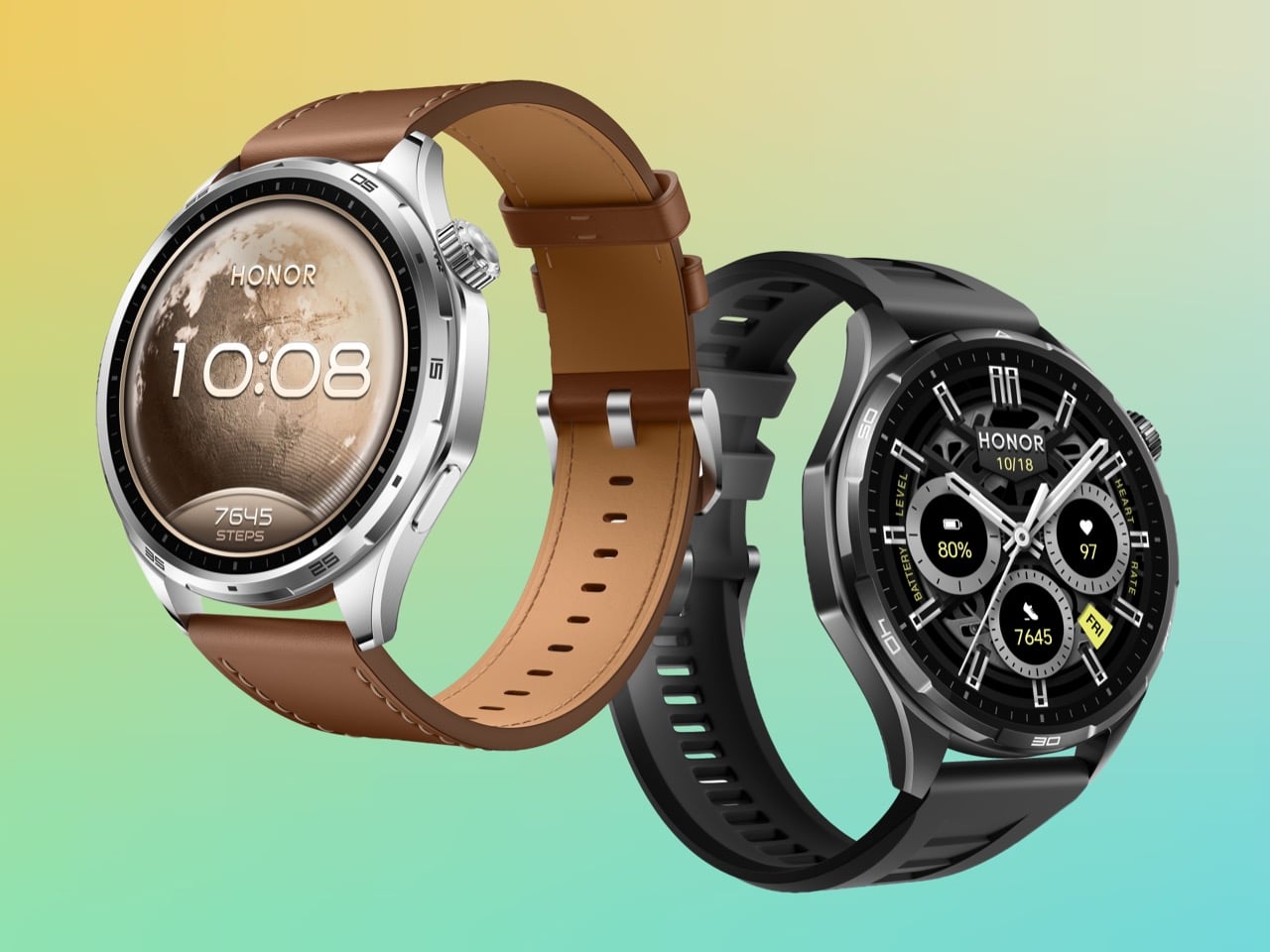
Every smartwatch eventually comes off. The reasons vary: the charge ran out, the case dug in, the weight got old. Battery anxiety and wrist fatigue are the two great enemies of wearable compliance, and the industry has spent years solving one at the expense of the other. HONOR has taken a different approach with the Watch 6.
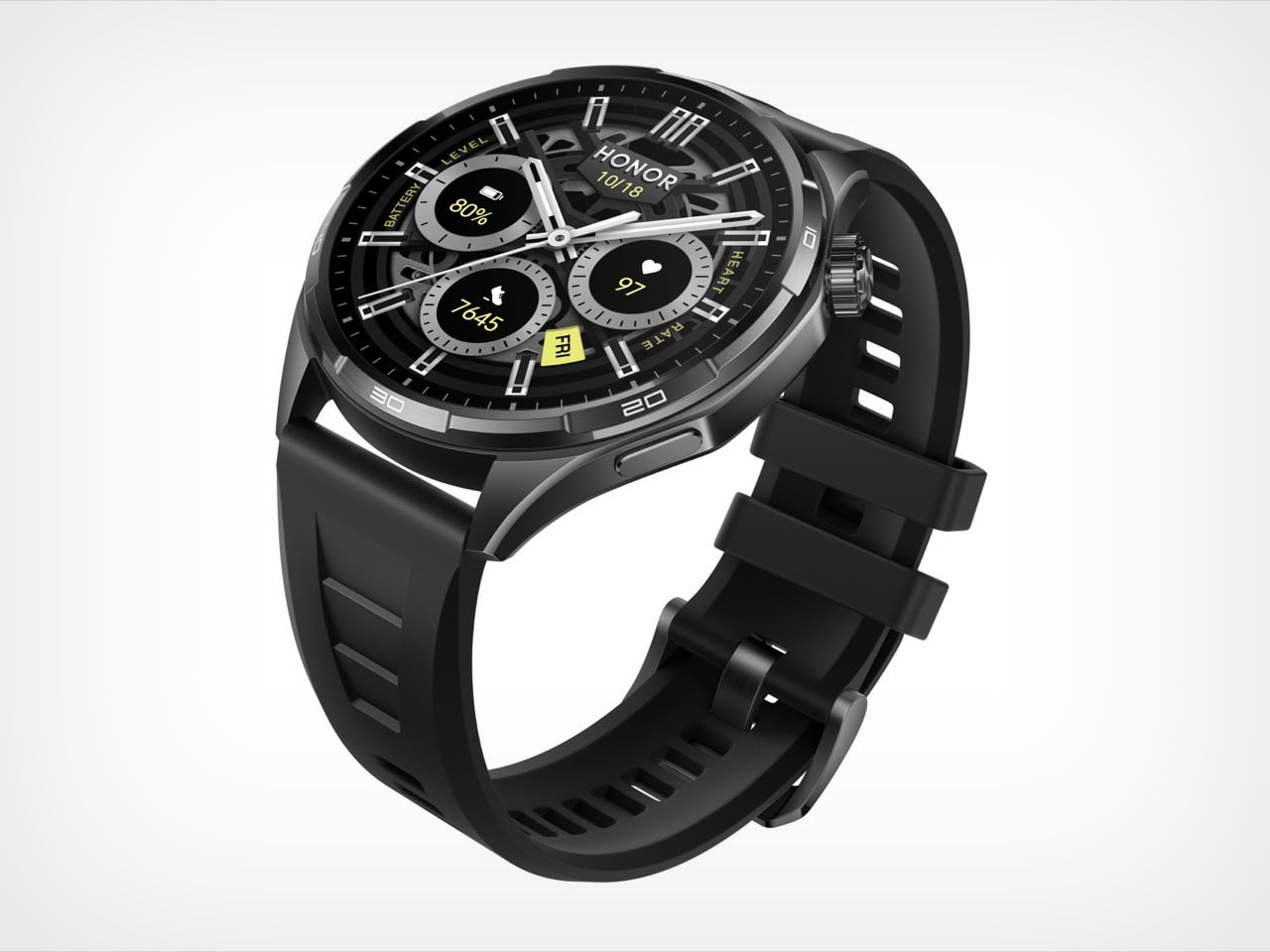
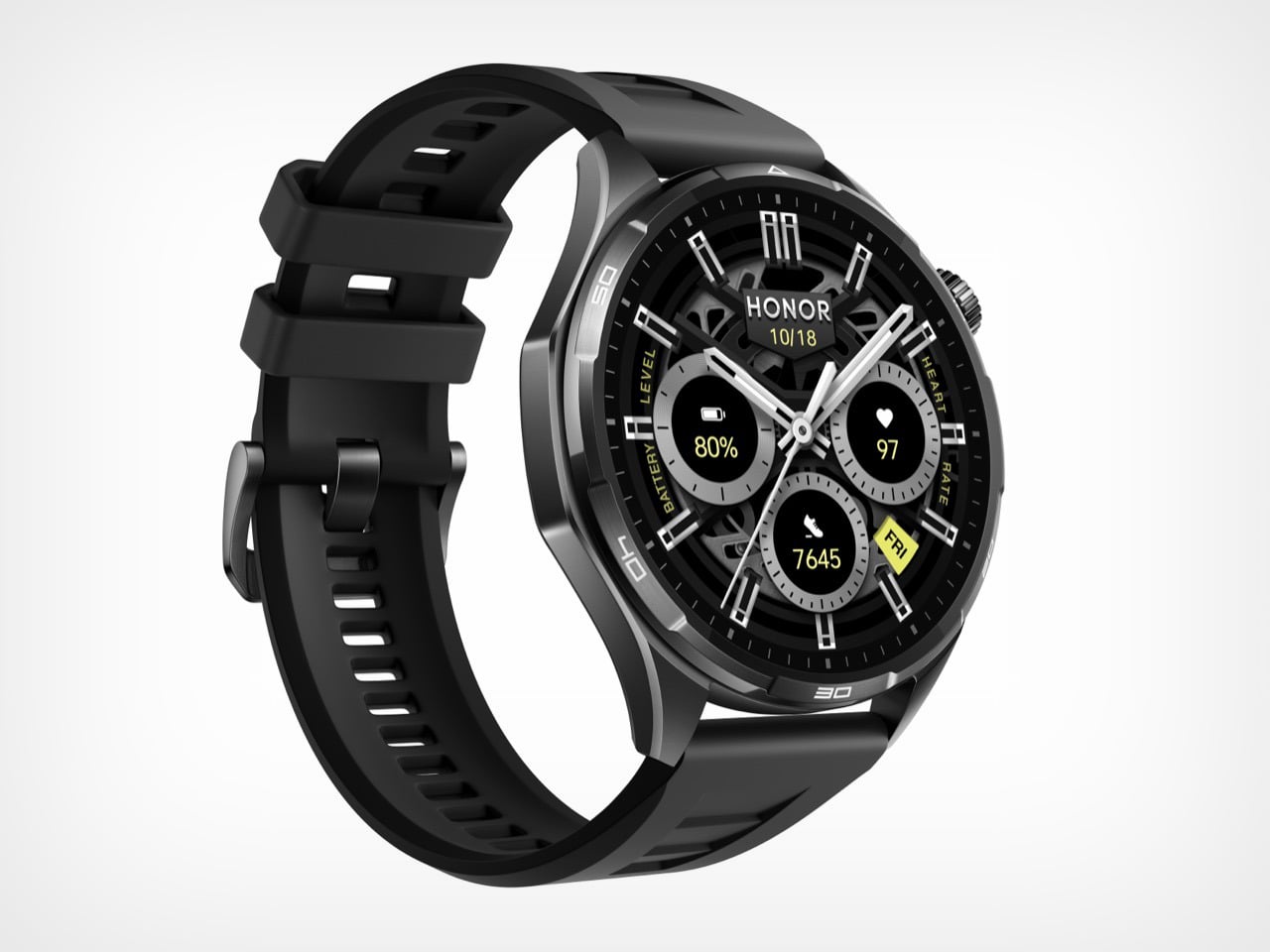
The case weighs 41 grams, which puts it in the same neighborhood as a set of car keys. The battery inside it is 980mAh, a capacity that delivers up to 35 days of use and has no comparable precedent in a smartwatch this light. HONOR achieved it through a sandblasted aluminium alloy construction, designed around a Racing Dashboard aesthetic that borrows visual tension from high-performance automotive design. The Watch 6 is built to stay on. And at 41 grams, there is very little reason to take it off.
Designer: HONOR
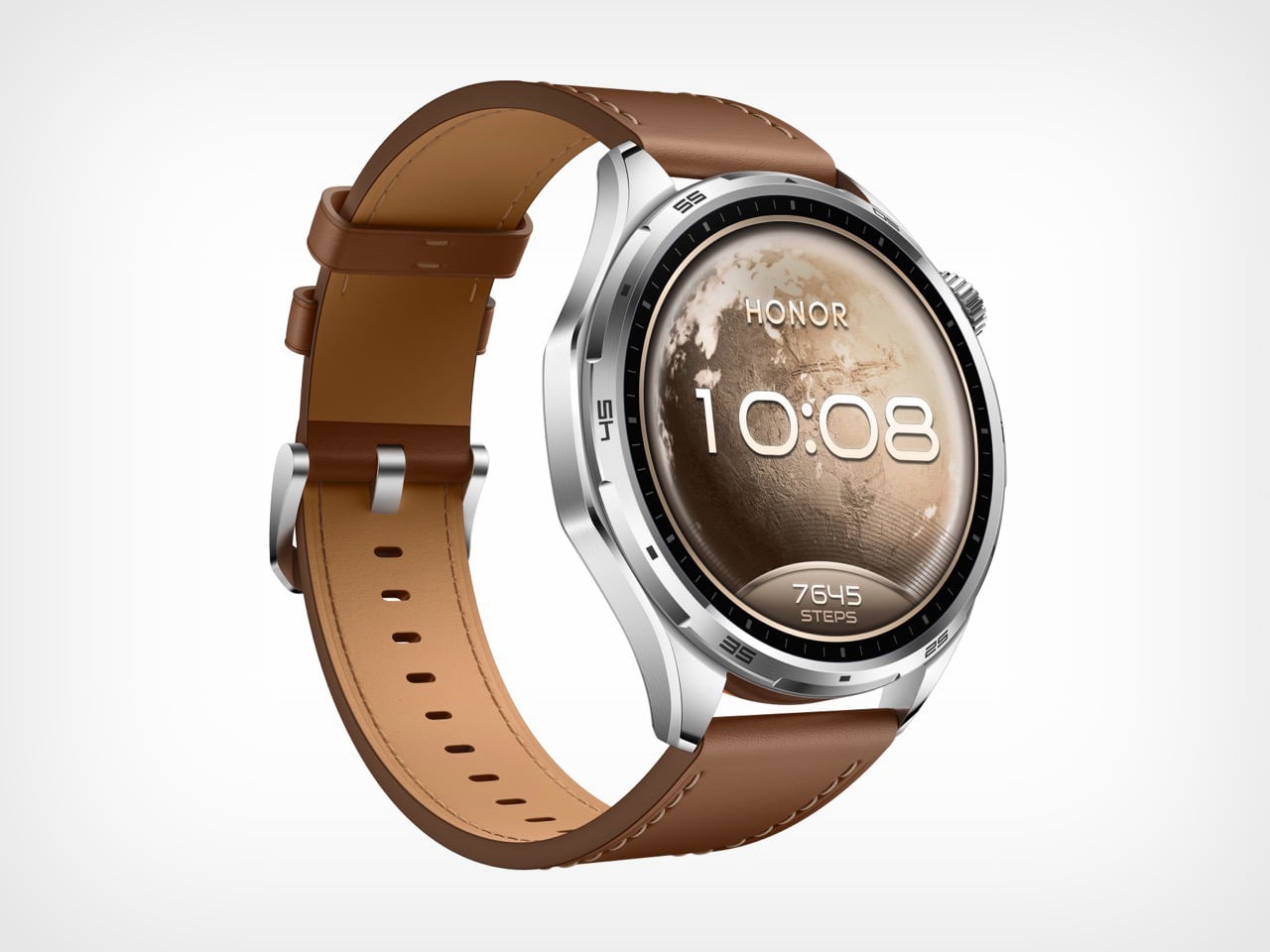
The wearable industry’s battery problem has always been architectural. Garmin solved it by making watches thick enough to house serious cells, producing devices that track ultramarathons flawlessly but look faintly ridiculous at a dinner table. Apple went the opposite direction, keeping the Watch Series ultra-slim and ultra-light while accepting that you will charge it every night like a phone. The Apple Watch Ultra 3 splits the difference with a 599mAh battery in a titanium case, and while that is genuinely impressive engineering, it still asks you to charge weekly and costs north of $700 for the privilege. Samsung’s Galaxy Watch 7 lands closer to HONOR’s price bracket but tops out around 425mAh, delivering maybe three days of real-world use. HONOR’s Watch 6 arrives at 980mAh and 41 grams, and neither of those numbers should coexist in the same sentence.
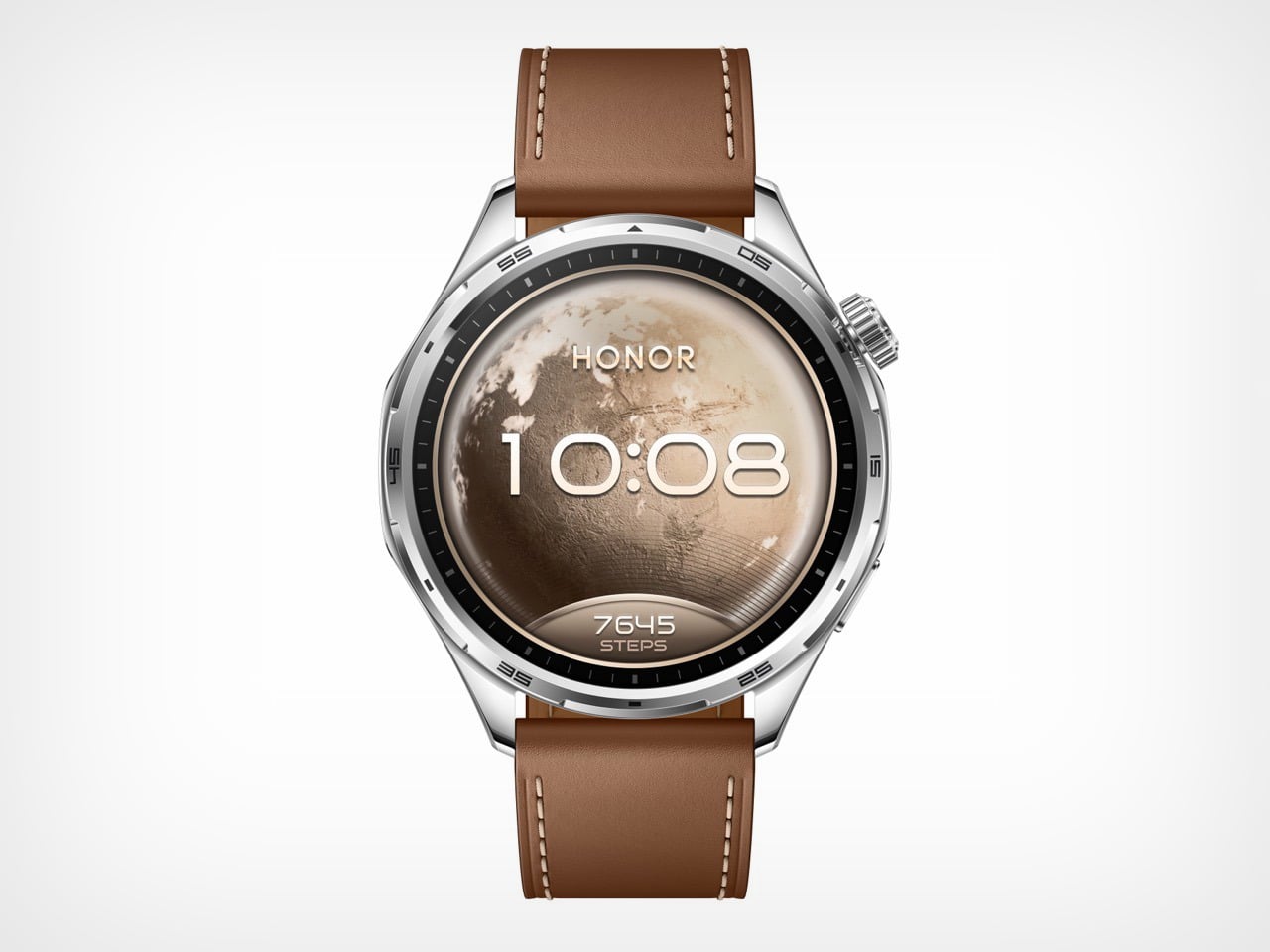
The secret is in the surface. HONOR’s construction process runs the aluminium alloy case through a precision sandblasting treatment that produces a finish comparable to titanium in texture and perceived premium-ness, without titanium’s weight penalty. This is the same category of material intelligence that made the Watch 5 Ultra’s grade 5 titanium case feel like such a statement at MWC 2025, except here HONOR is pulling the trick in reverse, making aluminium feel like it punches upward. The beveled edges add a three-dimensional quality to the 46.5mm round case that photographs well and catches light differently depending on angle, borrowing visual language from automotive air intakes in a way that feels considered rather than decorative. At 317 PPI on a 1.46-inch AMOLED panel hitting 3,000 nits of peak brightness, the display holds up in direct sunlight in a way that cheaper panels simply cannot.
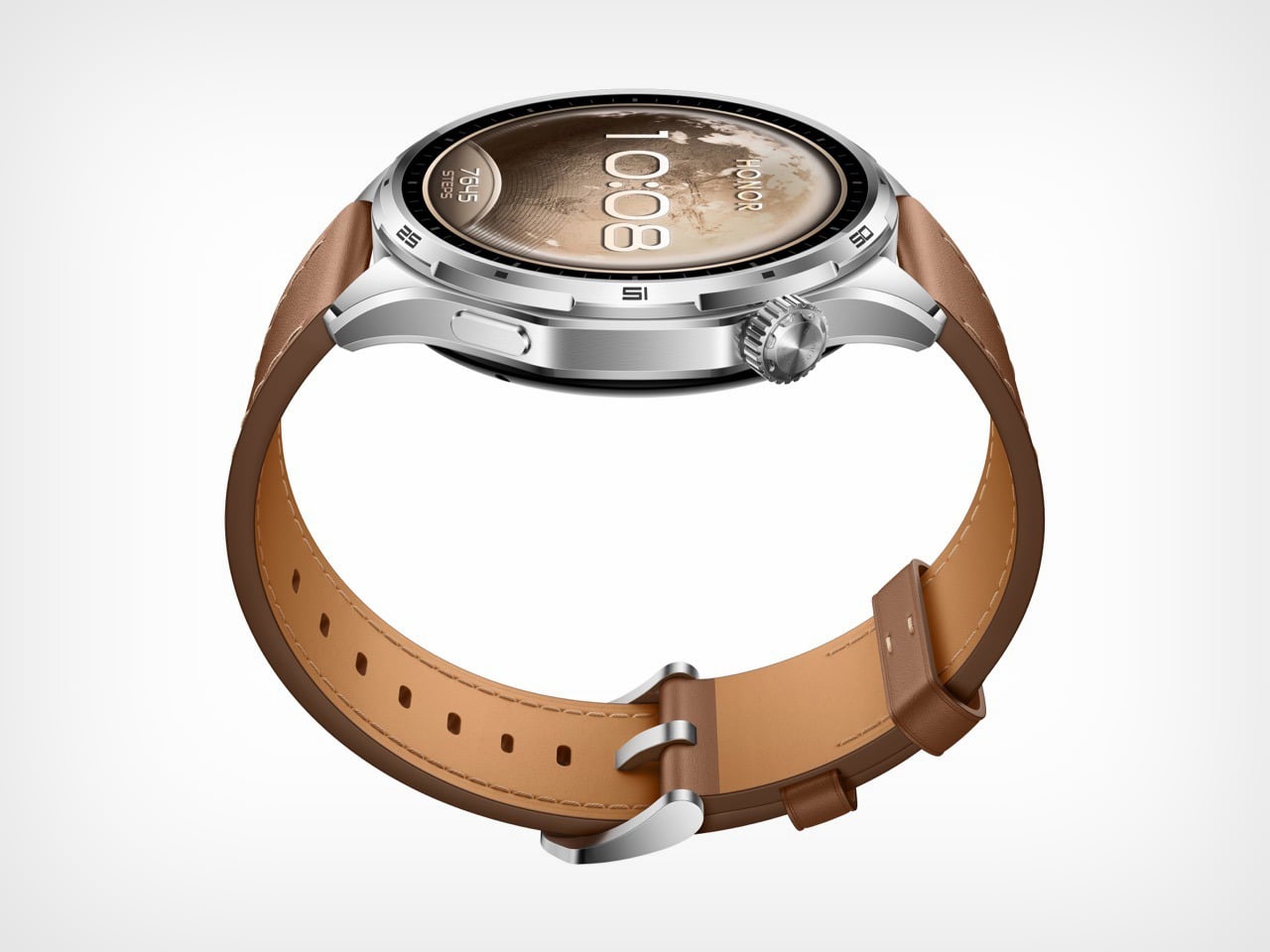
Where the Watch 6 earns its credibility beyond the spec sheet is in the specificity of its sports intelligence. HONOR’s badminton mode tracks smash speeds, rally counts, and shot distribution in a way that goes well beyond the generic “racket sport” detection most smartwatches offer. The football mode generates heat maps and trajectory data that a Sunday league player will find genuinely useful, not just flattering. Trail running gets an AI coaching layer on top of dual-band six-star GPS, with route deviation alerts that matter when you are actually in the hills. These are features borrowed in spirit from Garmin’s sport-specific playbook, delivered at a price point Garmin has never seriously entertained.
The one honest caveat is software. HONOR’s proprietary MagicOS ecosystem has historically been the ceiling on what their hardware could achieve, and the Watch 5 Ultra illustrated that tension clearly when reviewers found the tracking data compelling but the platform limiting. The Watch 6 inherits that same closed loop, meaning your 35 days of biometric data lives inside the Honor Health app and nowhere else. For athletes already inside that ecosystem, that is fine. For anyone hoping to pipe data to Strava, Garmin Connect, or Apple Health with any consistency, it remains a friction point worth knowing about before you buy.
SHARE