
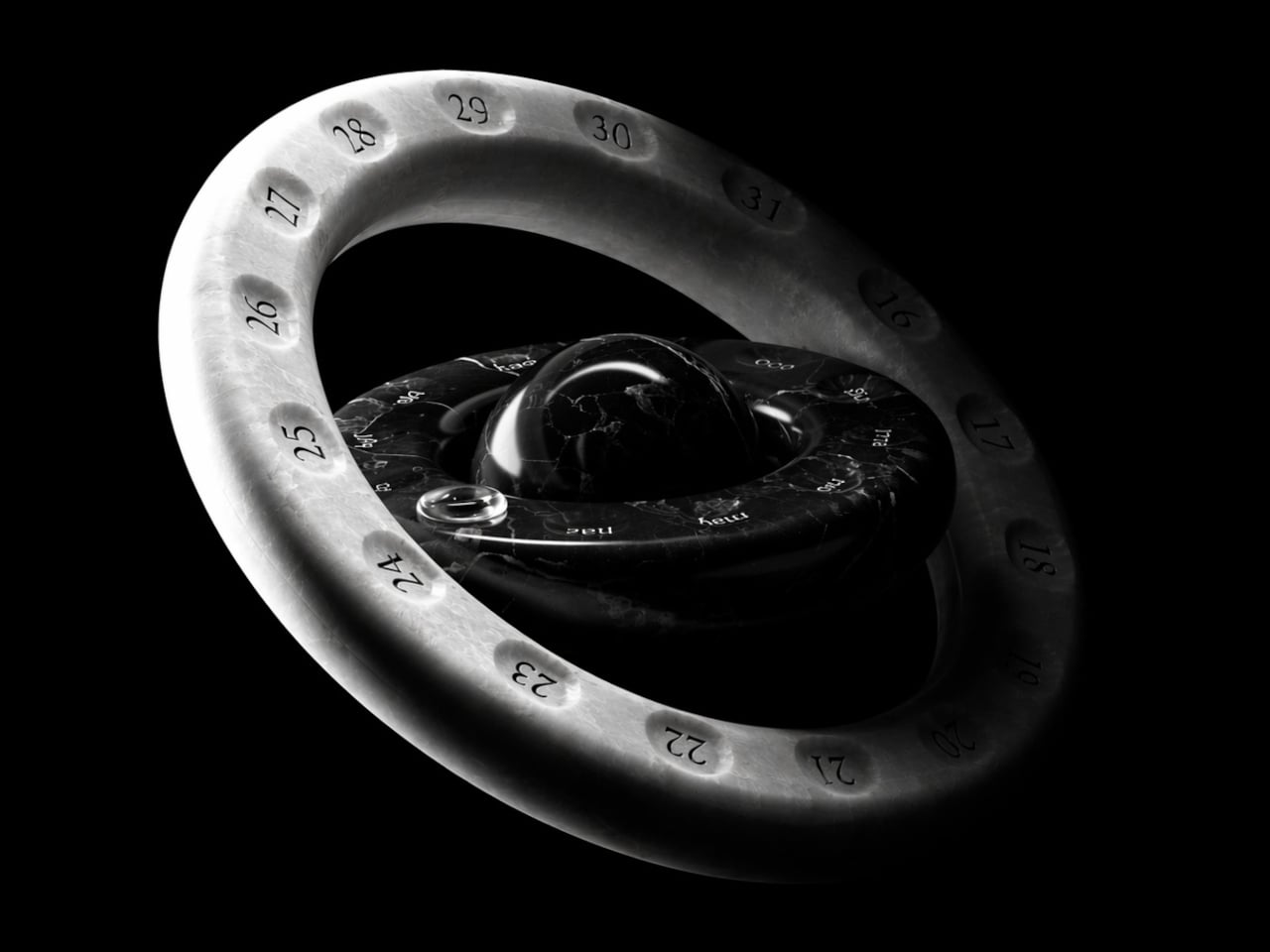
Digital calendars have made keeping track of the date nearly frictionless, which sounds like a good thing until you realize how thoroughly that frictionlessness has stripped the experience of any meaning. The date appears in a corner of your screen, on a lock screen, or in a quick glance at a smartwatch, but you don’t actually interact with it. You just absorb it, briefly, and move on.
Elif Karaca’s Loop, a finalist in both the fifth International Novel Natural Stone Design Competition and the Değişik Design Award 2023, pushes back against that passivity. Crafted from marble and structured around two concentric rotating rings in contrasting stone tones, it reframes the calendar as a physical object you’re meant to touch and adjust each day, not something to glance at and forget.
Designer: Elif Karaca
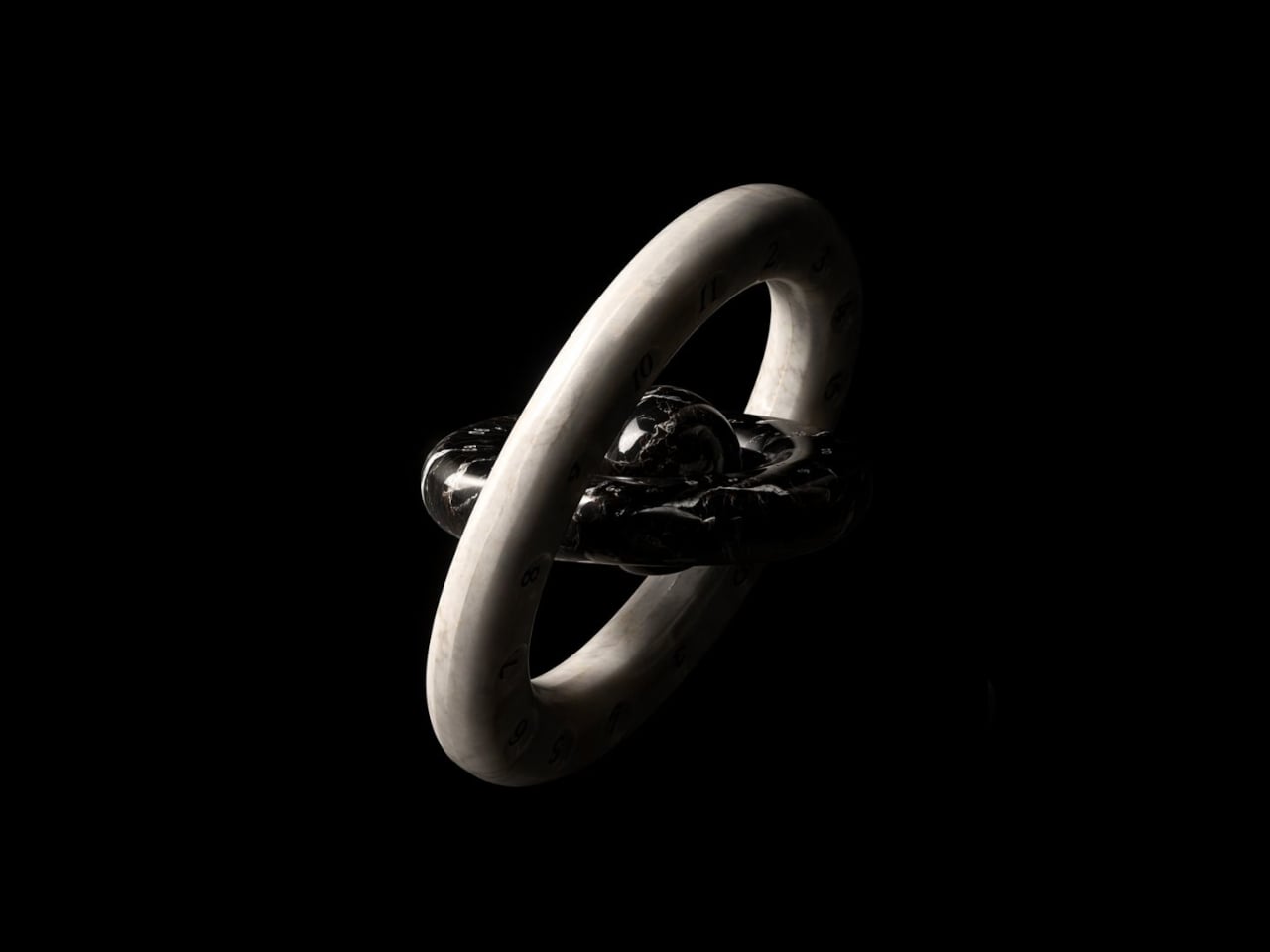
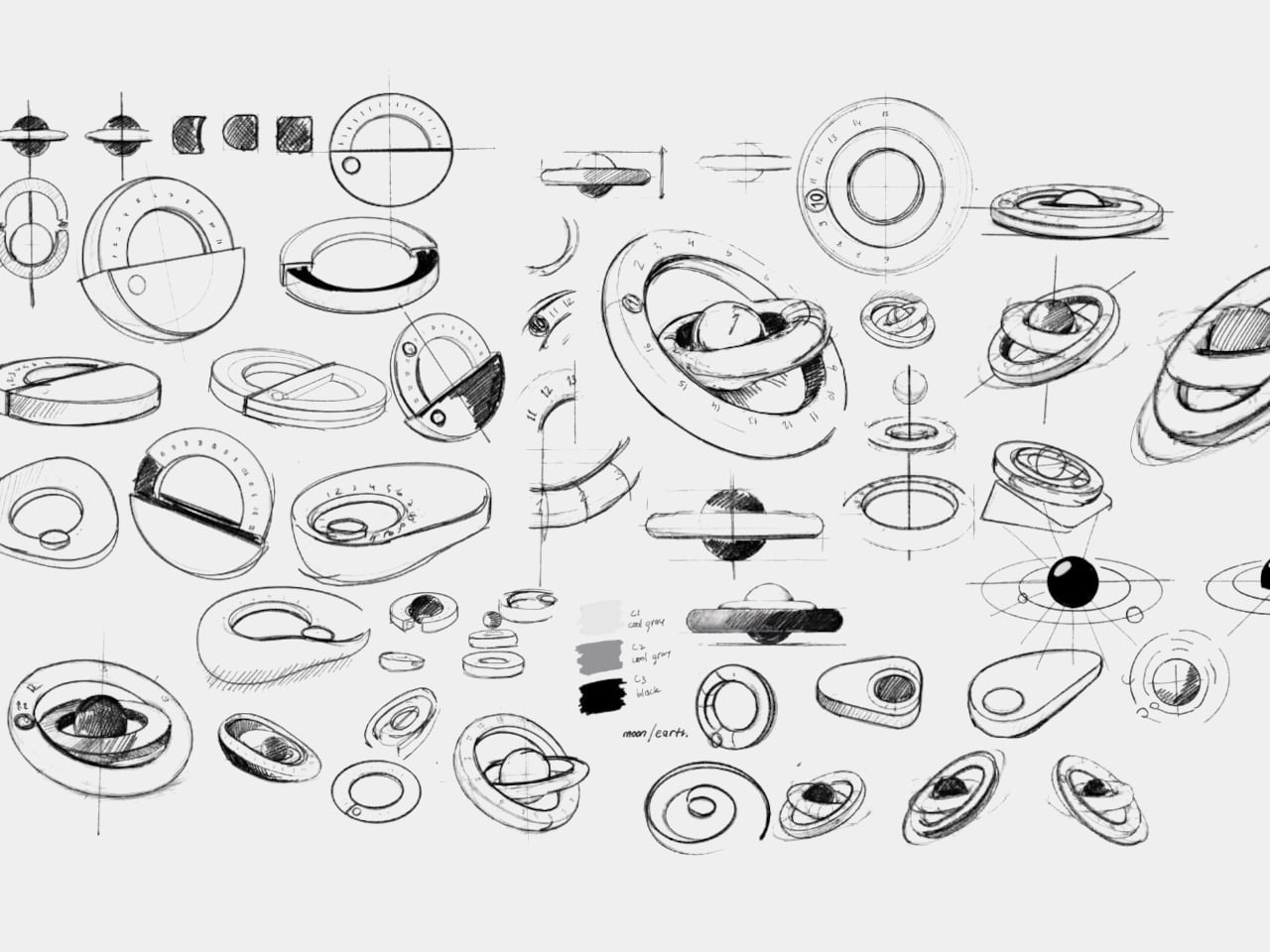
The mechanism draws from the orbital relationship between the Earth and the Moon. The inner ring, carved from dark marble, represents the months. The outer ring, in a lighter stone, tracks the days and rotates around the center as time passes. Advancing the date requires an intentional turn, which is exactly the point: the act of updating it becomes a small, grounding gesture built into the day.
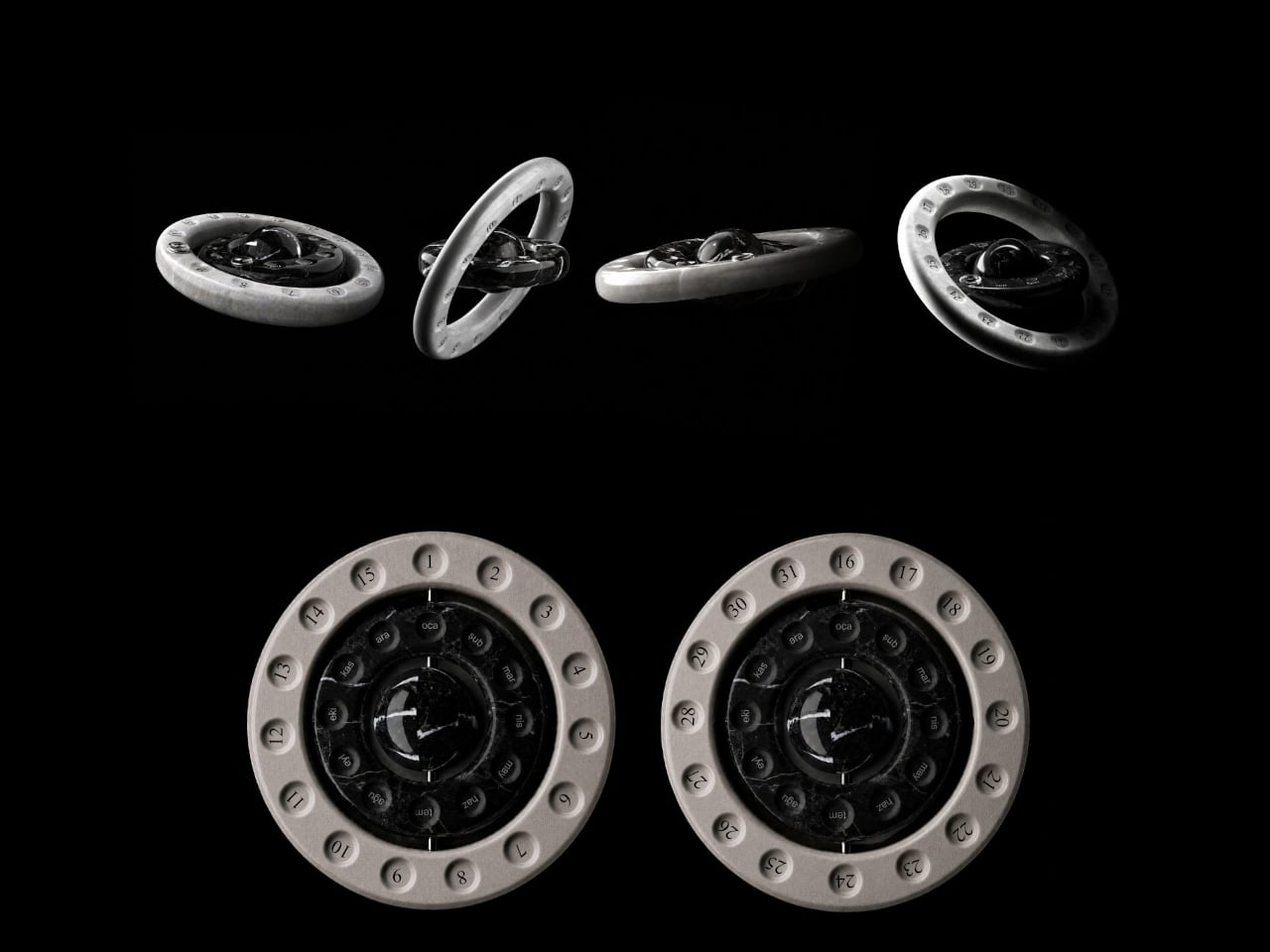
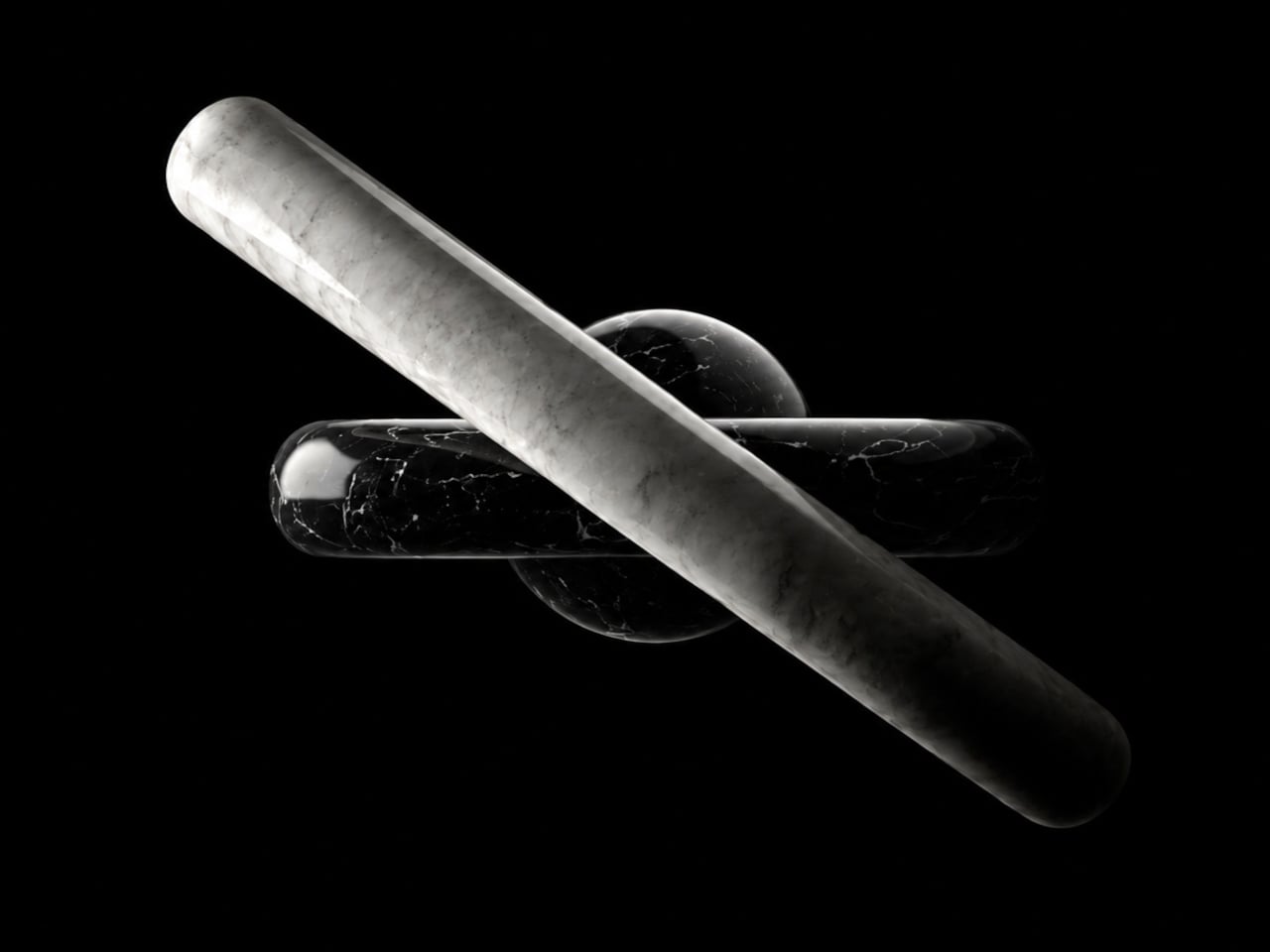
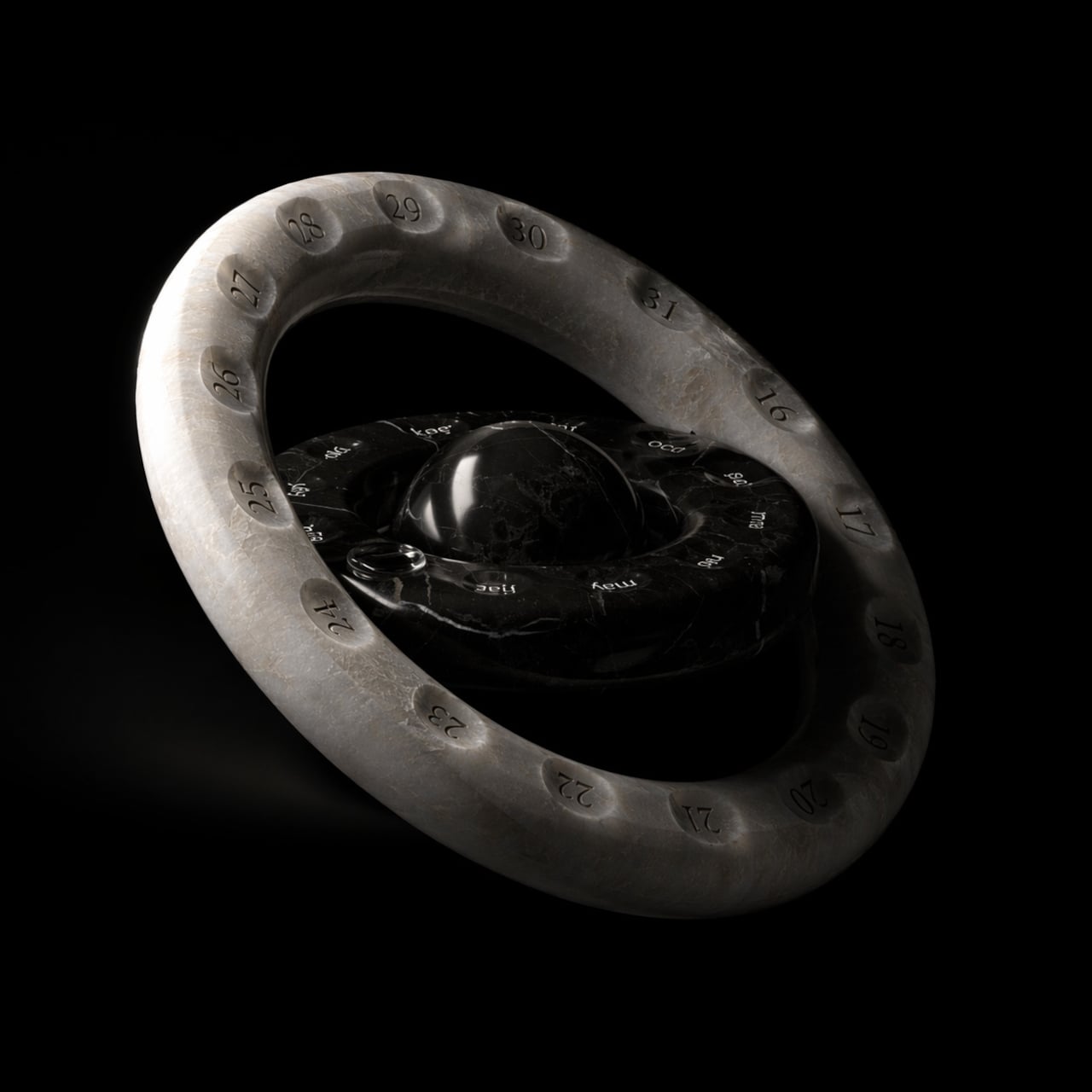
Most people who keep a physical calendar treat it as a reference document rather than something they engage with. Loop approaches that differently. The marble surface carries natural veining and texture that make each piece distinct, and the weight and cool smoothness of the stone change the character of the interaction entirely. You don’t click a button or tap a screen; you rotate something solid.
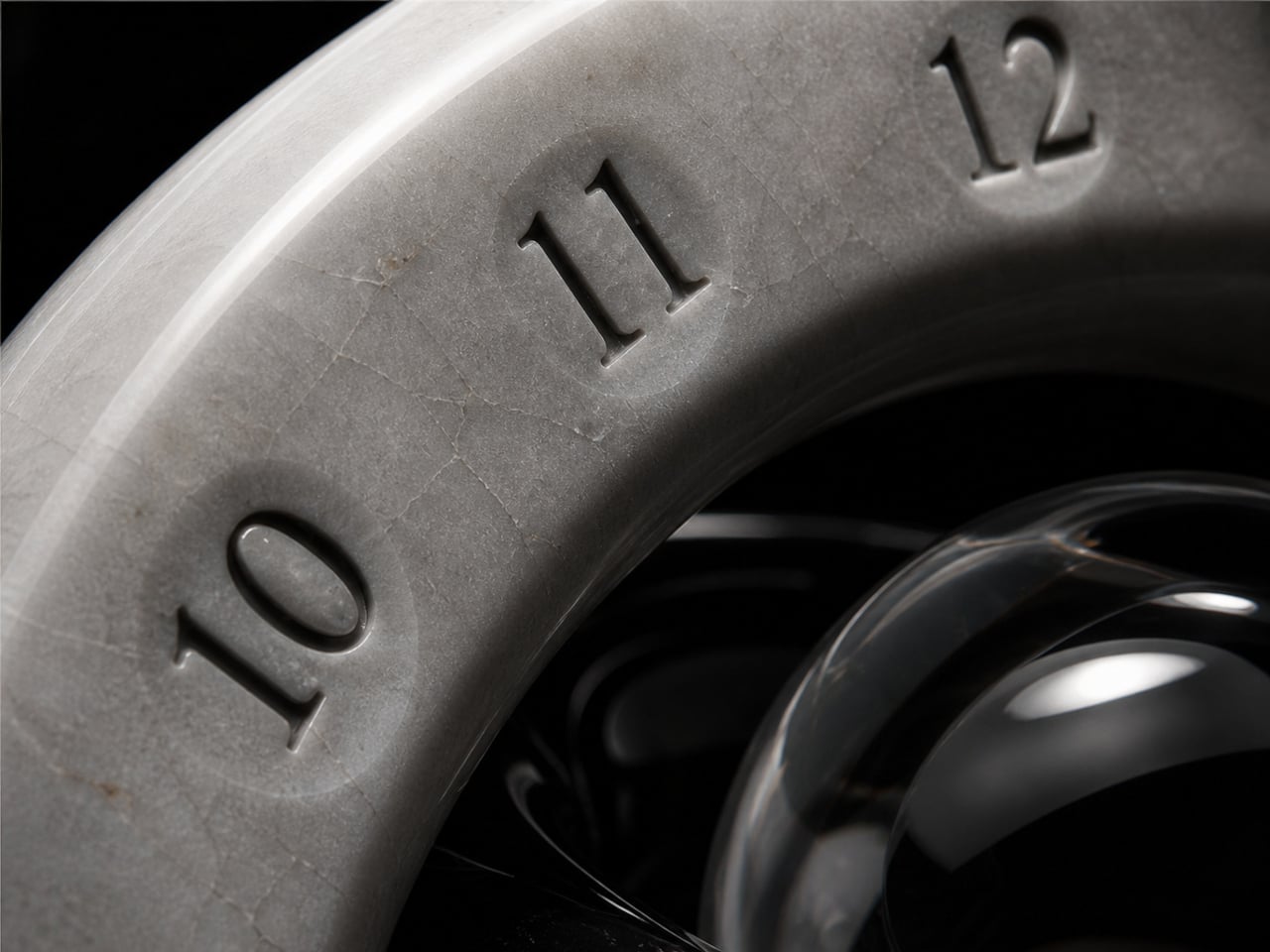
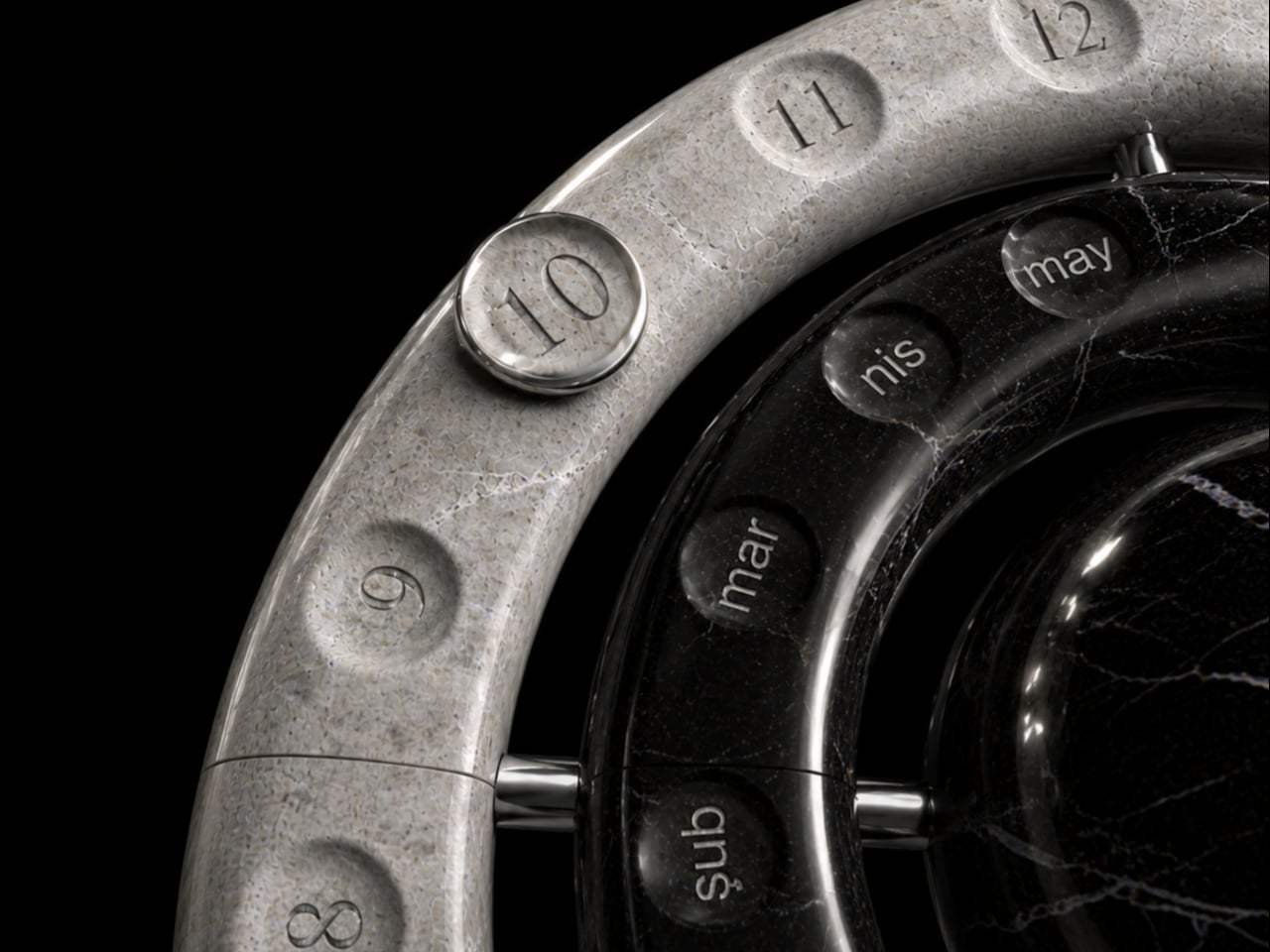
The choice of marble is also a response to a wider problem in stone processing. Only about 25 to 30 percent of extracted natural stone ends up as usable product; the rest becomes dust and fragments, which generate both environmental and economic waste if left unaddressed. Karaca’s position is that good design can make the most of this material by turning it into something long-lasting and genuinely valued.
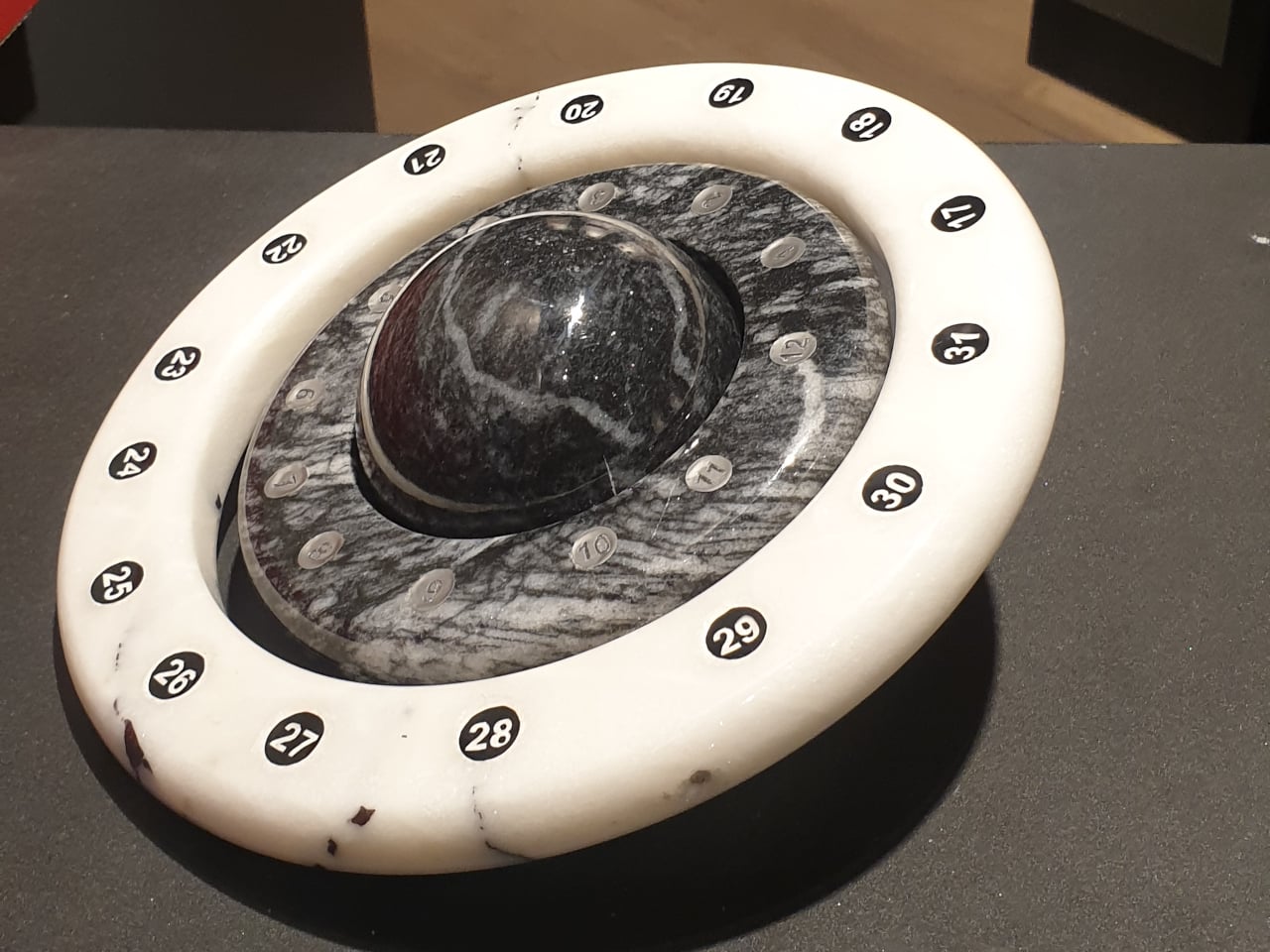
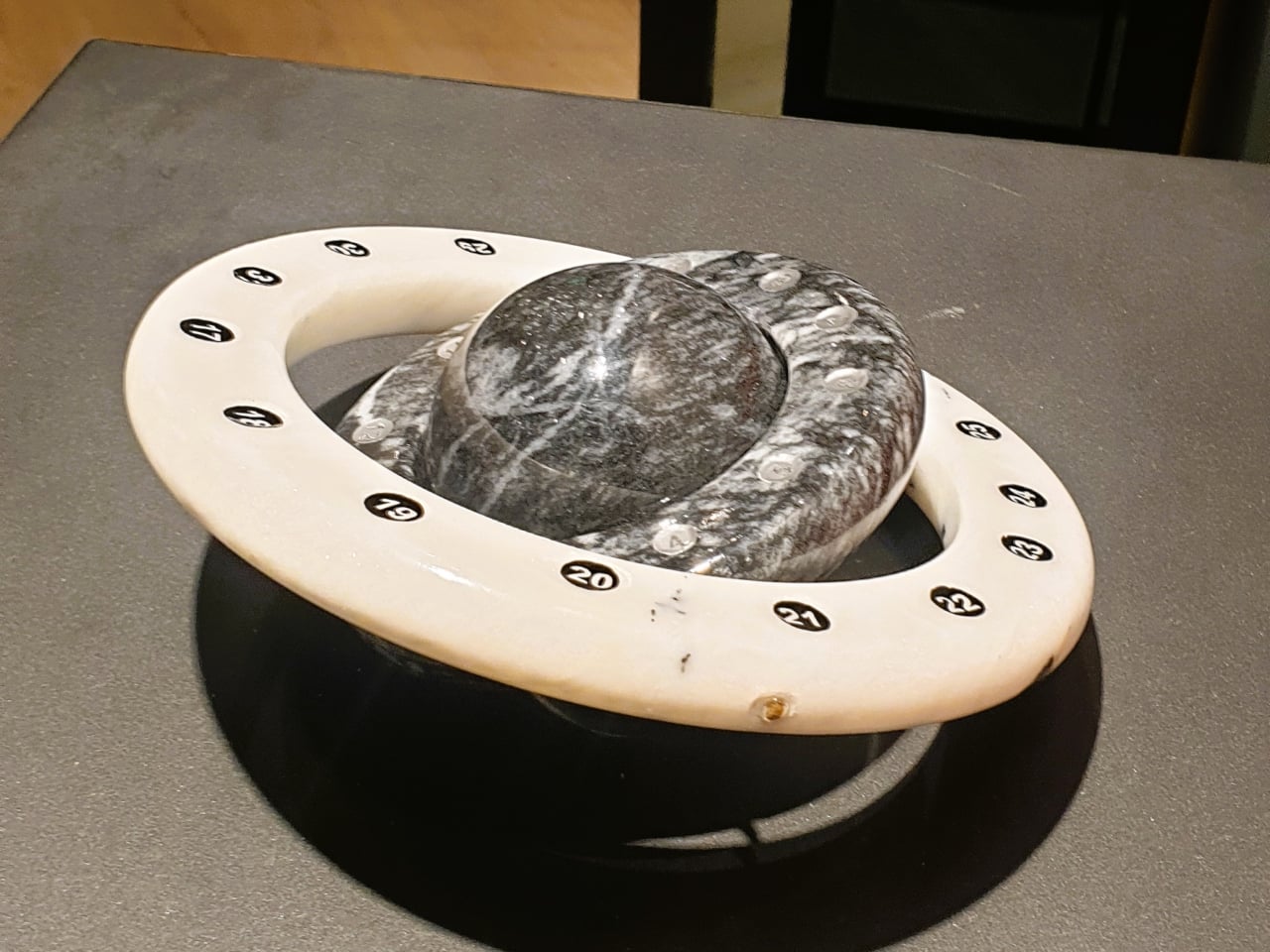
A calendar that lasts indefinitely doesn’t generate packaging waste or run out of pages. There’s no annual replacement, no recycling bin at the end of December. The marble rings carry the same numbers and months year after year; the owner simply rotates them back to the start. For a material already associated with permanence, that kind of continuity feels entirely appropriate.
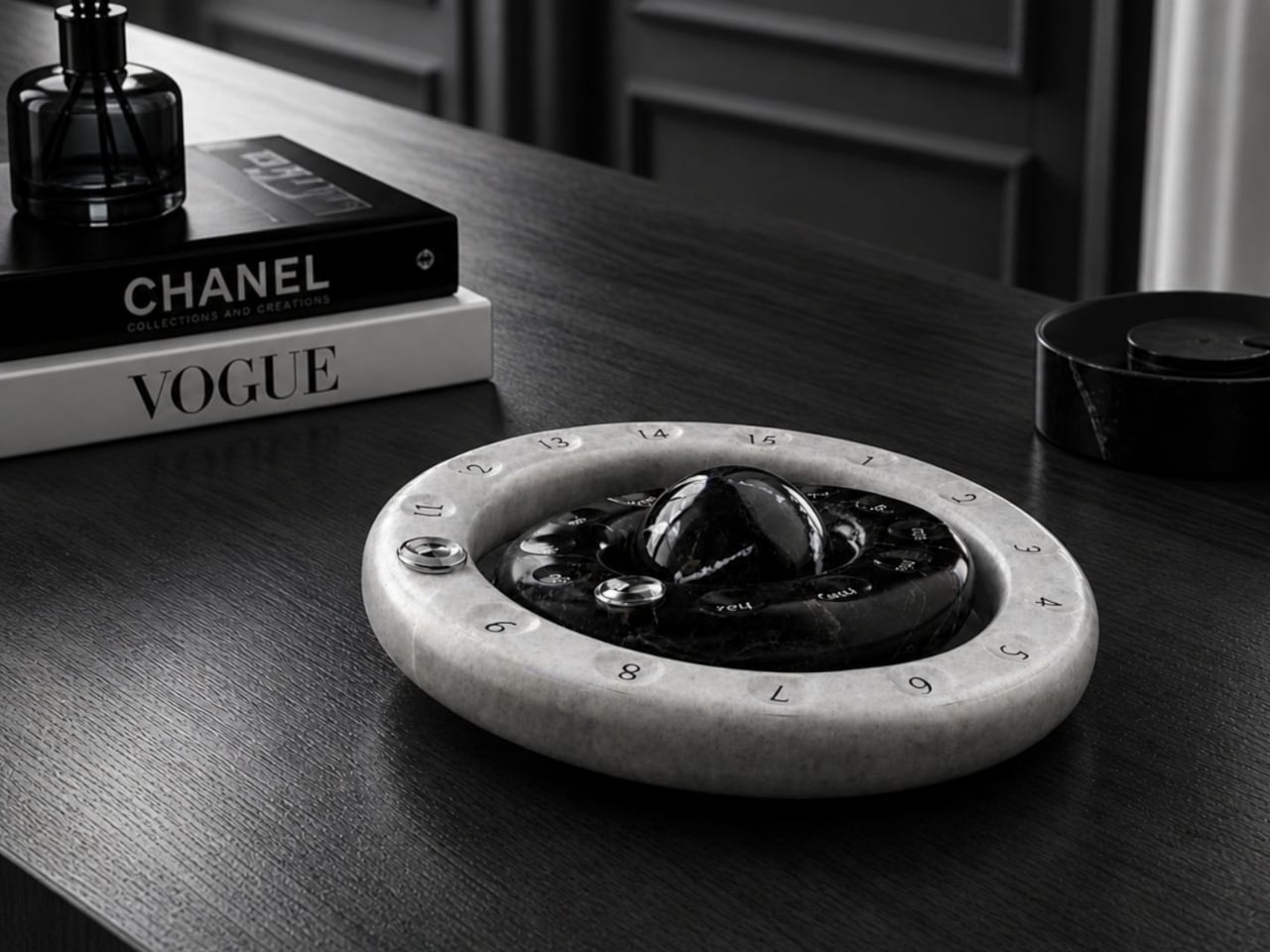
Sitting on a desk, Loop occupies the same territory as a clock or a well-chosen paperweight, objects that do something quietly useful while also holding their own aesthetically in the space. The circular form keeps the footprint compact, and the contrast between the two marble tones, one dark and veined, one pale and matte, gives it enough visual weight to register without demanding attention. The idea that checking the date could become a ritual rather than an afterthought is less ambitious than it sounds when the object itself makes that ritual easy to want.