You reach for your phone to change a song, take a picture, or read a few pages. The task takes seconds; everything surrounding it is ready to keep you longer. A dedicated gadget gives that small action its own place to happen. Press a button, turn a page, put it away. Something is appealing about an object that knows its job and doesn’t immediately suggest five others for your attention.
These five designs take familiar phone functions and give them separate bodies, from a music player with an unusually placed screen to a camera disguised as a film canister. The MAD-5 is a concept, while the other selections are retail products, with availability noted below. This is a design roundup based on published specifications, not hands-on testing, and the largest pick belongs in a coat pocket rather than tight jeans.
1. BluHub

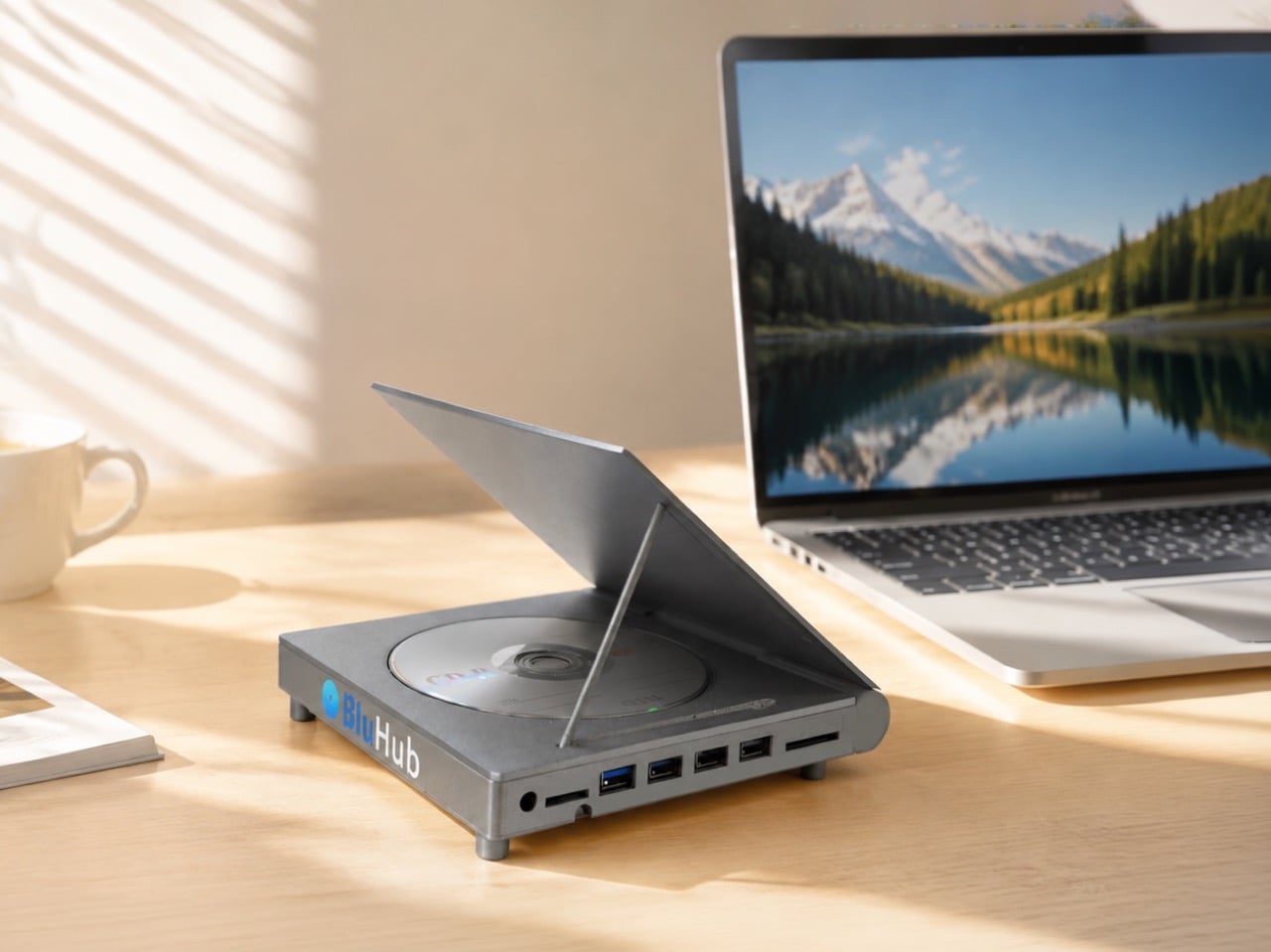
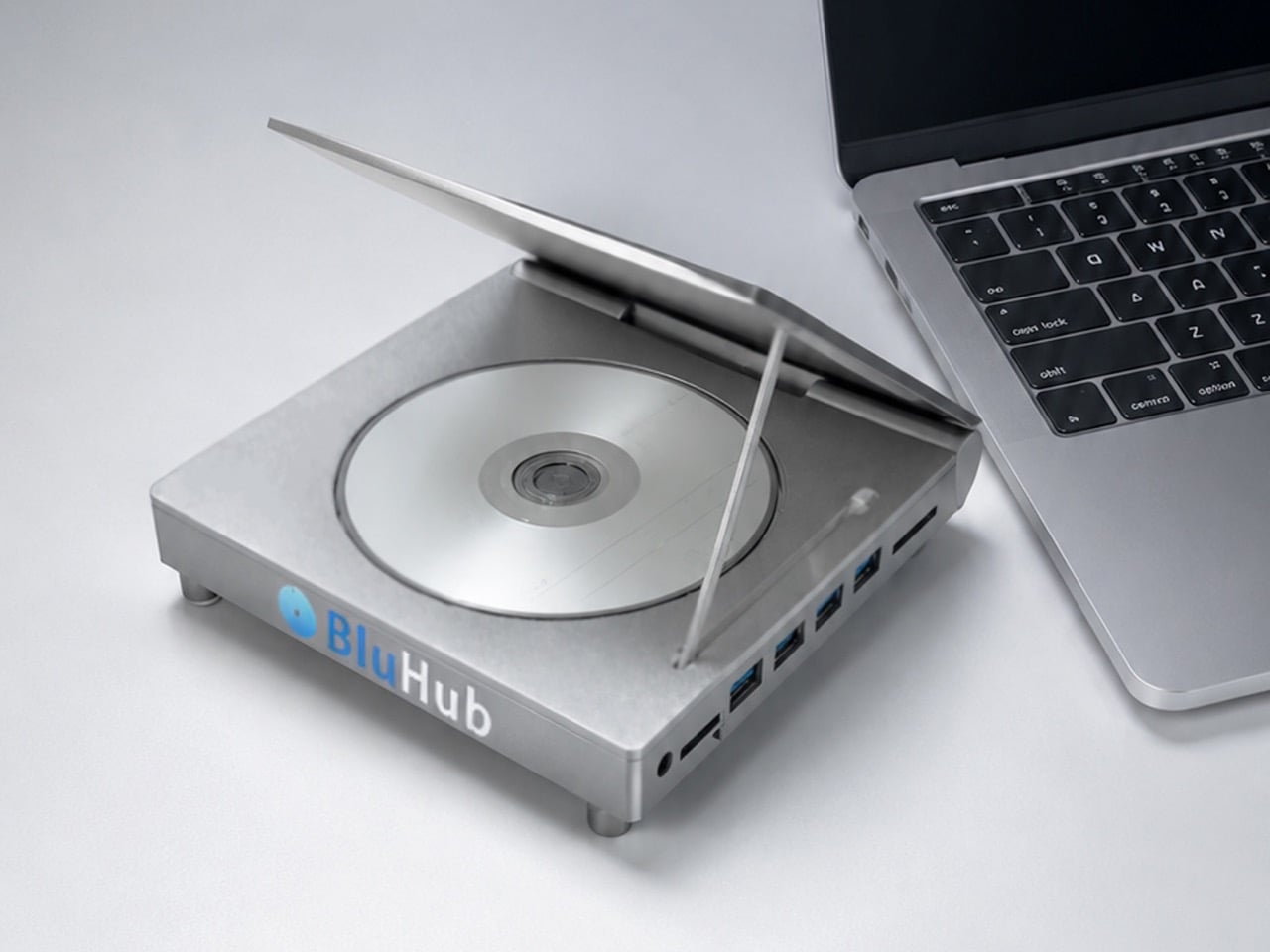
BluHub’s lid opens like a miniature grand piano, displaying a spare disc while another sits inside the working drive. The design combines Blu-ray, DVD, and CD reading and writing with USB expansion and memory card readers. Connected to a compatible computer, it offers a way to revisit a physical music collection or archive photographs outside a cloud service. The lid gives those discs a visible place on the desk, although the displayed disc isn’t the one being played.
This is a portable computer accessory, not a standalone player or a pocket-sized device. Its aluminum body measures 165 × 160 × 34 millimeters and weighs 409 grams, making a laptop bag the more sensible home. The advertised 100GB recording capacity requires suitable BDXL Blu-ray media, not ordinary DVDs. BluHub’s maker estimates shipping will begin in November 2026, so delivery remains a crowdfunding promise. Its appeal is bringing discs and peripheral connections together, rather than directly replacing a phone function.
What we like
- Combines an optical drive, USB hub, and memory card readers in one accessory.
- The flip-up lid displays a spare disc without occupying the working drive.
What we dislike
- Its size and 409g weight don’t fit the roundup’s pocket-sized promise.
It needs a compatible host device, and the estimated November delivery isn’t guaranteed.
2. MAD-5
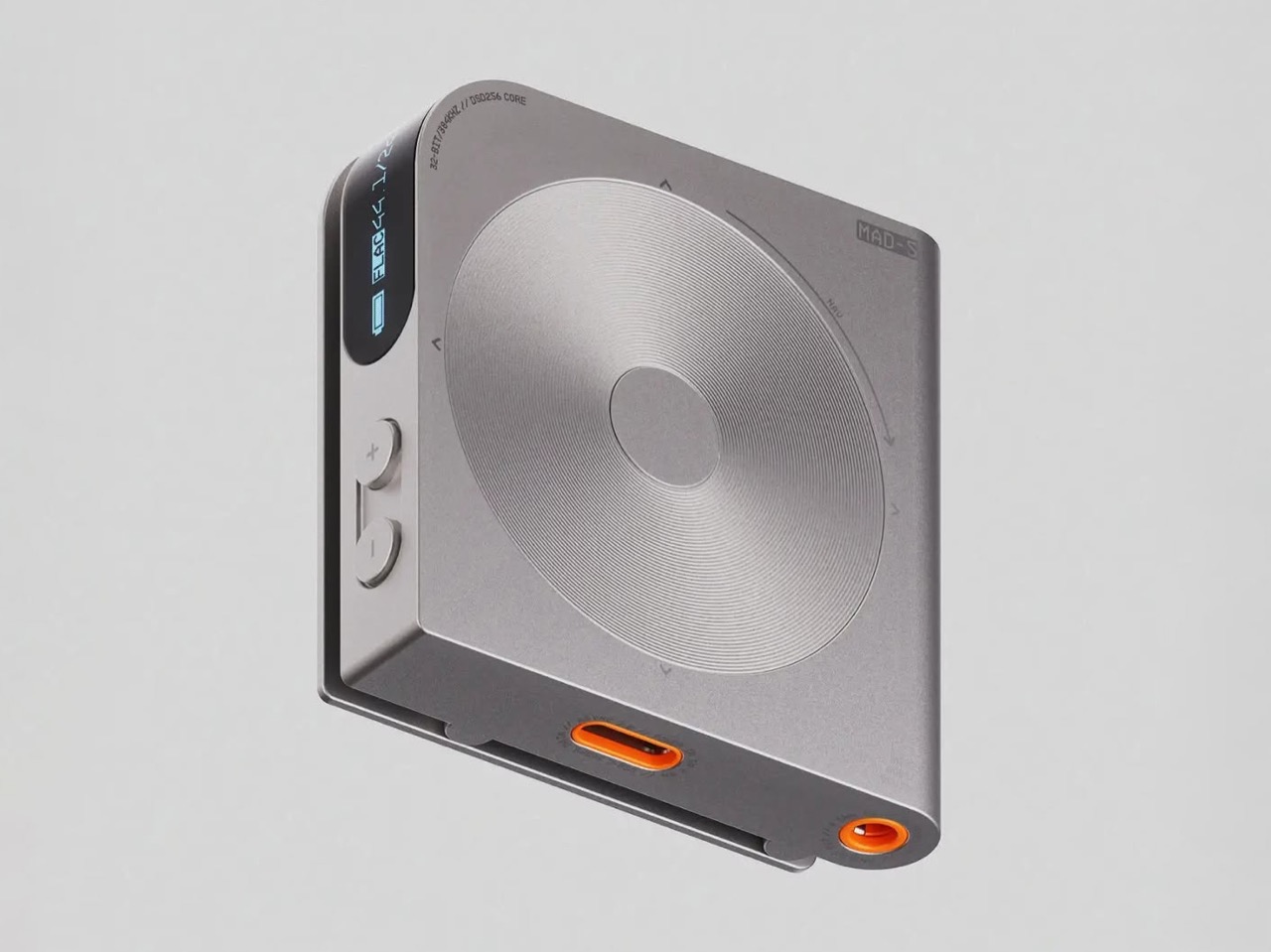
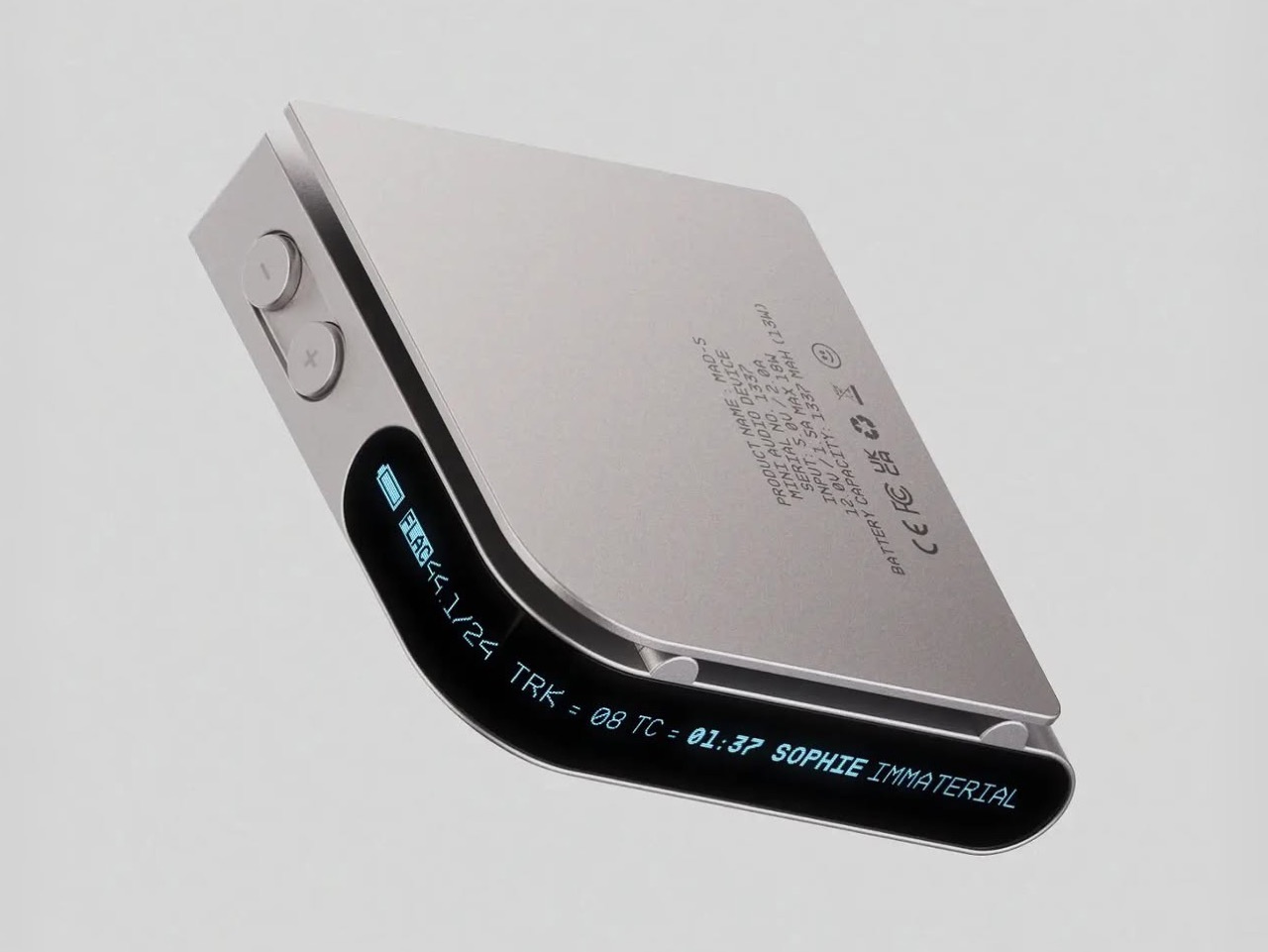
Florent Porta’s MAD-5 puts its blue display on the front edge of a square aluminum body, where track information could remain visible when the player is clipped to clothing. That placement is the interesting part. Instead of treating the clip as an accessory, the concept makes it central to the interface. A circular navigation surface and physical buttons keep the face simple. For listening on a walk, the arrangement would let the music stay separate from messages and app switching.
The design also proposes USB DAC functionality, allowing the player to handle audio from a connected computer. That gives the object a plausible role at a desk as well as on the move. Its resemblance to Teenage Engineering’s TP-7 stops at the circular face, though: there’s no motorized reel here. More importantly, MAD-5 remains a concept rather than something you can order. The compelling idea is its relationship between wearing and reading, with sound quality still unproven in actual use.
What we like
- The edge display considers how a clipped player would be viewed.
- Proposed USB DAC functionality gives it a useful second role.
What we dislike
- It remains a concept, with no retail release.
- Bluetooth and expandable storage aren’t specified in the published design.
3. Analog Capsule Camera
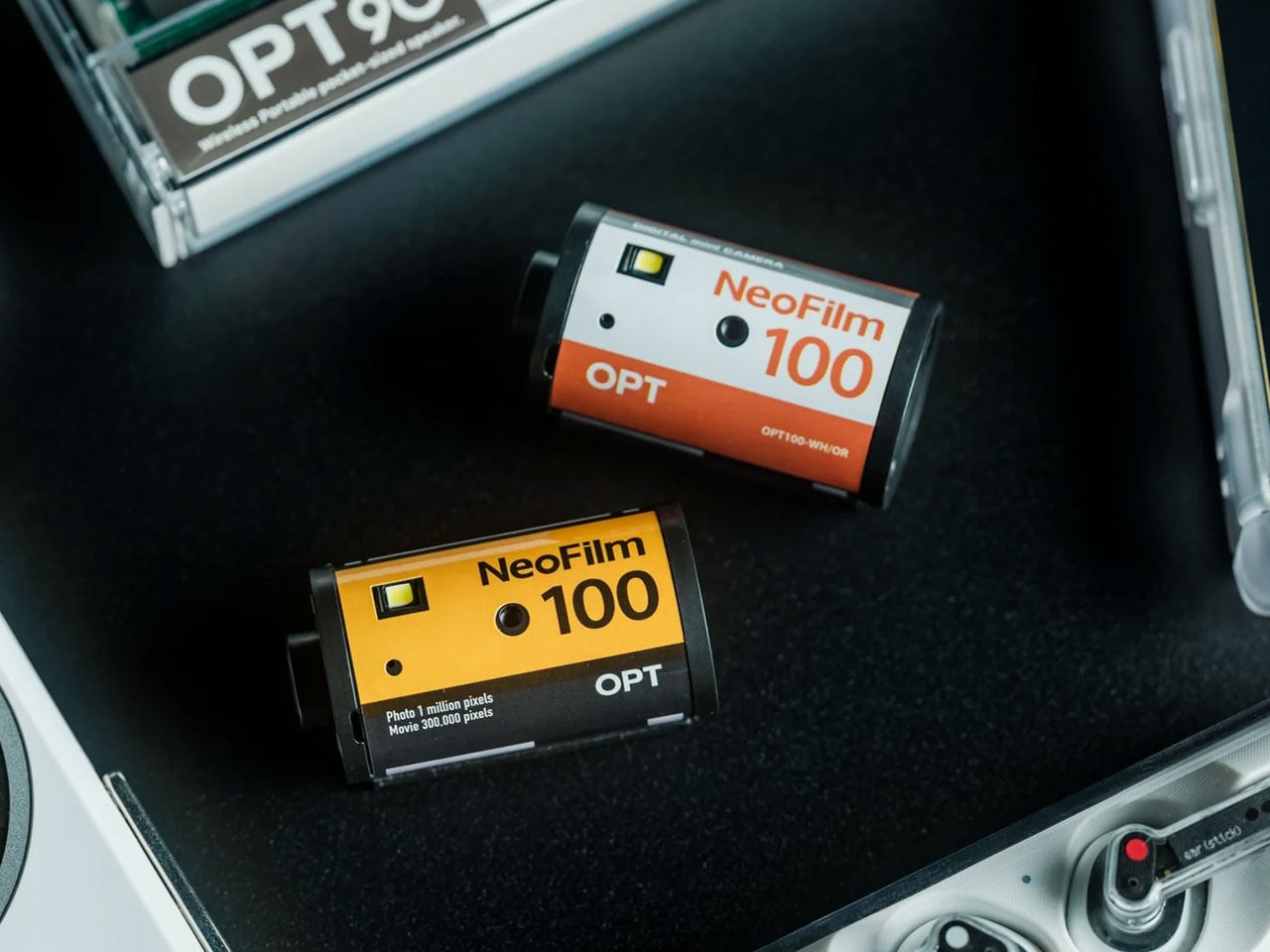
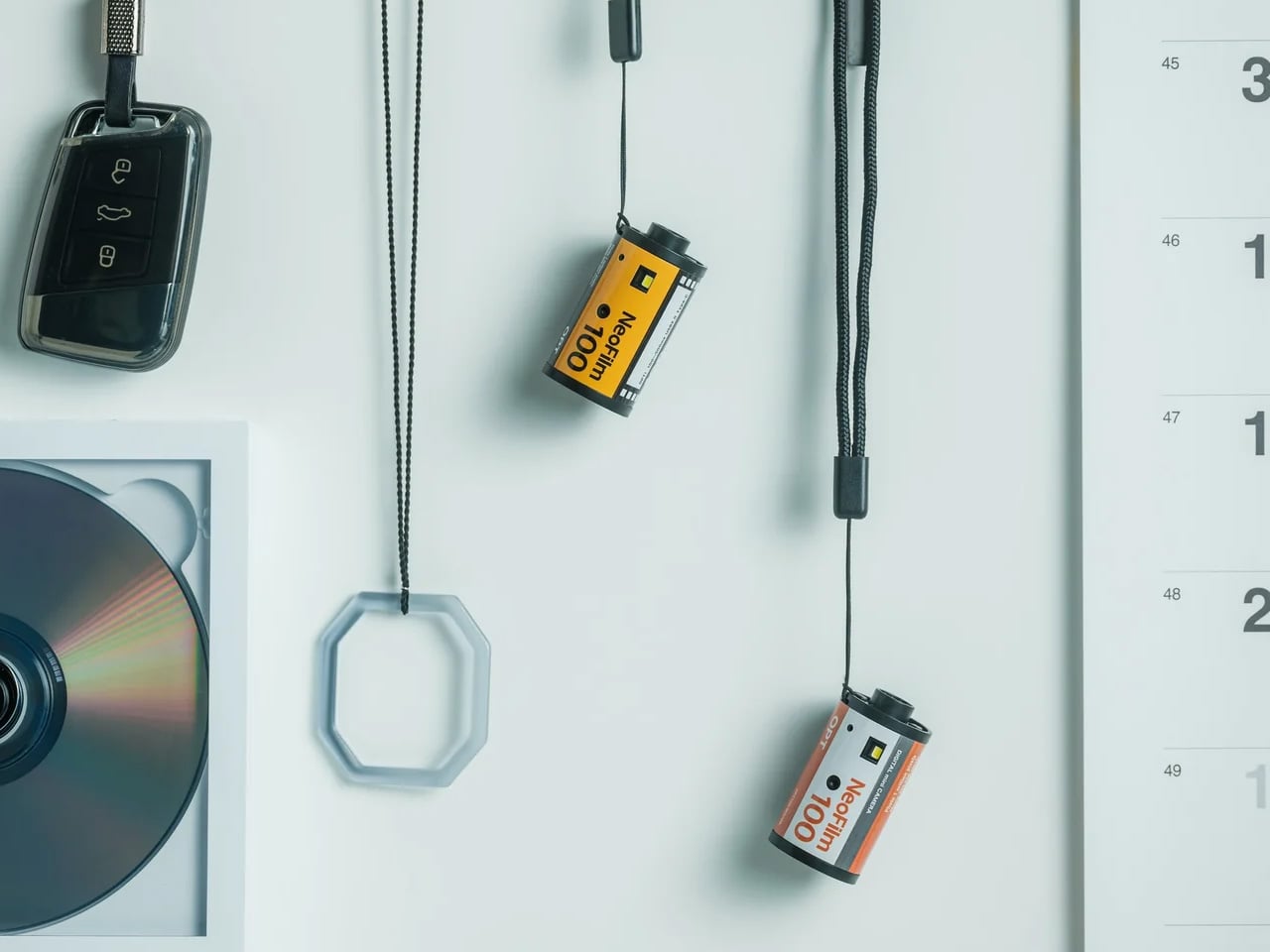
A film canister is an odd place to put a camera, which is what makes the Analog Capsule memorable. The ABS body measures about 45 millimeters across and 47 millimeters tall, with a listed weight of 25 grams before adding a memory card. It’s a digital camera, despite the name, and the included strap lets it hang from a bag. For casual snapshots, the appeal is having a separate object to reach for without unlocking your phone or opening apps.
Built-in playback lets you review photographs, while USB-C and microSD storage keep the process digital from capture to transfer. That distinction matters: a film-shaped shell doesn’t make this a film camera, and its aesthetic shouldn’t be mistaken for versatility. At its listed $55 price, consider it a playful sidekick for casual pictures, not a phone camera upgrade in detail or shooting flexibility.
What we like
- The 25g body and included strap make carrying a separate camera less demanding.
- Digital storage avoids the expense and waiting associated with film processing.
What we dislike
- A 1 megapixel sensor limits captured detail.
- The tiny 80 × 160 pixel display offers a limited area for reviewing photographs.
4. Playdate
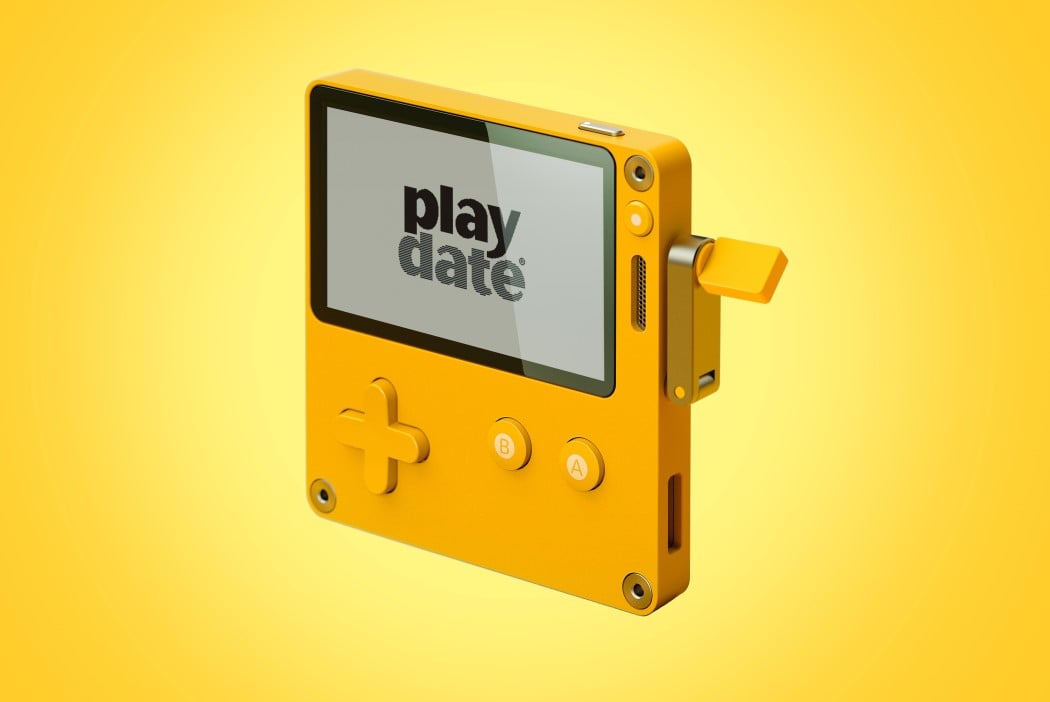
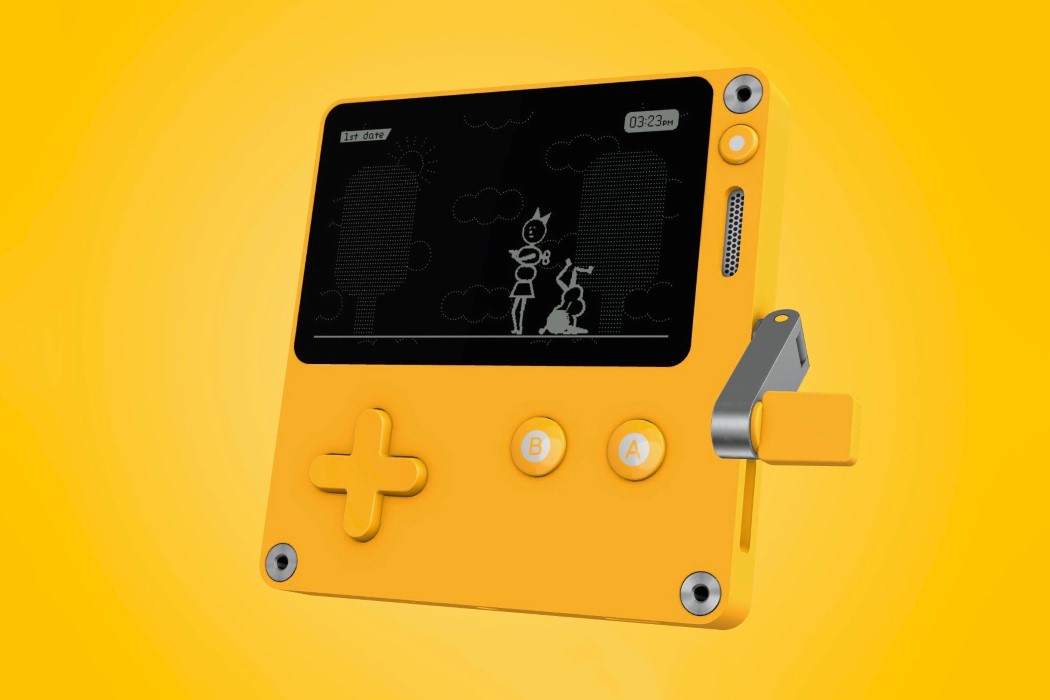
Playdate’s fold-out crank gives your fingers something a phone screen cannot offer. It’s an analog game controller, not a charging handle, and some games build their mechanics around its rotation. Panic created the console, with hardware design by Teenage Engineering, giving the yellow handheld a clear family resemblance to purposeful electronic tools. At 76 × 74 × 9 millimeters, it makes a convincing pocket companion. A D-pad and two main buttons provide more familiar controls when the crank isn’t needed.
The package includes Season One’s 24 games, delivered two at a time over 12 weeks after setup. That gives the hardware a library designed specifically for its unusual controls, rather than asking it to imitate a phone. The black-and-white screen has no backlight, making available light part of where you can play. At $229 before taxes and shipping, this is a considered purchase. Choose it for games that make something of those physical controls, not for a larger gaming library.
What we like
- The crank, D-pad, and buttons offer interactions beyond touchscreen tapping.
- Season One’s 24 games are included with the console.
What we dislike
- The screen has no backlight for low-light play.
- At $229, it’s a substantial purchase for a device dedicated to one activity.
5. CasaBeam Everyday Flashlight
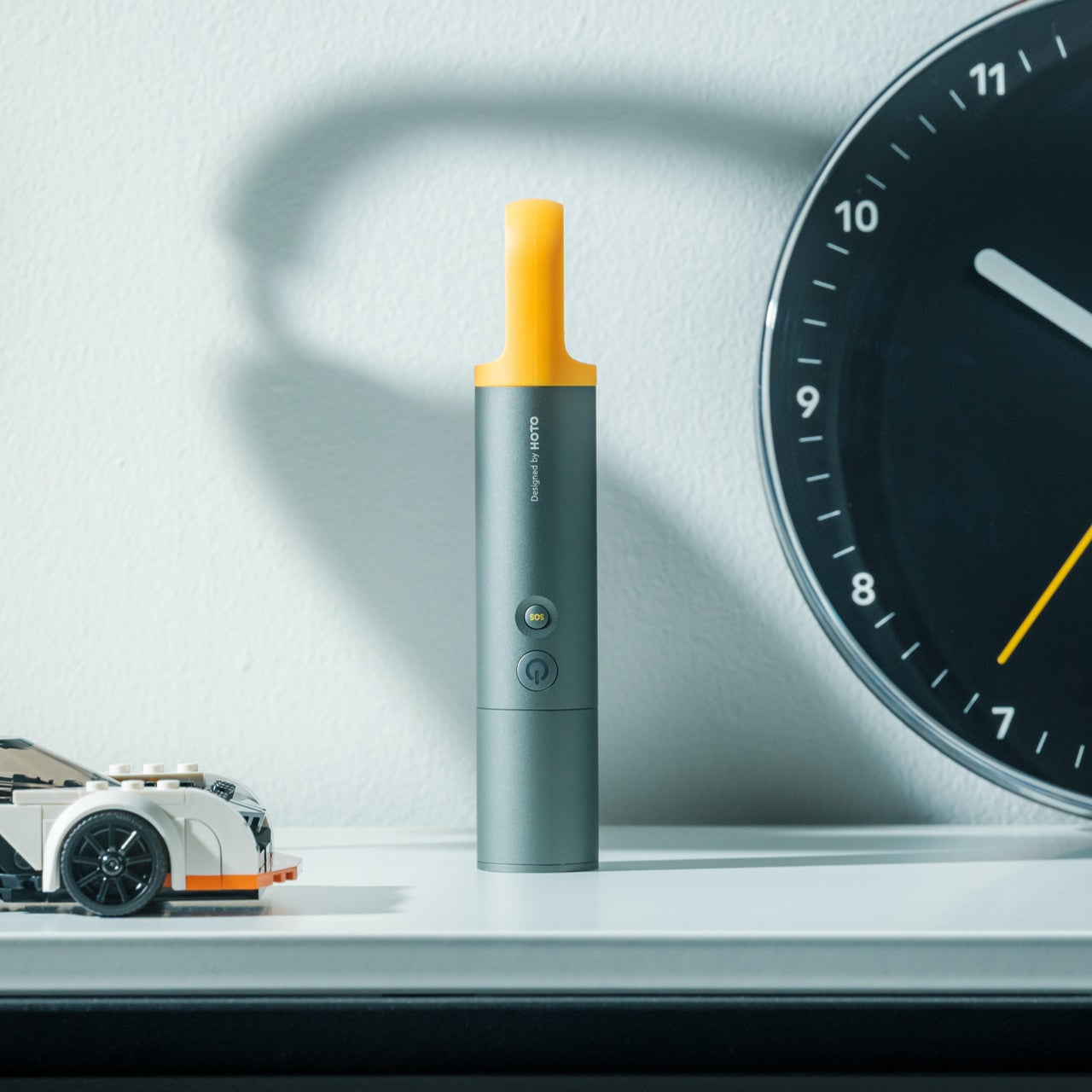
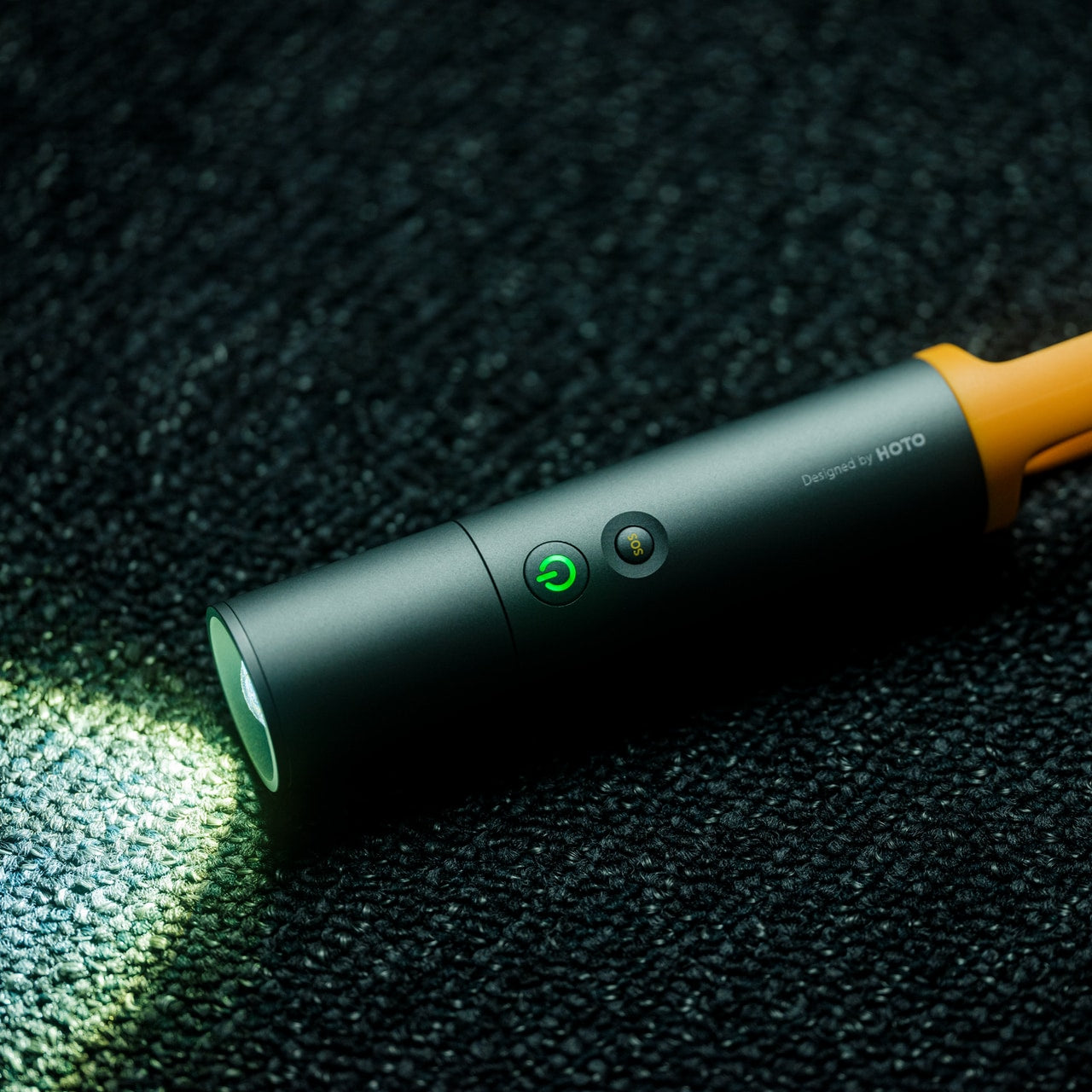
The phone flashlight is convenient until you need to keep using the phone. HOTO’s CasaBeam Everyday Flashlight puts lighting in a dedicated body with a front section you twist to adjust the beam. Choose a focused spotlight or a wider floodlight, then add the included diffuser cap for lantern use. Standing it upright frees your hands for other tasks. The design gives you several ways to direct light without balancing your phone against an object.
The Shop lists three brightness levels, a maximum output of 1,000 lumens, and USB-C charging beneath the zoom head. Its claimed 24-hour runtime applies to low brightness, not maximum output. Size deserves equal attention: at 6.14 inches long and 175 grams, CasaBeam is a coat-pocket proposition rather than a tiny jeans-pocket accessory. For evening walks or occasional lighting jobs, that bulk may be worthwhile. At $50, the question is how often you need lighting beyond a phone’s quick, close-range illumination.
What we like
- Adjustable spotlight and floodlight.
- Diffuser included for lantern use.
What we dislike
- The 175g body demands pocket space.
- Maximum claimed runtime requires low brightness.
One Extra Device Is Enough
A pocket full of replacements would defeat the point for most people. You would gain a collection of charging routines, storage decisions, and objects competing for limited space. A useful approach is to notice which phone task you’d enjoy giving its own device. Reading is different from photography; lighting is different from play. Pick the interruption you want to avoid, then decide whether the extra object earns its space.
Keep the phone for the jobs where its flexibility matters. There’s no prize for making navigation, communication, or sharing unnecessarily difficult. A dedicated gadget becomes interesting when its shape or controls change what you do, not simply because it removes an app. The strongest reason to carry one is straightforward: you prefer taking that picture, turning that page, or playing that game on an object designed specifically for the task.