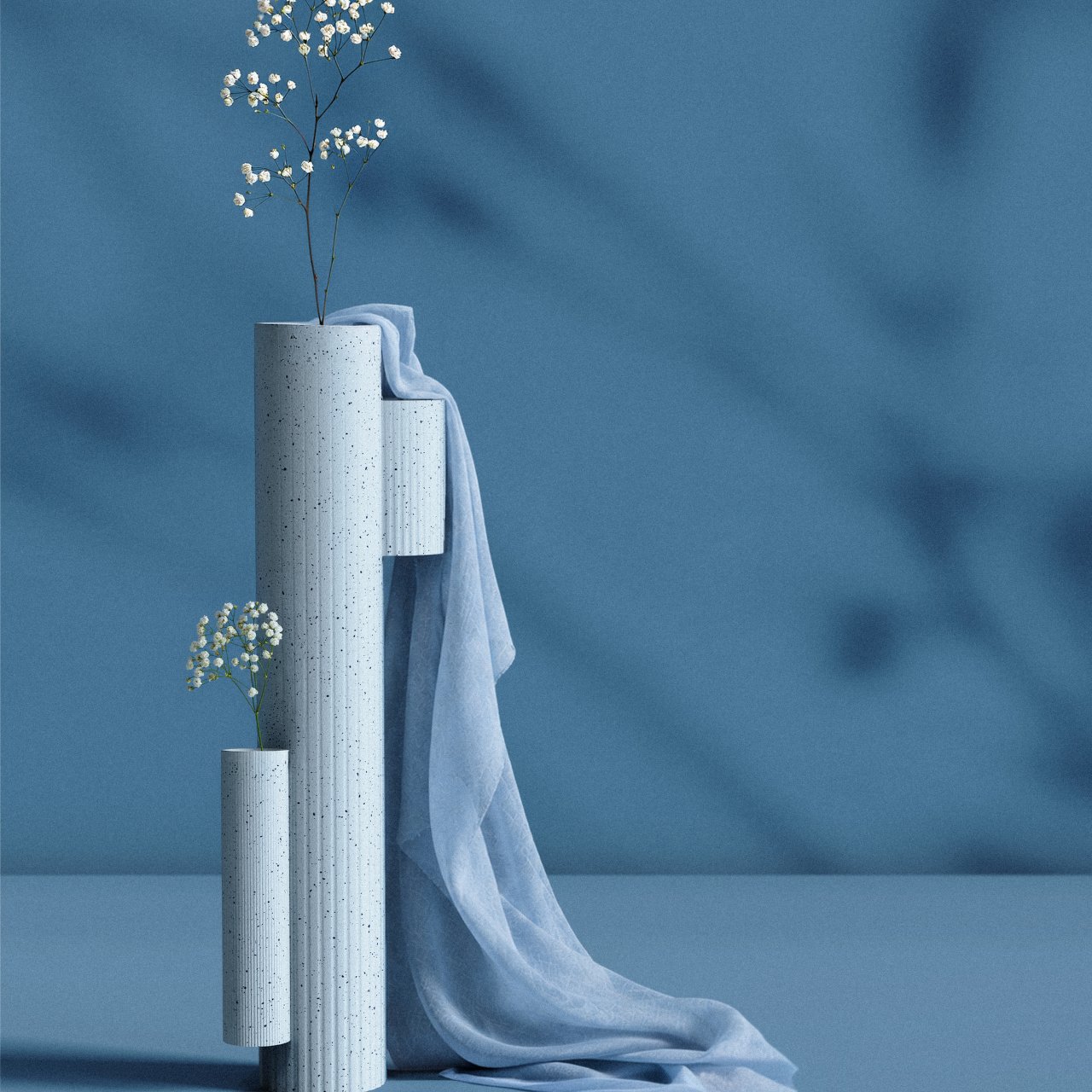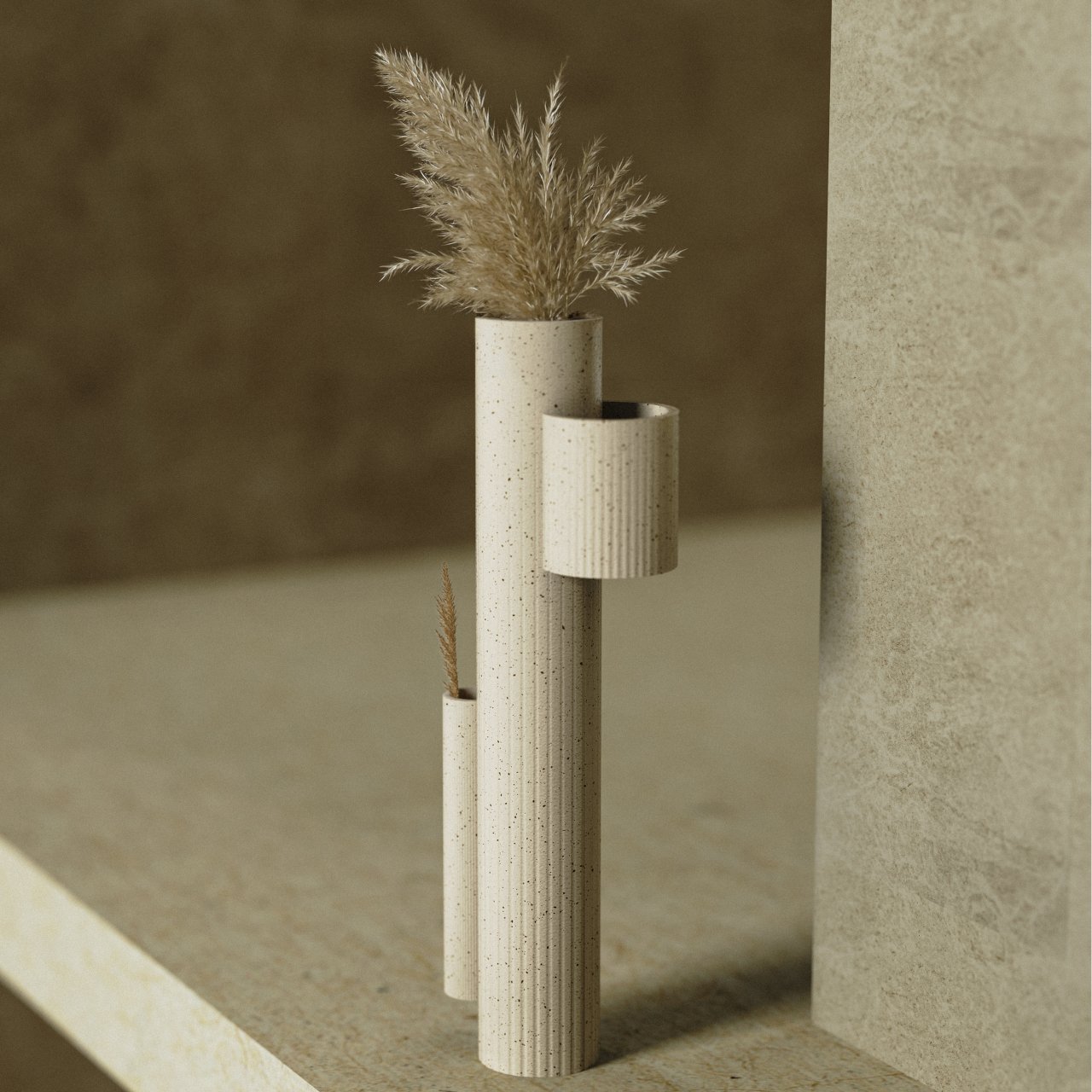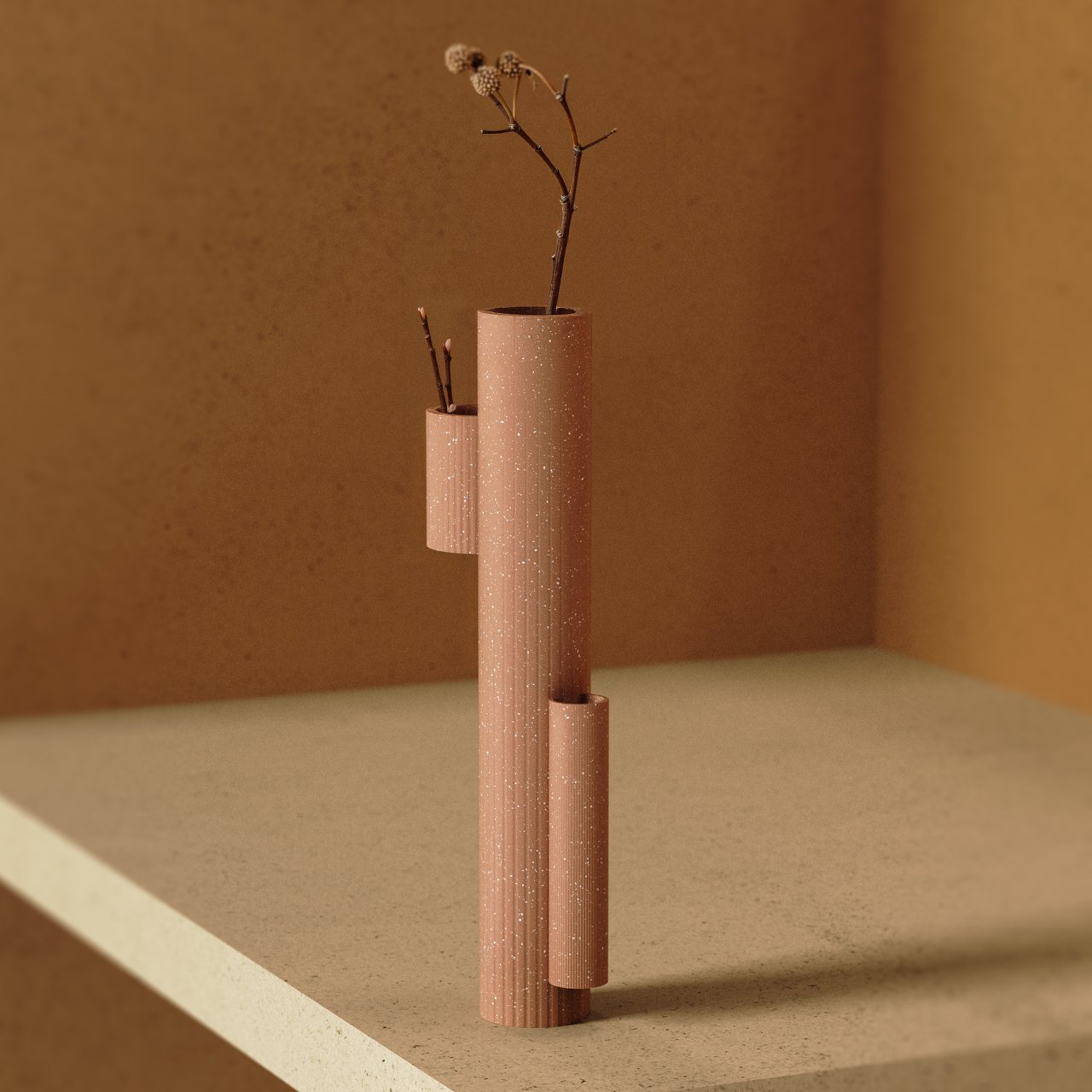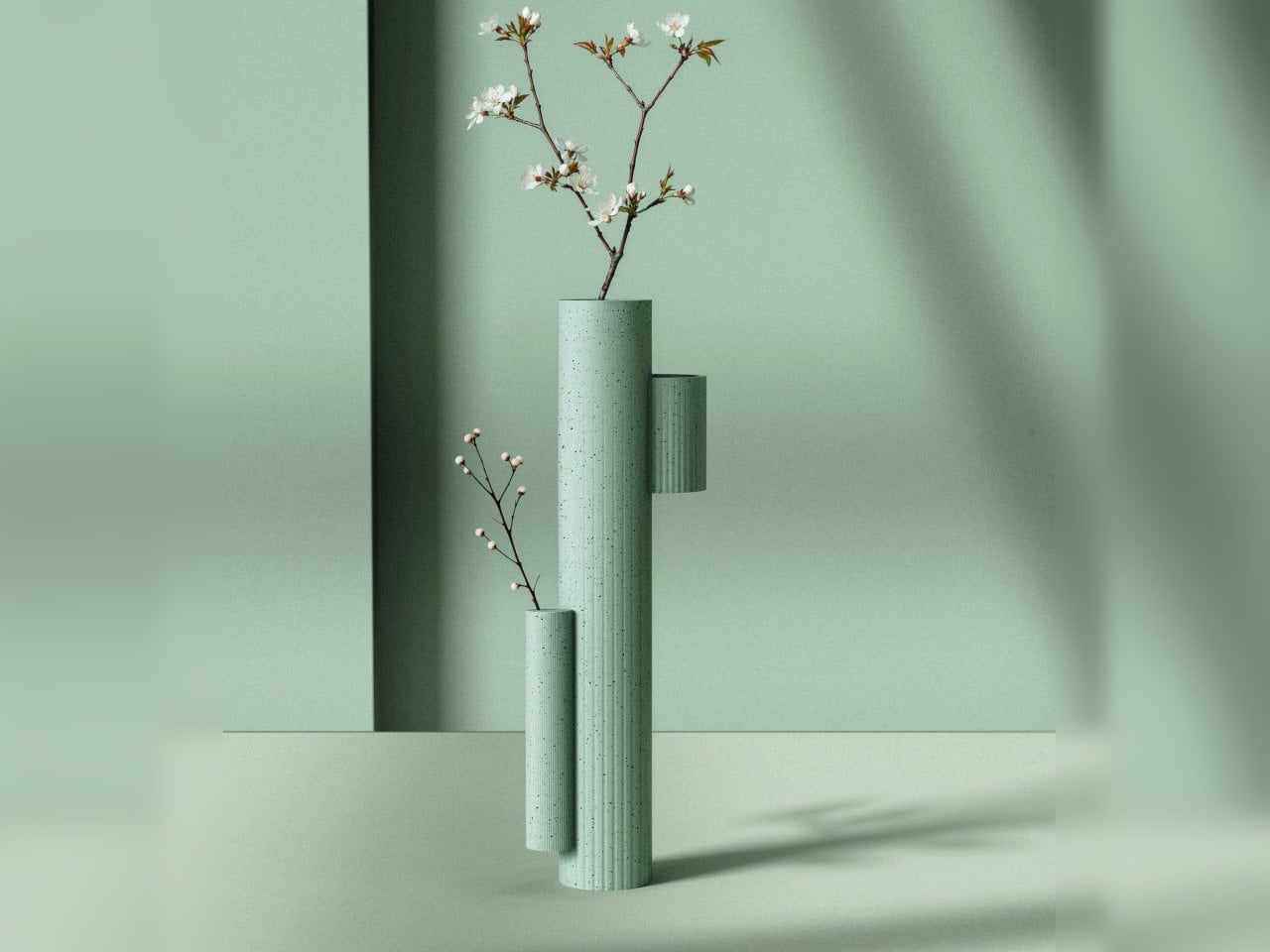
Flower vases are meant to put the focus on floral arrangements and disappear into the background. But while that may work for large bundles like a bouquet, more minimalist arrangements like the Japanese art of Ikebana will leave a single cutting looking abandoned in a large container. Column Vase is a concept that tries to address that dichotomy by offering a sculptural solution inspired by the most unlikely structures: harsh Roman columns.
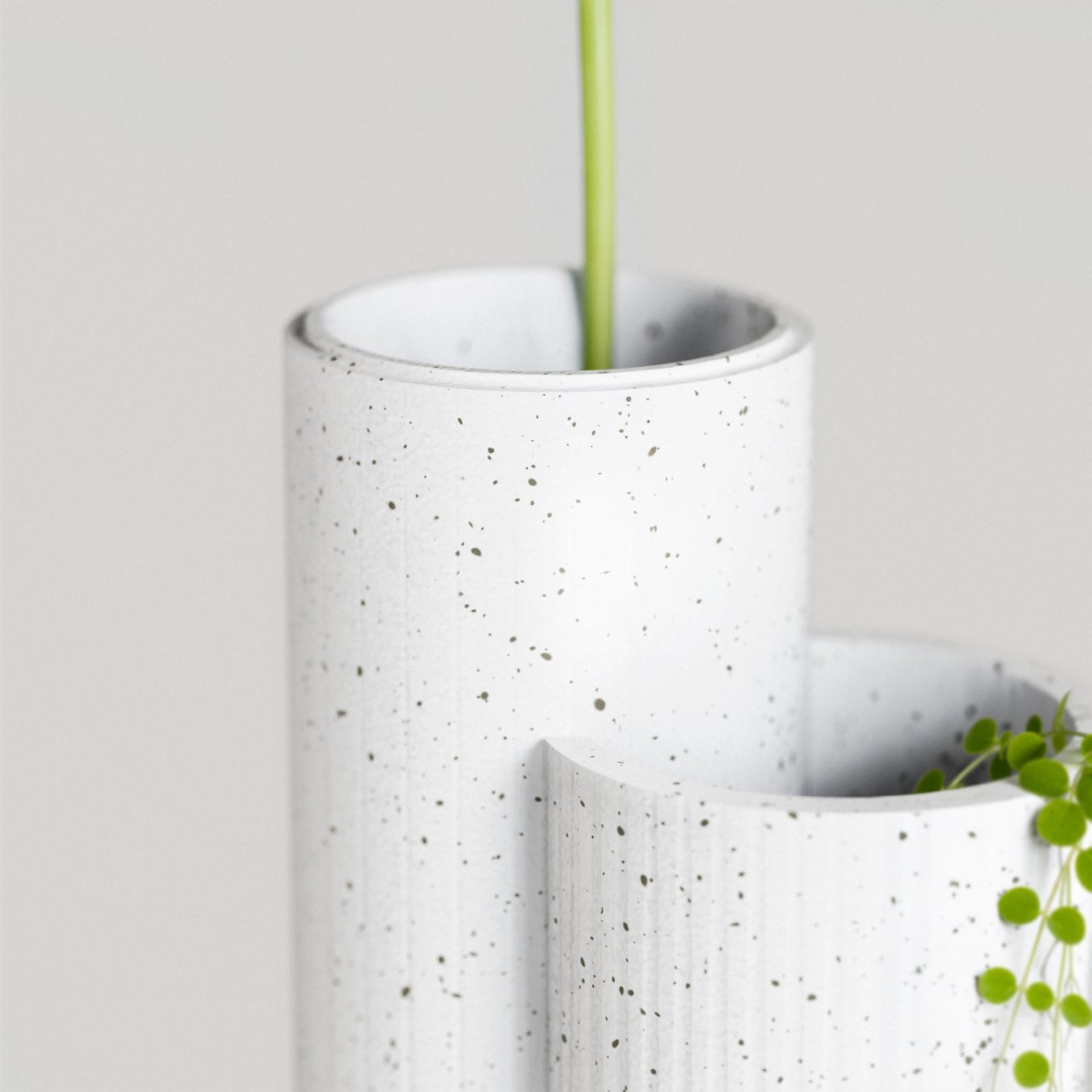
It’s not like the iconic design structure was simply replicated and shrunken down. The vase doesn’t copy a Roman’s decorative capital or base, for example, and instead focuses on the cylindrical forms and vertical grooves that have become iconic of this architectural motif. The columns are seemingly cut up into different heights and attached at different points, creating a shape that is interesting even without the flowers.
Designer: Juhyun Lee
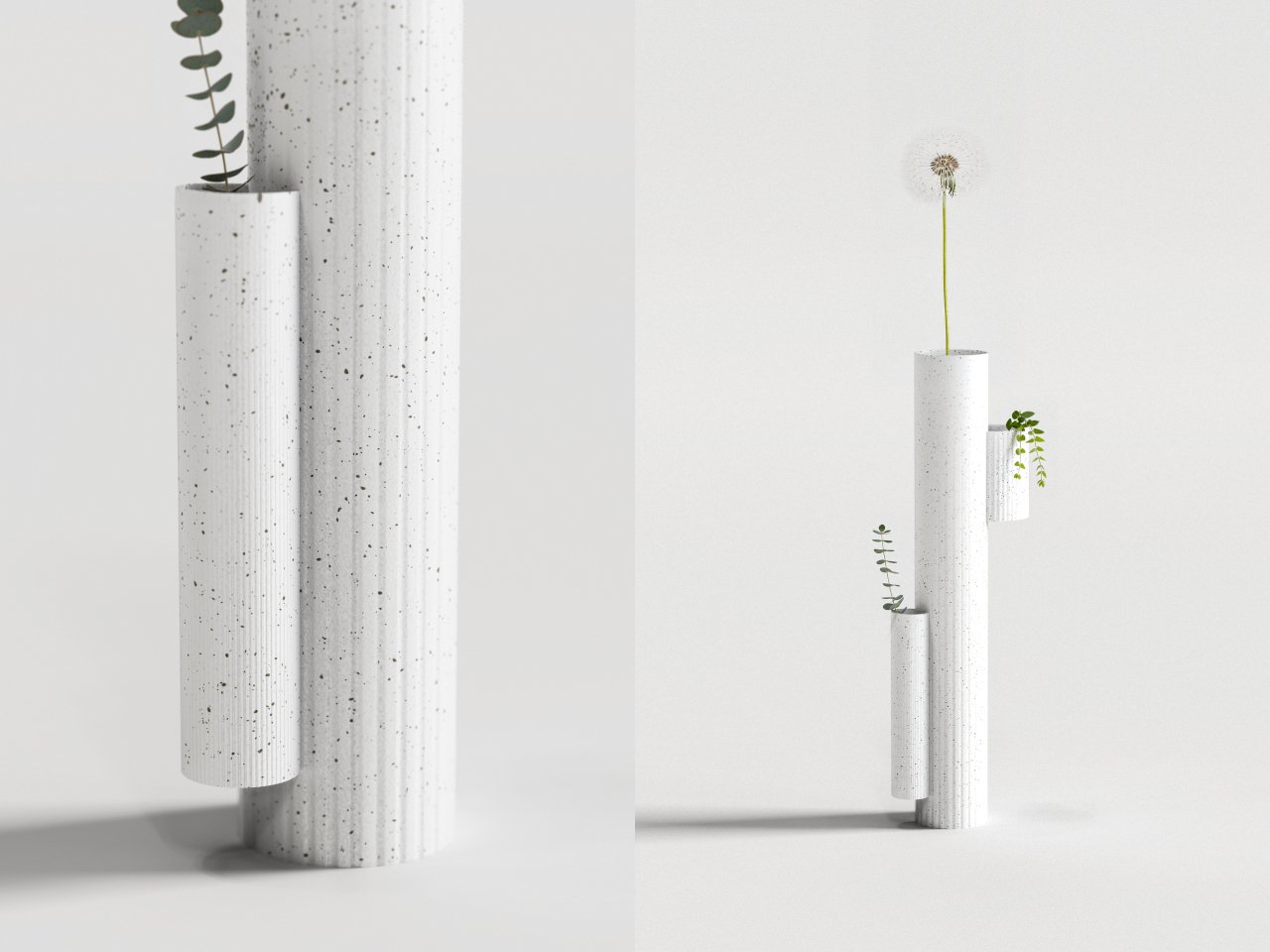

Of course, as living things, plants don’t always follow such neat arrangements, nor do they need to. One long stem can be inserted into the tallest cylinder, while shorter sprigs can be placed on the sides. A trailing leaf can even be left alone, creating a less formal but more natural arrangement. The contrast of the ceramic cylinder and the delicateness of the plants makes what would otherwise be a cold, dead object feel a little bit warmer.
One advantage of the modular design is that you don’t need a full arrangement to use it. Place a single module on your desk with a single flower, then bring out the rest and stack them up when you have more to display. On a narrow shelf, they take up separate spots instead of claiming one stretch of space.
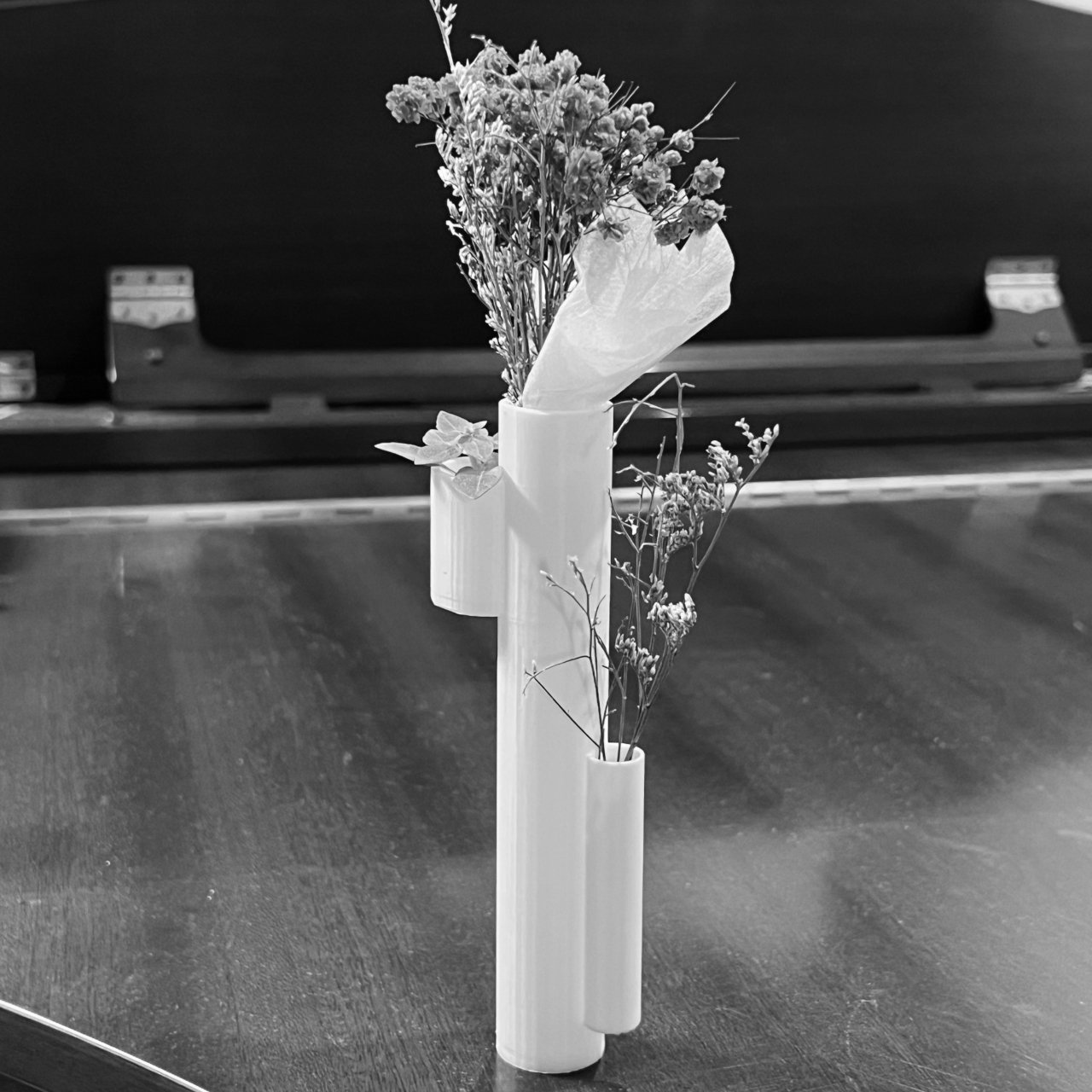
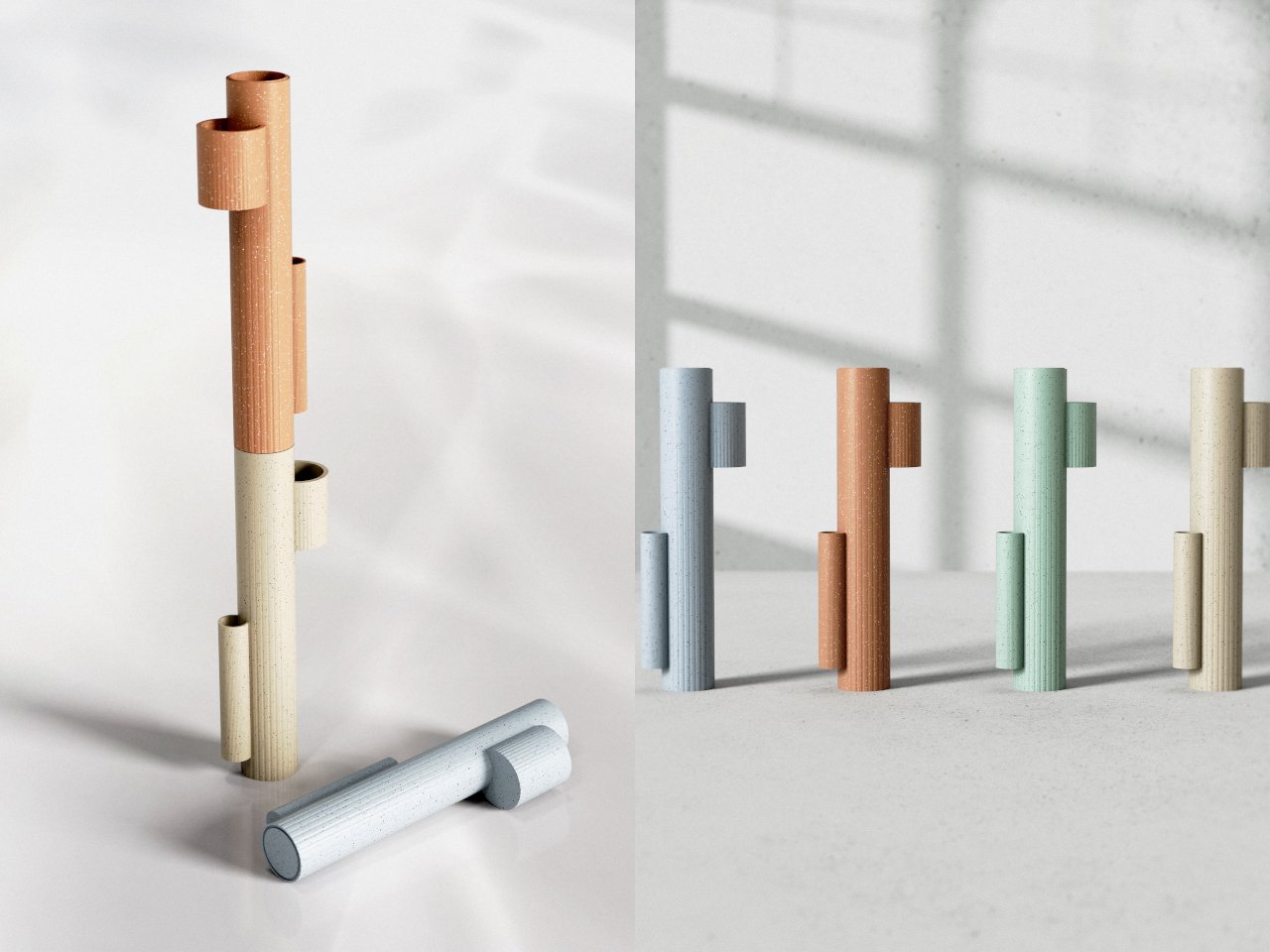
Even the material helps with the architectural reference. Soil and sand are incorporated into the ceramic, giving its surface a speckled, slightly rough appearance that feels closer to stone than glossy tableware. The recycled material isn’t simply a detail for the product description, either. Its grain makes the cylinders look substantial beside a fragile blossom or a thin branch collected on a walk.
That material could have looked rather severe if every version were the same pale stone color. Instead, the concept explores shades including muted green, blue, warm terracotta, and off-white. The colors don’t erase the column reference, but they do make it easier to imagine these compact ceramic pieces on an ordinary desk or side table, rather than on a pedestal in a museum.
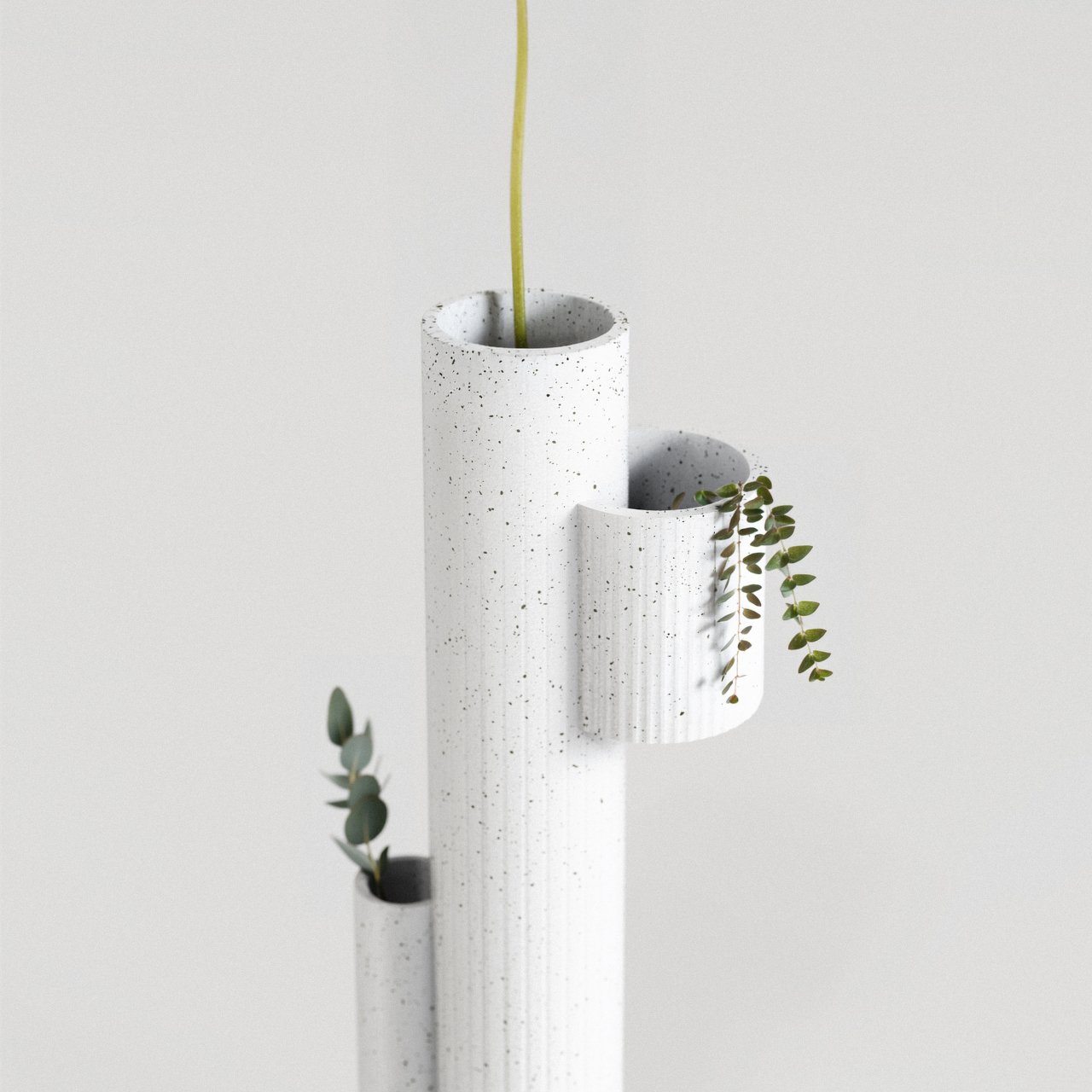
There are limits to what those slim openings can comfortably hold. A large bouquet might feel crammed into a collection designed for individual stems, and anyone expecting it to hold every bouquet could be disappointed. But if you tend to keep a few cuttings from the garden or a branch from a weekend walk, the smaller openings make that modest habit look intentional.
When there are no flowers around, the cylinders can still stand together as a small ceramic composition. Move one to another room when you find a stem worth keeping, then put it back when it’s empty. Column Vase makes that change feel natural, since the pieces can always be arranged again. Without a roof to hold up, these columns can afford to move around.