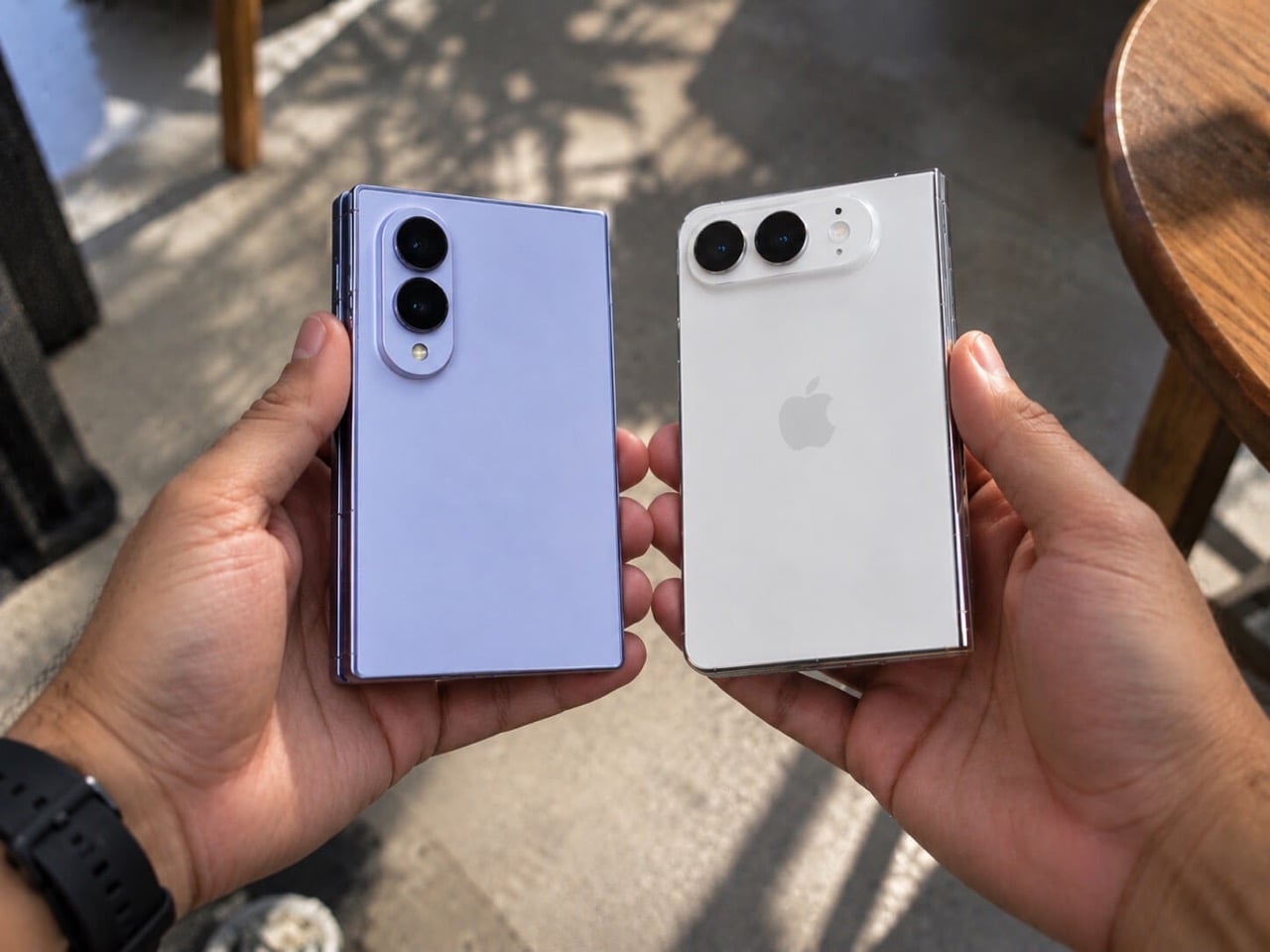
Apple’s first foldable was always going to be a spectacle, and the iPhone Duo delivered. Titanium frame, a hinge built from over 100 components, a 7.6-inch inner display Apple calls the largest and sharpest they’ve ever shipped, and an IP68 rating that no current Samsung foldable can match. The debut made a strong case, and we laid out five specific things it got right in our companion piece last week, which predictably sent a portion of the comments section into a very productive Saturday. Every honest design audit has a flip side, though. The iPhone Duo, for all its first-generation confidence, left a meaningful number of things unresolved, and some of those gaps are more significant than launch-week coverage has made them seem.
Samsung has been folding phones since 2019, and the Galaxy Z Fold8 is what that long runway looks like after years of hinge tweaks, crease complaints, software refinements, and repeated attempts to make a folding phone feel normal. It does not win every category, and Apple absolutely deserves credit for solving a few long-standing foldable annoyances on its first try. Even so, there are still several places where Samsung’s latest Fold feels more complete, more practical, or simply better thought through as an everyday device. Some are obvious the moment you compare the two side by side. Others only start to matter after the honeymoon phase wears off.
Keeps the SIM Tray, Despite What Anyone Says
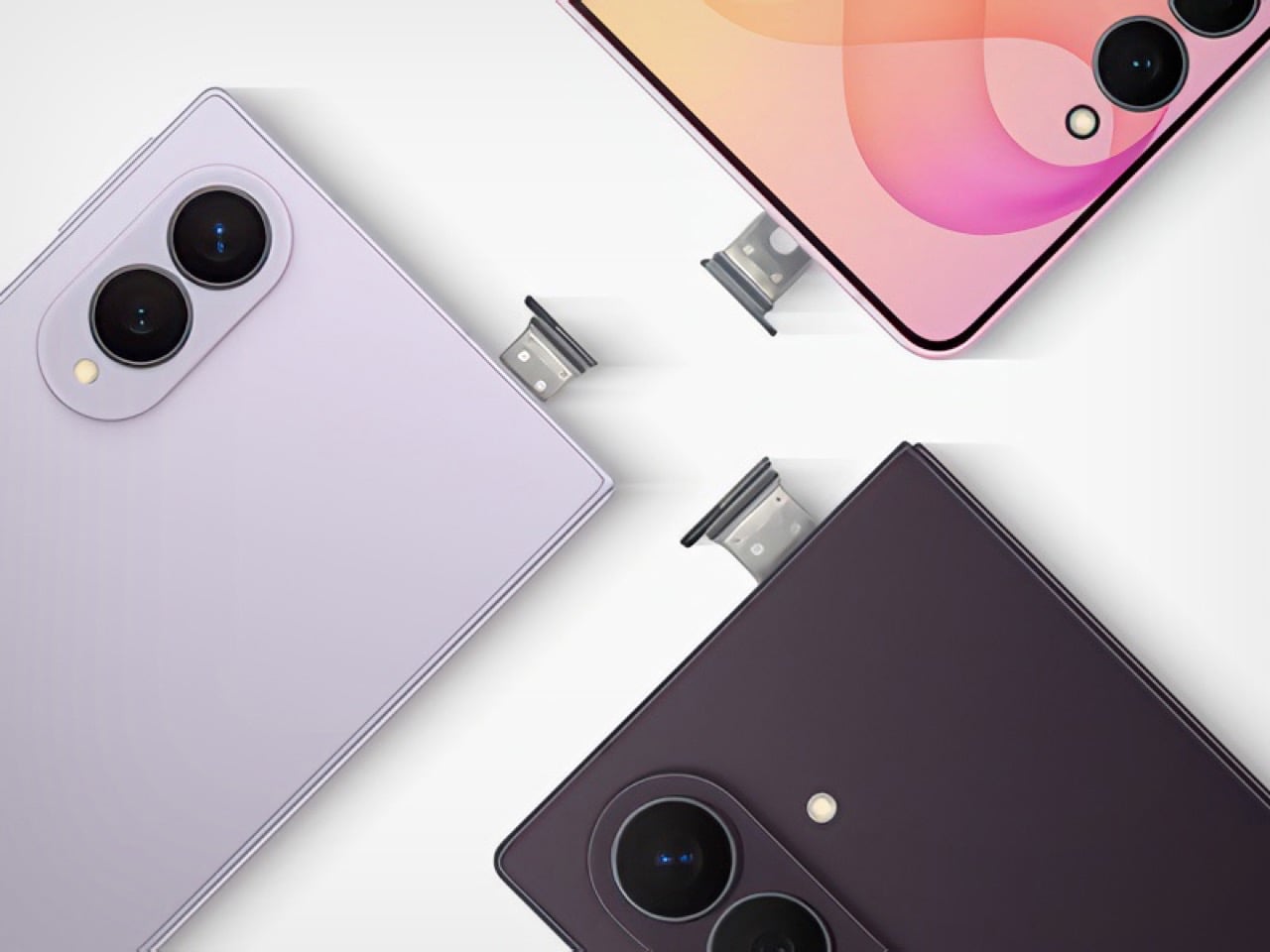
When we covered the iPhone Duo’s announcement, one of the hardware elements Apple dropped was the physical SIM tray, a decision the company framed as part of a broader design simplification agenda. Apple went full eSIM, keeping the chassis cleaner, eliminating a cut line in the frame, and folding the decision into the same purity narrative behind the iPhone Air’s extreme thinness. For users in markets where eSIM support is solid and carrier switching is painless, this is genuinely fine and probably the right long-term direction. The problem is that a $1,999 foldable probably should not be making hardware convenience trade-offs that actively complicate life for international travelers, anyone running two numbers, or users whose carriers still make eSIM provisioning feel like homework.
Traveling internationally and swapping to a local carrier SIM is a very different experience when you are not navigating eSIM setup through a foreign carrier’s app on spotty airport WiFi. The Z Fold8 keeps the physical SIM tray, and that decision is more forgiving than it is glamorous. Moving a number between devices is faster with a tray, carrier flexibility requires fewer account management steps, and the hardware workaround for eSIM friction simply does not exist. Samsung is not winning any design philosophy debates by pointing at a metal drawer. But the Fold 8’s willingness to keep that hardware in place reflects a different set of priorities than Apple’s, one that bets user convenience should edge out aesthetic reduction, and across a wider range of real-world situations, that bet holds up.
Weighs Noticeably Less Over a Full Day (53 Grams Less, to be precise)
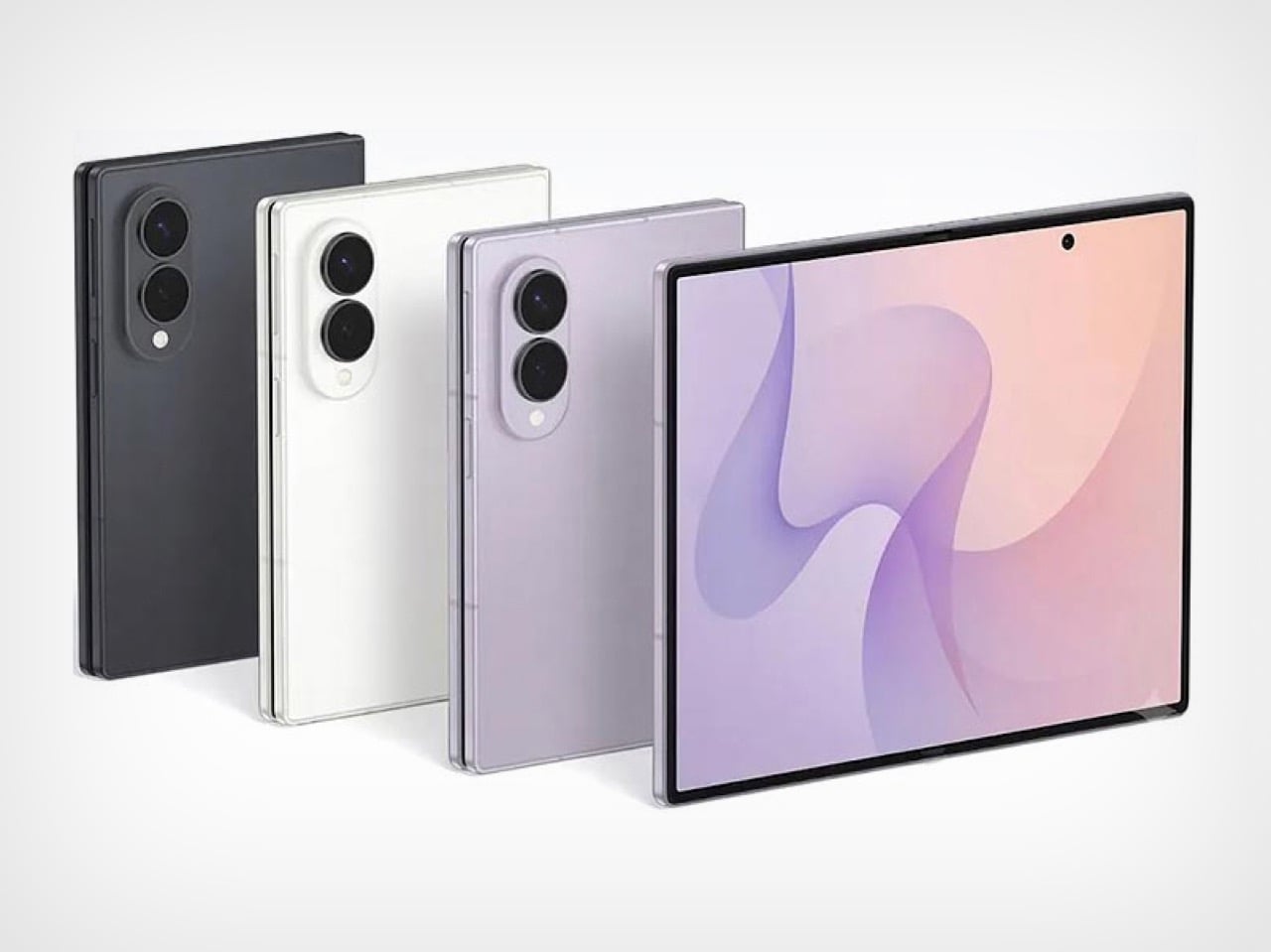
The Galaxy Z Fold8 weighs 201 grams, which is the figure Samsung’s product page leads with, and it earns the emphasis because it makes the Fold 8 the lightest book-style foldable currently on the market. The iPhone Duo comes in at 254 grams. At a 53-gram gap, the difference sits closer to a full AA battery than a rounding error, and the foldable category is already asking more of you than a standard slab phone before the weight conversation even starts. Foldables are physically larger, structurally more complex, and thicker in the pocket by default. Stacking substantial extra mass on top of all that is a real ask, and the Duo makes it.
Apple’s grade 5 titanium frame and hinge housing are premium materials decisions that contribute directly to the device’s rigidity and structural confidence, and directly to its number on the scale as well. Samsung came in lighter, and that shows up in the most boring and most honest way possible, in how aware you are of the phone in your pocket across a full day. A lighter foldable is a foldable that has had more generations of mass reduction applied to it, and the Fold 8’s 201 grams is the current best result of that sustained process. The Duo’s weight is a first-generation structural reality, and Samsung simply has more iterations of solving those demands behind it.
Folds Thinner for Better Pocket-ability
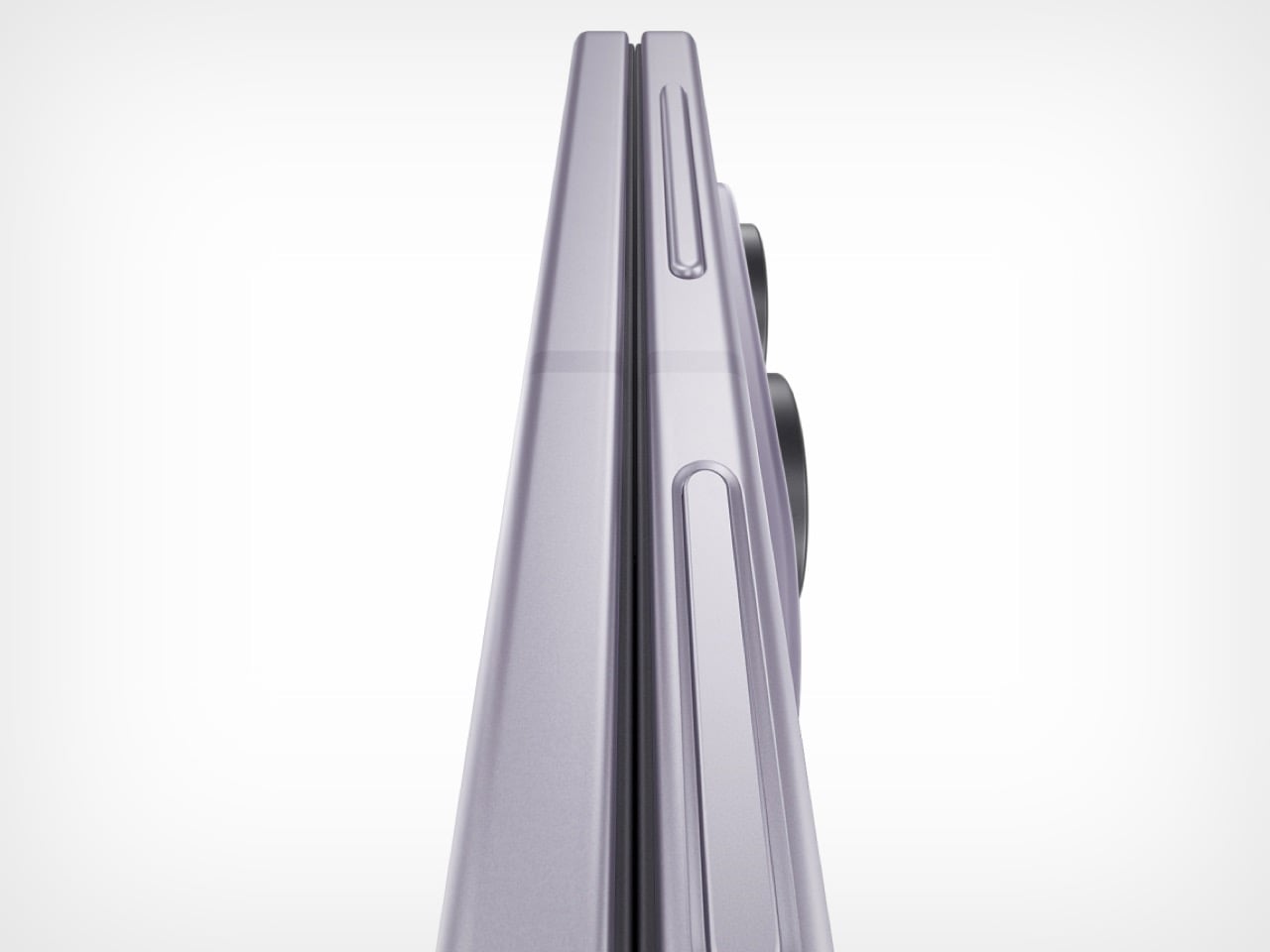
The Galaxy Z Fold8 closes to 9.7mm. The iPhone Duo closes to 11.3mm. The 1.6mm gap sounds mild, and it lands less mildly in a pocket, because the book-style form factor makes closed thickness something you register physically every time the phone goes in or out of a pocket, gets set on a desk, or is gripped shut in one hand. Small dimensional differences accumulate across hundreds of daily interactions in a way that flat spec comparisons do not fully communicate. 9.7mm versus 11.3mm is a material gap in this context, not a footnote.
Opened flat, the Fold 8 measures 4.5mm against the Duo’s 5.2mm. Apple tried hard on the thinness front, and for a first-generation foldable carrying a dual-battery system and a 100-plus component hinge, 5.2mm open is legitimately impressive engineering. Samsung just has more attempts behind it. Years of shaving fractions of a millimeter off the Fold form factor across successive generations produce gains that compound, and the Fold 8’s dimensional figures are the accumulated result of that process. The Duo is not there yet, and that is a first-generation reality rather than a permanent condition.
A More Refined, Battle-tested Multitasking Software

The Taskbar on the Z Fold8 holds eight app slots, and dragging any one of them into a running screen split takes a single gesture rather than a full trip back to the home screen. App Pairs let users save specific two-app workflows and relaunch them together in a single tap. Three-way split-screen and floating pop-up windows give the inner display real workspace flexibility, while AI Results View places AI output in a separate panel so source content stays visible alongside it rather than disappearing behind the response. These features are specific because the problems they solve are specific, and that specificity usually means someone already ran into that friction point on an earlier Fold and the feedback made it into the next build.
Apple’s Duo software looks like a genuinely strong first draft, and side-by-side multitasking on a 7.6-inch inner display is a compelling foundation for what iOS on a foldable can eventually become. What it does not yet carry is the institutional knowledge that comes from shipping foldable hardware in volume for years and learning where real users find the edges of the experience. Samsung knows, from behavioral patterns observed across the Fold 3 through Fold 7, that people using a foldable for actual work want to move windows around without returning to the launcher constantly. Apple will develop that understanding across future software generations. Samsung already developed it, and the current One UI reflects that directly.
The Hinge Comes From Eight Generations of Experimenting
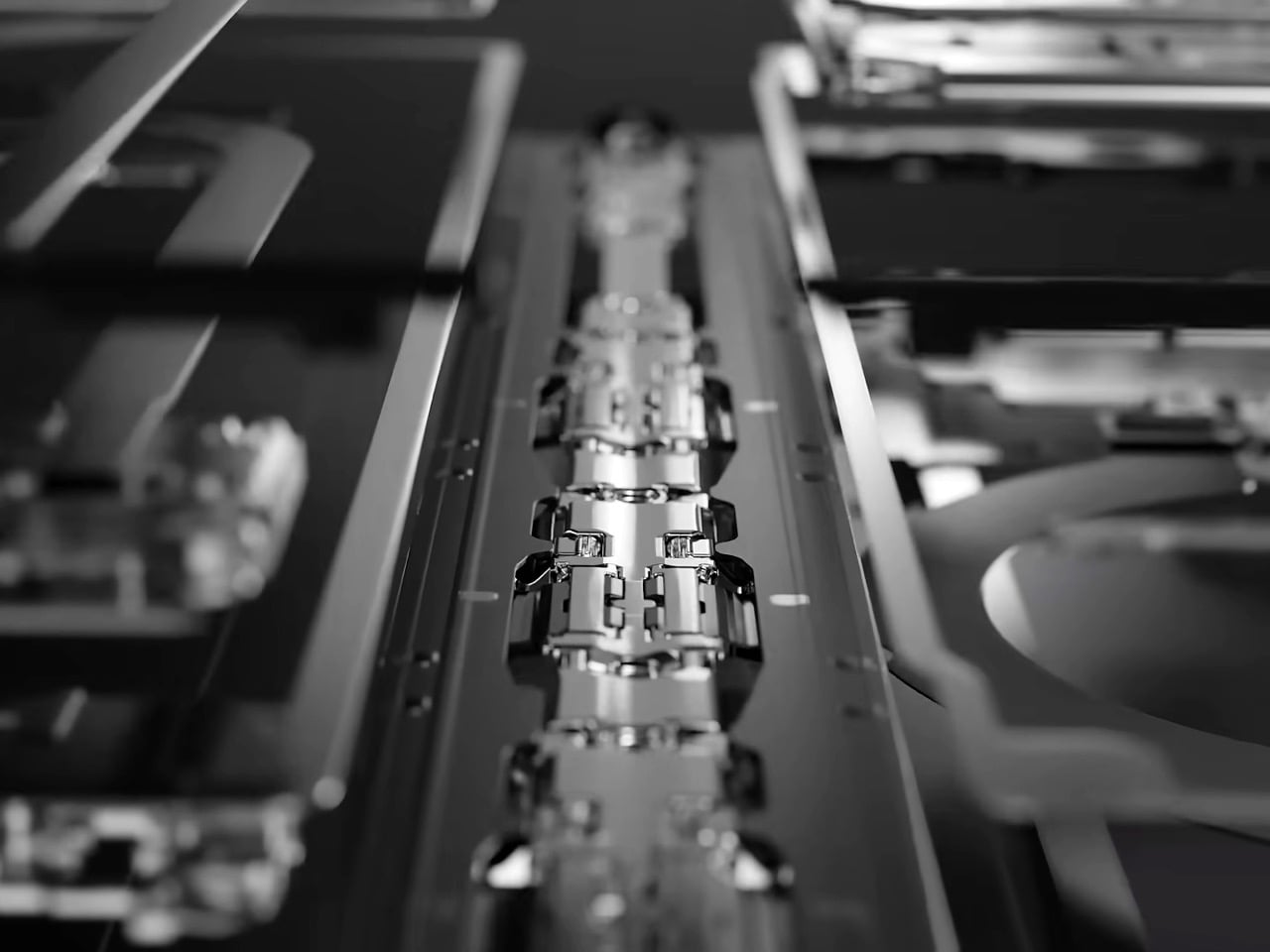
The Z Fold8 moves to a dual-rail hinge design, where two parallel contact rails distribute fold stress more evenly across the display than the single-rail approach used through the Fold 7. The practical payoffs are reduced delamination risk over long-term use and a 0.6mm reduction in folded thickness compared to last year’s model. The dual-rail architecture exists because the single-rail design produced failure patterns in field data, and Samsung engineered the fix after watching those problems accumulate at scale. Samsung rates the updated hinge at 200,000 fold cycles, which works out to roughly 7 to 10 years of daily use at realistic fold rates, a number that carries credibility specifically because Samsung has the service history to know what foldable hinge failure actually looks like.
Apple’s hinge uses over 100 components including carbon fiber support plates, a grade 5 titanium housing, and an integrated magnet array for closure, and for a first-generation attempt from a company with no prior foldable track record, it is a serious piece of engineering. What it does not have is field history, and in a category where the hinge is the single most consequential mechanical component, field history is what separates a confident launch spec from a genuinely proven design. Samsung’s dual-rail approach did not emerge from a thought experiment. It came from hinge failures, teardown data, warranty claims, and years of iterative engineering against failure modes that only reveal themselves after real-world shipping at volume. Apple’s Duo hinge may age beautifully. Samsung’s already has.
SHARE