Most wireless chargers look like something you’d find in an airport lounge. Flat, black, forgettable. They do their one job and ask nothing of the rest of your desk, which is exactly the problem. Somewhere along the way, home offices turned into small personal galleries. People started adding framed photos, a fake fiddle-leaf fig, a candle nobody actually lights. And then, right in the middle of that carefully curated setup, sits a charging pad that looks like it fell off a delivery truck.
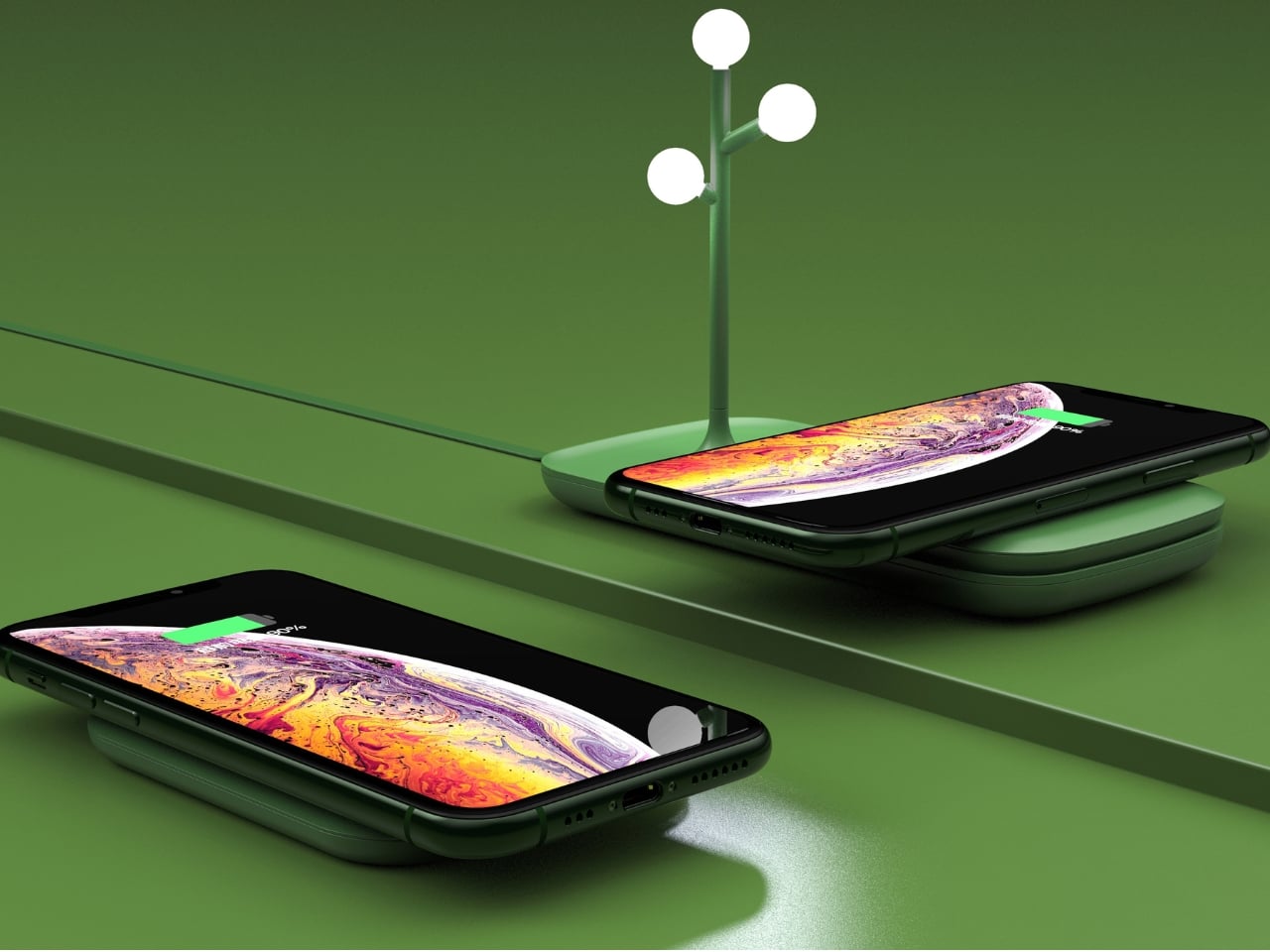
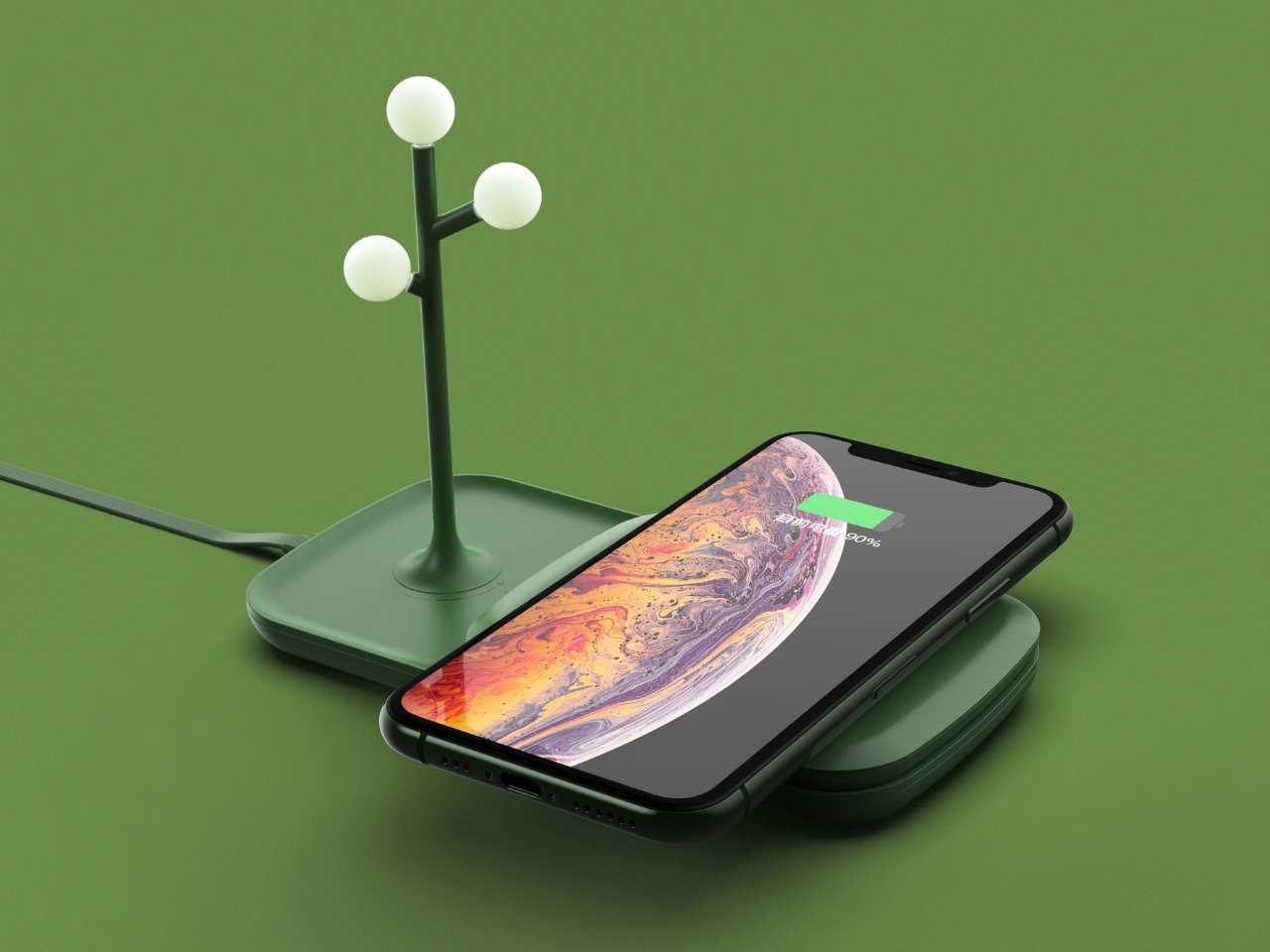
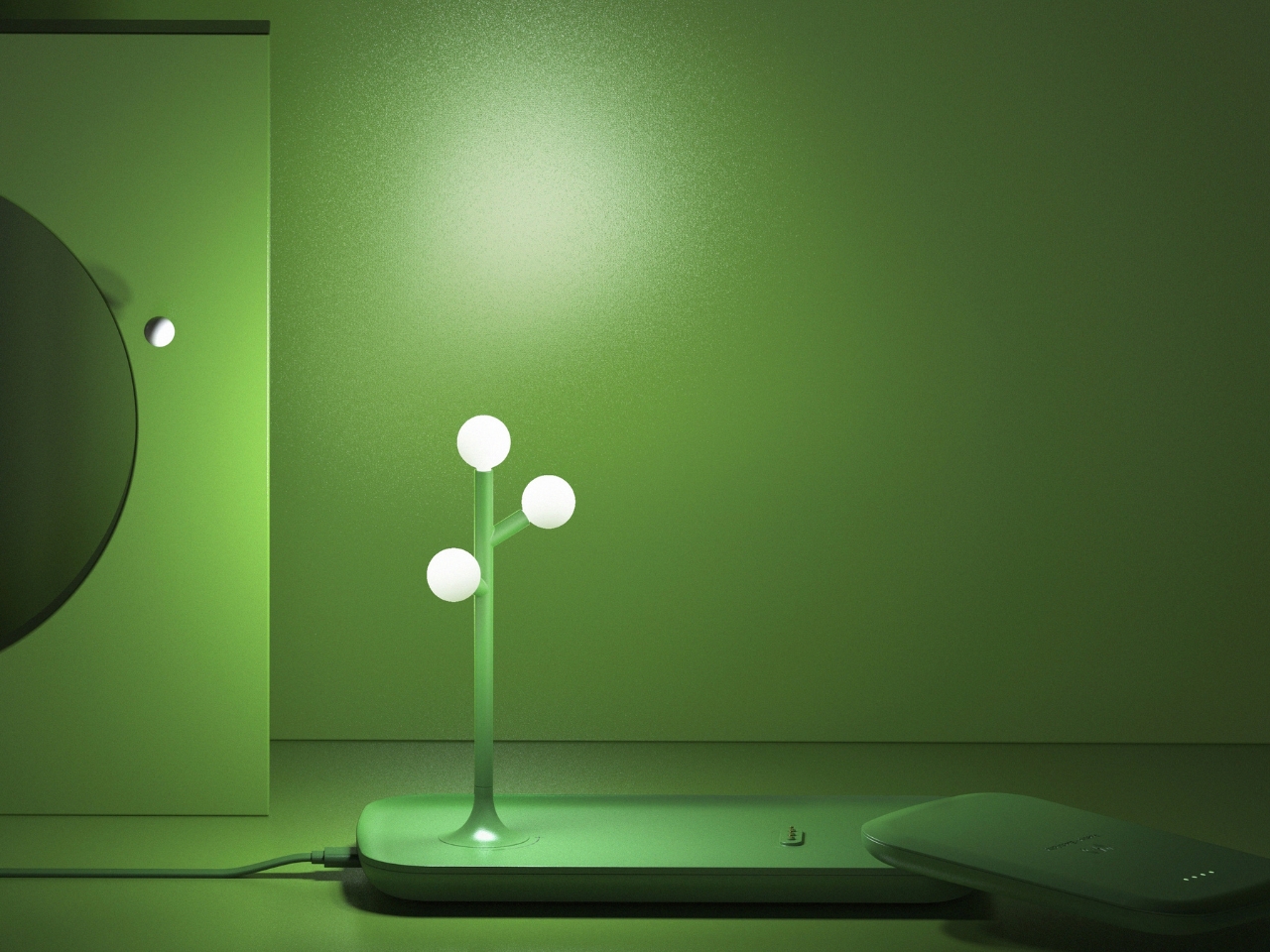
Yong Zhang and Lei Wang, two designers working out of Liaoning Petrochemical University in China, apparently noticed the same disconnect. Their answer is a device called Poetry-Electricity, a wireless charger that also functions as a small tabletop lamp, its surface dotted with tiny spherical lights arranged like buds on a branch. Set your phone down and it charges. Leave it there after dark and it glows, casting the kind of soft, scattered light that makes a desk feel less like a workstation and more like a place you’d actually want to sit.
Designers: Yong Zhang and Lei Wang
I like that the idea starts from a real observation rather than a trend chase. Office decor got personal because people needed their workspace to feel human again, not because a design blog said cozy desks were in. A charger that ignores that shift and just sits there being efficient and joyless is missing the point of why people started decorating in the first place.
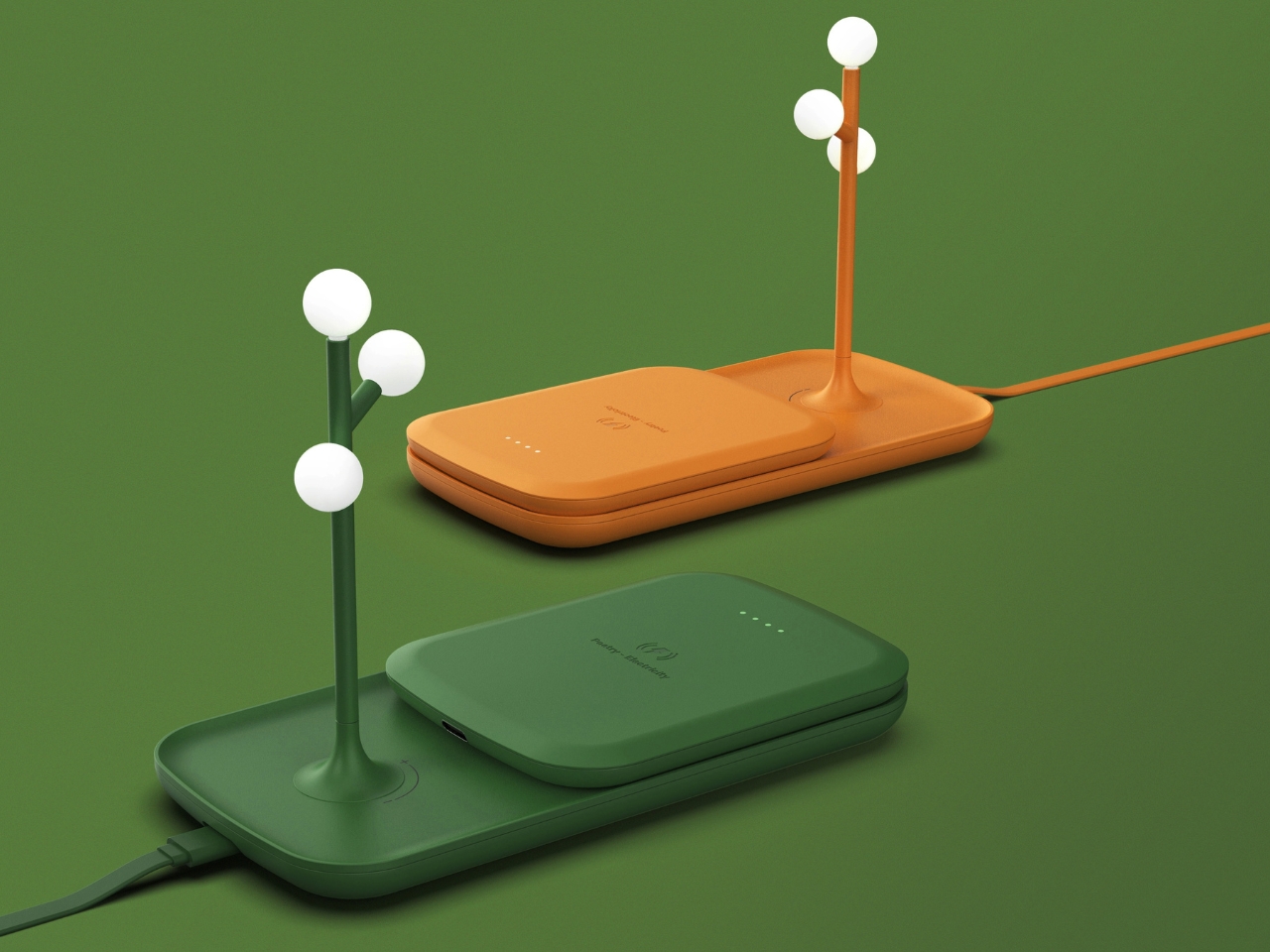
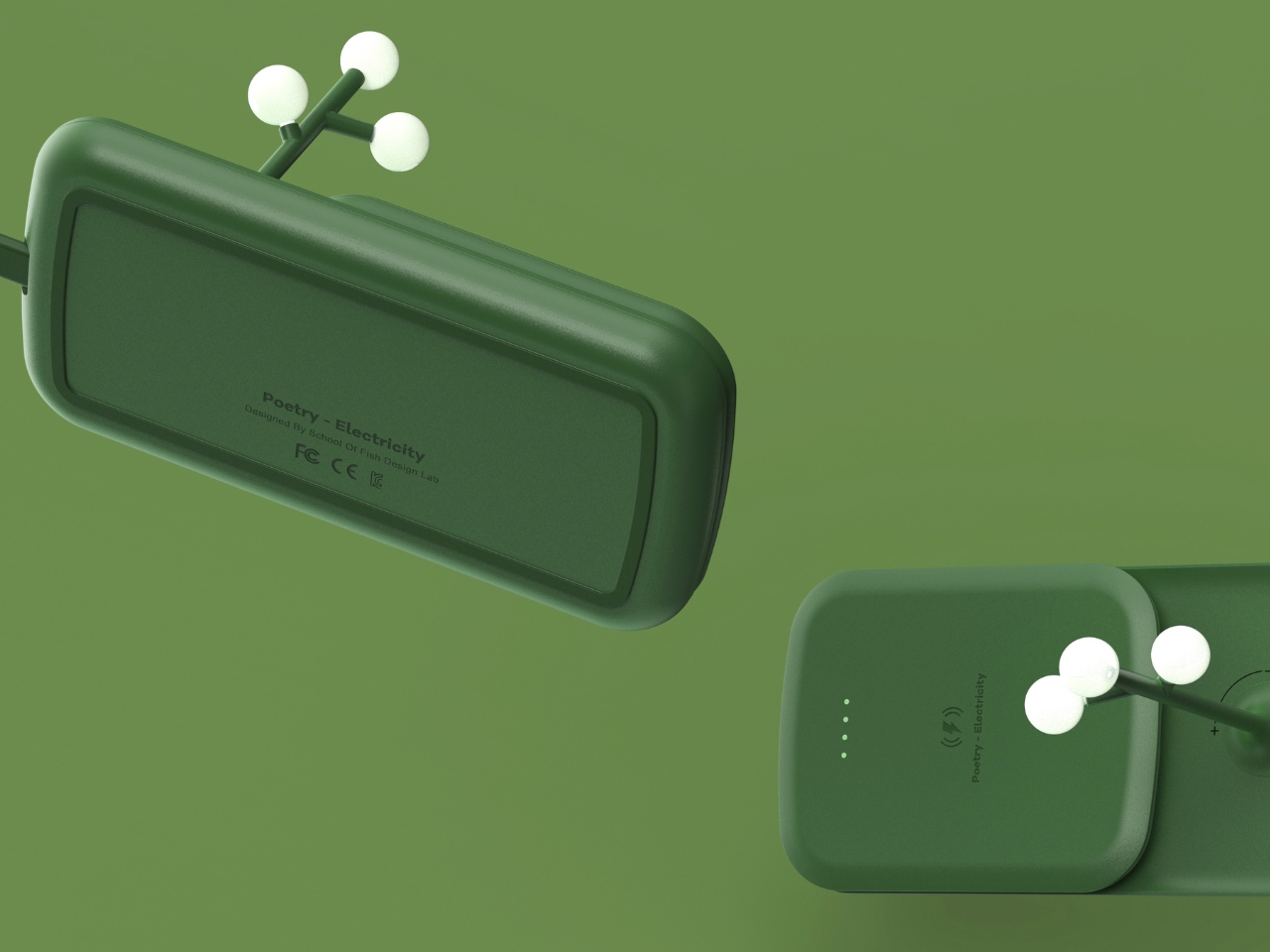
What actually makes this more than a nice-looking gimmick is the engineering hiding underneath the poetry. The designers built in a magnetic barrier that blocks stray magnetic fields from interfering with the charging circuit, which is a fussy but important detail, since wireless charging pads are notorious for losing efficiency the moment anything metal or magnetic gets near the coil. There’s a rubber texture on the charging surface so your phone doesn’t slide off mid-charge, and a built-in lithium battery strip means the whole thing can be used away from an outlet, not just tethered to a desk. None of that is flashy. It’s the kind of quietly practical thinking that never shows up in a product photo but absolutely shows up in daily use, when your phone stays put and actually charges at the rate it’s supposed to.


I keep going back and forth on whether the tree-shaped light cluster is a little too on-the-nose as a metaphor for “growth” or “energy” or whatever the press materials probably say. But I’ll admit it works better in practice than it sounds on paper. A charging pad that also throws warm, broken-up light across a desk at 9 p.m. does something a single overhead bulb or a phone screen never will. It softens a room instead of just illuminating it. What strikes me most is how unbothered this design is by the usual tech industry instinct to hide function behind minimalism, or hide personality behind function. Most gadget design forces a choice: sleek and cold, or decorative and useless. Poetry-Electricity doesn’t pick a side. It just assumes your desk deserves both, and builds accordingly.
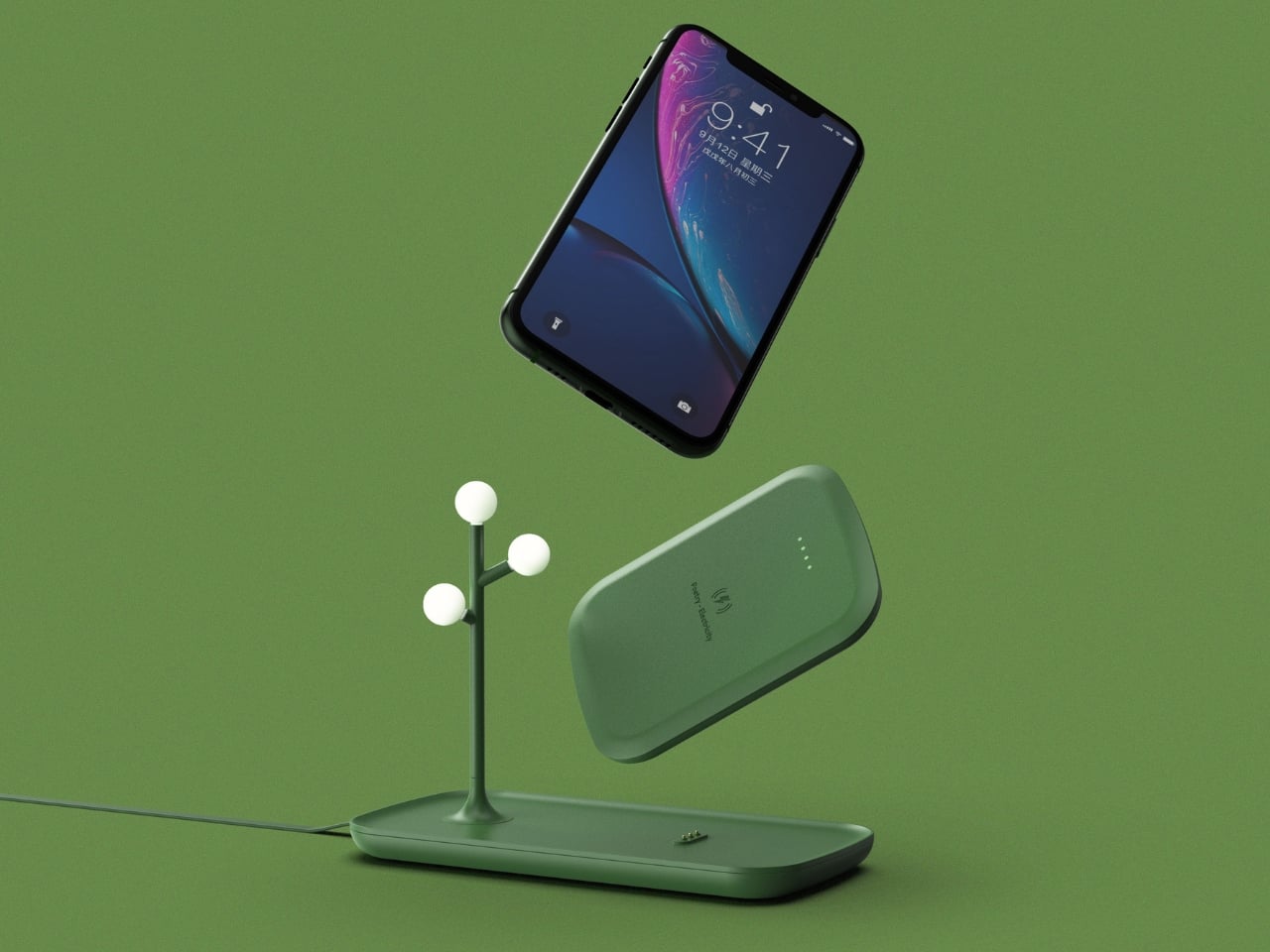
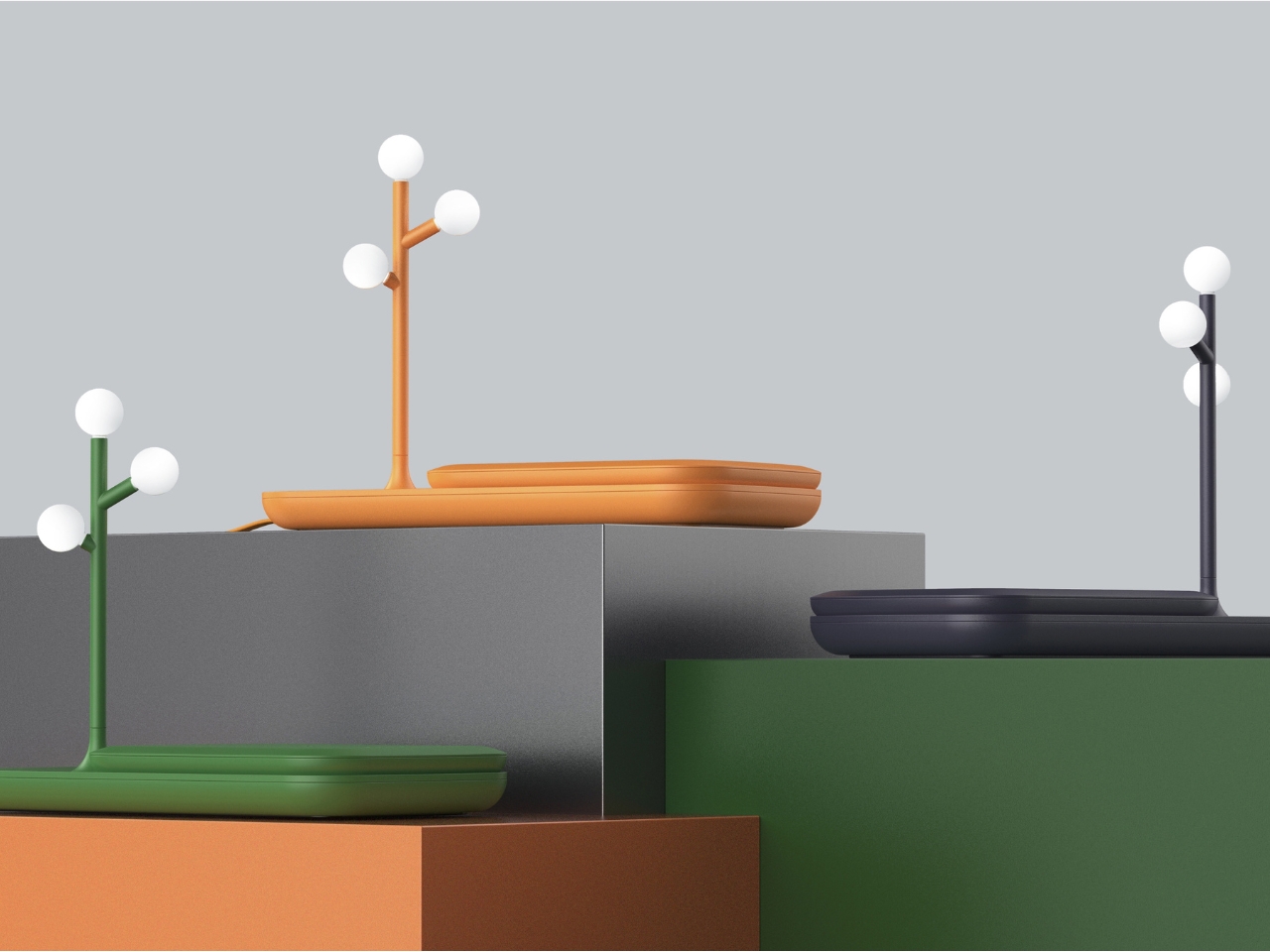
Whether it ever shows up on shelves at a price a normal person would pay is a separate question, and awards concepts like this one, a Silver winner from A’ Design Award, don’t always make that leap to retail. But the thinking behind it deserves more company. Desks aren’t going back to being purely functional spaces anytime soon, not with so much of the workday still happening from home. The objects that live there should probably stop pretending otherwise. A charger that also wants to be looked at isn’t solving a huge problem. It’s solving a small, honest one, the kind that’s easy to dismiss until you notice how much better a room feels once it’s gone.
SHARE