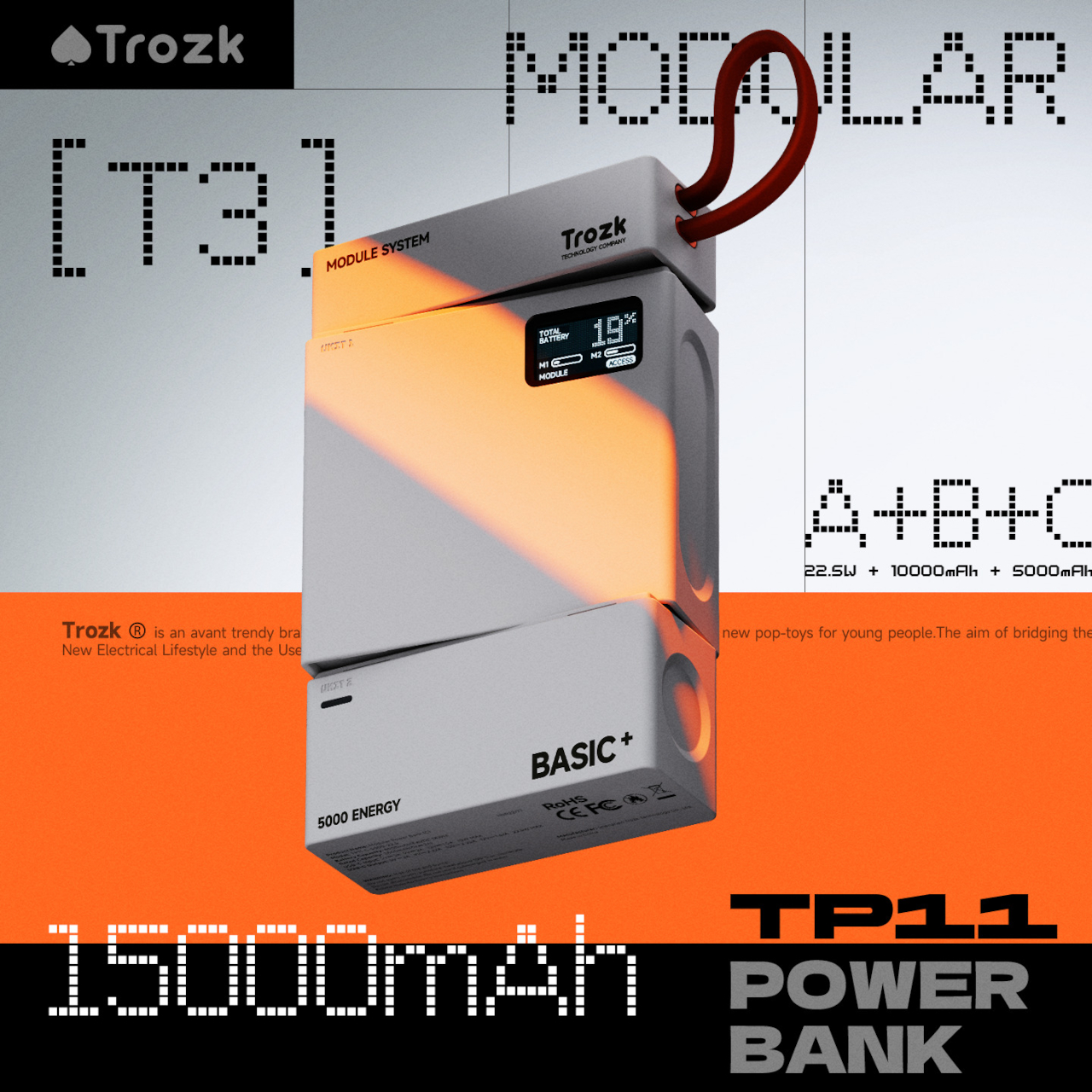
Most power banks force a single decision at checkout: buy the huge one for peace of mind, or the tiny one for your pocket, and live with whichever tradeoff you picked. The Trozk T3 Module Power Bank refuses that choice entirely, building a charging system out of three separate pieces that snap together or peel apart depending on what the day actually calls for. Capacity becomes something you assemble, not something fixed at the factory.
Each piece plays a distinct role instead of just being a smaller copy of the whole. Module A holds the control button, the ports, and a charging cable that’s already built in, acting as the brain of the system no matter how many other pieces get attached. Module B adds a hefty 10,000mAh reserve for a full day of use, while Module C packs 5,000mAh into something closer to a lipstick tube than a battery pack.
Designer: Trozk

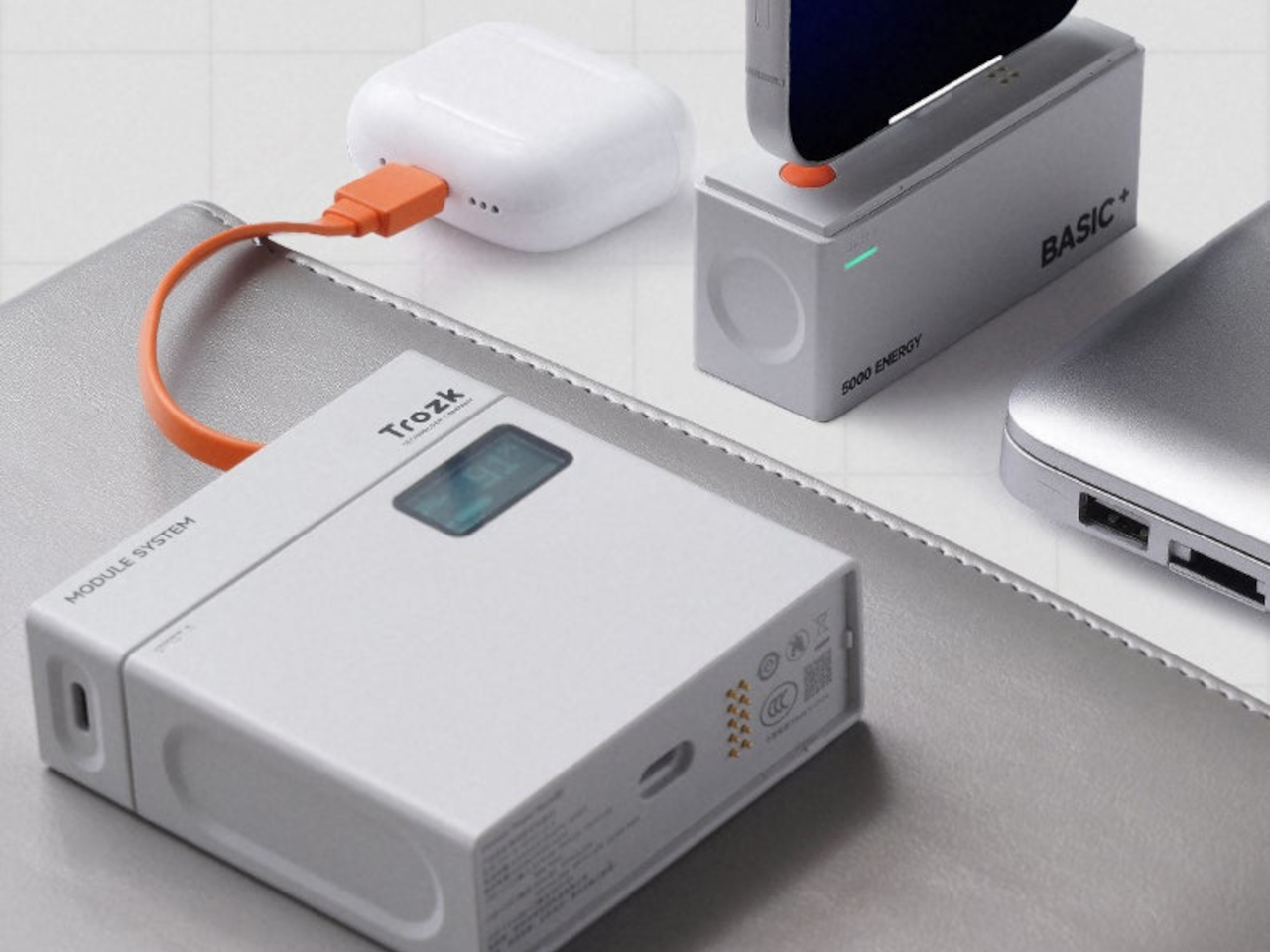
That size difference in Module C matters more than it sounds. On a day when a bag feels like overkill and a phone just needs a quick top-up before heading out the door, Module C alone plugs directly into a device without any cable dangling from a pocket. Add Module B back in for a commute or a work trip, and the same system scales up to 10,000mAh without buying a separate product for each scenario.
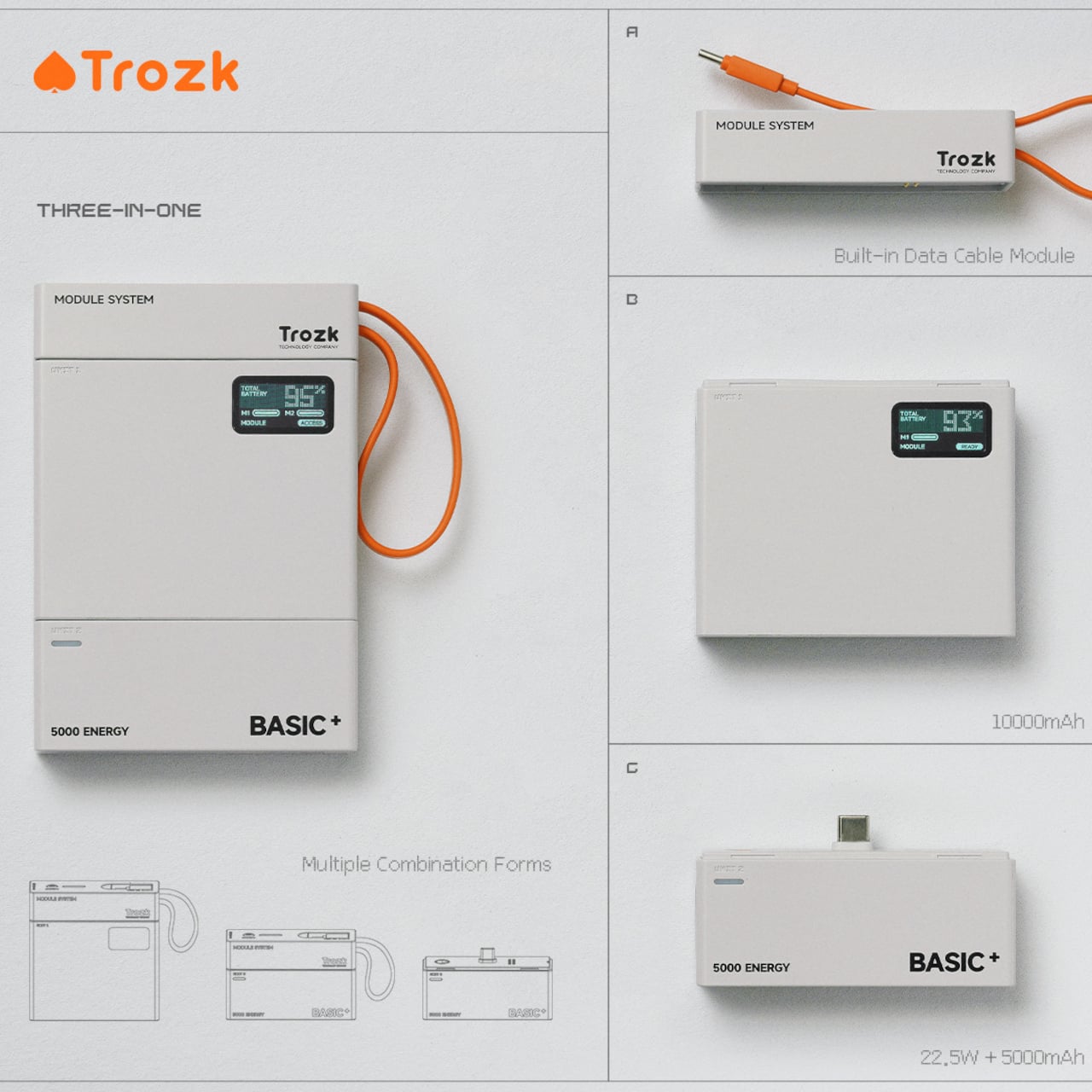
Stack all three together, and the full setup climbs to 15,000mAh, enough to get a phone through repeated charges during a long travel day or a weekend away from an outlet. Every configuration still charges at up to 22.5W over PD and QC fast-charging protocols, so swapping modules never means swapping down to a slower charging speed. The system scales in capacity without asking anyone to compromise on how fast a device actually fills back up.
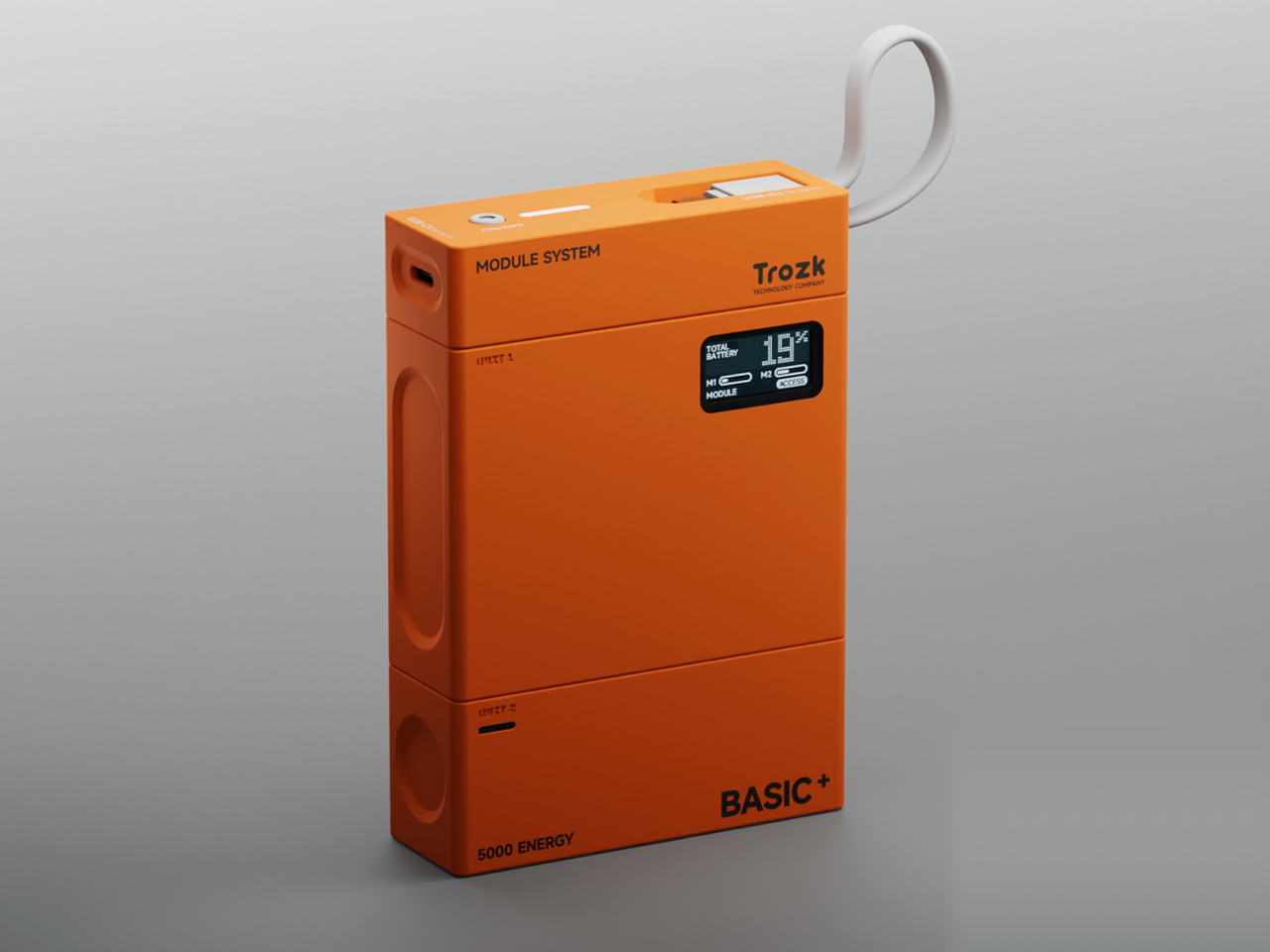
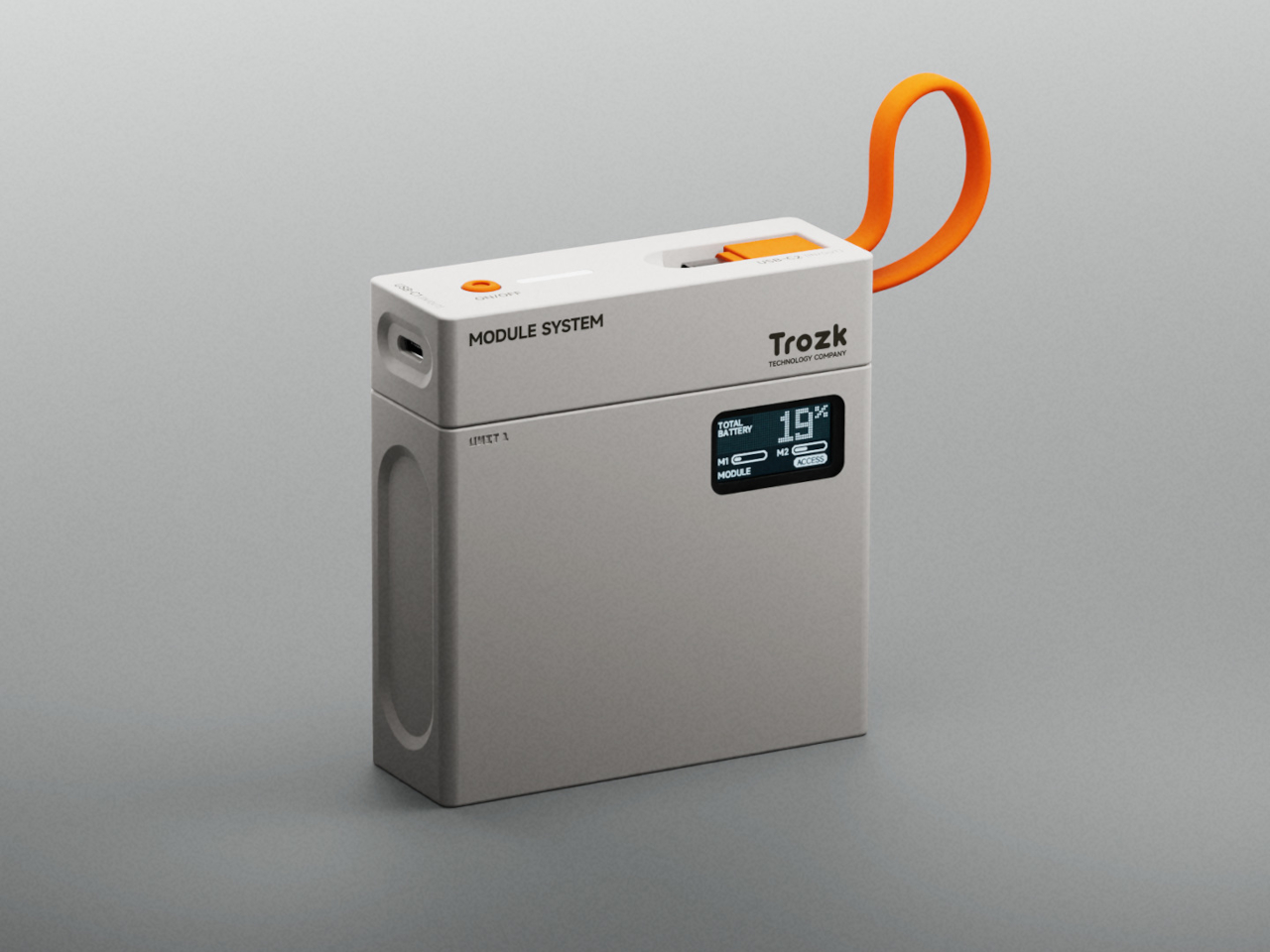
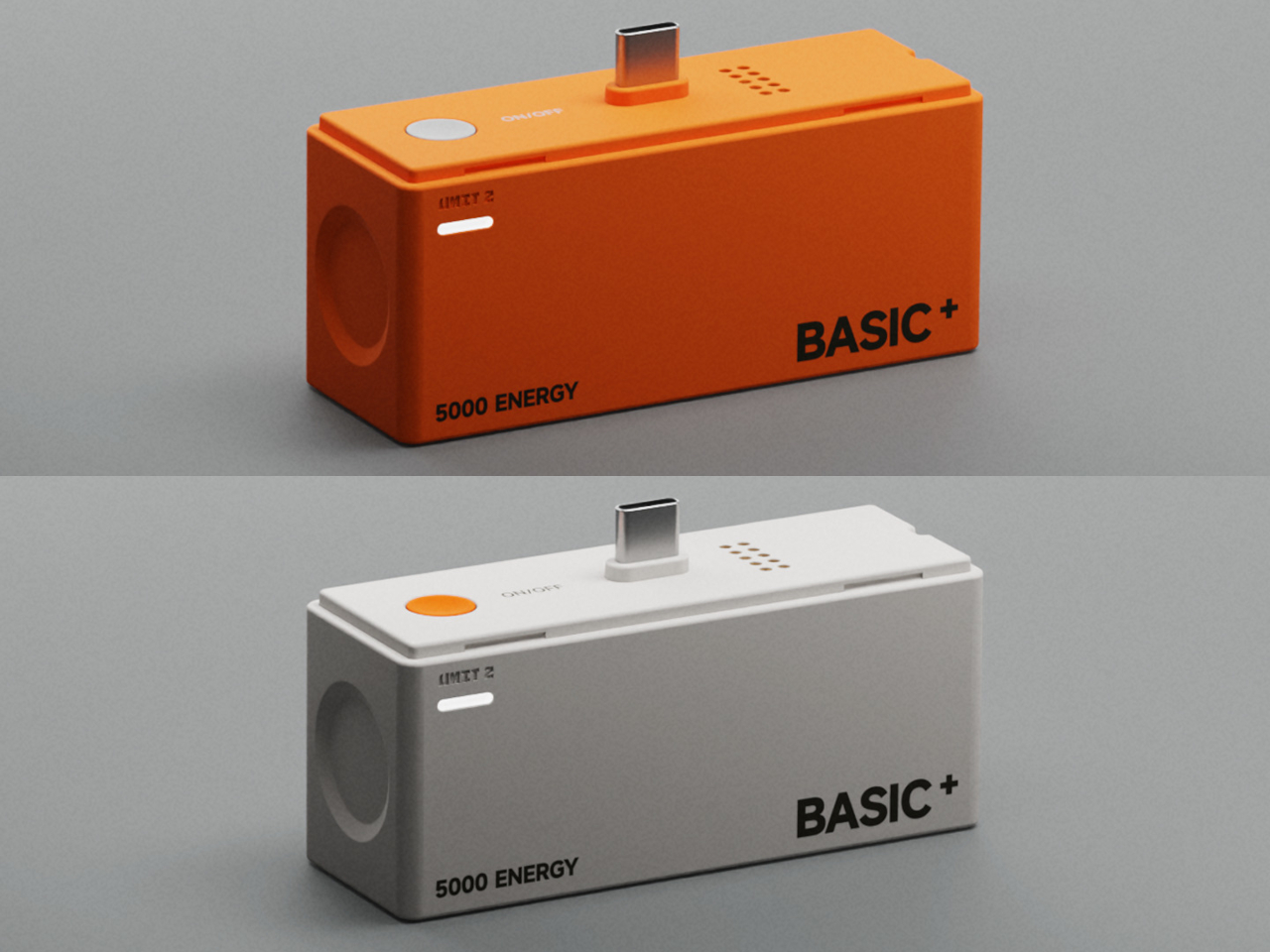
Inside Module B and Module C sit automotive-grade 21700 battery cells, the same cell format used in electric vehicles, chosen here for the higher energy density that keeps output steady rather than tapering off as the charge drops. A flame-retardant PC housing rated UL94 V-0 wraps around that battery core, paired with overcharge, over-discharge, and short-circuit protection working together as a layered safety net rather than a single point of failure.
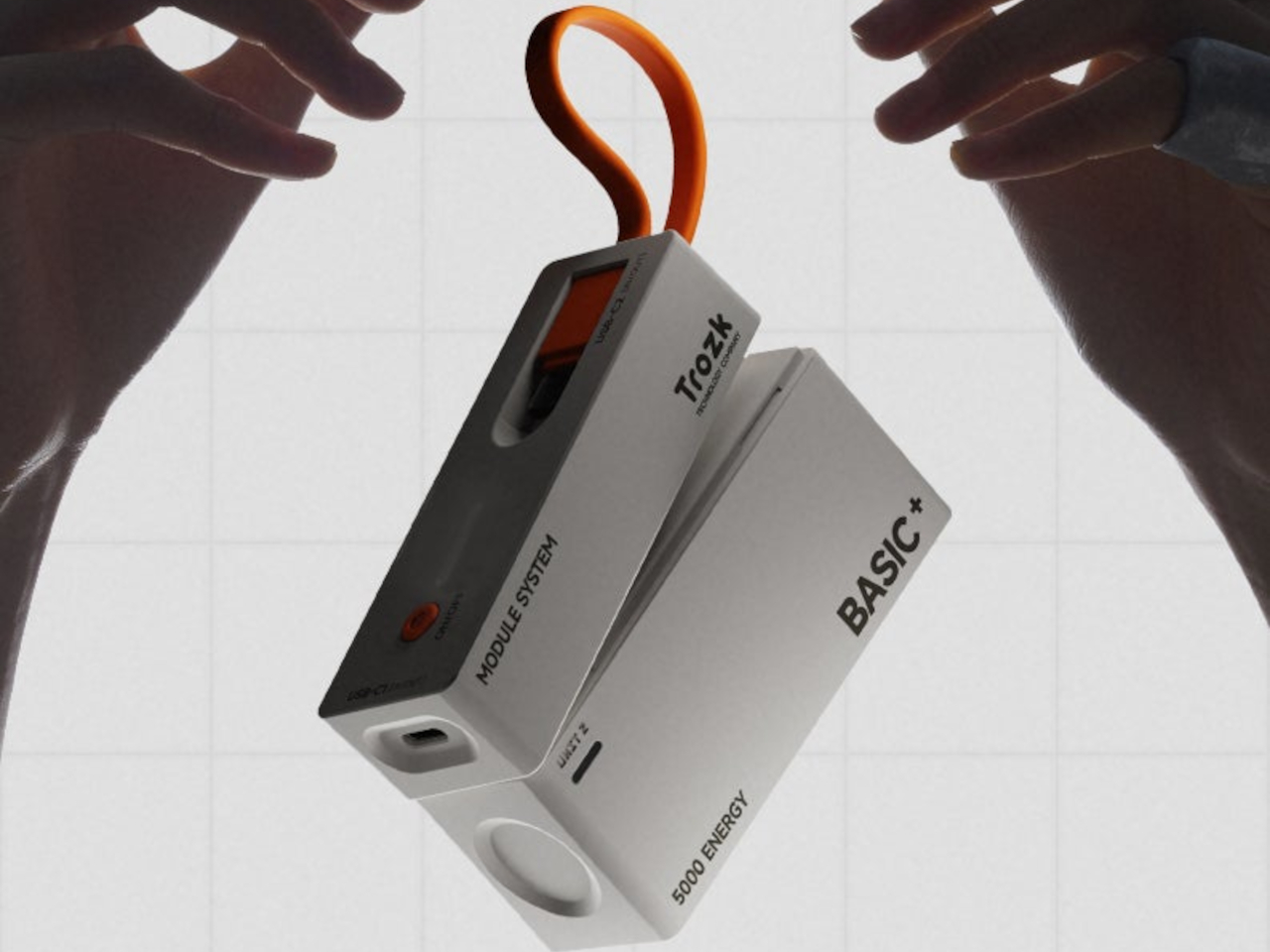
None of that hardware stays hidden behind a plain status light either. Module B carries an animated color display that shows total battery percentage alongside the status of each connected piece, turning what’s usually a boring number on a phone screen into something worth glancing at on a desk. Connecting different module combinations even triggers its own visual response, giving the display a bit of personality most charging bricks never bother with.
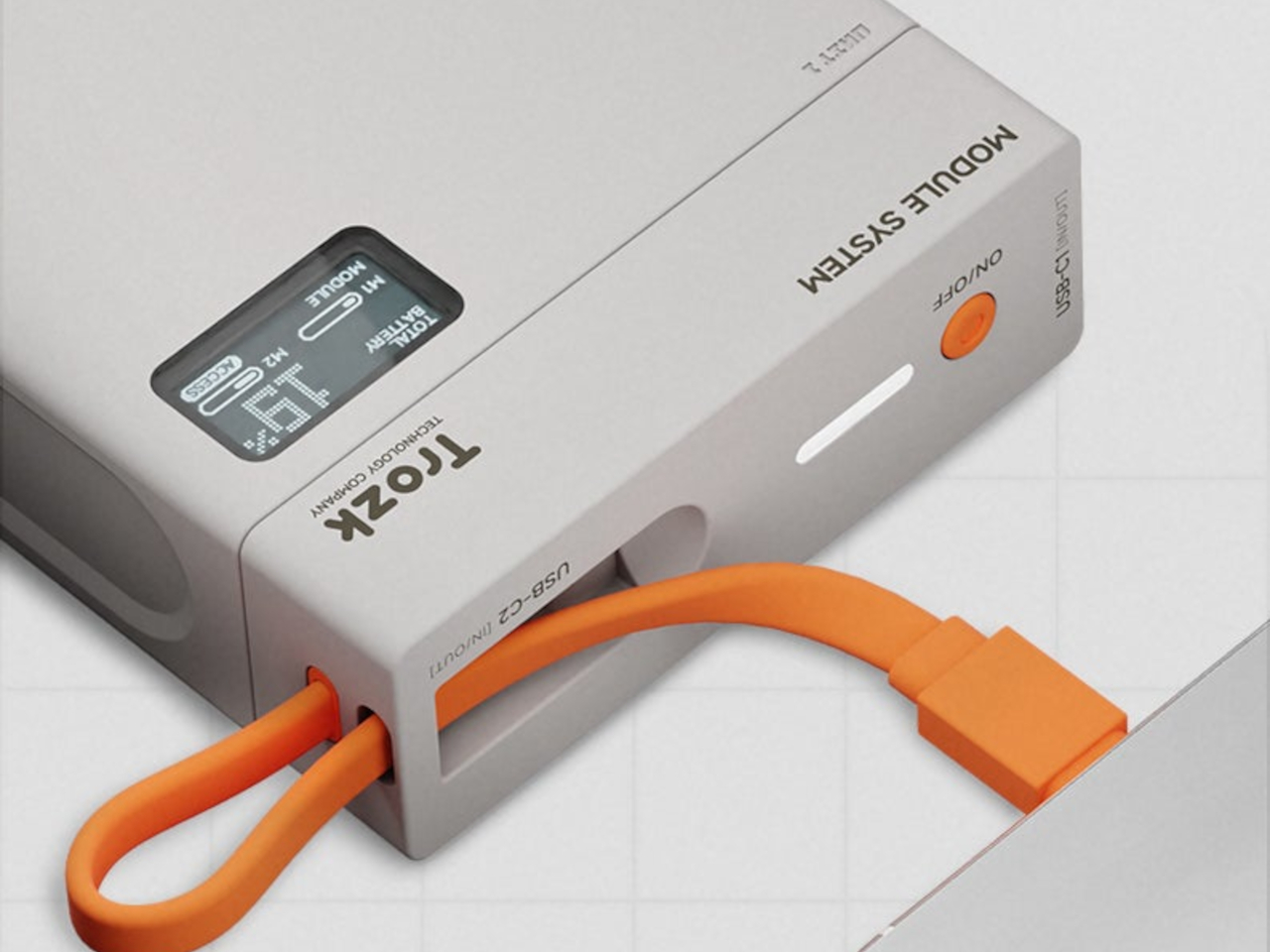
Owning one system that reconfigures itself changes how you think about packing a bag in the first place. Instead of choosing between a bulky charger you rarely fully use and a small one that runs dry too soon, the same three pieces cover both extremes and everything between them, snapping together only when the day actually demands the extra capacity.
SHARE