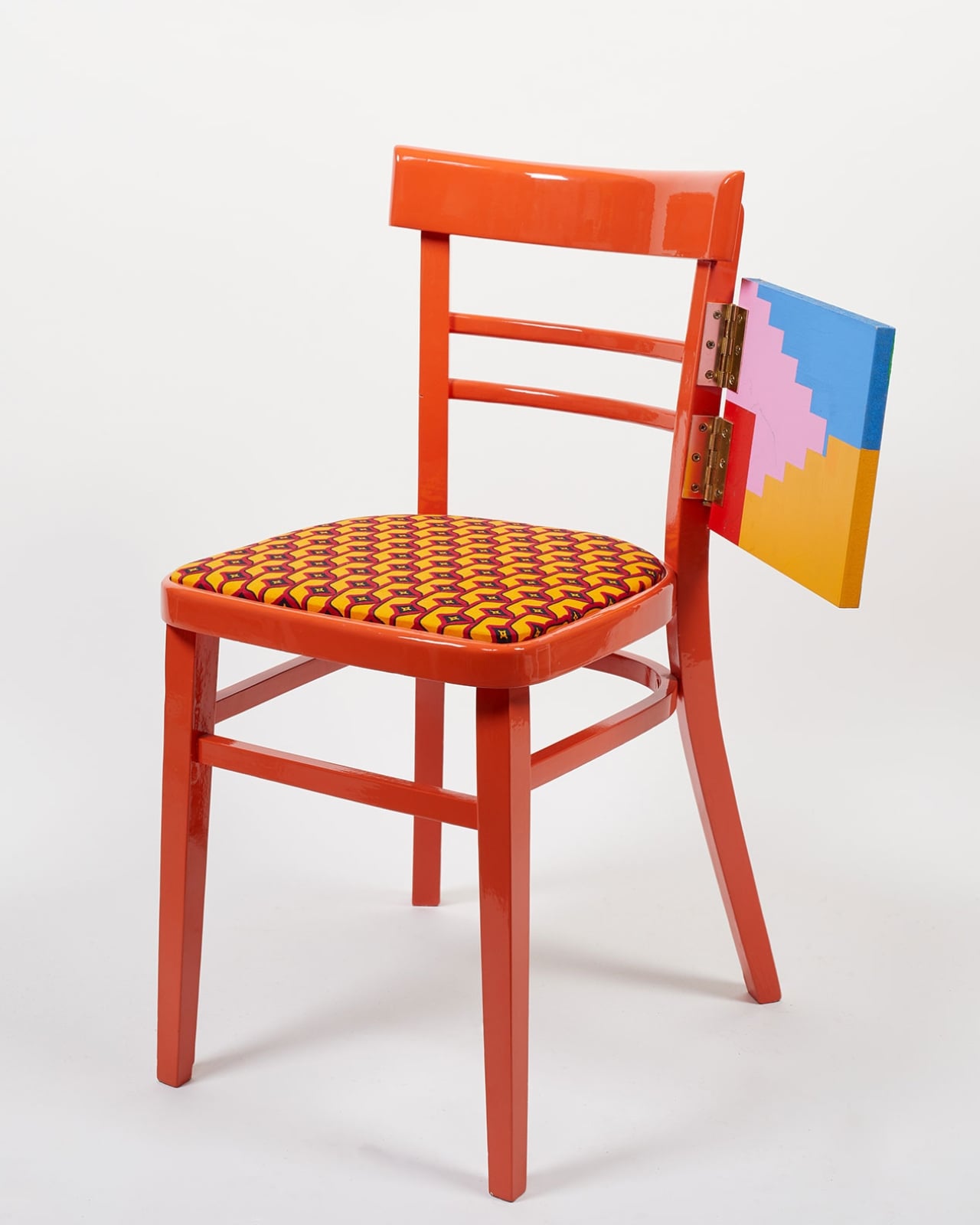
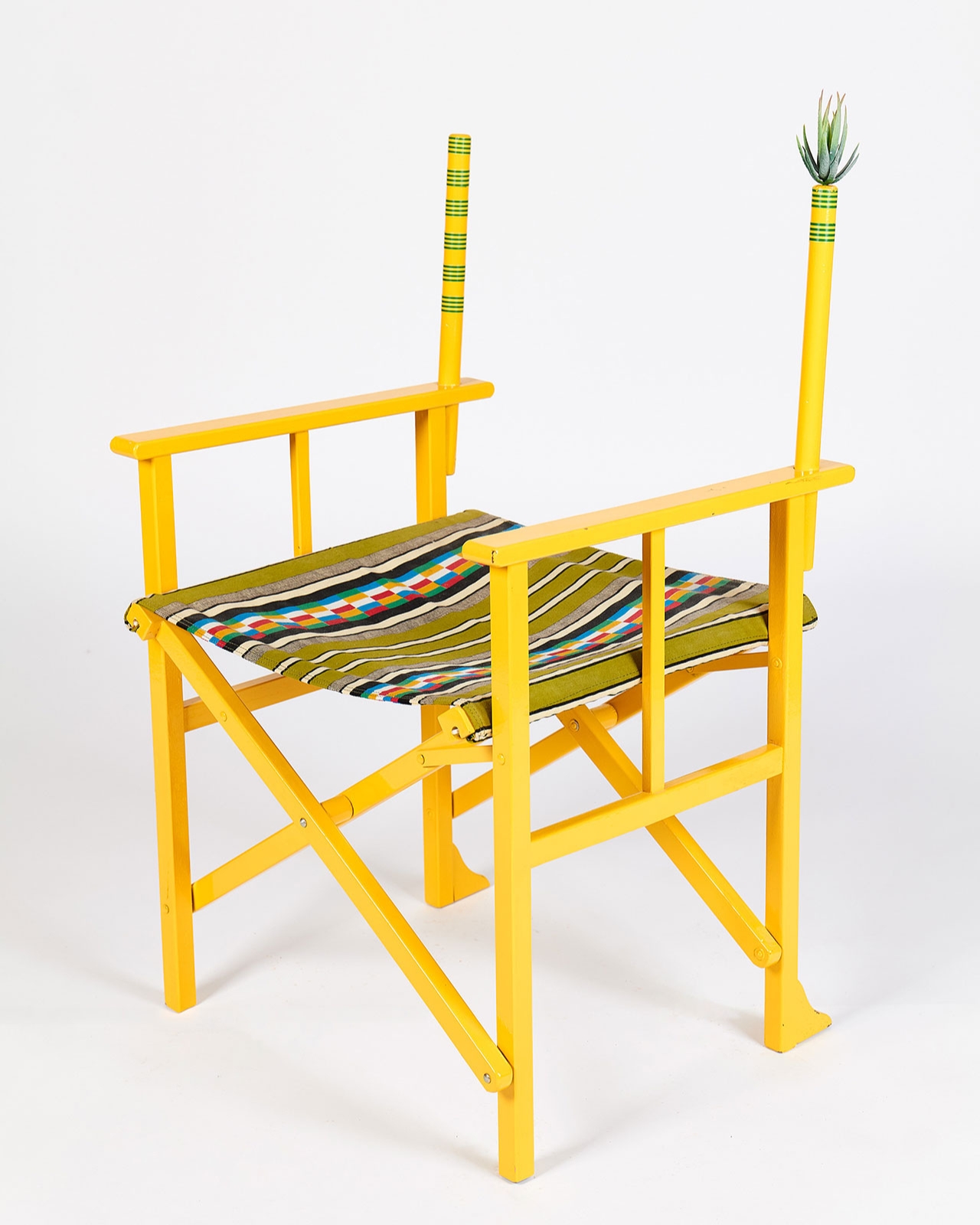
Every neighborhood has that curb. The one where a slightly wobbly dining chair or a stained armchair shows up on trash day, waiting for someone to either haul it to the dump or grab it before the truck does. Most of us walk past. We’ve been trained to see secondhand furniture as a problem to solve quickly, not a story worth keeping. That instinct, to discard first and ask questions never, is exactly what London-based designer Yinka Ilori has spent more than a decade pushing back against.
His new book, “Chairman,” published by ORO Editions, is the first to focus entirely on the furniture that made him famous: chairs he’s rescued from charity shops and street corners across London, then transformed with color, pattern, and a little bit of mischief. At 120 pages, it traces over ten years of work through what he calls vessels of memory, migration, and identity, three words that sound academic until you actually look at what he’s built. As Ilori puts it, chairs were his first design love because of the stories they carry, and that single line explains his career better than any curator’s essay could.
Designer: Yinka Ilori
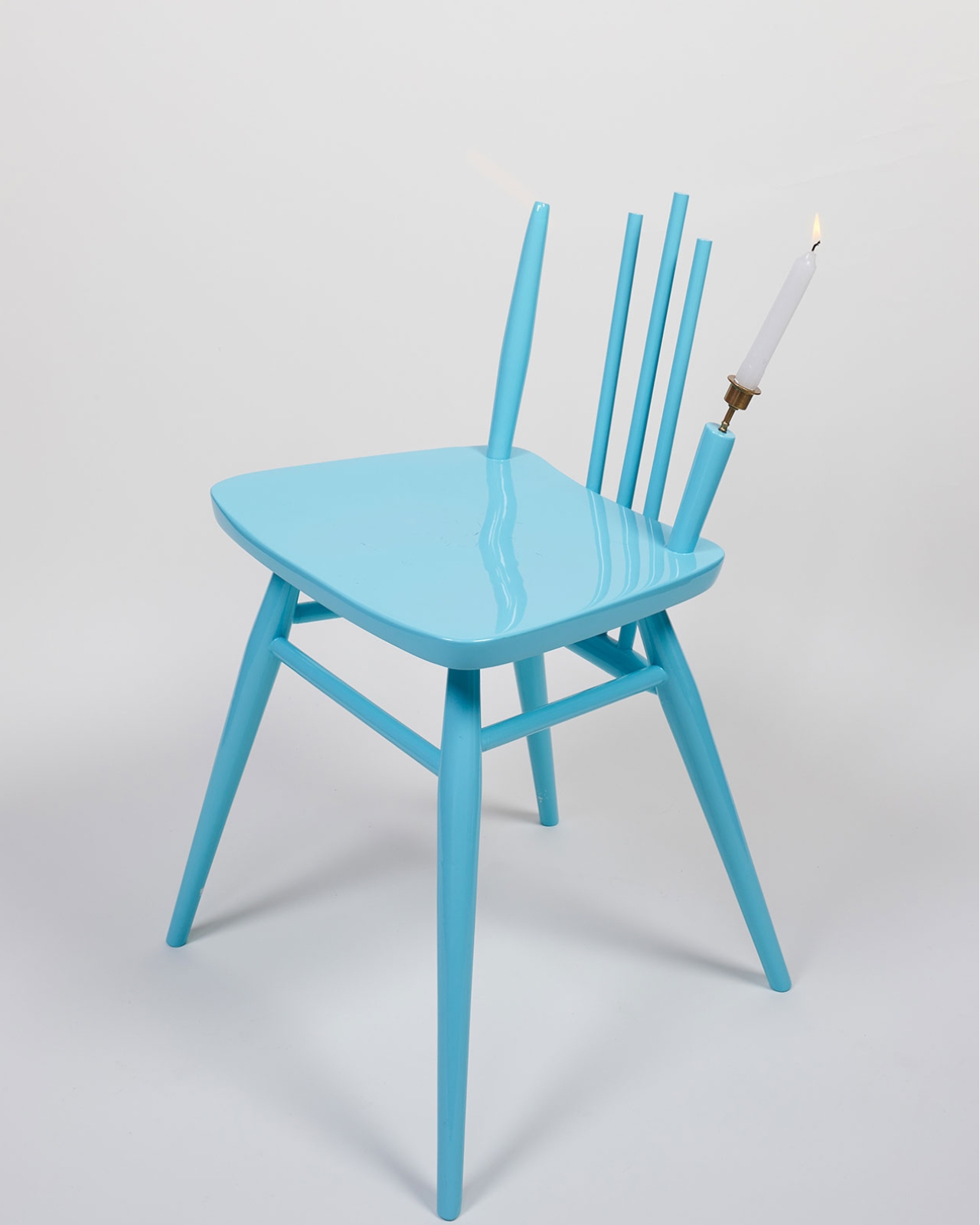
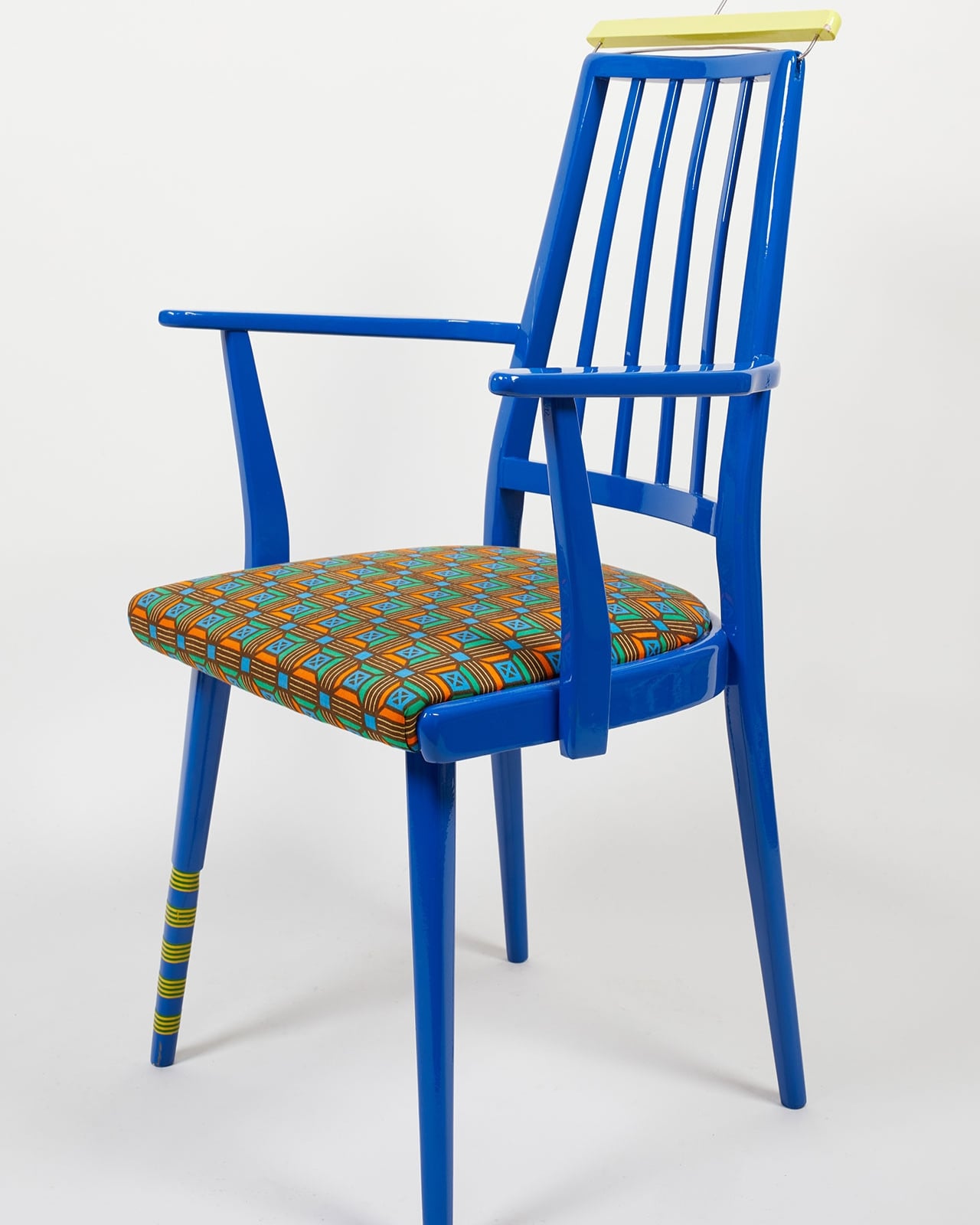
I like that the book doesn’t pretend the chairs are just chairs. Ilori has said that vintage furniture holds “personal stories, secrets, emotions, and sentiments,” and in his British-Nigerian household, offering someone your chair was never a small gesture. It meant you were inviting them into your life, your gossip, your grief. That idea shows up again and again in his work, most memorably in his 2015 show “If Chairs Could Talk,” where he named restored pieces after childhood friends from his neighborhood, some who went on to do well, others who didn’t. The point wasn’t to rank them. It was to remind people that judging a chair, or a person, by its current condition tells you nothing about where it’s been.

That’s the part of Ilori’s practice I find genuinely refreshing in a design landscape that often treats furniture as either disposable or precious, with nothing in between. He’s neither flipping thrift store finds for profit nor placing them behind museum glass. He’s giving them jobs to do again, usually with a candle holder tucked into a backrest or a plant shelf built into an armrest, details that are playful without being gimmicky.
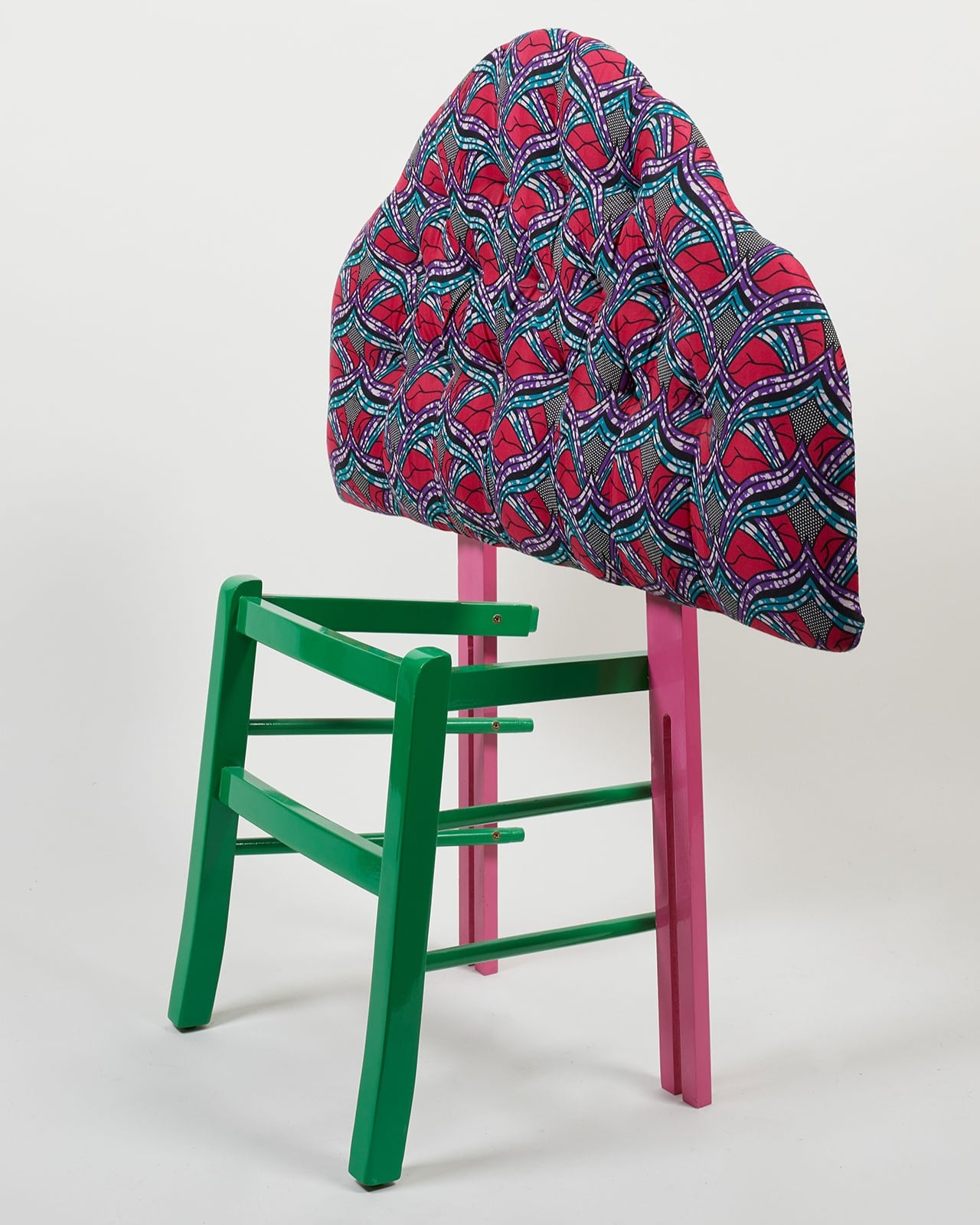
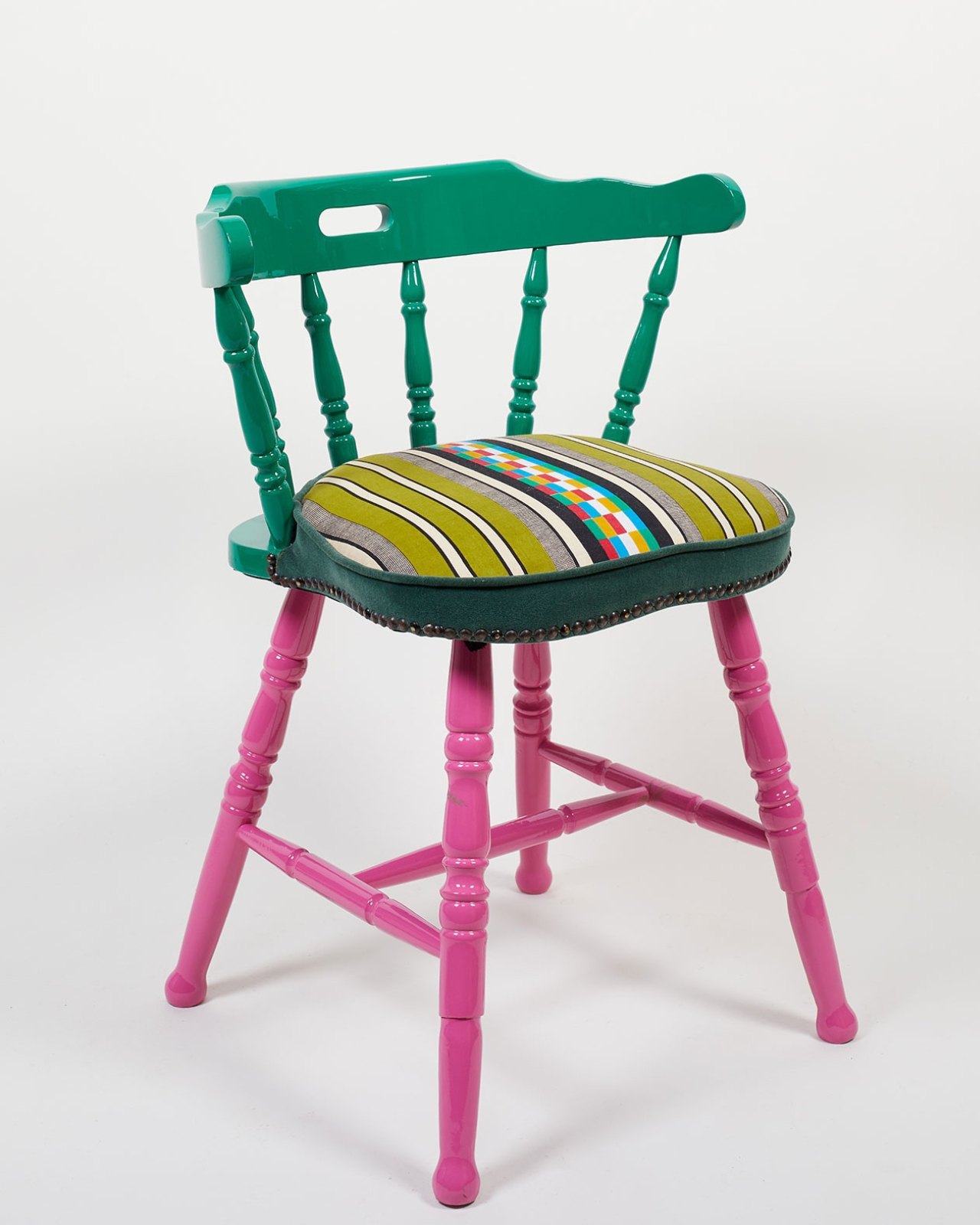
We have our own complicated relationship with secondhand furniture. We love a good flea market flip on television, but we also replace couches the way we replace phones, and curbside “free” piles rarely stay put for long before someone tosses them for good anyway. Ilori’s approach, sourcing directly from charity shops rather than manufacturing new pieces from scratch, quietly argues for a slower, more attached way of living with objects. He’s not lecturing anyone about sustainability. He’s just showing what happens when you actually look at a chair before deciding it’s garbage.
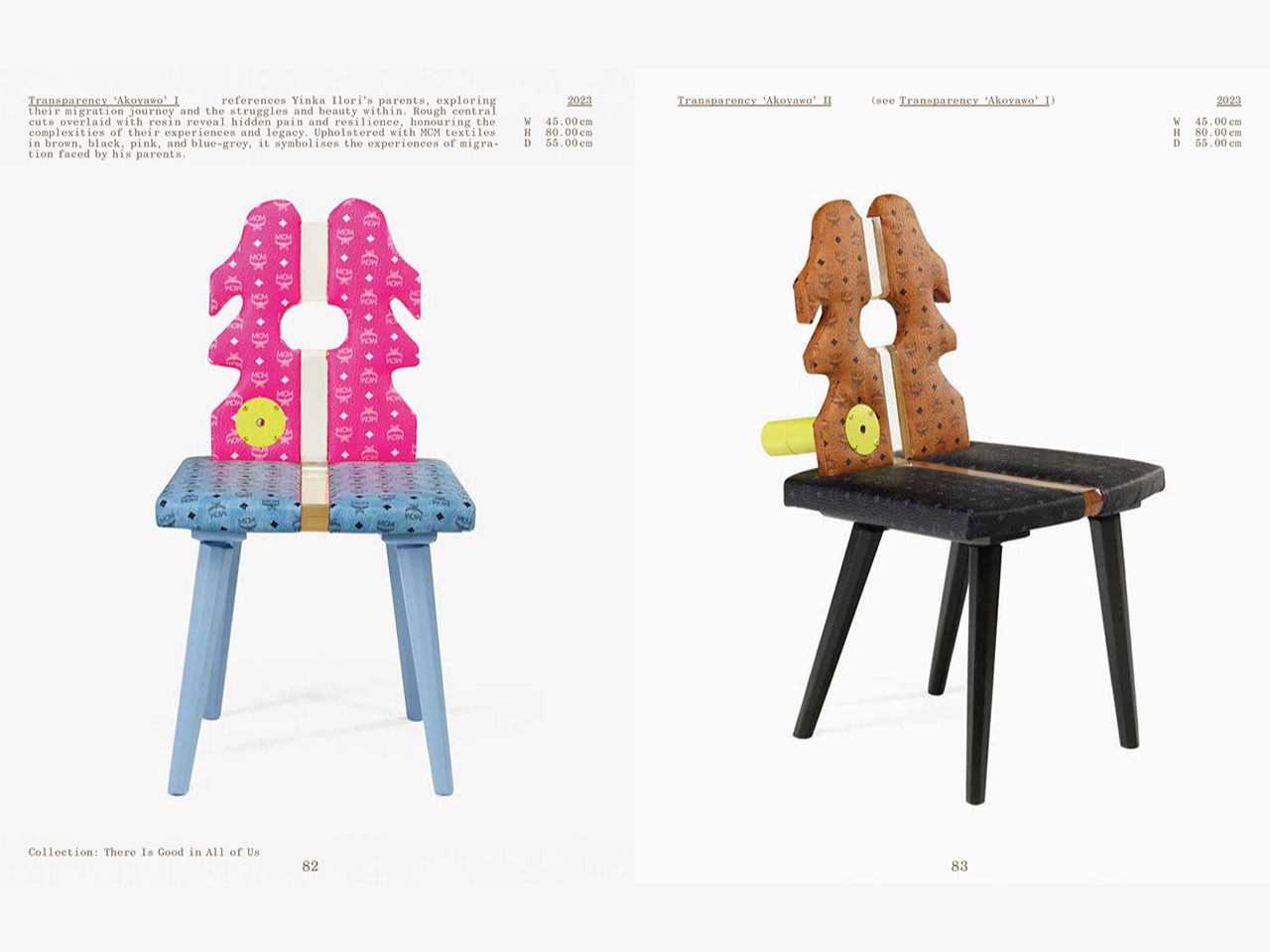
The book also situates his chair work inside a wider circle of artists and designers, which feels right, because Ilori has never worked in isolation the way some monograph subjects like to pretend they have. One section, drawn from his “There Is Good in All of Us” collection, makes that point almost too plainly, turning cast-off seating into small monuments to second chances. His path from upcycling furniture in 2011 to large public commissions, like the Colour Palace at Dulwich Picture Gallery or his Adidas collaboration, started with exactly this kind of hands-on, unglamorous restoration work. “Chairman” makes the case that the chairs weren’t a warm-up act before the bigger projects. They were always the main story.
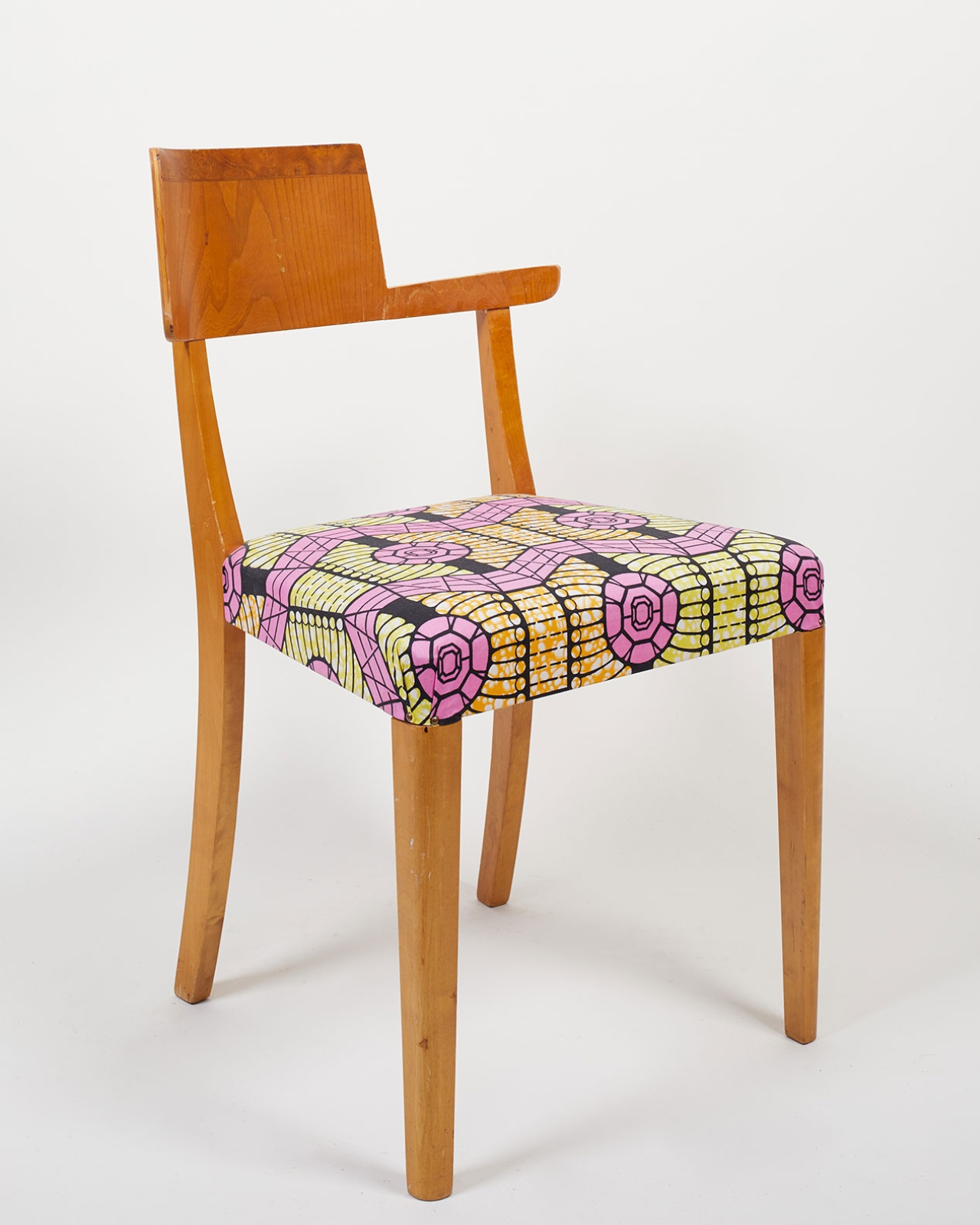
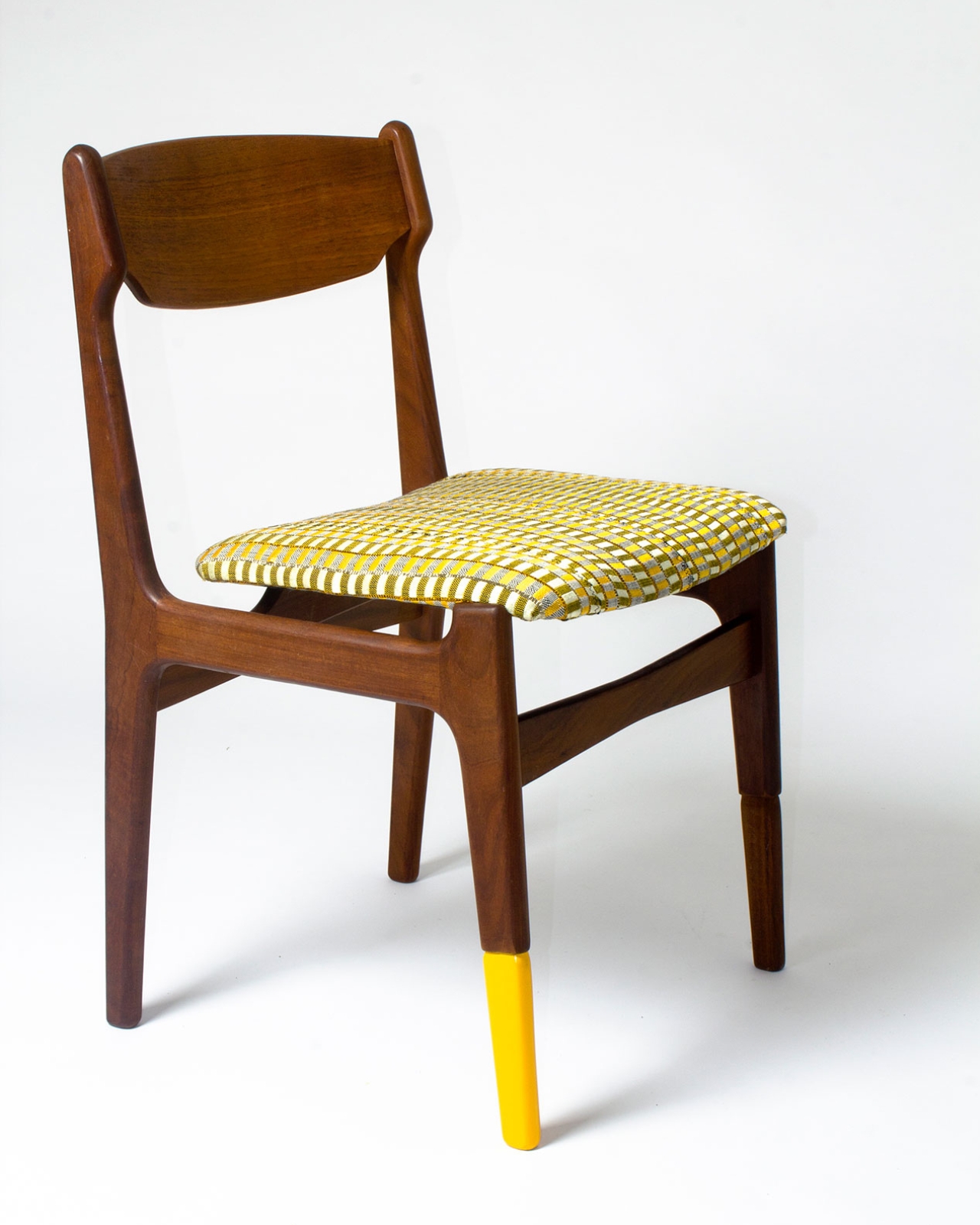
What stays with me most is how simple the underlying belief actually is. Ilori isn’t claiming that every discarded object deserves a second act. He’s pointing out that most of them never get the chance to prove whether they do. Design so often chases what’s new, but “Chairman” quietly argues for paying attention to what’s already here, sitting in a corner somewhere, waiting for someone to notice it hasn’t finished its story yet.