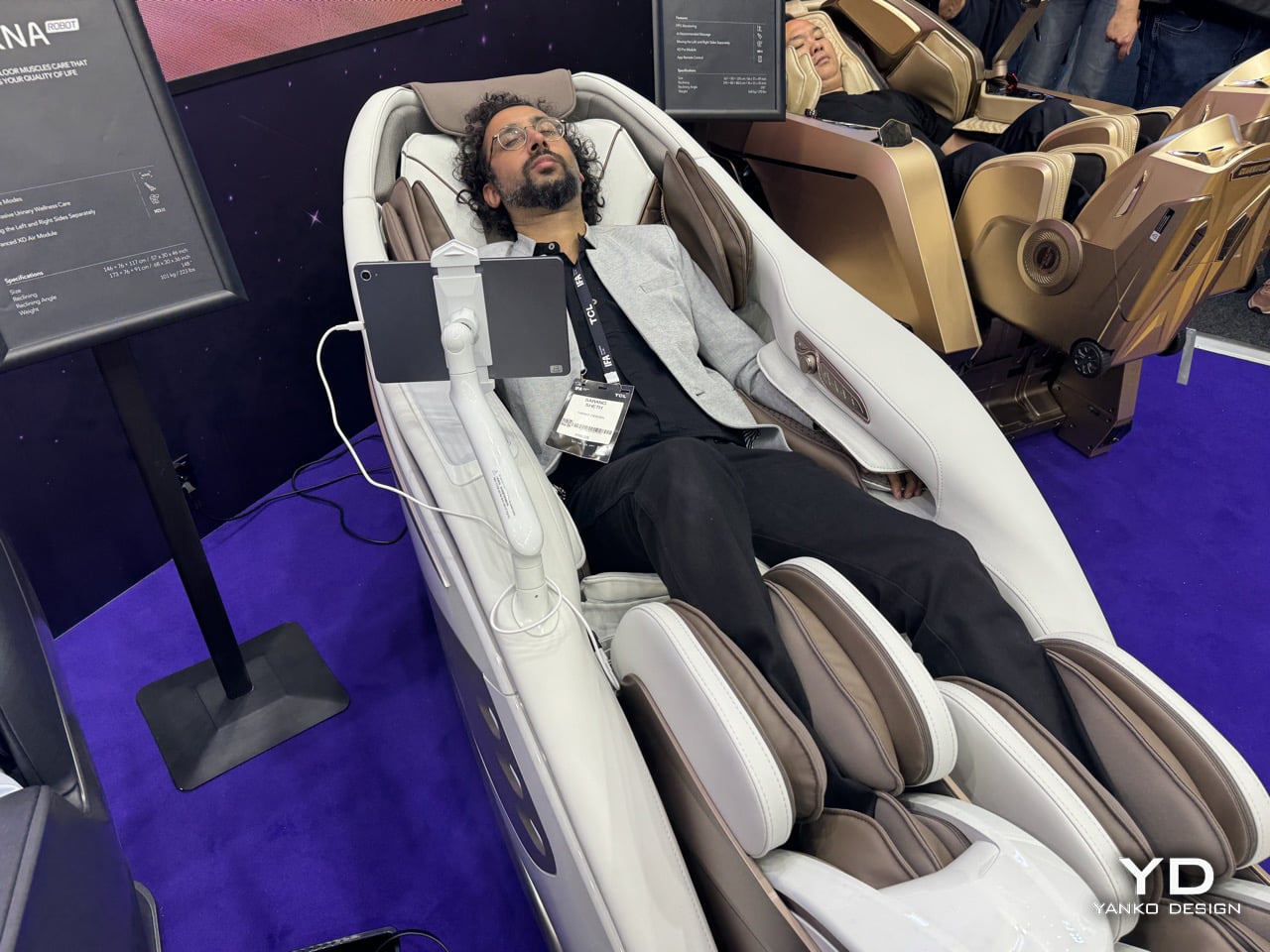
Somewhere out there is a bingo card of jobs AI would come for, and I guarantee nobody had masseuse on it. AI has already eaten its way through a scary chunk of the low-level workforce, copywriting, junior coding, customer support scripts, even the guy behind the wheel in some cities now. But there was always this quiet assumption that a good deep tissue rubdown needed actual human hands, actual human judgment, someone who could feel where the knot was and adjust on the fly. That felt safe. Untouchable, even. Then I walked into Bodyfriend’s booth at IFA 2026, sat down in a chair, and casually talked my way into the best massage of the show. Apparently the human-to-human touch job just got automated too.
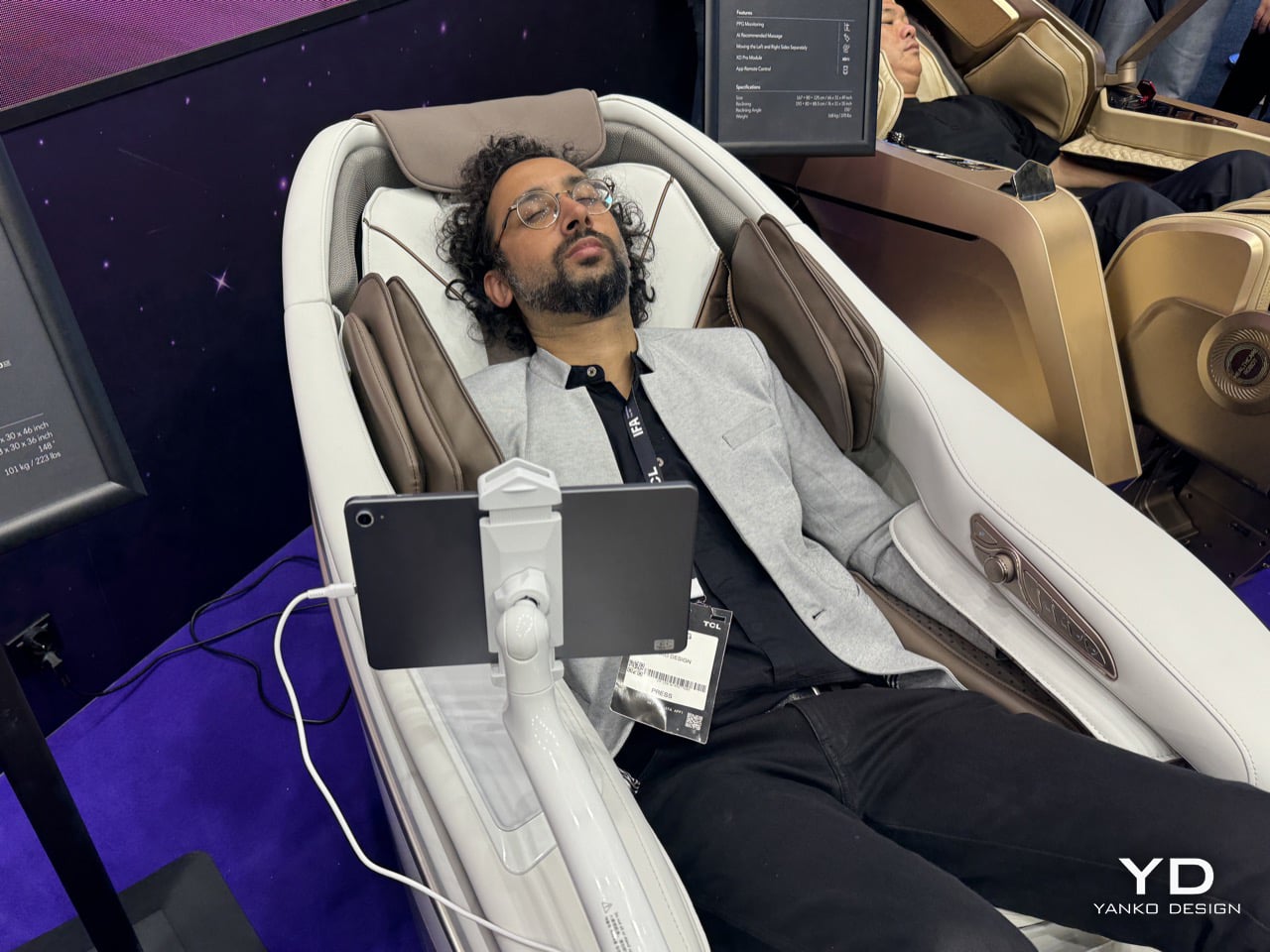
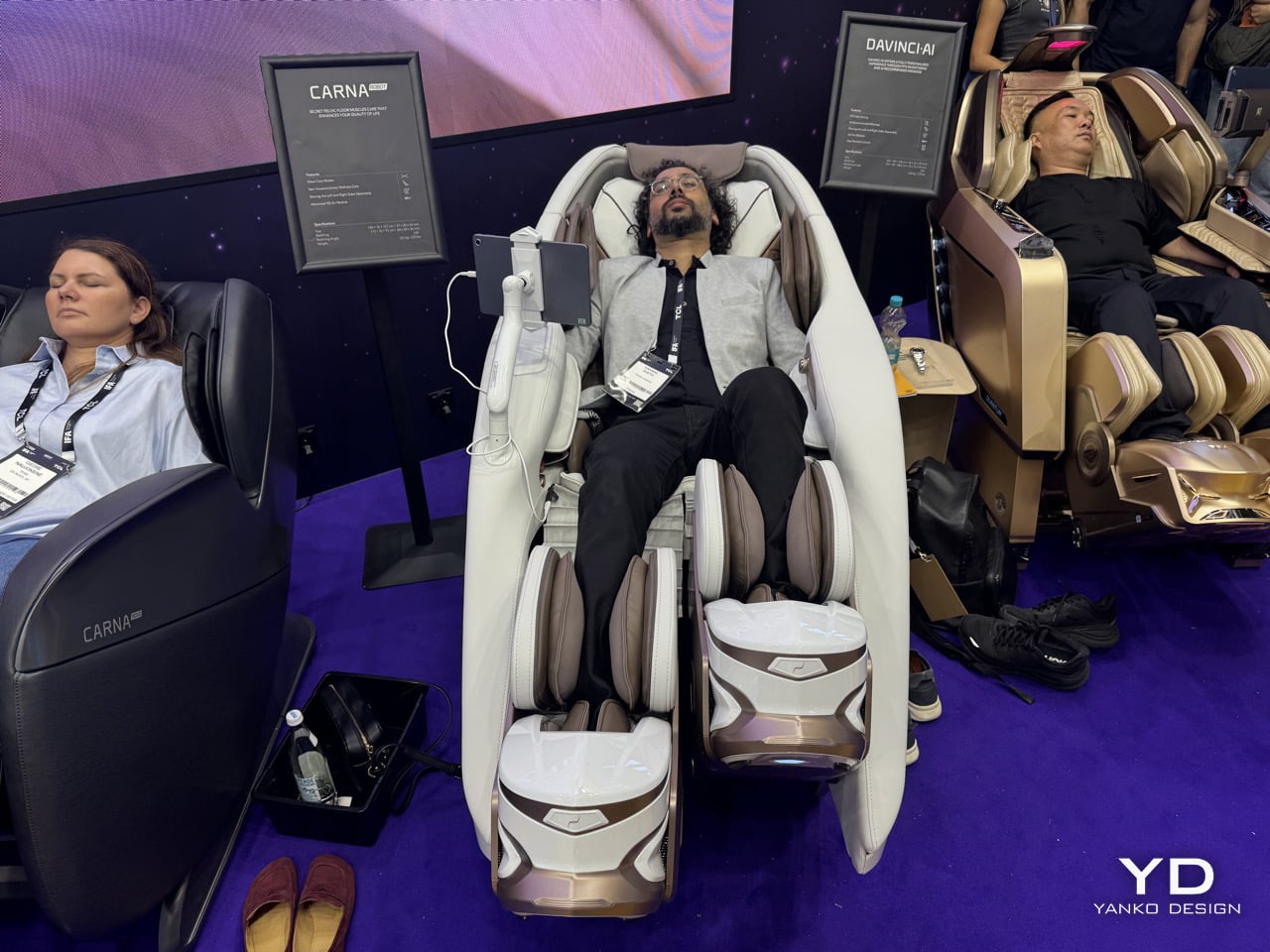
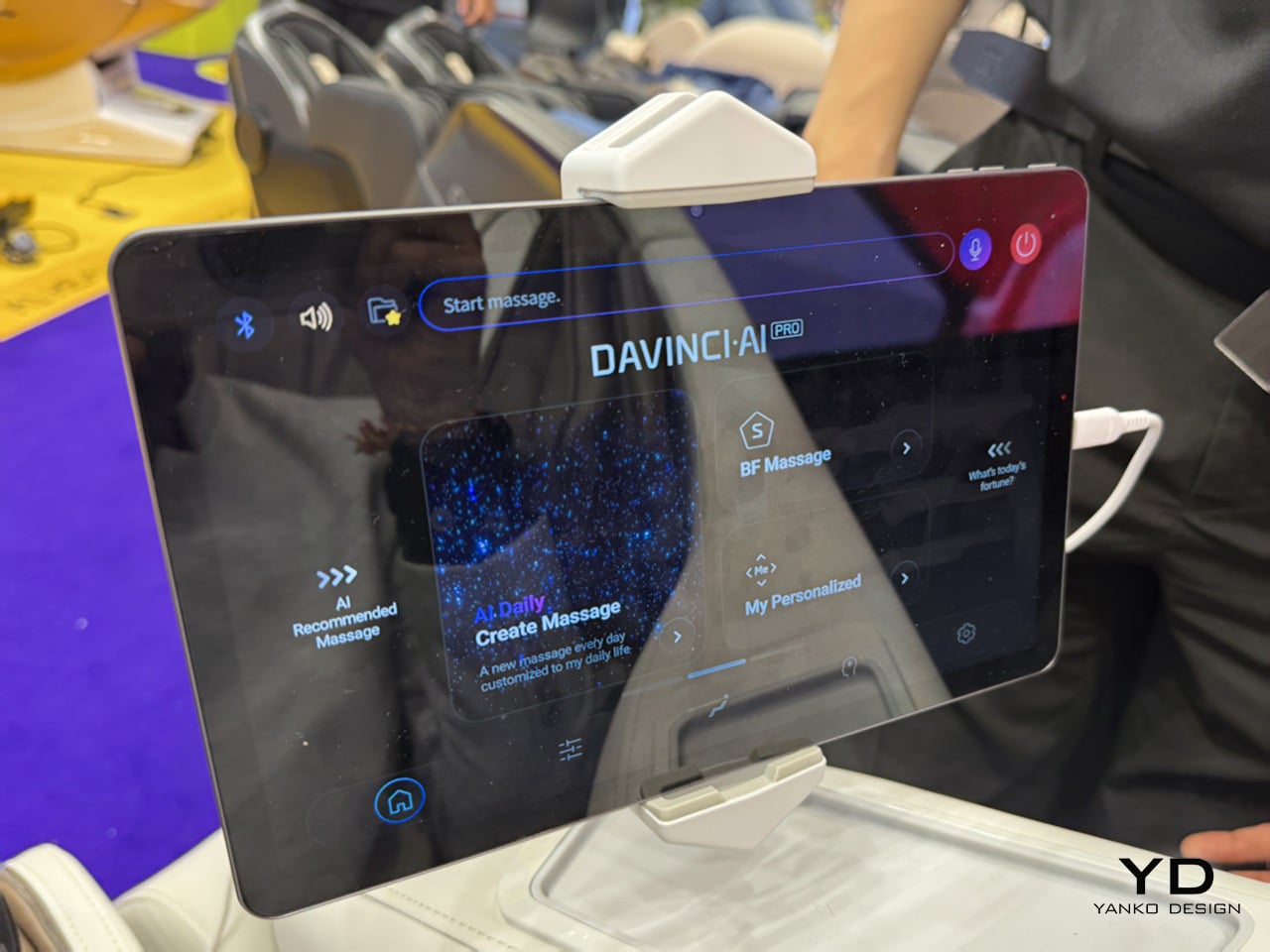
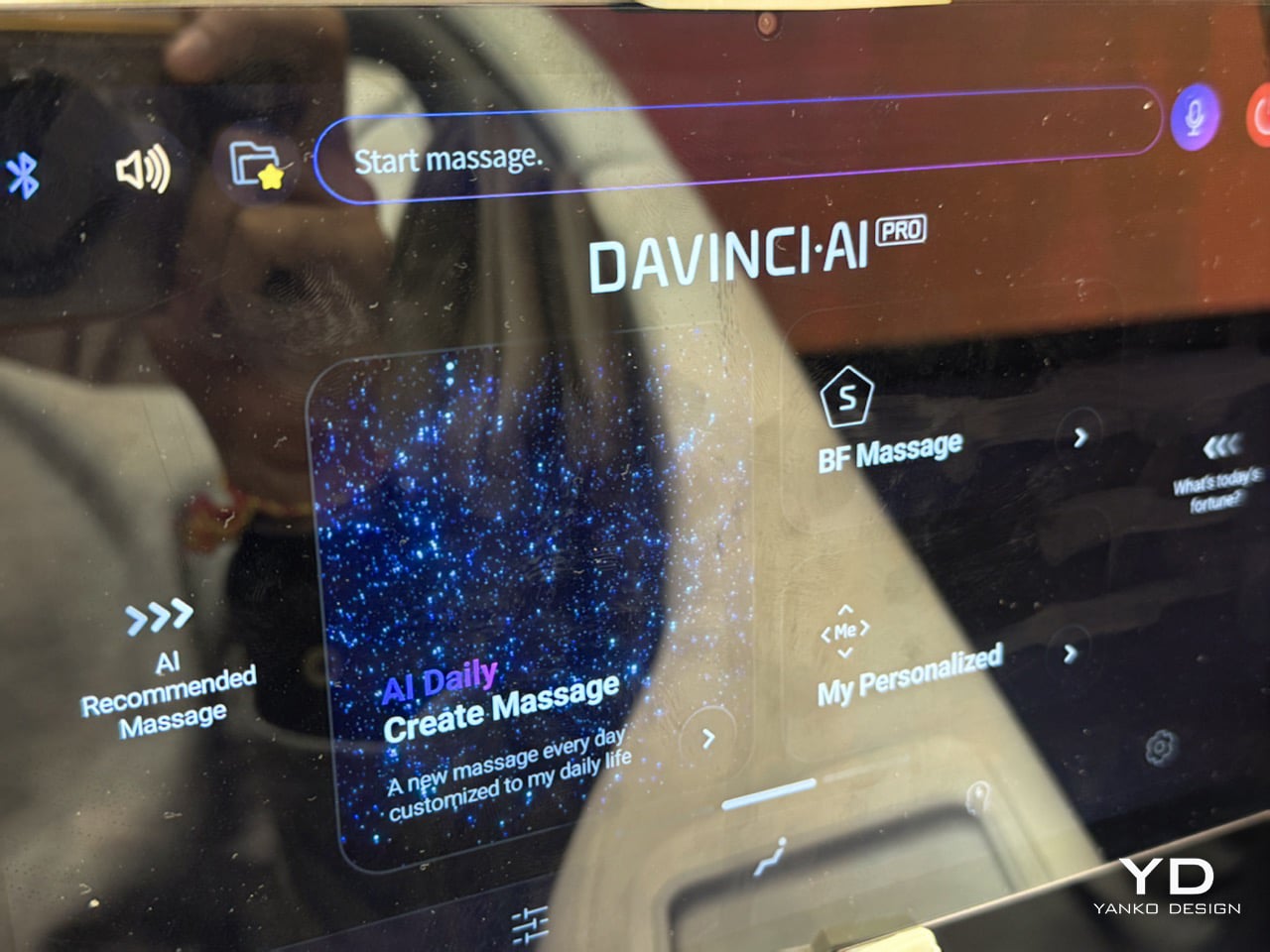
The chair was Bodyfriend’s DaVinci AI, running the same generative AI Bodyfriend had just unleashed in Seoul days before IFA, badged DaVinci AI Pro. Instead of picking from a shelf of presets, it listens to plain language and builds a massage from scratch, mixing 134 basic blocks across body zones, pressure, and duration. Bodyfriend puts the theoretical combinations in the trillions, and having felt the difference, I believe the math. A PPG sensor in the hand massager also reads heart rate, heart rate variability, and blood oxygen in real time, so the chair responds to your actual state, not just your words. I did not know any of this walking in. I just knew I was tired, sore, and willing to talk to a chair like it owed me something.
Designer: Bodyfriend
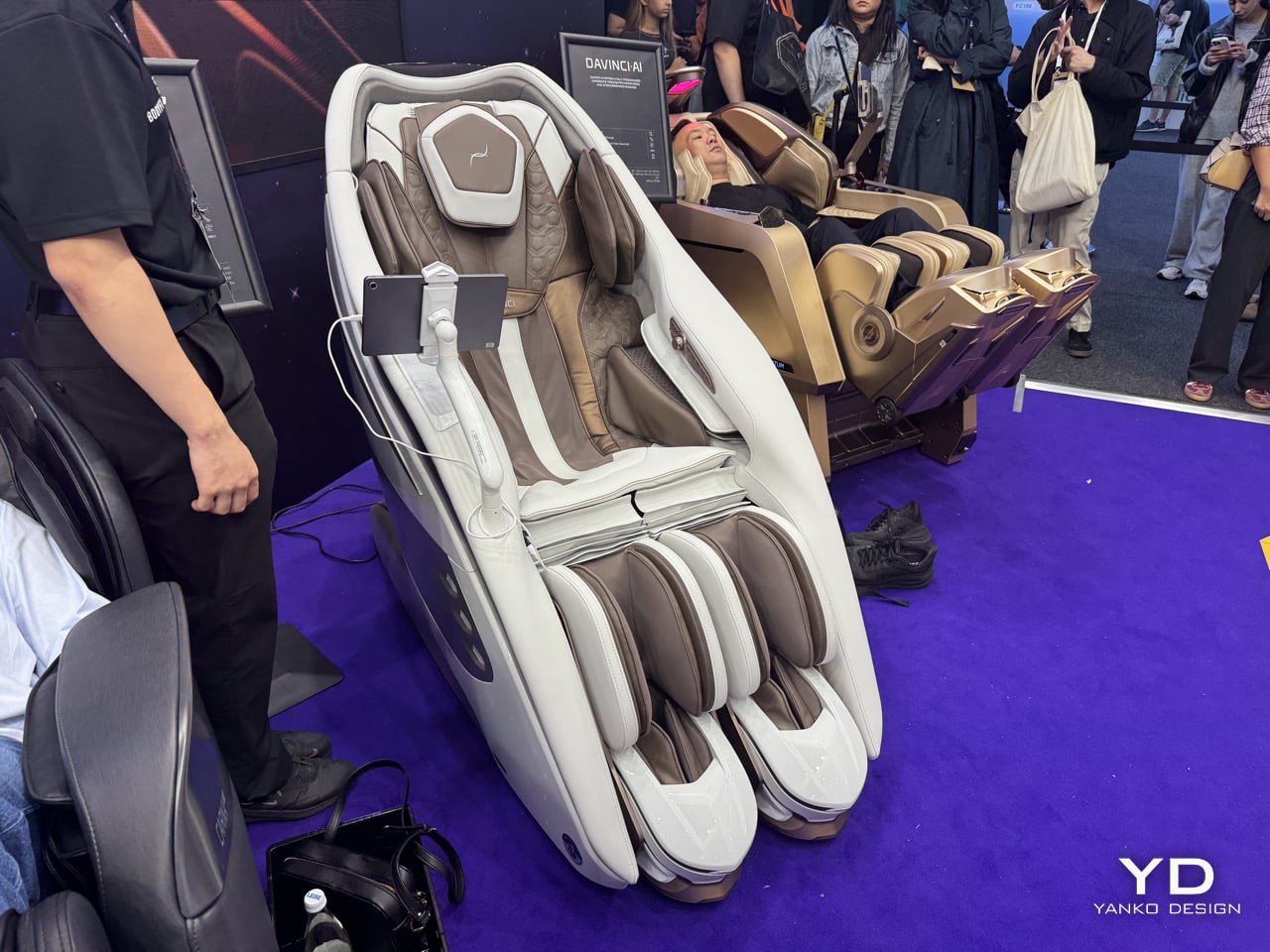
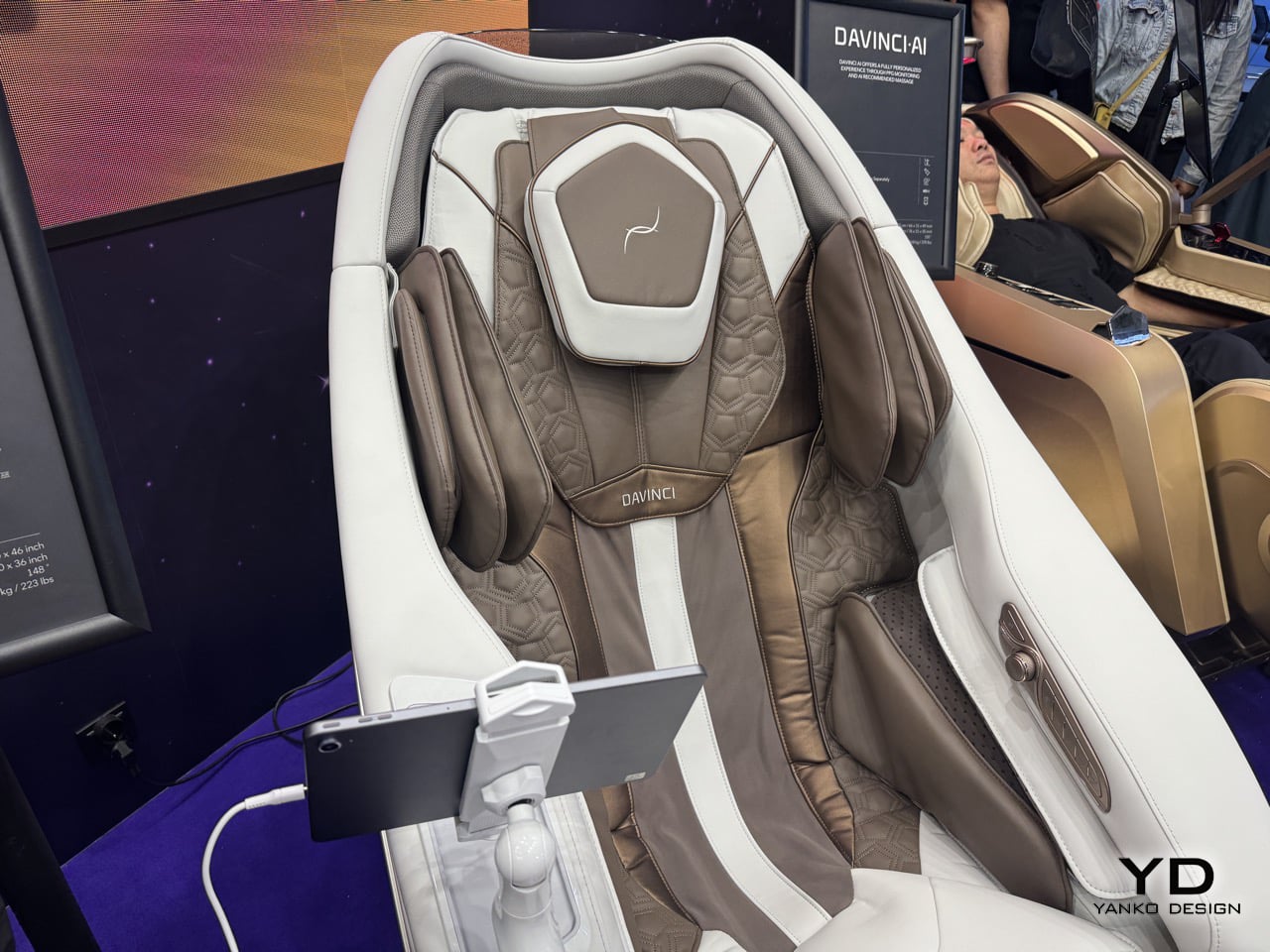
I had clocked around 15,000 steps that day, running on trade show coffee and basically nothing else, and my feet and shoulders had reached the point of open rebellion. I sat down, and instead of hunting for a remote, I just talked to the tablet mounted on the armrest. “Hey Buddy,” I said, “give me a strong foot massage, and also help relieve tension in my neck and shoulders.” Within about a minute it had built something specifically for that, working my feet, shoulders, and spine while leaving my hands completely alone, because I never asked for them. When I got a flicker of FOMO and asked it to include a hand massage too, it recalibrated on the spot rather than restarting from zero. Talking to it felt closer to briefing a person than operating a machine.
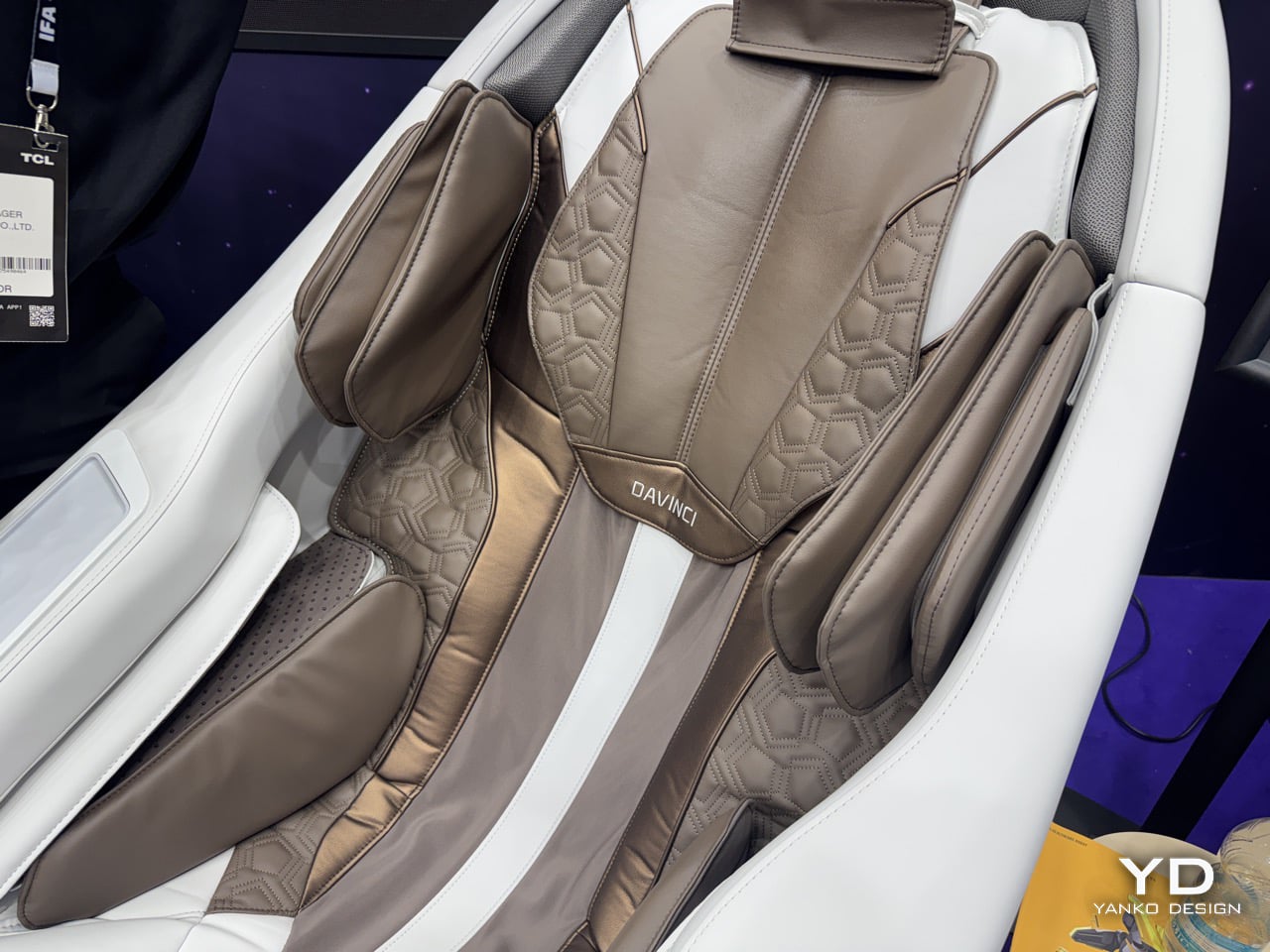
The DaVinci name carries some real design pedigree behind it. Bodyfriend’s earlier DaVinci models were developed with Italdesign, the Turin studio behind decades of concept and production cars for names like Lamborghini and Bugatti, and that automotive language shows up in the chair’s sculpted shell and the confidence of its proportions. This year’s leap is less about the shell and entirely about what is happening inside it. Where the original DaVinci used bioelectrical impedance analysis to profile your body composition, the AI Pro generation swaps that for conversational intelligence, a shift from measuring you passively to actually listening to you. It is the difference between a chair that studies your body and one that takes instructions from it.
Bodyfriend’s booth this year also carried the 733, a wearable healthcare robot that took home an IFA Innovation Award honor for independently guiding your arms and legs through stretching and standing assistance, proof this is a company betting hard on robotics well beyond the living room recliner. Against that backdrop, DaVinci AI reads less like a gimmick and more like the company’s flagship idea about where home wellness tech goes next. We covered Bodyfriend’s Quantum robotic chair at IFA 2024 and called it a bodygasm in leather and Bang & Olufsen sound. DaVinci AI trades some of that theater for something quieter and arguably bigger: a chair that finally understands what you are asking for, in your own words, on the first try.