Most design conversations are obsessed with the “last mile,” that final stretch of delivery between a warehouse and your front door. It’s where billions of dollars in innovation have been poured: electric vans, autonomous robots, drone deliveries. But quietly neglected is what happens before any of that. The “first mile” problem, getting raw goods from the source to any kind of distribution point, barely makes the headlines. Four industrial design students from the University of Bologna just made a strong argument for why it should.
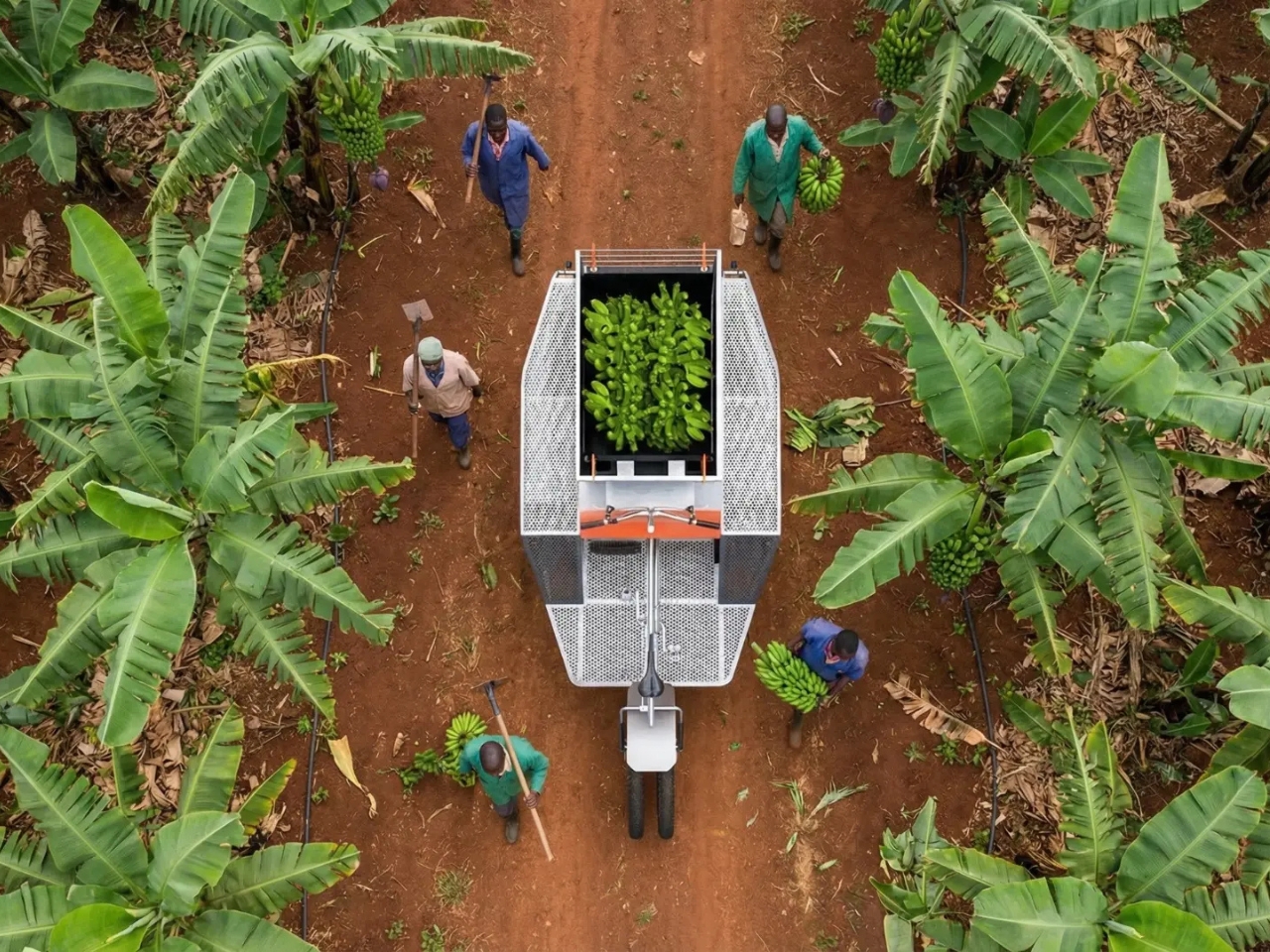
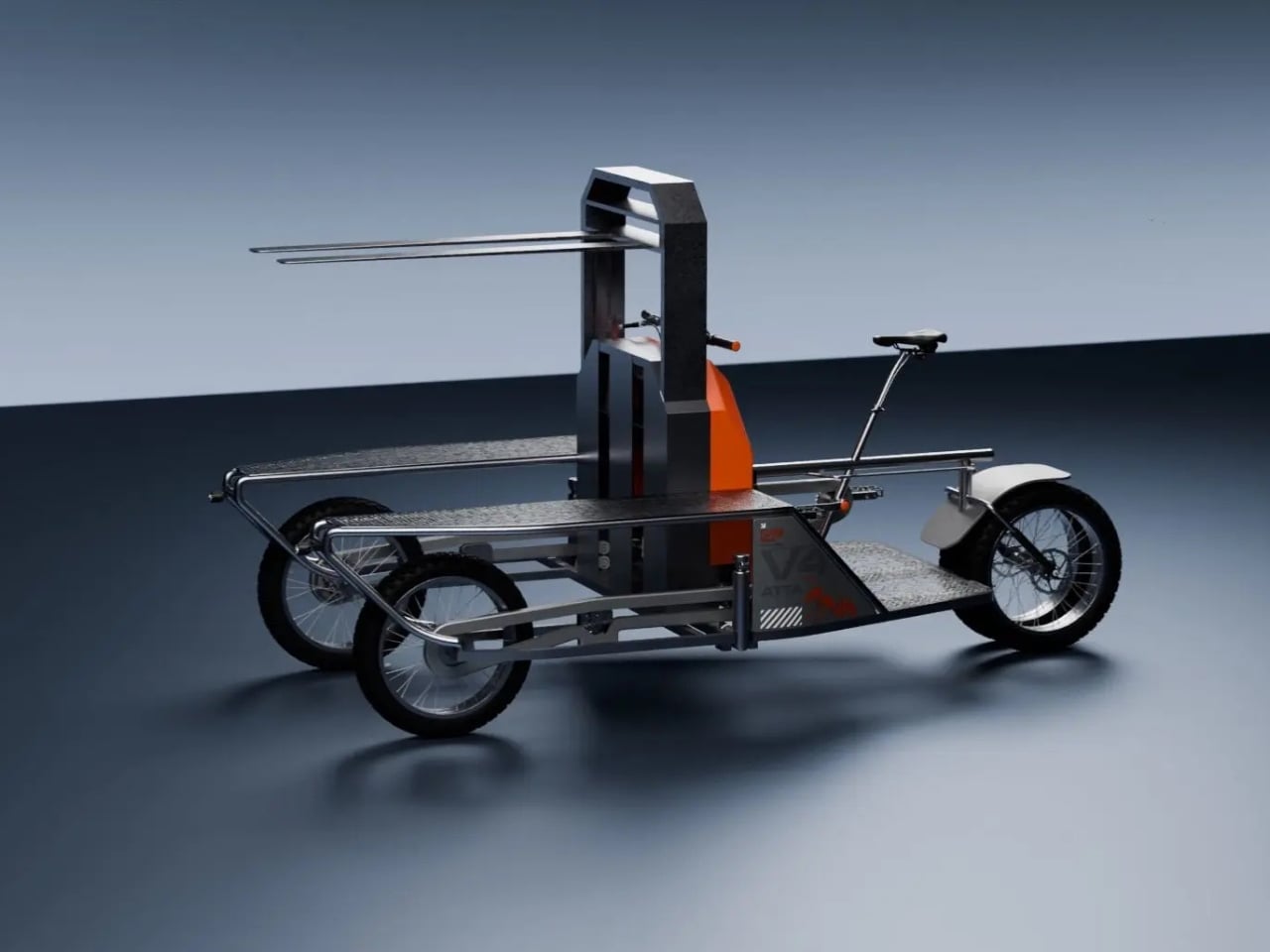
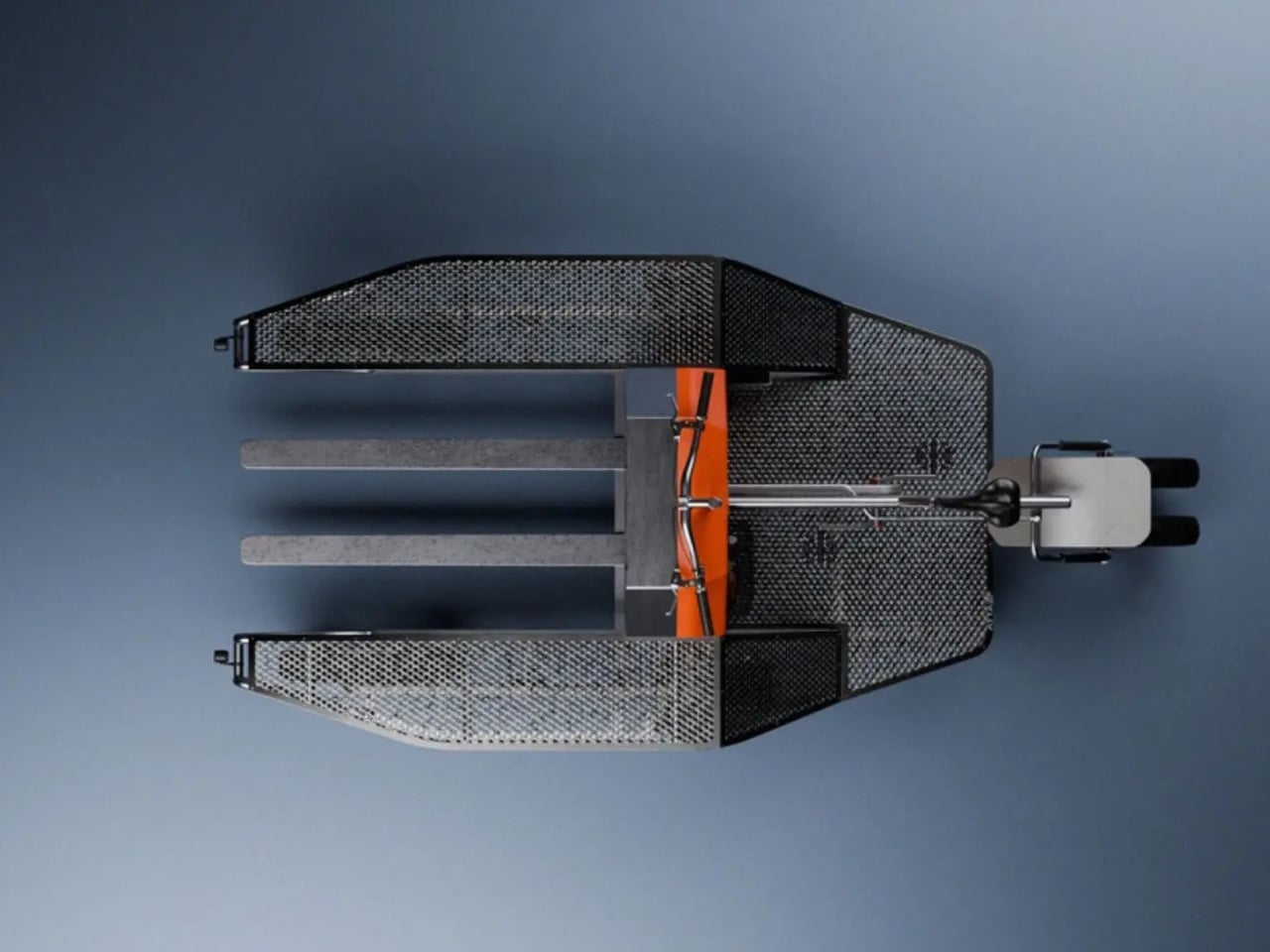
Their project is called ATTA, a human-powered cargo tricycle with an integrated lifting mechanism, designed specifically for banana farmers in rural Kenya. The name is no coincidence. It’s borrowed from the genus of leafcutter ants, those remarkable insects that carry loads far exceeding their own body weight with near-mechanical precision. The designers, Irene Ponteduro, Edoardo Govoni, Filippo Murotti, and Matteo Marinaro, leaned into that metaphor completely, and it paid off. ATTA won first place in the Product Design category of the Toyota Logistic Design Competition 2026, a global competition that drew students and recent graduates from around the world to solve logistics challenges across Africa.
Designers: Irene Ponteduro, Edoardo Govoni, Filippo Murotti, and Matteo Marinaro
That naming choice matters more than it might seem. Choosing an ant as your design muse isn’t a branding exercise. It’s a philosophical stance. Ants don’t overthink a problem; they optimize around it. They work with what the terrain gives them. ATTA follows the same logic. Rather than conjuring up some solar-powered, sensor-loaded machine that would require imported parts and a technical specialist to service, the team focused on something that could actually exist in the hands of a smallholder farmer. Human-powered. Locally maintainable. Built for the reality of the road, not the dream of one.
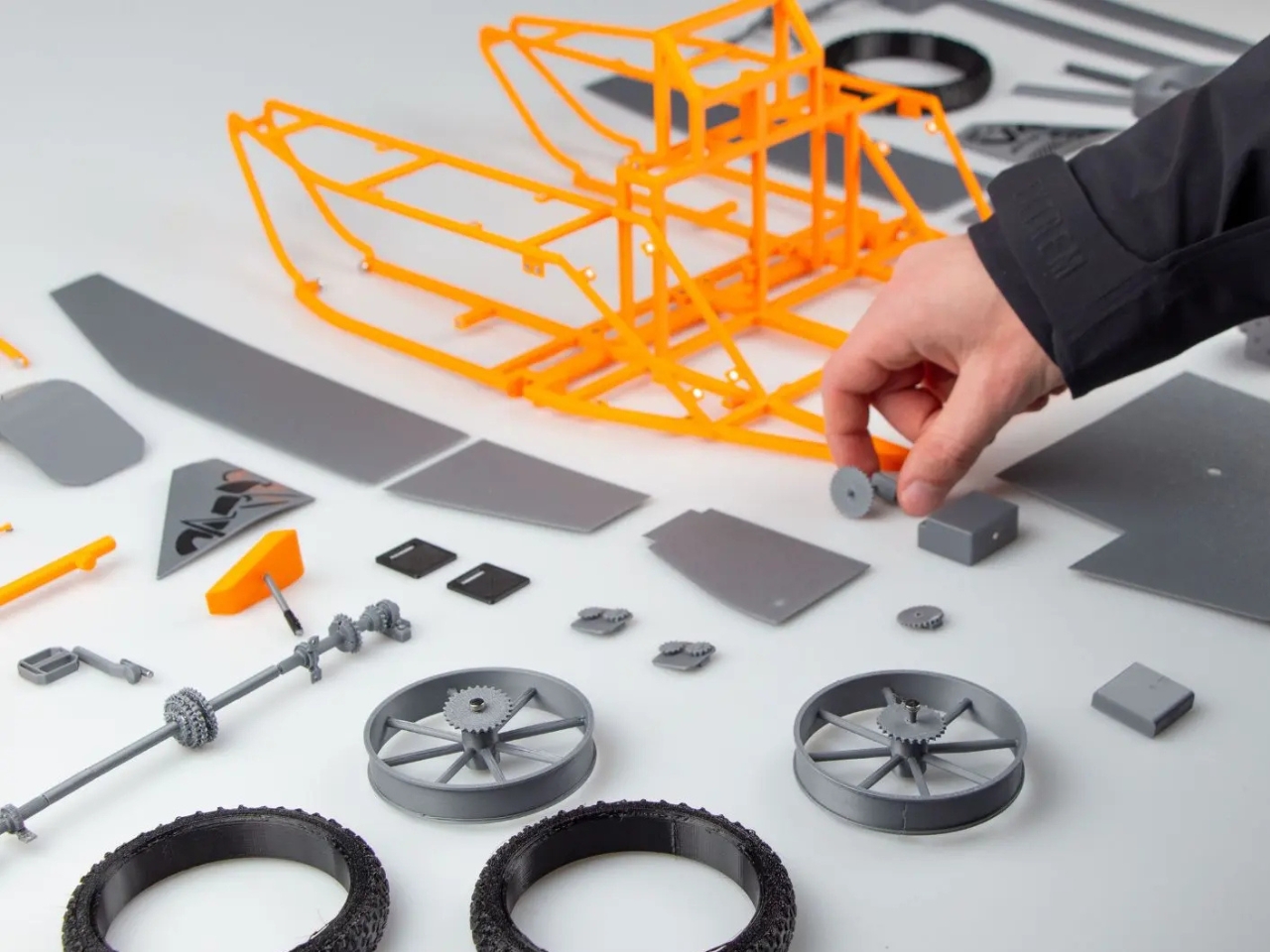
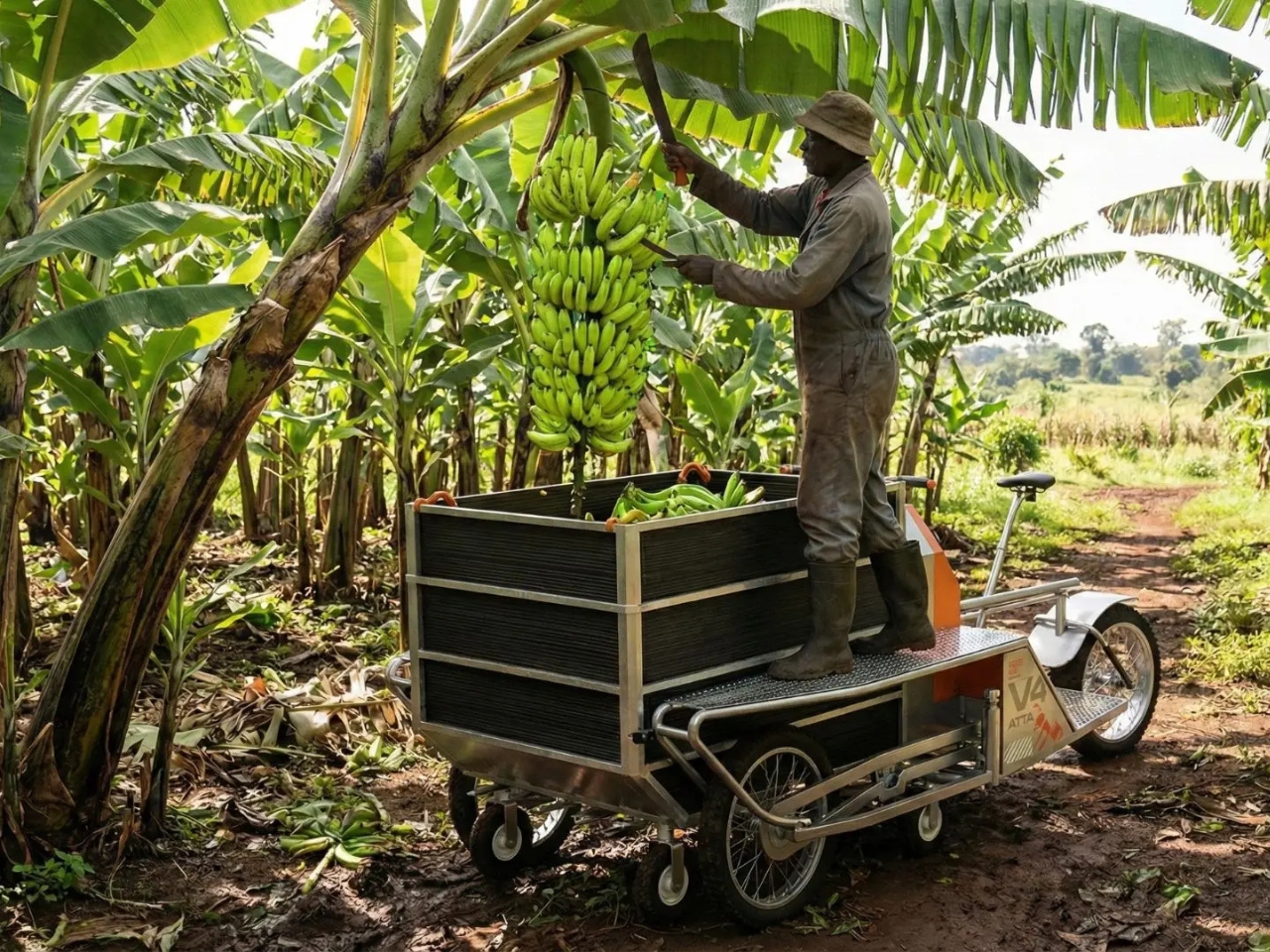
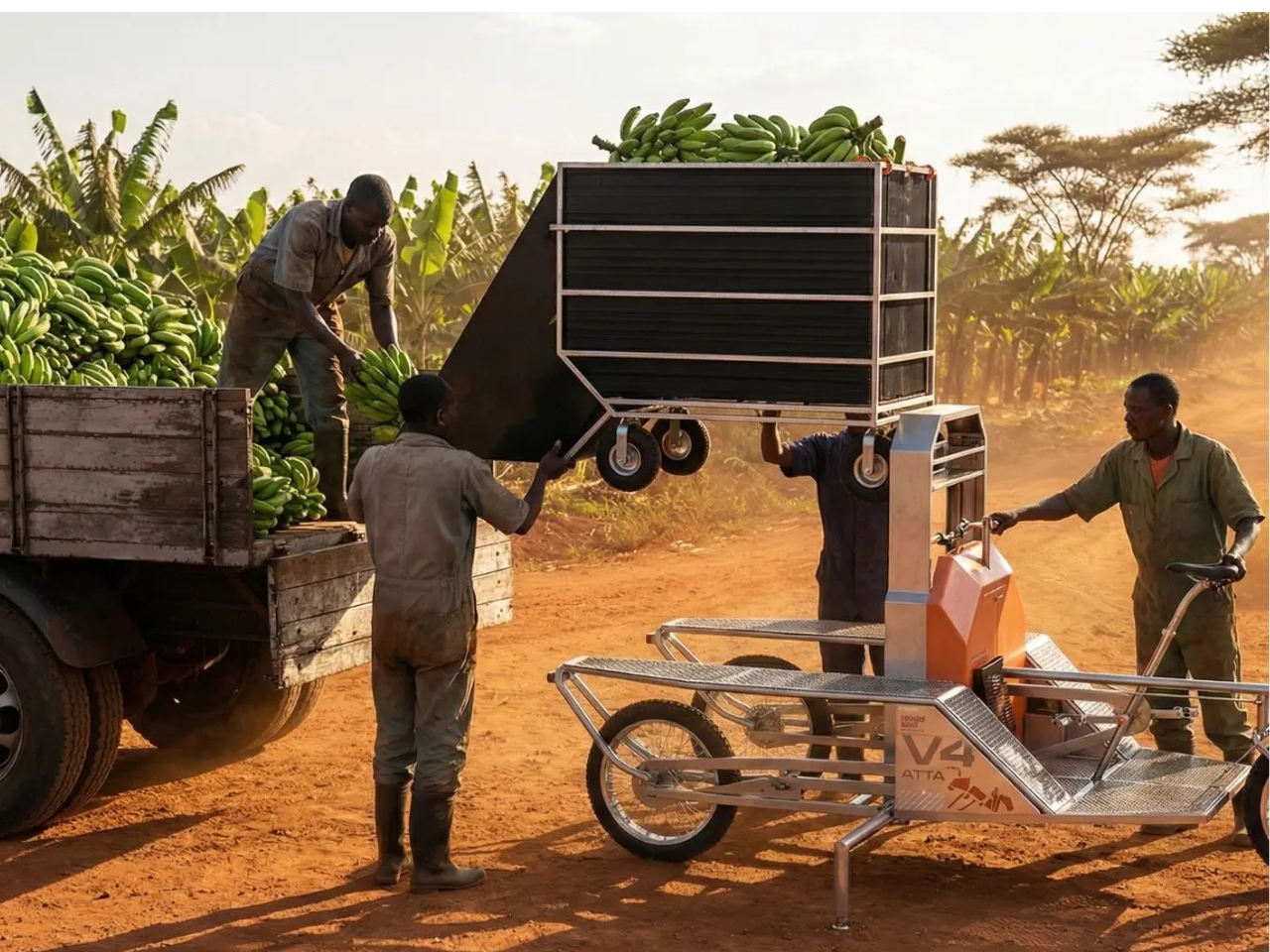
The problem they were solving is more specific than “Africa needs better logistics,” which is a frustratingly vague framing that designers and development agencies have circled for decades without much progress. Banana farming in Kenya has a particular, stubborn challenge: harvesting involves moving heavy bunches across uneven terrain with little to no infrastructure support. The process is slow, physically punishing, and often damages the fruit before it even reaches a collection point. For a smallholder farmer operating on thin margins, bruised fruit isn’t an aesthetic concern. It’s a financial one.
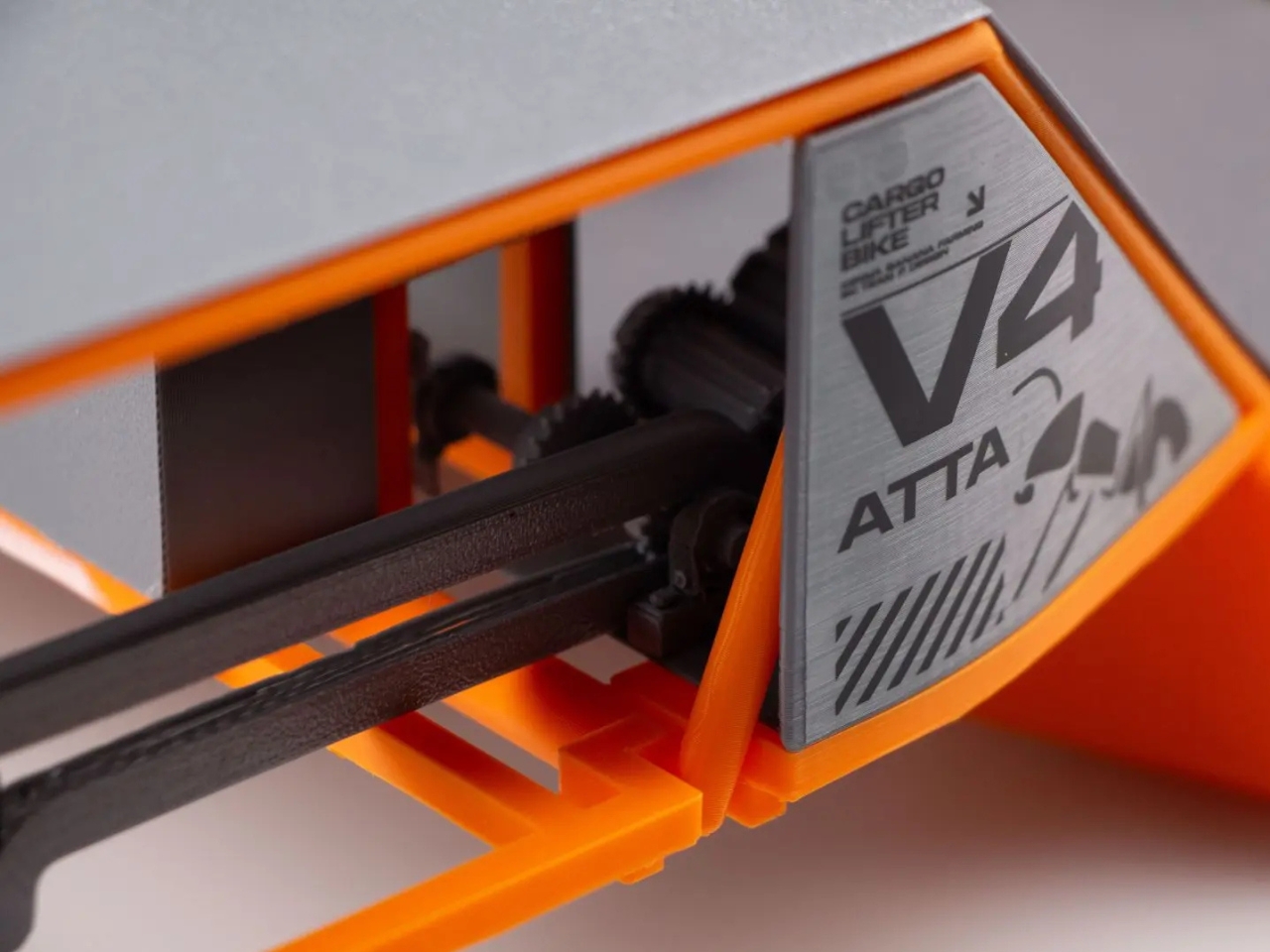
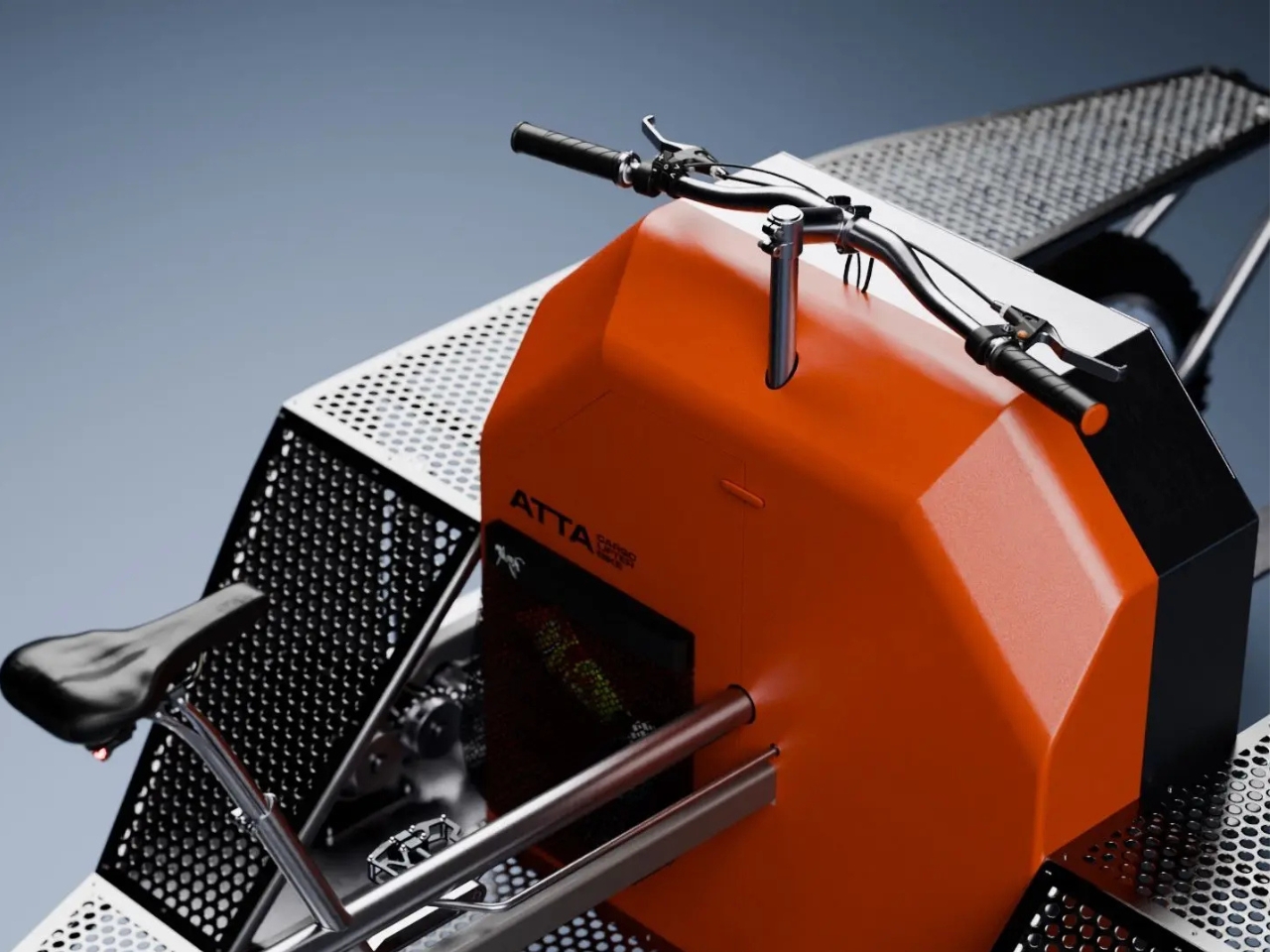
ATTA addresses this with a cargo frame built for load stability, paired with an integrated forklift-style lifting system that takes the strain out of loading and unloading. The result is a tricycle that doesn’t just transport produce. It handles it carefully, cutting down on the bruising and waste that eat into a farmer’s income before the supply chain has even properly begun. The forklift integration is the detail that stands out to me. It’s not flashy, but it shows how deeply the designers thought about the actual work being done, not just the transportation of it.
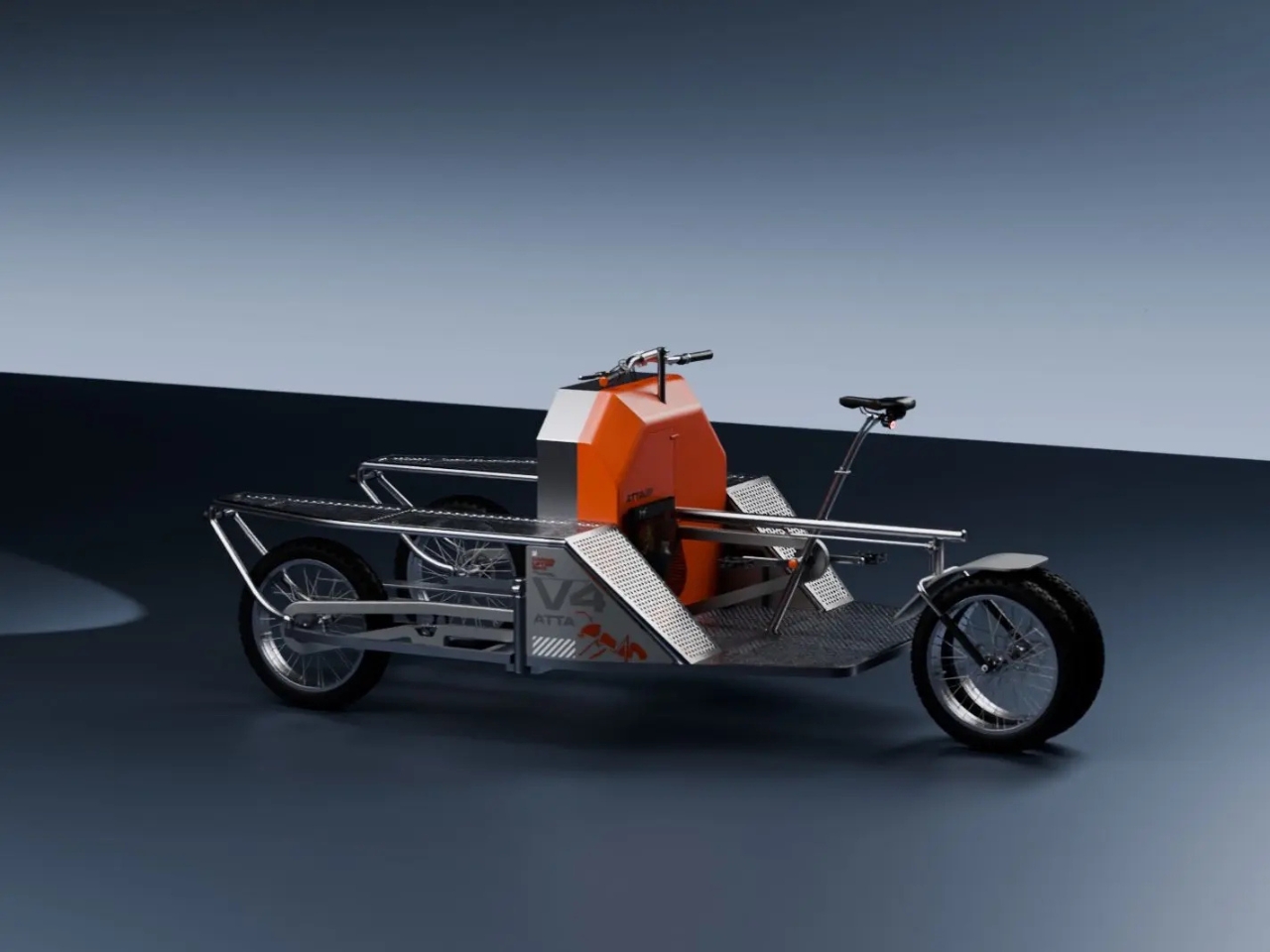
What strikes me about ATTA is the discipline it took to arrive at this. Student design competitions have a gravitational pull toward spectacle. The bigger, the bolder, the more futuristic, the better. ATTA resisted that completely. It went precise instead of grand, and that is genuinely harder to pull off. Anyone can propose a sweeping technological vision. Building something that works exactly where it needs to work, for exactly the people who need it, requires a different kind of ambition.
It also raises a quiet question about who design is actually for. A classroom in Bologna thinking about rural Kenya isn’t the obvious pairing, but it might be exactly the right one. Design problems don’t live in the polished neighborhoods we’re used to seeing on mood boards and in design magazines. They live in the first mile, on unpaved roads, in the physical labor that no app has streamlined and no algorithm has bothered to optimize.
ATTA didn’t reinvent the bicycle. It asked what the bicycle could actually do for someone who genuinely needed it, and then it built that. Sometimes that is exactly the point.