The PDA had a good run in the late 1990s and early 2000s before smartphones absorbed everything it did, then kept going. What disappeared with it wasn’t just a product category but a device that was genuinely focused: it did a handful of things well, didn’t ask for your attention beyond those things, and fit comfortably in a pocket. The smartphone replaced it with something more powerful, but also something that never quite left you alone. That tradeoff is what a growing number of people are starting to notice.
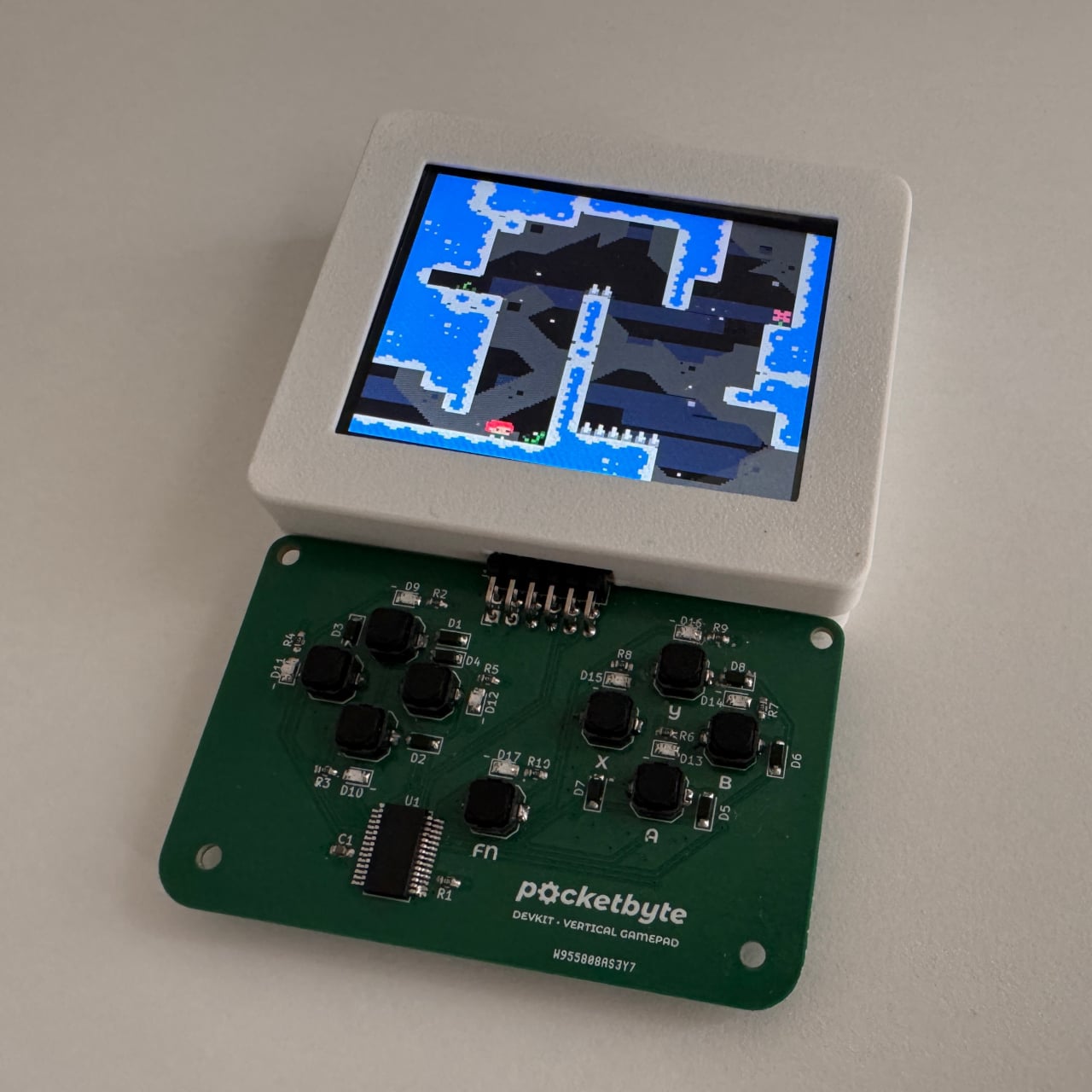
Pocketbyte is a solo-built, open-source handheld computer that describes itself as a modern PDA: a pocket device for play, notes, music, and tinkering, built without the feeds, notifications, or ambient pull of a connected smartphone. It runs on an ESP32-S3 processor, a dual-core chip clocked at 240 MHz, paired with a 2.8-inch IPS display that stays readable in sunlight. The 1,500mAh battery charges over USB-C and holds up through extended sessions of gameplay or music listening.
Designer: Om Rawaley
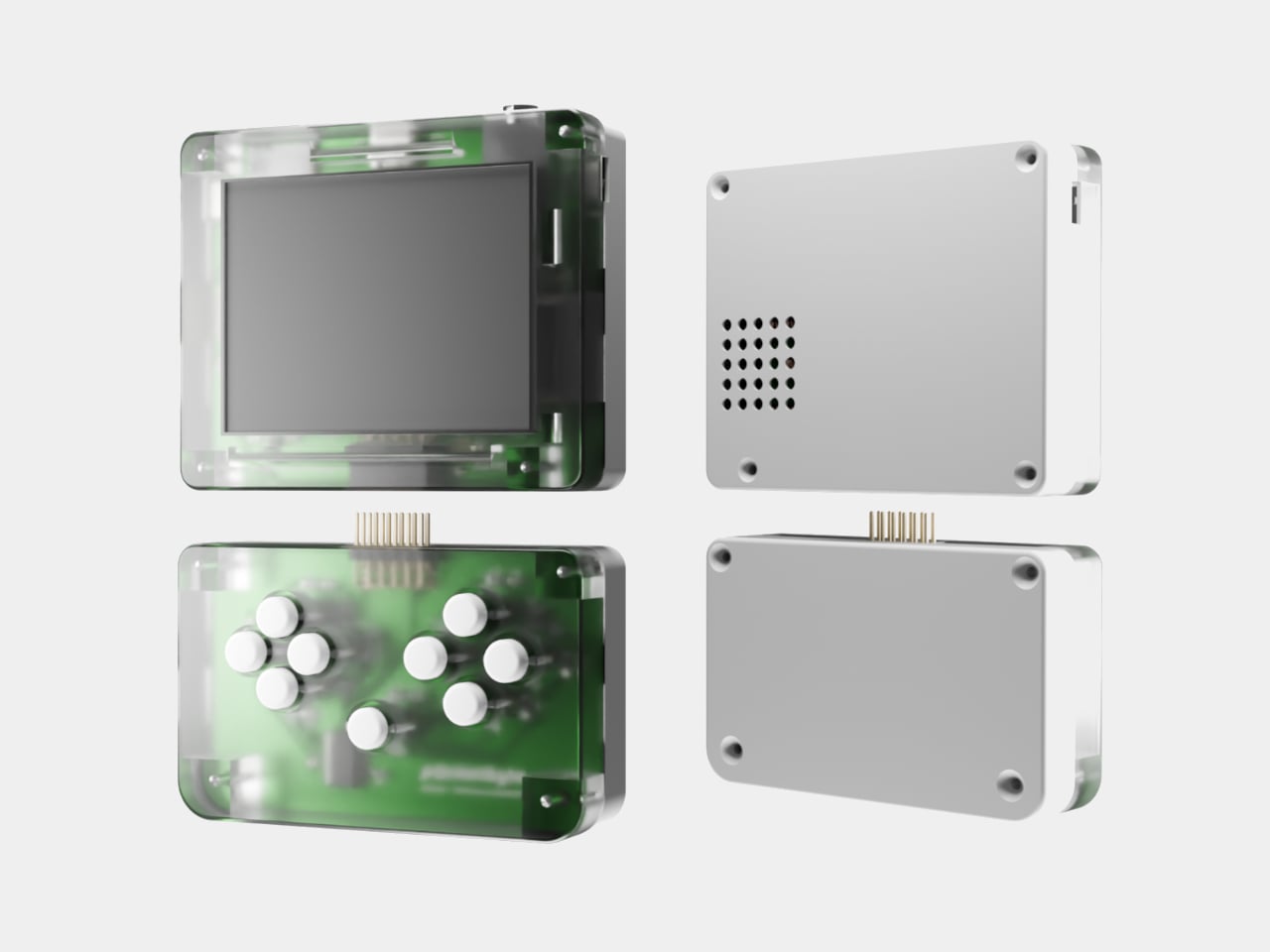
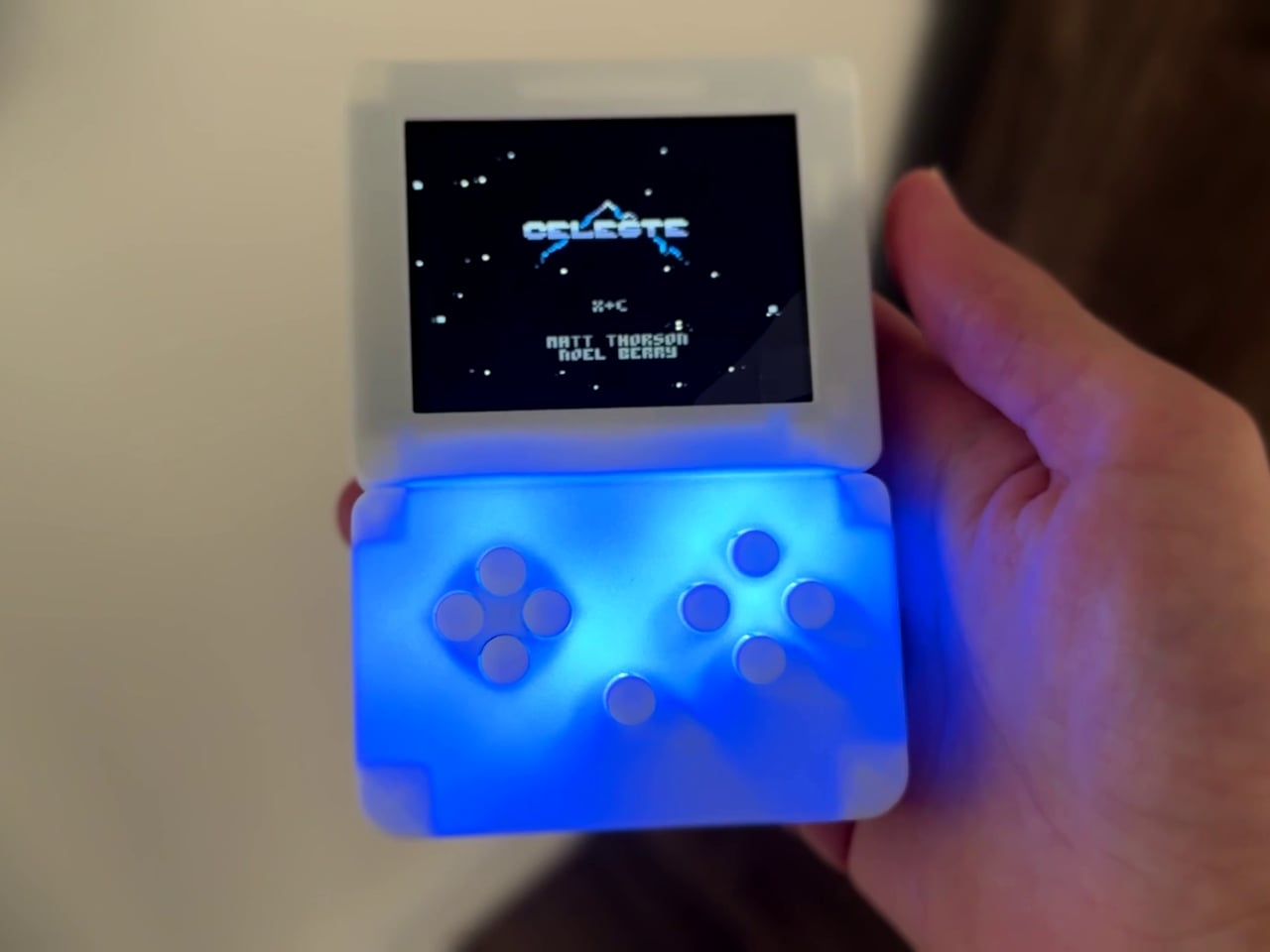
What separates it most from every comparable device is the modular input system at the bottom. A magnetic pin connector accepts swappable control modules, and two are available now: a gamepad layout for games and a QWERTY keyboard for typing. The connection is physical and hot-swappable, so switching from a gaming session to writing a note takes as long as pulling one module off and clipping another one on. Anyone can design a third module, fourth, or fiftieth. The documentation is open, and the architecture invites it.
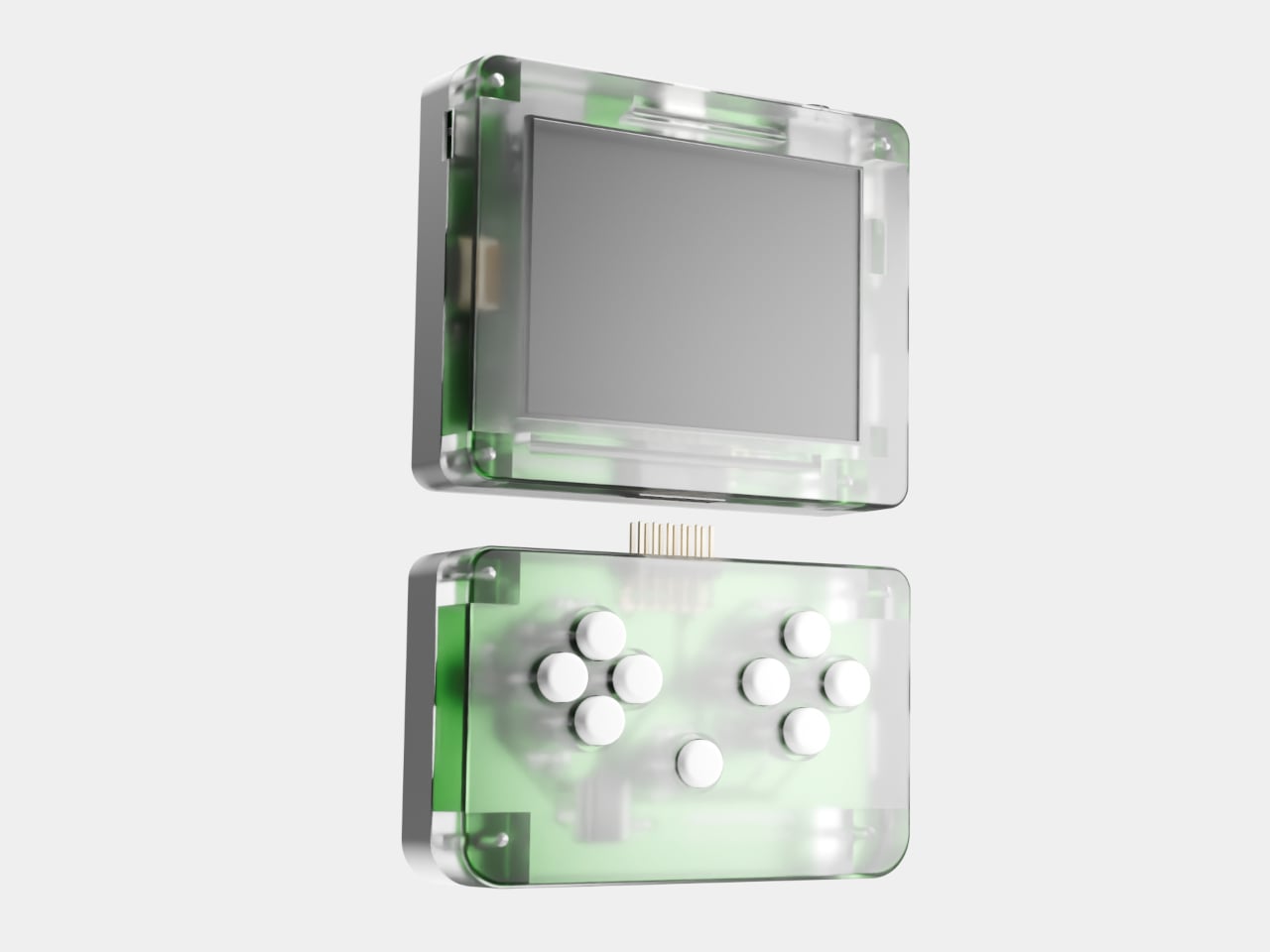
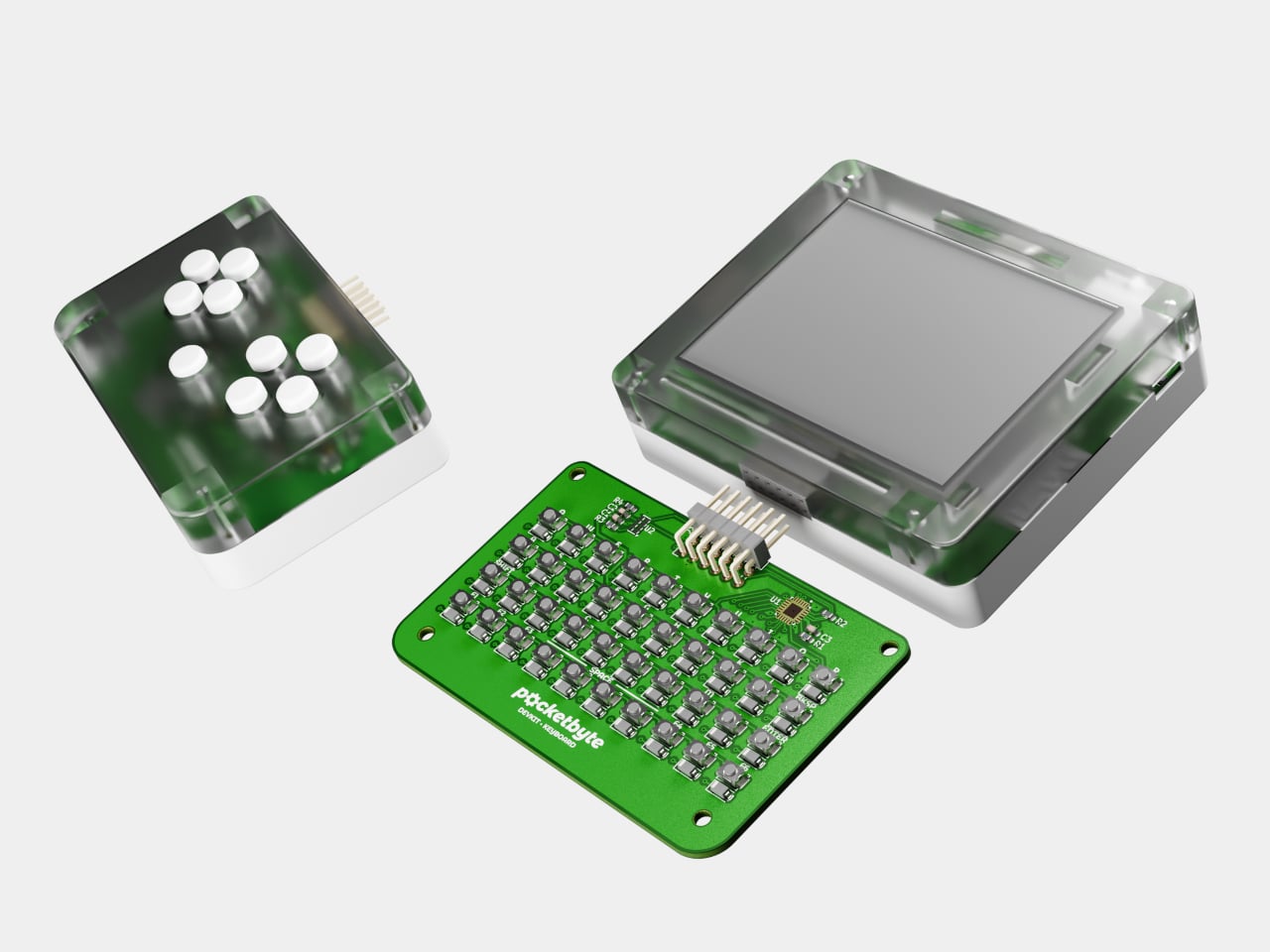
The software side is just as open. PocketbyteOS has a built-in App Store accessible over Wi-Fi, where community-built apps can be downloaded and installed without connecting to a computer. For those who want to go deeper, the C library is available under the Apache 2.0 license on GitHub, and there’s no locked bootloader preventing anyone from flashing whatever they build. The Retro-Go emulator runs SNES, Sega Genesis, Game Boy Color, and NES titles comfortably on the hardware. Celeste has been ported to it. The device also plays MP3 and WAV files with cover art and ships with a stereo headphone jack alongside the built-in mono speaker.
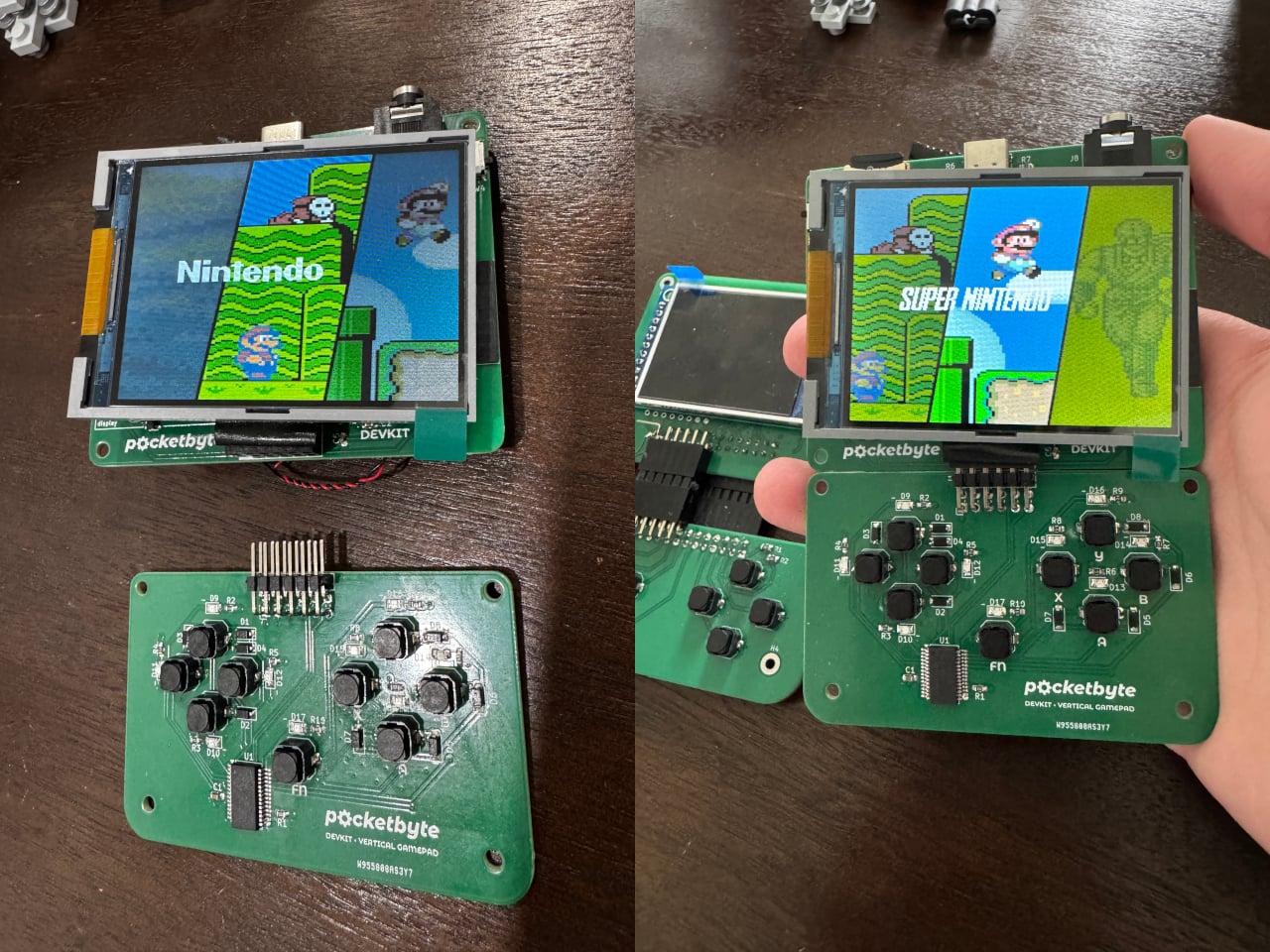
Storage goes up to 32GB via microSD, which covers a lot of retro games, playlists, and saved data in a device this size. Wi-Fi and Bluetooth are both built into the ESP32-S3, so wireless connectivity is available without adding hardware. For anyone who wants to build interactive apps, such as wireless messaging tools, music sequencers, graphing calculators, or text editors, the platform handles all of it within a form factor that actually fits in a pocket.
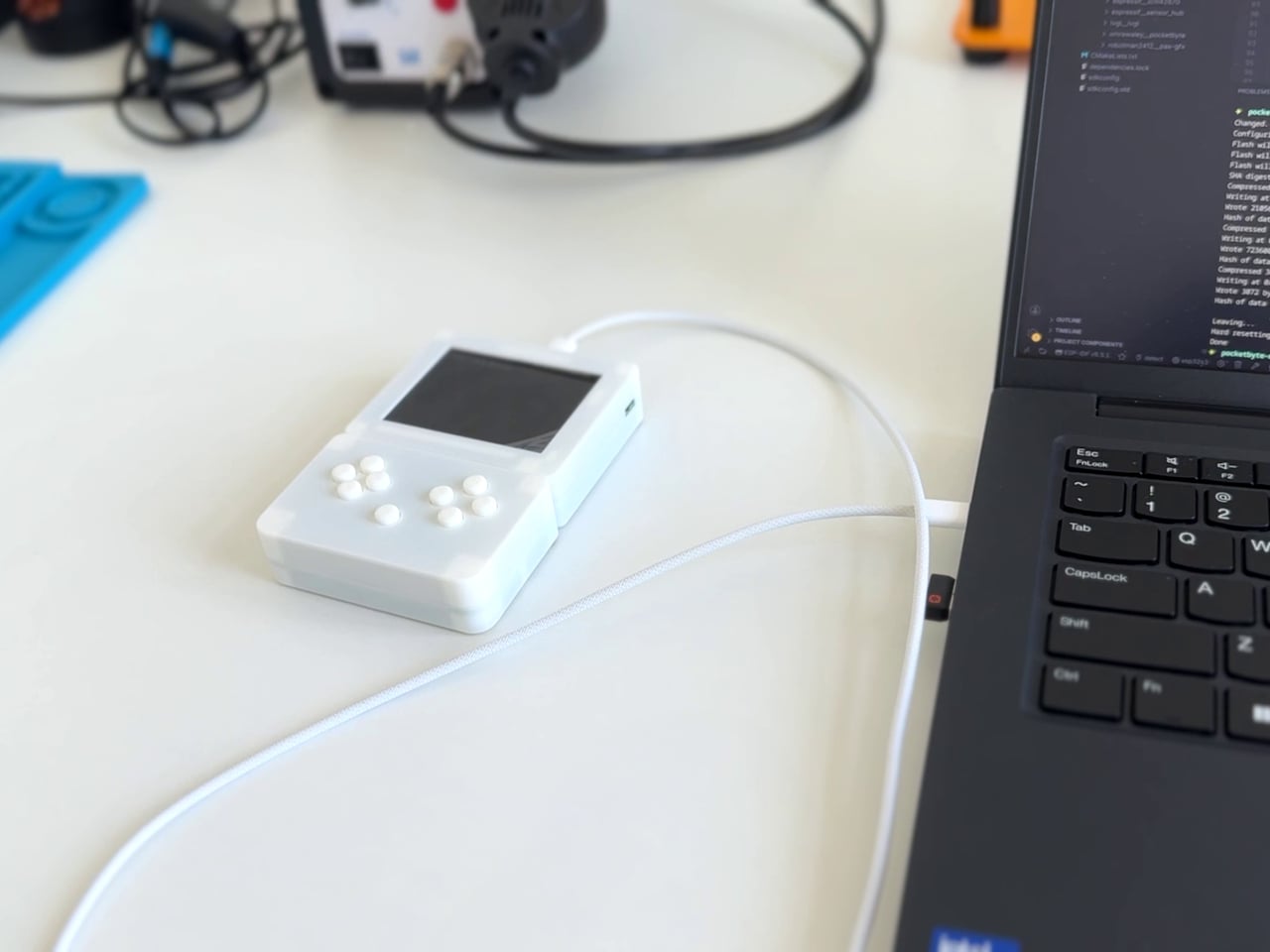
DevKits are coming to early adopters and developers first, with broader availability to follow. It’s aimed at makers, retro gaming fans, digital minimalists, and anyone who’s wanted a small, capable, honest machine that doesn’t ask for more of their time than they’re willing to give it. Devices like this used to exist. They went away. Pocketbyte is an argument that they shouldn’t have.