The awkward part of packing a mouse is finding room for the hump that fits under your palm. Horace Lam’s OrigamiSwift flattens that hump for the trip. The Nanobag Daypack plays a similar trick on a larger scale: it opens into a bag you can take to the market, then stuffs into a pouch small enough to keep in a coat pocket. Both make room in your luggage without shrinking the thing you actually use.
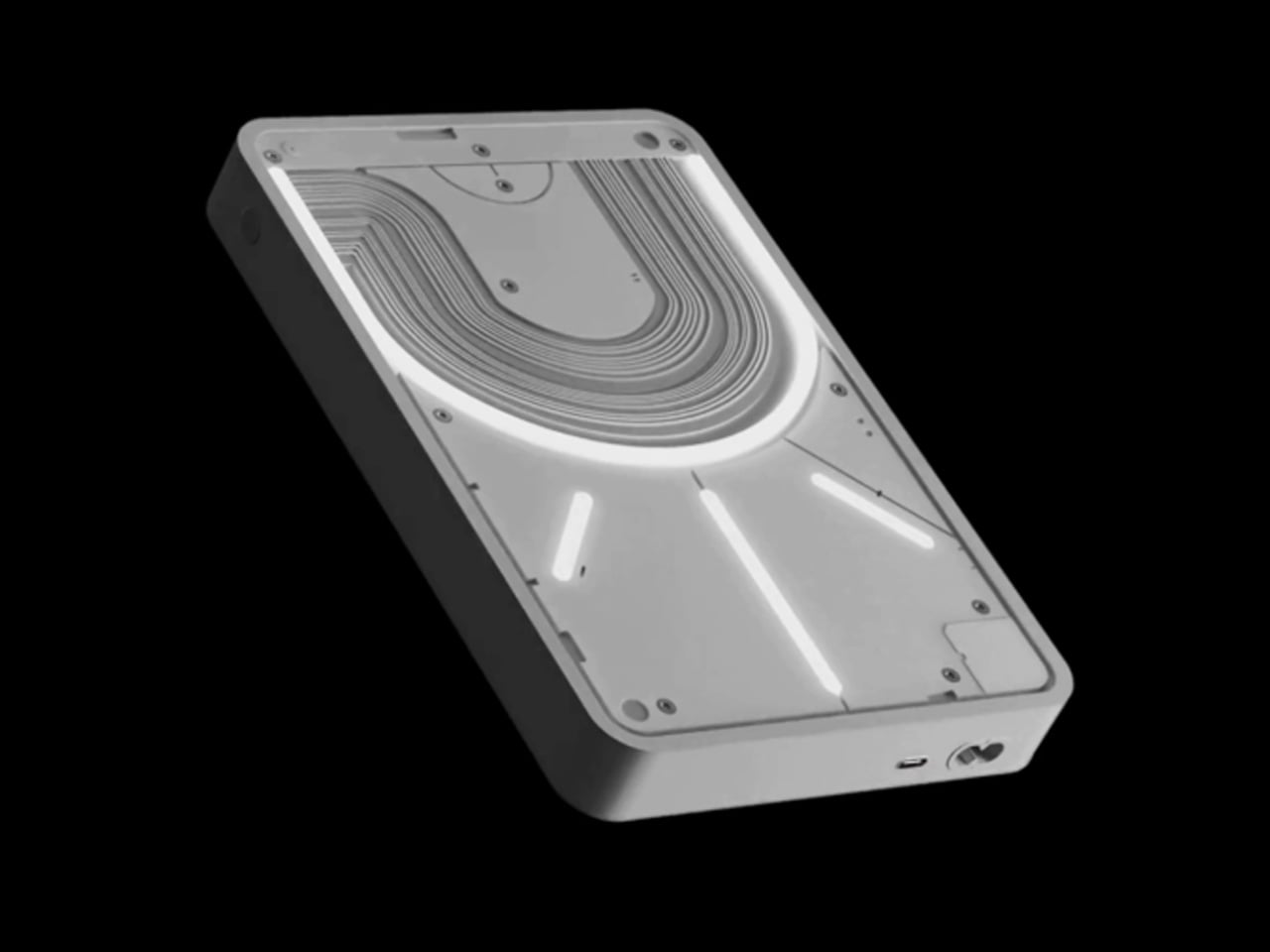
That’s the idea behind these picks: each one either packs down, takes the place of something bulkier, or solves a specific problem without asking for much room. The one you can’t pack is the cover pick. The Nothing Power (1) gives charging status a prominent place on its face, where you could read it at a glance instead of squinting at a row of tiny LEDs. The other picks tackle the small annoyances that come with traveling light, from getting seatback audio into your own earbuds to finding a place to hang the socks you washed in the sink.
1. Nothing Power (1) Power Bank
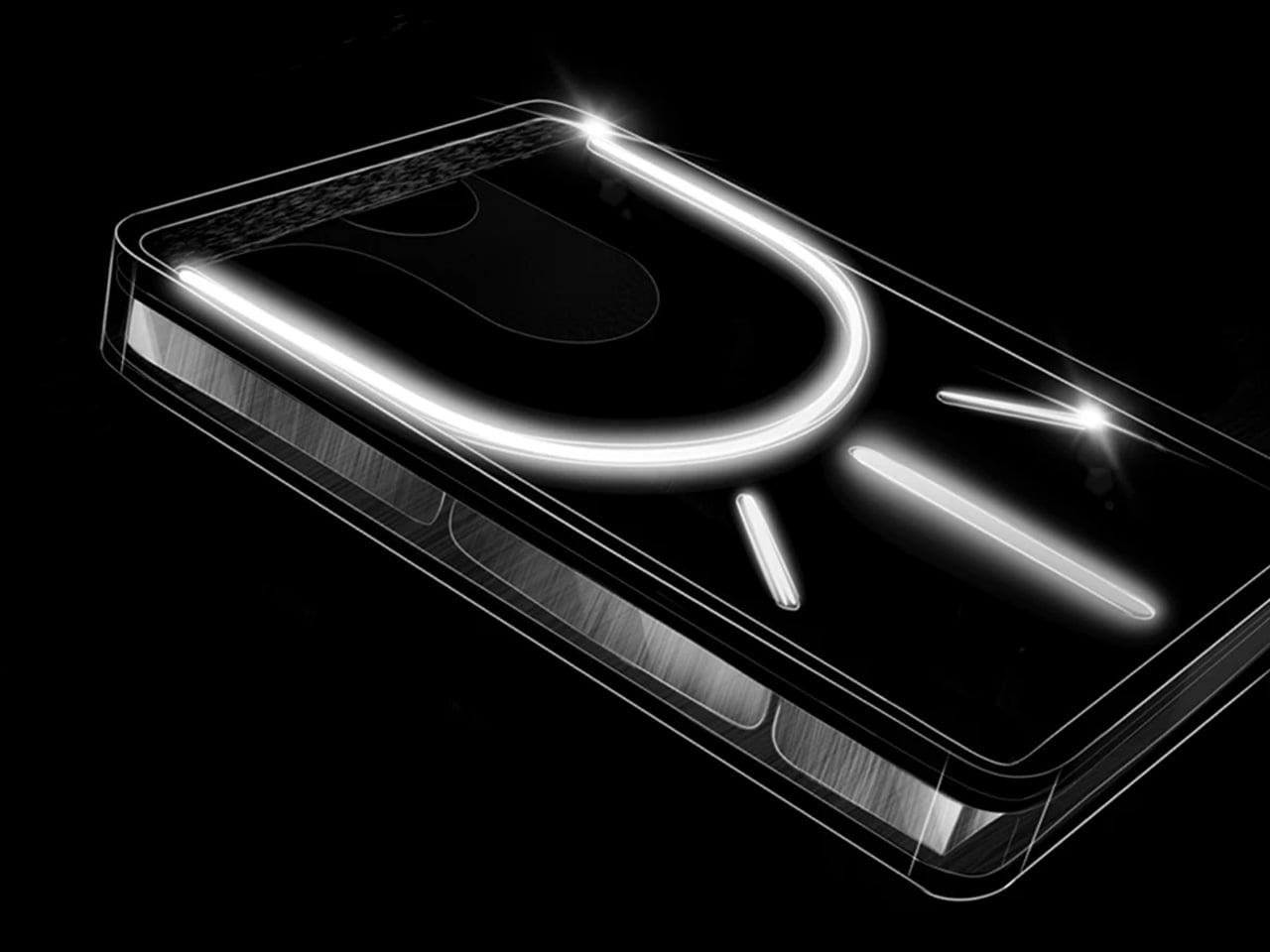

A bright U wraps around a series of nested lines on the face of the Nothing Power (1). Three short bars sit beneath it, and small screws show through the clear panel. Shri Nikesh and Kali Hitesh borrowed Nothing’s Glyph design language for this independent concept, but the interesting part is what they ask the lights to do. The idea is to read the battery level or see that a device is charging without hunting for a row of tiny dots along an edge.
That would be handy on a train table, where you could glance down and see whether the phone you just plugged in is actually drawing power. The designers also propose syncing the Glyphs with phone notifications. That part is less convincing for travel: a clear charge indicator solves a problem, while another device flashing every time a message comes in might create one. The project is a design study rather than an official Nothing accessory, so there’s no production weight or charging performance to judge.
What we like
- The large light pattern gives charging status a prominent place on the face.
- The clear panel makes the layout part of the design rather than hiding it behind a plain lid.
What we dislike
- Mirroring phone notifications could make a useful status display unnecessarily busy.
2. OrigamiSwift Mouse
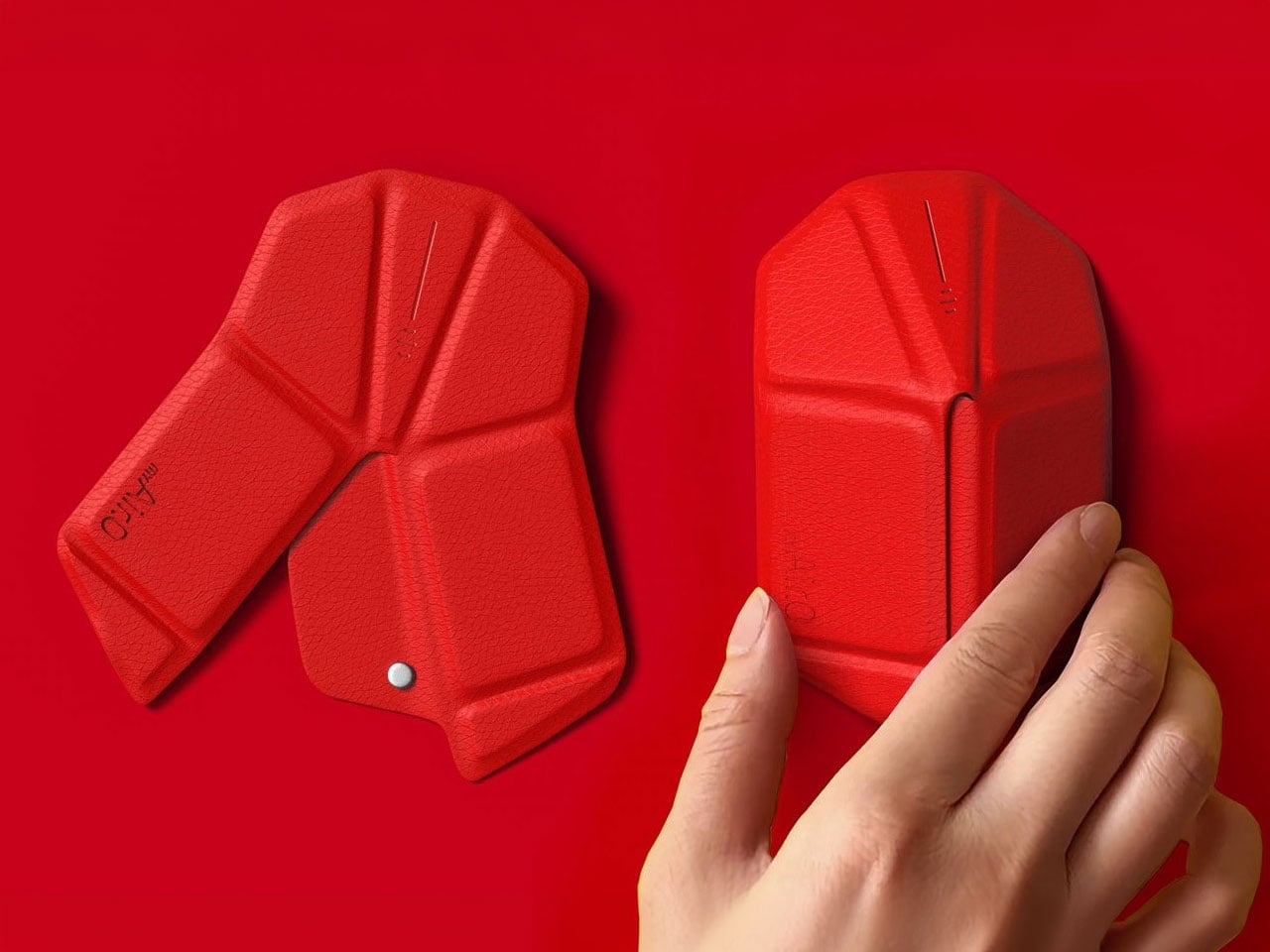
Most small travel mice save space by giving your hand less mouse to hold. The OrigamiSwift takes a different approach. Horace Lam’s Bluetooth mouse rises into a full-size shape when you open it, then flattens to about 0.18 inches across most of its body, with a thicker section around the sensor. At 40 grams, it’s an easy addition to a laptop sleeve if you regularly spend an afternoon adjusting a layout or working through a spreadsheet away from your desk.
The fold saves depth rather than surface area. Closed, the mouse is nearly five inches square, so it makes more sense beside a notebook than in the tiny pocket where you keep your earbuds. That distinction matters if you’re deciding between this and a conventional travel mouse. The OrigamiSwift is a better fit for a flat bag pocket than a small, deep one. It connects over Bluetooth and charges via USB-C, so there’s no receiver or dedicated charging cable to find room for.
Click Here to Buy Now: $85. Black Friday Edit – Pick 2, save 10%. Pick 3+, save 15%. Plus a free $20 desk calendar with every order.
What we like
- It packs flat without reducing the open mouse to miniature proportions.
- Bluetooth and USB-C keep the accessory count down.
What we dislike
- The flattened body is wider than the mouse is when open.
- The sensor housing sticks out from the otherwise slim profile.
3. Nanobag Daypack


The best time to have a second backpack is usually after you’ve left the first one at the hotel. The Nanobag Daypack gives you 16 liters for a jacket, groceries, or whatever you pick up along the way, then stuffs into a pouch roughly 3.5 by 2 by 1 inches. The entire thing weighs 33 grams. Nanobag uses thin ripstop nylon that packs down without a precise folding sequence, and a YKK zipper closes the main compartment.
The zipper makes this version more useful for wandering around town than a tote you have to carry by hand or a bag that stays open at the top. What you give up is structure. There’s no padded laptop sleeve, and the straps aren’t adjustable, so it’s worth thinking of it as an extra bag for the day rather than a substitute for your usual work pack. It makes the most sense when you leave the room with very little and come back with more than you planned.
What we like
- Sixteen liters of zippered storage packs into a pocket.
- The fabric stuffs away without needing to be folded neatly.
What we dislike
- There’s no padded compartment for a laptop.
- Fixed straps don’t let you adjust the fit.
4. 0.25 oz Aero Spork
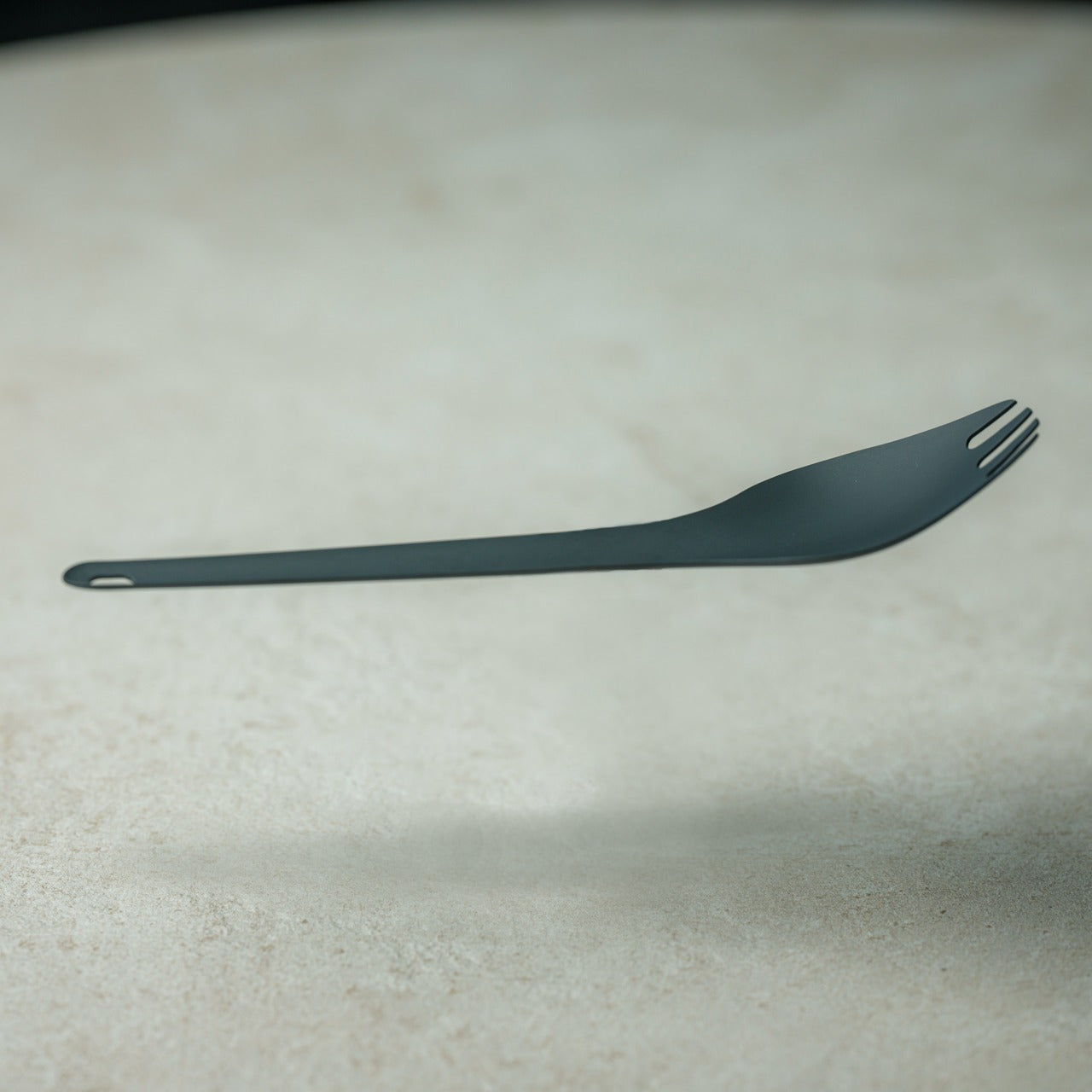

Hiroaki Kawanami’s Aero Spork weighs 7 grams, but the more useful number at lunch might be its length: 6.5 inches. You get a proper handle for reaching into a takeaway container rather than a tiny utensil you have to pinch between two fingers. Idea Sekikawa makes it in Tsubame, Japan, from hard-anodized aluminum. The curved shell gives the thin metal its shape and stiffness, and the tapered end makes it possible to twirl noodles as well as scoop up the sauce.
The Aero Spork earns its spot on trips that involve train lunches, campsite meals, or grocery runs for dinner. The shallow bowl and short tines are a reasonable compromise for eating from one container, but you’ll still want a knife if there’s anything to cut. The optional carrying case makes sense if you’re putting the spork back in a bag before you get to a sink. The quoted 7 grams are for the utensil alone.
Click Here to Buy Now: $25 Black Friday Edit – Pick 2, save 10%. Pick 3+, save 15%. Plus a free $20 desk calendar with every order.
What we like
- A usable handle length at just 7 grams.
- One utensil covers both scooping and picking up food.
What we dislike
- It doesn’t replace a knife, and the bowl is shallow if soup is the main event.
- The carrying case isn’t included with the base option.
5. Twelve South AirFly SE
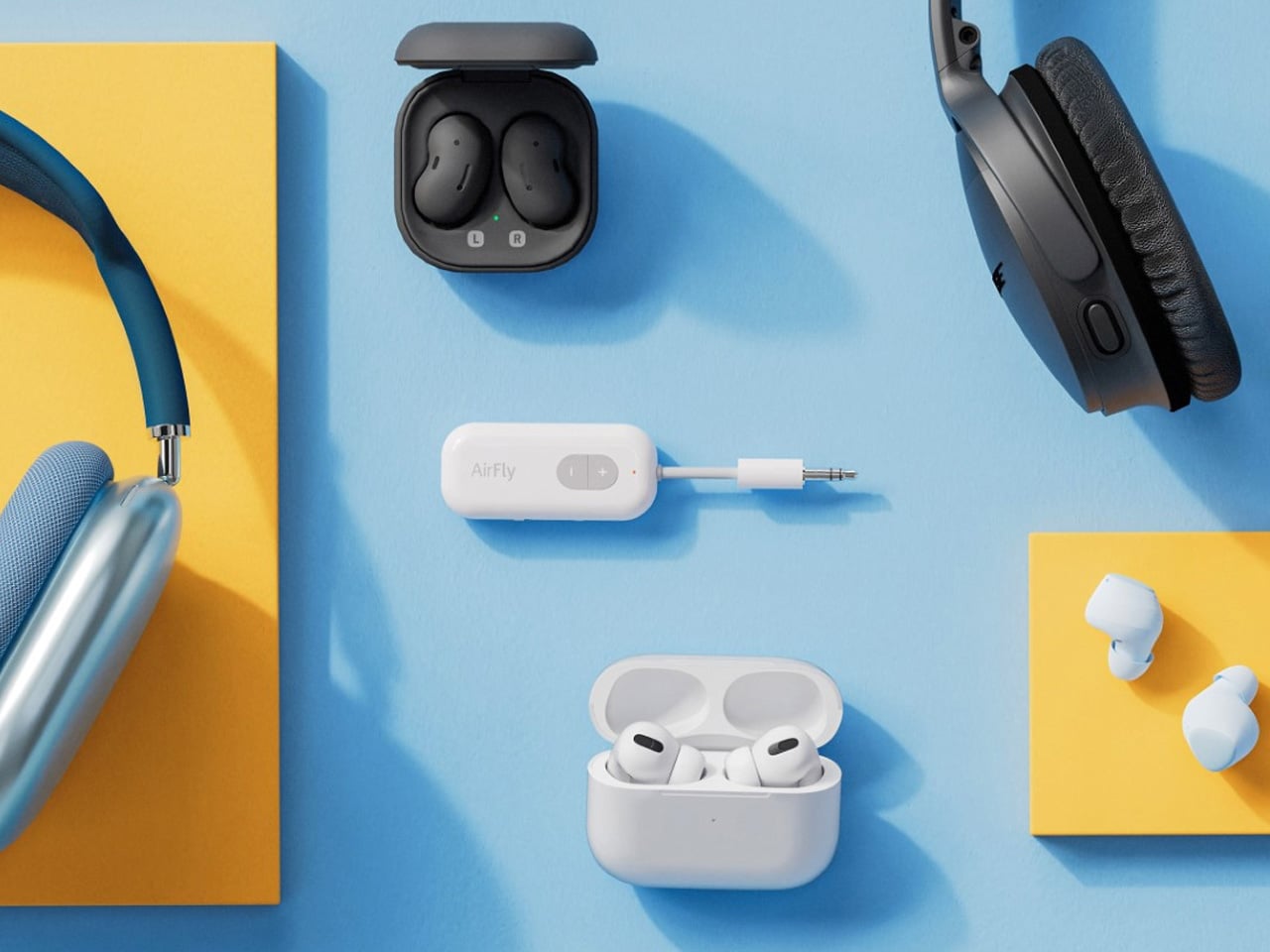
The AirFly SE solves the mismatch between the Bluetooth earbuds in your pocket and the headphone jack in your seatback. Twelve South’s transmitter plugs into a compatible 3.5 mm output and sends the audio to one pair of headphones. A short lead puts the transmitter body at the end of a cable rather than sticking it straight out of the jack. At 0.48 ounces, it’s a small alternative to bringing a second set of headphones just for the flight.
Twelve South lists more than 20 hours of battery life, enough on paper for a long flight without stopping to recharge. Pair your headphones before you settle in, especially if the earbuds normally reconnect to your phone as soon as you open the case. If you usually bring a tablet loaded with downloads, the AirFly solves a problem you don’t have. If you look forward to browsing the airline’s movie catalog, it lets you use the headphones you already like.
What we like
- It lets you use your own Bluetooth headphones with a compatible seatback screen.
- At under half an ounce, it takes up little room in a headphone pouch.
What we dislike
- The SE connects to only one pair of headphones.
- It needs a compatible jack and a charge of its own.
6. TriBeam Camplight
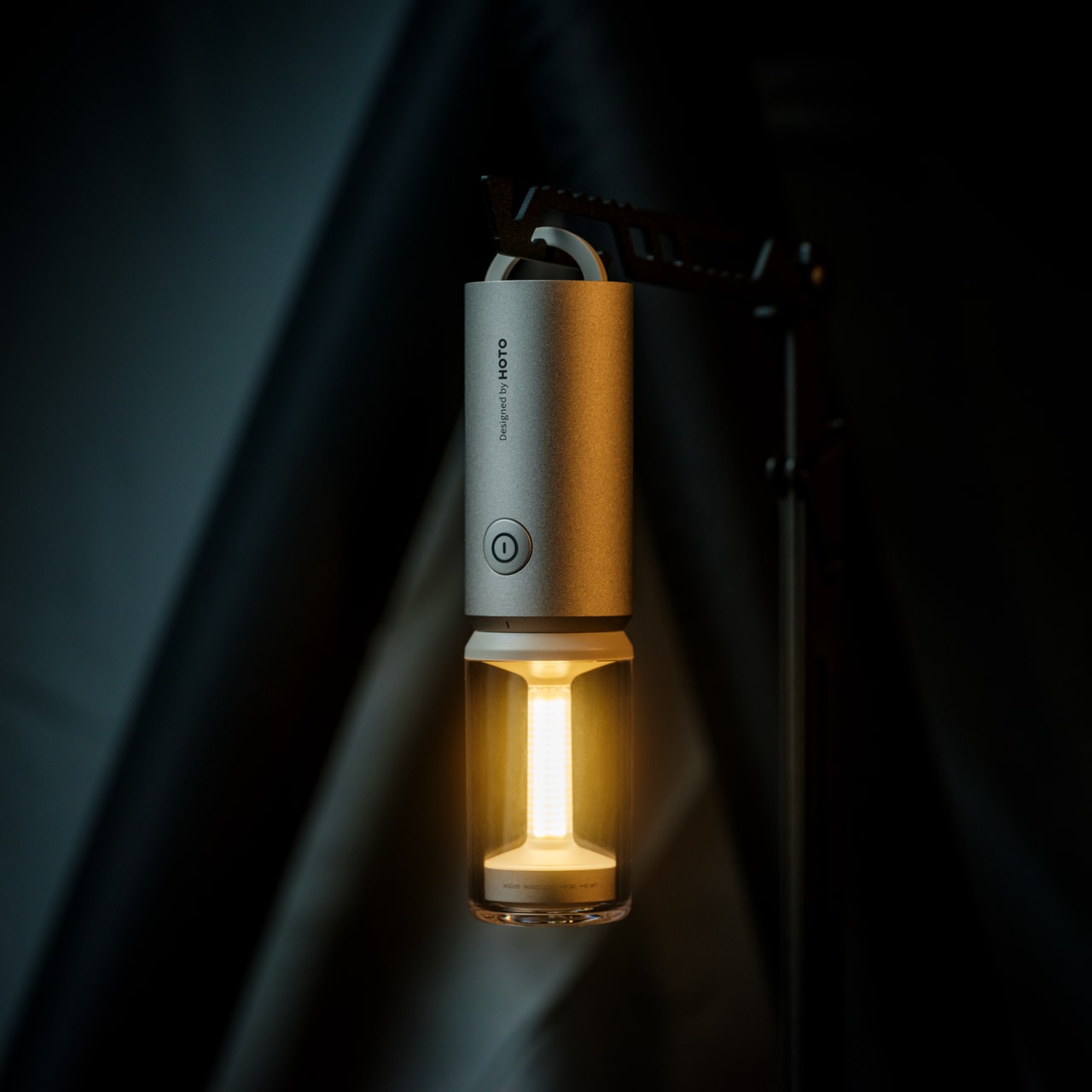
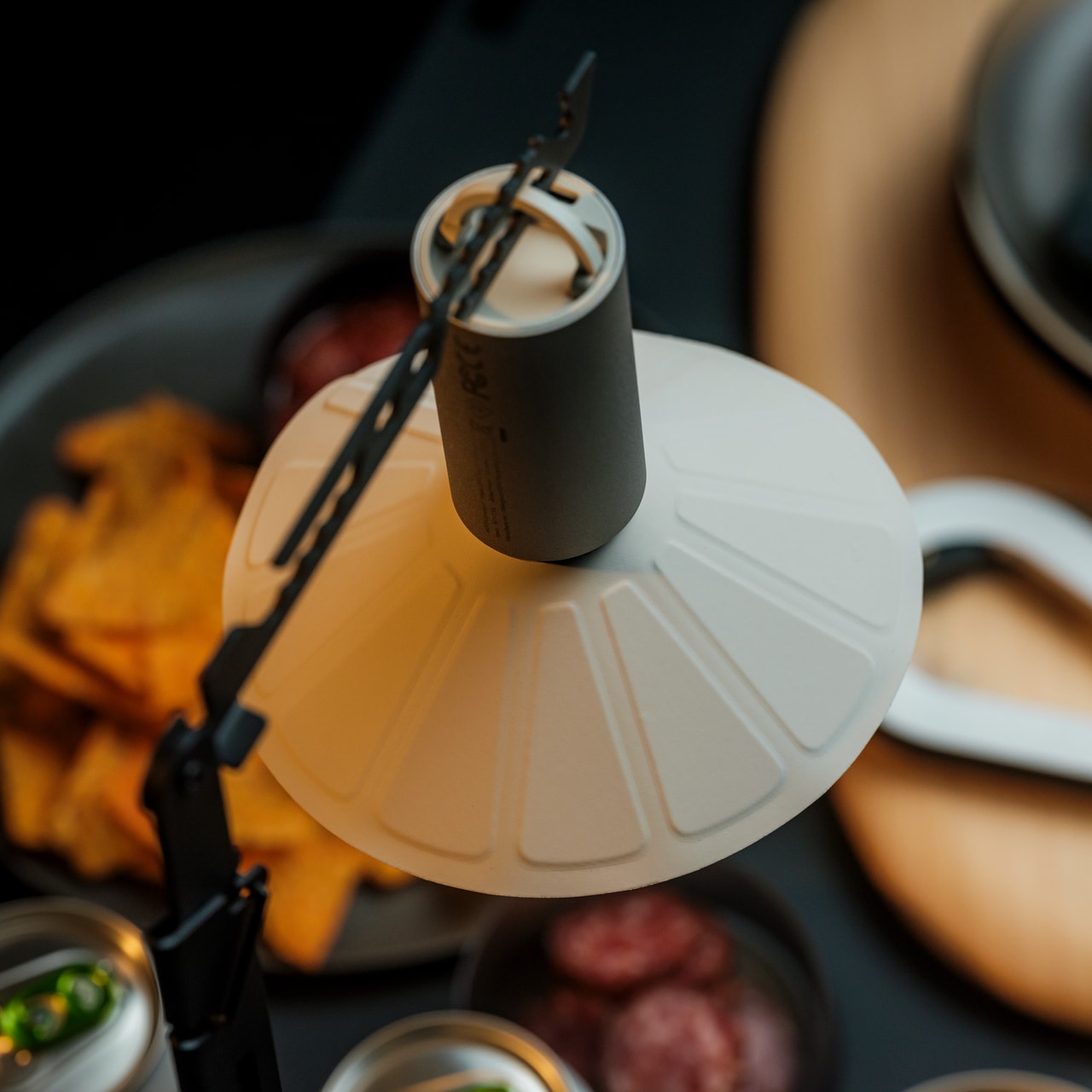
The TriBeam Camplight is about five inches tall and weighs 135 grams. The front gives you a focused flashlight beam, while the light around the body can illuminate a table or the inside of a tent. A detachable magnetic shade redirects the light in camping mode, and a recessed hanger lets you suspend the whole thing overhead. For a cabin weekend or a camping trip, you can use the beam to find the path, then hang the same light once you get back.
HOTO rates it for 8 to 50 hours depending on how you use it, so the top end of that range isn’t a promise for a whole weekend at full brightness. It charges via USB-C, which cuts down on cable clutter if you’re already taking one for your other gear. There’s still a reason to choose a headlamp instead: the TriBeam’s hanger helps when you’re stationary, but it won’t keep the beam pointed where you’re looking while you walk or work with both hands.
Click Here to Buy Now: $70 Black Friday Edit – Pick 2, save 10%. Pick 3+, save 15%. Plus a free $20 desk calendar with every order.
What we like
- The same light gives you a focused beam and a broader glow for camp.
- The hanger keeps the lamp off a crowded table.
What we dislike
- The magnetic shade is still a separate piece to keep track of.
- It doesn’t replace a headlamp for tasks that need both hands on the move.
7. Peak Design Mobile Tripod
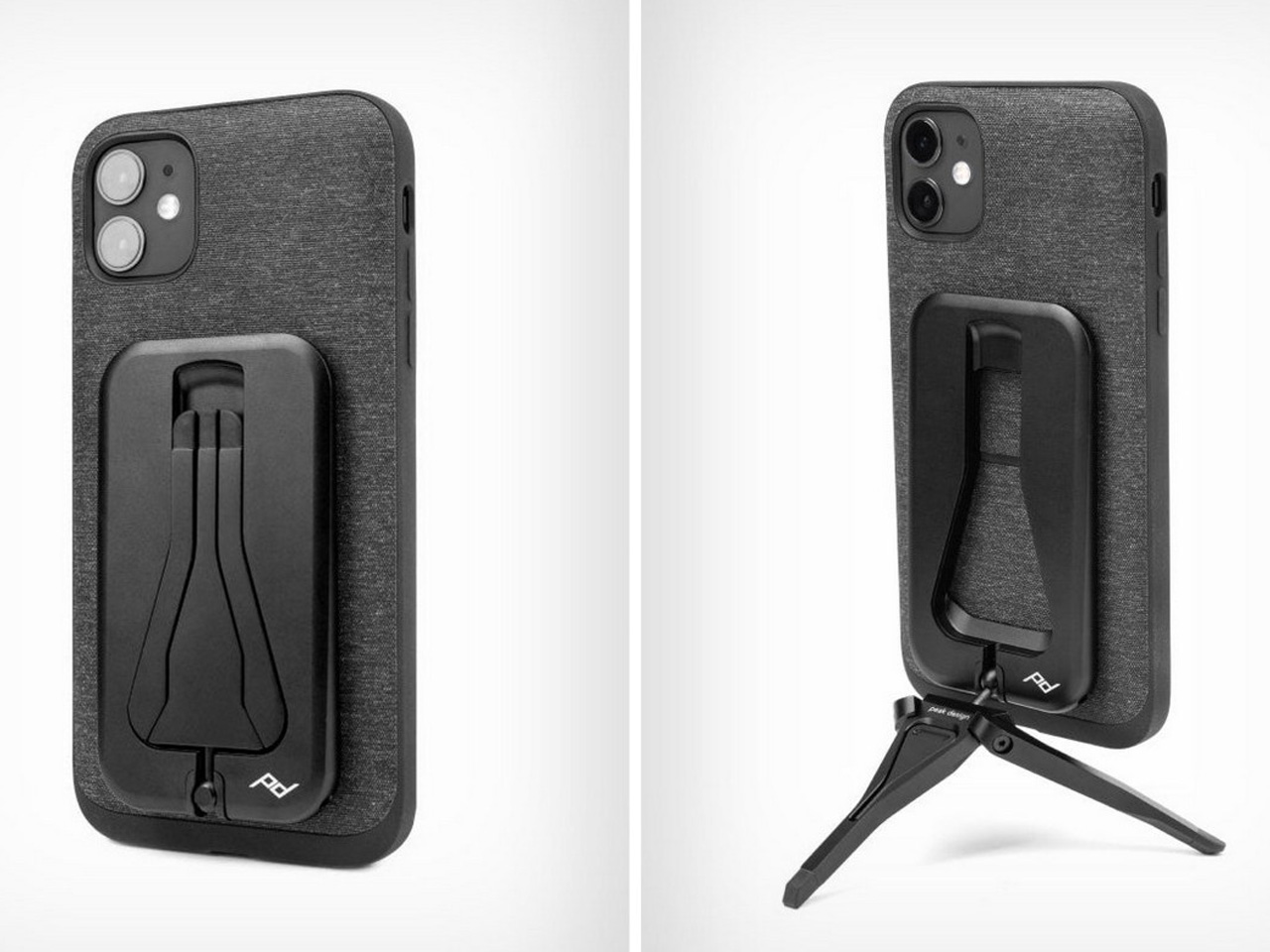
A phone can take the group photo, but it usually needs a water bottle or somebody’s folded jacket to prop it up. Peak Design’s Mobile Tripod gives it three folding aluminum legs and an adjustable miniature ball head. The tripod snaps onto a compatible phone or case and holds it in portrait or landscape. Folded, it’s flat enough to sit against the back of the phone, and there’s no separate clamp to pack or screw onto the head.
The ball head is what makes this more useful than a fixed phone stand. Set it on a picnic table or a low wall, and you can tilt the camera to frame the shot instead of accepting the angle the surface gives you. What the tripod can’t supply is height. It works for a group photo when there’s somewhere suitable to put it, but it won’t get your camera to eye level on an empty stretch of beach. Check the mount, too: you need MagSafe or a compatible Peak Design case or adapter.
What we like
- The legs fold flat against the phone instead of taking up a separate compartment.
- The ball head lets you adjust the framing in either orientation.
What we dislike
- You need a suitable surface close to the height you want.
- Phones without a compatible magnetic mount need another accessory.
8. Auger PrecisionEdge Nail File
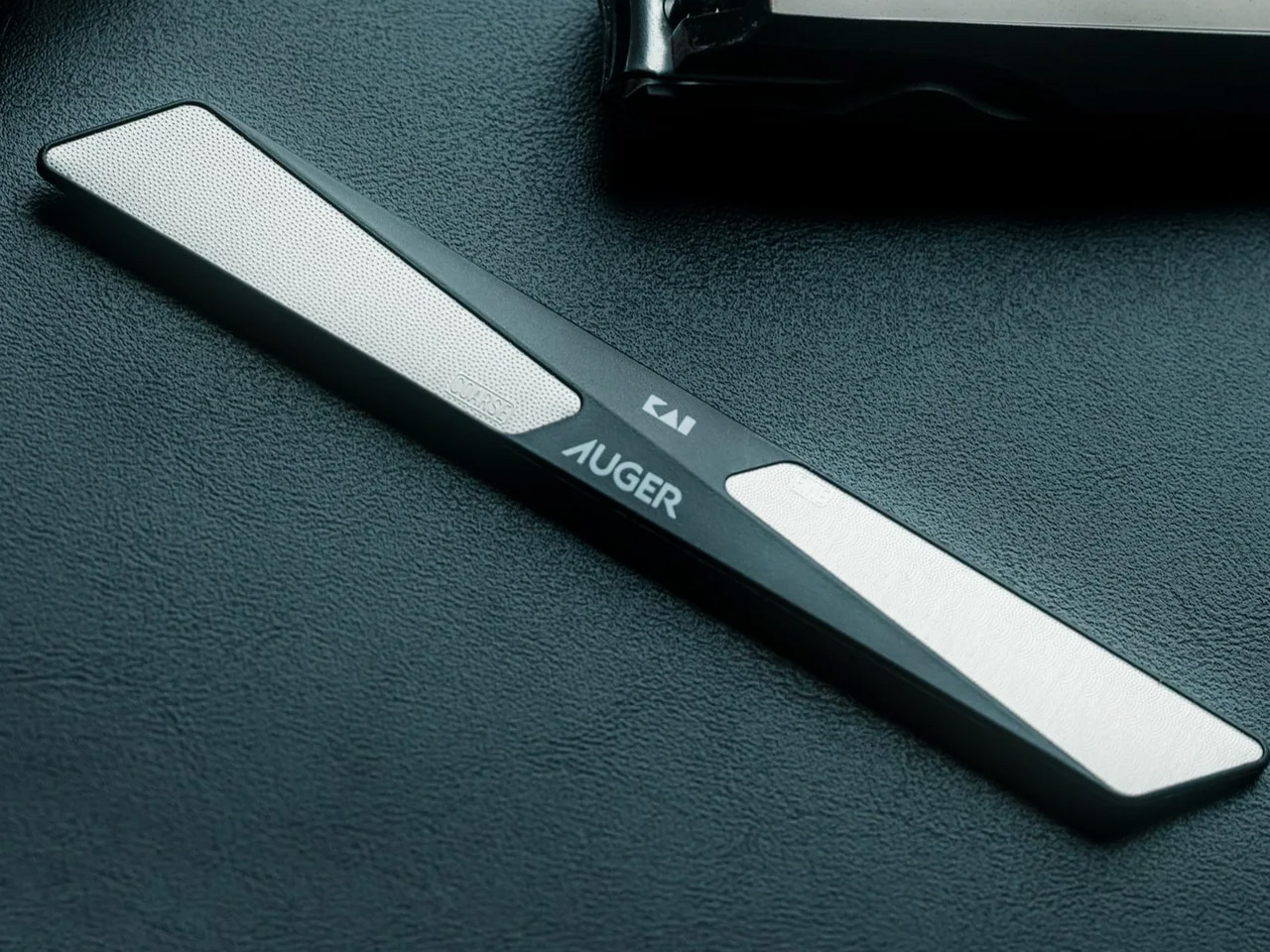
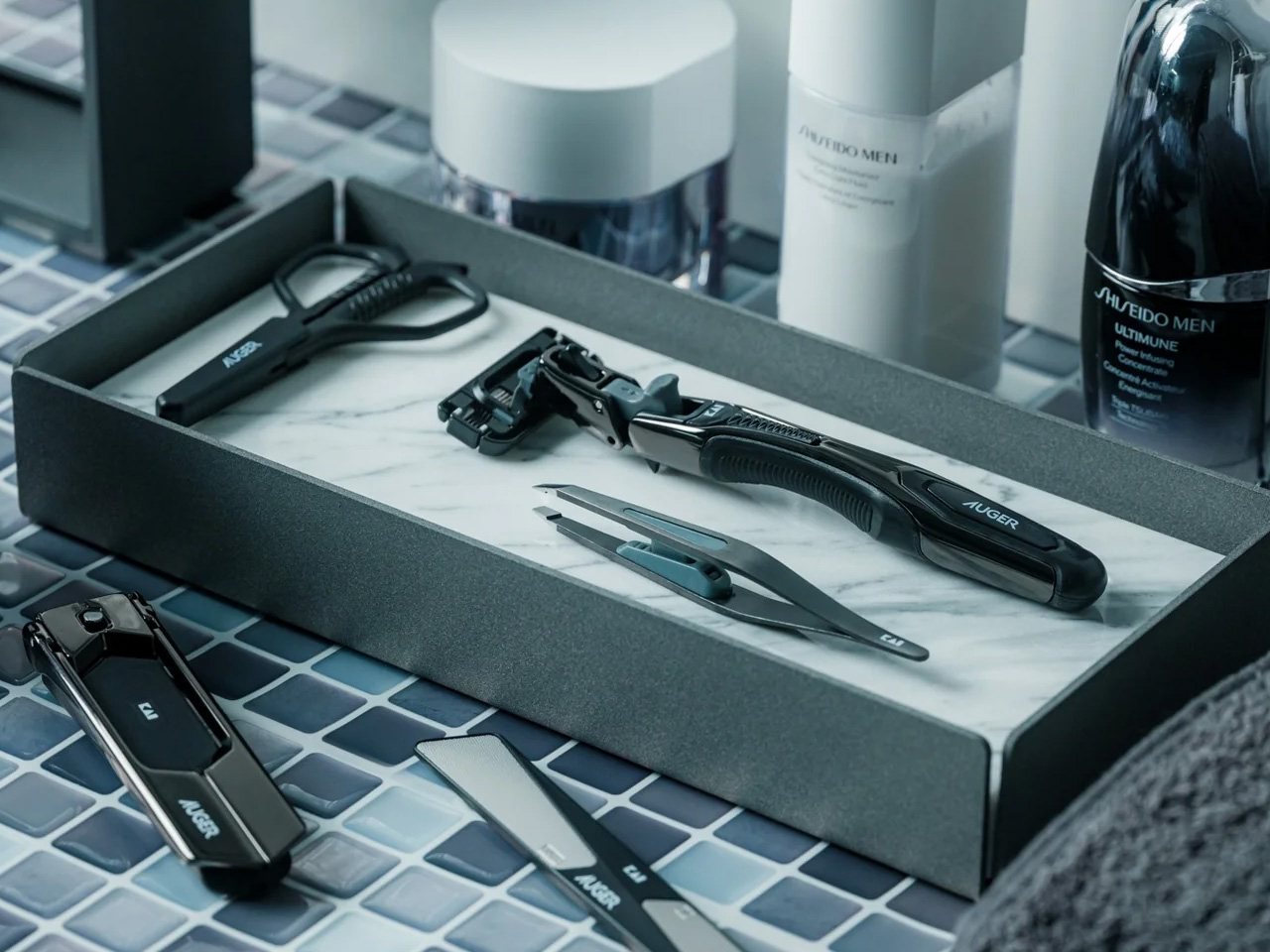
A chipped nail rarely just sits there. It finds a sweater cuff, a loose thread, or the lining of a pocket. Kai’s Auger PrecisionEdge is a 9-gram fix for that particular nuisance. The stainless steel file has two surfaces, one coarse for reshaping the edge and one fine for smoothing it. The design is credited to Shogo Ochiai, and its most practical detail is the sculpted resin handle: you have a distinct place to grip the tool instead of holding the edge of a flat metal strip.
At five inches long, it’s thin enough for a standard toiletry pouch but not especially short. That’s a fair exchange if you prefer a handle when filing. It makes less sense if you already carry a clipper with a small file that does the job, or if your entire grooming kit fits in a palm-sized pouch. This one is worth packing for the quick repair rather than as a substitute for a manicure kit. It shapes and smooths; it doesn’t clip.
Click Here to Buy Now: $20 Black Friday Edit – Pick 2, save 10%. Pick 3+, save 15%. Plus a free $20 desk calendar with every order.
What we like
- Separate coarse and fine surfaces let you shape an edge and then finish it.
- The contoured handle gives you a dedicated grip on a tool that weighs only 9 grams.
What we dislike
- At five inches, it may be too long for the smallest toiletry cases.
- It doesn’t replace nail clippers if you need to trim rather than smooth.
9. Epicka TA-205 Universal Travel Adapter

At 225 grams, Epicka’s TA-205 is the heaviest of the retail picks. It belongs here because of what it can let you leave behind. The housing combines two AC sockets with two USB-C and three USB-A ports, so a phone and headphones can plug straight into the adapter rather than each taking up a wall socket with its own brick. The second AC socket is specifically for a US plug, which is useful to know before assuming both outlets accept the same plugs.
The main USB-C port tops out at 35.5 watts on its own and drops to 20 watts when you use the other USB ports. That makes it a better candidate for consolidating small chargers than for replacing a high-wattage laptop brick. The other distinction matters more: it changes the plug connection, not the voltage. Check that anything you plug into its AC sockets accepts the local voltage. If you’re going to one country with one device, a simpler adapter may earn the spot instead.
What we like
- The mix of AC, USB-C, and USB-A can reduce the number of separate chargers you pack.
- It makes a single wall outlet more useful when several devices need power.
What we dislike
- The primary USB-C port puts out less power when the other USB ports are in use.
- It won’t convert voltage for an appliance that needs it.
10. Sea to Summit Lite Line Clothesline
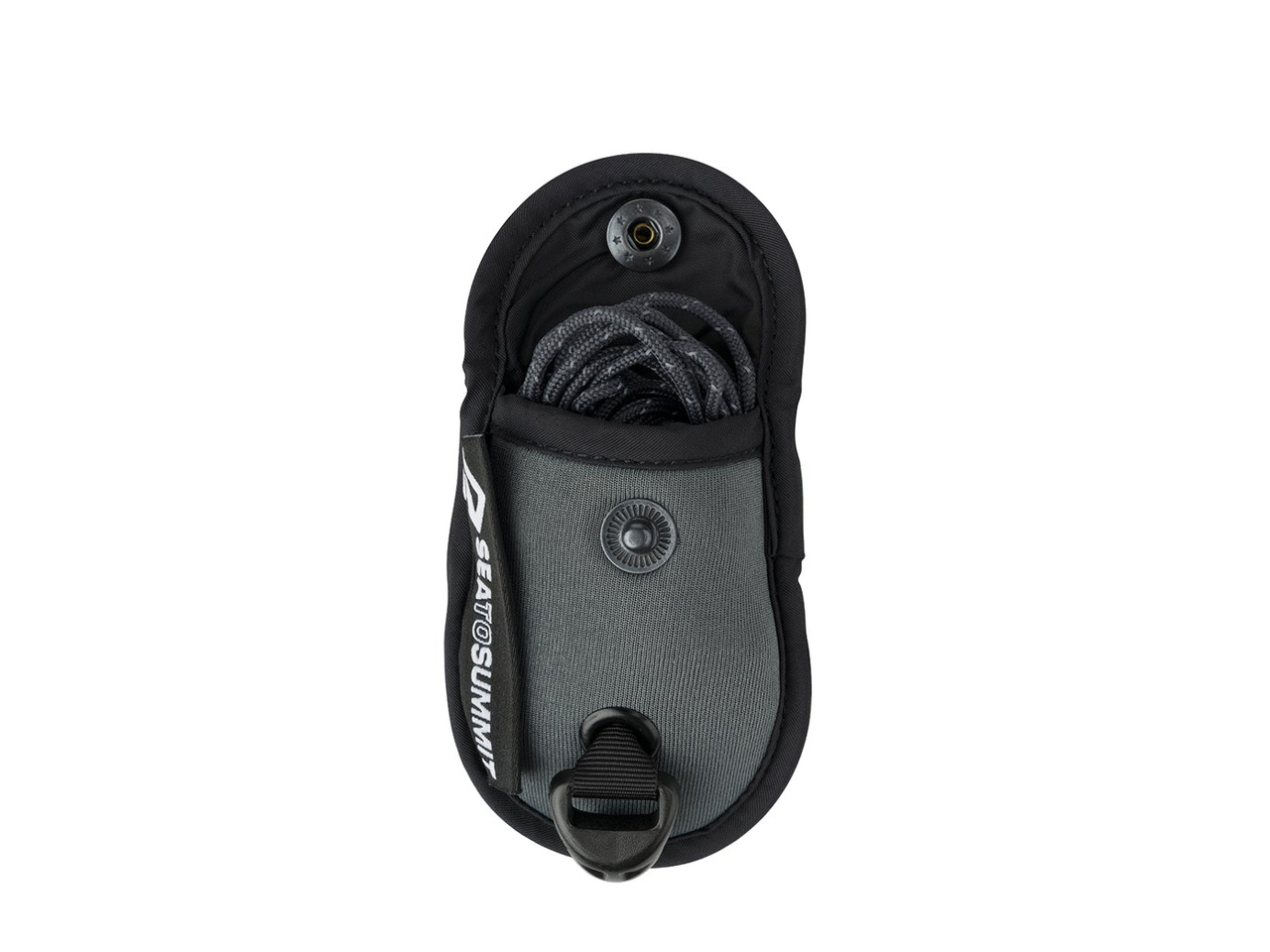
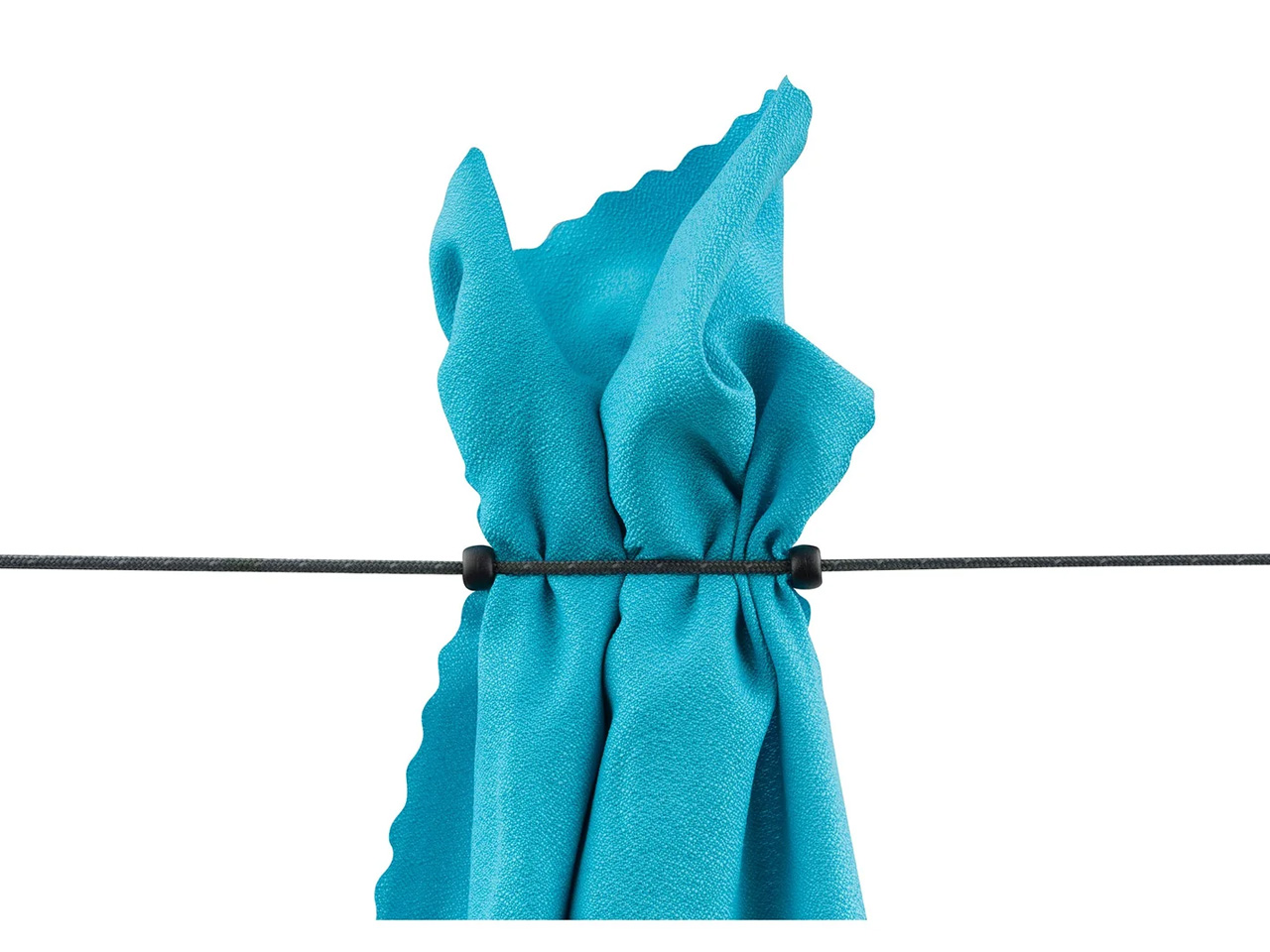
One way to make room in your bag is to bring fewer changes of clothes. Sea to Summit’s Lite Line Clothesline extends about 11.5 feet and weighs 29 grams packed. Instead of separate clothespins, it uses two parallel cords with sliding rubber beads. Slip a sock or the edge of a shirt between the cords, then bring the beads together to pinch it in place. The beads stay on the line, and the whole thing stuffs into a small pouch.
Two suitable anchor points and enough drying time matter more than the length of the line. It’s a useful tool if you plan to rinse a few socks or a shirt and stay put long enough for them to dry. It’s less compelling if you change rooms every morning or don’t have anywhere to hang it. The clothesline saves room only when it changes what you pack, rather than adding another item to the same stack of spare clothes.
What we like
- Sliding beads do the work of clothespins without creating loose pieces to pack.
- More than 11 feet of line packs down to about an ounce.
What we dislike
- You need two suitable points to anchor it.
- It won’t help much in a room with poor airflow or on a quick overnight stop.
Pack for the Trip You’re Taking
The useful comparison is between the thing you’re adding and the thing you won’t need to bring. The AirFly makes sense if it saves you from packing wired headphones for the plane. The Epicka is worth more of your weight allowance if it replaces several wall chargers. And the camp light can stay home on a city break, no matter how neatly it fits beside your shoes.
Some tools earn the space without replacing anything. The Nanobag gives you room for things you didn’t leave home with. The nail file solves a small irritation that can follow you for the rest of the trip. Those are good reasons to pack an extra object. The harder ones to justify are the gadgets that only look useful when you’re standing over an empty suitcase.