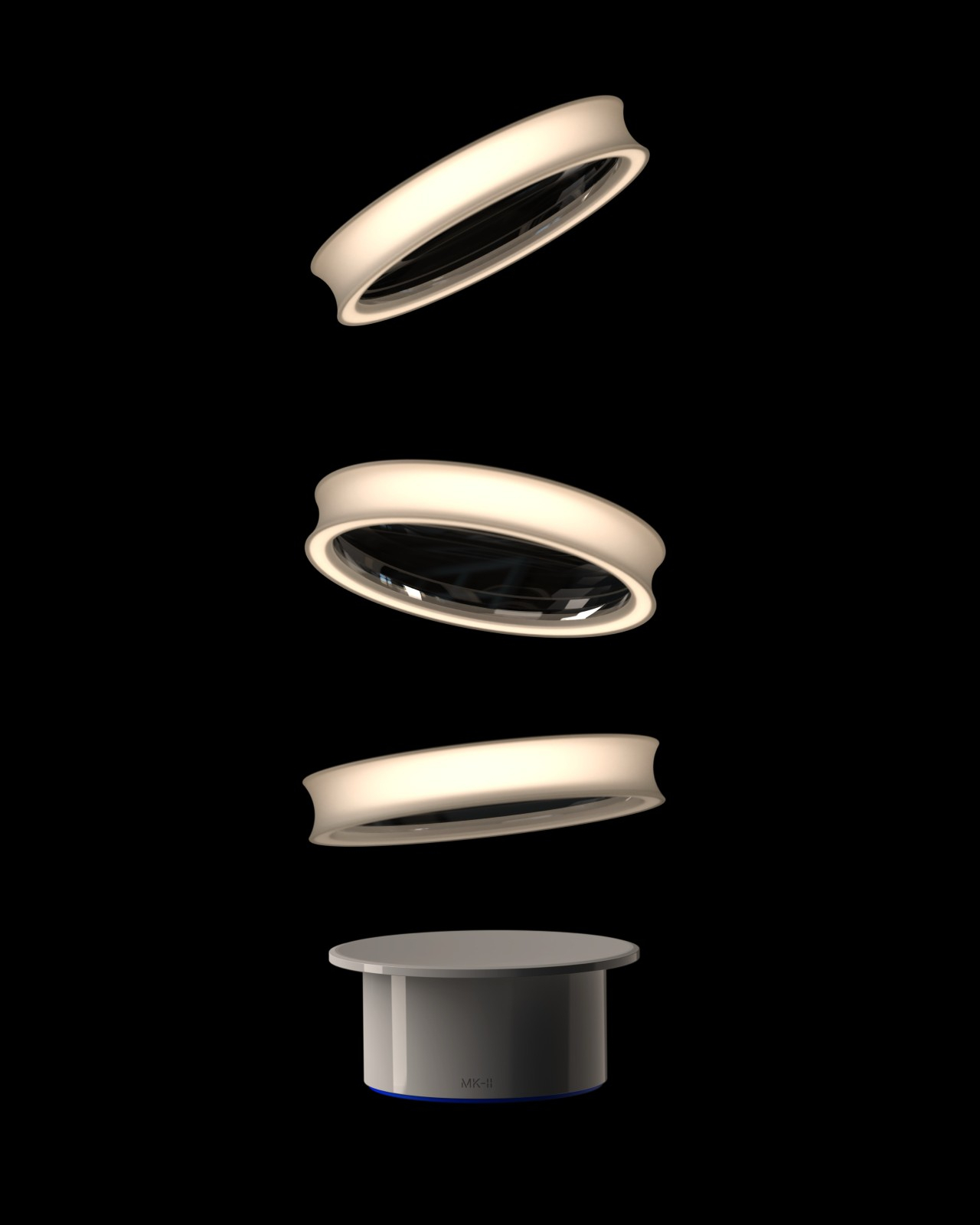
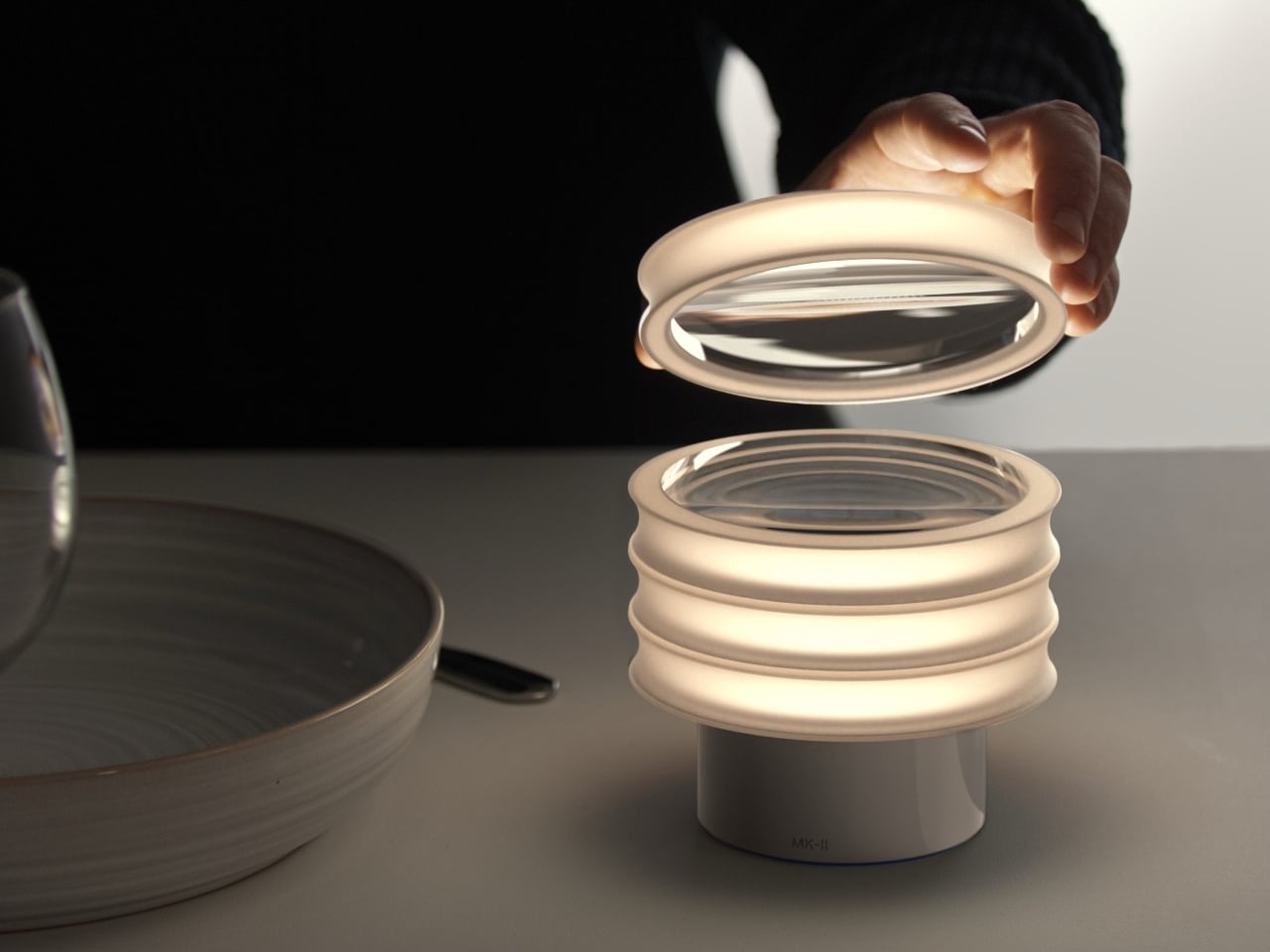
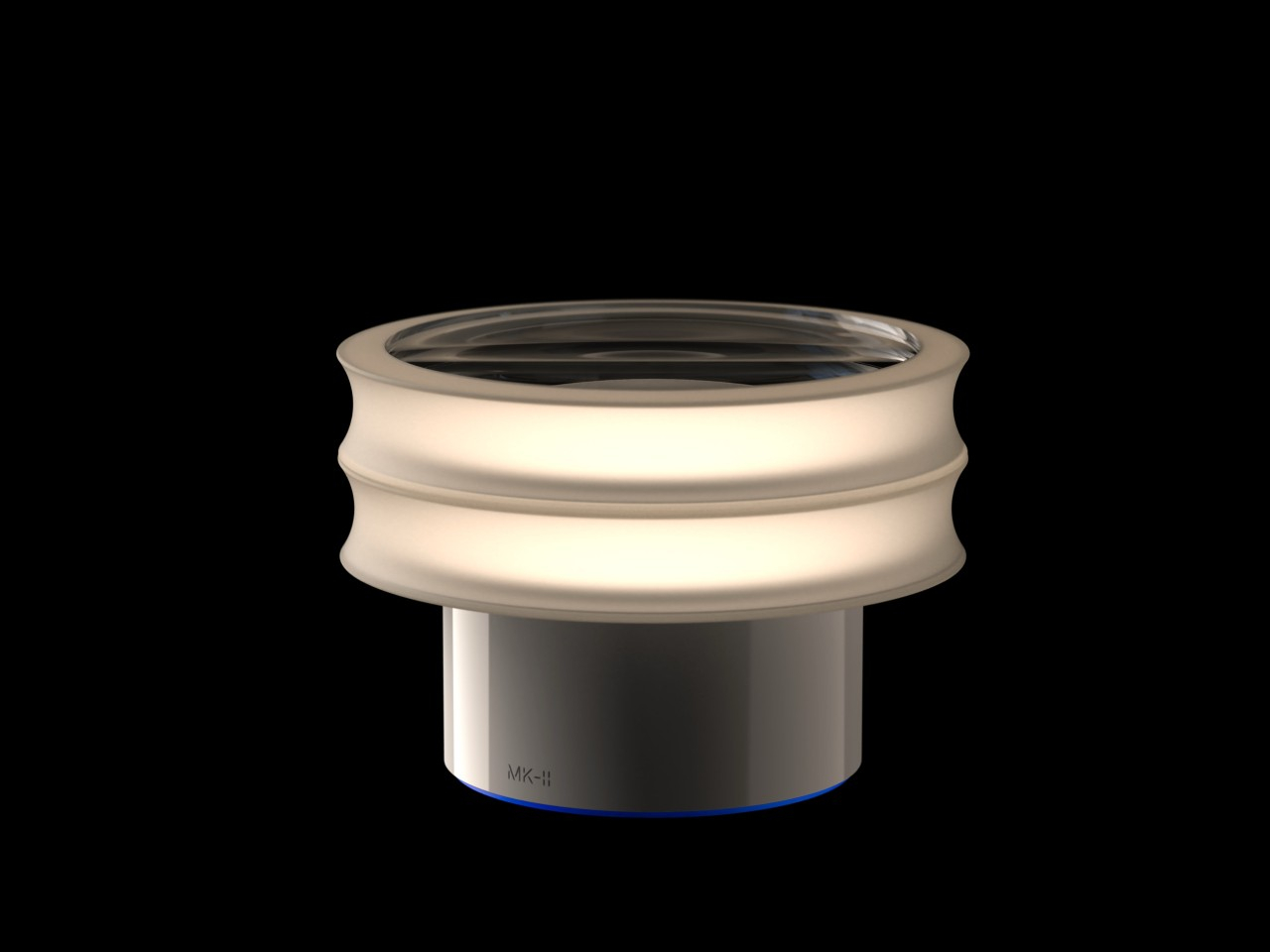
Dim restaurant lighting can make dinner feel intimate, right up until you have to decipher the menu. Reaching for your phone’s flashlight solves one problem while introducing a rather conspicuous beam across the table. MK-II Studio’s Loupe Light concept offers another option, stacking magnetic light rings into a table lamp that guests can take apart whenever the small print needs some help.
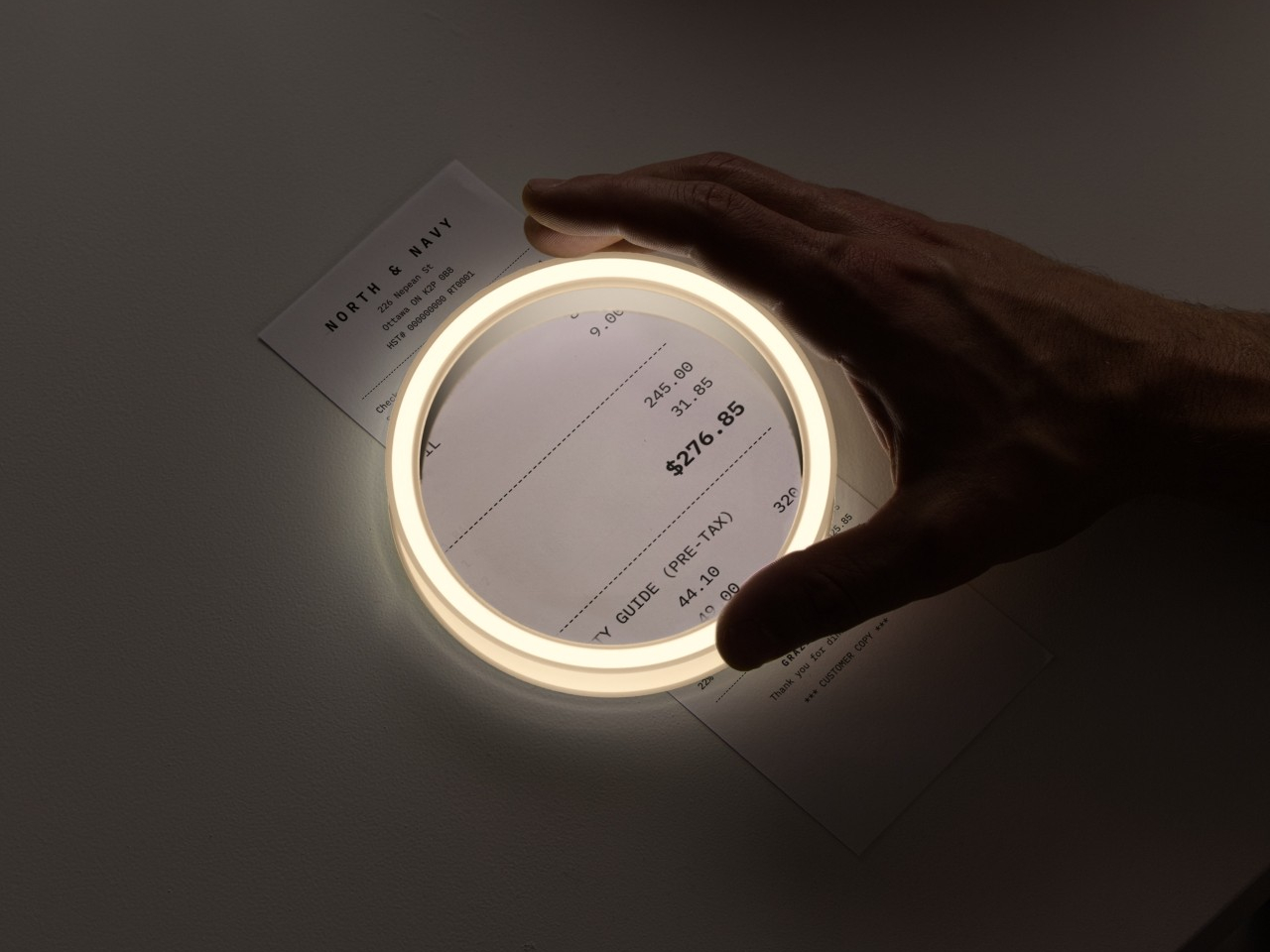
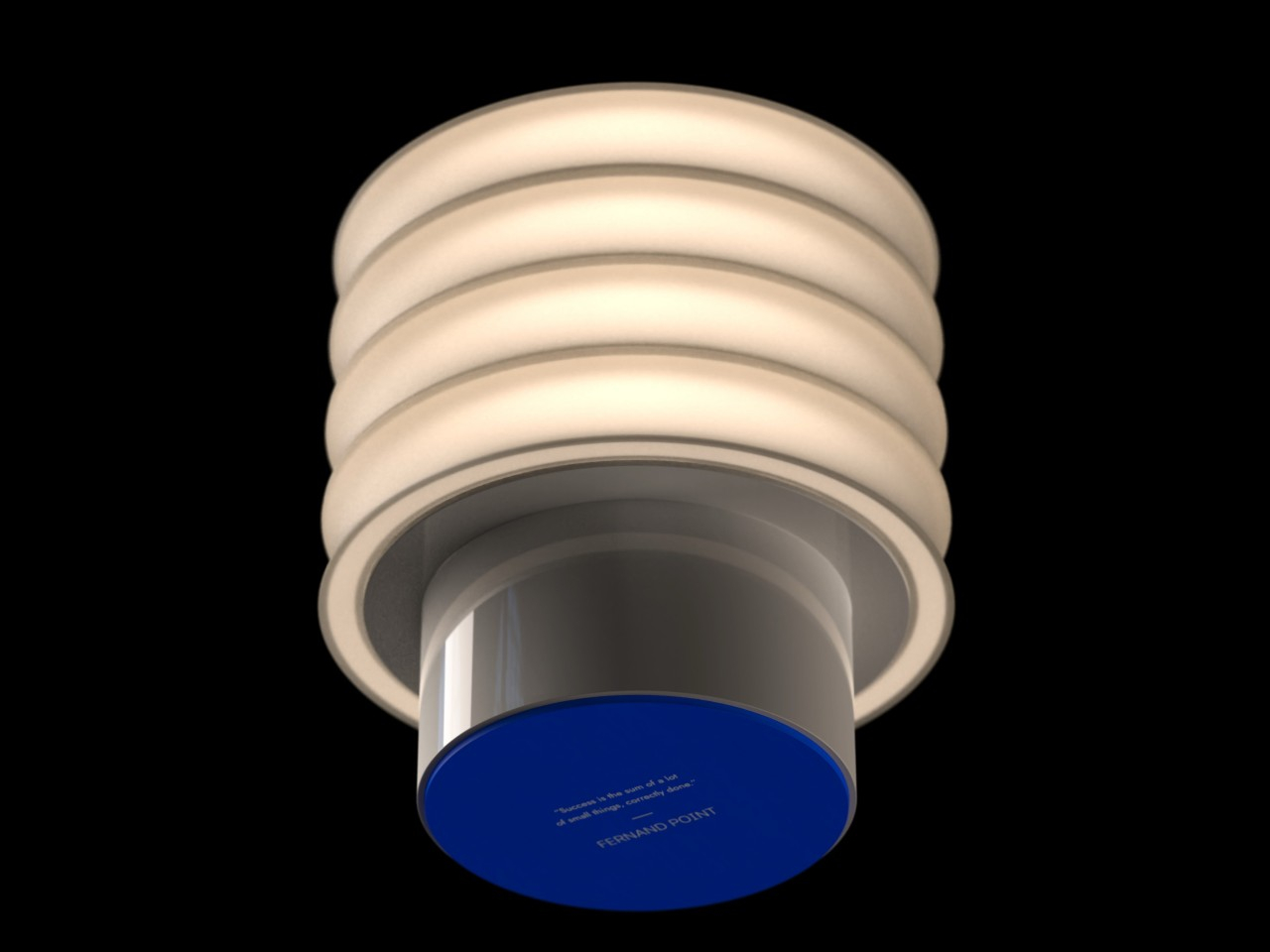
Together, the rings form a squat, ribbed shade above a cylindrical base, with warm light spilling around their edges. The clear center of each ring is actually a magnifying lens, rather than an empty opening. Lift one away, and you have both illumination and magnification in your hand, without switching on a screen or asking someone else to read the menu aloud.
Designer: Andrew Ferrier (MK-11 Studio)
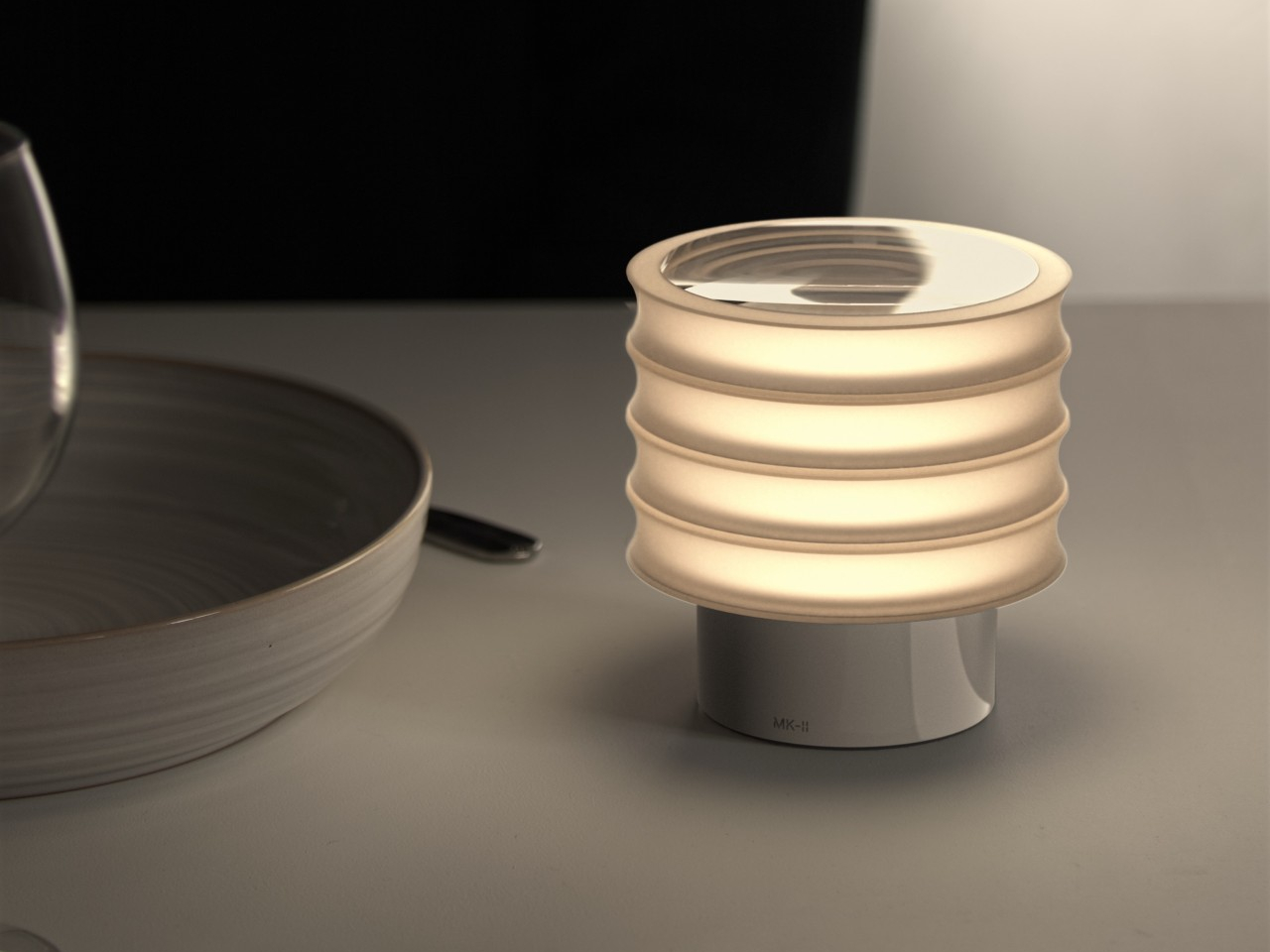
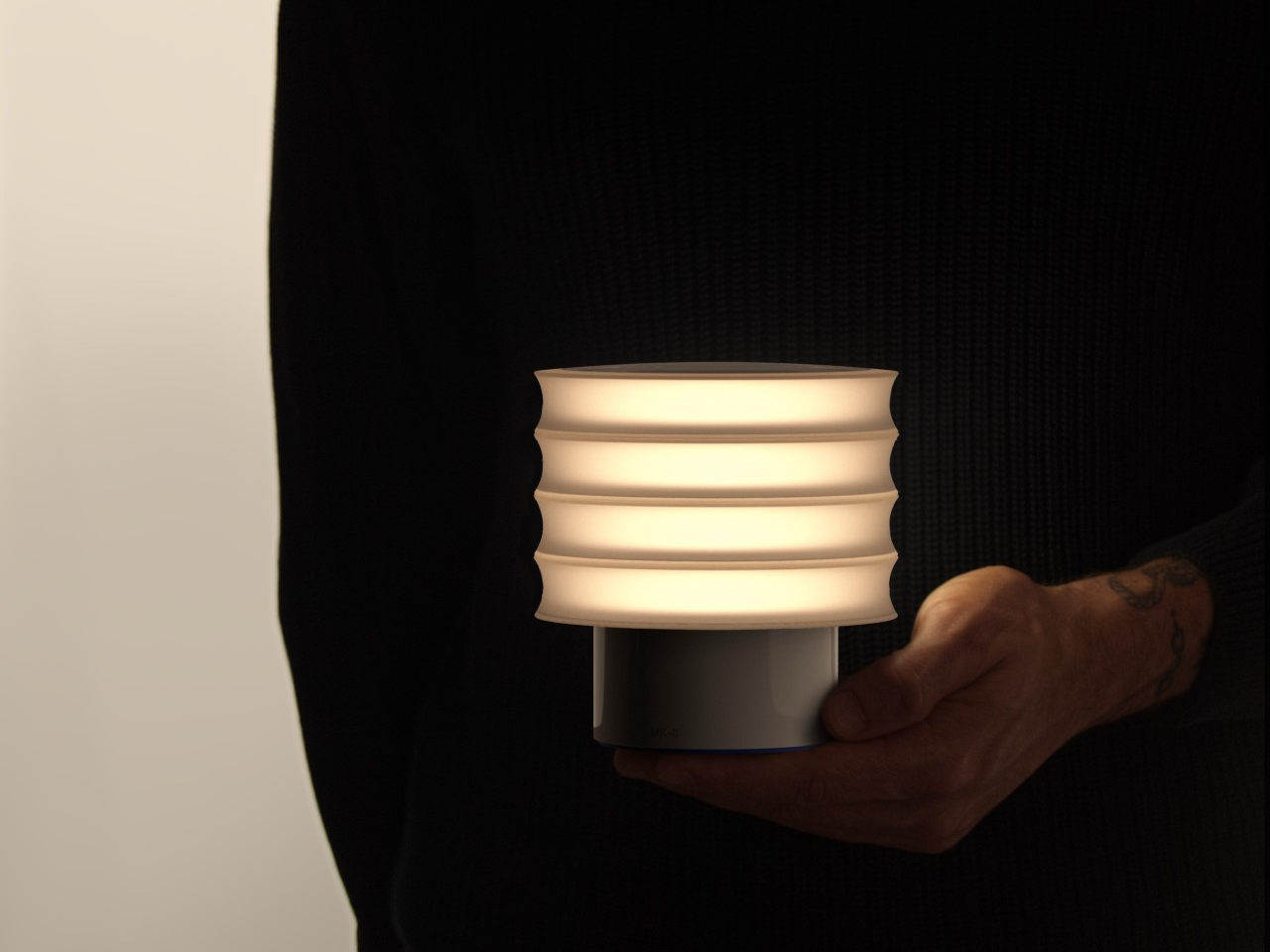
That ring shape gives the reading aid a different character from a conventional magnifying glass. There’s no handle announcing a separate tool, just a rounded edge to hold as you move across the page. The lens is intended to sit above the paper, maintaining focus while keeping its surface clear of the menu, rather than rubbing directly against whatever you’re trying to read.
The idea follows the meal beyond choosing what to eat. When the bill arrives, you could borrow a ring to check the total or make sense of a line of charges. Someone else could reach for another without waiting for a shared flashlight, while the remaining rings stay on the base. The table’s reading aids and centerpiece would occupy the same spot.
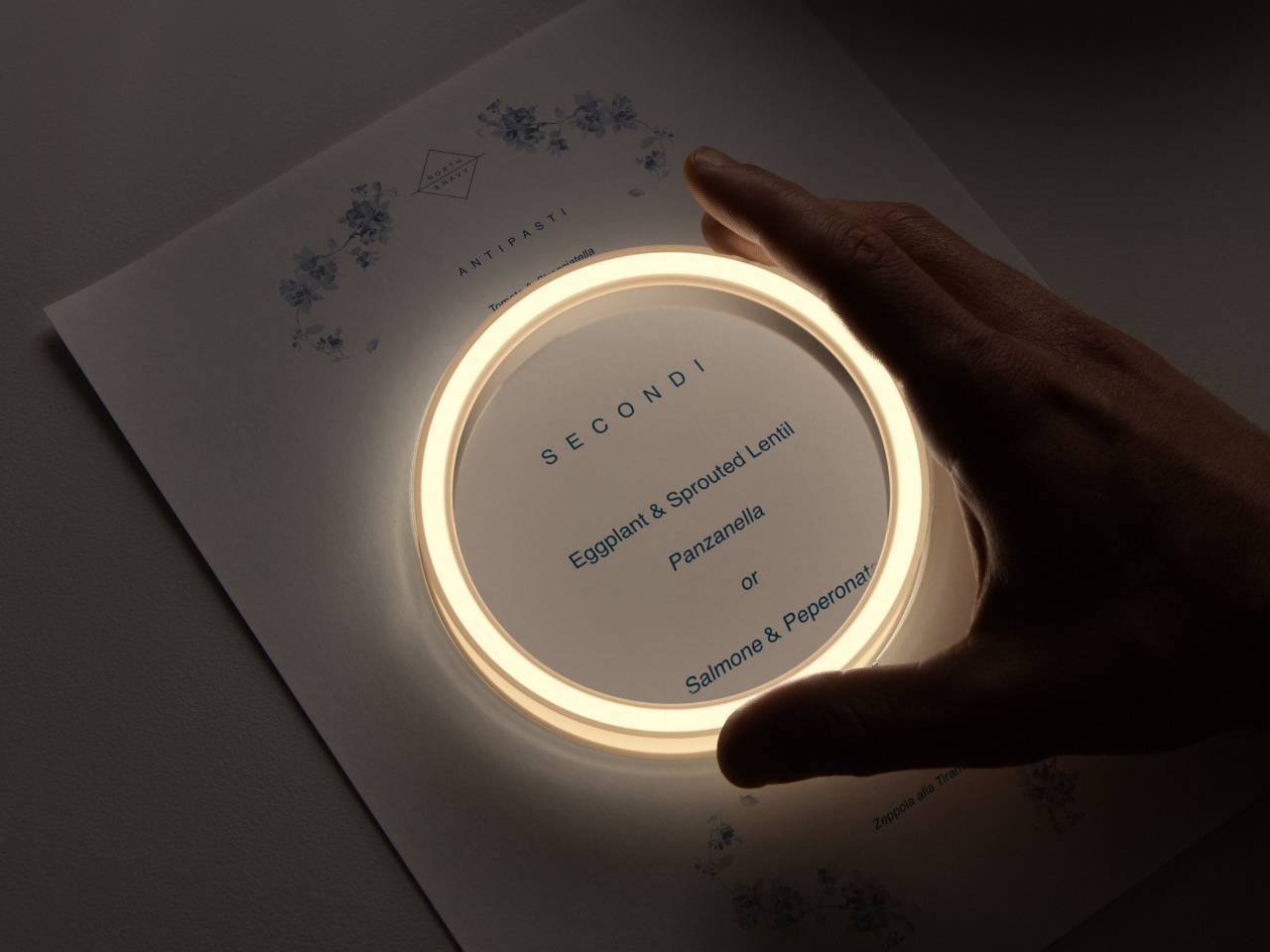
The stack can also change with the table. The proposal allows rings to be added or removed for different table sizes, so a couple wouldn’t necessarily need the same arrangement as a larger group. Repetition gives the lamp its appearance, but also provides a way to distribute several reading aids without introducing a collection of unrelated accessories among the glasses, plates, and cutlery.
Restaurant staff have a part in this arrangement, too. The concept specifies cordless, sealed construction and inductive charging, intended to simplify wiping everything down between seatings. Avoiding a cable across the table makes sense around drinks and dishes. Returning the rings to a common base would also give staff a place to check that the set is together before the next guests arrive.
Loupe Light remains a concept, with magnification strength, brightness, and battery runtime still unspecified. Those details would determine how well it serves different diners, rather than simply how good it looks beside a plate. A lens that works for one person’s menu reading might not suit another, while the light needs to illuminate the paper without becoming another distraction across the table.
There’s something considerate about making the reading aid part of an object everyone shares. A guest could reach for a ring as casually as reaching for the salt, without asking a server for special equipment. The phone can stay in a pocket, provided the lens does its job. Dinner’s atmosphere wouldn’t have to depend on anyone pretending they can read the menu.