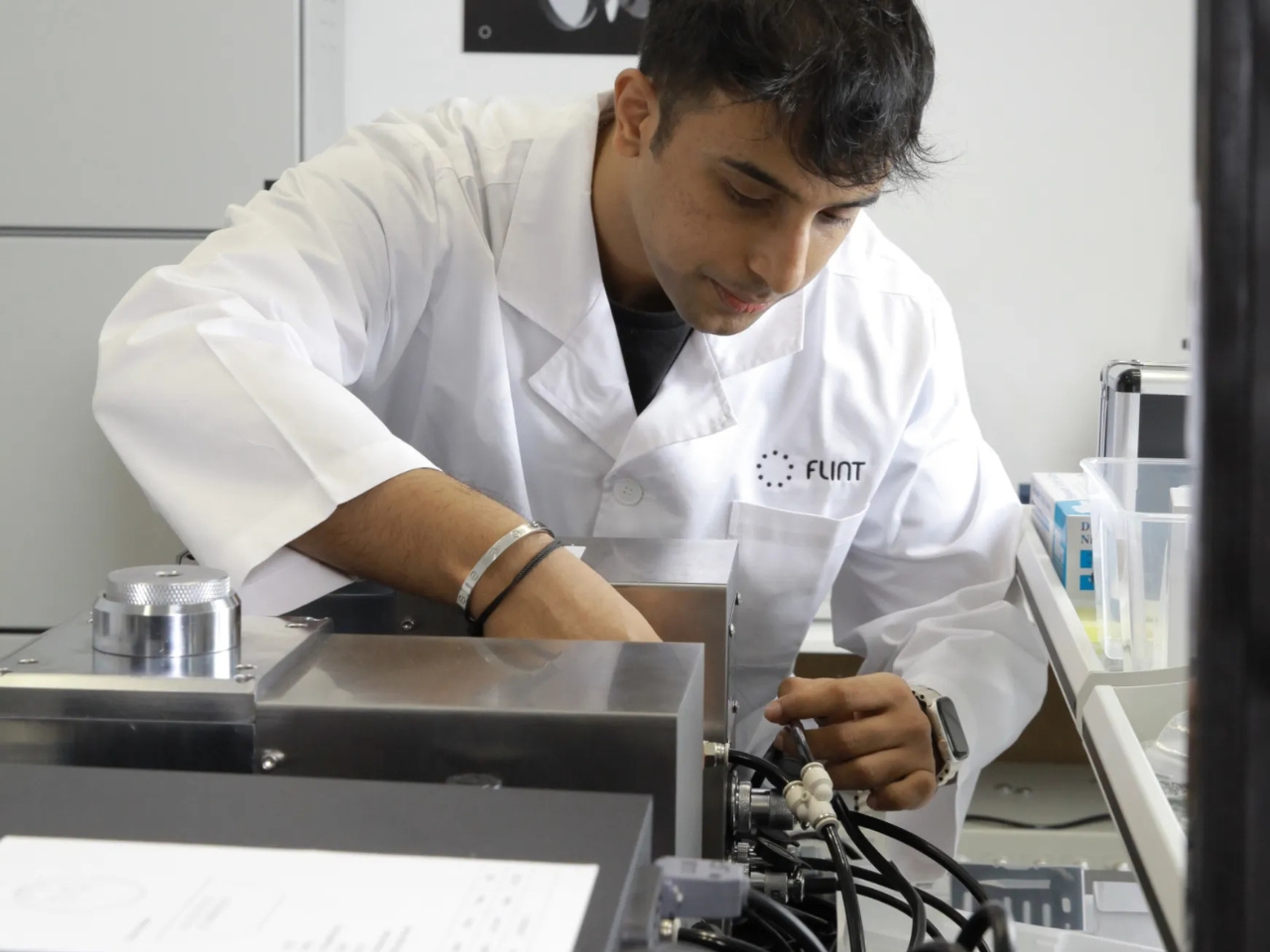
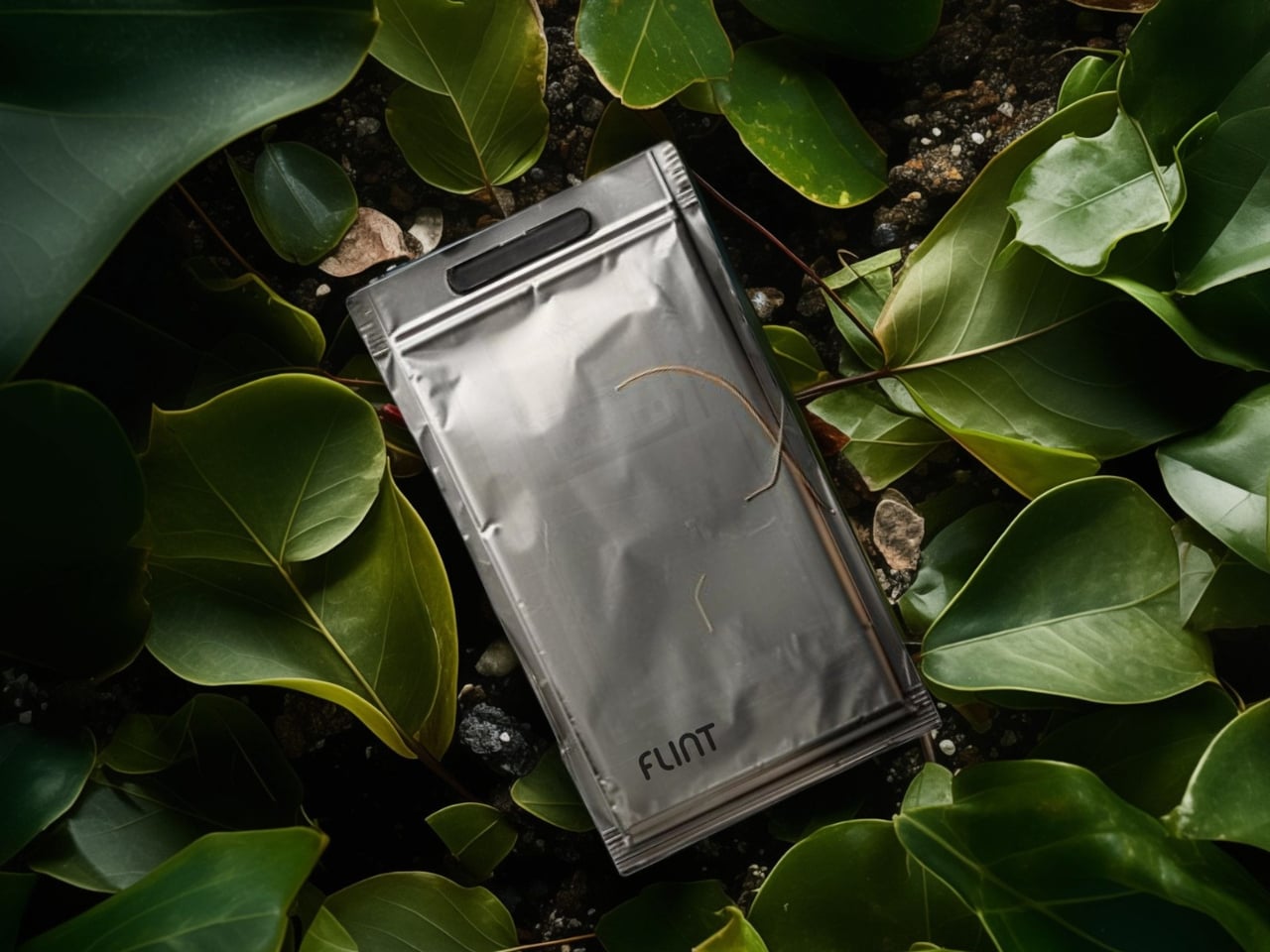
Paper is an unexpected starting point for a rechargeable battery, which is part of Flint’s appeal. The Singapore-based company uses cellulose, the plant-derived material in paper, to rethink what goes inside the cells powering our gadgets. Its paper battery targets two problems that rarely make it onto the packaging: the materials batteries depend on and the safety concerns that come with storing energy in everyday objects.
Flint announced on January 2, 2026, that its technology had entered production in Singapore, supplying cells for customer pilots and early commercial integrations. That’s an important distinction from a promising laboratory sample, although it doesn’t mean you can grab a pack at the checkout counter. The company currently focuses on businesses and manufacturers rather than direct consumer sales.
Designer: Flint Labs
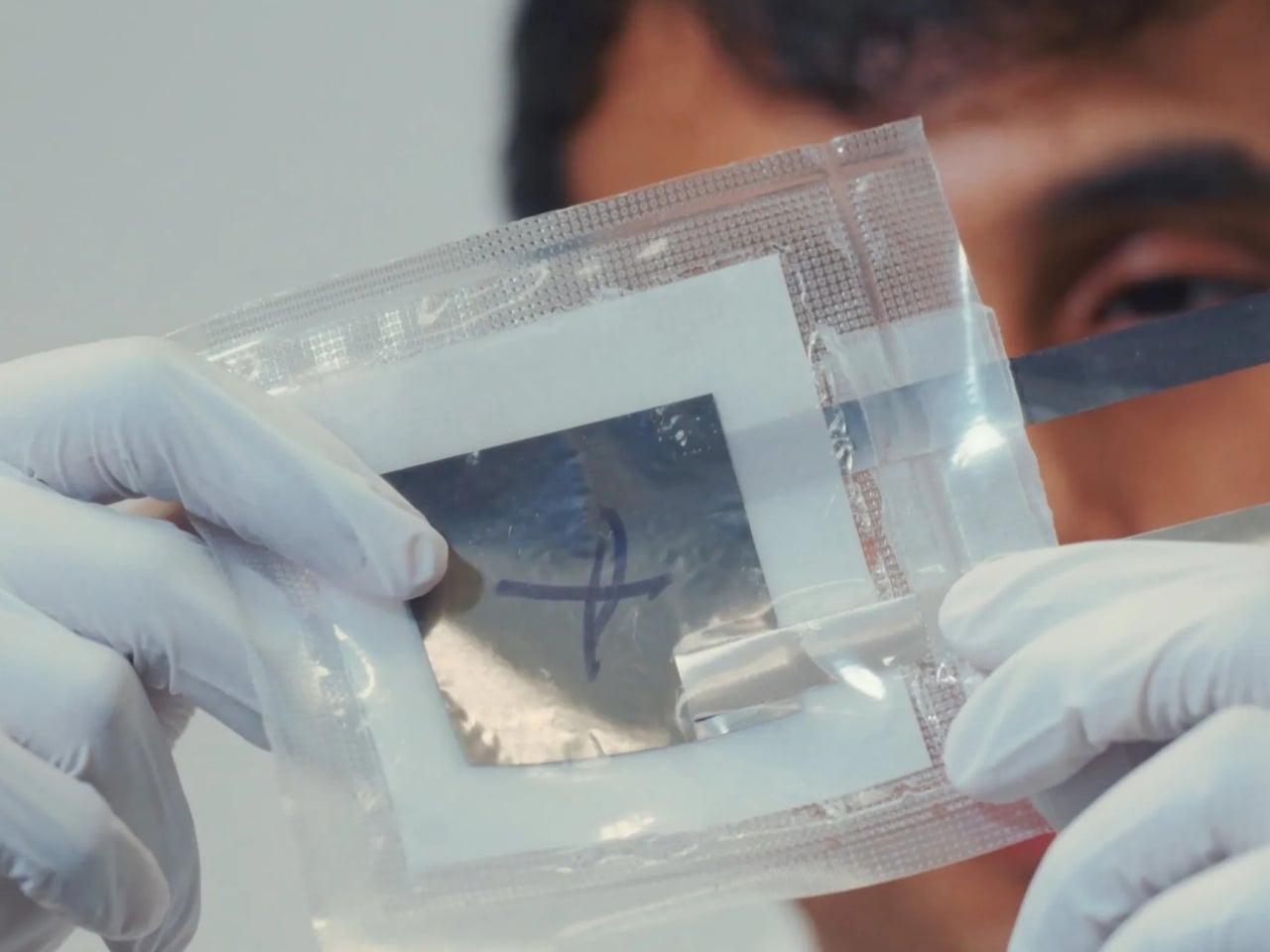
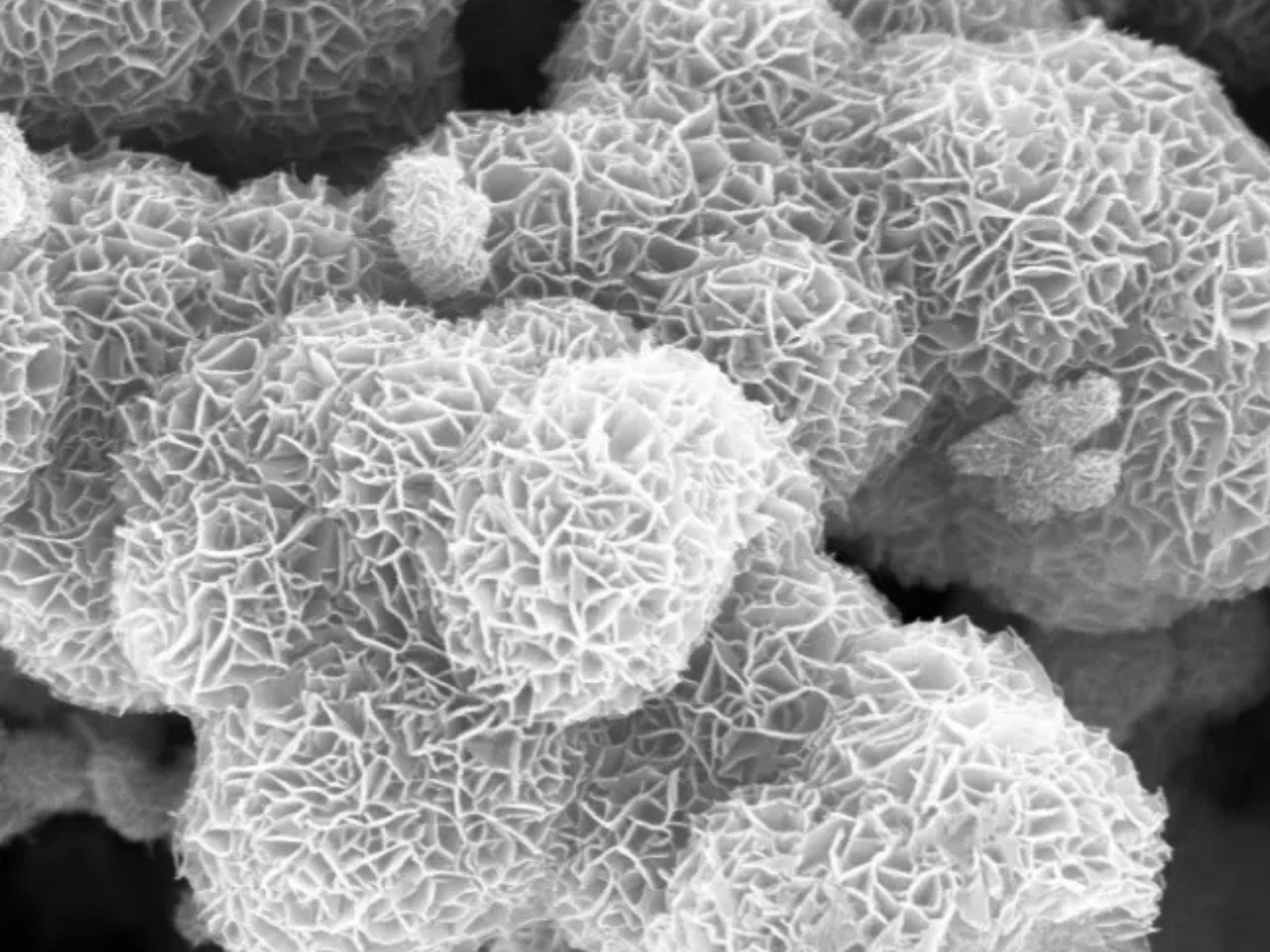
The name needs a little unpacking. You aren’t charging a sheet of stationery, and paper alone isn’t supplying the electricity. Flint uses zinc and manganese alongside its cellulose-based architecture and water-based electrolyte. The battery still has the familiar internal arrangement of an anode, cathode, and separator. Flint says cellulose supports ion transfer and gives the design structural flexibility. I like that the material has an actual job here, beyond making the sustainability story sound approachable.
That flexibility gives designers options beyond a rigid cylinder or rectangular block. Flint says its chemistry can accommodate different shapes, and IEEE Spectrum’s reporter handled a thin, bendable version at CES. The technology can also take familiar AA and AAA forms. To me, that’s a more interesting design proposition than making every device thinner: giving the battery more ways to fit the object.
Safety is another major part of the pitch. Flint describes its water-based batteries as non-flammable and resistant to damage, and its website presents demonstrations involving cutting a cell and exposing one to flame. Those demonstrations are attention-grabbing, but I’d put more weight on documented testing for a particular finished product. A dramatic demonstration can make the chemistry understandable; it doesn’t establish every condition a gadget might encounter.
The applications feel most convincing when they stay close to ordinary life. Flint has been piloting its technology with Logitech, including AAA batteries, according to IEEE Spectrum’s reporting. A mouse or keyboard might not have the glamour of an electric vehicle, but that’s a useful place to prove an alternative chemistry. I’d rather see a battery earn its place in an unremarkable daily object than headline an implausibly ambitious concept.
Then comes the composting claim, which deserves more care than the word “paper” suggests. Flint says its metals can be recovered and the remaining material composted. Its explanation also involves removing the vacuum-sealed casing before degradation begins. That isn’t an invitation to toss an intact battery into the backyard. I’d want explicit disposal instructions and a practical recovery route before treating compostability as an everyday convenience.
Performance remains the other test. Flint’s founder has claimed up to 1,000 charge cycles, but IEEE Spectrum reported that the company hadn’t published a white paper detailing its proprietary design. That leaves a gap between promising specifications and evidence readers can examine. I’m interested, but I wouldn’t translate those figures into a promise about how long a future wearable or remote will last between charges.
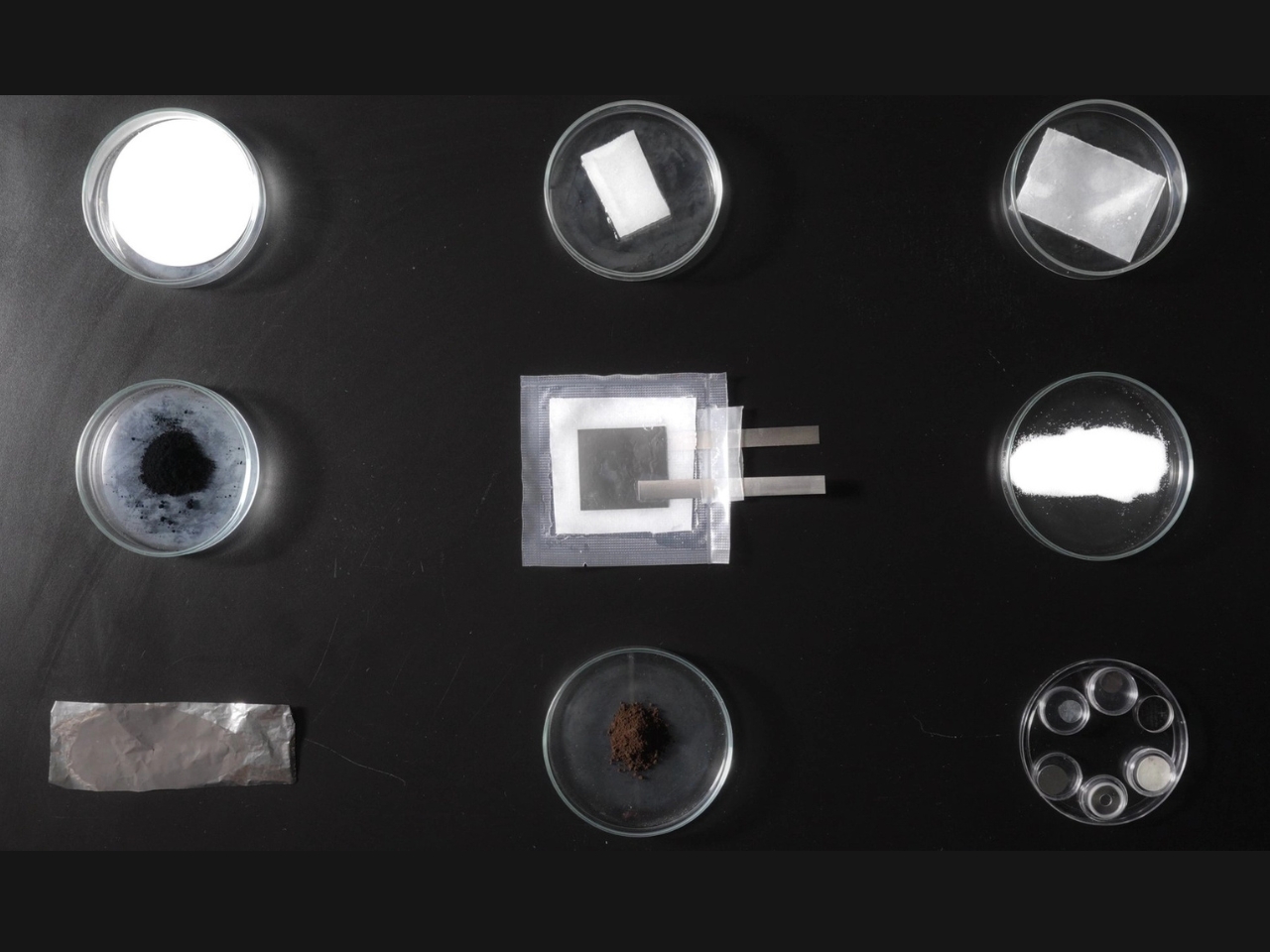
One less flashy choice may matter just as much: manufacturing. Flint says it deliberately designed the battery to align with existing lithium-ion production processes, while its Singapore facility uses water-based manufacturing methods. Compatibility with familiar equipment could help manufacturers consider a different chemistry without rebuilding everything around it. It’s the kind of practical decision I appreciate because an alternative material has limited value if making it remains prohibitively complicated.
For me, the payoff would be reassuringly uneventful: a gadget that works as expected, with a battery chosen more thoughtfully and a clear destination when it wears out. Flint has made that prospect worth watching. The next persuasive step is letting ordinary products, and their owners, do the demonstrating.