Modern design is undergoing a major transformation as architects, artists, and product designers begin to see waste not as a problem, but as a valuable resource. Scrap metal, discarded wood, plastic waste, broken glass, and industrial leftovers are now becoming part of luxury interiors, sustainable architecture, furniture, fashion, and public art.
This shift reflects a larger movement toward circular design, where materials are reused, reimagined, and given a second life instead of ending up in landfills. As sustainability becomes central to contemporary creativity, let’s understand why scrap is increasingly being viewed as the new gold of modern design.
1. The Rise of Circular Design
The concept of circular design is changing how industries approach materials and production. Instead of the traditional “use and discard” model, designers now focus on reuse, repair, and regeneration. Scrap materials are collected and transformed into high-quality products with a new purpose and value. This approach reduces environmental impact while encouraging innovation and experimentation.
Reclaimed metal can become sculptural furniture, discarded wood can turn into textured interiors, and industrial waste can evolve into architectural façades. Circular design proves that sustainability and aesthetics can coexist, creating products that are both environmentally responsible and visually striking.
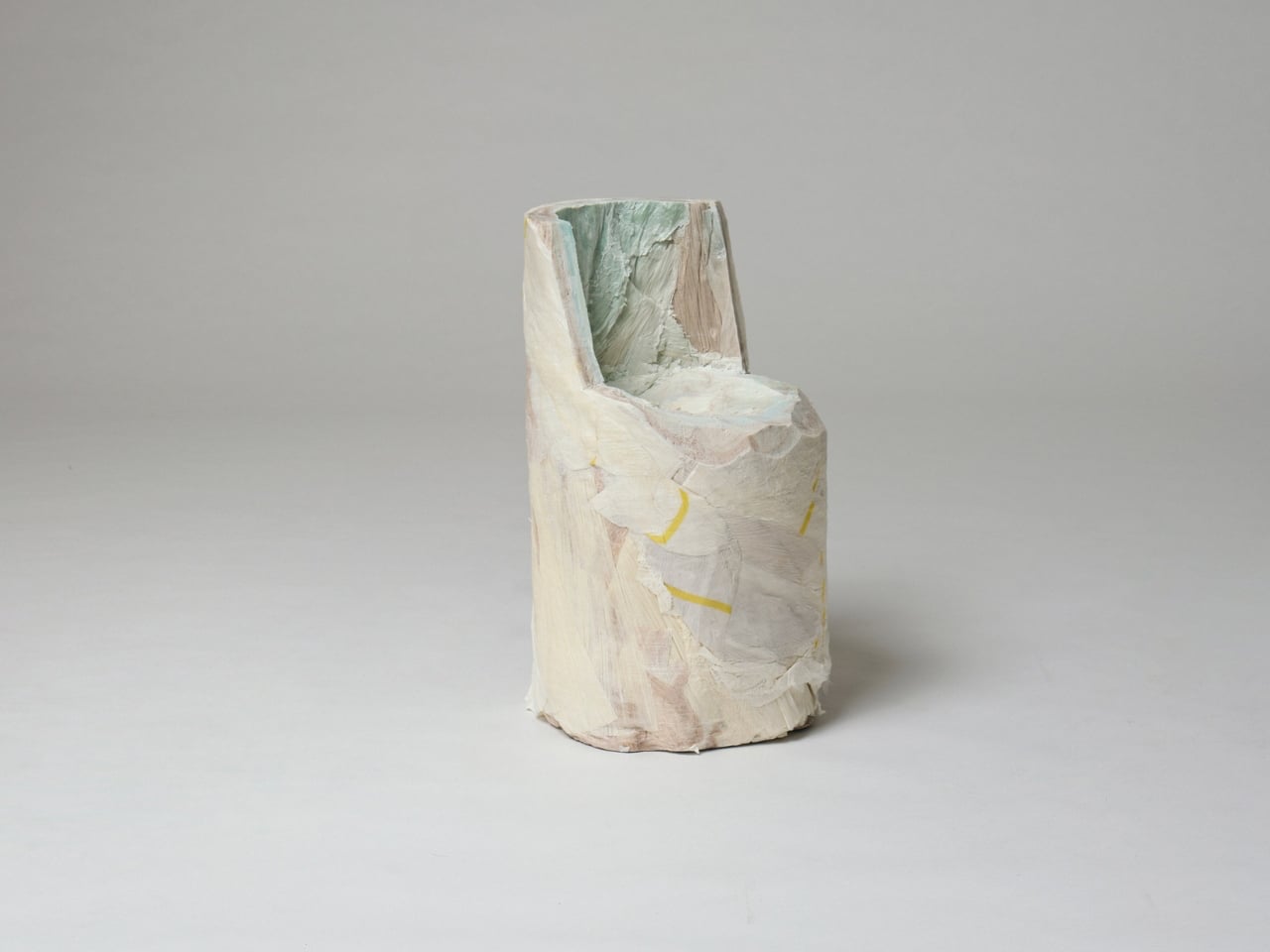
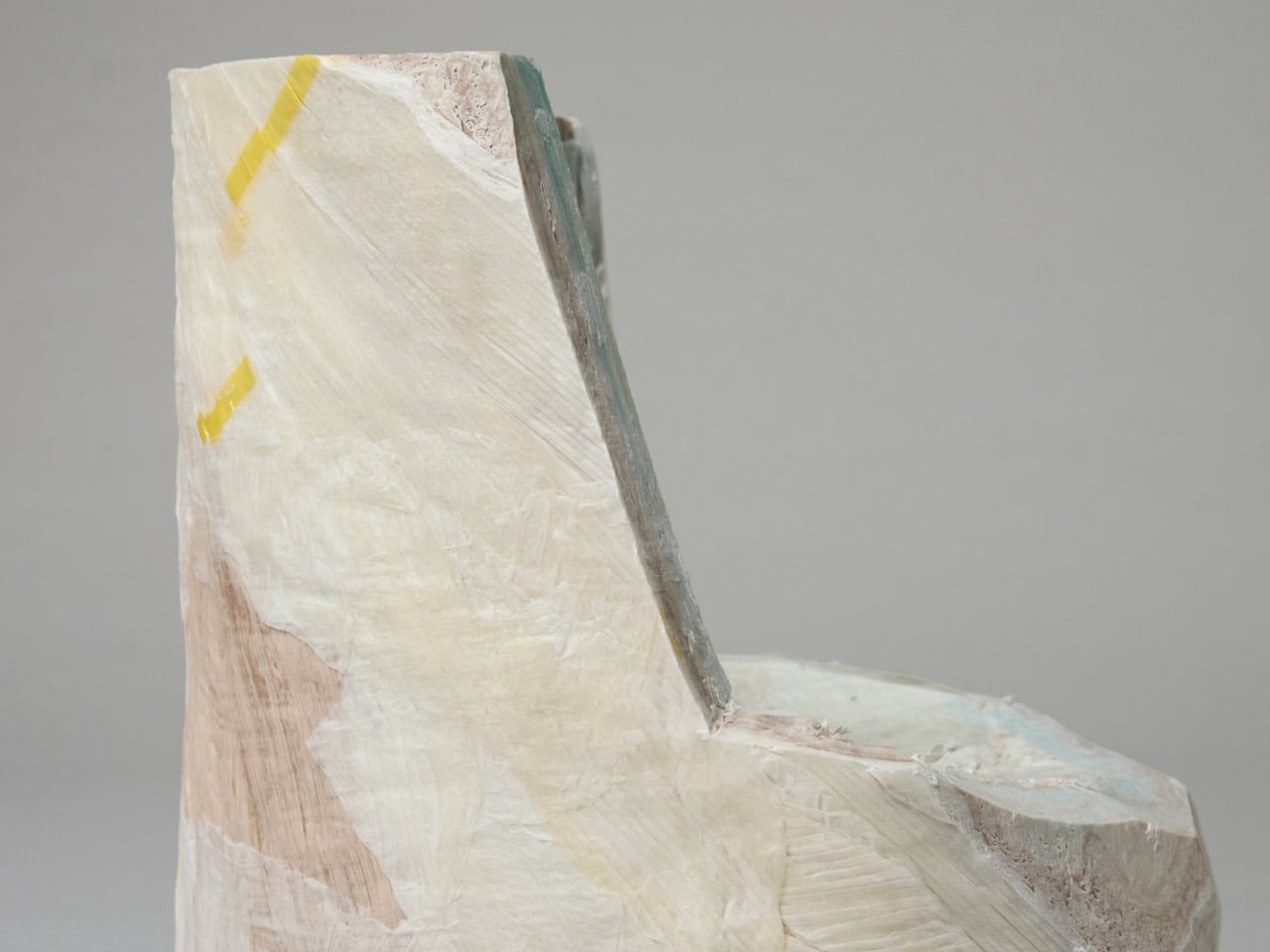
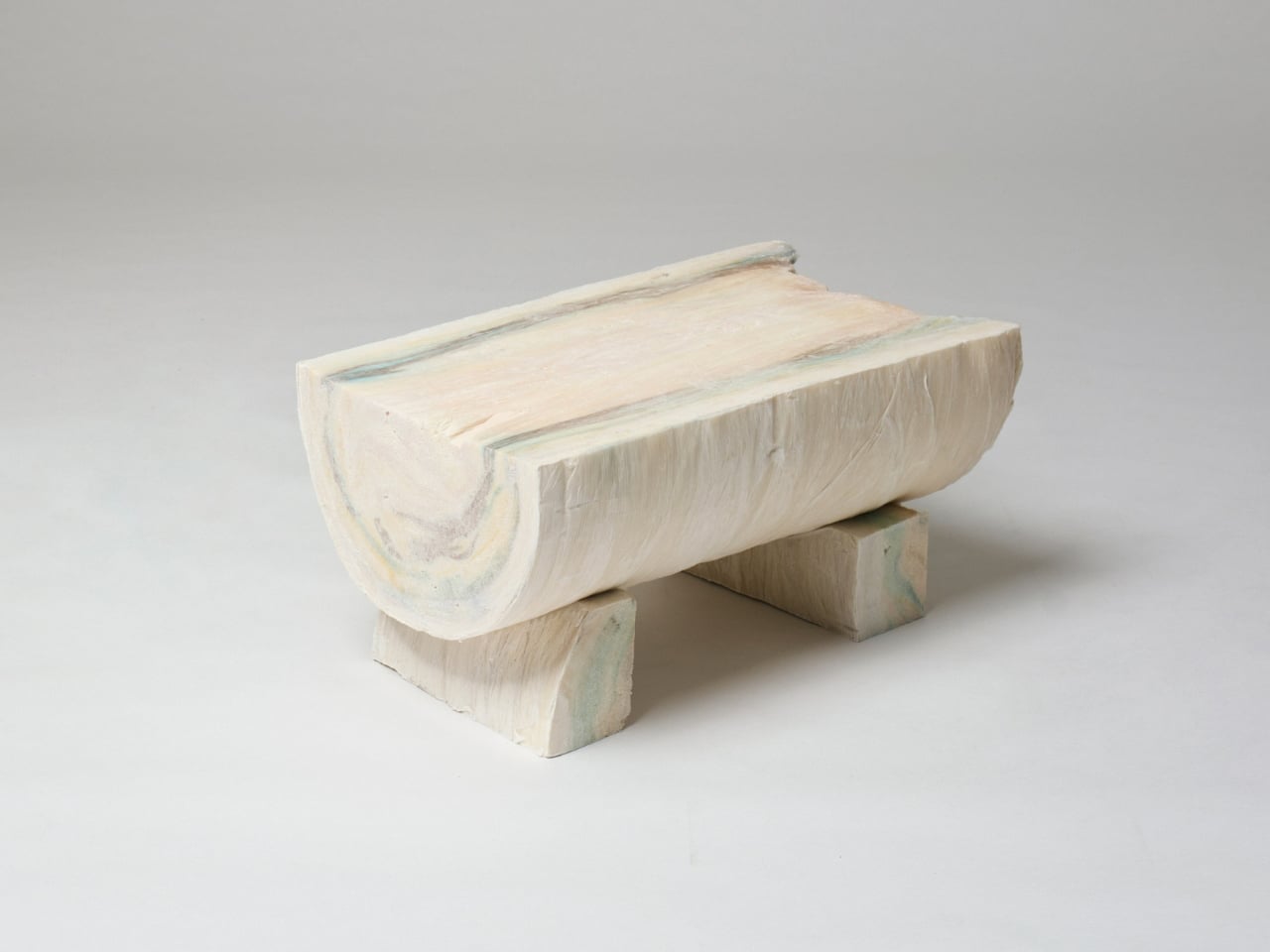
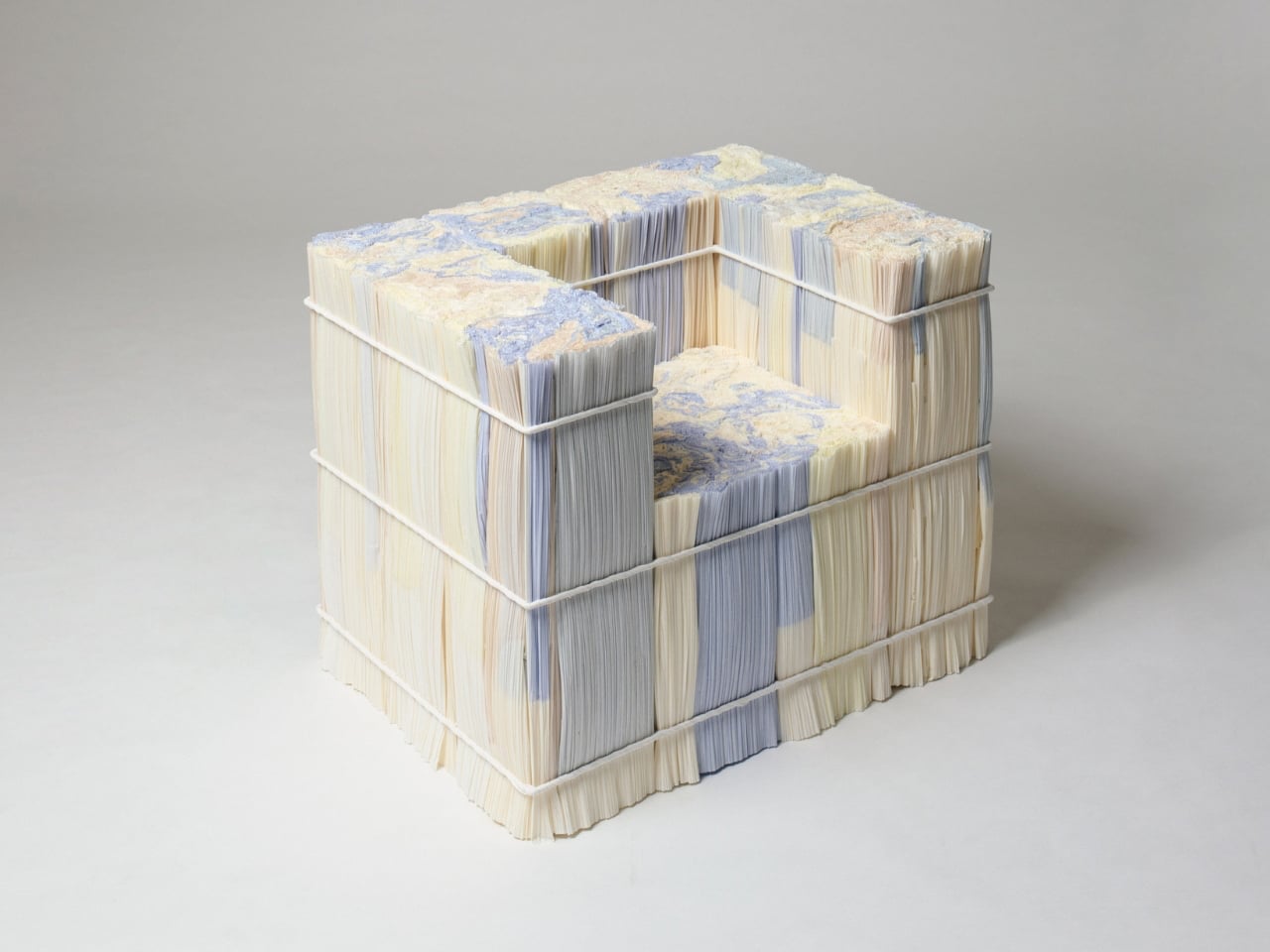
At ISSEY MIYAKE, the iconic pleating process has long been celebrated for transforming flat fabric into sculptural garments. But instead of focusing on the finished pieces, designer Satoshi Kondo turned attention toward the overlooked byproduct of the process: compressed rolls of protective paper used during pleating. These layered paper cylinders, typically discarded or recycled, inspired The Paper Log: Shell and Core, an exhibition presented during Milan Design Week 2026. Resembling tree trunks with ring-like patterns, the paper logs became symbols of time, process, and material memory within fashion production.
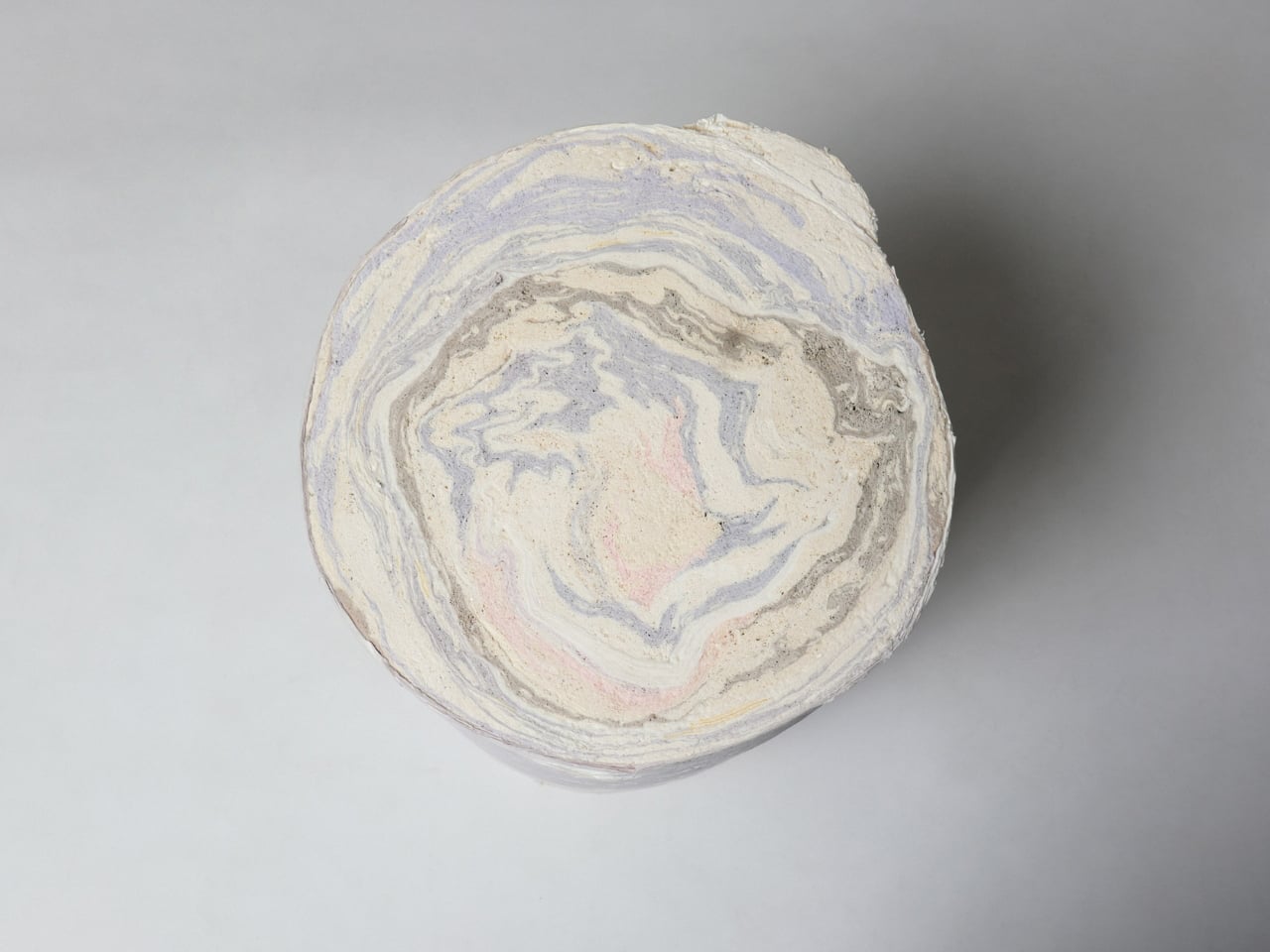
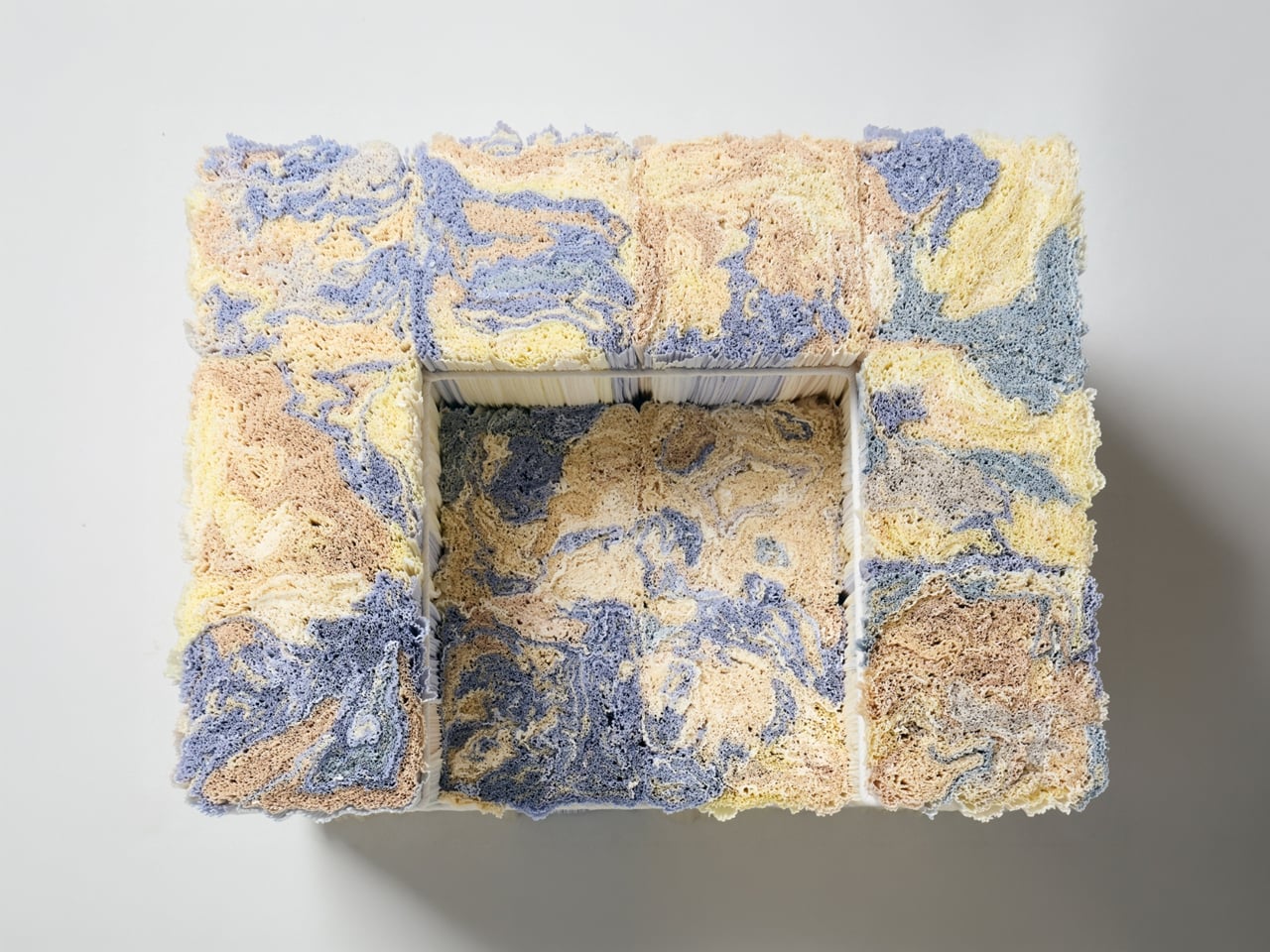
For the exhibition, Kondo collaborated with Ensamble Studio to transform the discarded material into sculptural installations and furniture prototypes. The Shell series explored delicate, folded forms, while Core focused on robust stools, tables, and chairs made from the compressed paper structures. The installation highlighted contrasts between fragility and strength, permanence and impermanence. More than a sustainability project, The Paper Log: Shell and Core reimagined industrial waste as a meaningful design material, encouraging visitors to reconsider the hidden beauty within creative processes.
2. Waste as a Creative Material
Designers are increasingly treating waste as a creative medium rather than a limitation. Scraps often carry unique textures, imperfections, and histories that make each design distinctive. Recycled materials introduce authenticity and individuality into spaces that mass-produced products often lack. From patchwork furniture to recycled terrazzo surfaces and upcycled lighting installations, waste materials are inspiring bold experimentation.
Many contemporary studios intentionally leave visible marks, welds, and raw textures to celebrate the origin of recycled materials. This design philosophy transforms imperfections into beauty and allows waste to become part of the storytelling process.
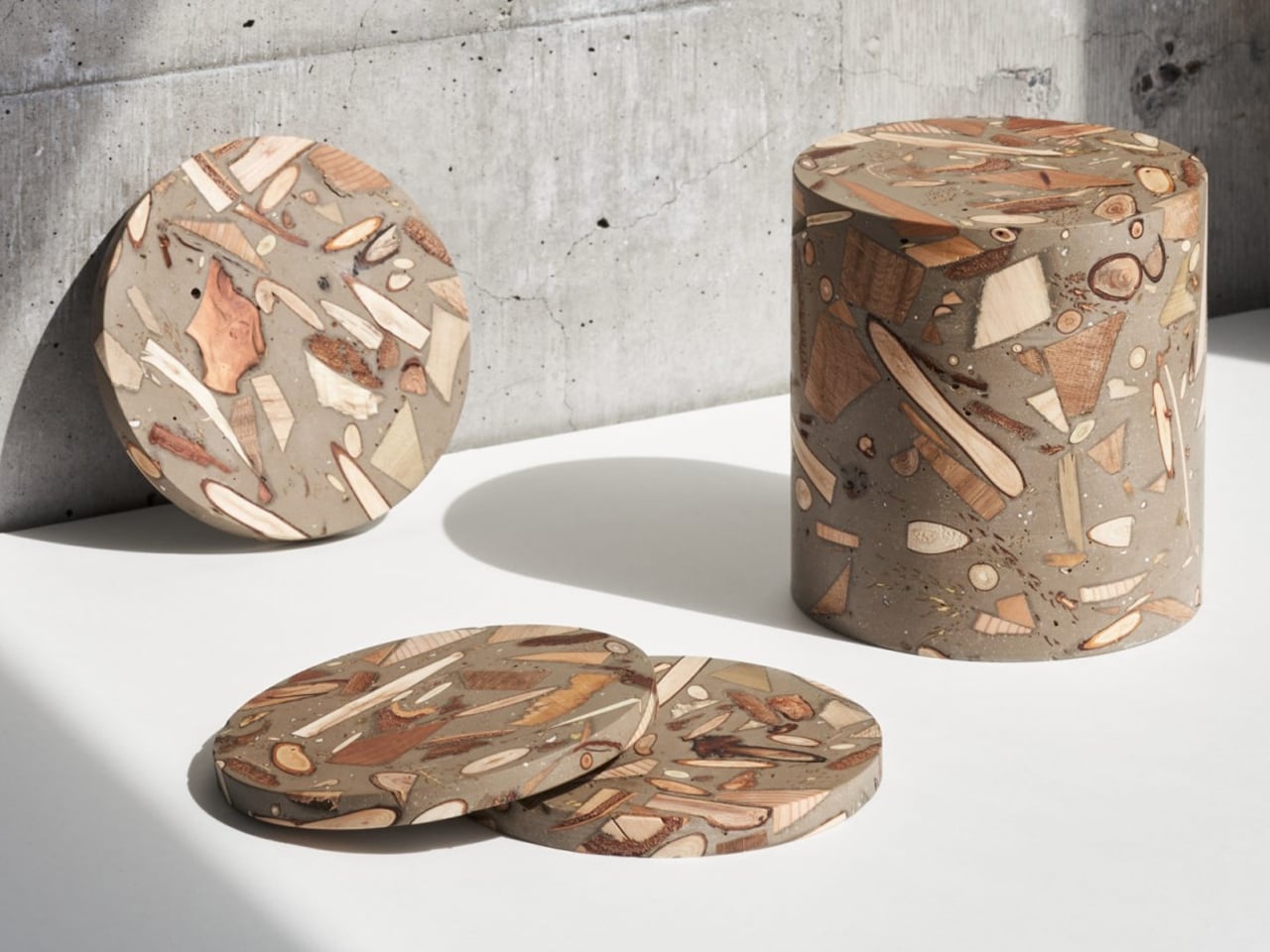
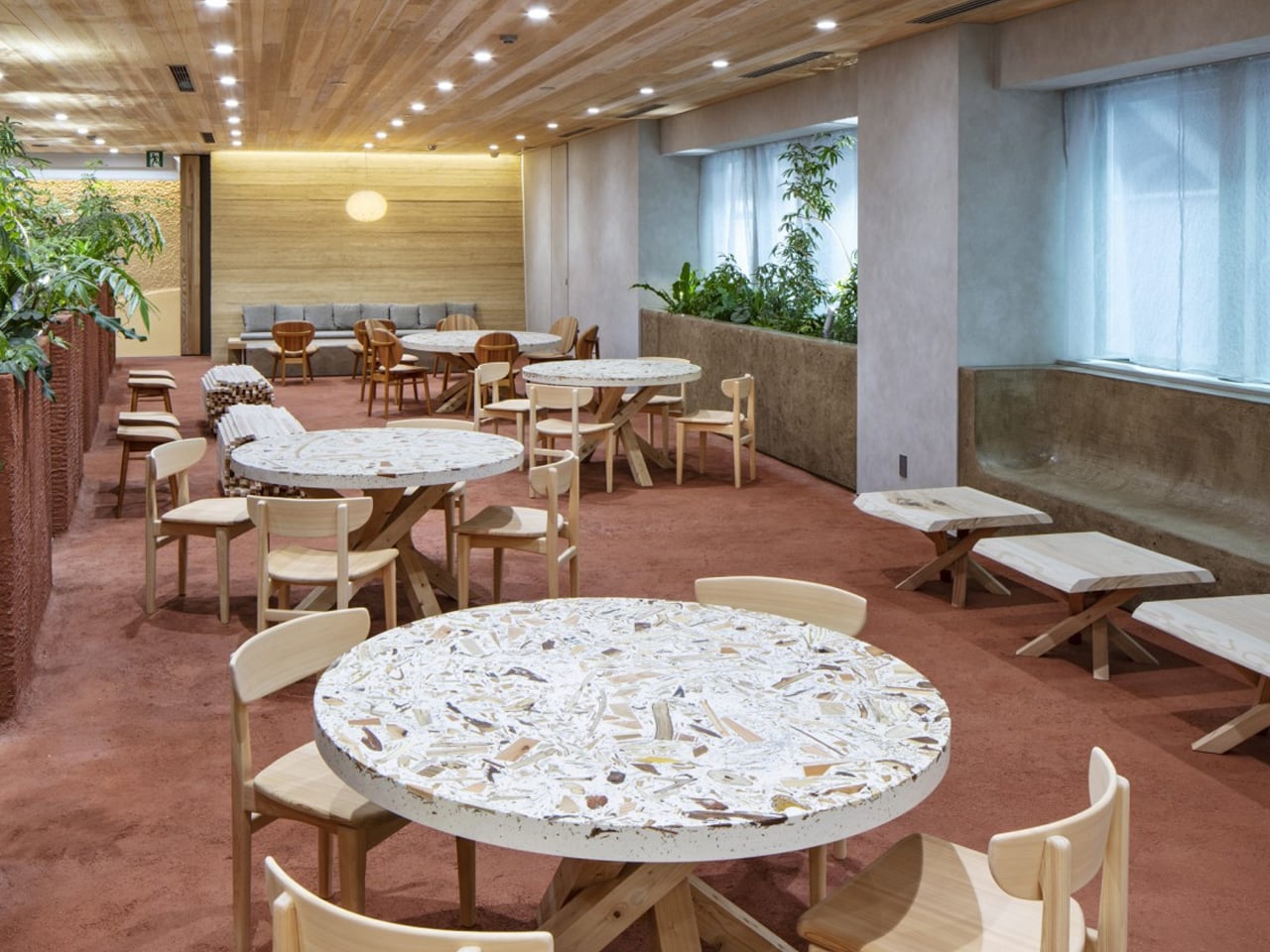
Wood has remained one of the most widely used materials in furniture and product design for centuries because of its durability, texture, and natural appeal. However, growing demand for wood-based products continues to contribute to deforestation and material waste, even when recycling methods are used. In response to these concerns, Yuma Kano of Studio Yumakano developed ForestBank, an experimental material that transforms how wood-like surfaces can be created without cutting down large trees.
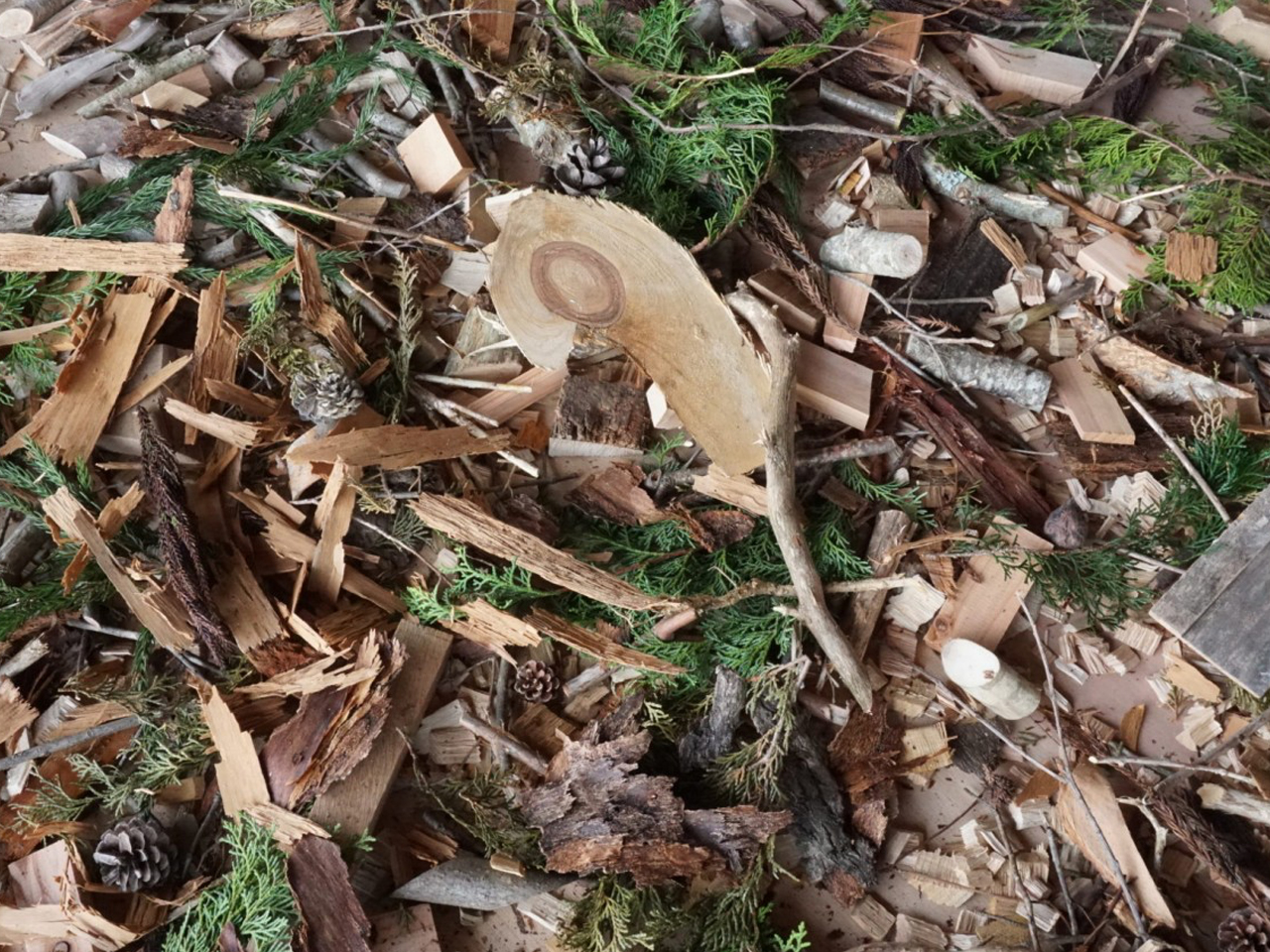
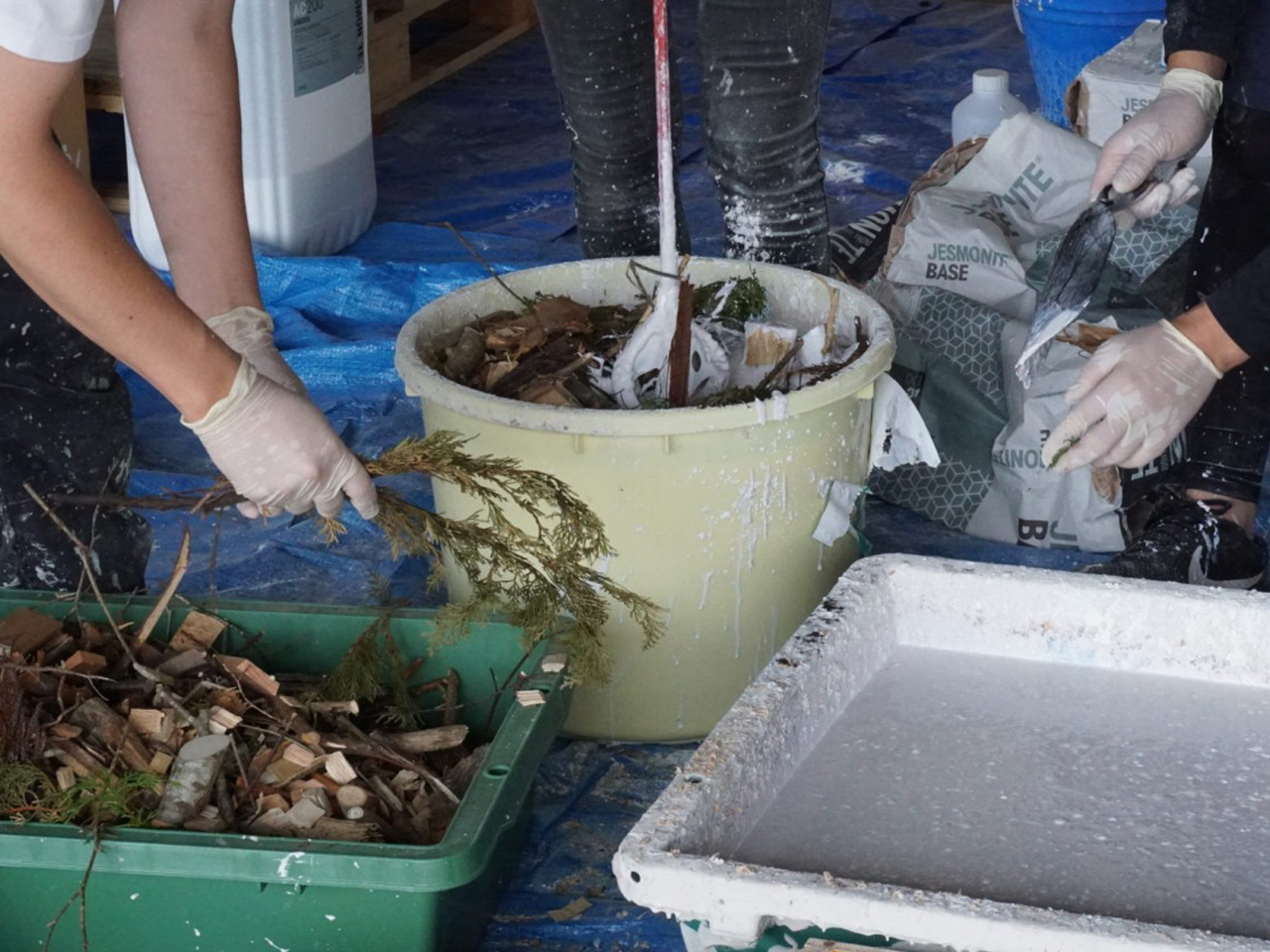
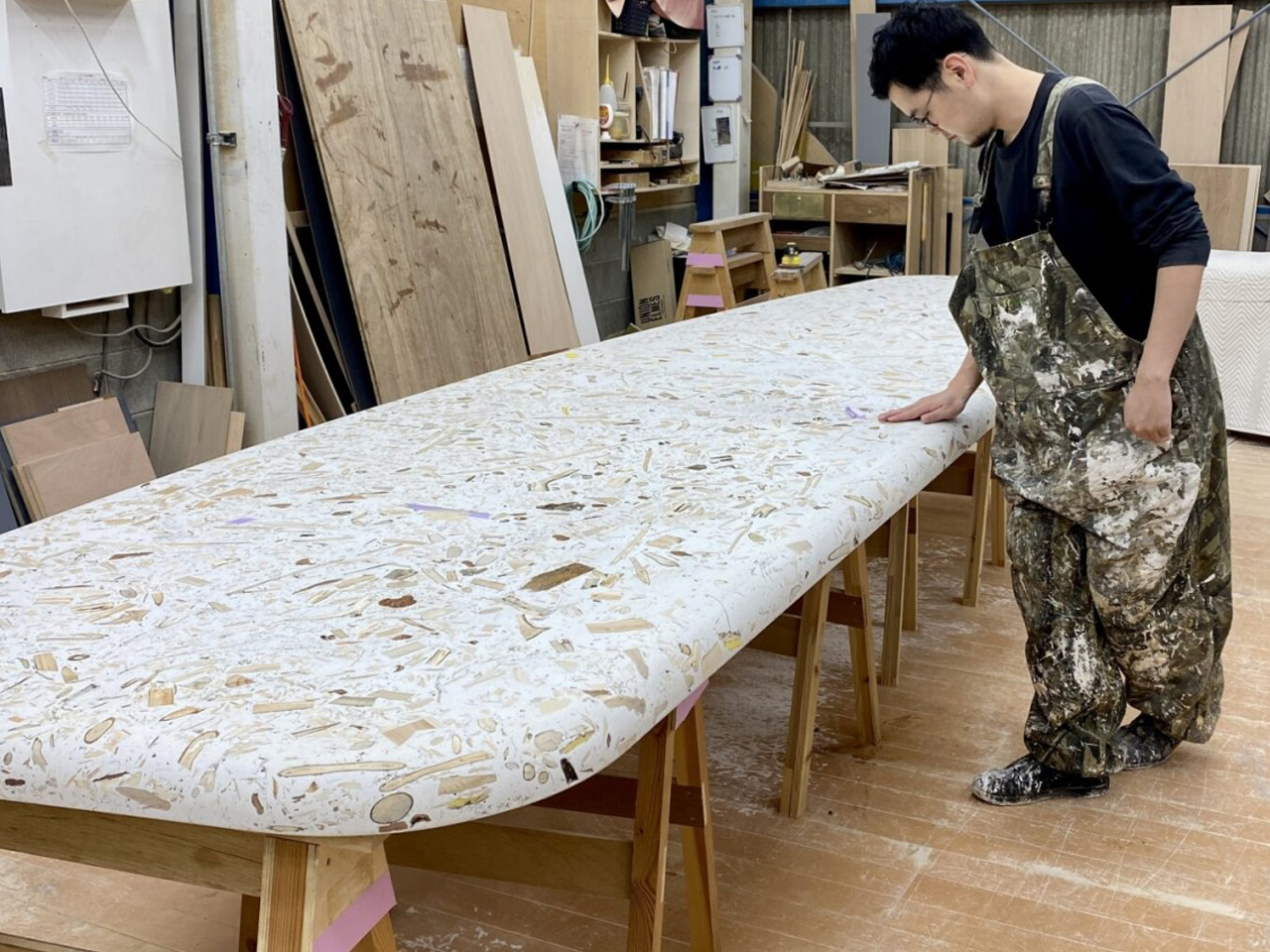
Instead of traditional timber, ForestBank uses forest byproducts such as bark, leaves, seeds, branches, and discarded pruning waste combined with a mineral-based binder and water-based acrylic resin free from harmful solvents. The resulting material can be shaped using standard woodworking techniques while offering a distinctive terrazzo-like appearance filled with earthy textures and organic patterns. By transforming overlooked natural waste into functional furniture and architectural surfaces, ForestBank presents a more sustainable and visually unique alternative to conventional wood production.
3. Sustainable Architecture and Reclaimed Materials
Discarded textiles are finding a second life beyond the wardrobe. Designers are transforming worn-out jeans, fabric offcuts, and recovered fibers into decorative plates, trays, and other household objects. By shredding, compressing, and binding these materials, they create surfaces that retain traces of the original fabric while taking on new forms and functions.
The appeal lies as much in appearance as in reuse. Denim’s familiar blue-and-white fibers become distinctive patterns, allowing the material’s previous life to remain part of the finished design. These projects show how textile waste can become a starting point for expressive homeware rather than the end of a garment’s story.
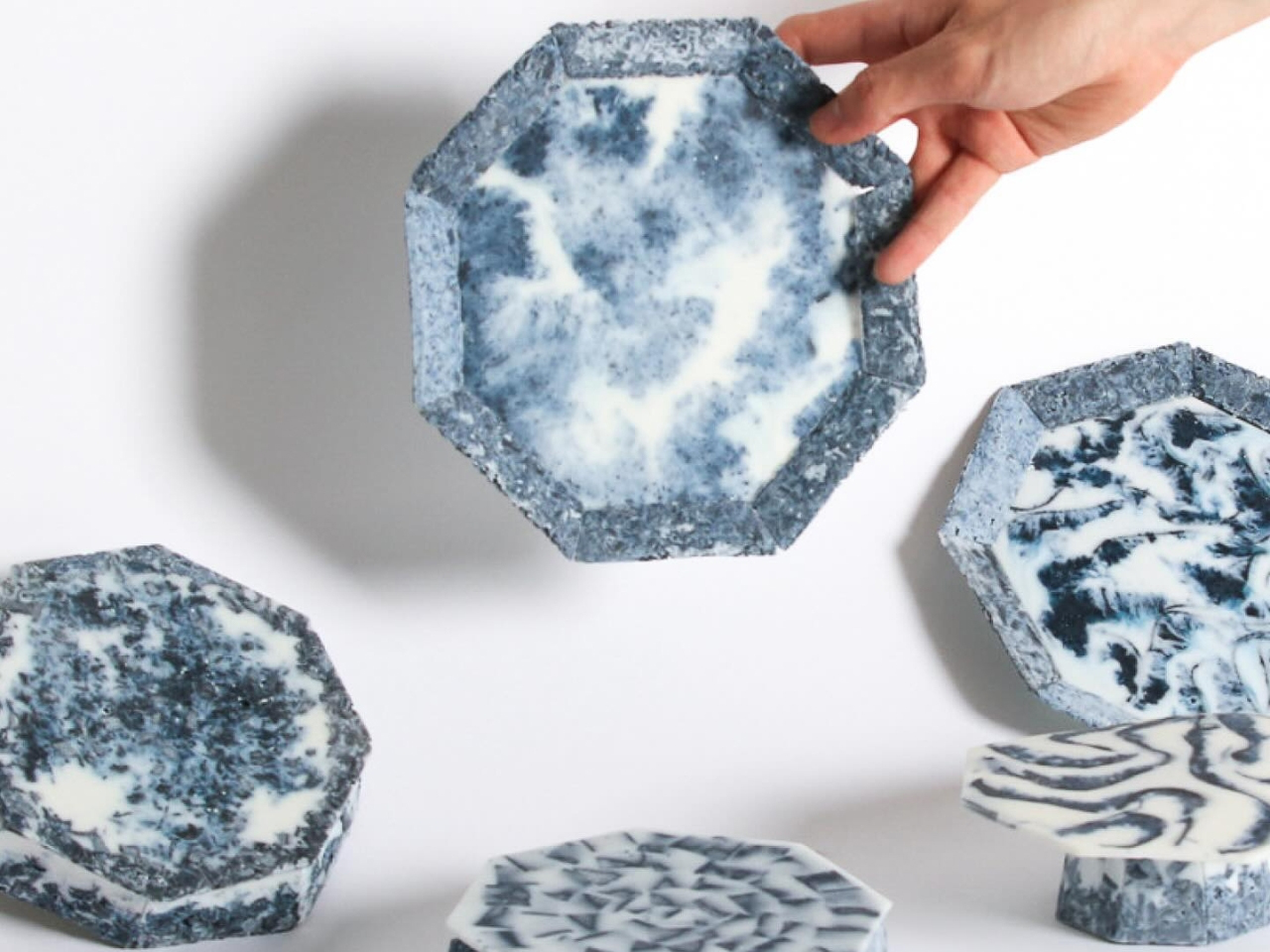
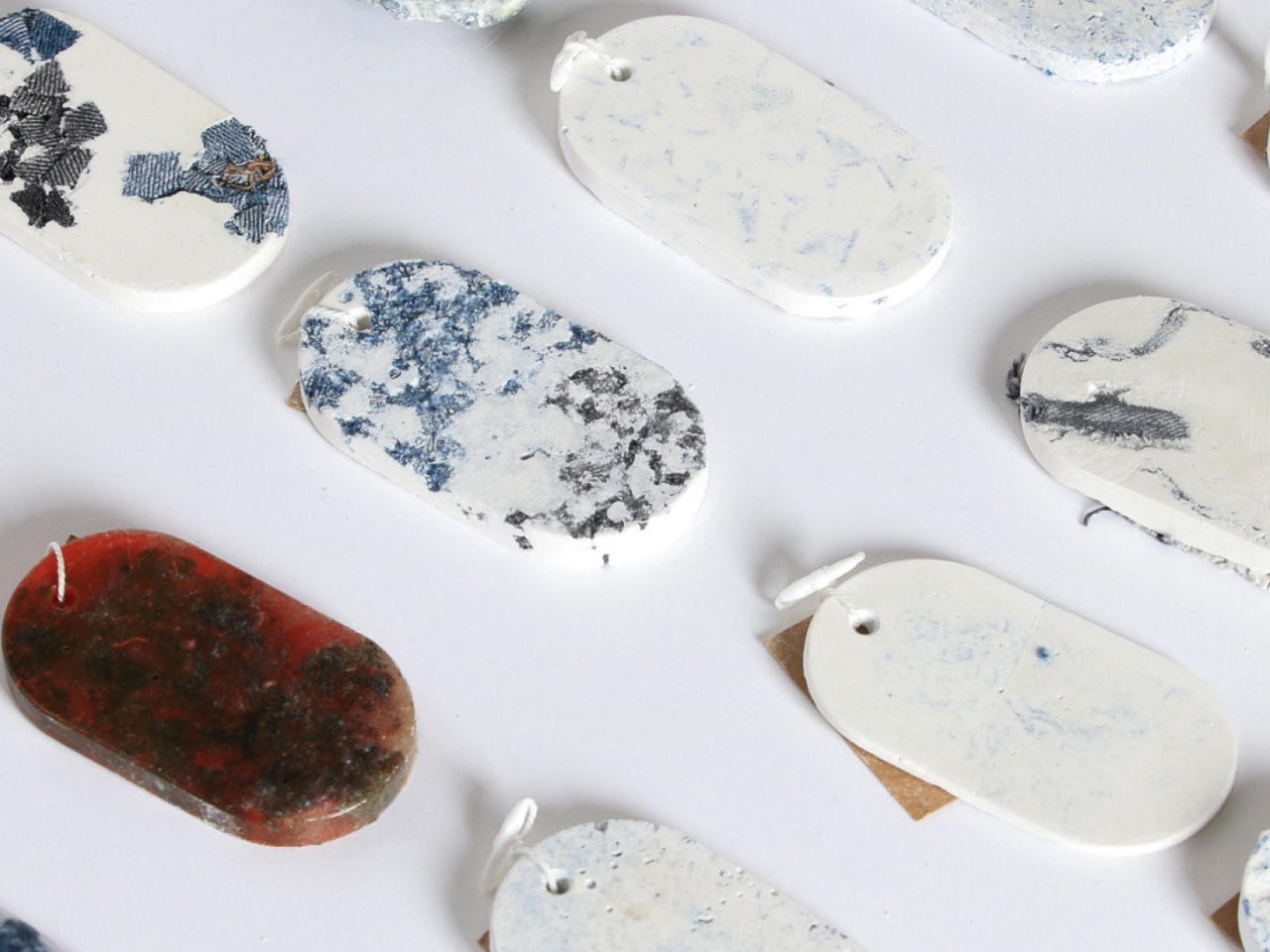
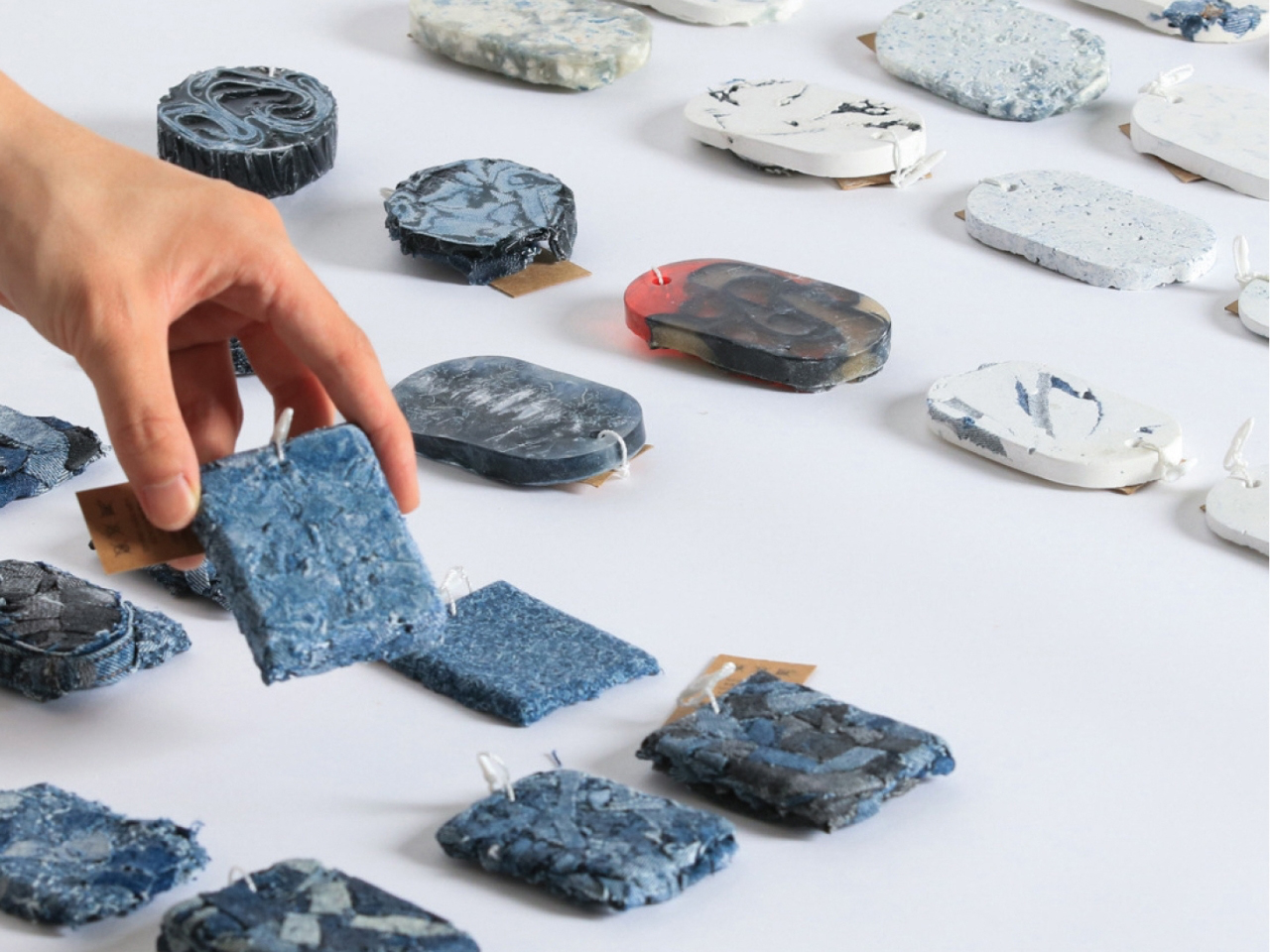
Jeans are among the most commonly discarded fashion items, despite denim being an extremely durable material with long-lasting potential. Exploring new ways to reuse textile waste, Junghyun Kim developed The Denim Project, transforming discarded denim into decorative household objects. Instead of allowing worn-out jeans to end up in landfills, the project experiments with grinding and compressing denim fibers before combining them with materials such as wood glue, plaster, and resin to create functional design pieces.
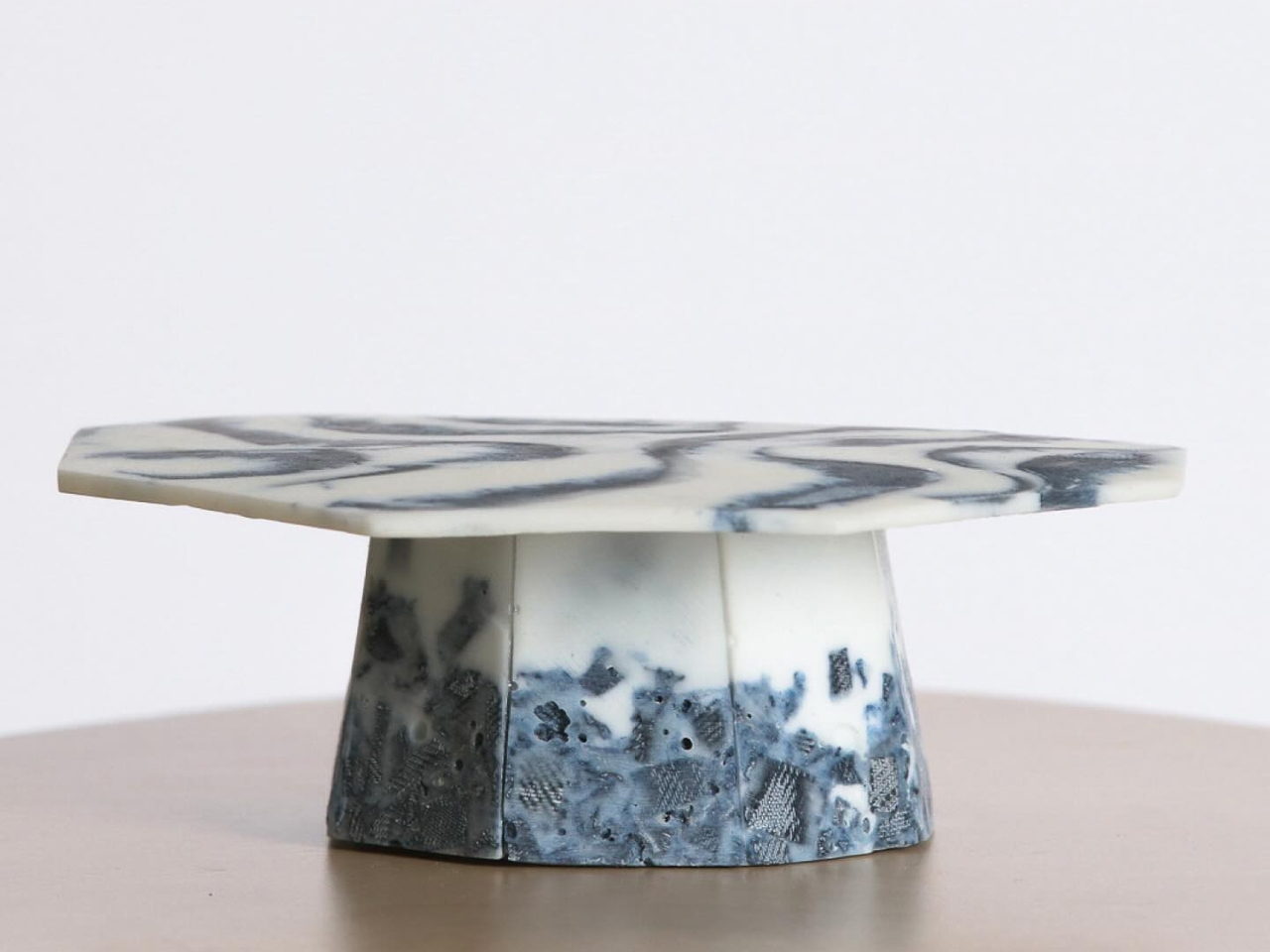
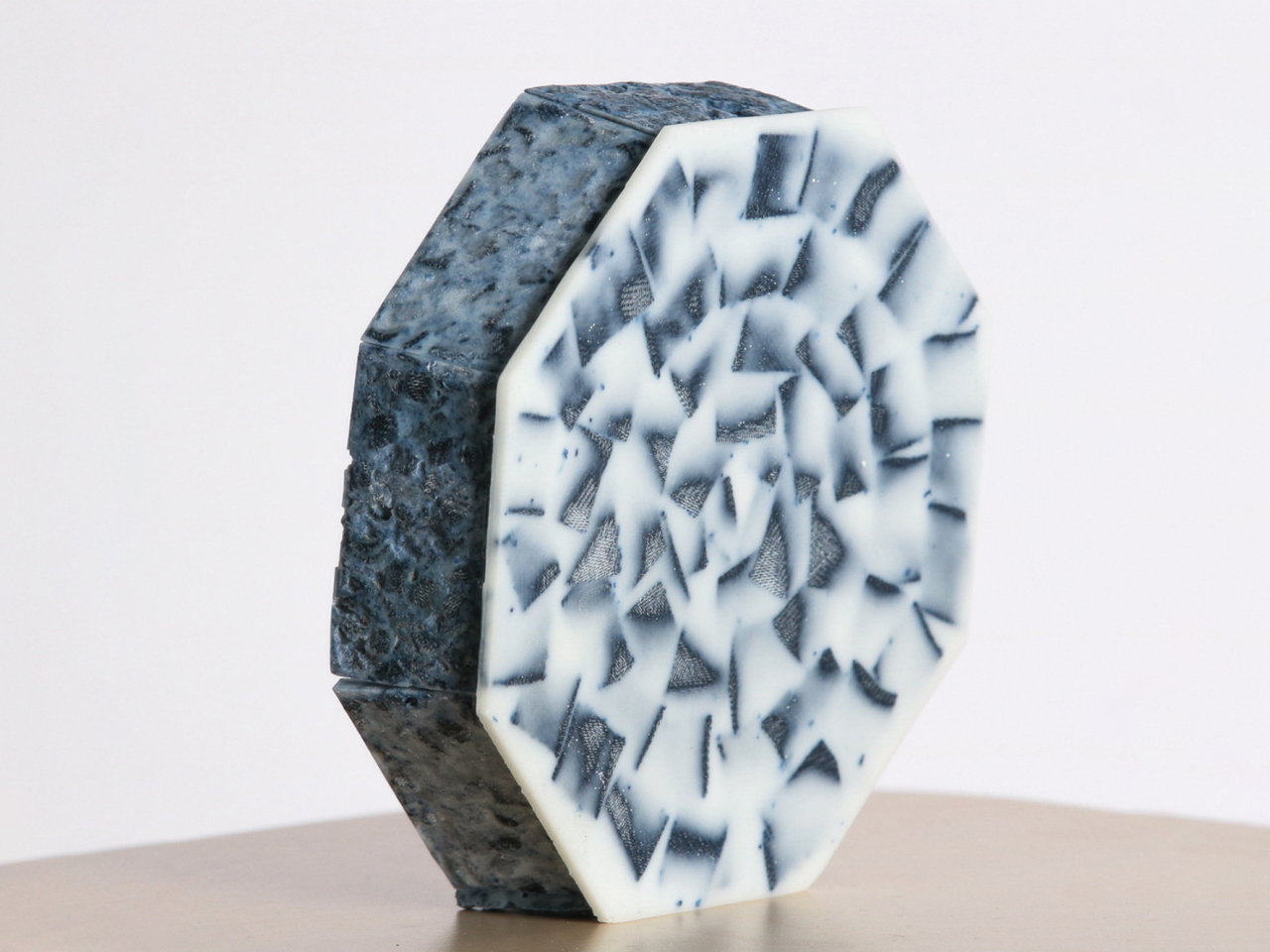
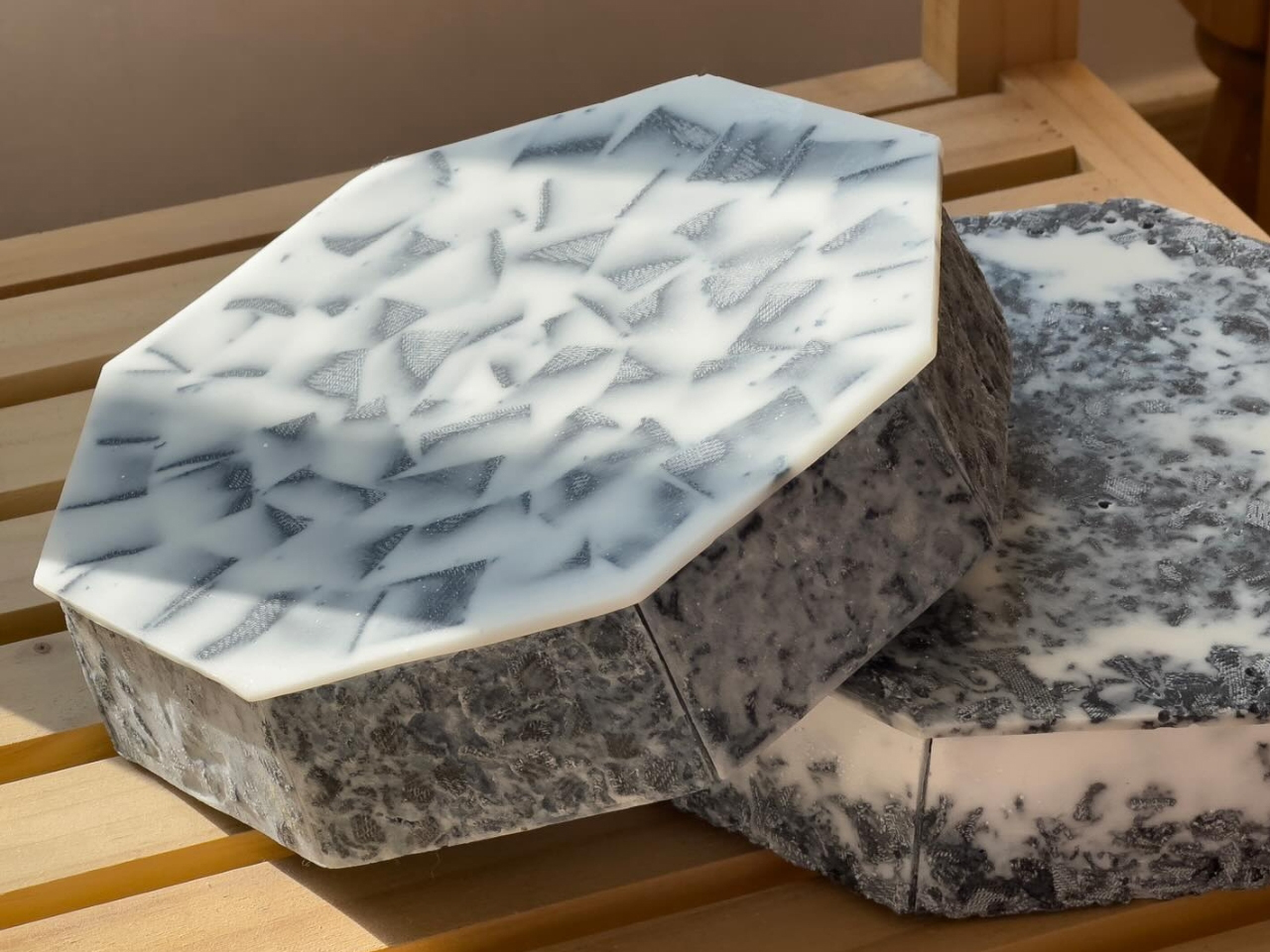
The result is a series of decorative plates and trays featuring soft blue-and-white textures inspired by the familiar tones of denim. The aesthetic subtly recalls traditional Japanese wave patterns, giving the objects a handcrafted and artistic character. Available in hexagonal serving trays and smaller coaster-like forms, the pieces blur the line between utility and decoration. By turning textile waste into durable homeware, The Denim Project highlights how discarded fashion materials can be repurposed into sustainable objects with a significantly longer lifecycle.
4. Luxury Through Sustainability
Luxury design is no longer defined only by rare or expensive materials. Today, exclusivity often comes from craftsmanship, sustainability, and originality. Upcycled and recycled materials are appearing in high-end interiors, designer furniture, fashion collections, and automotive design. Handmade pieces created from reclaimed materials carry a sense of uniqueness that cannot be replicated through mass production.
Consumers, especially younger generations, are increasingly attracted to products that reflect environmental awareness and ethical values. As a result, sustainability is becoming a symbol of sophistication, transforming scrap materials into premium design elements.
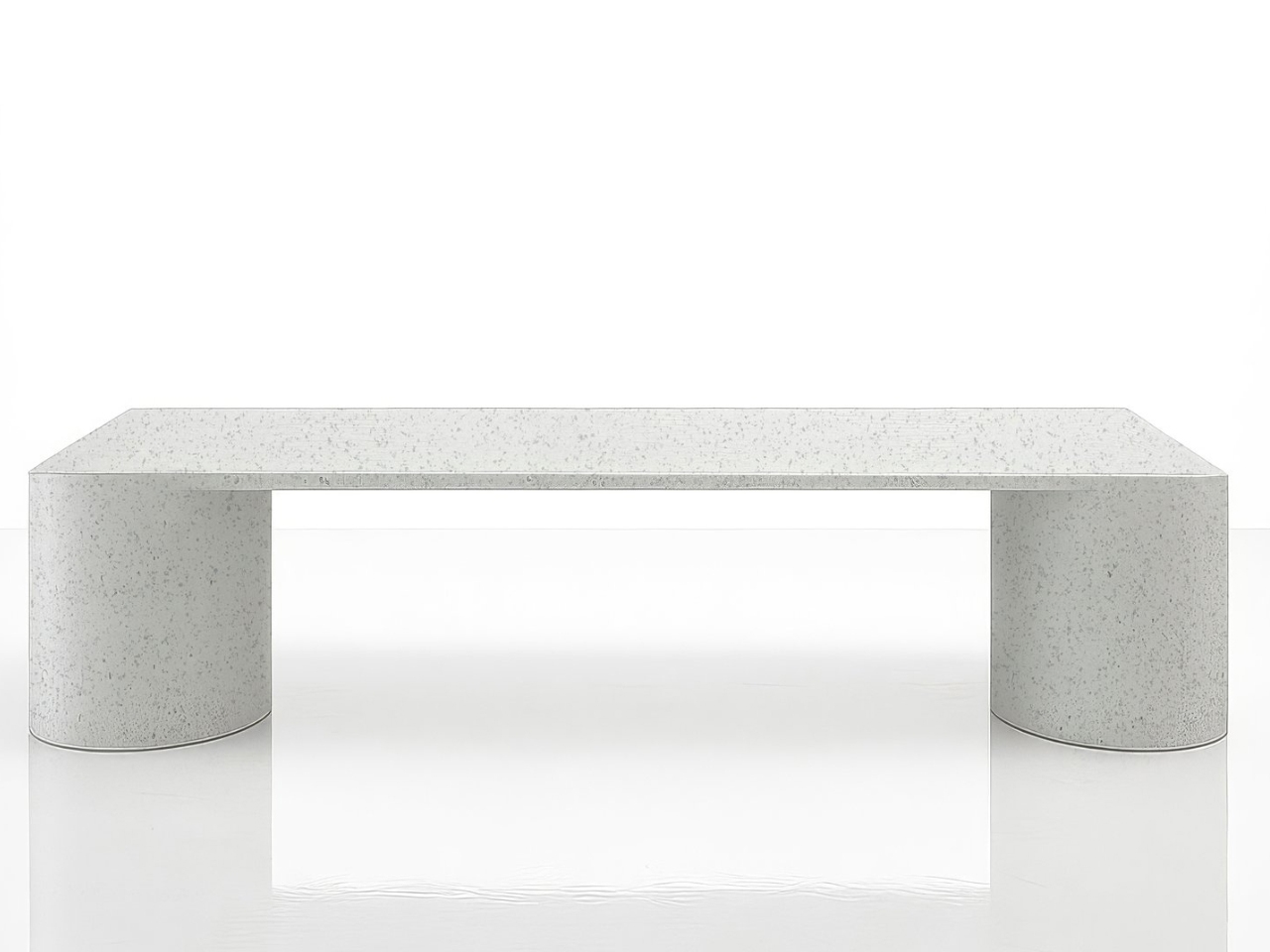
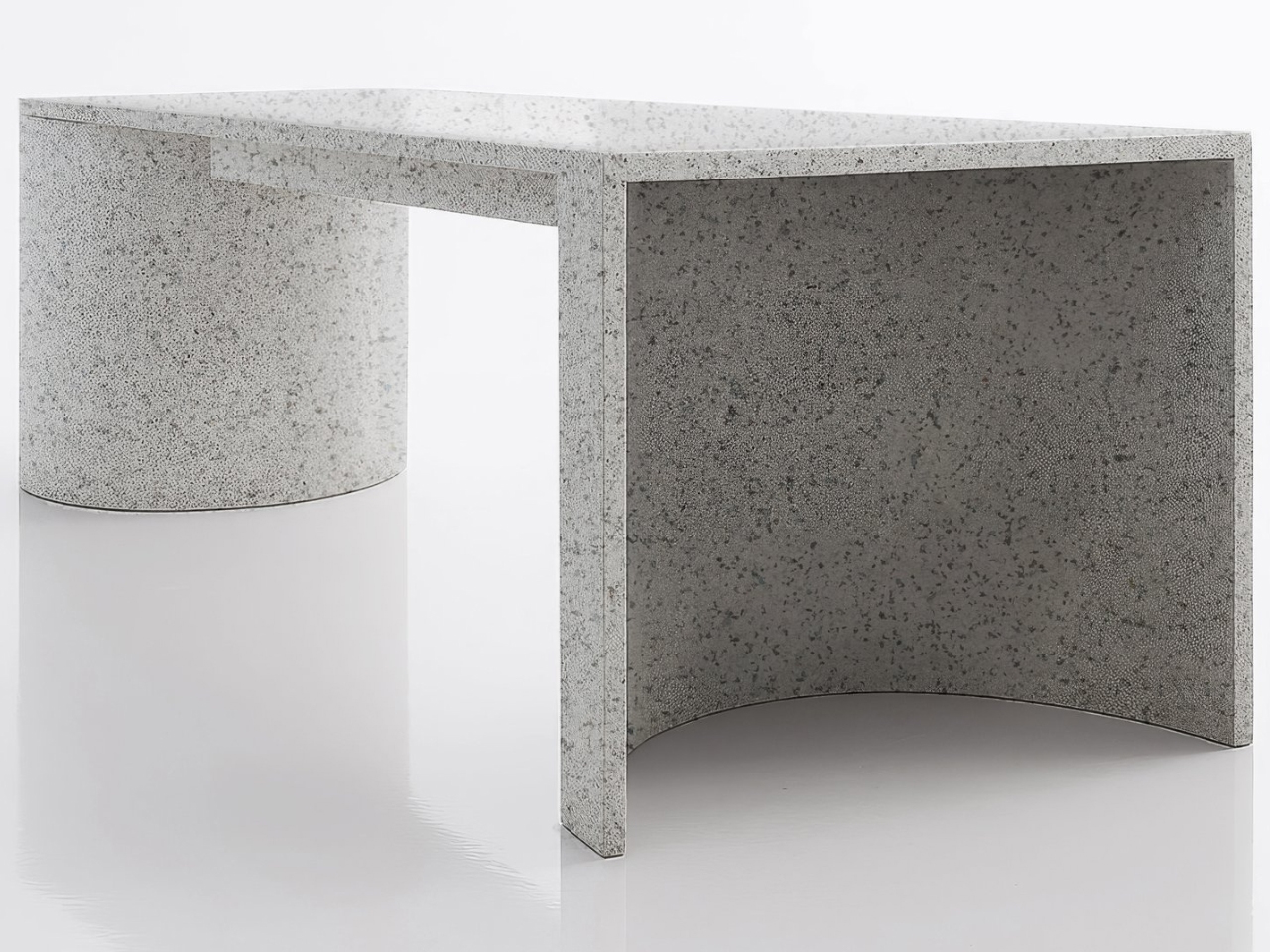
Electronic waste continues to be one of the fastest-growing environmental challenges as discarded gadgets, appliances, and computer accessories increasingly end up in landfills. Responding to this issue, Joe Doucet created the OLO Table, a sculptural furniture piece made from recycled electronic waste. The project transforms discarded materials such as old refrigerators, keyboards, and computer mice into a visually striking table that combines sustainability with contemporary design.
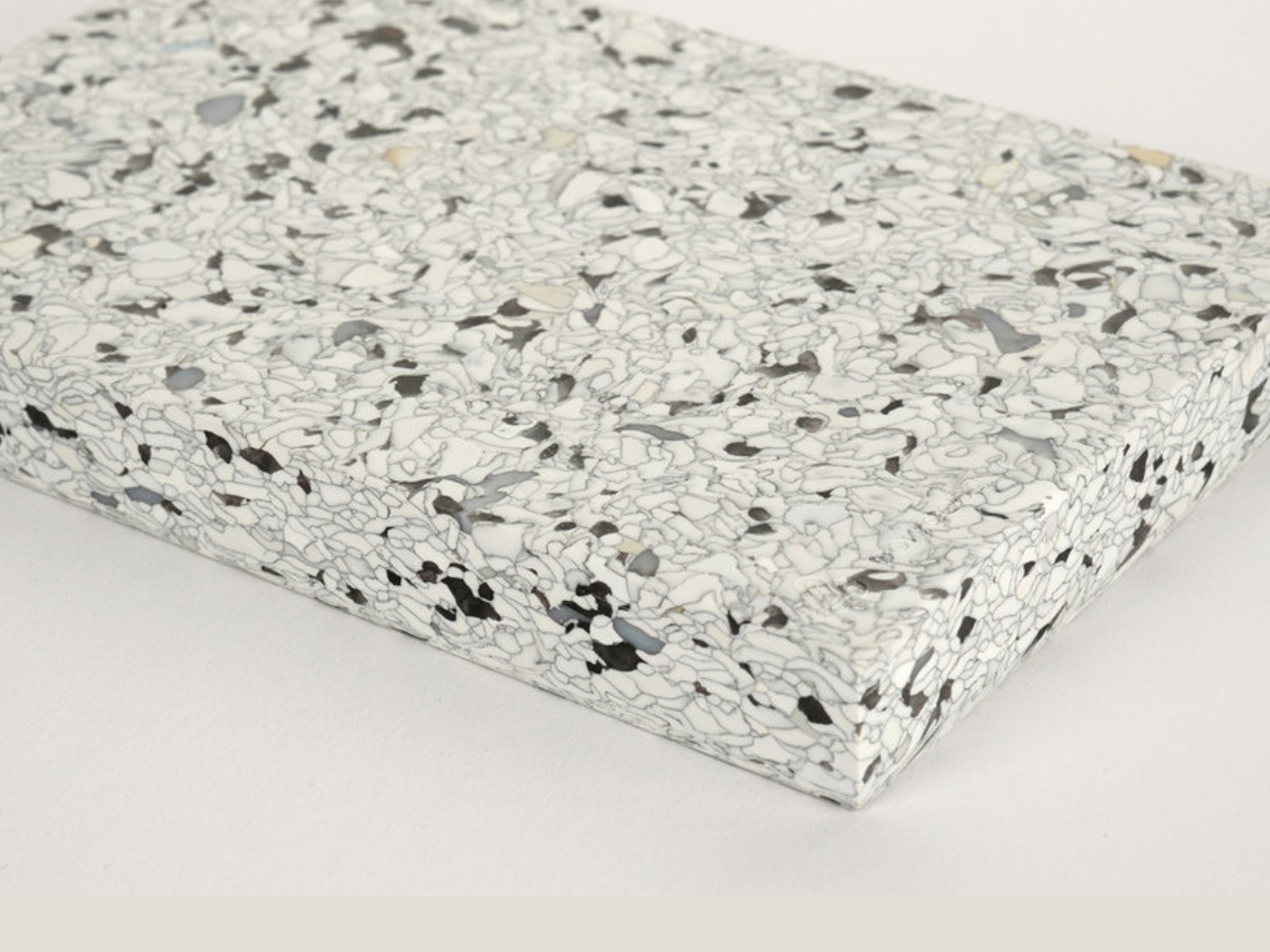
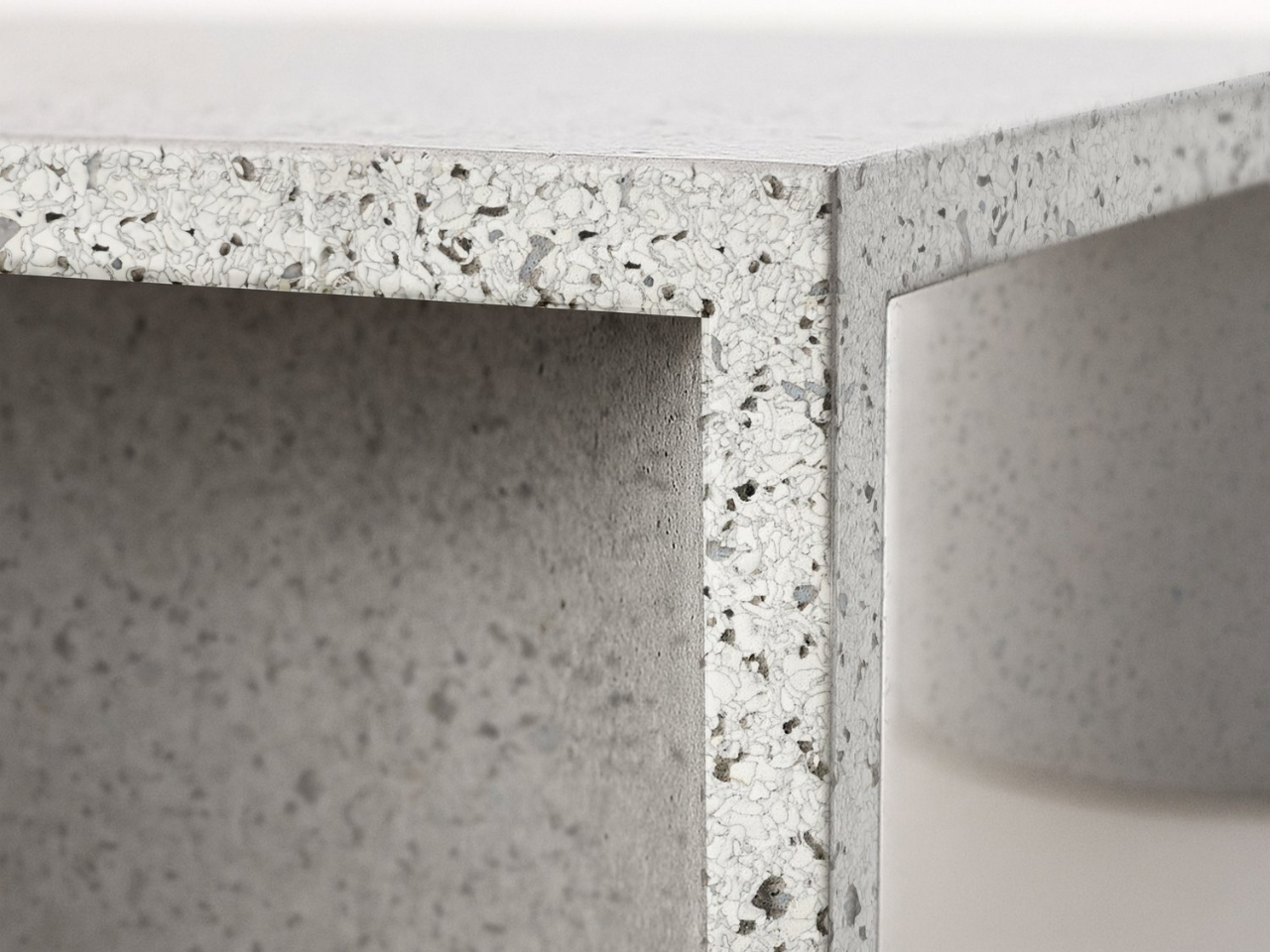
The table is crafted using Polygood Oyster, a recycled material developed from polystyrene extracted from electronic waste by The Good Plastic Company. Through thermoforming techniques, the material is shaped into the table’s flowing monolithic form, while colorful fragments from the recycled electronics remain visible within the surface, creating a terrazzo-like texture filled with traces of its previous life. More than a functional object, the OLO Table serves as a statement on circular design, indicating how discarded electronic materials can be transformed into durable and aesthetically refined furniture pieces.
5. The Future of Waste in Design
The future of design may depend heavily on how effectively industries manage waste and resources. Technological innovation is making recycling more efficient, while designers continue to push creative boundaries using unconventional materials. Cities are beginning to view construction debris, plastic waste, and industrial leftovers as valuable urban resources rather than disposable trash.
Emerging trends in biomaterials, modular systems, and zero-waste manufacturing further reinforce this shift. As environmental concerns continue to grow, the ability to transform waste into meaningful design solutions will become increasingly important for architects, brands, and creative industries worldwide.
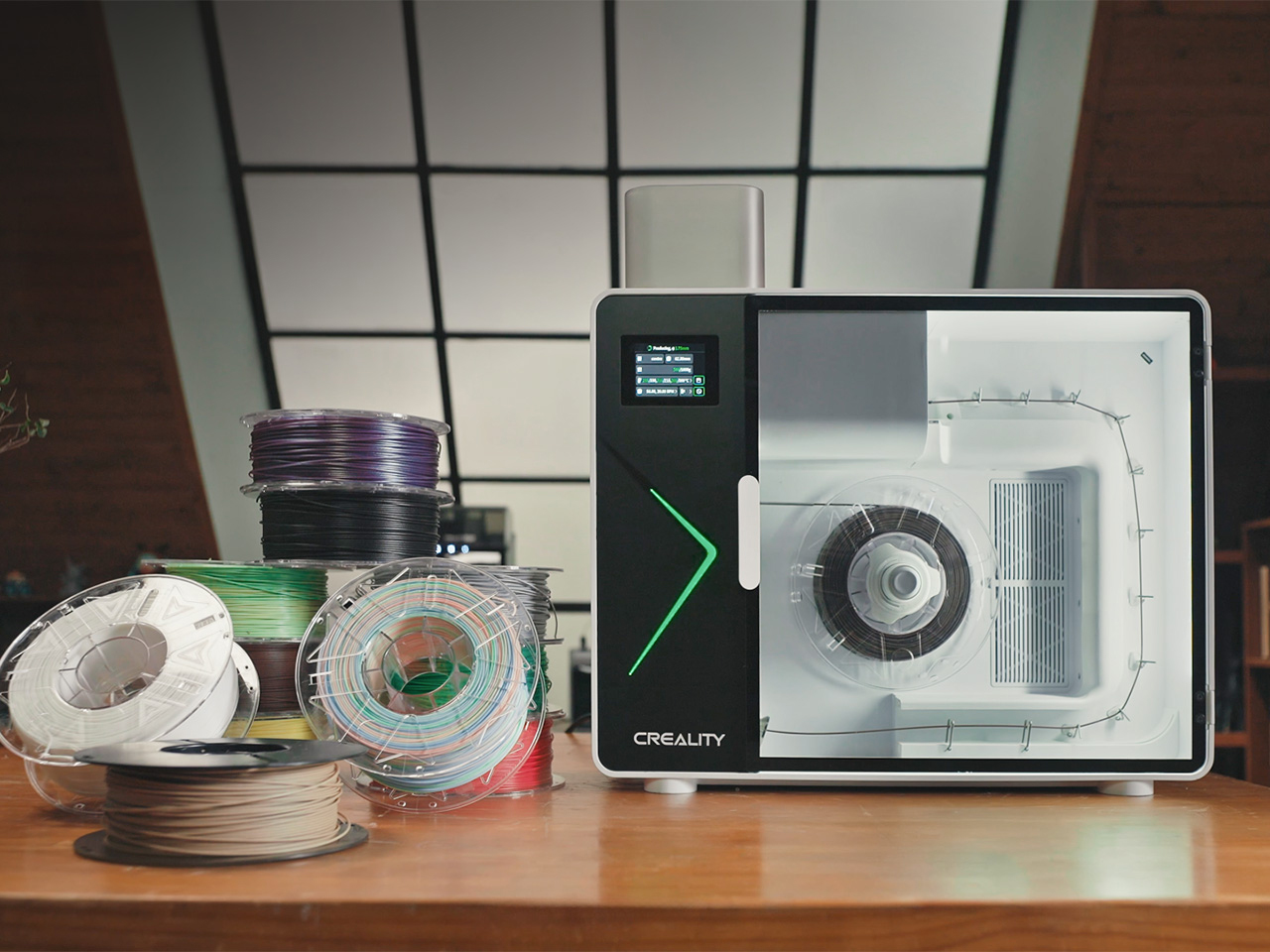
As rising material costs continue to impact the 3D-printing industry, Creality introduced the Filament Maker M1 and Shredder R1, a desktop system designed to recycle failed prints and produce new filament on demand. With standard PLA filament prices increasing sharply in recent months, the system offers makers and small studios a more affordable and sustainable alternative by converting discarded print waste into reusable material. The Shredder R1 breaks down failed prints, support structures, and plastic scraps into small pellets, while also drying the material internally before feeding it directly into the M1 extruder.
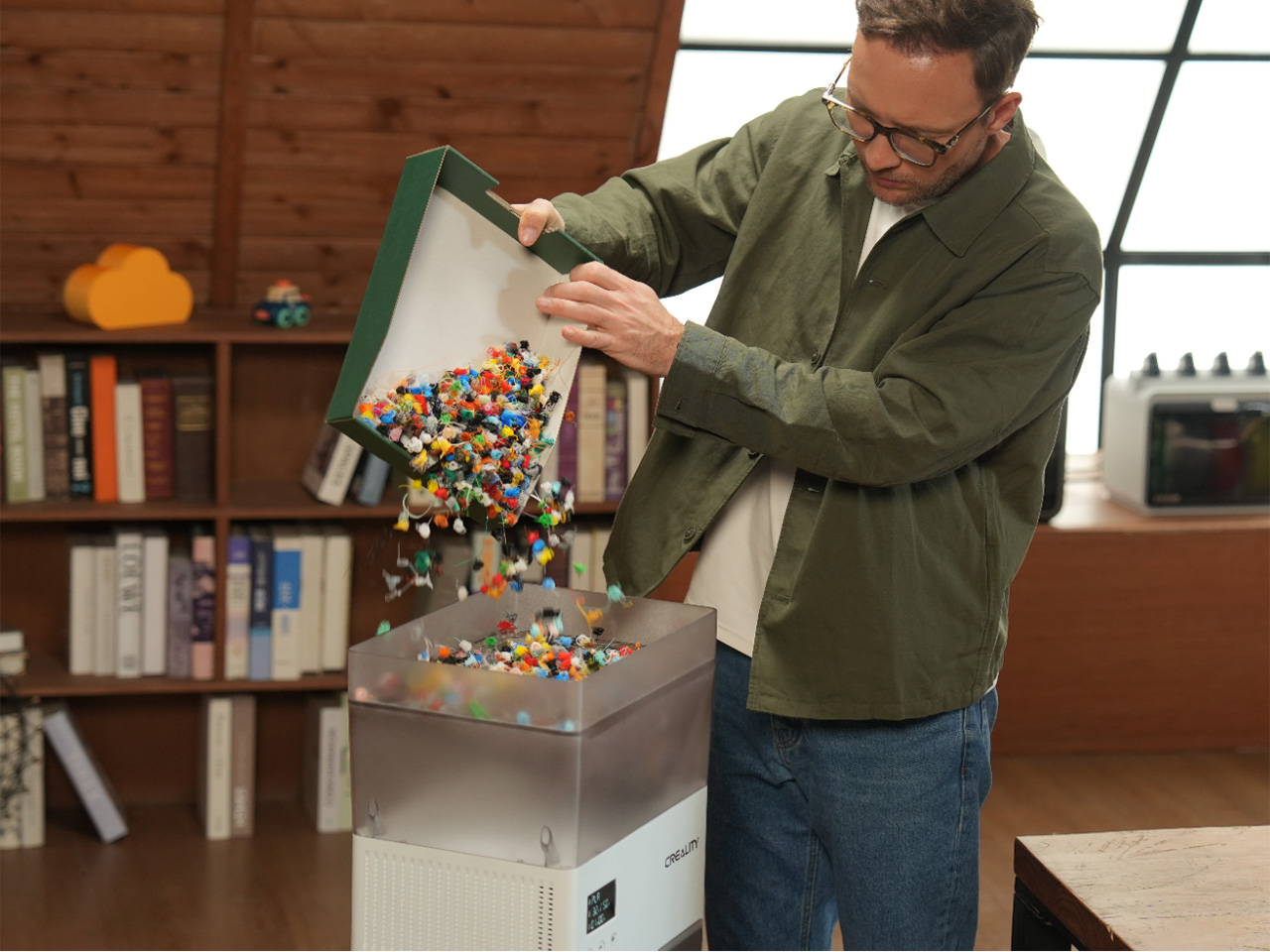
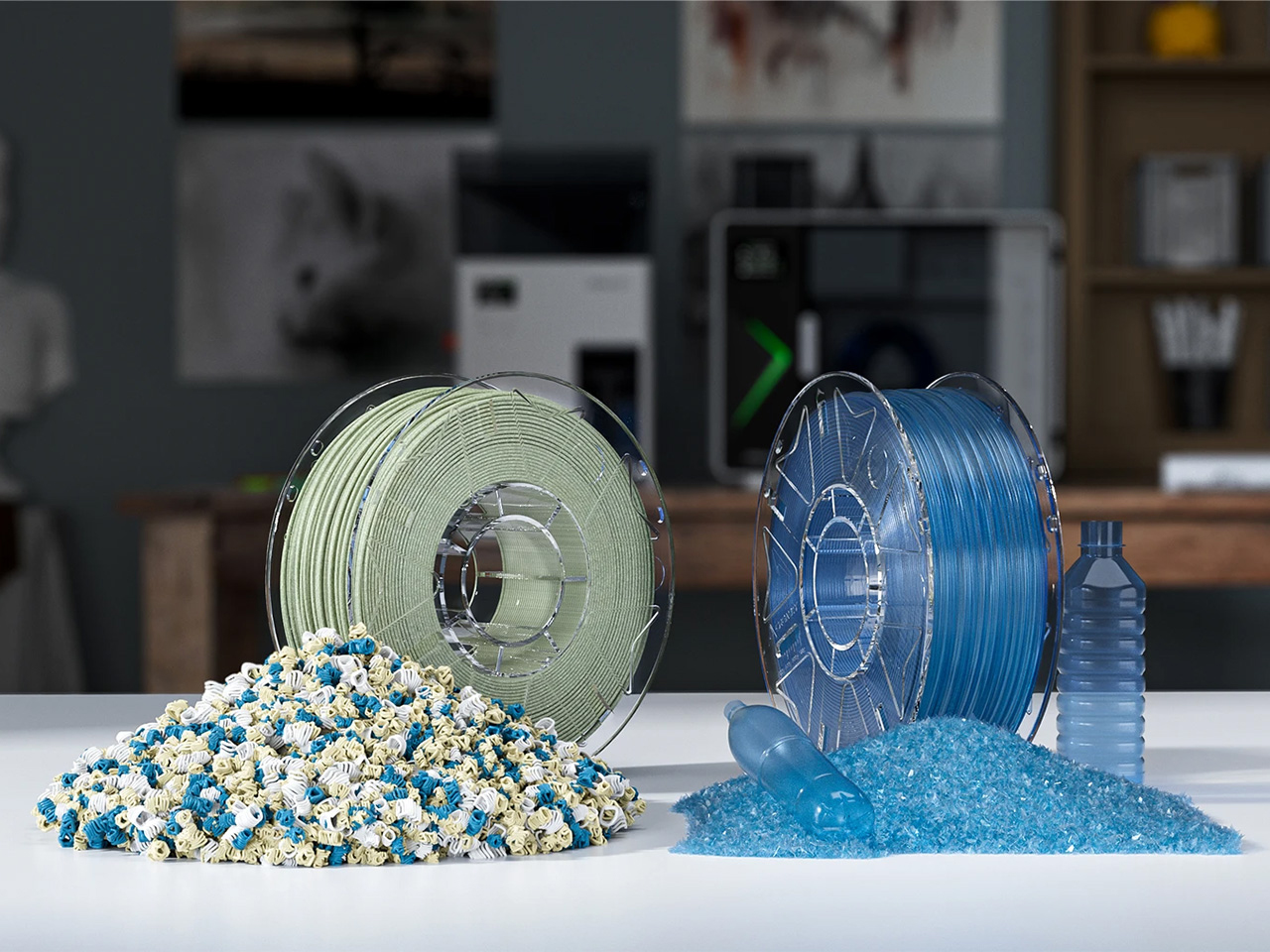
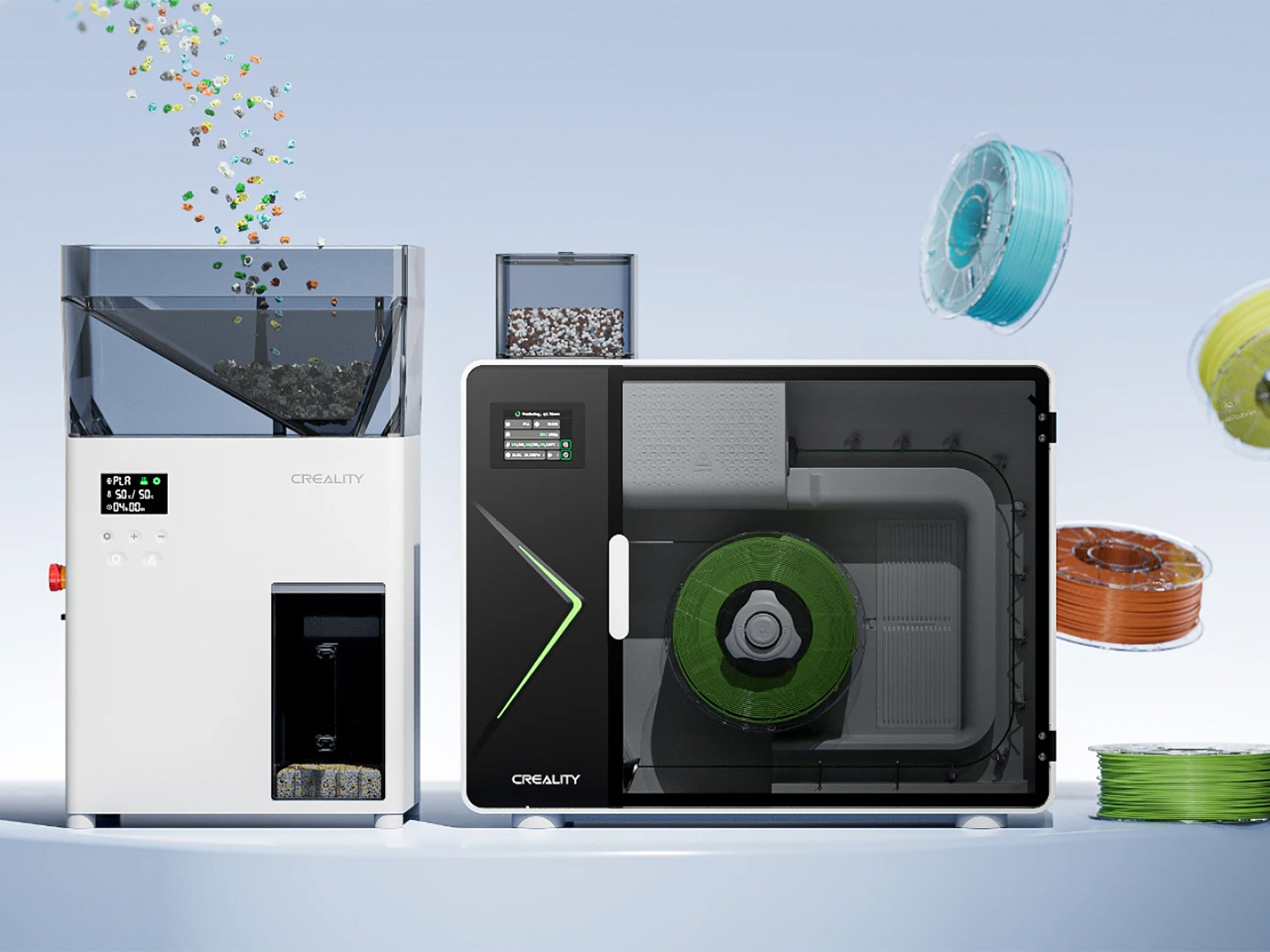
The Filament Maker M1 then transforms these pellets into fresh filament with controlled diameter precision and customizable material properties. Users can experiment with colors, textures, and additives such as wood dust, carbon fiber, or natural powders to create unique filament blends for specialized applications. Supporting multiple materials, including PLA, PETG, ABS, TPU, and composite filaments, the compact desktop system combines shredding, extrusion, cooling, and automatic spooling into a single workflow. Beyond reducing material waste, the project highlights how localized filament production could reshape sustainable manufacturing and lower long-term 3D-printing costs for creators and small businesses.
In many ways, scrap is becoming the material that defines the future of modern design. What was once overlooked or discarded is now being transformed into architecture, interiors, products, and artworks that reflect innovation, responsibility, and creativity. By rethinking waste as a resource, designers are reshaping the relationship between sustainability and beauty.
The growing value of reclaimed materials proves that the future of design may not come from extracting more resources, but from rediscovering the hidden potential of what already exists.