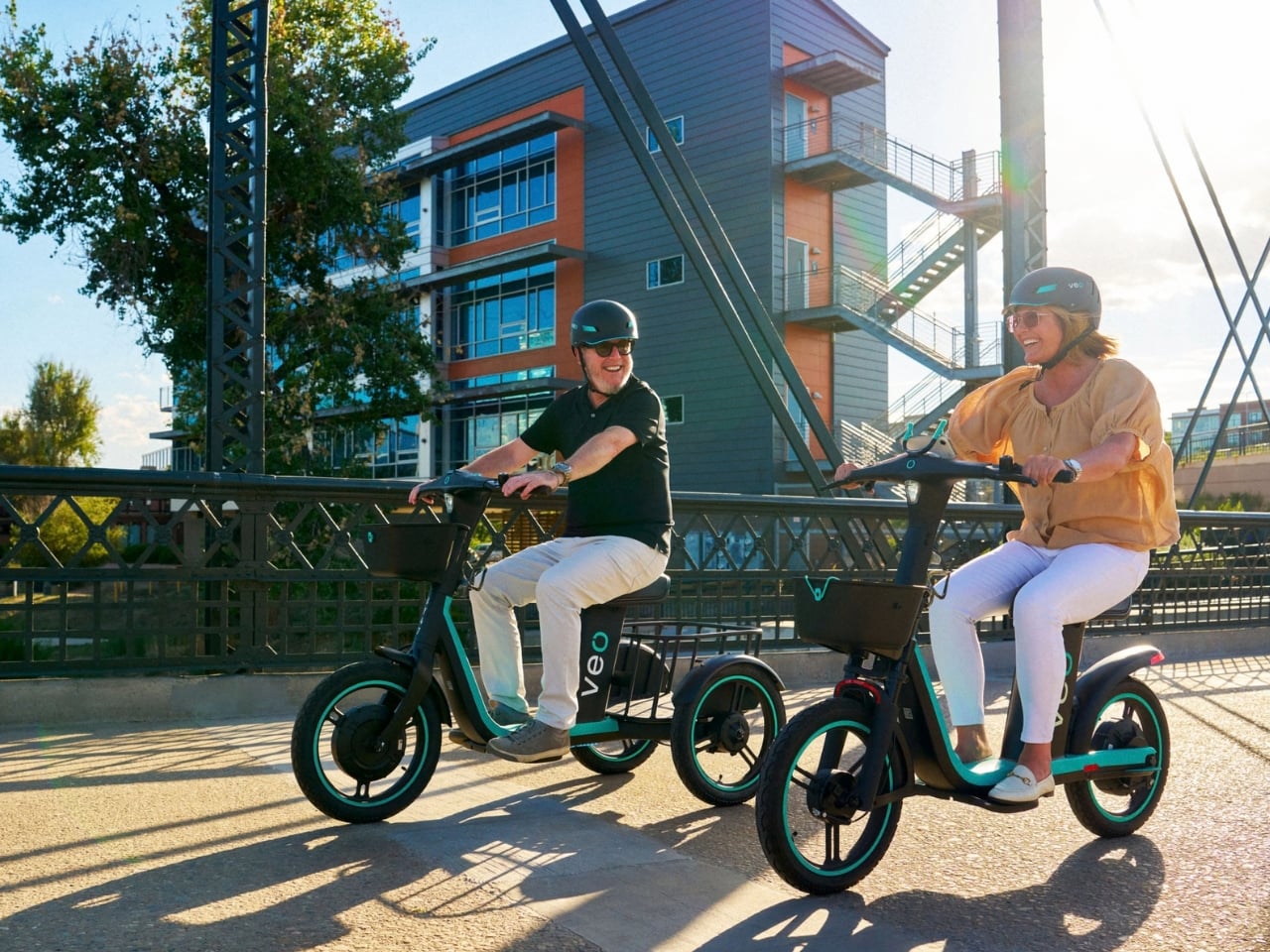
Standing scooters have a way of quietly sorting the world into two groups: people who can hop on and zip off, and everyone else. If you’ve got balance issues, a bad hip, low vision, or you’re just pushing a stroller and can’t manage handlebars with one arm, shared micromobility has never really been built with you in mind. Veo’s new Rover trike is the first real attempt I’ve seen to close that gap.
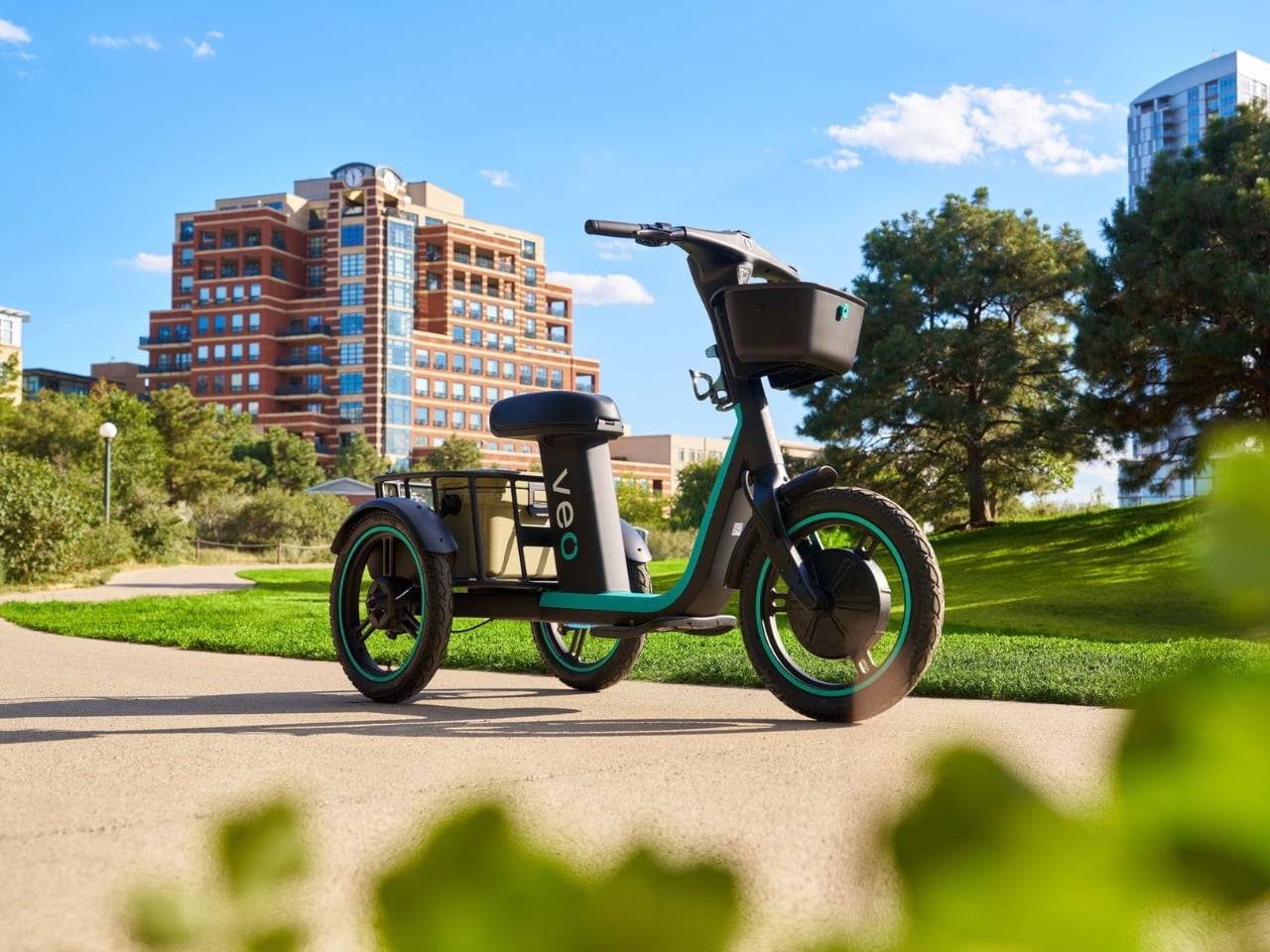
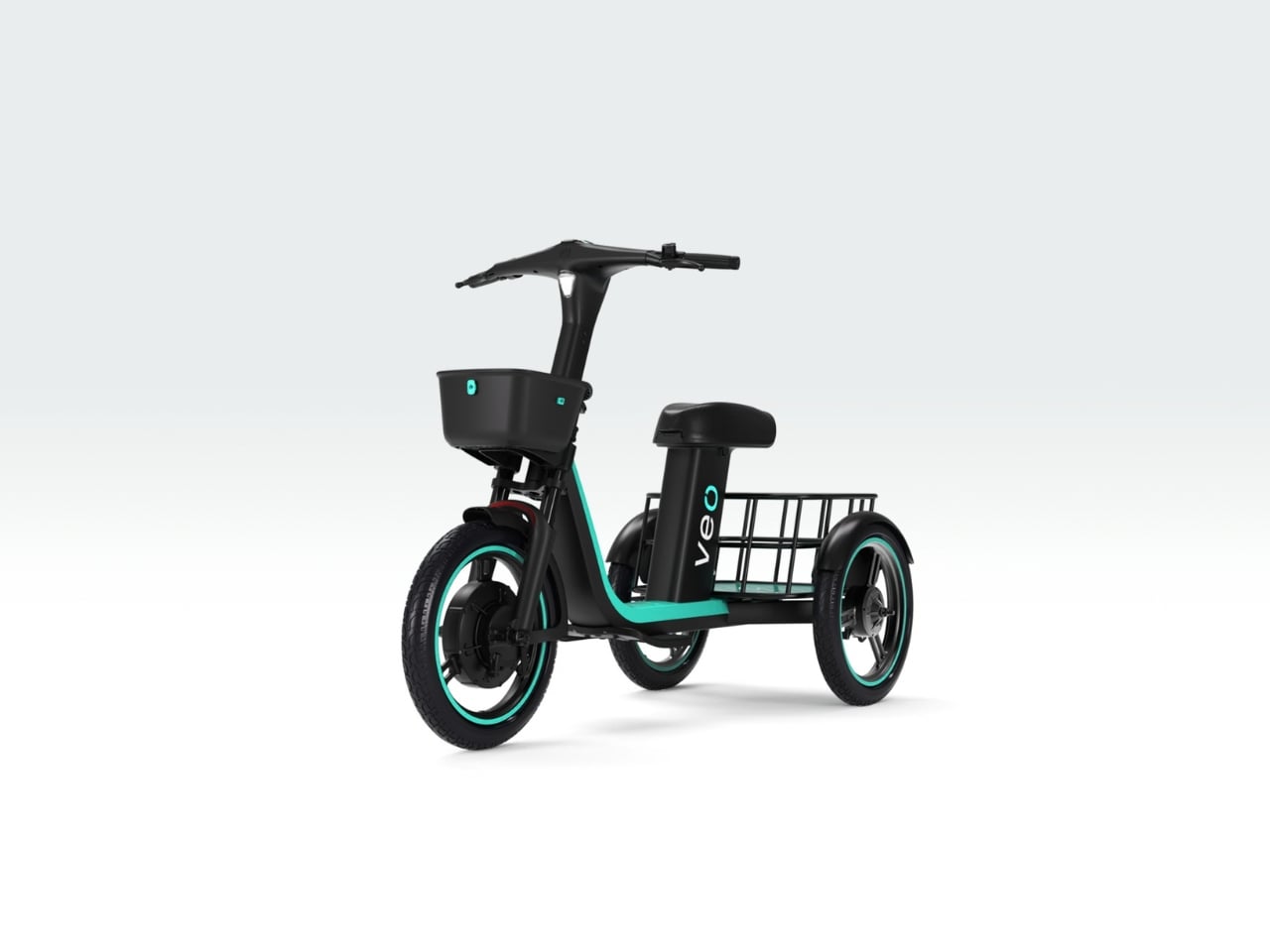
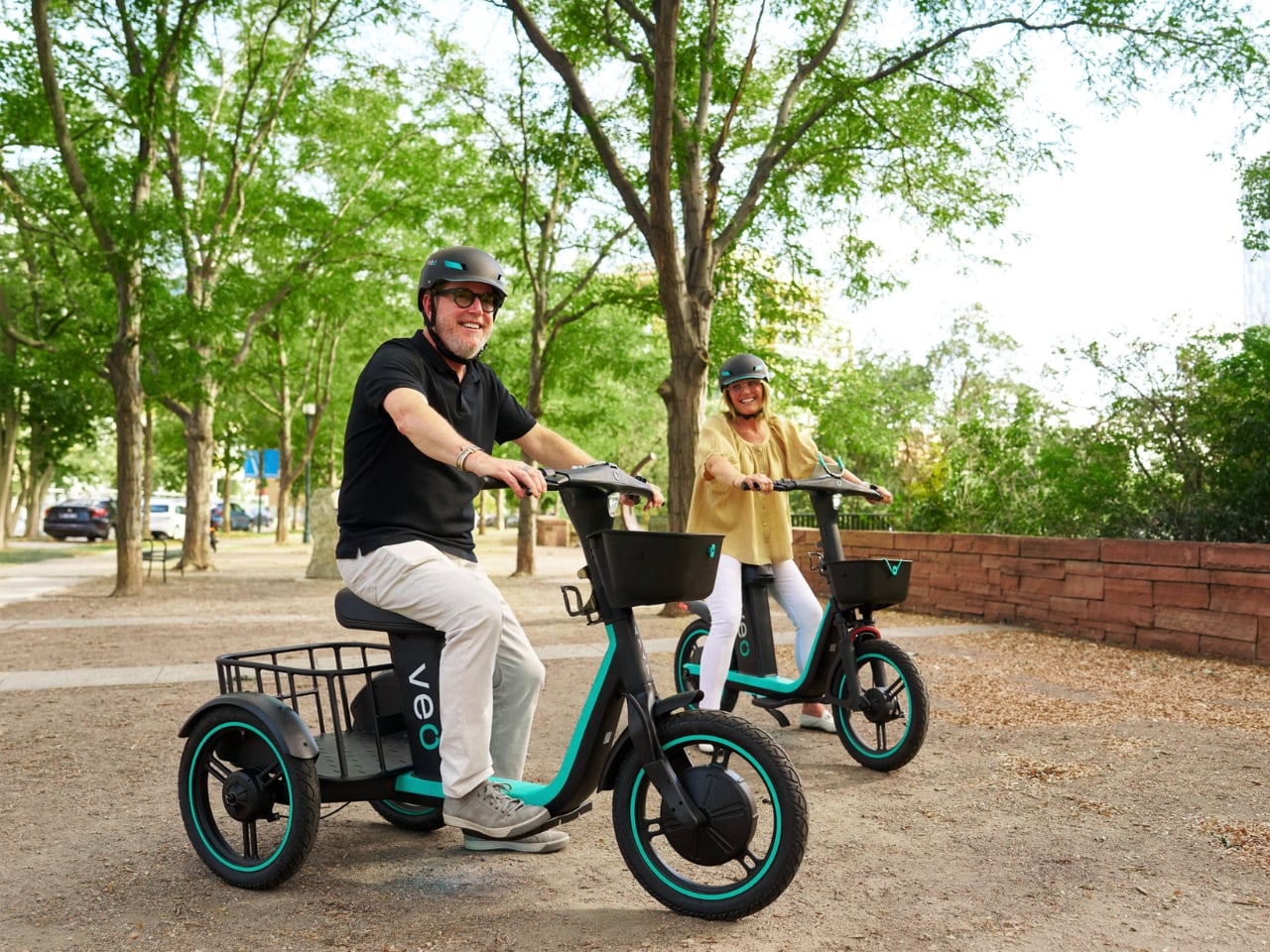
Launched this summer in Denver, Rover is a three-wheeled, seated electric vehicle that looks less like a scooter and more like a cross between a golf cart and a rickshaw, minus the driver. It’s low to the ground, has a cushioned seat, a throttle instead of pedals, and baskets front and back that can haul up to 100 pounds of groceries, bags, or a folded walker. Fifty of them are currently rolling through downtown Denver as part of the city’s shared fleet, alongside the usual scooters and e-bikes.
Designer: Veo
What makes this launch worth paying attention to is not the hardware so much as who Veo built it for. The company spent nearly two years working with disability advocates, older adults, and more than 20 organizations, including the Parkinson’s Foundation and Capitol Hill Village, before finalizing the design. That’s not a marketing footnote. It’s the difference between a company slapping “accessible” on a spec sheet and one that actually sat with riders who’d been shut out of shared transit for years.
Anna Zivarts, who directs the Nondrivers Alliance and wrote the book on what it means to navigate American cities without a license, put it plainly: shared micromobility has excluded a lot of disabled people and anyone uncomfortable balancing on two wheels. That’s a quiet admission for an industry that’s spent the last decade selling itself as the future of urban freedom. Freedom, it turns out, only counted if you could already stand up and steady yourself at ten miles an hour.
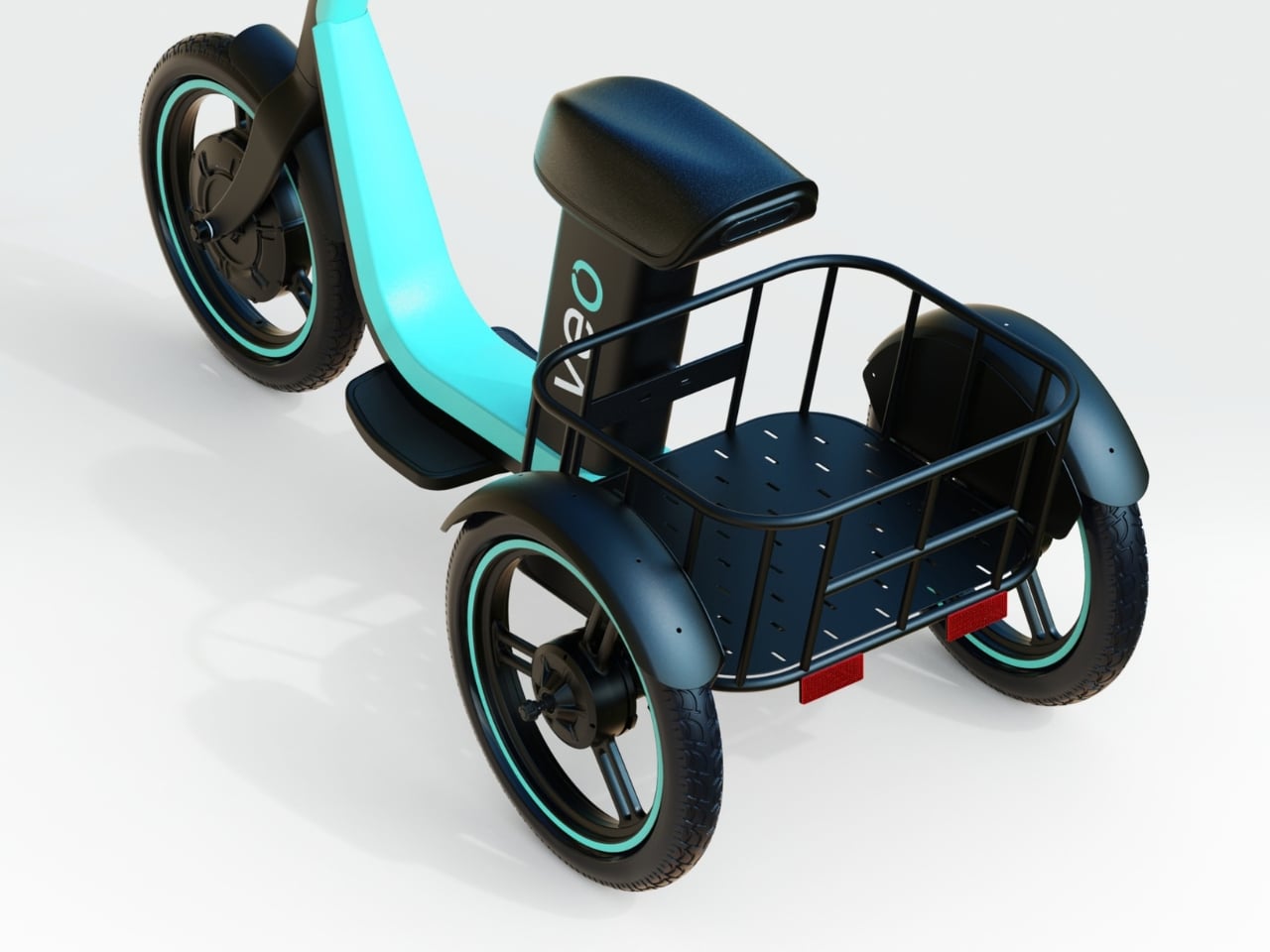
Rover tops out at 10 mph, which sounds unglamorous until you consider what that speed is doing. It’s not chasing the thrill of a scooter; it’s chasing confidence. A three-wheeled base means no tipping over at a stoplight. Throttle assist means no straining up a hill or nursing a bad knee through a pedal stroke. The vehicle is 2.5 feet wide, narrow enough to navigate a normal bike lane without becoming a hazard to itself or anyone else on the path.
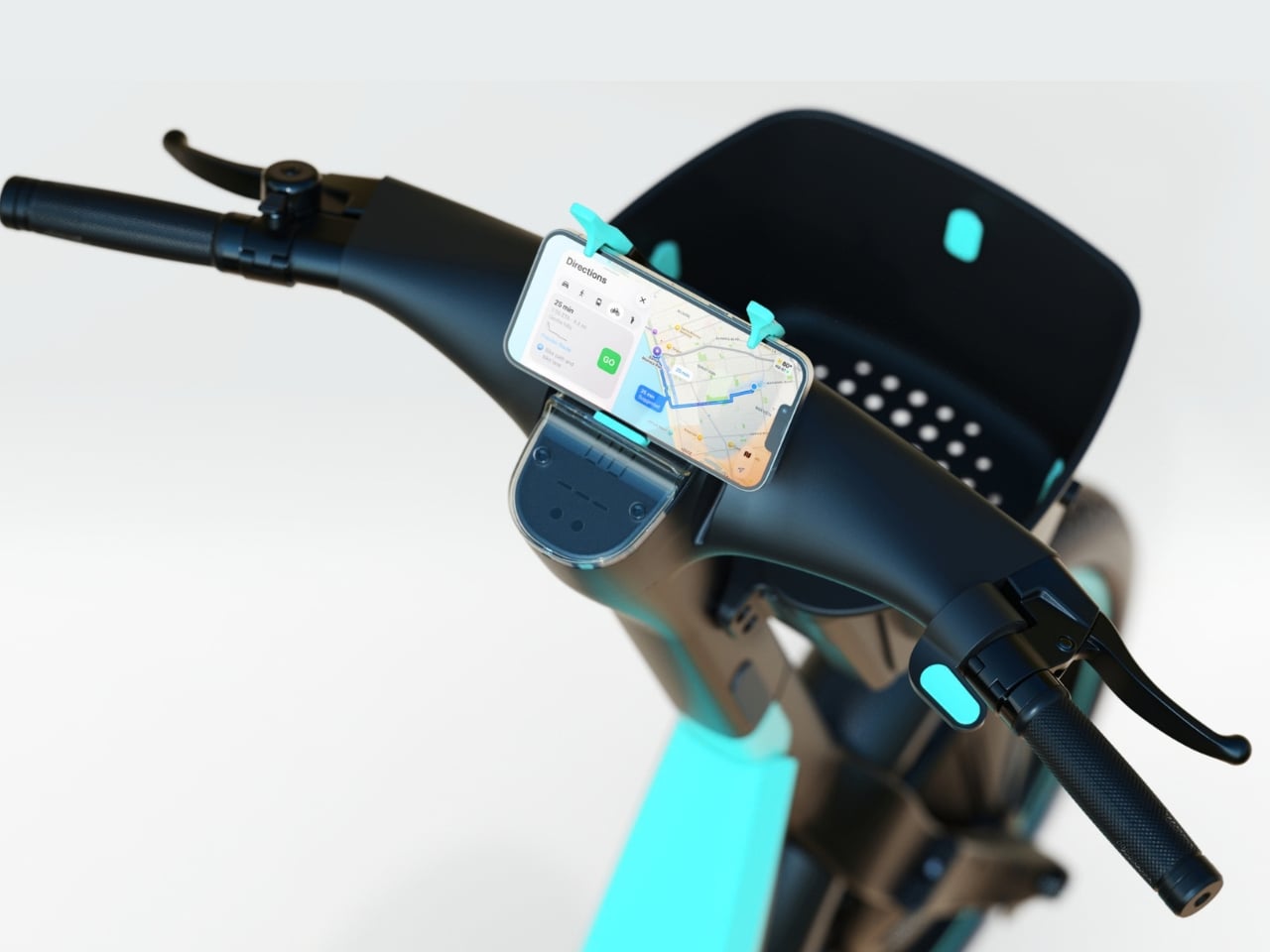
I like that Veo didn’t try to disguise who this is for. A lot of adaptive design gets watered down into something “universal” so it doesn’t look like a medical device, and in the process it loses the features that actually made it useful. Rover doesn’t do that. It looks like what it is: a stable, cargo-friendly, seated ride that happens to also work fine for a tourist who doesn’t want to fall off a scooter on cobblestones. Good accessible design tends to work that way. It never needed to be secretly for everyone. It just needed to actually work for the people it was built for first.
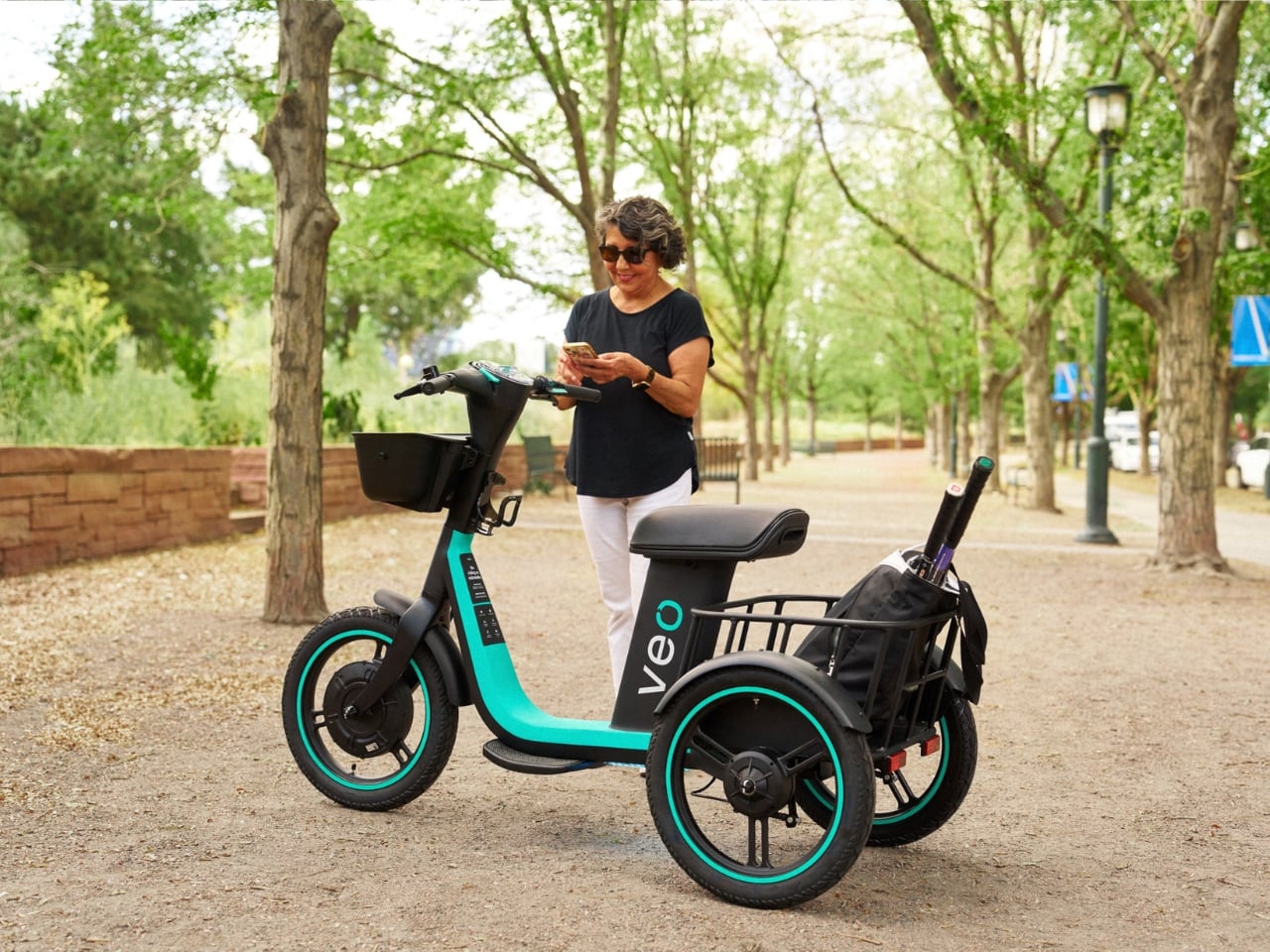
Denver makes sense as a proving ground. The city already runs one of the largest and most varied shared micromobility programs in North America, with about 9,000 vehicles in rotation, so a new form factor doesn’t have to fight for infrastructure that isn’t there yet. Veo says it’s watching rider feedback closely before deciding whether Rover expands citywide or beyond Denver altogether, which feels like the right amount of caution for a vehicle type nobody has really tested at scale before.
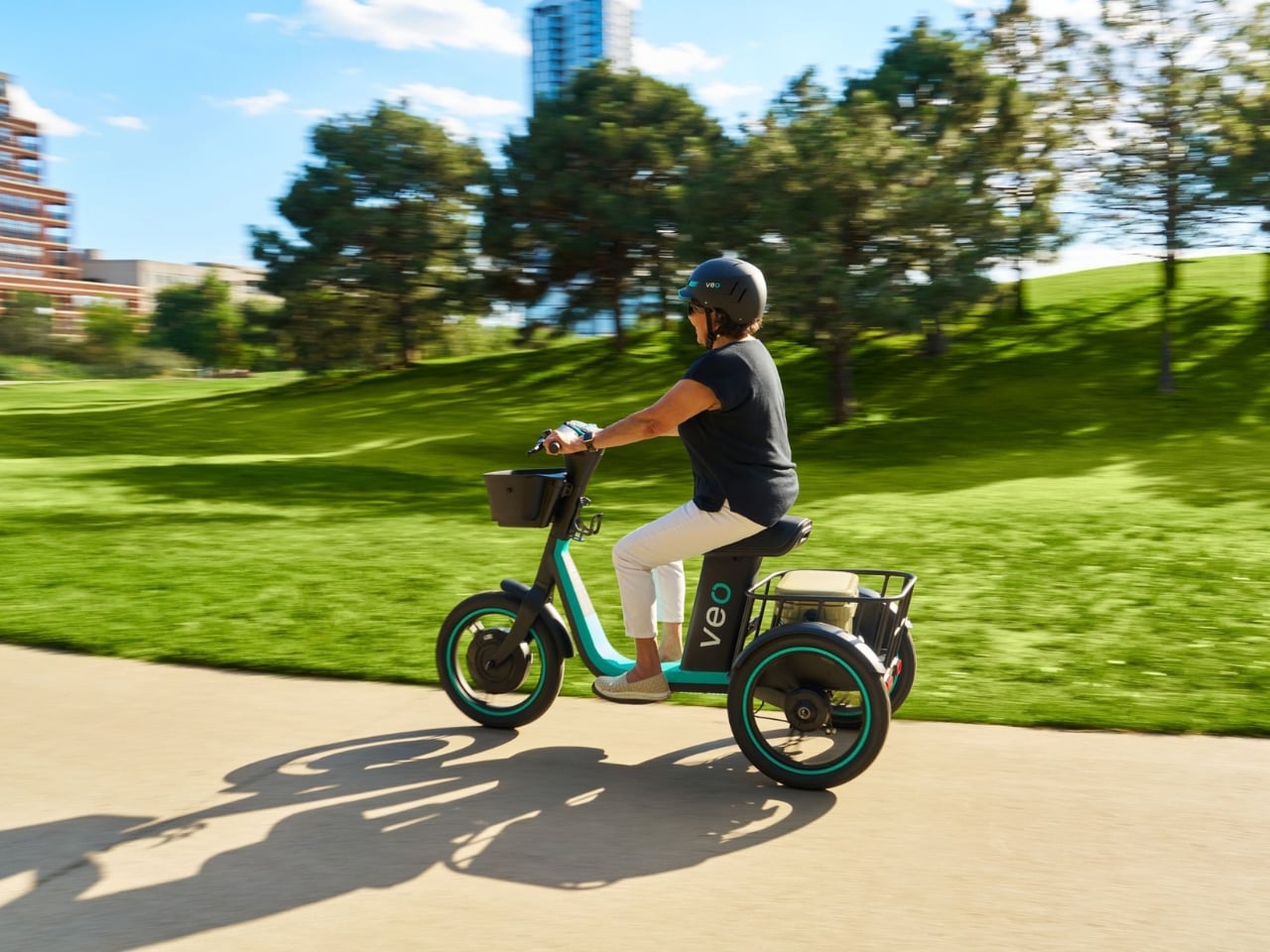
Whether Rover becomes a fixture in other American cities depends on things design alone can’t solve: pricing, docking logistics, whether cities are willing to give trikes the same curb space as scooters. But as a statement of intent, it’s hard to argue with. Shared mobility spent a decade optimizing for speed and cool factor. Rover is the first one I’ve seen optimize for who actually gets to ride at all.
SHARE