A bookmark’s only job has stayed the same for centuries: hold a place in a book, then disappear the moment reading stops. The Mark II asks that same humble object to do considerably more, turning a strip of aluminum and plastic into a scanner, a voice recorder, and a running archive of everything a reader decides is worth keeping between two covers.
The system splits into two physical pieces working together. A slim bookmark stays tucked inside the book itself, marking the page the same way a scrap of paper always has. A separate highlighter piece does the actual capturing, gliding across a printed line to scan it, or getting pressed once to start recording a spoken thought before it slips away entirely.
Designer: Eason Tang
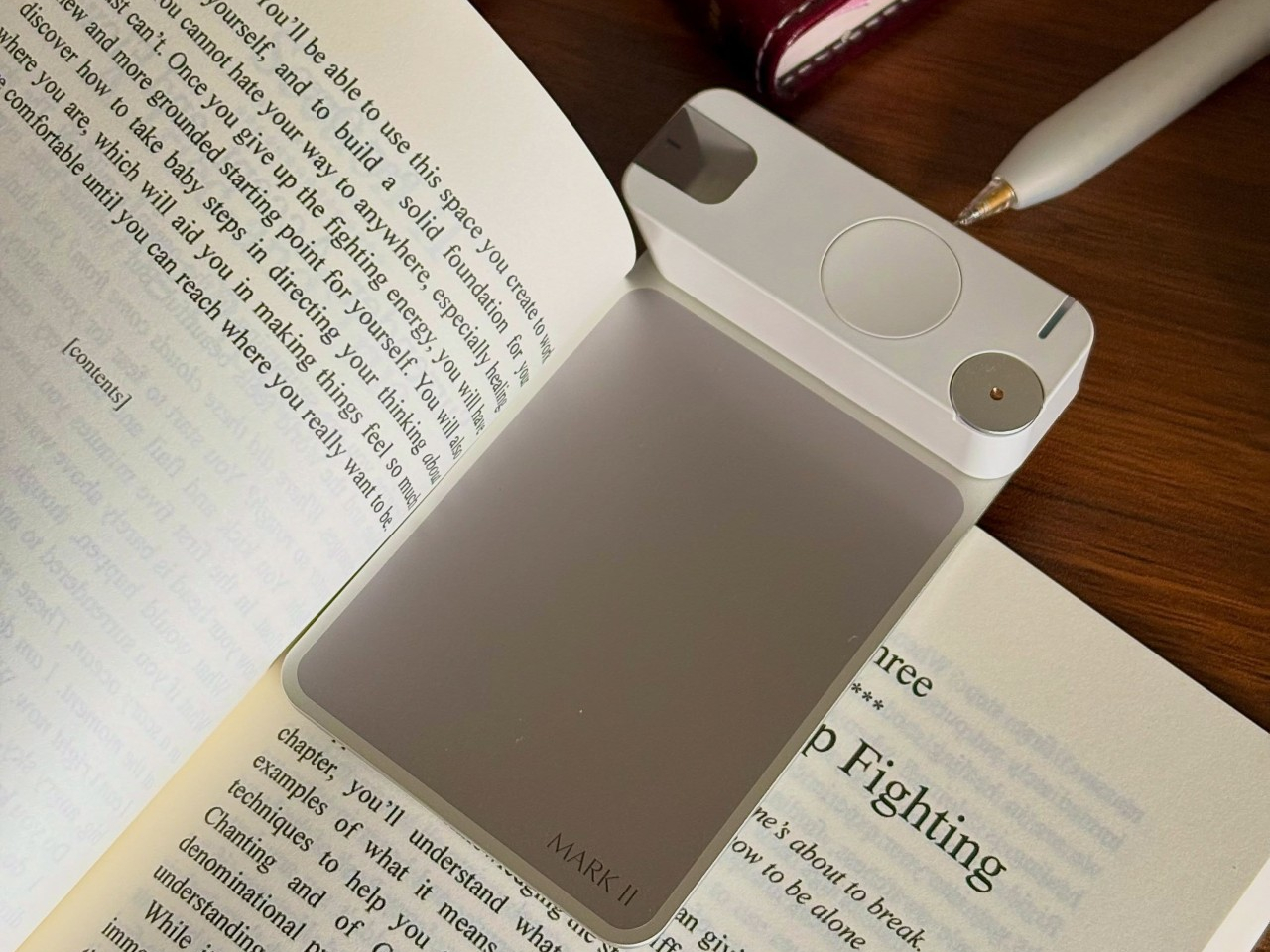
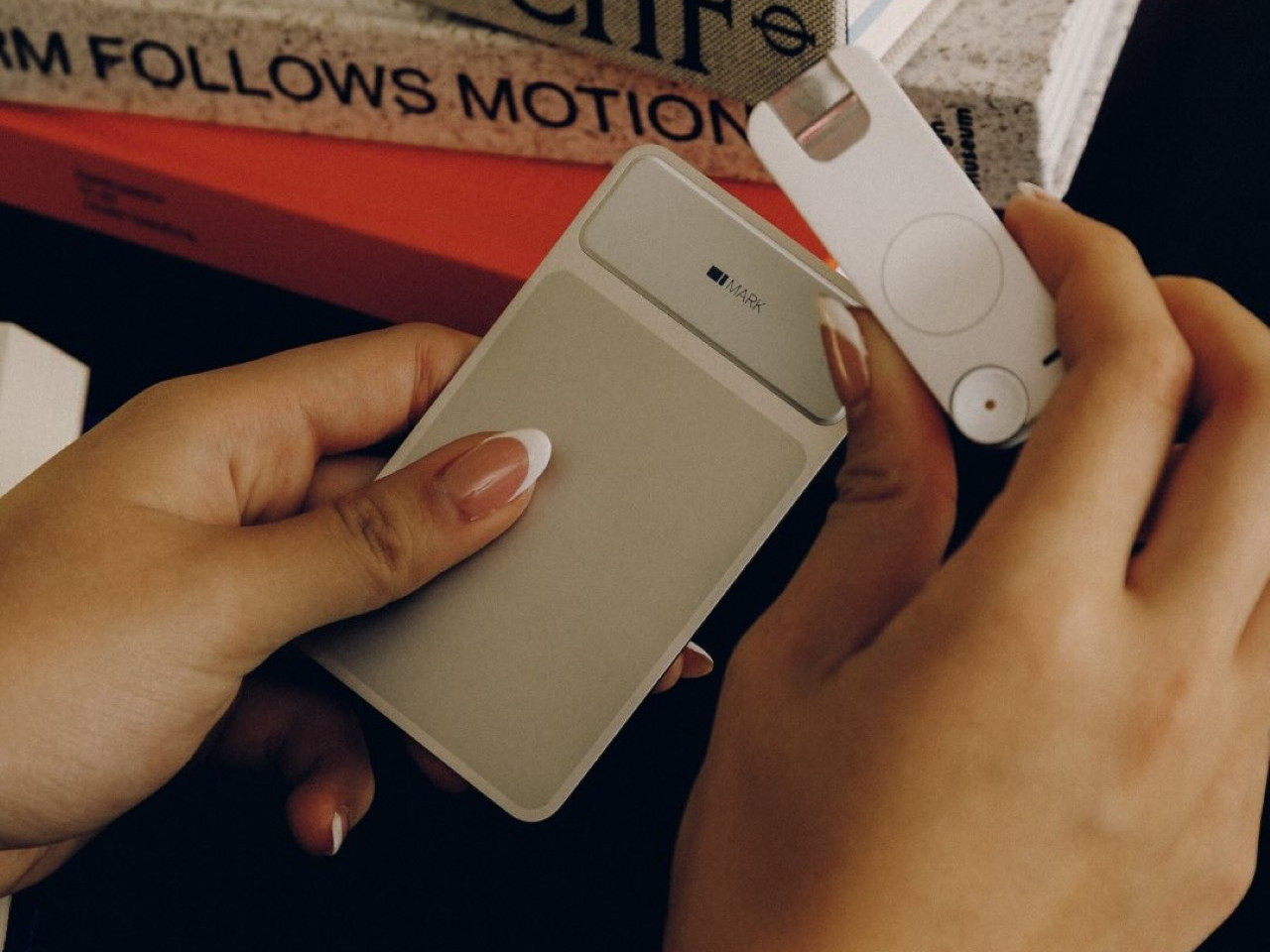
That scanning works across both paper and screens, reading handwriting in more than 100 languages just as easily as printed type. Nothing about the process asks a reader to break stride mid-page. The housing itself uses premium aluminum paired with ABS in a double-injection unibody build, a construction choice meant to survive being dropped, shelved, and carried in a bag daily without cracking.
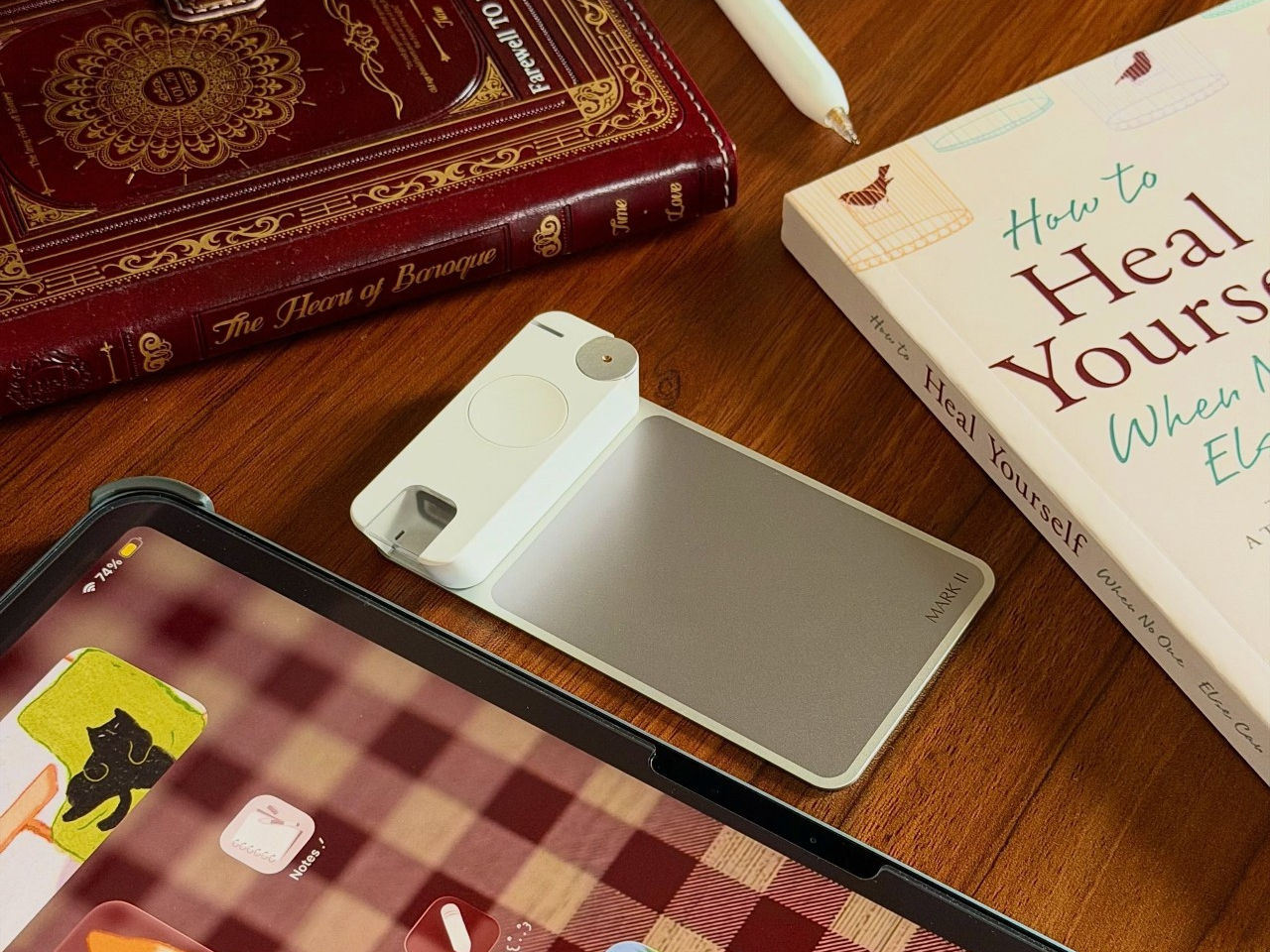
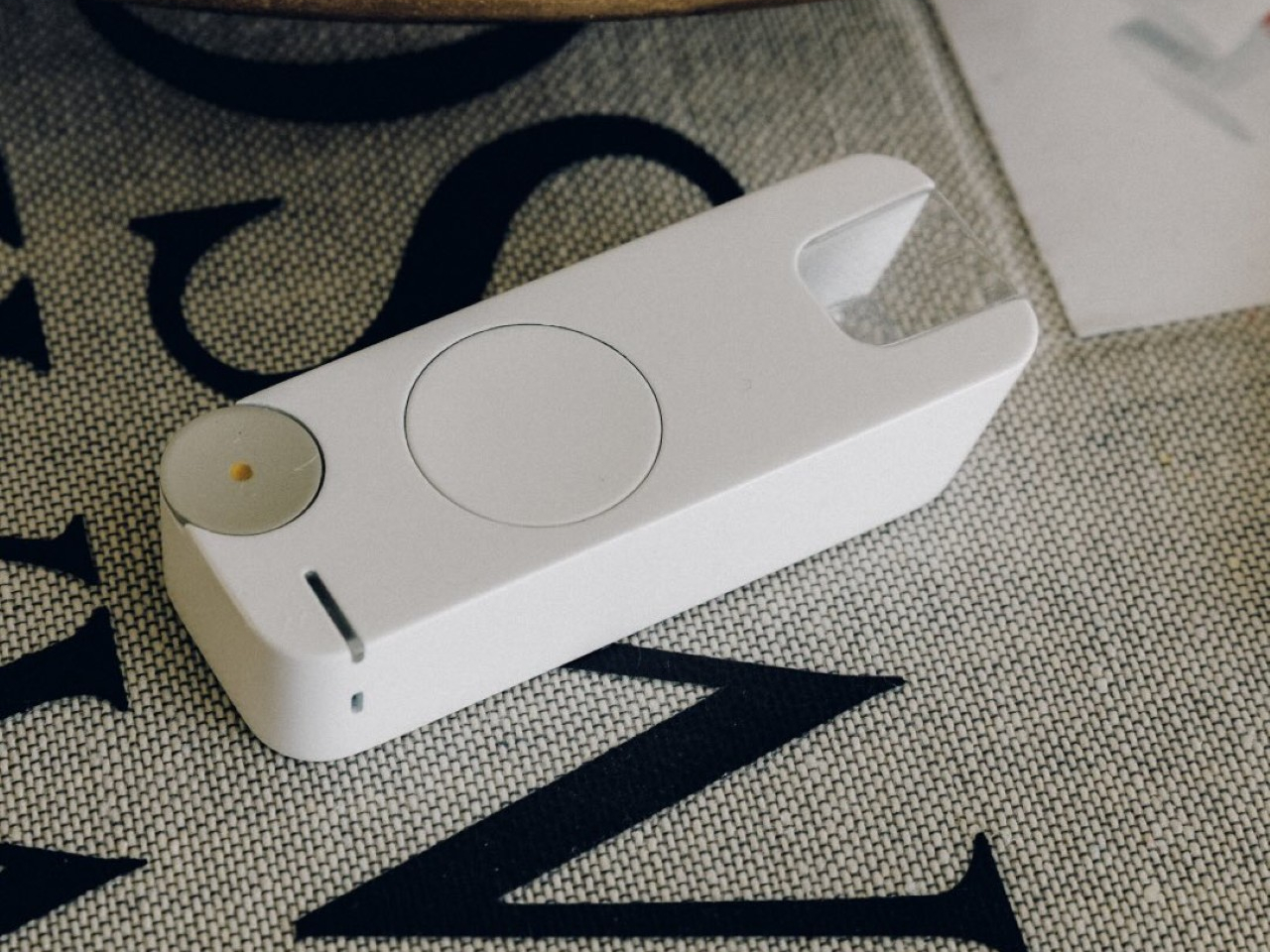
Battery life is advertised to stretch across roughly a week of regular reading before needing a recharge, topped back up through a standard USB-C cable rather than a proprietary dock. Every scan and recording is designed to land automatically inside the companion app, sorted by book, topic, or the moment it was captured, turning scattered notes into something that can actually be searched back through months later instead of forgotten in a drawer.

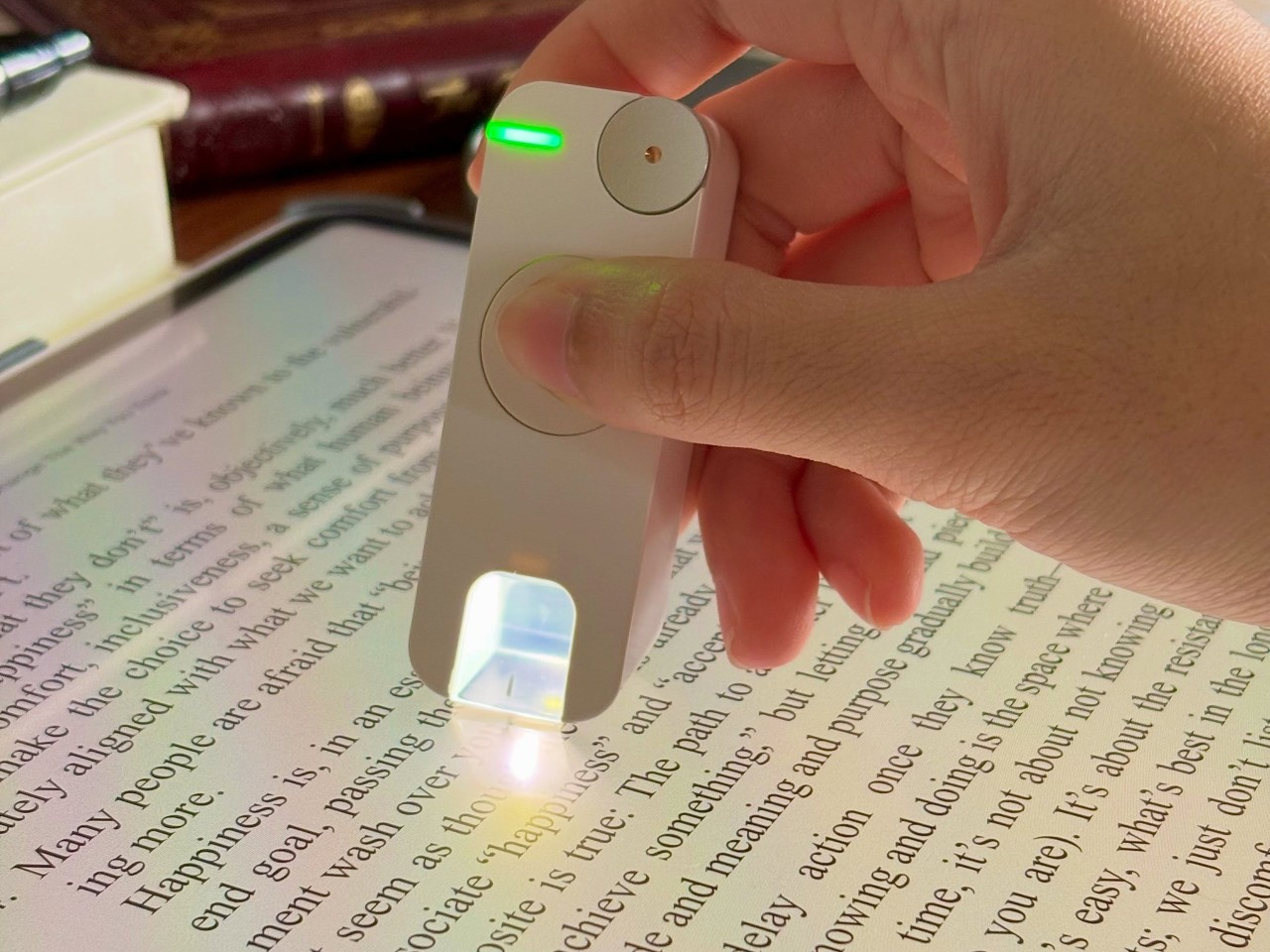

Half-remembered quotes get their own dedicated search, pulling back a fragment along with its original source rather than leaving someone to reread an entire chapter hunting for one line. A chat feature goes further, answering questions using only what’s actually been captured. It won’t invent a passage never highlighted or summarize a book never opened, a deliberate limit rather than a missing capability.

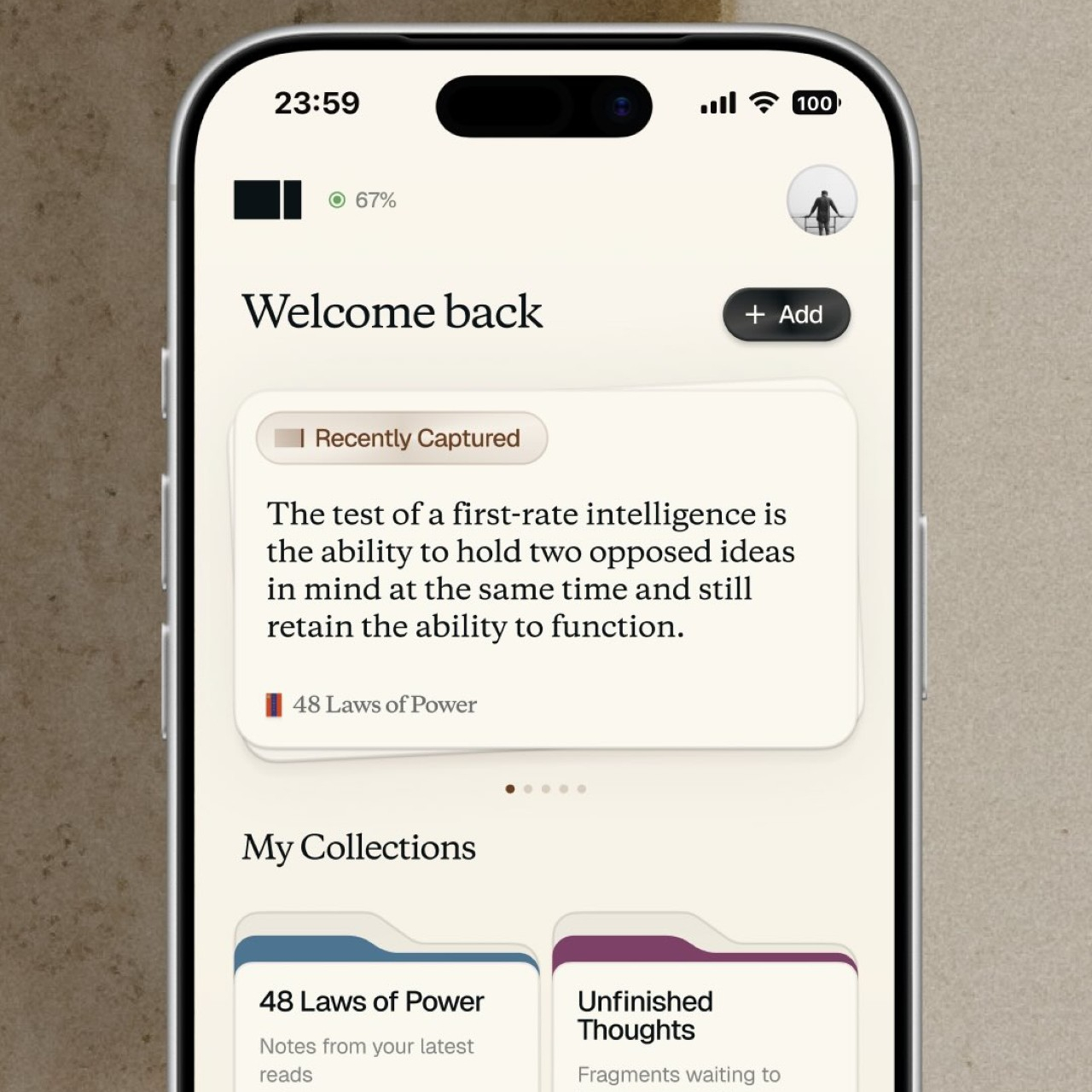
None of this demands abandoning tools already in use elsewhere. Captured highlights sync directly to Notion and Readwise, while a one-click import pulls existing notes from Obsidian or Apple Notes into the same catalog instead of starting from zero. That migration matters for anyone who’s already built years of scattered notes across three different apps and never quite trusted any of them.
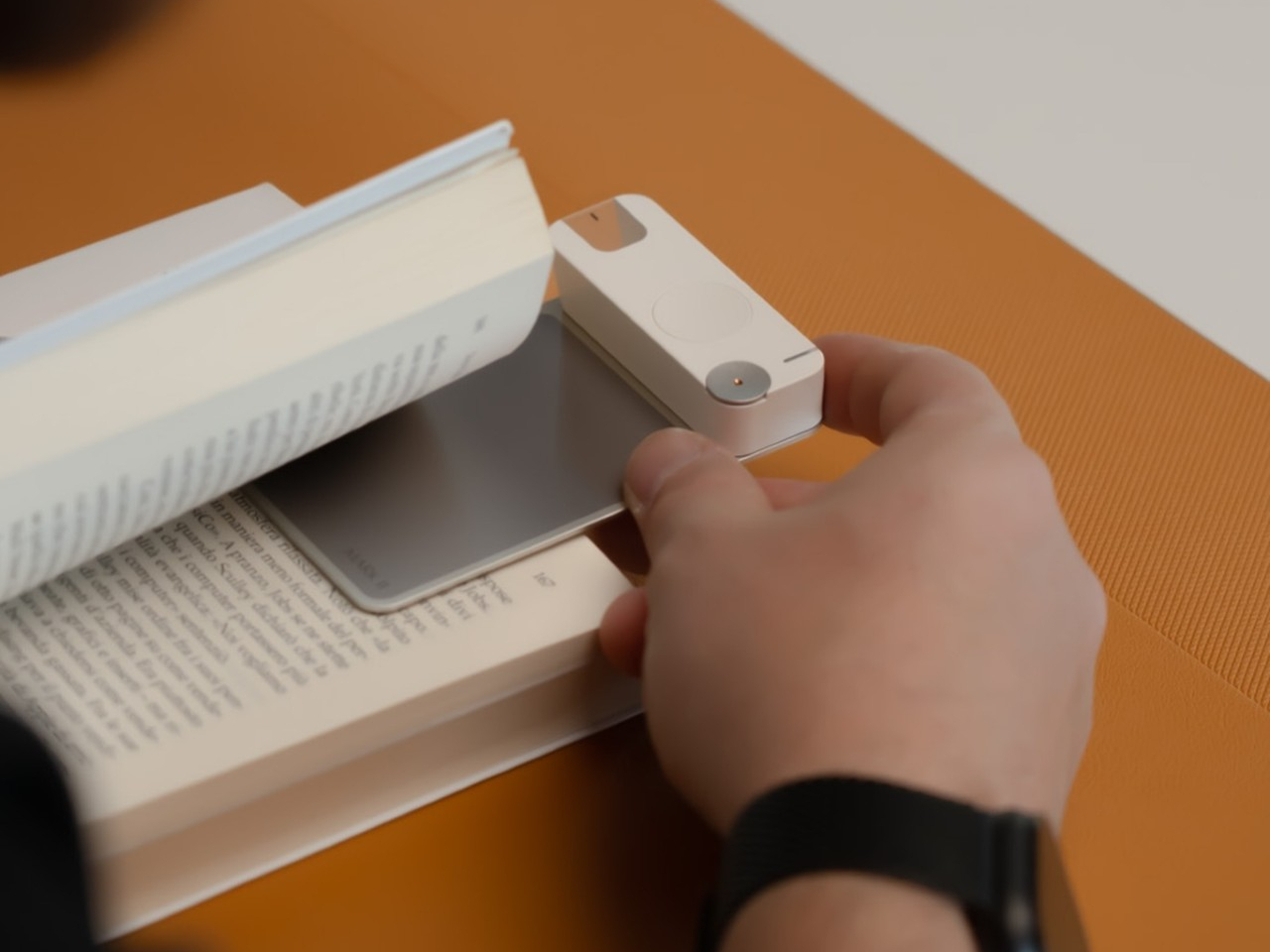
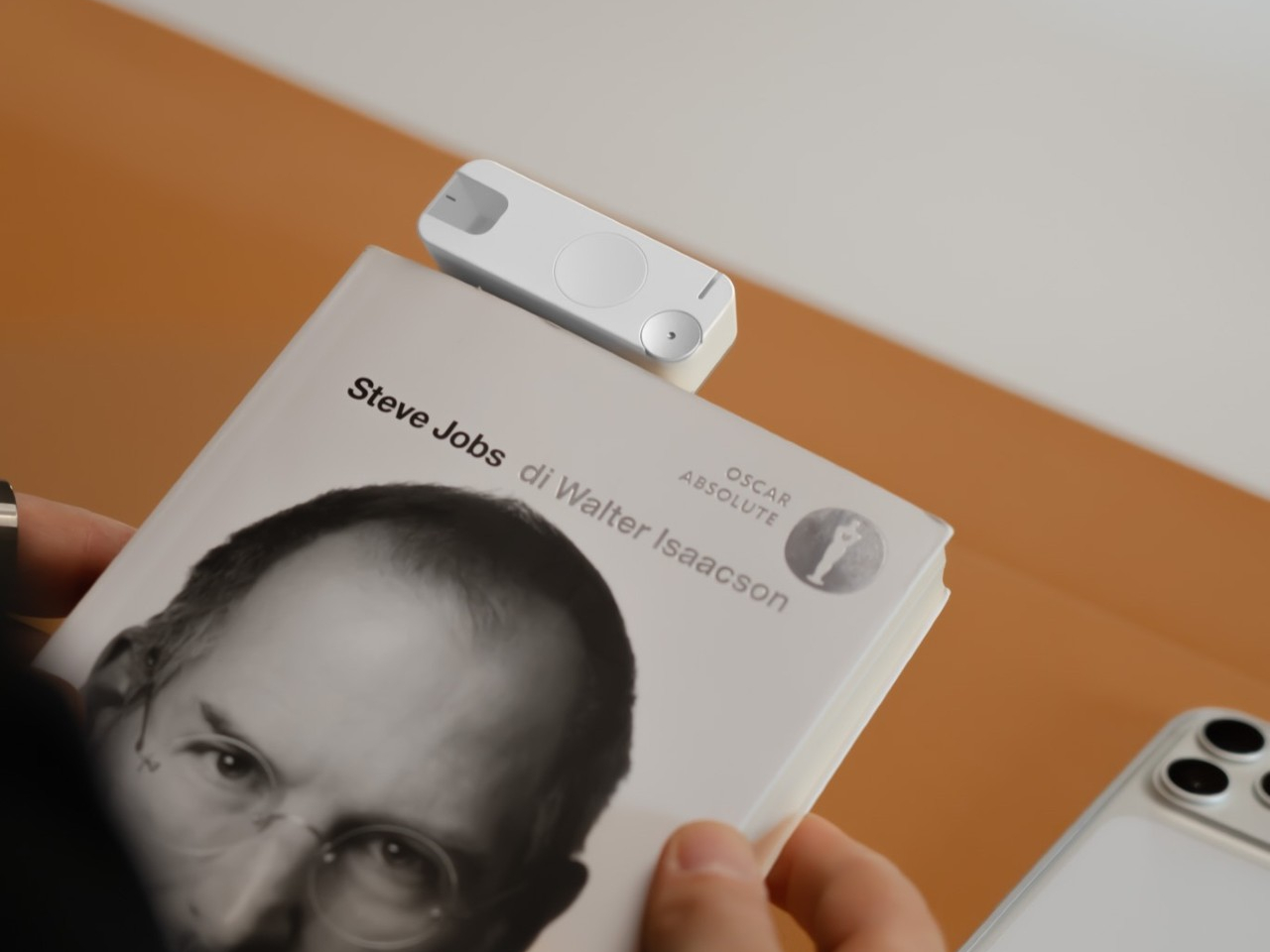
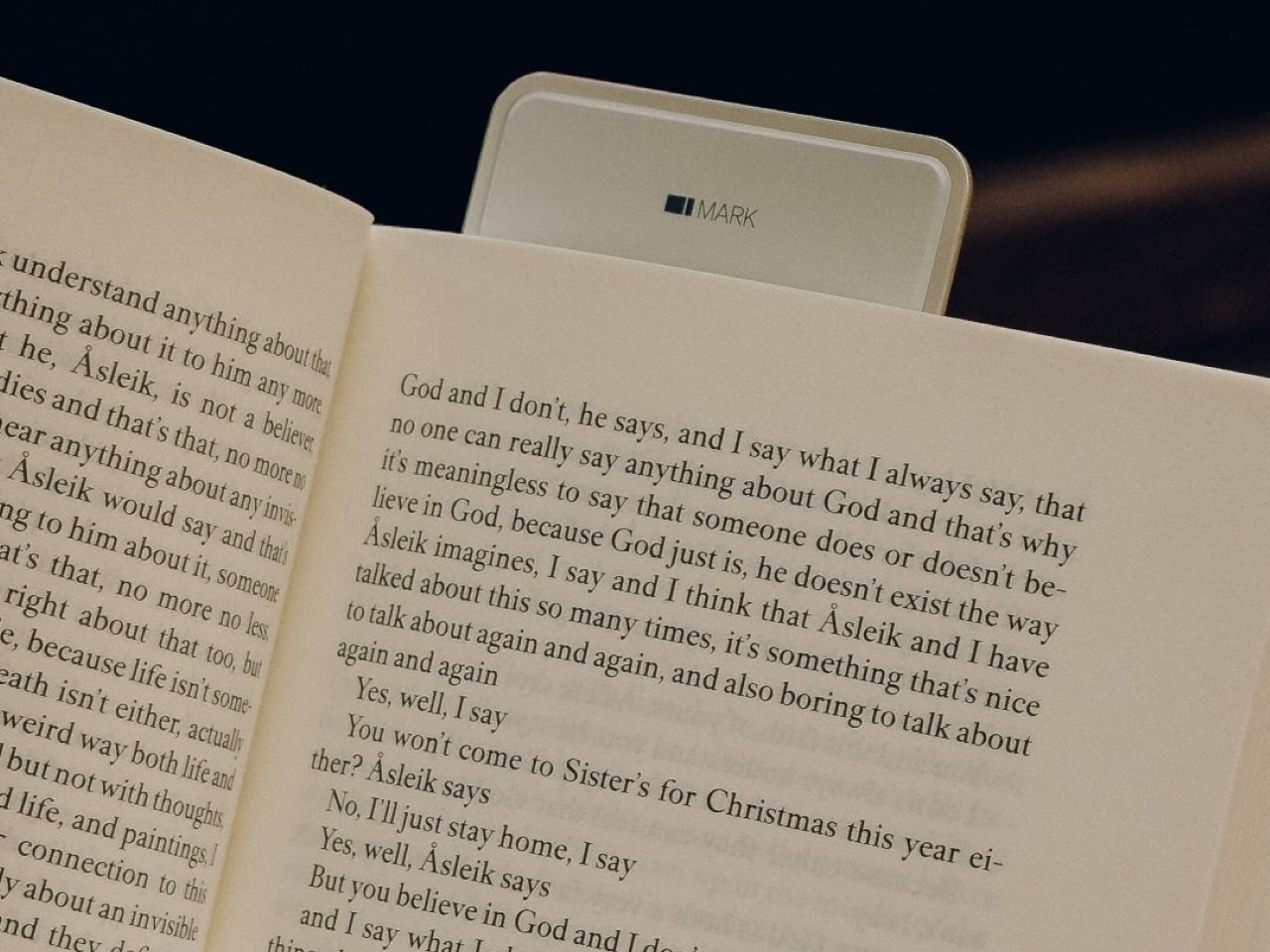
A research binge across a stack of library books usually ends with sticky notes multiplying on every page, half of them falling out before a deadline arrives. Sliding the highlighter across a passage instead replaces that entire ritual with one motion, leaving behind a searchable, sourced record rather than a pile of paper scraps nobody can match back to the right page.
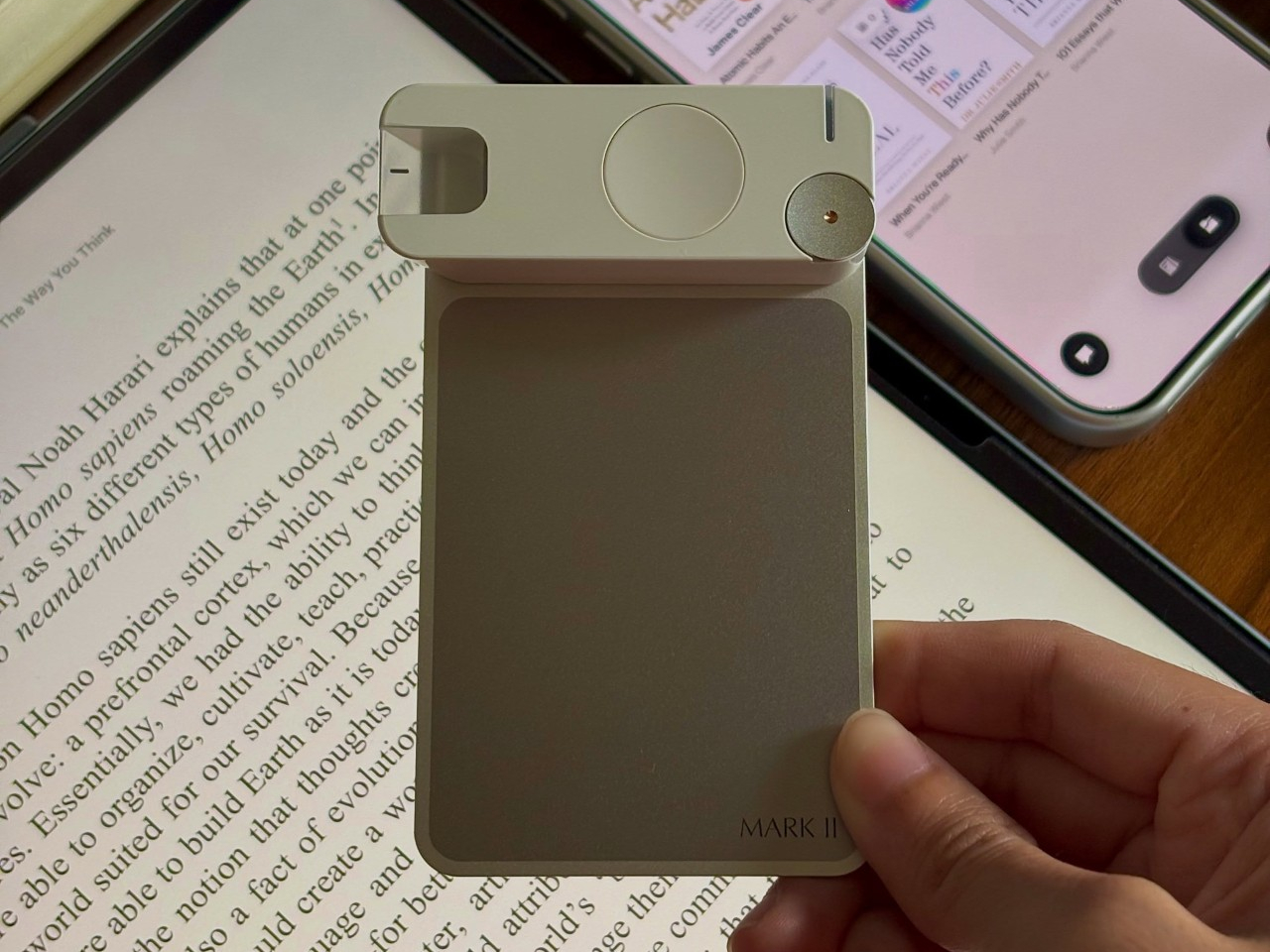
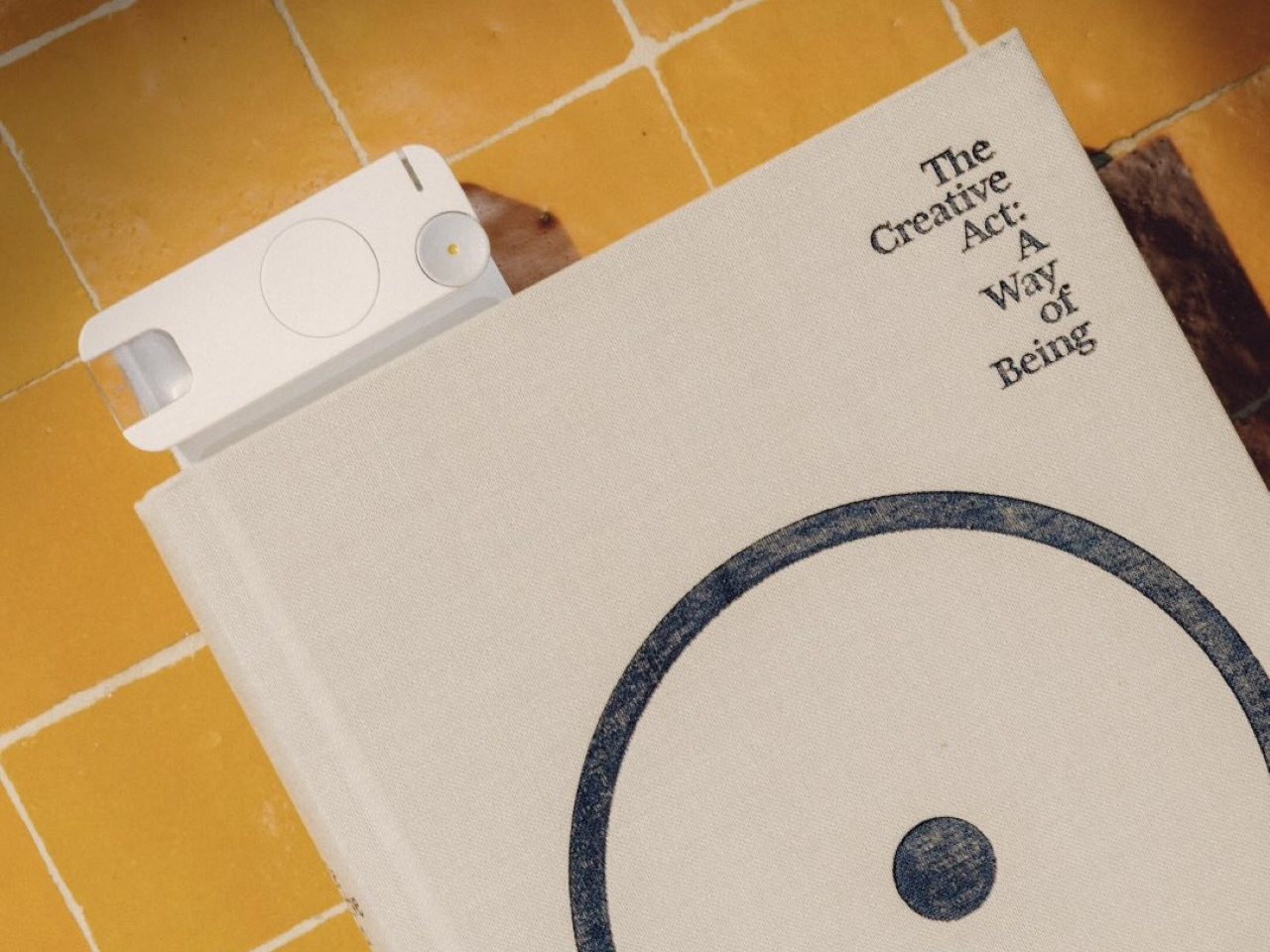
The device will ship in white or black, priced at $159, with availability starting in the US and Canada before expanding further. That price positions Mark II closer to a premium accessory than a casual gadget, a bet that readers serious enough to annotate books by hand will pay for a tool built specifically around that habit instead of a generic note-taking app.

SHARE