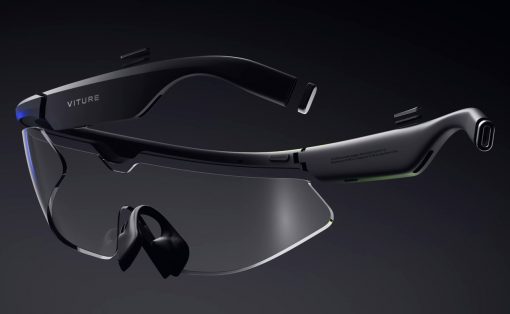
As companies chase smart glasses with cameras, Meta, the frontrunner in the space, has gone a step ahead (or, if you will, backwards) to release the company’s first Ray-Ban Meta Audio Glasses embedded with Meta AI. The pair of smart audio glasses, which was launched at the Meta Connect 2026 event in Menlo Park, California, wear a slimmer form factor and tout a longer battery life for a starting price of $349.
With no camera onboard, the Ray-Ban-branded Meta audio glasses are designed to be lighter and to feature more naturally on the face like a pair of prescription glasses. The announcement of the audio-only Meta eyewear gives Silicon Valley developers, constantly building new smartphone alternatives, a different direction to think.
Designer: Meta
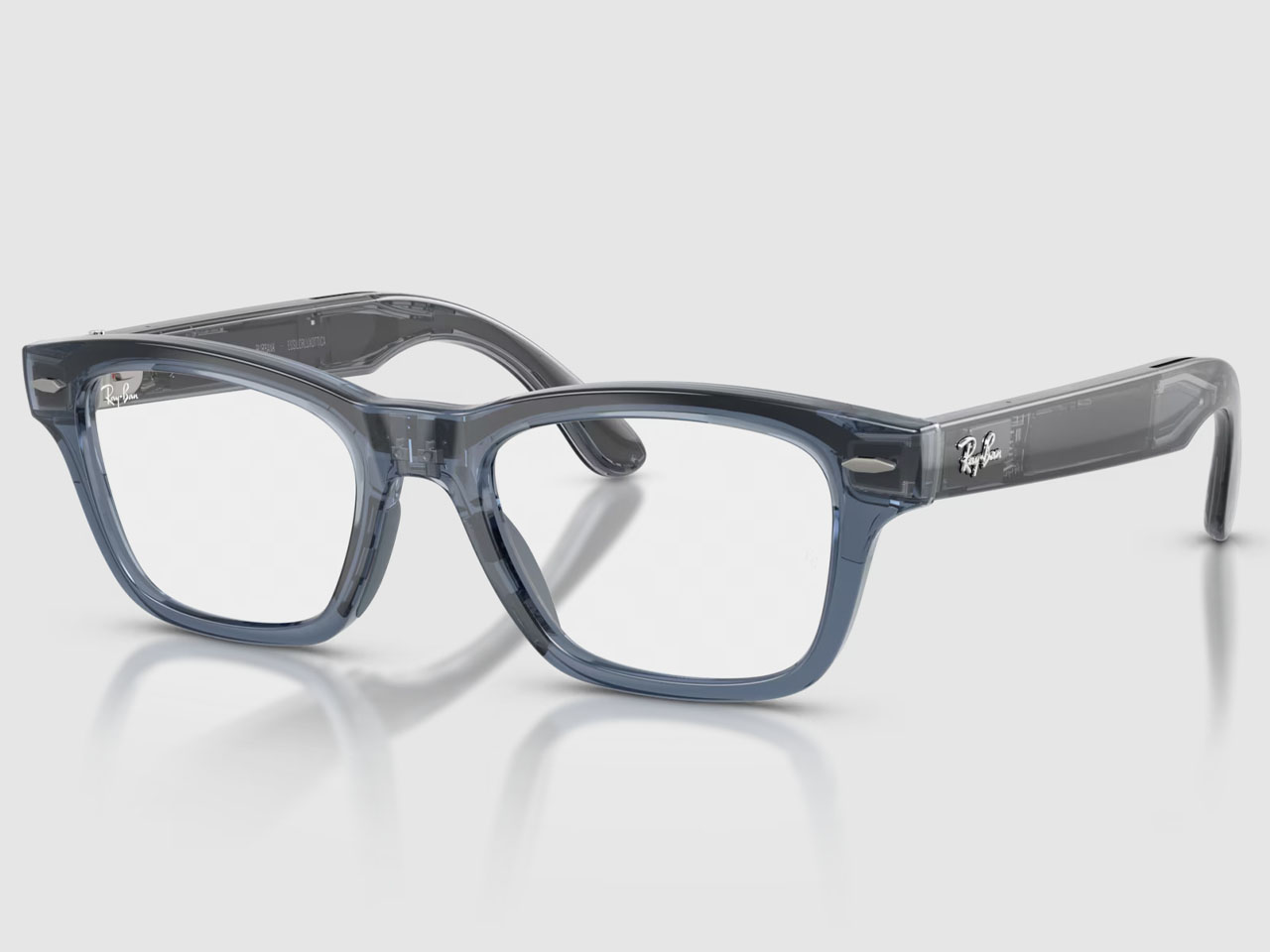
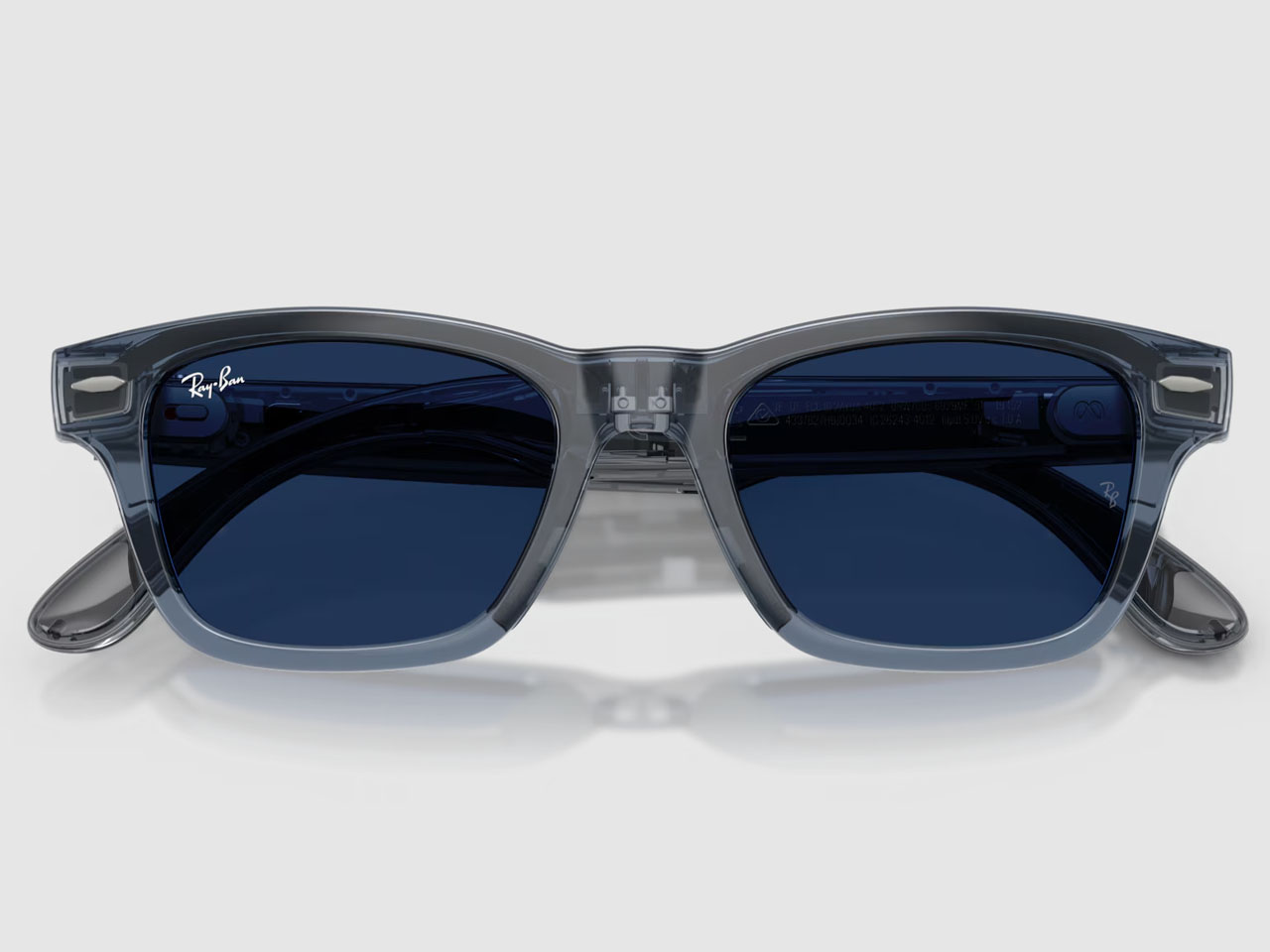
The companies are pouring in billions of dollars to figure out devices: glasses, wearables, and screenless handhelds with AI assistants, to find the most inclusive gadget people will accept in the mainstream as a successor to the smartphone. In this race, camera-enabled smart glasses, like the previous variants of the Ray-Ban branded and the AI glasses from Meta, have failed considerably.

No, not the tech. But the general mass usage of the smart glasses has been criticized for how notoriously perverts have been using them. Meta, we can’t outright affirm, but it is in some way saving face with the introduction of the AI glasses without the camera. Shifting focus and perception away from the “pervert glasses” moniker that Meta’s camera-enabled smart glasses have earned for them after the backlash over the last few months.
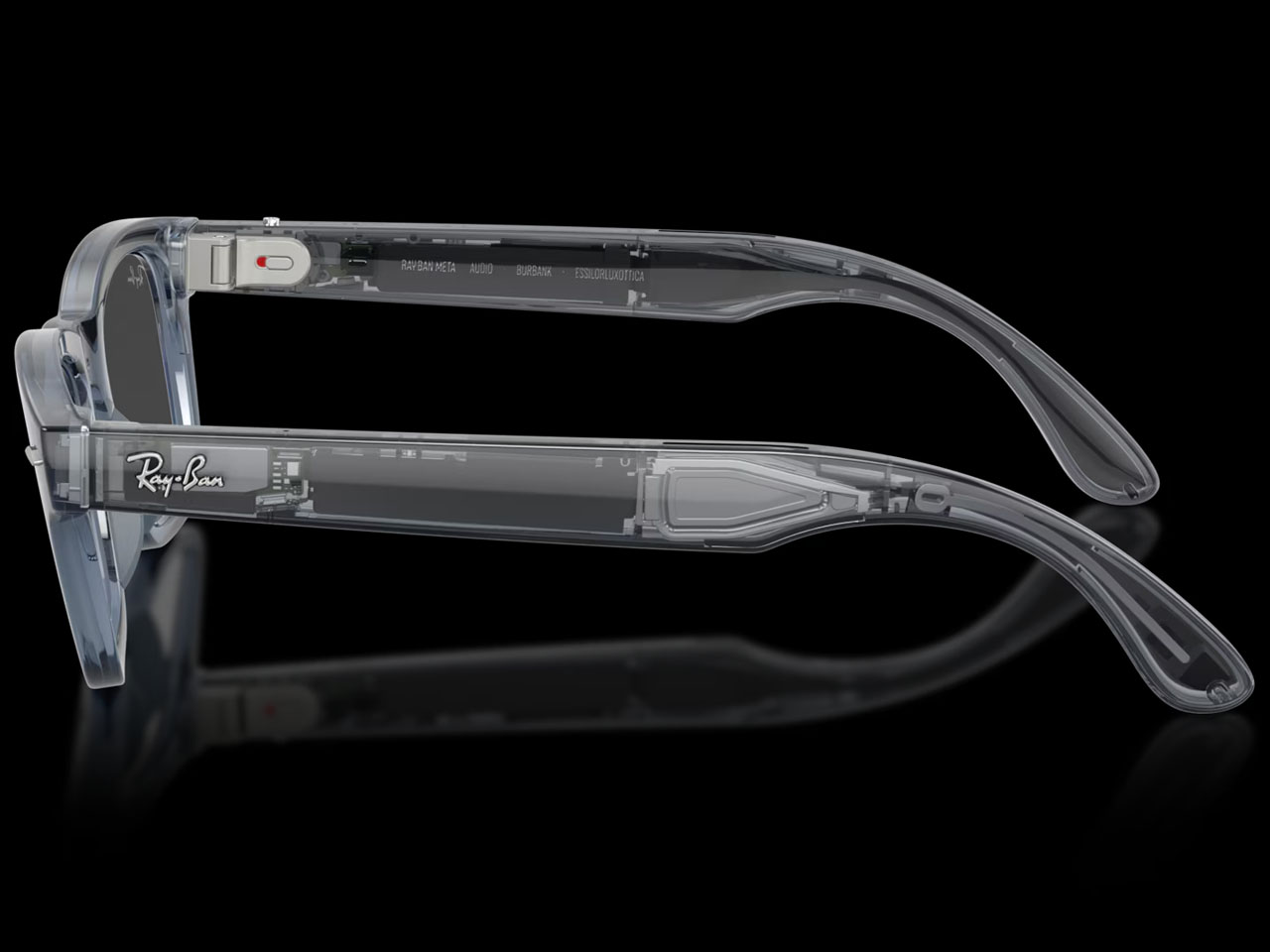
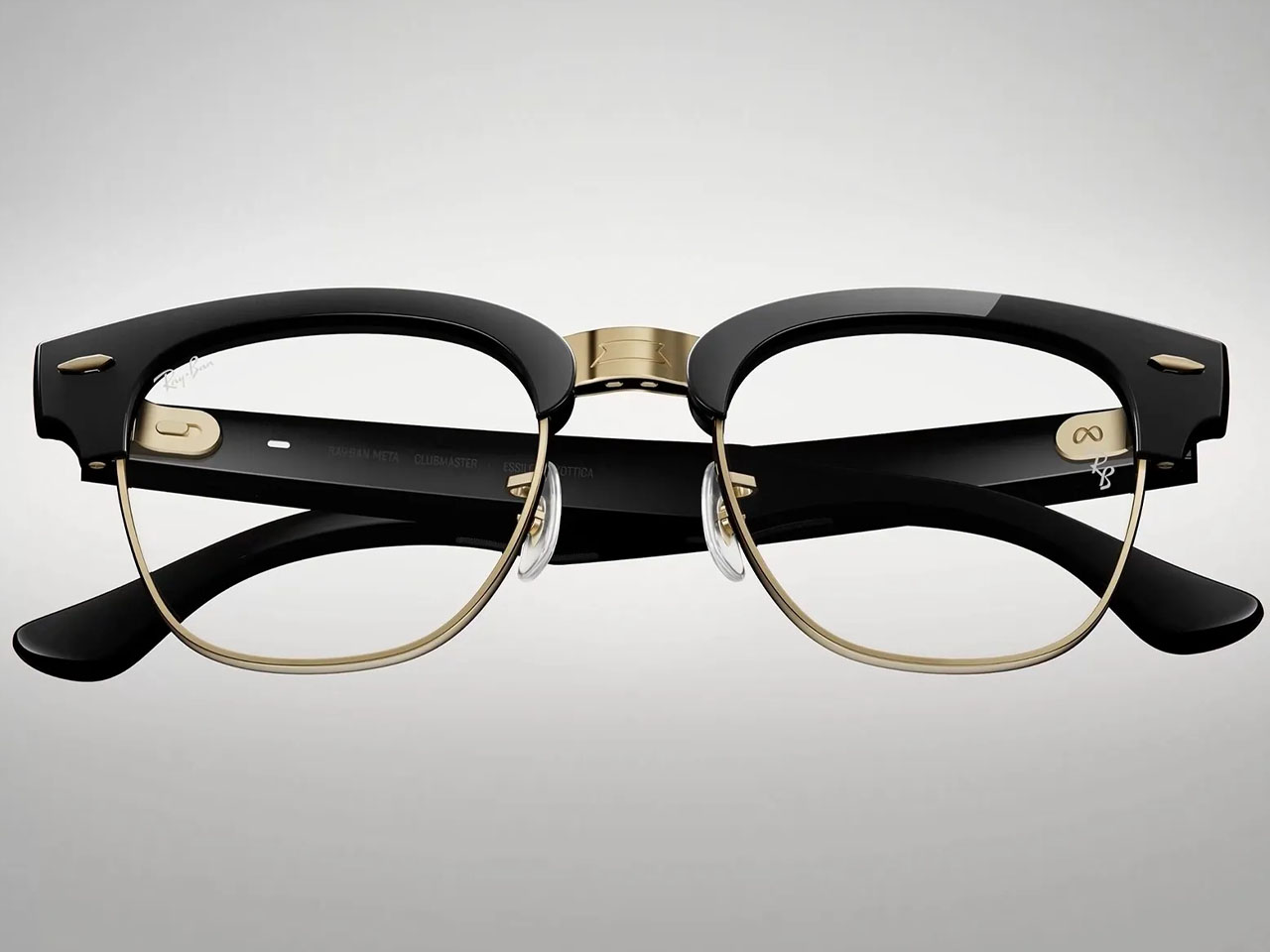
Despite the backlash, smart glasses with cameras continue to float in the tech landscape. However, with the audio-only smart glasses, Meta is doing it a tad differently. Negating the power-hungry camera gives this pair of smart glasses two advantages that every developer longs for in this domain: a lightweight form factor and a long battery life.

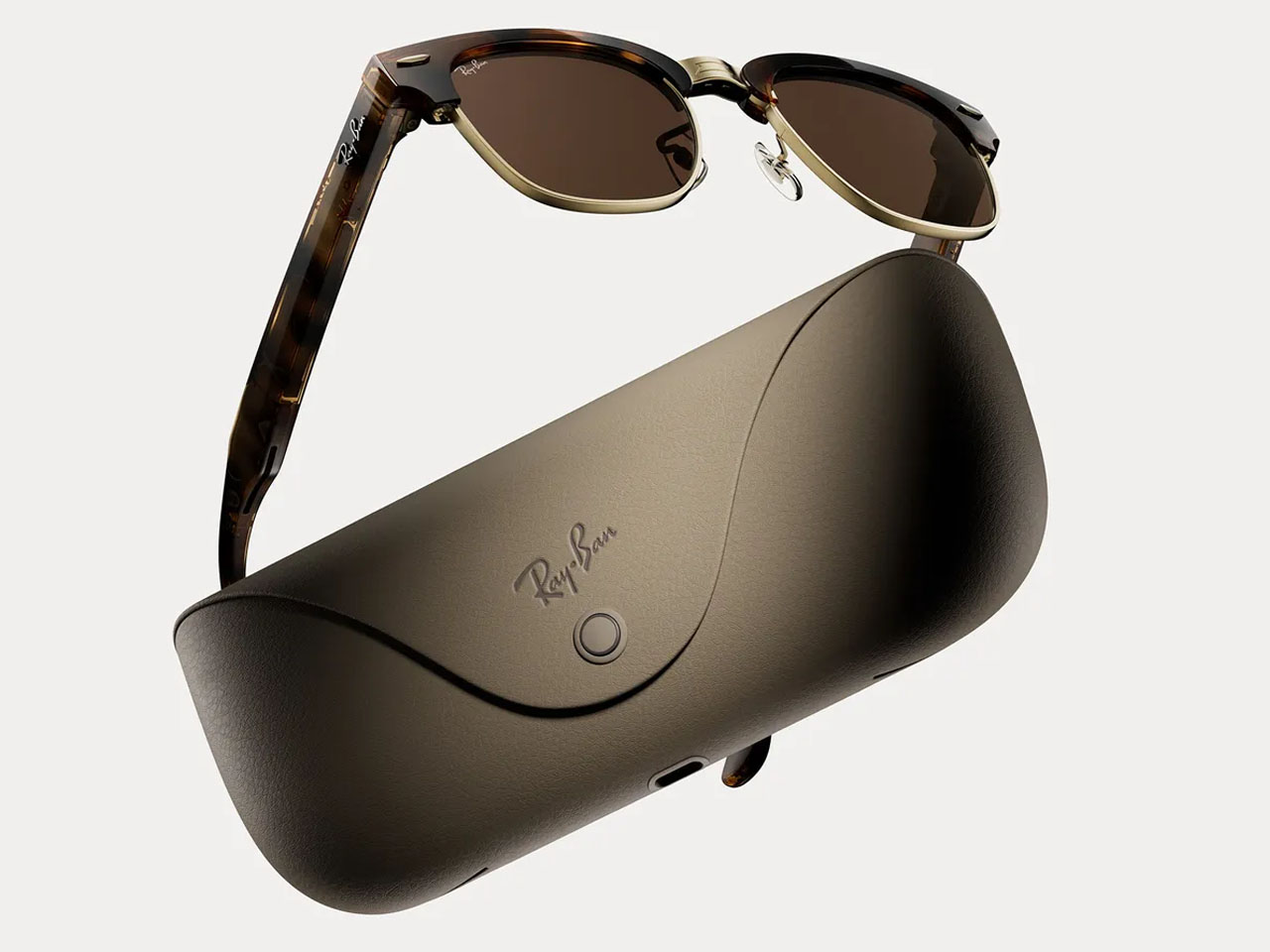
According to Meta, the battery on its new Ray-Ban Meta Audio Glasses runs for up to 12 hours on a single charge. You can use the glasses to take calls, respond to messages over voice commands, listen to music and podcasts, and instruct a personal AI agent to do things such as real-time surfing and live translations. The glasses are designed with privacy in mind. Yes, at least this time Meta is upfront about it. The VP for wearables at Meta, Alex Himel, told The Verge that the audio-first glasses do not record. They listen for the wake word and begin recording only after hearing it.
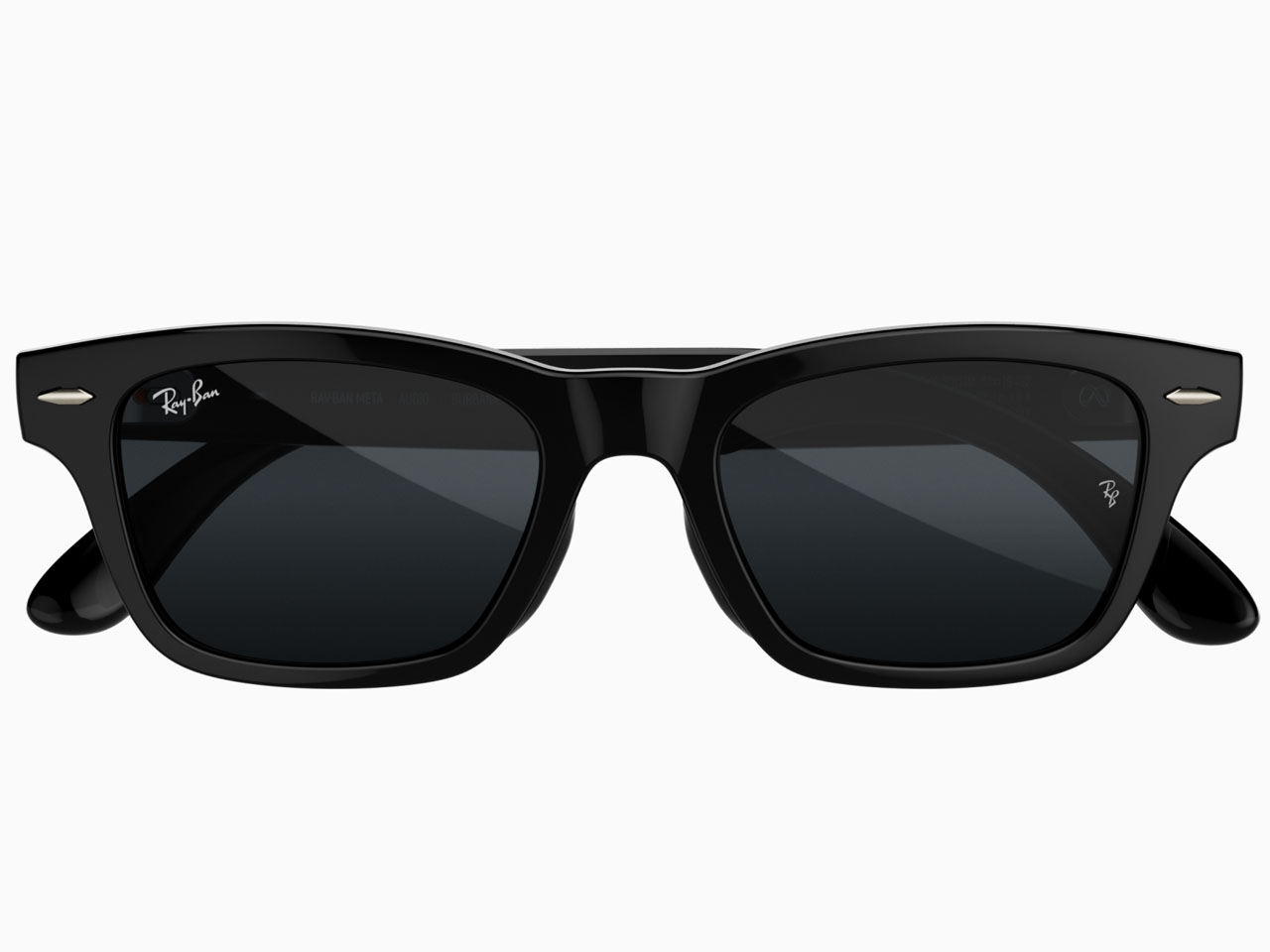
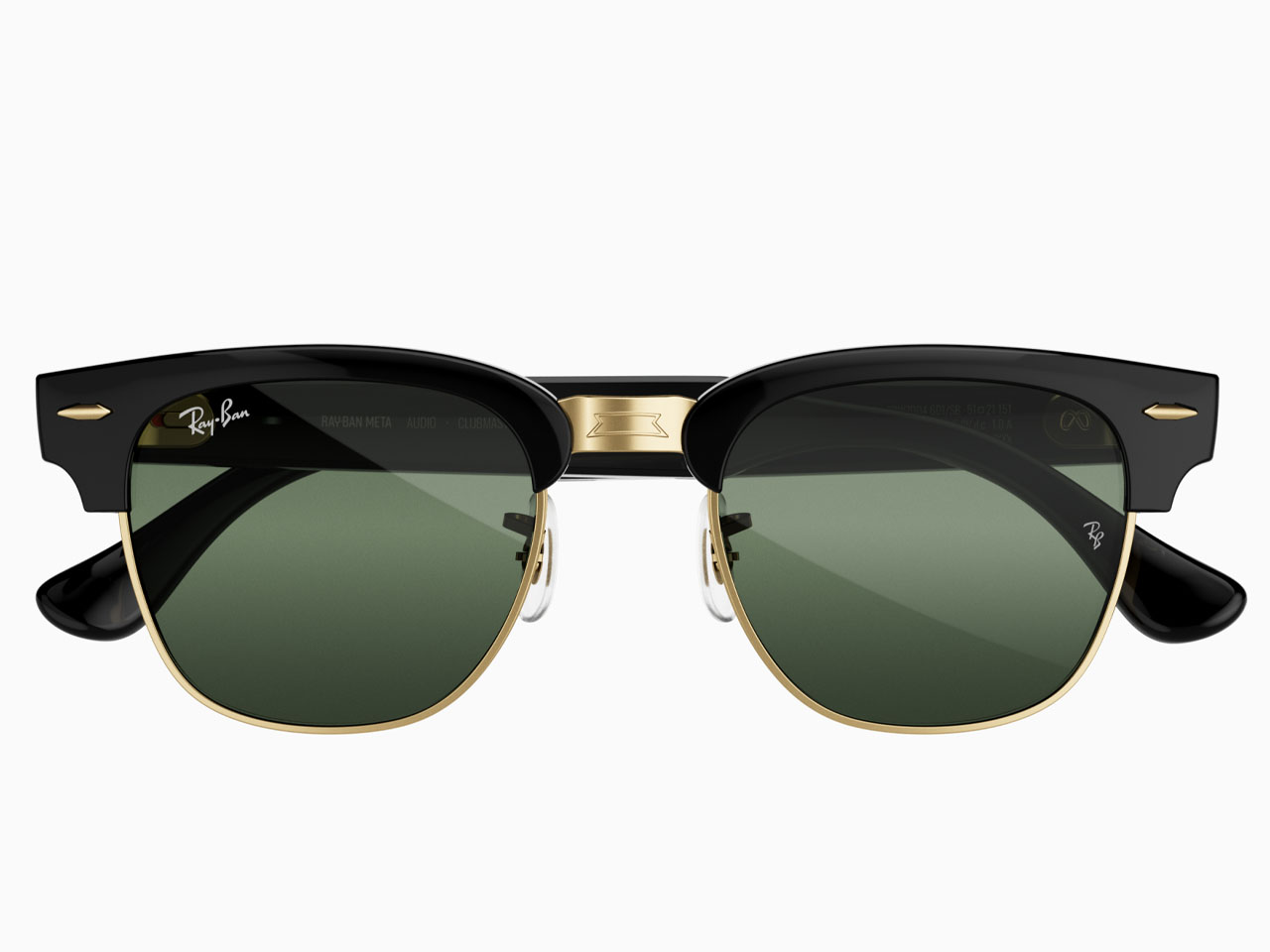
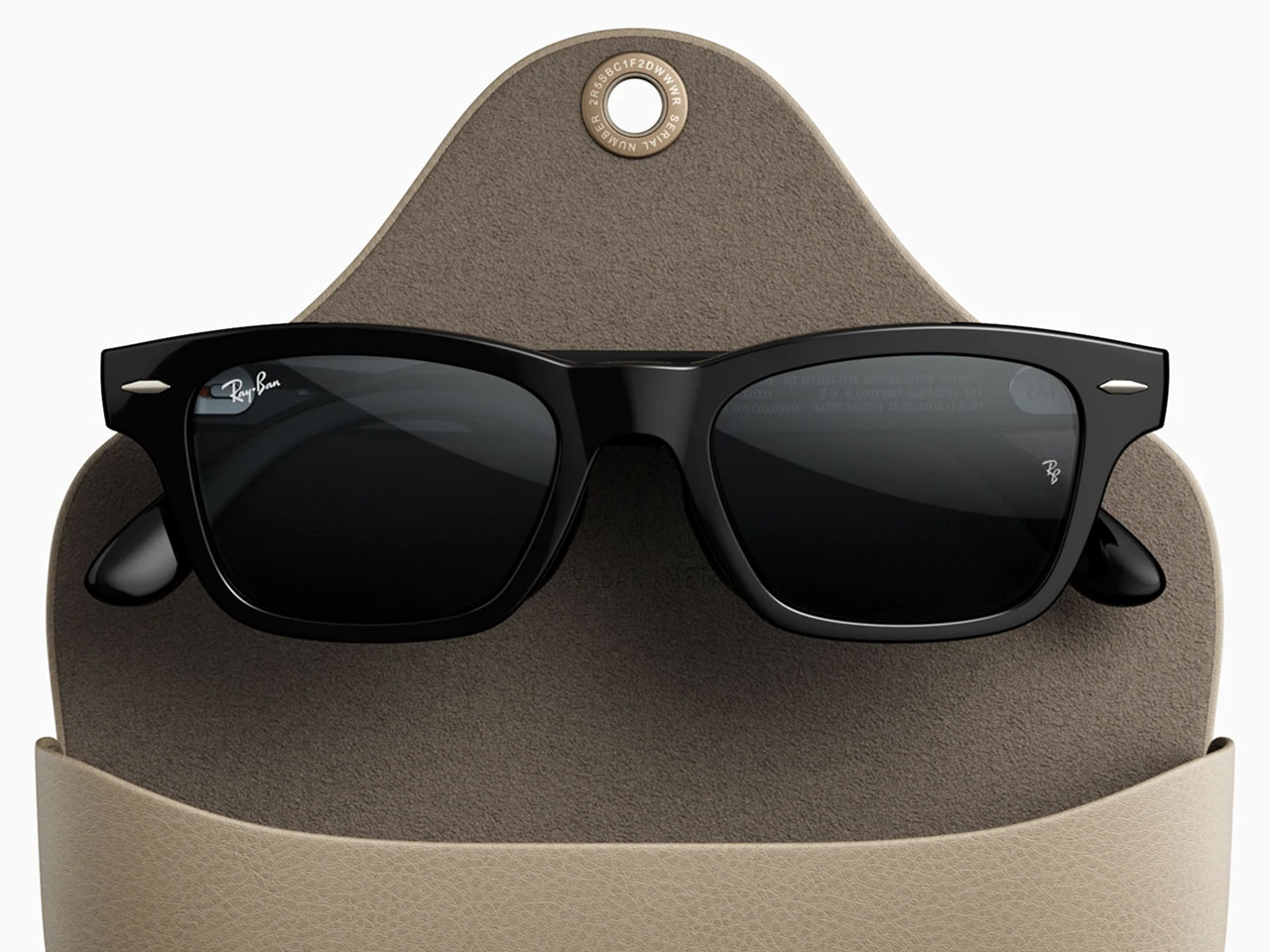
Meta has launched the audio smart glasses in two Clubmaster and Burbank designs. They weigh only 43 grams and feature thinner temple arms. The arms and the nose pads are adjustable to different face cuts and contours. The Ray-Ban Meta Audio Glasses, with support for a wide range of prescription options, are likely to begin shipping on October 13 for a $349 entry price.

SHARE