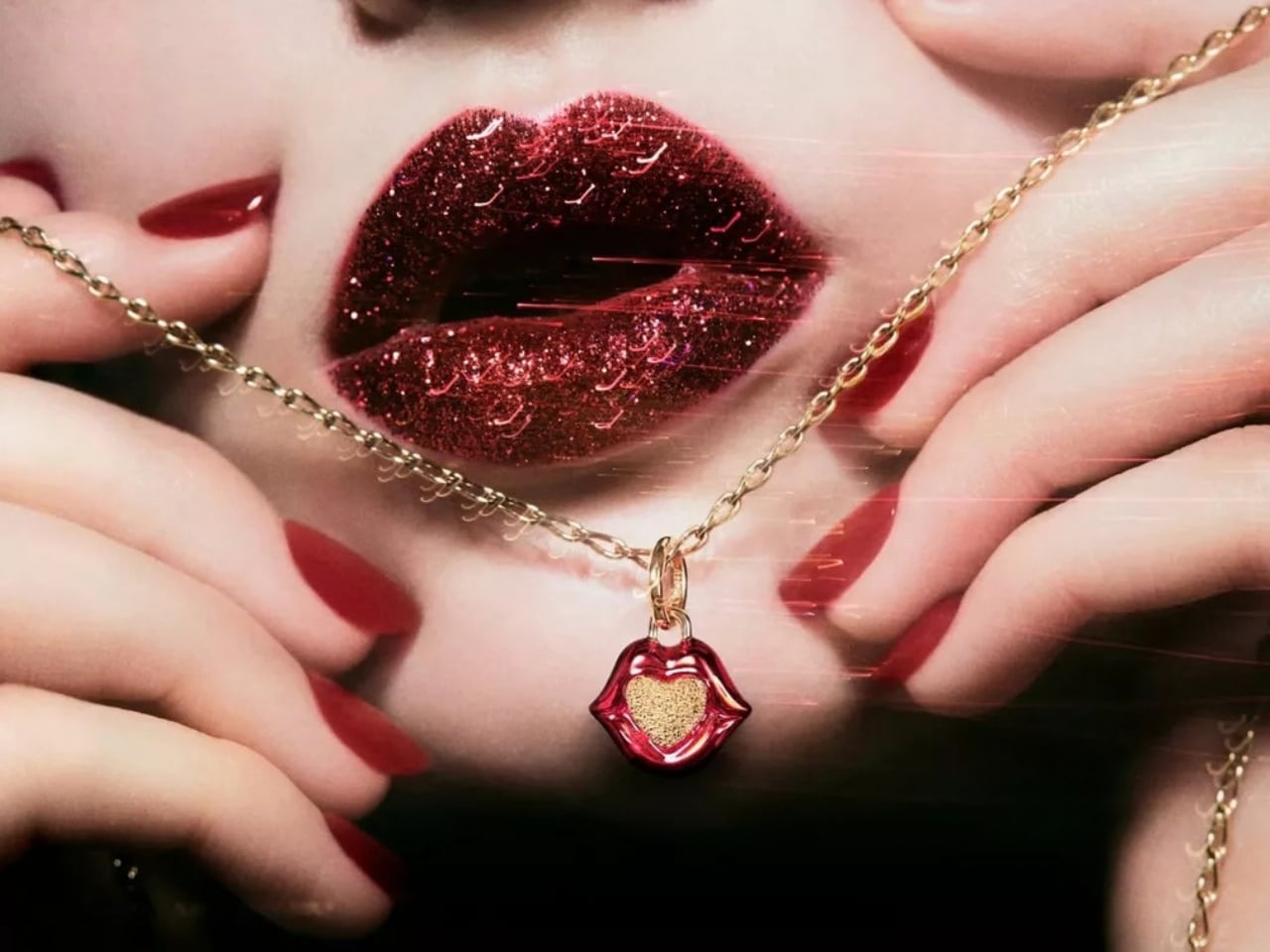
I sometimes have to reapply the same lipstick four times in one afternoon and still walked out looking like I hadn’t worn any at all. That’s the quiet tax of makeup: the color is gorgeous for exactly as long as you remember to maintain it, and the second you forget, the whole effect disappears with your coffee cup. Pandora and Pat McGrath just designed around that problem entirely, and the fix is almost embarrassingly simple. Turn the lipstick into metal. Turn the gloss into a stone. Stop asking anyone to touch it up.
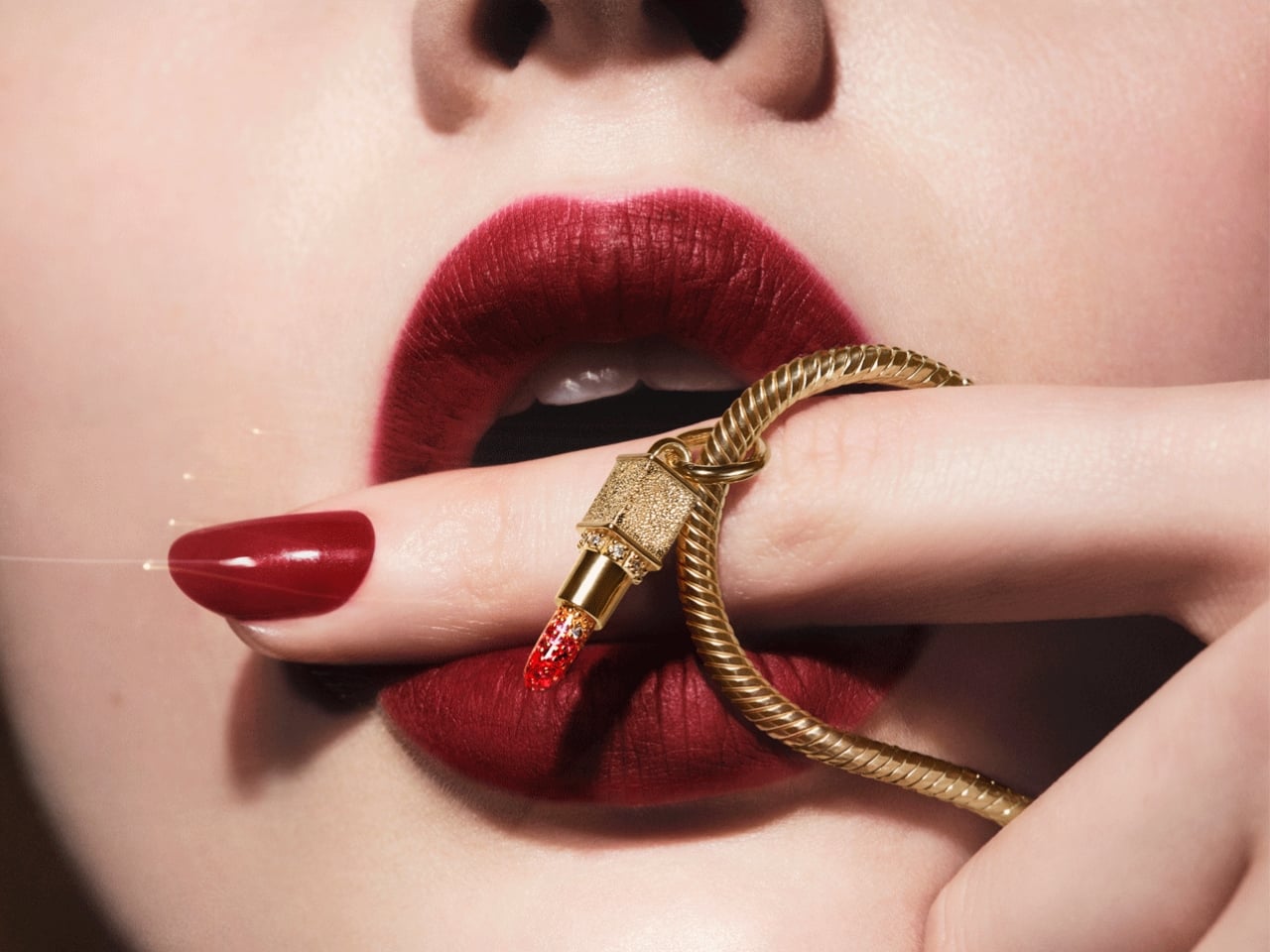
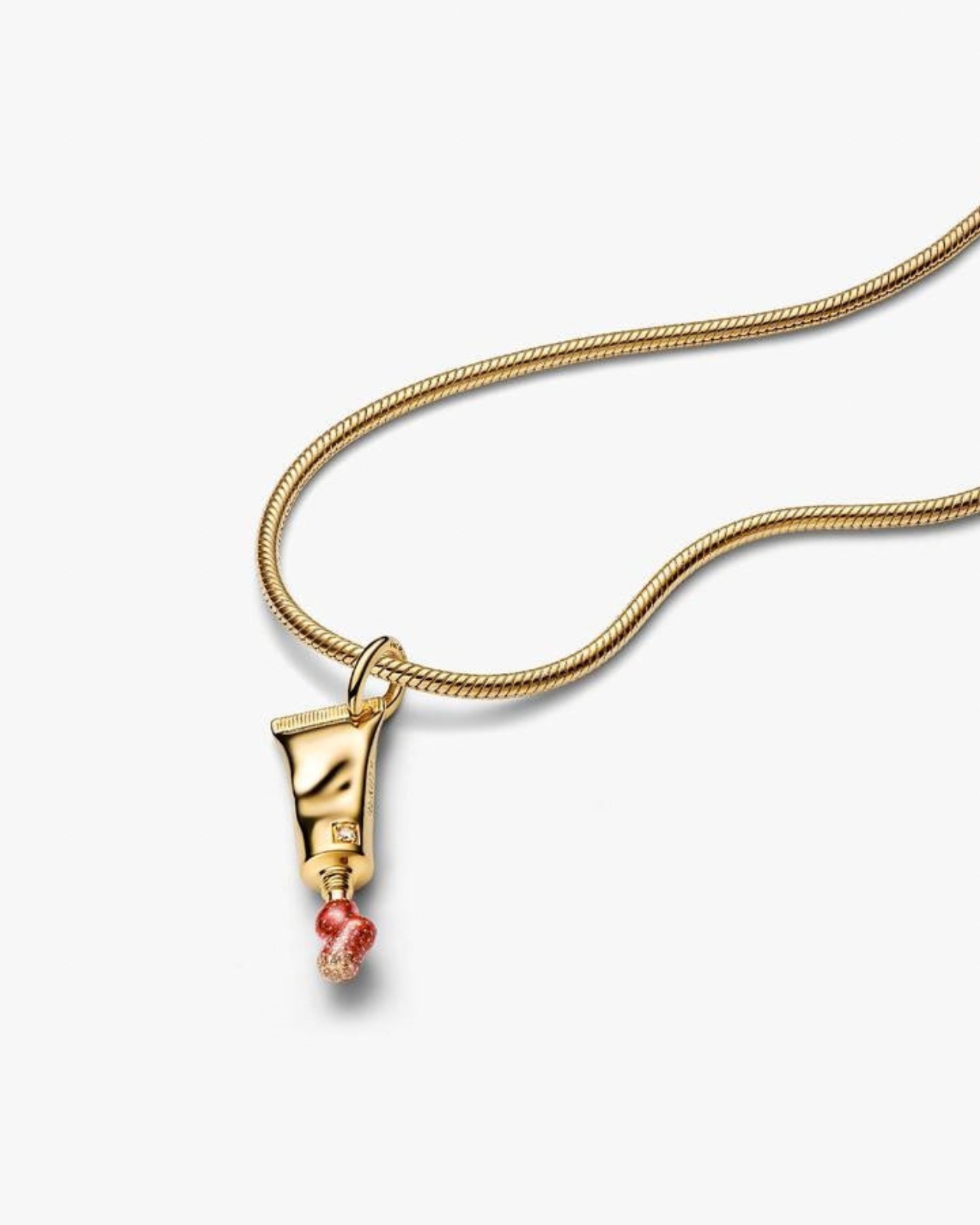
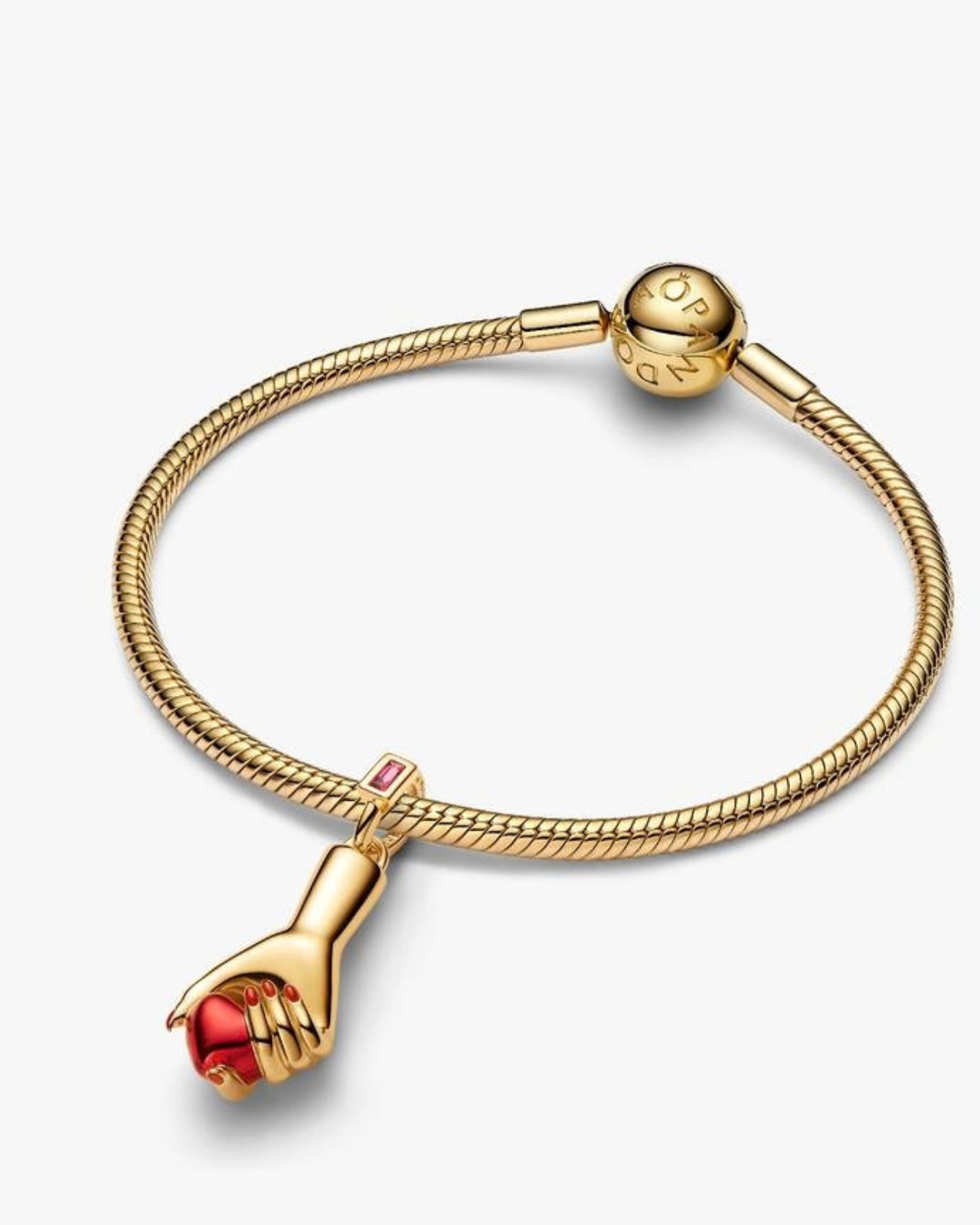
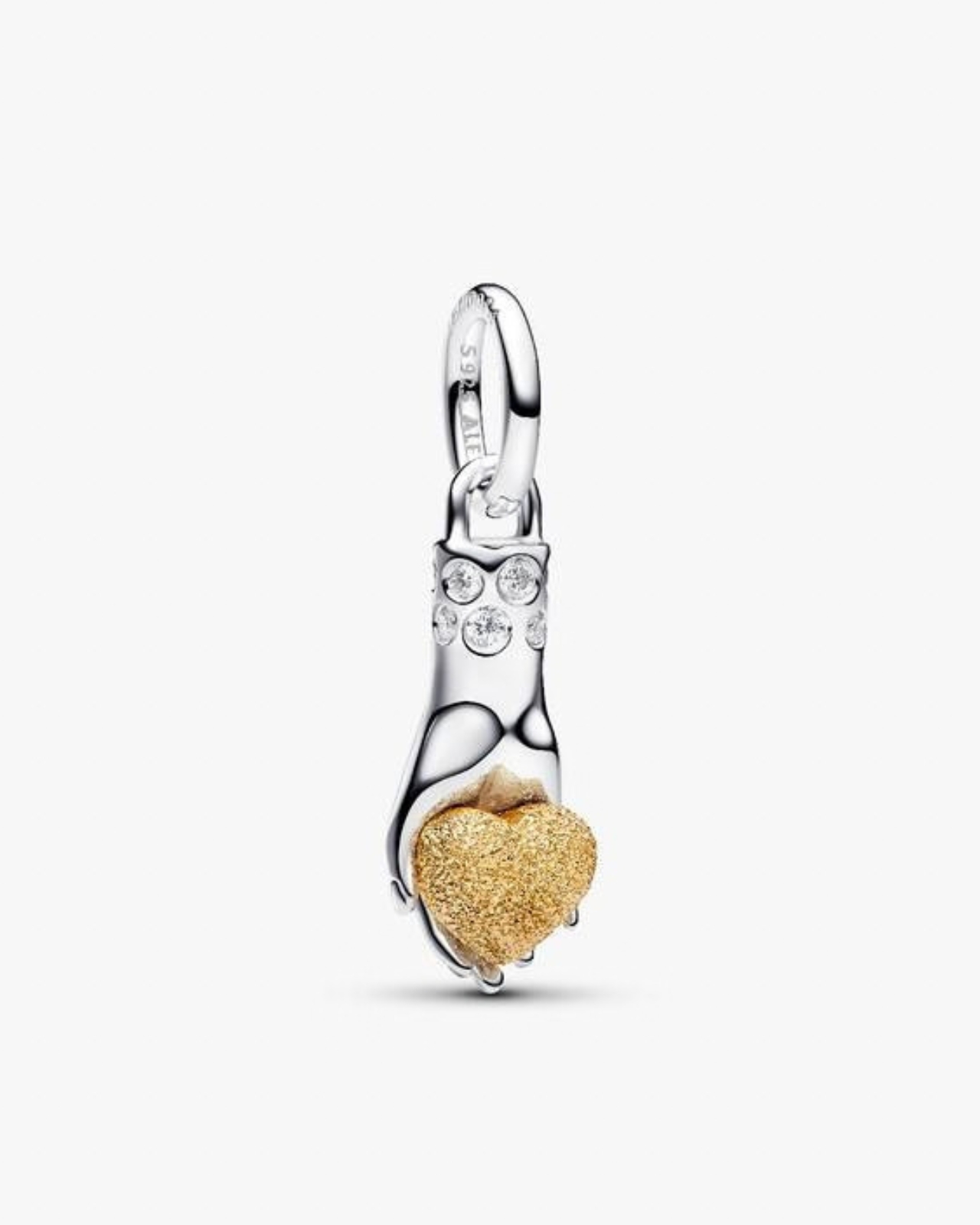
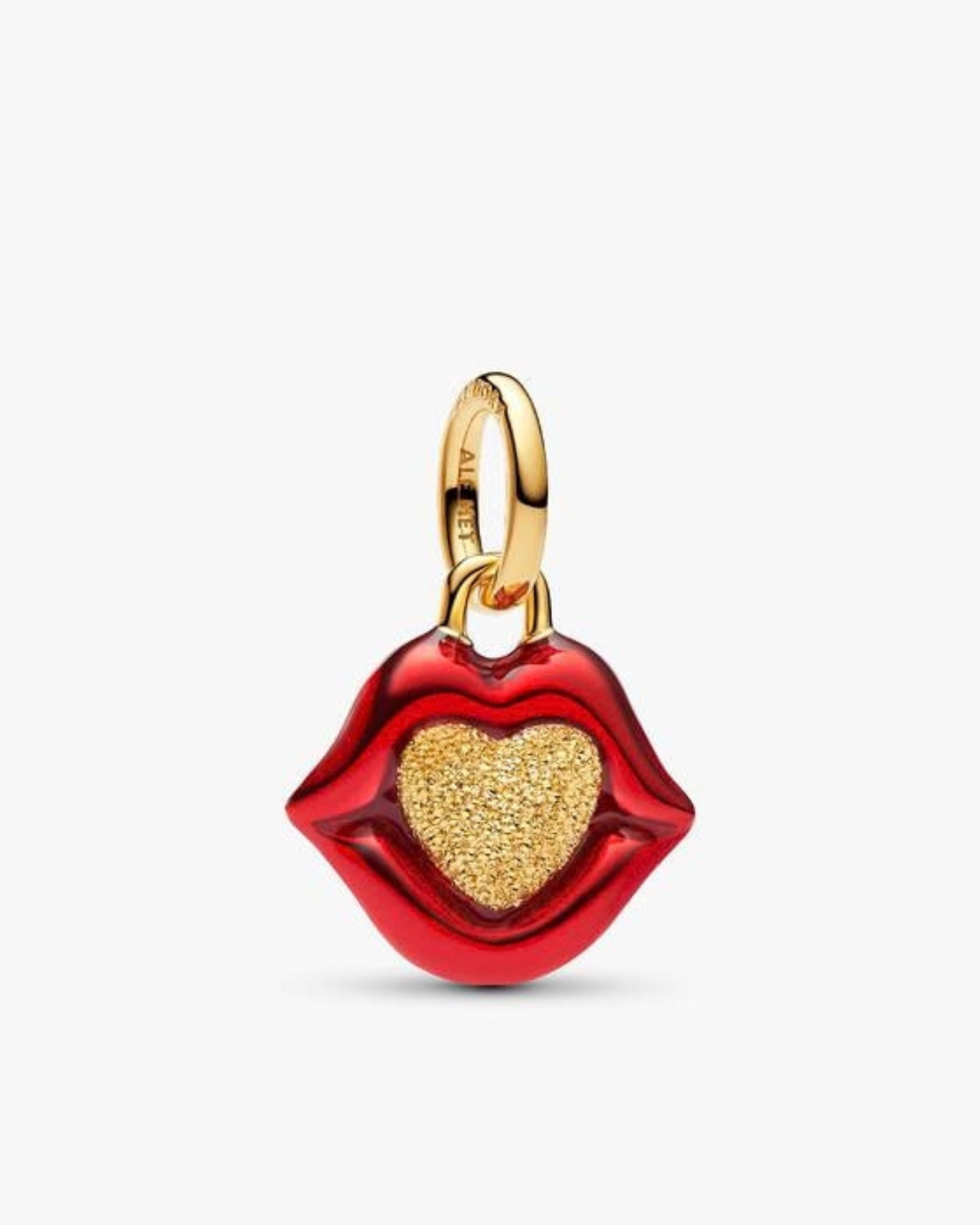
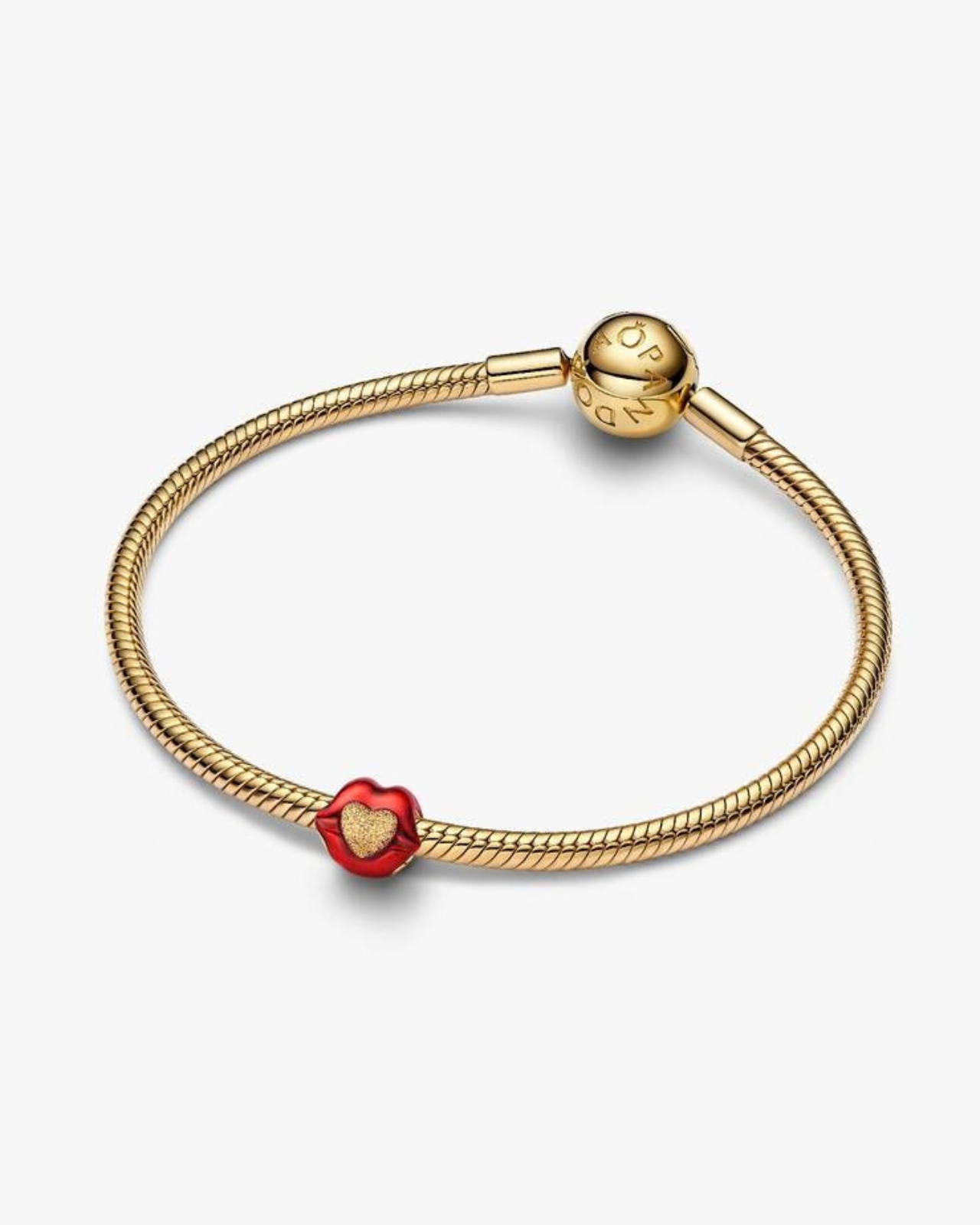
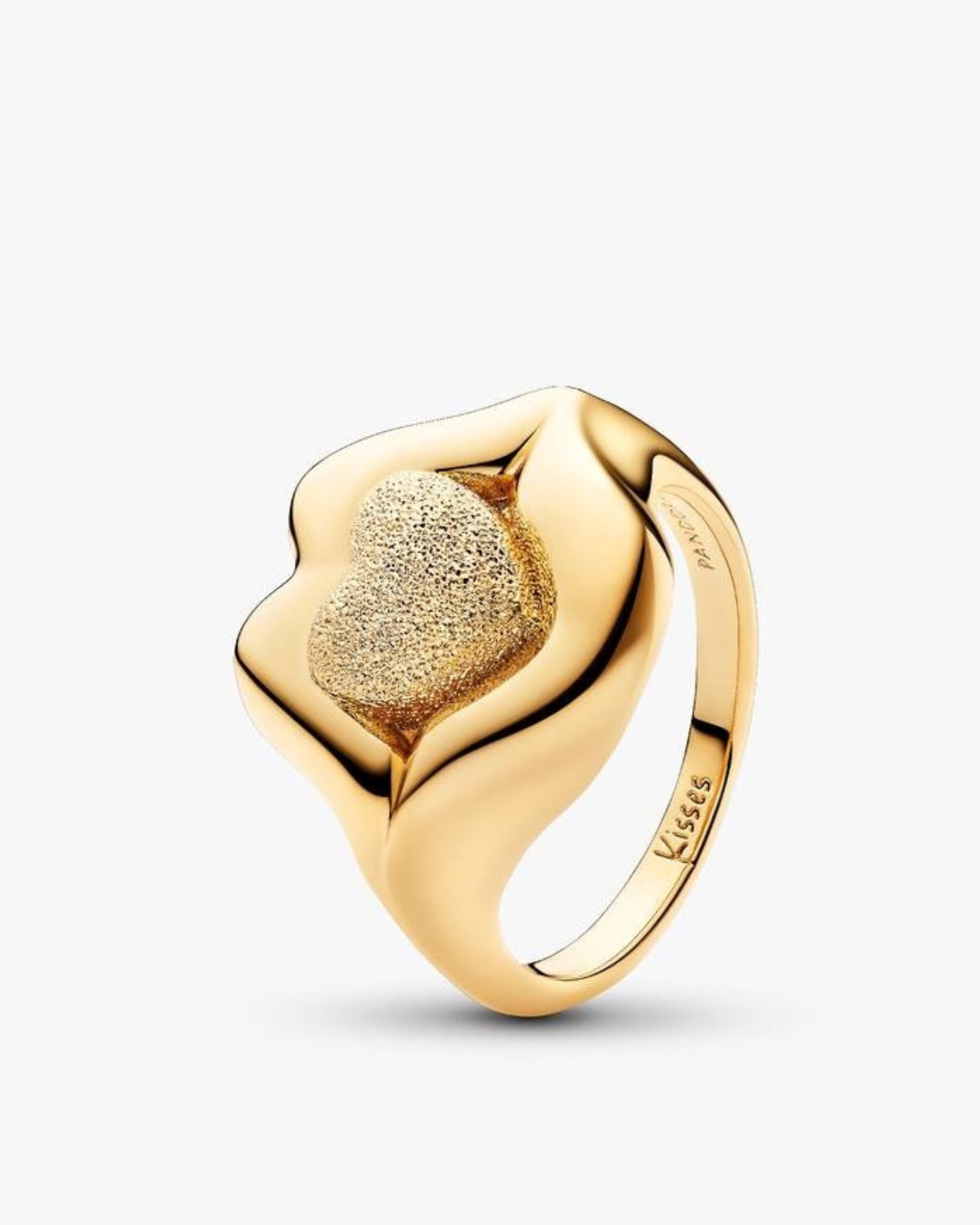
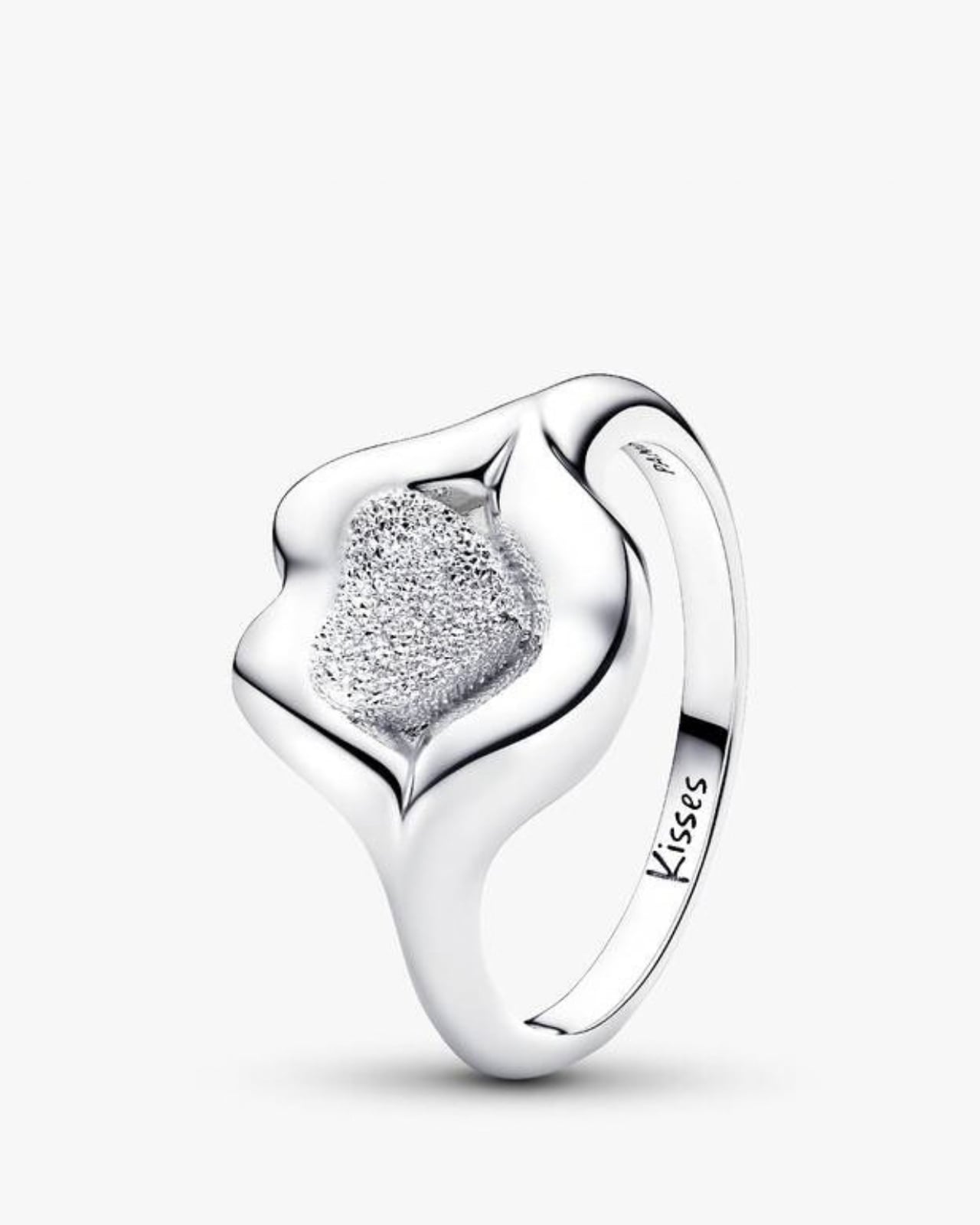
The collaboration launching October 8 is a 17-piece capsule of charms, rings, earrings, and pendants, and it reads less like a jewelry line and more like McGrath’s makeup kit got cast in gold. There’s a lips motif rendered as a signet ring, a beating heart charm, tiny lipstick tubes dangling with crystal detail, medallions stamped with what basically amount to beauty mantras. Prices land between $58 and $200, which keeps it in Pandora’s usual lane of reachable luxury rather than pushing into fine jewelry territory. Sølve Sundsbø shot the campaign, and the imagery has that glossy, high-pigment feel you’d expect from anything with McGrath’s name on it.
Designer: Pat McGrath for Pandora
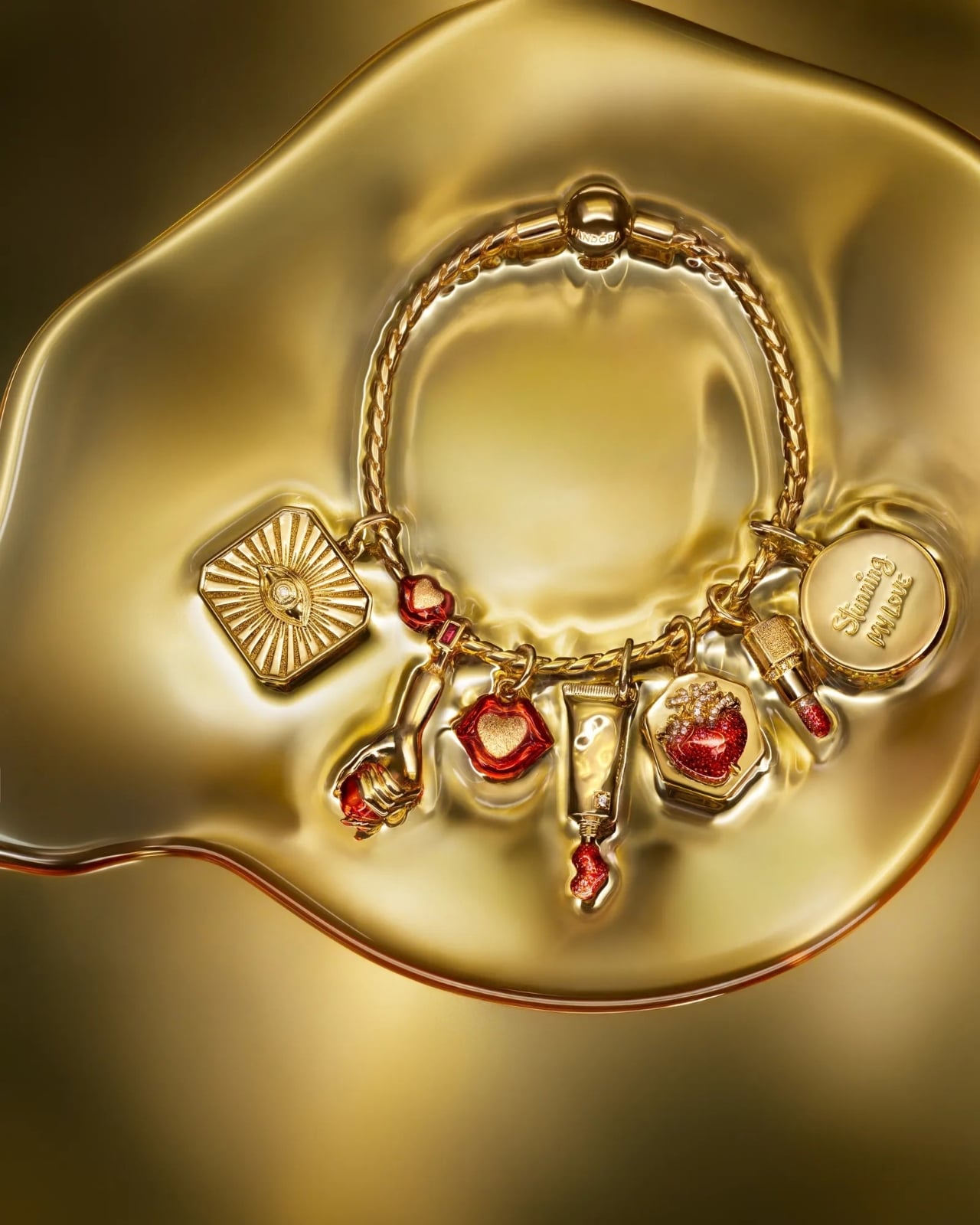
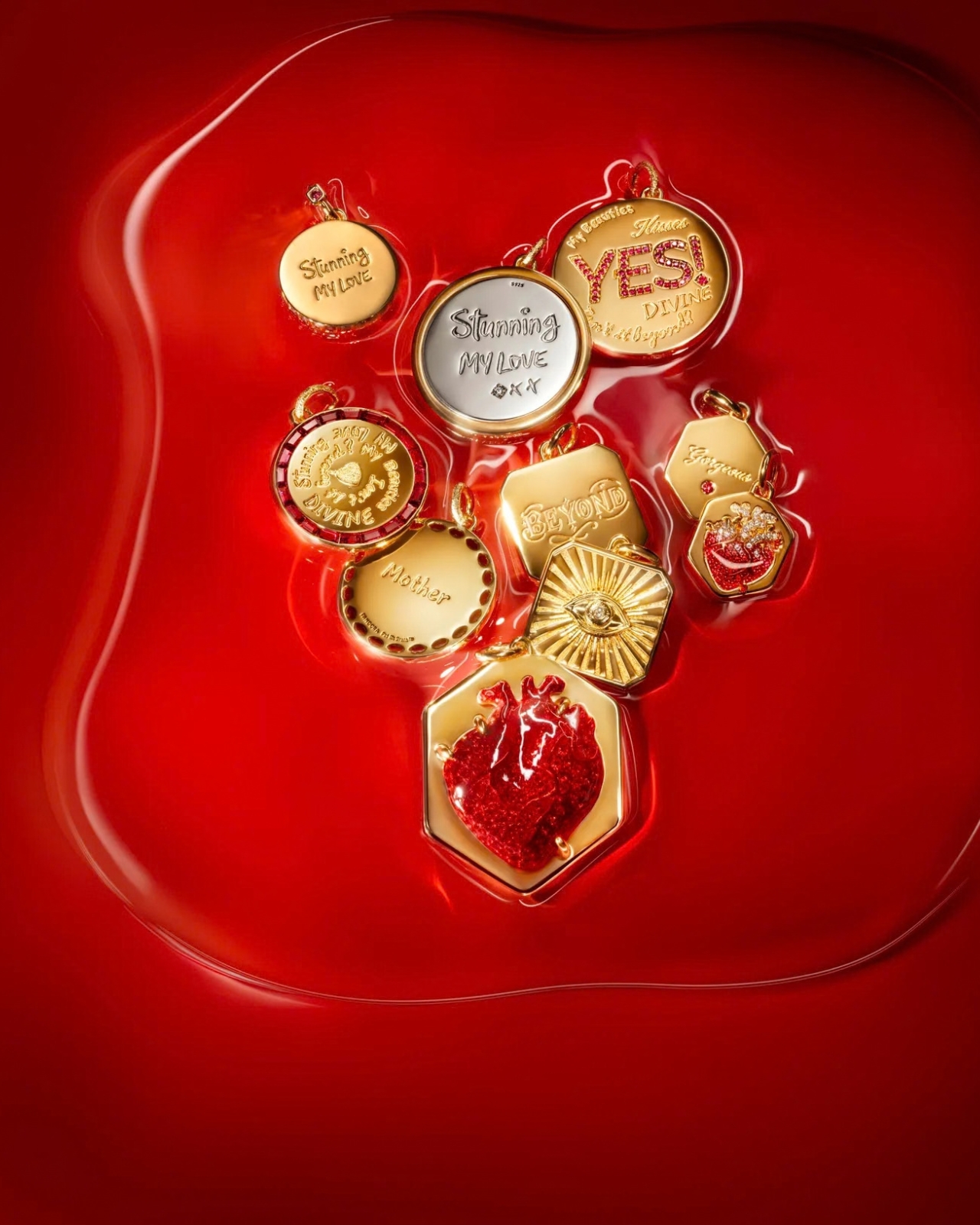
What actually makes this interesting to me isn’t the charm shapes themselves, it’s the design logic underneath them. McGrath told ELLE the process started with color, the same way her makeup work always does, and that she wanted “the visual language of beauty: pure pigment, gloss, crystal, texture and light” to become something wearable rather than something you reapply every three hours. That’s a genuinely different starting point than most jewelry design, which usually begins with a metal or a stone and works backward. Here, the inspiration was a lipstick bullet, a mascara wand, a swipe of gloss, and the challenge was translating something inherently temporary into something that survives a dishwasher, a shower, a decade.
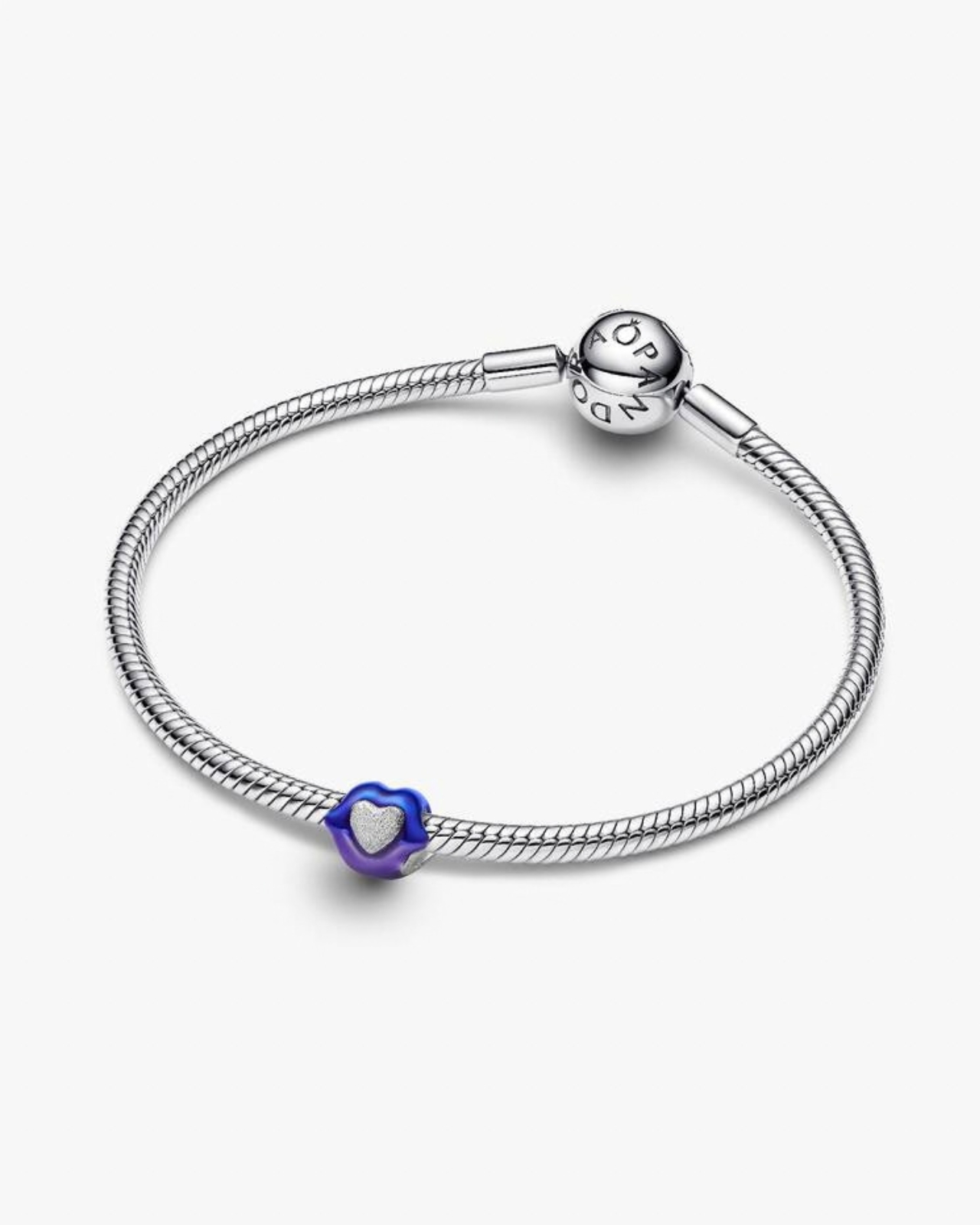
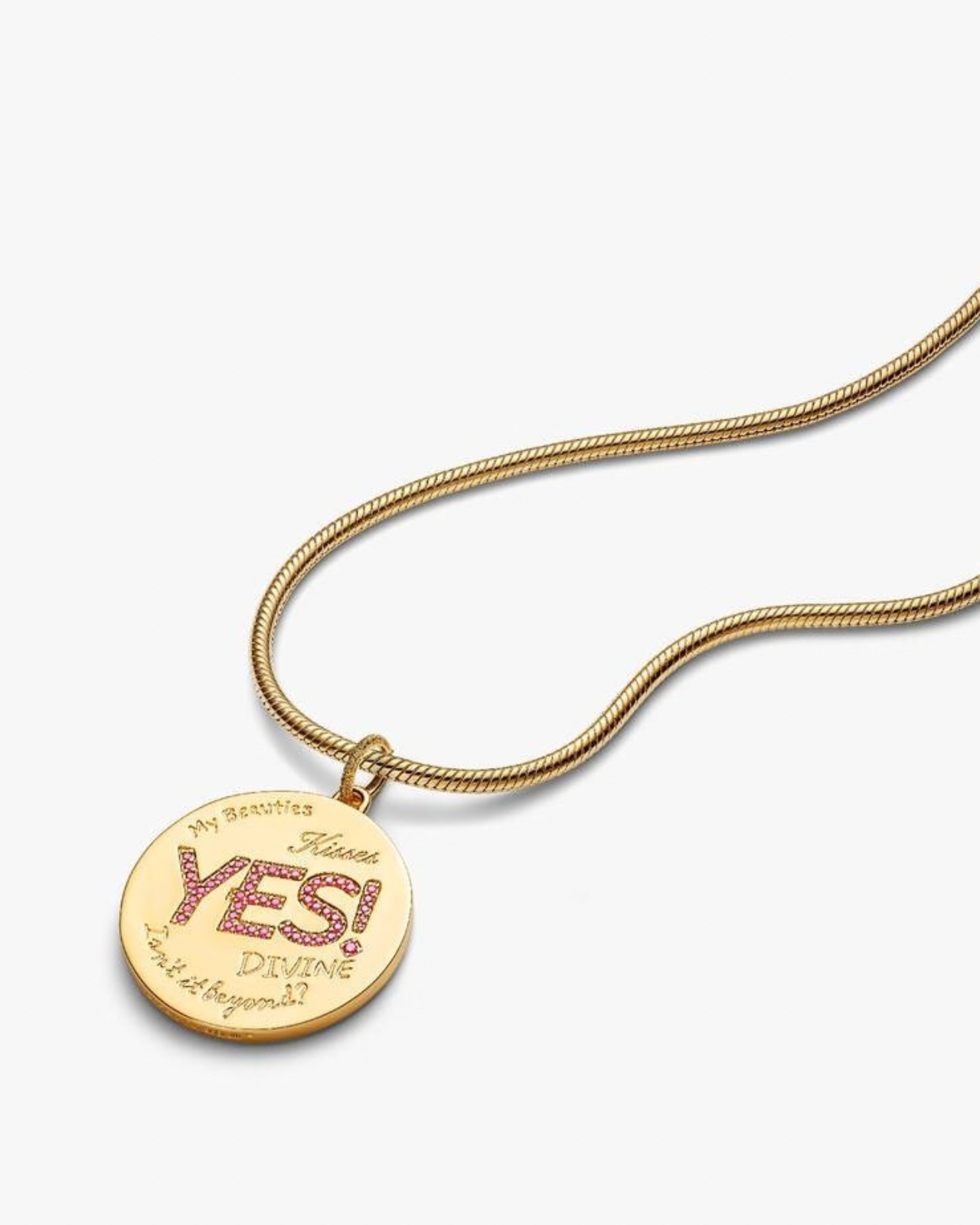
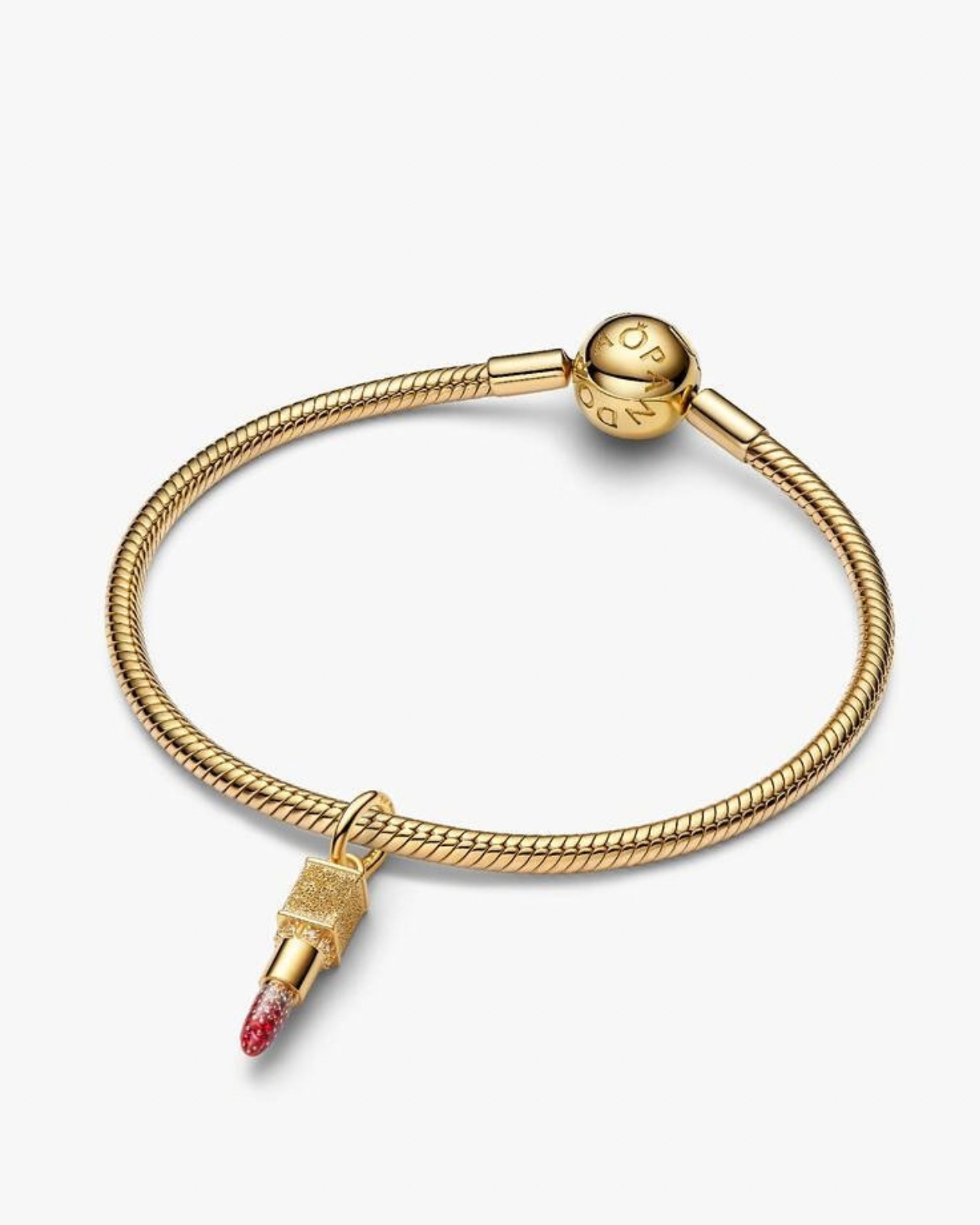
I’ve always thought the actual genius of Pandora’s charm bracelet model was never the charms, it was the permission structure. You build the thing yourself, one piece at a time, and it becomes a low-stakes way to commit to an aesthetic without fully committing to it. Beauty products work on the opposite logic entirely. You buy the palette, you experiment for a week, and then it sits in a drawer because reapplying a full look every morning is, frankly, a lot of effort for most people. This collection quietly splits the difference. You get McGrath’s color instincts and her theatrical, maximalist sensibility, but instead of a fifteen-step routine, you clip on a charm and you’re done until you decide to take it off.
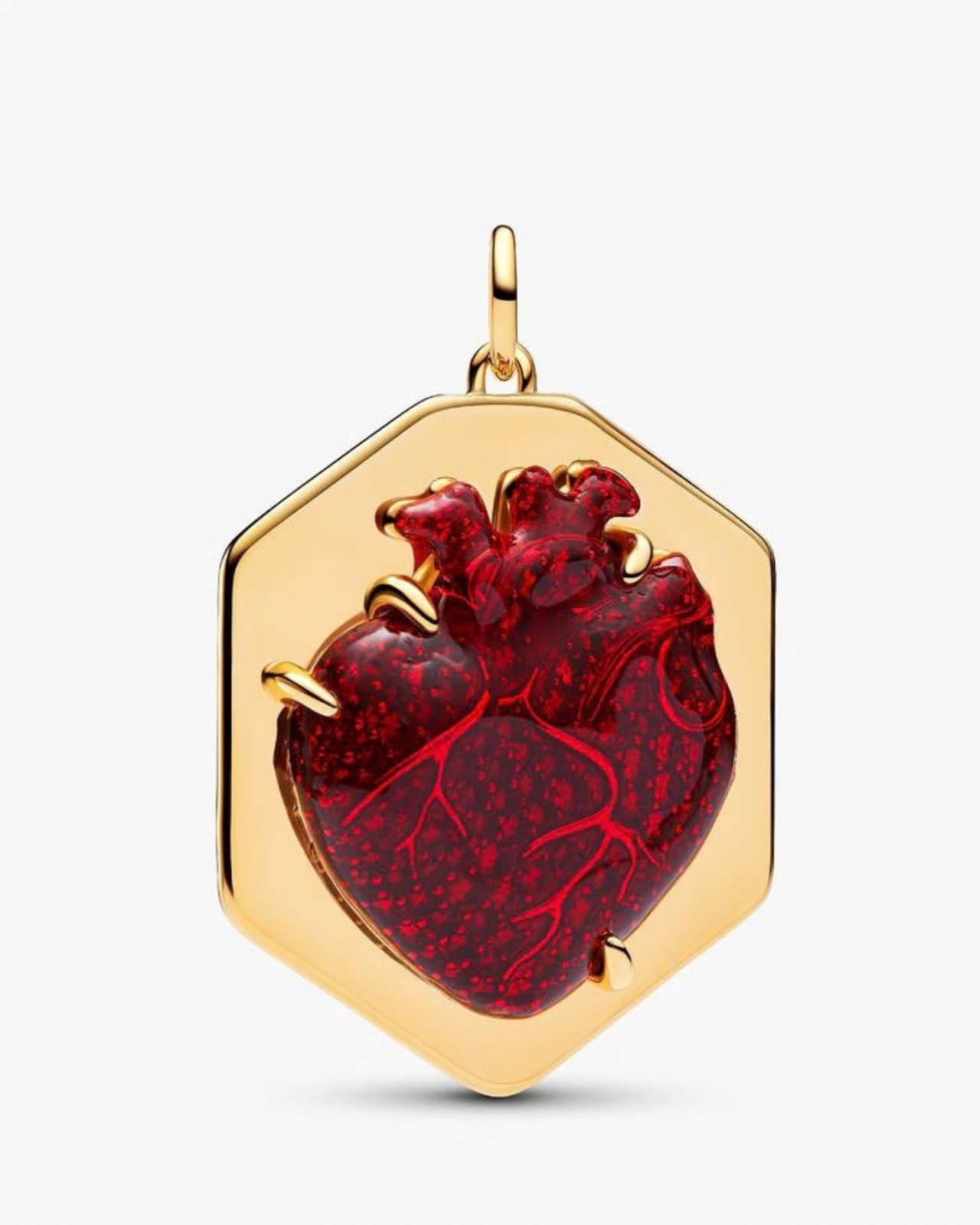
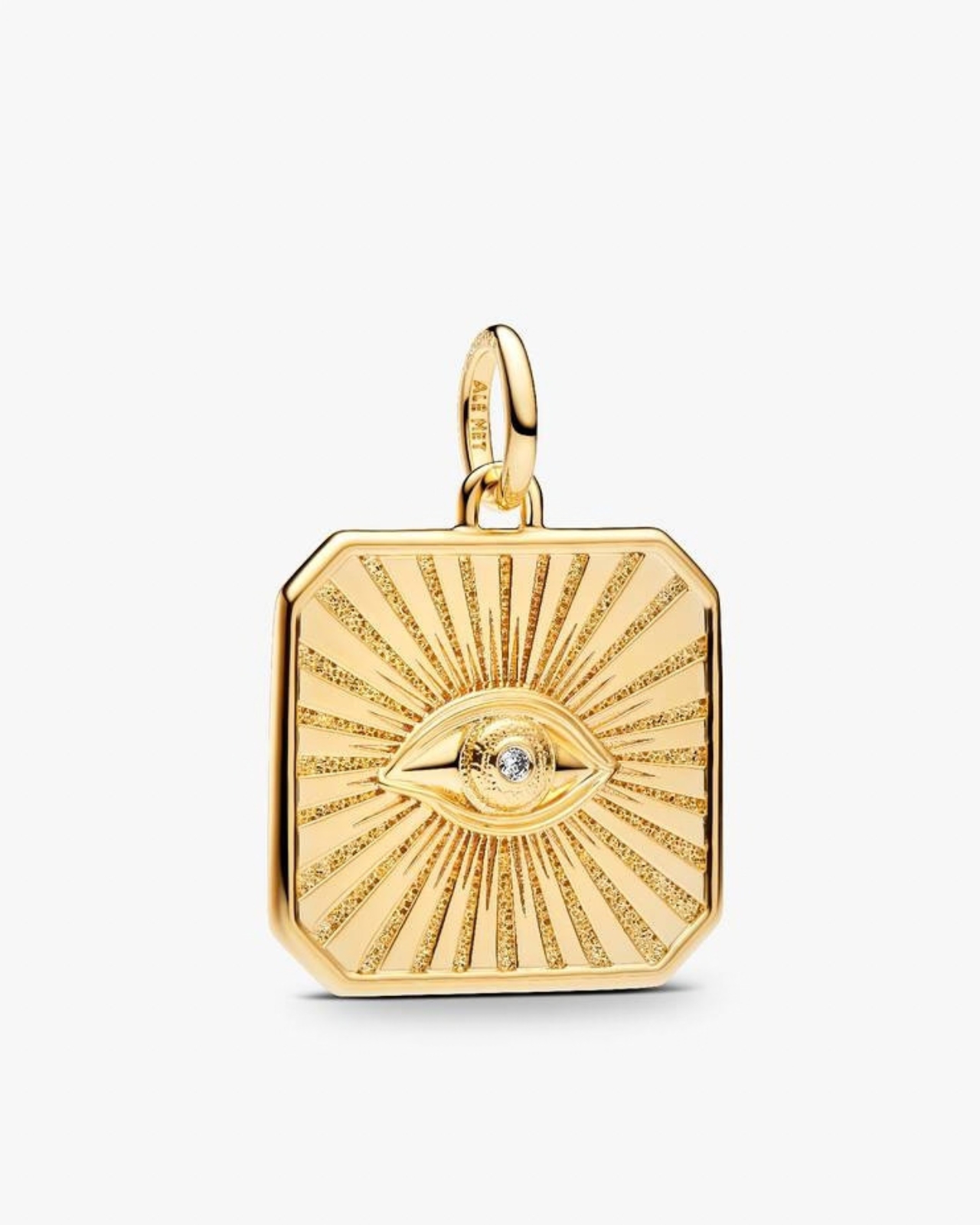
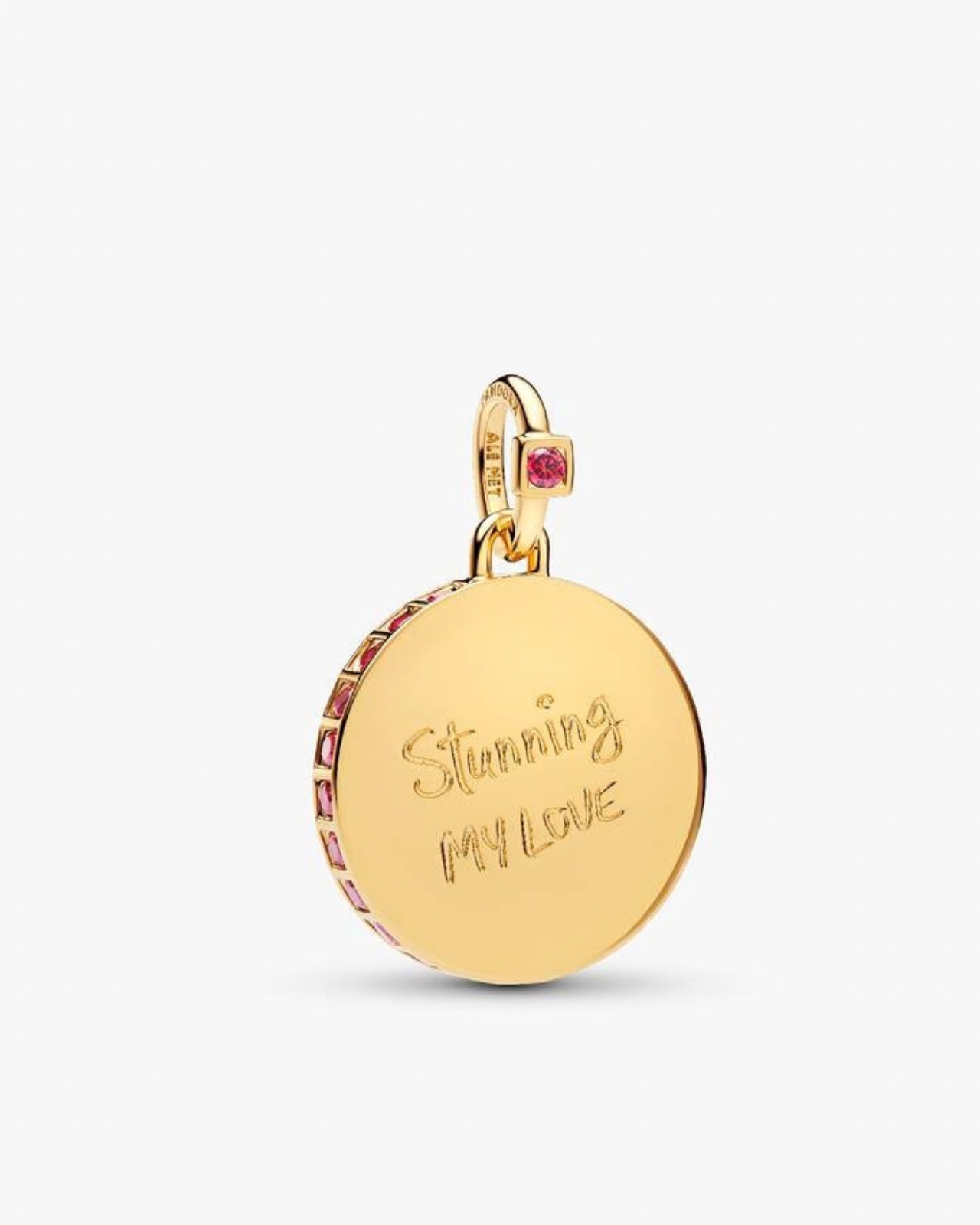
There’s also something honest happening in how McGrath talks about the crossover. She’s described makeup and jewelry as coming from the exact same instinct, the desire to adorn yourself and shift how you feel without changing who you actually are. I don’t think that’s marketing language, I think it’s just true. Nobody puts on a bold lip or a statement ring because they need to. People do it because it changes the story they’re telling that day, and both objects disappear the second you stop wanting to tell that story. The difference is one requires a mirror and five minutes you don’t always have, and the other survives an entire flight, a gym session, a full workday, without a single touch-up.
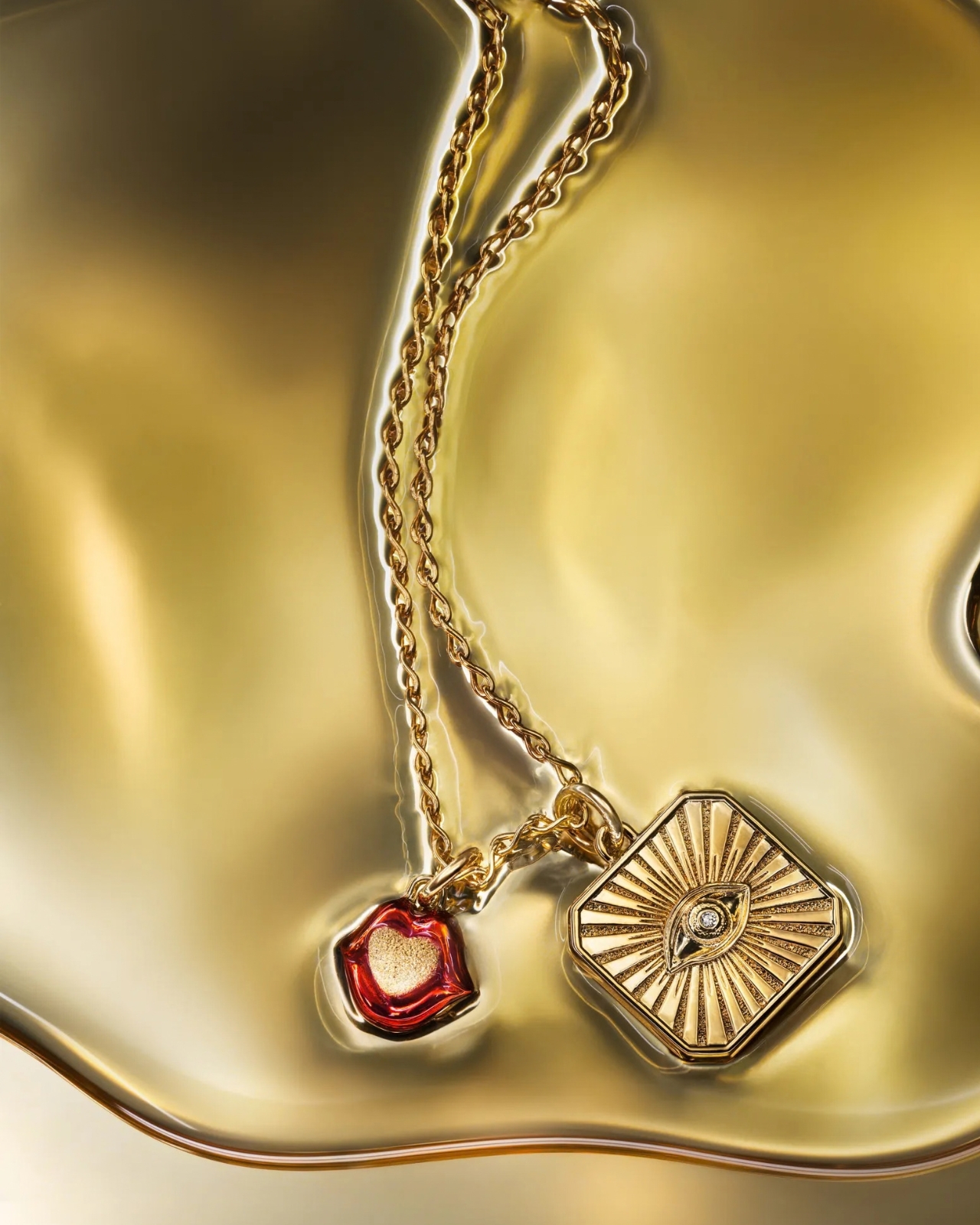
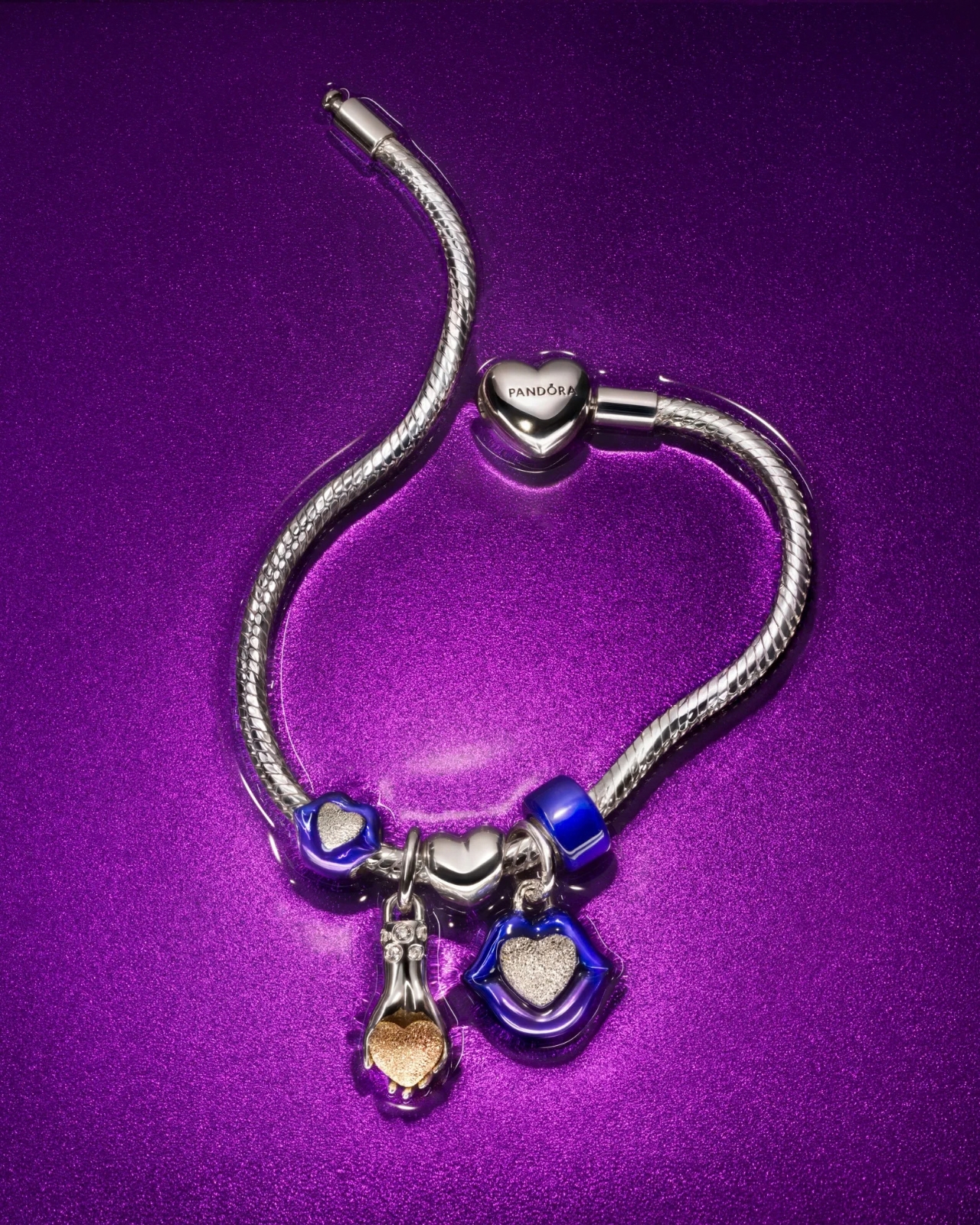
The gifting angle here is obvious and Pandora clearly knows it, timing this for the run into holiday shopping season. But I think the sharper read is what it says about where beauty and jewelry are heading as categories. Cosmetics brands have spent years chasing permanence, tattoo-style brows, semi-permanent lip stains, anything that survives past a single wear. Pandora and McGrath just skipped the science project entirely and went straight to metal. It’s a strange kind of solution, solving a beauty problem with a jewelry answer, and it works precisely because nobody tried it quite like this before.
SHARE