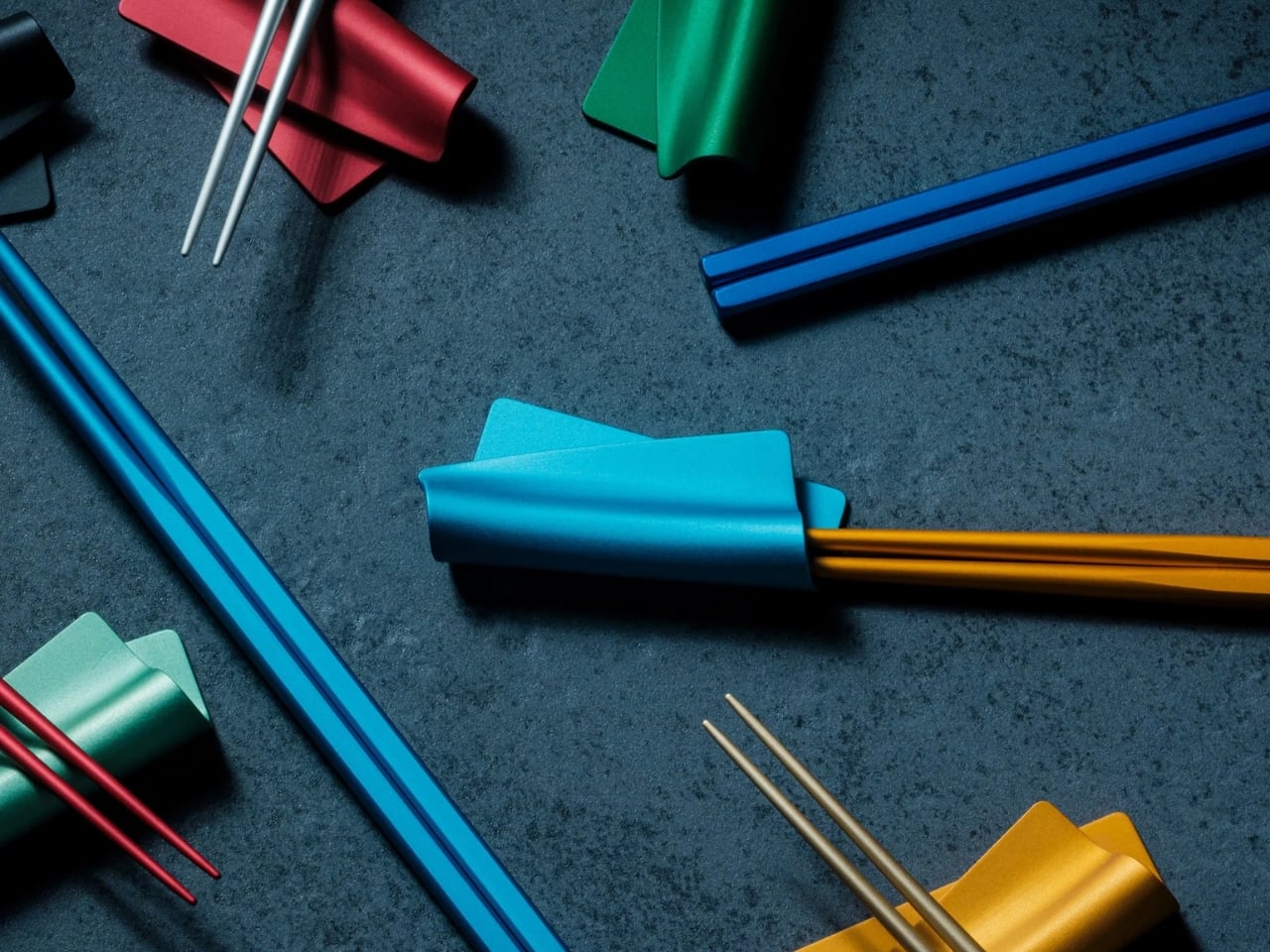
I didn’t grow up in a chopsticks household. Spoons and forks were de rigueur at our table, but once I learned how to use chopsticks, I picked up a pair whenever I could. The only problem? Using chopsticks can get surprisingly stressful. You don’t notice it at first, but the constant rotation against your fingers wears you out as the meal goes on, especially during a long dinner packed with side dishes and food that needs careful handling.
The design team behind the FineLine Aluminum Chopsticks and their matching Chopstick Rest thought long and hard about that exact problem. They put the pair through more than 40 rounds of refinement and trial and error, adjusting tip diameter, taper angle, grip texture, and balance to land on what might be the most comfortable pair of chopsticks you’ve ever held. And if you’re the kind of person who likes things to match, you can pick up a companion chopstick rest finished in the exact same colorway.
Click Here to Buy Now: $30.00 (FineLine Aluminum Chopsticks), $20 (FineLine Choptstick Rest)
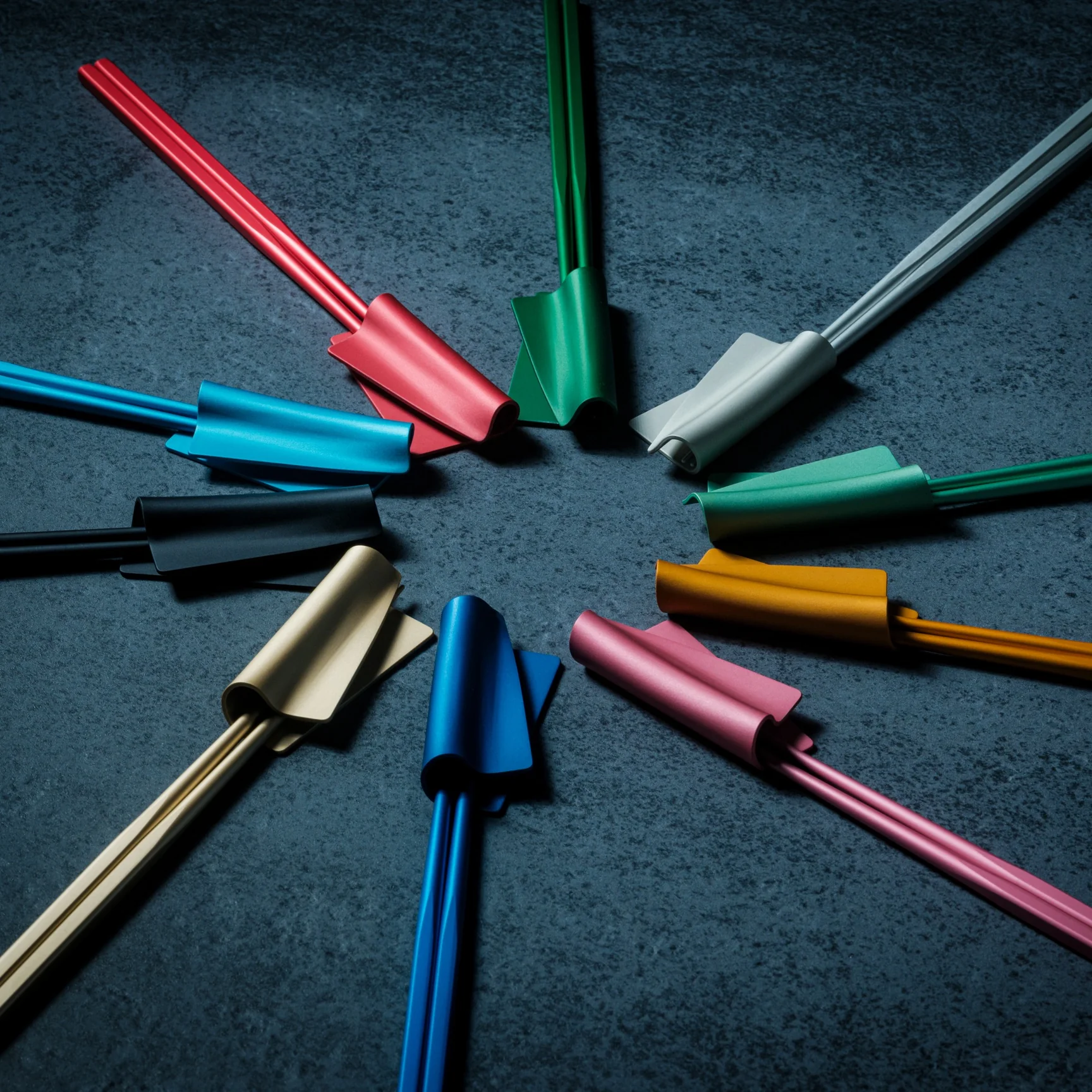
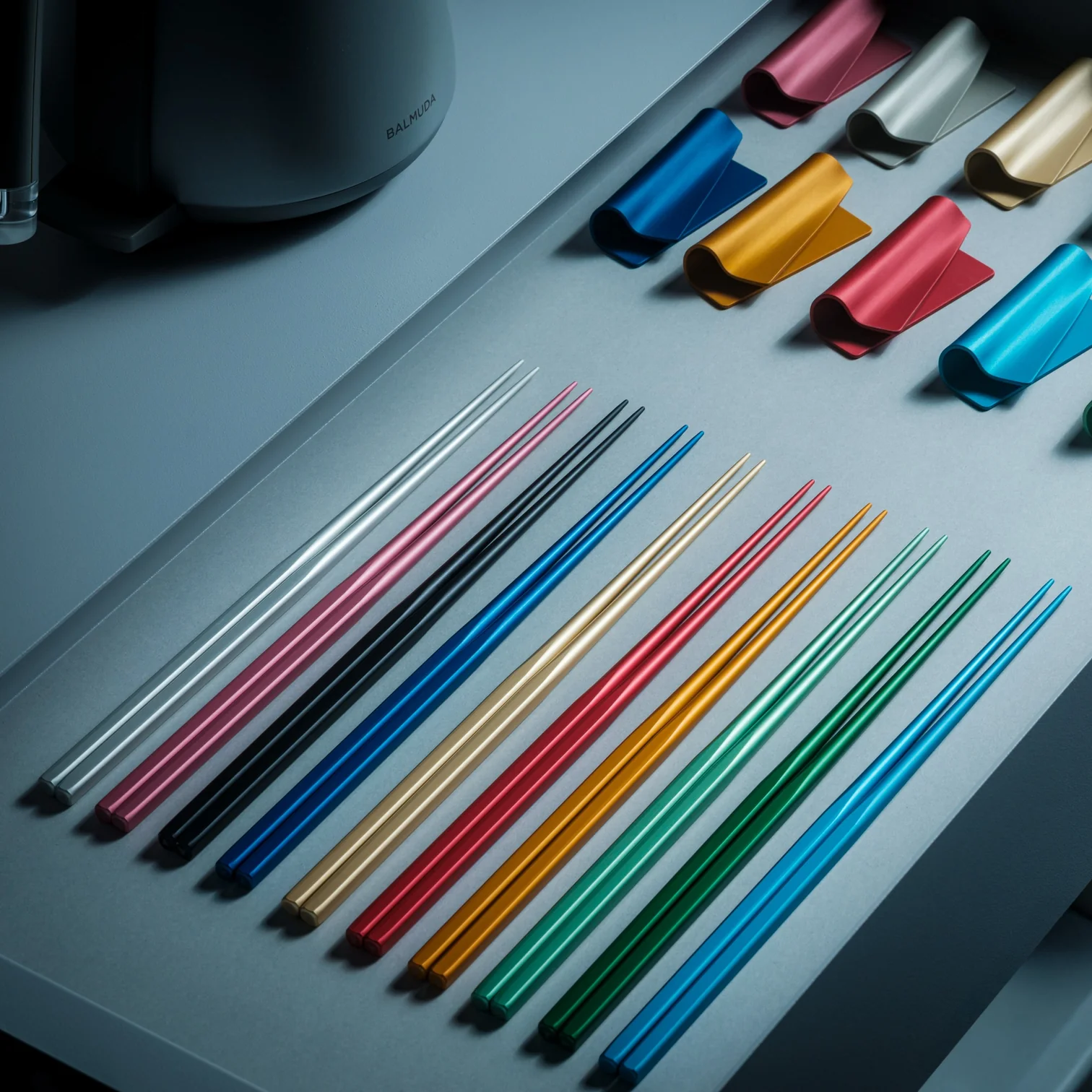
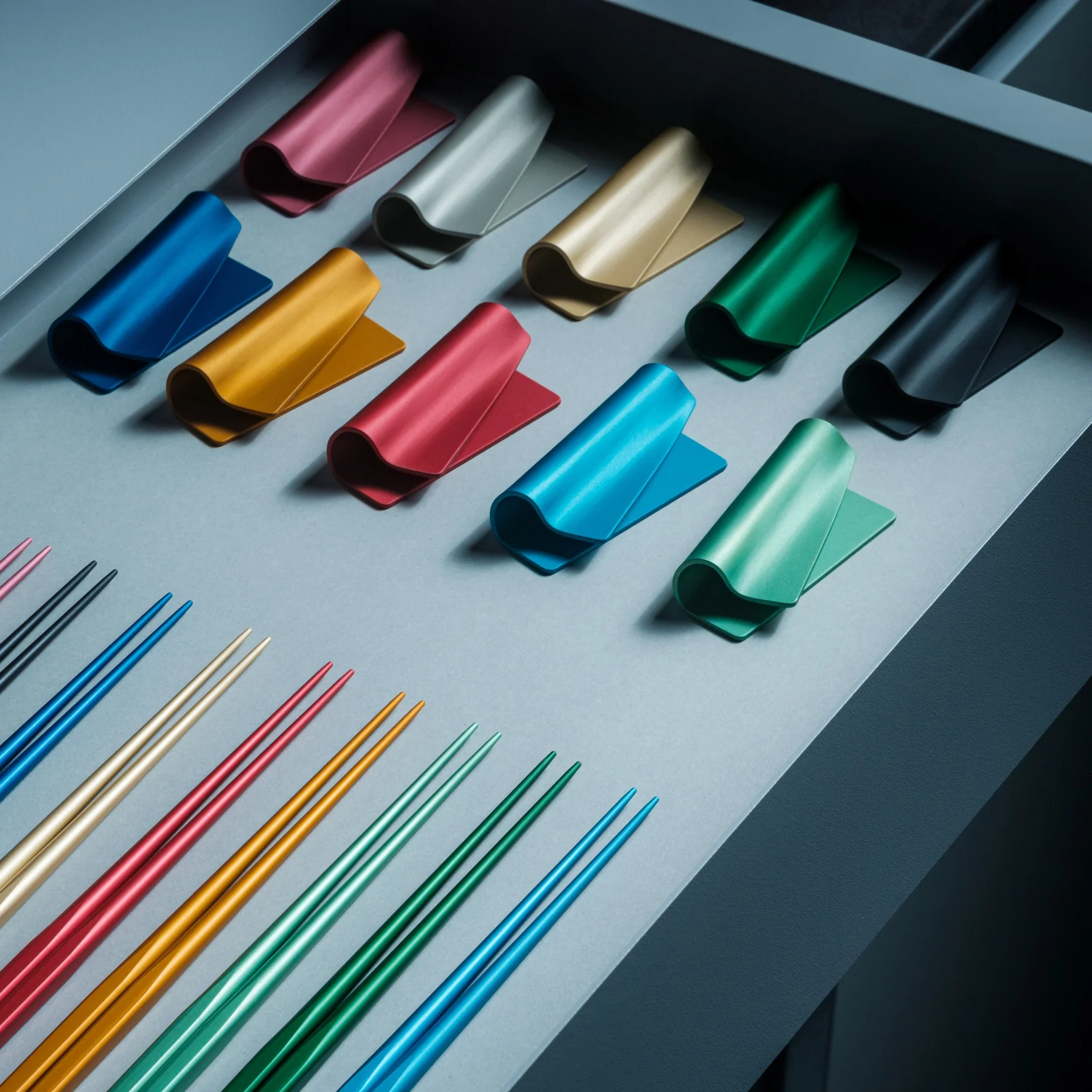
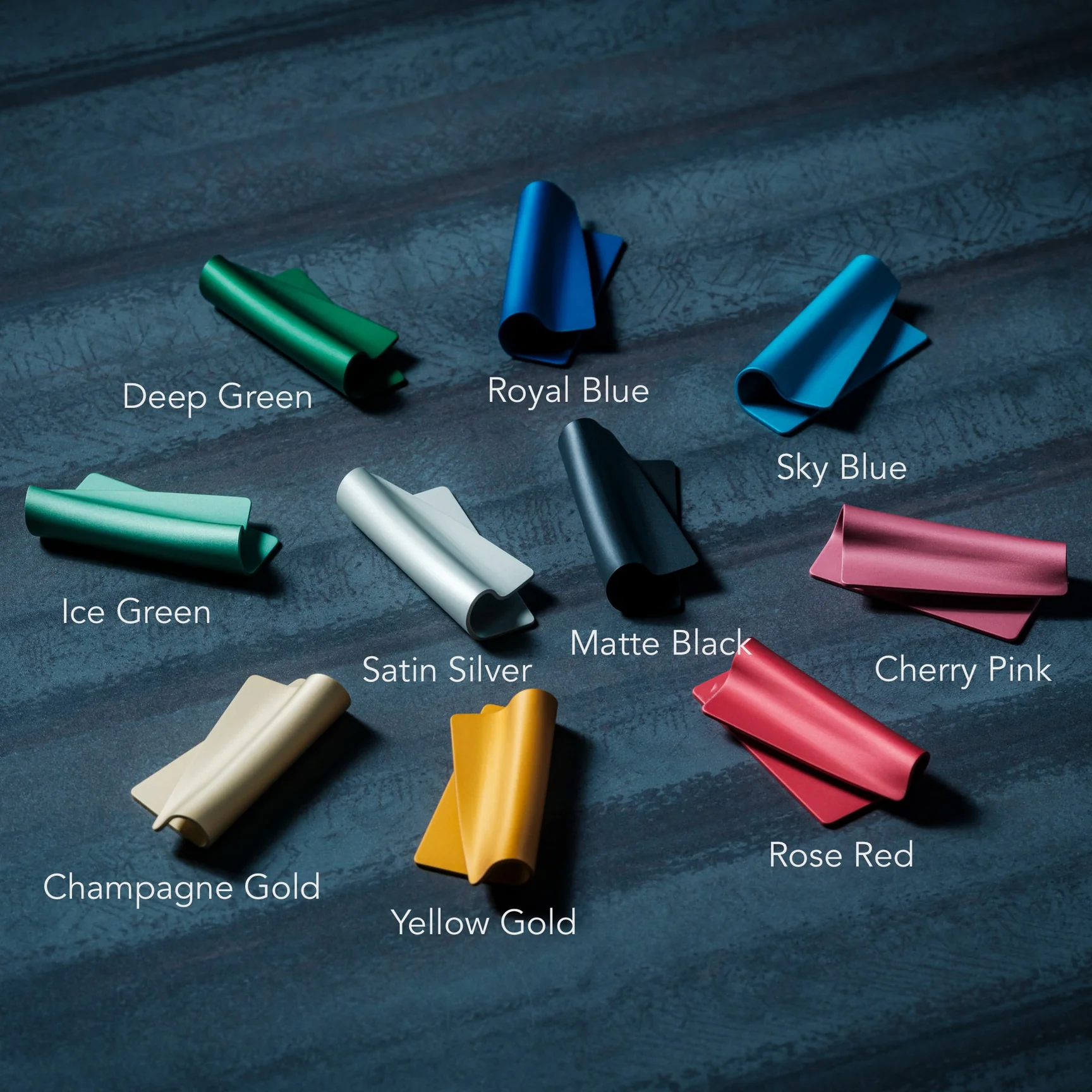
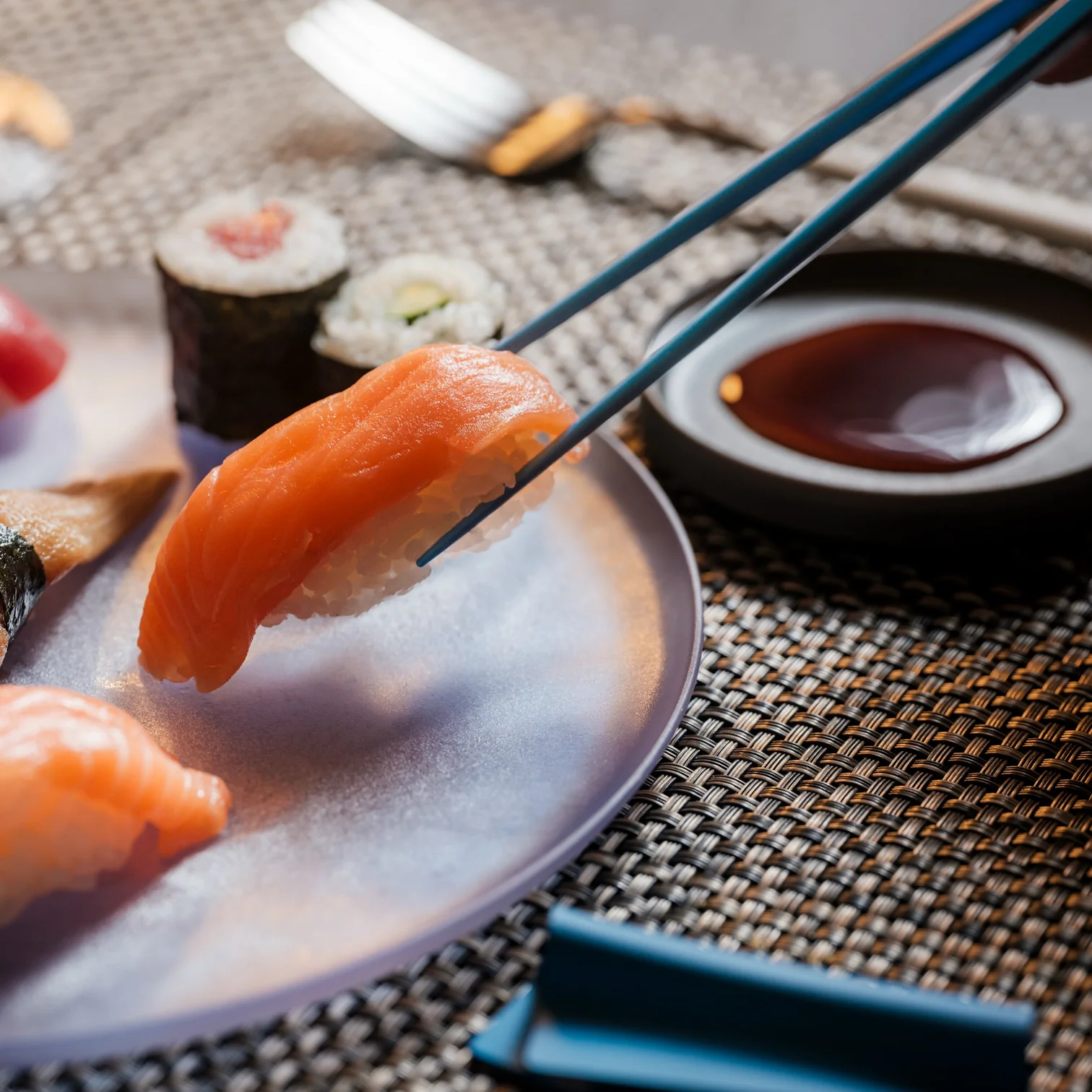
Both the chopsticks and the rest are manufactured in Tsubame-Sanjo, Japan, a region historically known for its precision metalworking, the same craft tradition responsible for some of Japan’s finest cutlery and hardware. The resulting chopsticks are thinner than what most people are used to, but the 1.5mm tip, roughly half the width of a standard chopstick, is engineered to be more stable and precise enough to pick up a single grain of rice cleanly. They’re made from anodized aluminum and are impressively light at just 14.5 grams per stick. You get 10 anodized color options, each with a soft, satin sheen, so whichever shade you pick, you end up with a pair that genuinely stands out on the table.
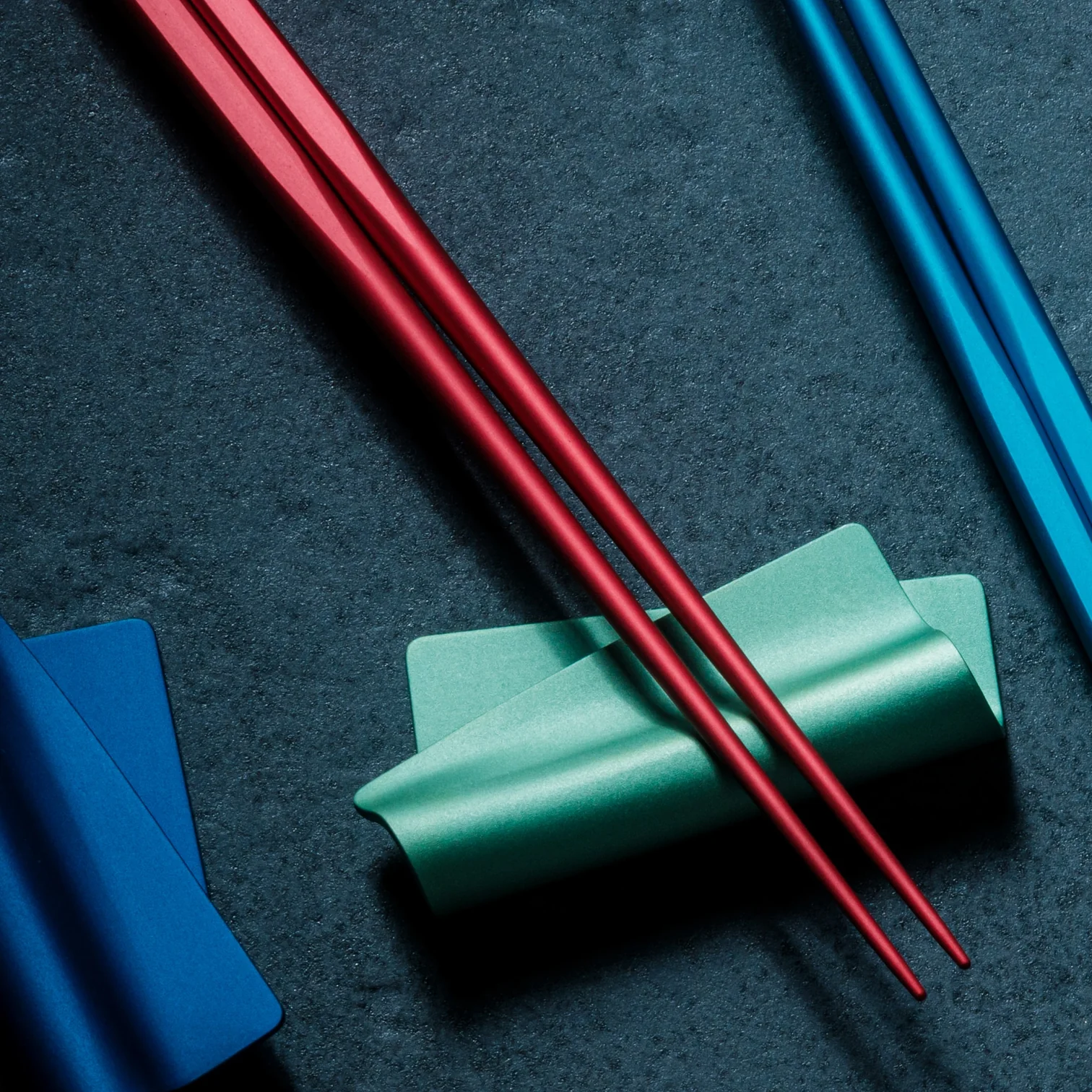
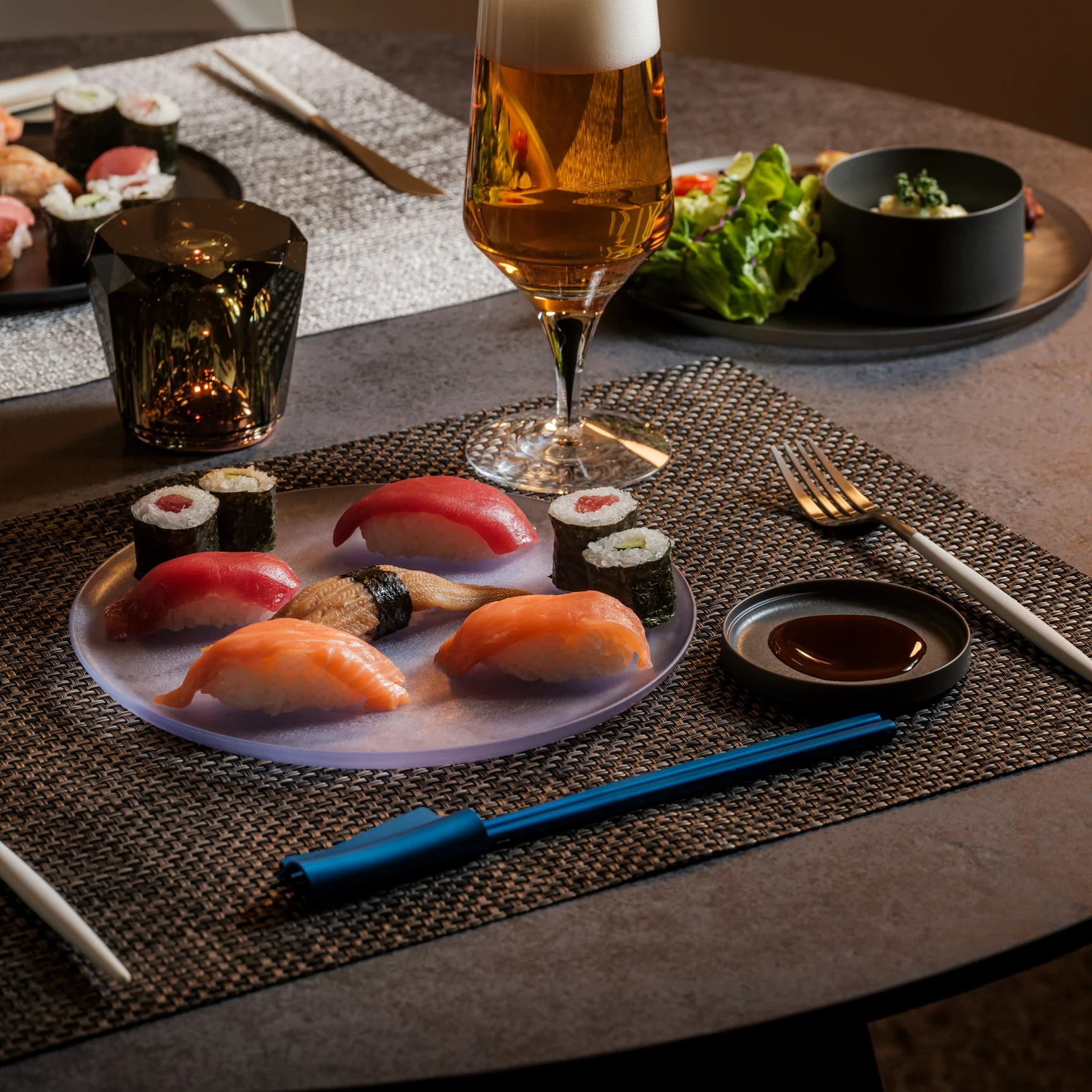
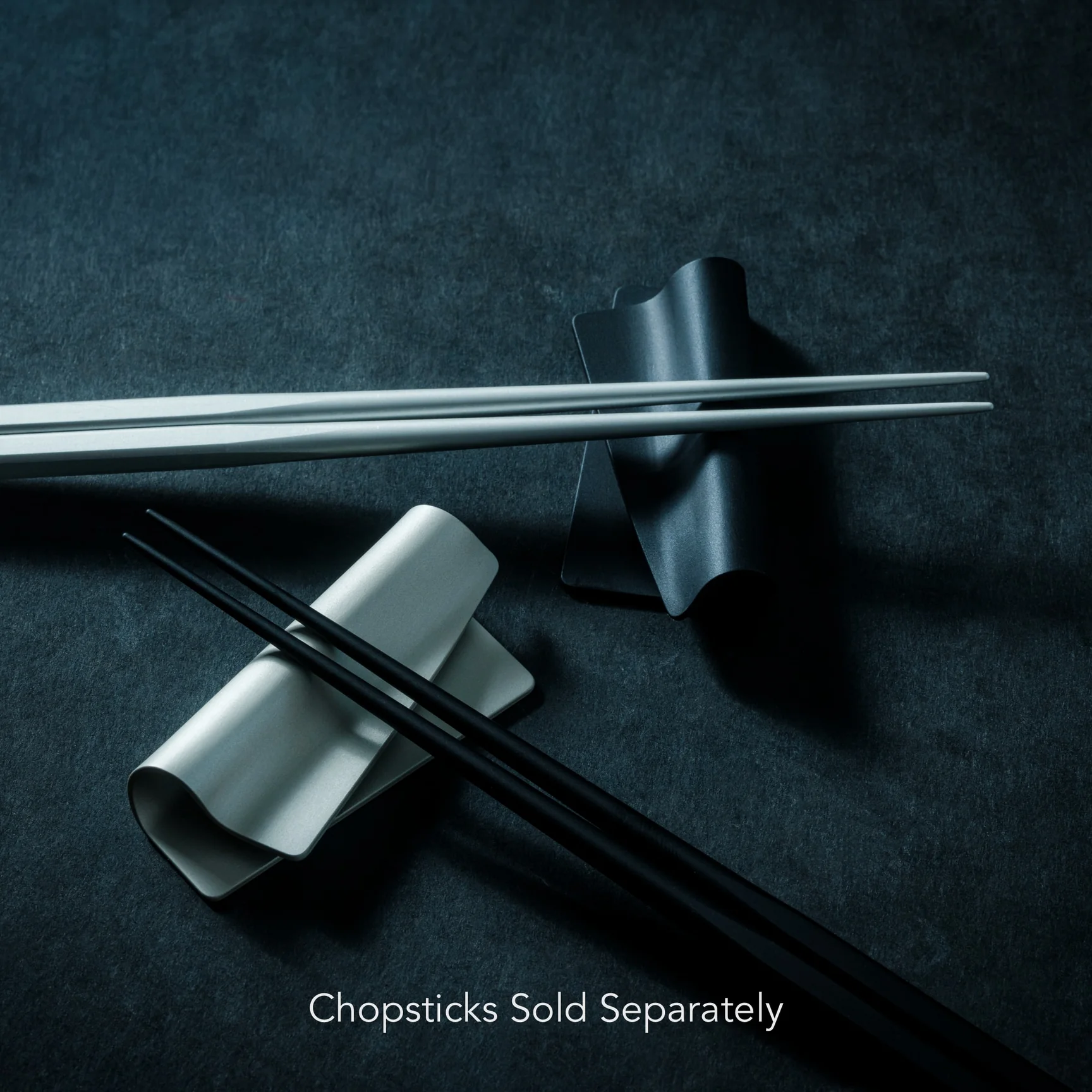
The separately sold Chopstick Rest is also machined from anodized aluminum and goes through the same production process as the chopsticks. It’s shaped specifically to cradle your chopsticks and keep the tips off the table, which is a small but meaningful upgrade if you care about a clean table setting or just like the reassurance of good hygiene. It’s designed to genuinely match your chopsticks rather than function as an afterthought accessory. The colorways line up exactly, so the two pieces read as one system instead of two separate purchases.
So how does this stack up against what’s already out there? Most of us are used to one of two extremes: free bamboo or plastic chopsticks from a takeout order, or a mass-produced set from a big household name like Muji, which sells reliable but fairly generic stainless steel or wood chopsticks in the $5 to $15 range. Those options get the job done, but they’re built for volume, not for the feel in your hand.
The FineLine set, at $30 for the chopsticks and $20 for the rest, sits in a different category entirely. You’re not just paying for aluminum instead of bamboo. You’re paying for 40-plus rounds of engineering aimed at solving a problem most brands never even identified: the constant, tiring rotation that round chopsticks force your fingers to correct for. Even other premium Japanese chopstick makers rarely address grip geometry this directly, which is what makes the FineLine’s faceted, anti-rotation design feel like a genuine innovation rather than a repackaged classic.
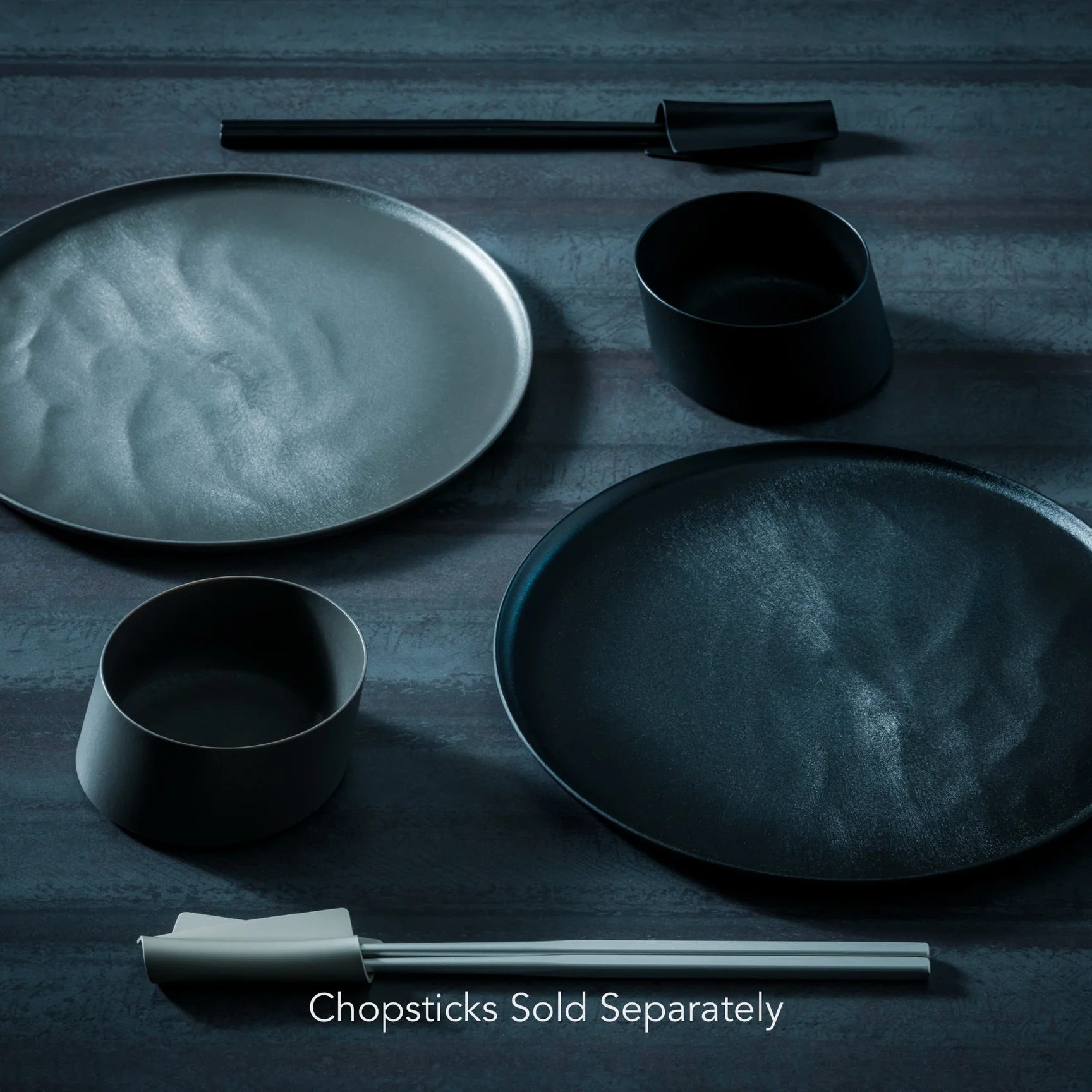
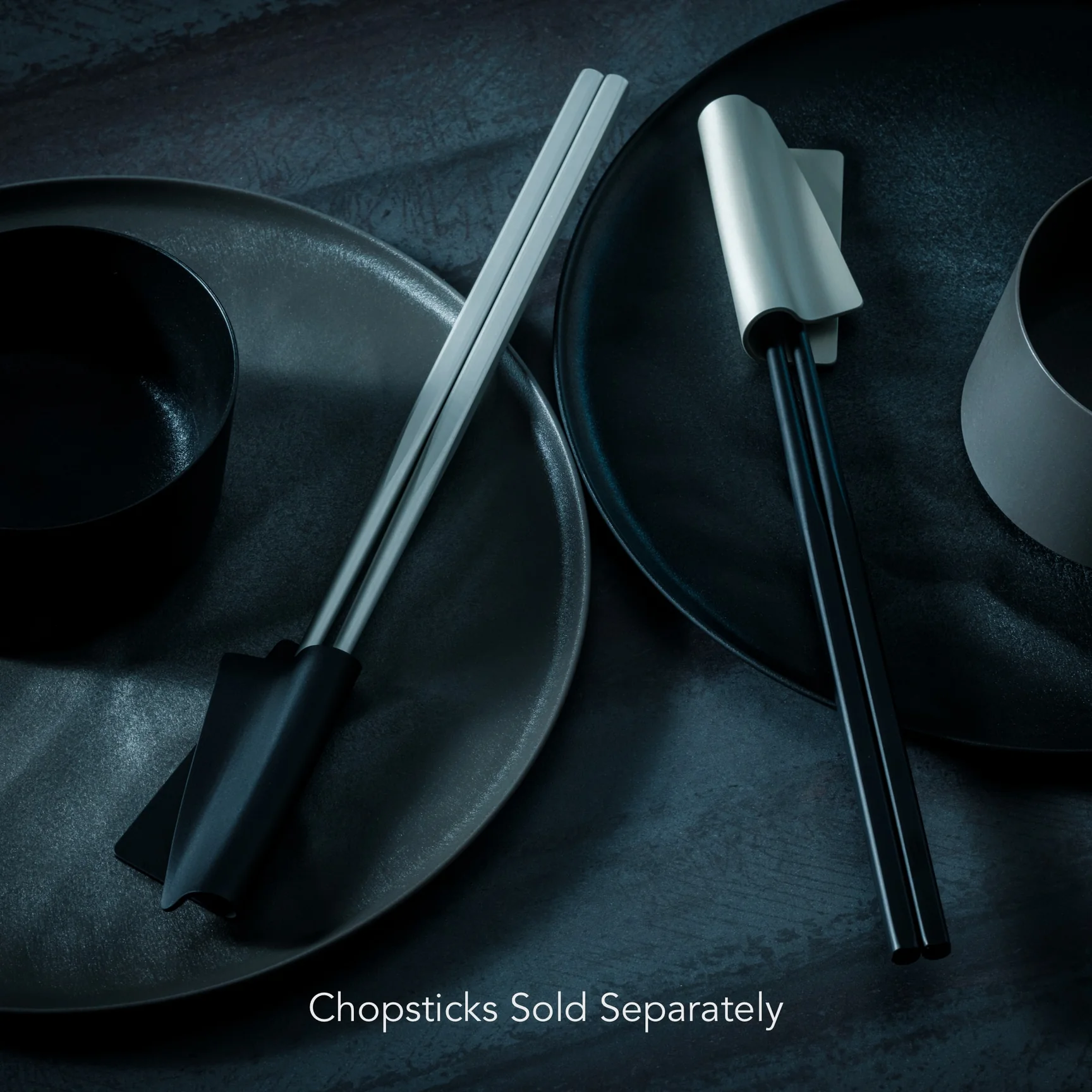
At the end of the day, good design isn’t always about reinventing something. Sometimes it’s about noticing the tiny frustration everyone else learned to ignore, and quietly making it disappear. That’s exactly what the FineLine Aluminum Chopsticks and their matching FineLine Chopstick Rest manage to do. They won’t change how you eat, but they might change how you feel by the end of the meal: less fatigue, more focus on the food and the company across the table. For $30 (plus $20 if you want the full matching set), that’s a small price for a tool that finally gets out of its own way. If you’ve ever finished a long dinner and realized your hand was more tired than your stomach was full, this might be the upgrade you didn’t know you needed.
SHARE