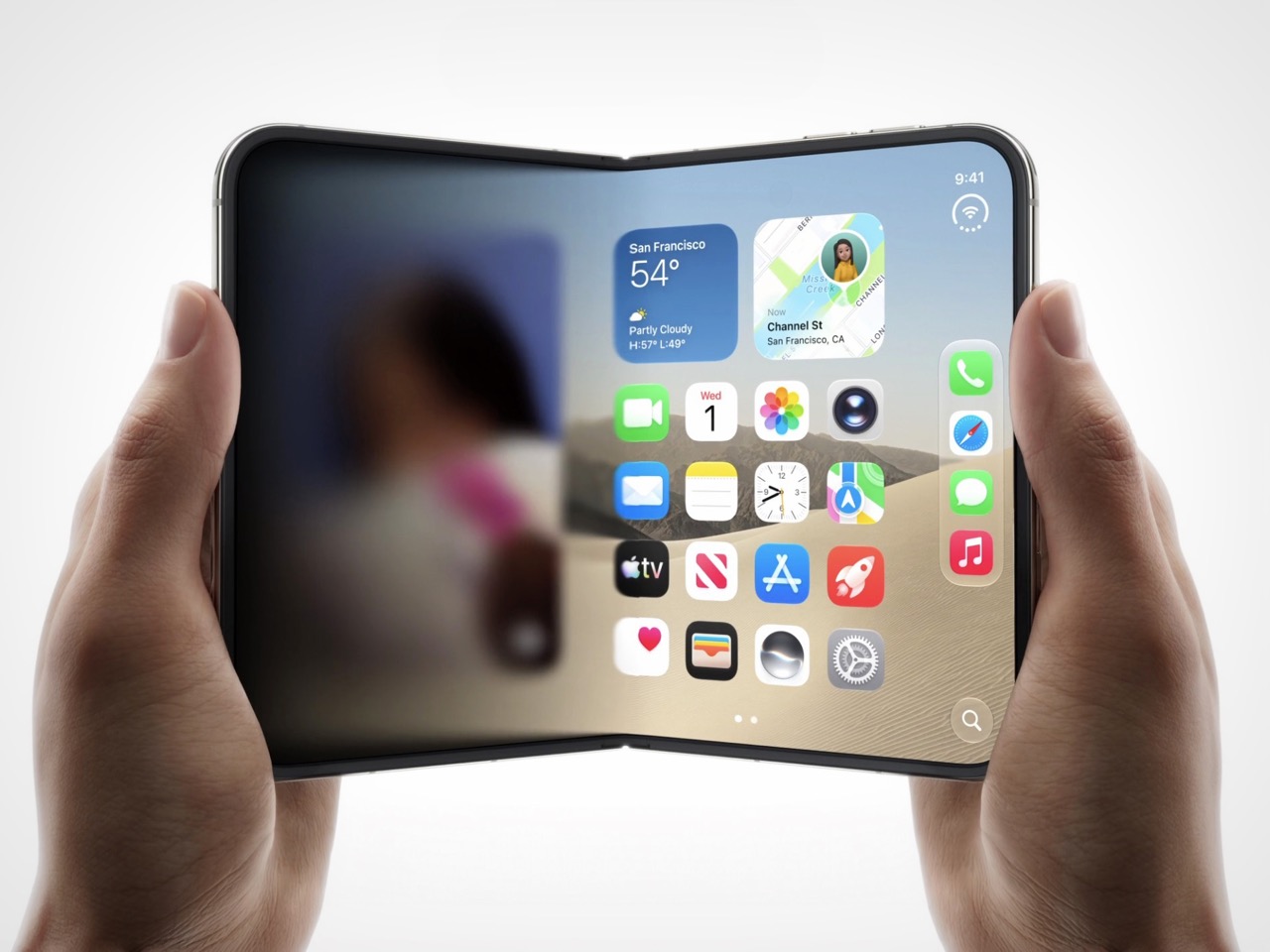
Let me be clear. There’s no universe in which I think 2 thousand dollars is the right price for a smartphone. The fact that it folds, or that John Ternus called it an ‘intelligent hub’ doesn’t justify a price tag that’s reserved for gaming laptops. However, when I saw the Duo open for the first time in Apple’s keynote, I definitely sat up a bit and embodied the Leonardo DiCaprio meme where he snaps and points at the screen. Something caught my eye, and in those brief seconds, I forgot that the iPhone Duo costs $1999 USD.
Go to the comments section of any tech blogger interacting with the iPhone Duo and you’ll see the same response – “Whoever designed that opening closing UI animation deserves a raise.” Apple managed to do something so fundamentally different from any smartphone out there, it made the iPhone Duo truly feel a class apart. Open (or close the phone) and a section of the display magically disappears and reappears from a digital ether. It doesn’t feel like your phone’s screen is expanding the way it does on the Pixel Fold or the Galaxy Z Fold 8. It feels like the flap of your phone is basically a piece of frosted glass, overlaying over a phone screen that’s already there. Words fail to describe how beautiful it looks, but literally everyone had the same visceral reaction for the first time seeing Apple pull off this digital optical illusion. It’s gorgeous, and for some people it might just be the deciding factor between buying an Android foldable or the iPhone Duo.
Designer: Apple
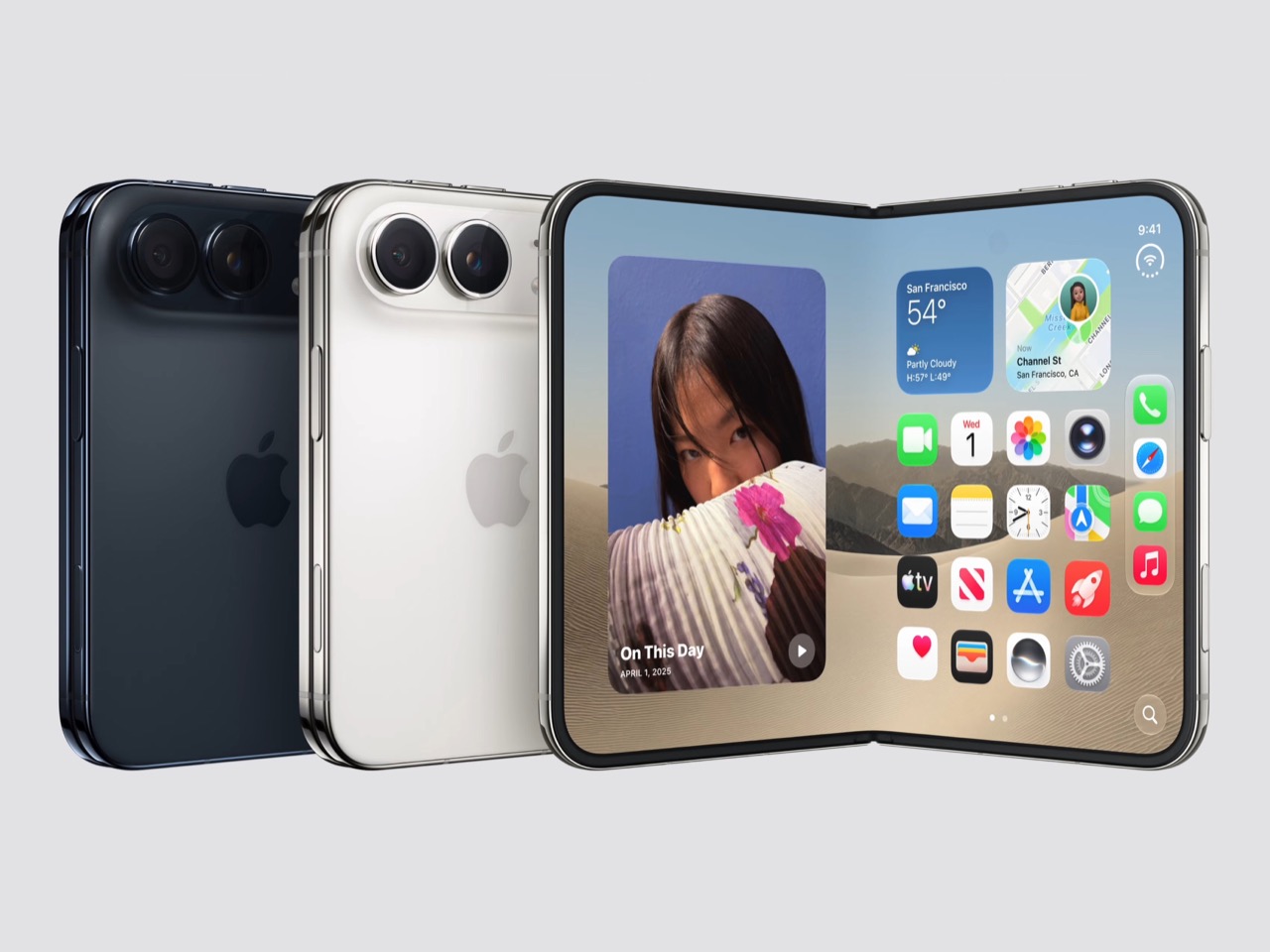
Royole debuted the first foldable phone in 2018. The Flexpai didn’t push too many units, it wasn’t from a reputed brand either which meant zero brand recall or trust. Still, it made waves for being the first to crack the foldable format. Samsung soon followed, with their first foldable the following year. So, effectively since 2019, the world has asked itself A. whether Apple will ever launch an iPhone… and B. What will Apple do so differently that it’ll absolutely capture the minds and hearts of the entire market. We found out the answers to both yesterday.
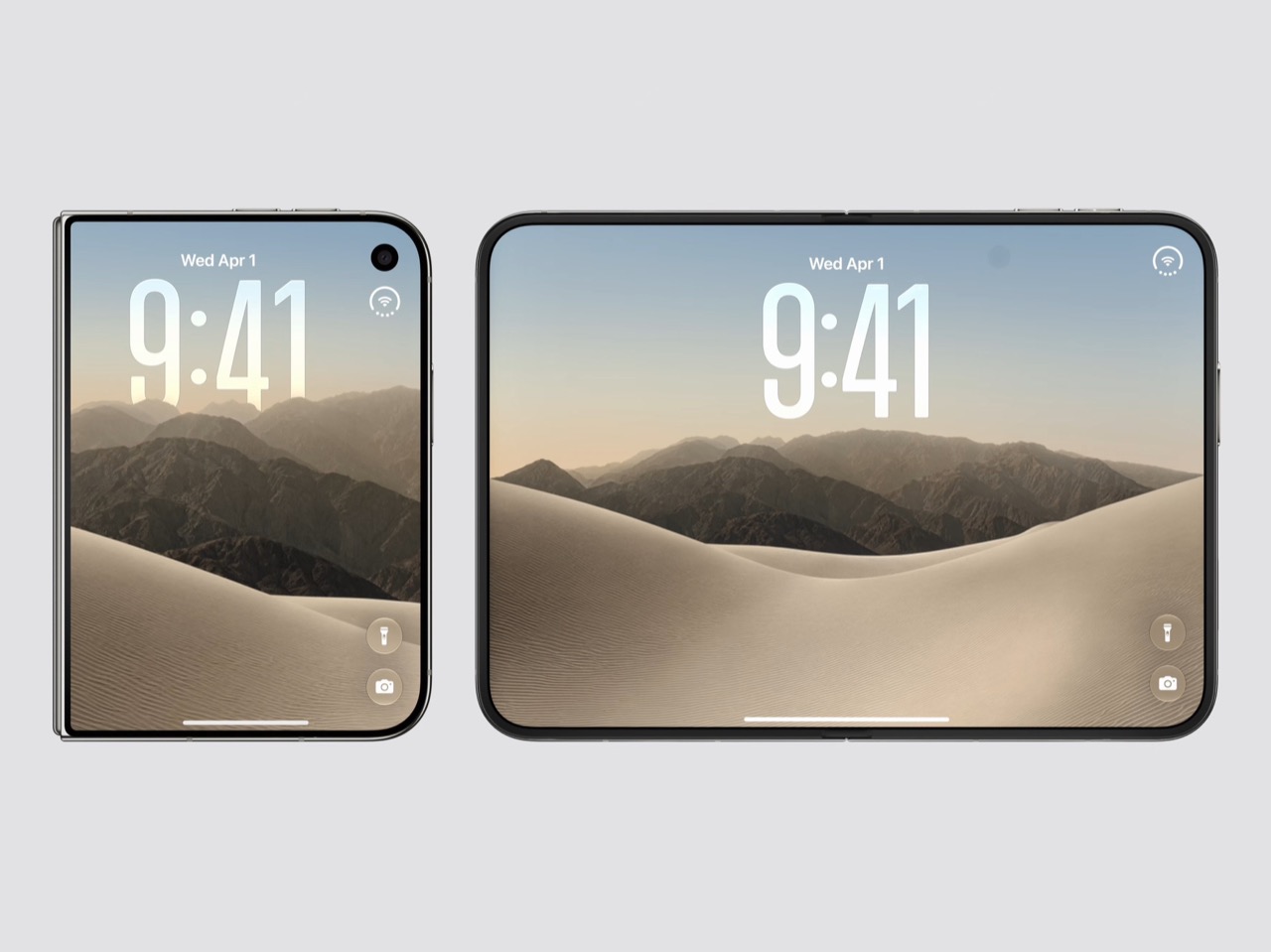
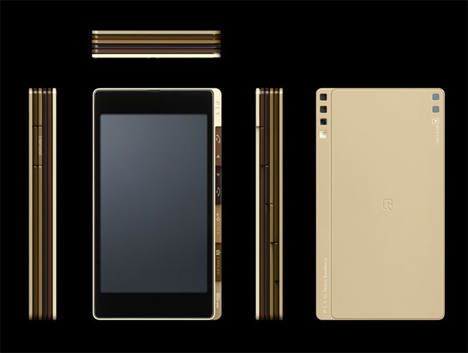
The “Different” manifests itself in a few ways. For starters, the iPhone Duo is much wider than most foldables, which opt for a tall design that results in a weird square-ish screen when opened. The Duo’s approach is a more passport-style aspect ratio, with a 1:1.4 format which sits right in the middle of a 2:3 and a 3:4 design. This wide body means a more usable screen experience in both closed and open variants, with the same aspect ratio carrying across open and closed formats – something every interface designer will cry tears of joy over.
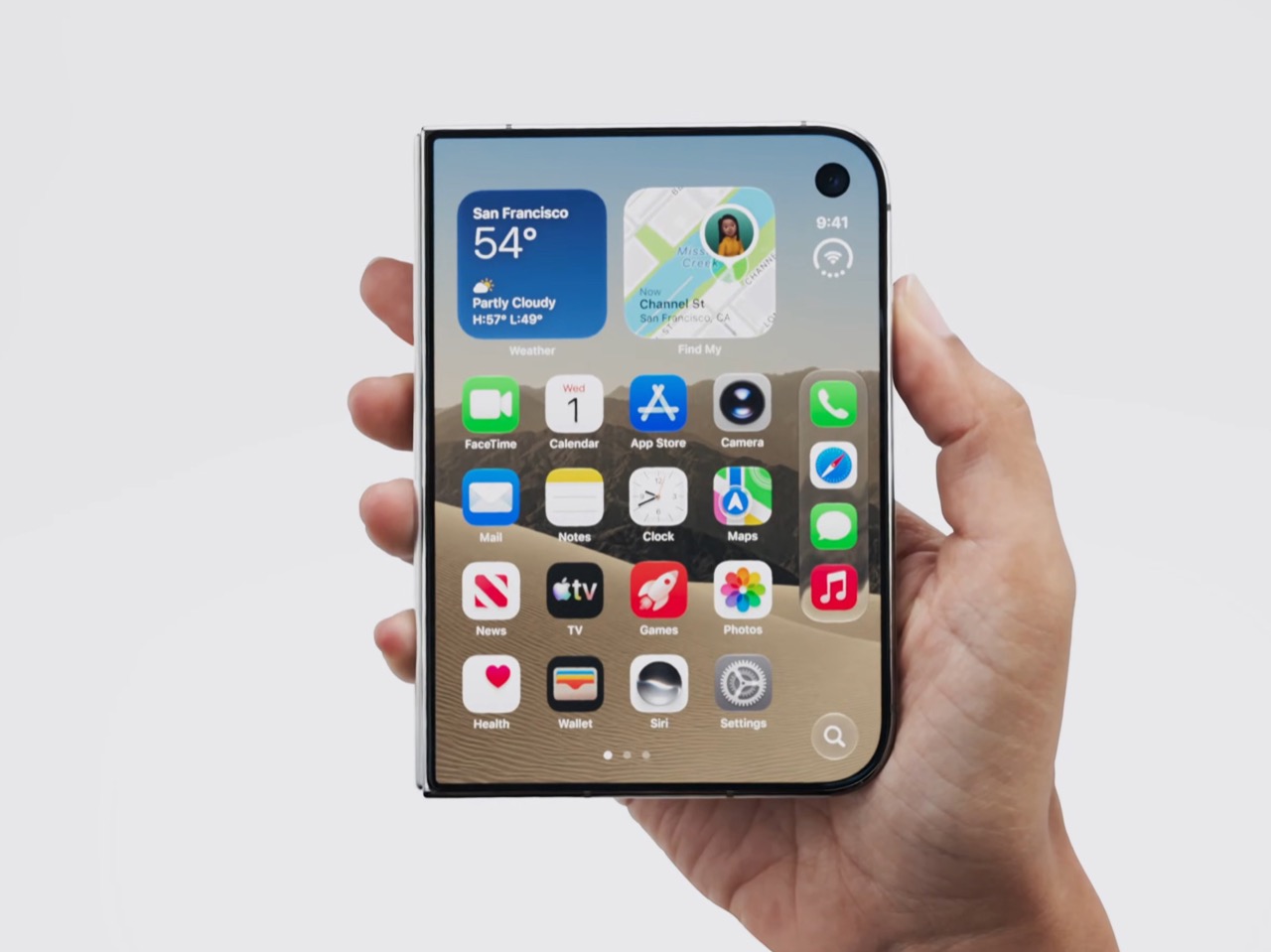
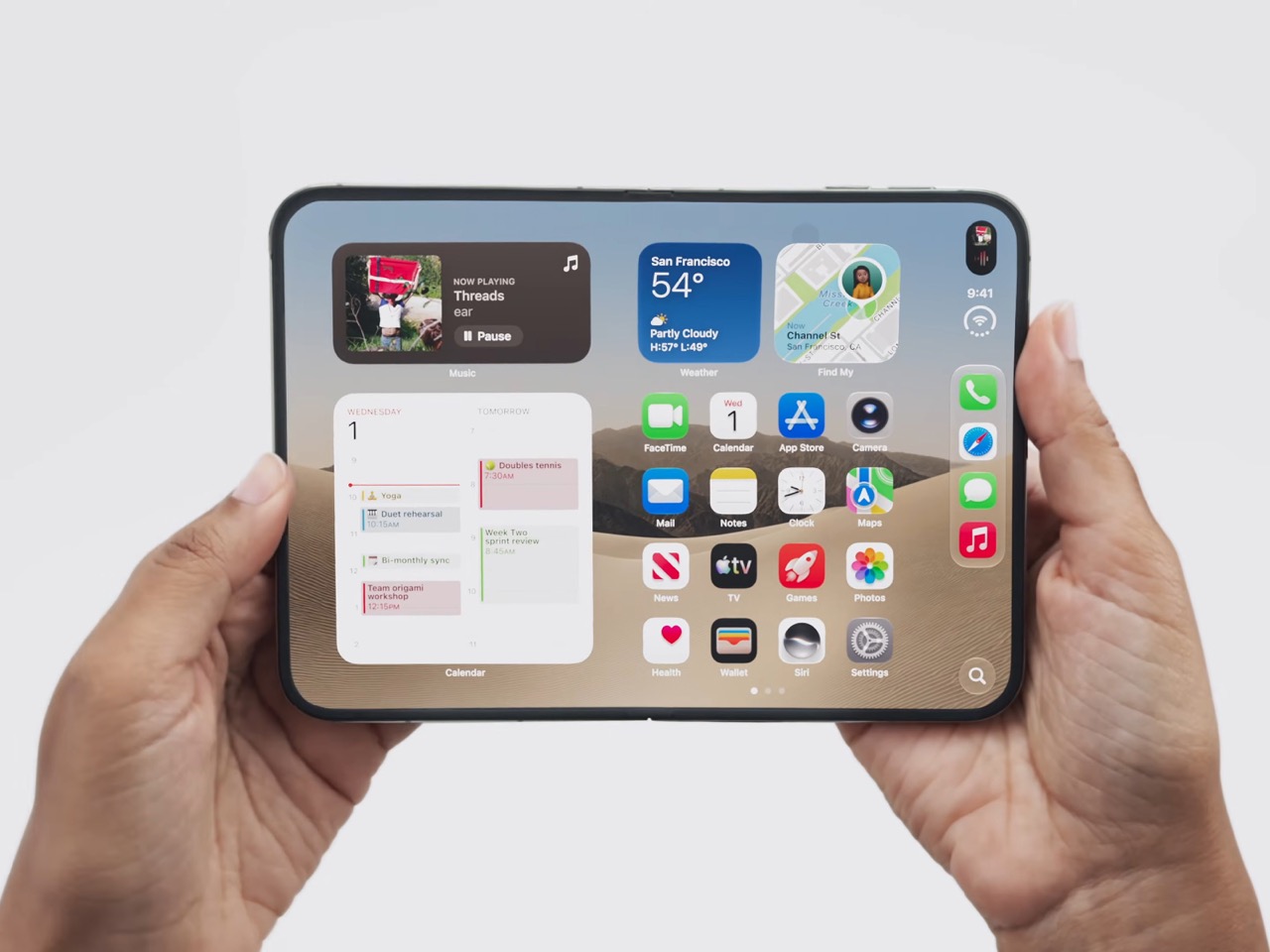
This unique form factor required designing the OS to operate differently too. While every iPhone, iPad, and even MacBook has centered itself around the bottom horizontal app dock, the Duo shifts the dock to the right, making it vertical instead. The dynamic island becomes vertical too, and the entire experience (while it requires a learning curve) is designed for seamless single-hand use, or even double hand use without needing to switch hand position. The power button on the right edge packs TouchID too, pretty much consolidating every important hardware and software detail to the right of the screen now. Great for right-handed folks, but the lefties might object to this strange exclusion.
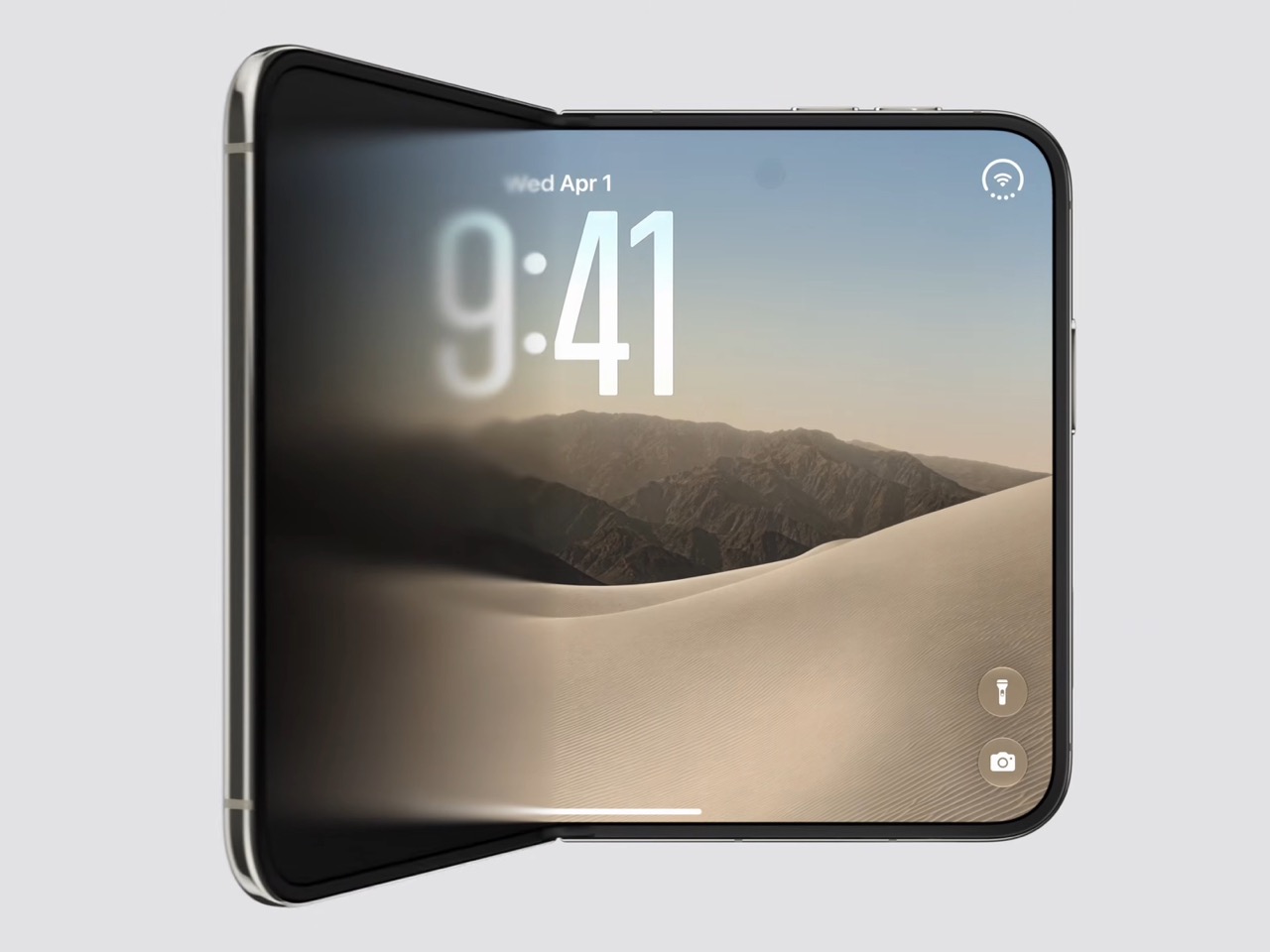
The most impressive “different,” however, is how your phone responds to you opening it. Every foldable till now has resorted to the simple trick of either A. having the folded screen power on when unfolded, or B. having the screen on, but the icons/elements arrange themselves to match the new layout. Apple’s approach was different, leaning heavily into its use of the glass effect from last year’s iOS 26 rollout. The animation feels almost like flipping a piece of frosted glass, revealing the iPhone’s screen once the phone’s folded all the way open or closed. Technically, there’s nothing Apple did that was groundbreakingly different with the interface – but this one little animation was enough to really captivate the hearts of every single person who saw the keynote.
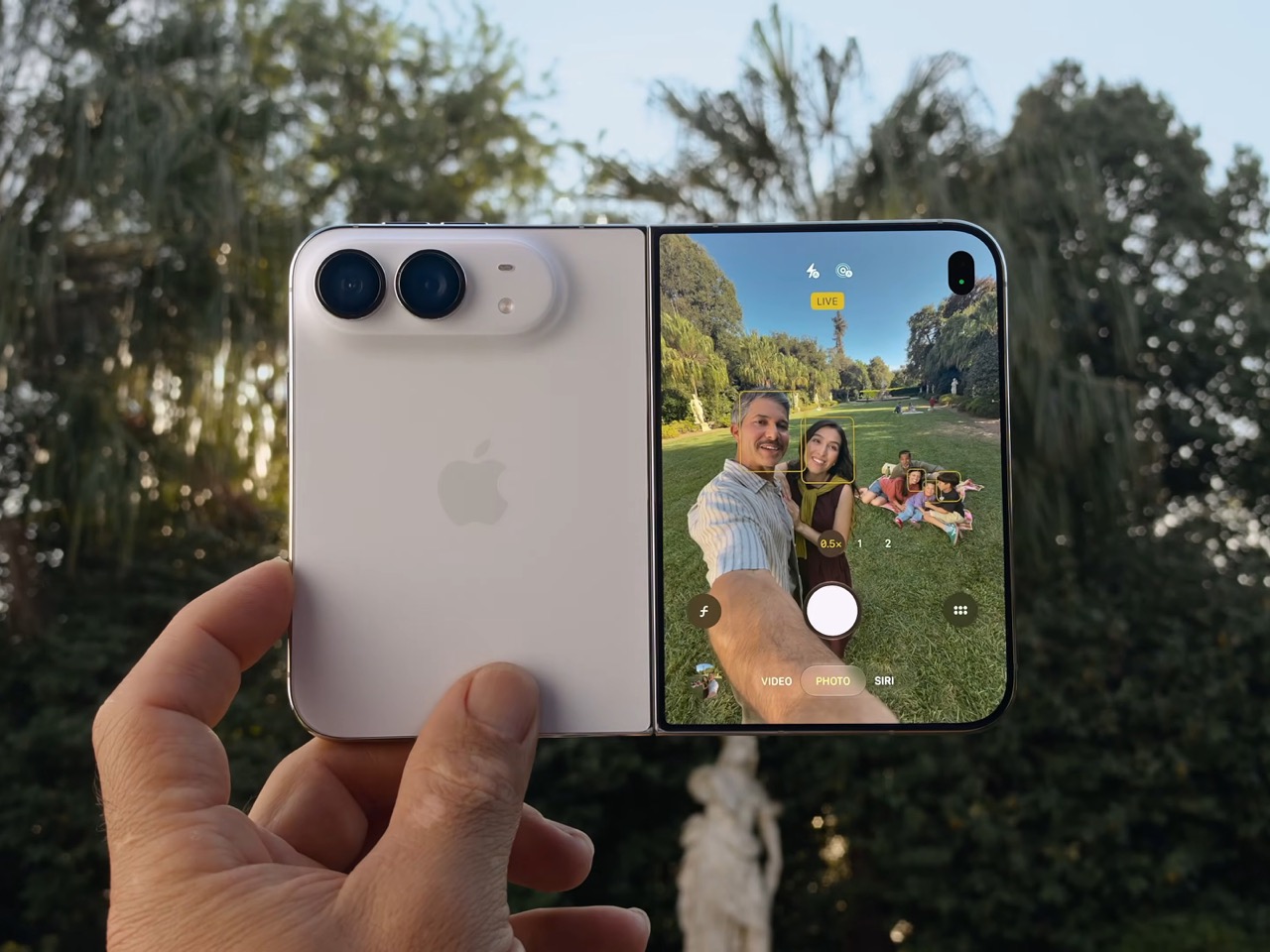
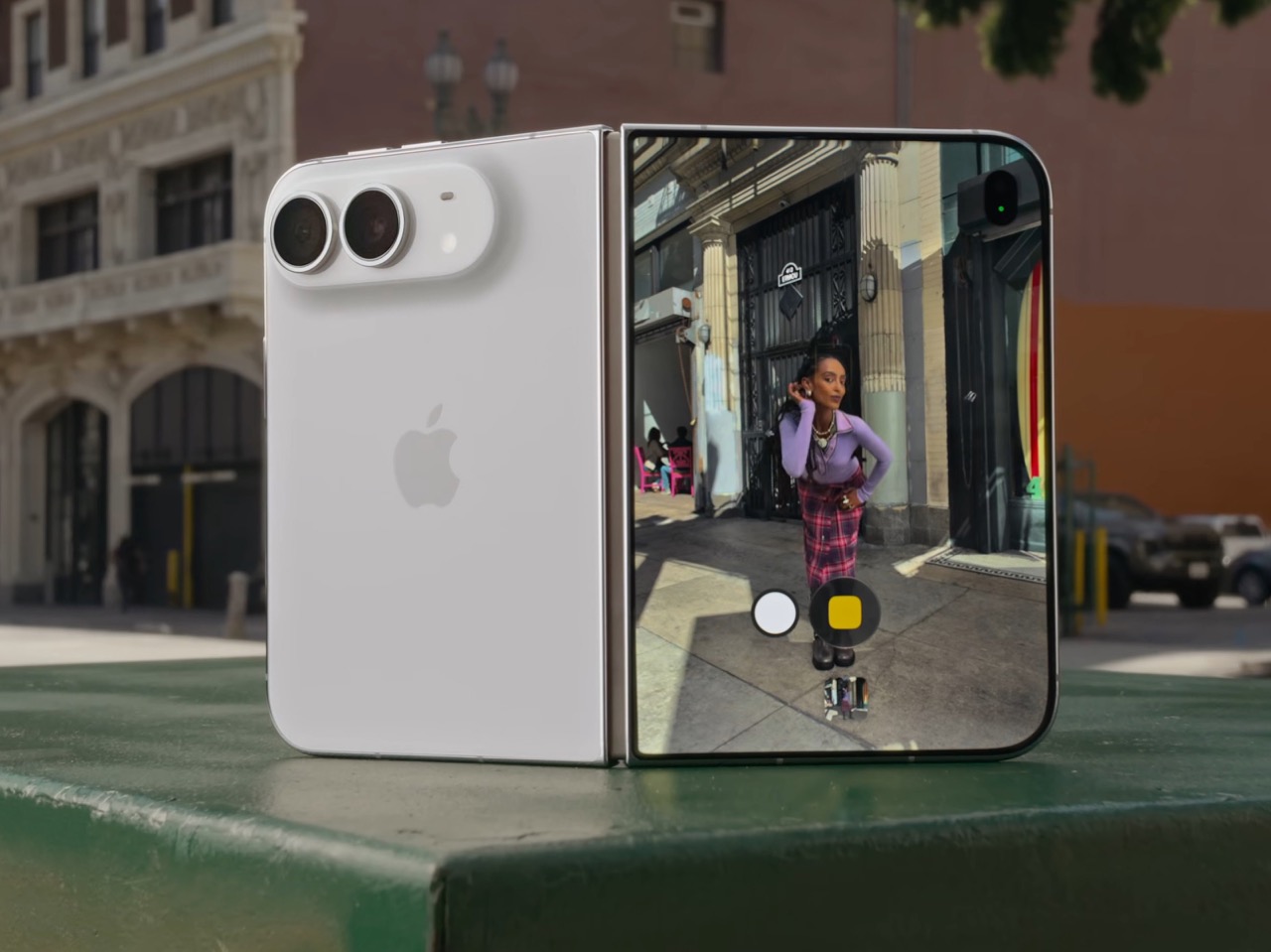
Will the Duo be a runaway success? It’s difficult to predict this early, but the iPhone Air and the Vision Pro were (by Apple’s own standards) extremely underwhelming. Pair that with the fact that people already trust foldables less and you get a pretty bleak forecast for the iPhone Duo. But here’s where I’m inclined to believe that it might sell well. Samsung’s Galaxy Z Fold 8 is currently outperforming its Ultra counterpart. People REALLY seem to enjoy the flat and wide foldable, and the Z Fold 8’s $1899 price tag hasn’t been an overwhelming deterrent so far. For anyone who has the money and the appetite for a foldable, the iPhone Duo might just end up blowing demand for the Z Fold 8 (and the Xiaomi 18 Fold) out of the water. At just hundred bucks more than Samsung’s counterpart, the Duo really packs a one-two punch with a competitive price match, and more importantly, that gorgeous glasslike open/shut animation. I’m not saying the animation is the reason people will buy this phone, but it’s easily a compelling reason for anyone looking to throw near 2K on a folding device.