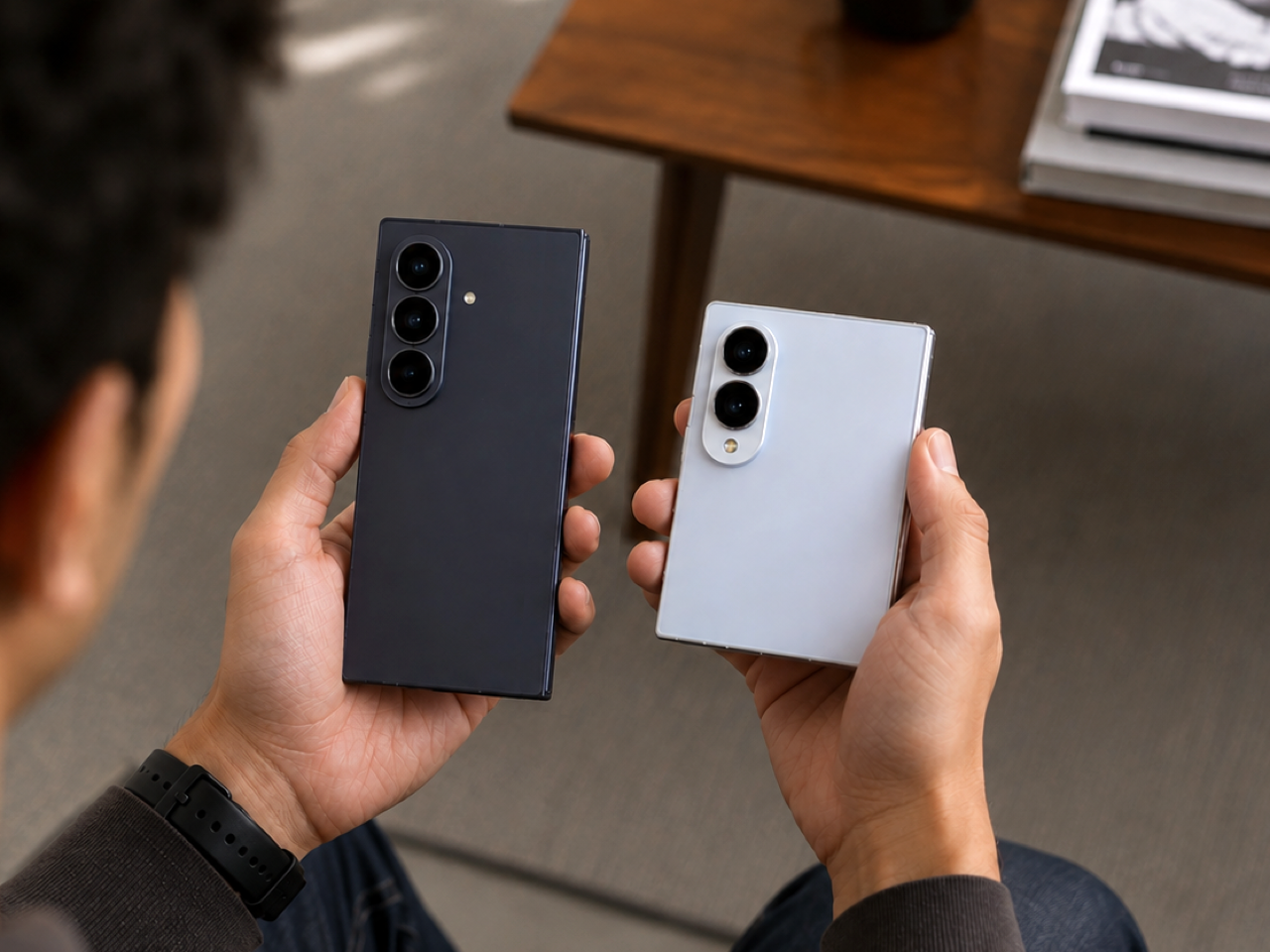
PCMag spent real time with both new Samsung foldables and walked away calling the Galaxy Z Fold 8 Ultra the most capable foldable the company has ever shipped. Then it gave its Editors’ Choice award to the cheaper one anyway. That’s a strange thing to watch happen in real time, kind of like a judge handing the trophy to the runner who finished second because they liked her shoes better. Samsung built a $2,099.99 phone with a 200MP main camera, a 3x telephoto lens, a bigger battery, and the largest screens in the Fold lineup, and the people paid to obsess over spec sheets shrugged and picked the $1,899.99 model instead.
Forbes landed in the same spot. So did Android Police, in a review literally titled around the Ultra’s problem being the other phone. The Ultra is winning almost every line item on paper, and almost nobody who has actually used both wants to pay extra for it. Something broke in Samsung’s foldable hierarchy this year, and I don’t think $200 is where you’ll find the crack.
Designer: Samsung
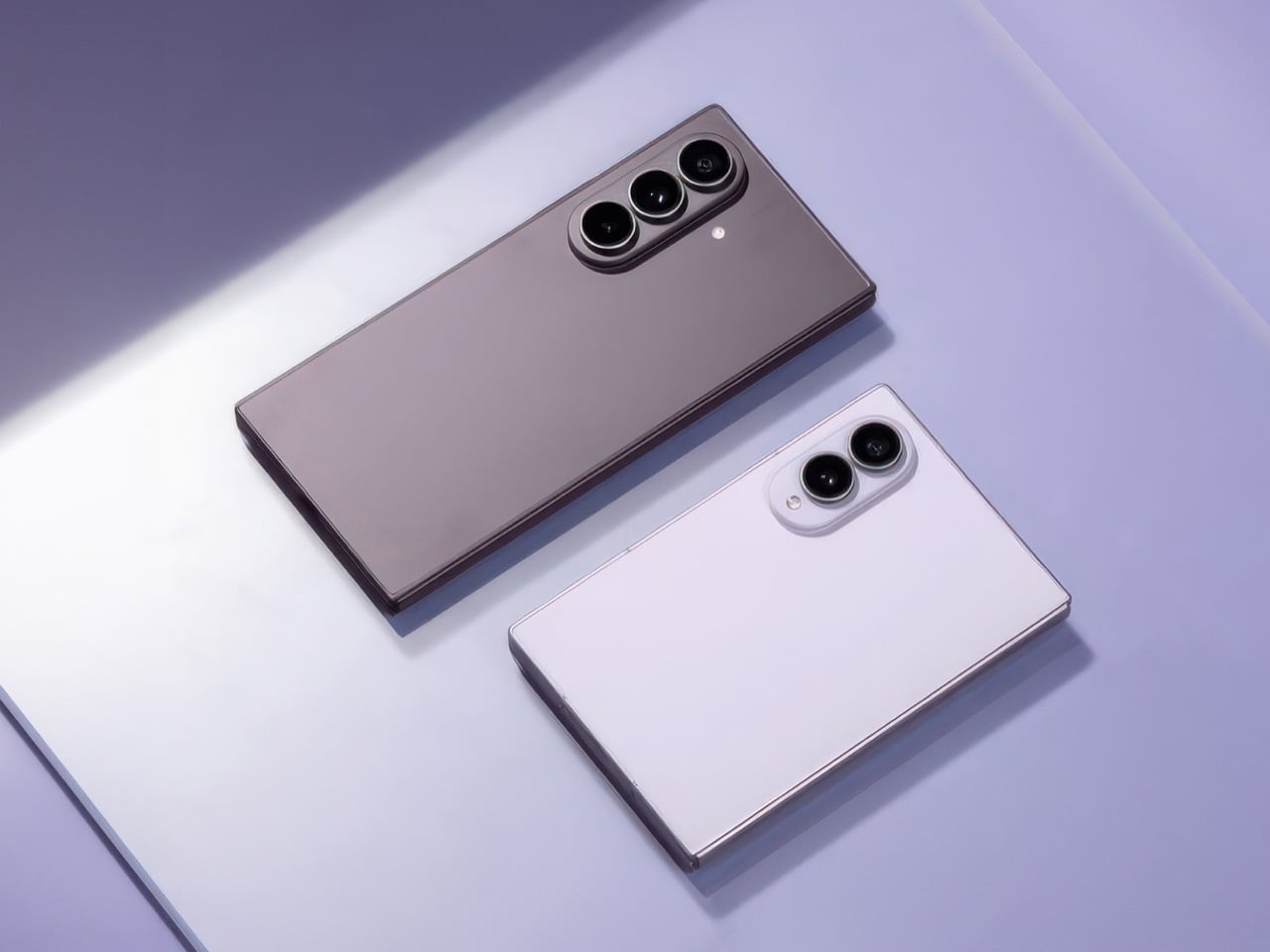
Here’s the part that should embarrass the Ultra a little. Both phones run the same Snapdragon 8 Elite Gen 5, carry the same storage and RAM tiers, and charge at the same 45W wired speed. The Ultra’s real advantages are a 200MP main sensor against the standard Fold 8’s 50MP, an extra 10MP telephoto with 3x optical zoom, and a 5,000mAh battery next to the Fold 8’s 4,800mAh. That last gap is worth about one extra hour of video playback by Samsung’s own numbers, which is not nothing, but it’s also not $200 of nothing. You’re basically paying a camera tax dressed up as a flagship tax.
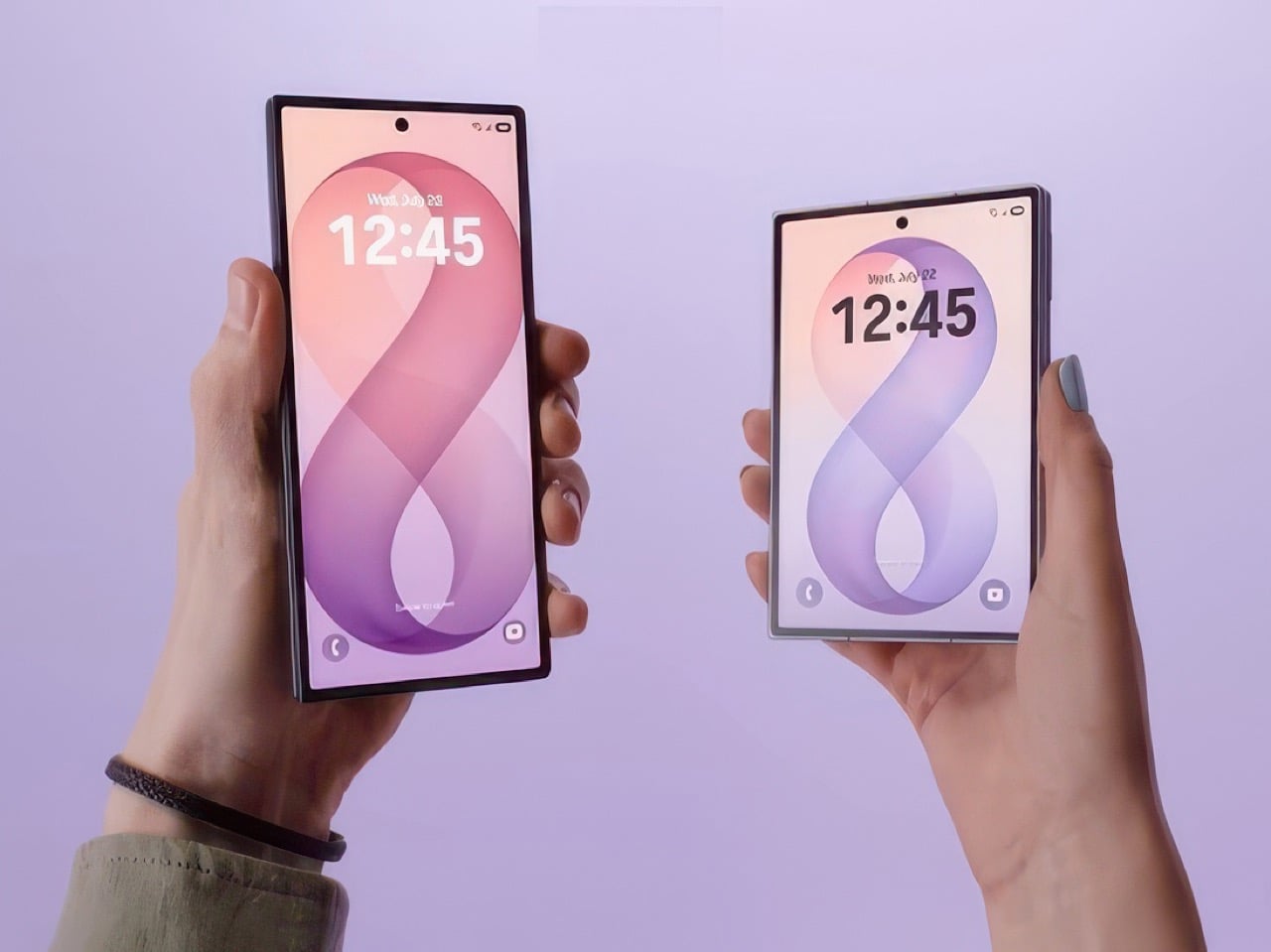
The engineering story underneath both phones is actually the good part, and it’s the part nobody’s arguing about. Flex Titanium tucks an alloy film thinner than a third of a human hair under the OLED panel, backed by a titanium plate for flatness, and reviewers who’ve run a finger across the open screen say the crease is basically gone. GSMArena called it more uniform and flat under direct touch. I’ll admit I didn’t expect Samsung to actually solve this after years of “reduced crease” claims that meant “still very much a crease.” This year it sounds like they meant it.
That fix cost something, and Samsung didn’t exactly advertise the trade. Flex Mode, the half-open laptop stance the Fold line has offered forever, no longer works on the standard Fold 8 because the new hinge can’t hold itself at 90 degrees. It survives on the Ultra, barely, described by reviewers as fiddly to trigger. Nobody put that on a spec sheet, and it’s a bigger design story than either phone’s camera bump.
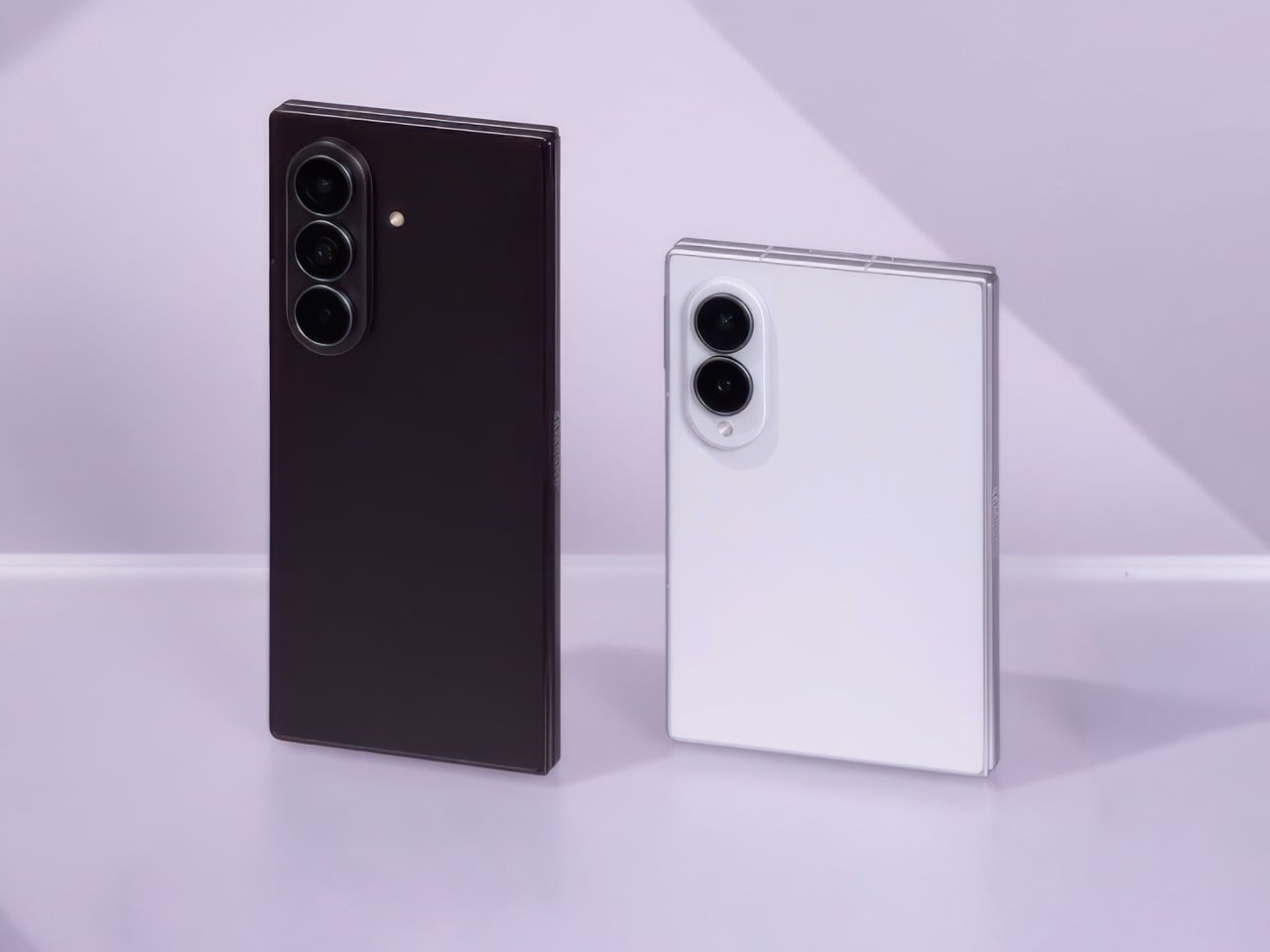
Which brings me to the actual confusion. The Ultra name is supposed to mean “take the flagship, stack on the best of everything, charge more,” the way it works on the S series. This year the Ultra is following the Fold 7’s shape while the plain Fold 8 ships an entirely new passport-style body, different aspect ratio, different case ecosystem, zero parts compatibility. 9to5Google flat out called the Ultra the boring option this generation. Two phones share a family name and nothing else, and the one without the suffix is the one people actually want to talk about.
I’d take the regular Fold 8. Not because the Ultra is bad, it clearly isn’t, but because Samsung finally shipped a foldable shape that argues for itself instead of a spec sheet arguing for you. That’s rarer than a good camera.