Every home renovation eventually runs into the same unglamorous moment: the corner. You pick the perfect subway tile, the right grout color, the exact sheen you wanted, and then you hit a wall edge or a shower bench, and suddenly there’s a metal trim strip or a mitered cut that never quite lines up. That gap, the visible seam where two tiled surfaces meet at an angle, is the actual problem here. It’s the detail contractors work around and homeowners quietly learn to live with, because until now, nobody made tile designed to solve it.
Three Dutch industrial designers apparently got tired of that compromise decades before it became a talking point in American renovation circles. Arnout Visser, Erik Jan Kwakkel and Peter van der Jagt first sketched the idea in the 1990s, then spent years refining it before launching their brand, DTILE, in 2010. Their fix wasn’t a new glaze or a trendy shape, it was going after the transition itself: instead of making flat tiles and leaving corners, edges and curves to whoever installs them, why not design those connecting pieces as part of the system from the start?
Designers: Arnout Visser, Erik Jan Kwakkel and Peter van der Jagt

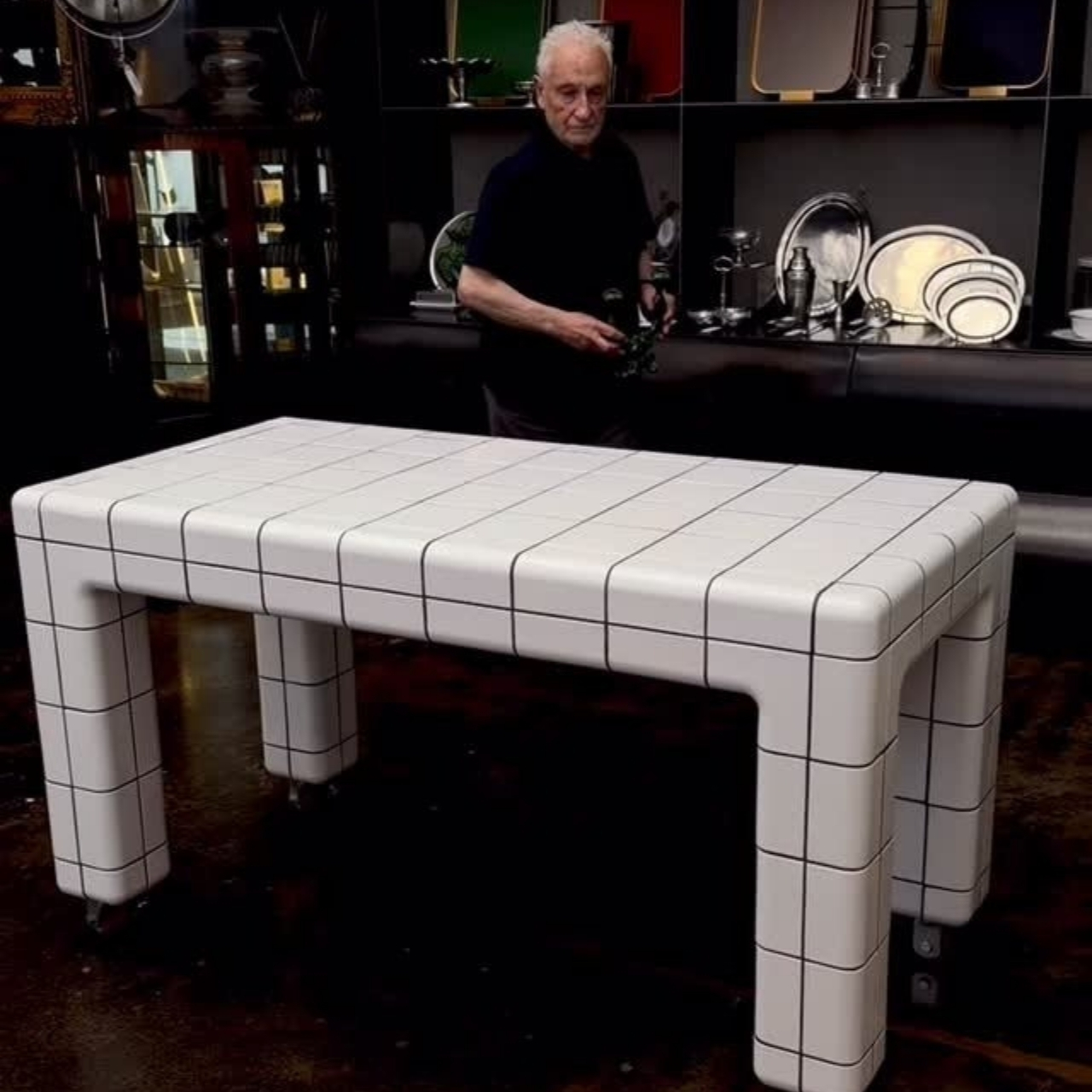
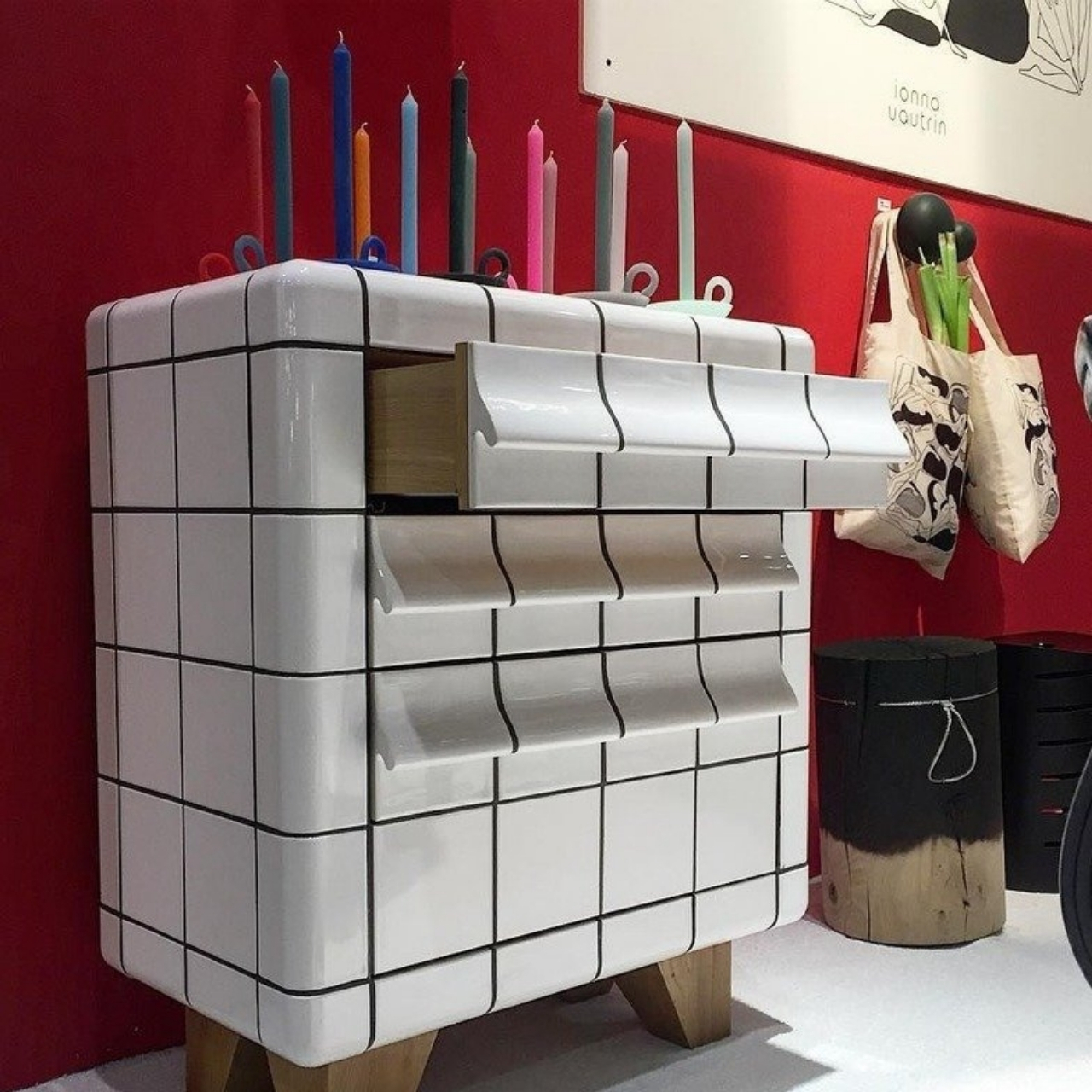
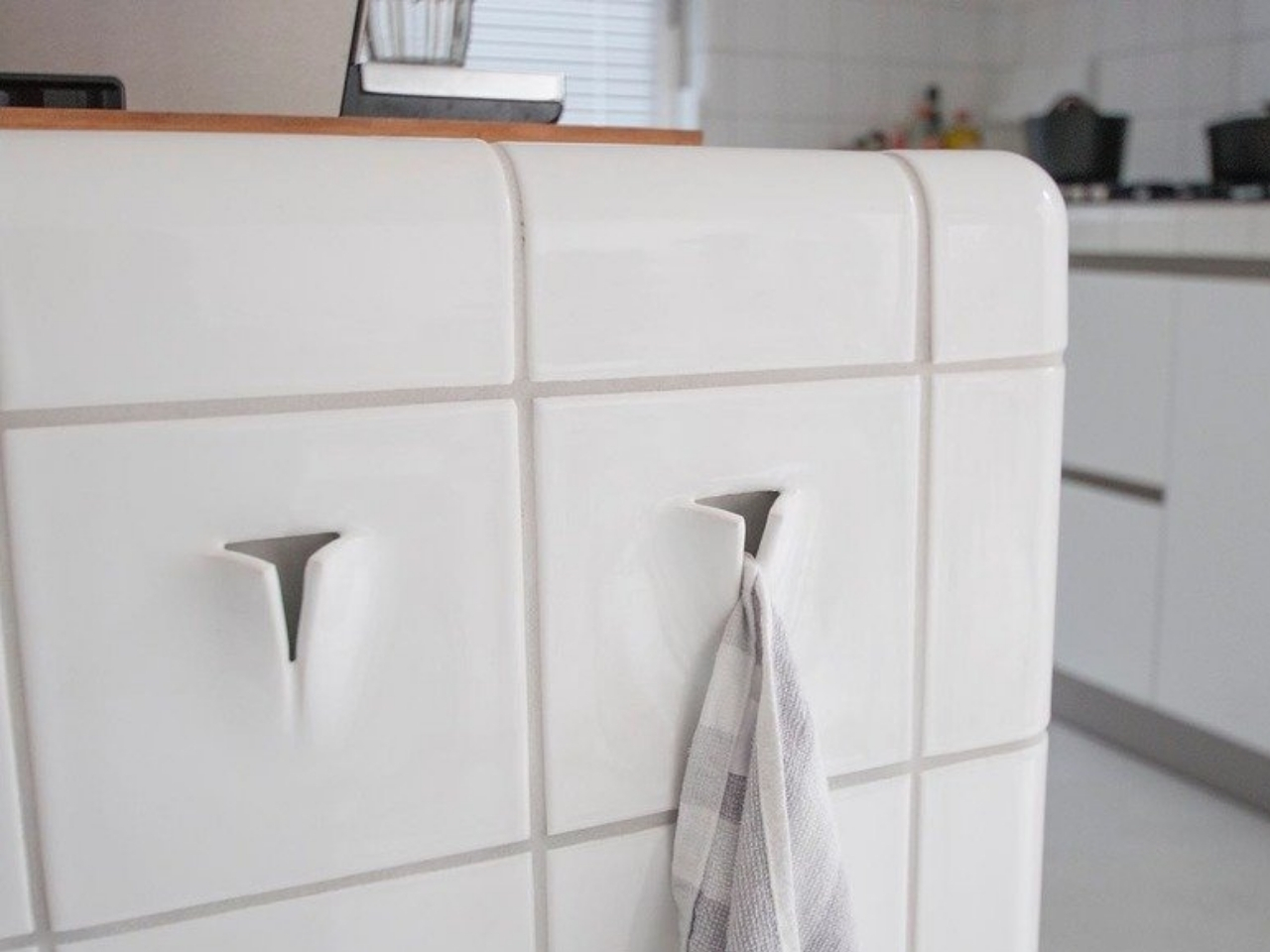
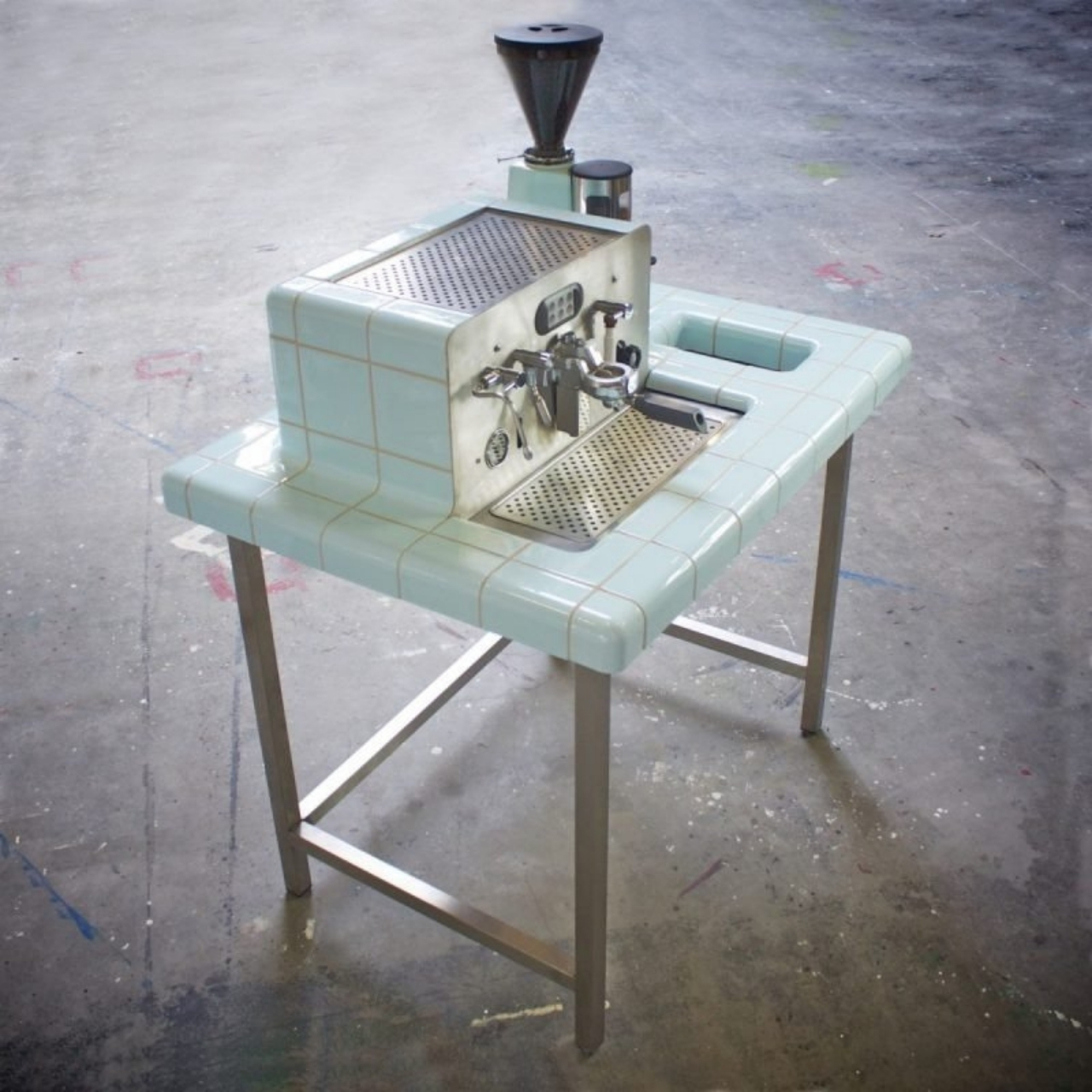
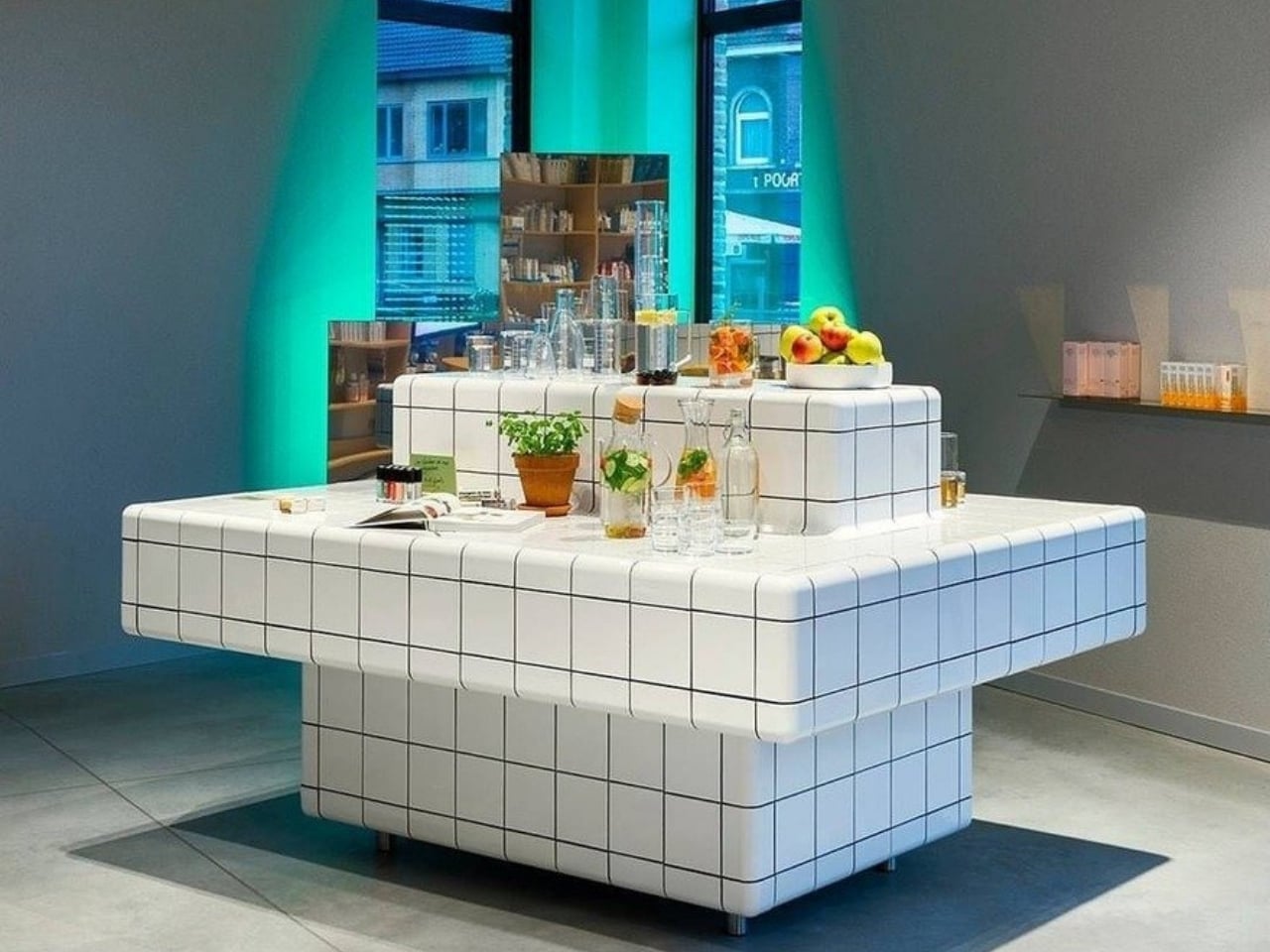
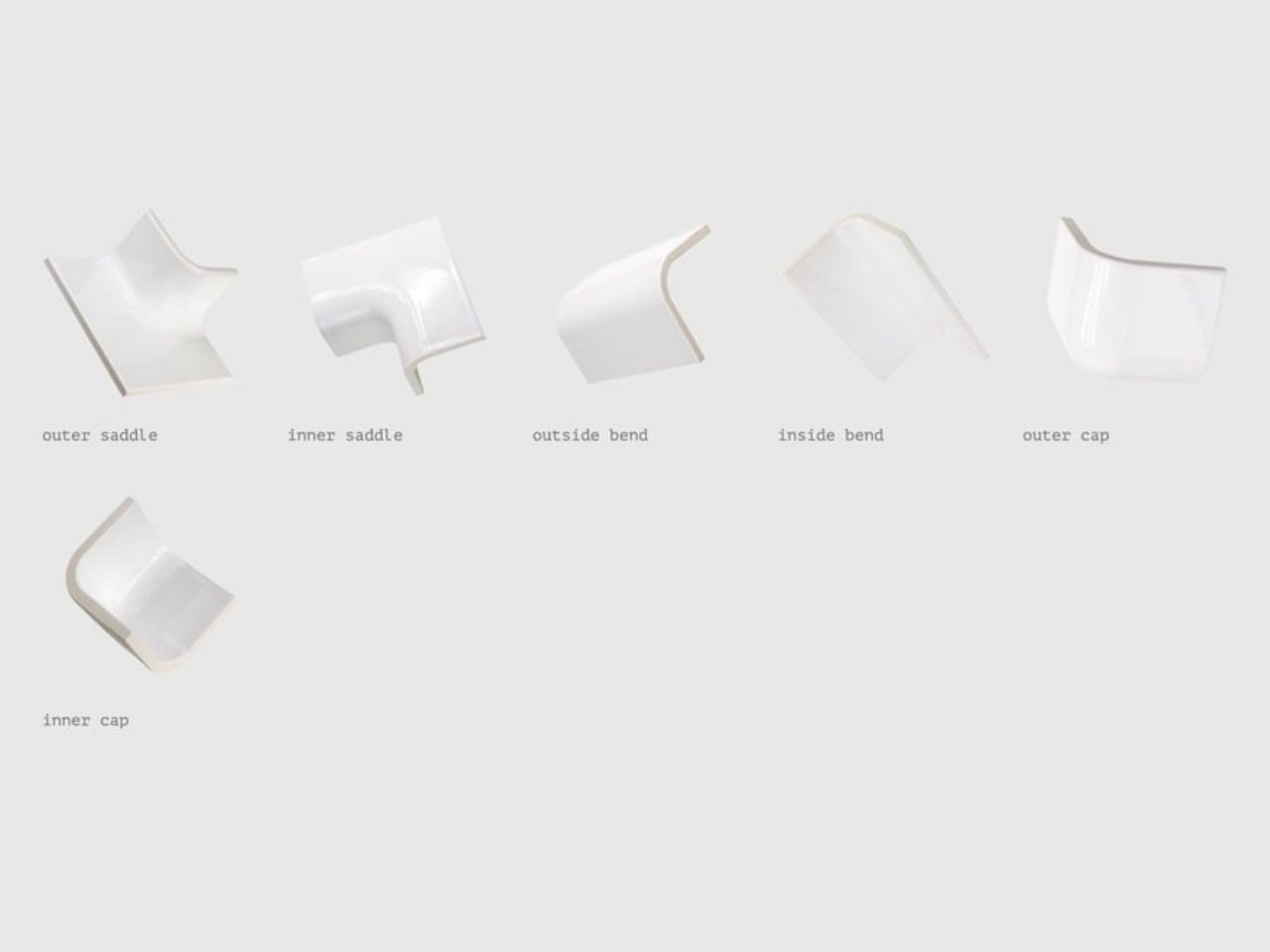
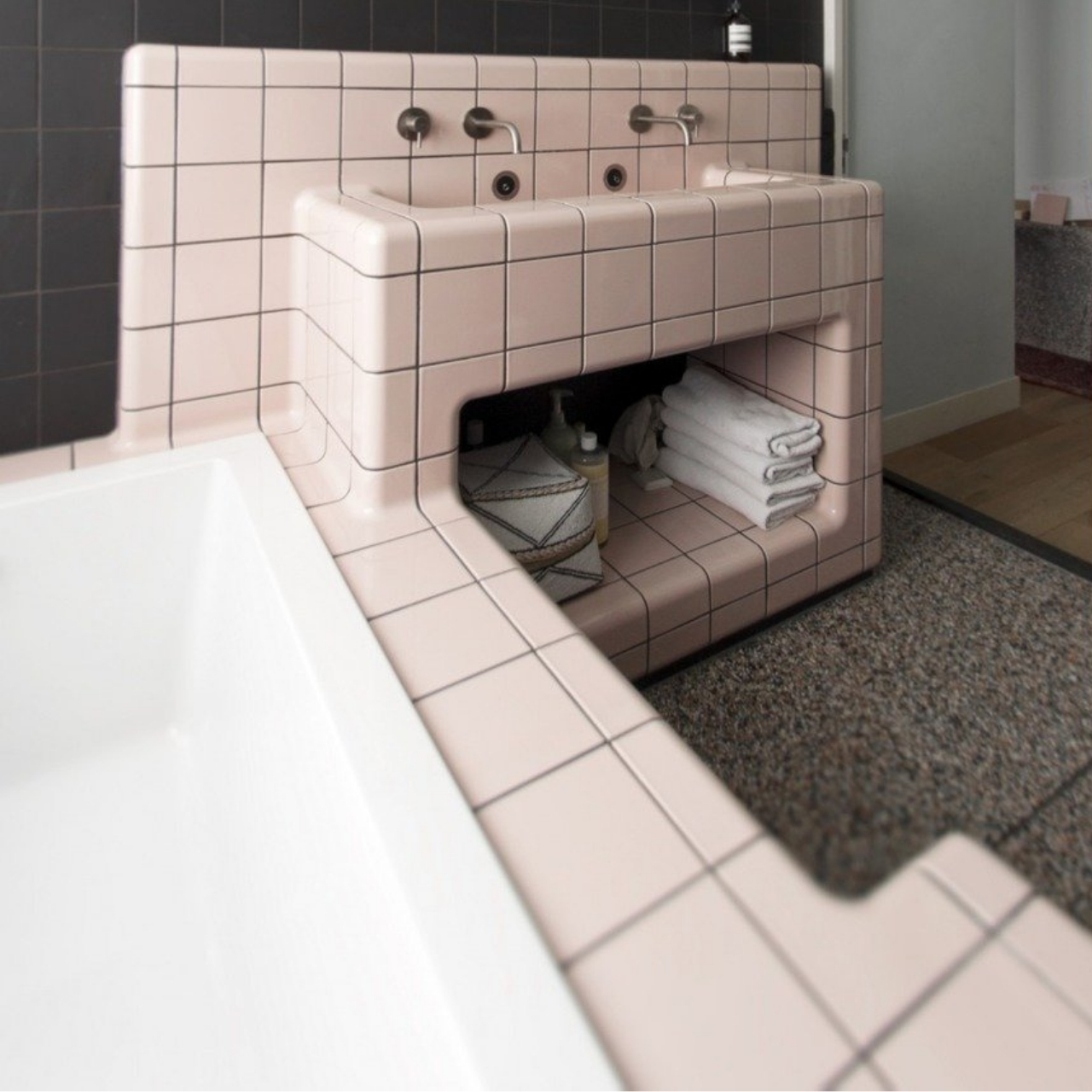
DTILE’s collection includes curved pieces, corner pieces, edge pieces and dedicated transition tiles that let a tiled surface wrap around a three-dimensional shape without a single trim strip or exposed seam. A tiled bench curves into a tiled wall. A shelf grows directly out of the surface, tiled in the same material, with no caulk line announcing where one plane ends and another begins. There are even utility tiles built to house hooks, vents, electrical outlets and small drawers, so the practical guts of a bathroom or kitchen disappear into the same continuous surface as the decorative tile itself.
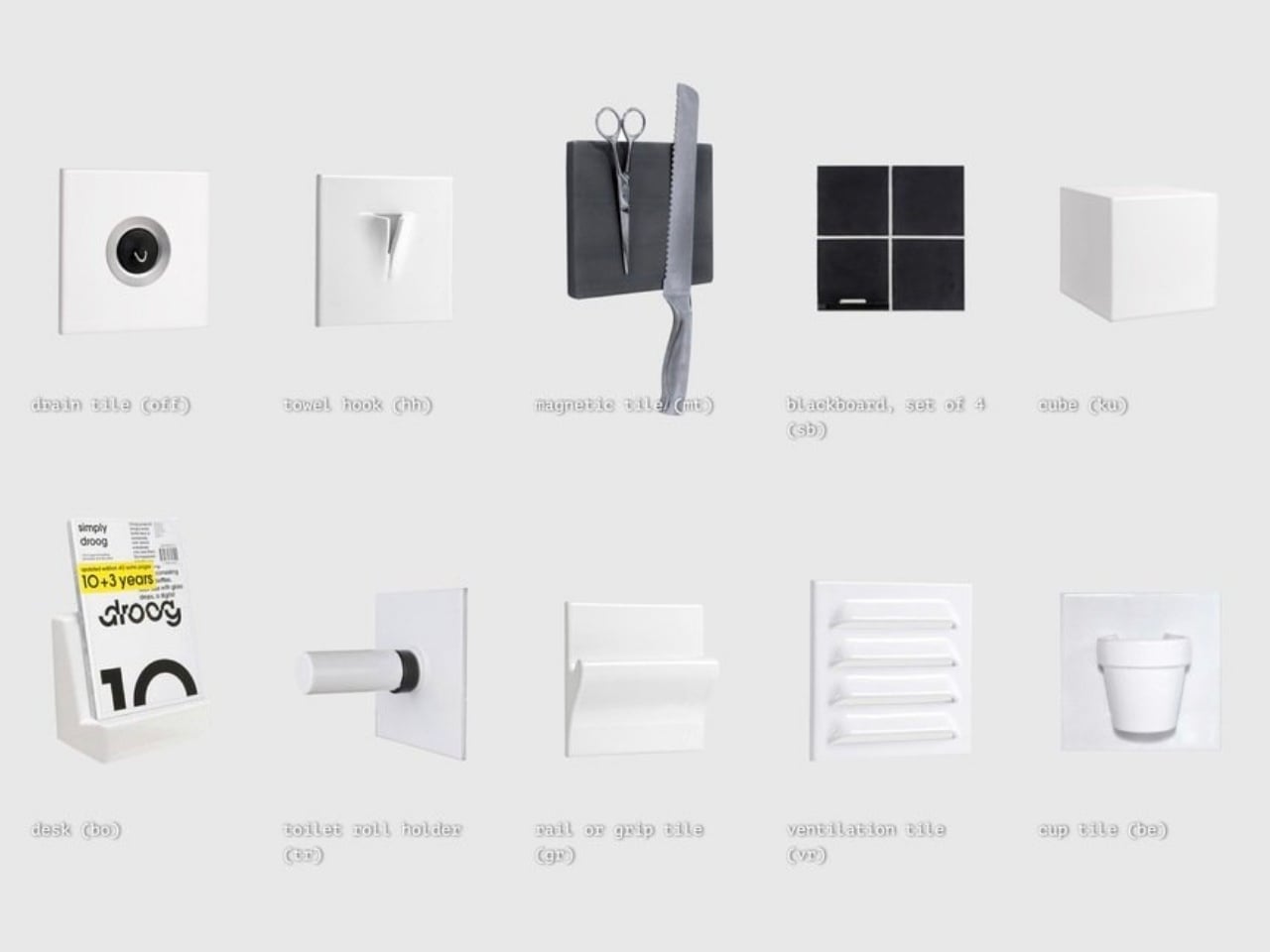
I think what makes this genuinely interesting isn’t the curves, it’s the restraint behind them. A lot of “innovative” tile products lean on flashy glazes or novelty shapes to justify their price tag. DTILE’s whole pitch is about removing something instead of adding it: removing the visual noise of trim, removing the awkward grout lines where two tile runs meet at an angle, removing the little compromises that every tiler quietly accepts as unavoidable. That’s a much harder problem to solve than a pretty pattern, and it shows a level of patience you don’t see often in a category that mostly competes on color drops and moodboard aesthetics.
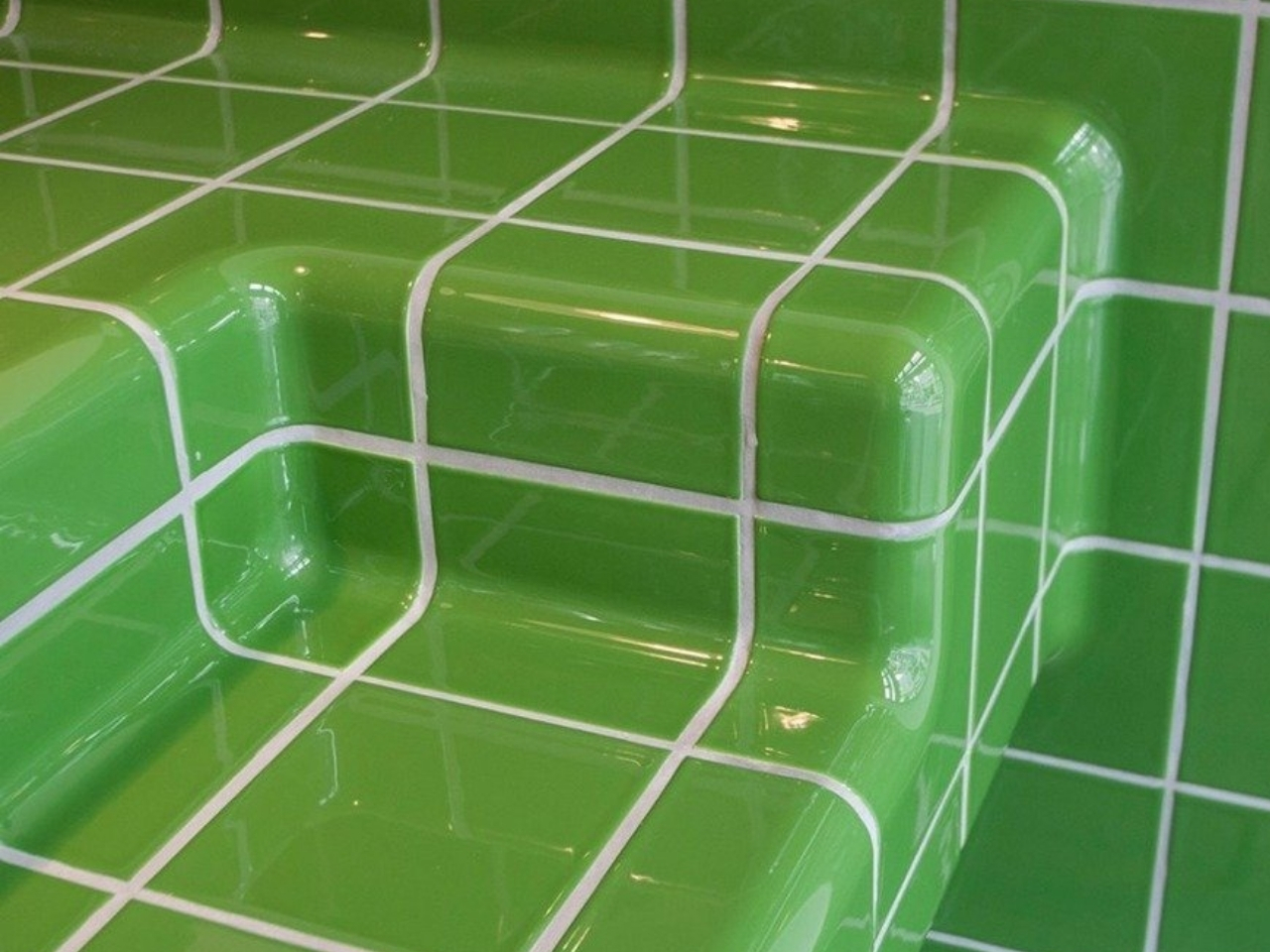
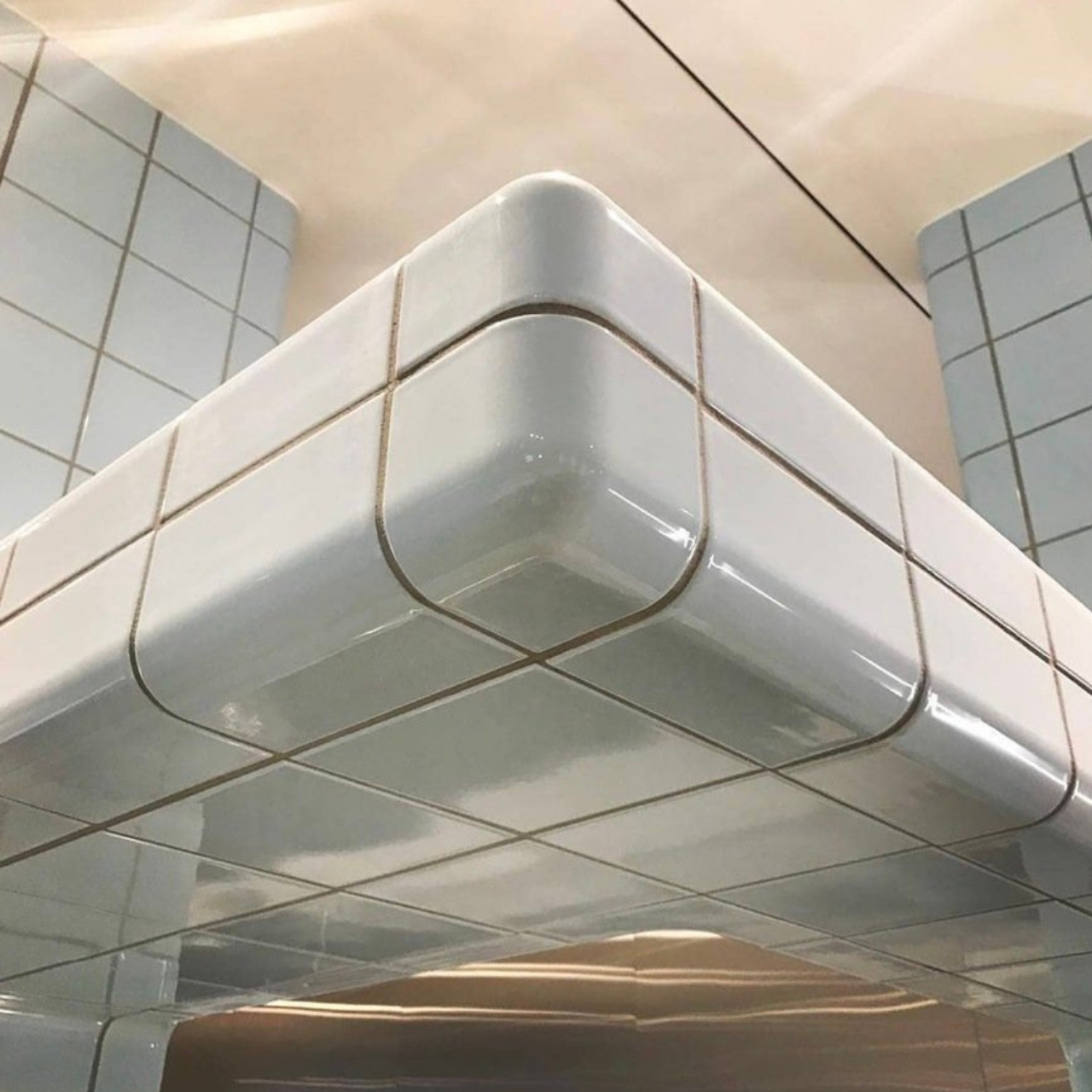
It also fits a shift I’ve noticed in how Americans are approaching renovation right now. Open shelving, curved vanities, integrated niches, the whole “quiet luxury” aesthetic that’s dominated design media the past couple of years, all of it depends on surfaces reading as seamless. A trim strip breaks that spell instantly. DTILE essentially manufactures the illusion that high-end designers have been faking with expensive custom millwork and slab material. If a system like this makes its way into more US bathroom remodels, it could change how contractors price out anything involving a curve or a corner, because the workaround stops being a workaround.
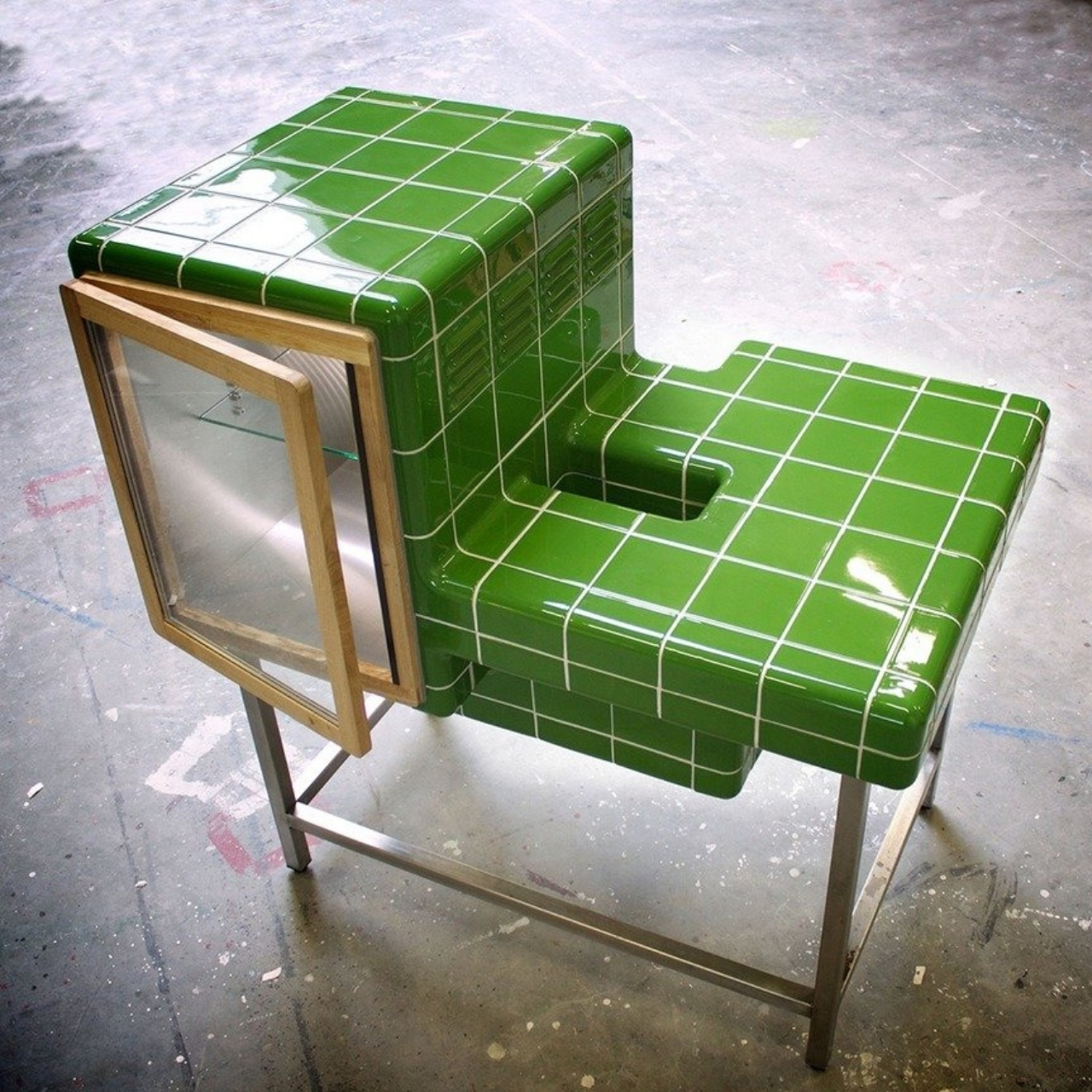
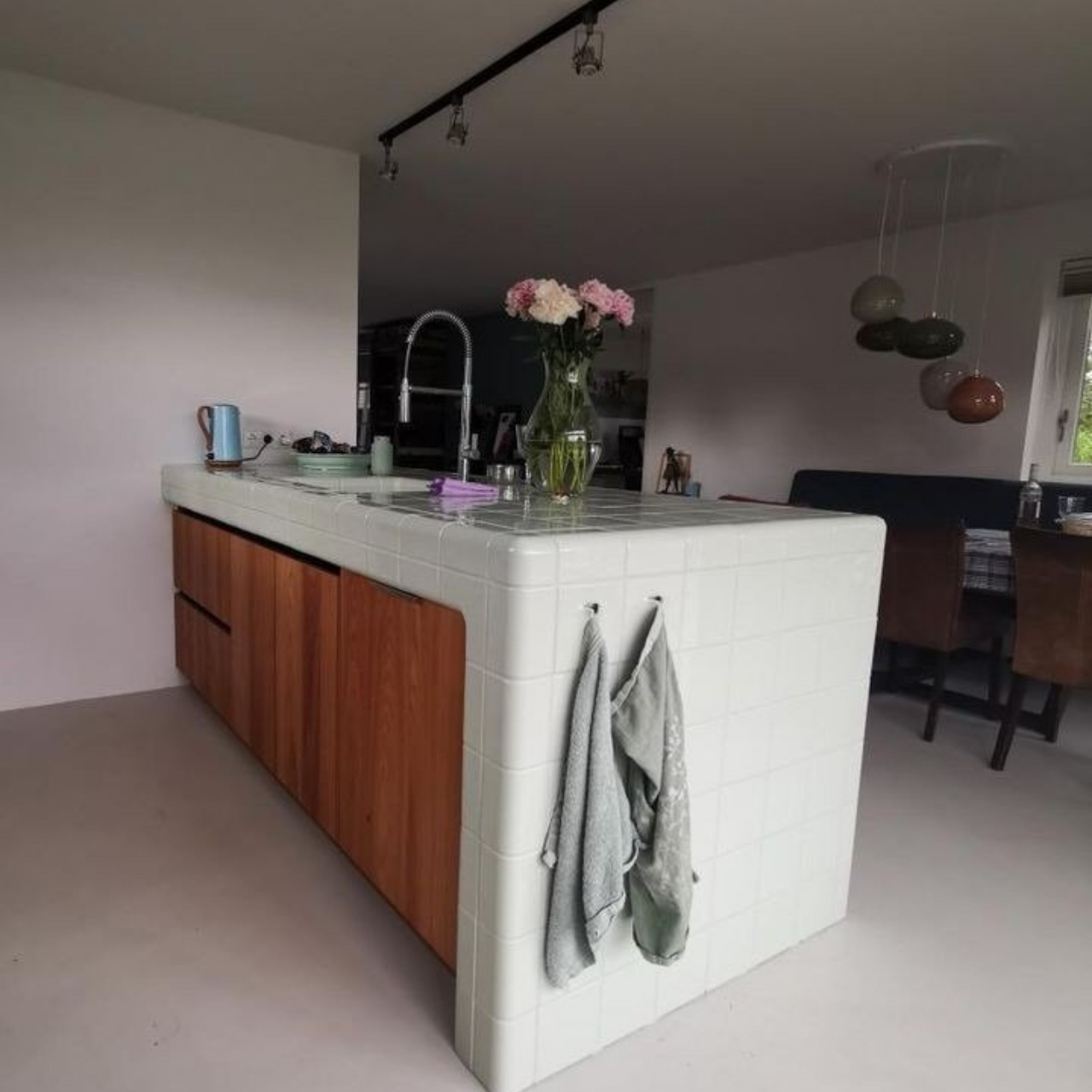
The trio didn’t stop at design either. They built their own factory in Velp, in the Netherlands, with a high-pressure ceramic press that lets them cast these irregular shapes at a scale a small design studio usually can’t manage. That in-house manufacturing decision is part of why the product now ships to more than fifty countries instead of staying a clever concept in a design school portfolio. Plenty of good ideas die in the prototype phase because nobody wants to deal with production. This one didn’t, and that persistence is honestly more impressive to me than the tiles themselves.
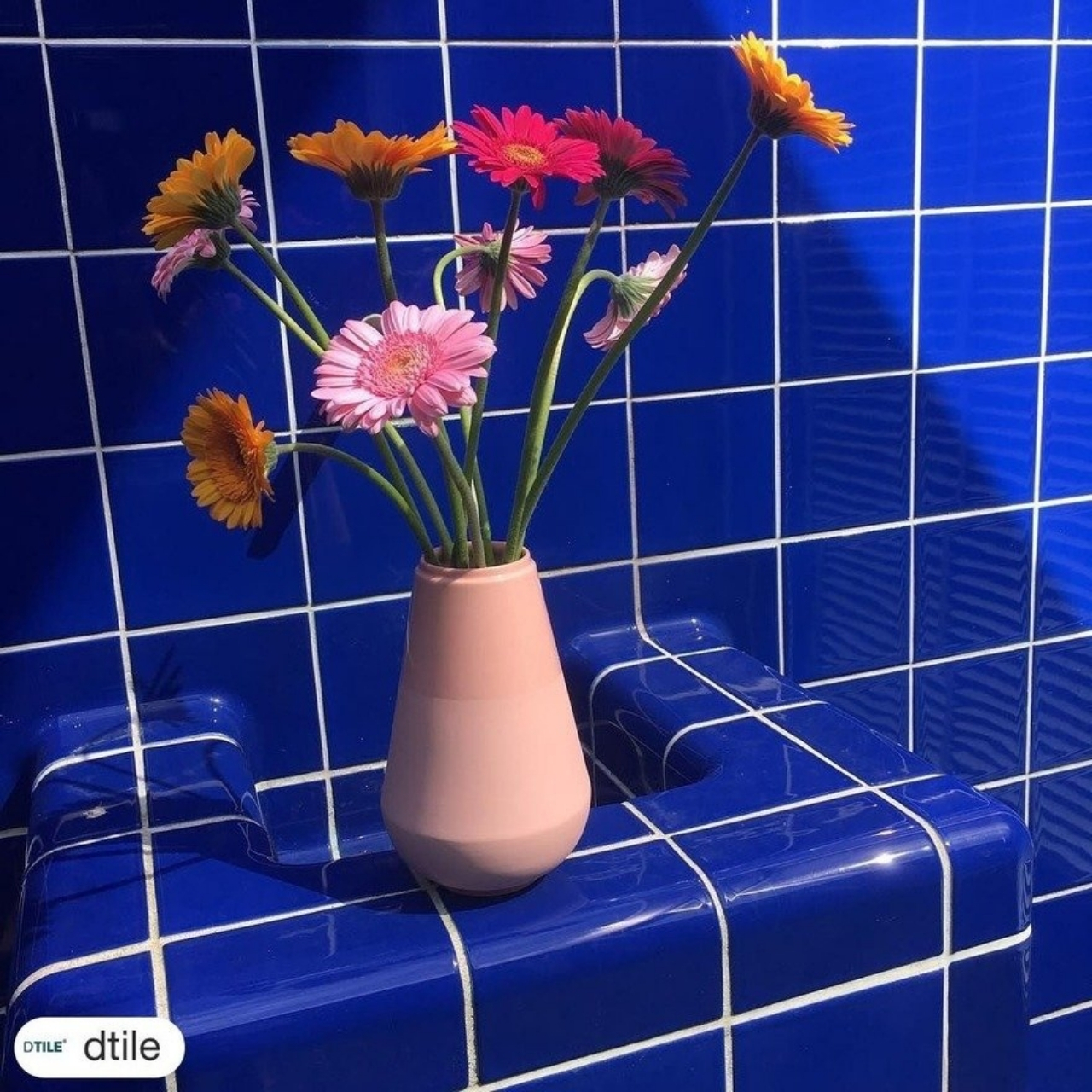
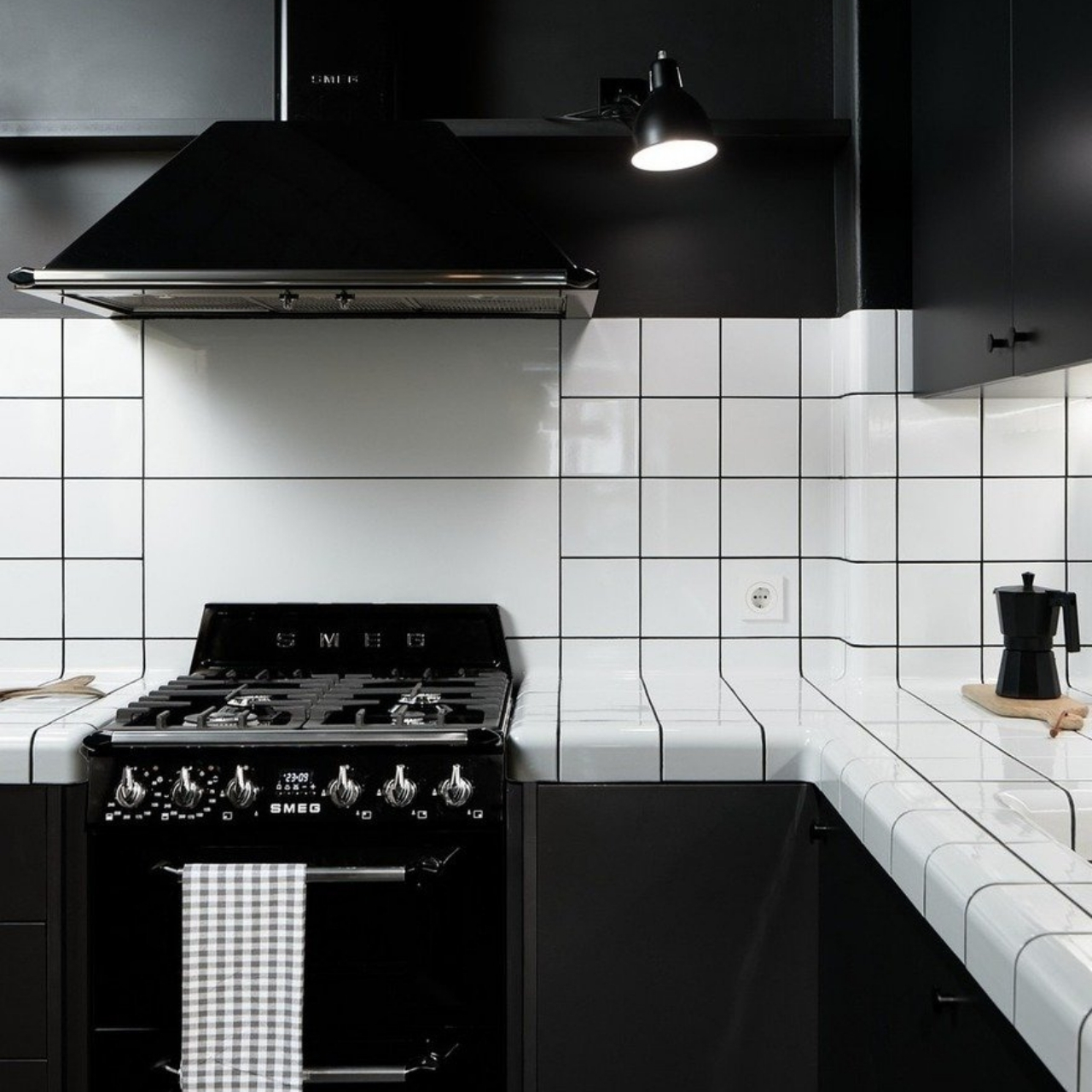

None of this means DTILE is about to show up at your neighborhood tile showroom next weekend. Specialty systems like this tend to arrive in the US through high-end architecture firms and boutique importers long before they hit big box retailers, if they ever do. But the underlying idea, that the ugliest, most compromised parts of a build deserve as much design attention as the parts everyone photographs, is worth paying attention to regardless of what’s sitting in your local Home Depot aisle. The corner seam has been a fact of life in tiling for as long as tile has existed. This is the first system I’ve seen actually end it.