Most lamps exist to disappear. You buy them, you place them, you forget about them. They live as background objects, chosen for ambiance or practicality, rarely for the kind of staying power that makes you stop and actually look. Table Lamp Z by Buenos Aires-based Cobre Estudio is not that lamp.
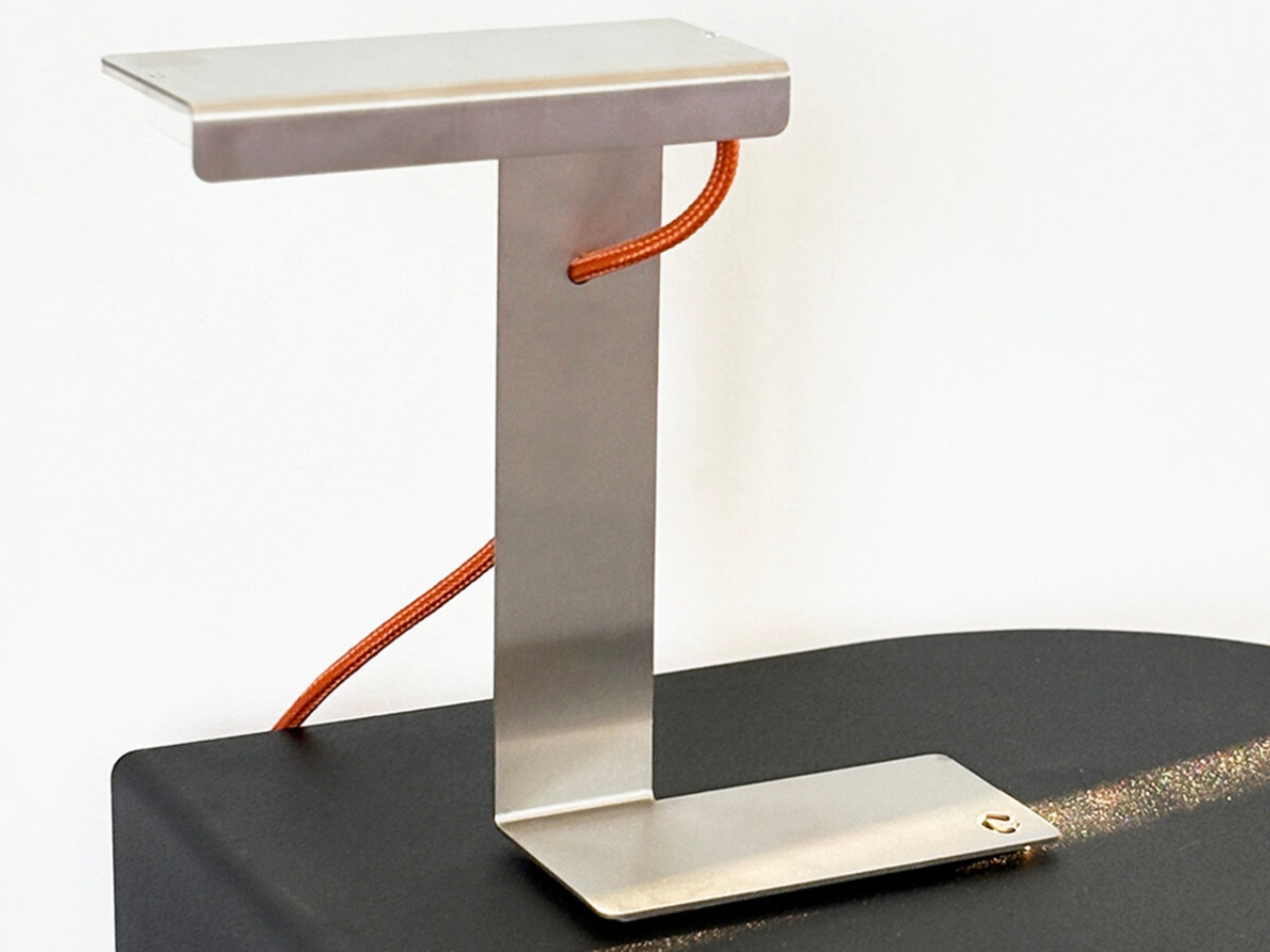
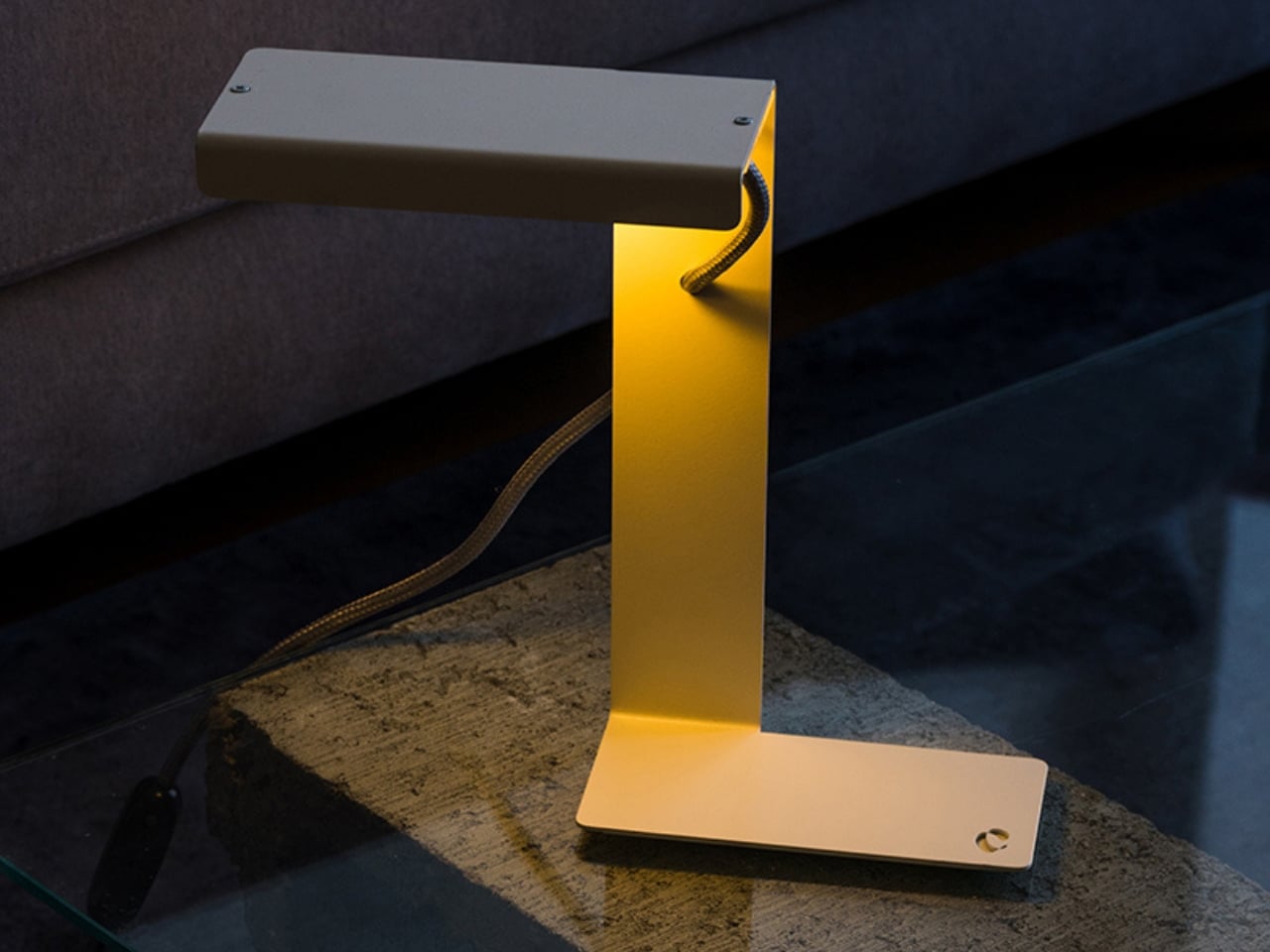
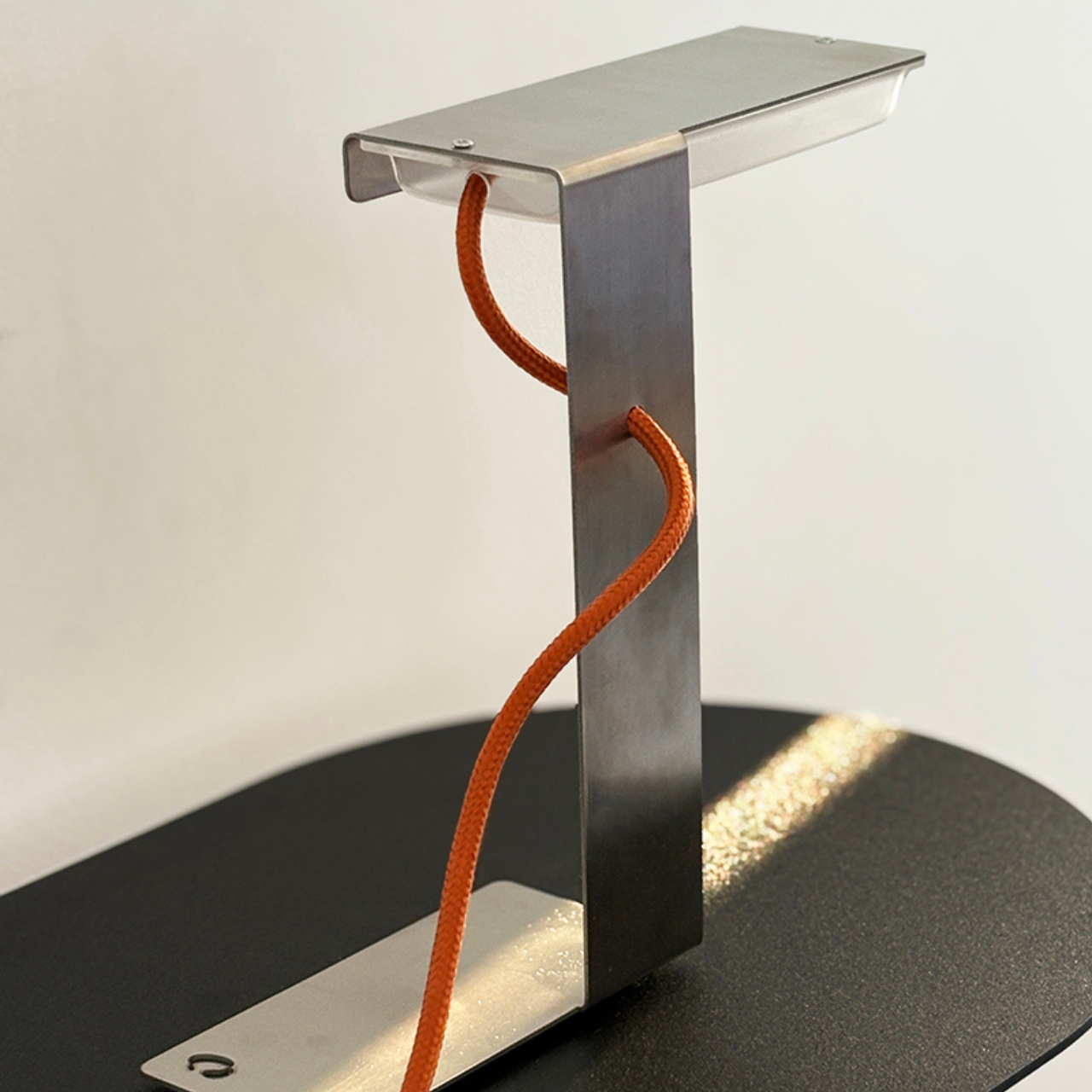
Lead designers Malena Vivanco and Miranda Gurny built the entire piece from a single sheet of 2mm steel. Not assembled from components, not welded from separate parts. One flat sheet, laser-cut and folded into a Z-shaped silhouette that serves as both the structure and the visual language of the object. The result is asymmetric, angular, and quietly striking. It reads as effortless even though you know it isn’t.
Designer: Cobre Estudio
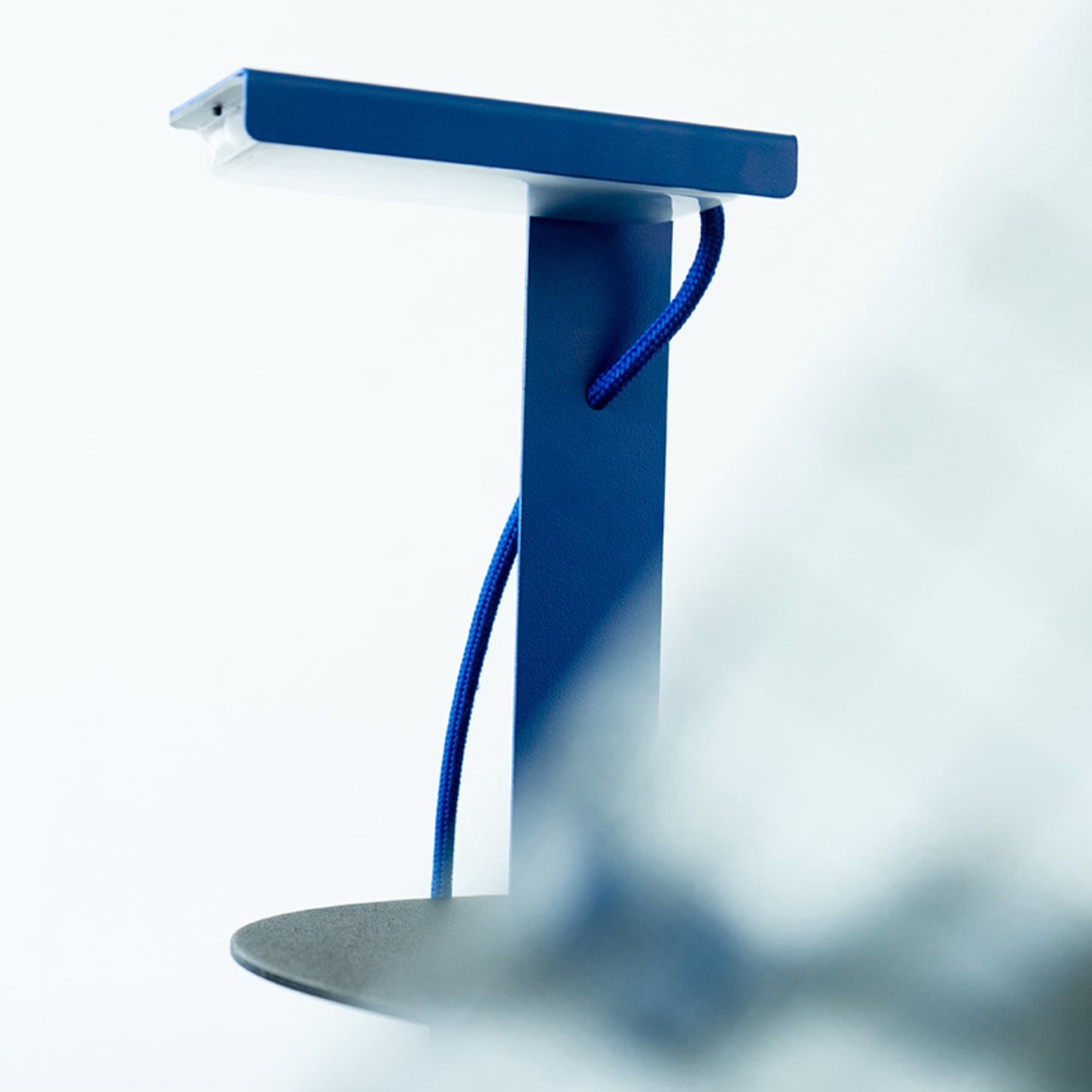
The process matters here, and not just as a talking point. When a design emerges directly from its making, when the fold is the form and the material carries the whole identity, you get something that can’t be faked or replicated in another medium. You couldn’t achieve the same effect in molded plastic or cast resin. The steel had to be steel. The fold had to be a fold. That specificity is increasingly rare in contemporary lighting, where most products feel like they could have been made in a dozen different ways and still arrived at the same forgettable result.
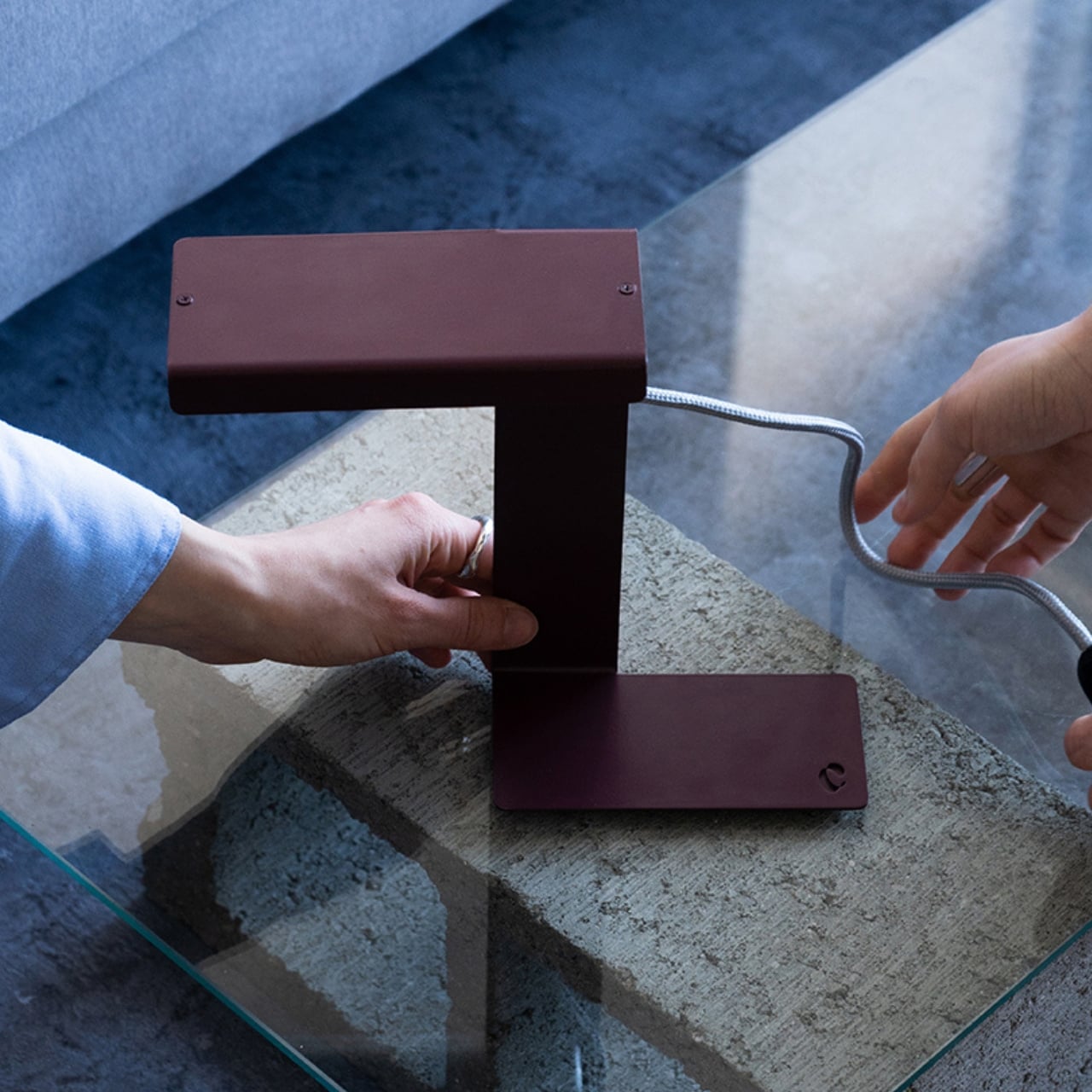
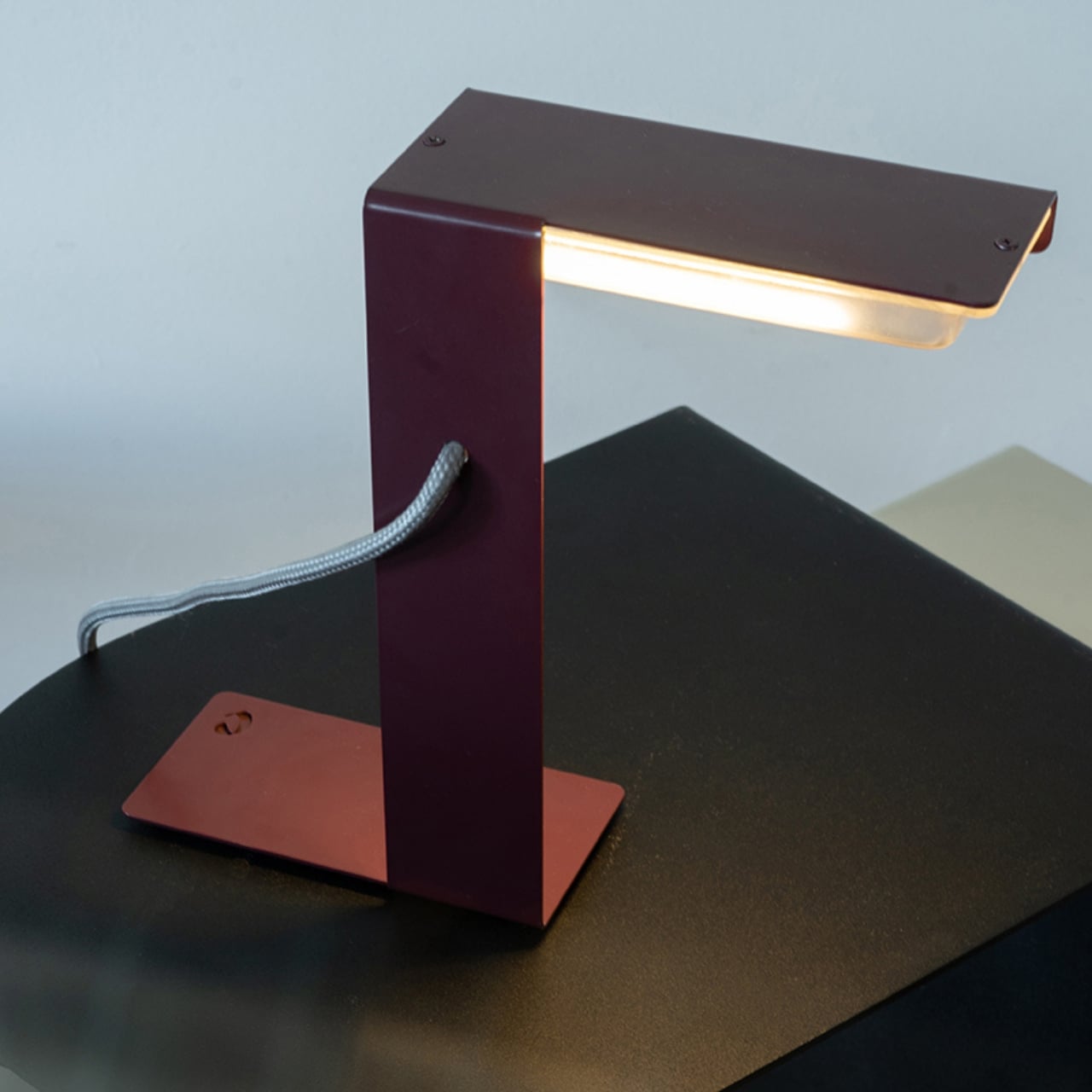
The 2mm thickness isn’t incidental. It’s exactly rigid enough to become structure rather than just skin. Thinner and the lamp loses its self-assurance. Thicker and it tips into heaviness. At 2mm, it holds its shape with a kind of quiet confidence that feels calibrated, even when the logic behind it seems almost too simple to be intentional. The material does the structural work openly, without hiding it behind a shell or a casing.
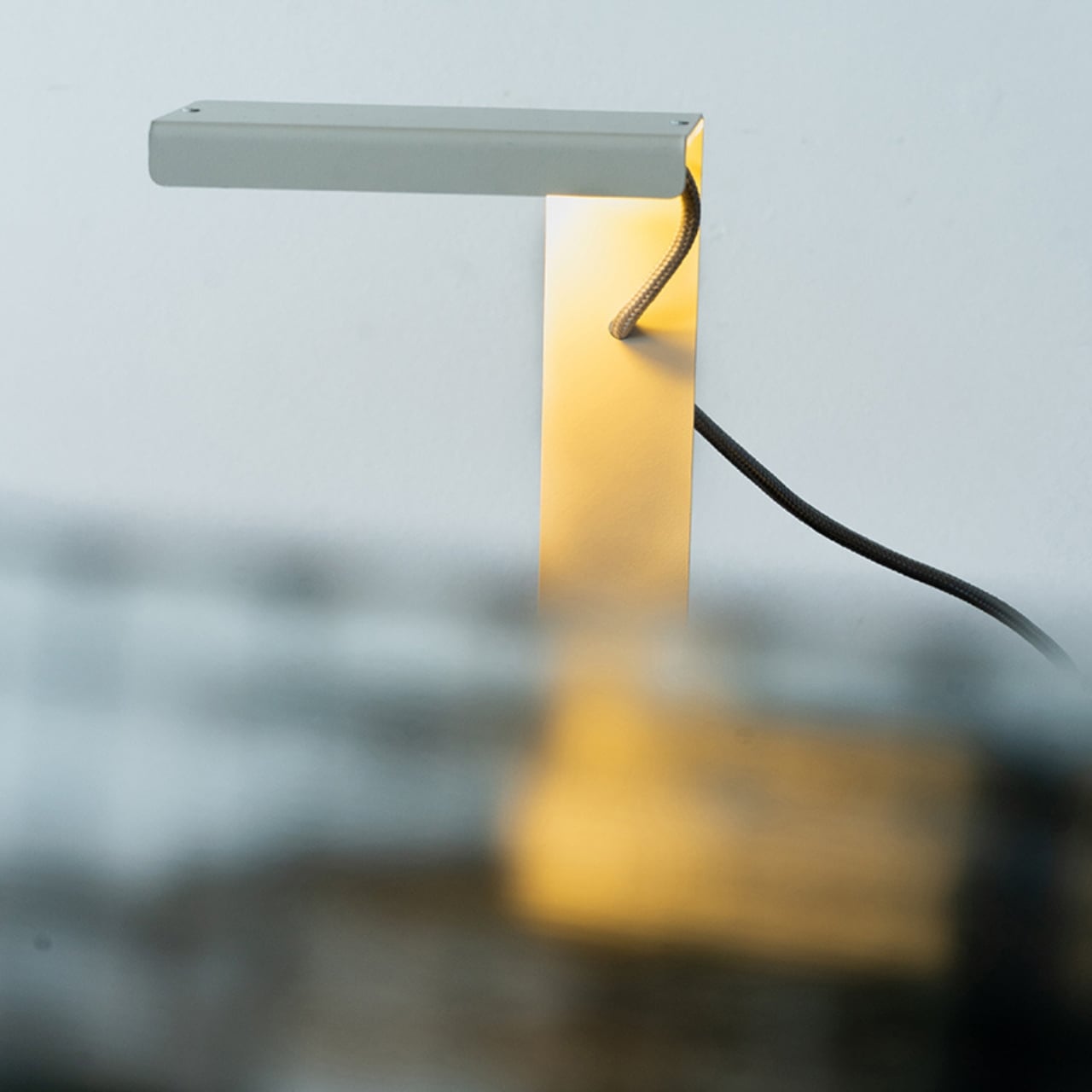
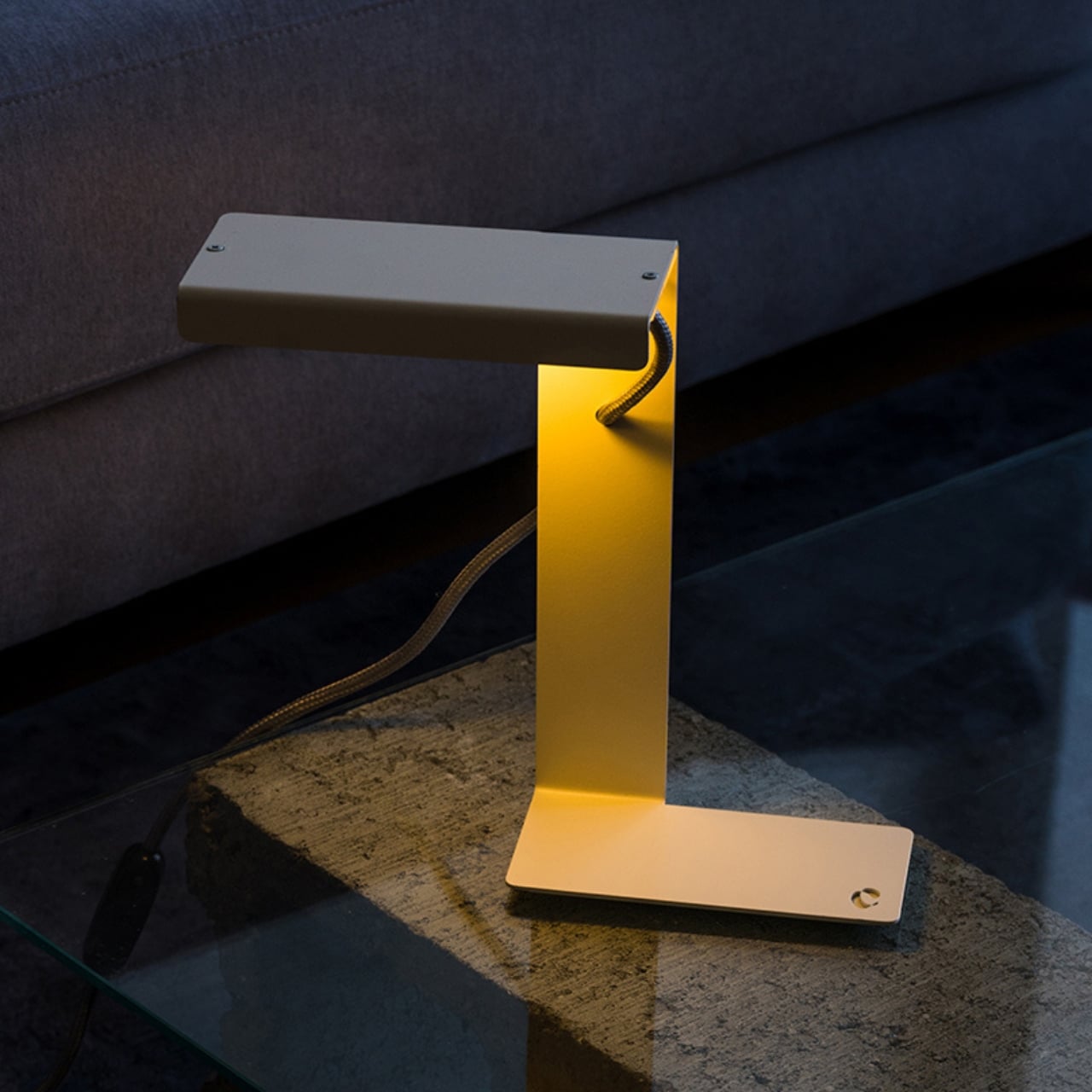
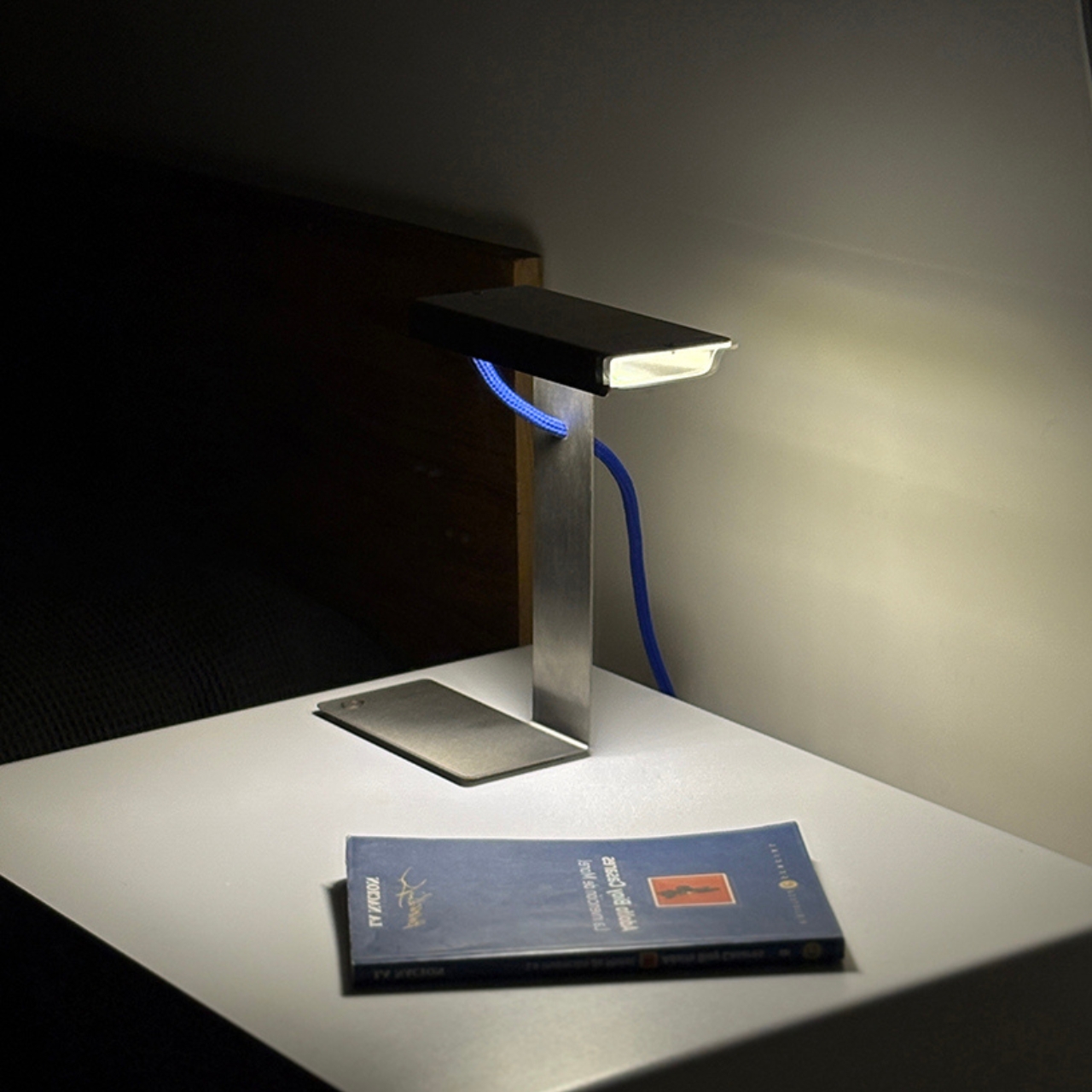
When lit, warm light bounces across the internal steel surfaces, making the angles more visible and more alive. The lamp doesn’t just sit on a table; it performs slightly differently depending on the hour and the light conditions around it. Cold midday light treats it one way. A dim evening room treats it another. That kind of responsiveness, a lamp that changes the way you see it without changing at all, is a quality that’s hard to engineer and even harder to manufacture cheaply.
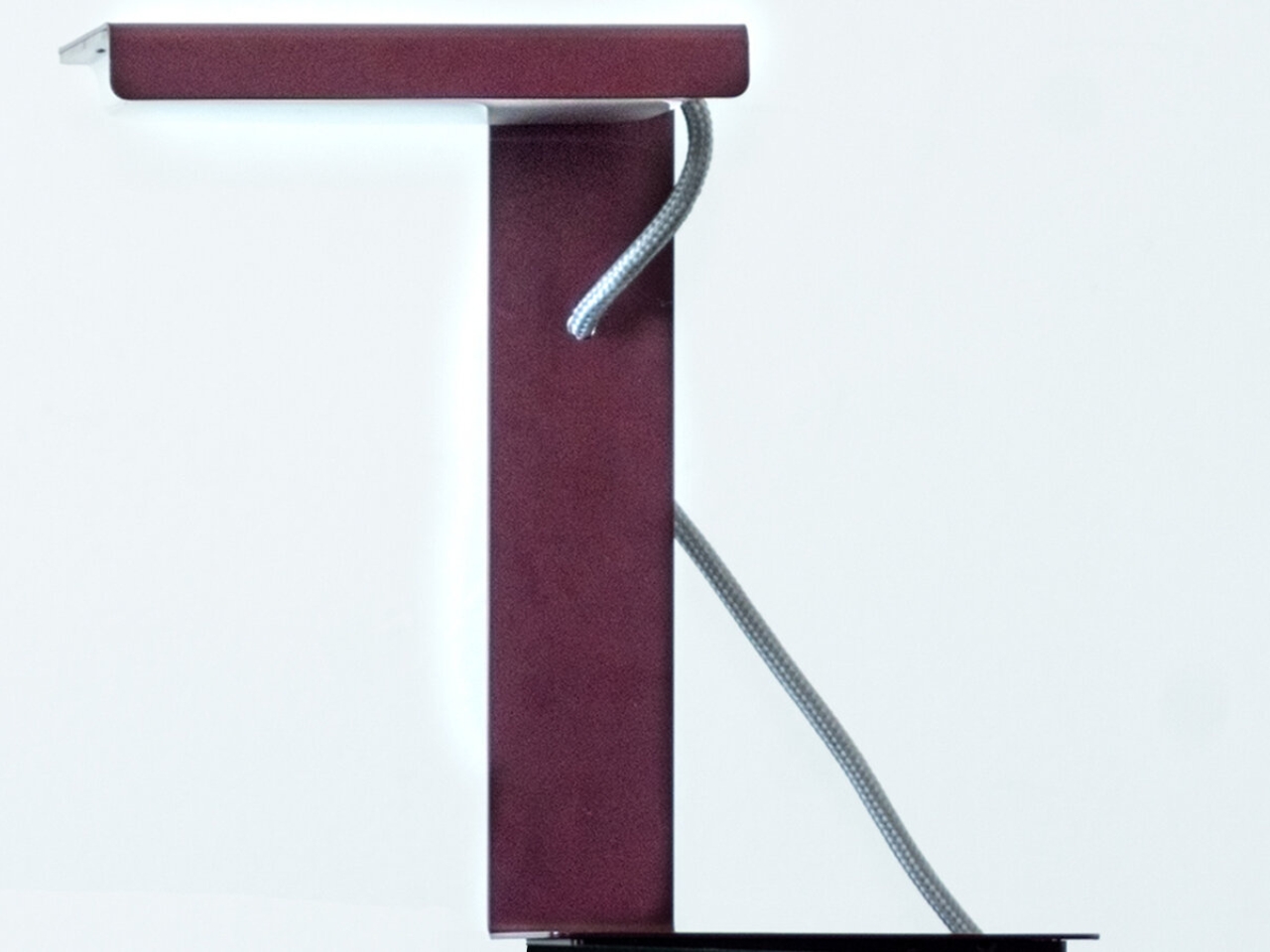
The fabric cord is the one element that breaks the industrial logic, and it does so deliberately. It’s allowed to introduce color, a small but coherent choice that keeps the lamp from reading as too severe. You can choose the cord. You can’t change the steel. That hierarchy makes sense.
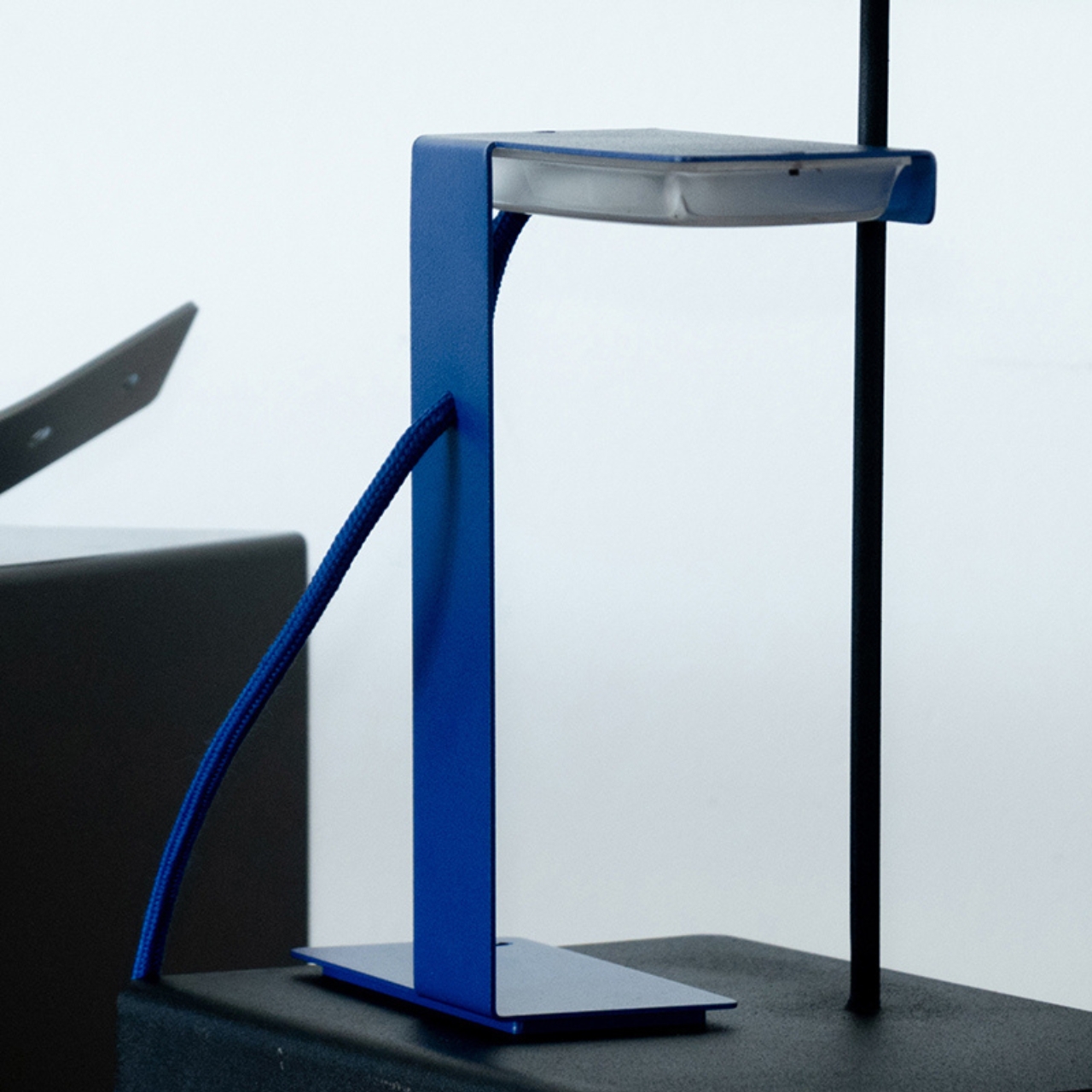
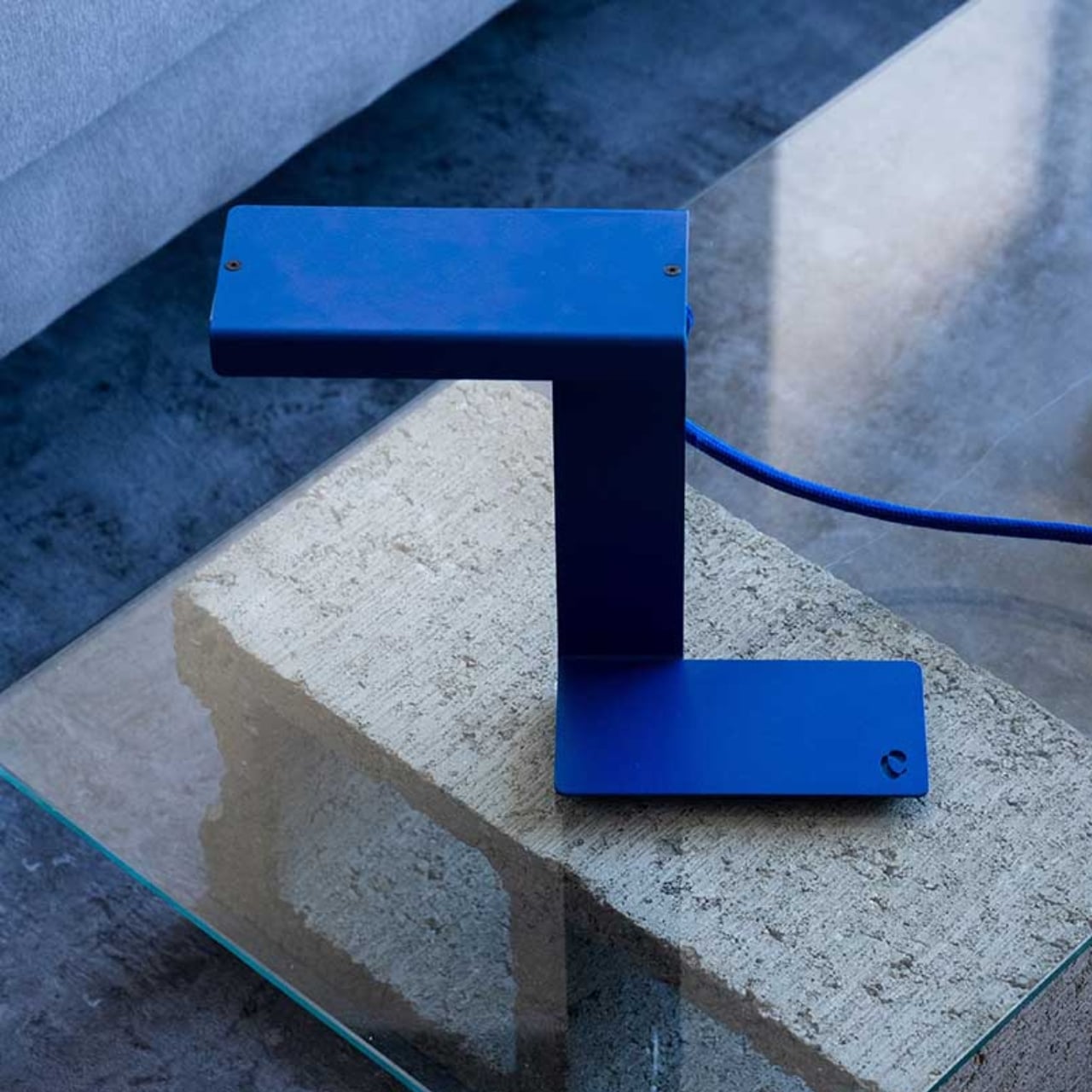
I’ll be upfront: the Z form isn’t a revolutionary formal gesture. Right angles and folded metal exist all over design history, from Eileen Gray to Donald Judd’s furniture. But originality isn’t the only metric worth caring about. Clarity of vision matters too, and Table Lamp Z has that in full. Vivanco and Gurny didn’t try to add complexity where none was needed. They worked with the minimum, one material, one primary process, one guiding form, and resisted the temptation to embellish.
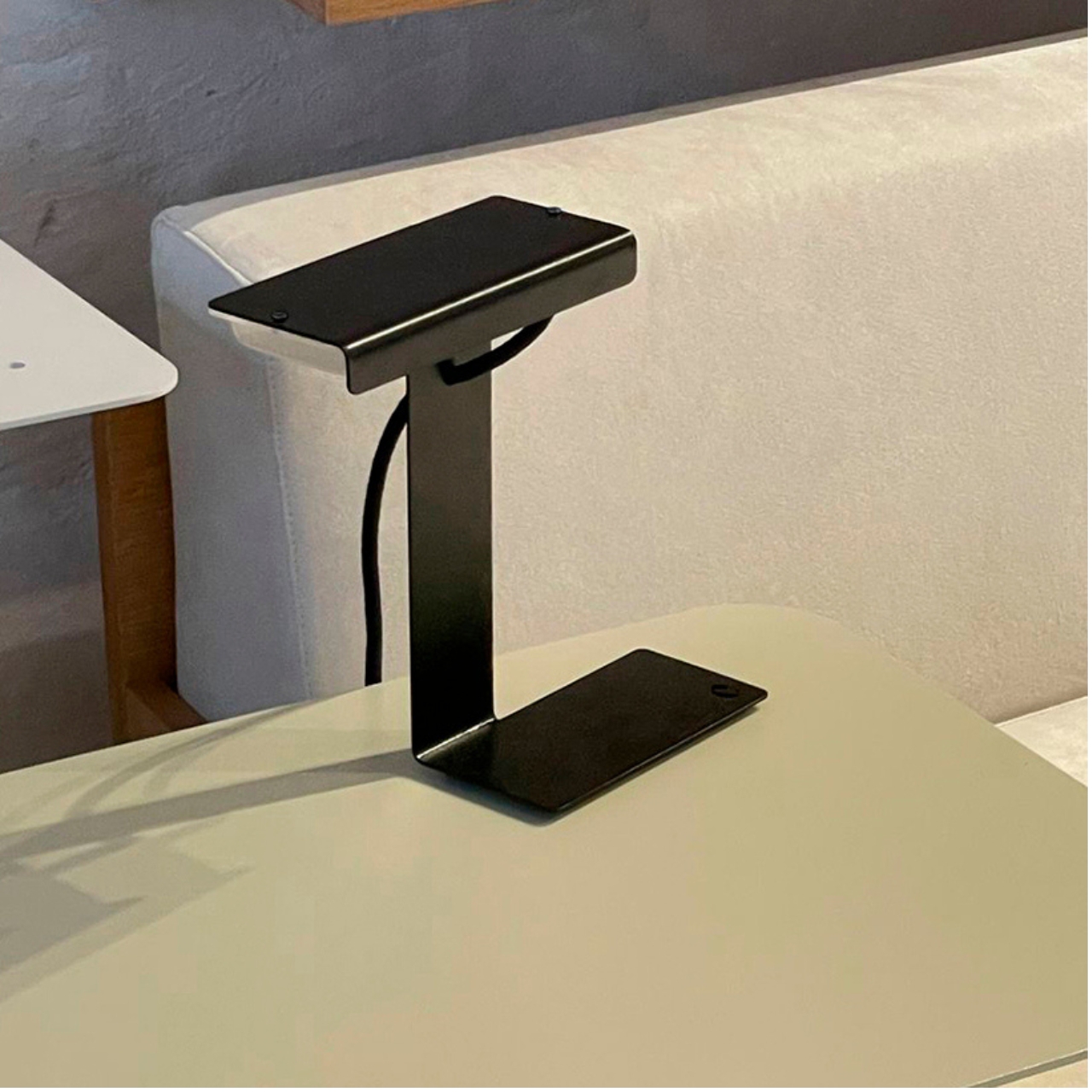
During these days when most products are designed to look like they required more effort than they did, a lamp this transparent about its own construction is almost disarming. The steel sheet carries the Cobre Estudio logo, not as branding stamped onto a product, but as part of the object itself. Even that detail points back to the same idea: nothing here is applied after the fact.
Does every home need a Table Lamp Z? Probably not. It suits a certain kind of space, minimal, considered, not too precious, and a certain kind of person who prefers objects that reward attention rather than demand it. But for what it is, it’s very good. Precise without being cold, sculptural without being decorative, functional without being ordinary. Sometimes a lamp is just a lamp. And sometimes a designer folds a single sheet of steel and proves that even the most ordinary objects still have room to surprise you.