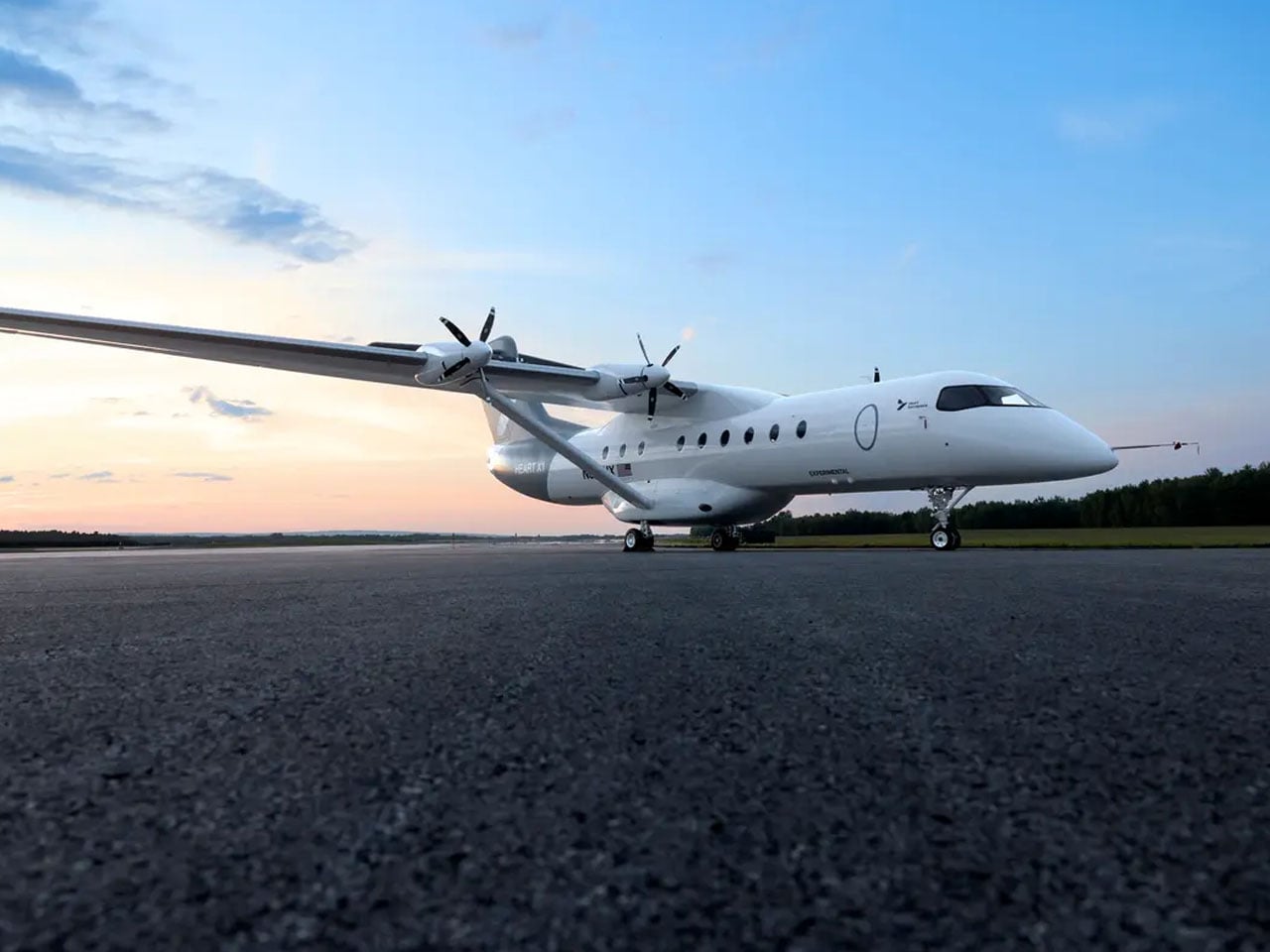
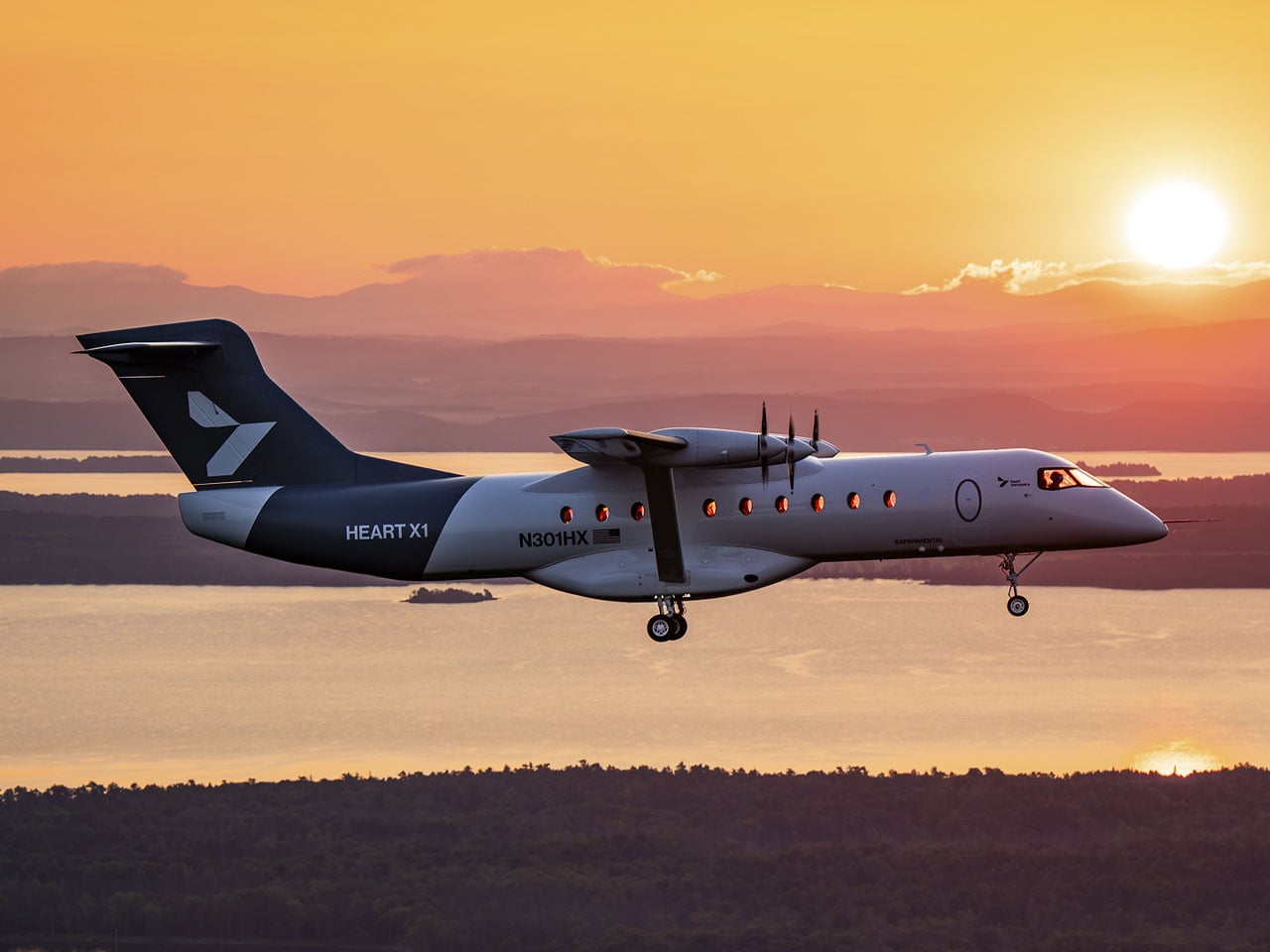
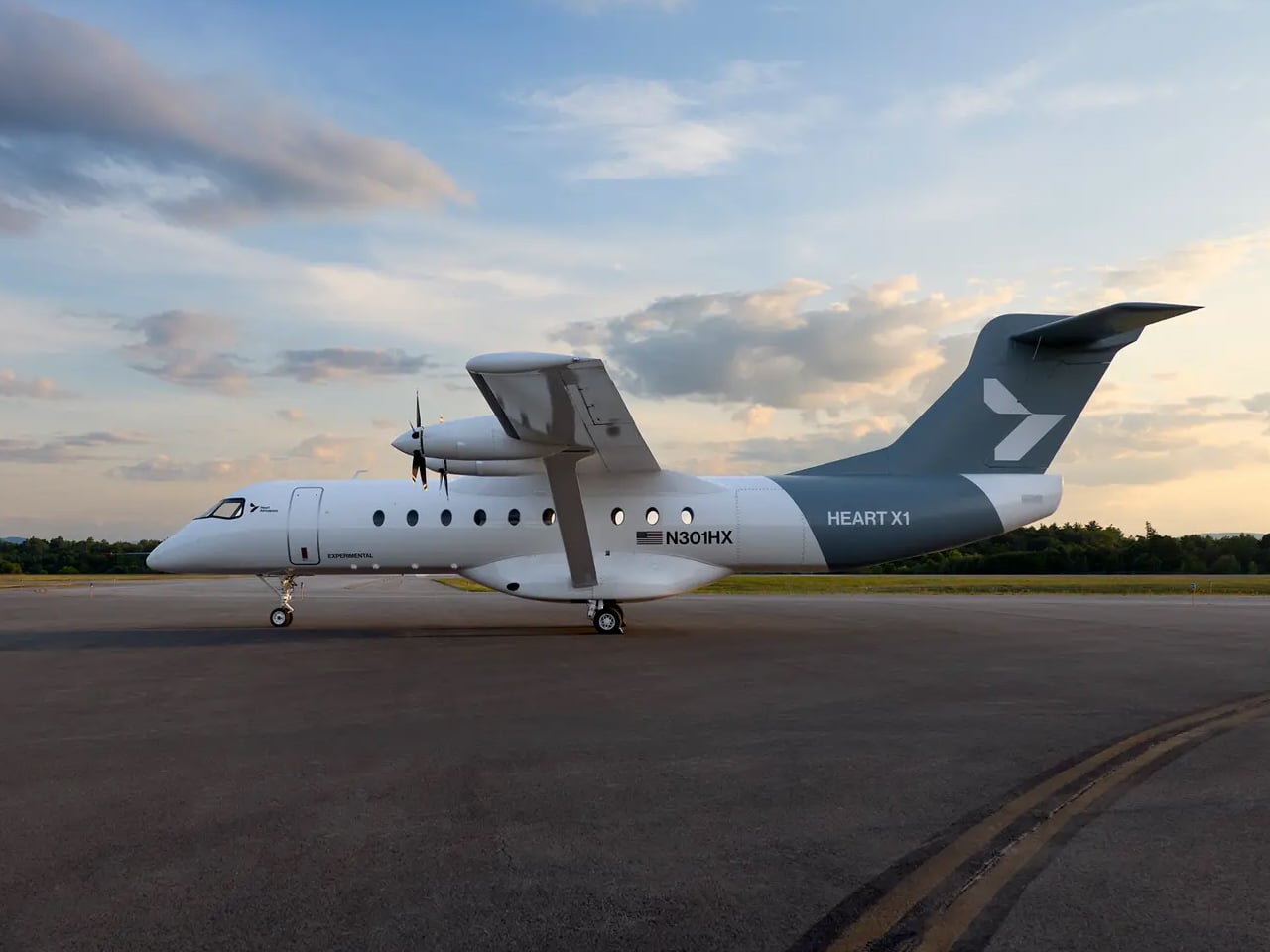
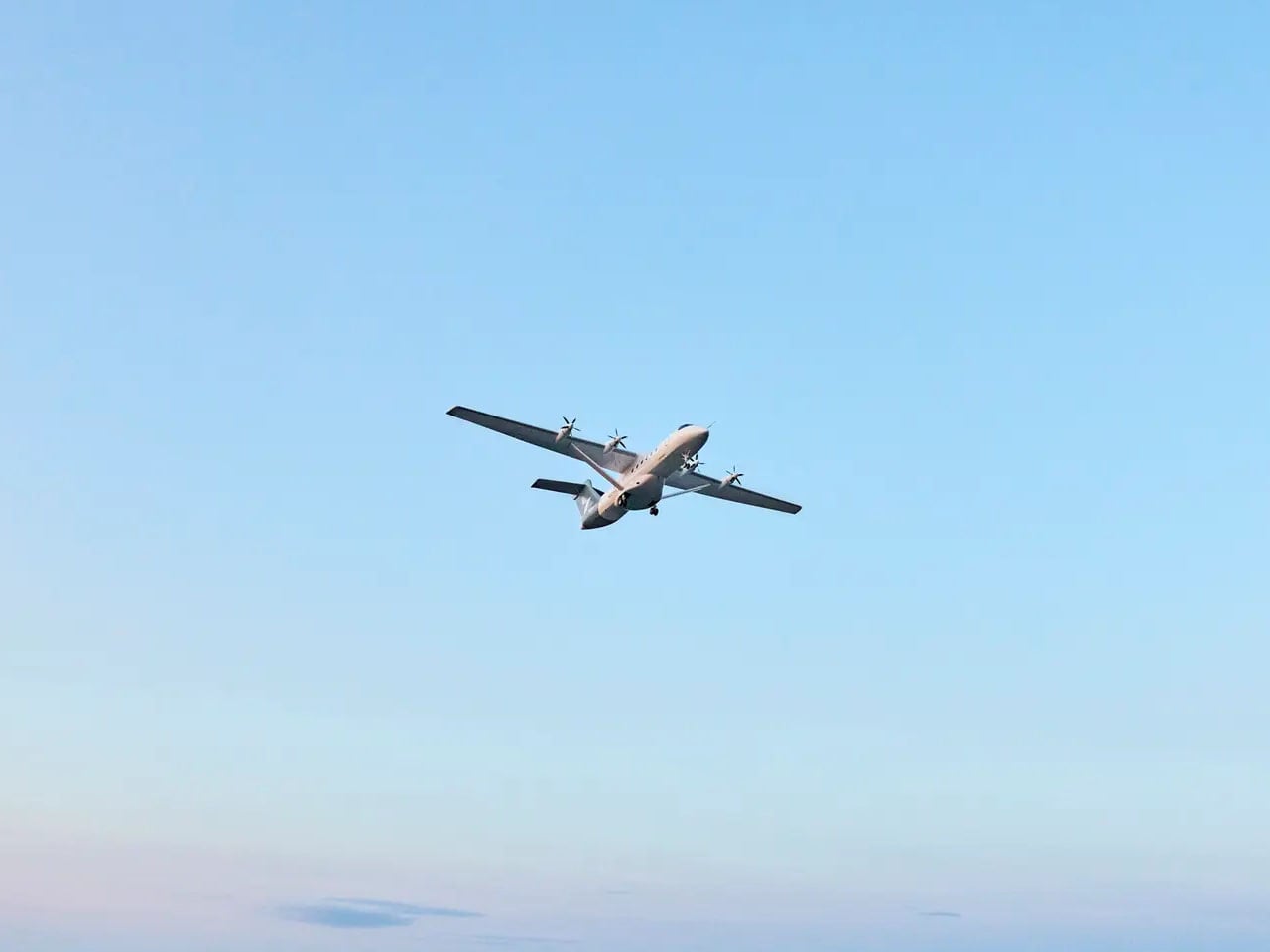
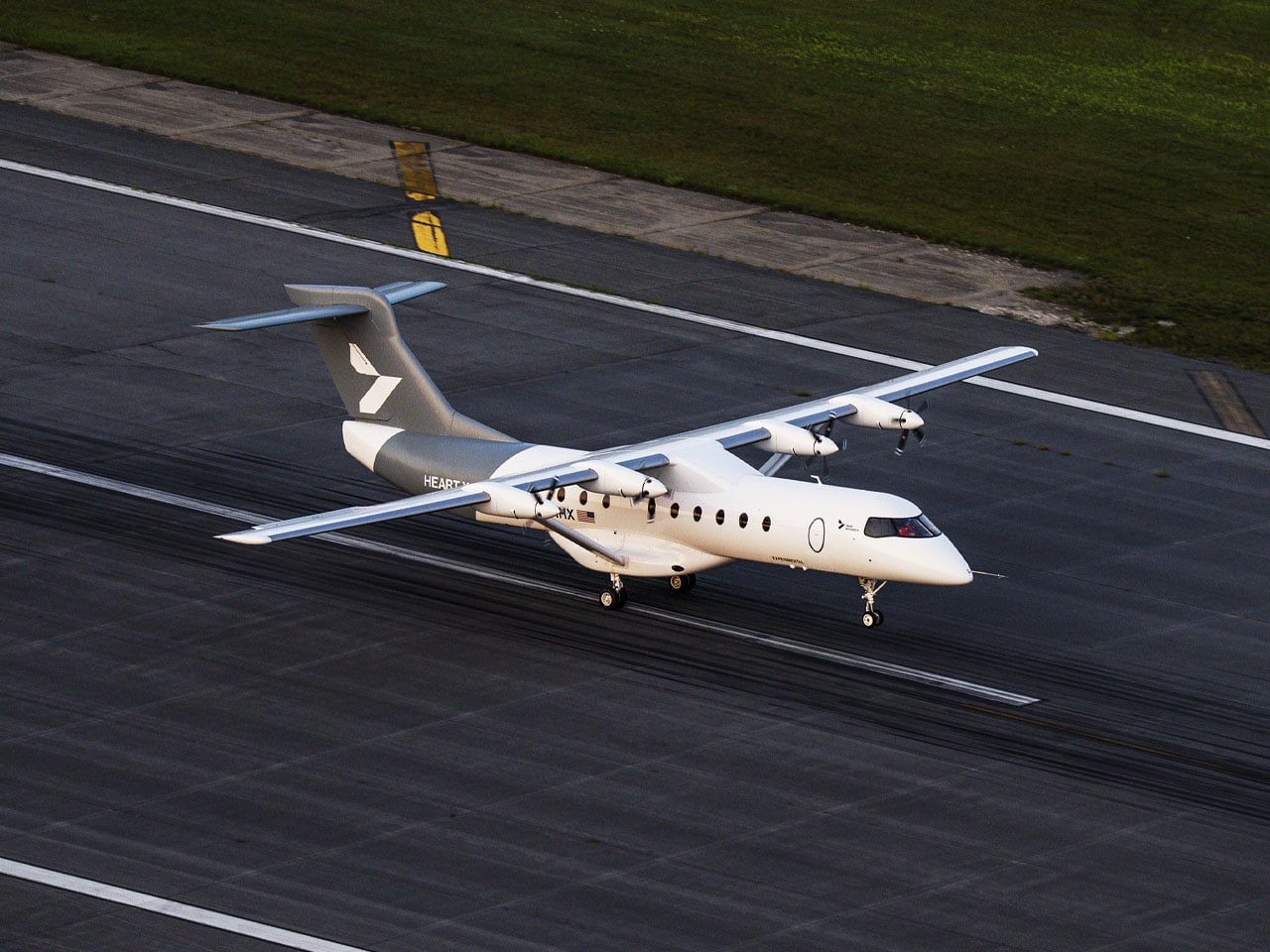
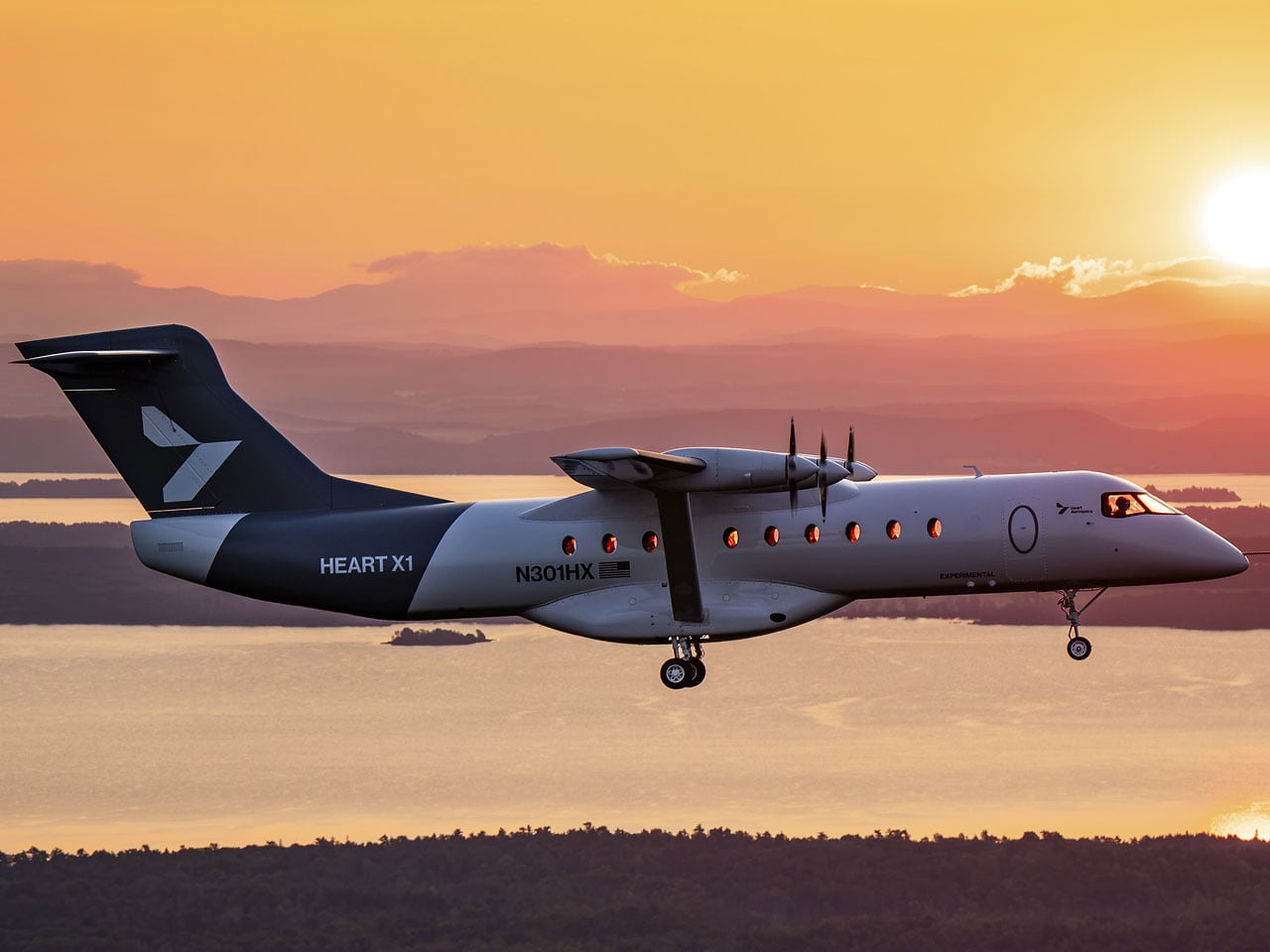
Electric aviation has reached a milestone that once seemed reserved for much smaller aircraft. Heart Aerospace’s X1 demonstrator has completed its first flight, becoming the largest battery-electric aircraft ever to take to the skies. The aircraft flew from Plattsburgh International Airport in upstate New York on August 12, marking a significant step toward bringing electric propulsion to the scale of regional air travel.
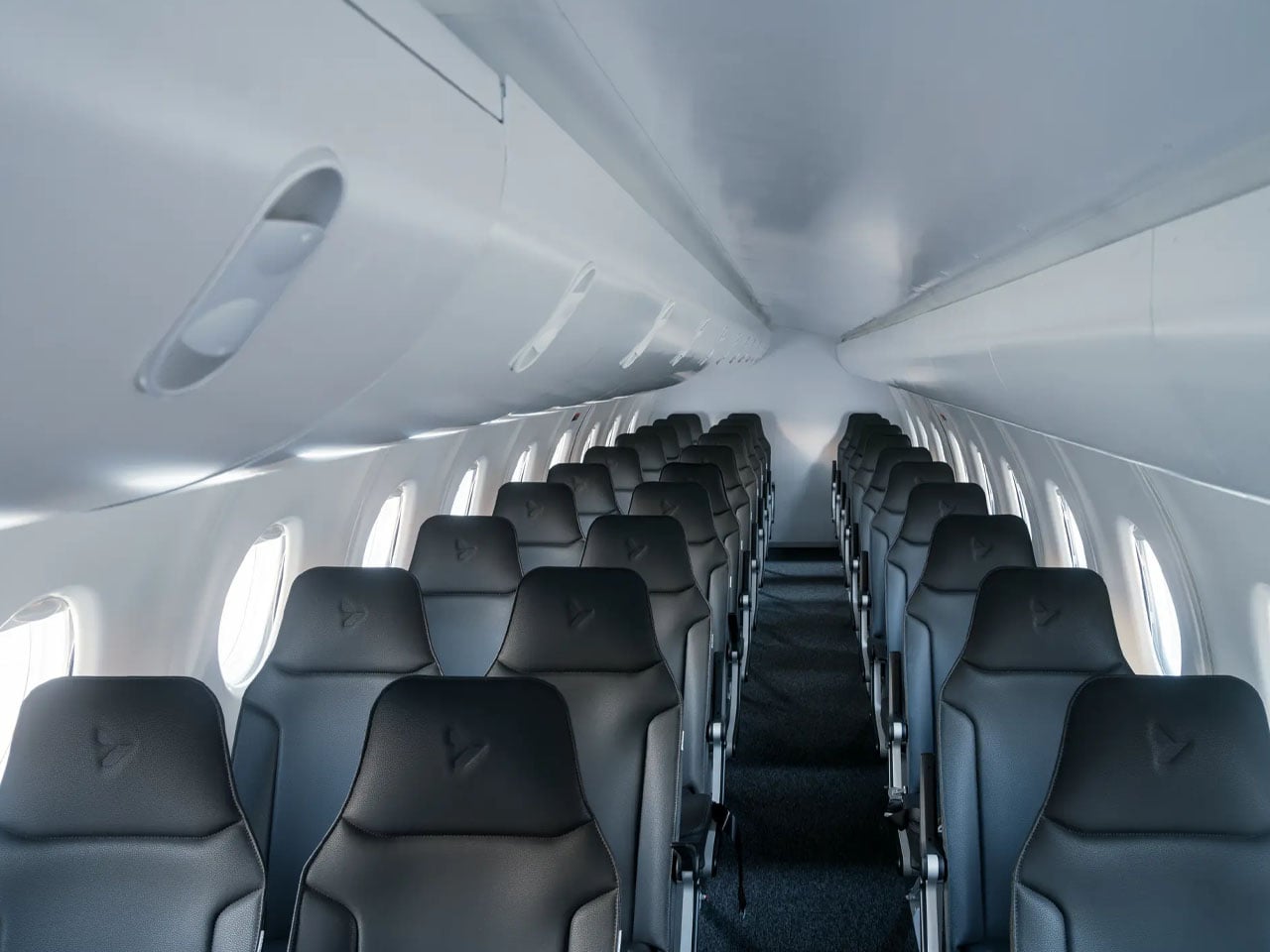
The X1 is not intended to become a passenger aircraft itself. Instead, it is a full-scale technology demonstrator for Heart Aerospace’s ES-30, a 30-seat hybrid-electric regional aircraft currently under development. Its purpose is to validate the propulsion system, aerodynamics, flight performance, and other technologies that will eventually be carried into the production aircraft.
Designer: Heart Aerospace

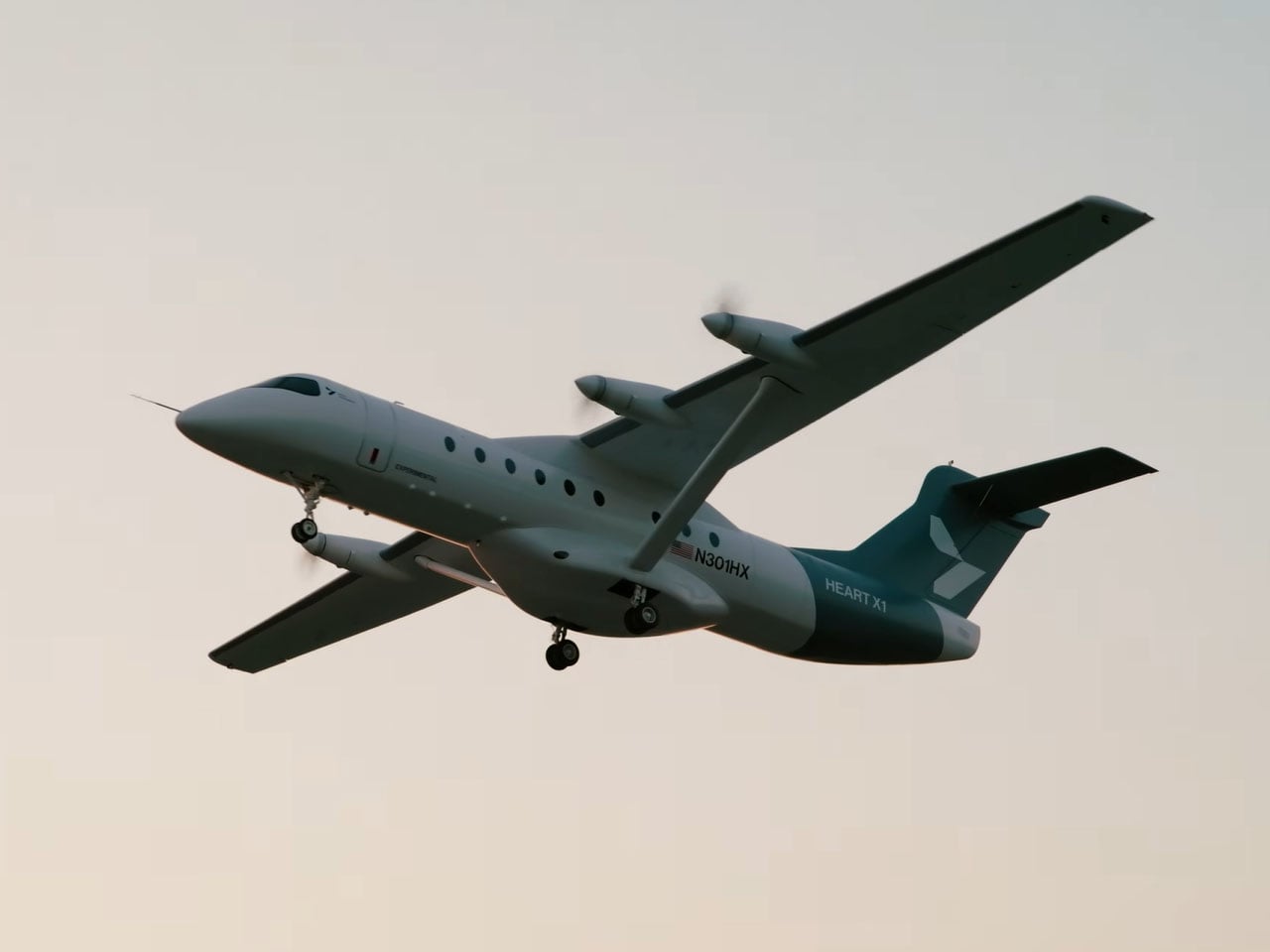
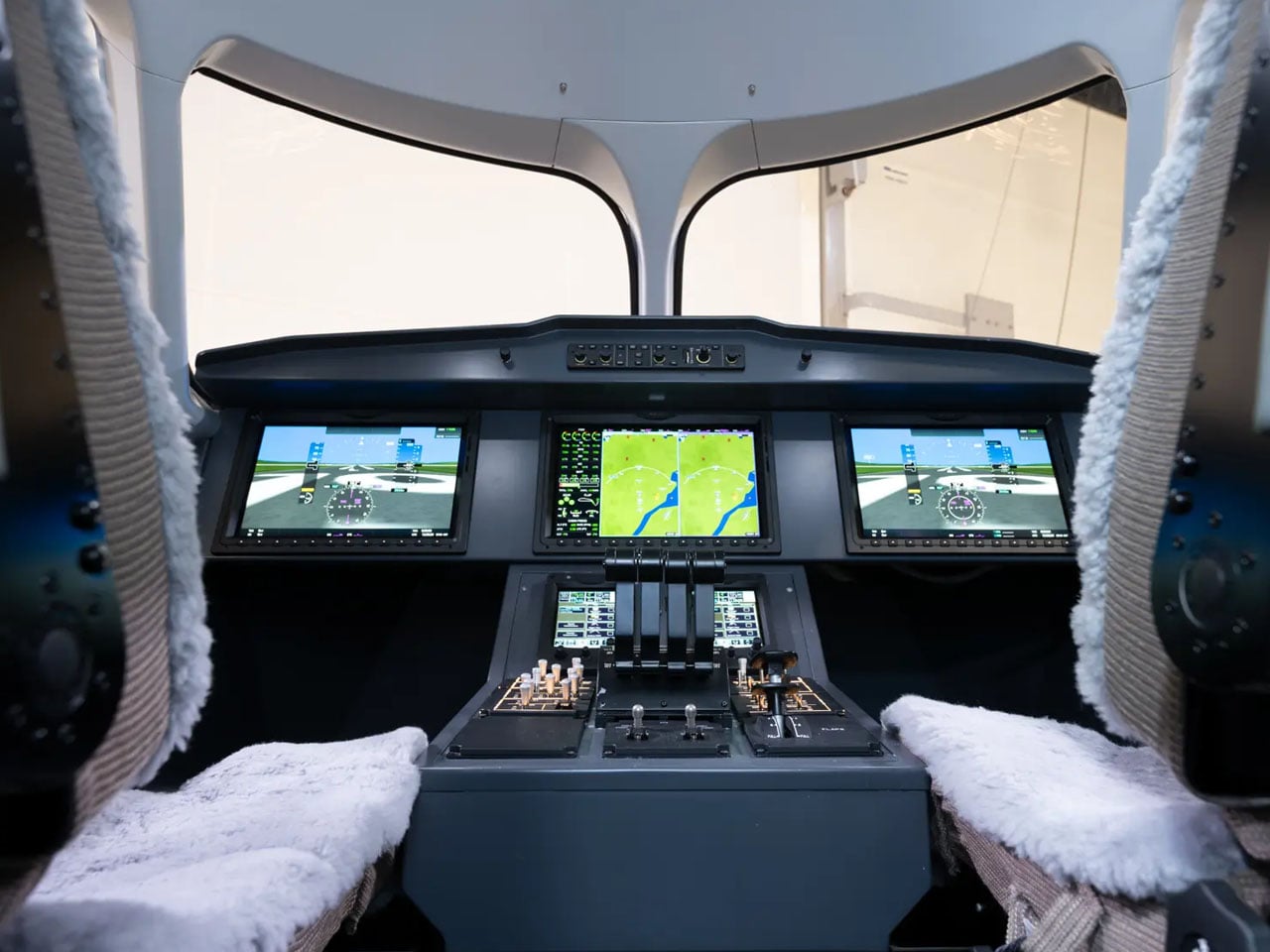
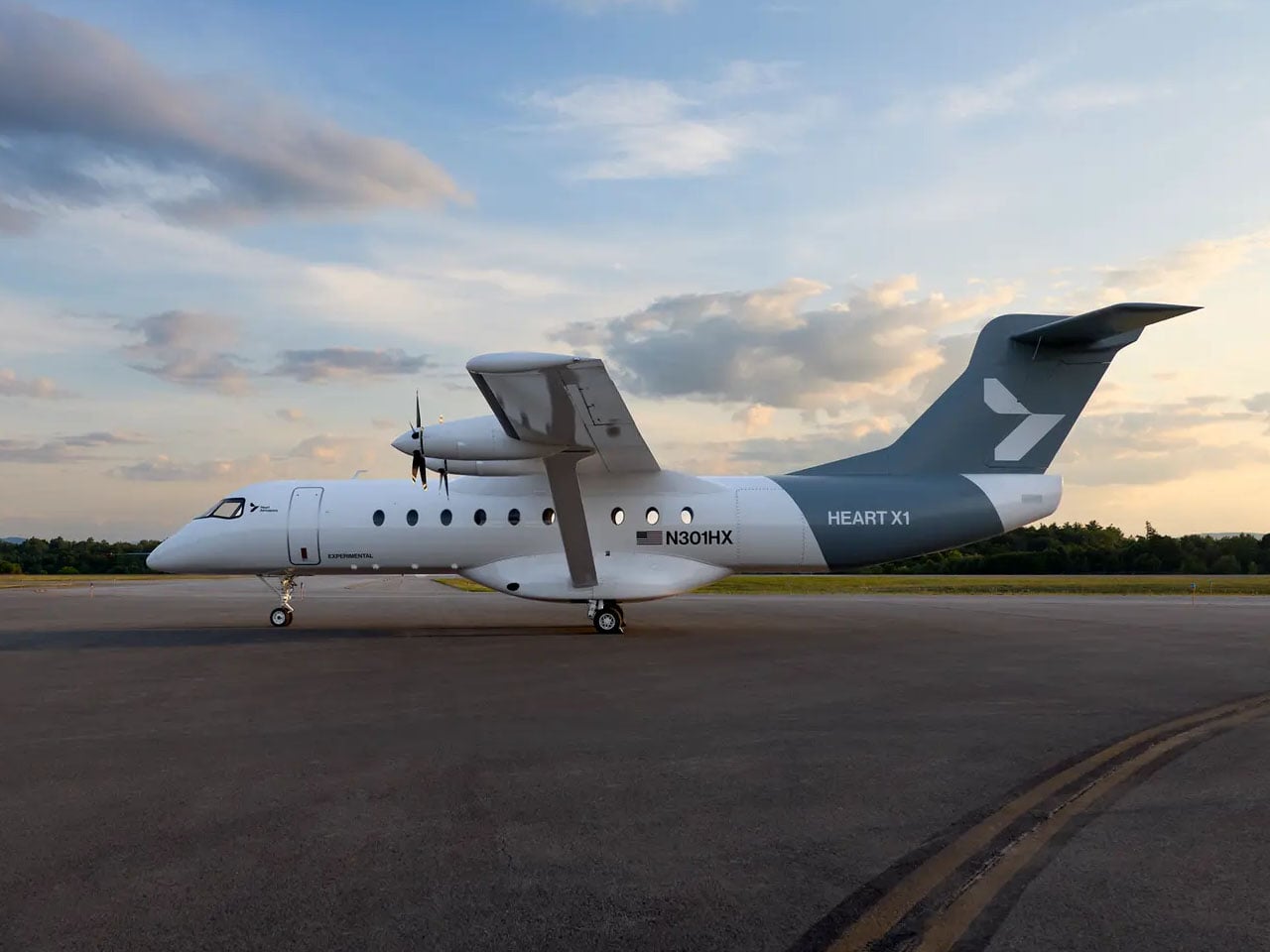
For a prototype, the X1 is quite substantial. It has a 106-foot wingspan, measures 76 feet from nose to tail, and weighs more than 25,000 pounds at takeoff. Four electric motors provide propulsion, drawing their energy entirely from onboard batteries during the test flight. The maiden flight lasted 27 minutes and included taxiing, takeoff, climb, maneuvering, and landing. The aircraft reached 1,100 feet above ground while its electric propulsion system delivered more than one megawatt of power. The test was conducted under an FAA Special Airworthiness Certificate in the Experimental Category, with the flight kept within a controlled test envelope.

Perhaps the most striking detail is the reported energy cost. Heart Aerospace says the flight used approximately $5 worth of electricity. That figure covers the battery-powered flight operation, while some reporting notes that electricity consumed during ground taxiing would need to be considered separately. Even with that distinction, the demonstration offers a tangible illustration of the potential operating-cost advantage of electric propulsion over conventional aircraft fuel.
The limitations, though, have still to be kept in mind, as batteries still cannot provide the energy density required for longer regional flights. That is why the production ES-30 will use a hybrid-electric architecture rather than relying entirely on batteries. Heart Aerospace is targeting an all-electric range of about 124–125 miles, while hybrid operation is expected to extend the range to roughly 497–500 miles. The aircraft is designed to carry 30 passengers and has a battery recharge time of around 30 minutes.
Heart expects the ES-30 to reduce operating costs by more than 40 percent compared with legacy regional aircraft, combining lower energy costs with simpler electric propulsion, reduced maintenance requirements, and potentially greater reliability and aircraft availability. Airlines including United Airlines and Air Canada have committed to the program, with total customer commitments reported at $9.4 billion.
The first pre-production ES-30 is already being developed at Heart Aerospace’s Los Angeles pilot manufacturing plant, with flight testing scheduled for 2028 and entry into service targeted for 2031. The X1’s 27-minute flight does not make electric commercial aviation a finished proposition, but it unearths something more fundamental. Battery-powered propulsion can now lift an aircraft approaching regional-airliner scale off a runway and enable a controlled flight. That is a feat in itself!