Public restrooms have, for the longest time, been a design afterthought. They get built, they get scheduled for cleaning twice a day, and everything that happens in between is considered someone else’s problem. Nobody glamorizes it. Nobody puts it on a mood board. And yet the state of public restrooms affects millions of people daily in ways that are deeply tied to comfort, dignity, and public health.
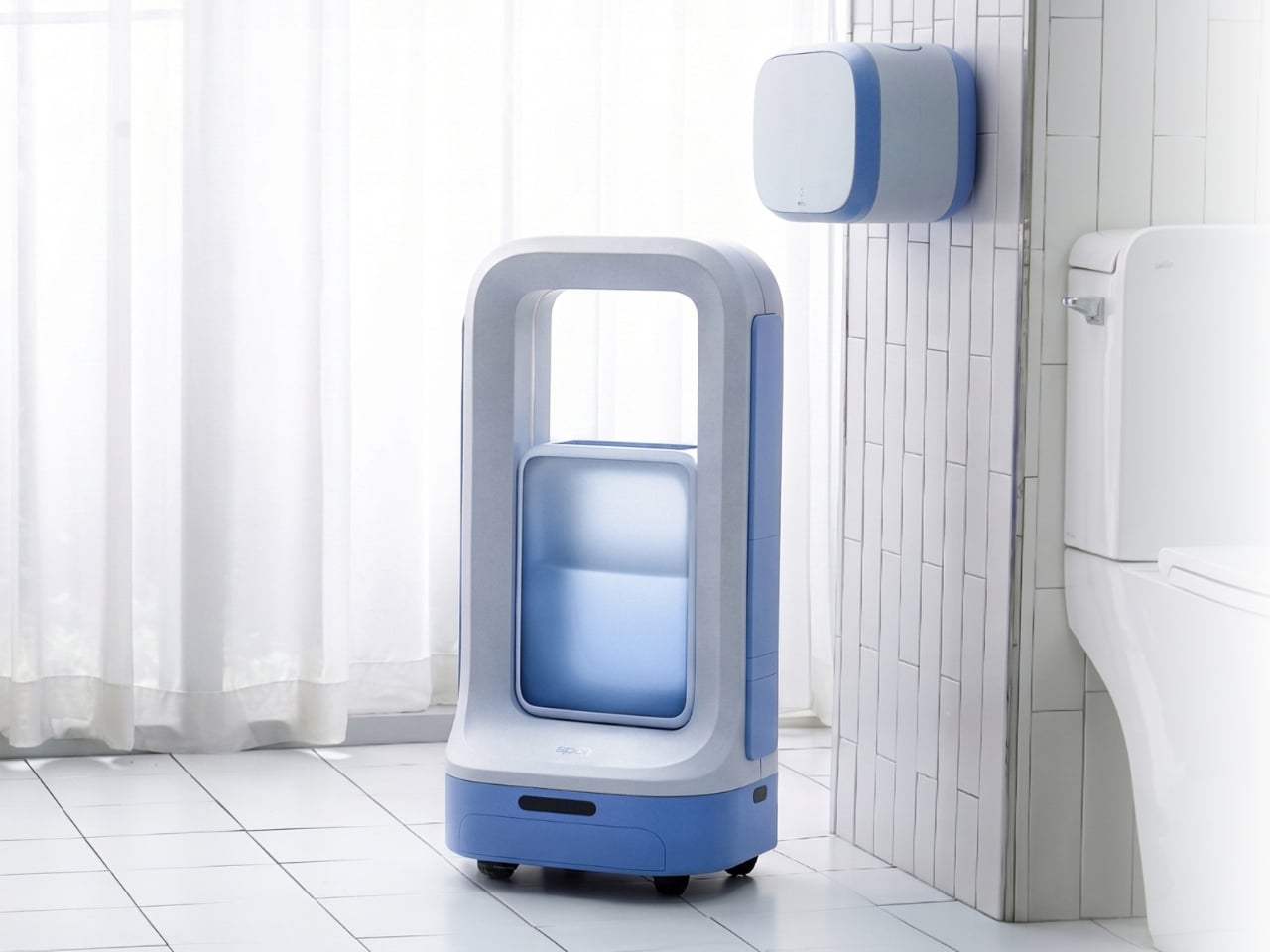
That’s exactly the gap that Yangwoo Choi and Ye Jin Lee, two designers from South Korea, decided to address with Spot, a concept for an autonomous cleaning robot built specifically for public restrooms. Published in June 2026, the project has been picking up attention in design communities, and I think it deserves more eyes than it’s gotten so far.
Designers: Yangwoo Choi, Ye Jin Lee
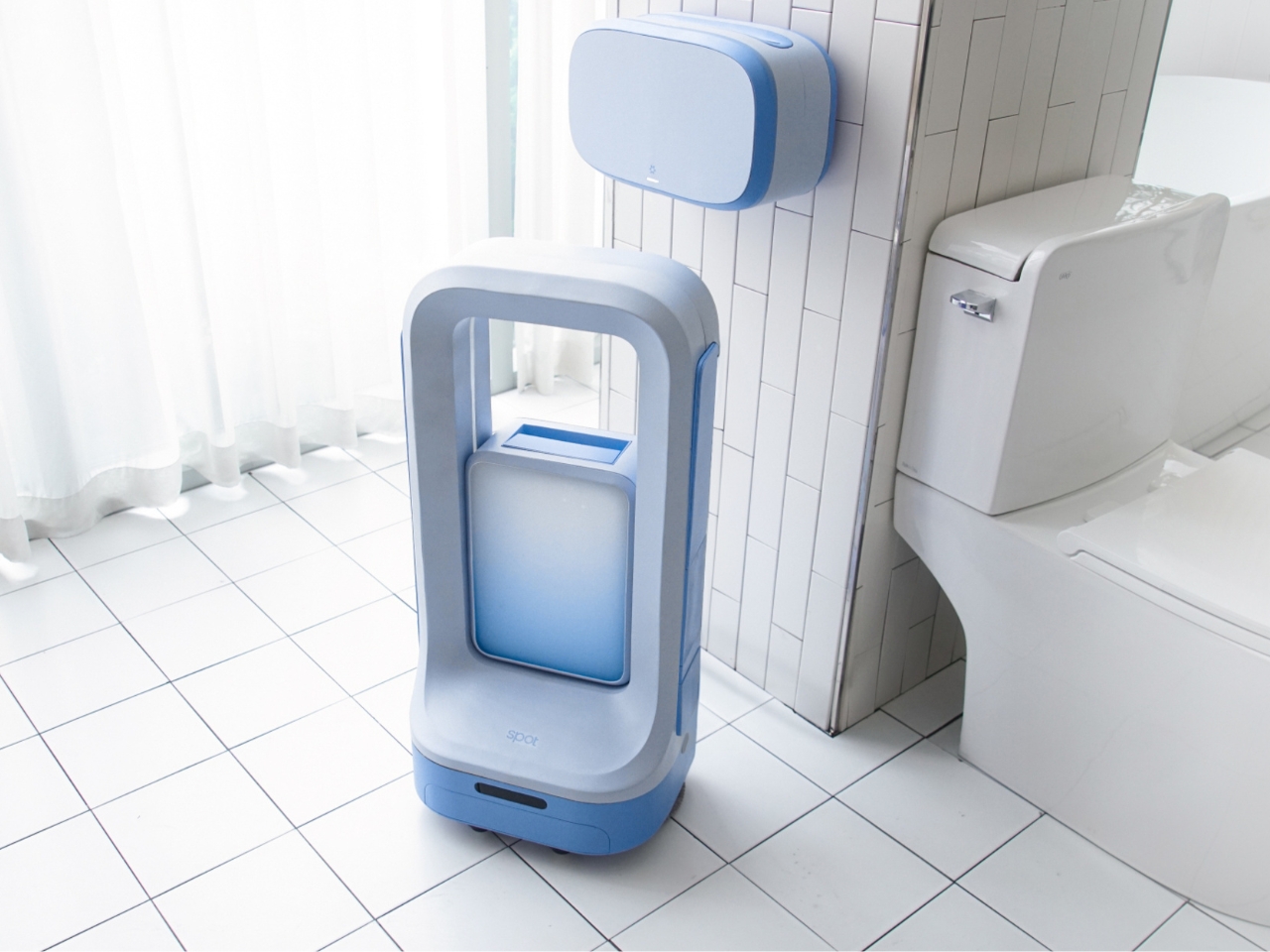
The premise is straightforward but smart: rather than waiting for the next scheduled cleaning, Spot detects contamination after a user exits and automatically cleans the affected area. It plugs directly into the most persistent failure of public restroom maintenance: the window between cleanings. That window is real, measurable, and for years it’s been treated as an acceptable cost of running a public facility. Facilities managers can only do so much with fixed schedules, and when traffic is high, things go wrong fast.
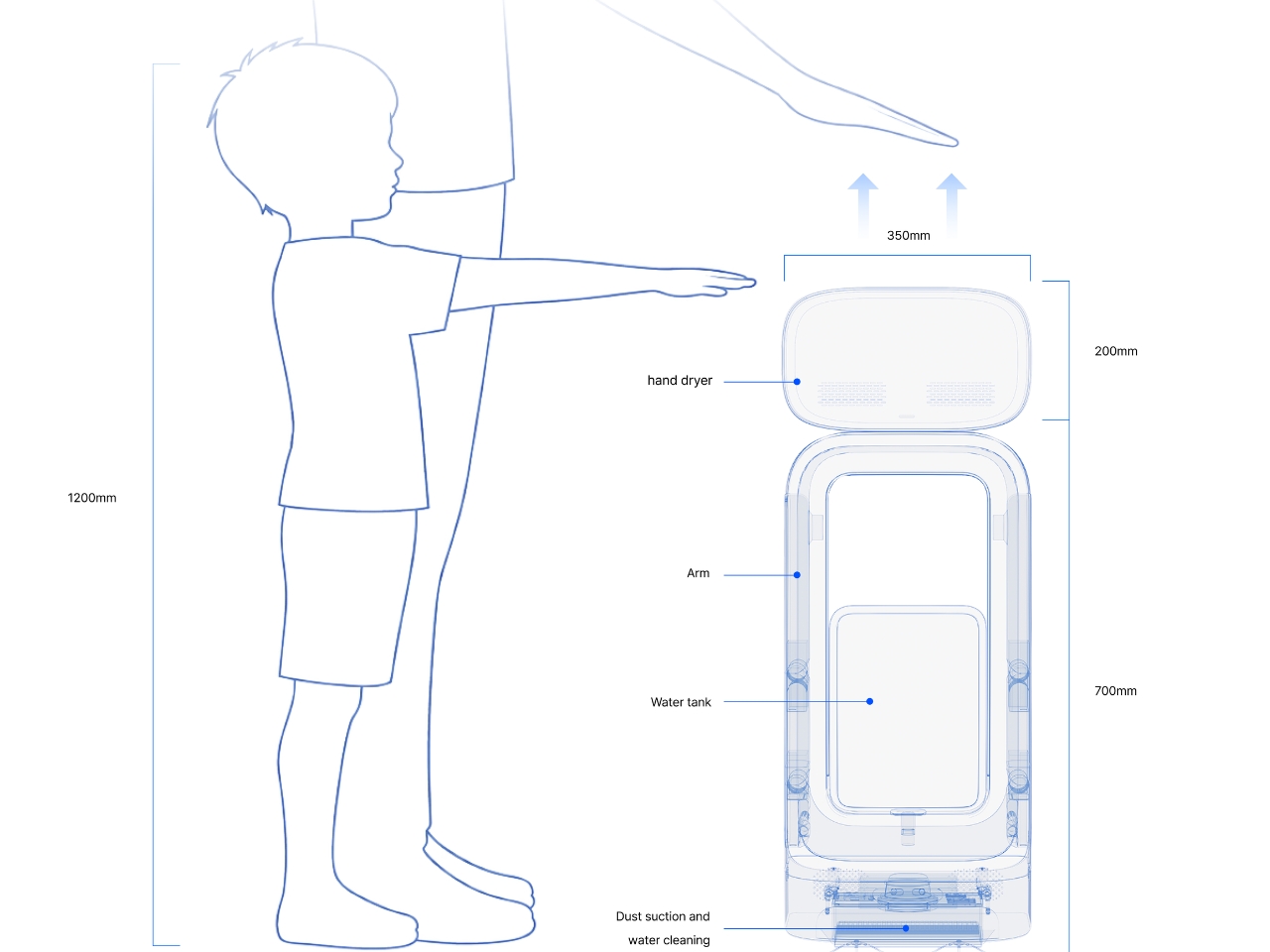
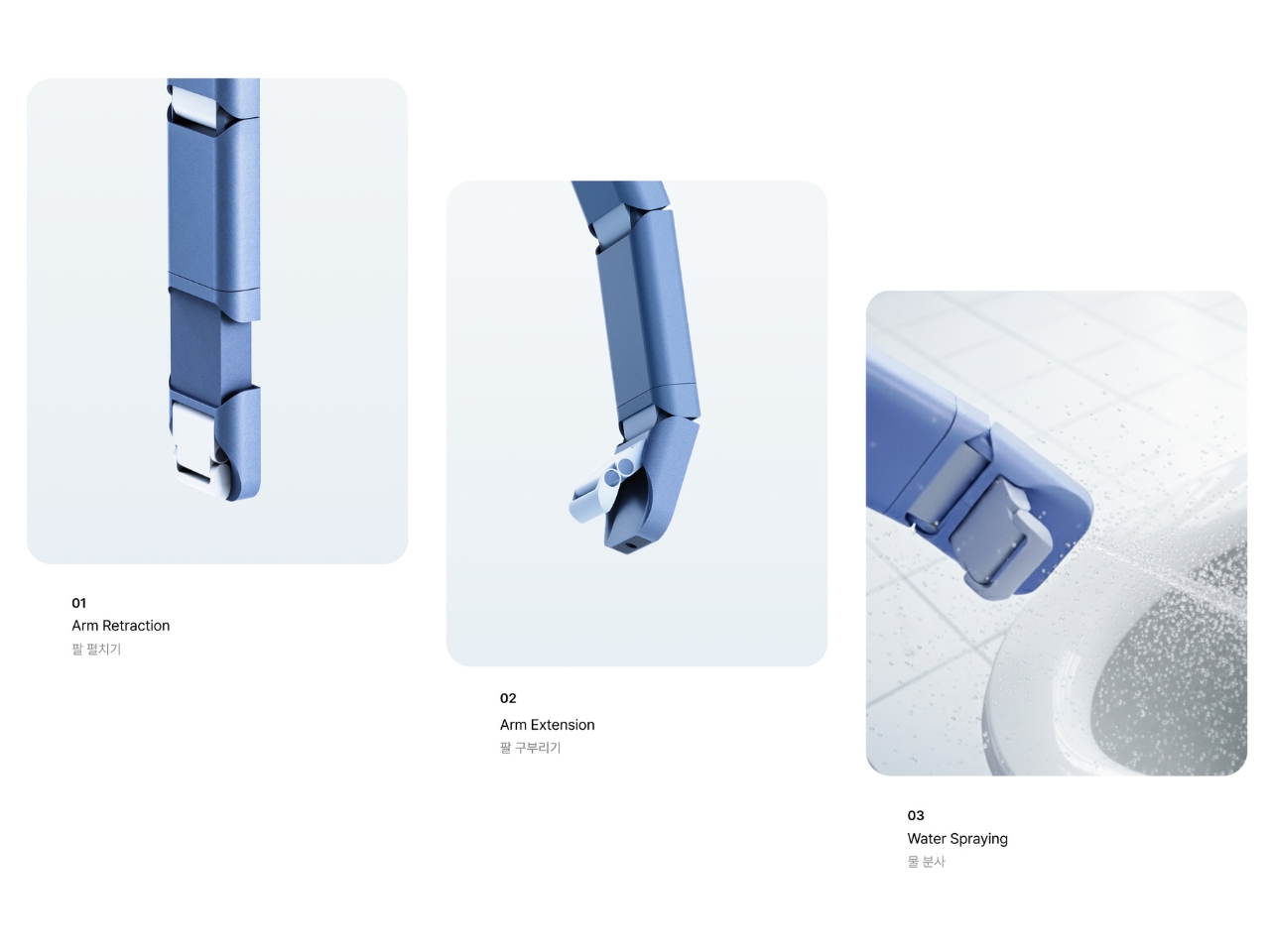
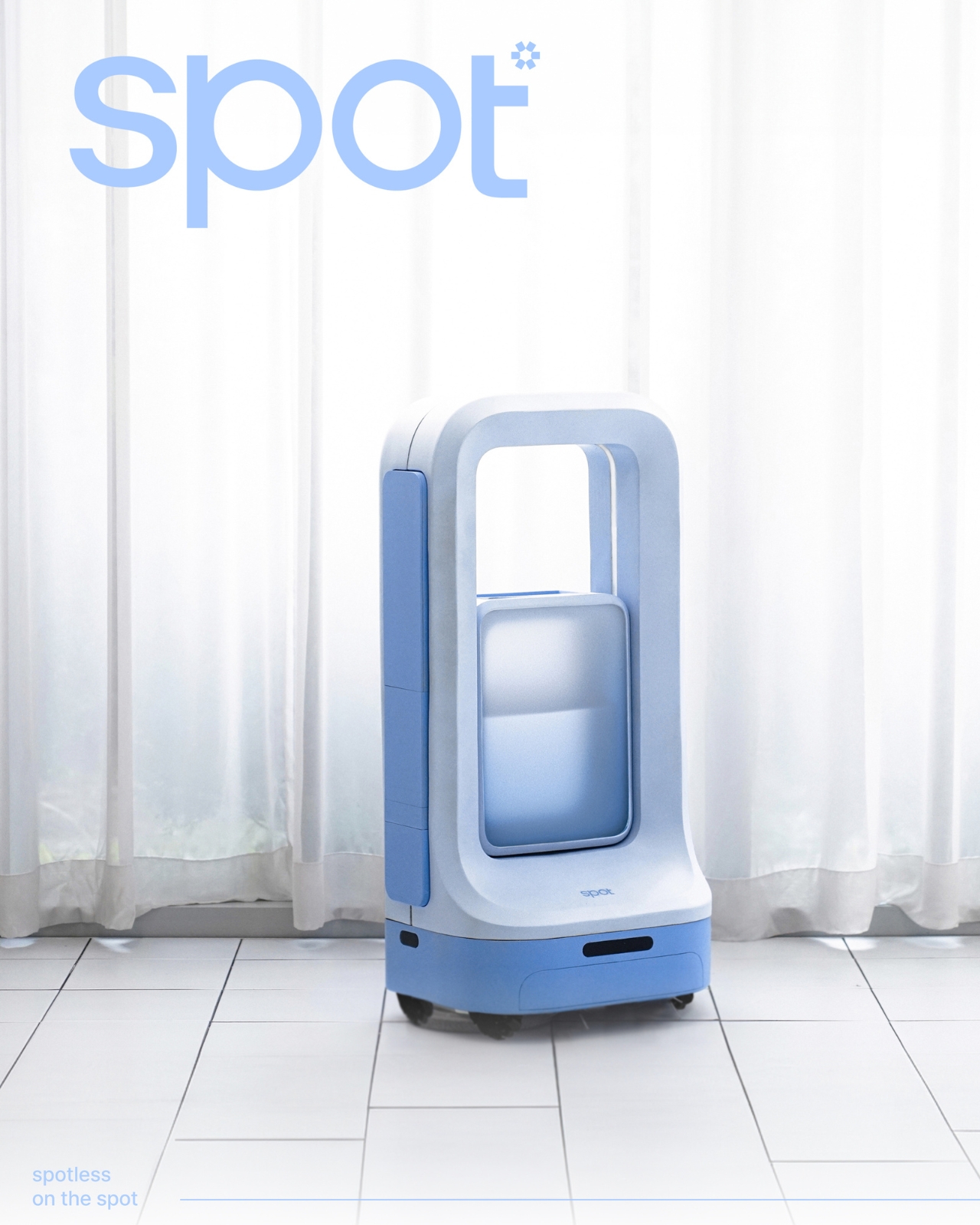
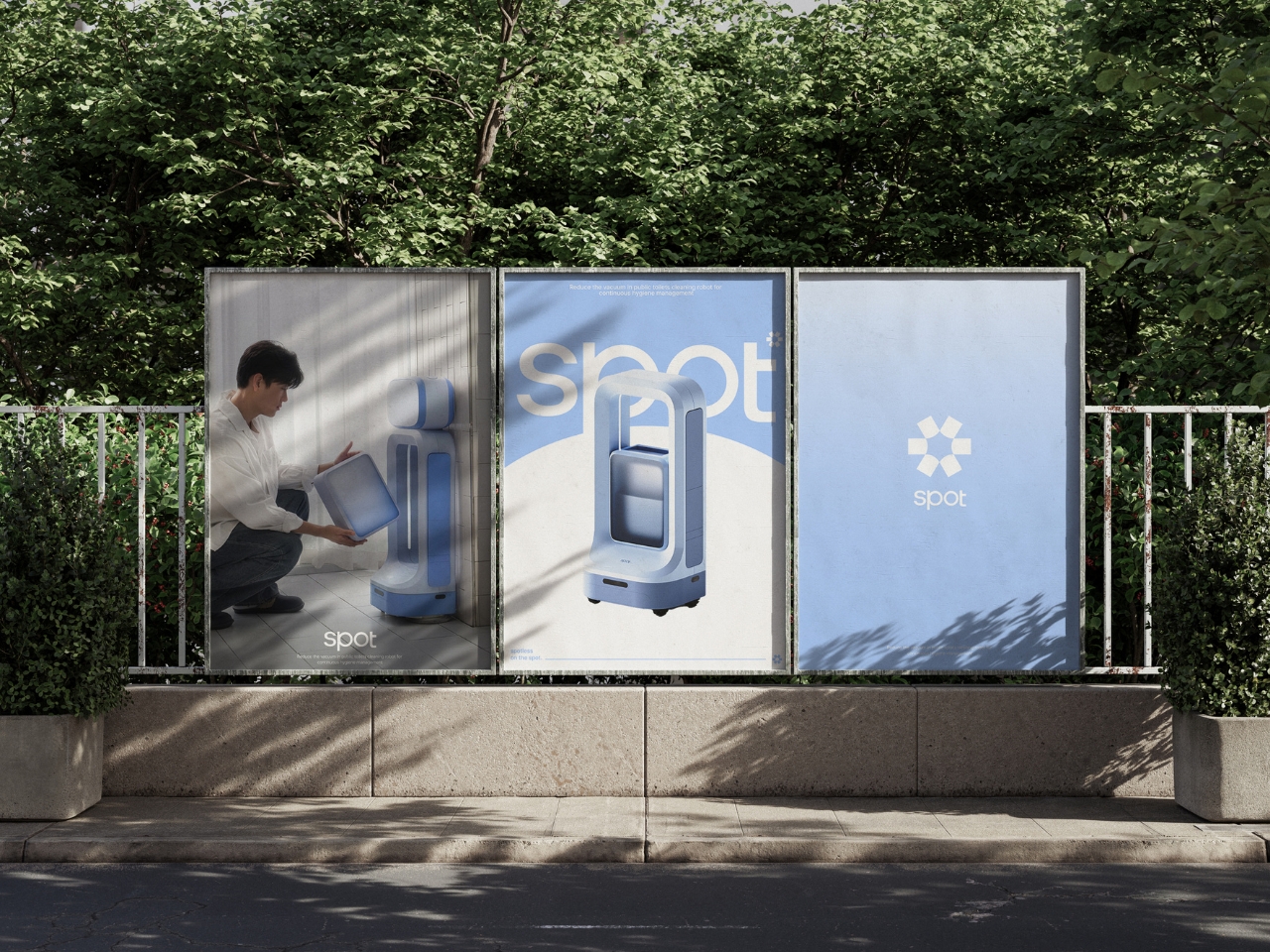
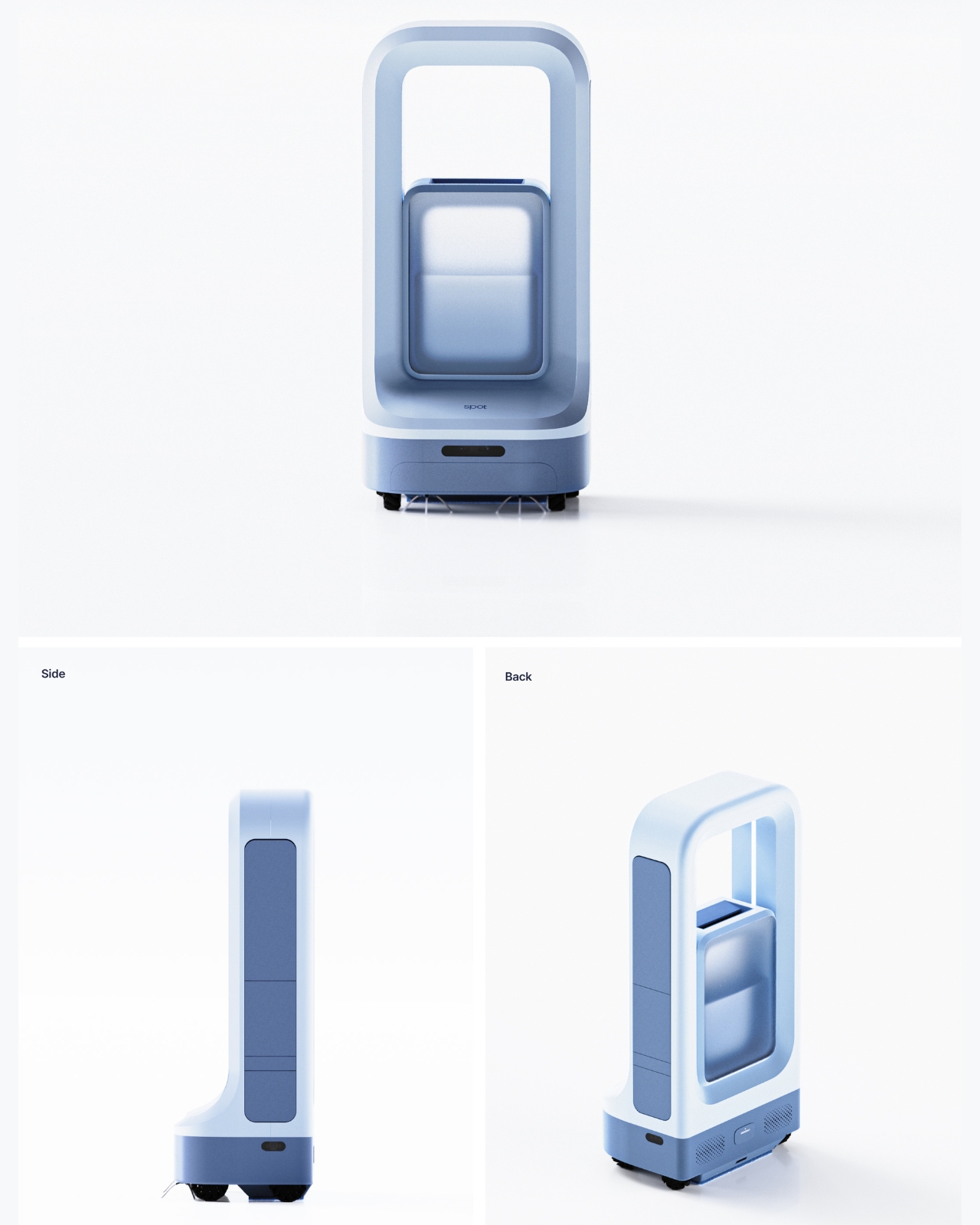
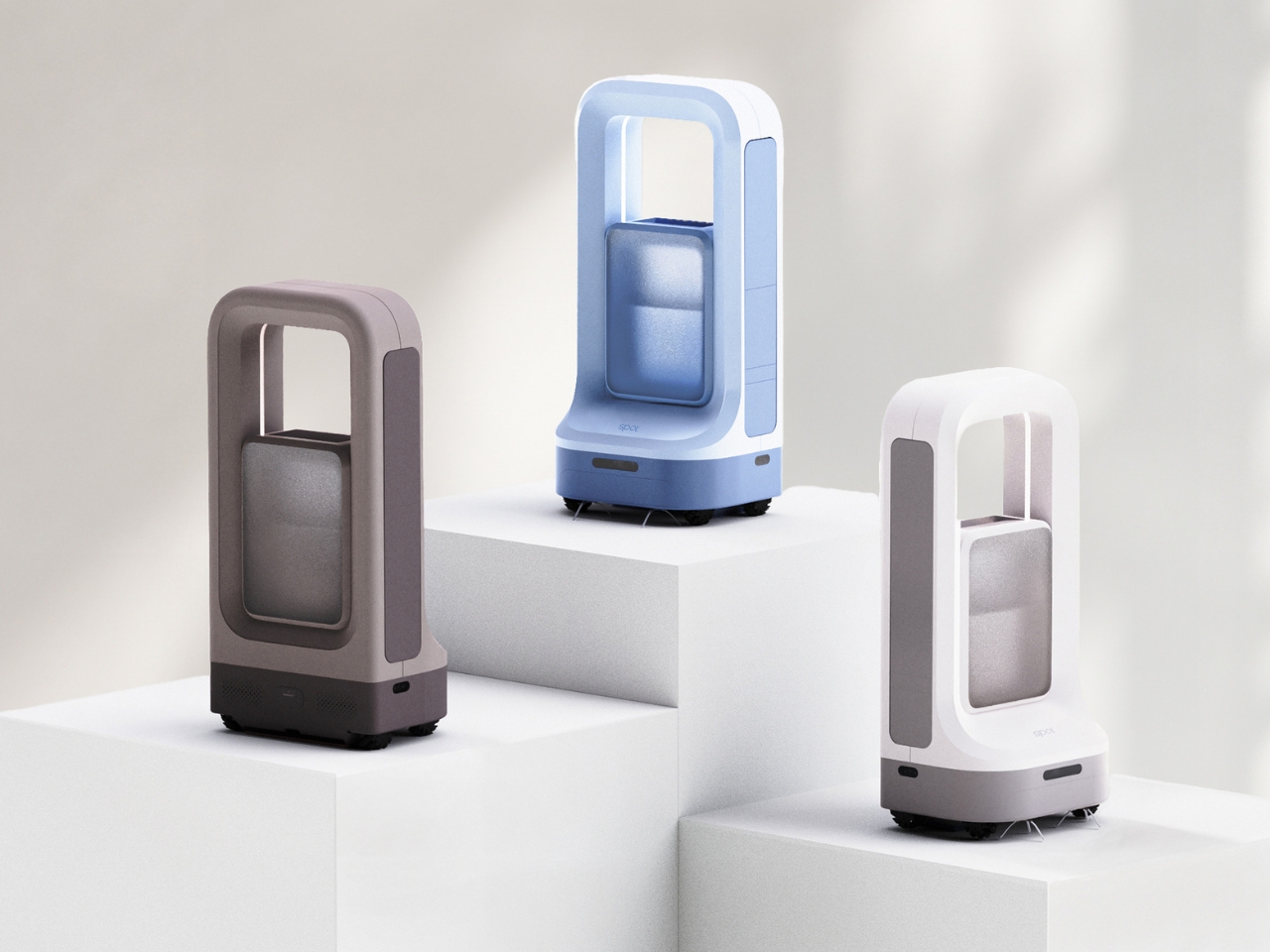
What the designers have created is not just a functional concept but a genuinely considered one. The robot’s form is compact and minimal, rendered in a calm blue that reads as clean, clinical, and intentional all at once. It doesn’t try to be cute or conspicuous. It belongs in the background, doing its job without demanding attention, which is exactly the right design language for something operating in a space that people want to move through quickly and without thinking too hard.
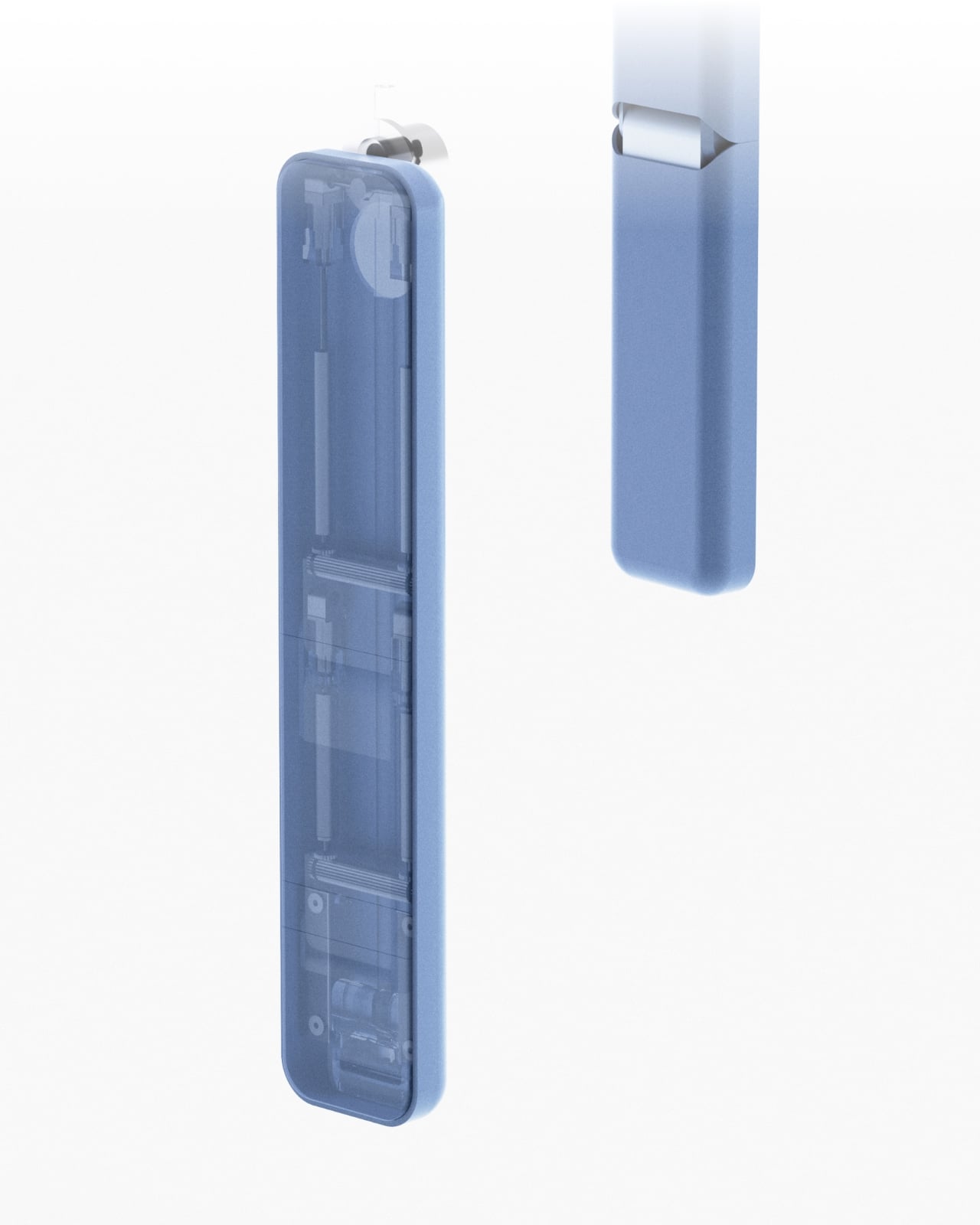
The contamination detection element is where the concept earns its credibility. Autonomous cleaning machines already exist, but most operate on timers or fixed routes with little real awareness of actual conditions. Building detection into the process means Spot responds to reality rather than routine, which is a fundamentally different way of thinking about maintenance. That shift matters more than it might seem at first glance.
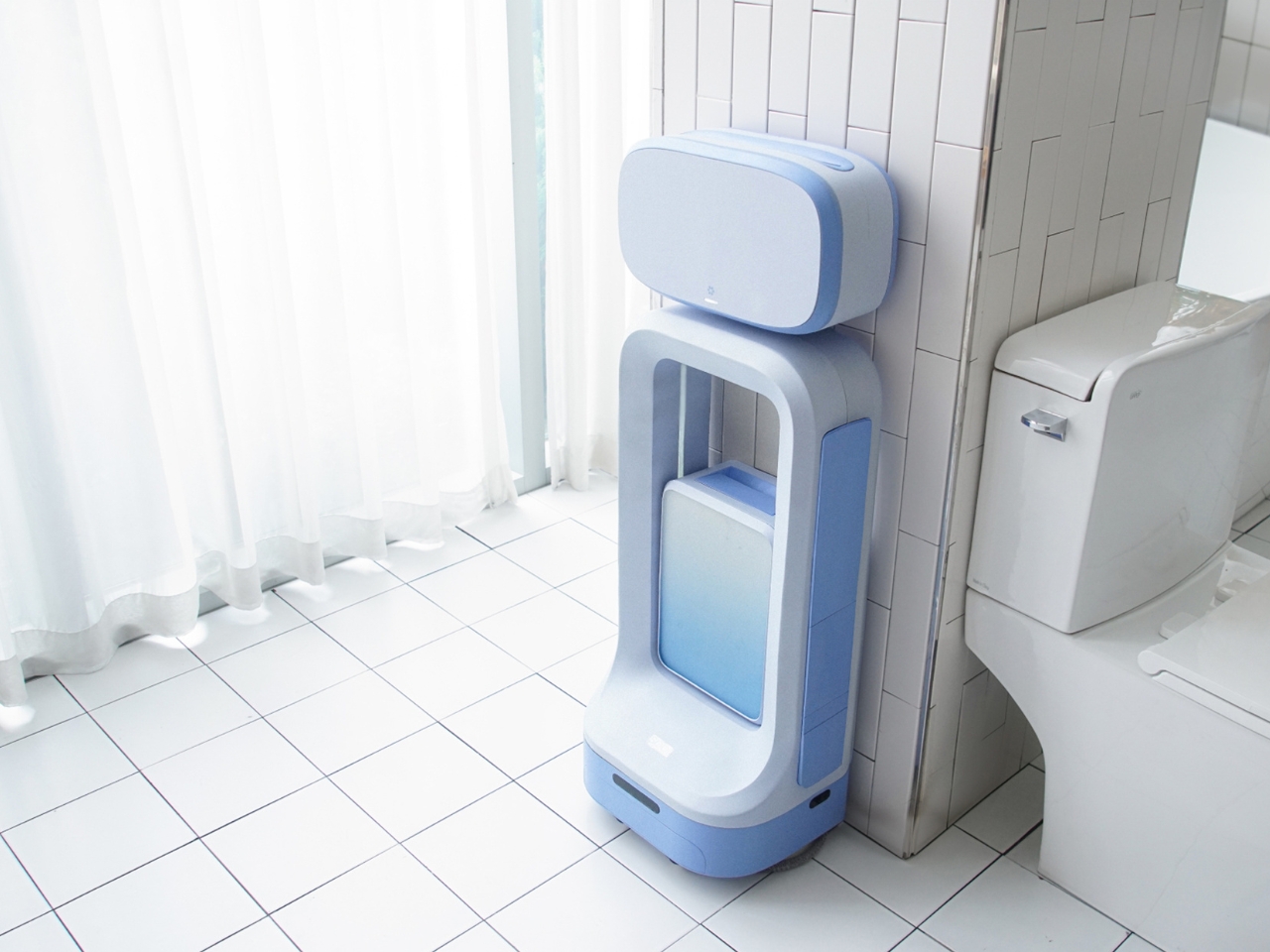
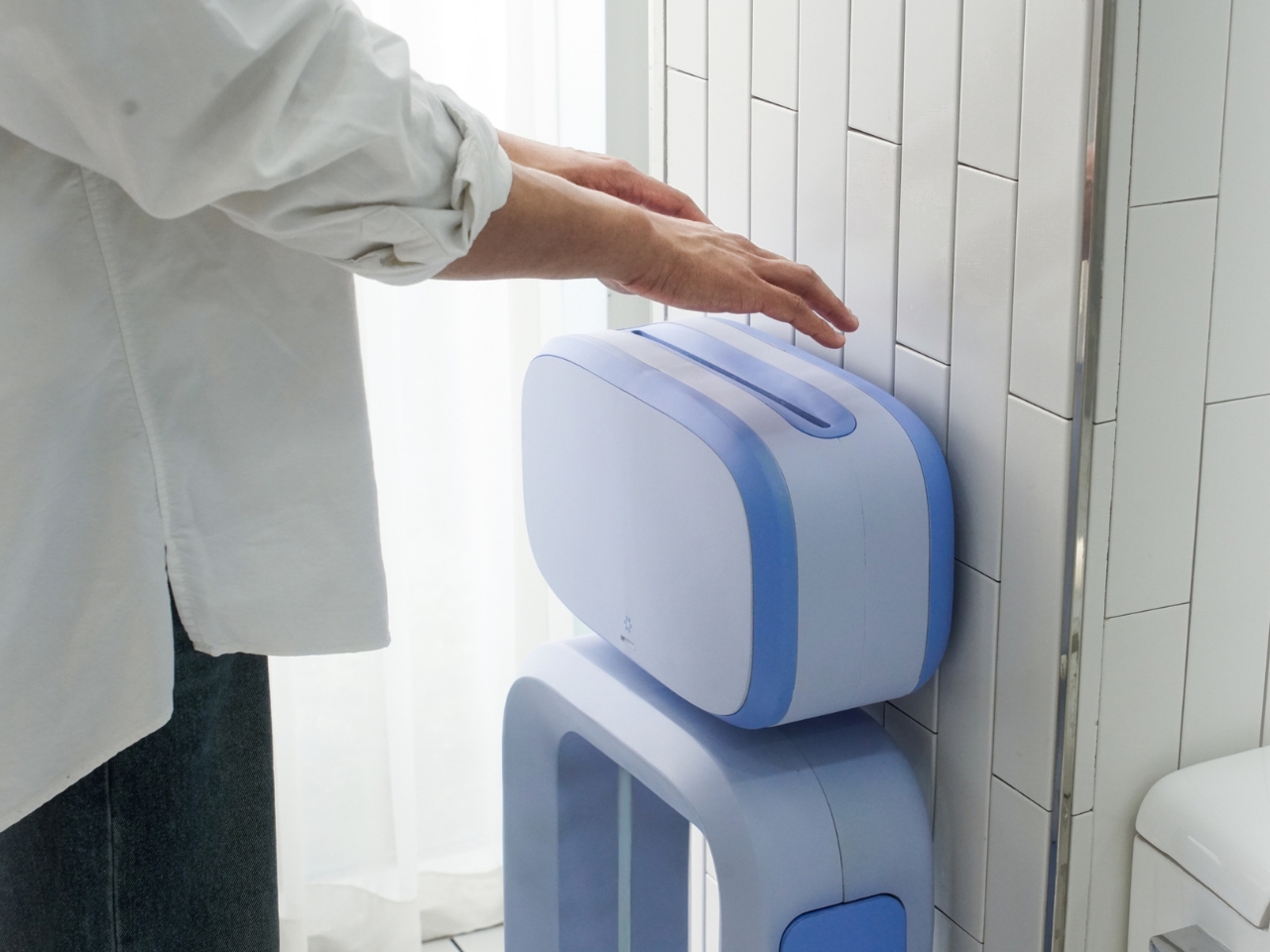
I think about the places where this would change things most: airports, train stations, shopping centers, schools. These are environments where restroom traffic is constant and unpredictable, where a single cleaning cycle scheduled at 10am has already become irrelevant by 10:45. The problem isn’t laziness or negligence. It’s a structural mismatch between human-managed schedules and the actual pace of use. A robot that responds to contamination as it happens, rather than as it’s predicted, addresses that mismatch directly.
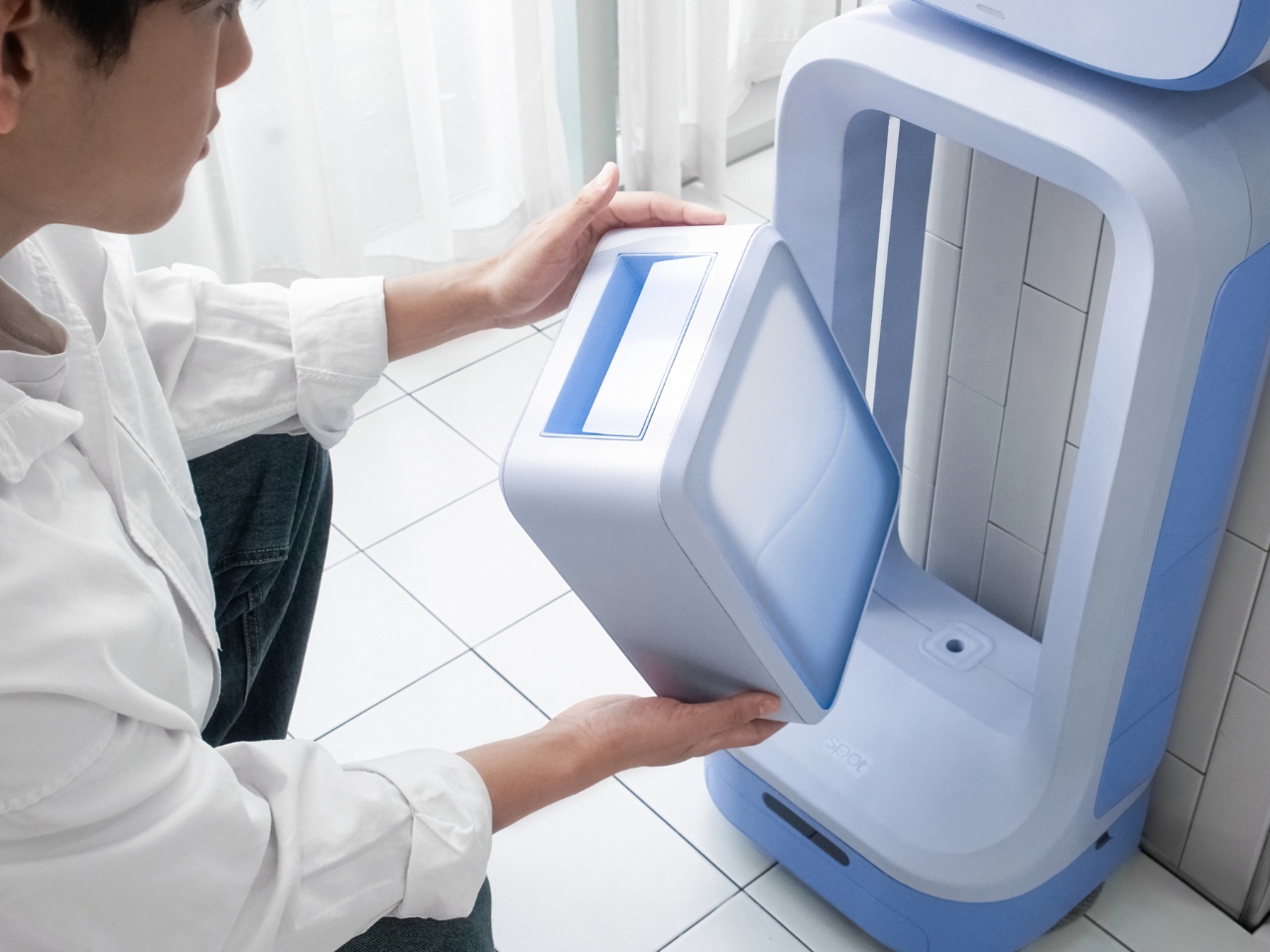
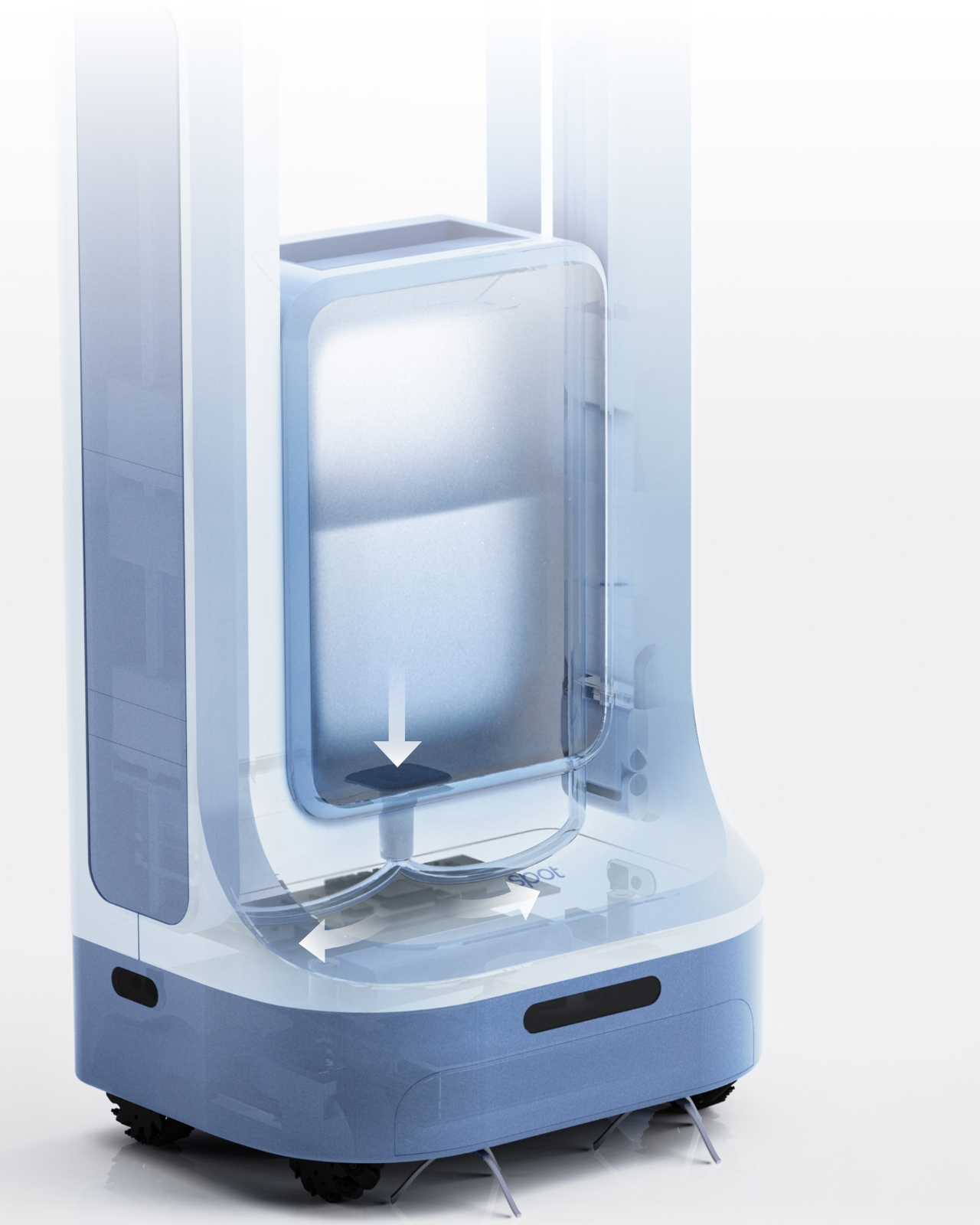
There’s also a human element worth naming. Cleaning restrooms is physically demanding, often invisible labor, and not a job that gets celebrated or compensated in proportion to how much it matters. A concept like Spot isn’t about replacing people outright; it’s about redirecting effort. If autonomous systems handle reactive cleaning between scheduled visits, human cleaners can focus on deeper maintenance, restocking, and the kind of attention that machines genuinely cannot replicate. That’s a more sensible division of labor.
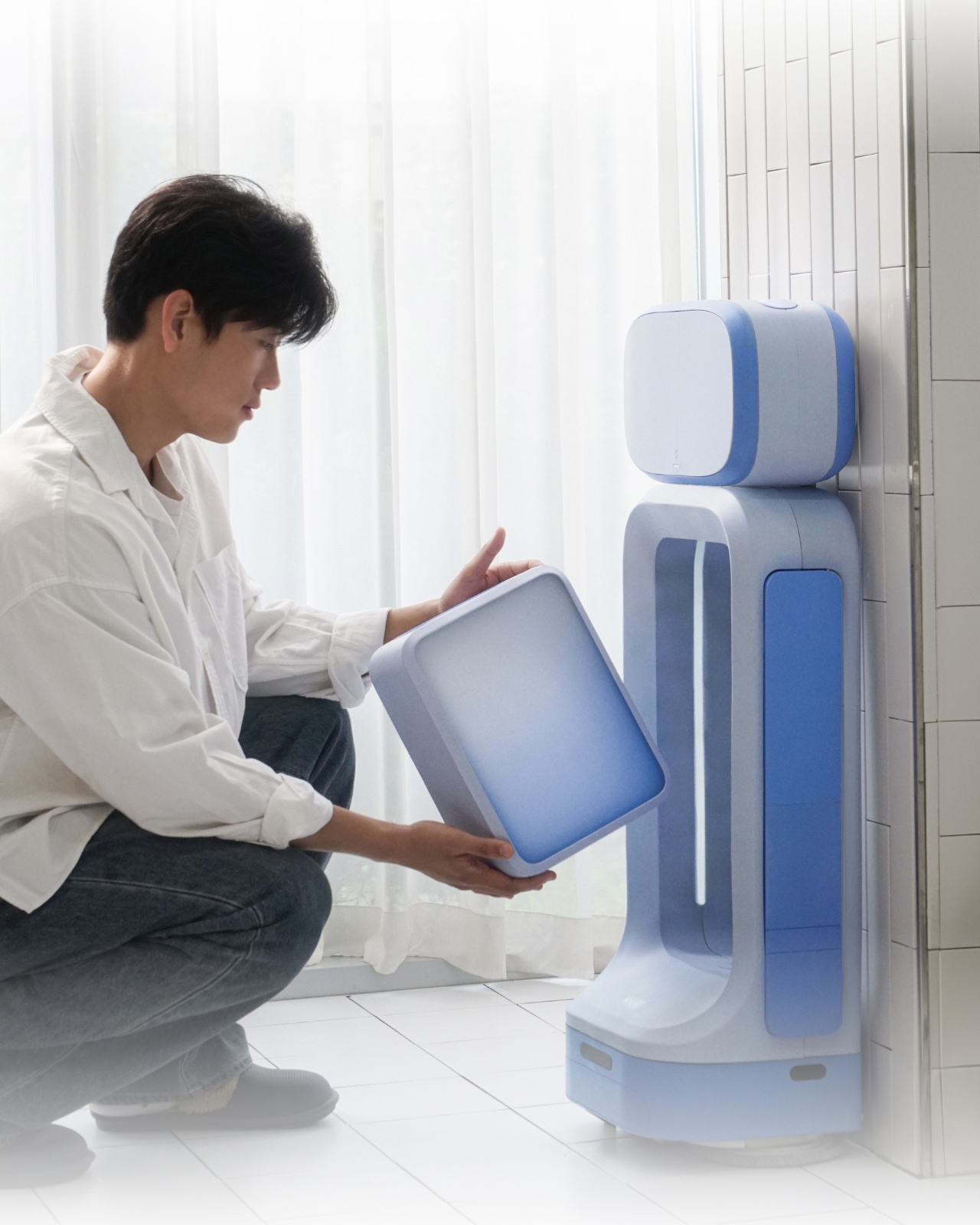
Whether Spot ever moves beyond concept stage is a separate question, and a legitimate one. Autonomous robots in public restrooms face real hurdles: sensor reliability, durability in wet environments, safety around users, cost of deployment at scale. None of these are trivial. But that’s not the conversation the project is asking us to have right now. What Choi and Lee are doing is pointing clearly at a problem and proposing a direction. The execution can evolve. The clarity of the problem statement is the part that sticks.
Good design doesn’t always originate in places we expect. Some of the most interesting work right now is coming out of South Korea, where designers seem particularly willing to take on overlooked, unglamorous problems with serious intention. Spot is that kind of project. It’s not trying to be beautiful for beauty’s sake. It’s trying to make a specific, difficult experience better. That’s the kind of design that actually changes things.