Heat has always been part of the game. Whether you’re a footballer running laps before a match, a Formula 1 driver crammed into a cockpit where temperatures can soar to 55-60°C, or a cyclist grinding through the Tour de France in July, managing your body temperature isn’t just about comfort. It’s about survival and, more specifically, performance.
That’s exactly what Dutch company Inuteq has been working on for years, quietly and without much fanfare, until now. Their PCM CoolOver, a cooling vest built on phase-change material technology, has found its way into one of the most high-profile collaborations in sportswear: the adidas CLIMACOOL System, officially unveiled for the FIFA World Cup 2026.
Designers: adidas x Inuteq
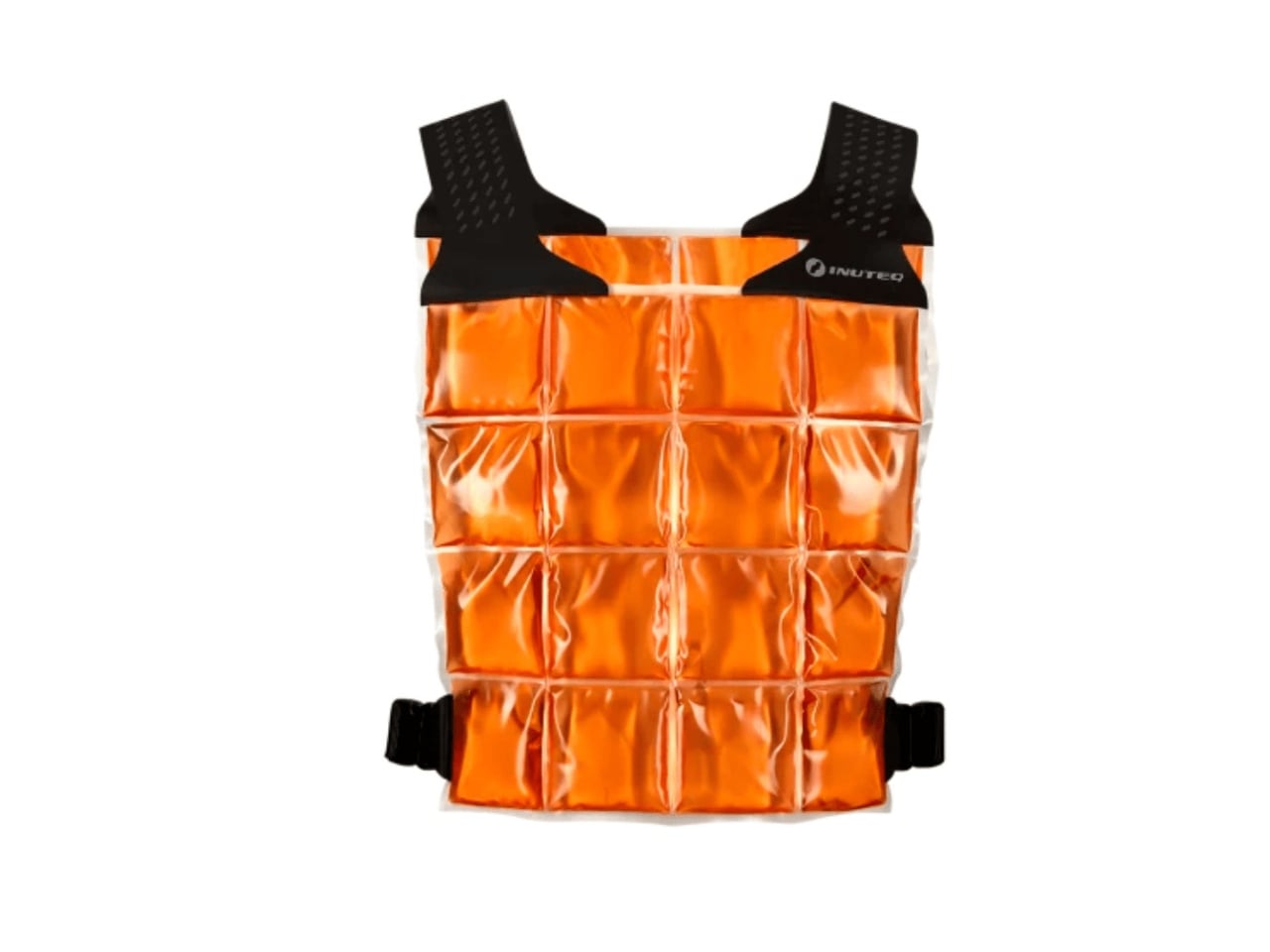
The way phase-change material works is genuinely clever. The vest contains PCM cells made from 100% biobased materials that absorb heat from the body as they gradually transition from solid to liquid state, keeping the surface at a consistent, controlled temperature. The 15°C version, the one widely used by athletes in sport and recovery, delivers up to 2.5 hours of constant cooling. No batteries, no electricity, no complicated mechanics. Just material science doing what it’s supposed to do.
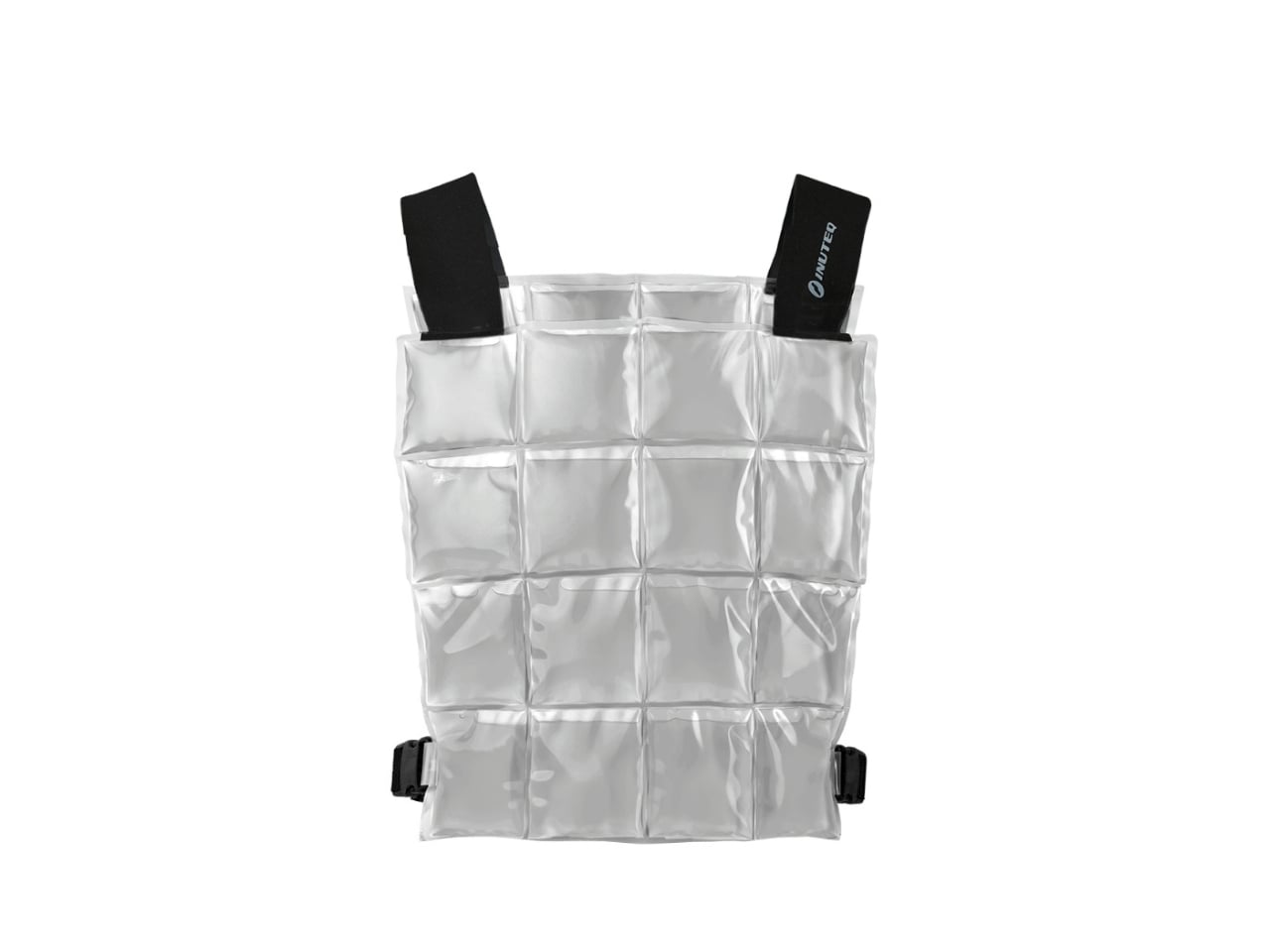
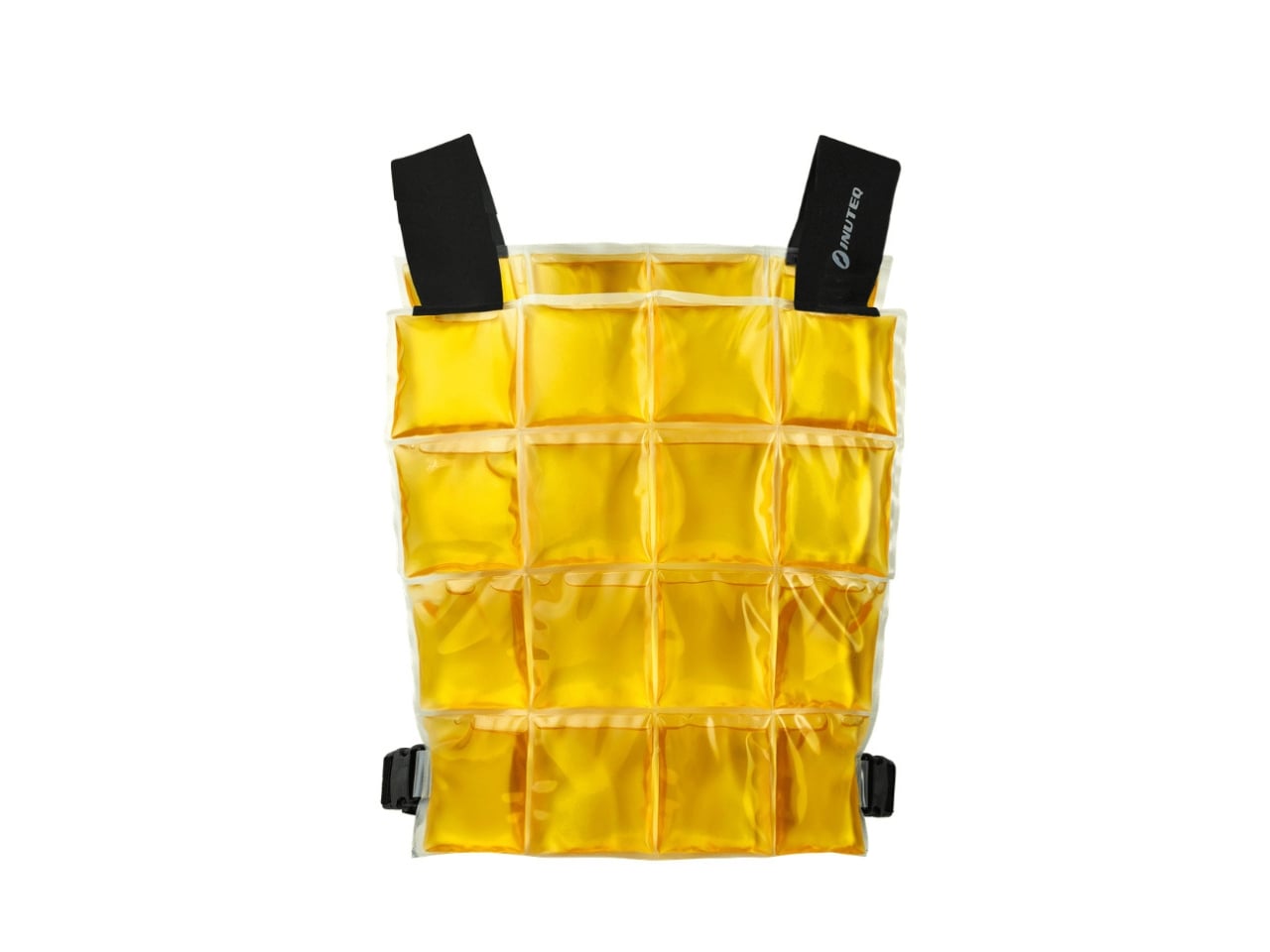
I’ll admit that I didn’t expect to find myself genuinely excited about a vest. But when you look at what this collaboration actually represents, it shifts the conversation in interesting ways. Cooling technology has been operating in the background of elite sport for a long time. Ice towels, cold baths, fans on the sideline. These solutions work well enough, but they’re reactive. The PCM CoolOver feels like a proper design response to a problem that deserves one. It’s specific, engineered, wearable, and built on science rather than just intuition.
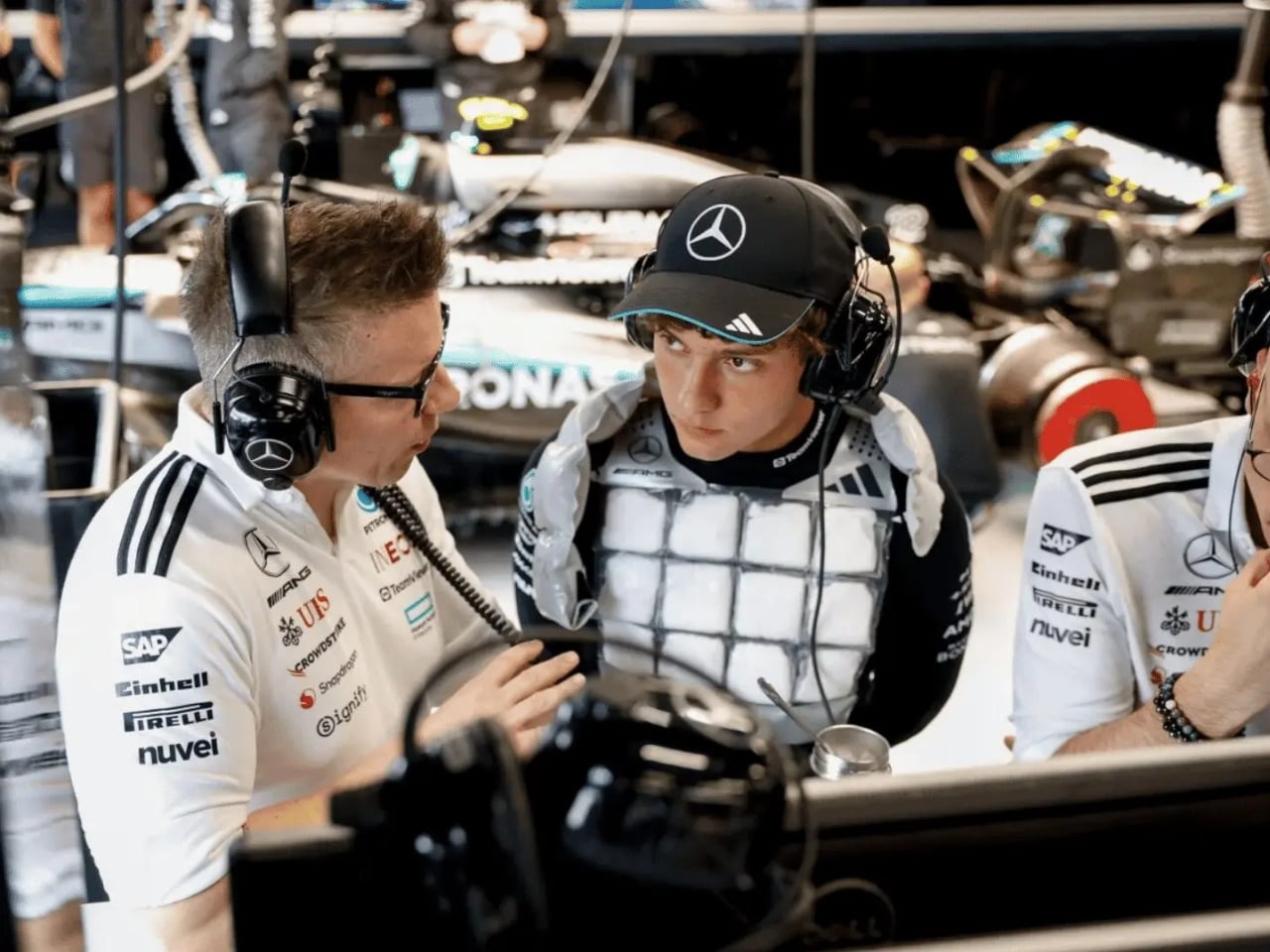
The adidas partnership started in motorsport. The CLIMACOOL System was originally developed to help Mercedes-AMG Petronas F1 Team drivers, including George Russell and Kimi Antonelli, cope with extreme cockpit heat. From there, it was adapted, tested, and refined alongside football clubs including Manchester United, Juventus, and Arsenal, before being made available to all adidas partner federations at the 2026 World Cup. That’s a journey from one of the most technically demanding environments in sport to one of the most globally watched. Not a bad trajectory for what is, at its core, a vest.

The numbers are worth sitting with for a moment. The system reduces core body temperature by up to 0.5°C and skin temperature by up to 13°C, with a complementary overshoe that brings foot temperature down by up to 2°C in minutes. The Spanish Football Federation was quick to point out how they’ve been using the vest before matches, after training, and at half-time to support player recovery and readiness. When a federation is publicly crediting a vest as part of their performance strategy, that tells you something.

What also deserves attention here is the sustainability angle. Inuteq’s PCM technology is USDA-certified 100% biobased and REACH compliant, which makes it one of the only cooling vests on the market that can make those claims. In a category that could easily lean on synthetic chemicals and disposable components, the fact that this product is also biodegradable and fabric-free, easy to clean and even sterilize, puts it in a different class. Good design shouldn’t have to compromise on this, and here, it doesn’t.

The PCM CoolOver comes in multiple temperature variants: 6.5°C, 15°C, 21°C, 24°C, and 29°C, each calibrated for different conditions and use cases, from elite athletic performance to industrial and medical settings. The range feels thoughtful, like a product family that was designed to solve real problems across real environments rather than chase a single use case.
Cooling as a design challenge might not carry the aesthetic glamour of, say, a new sneaker drop or a conceptual chair. But the PCM CoolOver is proof that genuinely functional design, the kind that solves a physical human problem with precision and care, is just as compelling, and arguably more necessary. The fact that it has quietly traveled from Dutch labs to Formula 1 cockpits to World Cup pitches says more about its value than any product launch ever could.