Most public spaces don’t trust you. They’re designed to move you through them efficiently, seat you for a limited time, or keep you from lingering too long. Benches with armrests in the middle to prevent sleeping. Spikes on flat ledges. Gaps between seats so no one gets too comfortable. Somewhere along the way, cities stopped being places you inhabit and started being places you pass through.
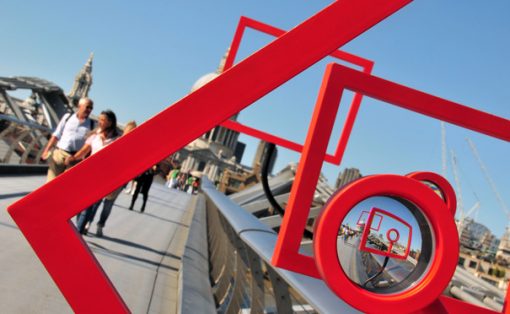
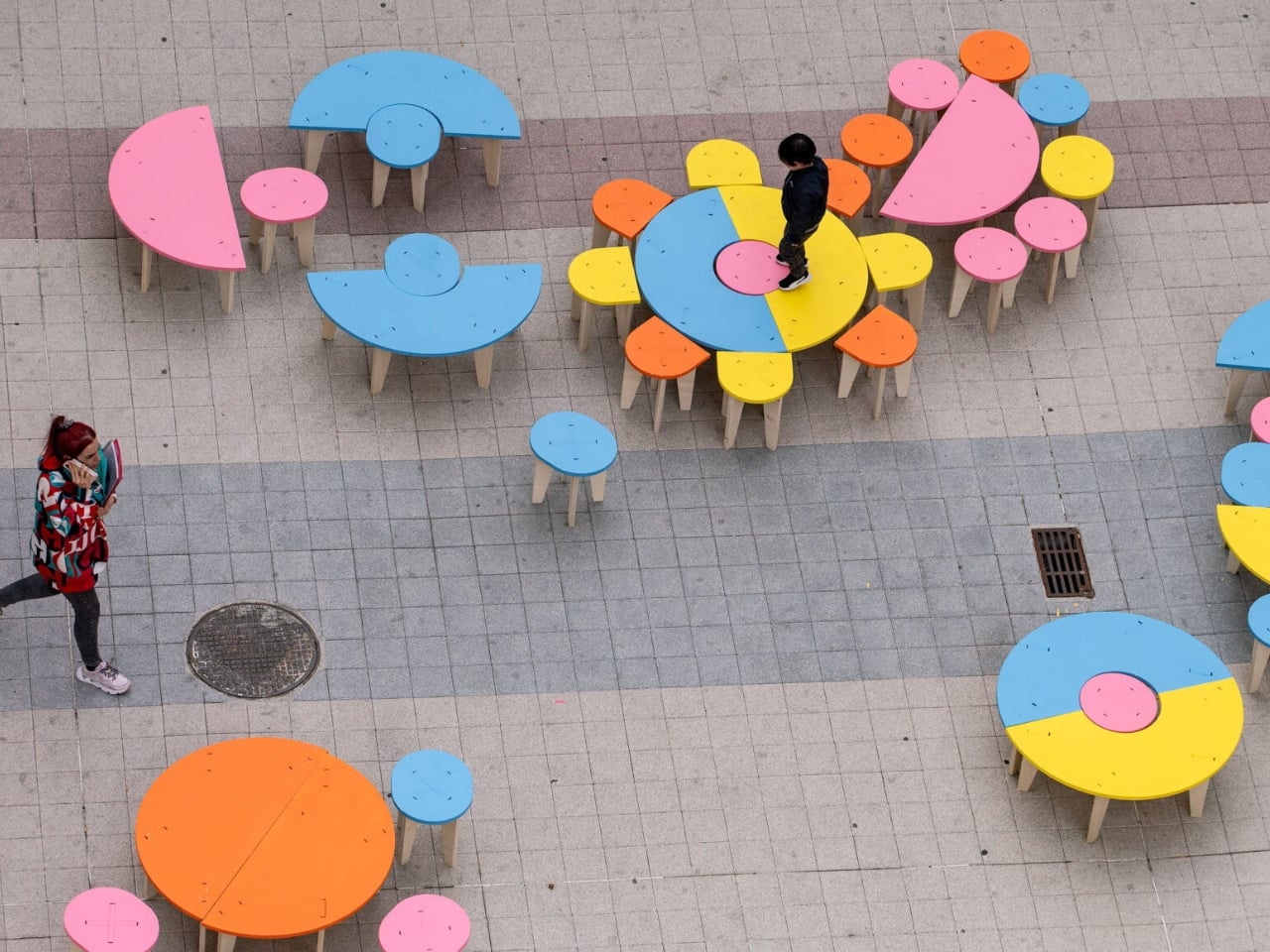
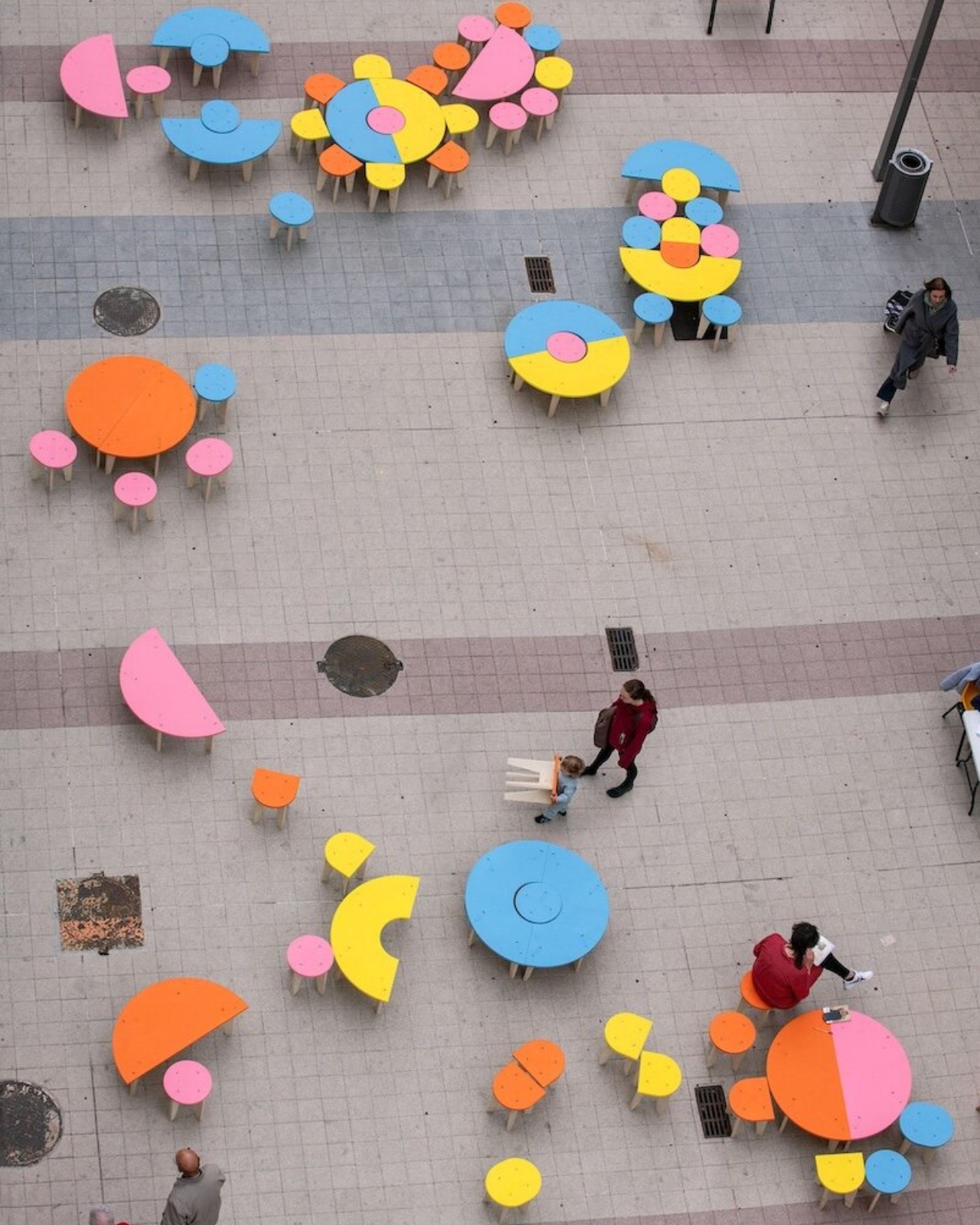
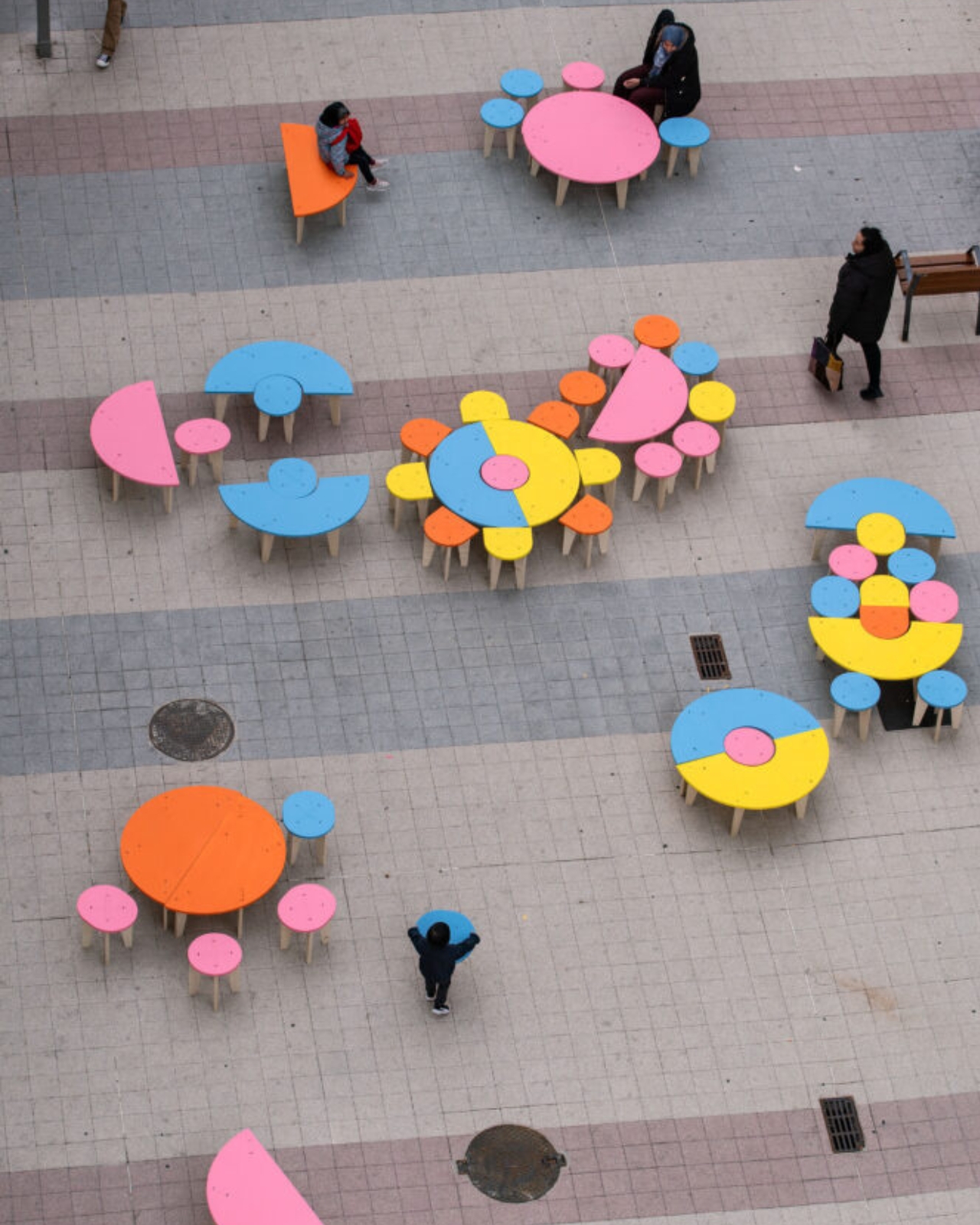
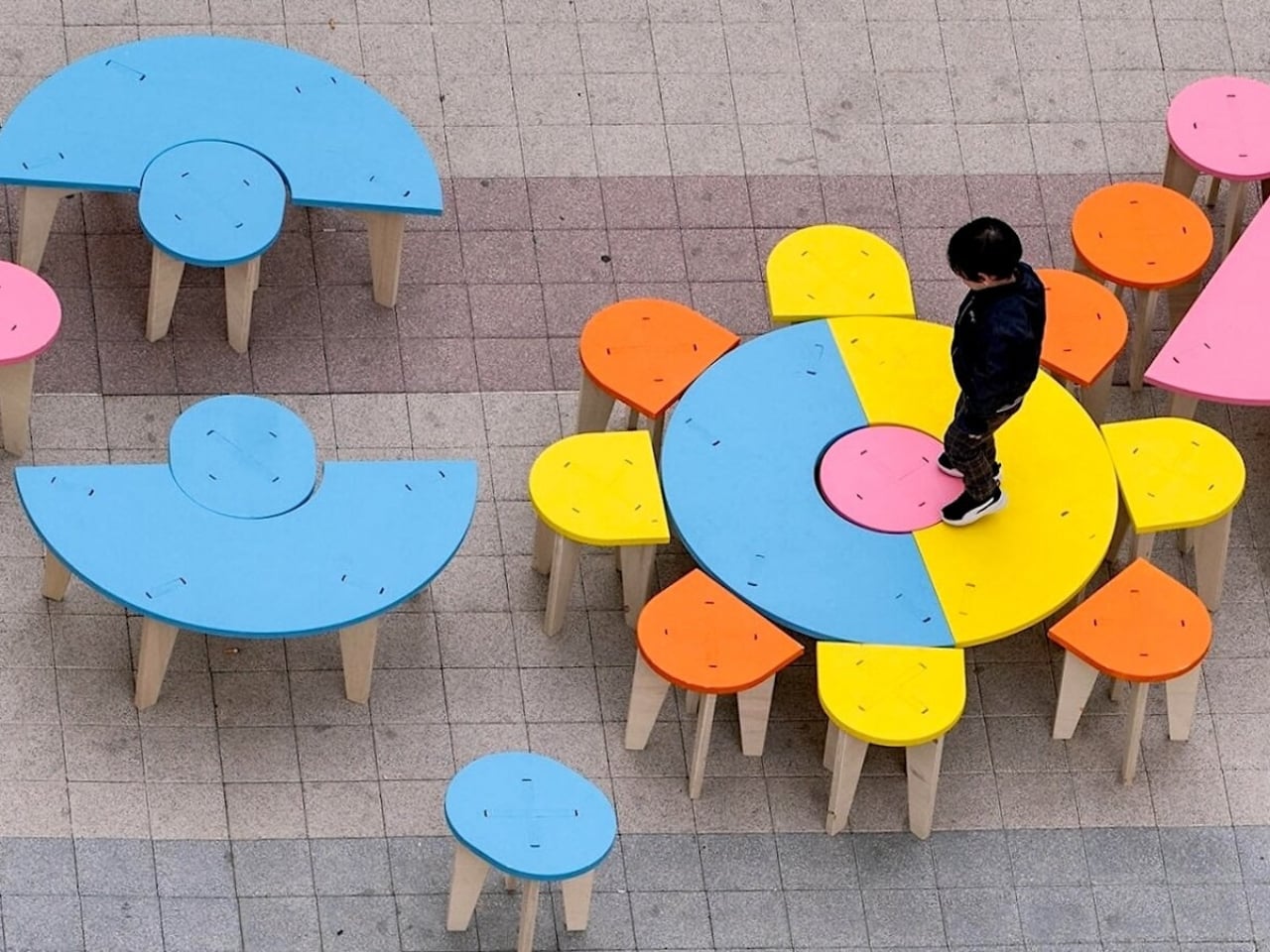
Päivi Raivio’s Basic Forms (of Urban Life) is a direct and cheerful argument against all of that. The Finnish artist and urban designer has taken a set of geometric plywood pieces, painted in colors borrowed from the Barbican’s own brutalist architecture, and placed them in the middle of one of London’s most famous cultural complexes. No instructions. No fixed configuration. No single correct answer. Visitors are invited to pick them up, move them around, stack them, sit on them, or arrange them into something entirely new. What looks like furniture is actually a question: what do you want this space to be?
Designer: Päivi Raivio
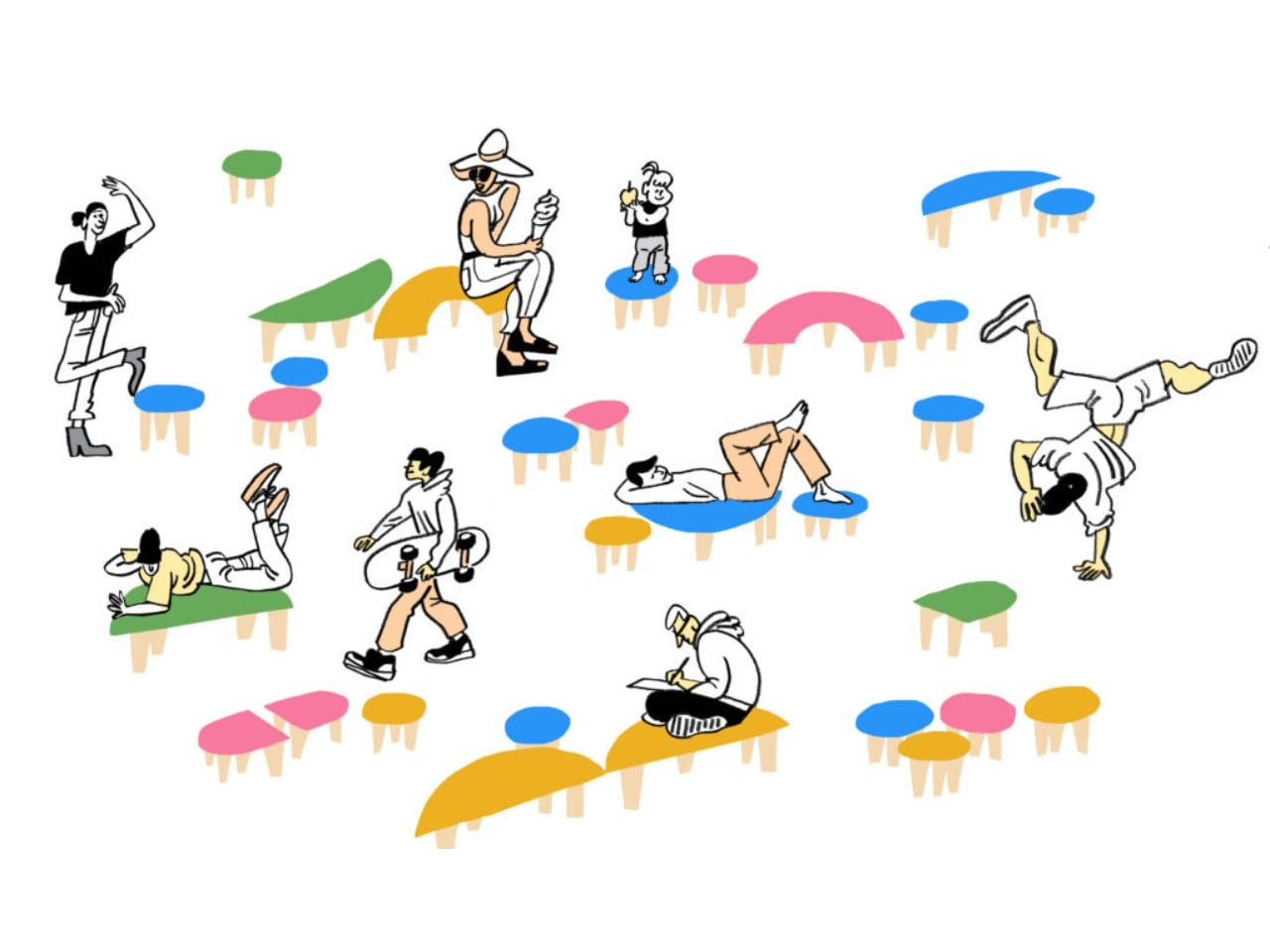
I’ve seen a lot of participatory design installations over the years, and most of them fail for the same reason: they participate for you. They have a predetermined “correct” arrangement that visitors slowly discover through guided cues. There’s no real agency. Raivio’s work is different because it genuinely means it. A seat can become a table. A table can become a platform. A platform can become a wall, a stage, or a privacy screen between two strangers who both needed a quiet corner at the same moment. The work shifts with whoever is using it, and that feels radical compared to what most public design offers.
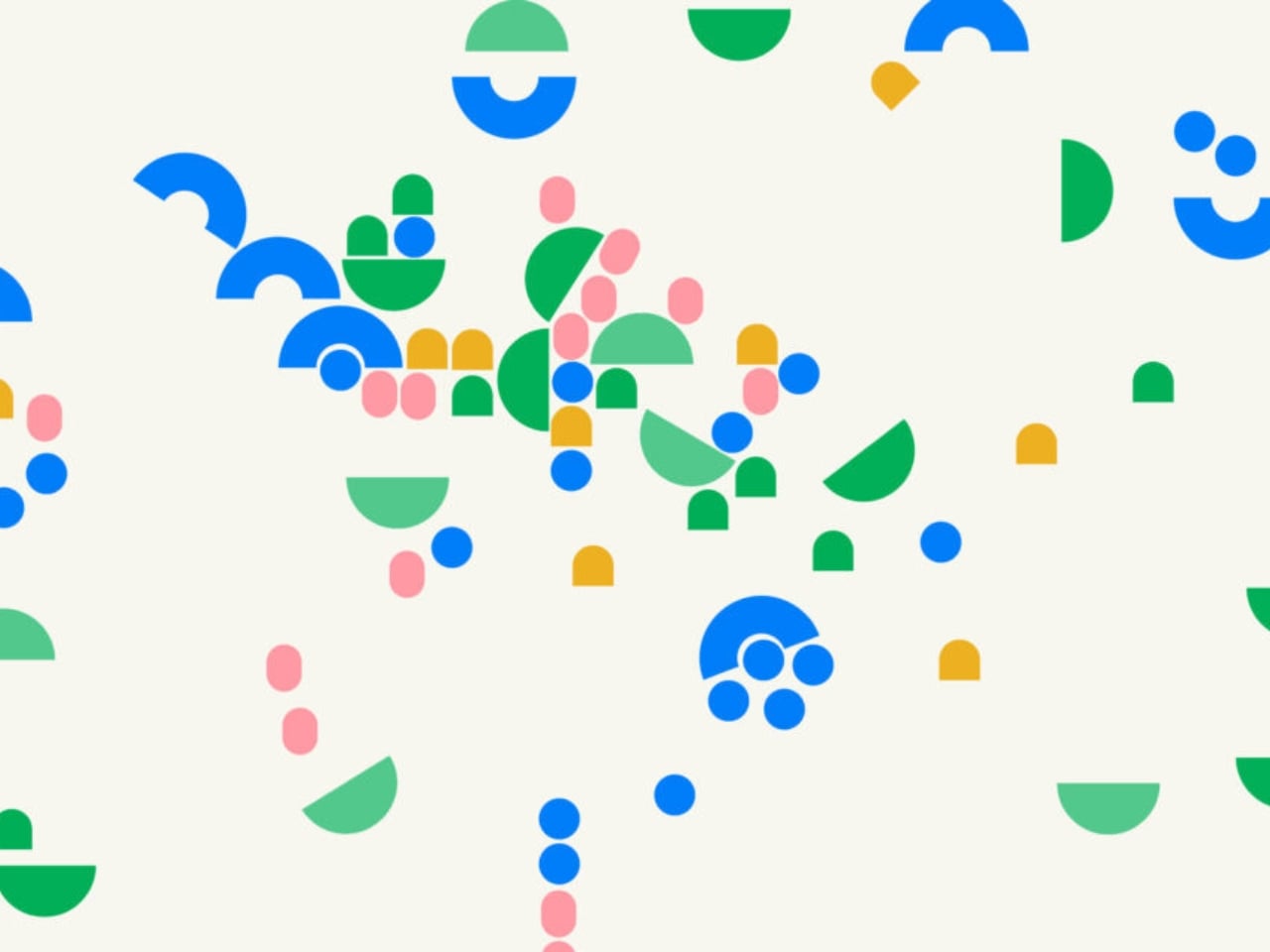
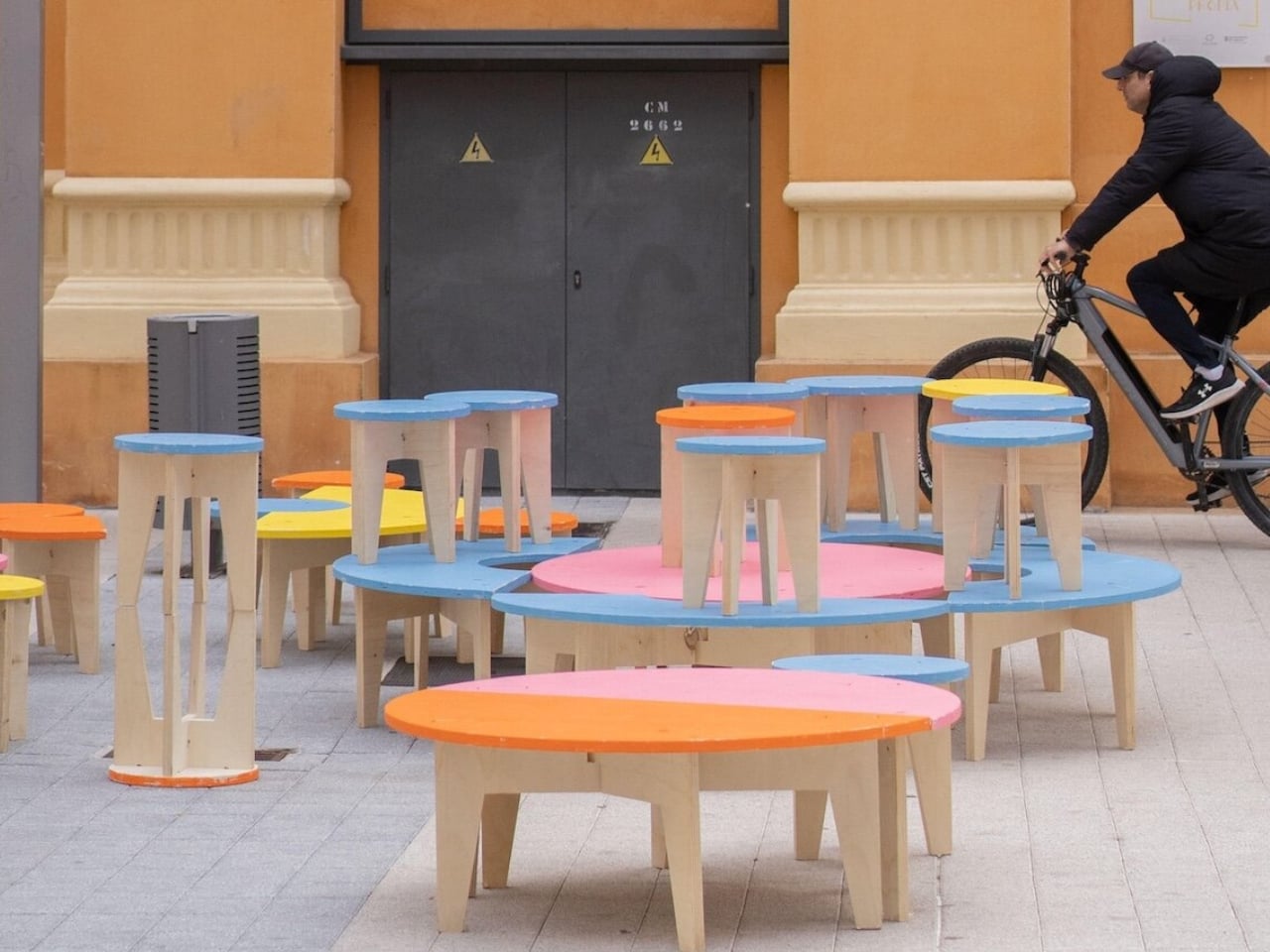
The Barbican is a fitting backdrop for all of this. Designed through the 1950s and completed in 1982, it’s one of the most monumental pieces of brutalist architecture in the UK, all exposed concrete and sharp geometry. Raivio’s lightweight, colorful pieces don’t fight the setting. They echo it quietly, picking up the shapes and tones of the architecture without trying to compete with several acres of concrete. The contrast between the fixed permanence of the building and the cheerful rearrangeability of the installation is part of what makes the whole thing click.
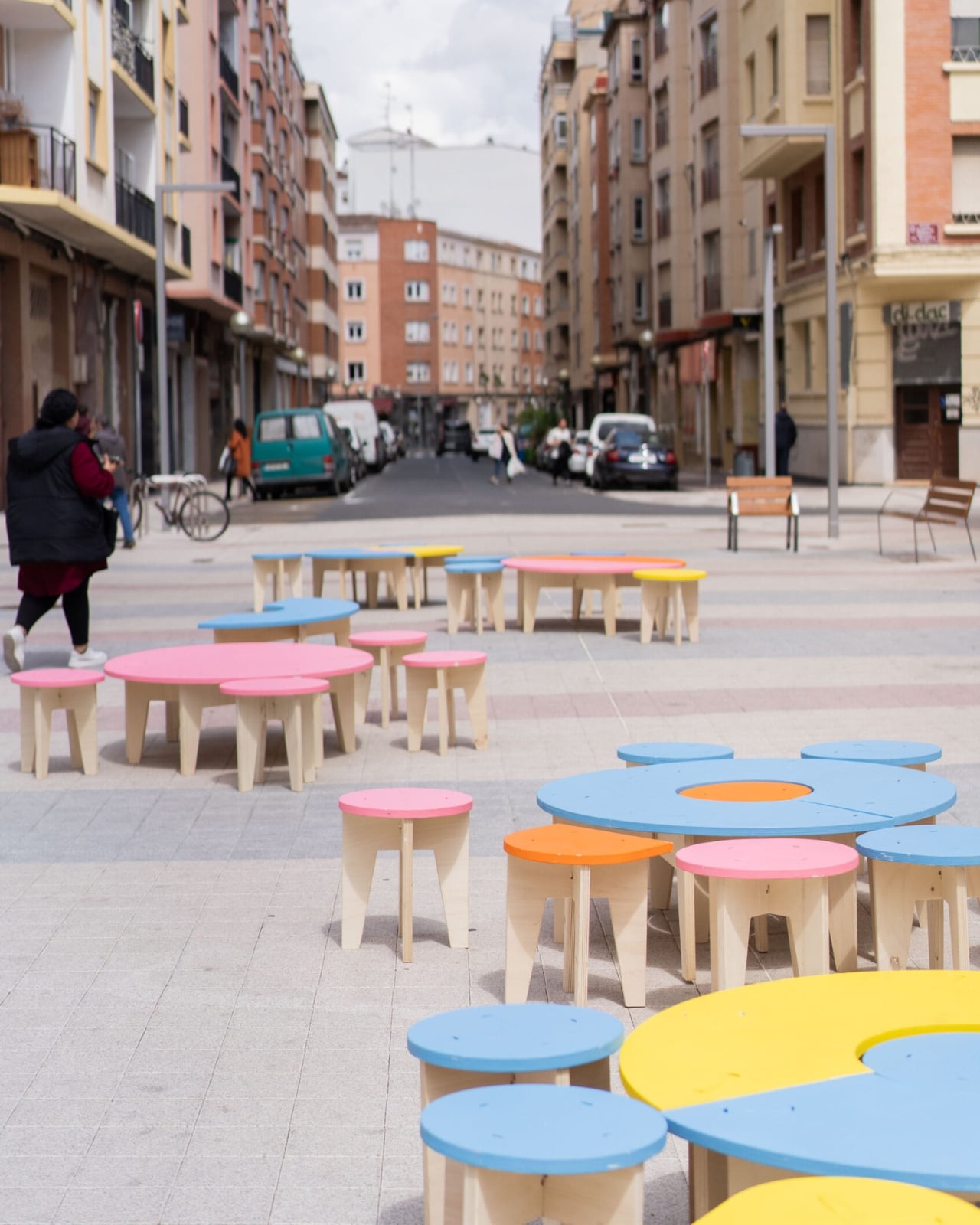
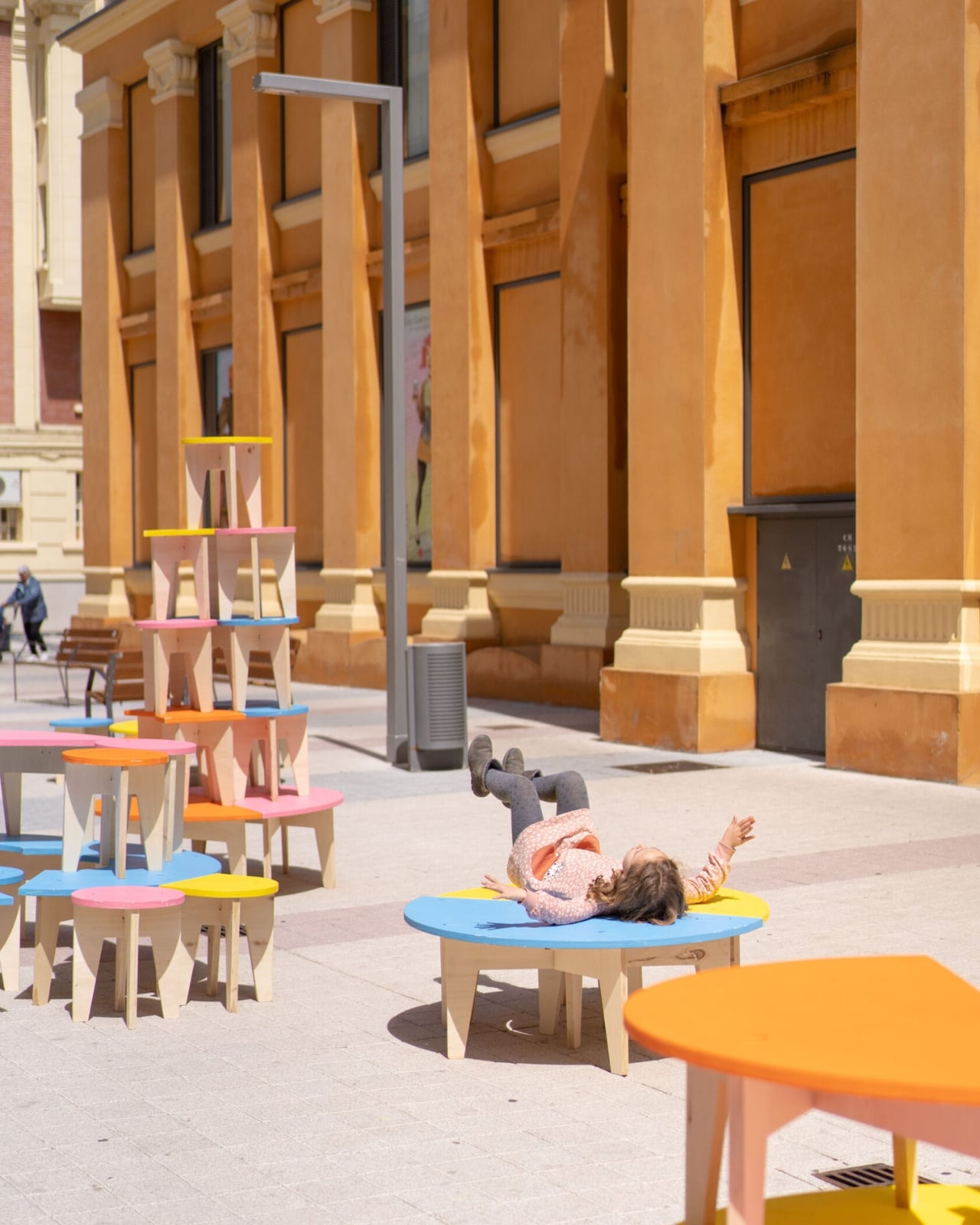
For Raivio, play isn’t a decorative layer applied over the surface of serious design. It’s a foundational principle. Her studio, RaivioBumann, focuses on transforming public spaces into places that are genuinely livable, not just functional. The idea that disorder and disruption can be design tools, rather than problems to be solved, runs through everything about Basic Forms. Public space, in her view, is most alive when it hasn’t been entirely decided for you.
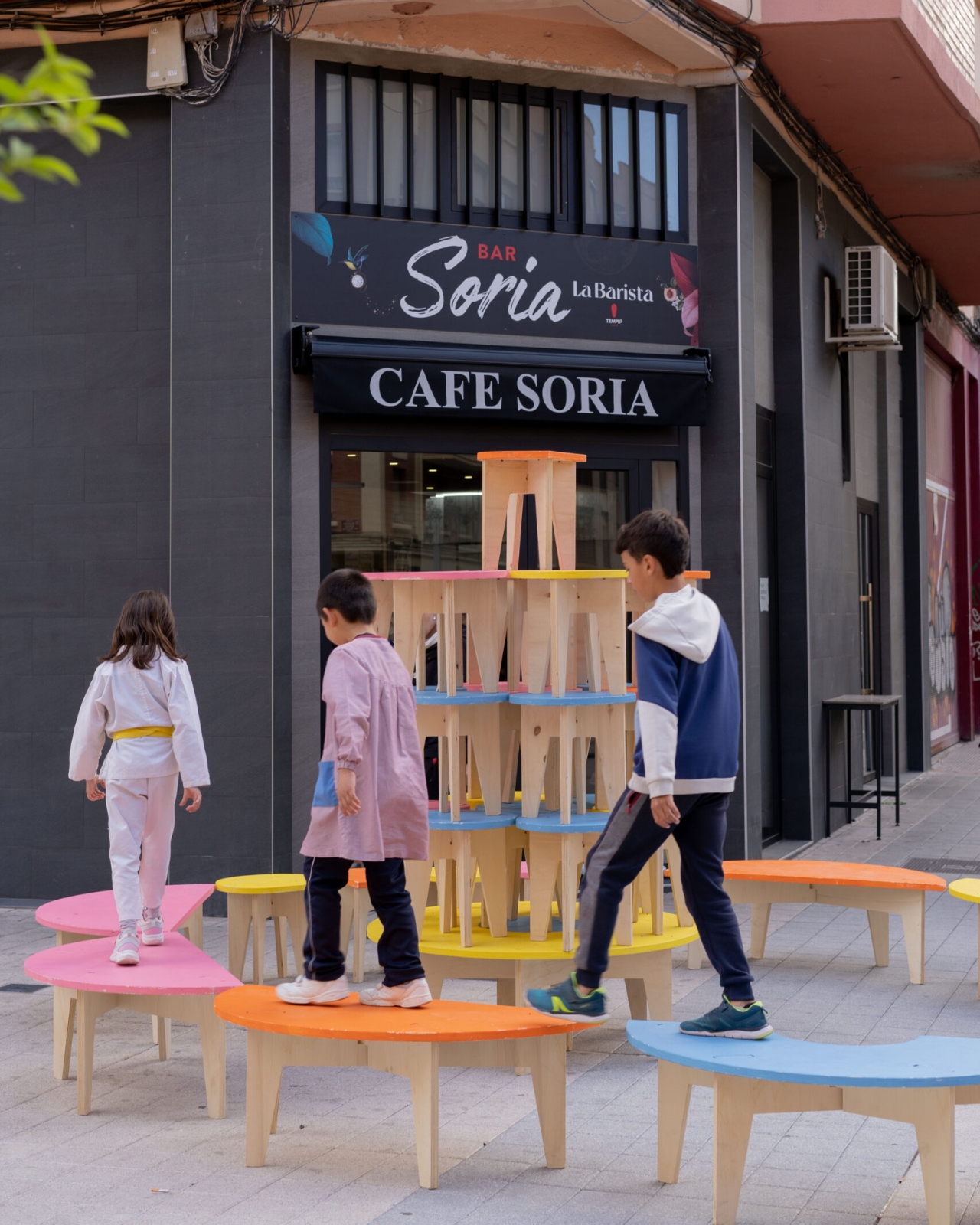
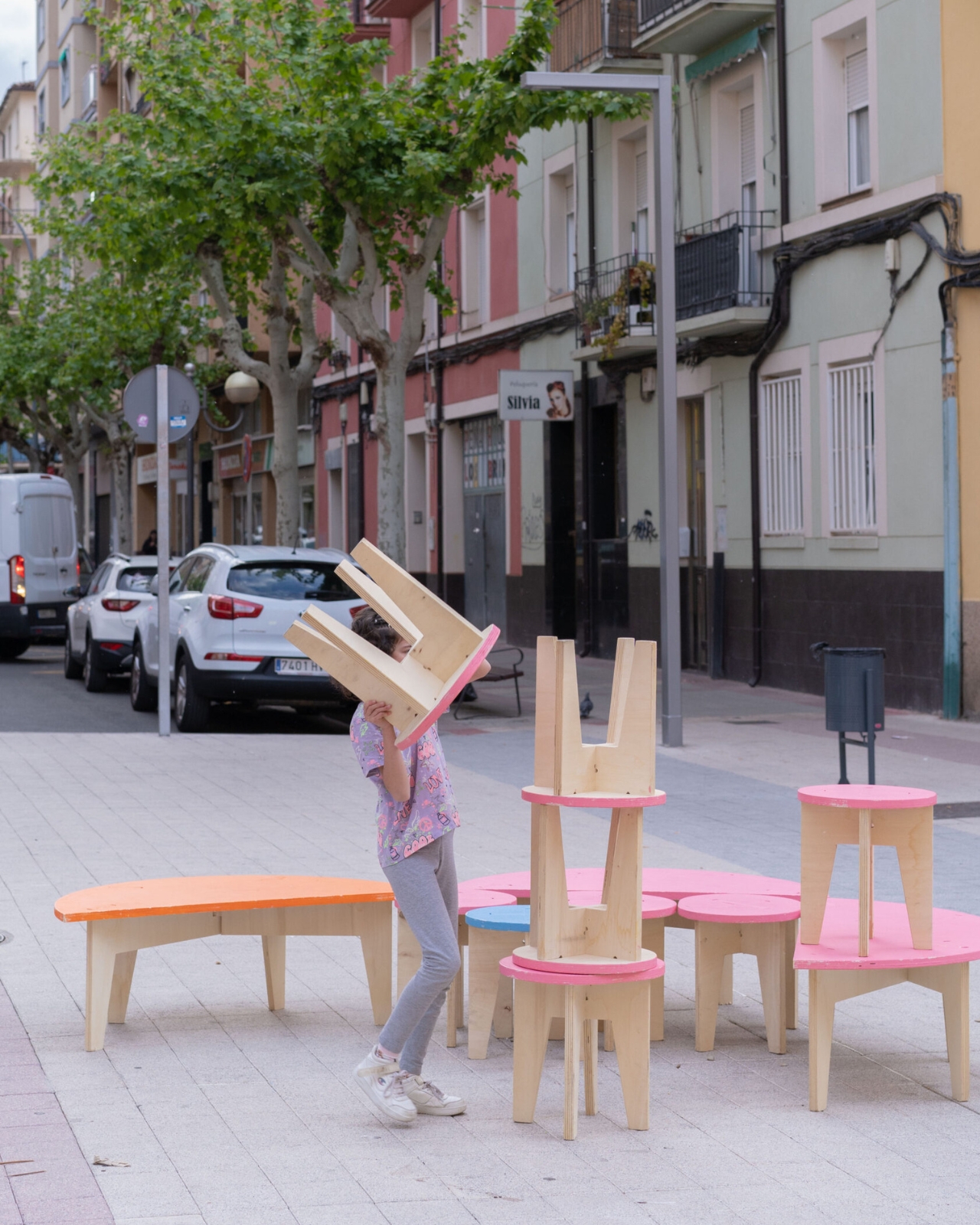
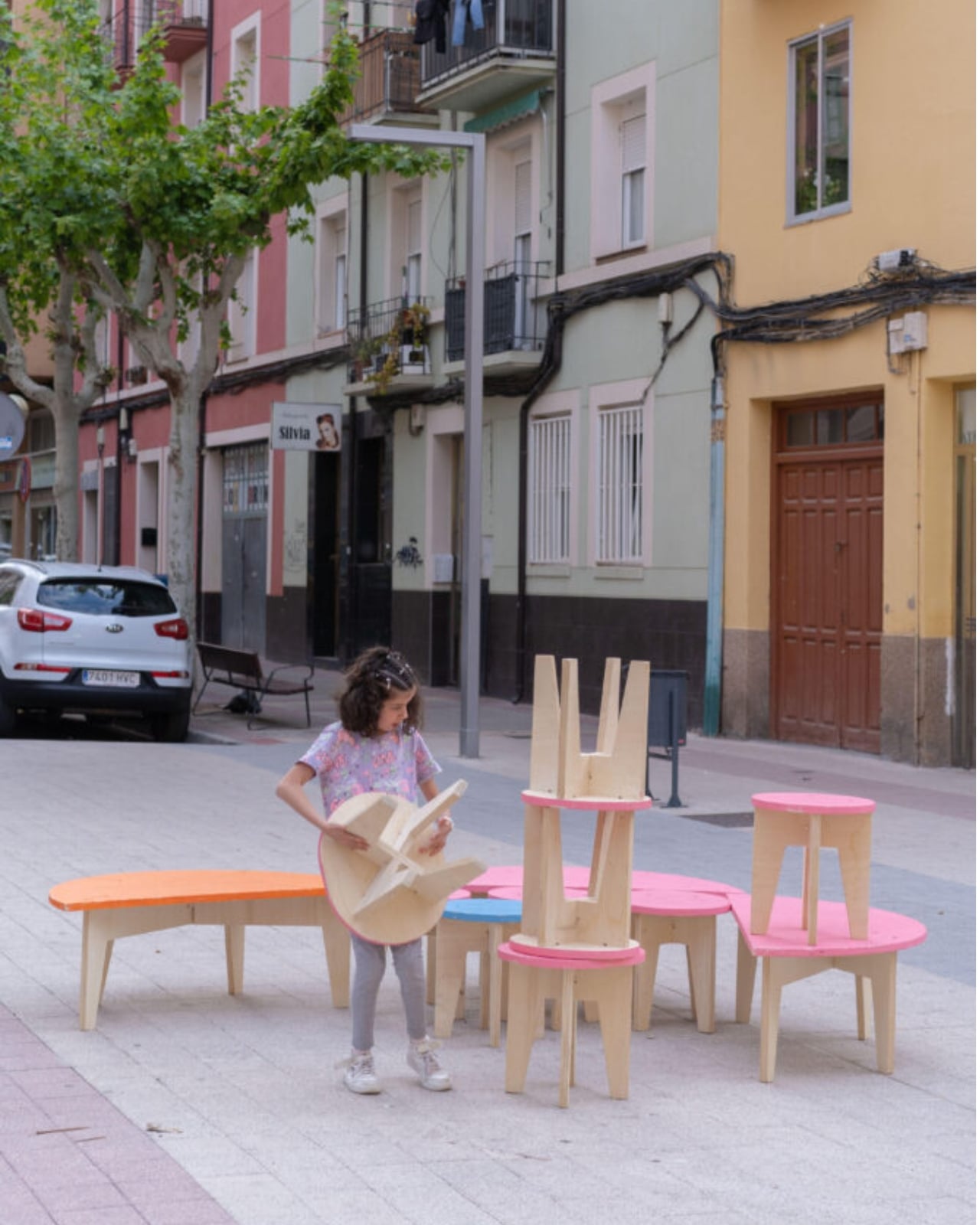
The installation is part of the Barbican’s Play Make Do festival, running 14 to 16 August 2026, and it’s free, unticketed, and open to anyone who walks through. It previously showed at Concéntrico in Logroño, Spain, where it was met with the kind of spontaneous collective enthusiasm that designers spend careers hoping for. People of all ages rearranged, combined, balanced, and rebuilt the pieces for hours. The images from that presentation are worth looking up. They show something you don’t see often enough in public space: strangers making decisions together.
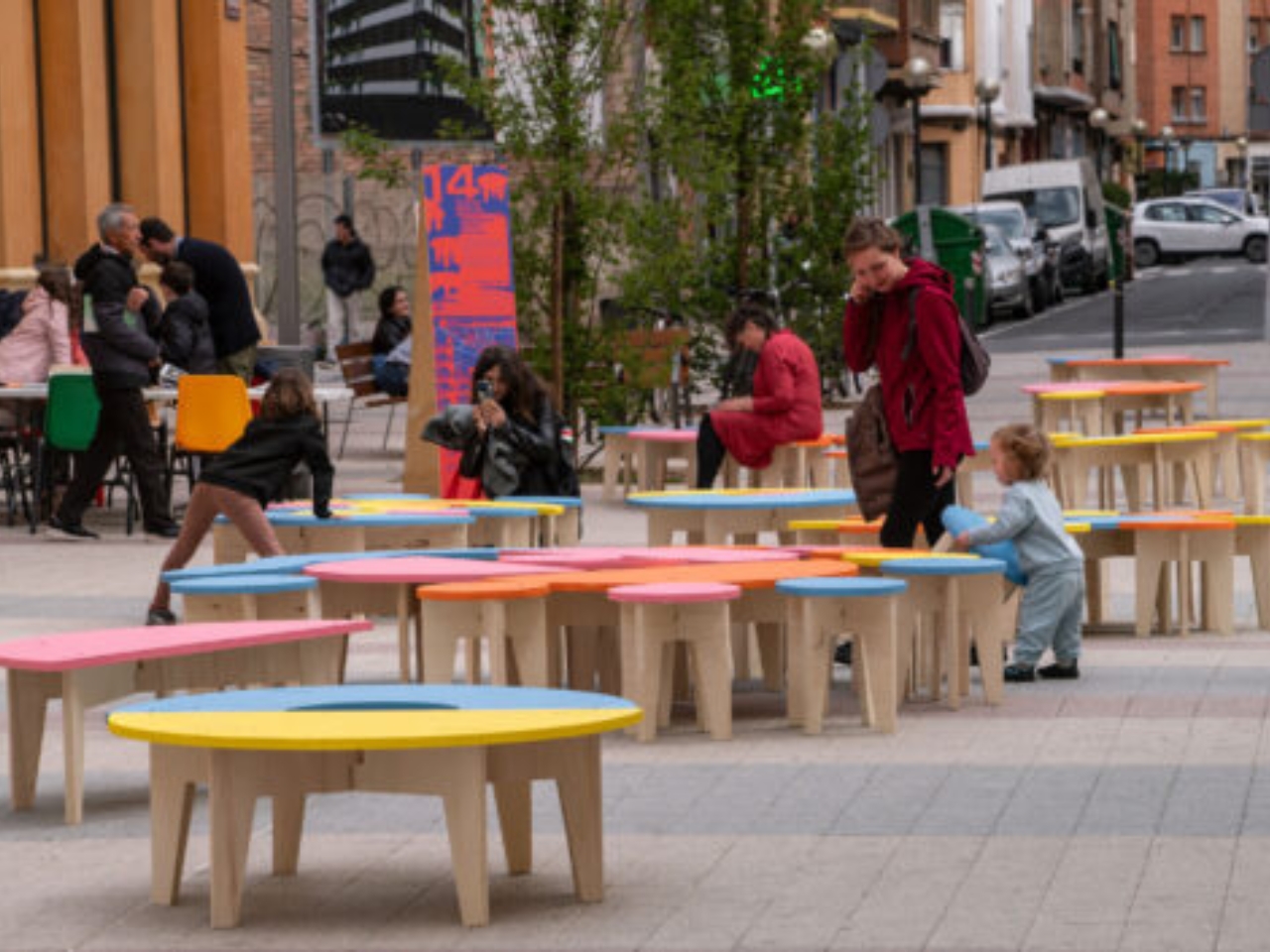
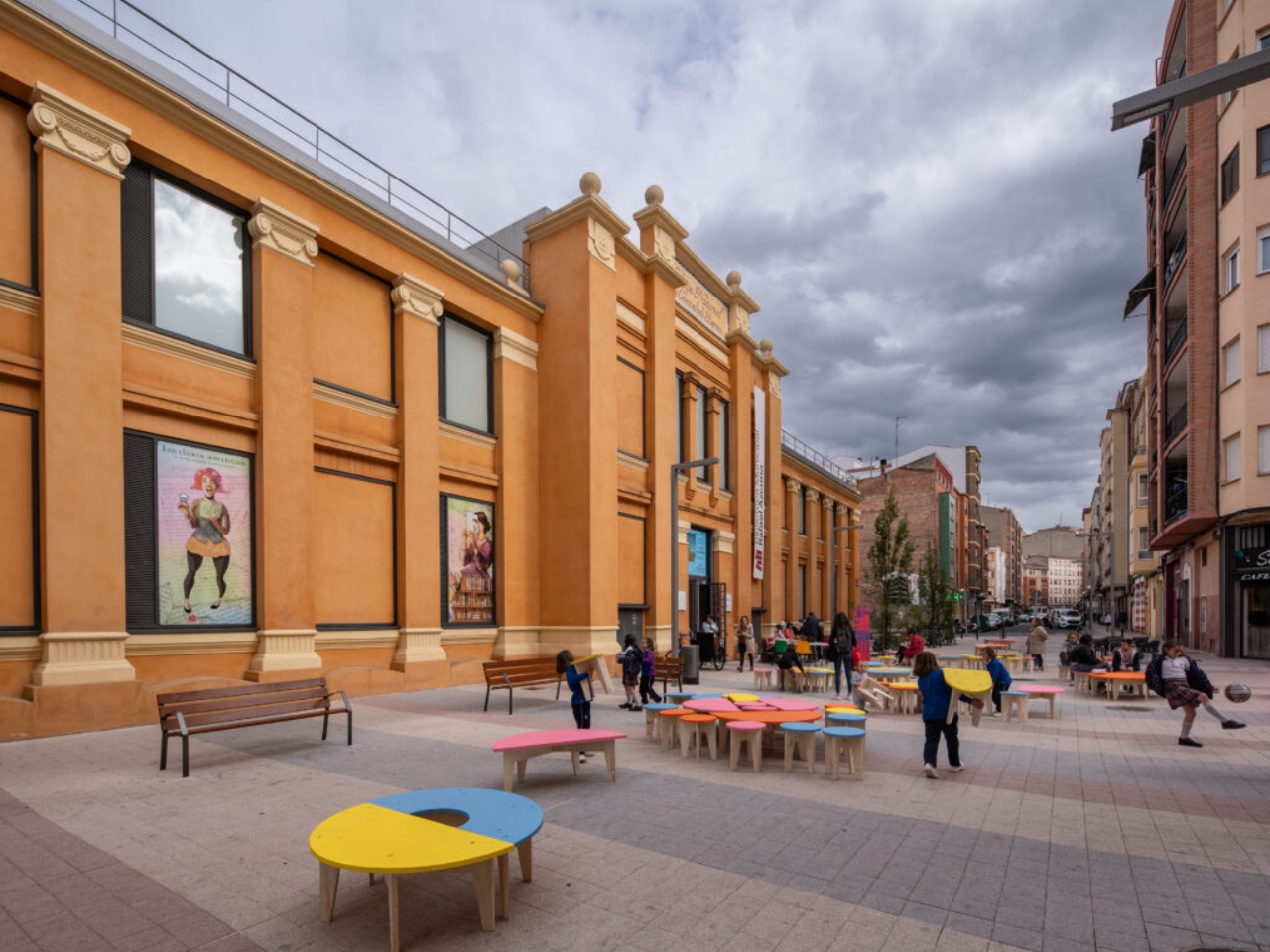
That’s the detail that sticks with me. Not the form, not the color palette, not even the clever way the installation adapts to its environment. It’s the fact that two people who don’t know each other will naturally start negotiating, collaborating, and eventually laughing over how to arrange a pile of plywood. Raivio has essentially built a permission slip for connection, disguised as furniture.
Cities don’t lack benches or tables. They lack reasons to linger. They lack spaces that say, figure it out, make it yours, stay as long as you want. Basic Forms gives London exactly that, even if only for a weekend. The real question it raises is why we aren’t building this kind of thinking into cities permanently, instead of treating it as a festival-season novelty.
SHARE