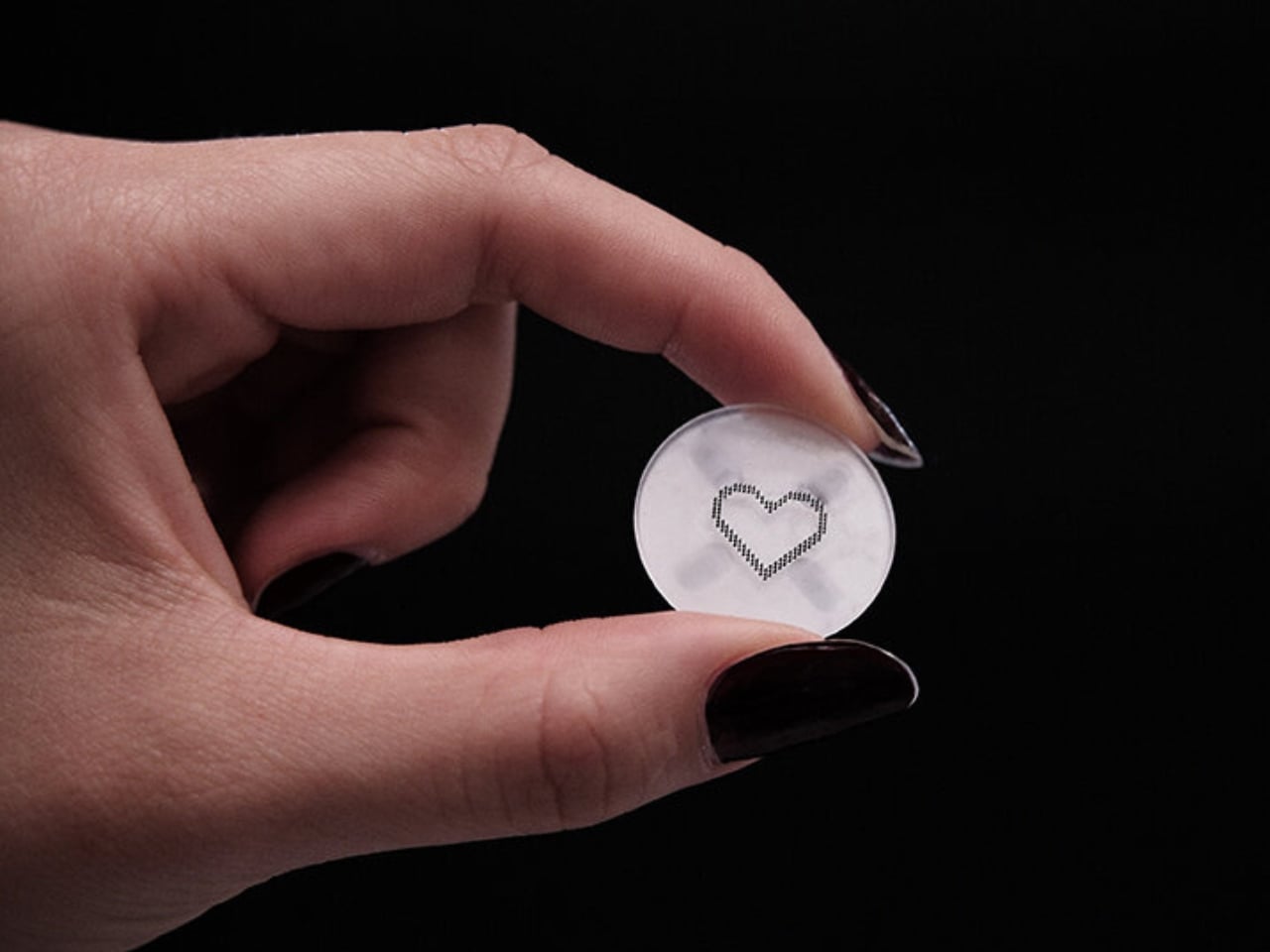
The future of tattooing fits inside a dissolving patch, and I will be honest: I did not see that coming. CipherX, a London-based biotech startup founded by Ferdinand Kohle and Karl-Anton Harms, has developed something that genuinely sounds like fiction: a single-use microneedle patch that delivers a permanent tattoo without a machine, without a needle gun buzzing near your skin, and without any real pain. It’s called the Microdot Tattoo, and it’s not a concept or a prototype. It’s already being offered to real people at pop-ups happening right now.
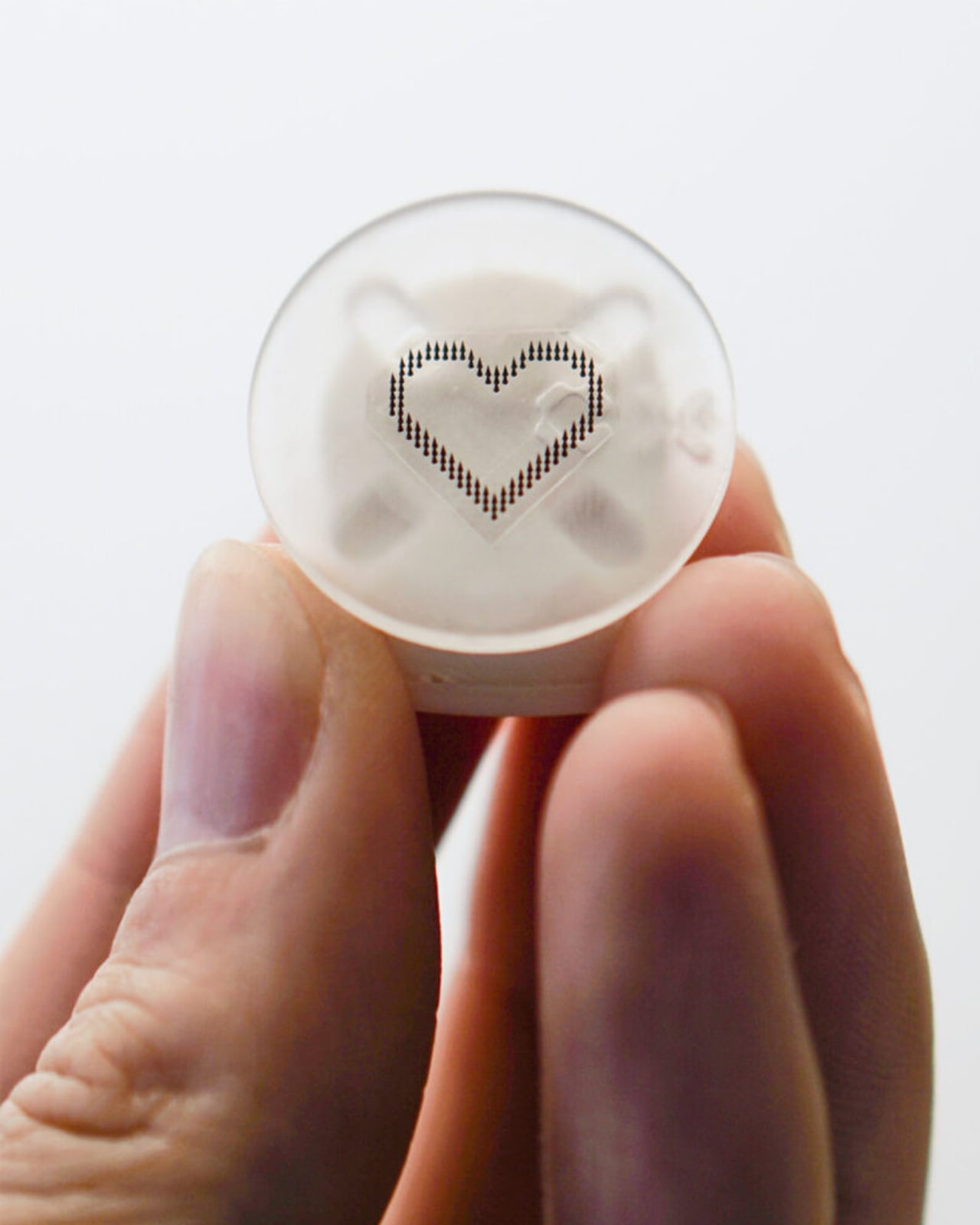
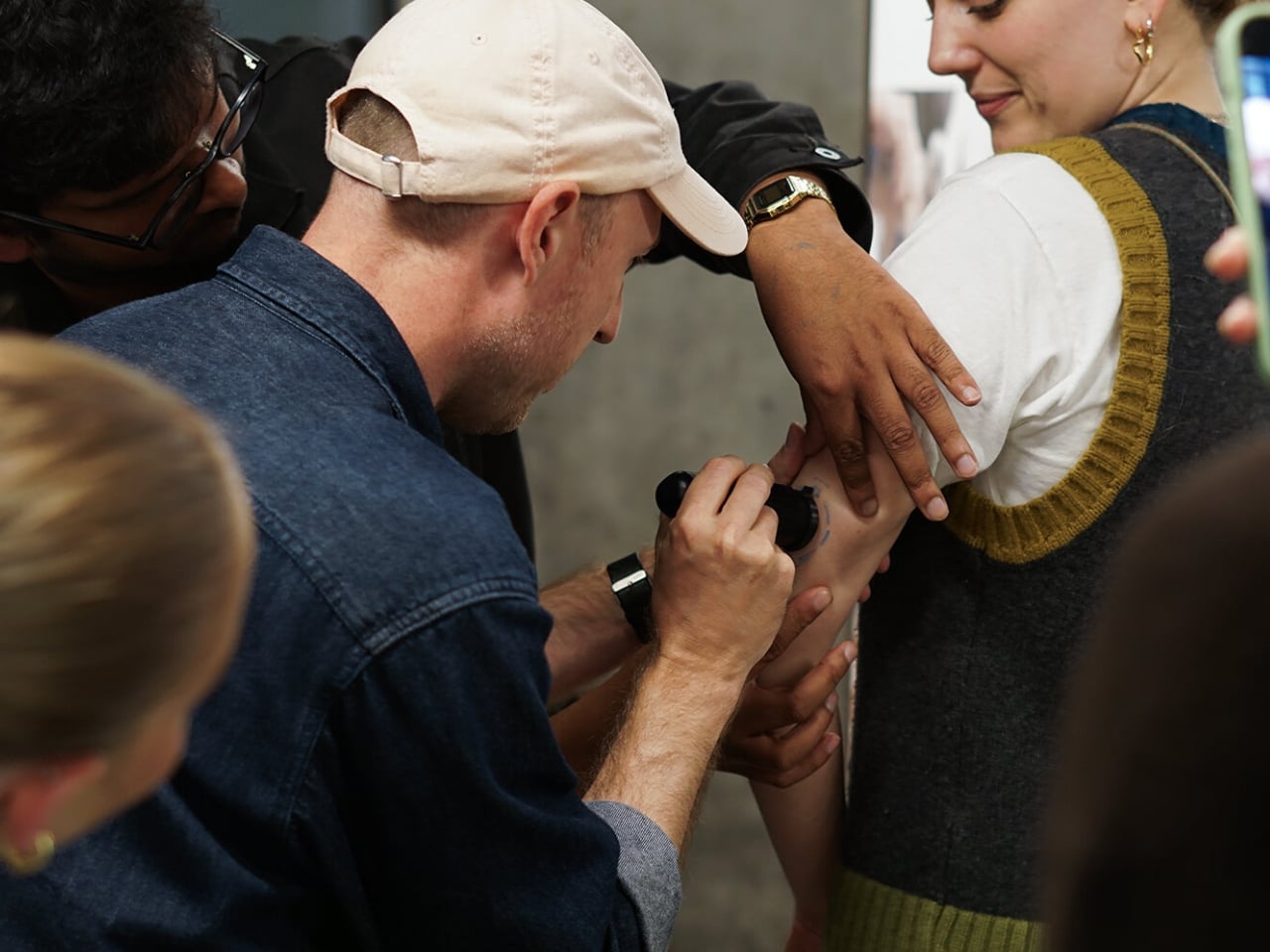
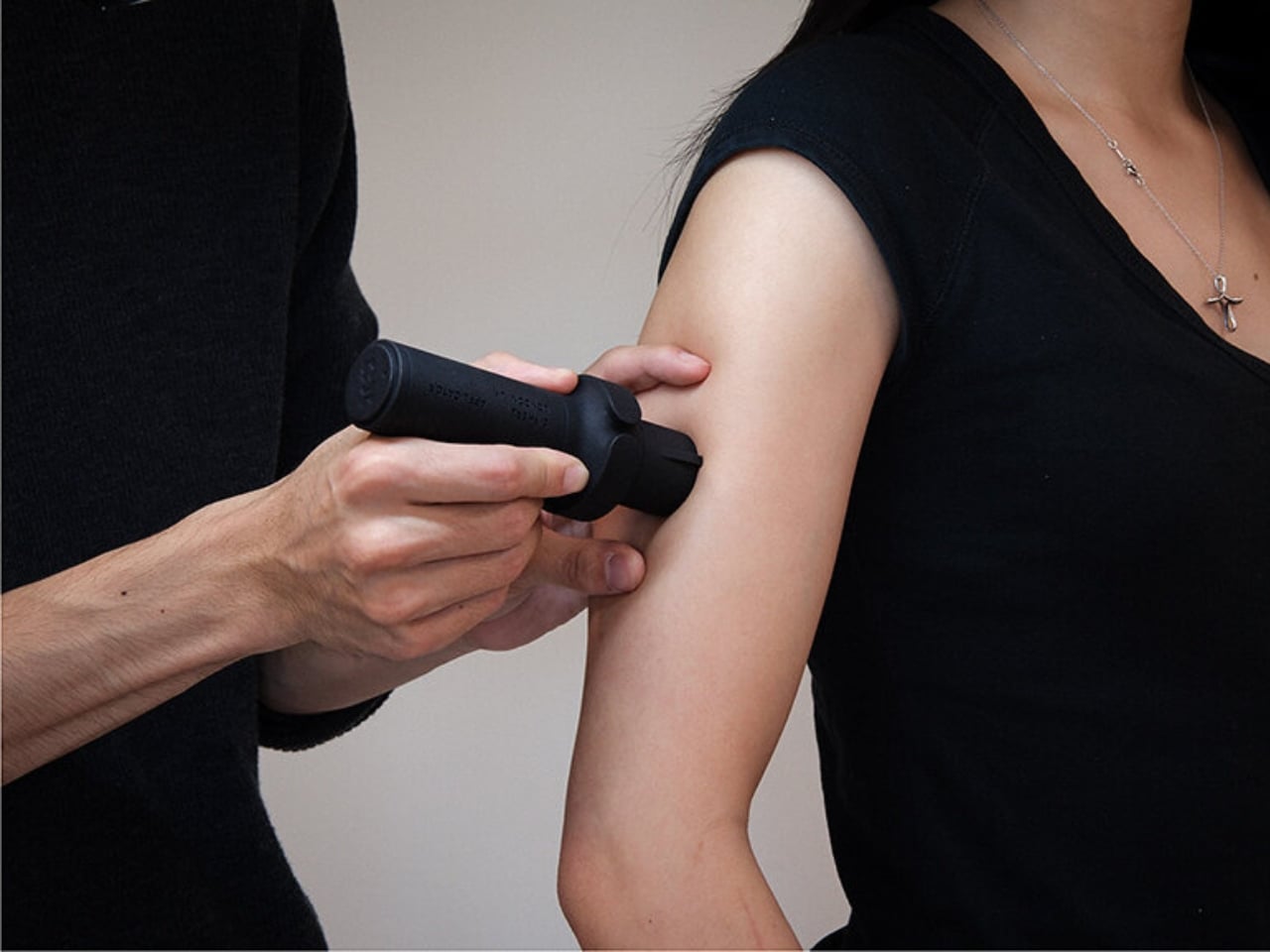
The technology works like this. You choose a design online, redeem it at a CipherX pop-up, and trained staff position a small disposable patch on your skin using a dedicated handheld applicator. The patch is covered in hundreds of microscopic spikes, each made from conventional carbon-based tattoo ink combined with a biodegradable biopolymer. It gets pressed against the upper layers of your skin in one motion, sits there for fifteen minutes, and then the microneedles dissolve while the pigment stays put. When the patch comes off, the image is already there, though it tends to appear pale at first. Over the next two days, the marks deepen and merge into a continuous form. No buzzing. No blood. No bracing yourself.
Designer: CipherX
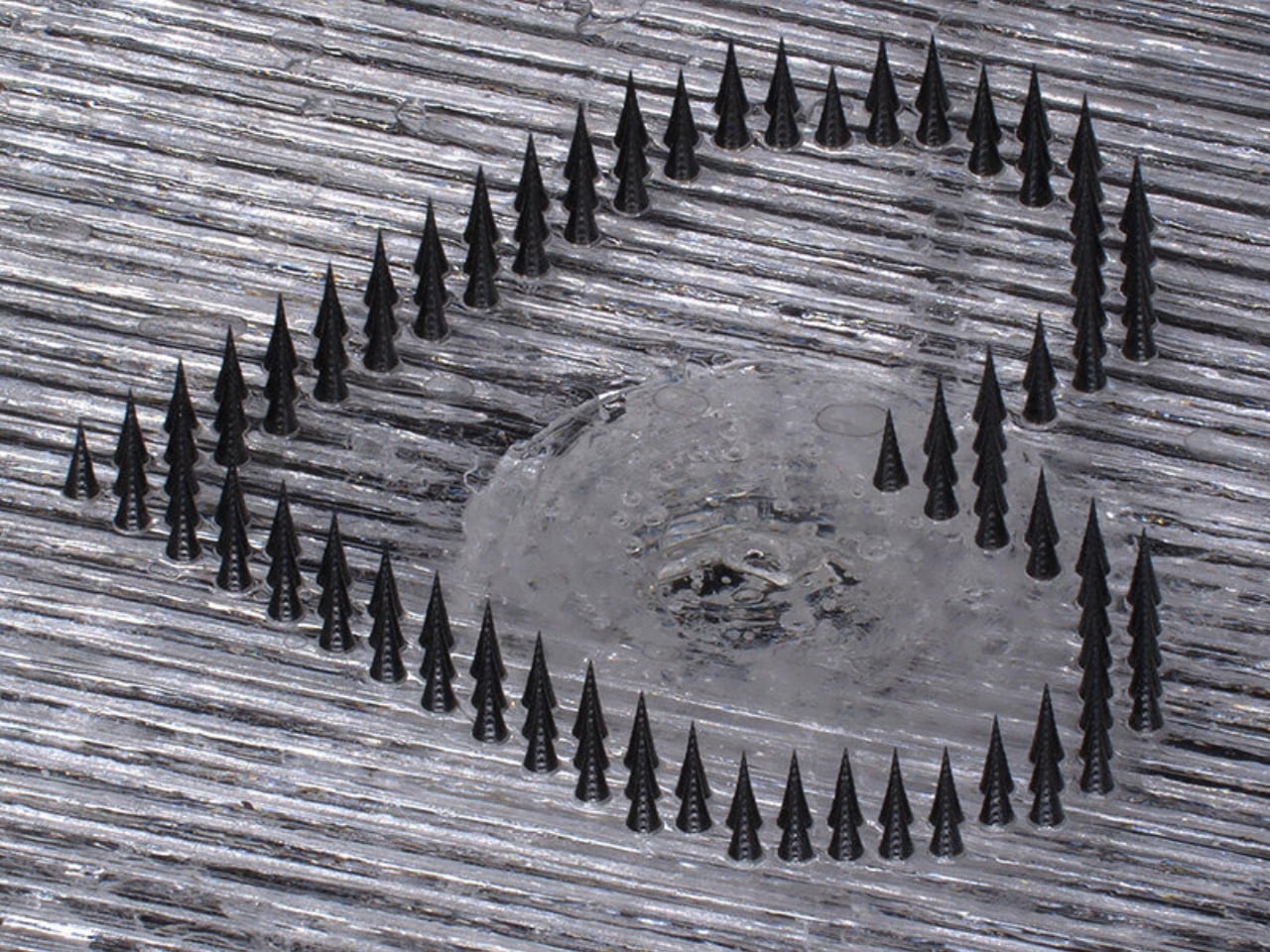
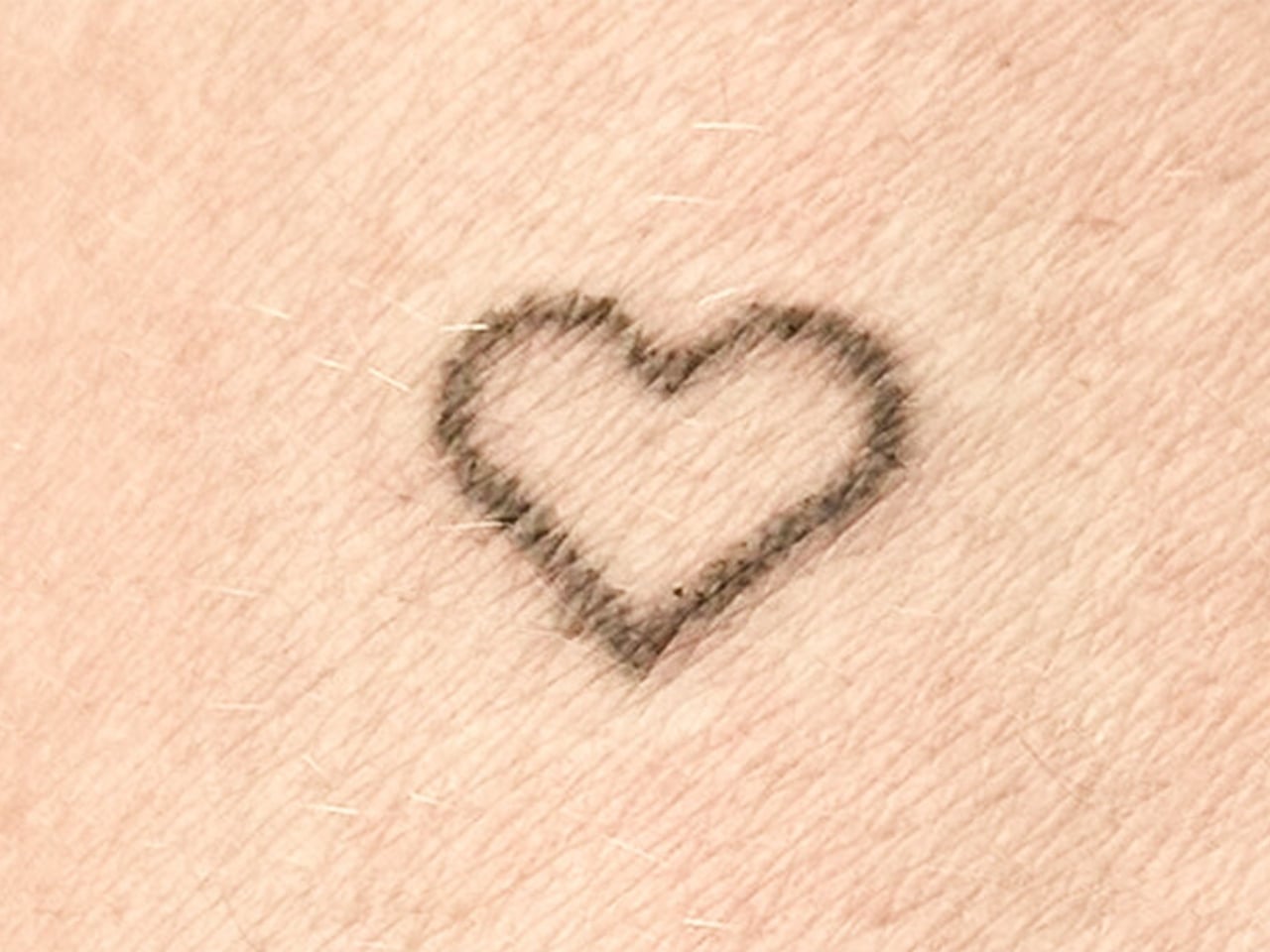
The company describes the experience as pain-free, though their public guidance does note the possibility of temporary redness or mild irritation, which reads about as alarming as any standard skincare caveat. Aftercare involves petroleum jelly and avoiding prolonged water exposure for the first 48 hours. For anyone who has sat through hours under a needle followed by weeks of obsessive aftercare rituals, that trade-off sounds almost suspiciously simple.
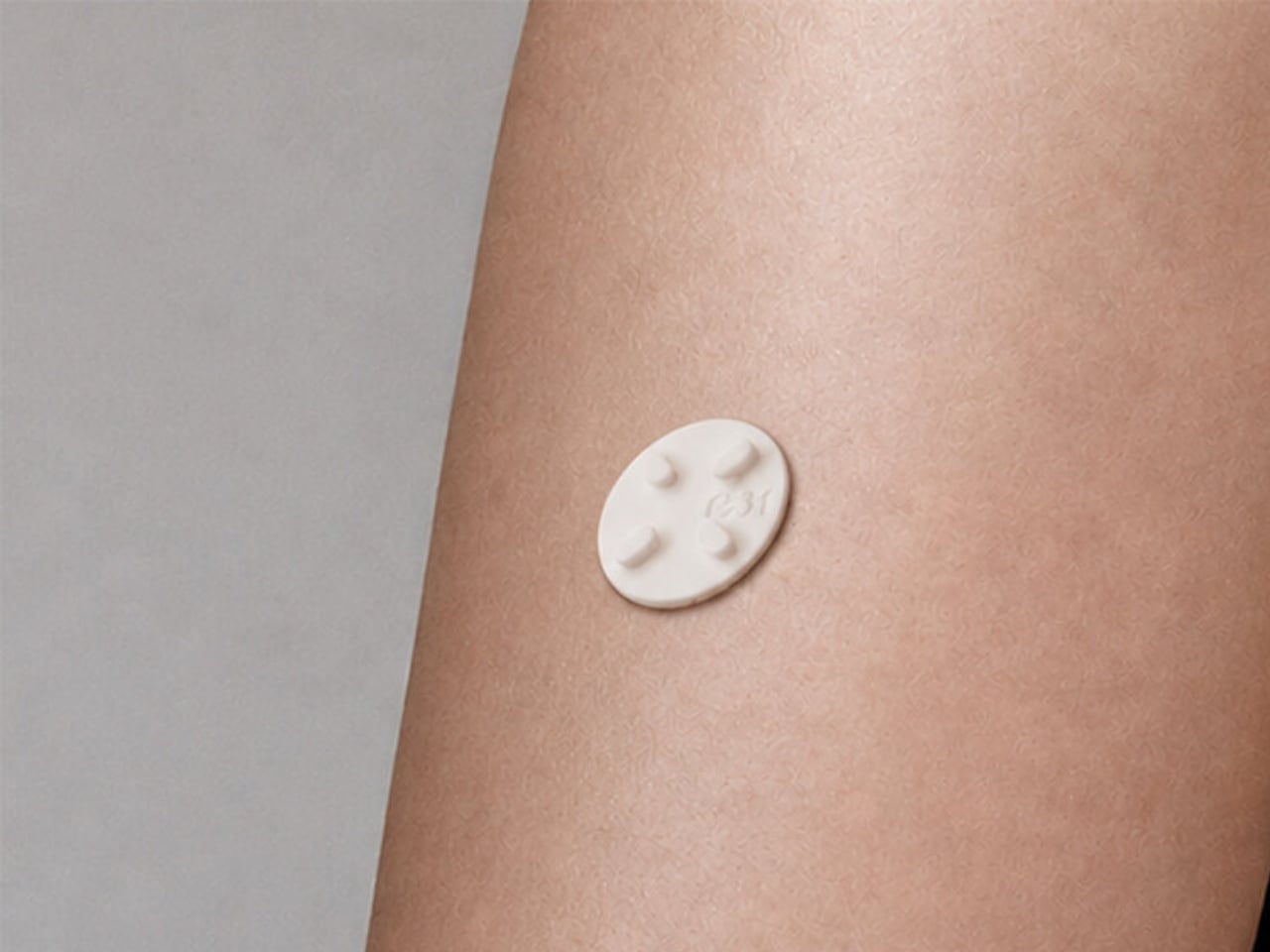
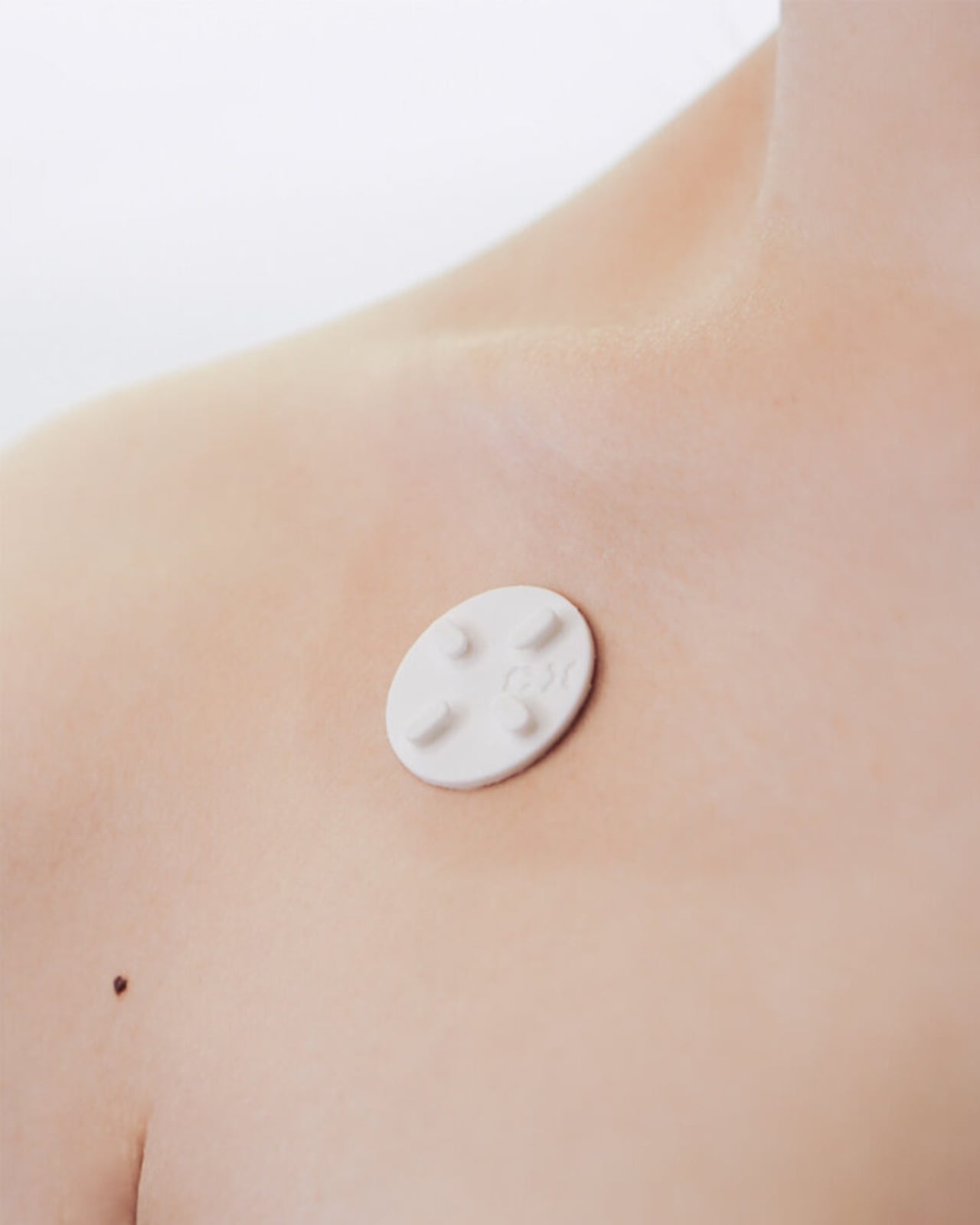
I want to be fair here, because not everything that claims to be painless actually is, and not every technology that sounds revolutionary survives contact with a mass market. But what CipherX has built is not a novelty product targeting commitment-phobes who want a glitter star on their wrist for six months. The Microdot Tattoo is the first commercial application of a broader skin technology platform, and the founders have spoken publicly about the potential for this same microneedle mechanism to one day deliver vaccines and cosmetic compounds through the skin. The tattoo is the entry point. The ambition is significantly larger.
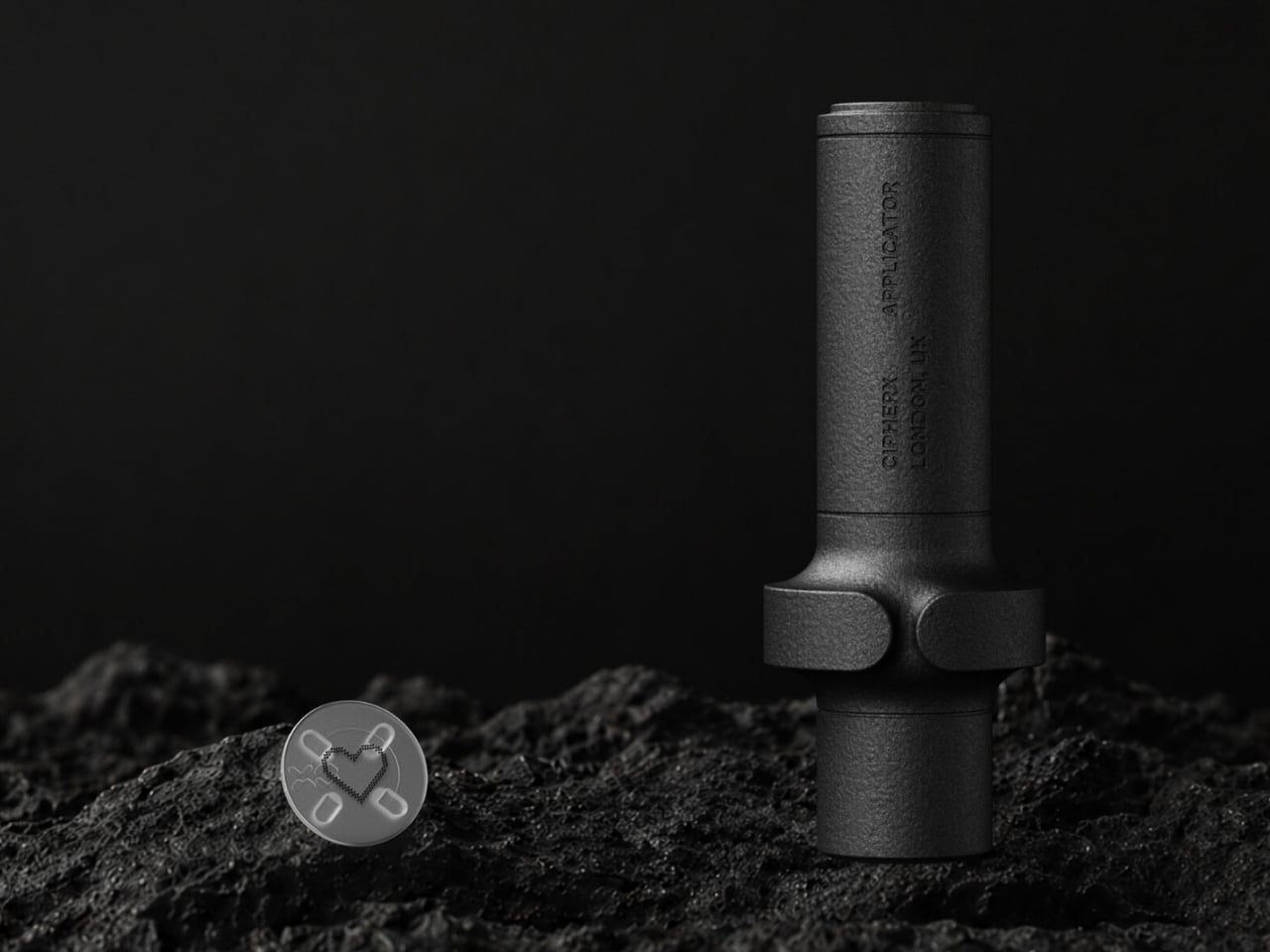
That context matters, because it reframes the current limitations rather than making them feel like failures. Right now, designs are small, fitting inside a 15mm circular canvas, and are only available in carbon black. The current lineup includes hearts, stars, and Van Gogh’s Chair, which is a curiously specific and oddly charming selection. At £50 per tattoo, it is not cheap for something that size. And you can only access one at a CipherX pop-up, not your local studio or a pharmacy shelf.
Those constraints will expand. Academic research on microneedle tattoo patches has been building since at least 2022, and what CipherX has done is take that science and manufacture it into an actual consumer product. The leap from a research paper to something a person can experience at a pop-up is not a small one, and it deserves credit for that alone.
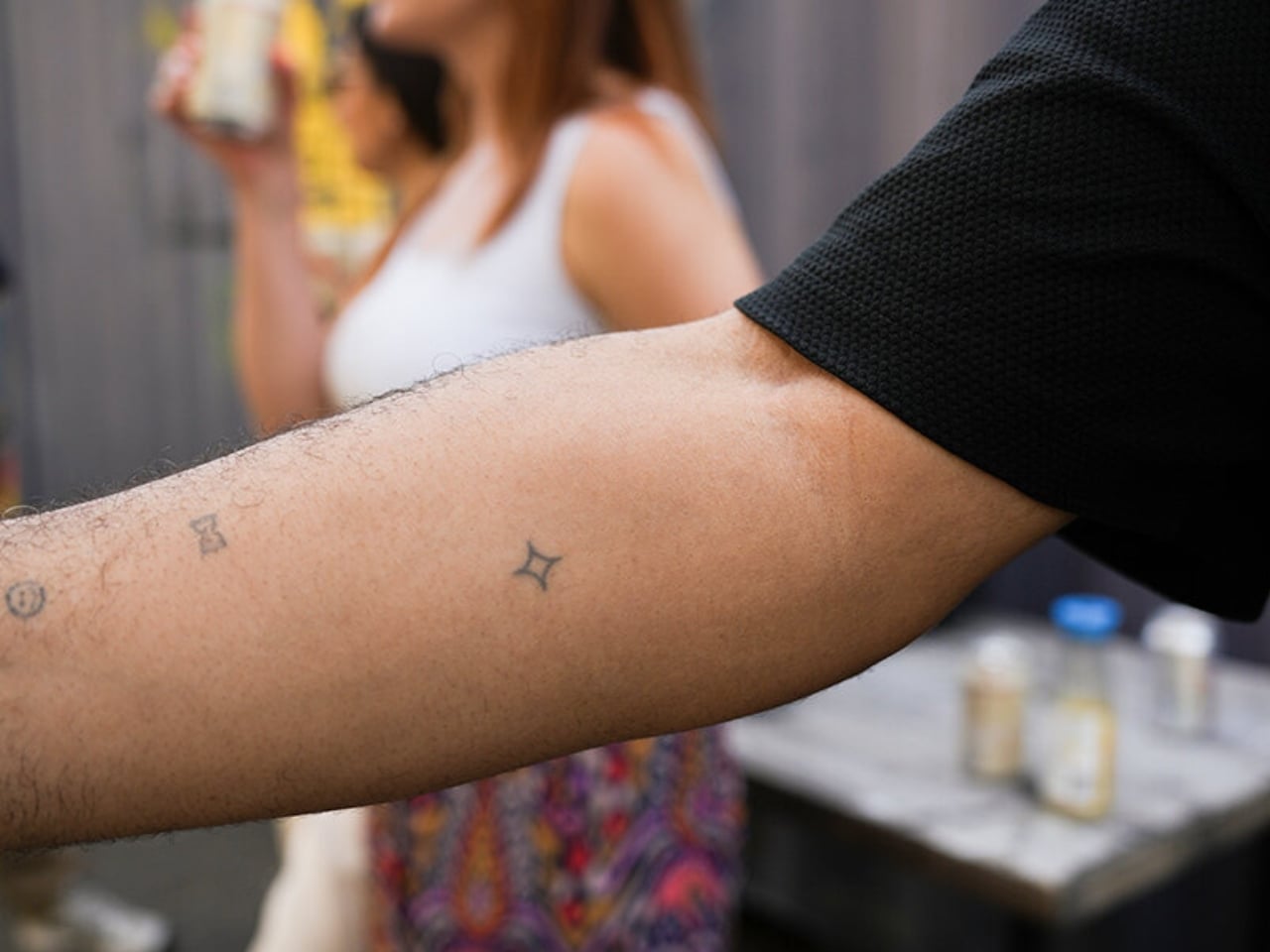
Where I land on all of this is somewhere between genuinely impressed and cautiously curious. Tattooing carries a cultural weight that no technology alone can replace. The ritual of sitting with an artist, the discomfort that becomes part of the story, the permanence that feels earned through a specific kind of patience: these things matter to a lot of people, and rightly so. But there are also many people who want a small, meaningful mark on their skin and have never gone through with it because of the pain, the intimidation, or the unfamiliar environment of a tattoo studio. For them, a quiet fifteen-minute patch might be exactly the right door in.
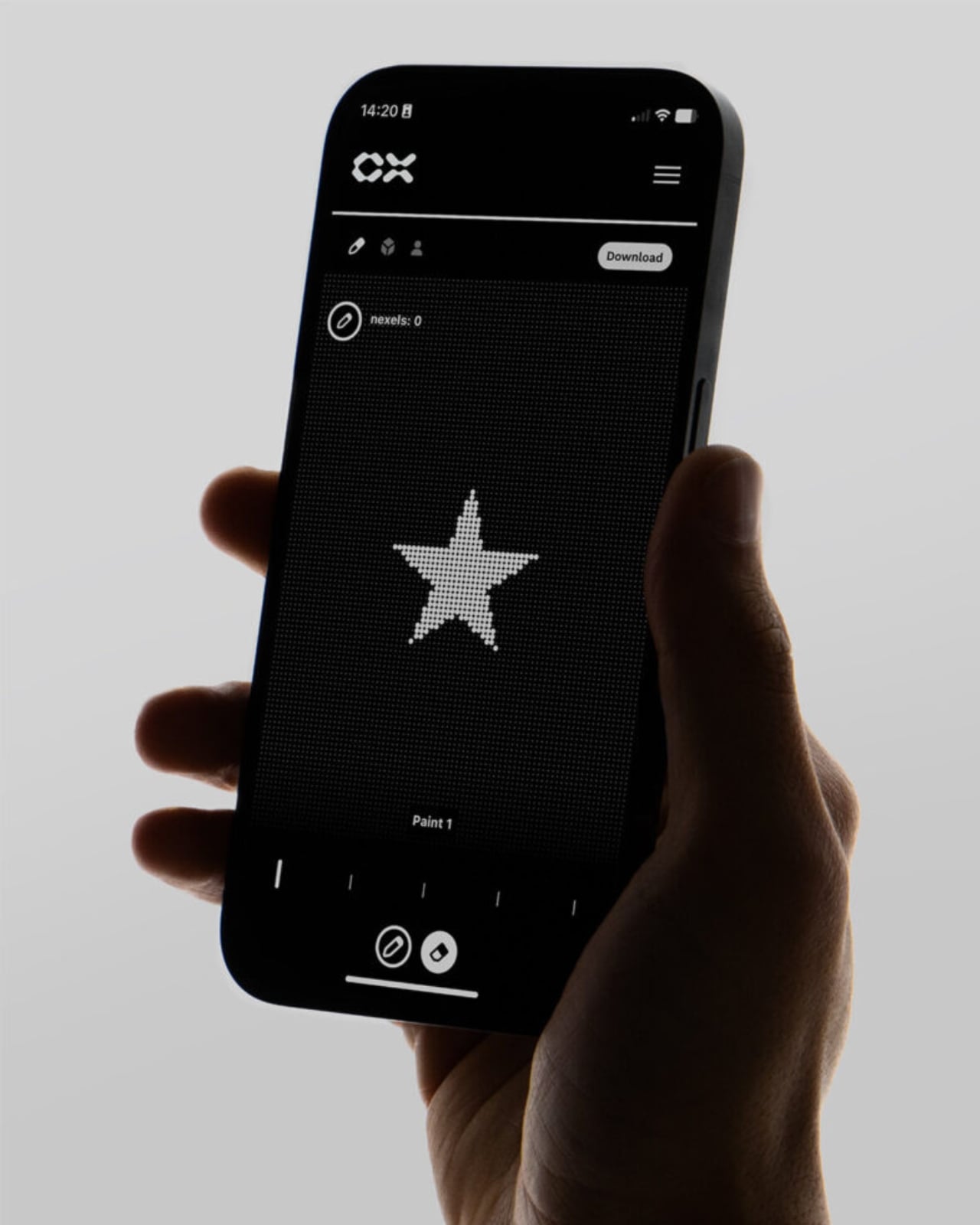
CipherX envisions skin as a platform where science, design, and engineering unlock new possibilities for expression, health, and human interaction. That phrasing could sound clinical, but it also feels like an honest acknowledgment that human skin has always been a site for meaning and identity. The only thing changing here is how the mark gets made.