Traditional cooling methods are gaining fresh attention as homeowners and designers search for environmentally responsible alternatives to energy-intensive air conditioning. Among these, clay coolers have emerged as a practical and elegant solution rooted in centuries-old craftsmanship. Their ability to cool naturally without relying on electricity aligns perfectly with the growing demand for sustainable living and climate-responsive design.
Today, architects are integrating these timeless cooling systems into modern homes. By combining natural materials, passive cooling principles, and thoughtful aesthetics, clay coolers are rediscovering solutions that have stood the test of time.
1. The Timeless Science Behind Clay Cooling
Clay coolers function through the principle of evaporative cooling, one of the oldest and most effective natural cooling techniques. The porous clay absorbs water, and as the moisture gradually evaporates, it draws heat from the surrounding air, lowering the temperature without consuming electricity. This process creates a gentle cooling effect that feels comfortable. Unlike conventional air conditioners that depend on compressors and refrigerants, clay coolers work in harmony with natural environmental conditions.
Their simple engineering offer an energy-efficient solution that remains highly relevant for contemporary architecture.
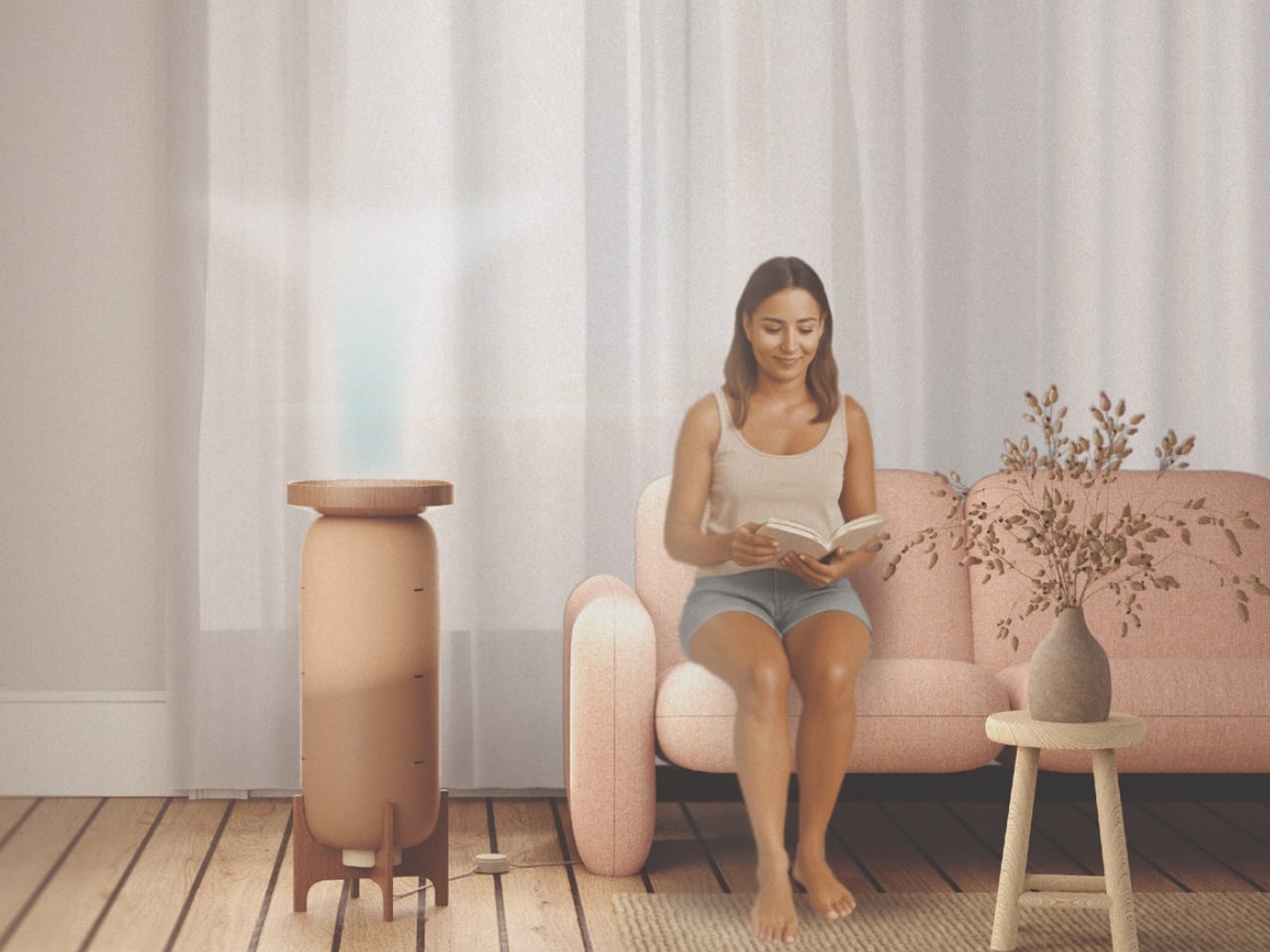
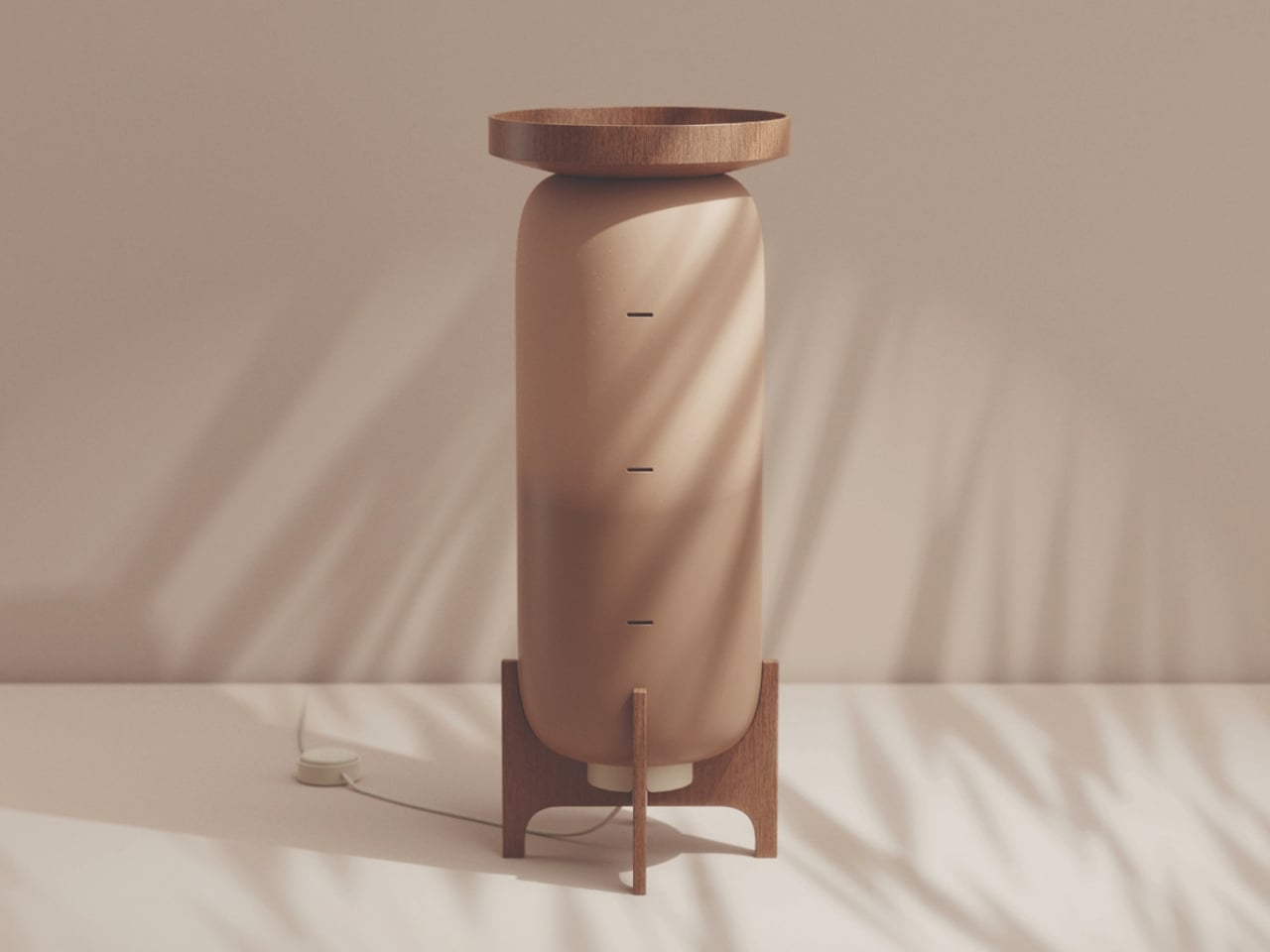
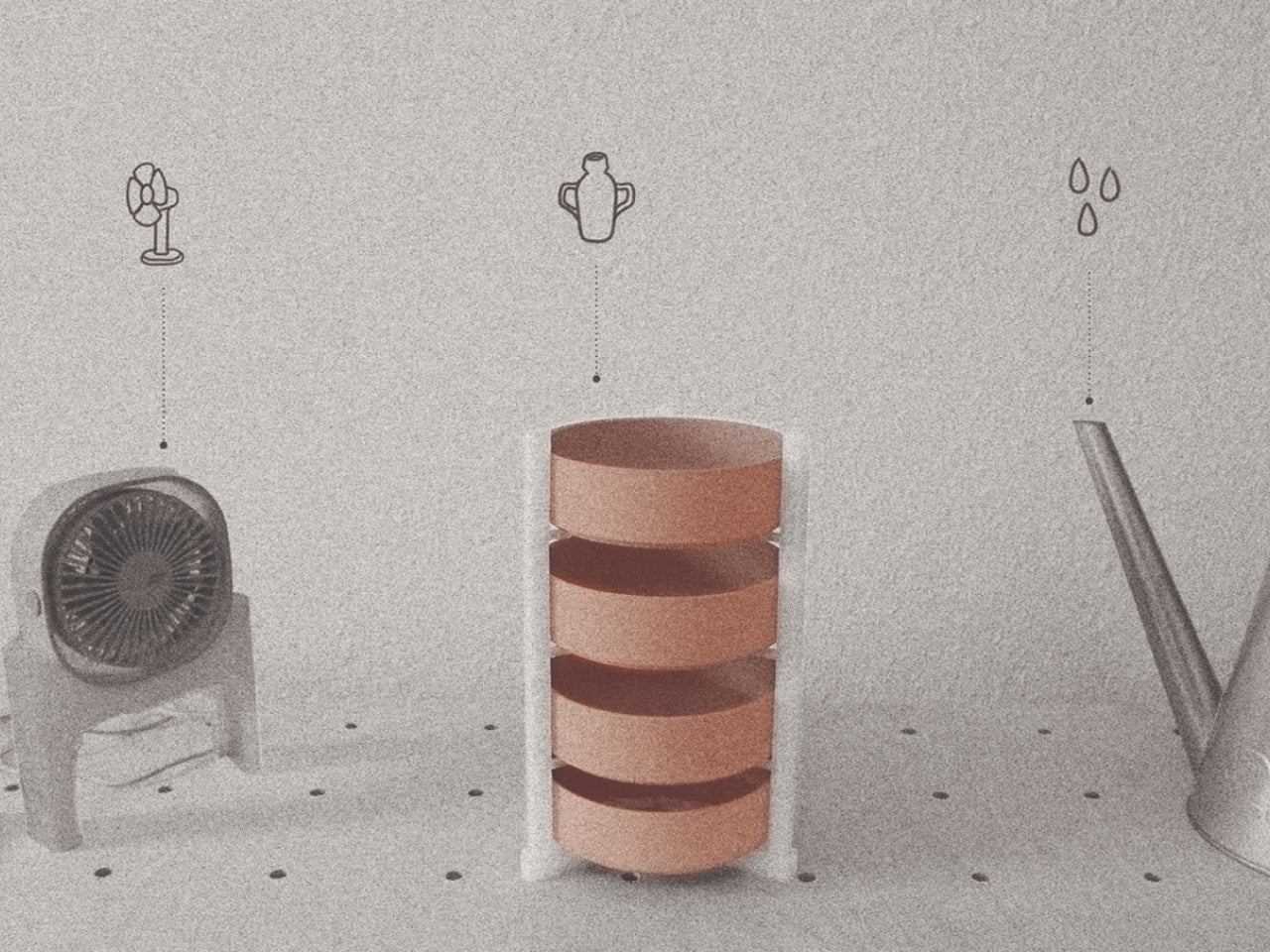
MALU is a thoughtfully designed personal cooling system that transforms the ancient principle of evaporative cooling into a contemporary home product. Created by Austrian designer Katja Posch, the compact cooler features a porous terracotta cylinder supported by a handcrafted wooden frame and topped with a circular wooden water tray. Measuring 700 millimetres tall and 280 millimetres wide, MALU is designed to function as both a cooling device and a sculptural furniture piece. Its minimalist form, warm earthy materials, and refined craftsmanship allow it to blend seamlessly into modern interiors while offering an environmentally conscious alternative to conventional cooling appliances.
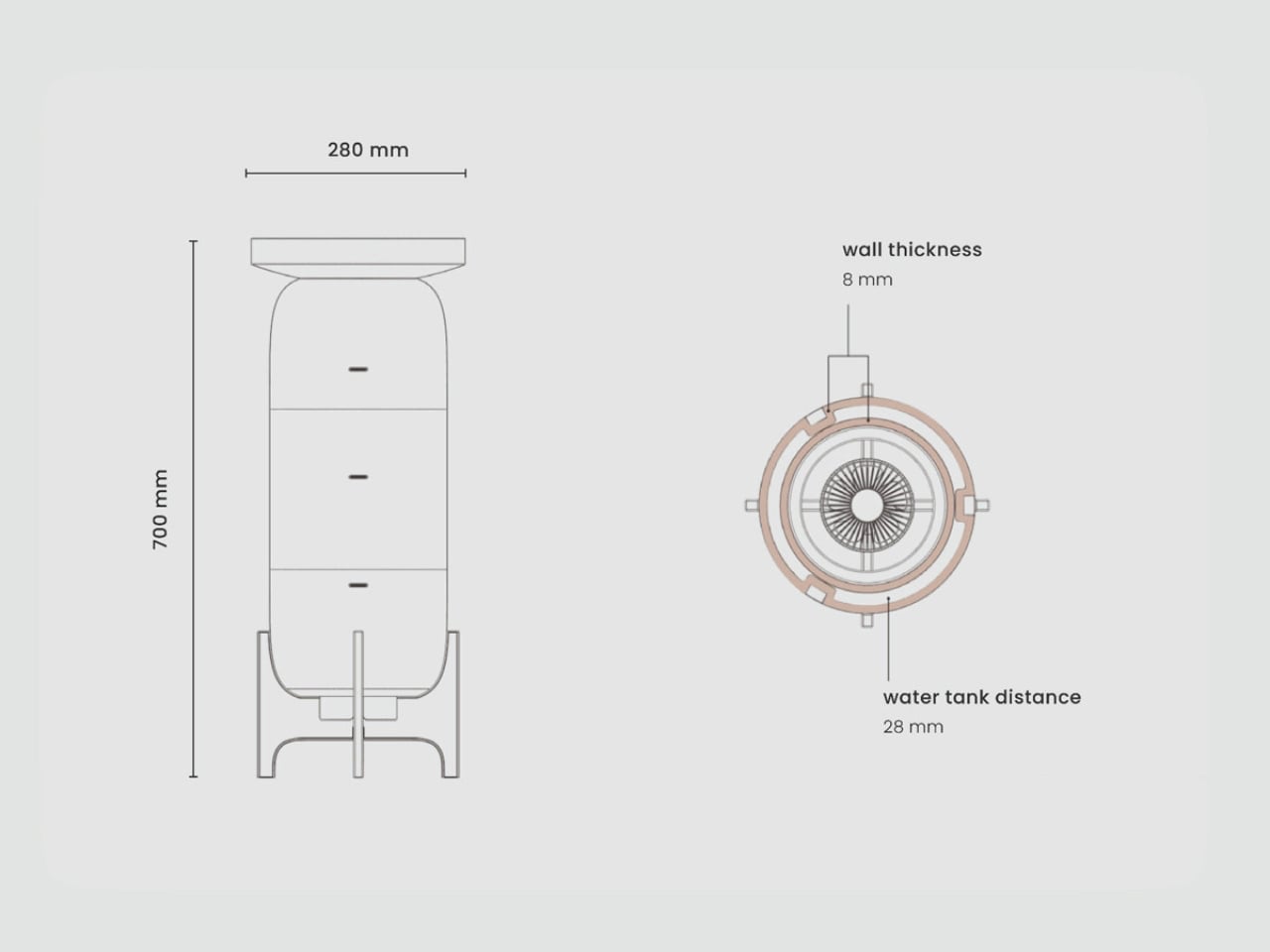
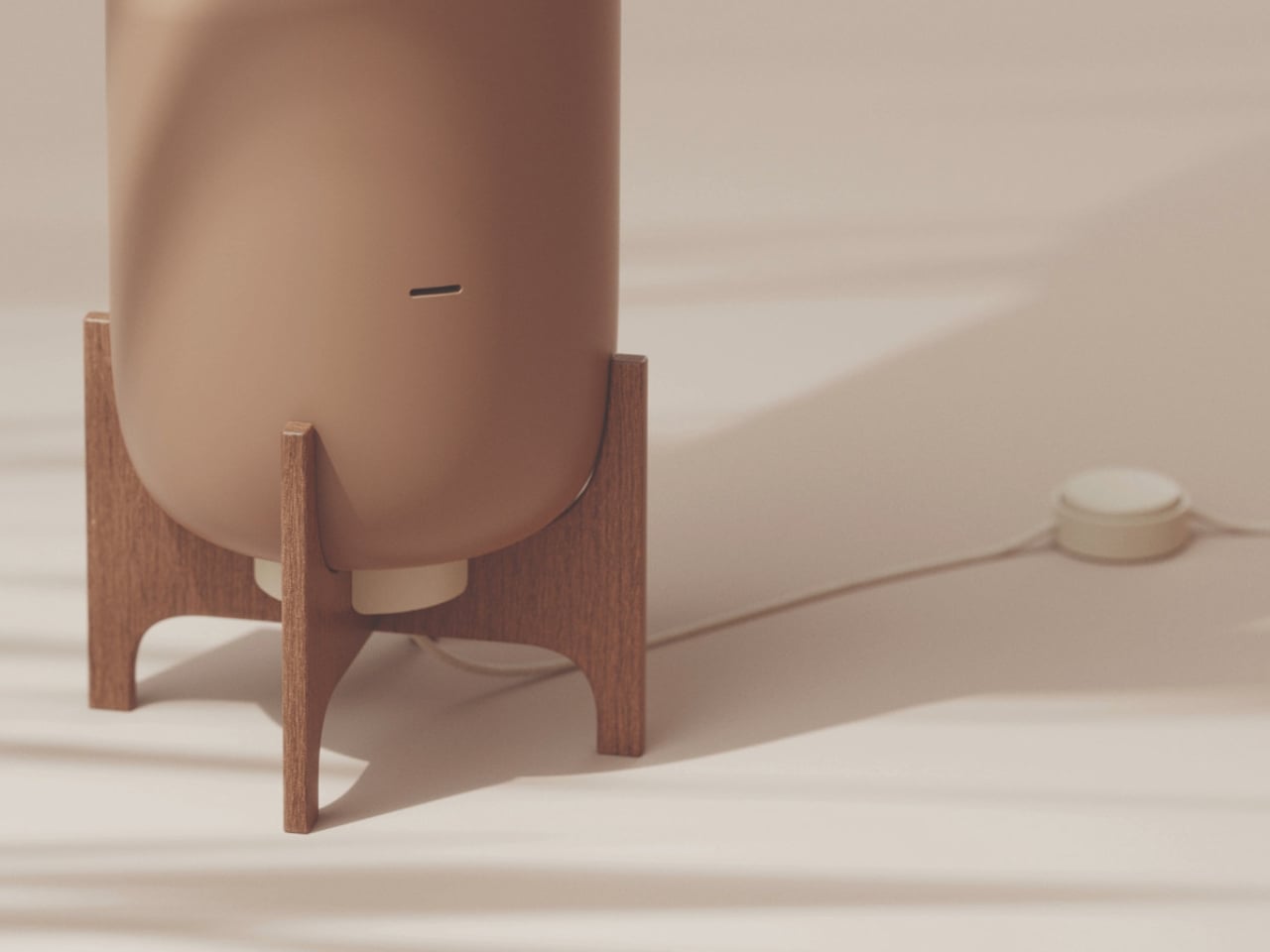
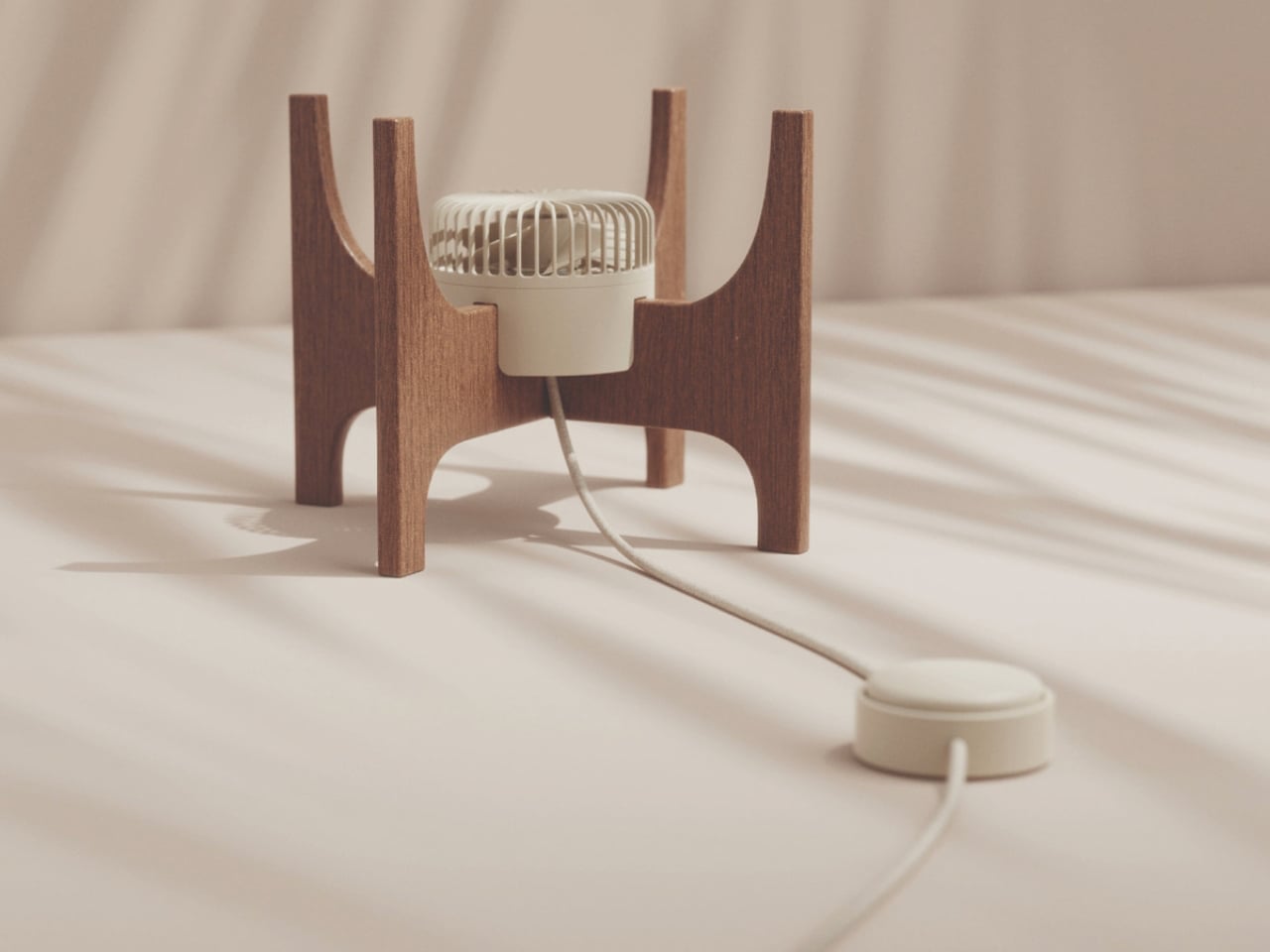
Water poured into the wooden tray gradually filters through the 8-millimetre-thick terracotta body, where natural evaporation cools the surrounding air before it is released through slim horizontal vents. An optional low-energy fan housed within the wooden base enhances airflow, while the cooler remains effective even in passive mode. Constructed from repairable, recyclable terracotta and wood, MALU is designed for durability and long-term use.
2. A Sustainable Alternative to Energy-Intensive Cooling
As global temperatures continue to rise, reducing energy consumption has become a priority for both homeowners and the construction industry. Clay coolers provide an environmentally friendly alternative by eliminating the need for electricity during operation and minimizing carbon emissions. Crafted from natural clay, they are biodegradable, locally sourced, and require significantly less energy to manufacture than conventional cooling appliances.
Their production also supports traditional pottery communities, preserving valuable artisanal skills while encouraging sustainable local economies. By choosing clay coolers, homeowners reduce their environmental footprint with a cooling solution that balances ecological responsibility with everyday comfort and long-term sustainability.
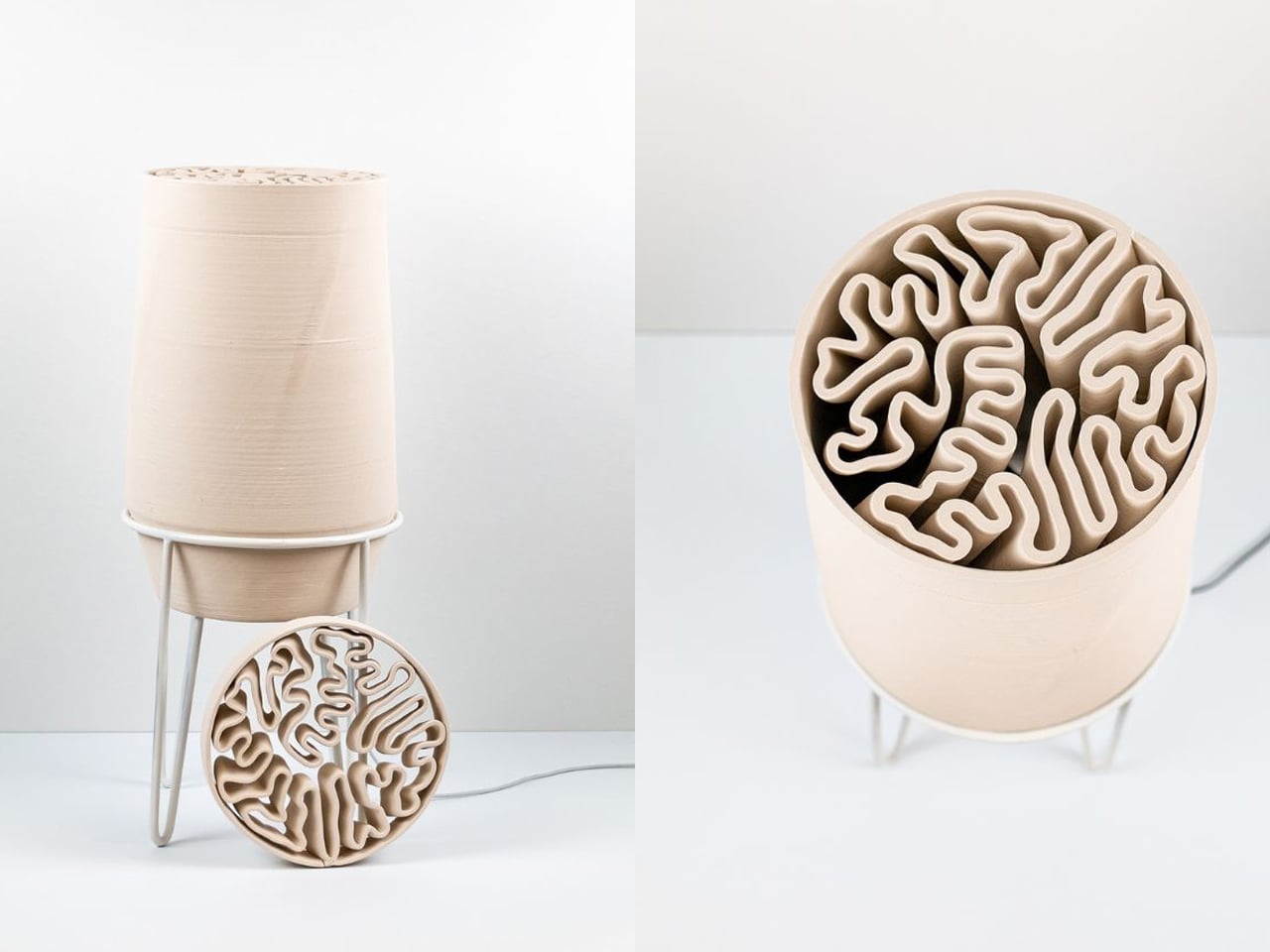
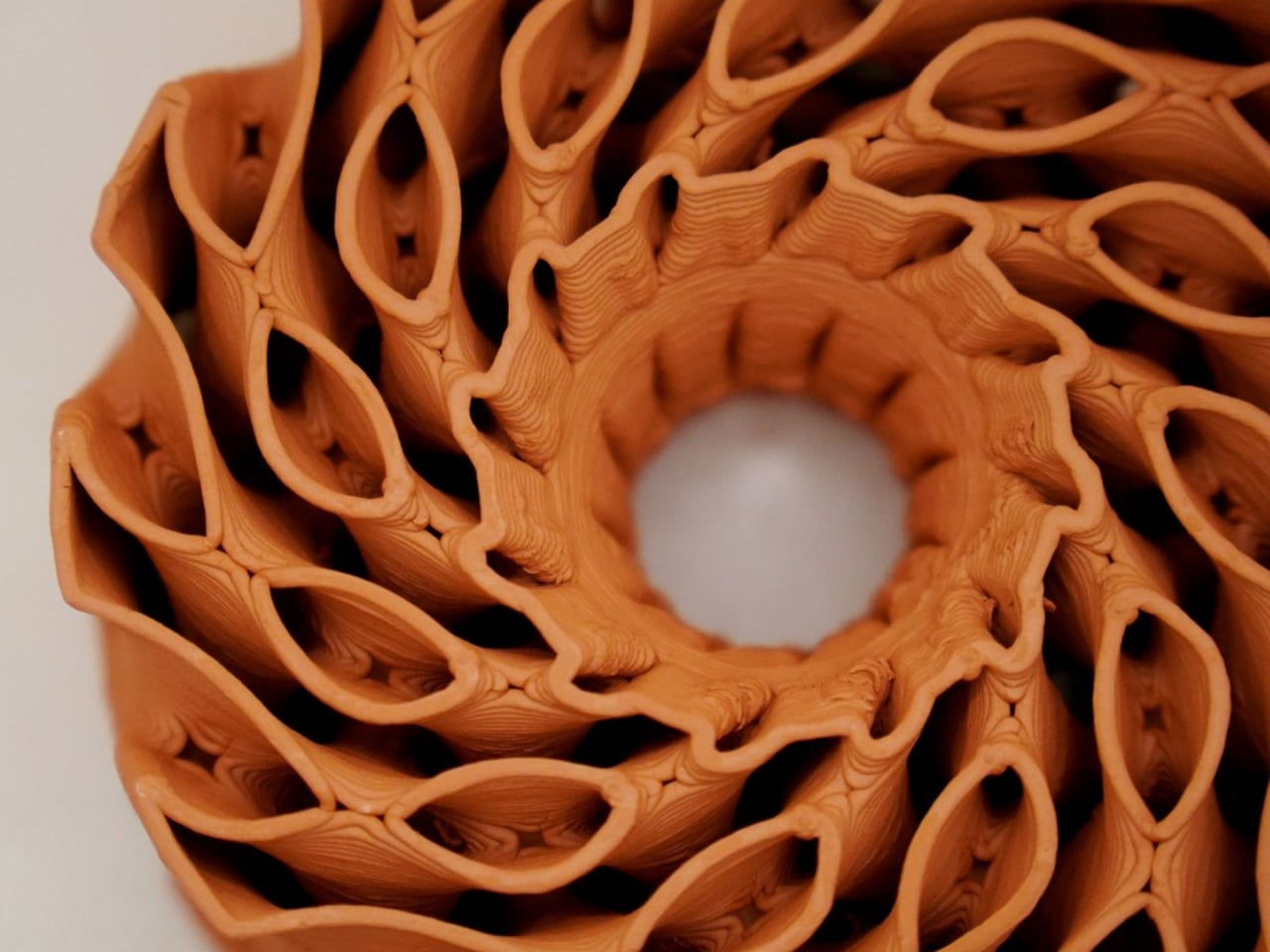
Designed by Simon Pavy in collaboration with the global design agency Entreautre, the low-tech terracotta cooler offers a sustainable alternative to conventional air conditioning by combining traditional cooling methods with advanced fabrication techniques. The product is built around a porous terracotta vessel filled with water, using the natural process of evaporative cooling to lower surrounding air temperatures. Inspired by centuries-old cooling practices from the Middle East, India, and Egypt, the cooler channels warm air through precisely designed openings, where contact with the moist terracotta surface naturally cools the airflow. Its elegant geometric form improves cooling efficiency through carefully engineered airflow dynamics.
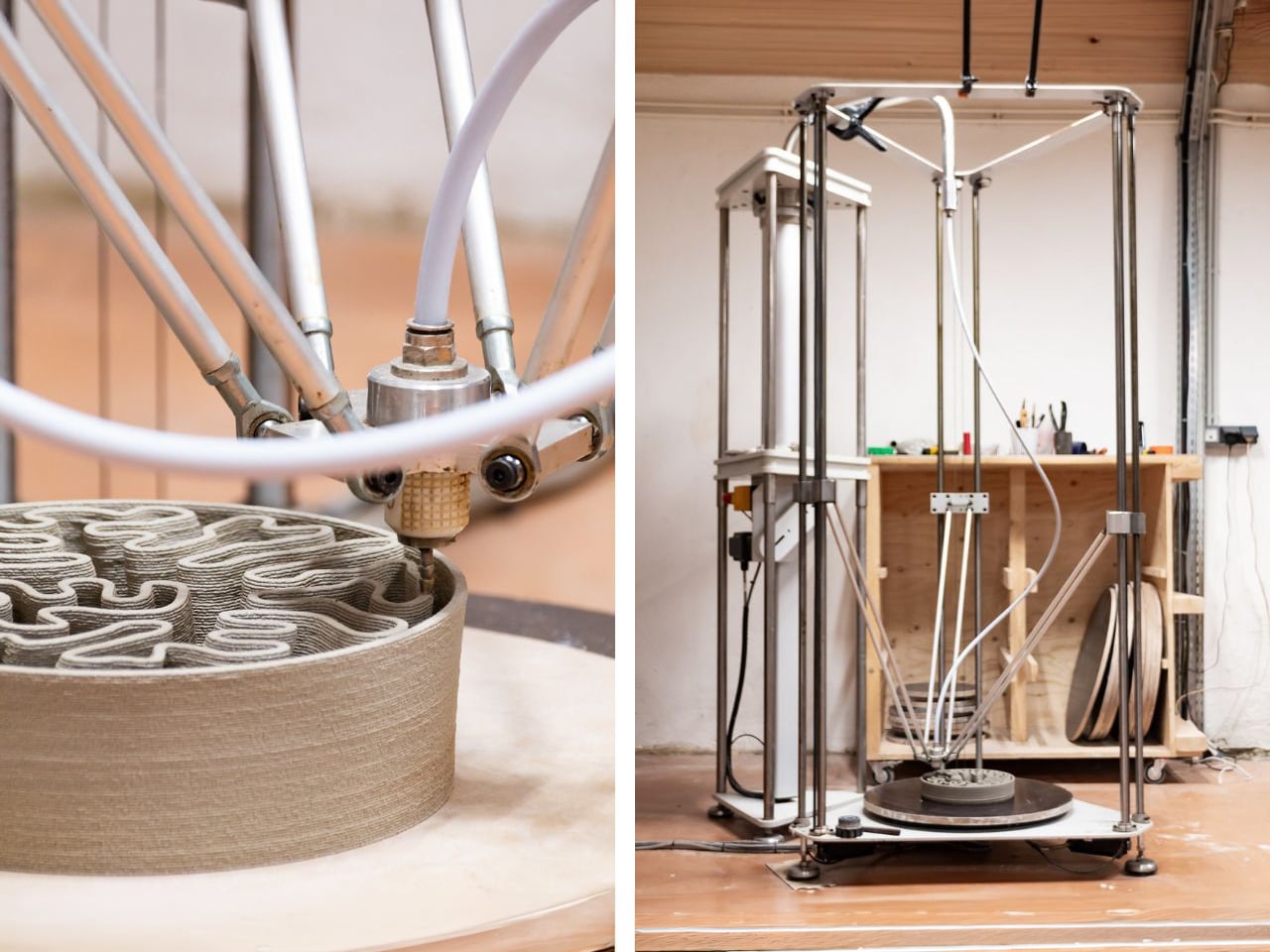
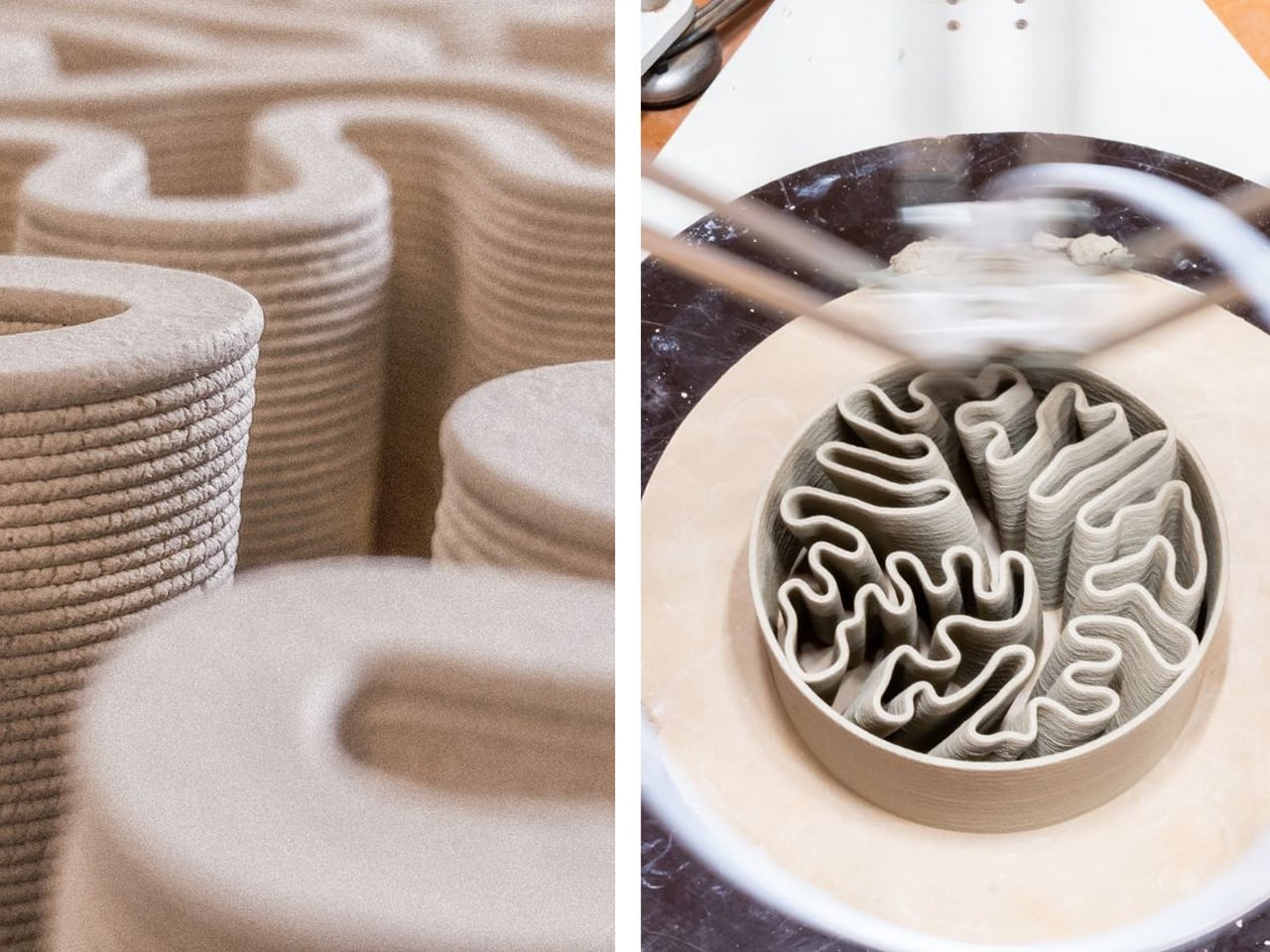
To maximize performance, the designers employed ceramic 3D printing to create complex, organic forms that increase the interaction between air and the wet terracotta surface. Developed using Grasshopper and Rhino 3D, the parametric design allowed precise control over thickness, porosity, and airflow for optimal cooling. The prototype was produced using a specialized terracotta 3D printer created by Dutch artist Olivier van Herpt, enabling intricate ceramic fabrication impossible through conventional methods
3. Modern Designs for Contemporary Interiors
Modern interpretations of clay coolers extend far beyond their traditional appearance, making them suitable for today’s refined interiors. Designers are experimenting with sculptural forms, textured finishes, earthy colors, and modular designs that complement contemporary architectural styles. Instead of hiding these cooling systems, homeowners display them as functional art pieces that celebrate craftsmanship and natural materials.
Whether placed in living rooms, courtyards, balconies, or open-plan homes, clay coolers contribute to a warm and organic design language. Their combination of beauty and performance reflects a growing appreciation for products that merge sustainability, cultural heritage, and sophisticated interior aesthetics.
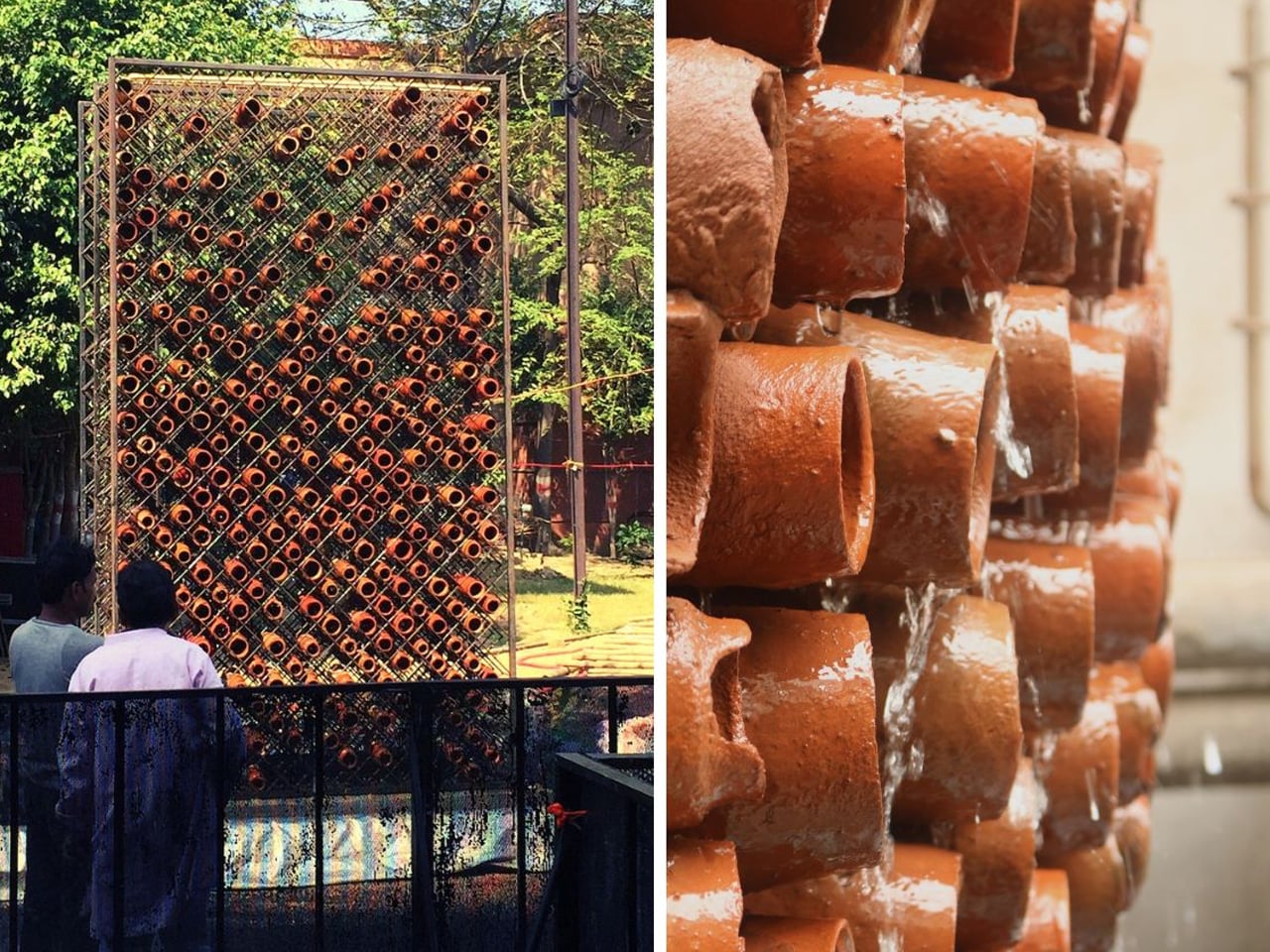
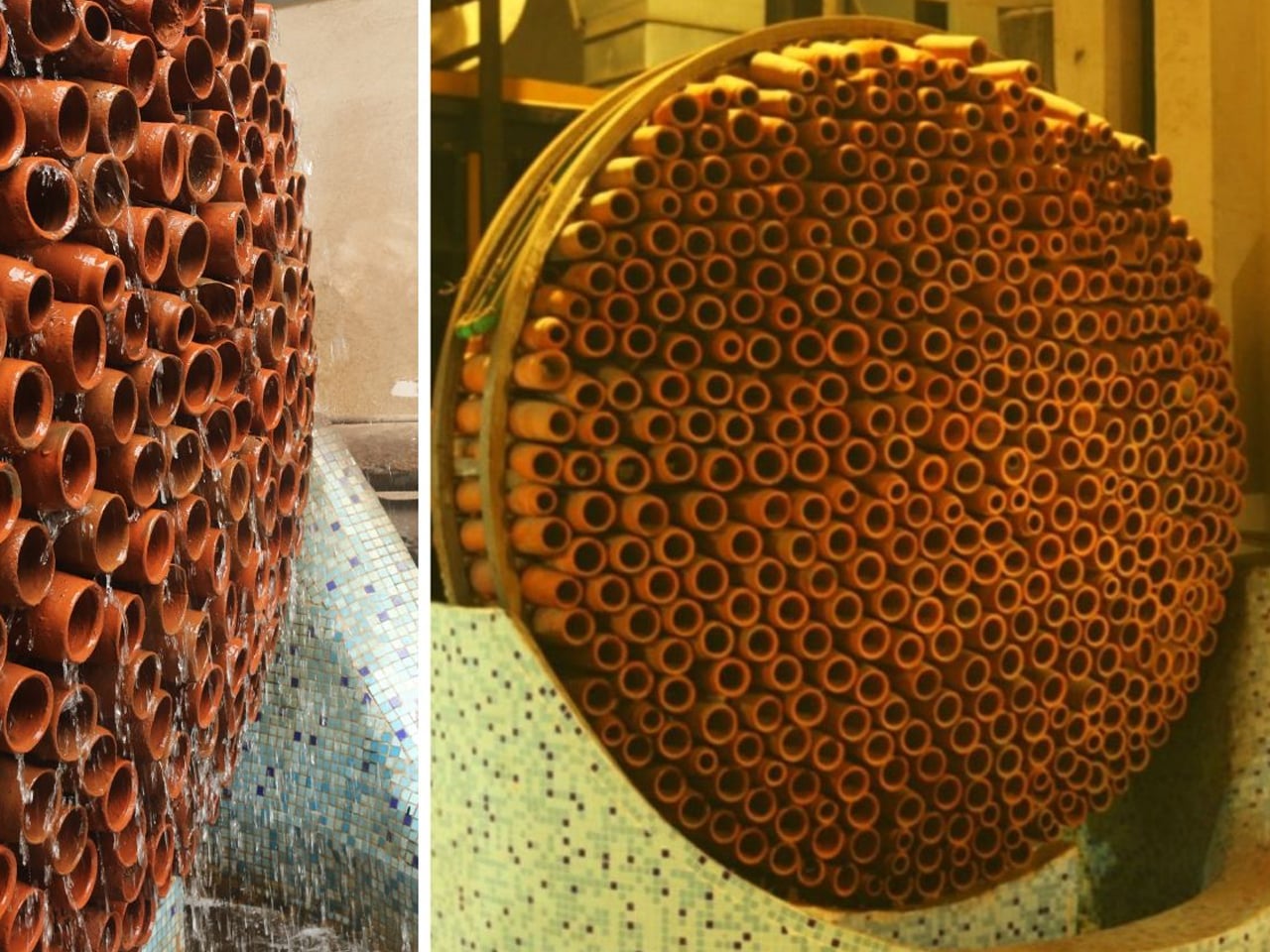
Ant Studio’s Beehive, designed by architect Monish Kumar Siripurapu, is an innovative evaporative cooling system that reinterprets traditional earthen cooling methods for modern, energy-conscious environments. Developed in response to rising urban heat conditions, the system uses porous terracotta modules arranged in a honeycomb-inspired structure. Water is absorbed into the clay and slowly evaporates, naturally reducing surrounding air temperature without electricity or chemical refrigerants. Drawing from cooling practices used in ancient India, Egypt, and other hot climates, the Beehive merges cultural intelligence with contemporary architectural thinking.
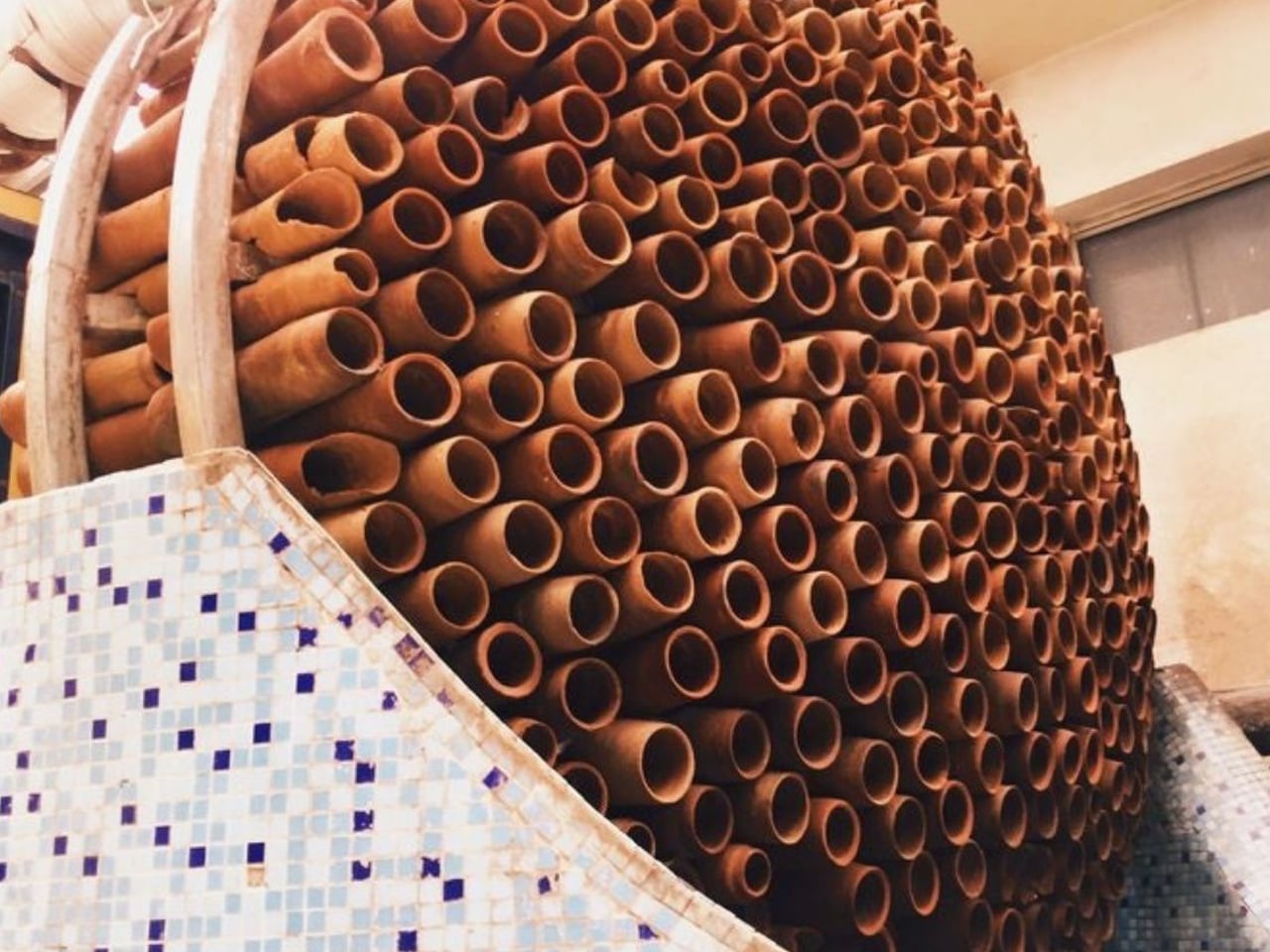
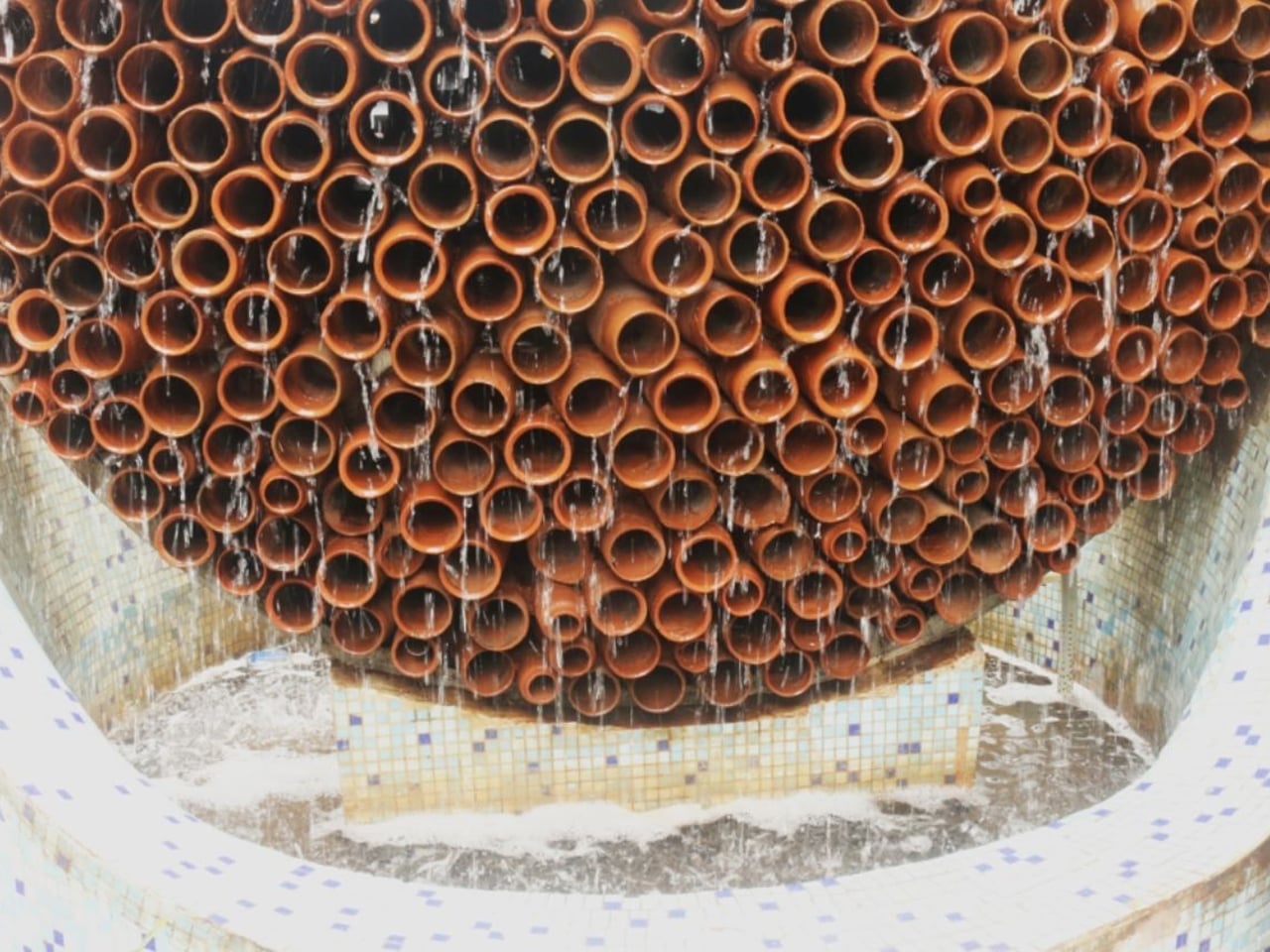
Made entirely from terracotta, the Beehive is a zero-plastic, zero-emission system that also supports air purification through moisture-driven biofilm formation on its surface. The design is modular, repairable, and adaptable to different site conditions, making it suitable for factories and high-heat work environments.
4. Healthier Indoor Environments Through Natural Cooling
Beyond reducing energy consumption, clay coolers contribute to healthier indoor living conditions by providing gentle, naturally humidified cooling. Unlike conventional air conditioners that often dry indoor air and require chemical refrigerants, clay coolers maintain a more balanced indoor atmosphere through natural evaporation. This can create greater comfort in dry climates while reducing dependence on mechanically cooled environments.
Their quiet operation also minimizes noise pollution, promoting a calmer and more relaxing home environment. When combined with cross ventilation, shaded openings, and other passive design strategies, clay coolers help create interiors that prioritize environmental sustainability and occupant well-being.
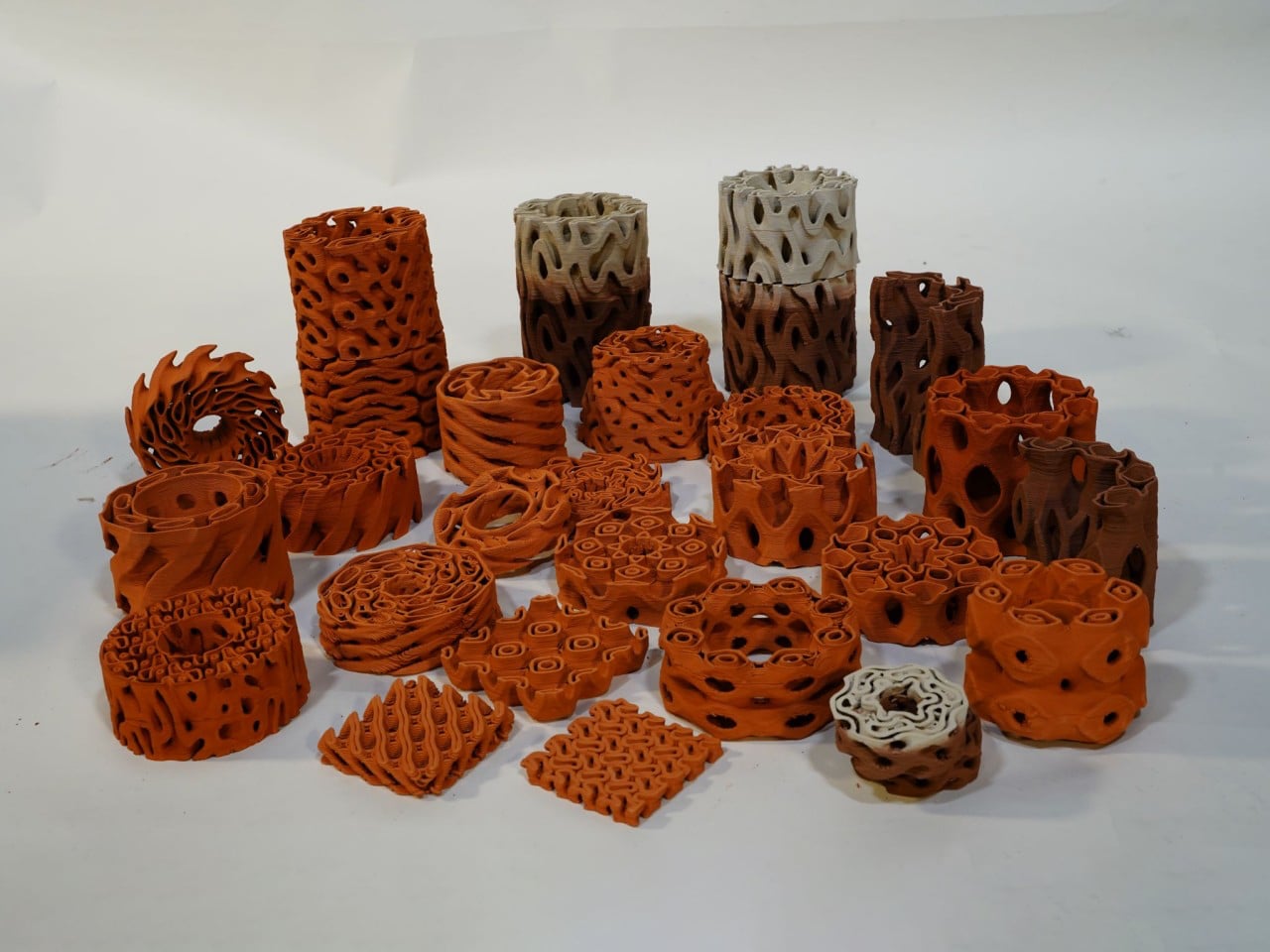
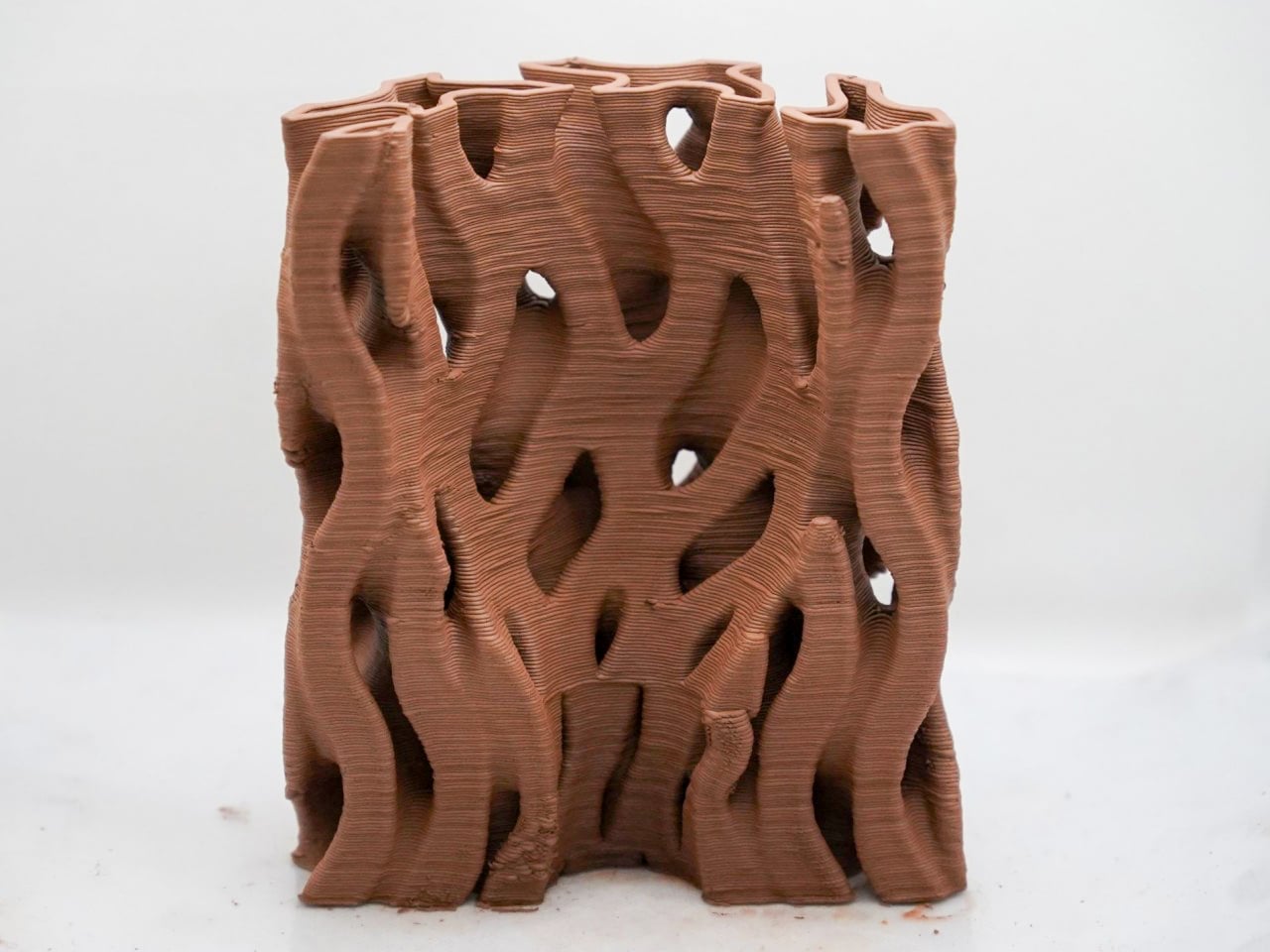
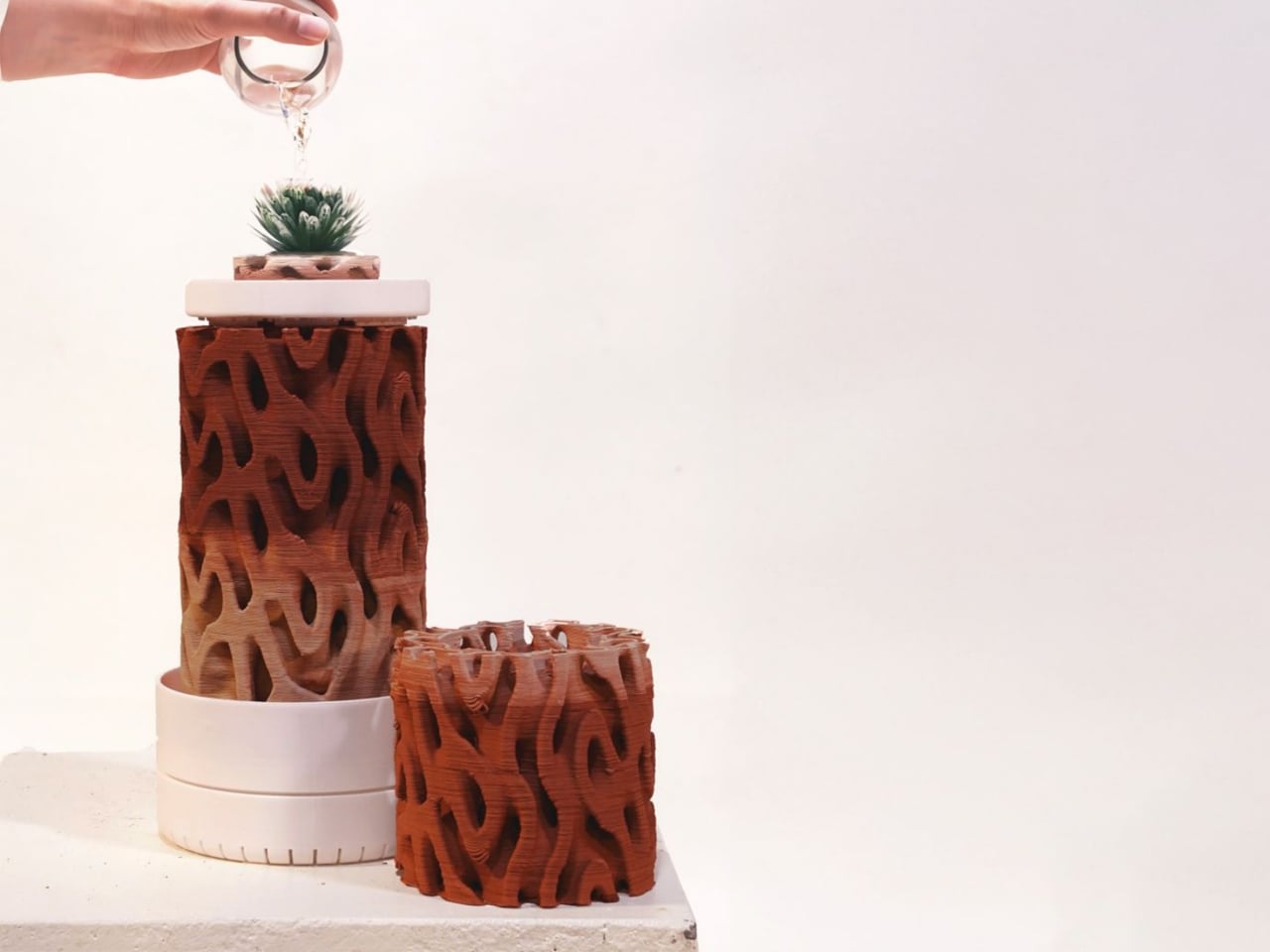
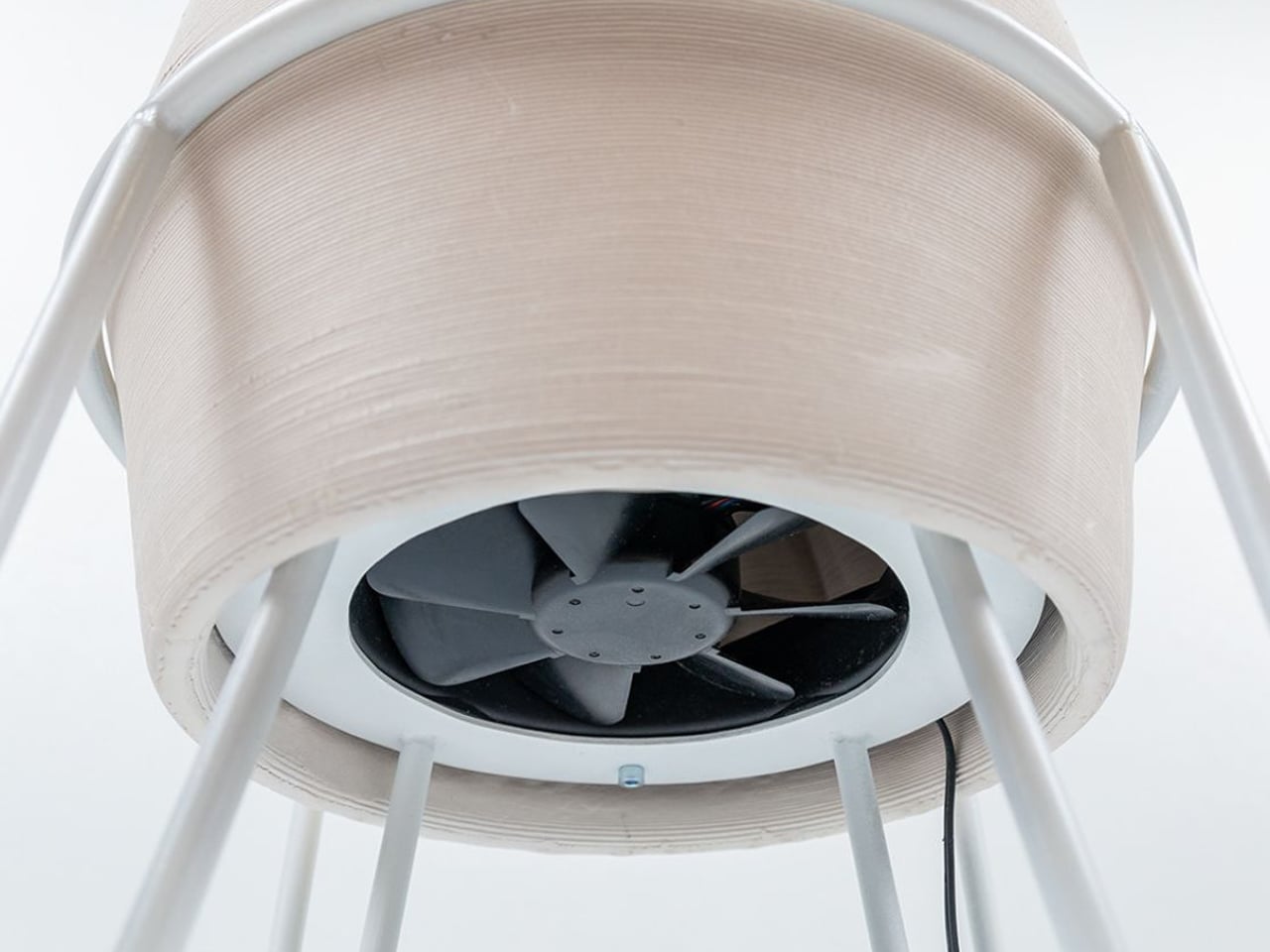
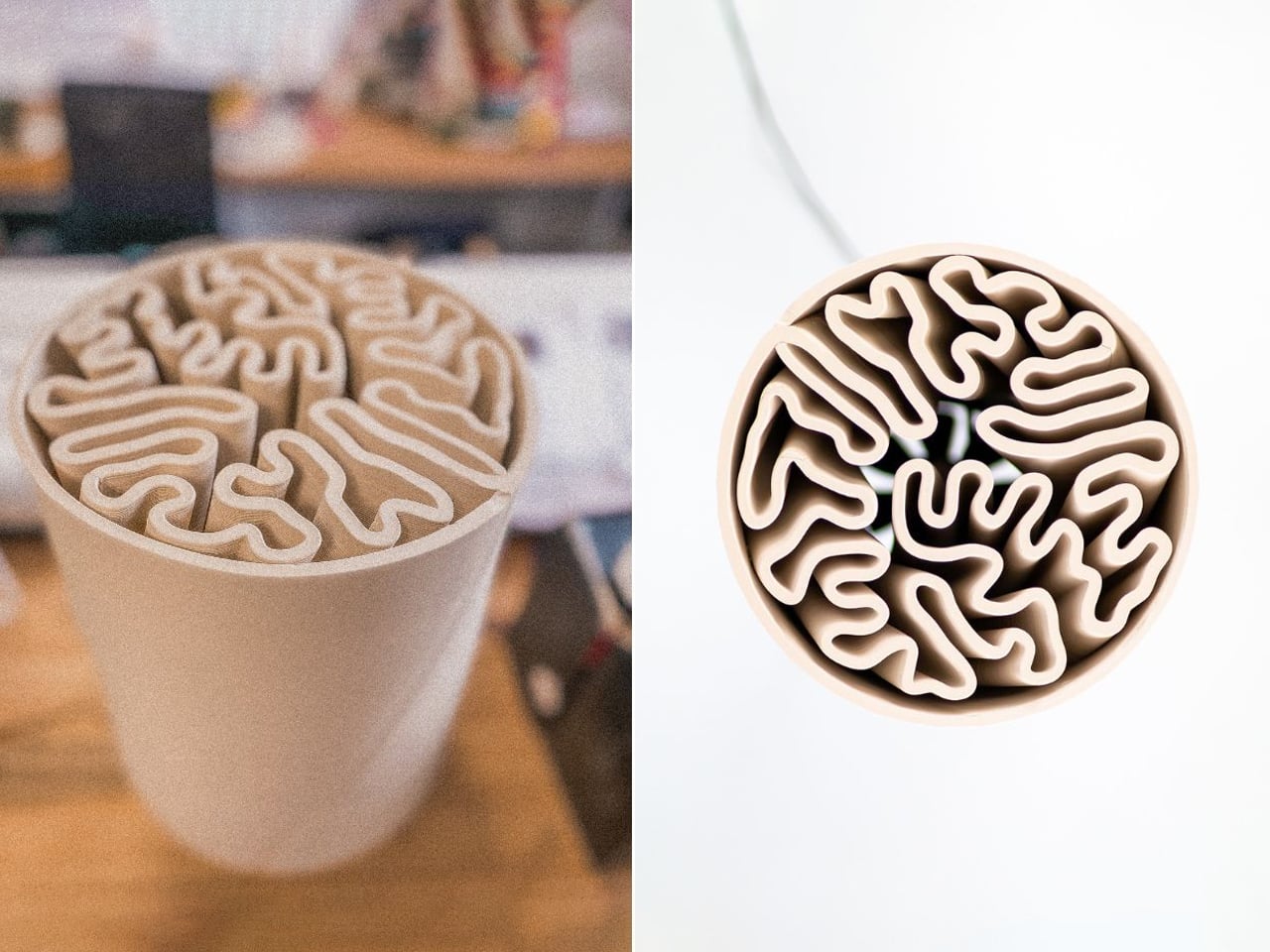
Nature assigns a role to every organism, even those humans often dismiss as pests. Scavengers return waste to ecological cycles, while termites despite damaging human structures build complex mound systems that regulate airflow and maintain stable internal temperatures. This hidden intelligence in termite architecture inspired TerraMound, a cooling system designed by Rameshwari Jonnalagedda. By studying how these structures achieve passive ventilation, the project translates biological efficiency into a human-centered approach to sustainable cooling that responds intelligently to rising temperatures without excessive energy use.
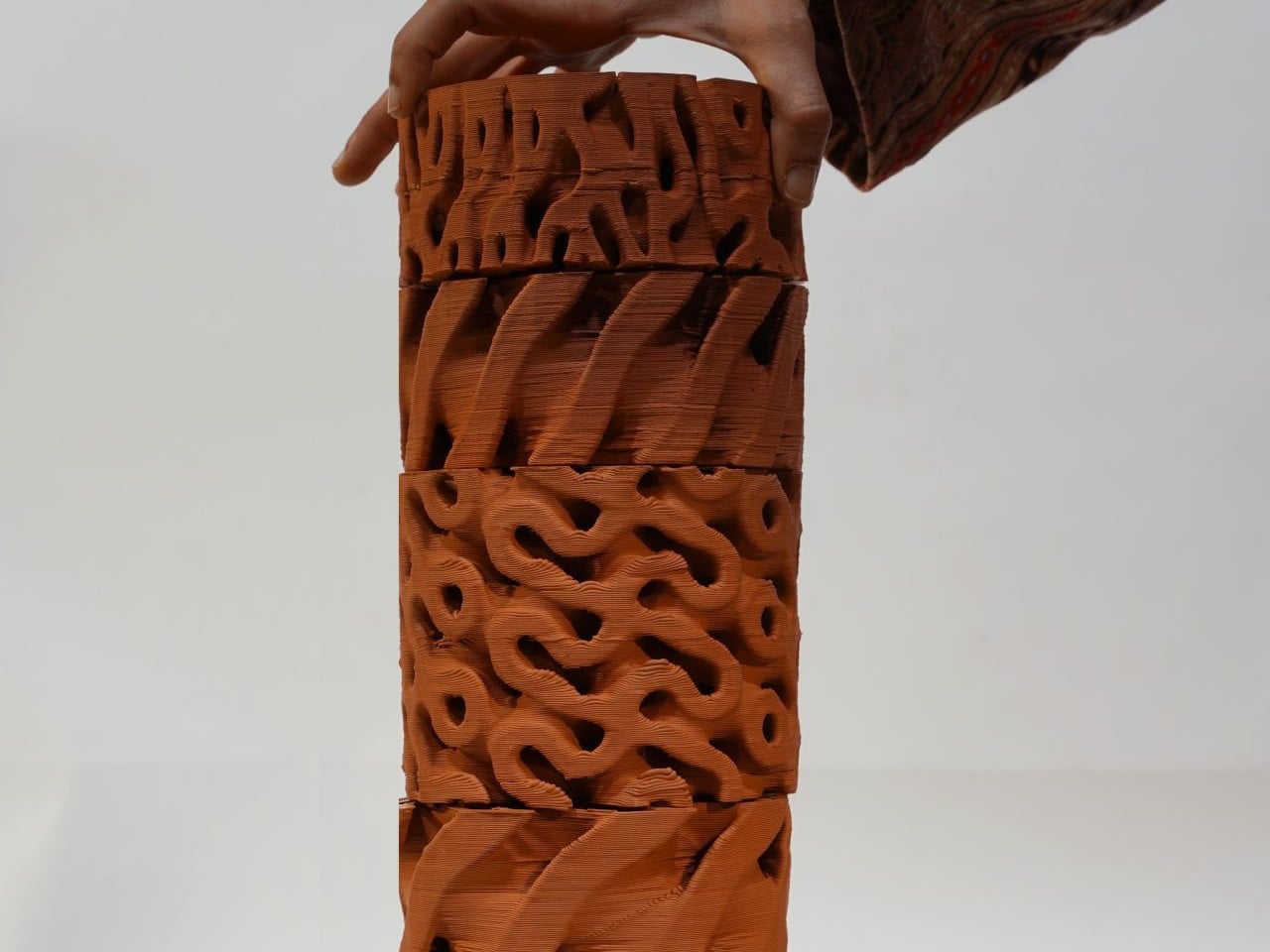
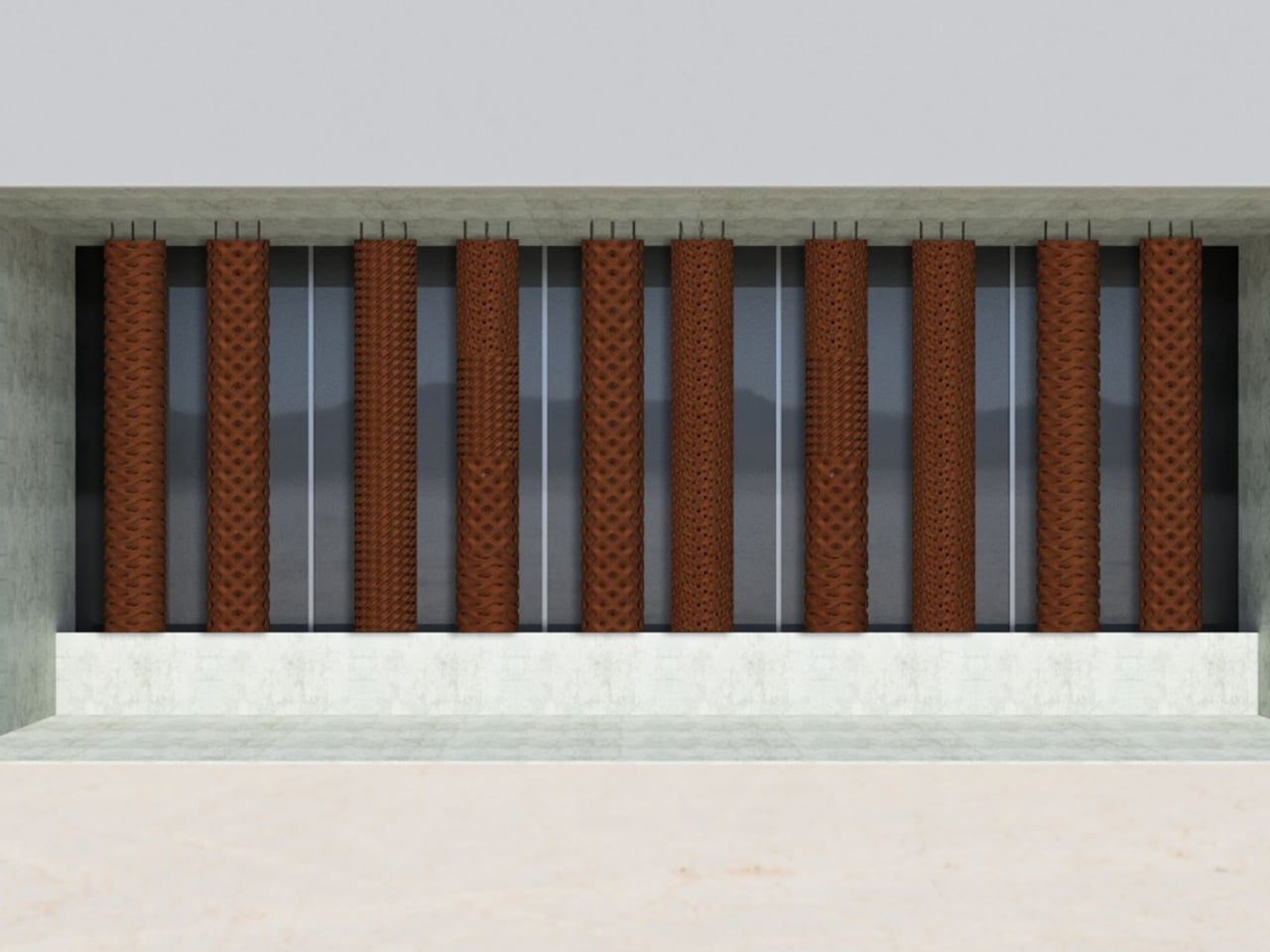
TerraMound operates on two principles and that is maximizing surface area and enabling porosity. Its geometry replicates the internal networks of termite mounds, increasing air contact through a surface-area-to-volume ratio. Produced using clay-based 3D printing, it forms intricate porous structures impossible to handcraft. A water reservoir at the top releases moisture through terracotta, while a base fan draws air upward, intensifying evaporative cooling and creating a functional, sculptural biomimetic system.
5. The Future of Climate-Responsive Home Design
The renewed interest in clay coolers reflects a broader movement toward climate-responsive architecture that values passive design over energy-intensive systems. Architects are increasingly pairing clay cooling with courtyards, green roofs, thermal mass walls, rainwater harvesting, and natural ventilation to create homes that remain comfortable while consuming fewer resources. These integrated strategies show that sustainable architecture does not always require advanced technology, but often benefits from revisiting proven traditional practices.
As cities confront rising temperatures and environmental pressures, clay coolers represent a meaningful intersection of heritage, innovation, and ecological responsibility, offering a timeless solution for resilient modern homes.
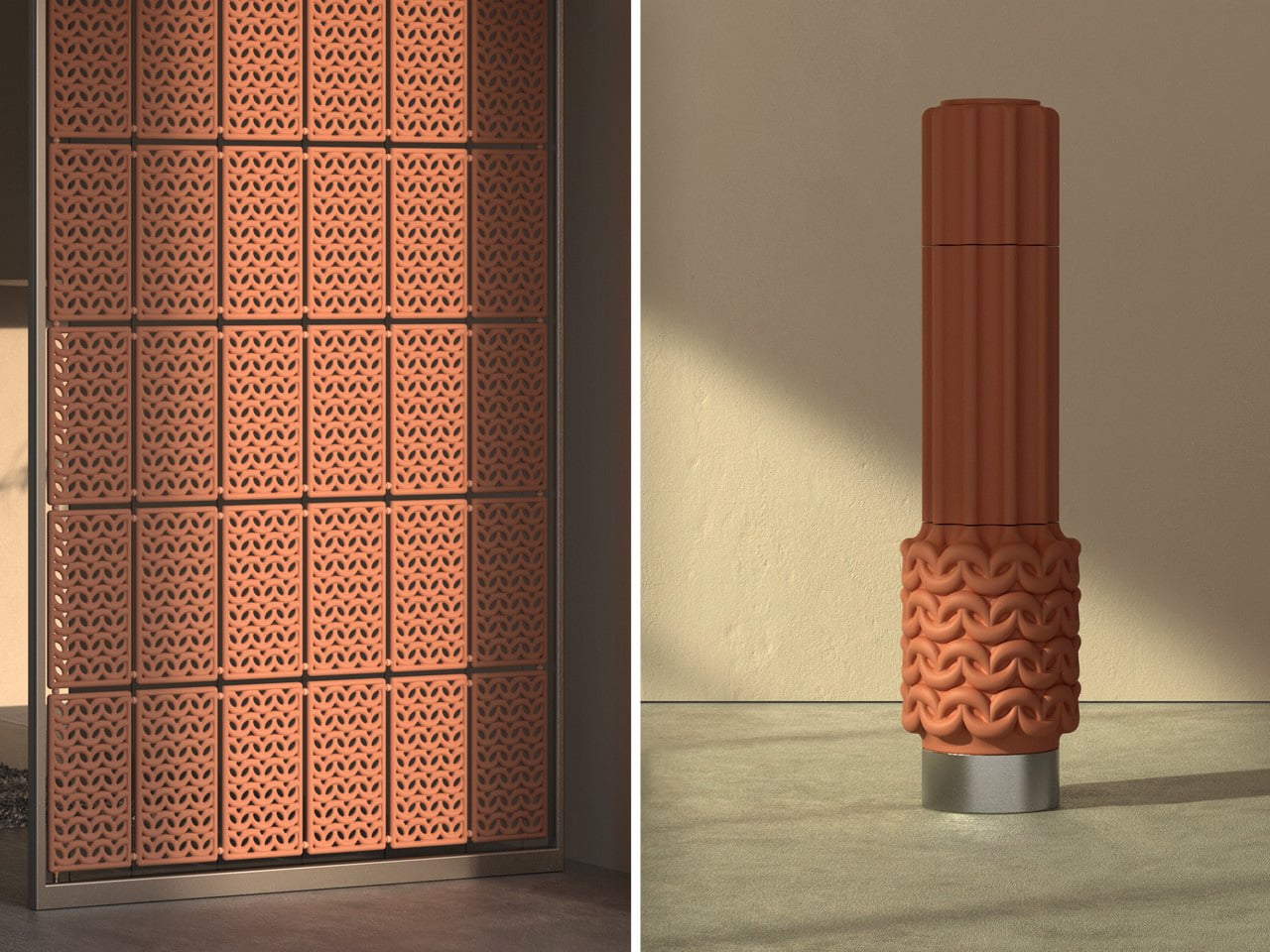
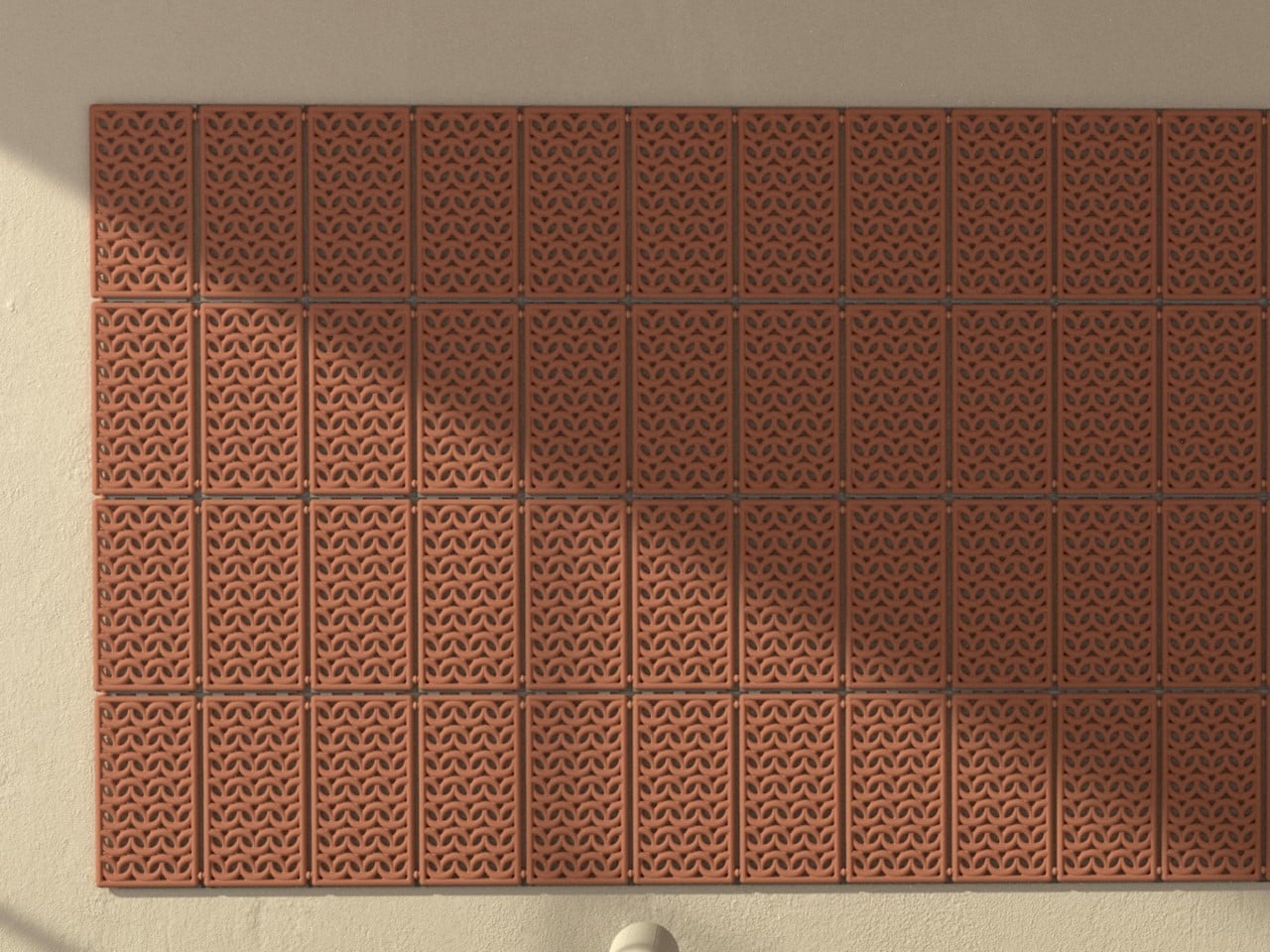
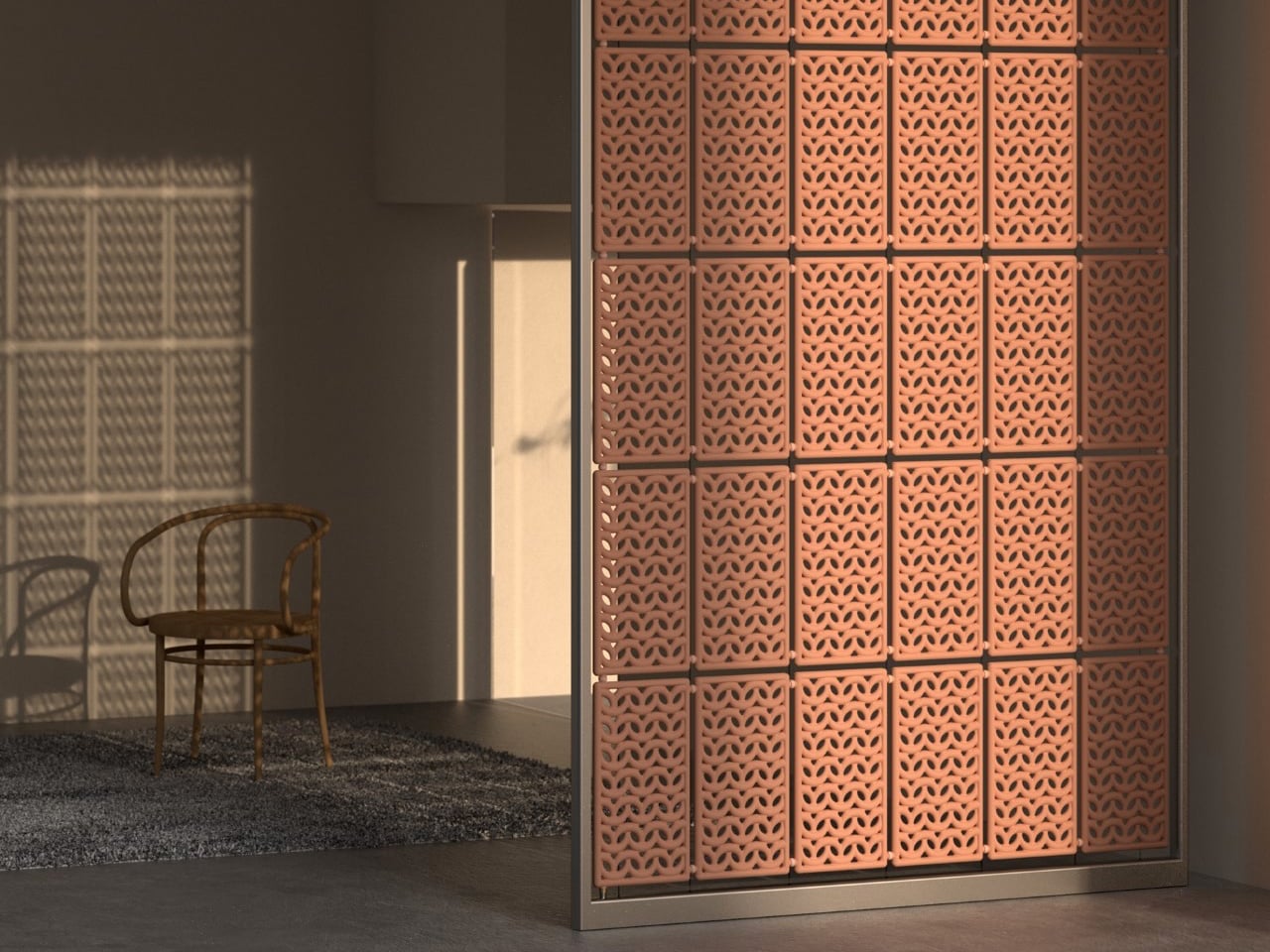
The Nave Air Conditioning System is a low-tech cooling product that uses terracotta’s natural evaporative properties to regulate indoor temperatures without electricity or complex electronics. It is designed as a passive climate solution where water stored inside a porous clay structure gradually seeps through the walls and evaporates on the surface. This process absorbs heat from the surrounding air, helping cool both the material and the room. With zero emissions and no power requirement, Nave offers a sustainable alternative to conventional air conditioning systems, especially for hot climates and off-grid or low-energy spaces.
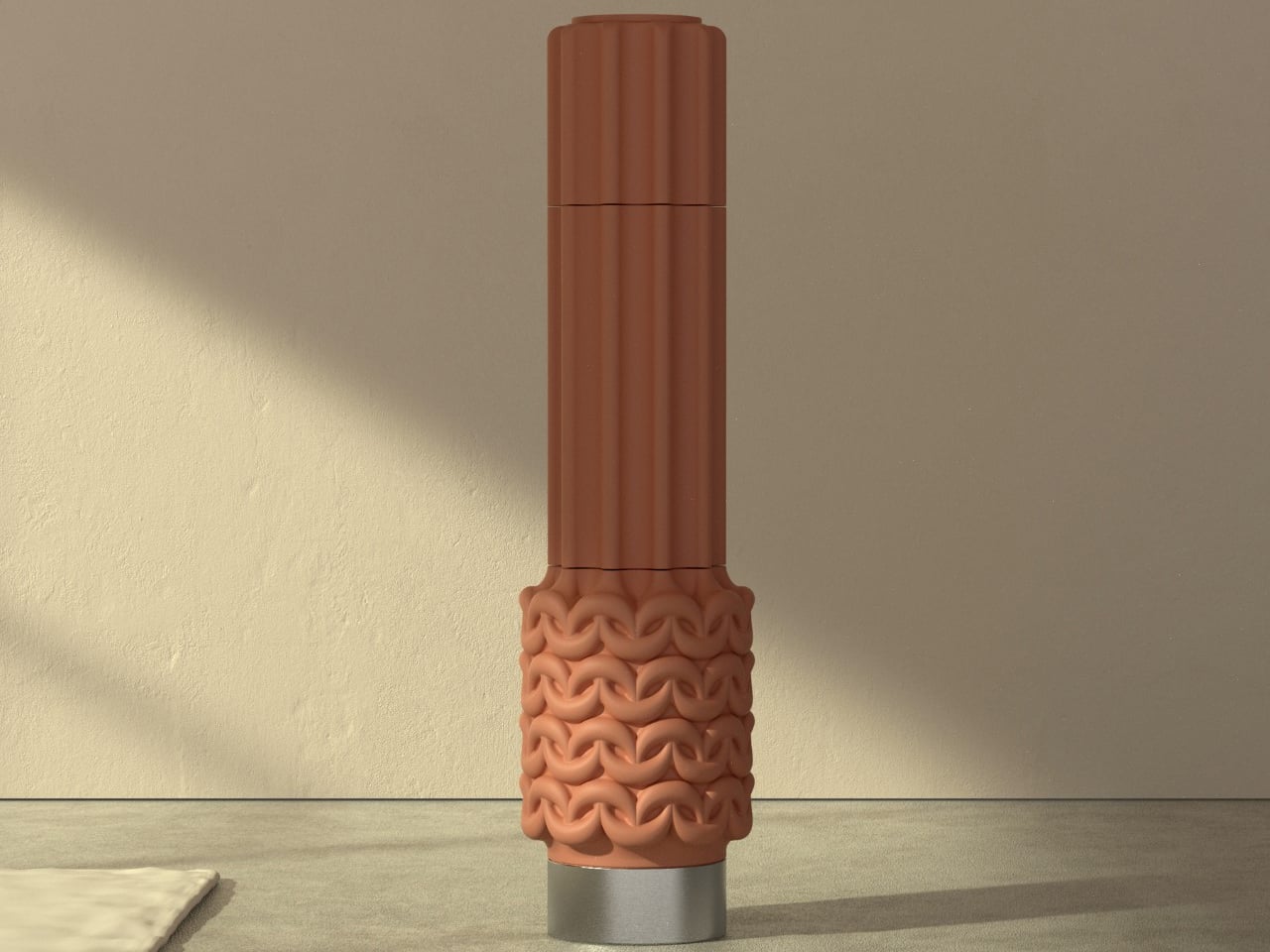
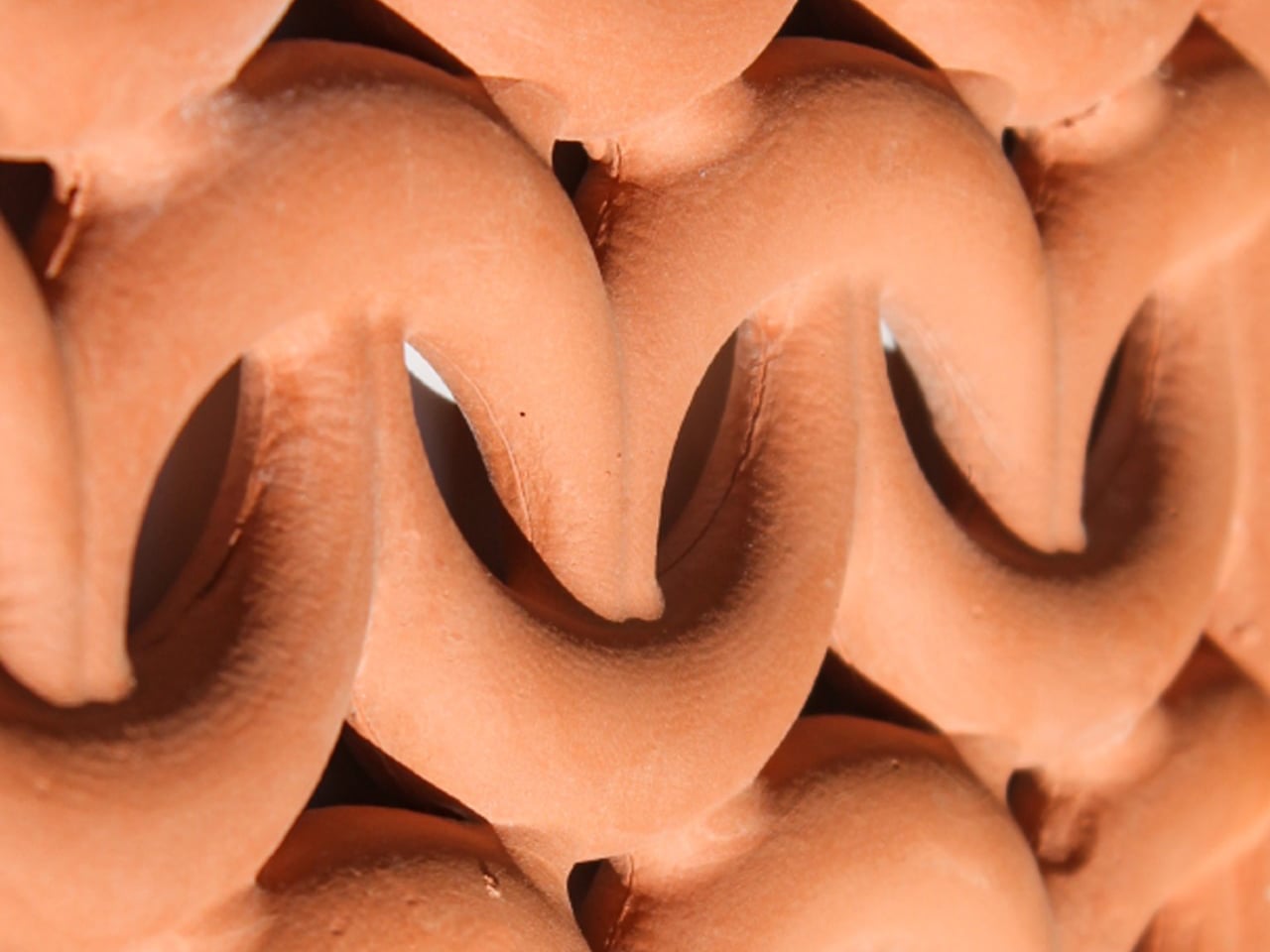
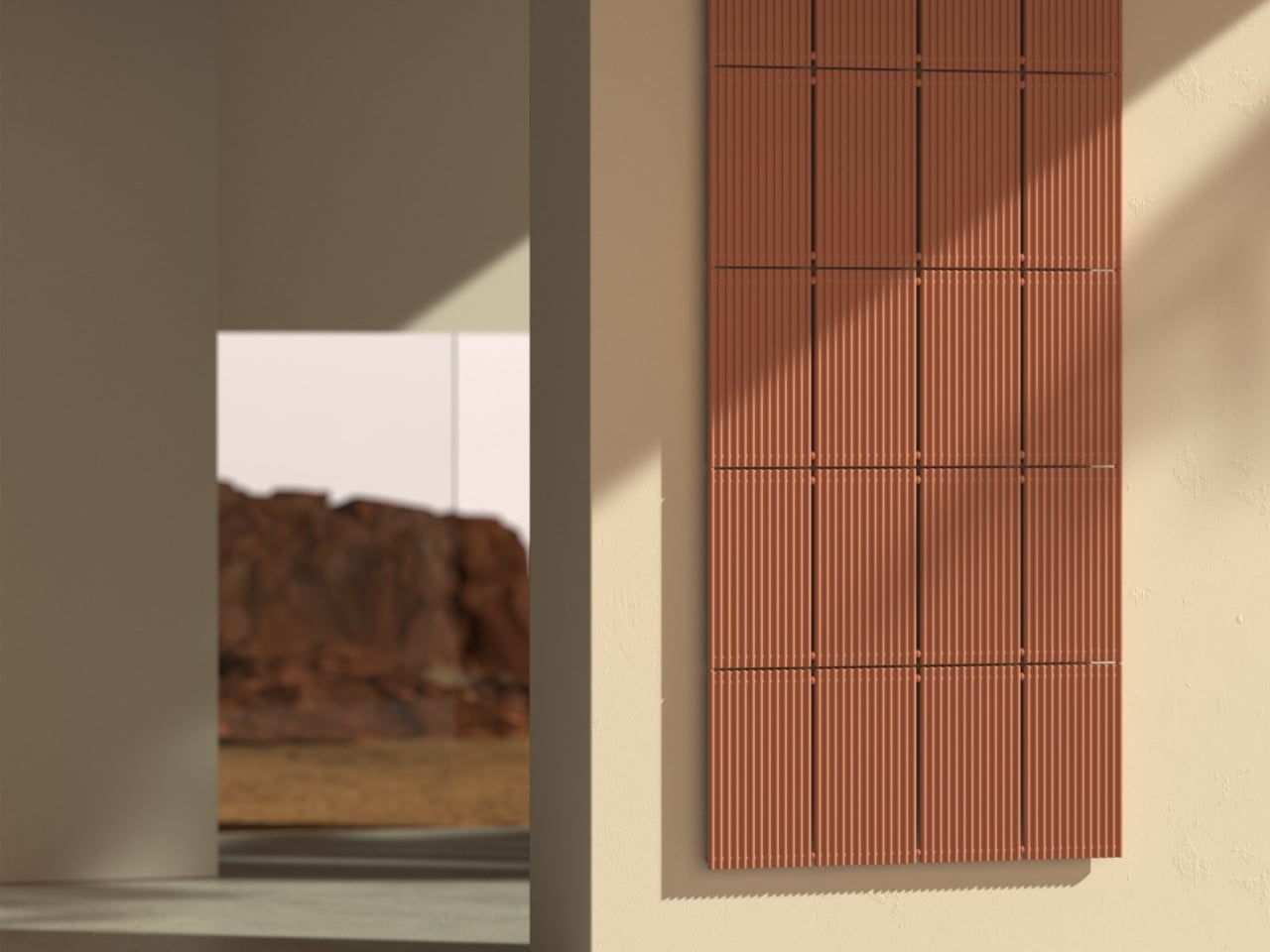
The product is available in floor-standing and wall-mounted modular forms, allowing flexible placement in homes and interiors. Once filled with water, it begins working immediately as the moisture moves through the terracotta body and evaporates naturally. Its porous structure and patterned grill design enhance airflow and surface cooling efficiency. Beyond functionality, it also acts as a sculptural interior element, integrating passive cooling technology into everyday living spaces.
As climate-conscious design continues to evolve, clay coolers bridge tradition and innovation with remarkable simplicity. They offer an elegant, low-impact approach to creating comfortable, energy-efficient, and environmentally responsible living spaces.