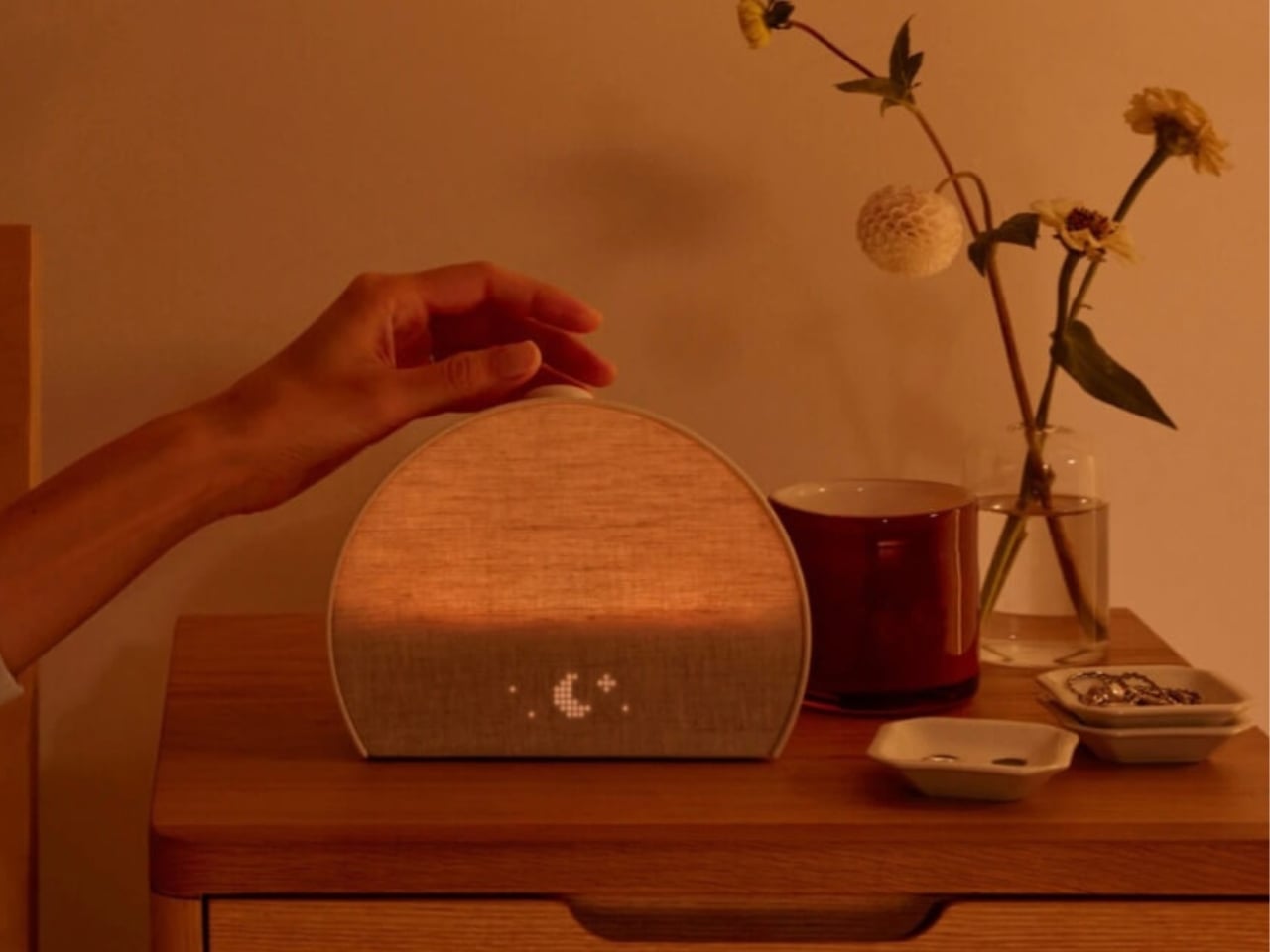
Most of us fall asleep holding the very thing that’s keeping us awake. The phone. The infinite scroll. The algorithm engineered to make you feel like you’re missing something if you put it down. It’s a strange modern paradox, that a device built for connection has become the dominant object in one of the most intimate spaces in our home: the bedroom. Hatch seems to have understood this better than most, and their Restore 3 is a quiet but deliberate argument for doing things differently.
On paper, it’s a smart sleep clock. A well-designed one, yes, but still, at its core, a bedside device that helps you fall asleep and wake up. What makes it worth talking about isn’t necessarily the specs, though they’re solid. It’s the philosophy behind it. The entire product is built around the idea of putting your phone down, and keeping it that way.
Designer: Hatch
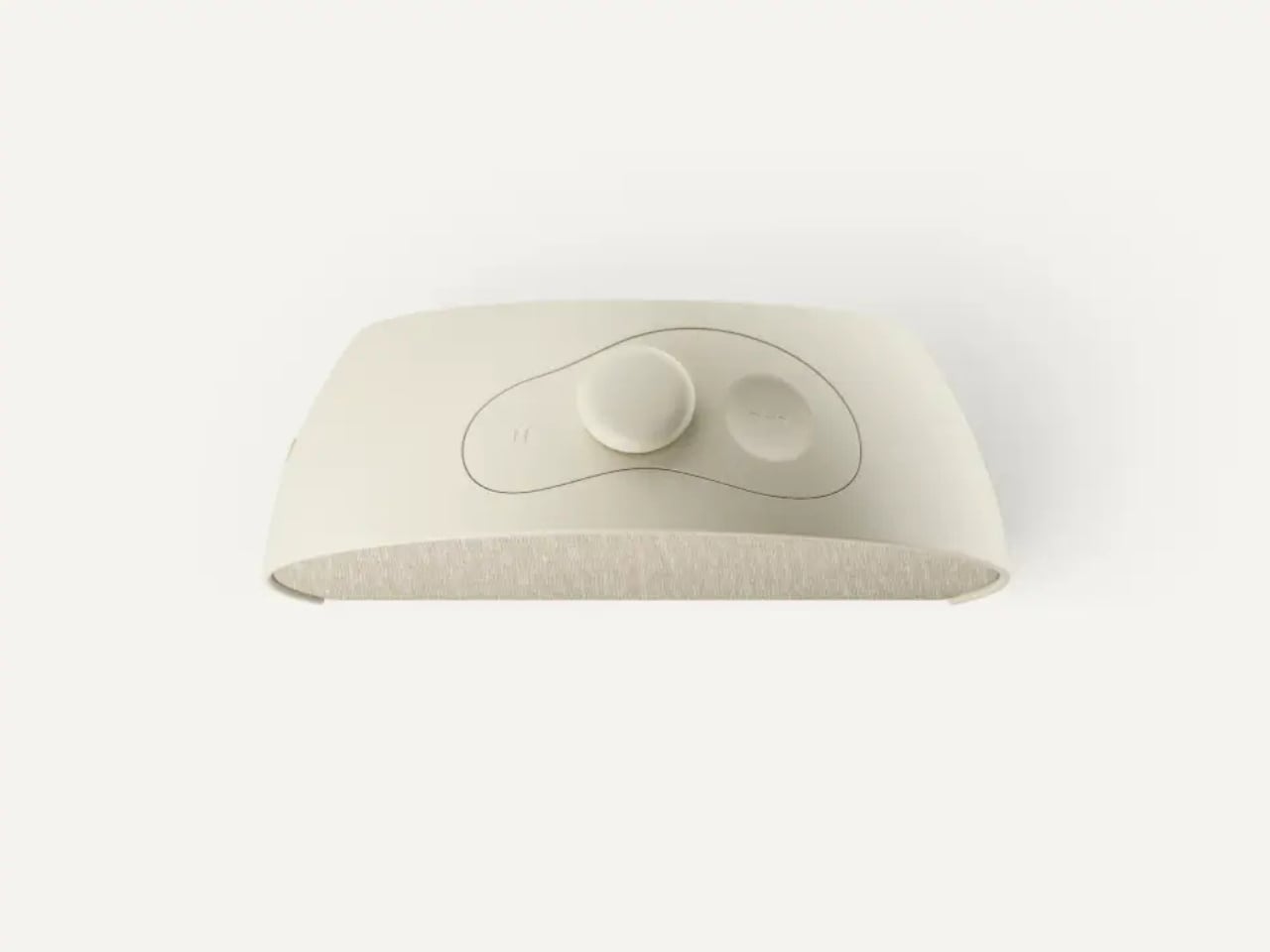
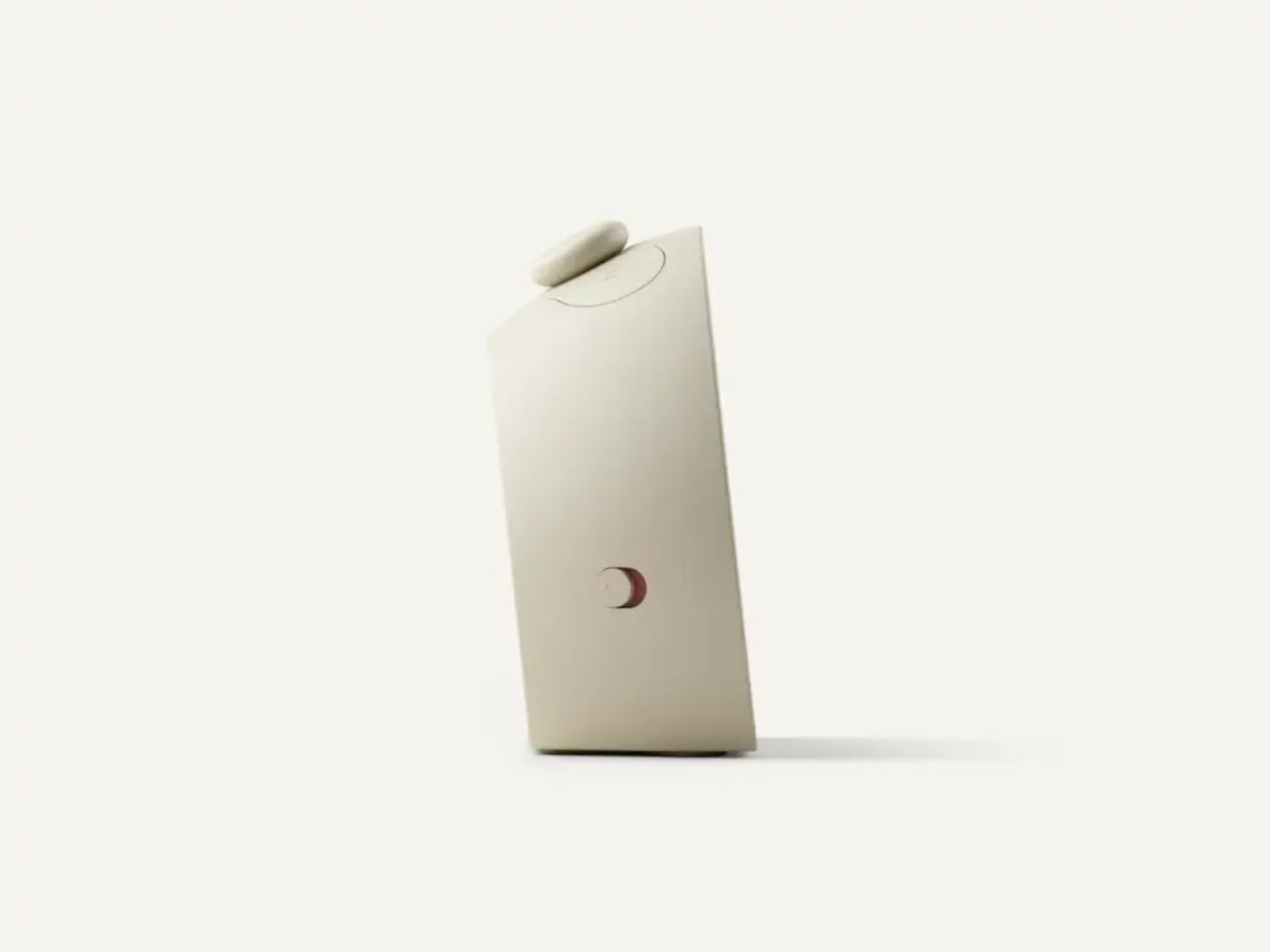
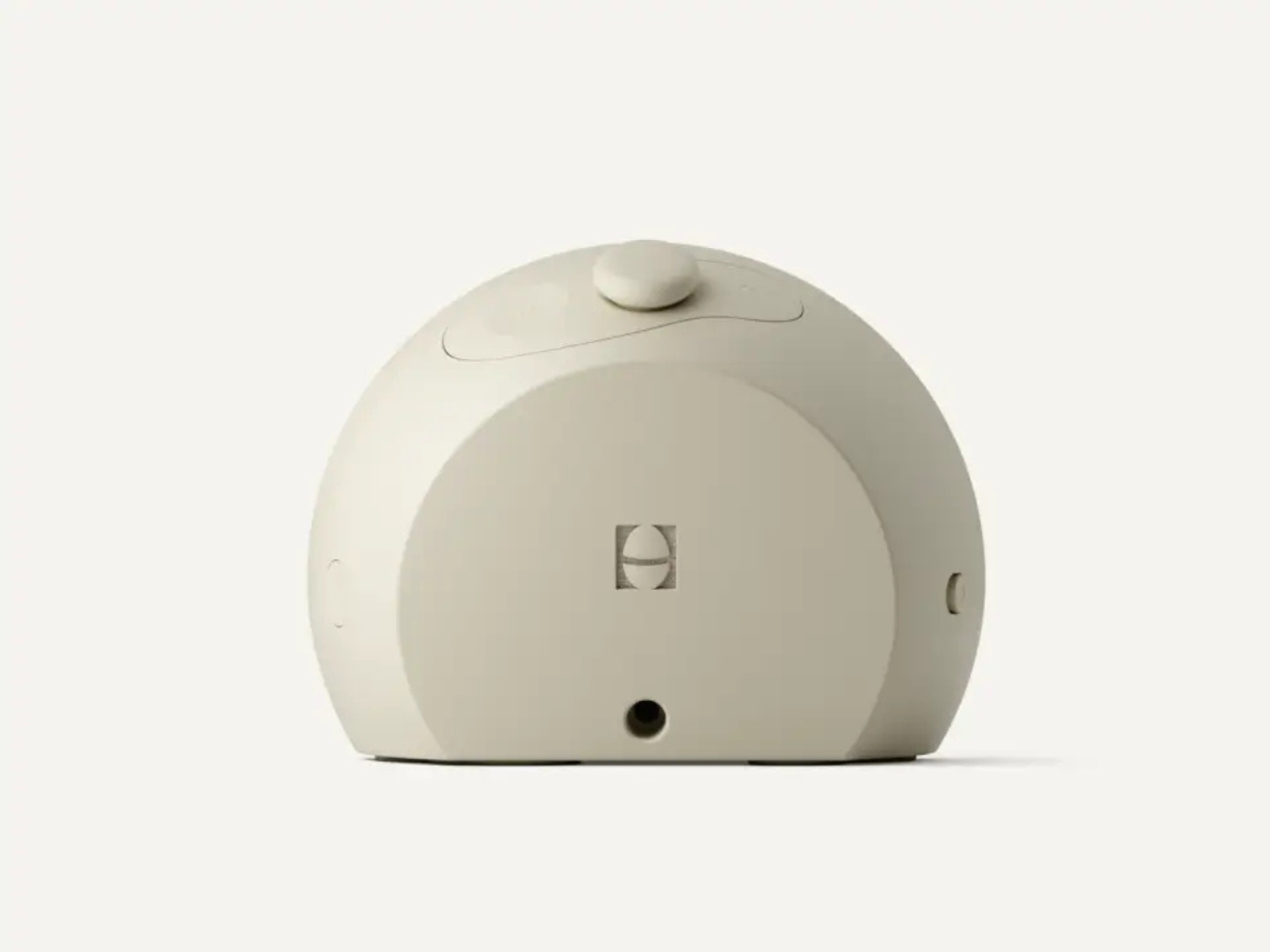
That’s where the redesigned hardware comes in. Unlike its predecessor, the Restore 3 has five physical controls: three on top, including a pause button, an Unwind Swap button, and what Hatch calls the Big Button, plus two more on the sides for the bedside light and alarm toggle. You can swap your wind-down routine, adjust volume, and silence your alarm without ever picking up your phone. It sounds minor until you realize how reflexively most of us grab the phone the second the alarm goes off, then somehow lose forty minutes to Instagram before we’ve brushed our teeth.
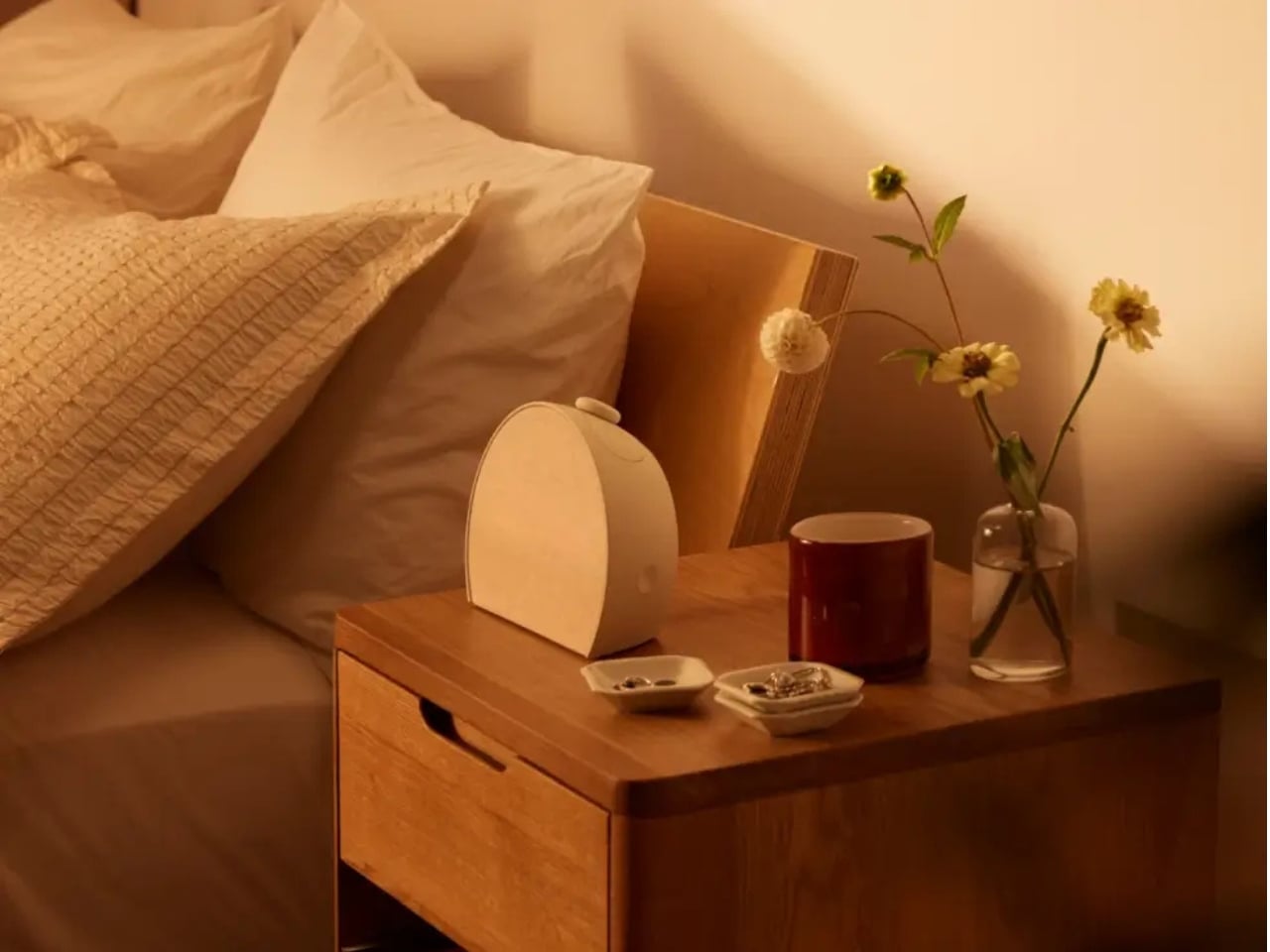
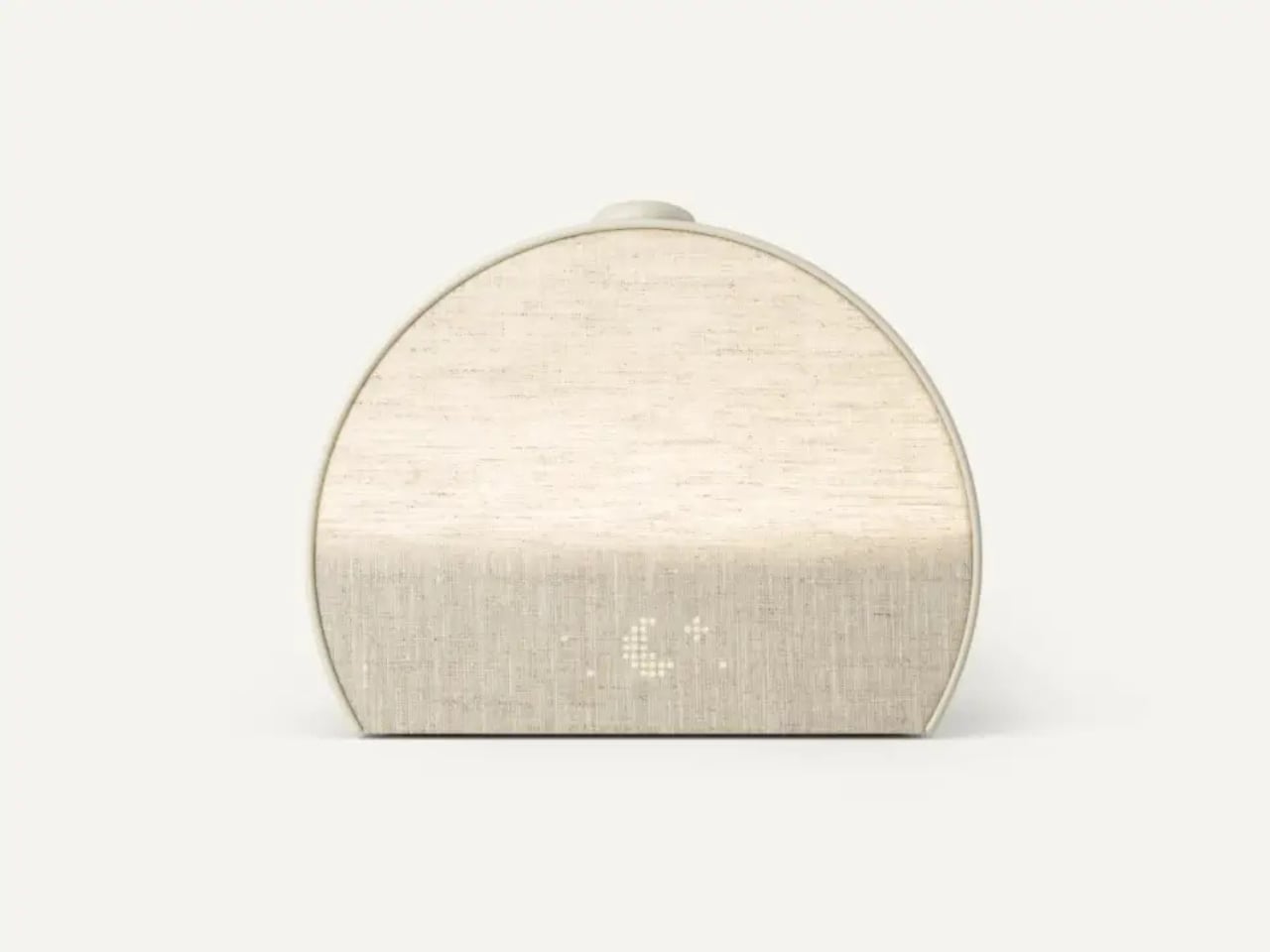
The design itself is clean and restrained in a way that feels intentional. Compact at roughly 7.24 inches wide and just over 5 inches tall, it comes in three muted colorways: Putty, Greige, and Cocoa. None of them scream “tech product.” All of them could pass for a ceramic lamp or a minimalist decor piece, which is likely the point. It’s designed to disappear into your nightstand while doing a lot of work. The time display is almost comically understated, barely noticeable at a glance.
Where the Restore 3 earns its $169.99 price tag is in the routines. Hatch structures your night into three stages: unwind, sleep, wake. During the unwind phase, you can cycle through immersive light and audio experiences, including meditations, bedtime podcasts, sleep soundscapes, and layered ambient sounds. The sleep phase takes over from there, and in the morning, a gradually brightening sunrise alarm eases you out of sleep rather than yanking you out of it. You set all of this through the companion app and then, ideally, never touch your phone again until morning.
The optional Hatch+ subscription, at five dollars a month or fifty for the year, unlocks over 100 sounds and lighting programs, with new content added regularly. A 30-day trial comes included with every purchase, which is a smart way to explore the full library before committing. Without the subscription, you still get access to more than 20 alarm sounds and 12 color noise options, which is genuinely more than most people will ever cycle through.
A few caveats worth naming: the Restore 3 doesn’t track your sleep. No biometric sensors, no data scores, no readiness analysis to scroll through every morning. For some, that’s a dealbreaker. Personally, I think it’s a feature. Sleep culture has gotten strangely clinical, with people waking up to check scores and percentages before they’ve had coffee. The Restore 3 isn’t interested in quantifying your rest. It just tries to improve it.
It’s also worth noting that the sunset mode, which winds down the lighting at night, isn’t as gradual as some competing sunrise alarms. If you’re particularly sensitive to light cues, that’s a real consideration. Still, the Restore 3 gets far more right than it gets wrong. It’s a thoughtfully designed product in a category that tends toward the overly clinical or the embarrassingly basic. The fact that it actually looks good on your nightstand while doing something genuinely useful puts it in a rare category. Sometimes the best tech is the kind that quietly asks you to use less of it.