Ergonomic chairs may finally be having their XL moment. For years, the category has obsessed over lumbar dials, mesh backs, and posture-perfect adjustability, while a basic fit issue kept slipping through the cracks. Taller and broader users still end up with headrests that fall short, seats that cut off thigh support, and backrests that narrow right where fuller shoulders and wider frames need them most. Fashion learned long ago that fit changes everything. Office seating has taken its time getting there.
LiberNovo’s Maxis brings that shift into focus with proportions aimed at bigger frames, including an ultra-deep seat, a broader backrest, a longer-range headrest, and a controlled recline system built for steadier support. With the first-launch offer now in its final 7 days, the Maxis arrives at exactly the moment when ergonomic design feels ready to stop treating larger bodies like an afterthought.
Designer: LiberNovo
Click Here to Buy Now: $809 $1299 ($490 off). Hurry, deal ends in 48-hours!
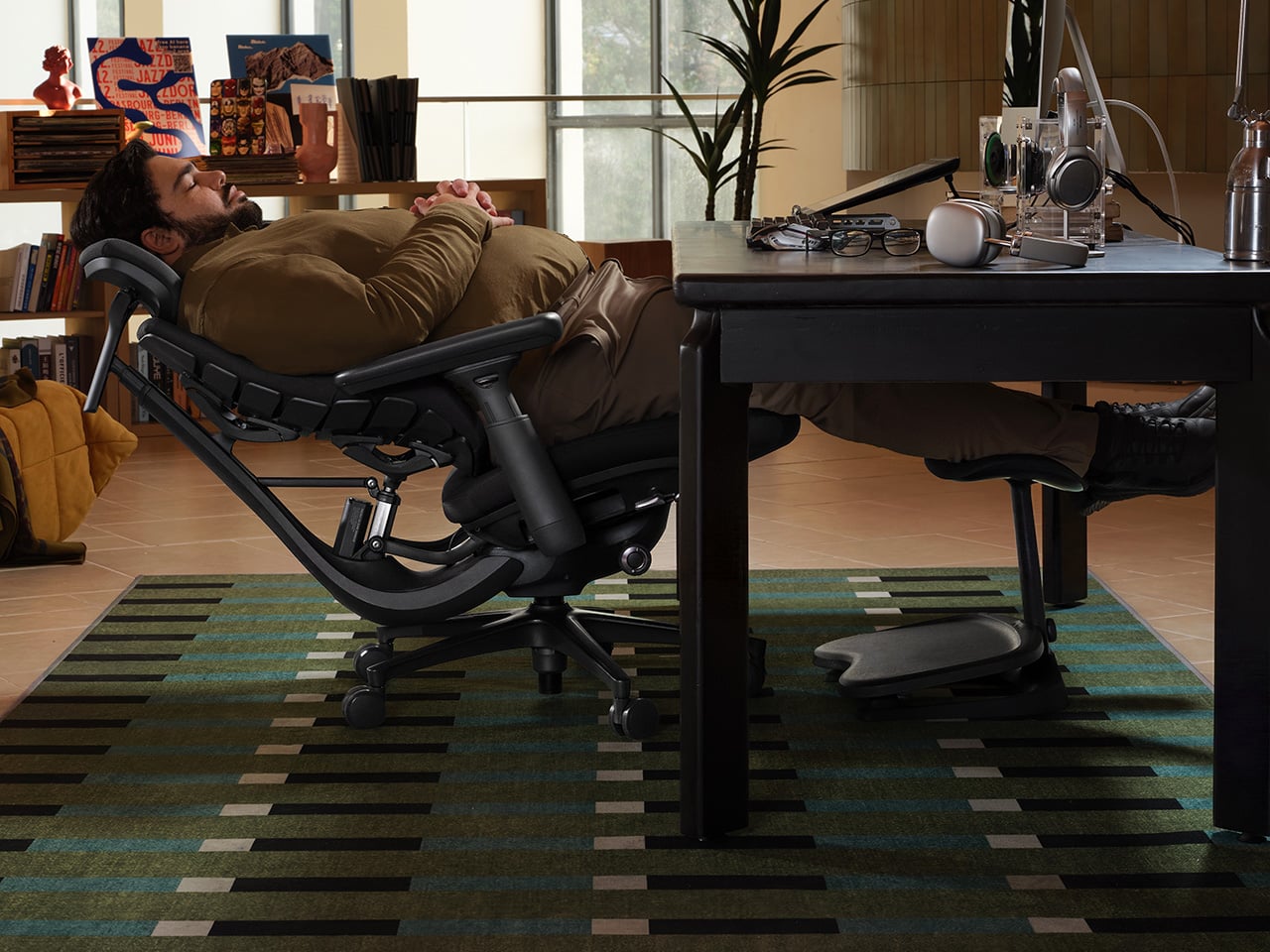
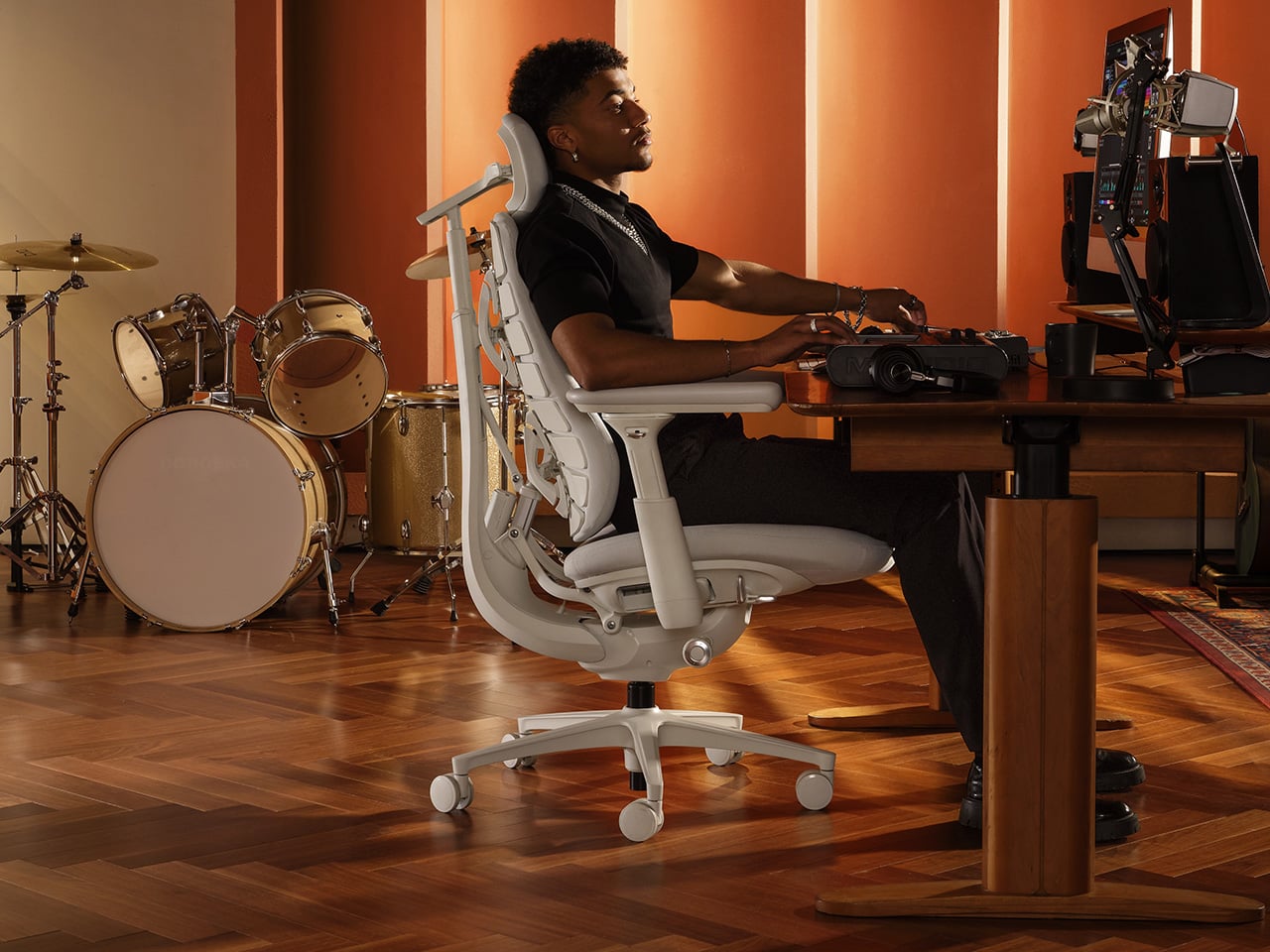
LiberNovo’s thinking with the Maxis starts with a premise that should have been more common in this category much earlier: bigger bodies carry different ergonomic demands, and scaling up a standard chair does not address them. The seat runs 52cm deep, enough to deliver full thigh support and put an end to the floating-leg issue that taller users deal with on most office chairs. The back frame spans 430mm at the shoulder and 520mm at the waist, covering the kind of broader build that standard backrests tend to taper away from at precisely the wrong moment. The chair targets users between 5’10” and 6’7″ and up to 399 lbs, a range that has historically been left to sort through limited options in a category that treats average proportions as a universal fit.
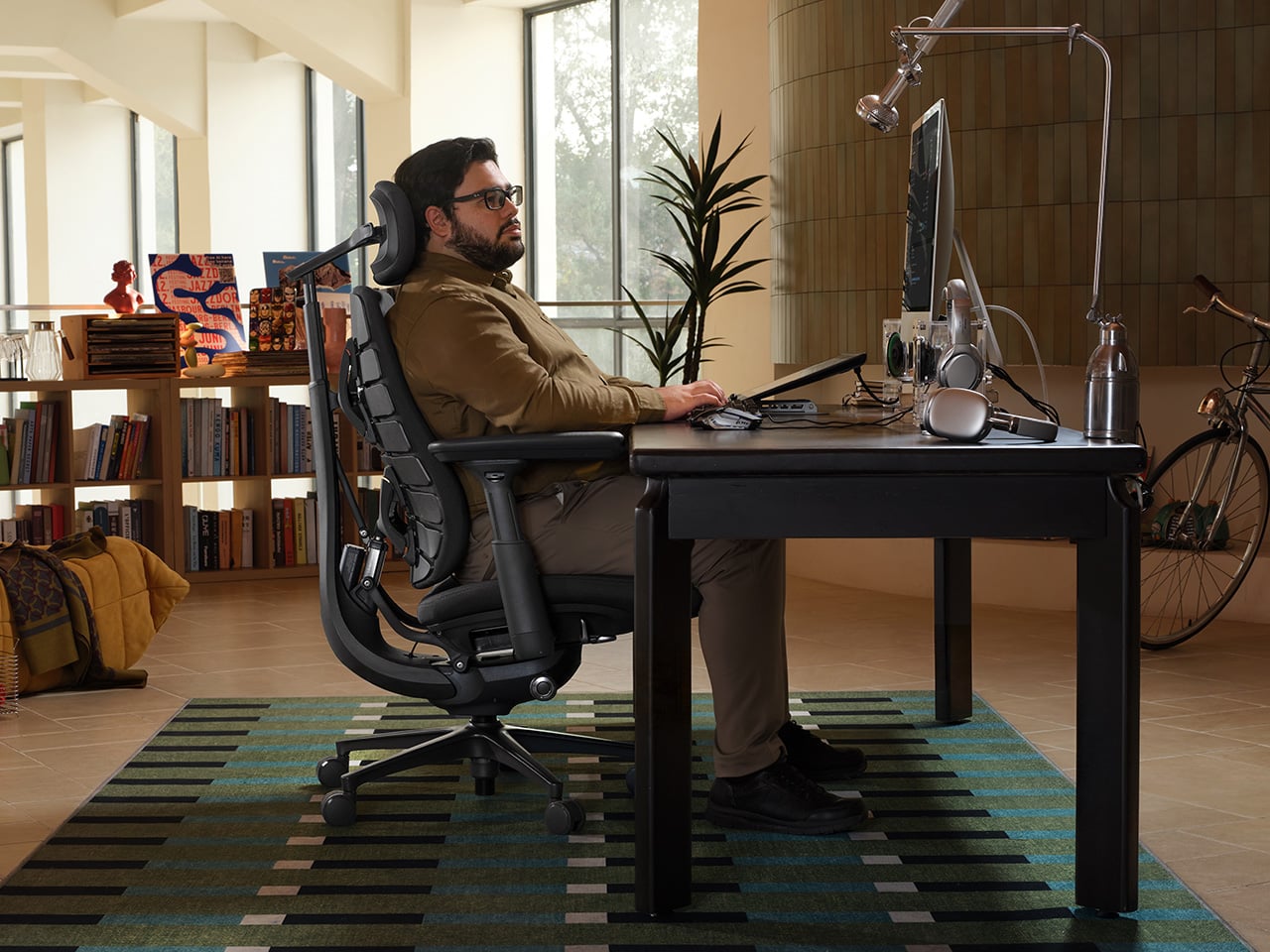
A U-shaped headrest with 140mm of vertical travel and 120mm of horizontal adjustment tackles one of the more persistent frustrations for taller sitters: the headrest that lands somewhere around the neck rather than behind it. The adjustment range gives users with longer torsos the clearance to place support where it actually belongs. The Arc Armrests follow a curved path outward, keeping broader frames from feeling squeezed in and addressing the kind of side compression that builds quietly across a long session without ever quite announcing itself as the source of discomfort.
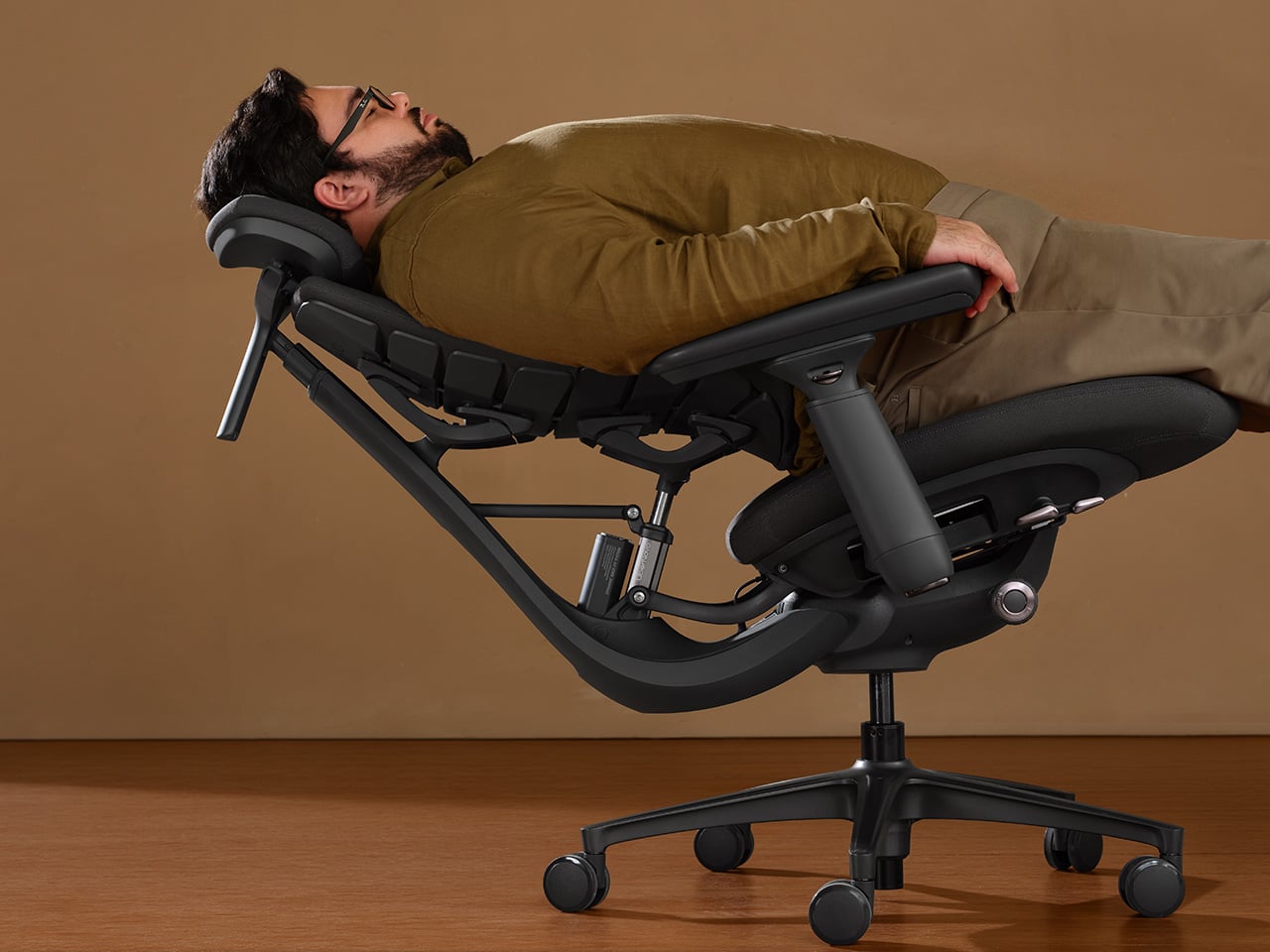
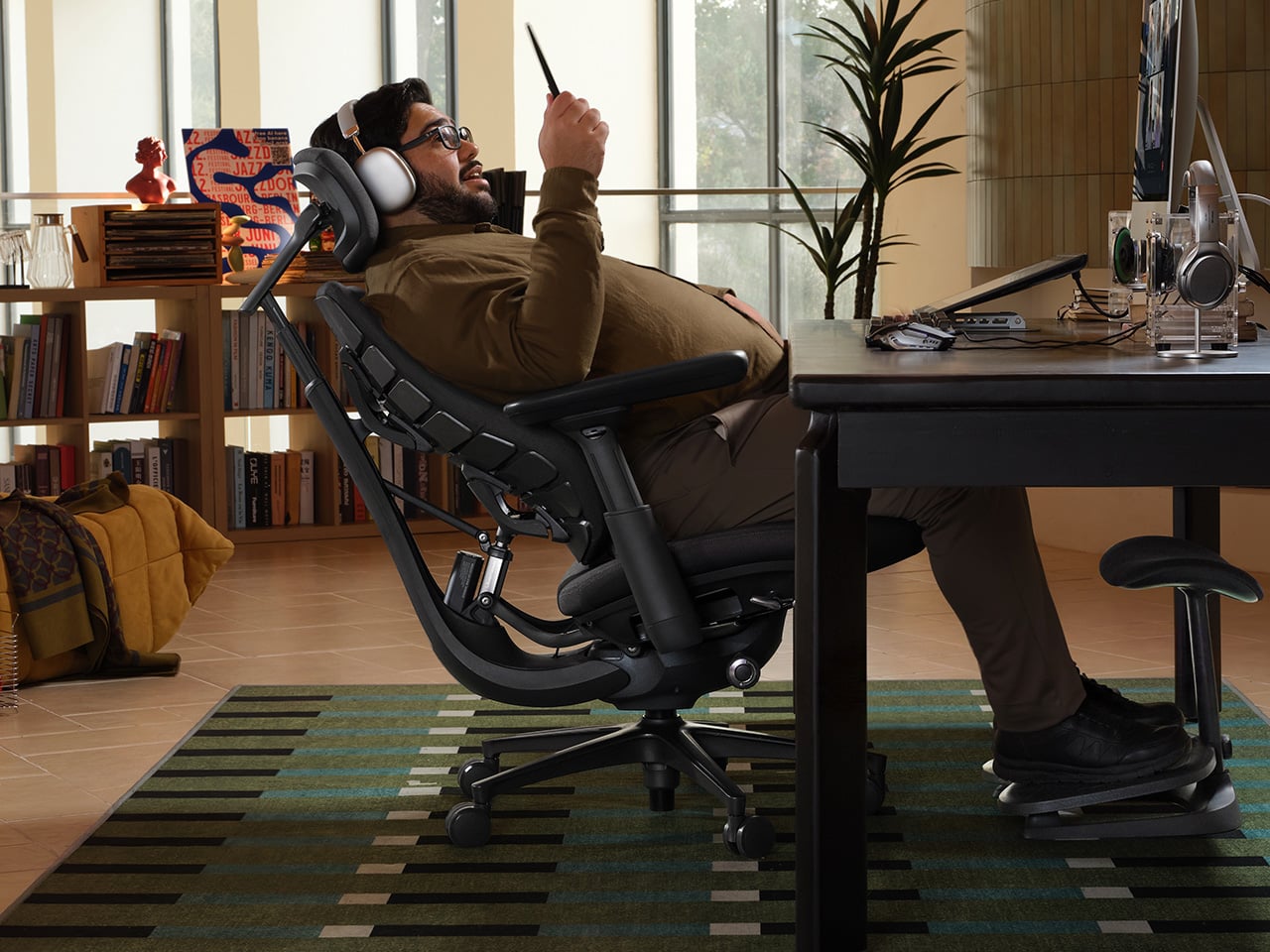
Six springs run through the recline mechanism, producing a progressive lean-back that holds its composure under bigger bodies. The gap between this and the standard recline on most office chairs is felt rather than measured. Under heavier loads, an underdeveloped recline either locks up too rigidly or releases too suddenly. The Maxis builds a more graduated response into the system, so the lean-back feels deliberate and controlled through the full range of motion.
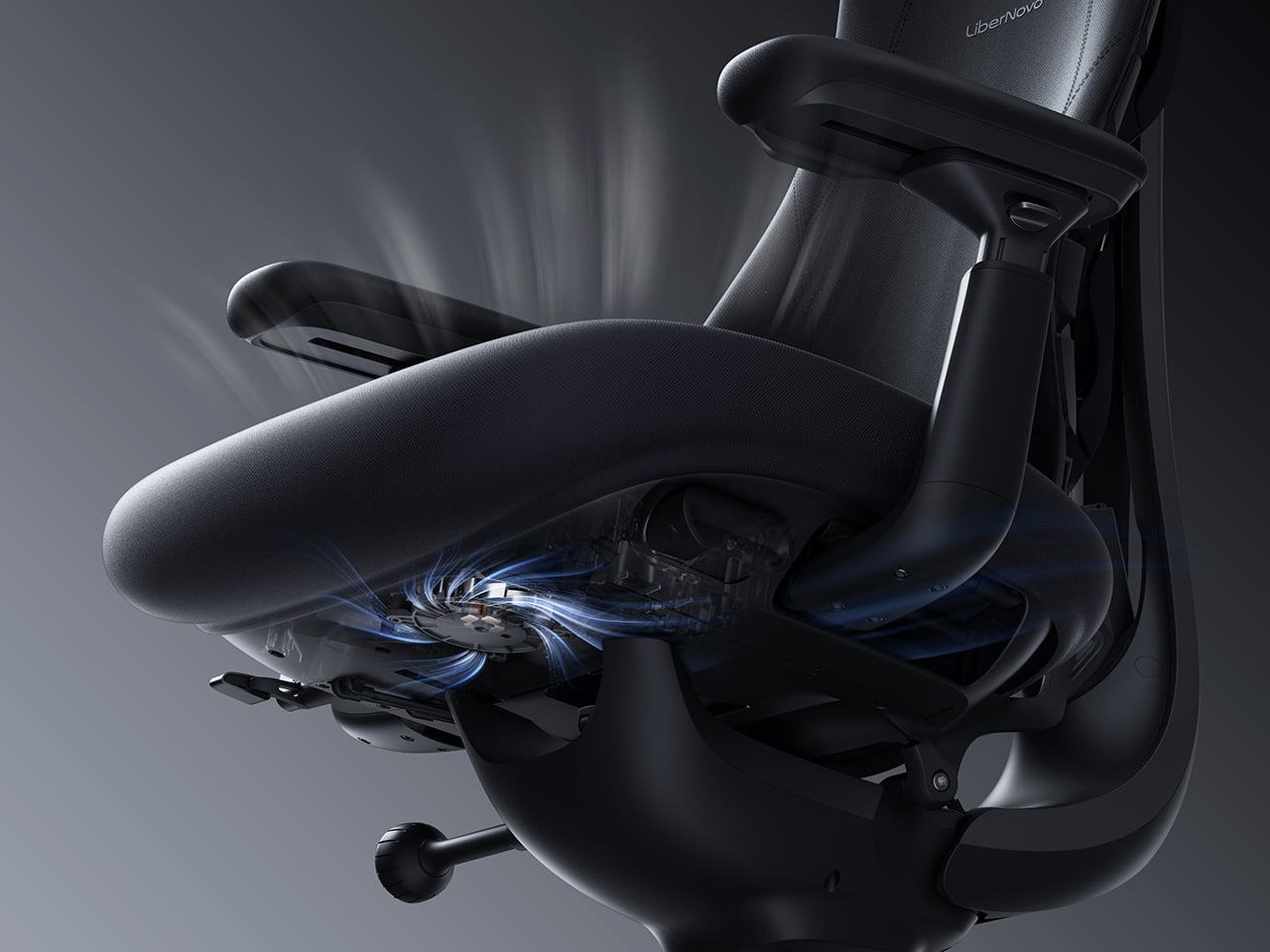
Choosing between the Manual, Electric, and Airflow is the first real decision for anyone looking at the Maxis, and the differences between them are substantial enough to take seriously. The Manual keeps things mechanical and intentional, using a physical dial for lumbar adjustment. It suits users who prefer a set-and-go approach and have no interest in adding electronics to their seating. The Electric introduces motorized lumbar control alongside OmniStretch, a spinal decompression cycle built into the chair that guides the lumbar support through a stretch-and-release sequence designed to reduce the compression that accumulates during extended sitting. That is a genuinely useful feature for anyone logging serious desk hours. The Airflow takes everything the Electric offers and adds active seat ventilation through a centrifugal fan embedded in the cushion, managing heat and moisture for users who run warm or regularly sit through long, uninterrupted sessions.
The Maxis does the heavy lifting for bigger builds, but LiberNovo is rounding out the same launch window with two additions aimed at standard-size users who want something more specific from their seating. The Omni Pro brings motorized lumbar support, OmniStretch, and active seat ventilation to the existing Omni platform, making it the performance-oriented pick for users who want the full feature set without the larger Maxis frame. The Omni SE takes the opposite approach, pairing the same ergonomic architecture with a manual lumbar mechanism for a cleaner, simpler setup that rewards users who prefer comfort without a control panel. Both carry LiberNovo’s same core philosophy of support that responds to movement, just packaged around different priorities and price points.
Seven days is not much runway, so if you have made it this far, it is worth heading over to LiberNovo’s storefront. Each Maxis version comes with bundle options, including StepSync Footrest bundles, while the Electric and Airflow models also offer premium bundles with an extra battery. The current pricing brings the Maxis Manual down to $809 from $1,299, the Maxis Electric down to $1,049 from $1,799, and the Maxis Airflow down to $1,239 from $1,859. The Omni Pro and Omni SE are also discounted as part of the same first-launch window, starting at $909 and $569, respectively. The first-release offer closes on July 31st across the board, which makes this week the last real opportunity to get into any of these chairs at launch pricing.
Click Here to Buy Now: $809 $1299 ($490 off). Hurry, deal ends in 48-hours!