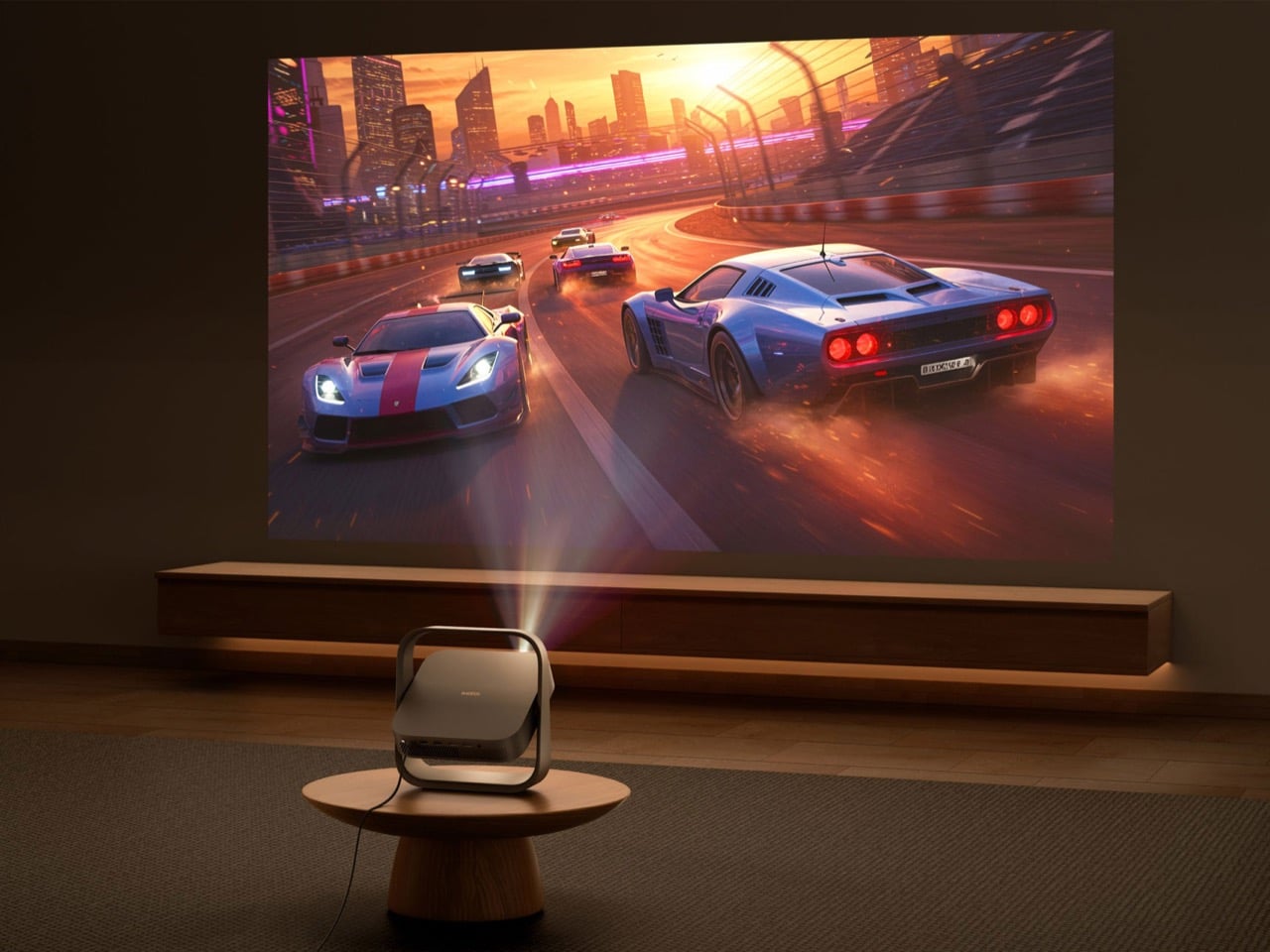
Flip phones snapped shut and ended calls. Zippo lighters click open with a sound that somehow feels more satisfying than the flame itself. Laptop lids have woken computers from sleep for two decades without anyone writing a line of tutorial copy about it. Physical gestures that double as commands used to be everywhere in consumer tech, and they disappeared almost entirely once touchscreens and voice assistants convinced designers that every function needed a menu. XGIMI just brought one of those gestures back into a category that badly needed it. The company’s new Elfin Flip 4K turns projector power into a single, tactile motion, no screen tap required.
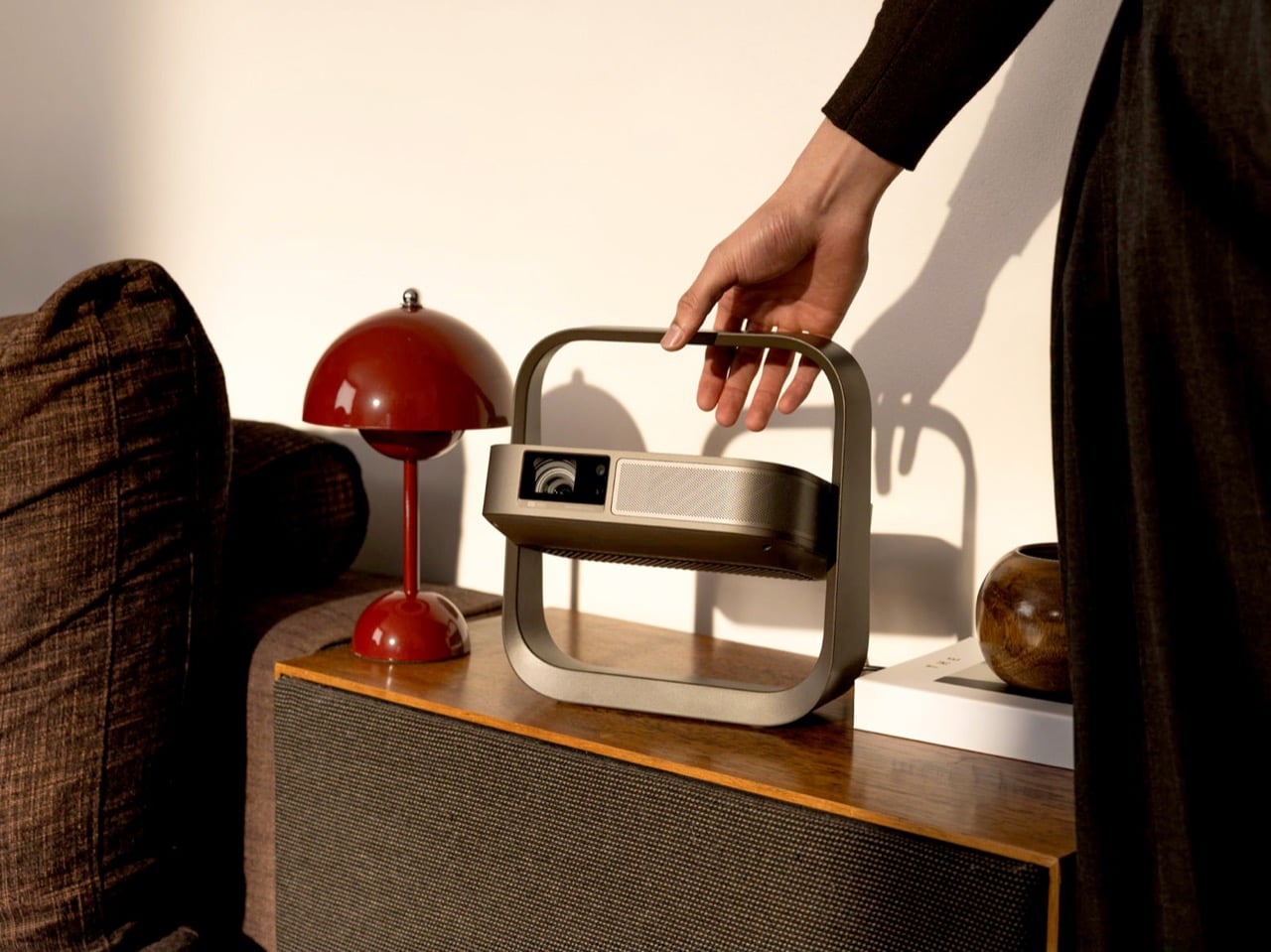
Flip the stand upright on the Elfin Flip 4K and the projector powers on by itself, no remote, no app, no hidden button. Fold the stand back down and the unit shuts off just as automatically, closing the loop on a single continuous gesture. That same stand pulls double duty as a carry handle and rotates up to 150 degrees, letting you redirect the image just by tilting the projector in your hand. XGIMI prices the unit at 999 dollars, positioning it as a projector meant to travel between rooms rather than sit bolted to one shelf. The gesture is small, but it reveals how XGIMI thinks about the relationship between a person and the object they are holding.
Designer: XGIMI
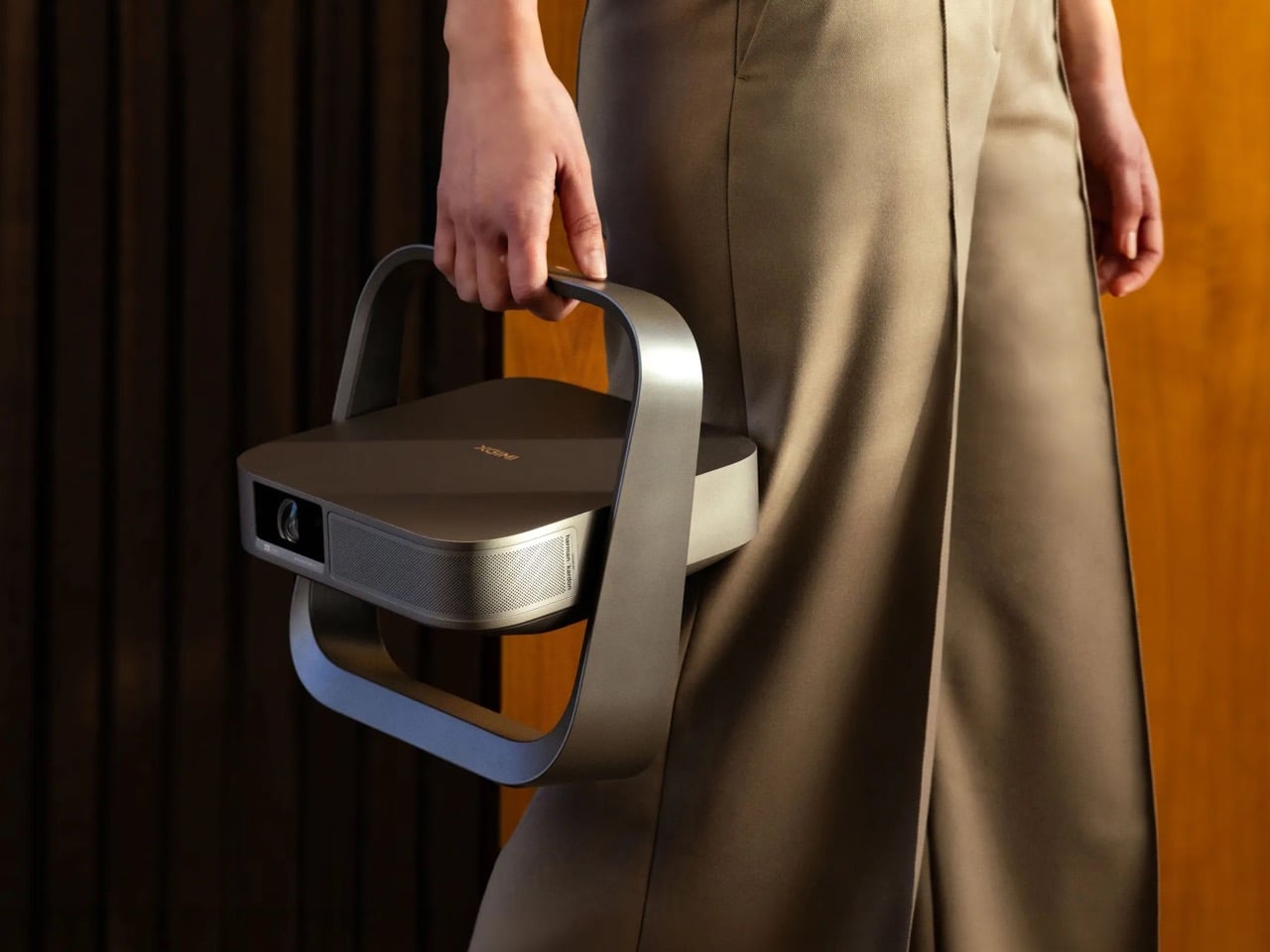
A tilt sensor or magnetic switch built into the stand hinge likely handles the power detection, the kind of component already common in laptop lids and flip phone hinges repurposed for a projector chassis. XGIMI has not detailed which sensor drives the mechanism, and the hinge’s reliability becomes the single point of failure for an otherwise buttonless design. That stand also carries the full weight of the unit whenever someone lifts it by the handle, adding mechanical stress that a purely cosmetic hinge would never face. Repeated flipping over months of use tests durability differently than a static power button ever would. XGIMI is betting real trust in that single moving part.
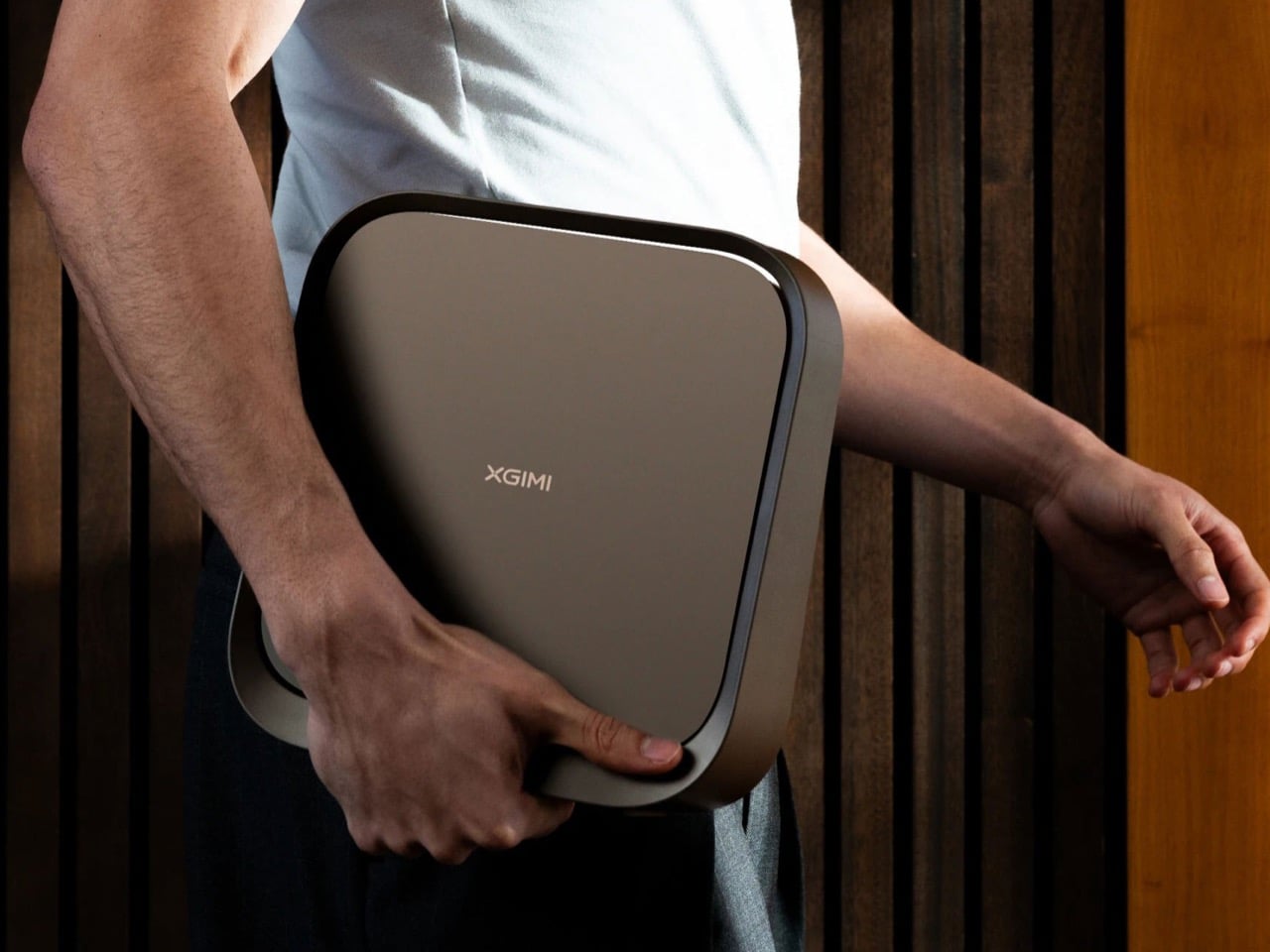
Portable projectors have multiplied fast over the past few years, with Anker’s Nebula lineup and a wave of similarly sized boxes chasing the same pitch of cinema on the go. Most of that competition still separates carrying, angling, and powering the unit into three distinct actions handled by three distinct parts. XGIMI’s flip mechanism collapses two of those actions into one continuous motion, tying power directly to the act of setting the projector up. That distinction matters more in a crowded category than a marginal bump in lumens or contrast ratio, since shoppers scanning a wall of similar looking boxes respond to a difference they can actually see. A projector that turns on by being picked up travels on social feeds without a spec sheet.
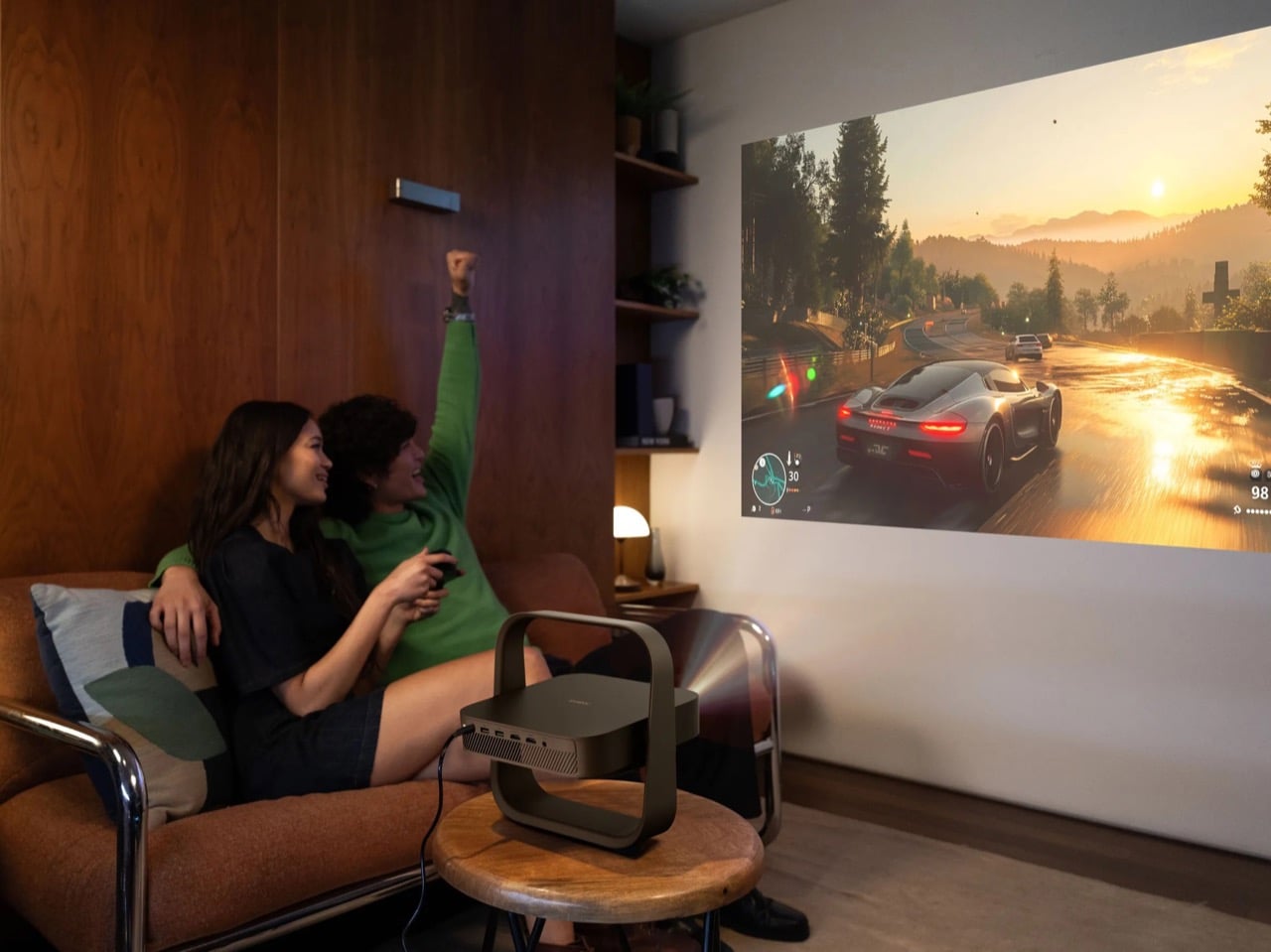
XGIMI clearly built this projector around the idea that setup should disappear into the act of picking the thing up, and that instinct shows real thought about how people actually live with portable tech. A projector priced at 999 dollars competes on plenty of fronts, brightness, contrast, audio, but the small mechanical choices are often what a shopper remembers a year later. This one gets remembered for making power an afterthought instead of a chore. That’s the kind of detail that tends to travel well once people start actually using the thing day to day, long after the spec sheet stops being the selling point.