
The best technology in your home shouldn’t announce itself. Not in the way a smart speaker waits for a wake word, or a connected display flashes notifications from across the room, but in the deeper sense of design that integrates so completely into daily life, it stops registering as technology at all. The products below share that quality. They handle a specific, defined task without requiring anything from you after the initial setup is done.
This is not a list of gadgets that respond to commands or unlock new workflows once you’ve mastered an app. These are products built around a different premise: that your home should be capable enough to manage itself. From the air cycling through your living room to the lawn outside your front door, the version of home technology worth paying attention to is the version that quietly gets on with it.
1. Blueair Blue Signature Air Purifier
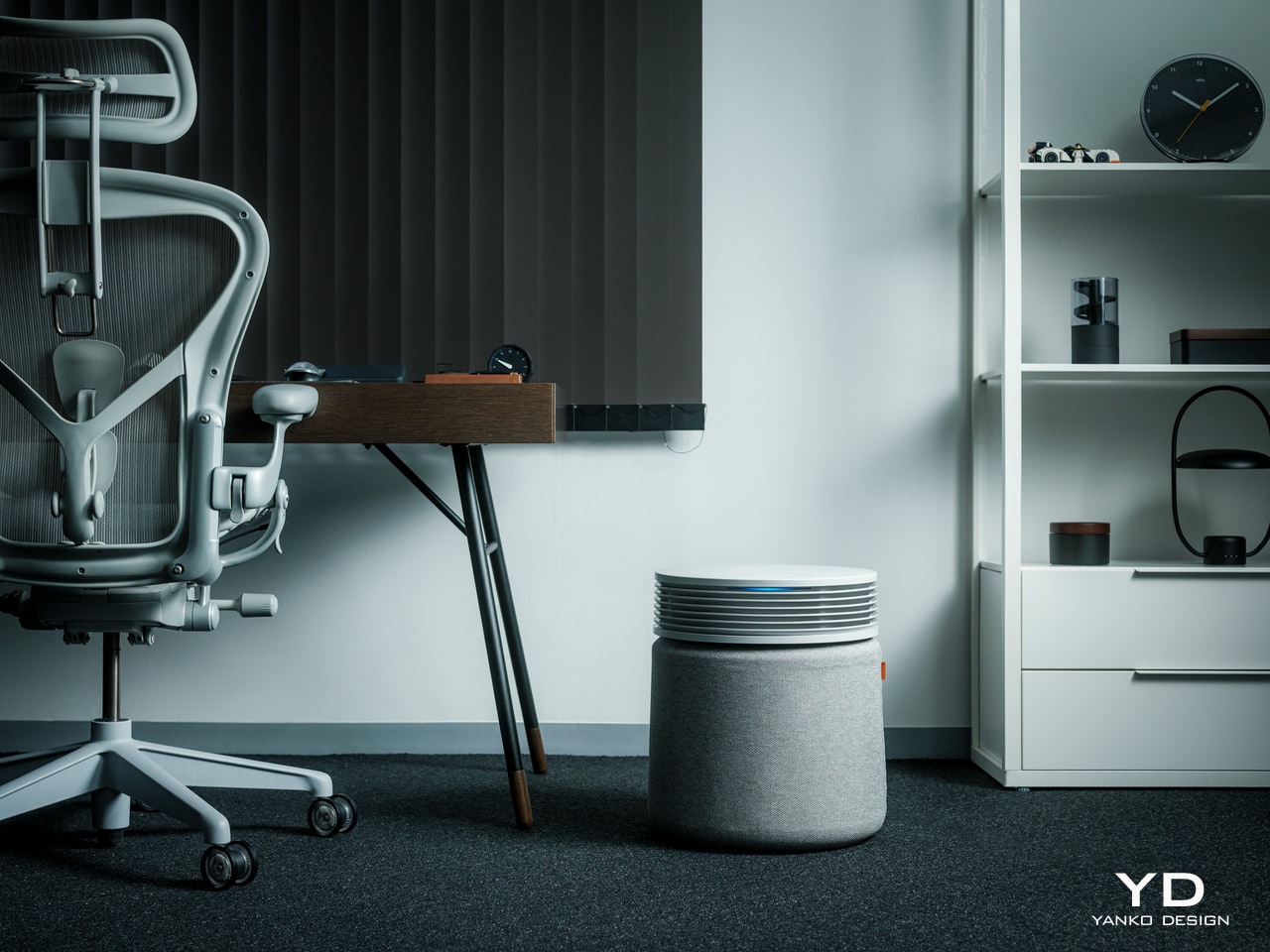
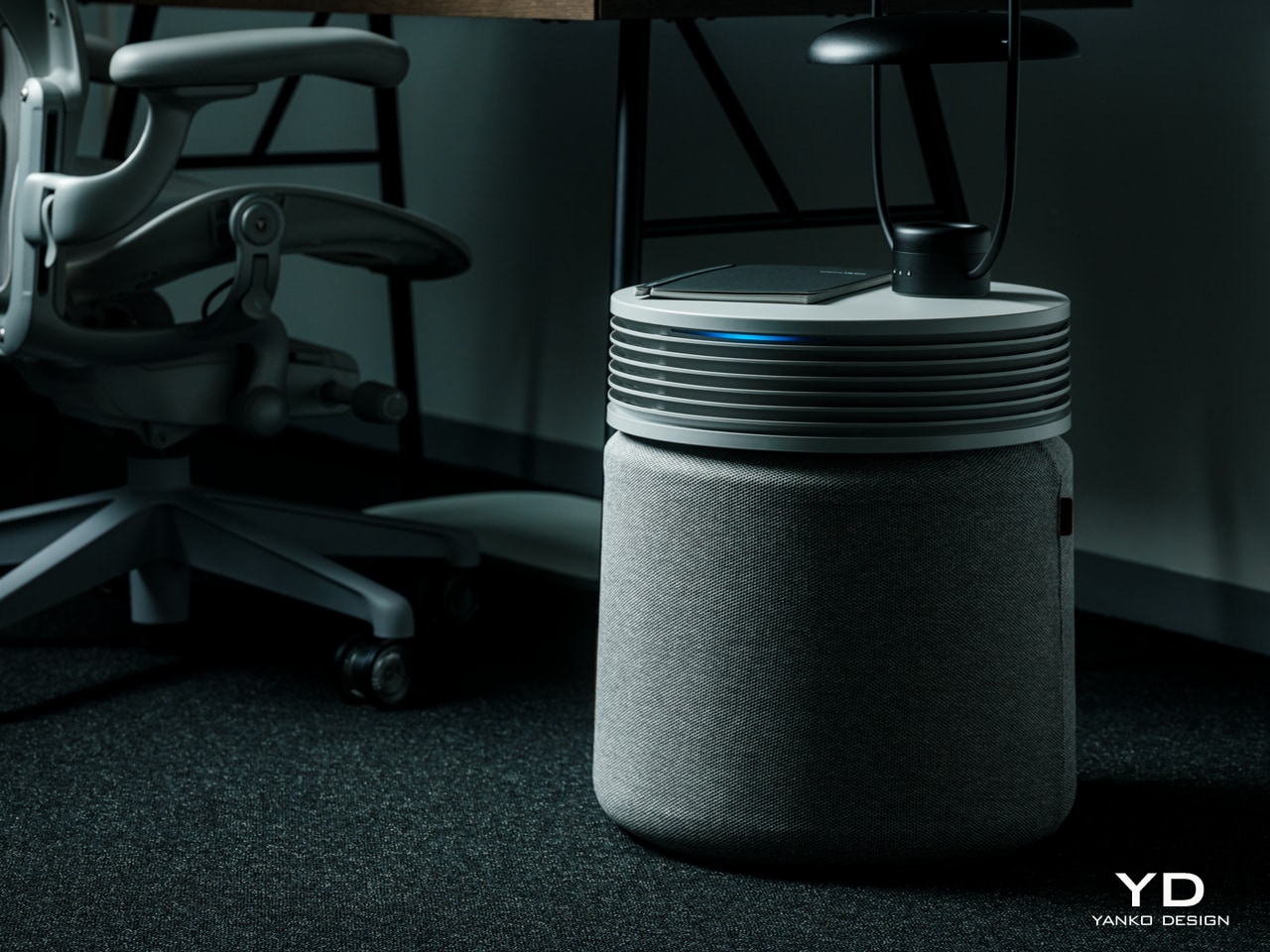
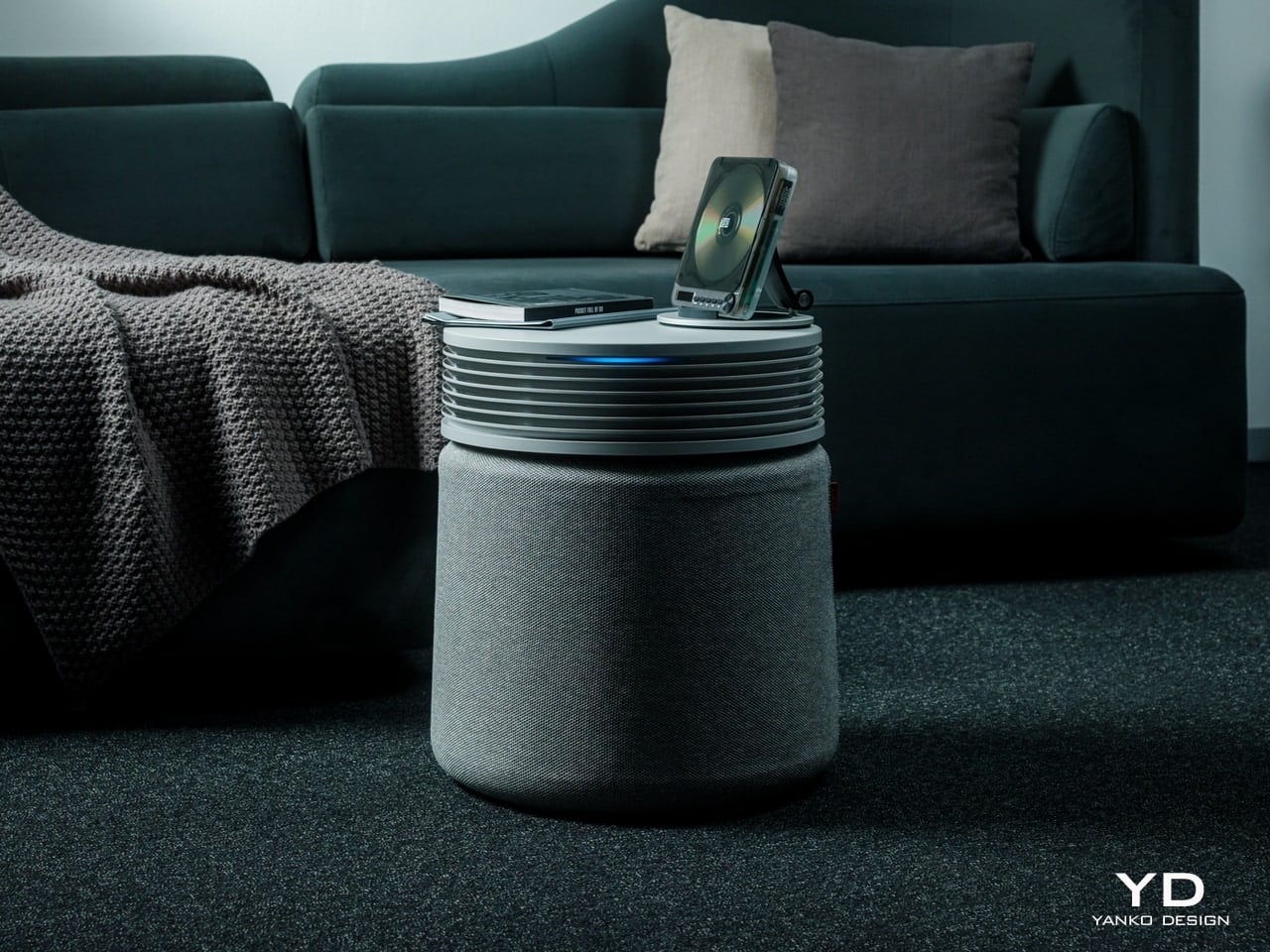
Most air purifiers operate on a schedule someone set during the first week of ownership and never revisited. The Blueair Blue Signature works differently, running in Auto mode and reading actual air quality in the room to decide when and how hard to work. When particulate matter spikes after cooking, or pollen drifts in through an open window, it responds by increasing output. When the air settles, it pulls back. There is no schedule to maintain, no mode to adjust, and no need to open the app.
What earns the Blue Signature a place on this list beyond its performance is how seriously Blueair approached the design. The enclosure reads more like considered furniture than medical equipment, the kind of thing you’d choose for a room rather than accept as a necessity. Its filter tracking operates on the same logic as the purifier itself: instead of counting calendar days, it monitors actual fan speed, pollution exposure, and runtime to calculate precisely when a replacement is due. You change it when it needs changing, not when an arbitrary notification decides it should.
What We Like
- Auto mode reads ambient air quality continuously and calibrates fan output in real time, reacting to the actual environment rather than a fixed timetable someone set and forgot
- Filter tracking based on measured usage rather than scheduled intervals means you replace the filter when it genuinely needs it, not a day before or a month after
What We Dislike
- The premium price point places the Blue Signature well above what most households will budget for an air purifier without considerable deliberation
- In a smaller room, the cabinet-form enclosure takes up visible floor space in a way a slimmer column design would not
2. Dreame A3 AWD Pro
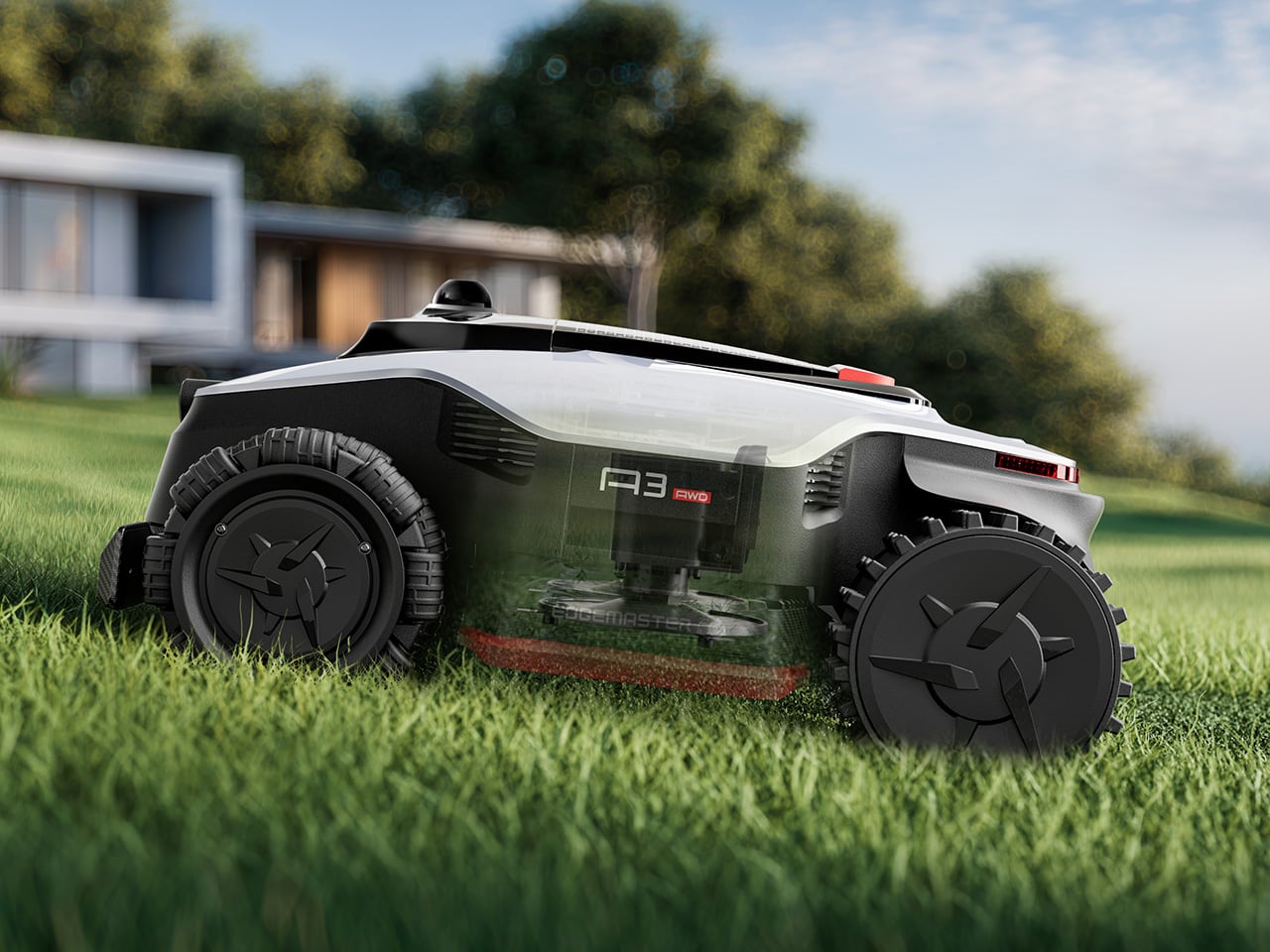
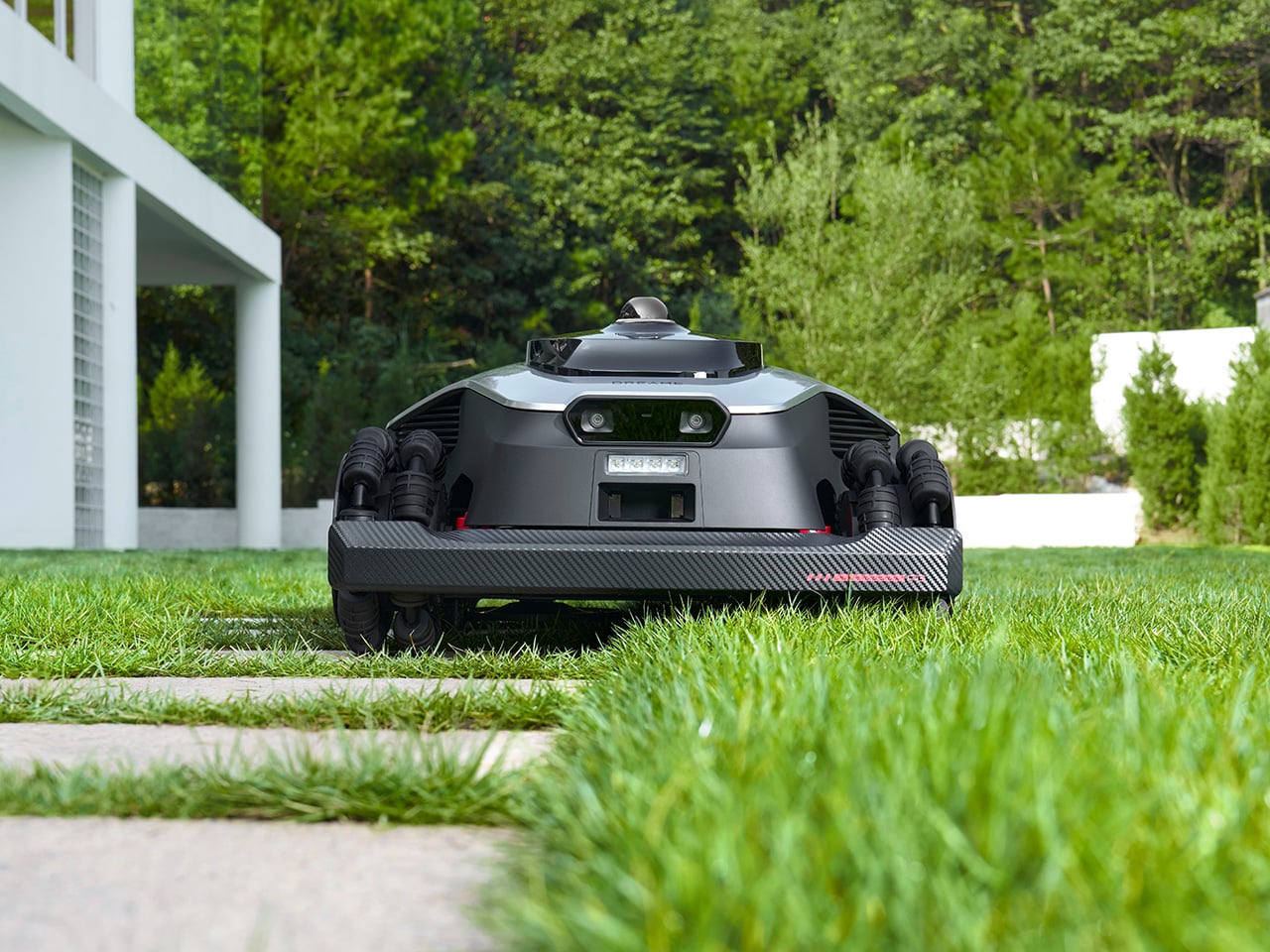
Robot lawn mowers have existed for years, and most of them require you to bury a perimeter wire around the full boundary of your garden before they will take a single pass. The Dreame A3 AWD Pro eliminates that. A 360-degree 3D LiDAR unit sits on top of the machine alongside a binocular AI vision system capable of classifying over 300 distinct obstacle types. On its first run, it maps the yard, sets its own working boundaries, and begins. No wire, no boundary markers, no setup beyond placing it on the grass.
Four independent hub motors drive each wheel separately, giving the A3 AWD Pro the ability to climb slopes up to 80 percent and handle terrain that stops most two-wheel-drive alternatives. The 40-centimeter dual-disc cutting deck floats independently over ground contours, keeping the cut height consistent across a lawn that isn’t perfectly level. At 65 decibels, it runs quietly enough for early mornings without becoming a neighborhood complaint. Built-in 4G connectivity and a PIN-protected anti-theft system keep it tracked and secure whether you are home or away.
Click Here to Buy Now: $2099.99 $3099.99 ($1000 off). Hurry, deal ends soon!
What We Like
- Wire-free boundary mapping via LiDAR means setup takes minutes rather than an afternoon running cable around your garden perimeter, removing the single biggest friction point in robot mower ownership
- Independent four-wheel drive and a floating cutting deck handle genuinely uneven terrain rather than the idealized flat lawns most competitor spec sheets assume
What We Dislike
- At $2,599.99, the starting price is a significant commitment, and households with smaller or simpler lawns may find the engineering exceeds what their garden actually requires
- Very long or overgrown grass can slow the first few passes as the machine establishes its initial map and finds its rhythm
3. Narwal Flow 2
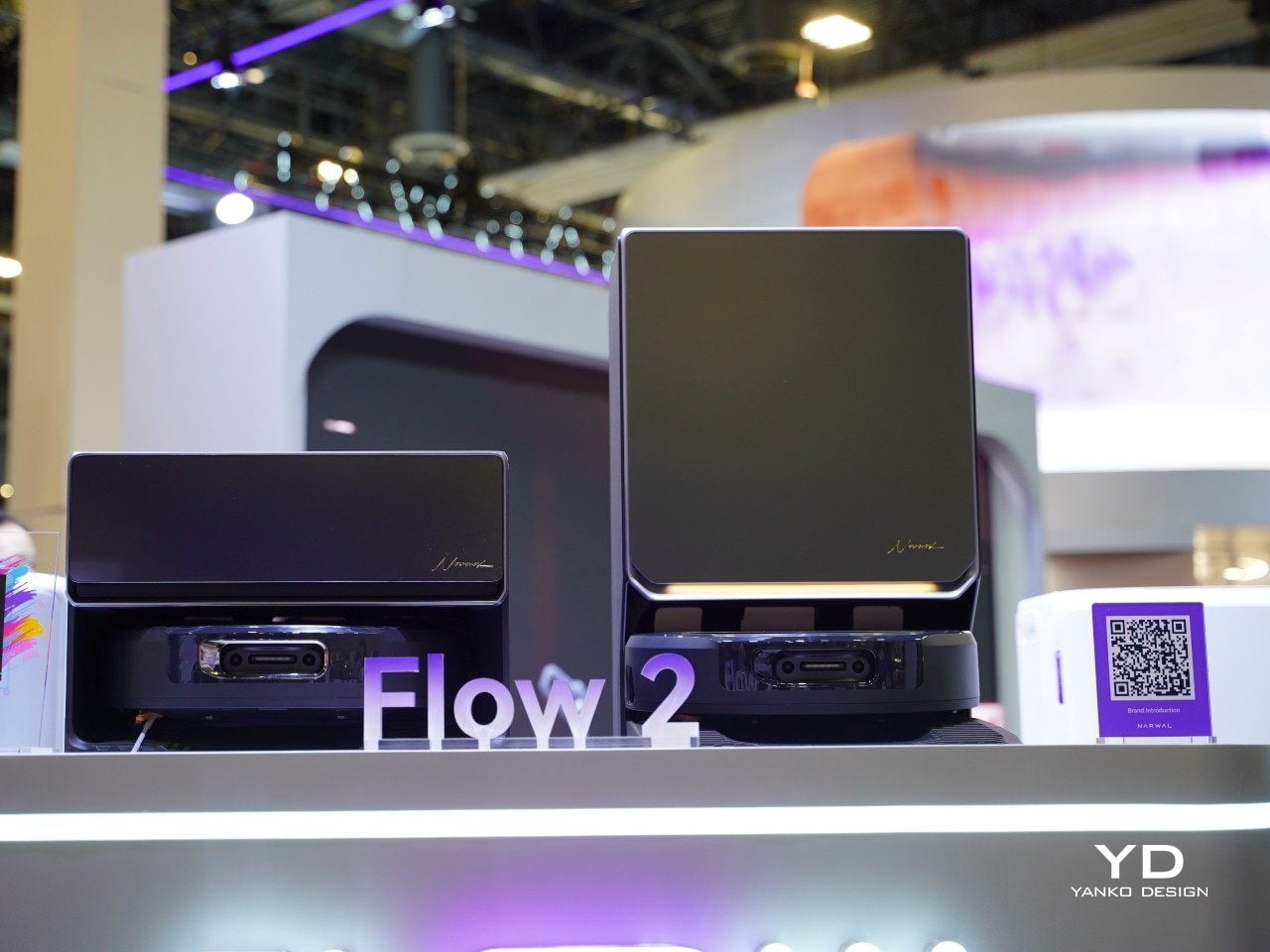

Robot vacuums spent most of the last decade chasing suction numbers. The Narwal Flow 2 pursues a different kind of performance: judgment. Its NarMind Pro autonomous system processes 1.5 million data points per second through dual RGB cameras running on a 10 TOPS AI platform, building a continuous picture of the space it works in. Every object it encounters gets assigned a risk level — walls get 8 millimeters of clearance, pet bowls get 20 millimeters, and high-risk items trigger a protective reroute at 70 millimeters. The floor plan adapts every run, not just during initial mapping.
The mopping system is where the Flow 2 makes its clearest case. Sixteen angled nozzles continuously feed fresh water into a moving mop track throughout each pass, while a reverse-rolling mop applies 12 newtons of downward pressure at 140 degrees Fahrenheit. A scraper strips dirt from the fabric in real time, which means the surface touching your floor is constantly refreshed rather than dragging accumulated grime from room to room. The dock handles hot-water self-cleaning and hot-air drying automatically. You empty the bin when it needs emptying, and that is the full extent of your involvement.
What We Like
- Risk-level classification for individual objects adjusts cleaning behavior intelligently rather than following a fixed avoidance pattern, making it genuinely capable in a lived-in home rather than a staged one
- The FlowWash mopping system continuously renews the mop surface during each pass, a meaningful distinction from systems that simply wet a fixed pad and carry whatever it picks up into the next room
What We Dislike
- The dock has a substantial footprint that is difficult to place in apartments or homes where floor space near a power outlet is limited
- The level of onboard AI processing introduces a software dependency that requires reliable long-term update support from Narwal to stay relevant
4. Aqara Presence Multi-Sensor FP300
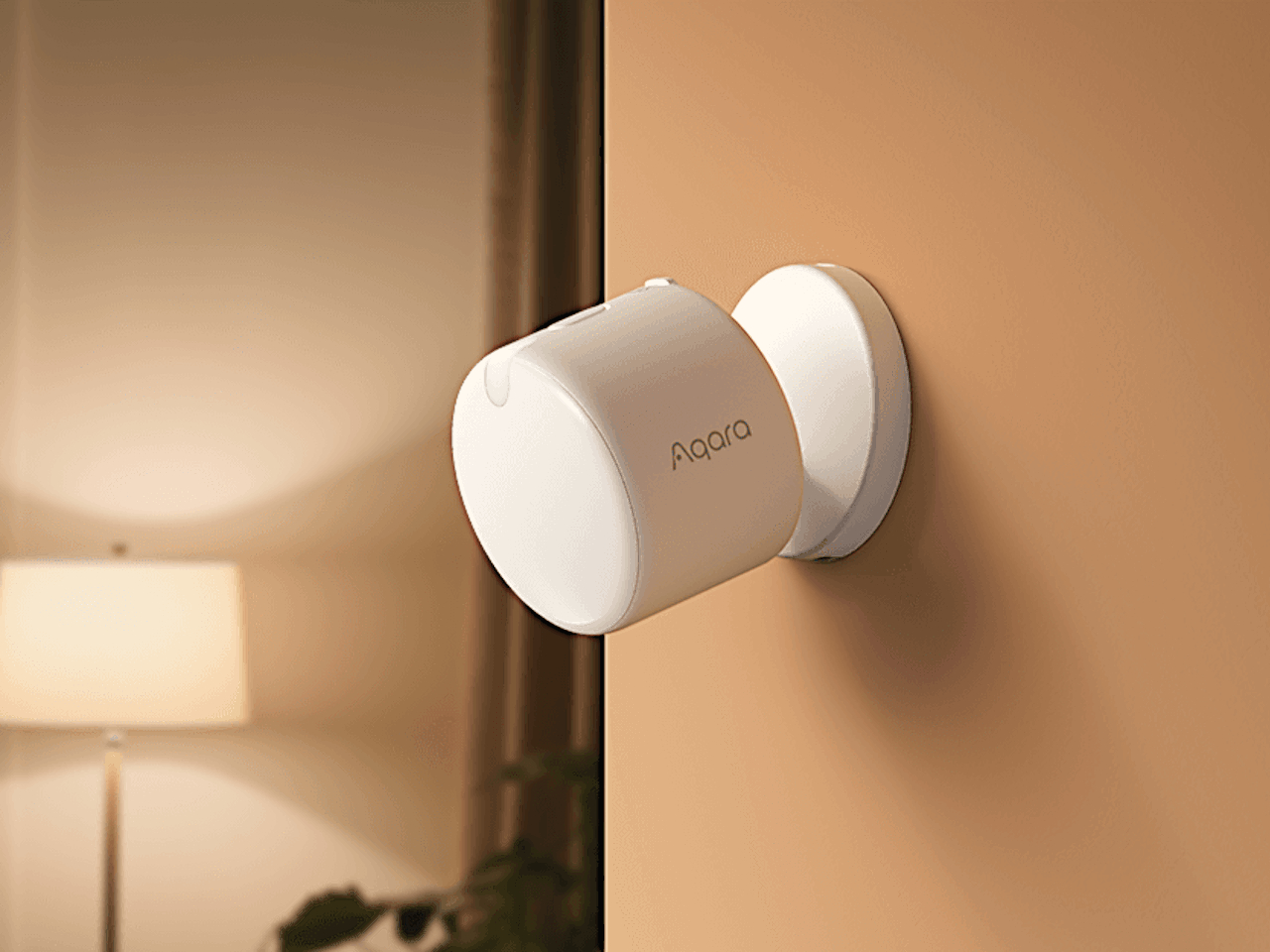

Smart thermostats are good at learning schedules. The limitation is that most presence detection underneath them relies on passive infrared sensors that declare a room empty the moment you stop moving. Sit still at a desk, fall asleep on a sofa, or settle in to watch a film, and the system decides you have left. The Aqara FP300 uses millimeter-wave radar instead, a technology that reads presence as a continuous state rather than a series of motion events. It knows you are in the room, whether you are moving across it or completely still.
The practical result is a home that responds to where you actually are. Temperature and humidity data feed directly into your HVAC system, triggering heating or cooling only when a room is genuinely occupied and pulling back the moment it is not. You stop conditioning empty rooms, and you stop arriving home to a space that turned itself off an hour before you walked through the door. The FP300 is not the most visually interesting product on this list, but it may be the most quietly useful — the invisible layer that makes everything else in a smart home respond to real life rather than a preset timetable.
What We Like
- Millimeter-wave radar detects occupancy even when the user is completely stationary, solving the single most common failure point of standard motion-based smart home sensors
- Direct HVAC integration eliminates energy wasted conditioning unoccupied rooms without requiring the homeowner to manage zones or schedules manually
What We Dislike
- Getting full value from the FP300 requires familiarity with the Aqara ecosystem and an initial configuration phase, which creates a barrier for users who are new to smart home infrastructure
- The device is visually minimal by design, and for an audience that pays attention to how objects look in a room, the hardware itself offers nothing to appreciate
5. Waterdrop X16
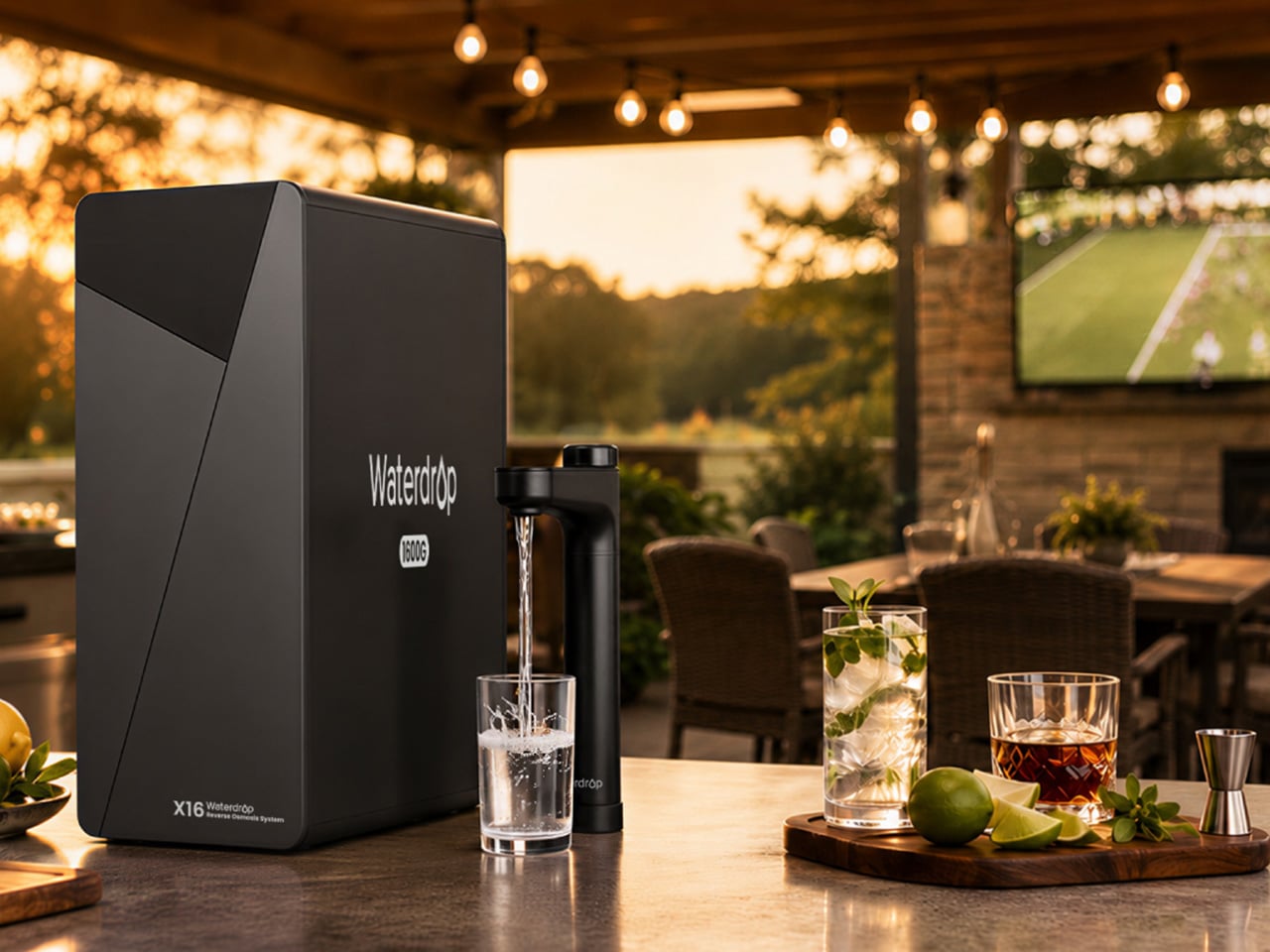
Water filtration belongs in the same conversation as any other home system that runs without daily input. The Waterdrop X16 installs under the kitchen sink in a tankless configuration that takes up a fraction of the space older reverse osmosis systems require, and from the moment it is connected, it runs continuously, processing up to 1,600 gallons per day, without a schedule, a button, or a reminder. A smart faucet mounted above the sink displays water quality and remaining filter life in real time, so the one piece of information worth knowing is always visible at a glance.
The 11-stage filtration process removes a broad range of contaminants while reintroducing alkaline minerals, calcium, and magnesium, bringing the water’s pH to 7.5. The difference in taste is noticeable in everyday use — for drinking, cooking, and making coffee — and the 3:1 pure-to-drain ratio makes it one of the more efficient systems in the reverse osmosis category. It runs every hour of every day without any input from you. That is the only metric worth measuring it against, and the Waterdrop X16 delivers on it completely.
Click Here to Buy Now: $1234.05 $1999 ($764.95% off, use coupon code “YANKOPD26”). Hurry, Prime Day deal ends soon!
What We Like
- The tankless design reclaims meaningful cabinet space beneath the sink compared to traditional RO systems, which typically consume most of that under-counter storage area
- The smart faucet’s real-time water quality display provides ongoing confirmation that the system is working correctly, without requiring the homeowner to run a manual test or open an app
What We Dislike
- The X16 sits at the premium end of the home filtration market, and the value proposition requires a long enough ownership horizon to offset the upfront cost against ongoing bottled water spending
- Installation requires basic plumbing confidence or a professional, adding a cost and coordination step that doesn’t apply to the other products in this roundup
The Best Home Is One You Barely Notice Running
The five products above cover five distinct home domains — air, outdoor space, floors, climate, and water — and none of them overlap. Together, they represent a fairly complete picture of what a home that runs without constant attention actually looks like in practice. The investment varies by product, but the return in each case is the same: one fewer thing competing for your attention in a day that already has enough of those.
There is a version of home technology that adds complexity in the name of control, and a version that quietly reduces the number of decisions the house asks you to make. The products in this roundup belong to the second category. They are not the most dramatic purchases available, and none of them will be the first thing you mention to a guest who walks through the door. They will be the things that make the house feel, without quite being able to explain why, like it simply works.