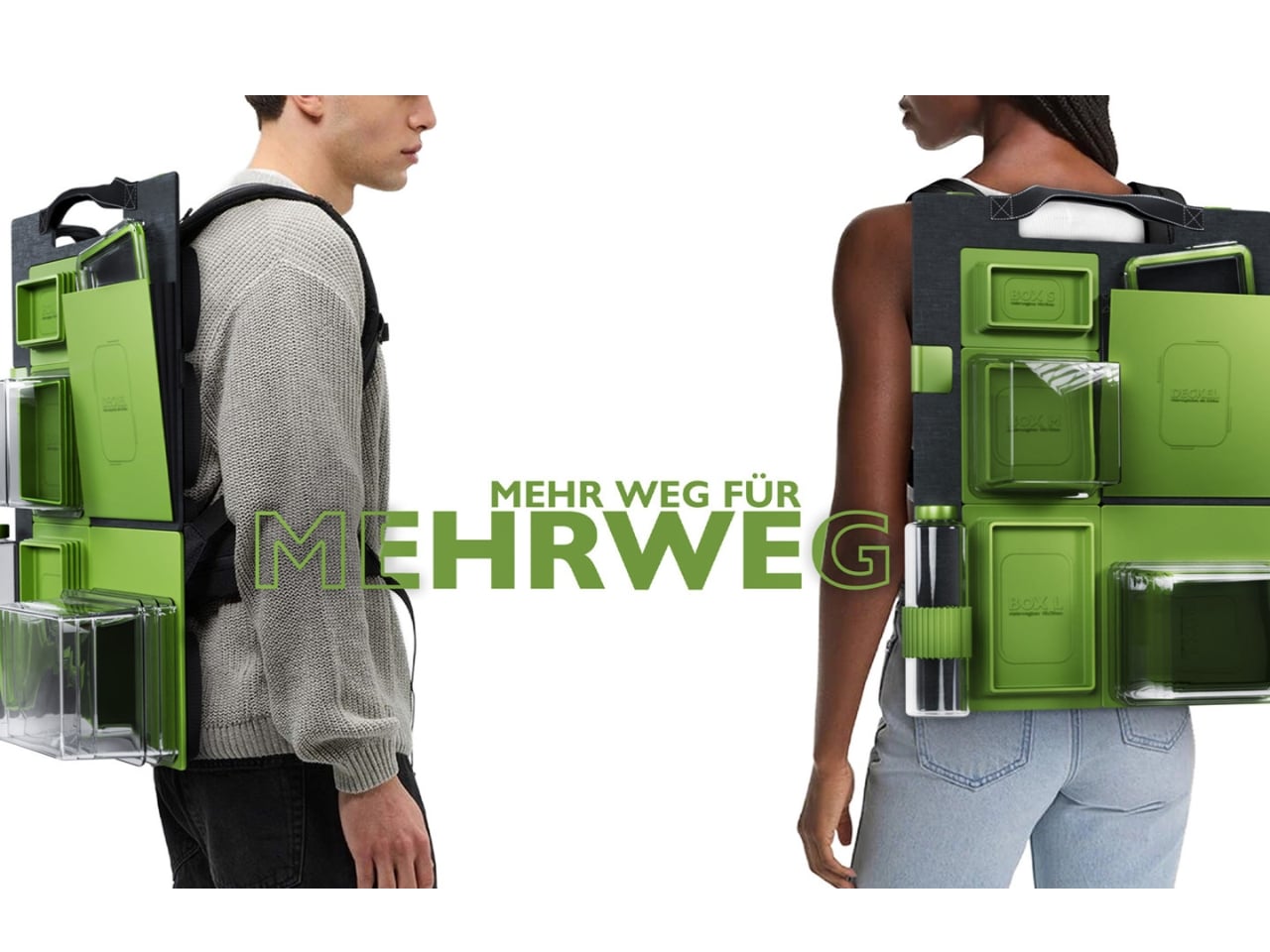
Walk into any supermarket and you’ll notice that the food gets a lot of attention, but the packaging it comes in? Almost none. We’ve become so accustomed to grabbing a plastic-wrapped chicken breast or a shrink-sealed block of cheese and tossing the container without a second thought that it has essentially become invisible. Which is exactly why Lars Biedermann’s ReLoopBox caught my attention the moment I came across it.
ReLoopBox is a circular, reusable container system designed to replace the disposable plastic packaging that floods our grocery stores, refrigerators, and eventually, our landfills. On the surface, it sounds like a straightforward sustainability pitch. But the more you look at it, the more you realize that Biedermann, an industrial design graduate from FH Joanneum in Austria, wasn’t just designing a container. He was designing a completely different logic for how food packaging should work.
Designer: Lars Biedermann
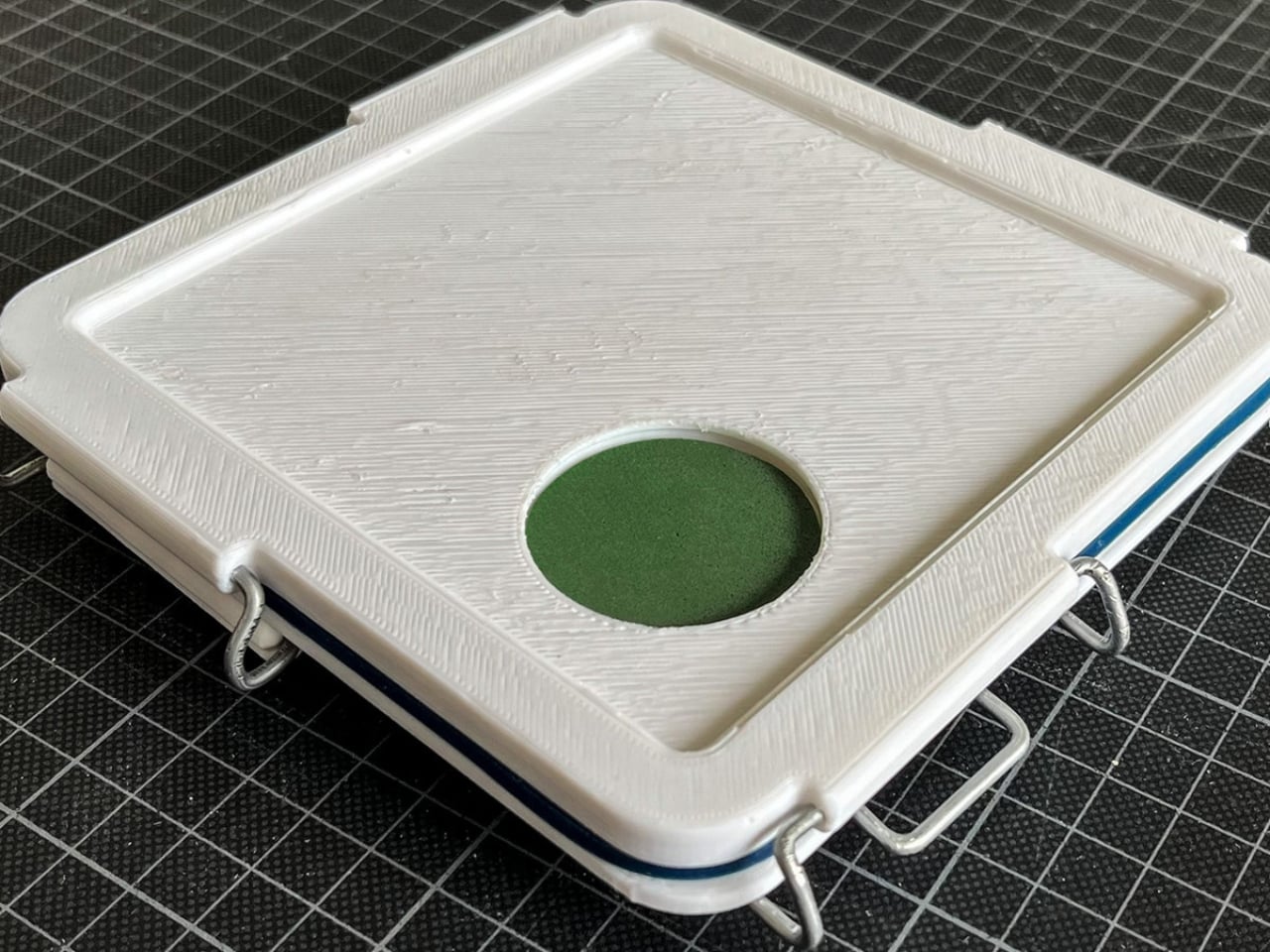
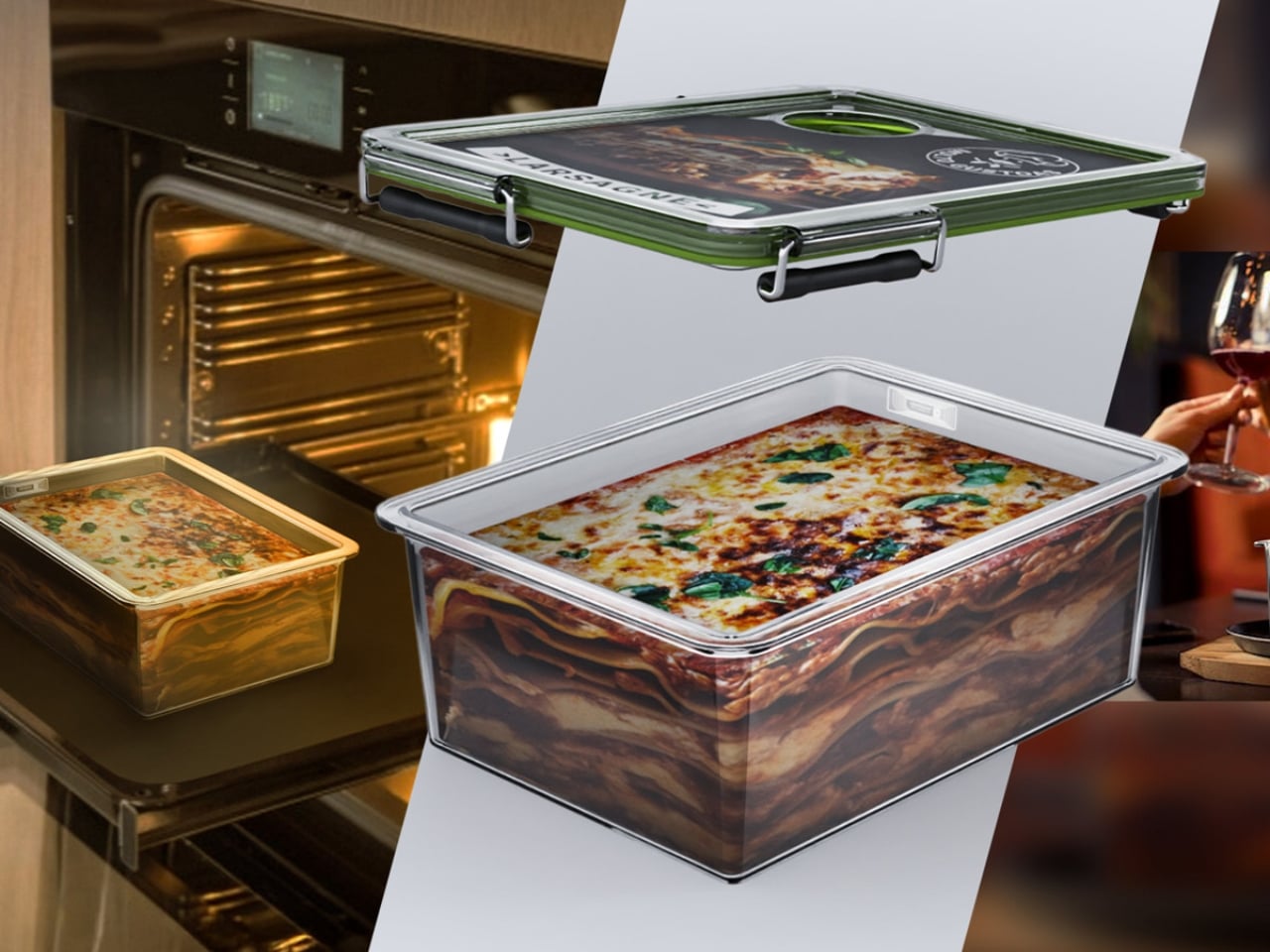
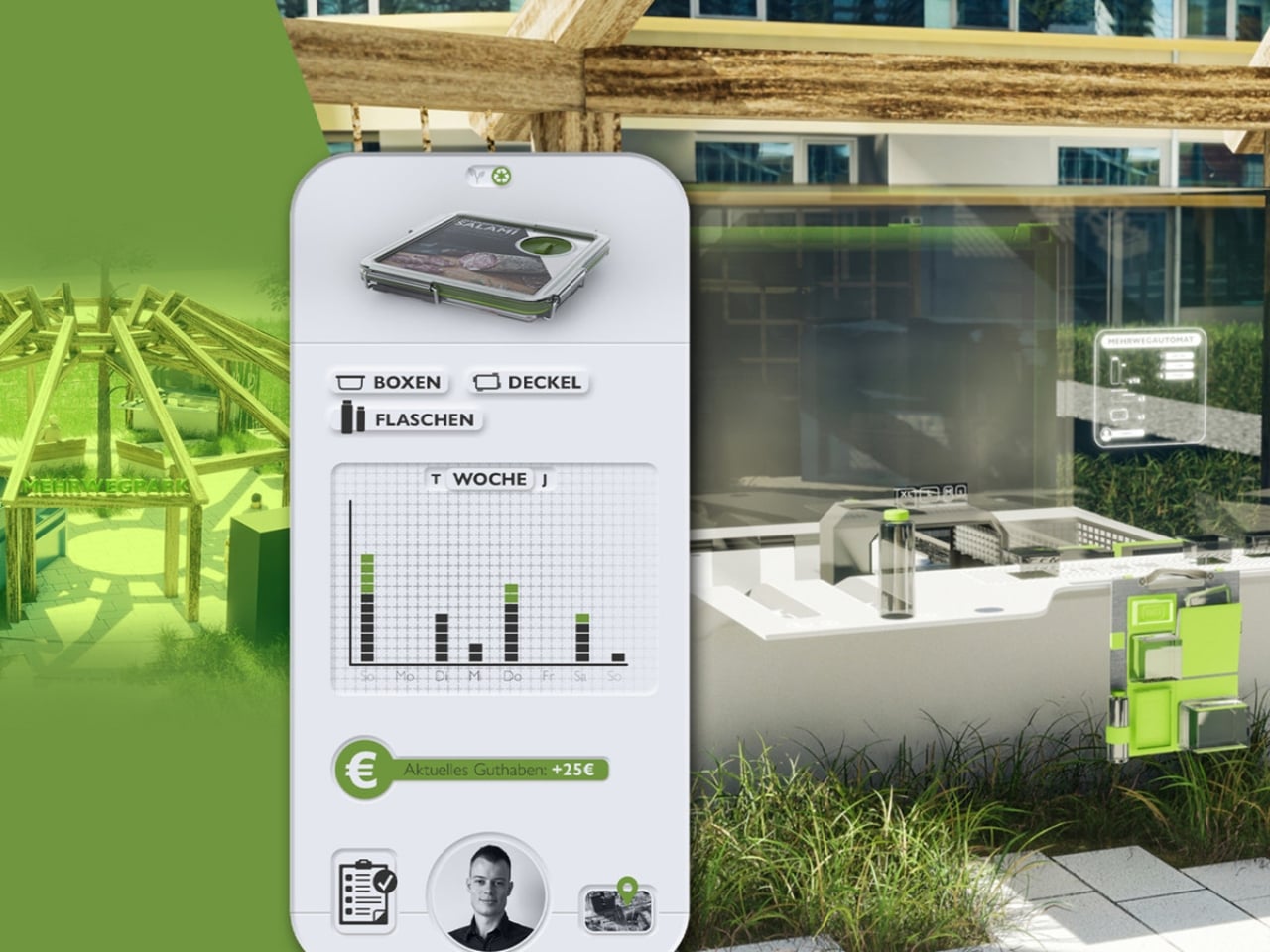
The system uses standardized, vacuum-sealed containers made from copolyester, silicone, and stainless steel. These aren’t flimsy alternatives to plastic wrap. They’re built to be durable, reusable, and returnable, meant to circulate between consumers, manufacturers, and retailers rather than taking a one-way trip to the bin. Each container is embedded with a digital chip that tracks it through the supply chain, handling inventory and logistics with minimal friction. It’s the kind of detail that quietly separates a thoughtful design from a well-intentioned one.
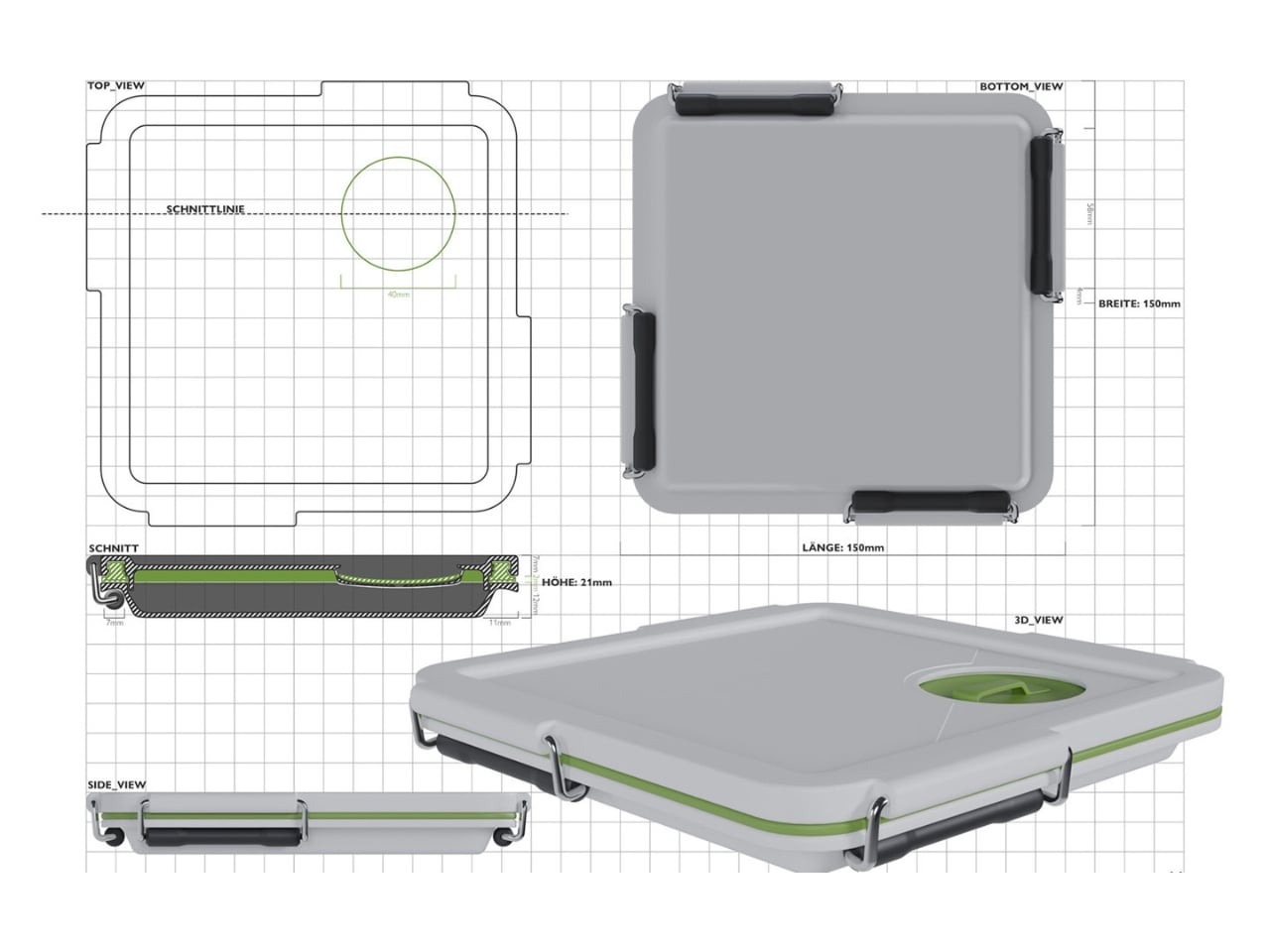
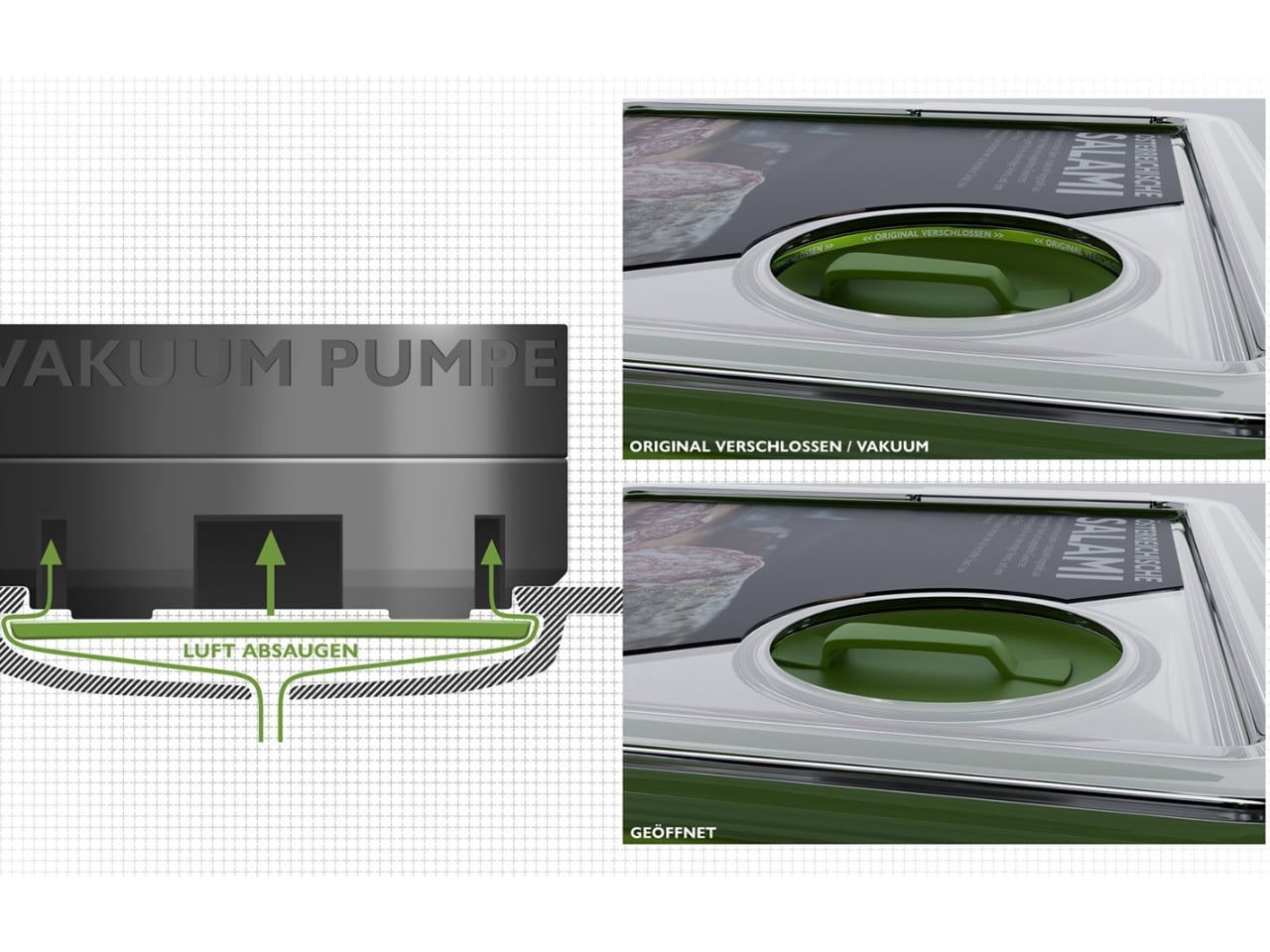
The vacuum seal is also doing real work here, and it’s worth noting. One of the grimmer realities in food sustainability is that a significant portion of what we buy never actually gets eaten. Food goes bad too quickly, and a lot of that comes down to packaging that doesn’t do much beyond keeping things contained for the journey home. A vacuum environment slows spoilage significantly, which means ReLoopBox isn’t just arguing against plastic waste. It’s also quietly taking aim at food waste. That’s two problems addressed through one design decision, and I appreciate when a solution earns its own complexity.
Aesthetically, the design is clean and considered, which matters more than people give it credit for. Sustainable products have historically struggled with an image problem. They tend to look corrective rather than desirable, like they’re asking you to make a sacrifice. ReLoopBox doesn’t carry that energy. It looks like something that belongs in a well-designed kitchen, which is probably the smartest thing Biedermann could have done. If a product doesn’t look good, it doesn’t get adopted, and if it doesn’t get adopted, the environmental argument is moot.
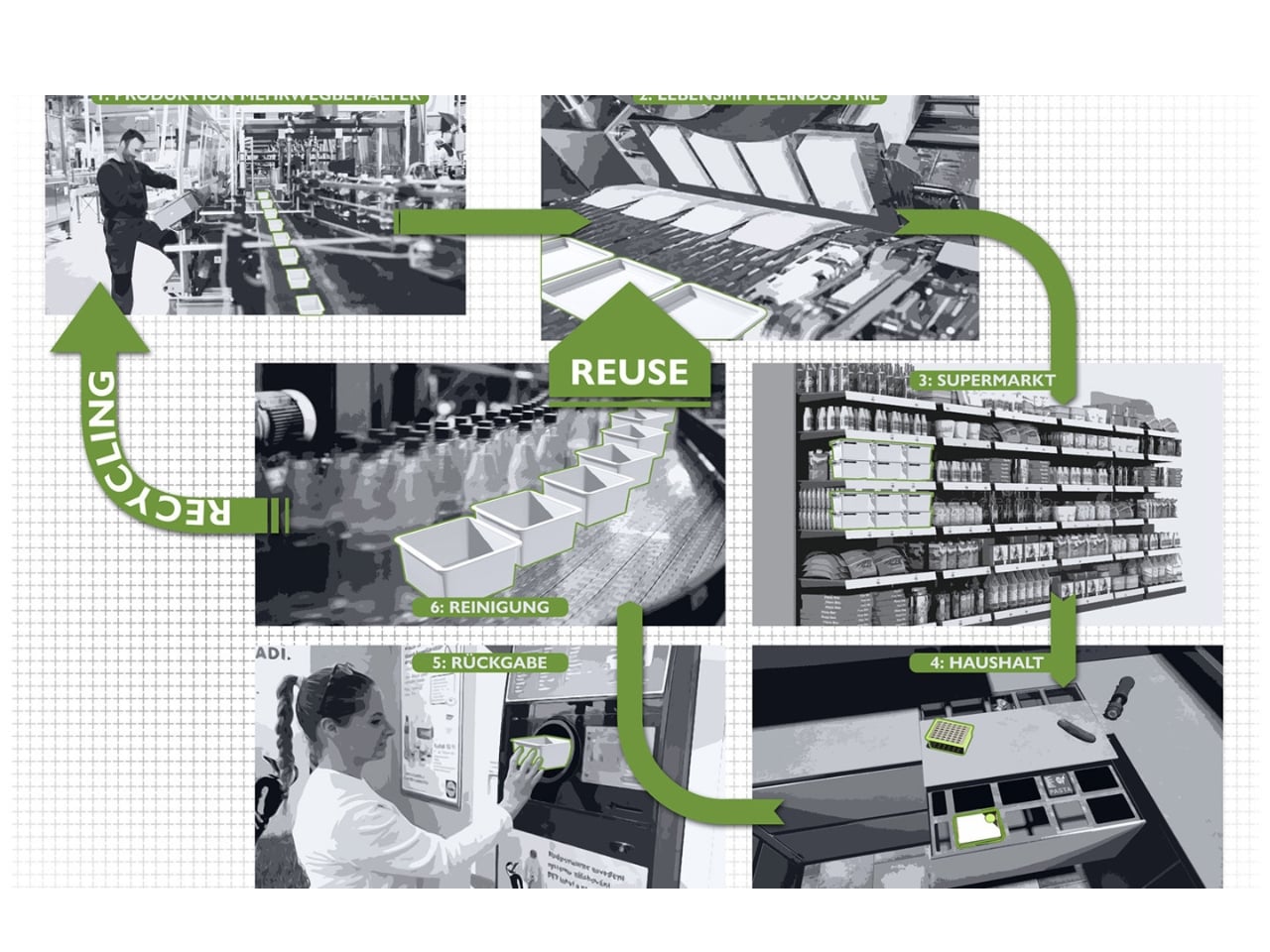
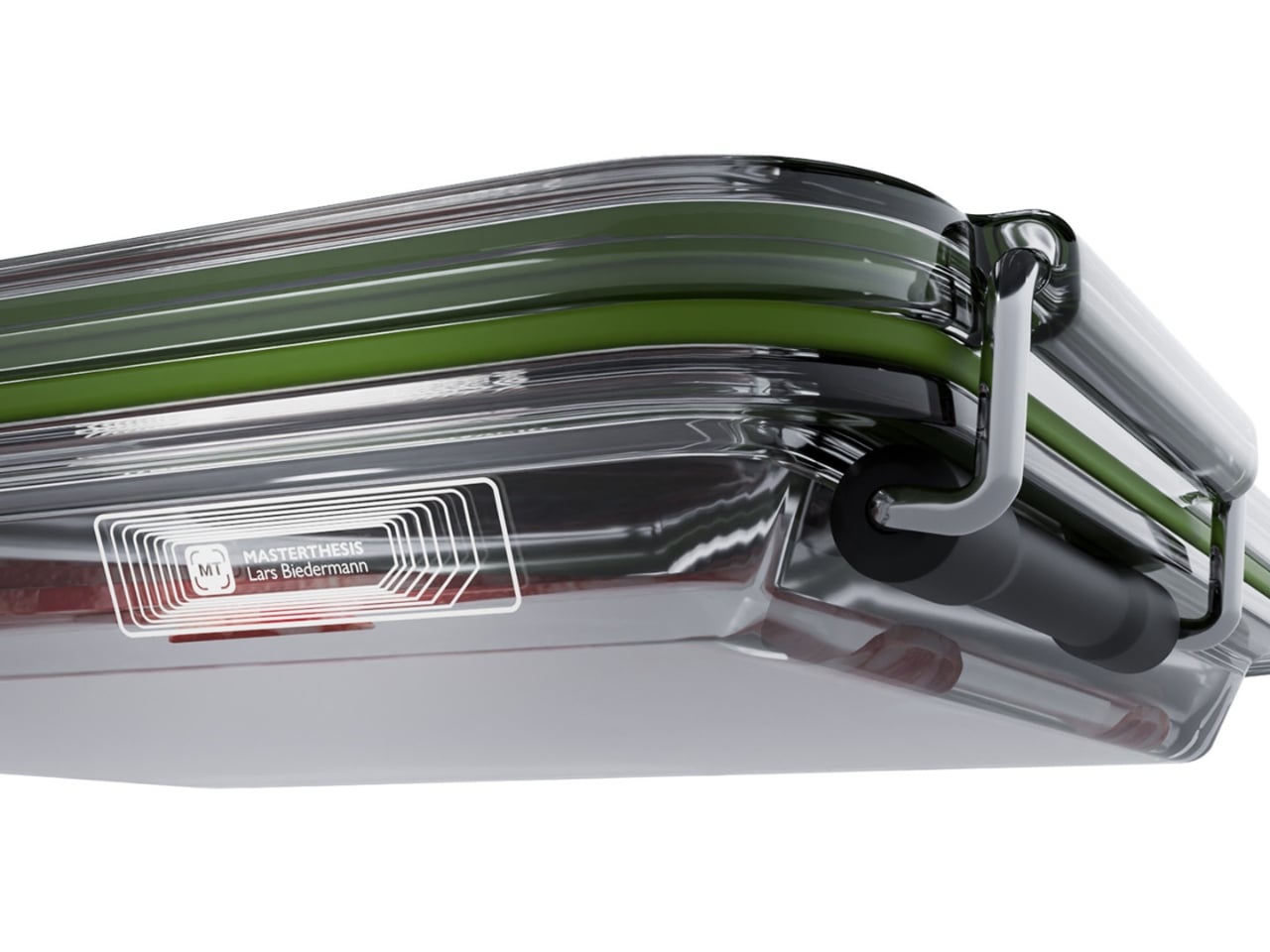
My honest take is that the real challenge for a system like this isn’t the design itself, which is genuinely impressive. It’s behavioral. Getting consumers to return containers, getting retailers to build the infrastructure to accept them, getting manufacturers to commit to a circular model instead of a linear one, that’s a much bigger lift than any design brief can anticipate. We’ve seen well-designed reuse programs come and go because the return loop is where things tend to fall apart. Biedermann seems to understand this, which is why the digital chip integration is such a critical piece of the system. It removes guesswork from the tracking process and makes the logistics side of the loop far more manageable.
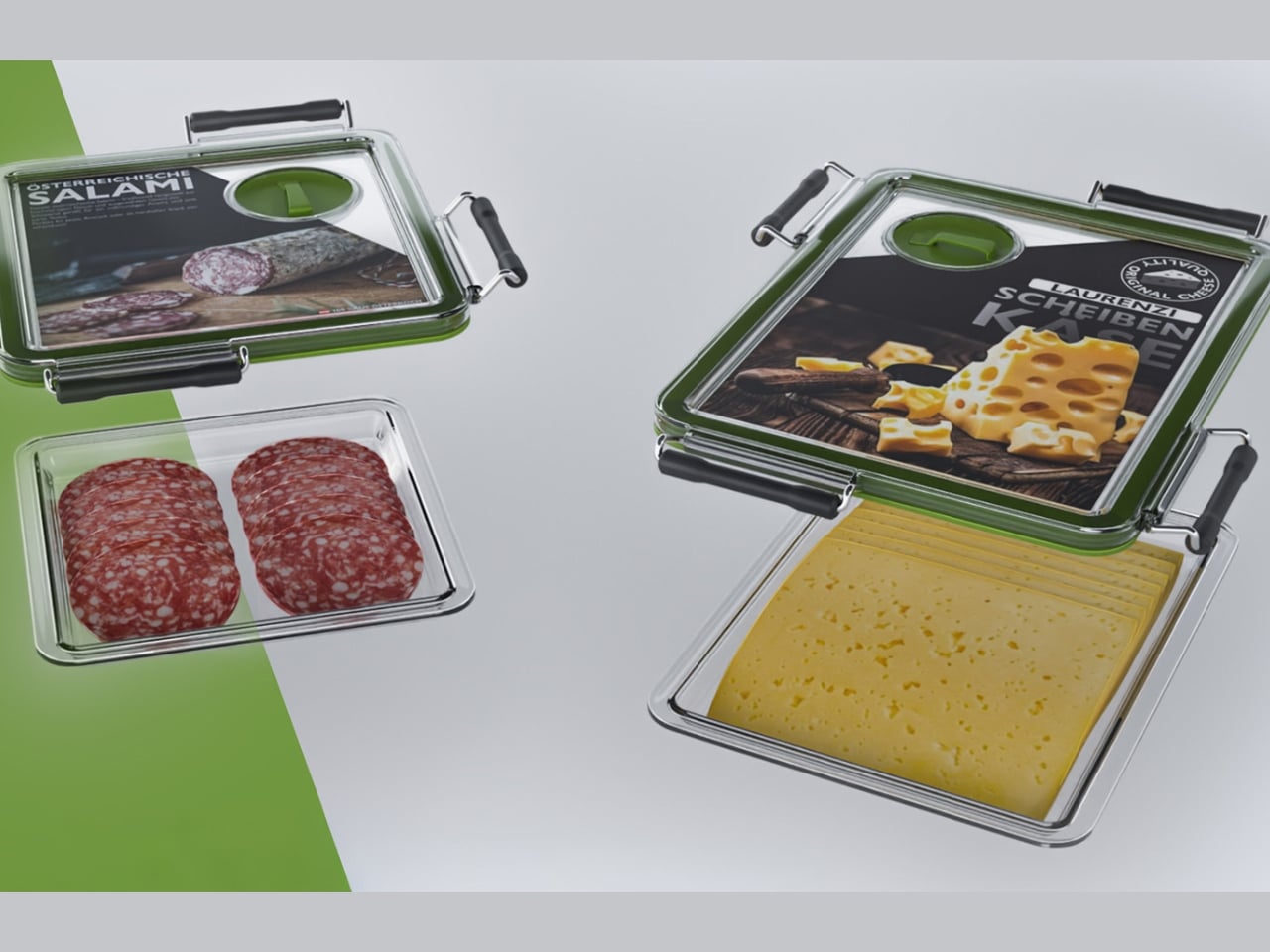
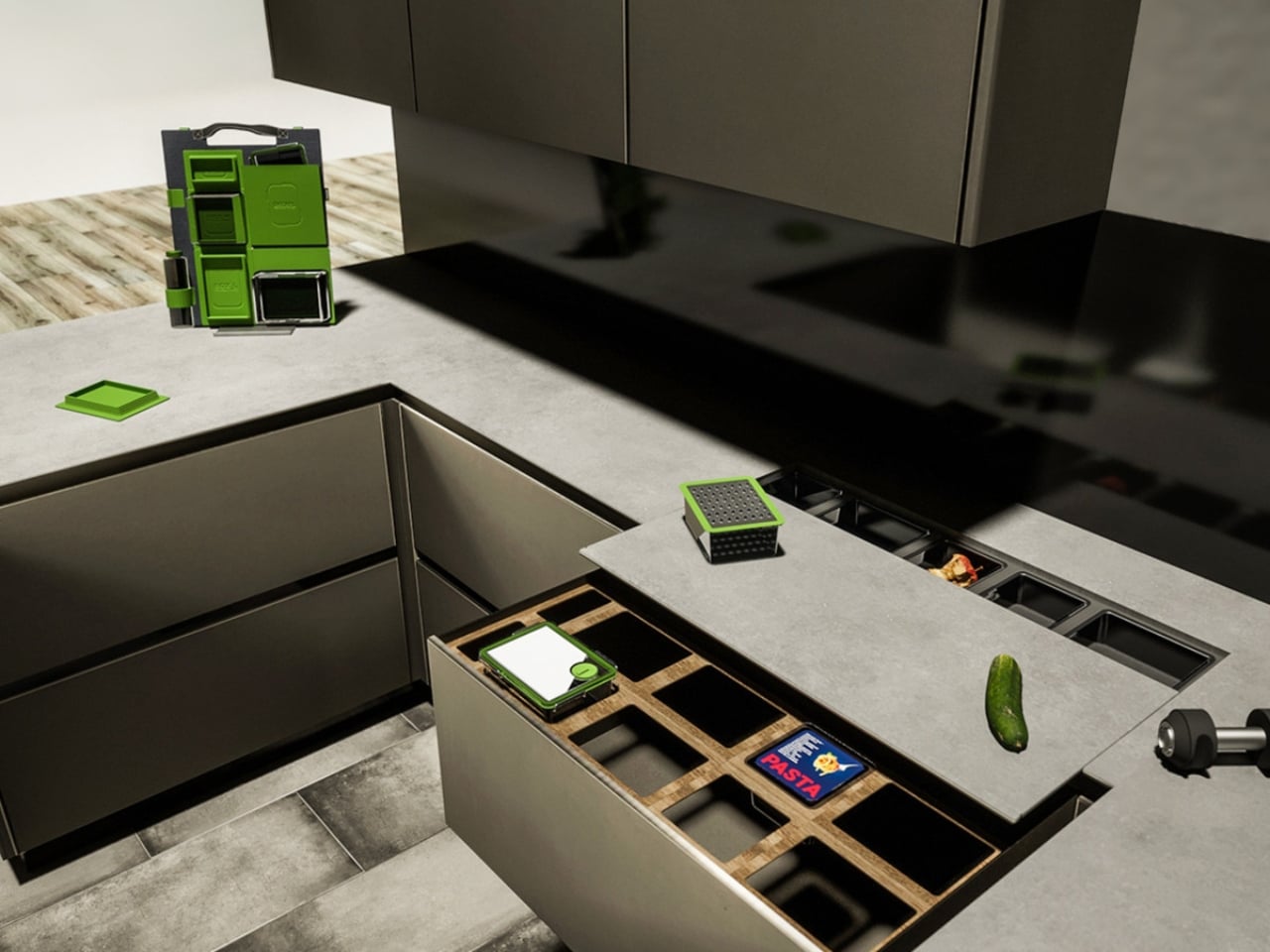
What makes ReLoopBox feel genuinely fresh isn’t that it proposes reuse. We’ve had reusable containers for decades. It’s that it proposes a reuse system, one that thinks about the full journey of a container rather than just the moment it sits on a shelf. Biedermann has described his practice as holistic design with a goal of contributing something positive to the world, and that philosophy is visible in every layer of this project.
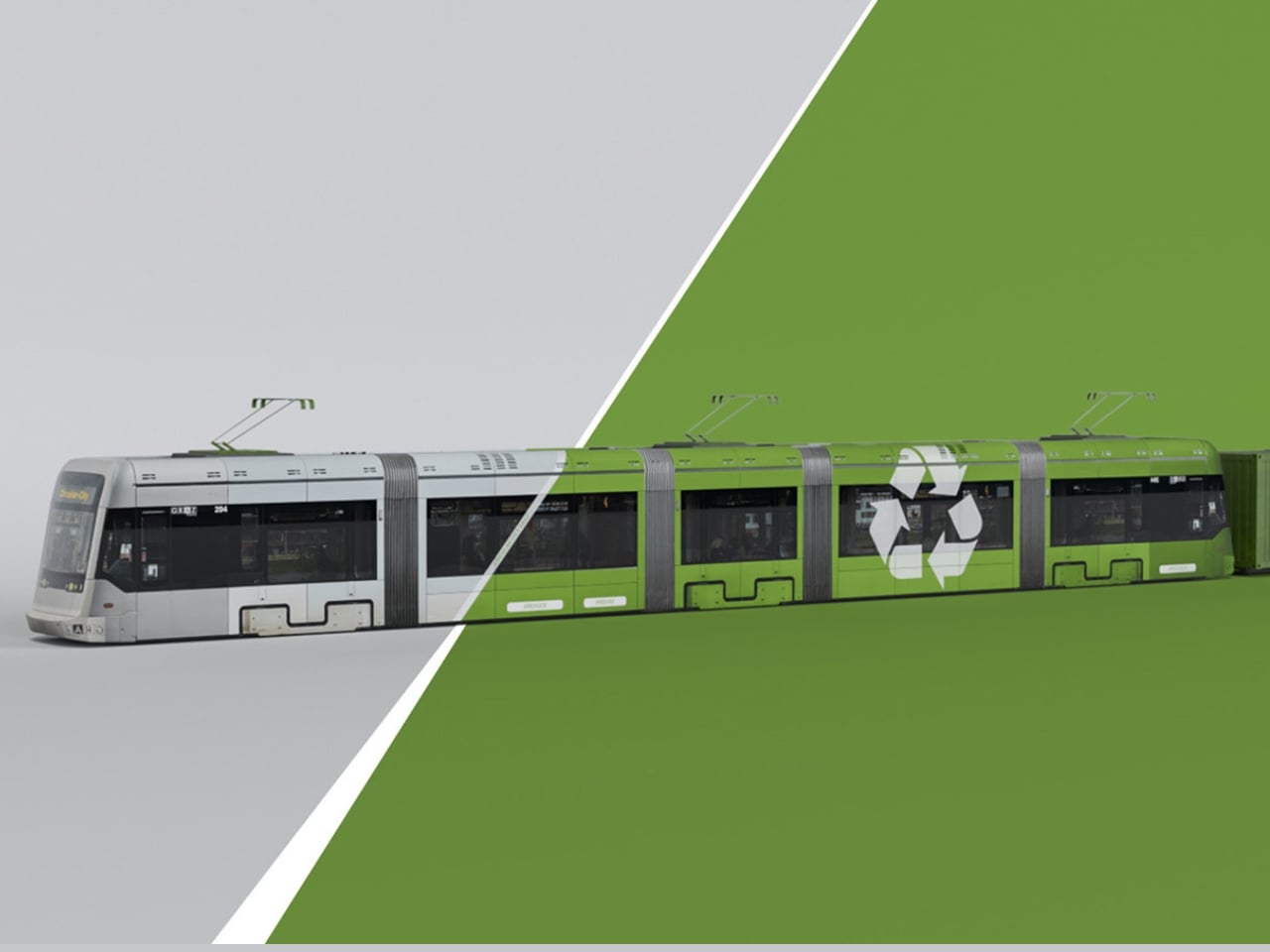
Whether ReLoopBox eventually scales into something we see in mainstream retail remains an open question. But as a piece of design thinking, it’s the kind of proposal that makes you look at the grocery aisle a little differently, and realize that even the most mundane objects are still waiting to be redesigned.