Flashlights do not usually have personalities. They turn on, they turn off, and that is the extent of the relationship. Olight’s Oclip line has spent a couple of generations building a reputation as the clip light people actually reach for, but even loyal users had one recurring complaint. Olight surveyed over 5,200 existing Oclip owners and found that nearly 30 percent of all feedback came down to the same frustration: the light points the wrong way, and there is no fix short of unclipping everything and starting over. Clip it to a hat brim, it shines in your eyes. Clip it to a pocket, it lights up the ceiling. The beam went where the clip decided, not where you needed it.
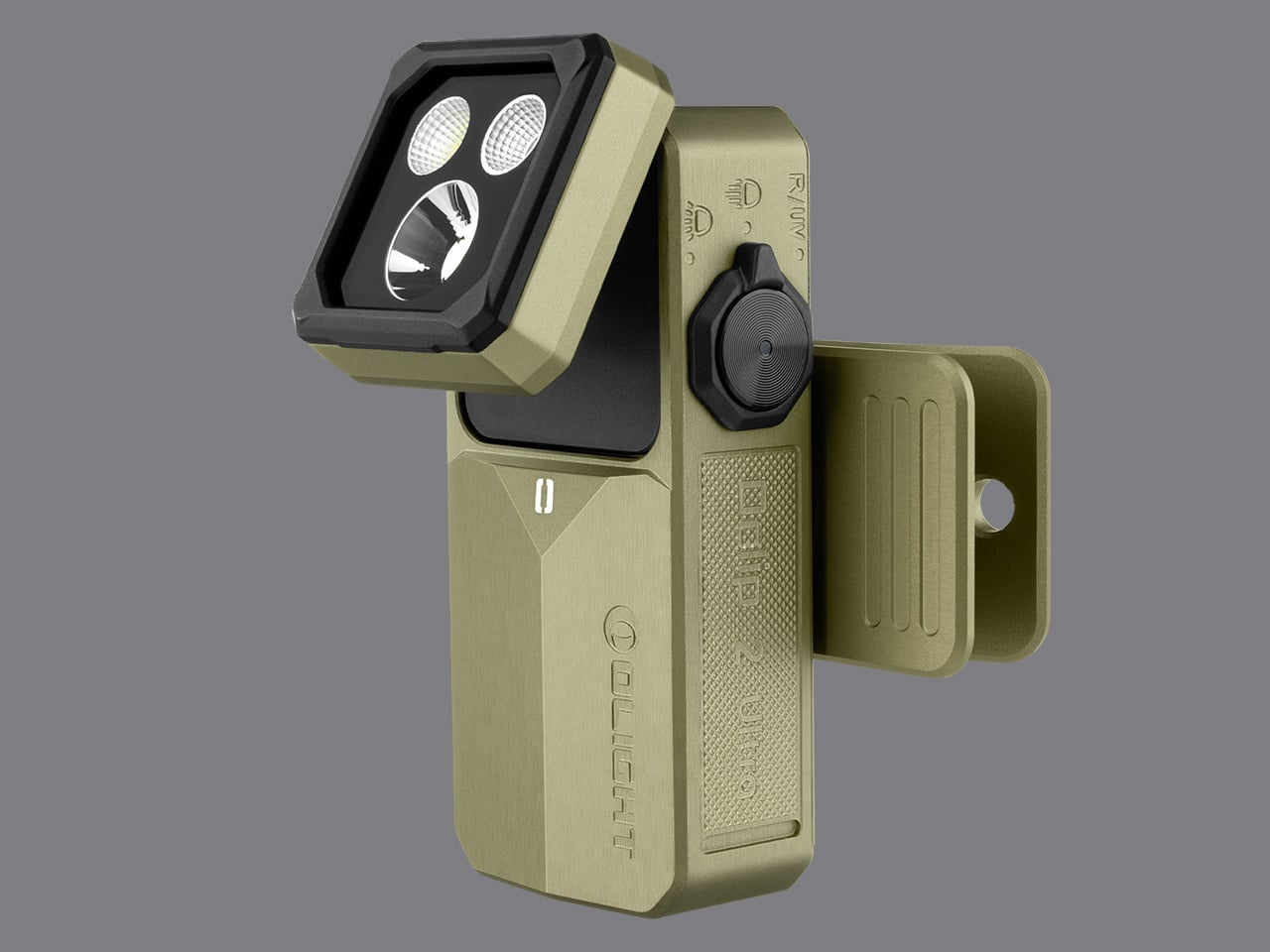
That single fix is what the Oclip 2 Ultra is built around. A 360 degree rotating clip pairs with a 115 degree pivoting head, letting you attach the clip anywhere and aim the beam exactly where the work is, without repositioning. Both axes are rated for 10,000 test cycles, so the mechanism is built to hold rather than loosen over time. The Ultra adds an OAL aluminum body, an in-house R/UV dual emitter combining red and 365nm UV, and OclipBeat, a breathing indicator that shifts color the more the light gets used. Output lands at 580 lumens with a 130 meter throw, IP66 rated, and 2 meter drop rated. It starts at $69.99, with the Premium edition adding a 1,000 mAh charging dock for $94.99.
Designer: Olight
Elbow-deep in an engine bay with the beam pointing at a hose instead of the bolt you actually need, the old Oclip left you two options: tilt your body or unclip and start over. The Oclip 2’s dual-axis mechanism takes that off the table. The 360 degree rotating clip and 115 degree pivoting head work as independent adjustments, so you can attach the light, rotate the body upright, and tilt the head directly onto the target, all while the clip stays put. The mechanism went through hundreds of light-head optimization iterations, and the result is a head that holds its angle under consistent rotational resistance. A head that drifts after positioning defeats the whole purpose of an articulating system, and Olight clearly thought about that.
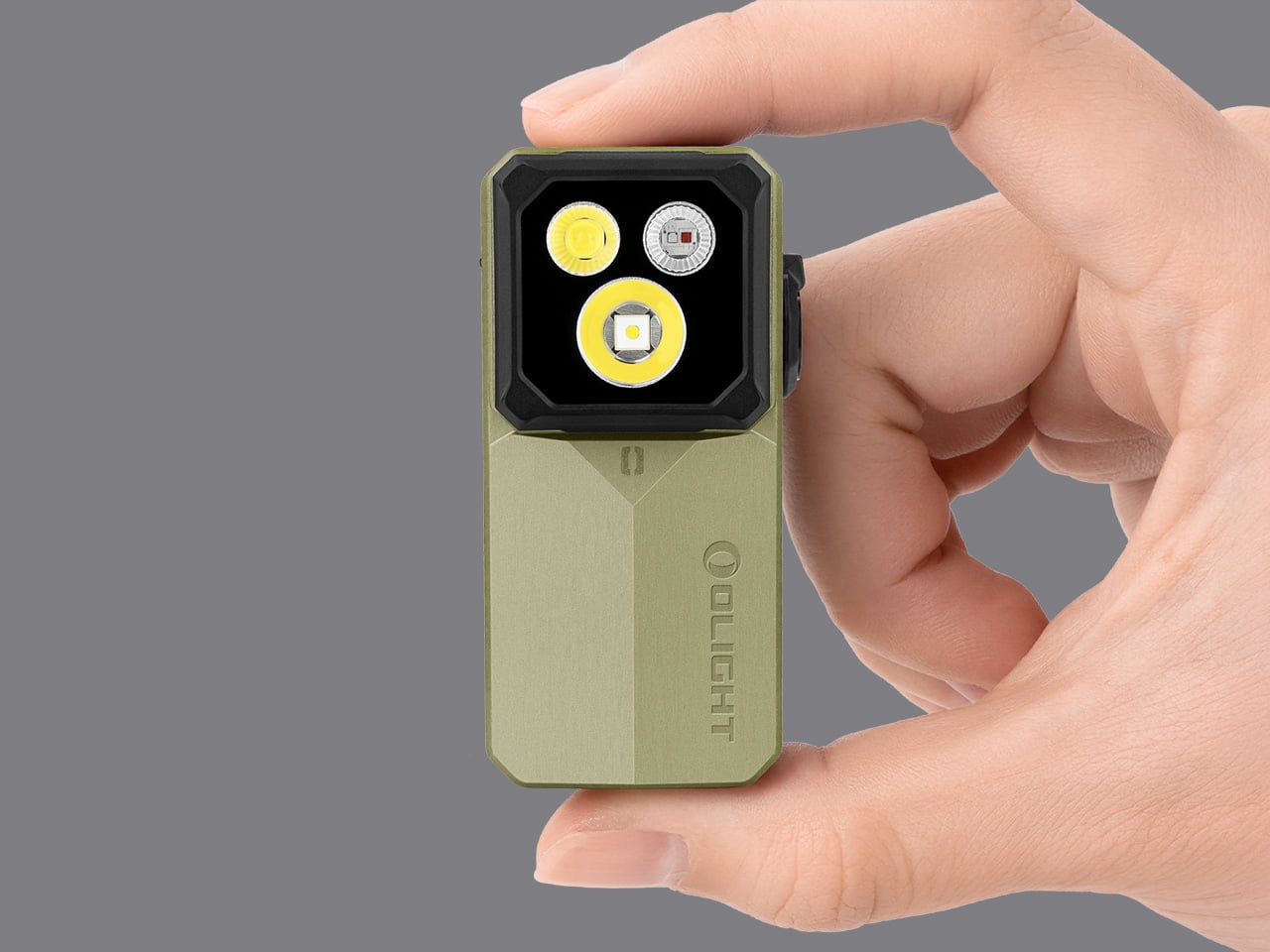
Four light sources in one body: flood, spot, or red. For even greater versatility, Oclip 2 Ultra features Olight’s industry-first, in-house-developed R/UV emitter, combining red and UV light in one compact design.. Traditional compact clip lights force a trade-off between red warning signals and UV detection, so Olight’s decision to build both into one emitter is the real technical flex here. UV output lands at up to 800 mW for quick inspections. The floodlight uses a specially designed curved light cup to produce diffuse reflection and a clean flood beam, rather than just a wide hotspot, and the spotlight throws to 130 meters at 450 lumens (the floodlight lets you hit 580 lumens). OclipBeat is the Ultra’s odd personality feature, a breathing indicator that activates when the light head rotates and shifts color based on cumulative use, delivering a unique sense of partnership on every mission; frankly not something you’d expect to find endearing in a flashlight, and yet here we are.
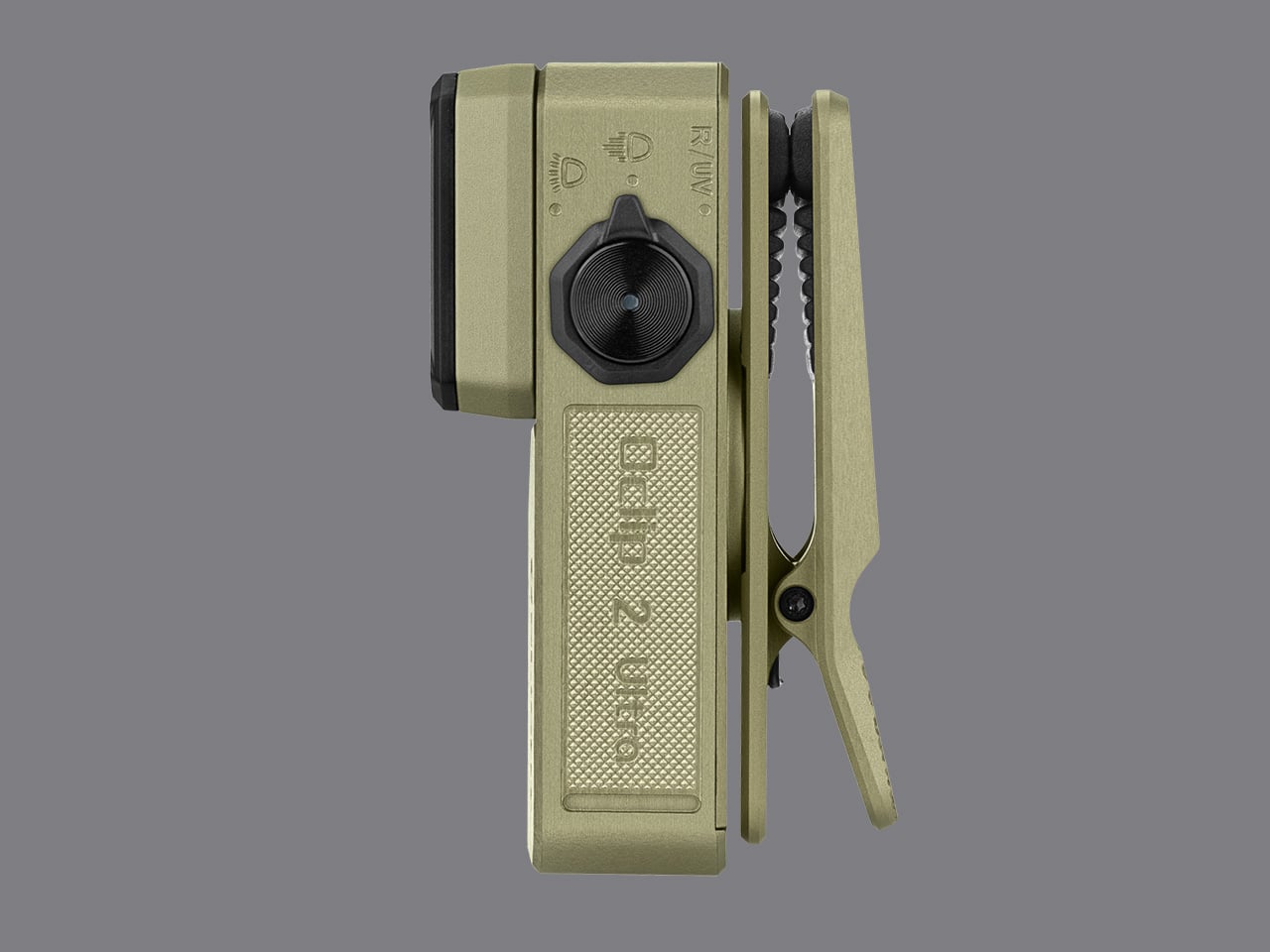
The clip grips objects up to 14mm thick, including collars, backpack straps, and MOLLE webbing. Magnets at the MCC tail and on the clip snap onto steel surfaces like a car hood or toolbox, making them instant mounting points without any adapter. The light can also hang overhead from a tent loop or hook, for situations where bouncing light off a ceiling works better than directing a beam. The whole system is built on the assumption that both hands should stay free, and the dual-axis head makes that viable because you can redirect the beam from wherever the light is already clipped. Three attachment modes, one articulating head, and a rotating body add up to a meaningful amount of placement flexibility in a 79.5 gram package.
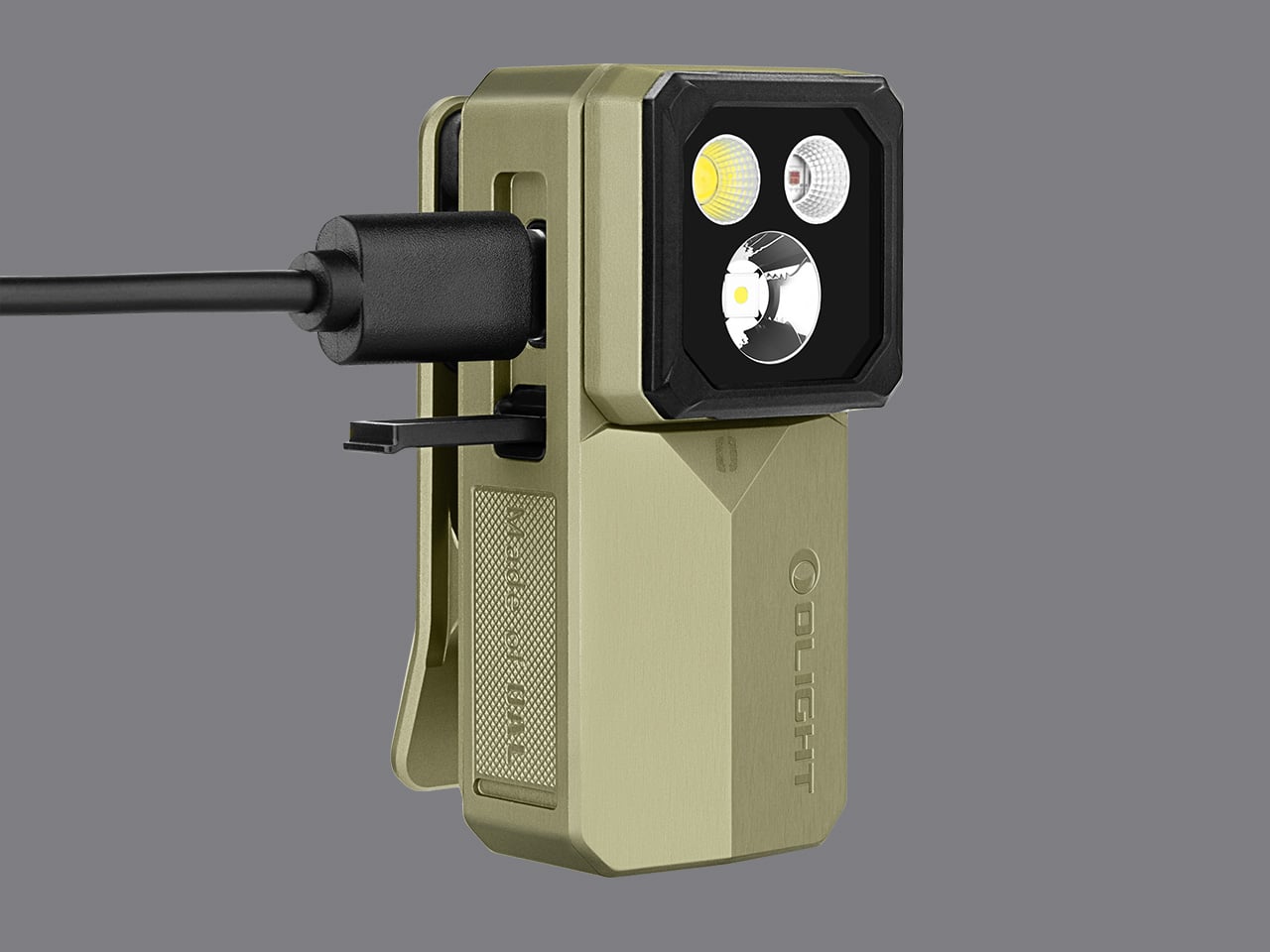
USB-C, MCC magnetic charging, and the Mobile Charging Dock bundled with Premium editions give the Oclip 2 Ultra three paths to a full battery. The 1,000 mAh Mobile Charging Dock automatically tops up the light on the go, delivers up to twice the total runtime, and displays the battery levels of both the light and the dock at a glance. MCC is Olight’s proprietary magnetic connector, which snaps on without needing to locate a port in the dark. That runtime extension directly targets the 13 percent of first-gen Oclip users who flagged short battery life as their main complaint. The dock rates IPX6 while the light body holds IP66, and the combined Ultra Premium package weighs 141.5 grams with dock attached.
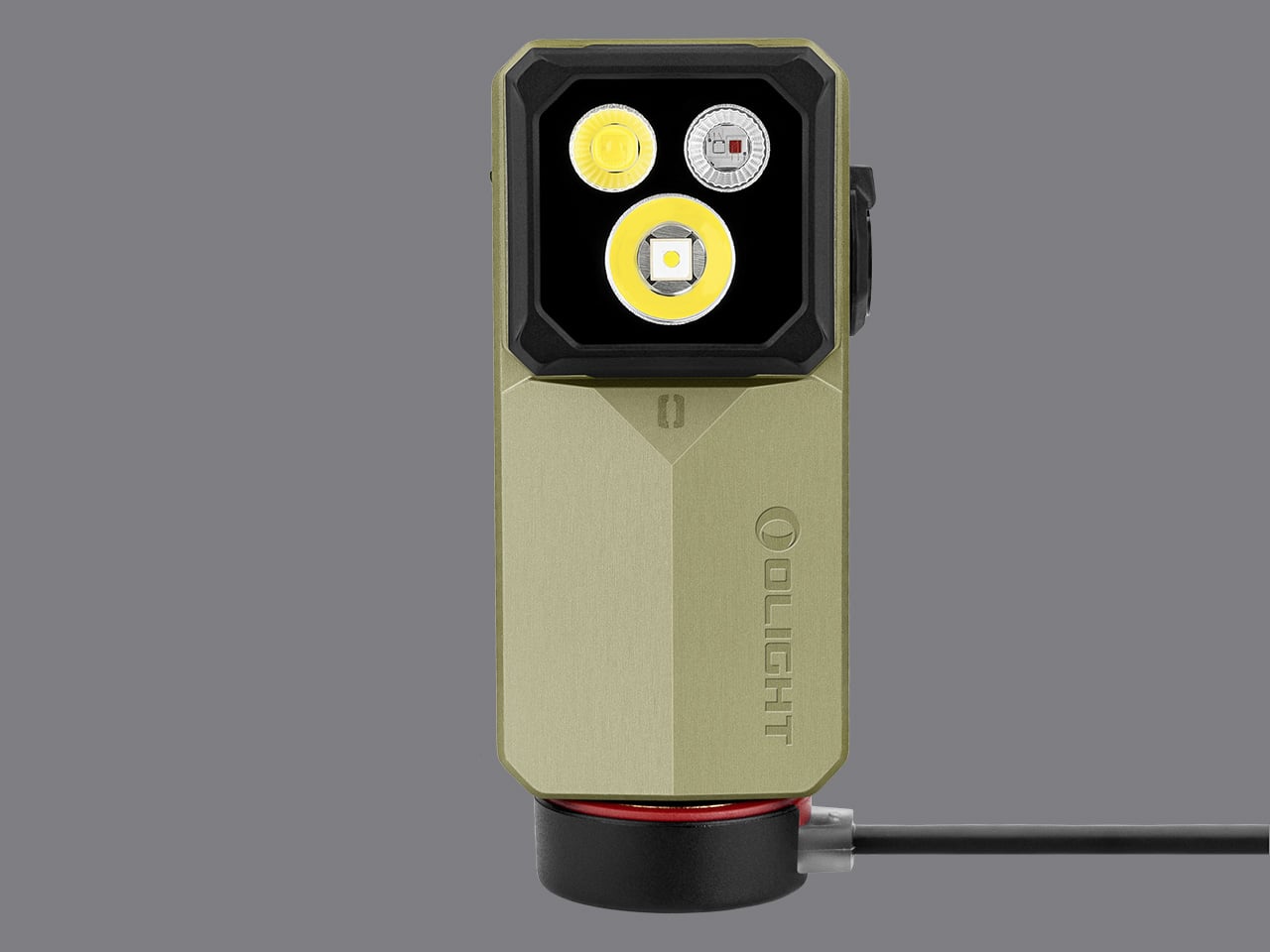
OAL aluminum is Olight’s proprietary alloy, high-strength and scratch-resistant, and the Ultra’s body is built from it while the clip components stay in standard AL6061. The visual difference between the two isn’t dramatic, but OAL’s scratch resistance should matter over months of daily carry where pocket wear shows up first on softer finishes. The body measures 60.2 x 28 x 35mm, and the design is 4mm smaller than the pilot-production version. IP66 protection and a 2-meter drop rating give it a durability profile that matches the automotive, outdoor, and patrol use cases Olight is targeting. The angular design language gives the Ultra a more deliberate everyday-carry presence than the utilitarian clip-light category tends to produce, and OclipBeat adds a visual layer that builds character the longer the thing stays in rotation.
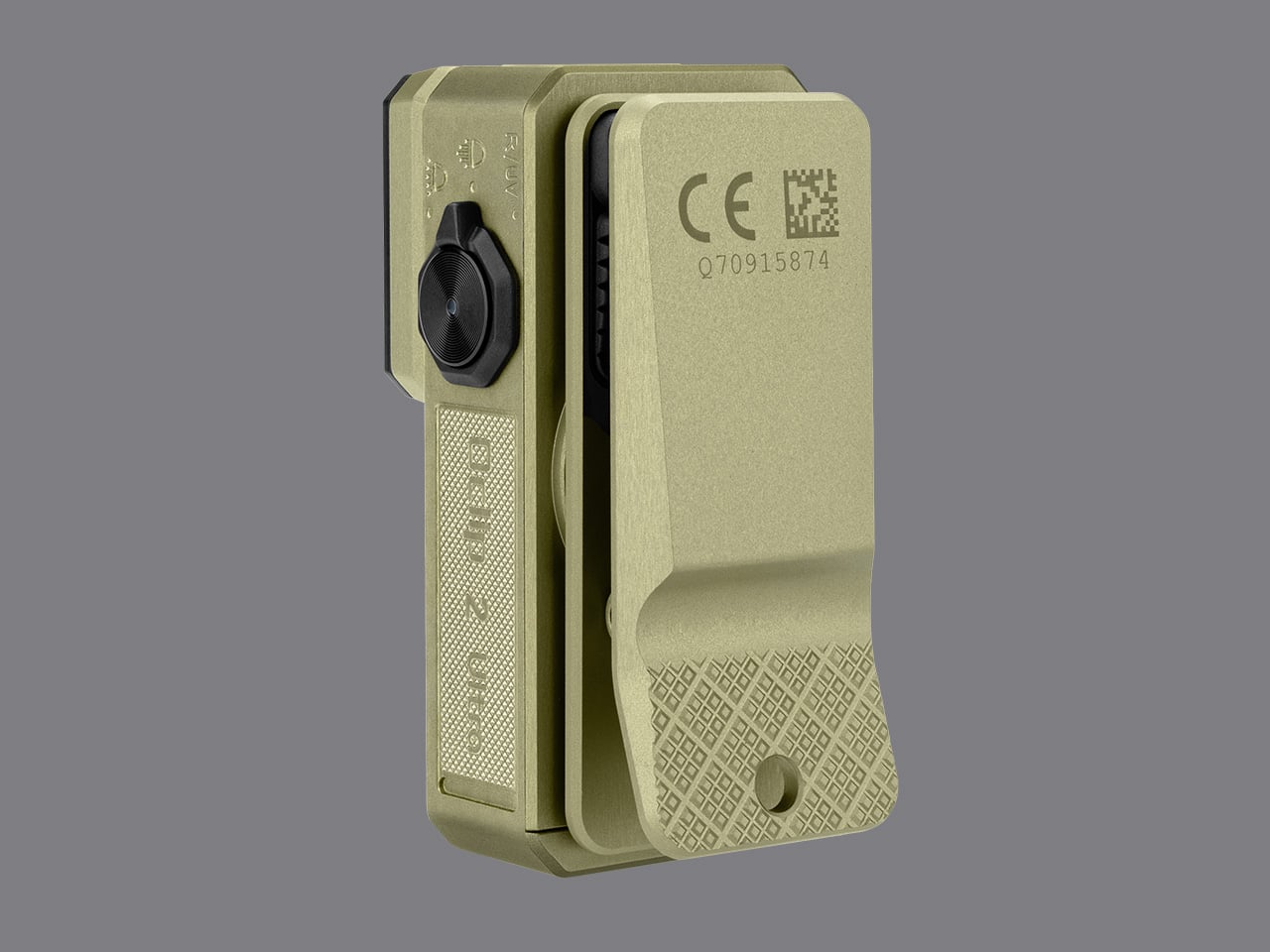
The Oclip 2 series runs four SKUs: Pro ($49.99), Pro Premium ($74.99), Ultra ($69.99), and Ultra Premium ($94.99), all available now at olight.com. Premium editions at both tiers include the 1,000 mAh Mobile Charging Dock. Olight backs the lights with a lifetime warranty in Australia, China, France, Germany, and the United States, five years everywhere else, and the Mobile Charging Dock carries a separate two-year warranty.
SHARE