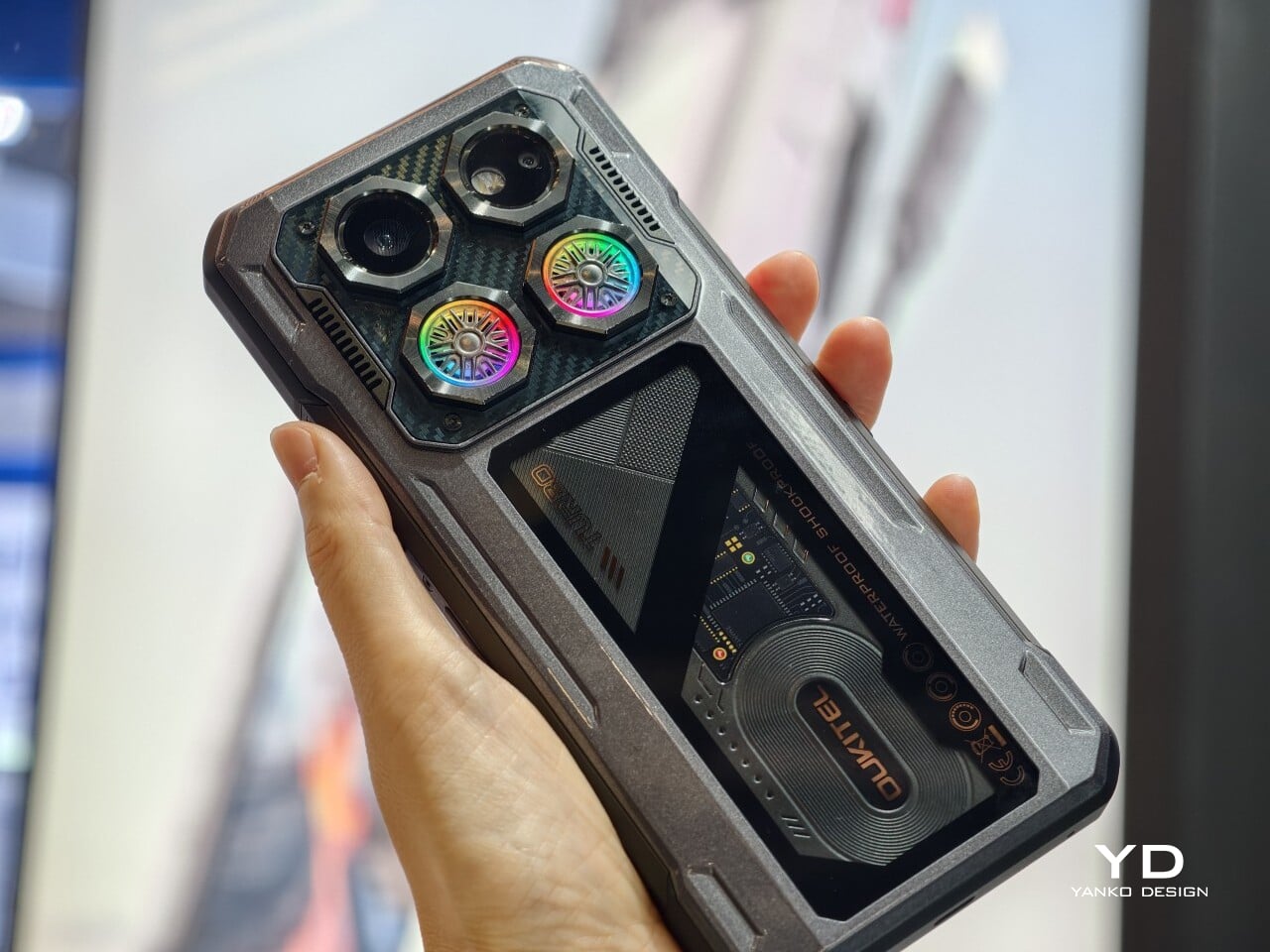
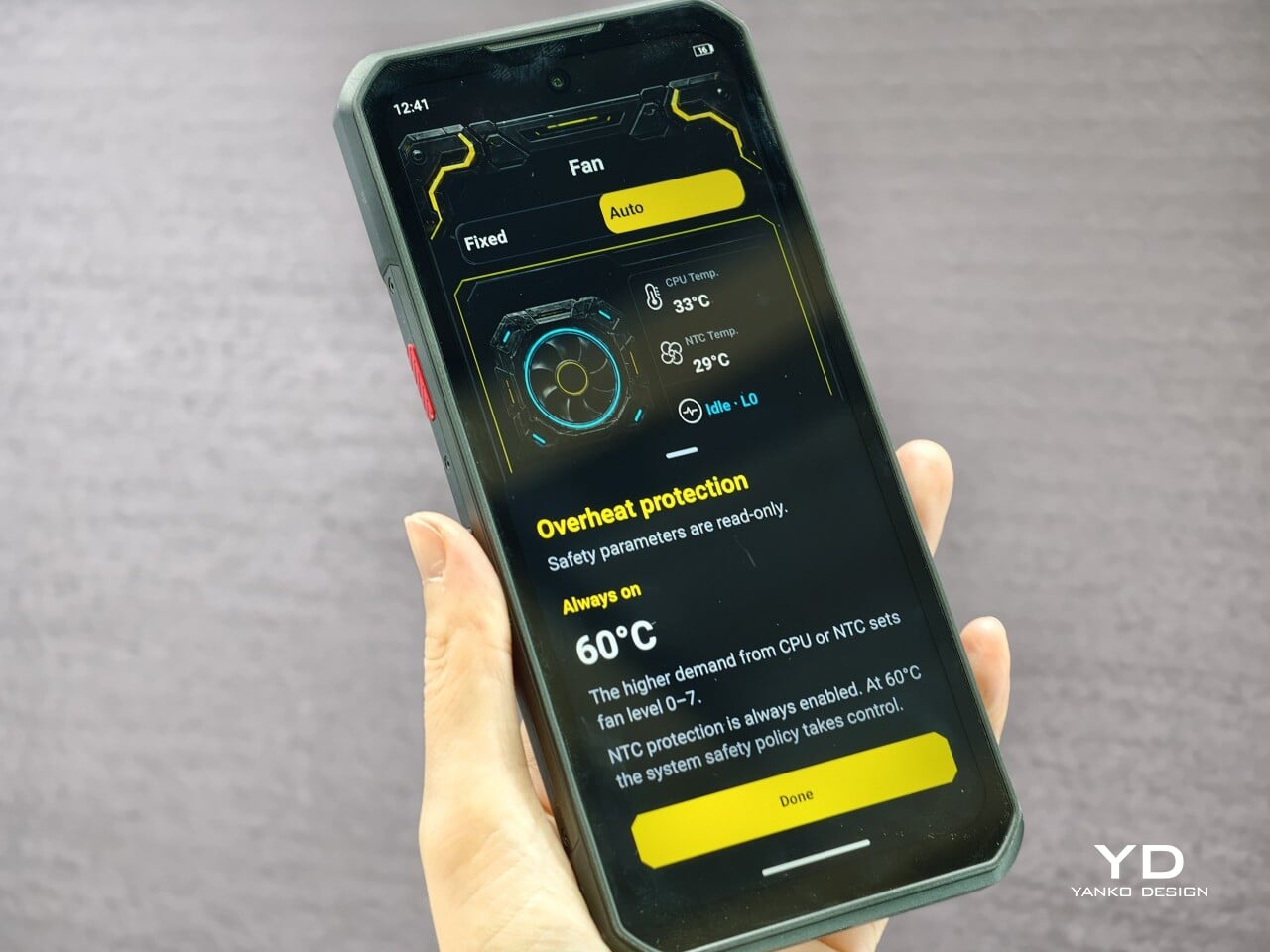
Rugged phones have always made a quiet trade-off. Sealing a device against water and dust means sealing in heat too, and that trapped warmth forces powerful chips to slow themselves down right when gaming or heavy use needs them most. OUKITEL’s WP600, unveiled at IFA 2026, treats that compromise as something worth engineering around, building visible cooling straight into its armor rather than hiding the problem under a tougher shell.
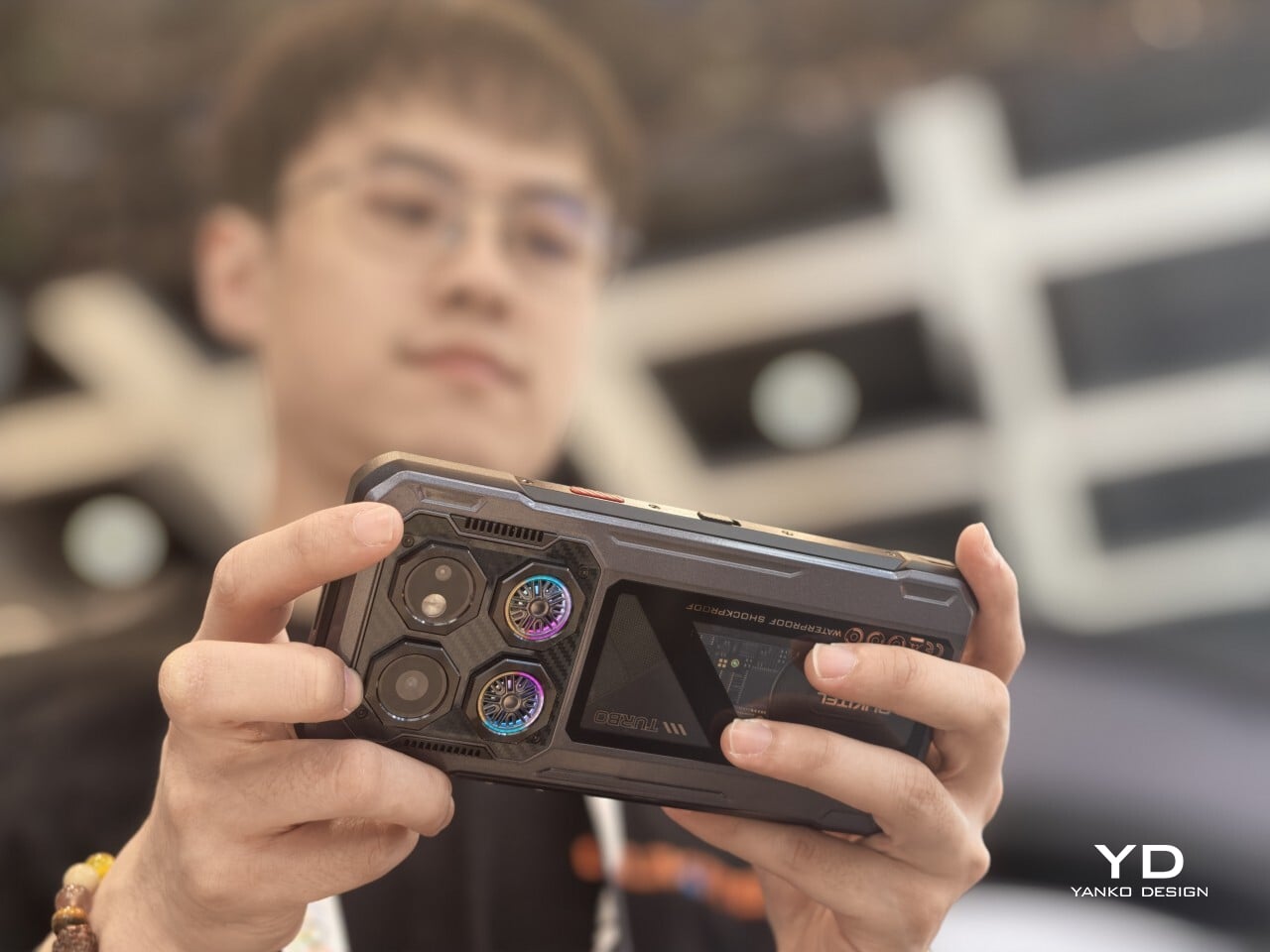
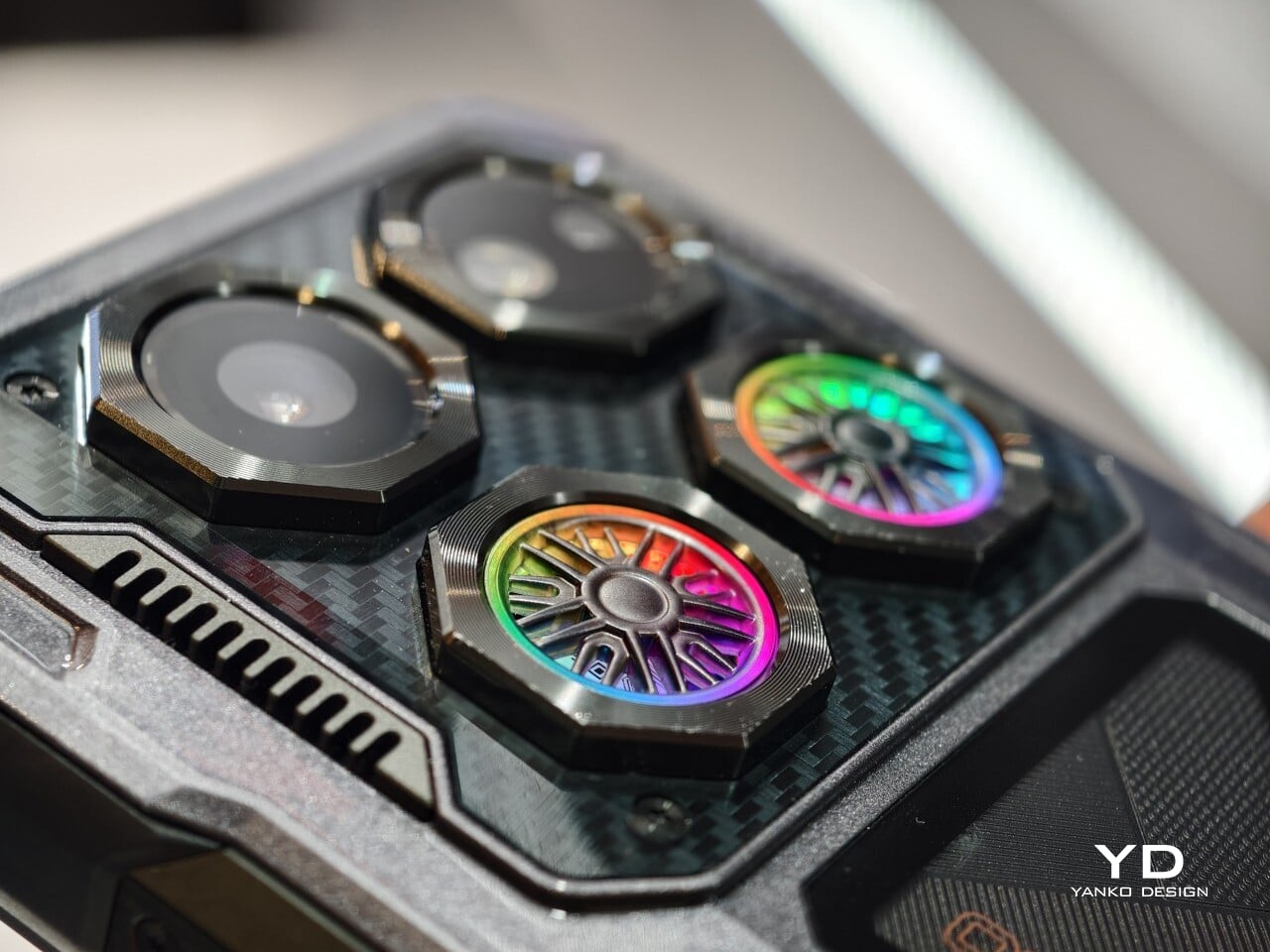
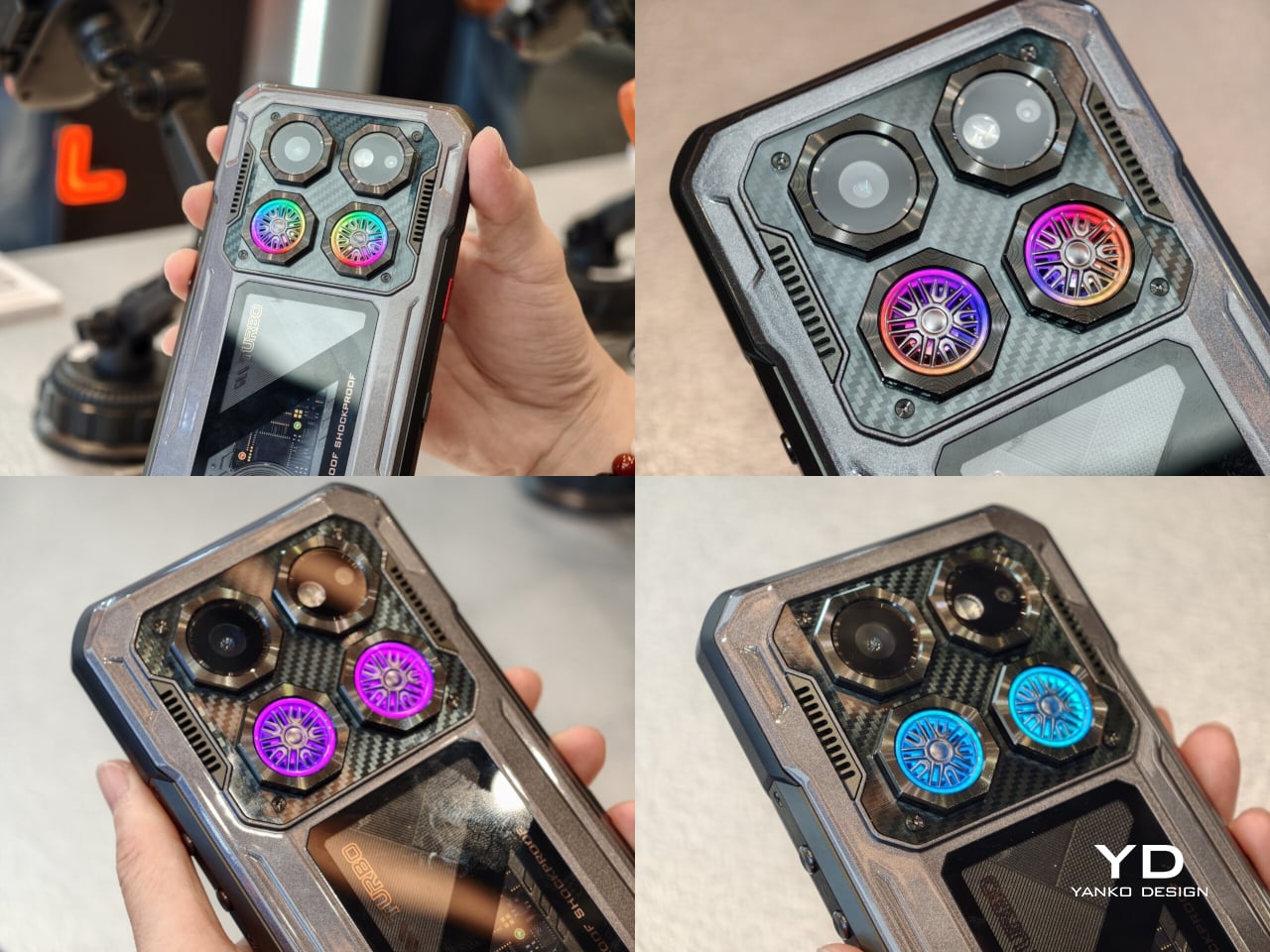
That solution shows up immediately on the back of the phone, where two turbine-style fans sit inside an octagonal housing next to the camera lenses. Rather than tucking cooling components away, OUKITEL frames them as part of the visual identity, finished in a gunmetal tone with RGB lighting that shifts through purples, oranges, and blues while the fans spin during demanding sessions.
Designer: Oukitel
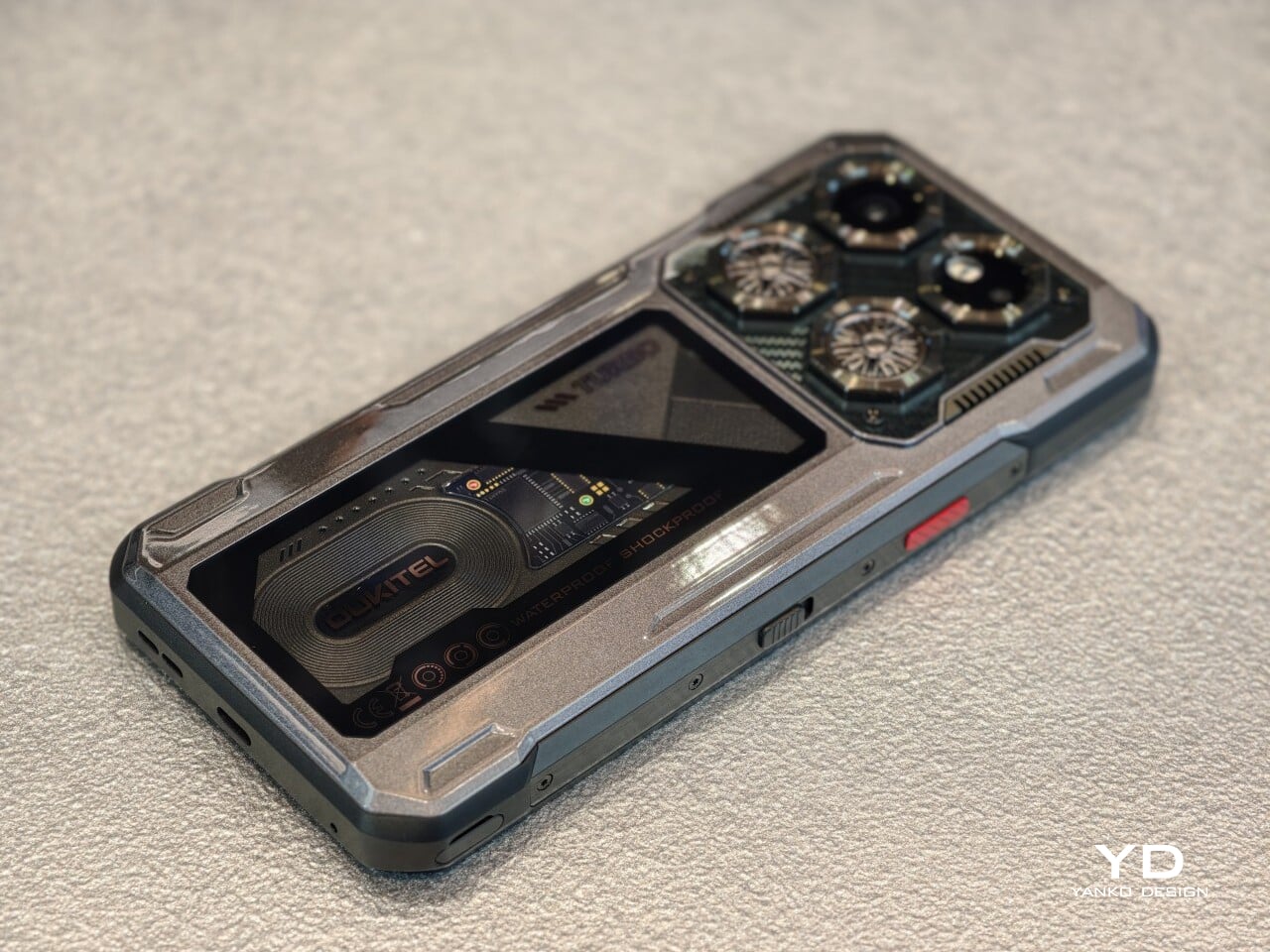
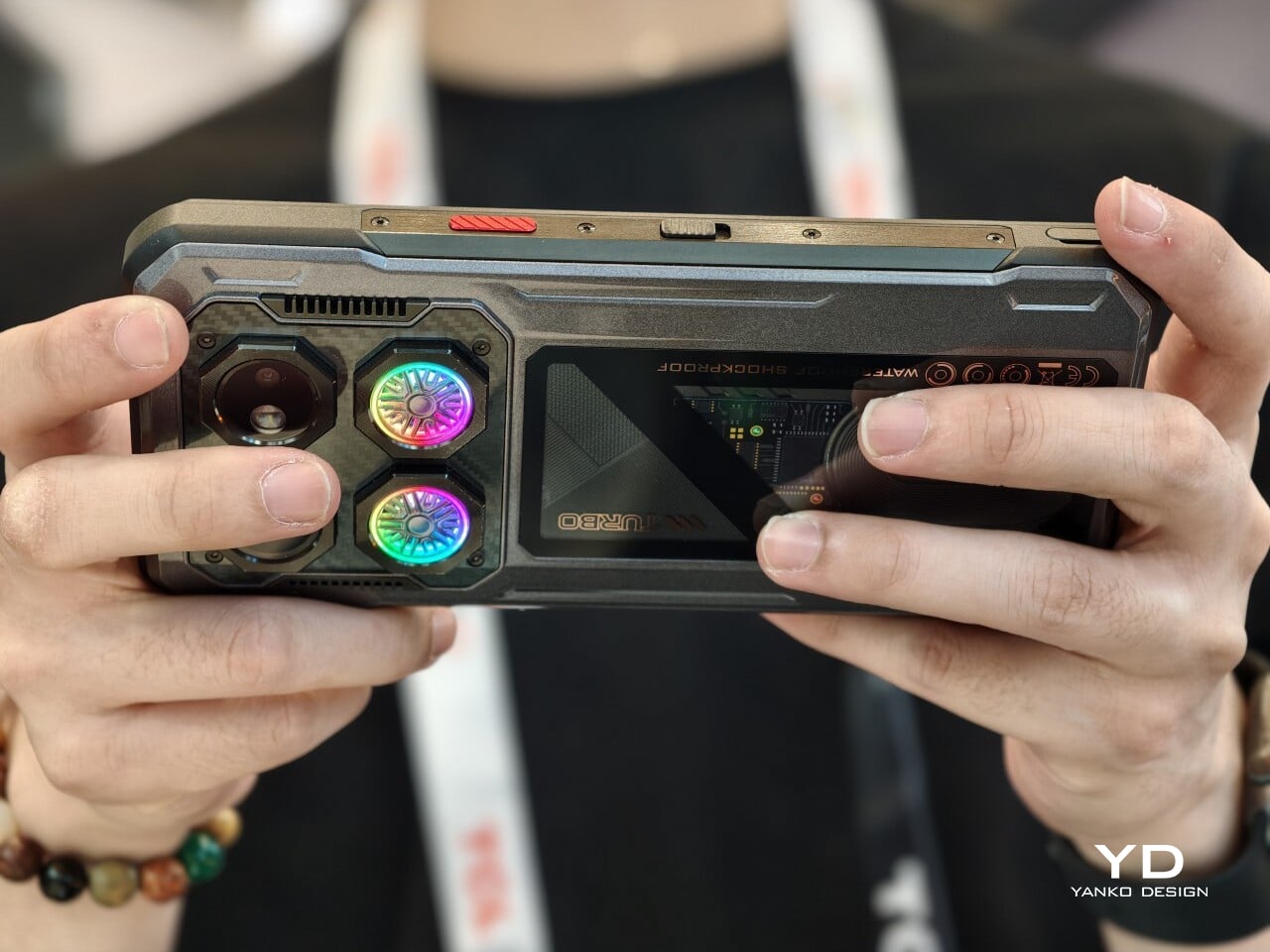
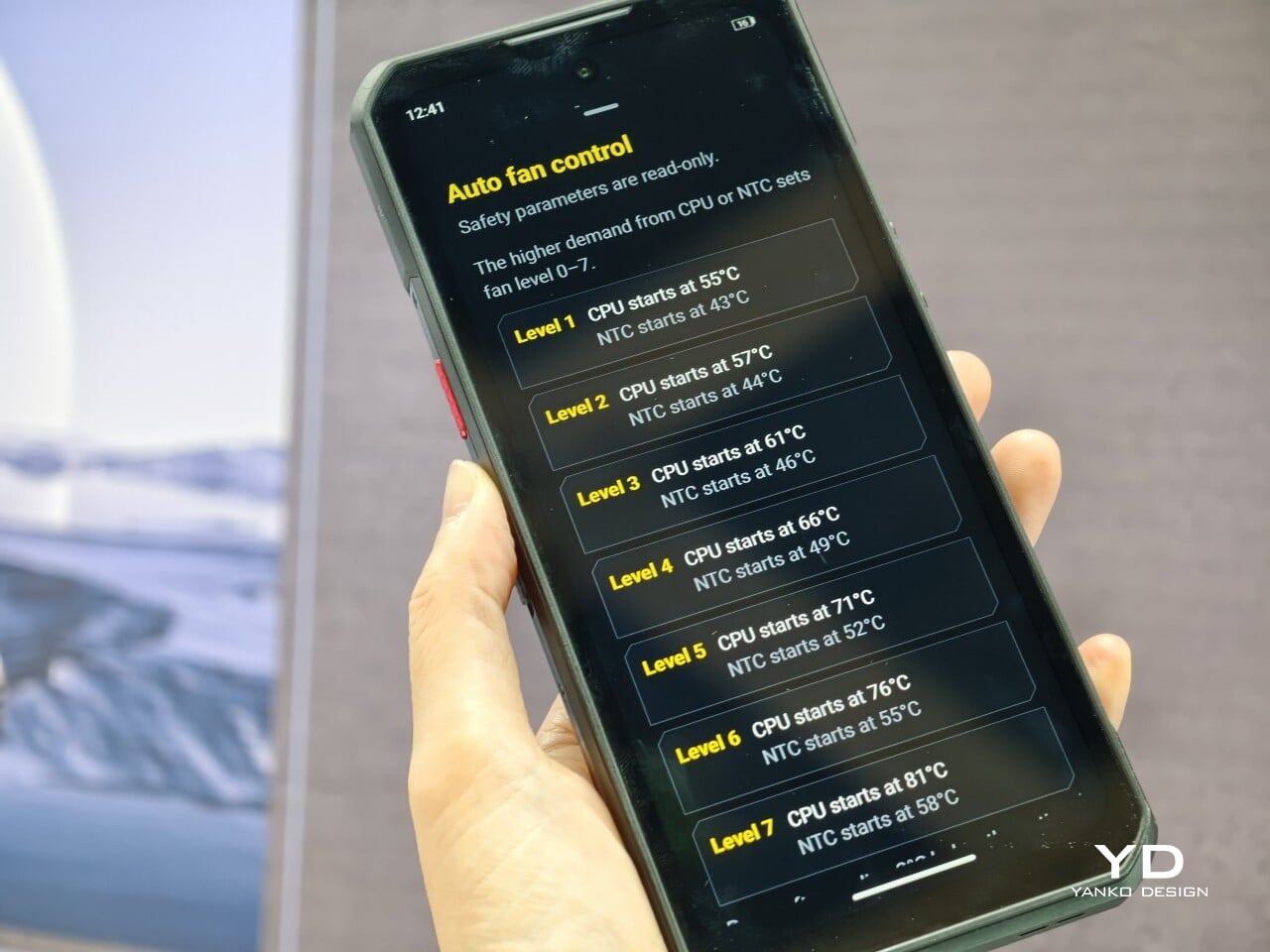
Underneath that display sits a MediaTek Dimensity 8300 chip running at 3.35GHz, paired with up to 24GB of RAM and a full terabyte of storage in its top configuration. Active airflow means that hardware can stay at full speed through a long gaming session in direct sun, instead of throttling the moment internal temperatures climb, the usual fate of sealed devices pushed hard outdoors.
A 10,000mAh battery backs up that sustained performance, large enough to outlast a full day of mixed use, camera work, and gaming without needing a midday top-up. When charging is needed, 45W wired input gets things moving again quickly, keeping downtime short for anyone relying on the phone through fieldwork, travel, or a weekend away from outlets.
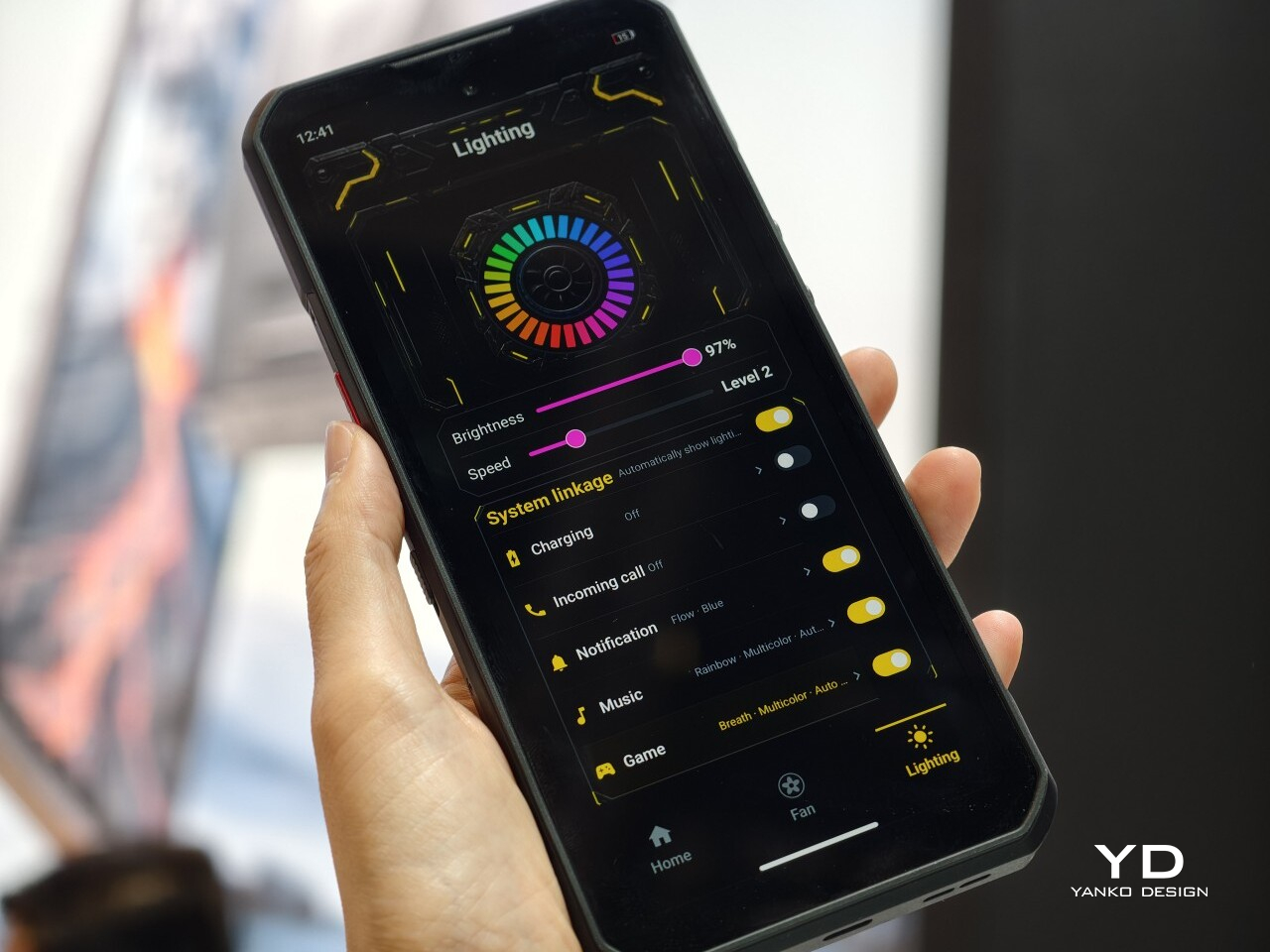
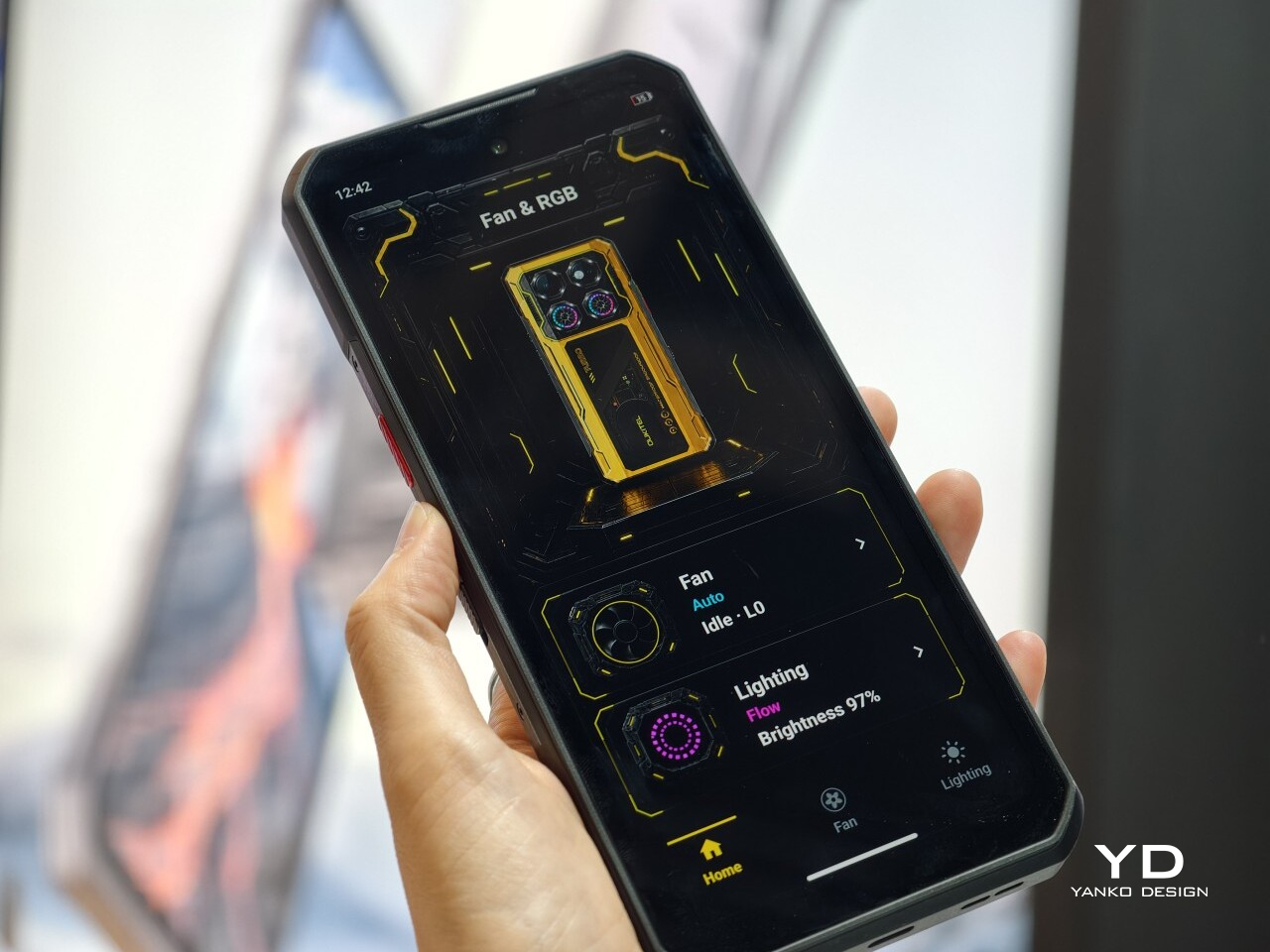
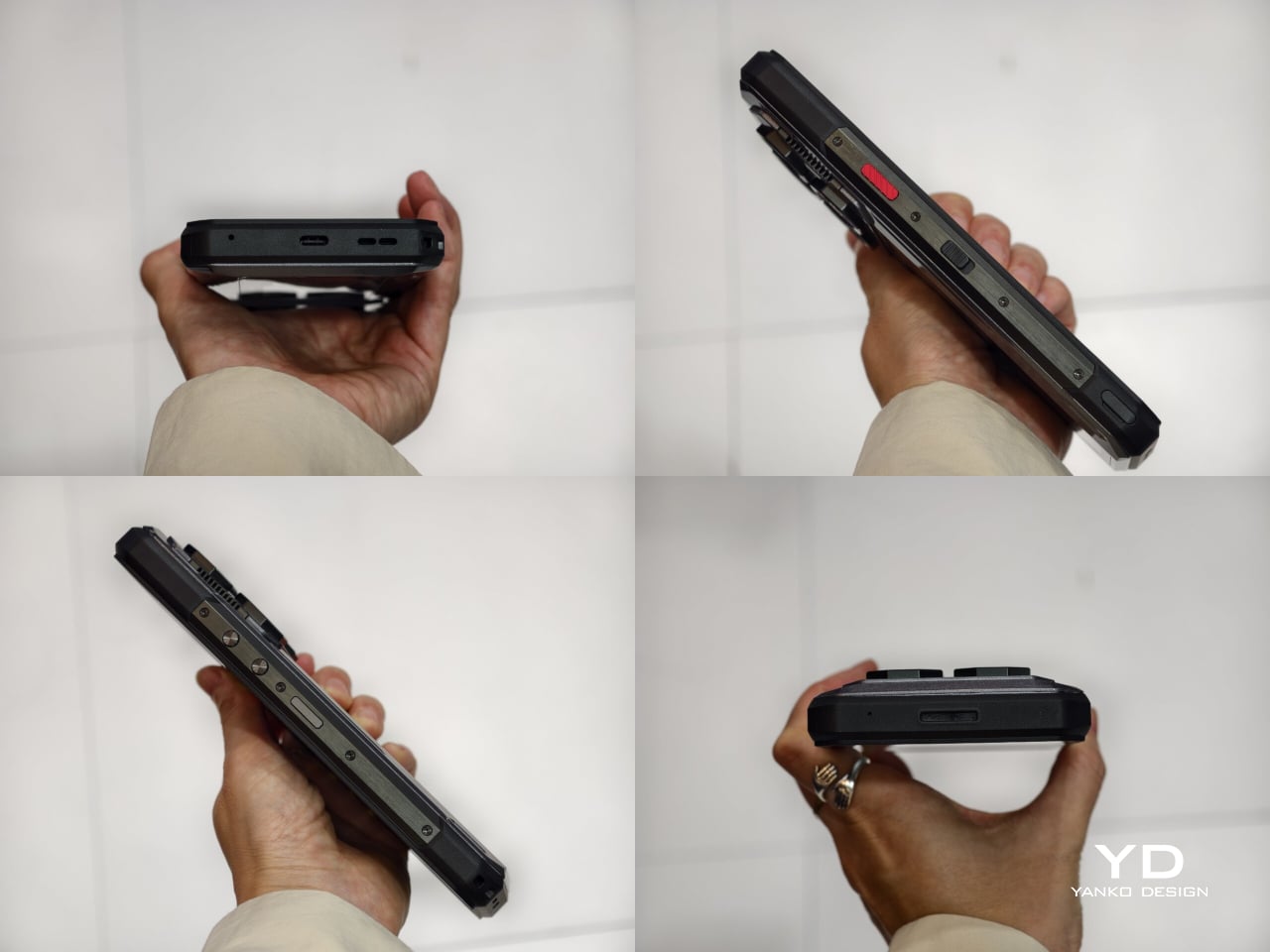
Privacy gets a physical answer instead of a software toggle buried in settings. A dedicated switch, styled as a bright red accent against the phone’s black and metallic paneling, physically disconnects the camera, microphone, and GPS at once. It is the kind of control that matters to fieldworkers or anyone stepping into a sensitive meeting who wants certainty that nothing is listening or tracking, not just a setting that claims to be off.
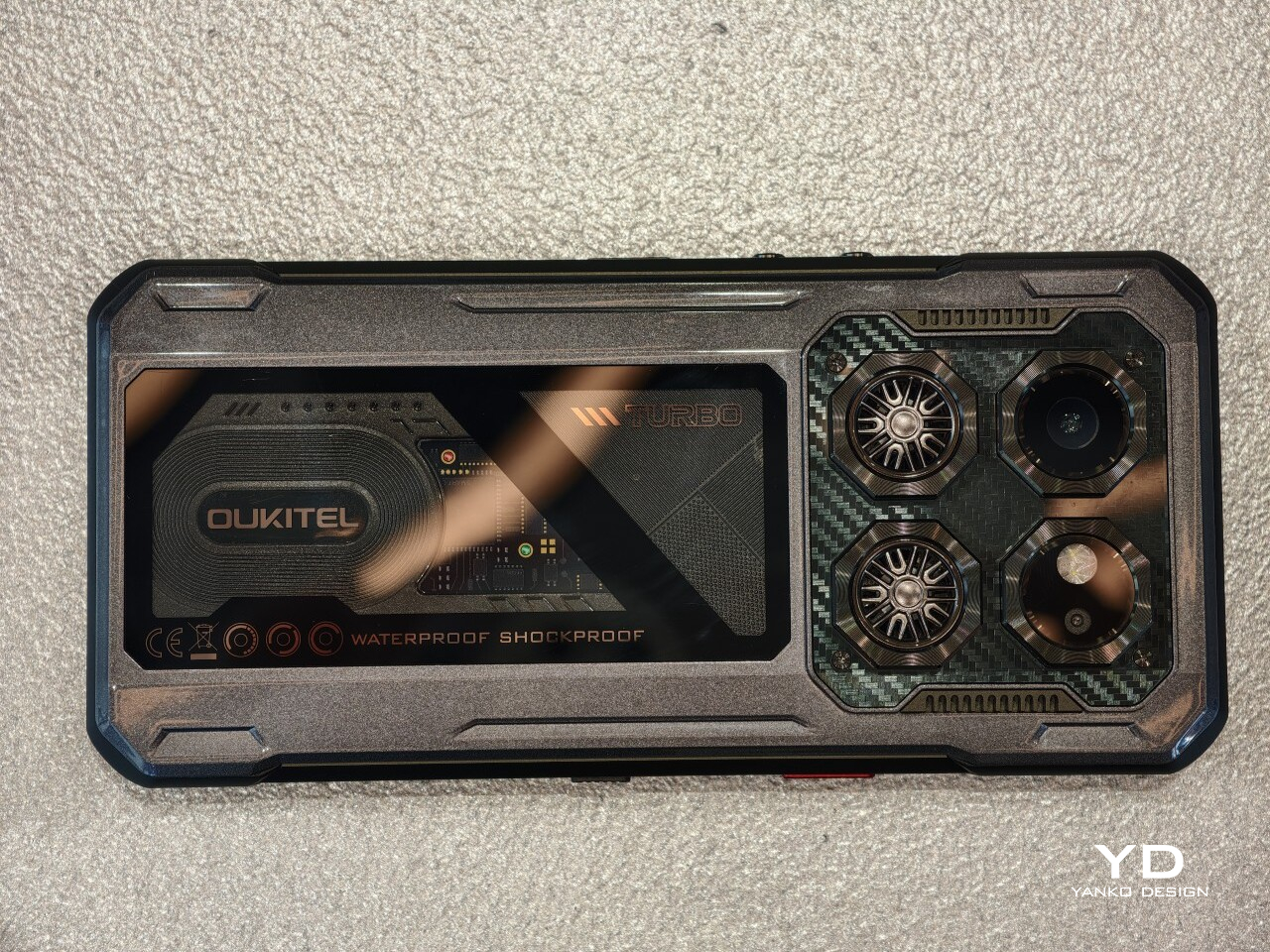
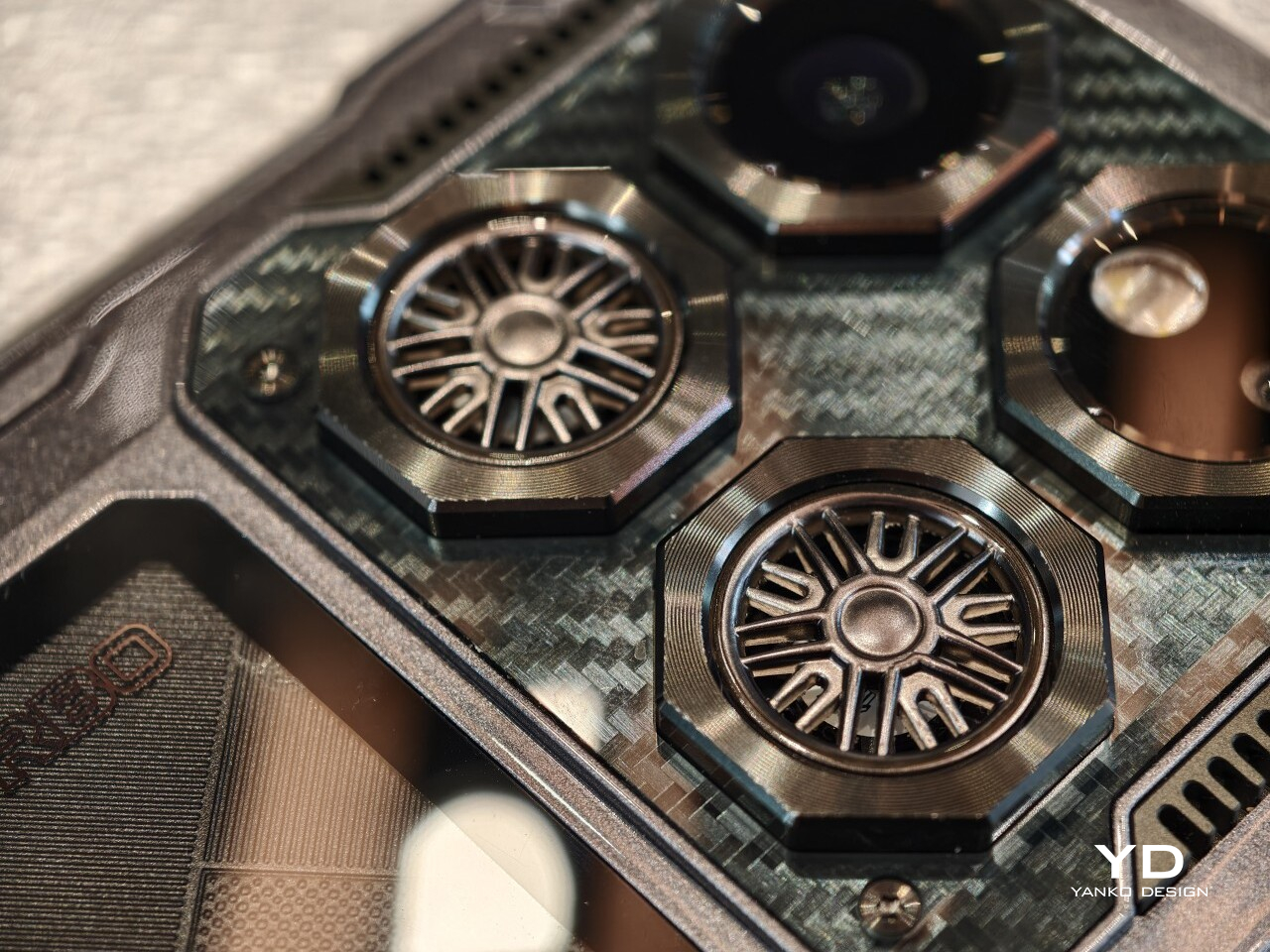
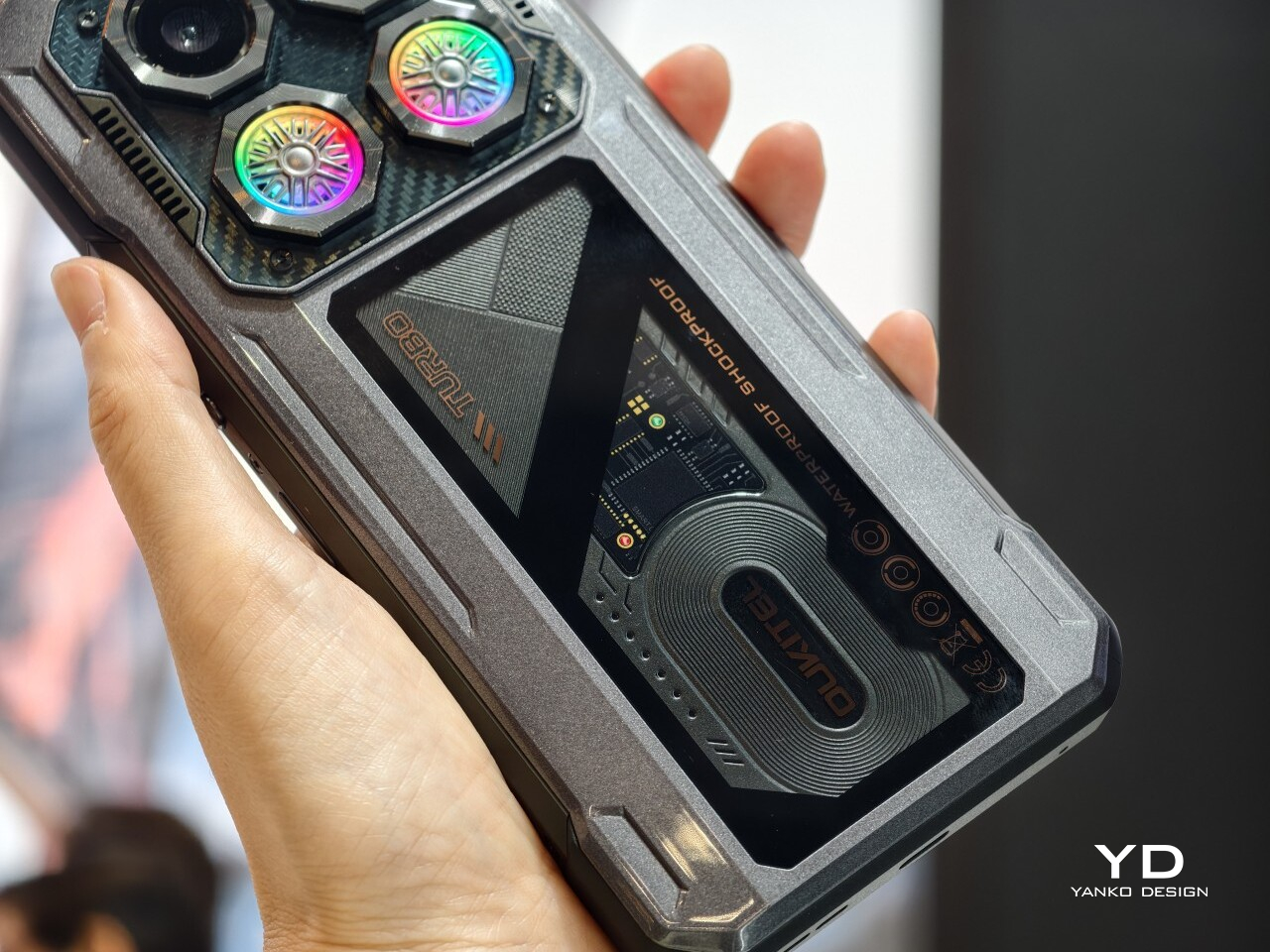
The rest of the chassis carries that same rugged-but-considered language throughout. Exposed hex screws, ridged texture strips along the frame, and a carbon-fiber-patterned panel insert surrounding the camera module all read as intentional detailing rather than leftover industrial parts. A 6.8-inch, 120Hz display handles the front, while the whole package comes finished in either black or yellow, playing into the tool-like character rugged phones usually lean into.
None of this asks buyers to choose between toughness and capability anymore. A phone built to survive drops and submersion can still run demanding software at full tilt, provided the cooling behind it gets treated as a design feature rather than an afterthought bolted on for a spec sheet.