The smartphone got away from us. What started as a communication tool is now an alarm clock, a boarding pass, a camera, a bank, a navigation system, a social anxiety machine, and a reason to check the time without ever actually knowing what time it is. The problem is not the phone. The problem is that the phone agreed to do everything, and now it does nothing particularly well.
The products on this list make a quieter argument. Not that you should live off the grid or carry a brick from 1997, but that some jobs are better left to objects designed specifically for them. A dedicated music player sounds better than Spotify on a phone. A screen-free band tracks your sleep without lighting up your wrist at 2 am. Seven gadgets. One idea.
1. Casio F-B100W
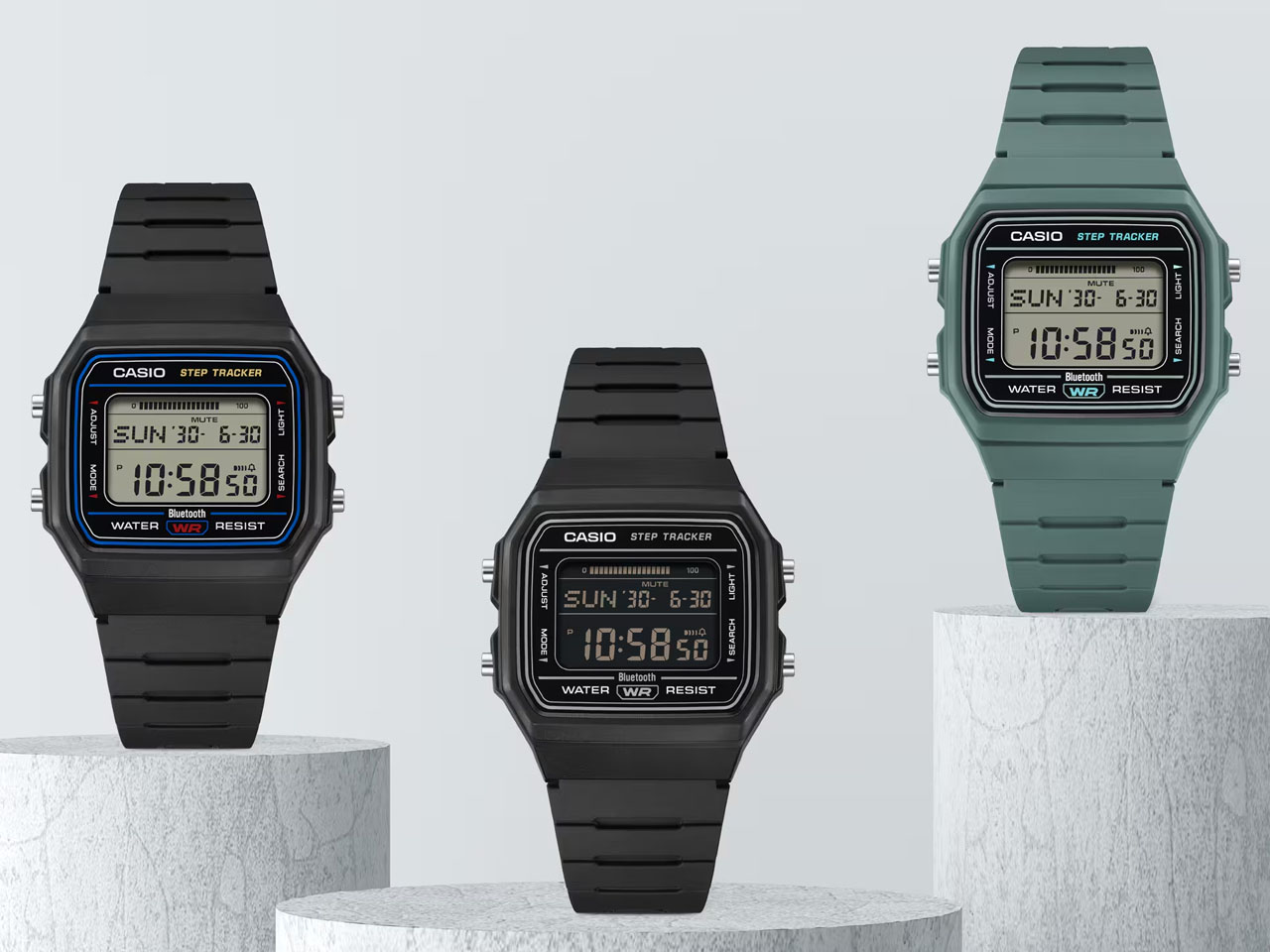
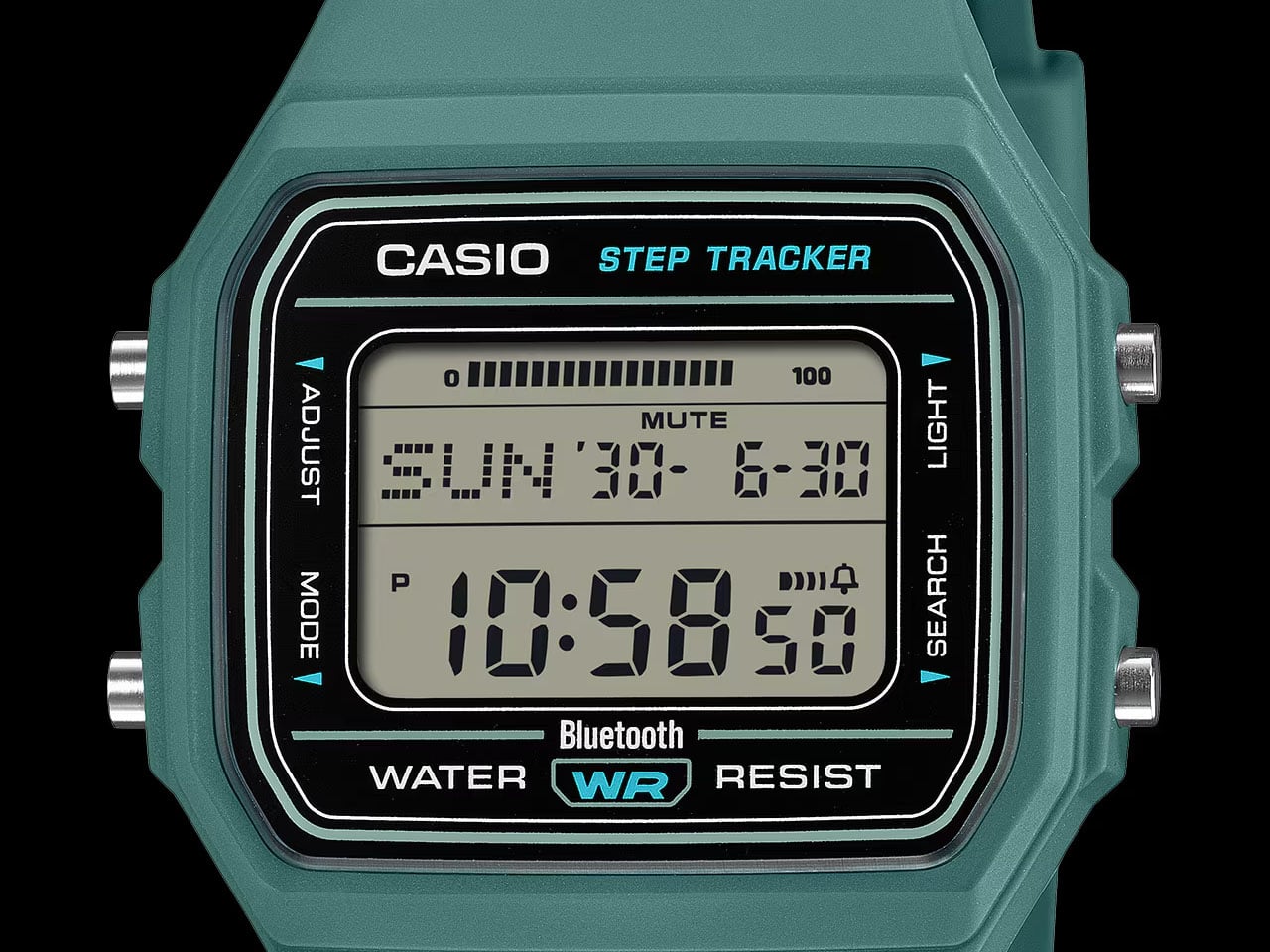
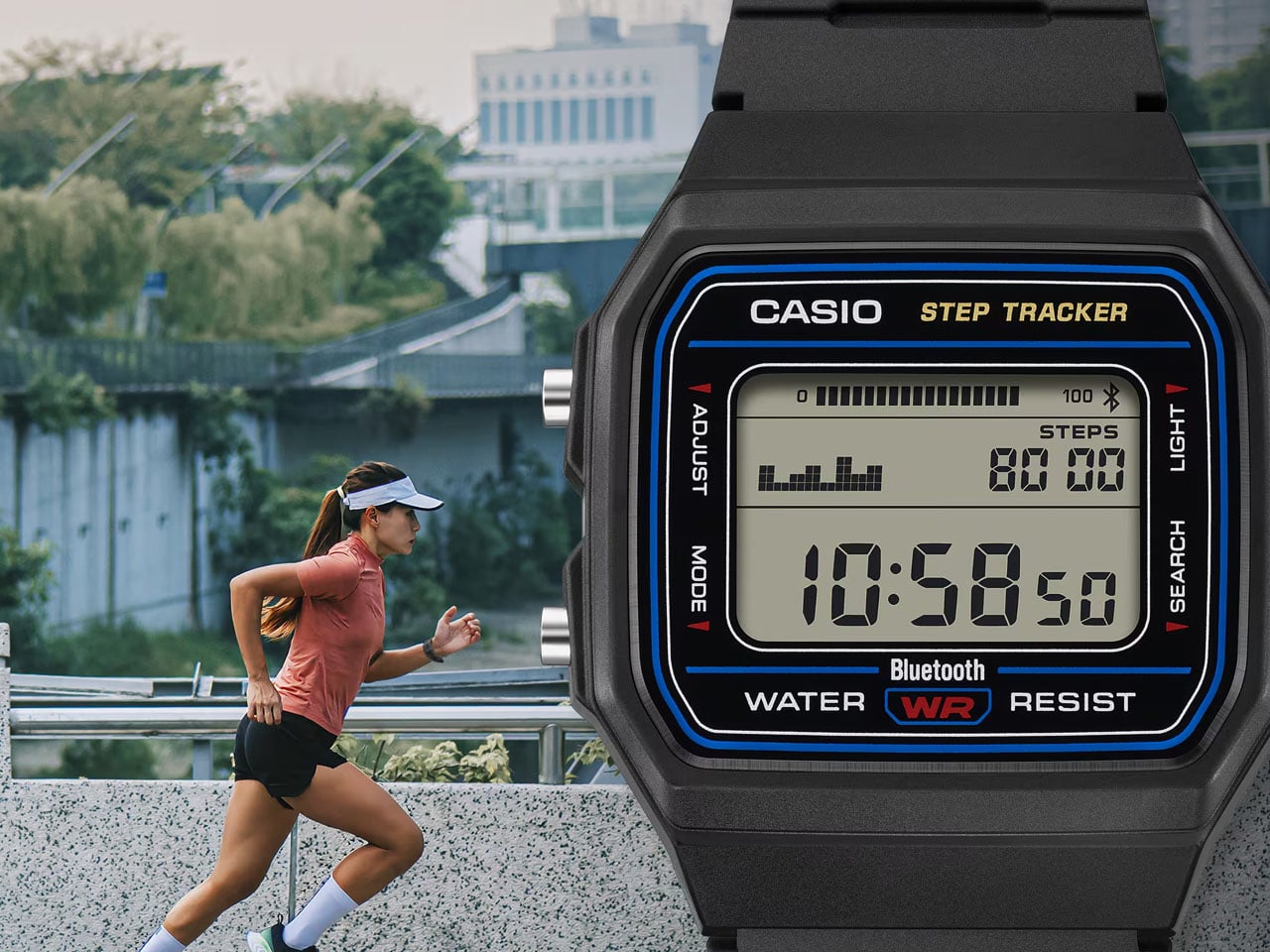
The F-91W is 37 years old and still in production because Casio got it right the first time. The F-B100W takes that template and adds exactly what a watch in 2026 needs and nothing it does not. Bluetooth syncs the time automatically and lets you find your phone when you can’t. A step counter and 200-lap timer handle the fitness side. A 2-year battery means you will have forgotten you own this before you need to charge it.
At 26 grams and 41.9mm across, it fits on the wrist without announcing itself. The bio-based plastic strap has ventilation slits for comfort during long wear, and the amber LED backlight handles low-light legibility without theater. Five daily alarms and water resistance round out the spec sheet. Japan launched it at ¥8,800, roughly $55, and it sold out immediately. That tells you most of what you need to know about whether this needed to exist.
What we like:
- Bluetooth time sync and phone finder cover the only two reasons you would reach for your phone while wearing a watch
- 2-year battery life means this costs $55 once, not $55 plus ongoing attention
What we dislike:
- No heart rate monitor or sleep tracking will rule it out for anyone replacing a fitness device rather than a fashion statement
- Currently sold out in Japan; US availability not confirmed at time of publishing
2. FiiO Echo Mini

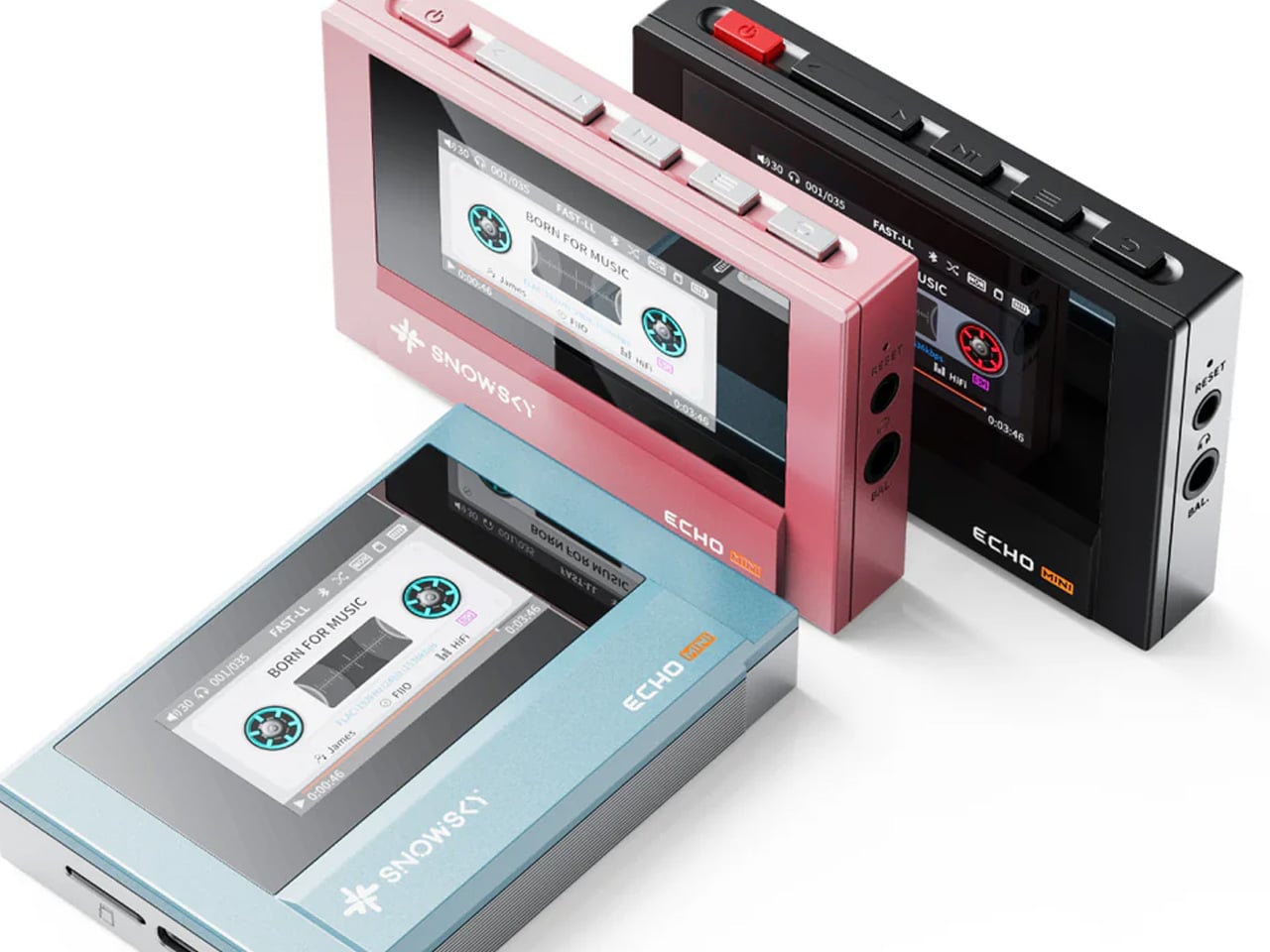
Your phone is a mediocre music player that borrowed the job from something better. The FiiO Echo Mini, released under the Snowsky imprint, takes it back. Inside a body shaped like a vintage portable player sit a pair of Cirrus Logic CS43131 DAC chips and a Hi-Res certification from the Japan Audio Society, which is not a marketing claim but a measured standard. The sound it produces from lossless files is categorically different from the same tracks streamed through a phone speaker.
It supports FLAC, DSD, WAV, and OGG, and accepts microSD cards up to 256GB, so a library that would have filled an entire shelf in 1988 now fits in a slot smaller than a thumbnail. Dual headphone outputs handle both wired and wireless listening from the same device. An independent power supply isolates the audio circuitry from interference, which is the kind of engineering detail that does not show up in marketing copy but surfaces immediately in how it sounds. The design references early Sony and Aiwa portables with enough conviction that it earns the comparison rather than simply borrowing the silhouette.
What we like:
- Dual DAC chips and Hi-Res certification produce a measurably better result from lossless audio, not just a perceived one
- 256GB microSD support means a serious library travels in one pocket
What we dislike:
- Playback only, with no recording function, which rules it out for anyone who wants to make their own mixes
- The retro cassette aesthetic is a strong visual commitment that will not suit every context
3. RetroWave 7-in-1 Radio
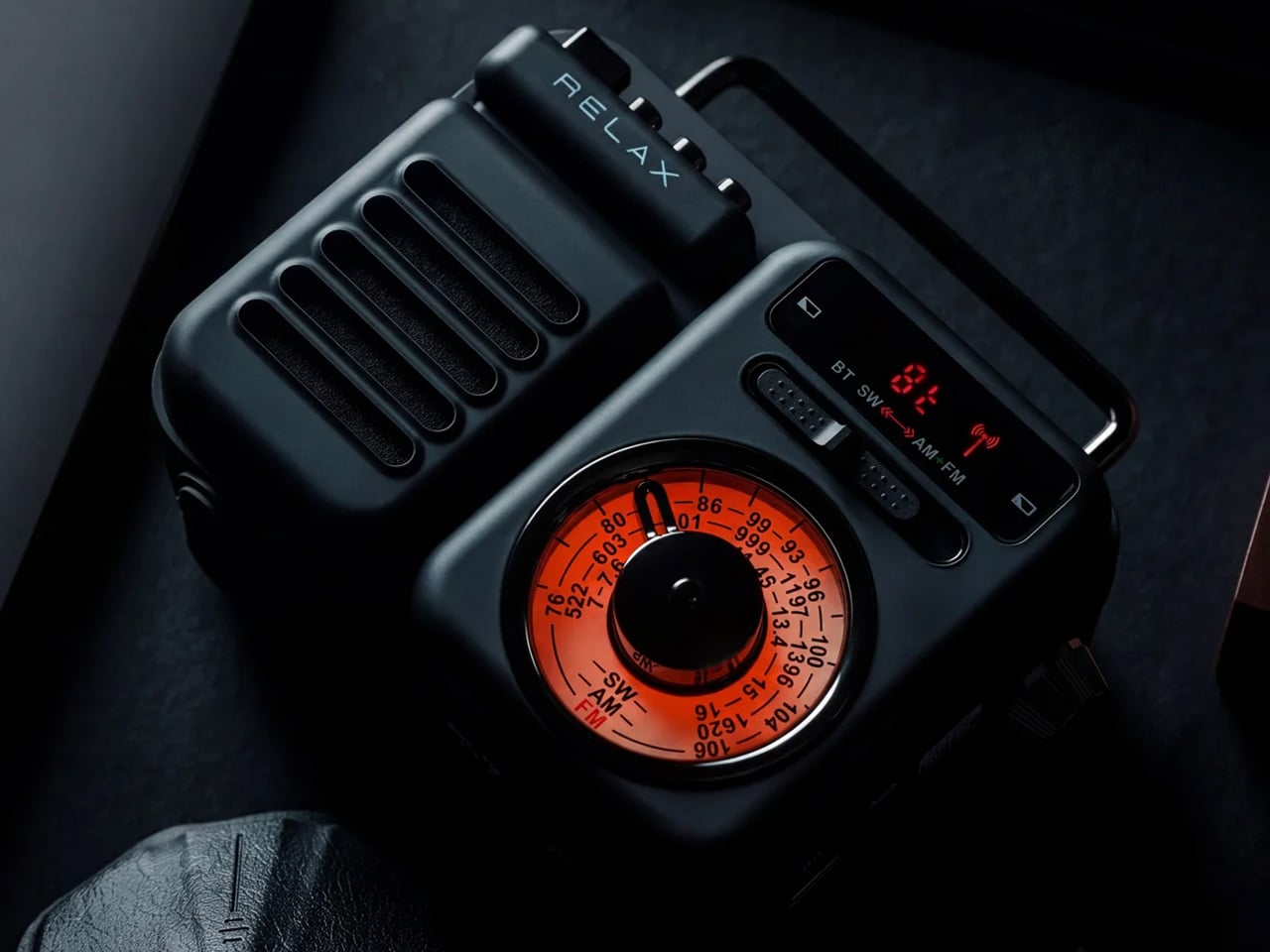
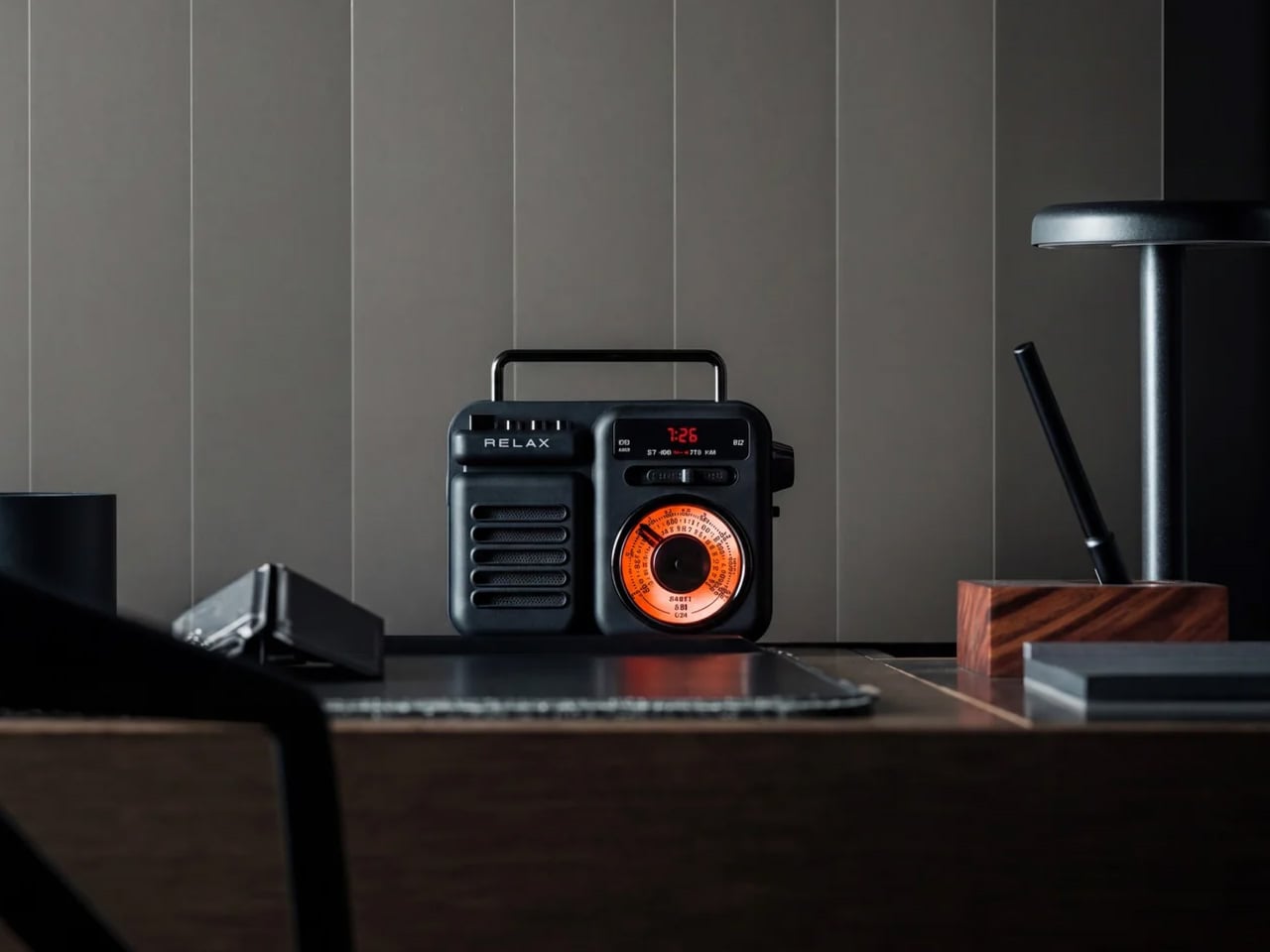
Your phone does radio badly because it was never designed to do radio specifically. The RetroWave was. AM, FM, and shortwave reception with no Wi-Fi dependency and a tactile tuning dial that works the way tuning dials are supposed to. The Japanese-inspired frame houses seven functions: radio, Bluetooth streaming, MP3 playback from USB or microSD, an LED flashlight, an SOS alarm, hand-crank charging, and solar charging. At $89, it is the most practical object on this list per dollar spent.
The 2000mAh power bank charges other devices when yours runs low, and 20 hours of radio playback on a single charge means it runs a full working week without returning to a socket. The hand-crank and solar inputs are genuine backup systems rather than novelty features, which places it in the emergency preparedness category as much as the desk companion one. For a device that replaces your phone as a radio, this is the one that actually means it.
What we like:
- AM/FM/shortwave with no internet dependency means it works exactly when your phone cannot
- Seven functions at $89 is the most direct value proposition on this list
What we dislike:
- 8W speaker output is modest and will not satisfy anyone expecting outdoor or room-filling volume
- Solar charging supplements rather than replaces a proper charge and cannot refill the battery independently
4. BOOX Go 6 Gen II
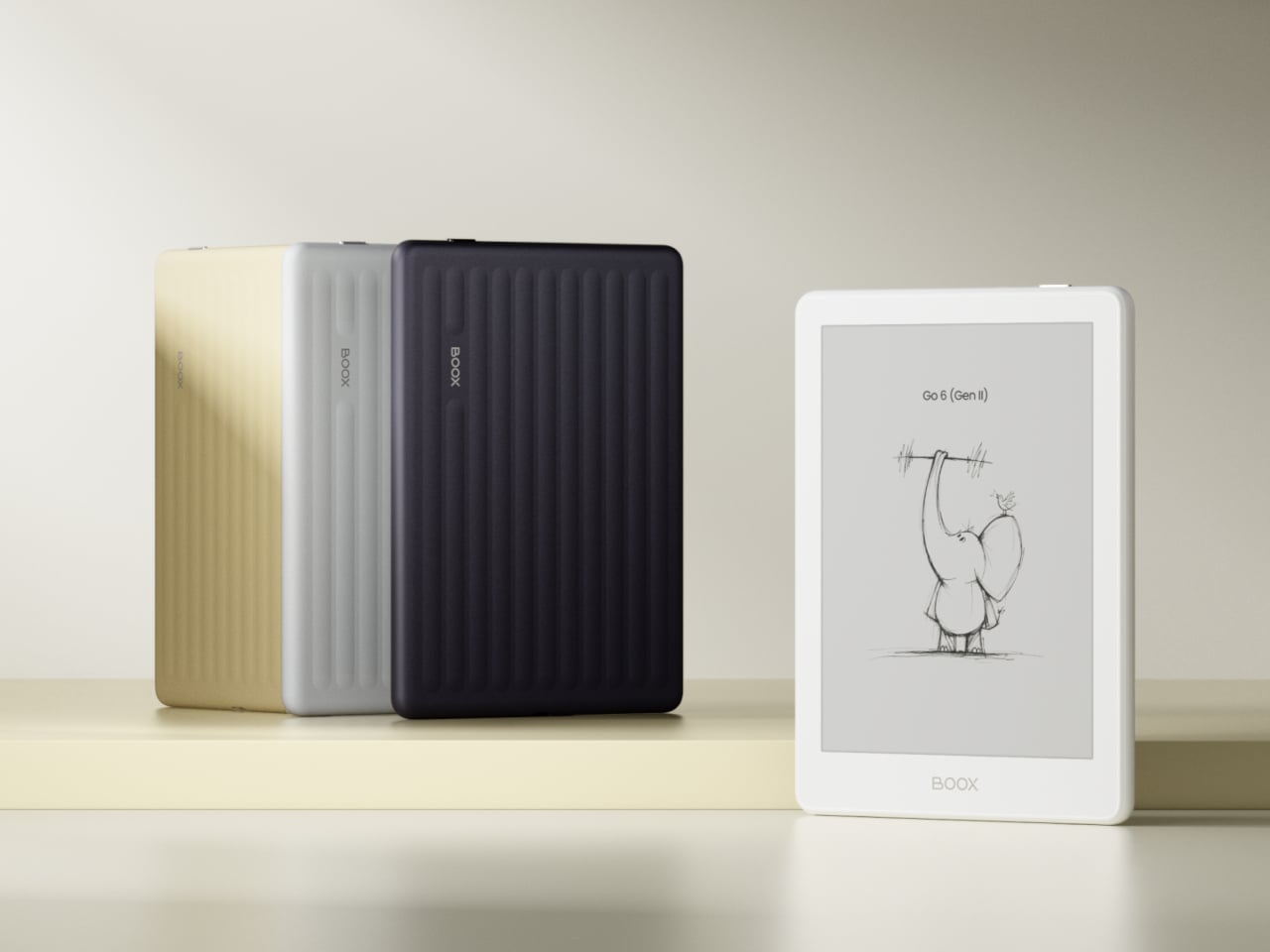
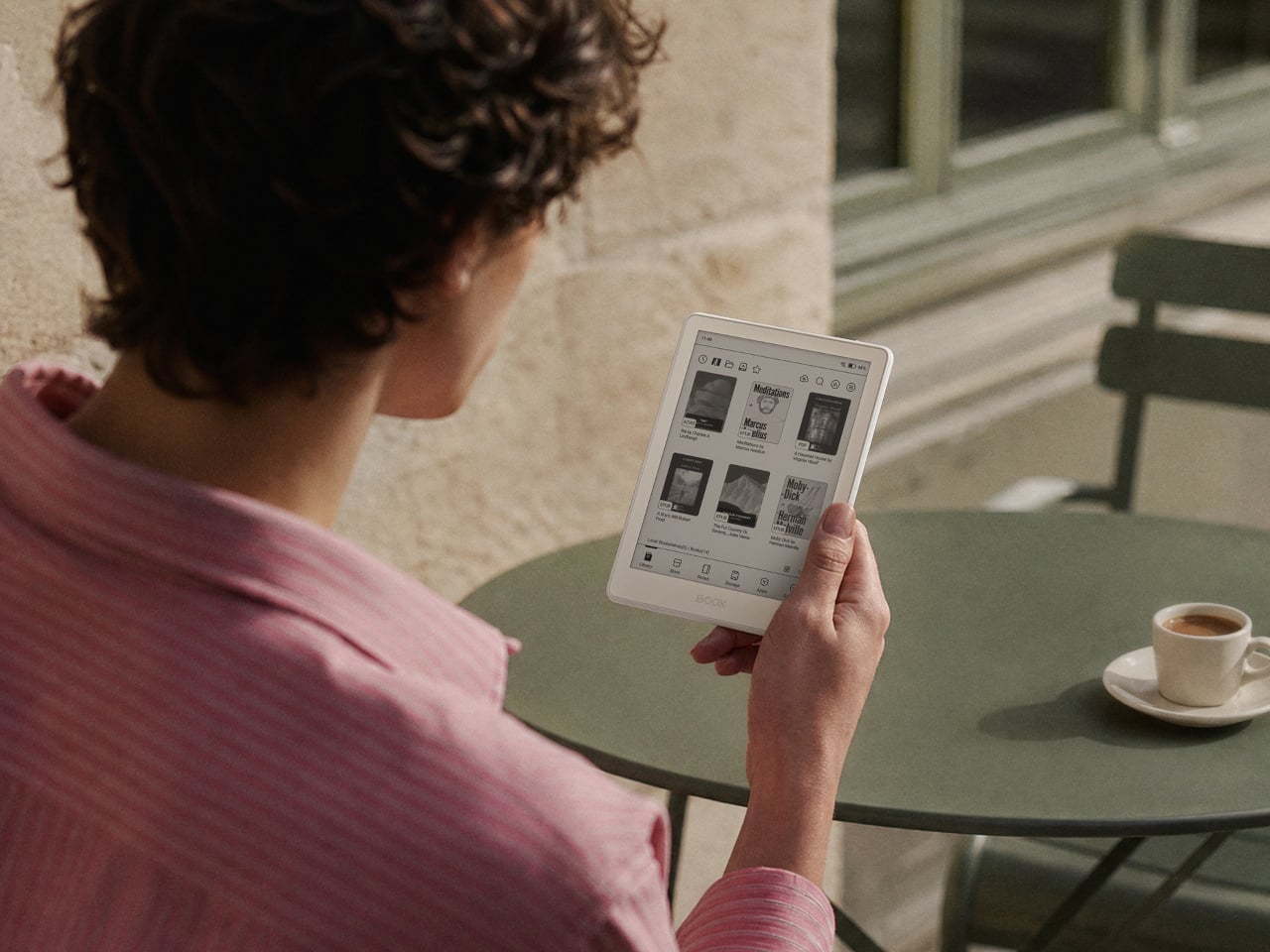
The e-reader has always made a better case for itself than most people give it credit for. The Go 6 Gen II is built around a 6-inch 300 ppi E Ink display in a body genuinely small enough to pocket, and unlike a standard Kindle, it runs Android underneath, which means the reading experience is not locked to a single storefront or ecosystem. The addition of stylus support in this generation moves it further from a dedicated reader and closer to a carry-anywhere notebook.
What it cannot do is exactly what makes it useful. There is no notification shade worth checking. No camera. No feed. The E Ink display is too slow for video and too monochrome for social content, which means using it for anything other than reading or note-taking feels like the wrong tool for the job. That deliberate friction is not a limitation. It is the design working as intended, built into the hardware itself rather than dependent on your own willpower to enforce it.
What we like:
- Android underneath means your reading library is not tied to one retailer or ecosystem
- Stylus support in Gen II turns it into a portable note-taking device, not only a reader
What we dislike:
- E Ink refresh rate makes it a poor experience for anything requiring fast screen updates, which is the point but may frustrate new users
- 6 inches is genuinely pocketable but small for extended document review or annotation
5. Portable CD Cover Player
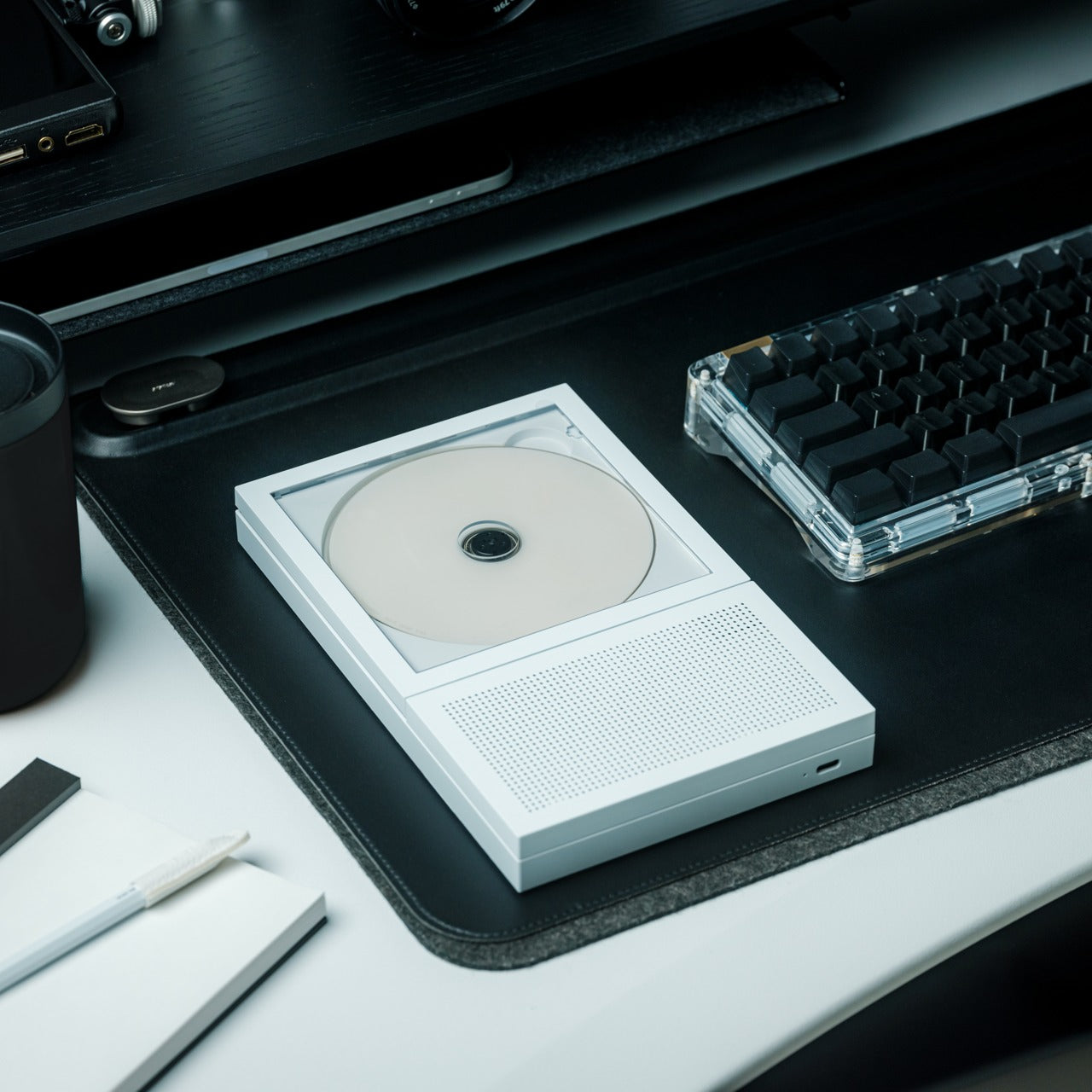
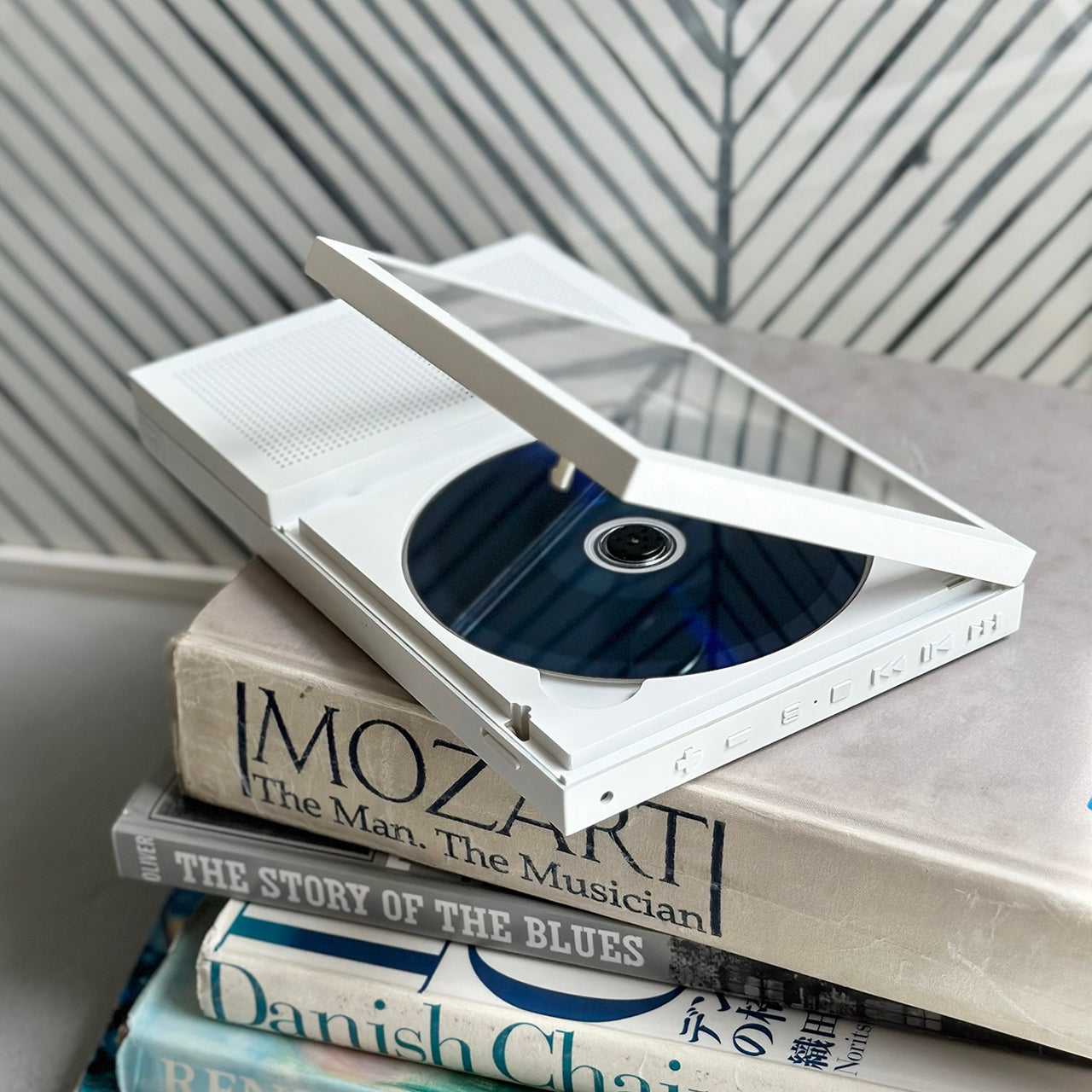
Streaming reduced most music libraries to a scrollable grid of thumbnails no larger than a postage stamp. The Portable CD Cover Player puts album artwork back at the physical center of the listening experience. The form factor echoes the proportions of a CD sleeve — slim enough to carry on a commute or into a hotel room without planning. It is built for the kind of listening that requires an album, a decision, and an uninterrupted hour to follow through.
The CD format offers something streaming has never replicated — intentionality. You chose this album. You put it in. You listened front to back, the way it was meant to be heard. At a moment when cassette players and vinyl decks have staged a credible commercial comeback, there is a real and growing audience for physical music hardware that does not apologize for existing in 2026.
Click Here to Buy Now: $199.00
What we like:
- Restores album artwork as a physical, tactile part of the listening experience rather than a compressed thumbnail on a scrollable grid
- The intentionality of the CD format — choosing one album and committing to it — is something streaming has not managed to replicate
What we dislike:
- The $199 price requires an existing or rebuilt CD collection to justify the investment
6. Garmin CIRQA
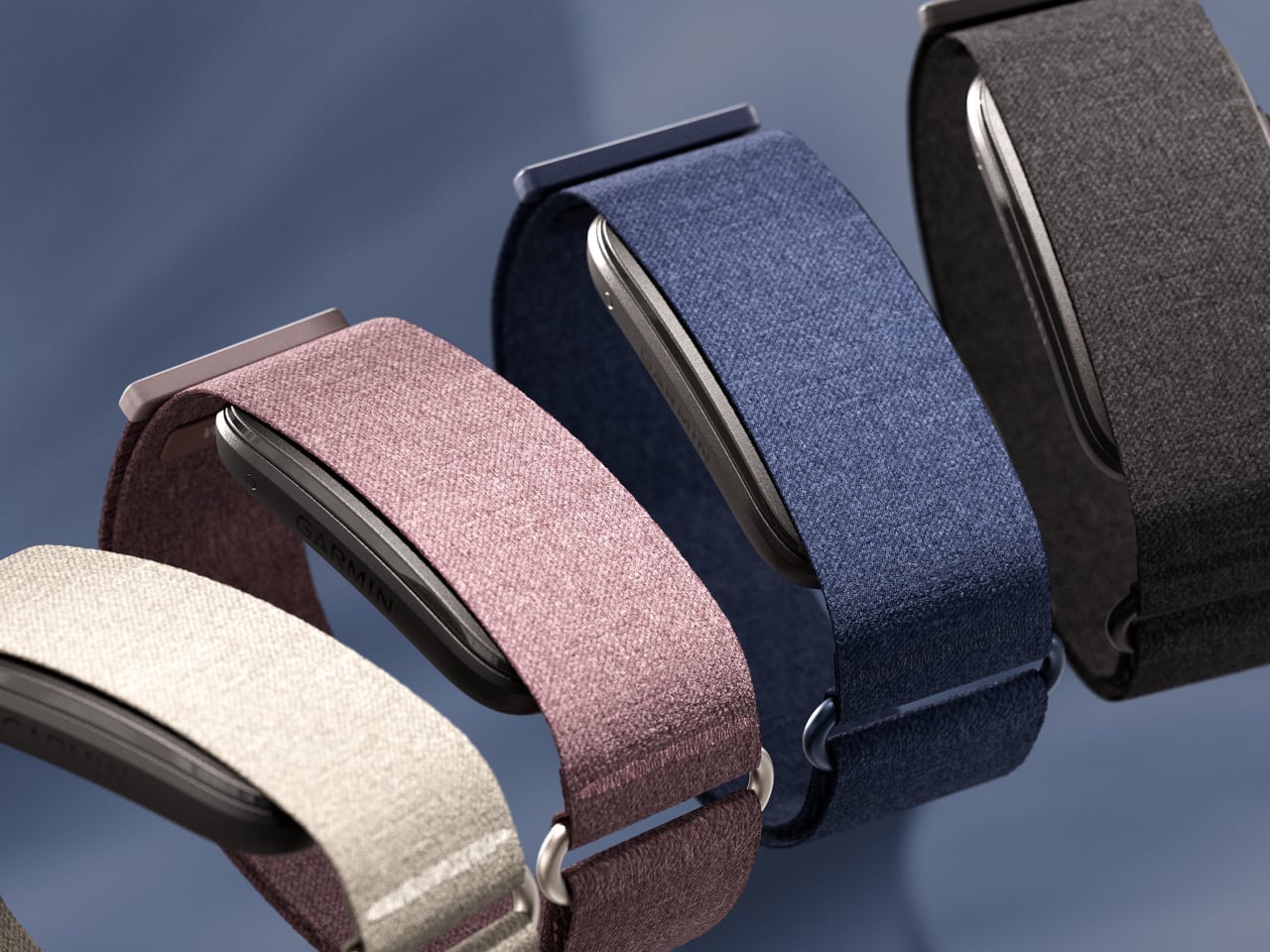
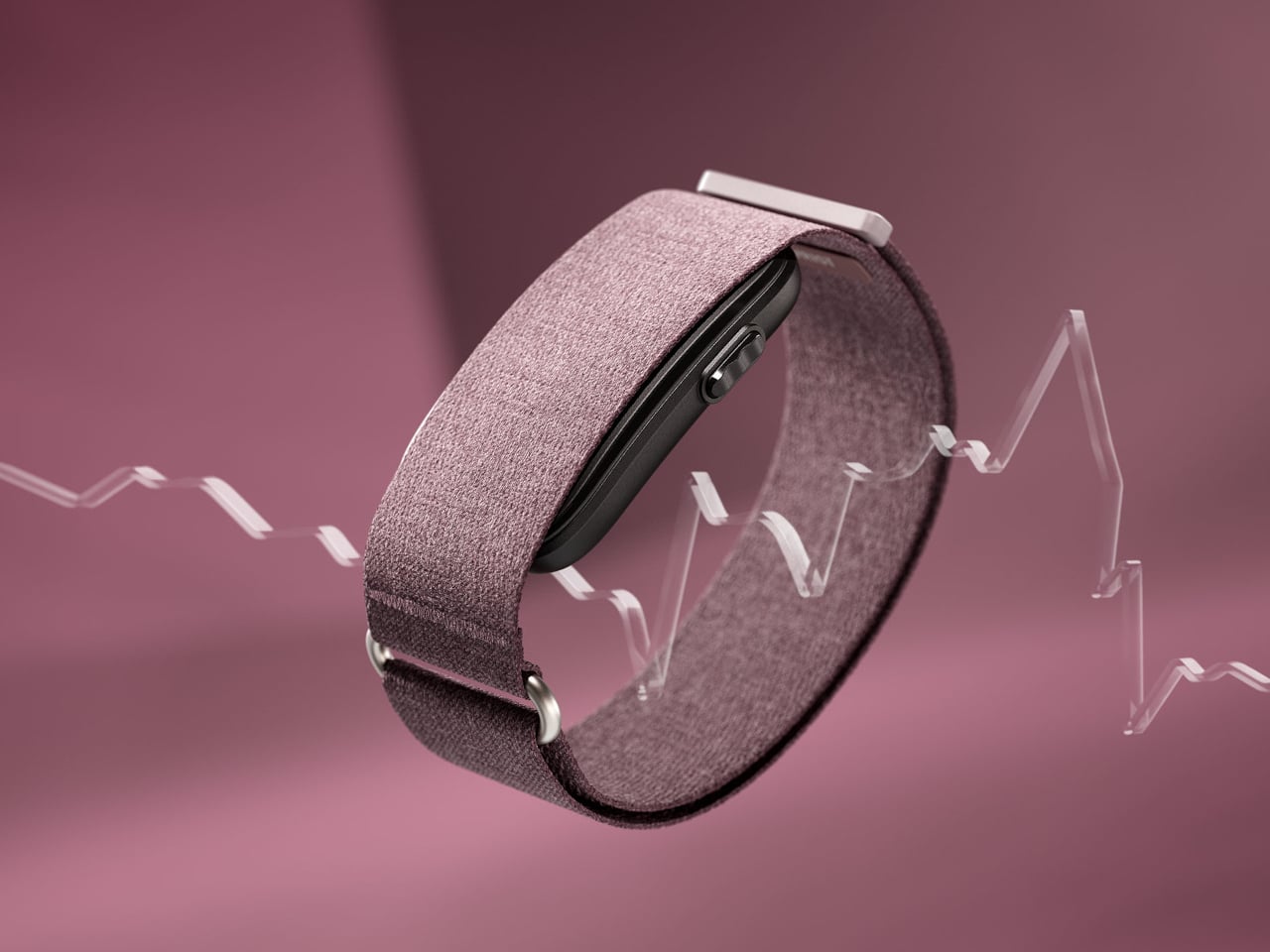
The smartwatch has a notification problem that nobody at the smartwatch companies will admit is a design problem. The screen is the issue. Put a screen on the wrist, and the wrist becomes another surface for the phone to reach you. Garmin solved this by removing the screen entirely. The CIRQA is Garmin’s first screen-free smart band, tracking sleep, HRV, strain, and recovery with the same sensor quality as their wrist-worn GPS watches while showing you nothing in real time.
Data syncs to your phone when you ask it to, not whenever the band decides it has something to say. At $199.99, it undercuts Whoop by removing the subscription entirely, which is either the most straightforward value proposition in the wearable category right now or the one that somehow took the longest to arrive. The band disappears into daily life in a way that a glowing watch face never fully manages. You stop thinking about your wrist. That is the whole idea.
What we like:
- No screen means no notification surface on the wrist, which breaks the feedback loop the smartwatch quietly created
- No subscription at $199.99 makes the comparison with Whoop uncomfortable for Whoop
What we dislike:
- Screen-free design means you cannot check anything on the band itself, which will feel like a regression to anyone coming from a smartwatch
- All data lives in the phone app, which adds a dependency the hardware does not fully acknowledge
7. Polaroid Now Generation 3 Instant Camera
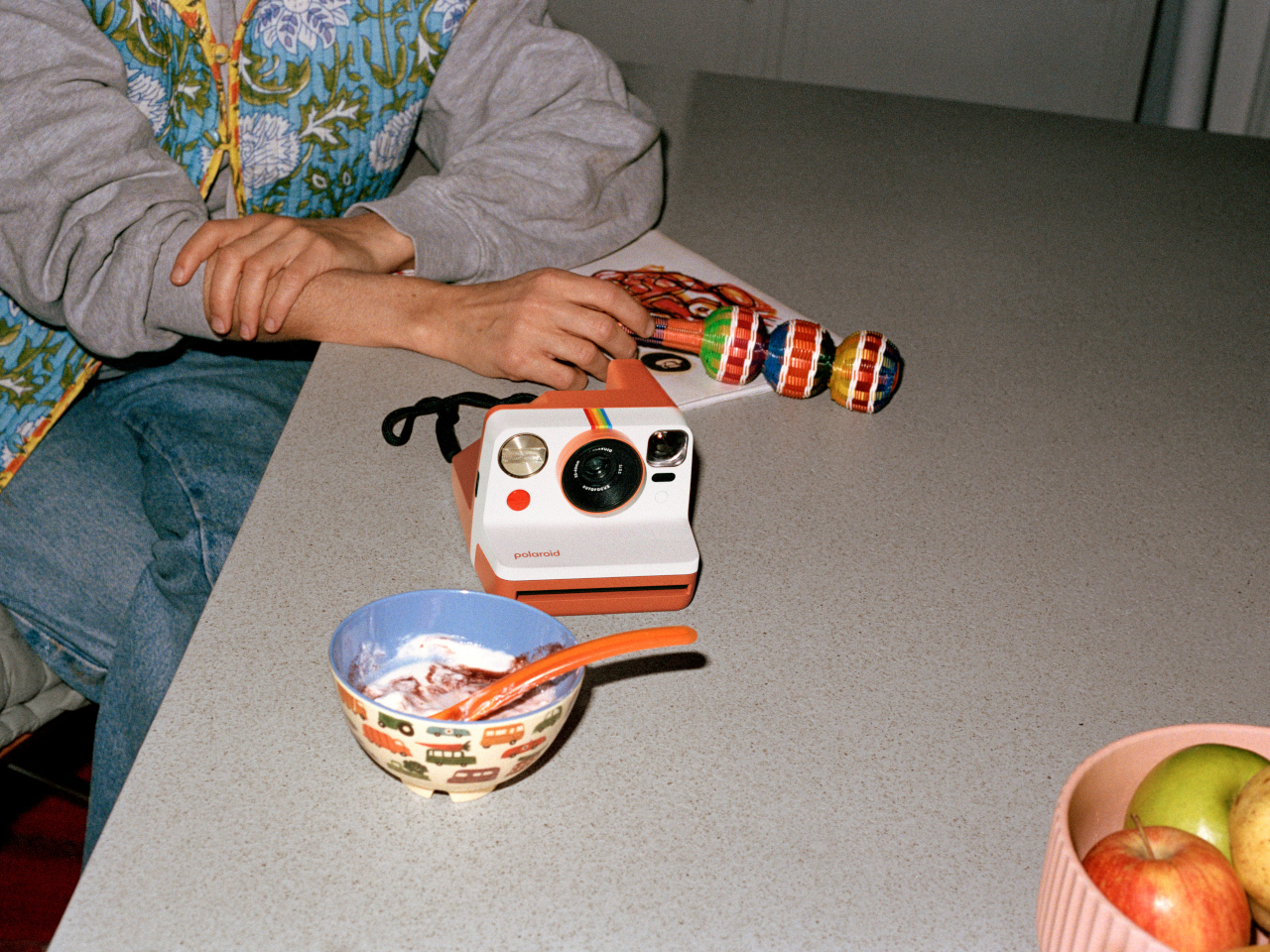

Your phone takes hundreds of photographs a week, and you have looked at almost none of them. The Polaroid Now Generation 3 makes that impossible by design. Autofocus handles the technical side; everything else is deliberate. You frame a shot knowing there is no burst mode, no undo, no near-identical folder to sort through later. The print emerges from the front of the camera, develops in your hand, and exists as an object. That constraint is not a limitation. It is photography made meaningful.
The Now Generation 3 continues the line’s proven mechanics: i-Type and 600 film compatibility, a built-in flash, double exposure mode, and USB-C charging. The direction is refinement over feature expansion, which suits a camera built around a single clear purpose. Image quality is not competing with your phone’s computational photography and was never trying to. It produces a credit-card-sized print with warmth and grain that no filter has convincingly replicated, because the artifact is the point, not the resolution.
What we like:
- Physical prints cannot be scrolled past, filed away, or forgotten in a camera roll — they exist and stay existing
- The deliberate, one-shot-per-frame process changes how you think about framing before you press the shutter
What we dislike:
- Film cost per shot makes casual, consequence-free shooting expensive relative to a phone camera
- Exposure in bright outdoor conditions can be inconsistent without careful management of the built-in flash
8. Light Phone III
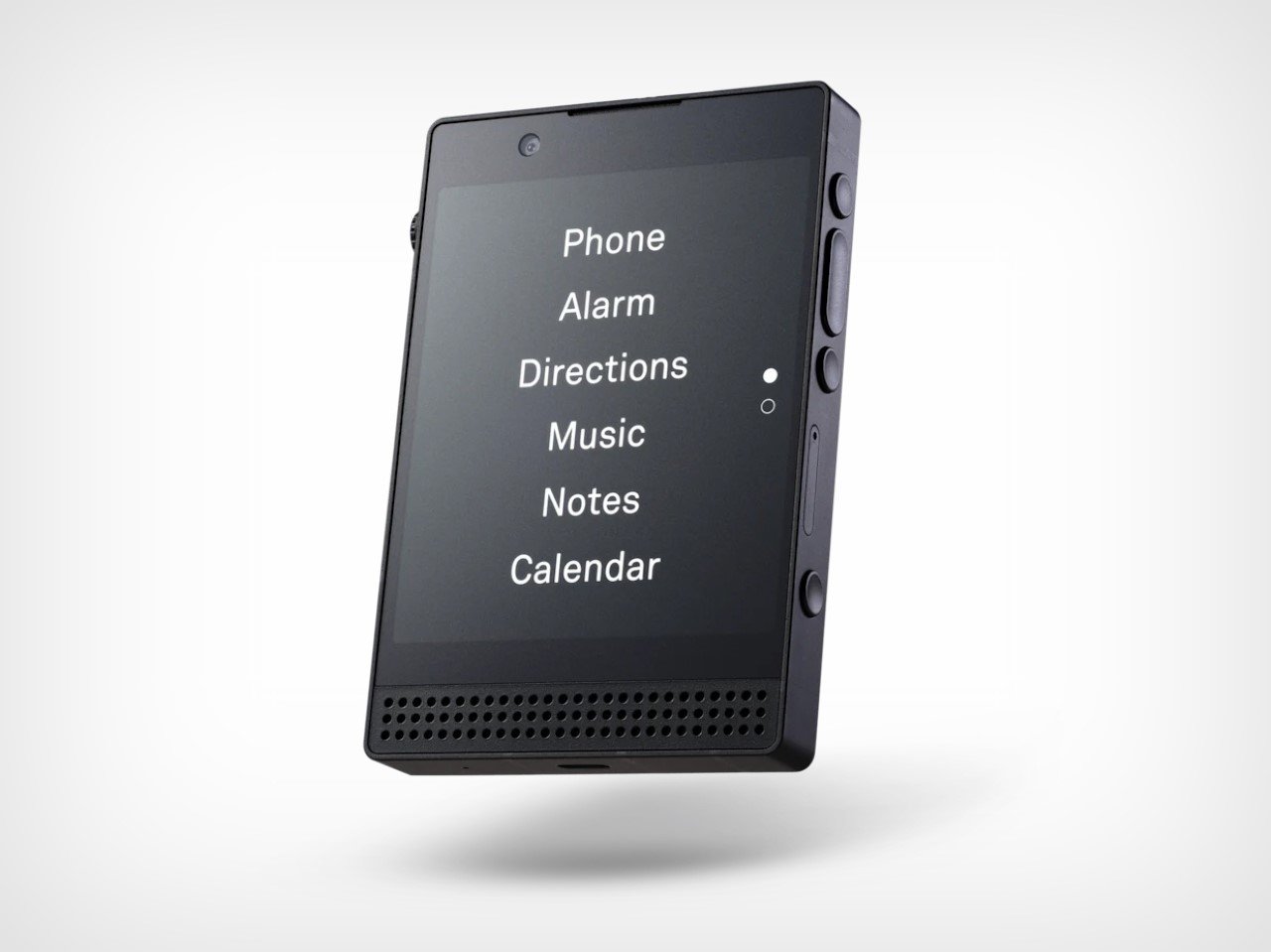
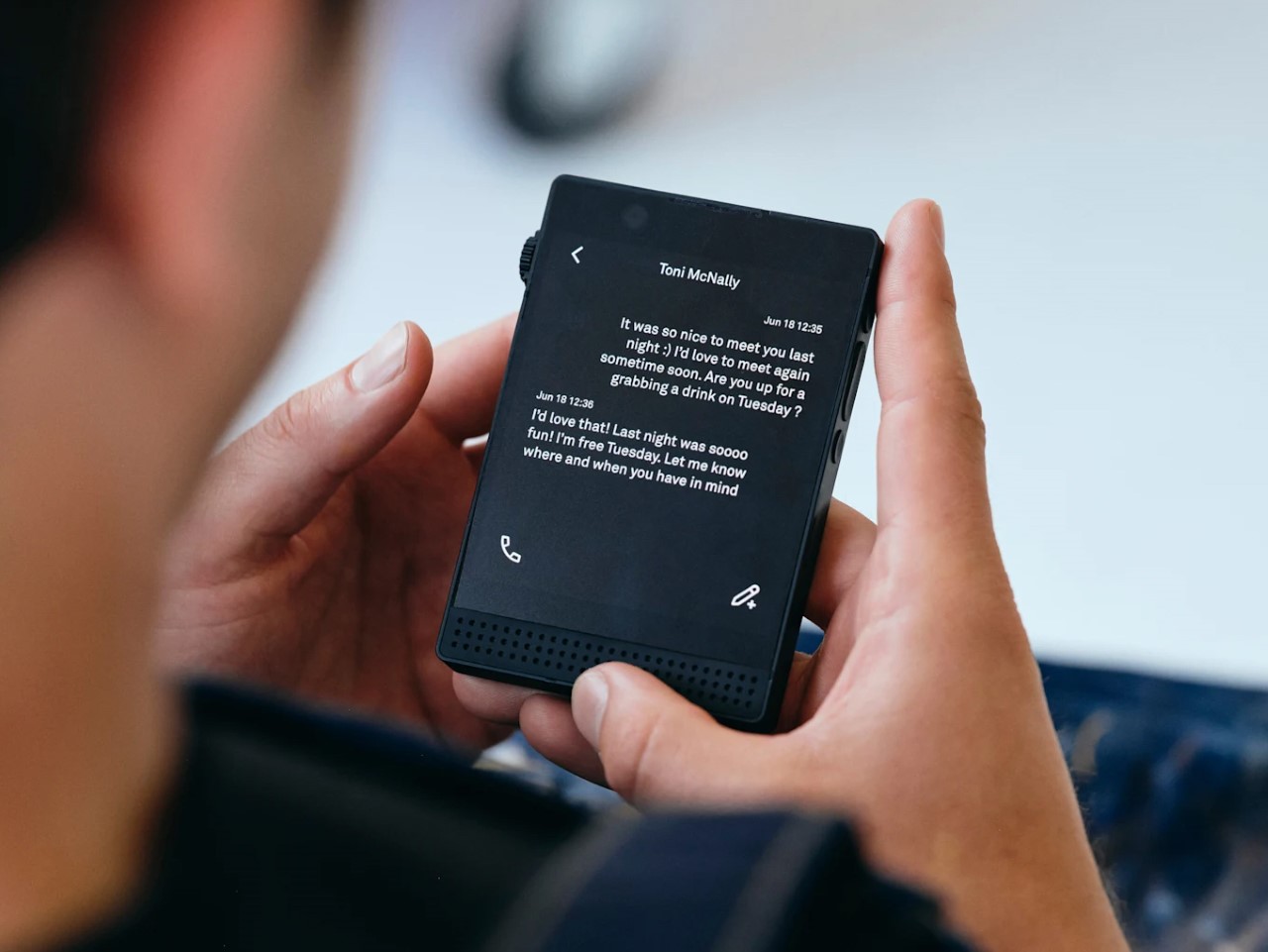
The Light Phone III costs more than most flagship Android devices and does less than any of them. Calls, texts, maps, music, and a small set of tools the company determined were useful rather than engaging. No browser. No social media. No email. No rabbit holes. The $799 price is the editorial provocation: you are paying a premium specifically for what it refuses to do, and the people who buy it tend to find that the most honest price tag in consumer electronics.
Building on a decade of iteration across two previous models, the design is confident enough not to explain itself. The screen is small. The interface is slow by smartphone standards, which turns out to be a feature rather than a limitation. Reaching for it in a meeting does not result in 40 minutes disappearing into a feed. Putting it in your pocket while walking somewhere means you notice the walk. The Light Phone III does not make you a better person. It removes several of the reasons you might not be.
What we like:
- No browser and no social media means the phone cannot become a distraction device regardless of willpower
- A decade of development across three models shows in the coherence of the product, not just the philosophy behind it
What we dislike:
- $799 for a device that does less than a $200 Android requires genuine philosophical commitment rather than casual interest
- The restricted app set means practical tools some users rely on daily are simply not available
9. Camp Snap 2
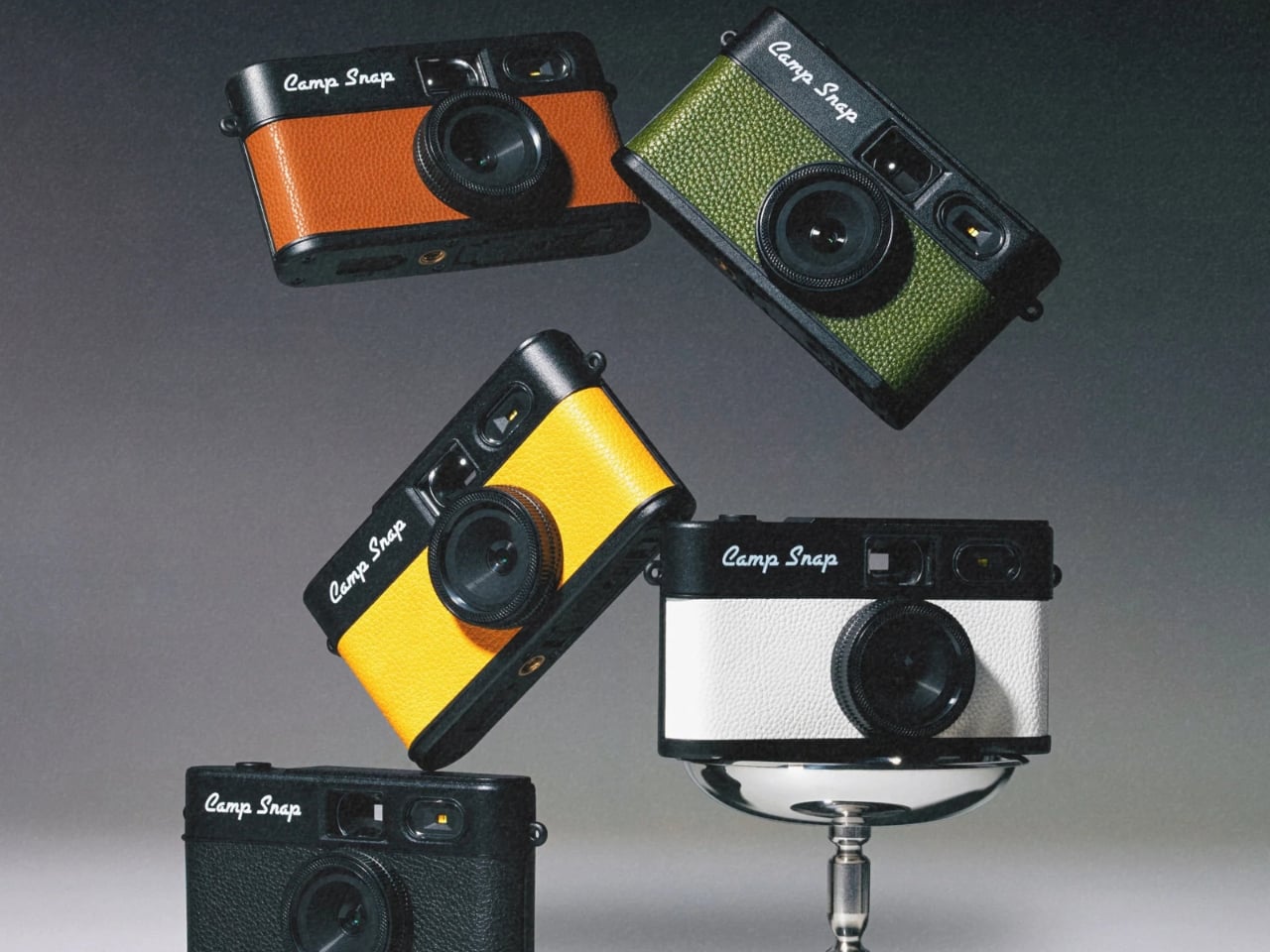
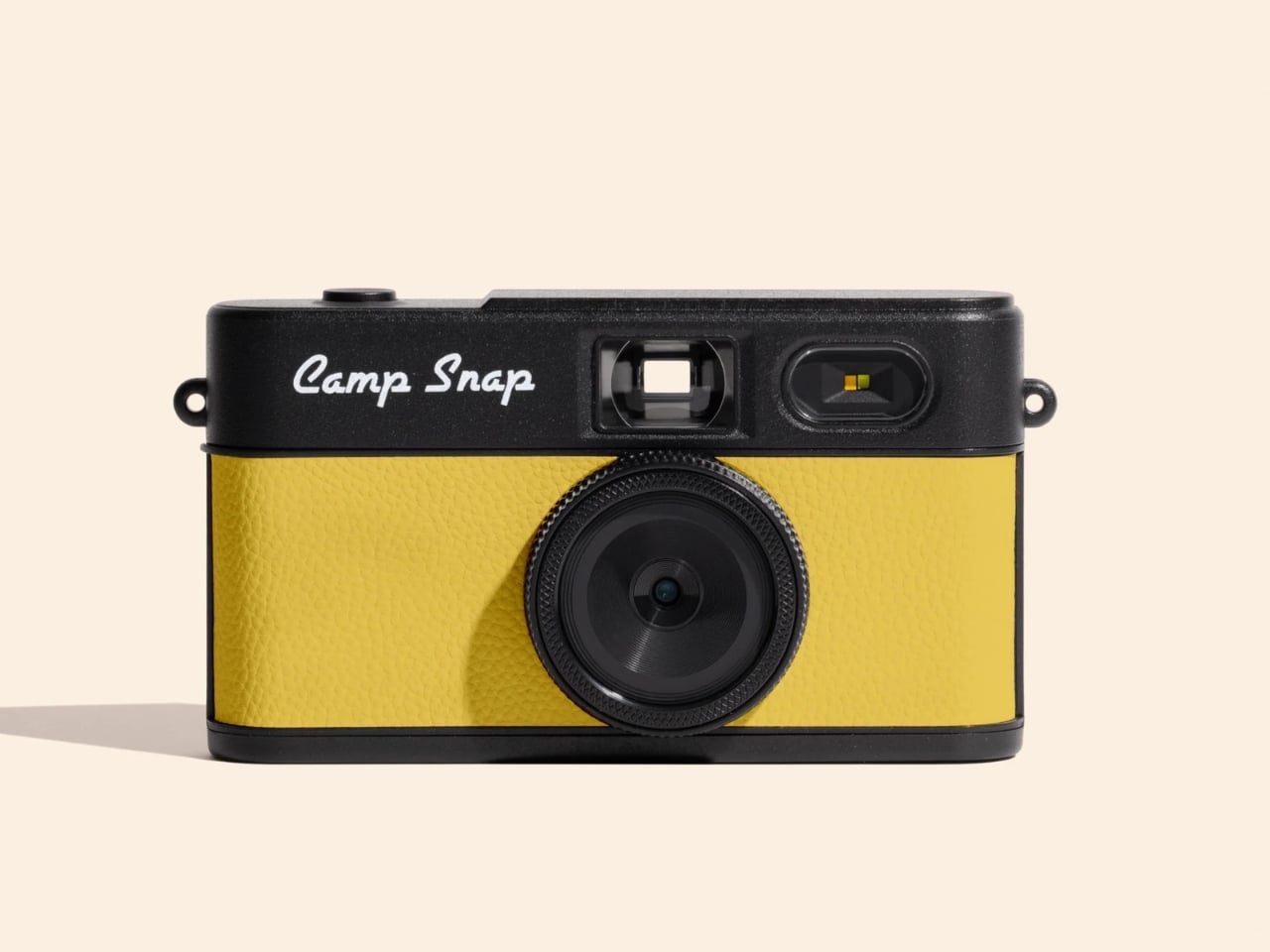
Your phone takes hundreds of photographs a week, and you have reviewed almost none of them. The Camp Snap 2 makes that behavior structurally impossible. There is no rear LCD, no Wi-Fi, no delete button, and no ability to check what you captured before downloading later. You shoot. You find out what you got when you get home. That removal of the review loop is not a limitation. It is the only camera built around the premise that the moment itself is the point.
The second generation is 15 percent slimmer than the original and genuinely pocketable now. An 8-megapixel sensor handles capture. A new filter button cycles through six built-in looks — Standard, Vintage 1, Vintage 2, Vintage 3, Analog, and Black and White — without needing a computer, which was the friction that kept most V1 owners on the default setting permanently. Nine colorways include translucent jelly finishes that land somewhere between Y2K nostalgia and fully intentional. At $69.95, it costs less than most phone cases.
What we like:
- No screen means no delete button — every shot taken is a shot kept, which changes how deliberately you frame before pressing the shutter
- Six filter options now cycle on-device with a single button, solving the only meaningful complaint against the original
What we dislike:
- 8-megapixel resolution does not compete with computational phone photography and was never designed to
- Exposure errors only surface at the download stage, too late to reshoot the moment that mattered
10. Divoom FlowToo
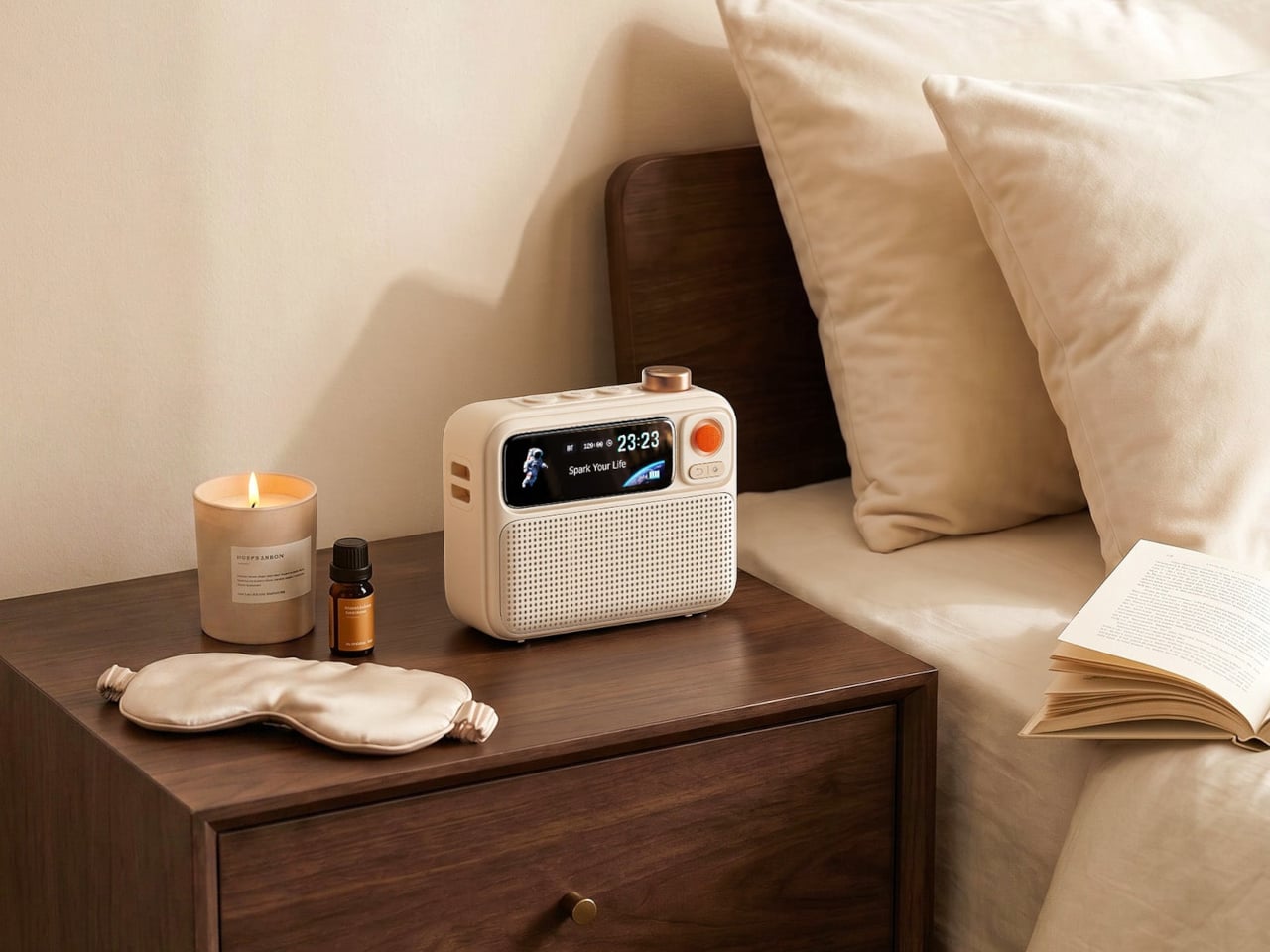
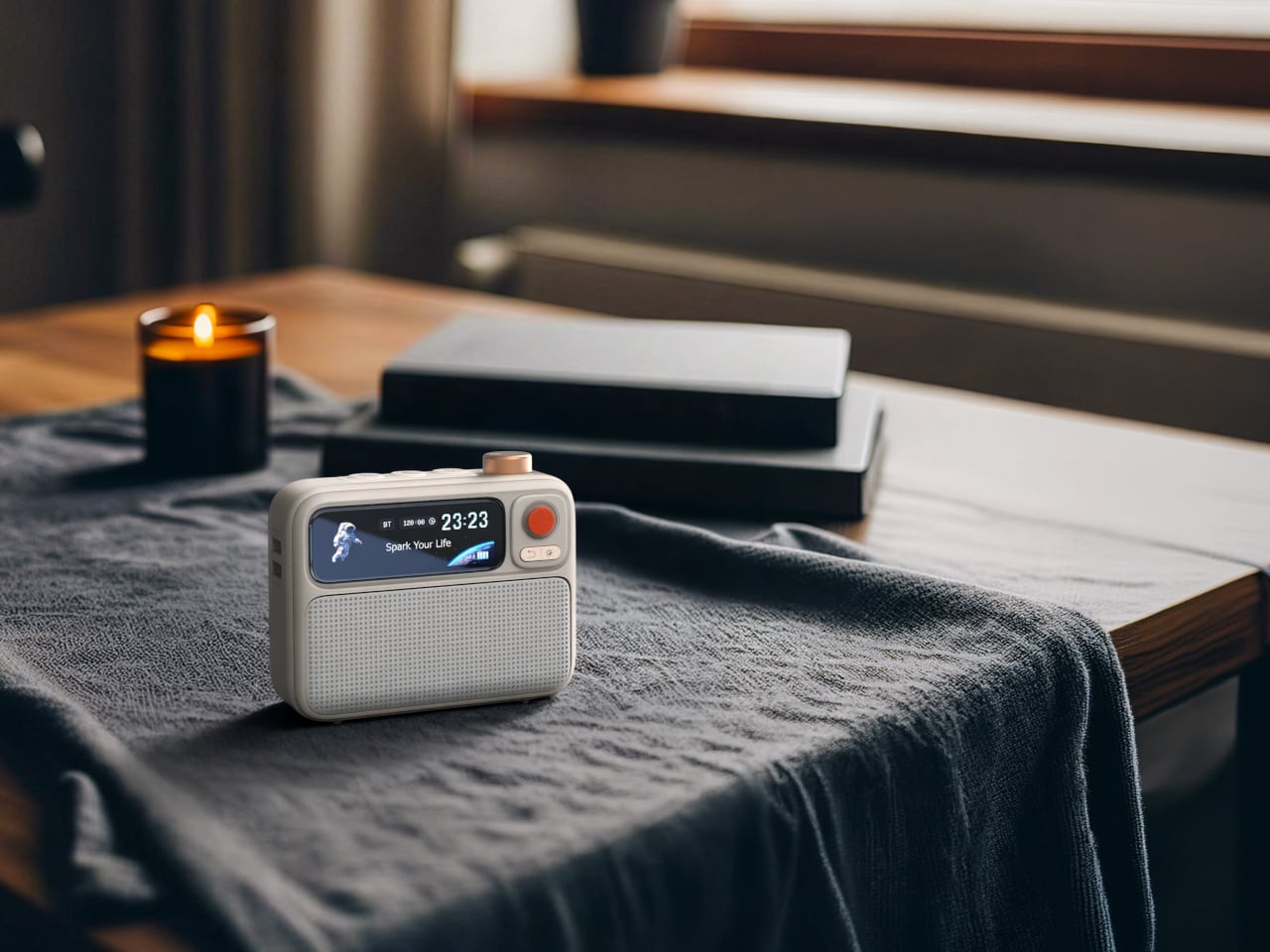
The reason your phone stays on the nightstand is not that you need it there. It is that the phone is also the alarm, the white noise machine, and the speaker, and nothing has offered a convincing single replacement — until now. The Divoom FlowToo costs $99.99, sits where the phone used to be, and handles all three jobs without demanding anything in return except a power socket. That is the most straightforward case for removing a phone from the bedroom that the category has produced.
A 10W amplifier and 45mm full-range driver make this a real speaker rather than an alarm clock with Bluetooth added as an afterthought. More than 90 built-in sounds cover rain, ocean, forest, and focus ambience without needing your phone open. The 2.26-inch display cycles through clock faces, music visualizers, and sleep animations depending on the time of day. The wake-up sequence builds naturally — sounds that increase in volume while the screen gradually brightens. Available in White and Black.
What we like:
- Replaces three separate nightstand devices with one object that does all three without a subscription or an app permanently open
- The gradual light-and-sound wake sequence is a meaningfully better way to start the morning than a jarring alarm tone
What we dislike:
- Full feature access requires the Divoom app, which adds a phone dependency to a device designed to remove the phone from the equation
- Dedicated white noise machines and standalone speakers will each outperform it in their individual categories
The Best Tech Knows When to Stop
None of these products asks you to give up modern life. The Casio has Bluetooth. The Echo Mini has wireless output. The RetroWave streams over Bluetooth when the AM signal drops. The Camp Snap 2 charges over USB-C. The FlowToo pairs to your phone when you want it to. The argument they make together is not that technology is the problem, but that objects built for one job tend to do it better than a single object built for everything.
The smartphone is not going anywhere. What these ten suggest is that not everything needs to live inside it. A watch that tells time without a notification. A camera that hands you a physical print. Another that makes you earn every shot. A nightstand unit that ends the phone-as-alarm excuse for good. A CD player that demands you choose an album and see it through. The sum of what they replace is not a phone. It is the version of a phone that borrowed more of your attention than it ever needed.