It took six years from competition win to opening day, but the Shenzhen Natural History Museum was always going to be worth the wait. Designed by the 3XN, B+H Architects, and Zhubo Design consortium, the 105,300-square-metre building opened to the public on July 28, 2026, beside Yanzi Lake in the city’s Pingshan District. It is the largest natural history museum in South China and one of the most architecturally ambitious public buildings completed anywhere in the world this year.
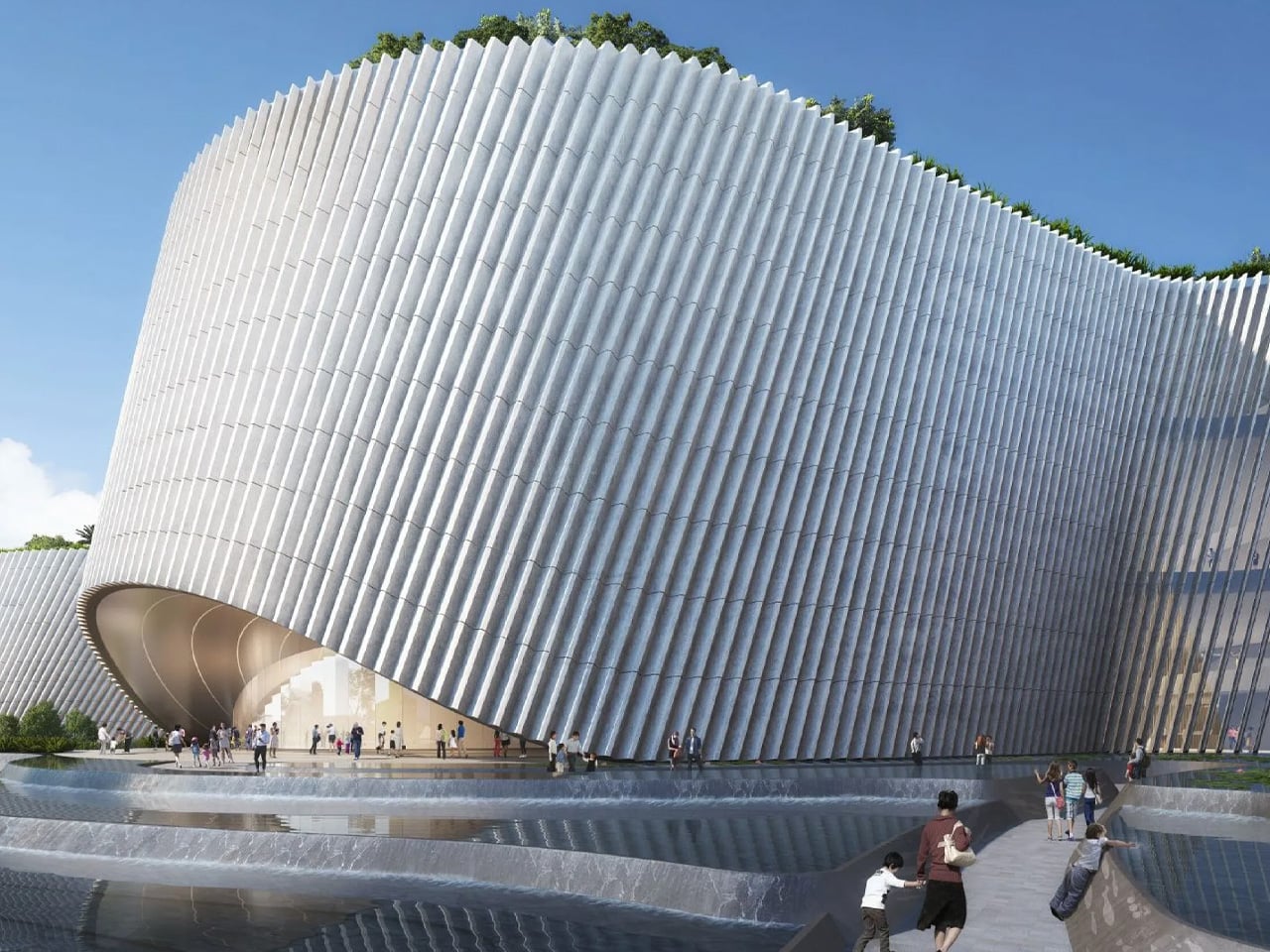
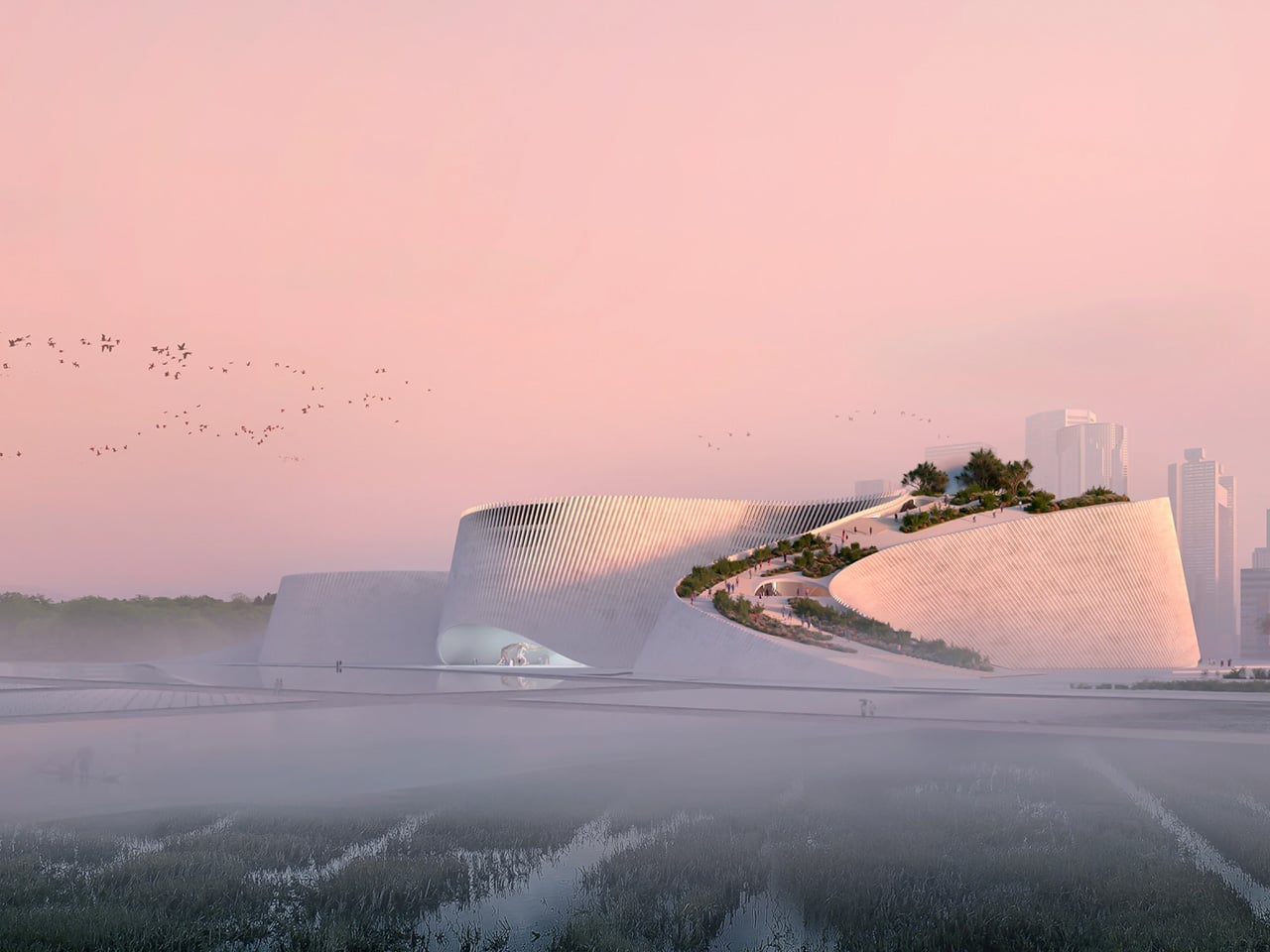
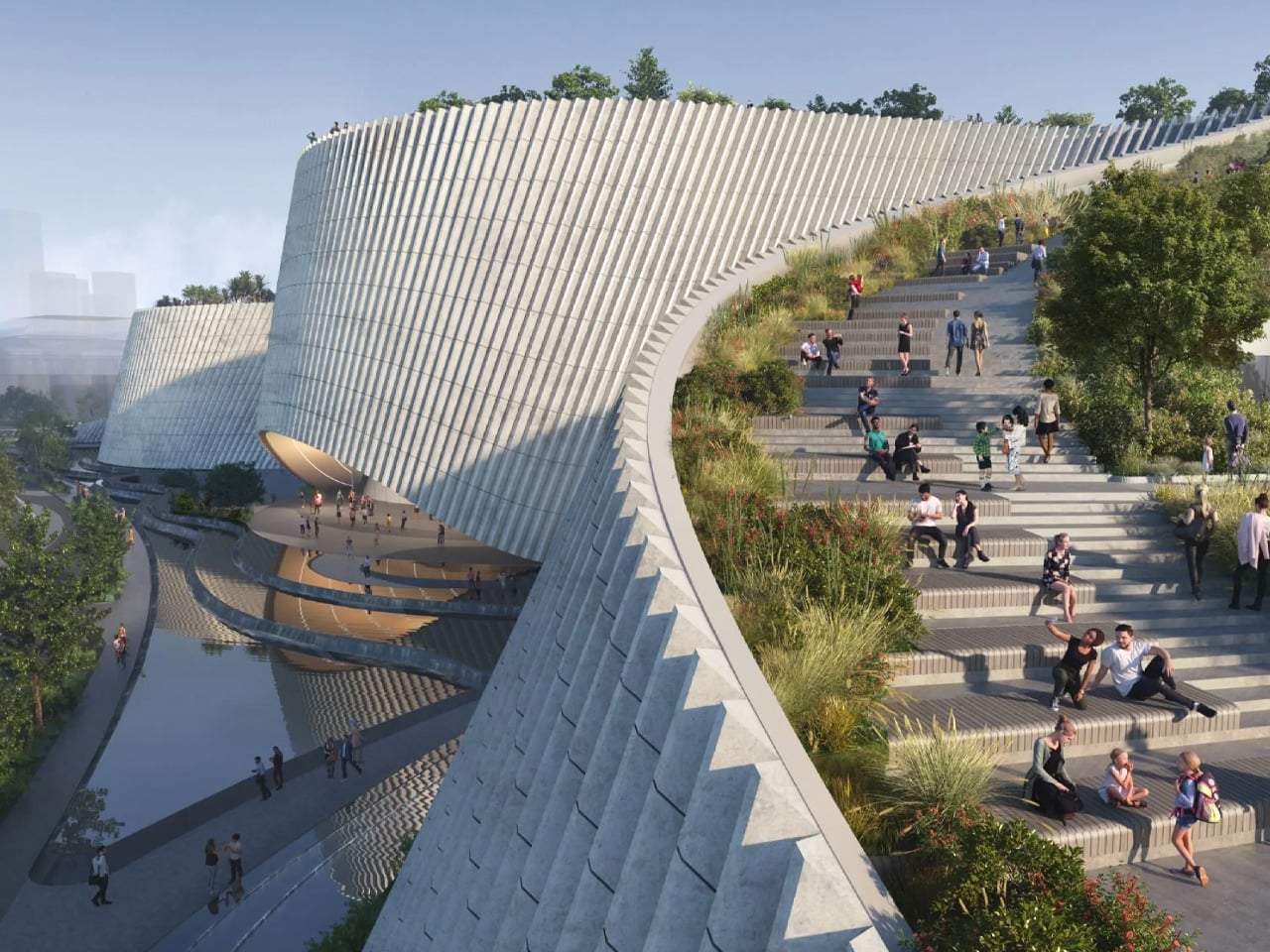
The design has a name, “Delta,” and it earns it. Rather than arriving as a monument on a plinth, the building rises from its river-delta setting as a continuous terrain of sloping roofs, planted terraces, and granite-clad surfaces that seem to have been worn into shape by water and time. The façade reads like a cliff face, its carved openings hinting at the galleries within. From a distance, the silhouette folds into the surrounding hills as naturally as it folds into the brief.
Designer: 3XN, B+H Architects & Zhubo Design
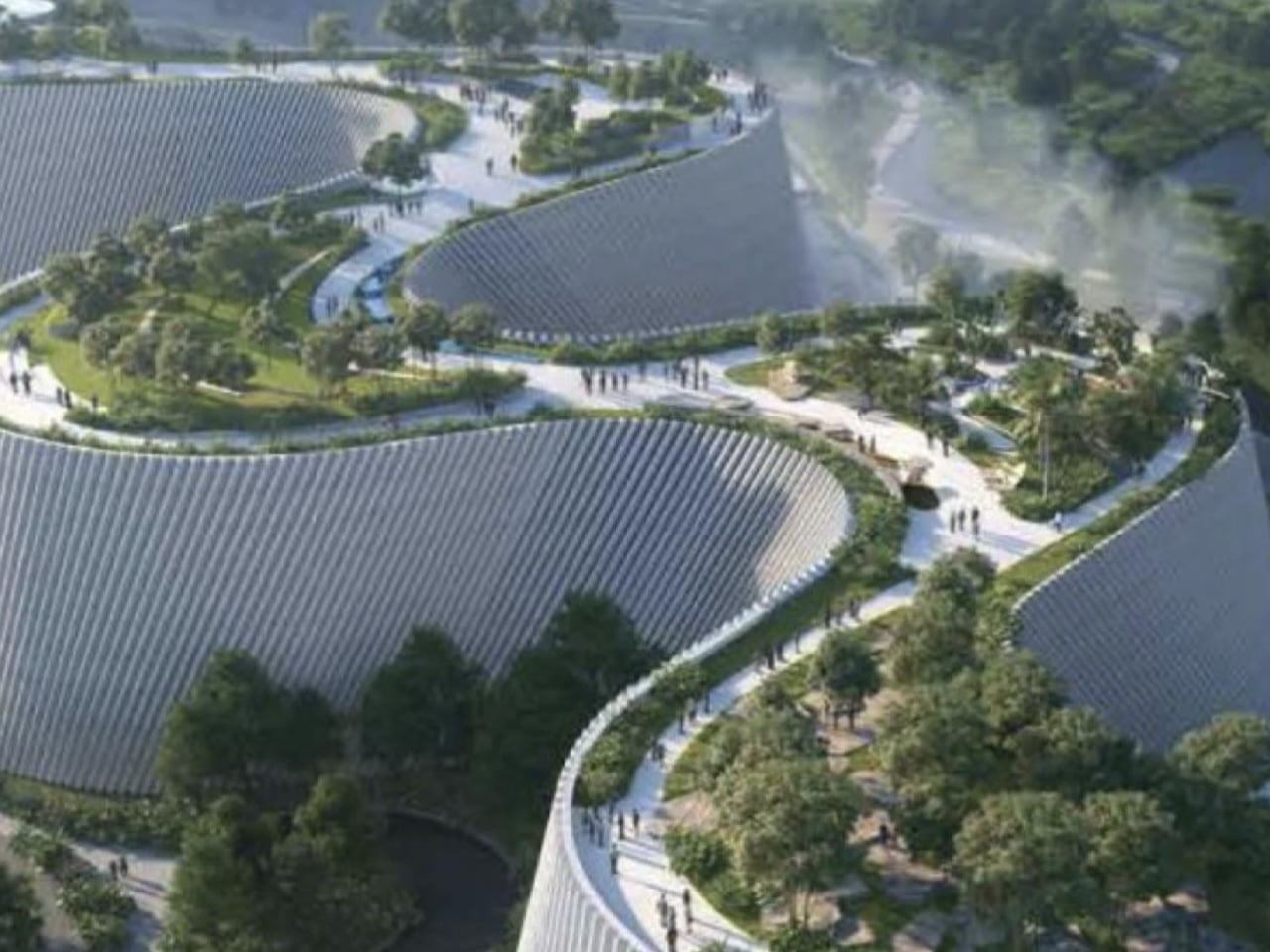
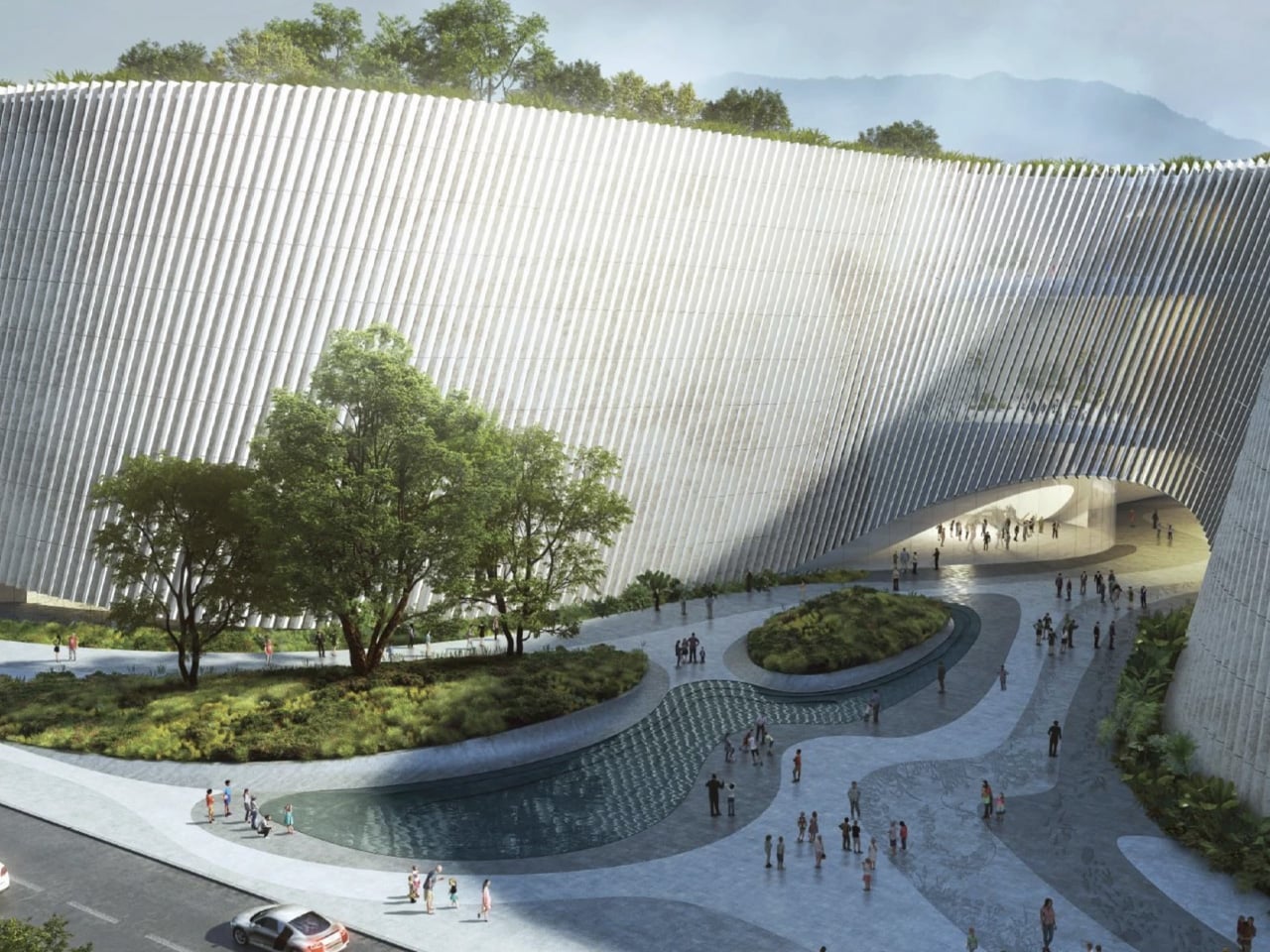
Kim Herforth Nielsen, founder of 3XN, framed the ambition plainly: “Nothing in nature is square. Nature is amorphous, dynamic, and always in formation. From the beginning, the ambition was to create not a building, but a piece of landscape that had always been there.” That idea holds all the way to completion. Internally, five cone-shaped volumes organize the museum’s principal exhibition halls, and moving between them feels less like navigating a floor plan and more like moving through a cave system, with atria, terraces, and framed views appearing and dissolving as you go.
Across eight themed exhibition halls, visitors trace 4.6 billion years of Earth’s history, from the origins of the universe through to the specific ecosystems of southern China. Exhibition designers Atelier Brückner and Museum Studio worked alongside the architects to integrate specimens, large-scale installations, and cinematic media with the curved cone geometries, turning the galleries into environments rather than rooms.
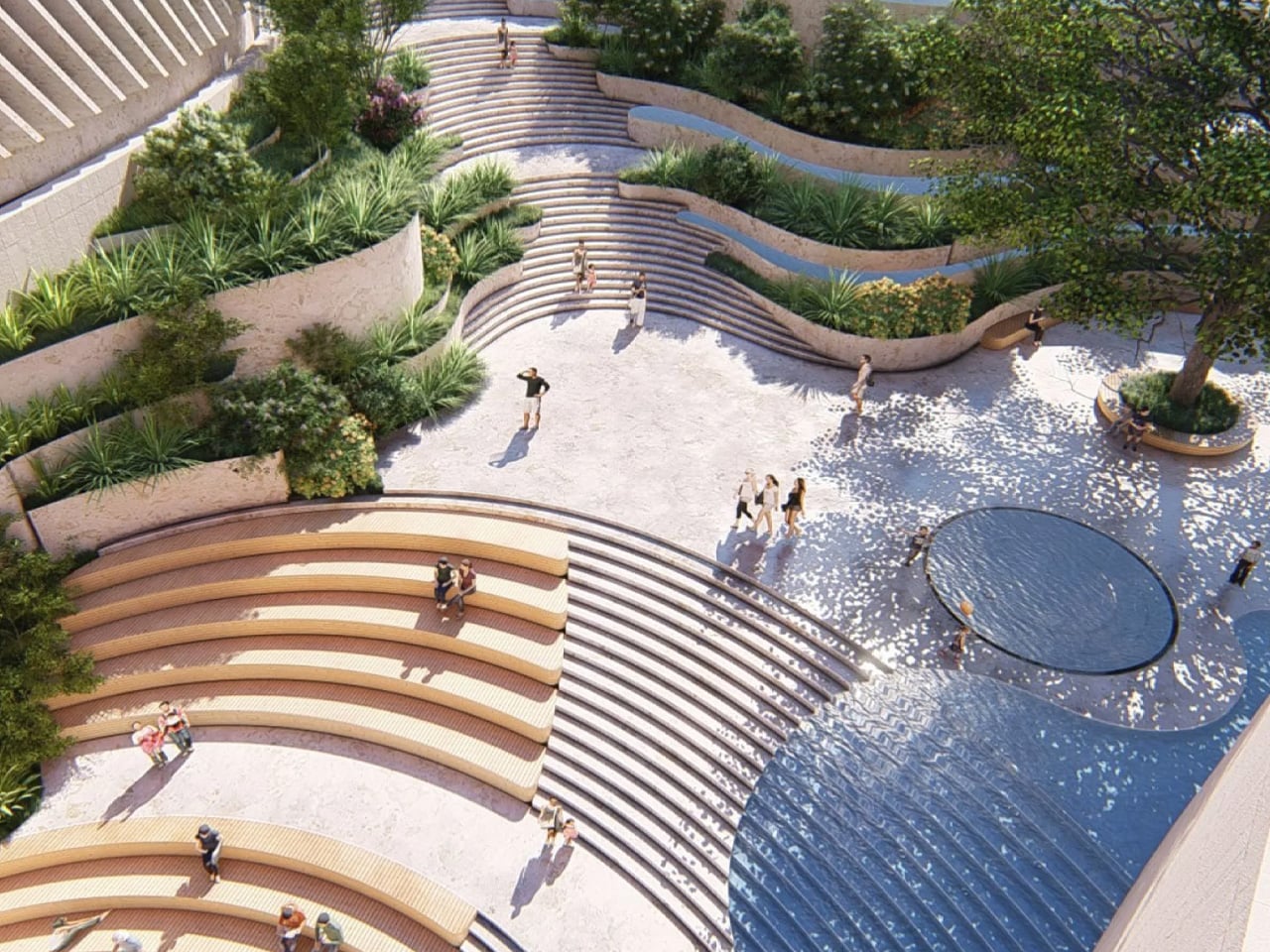
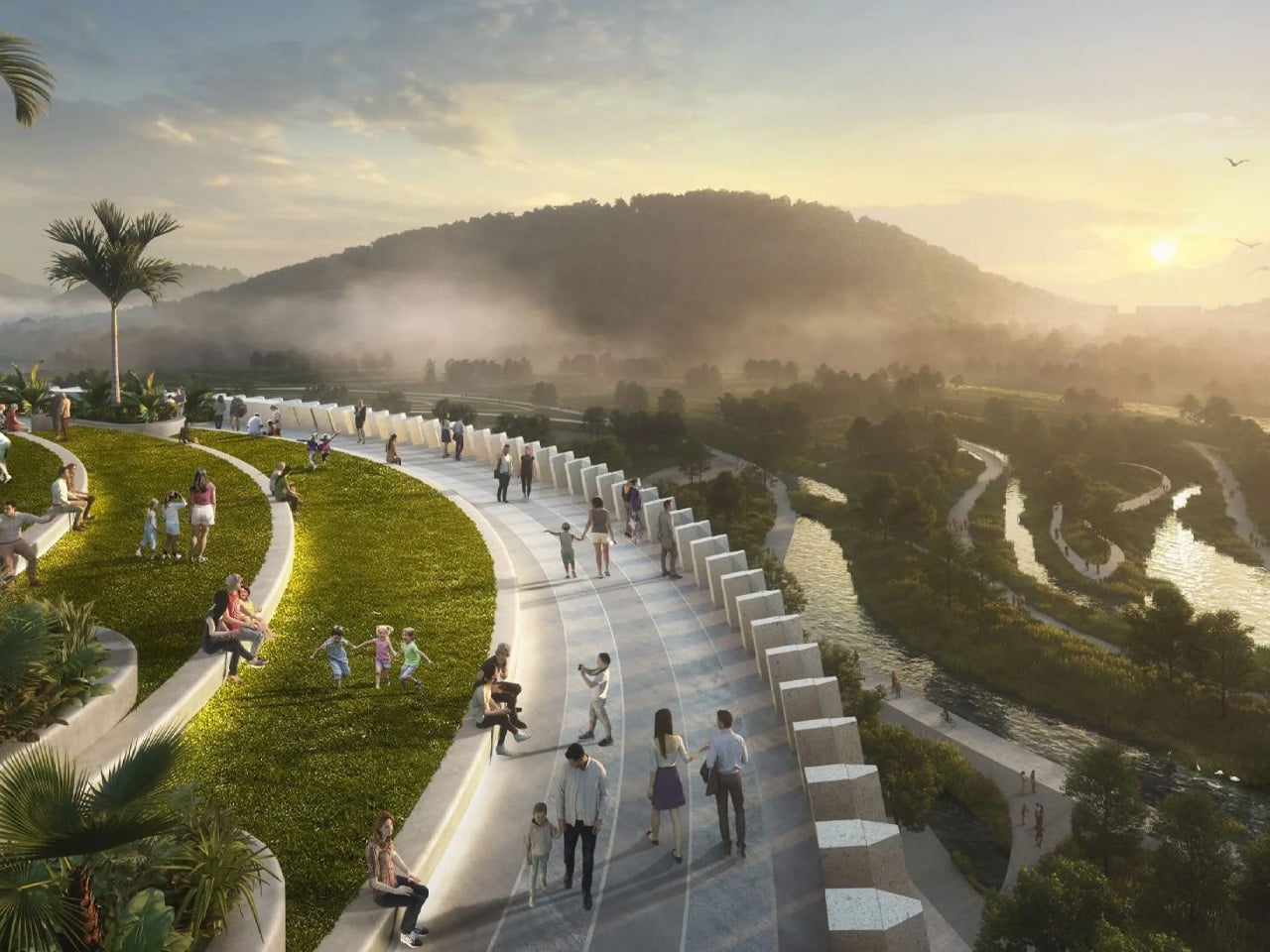
The roof is as considered as anything inside. B+H, who served as lead consultant, executive architect, and landscape architect, designed a walkable park that extends the surrounding ground plane up and over the building, connecting the museum to Yanzi Lake and the region’s wider network of rivers and wetlands. Viewing terraces, planted thematic zones, and gathering spaces make it a civic destination in its own right, one that functions on a Tuesday morning just as well as a Saturday afternoon.
The museum is part of Shenzhen’s “Ten Cultural Facilities of the New Era,” a city-wide infrastructure investment that has quietly been reshaping one of the world’s most dynamic urban environments. The Natural History Museum is the most visually compelling of the lot, and the one most likely to be remembered.