“Why can plants be considered native to more than one nation while people can’t?” This is a question that is very much relevant today with issues of immigration, identity, and diaspora constantly hounding those that live in countries that experience a huge influx of people coming in. What better way to explore these themes than in art?
Raul de Lara’s exhibition “Host” is a powerful and personal exploration of home, identity, and the immigrant experience, captured through the surreal and intricate medium of wood. The New York-based sculptor, who immigrated from Mexico at the age of twelve and is a DACA recipient, uses his art to give shape to the complex emotions and paradoxes of living between two cultures. The works on display are not just sculptures; they are silent companions, a testament to the artist’s journey.
Designer: Raul de Lara
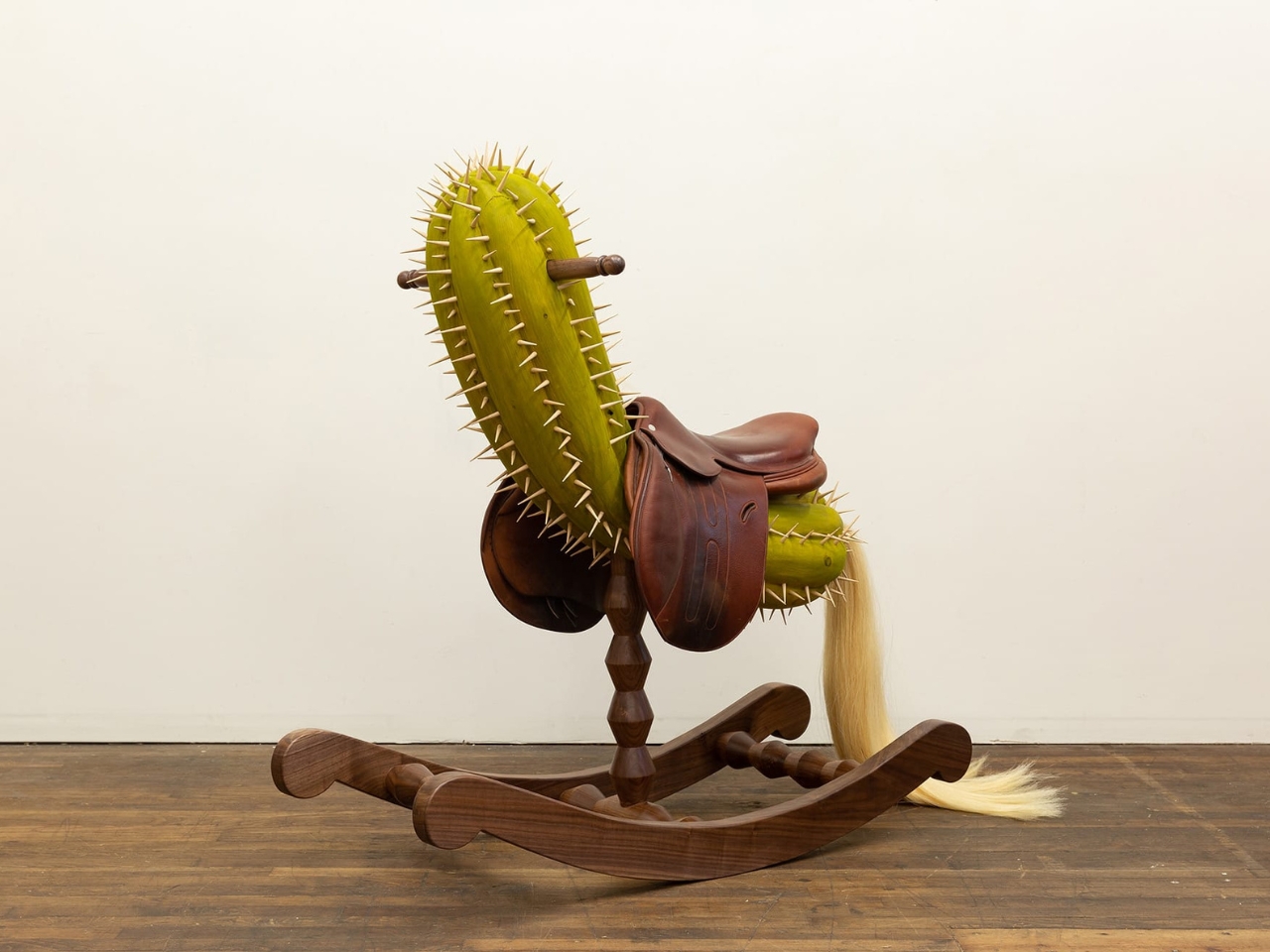
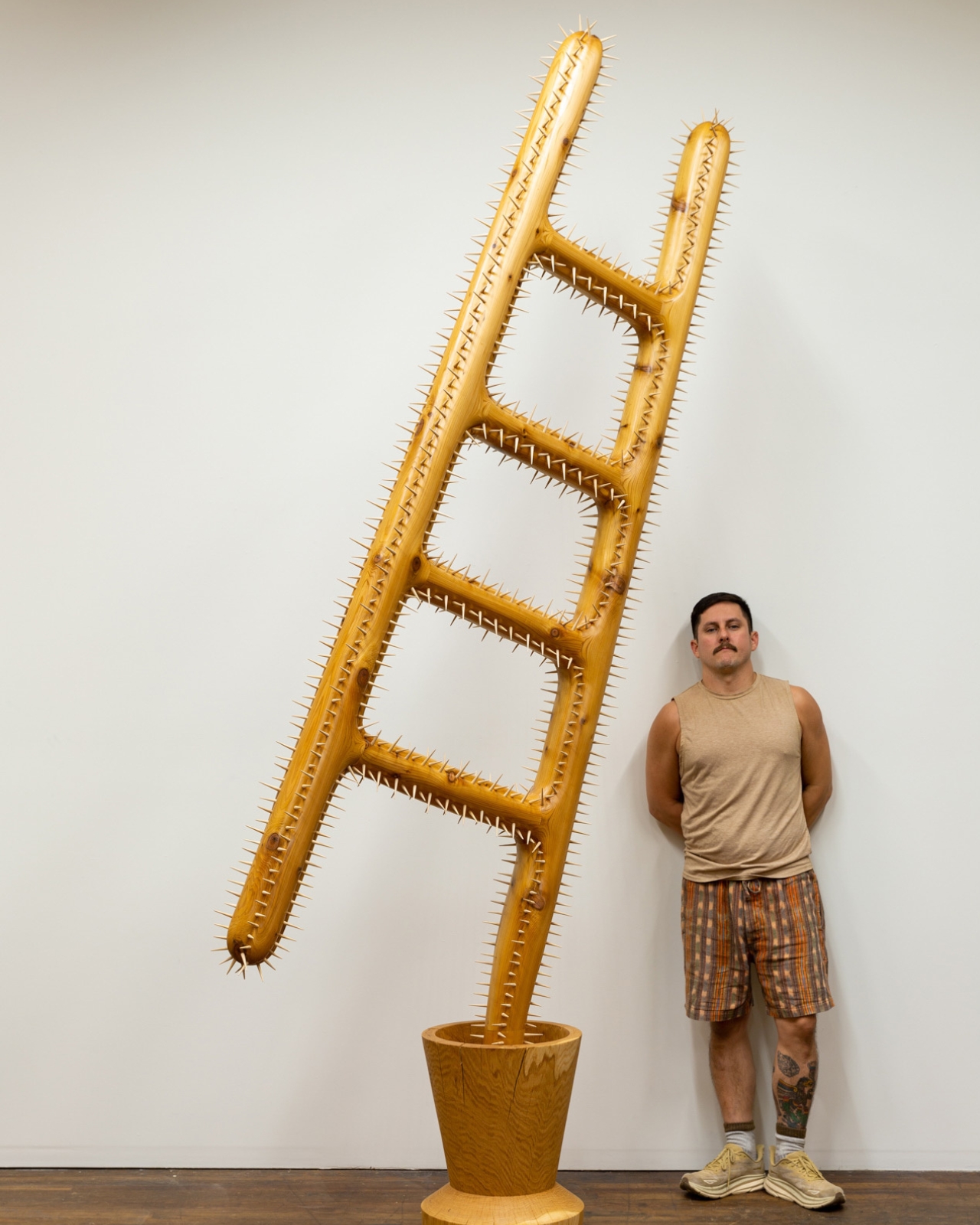
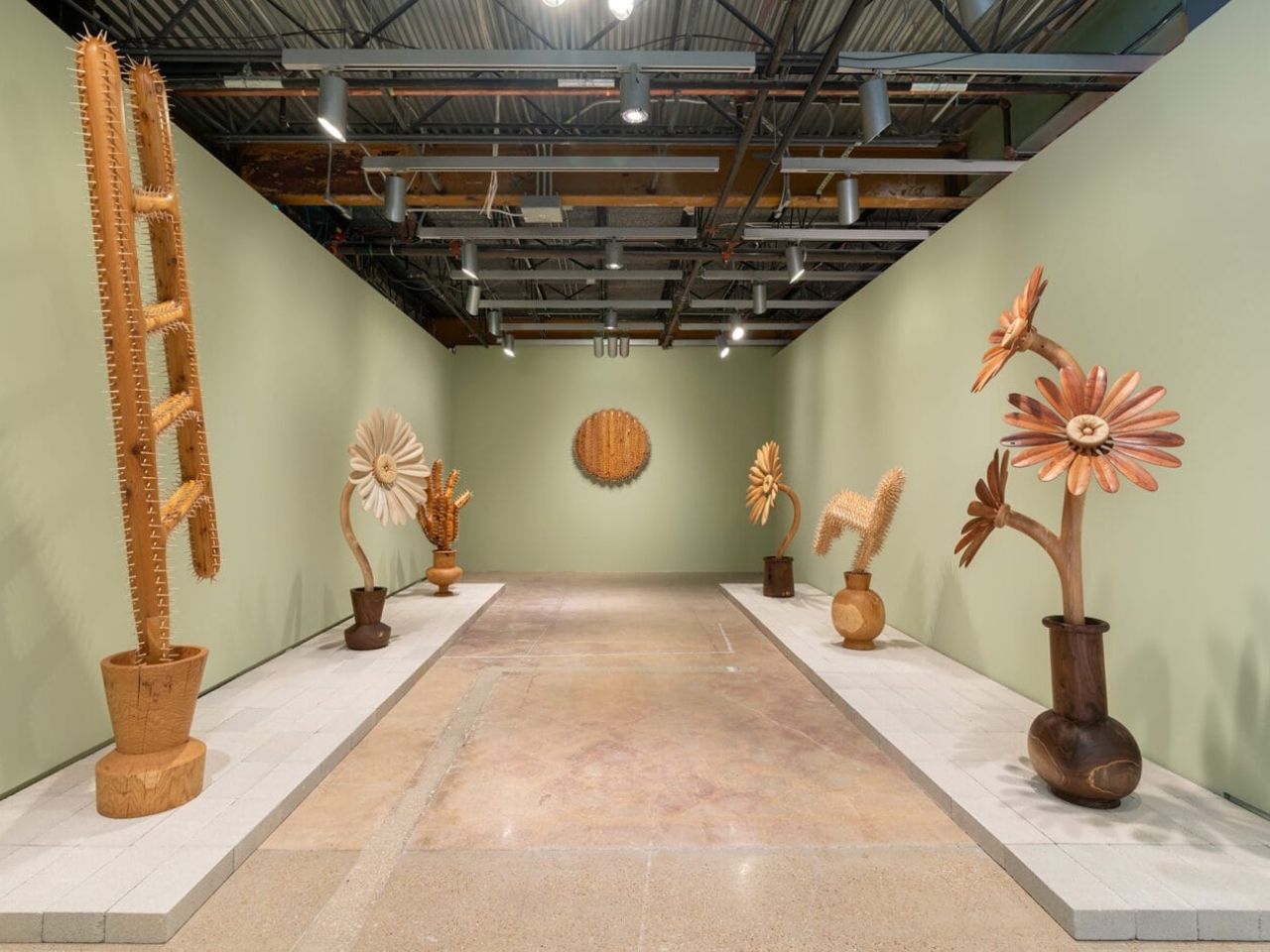
“Host” reimagines the familiar. Everyday objects chairs, ladders, and most notably, wild-growing flora are transformed into anthropomorphic forms. The central inspiration for the exhibition came from de Lara’s return to Austin, Texas, after two decades. During his visit, he studied plants native to both northern Mexico and Texas, such as the firewheel and lazy daisy. He then recasts these wild plants as confined, domesticated houseplants in his work. This is a deliberate and poignant metaphor, questioning why plants can be “native” to two places, but people cannot.

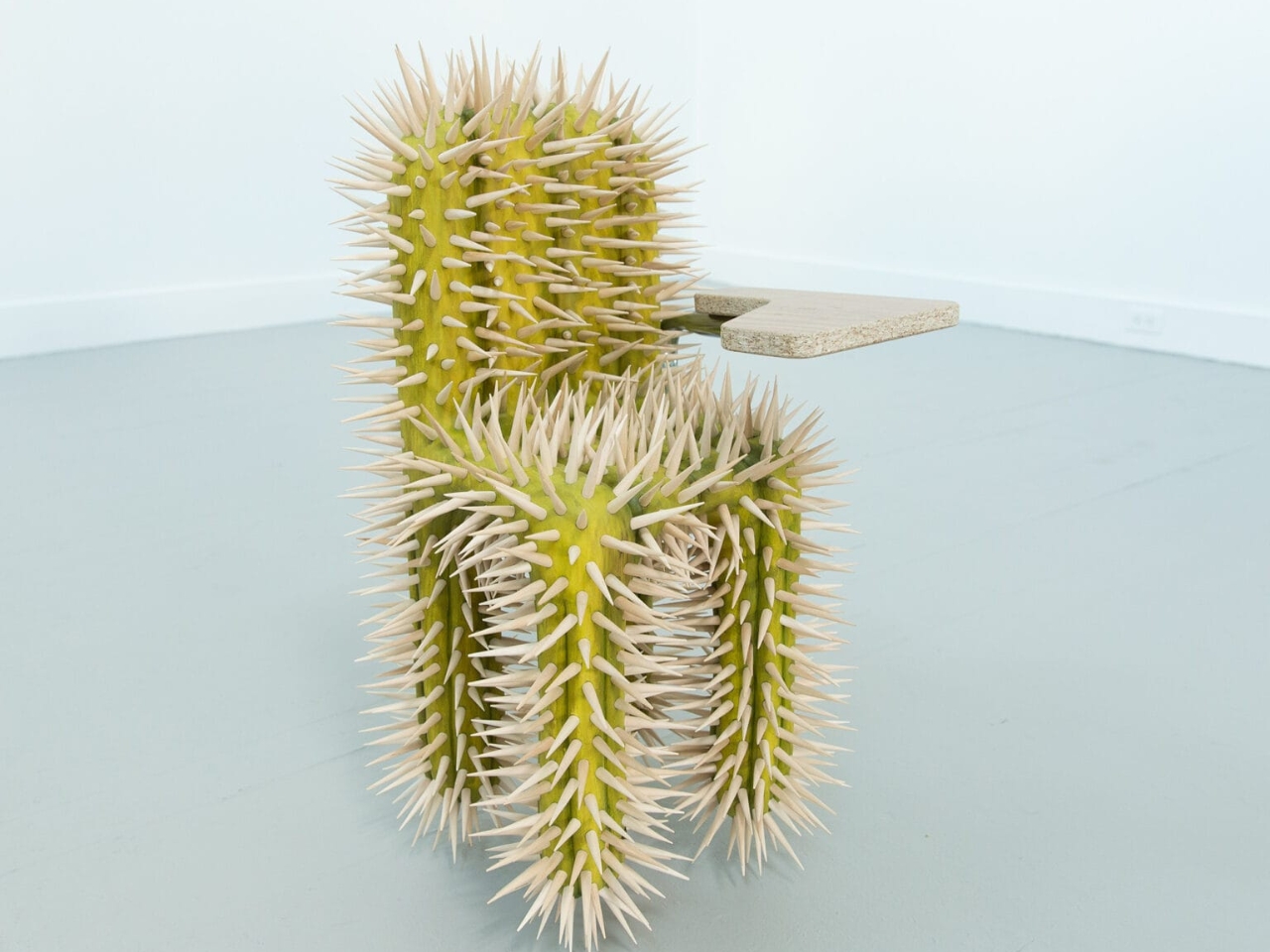
The materiality of the “Host” sculptures is just as important as their form. De Lara works primarily with wood, a medium he grew up with in his father’s workshop in Mexico. This intimate connection to the material is evident in the finished pieces, which blend technical skill with a poetic sensibility. The artist’s mastery allows him to create sculptures that are both sturdy and delicate, reflecting the dual nature of his subject matter.

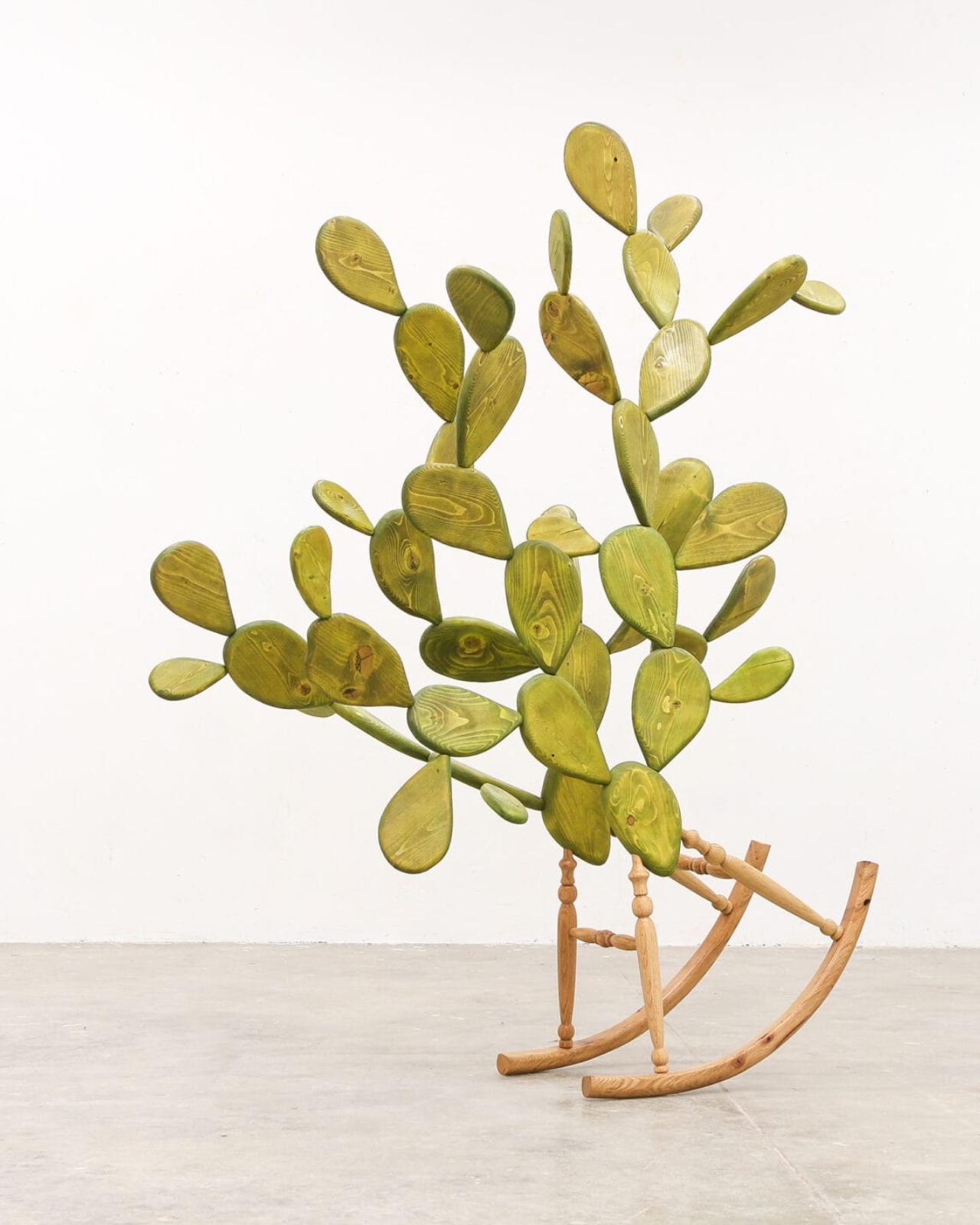
The designs are often characterized by a sense of magical realism and humor. While the forms are intricate and complex, they carry a certain whimsical quality that makes them accessible. The smooth, polished surfaces of some pieces contrast with the raw, textured grain of others, highlighting the organic nature of the material. Each piece is a testament to de Lara’s meticulous attention to detail and his ability to fuse traditional craftsmanship with a contemporary and deeply personal design vision. The sculptures stand as a physical manifestation of his journey, a beautiful and thoughtful dialogue between two cultures captured in wood.

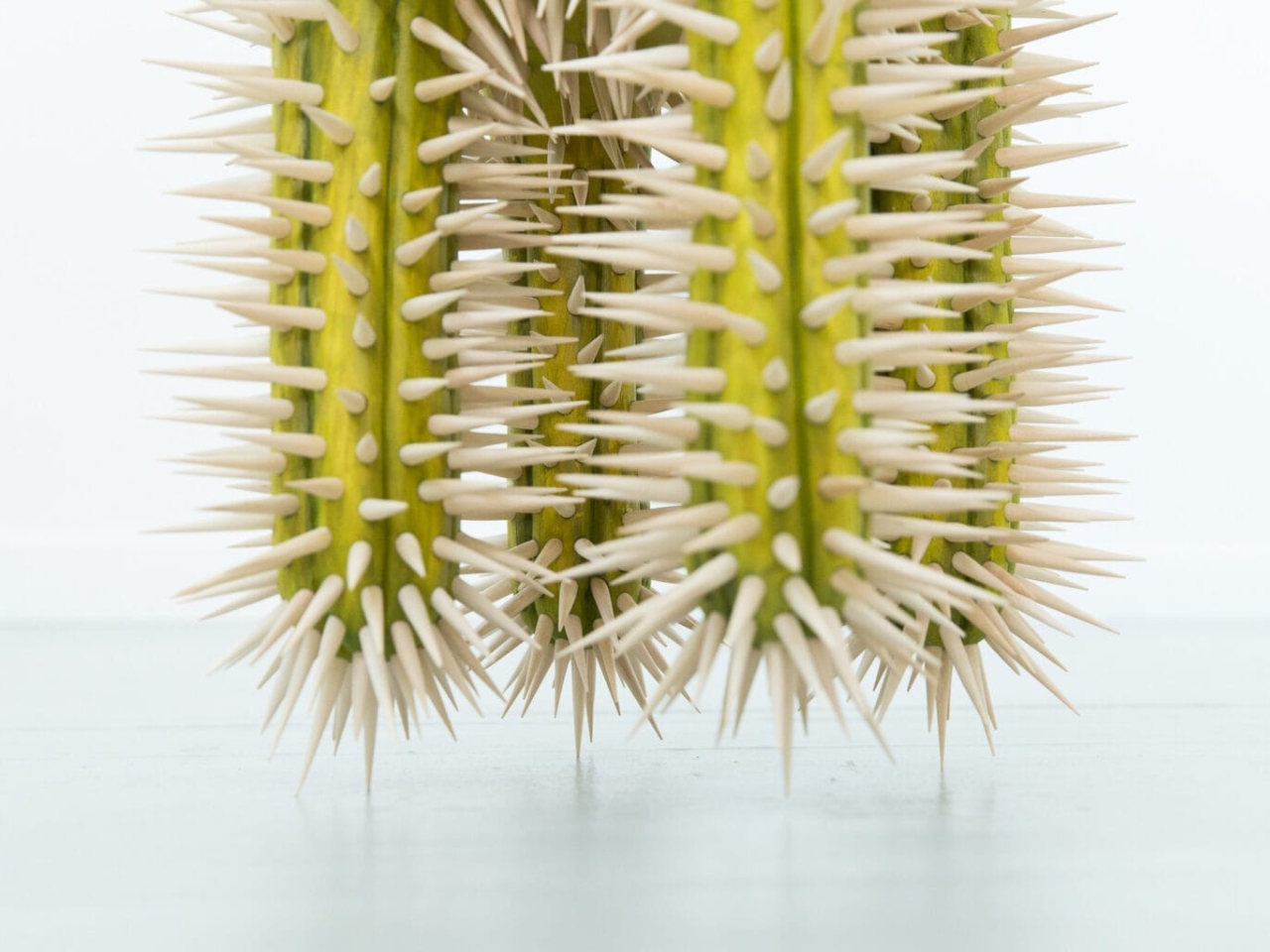
The exhibition speaks to a universal human desire to belong. Through his intricate carvings, de Lara articulates the paradox of contingency the feeling of being in a place but never fully of it. His wooden plants, though rooted and sustained, are contained, unable to flourish freely. They stand as a quiet reflection on the systems that determine who is permitted to belong, and the quiet endurance required to navigate such a world. The sculptures invite viewers to reflect on their own understanding of home, cultural identity, and the silent narratives carried by the objects around us.