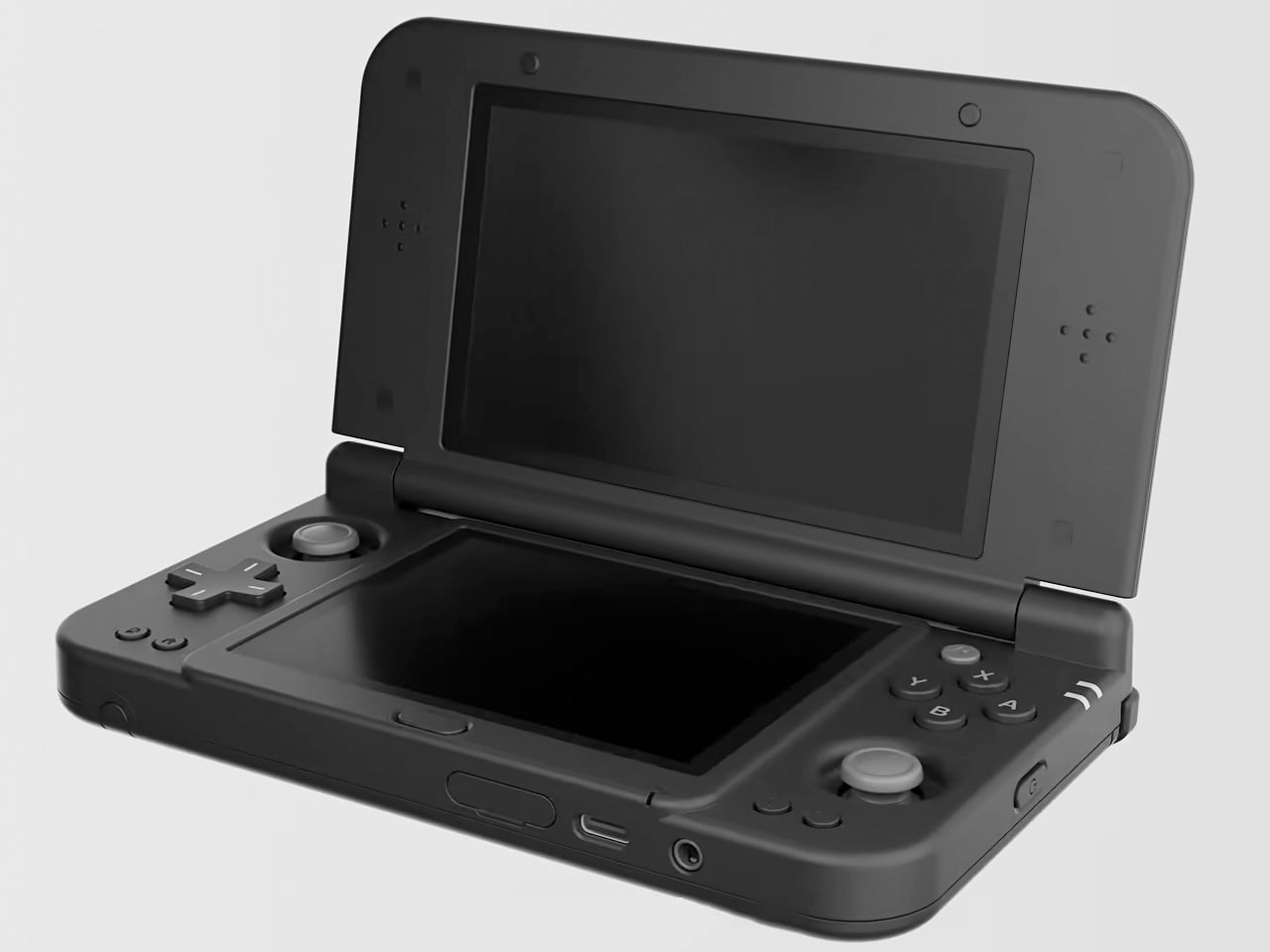
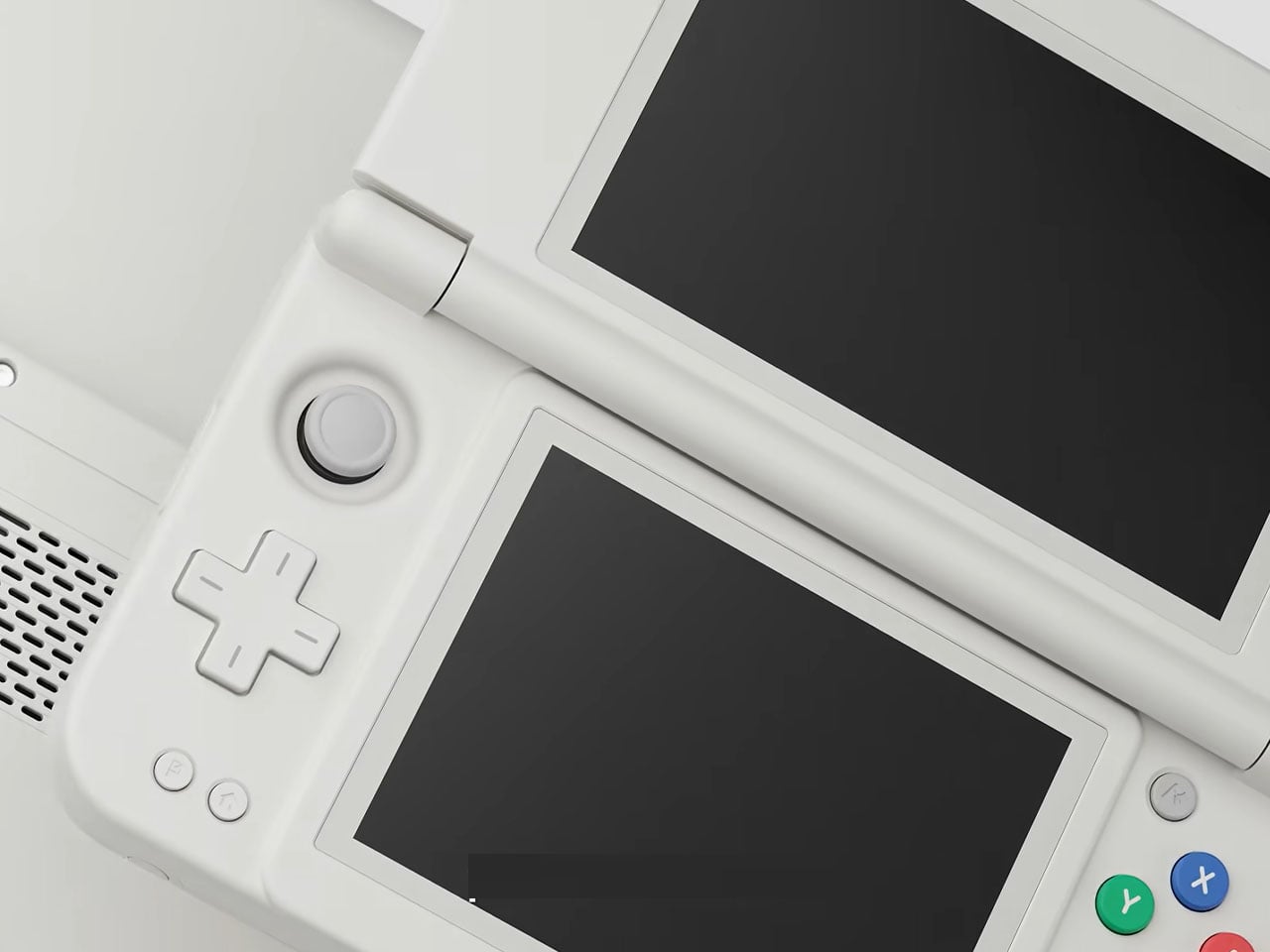
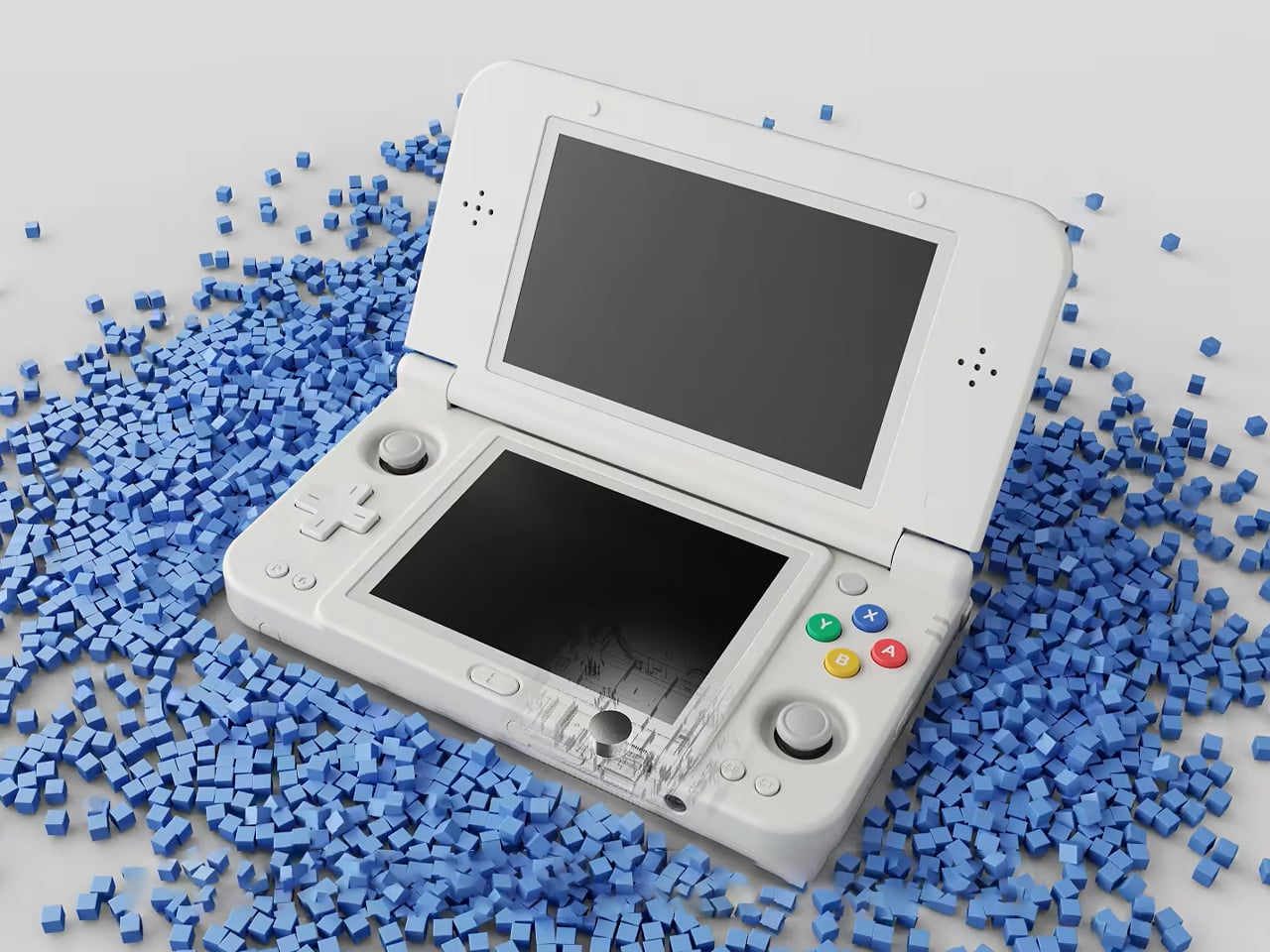
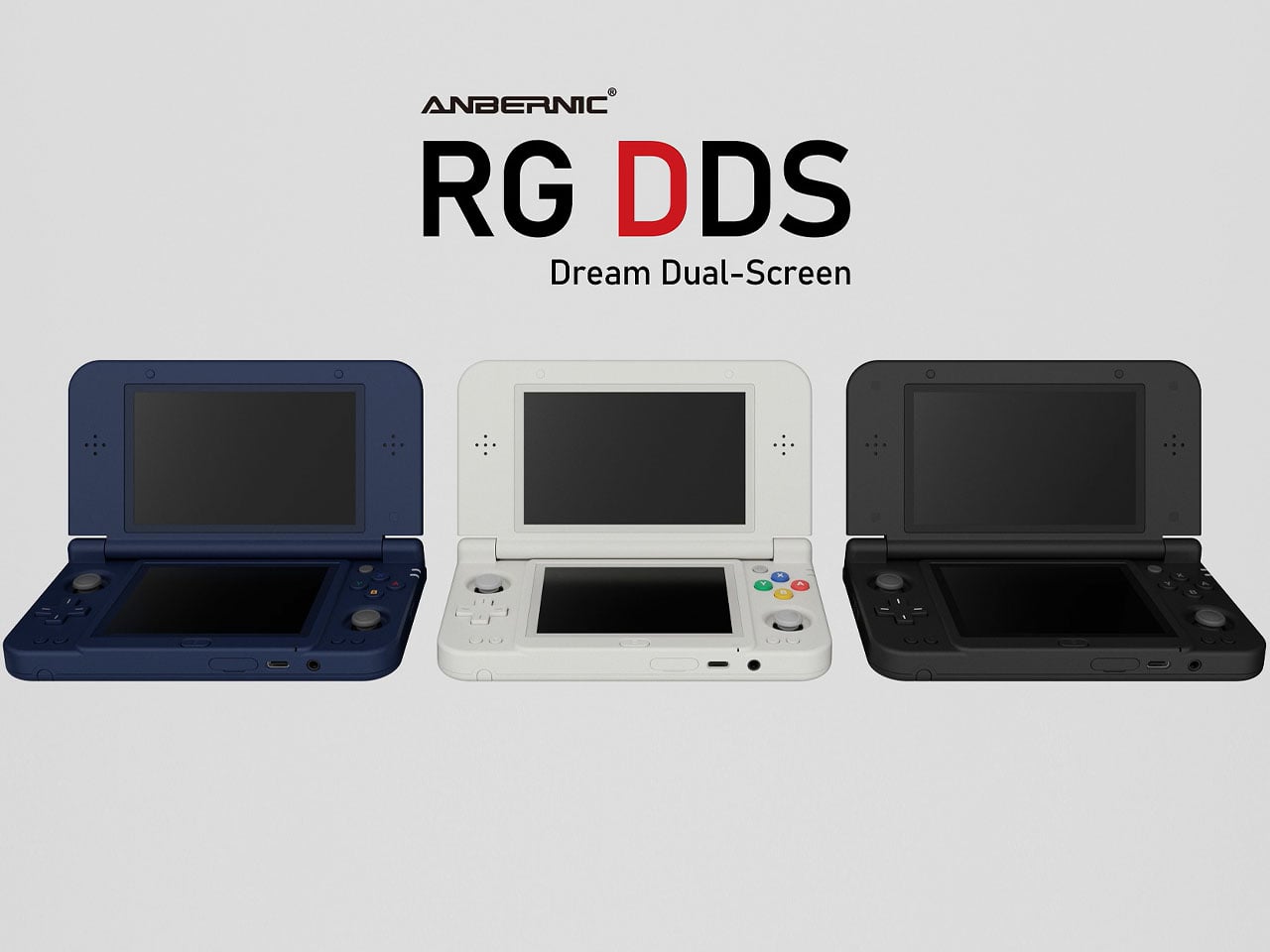
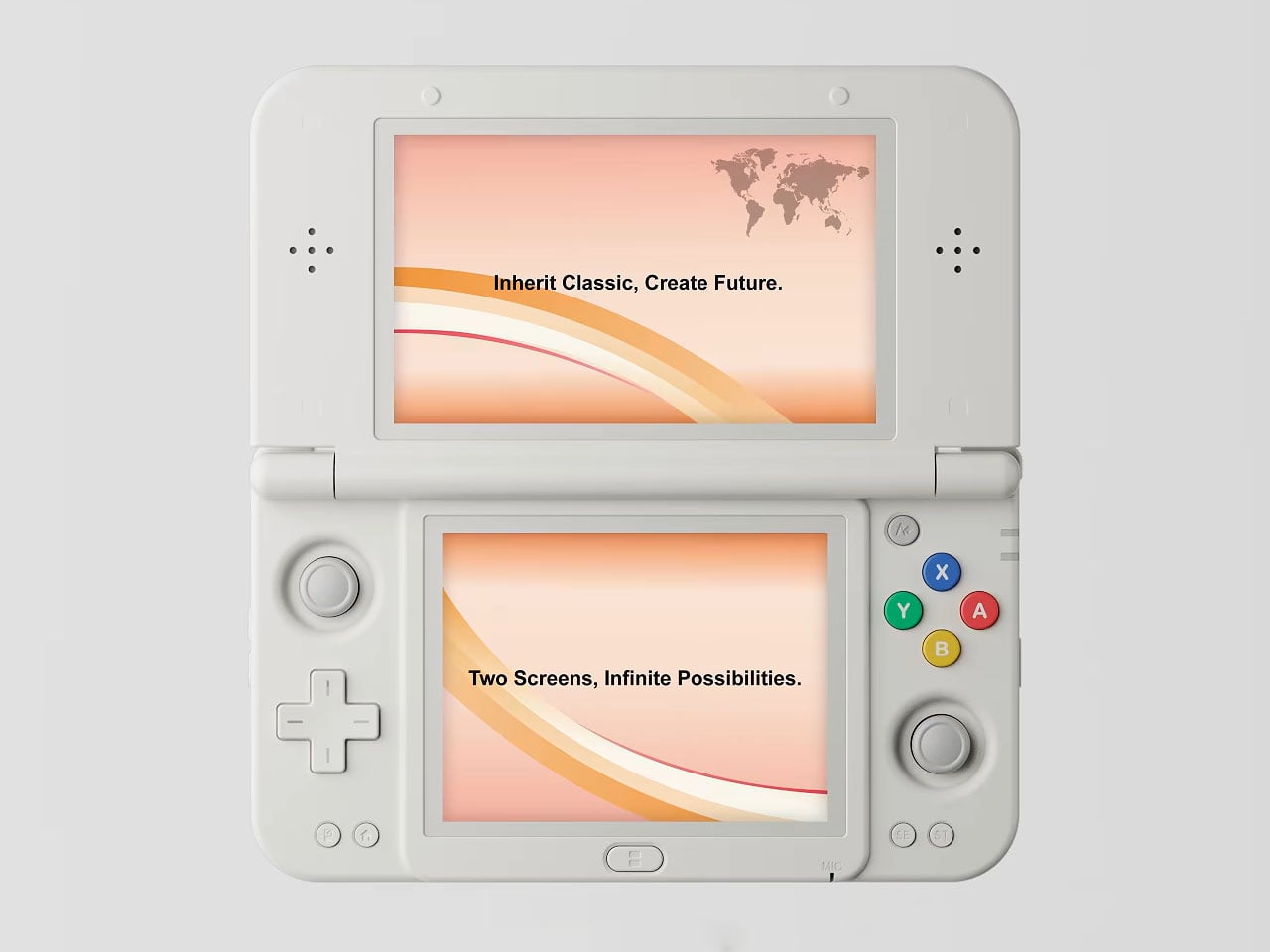
Following the success of RG DS and the more recent RG DS Plus, Anbernic is taking its dual-screen handheld lineup in a more powerful direction with the new RG DDS (Dream Dual-Screen). The clamshell console draws inspiration from the Nintendo New 3DS, combining its familiar design with modern hardware, higher-resolution displays, and a few practical additions aimed at retro gaming enthusiasts.
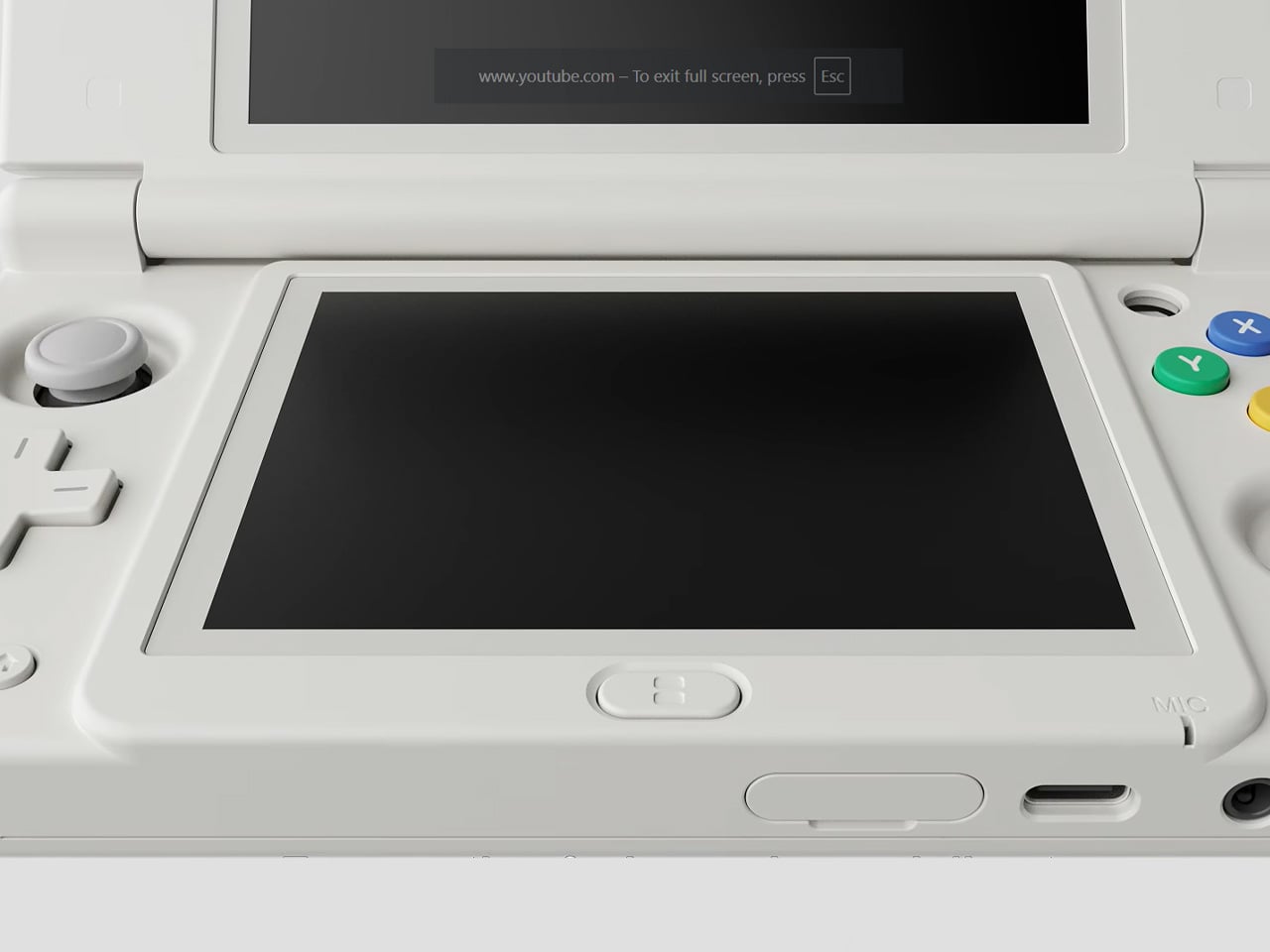
The RG DDS features two custom IPS displays: a 4.7-inch top screen and a 4-inch bottom screen. The upper panel offers a 1200 × 720 resolution in a 5:3 aspect ratio, while the lower display uses 960 × 720 in a 4:3 aspect ratio. Both deliver a pixel density of 300 PPI and peak brightness of 500 nits. More importantly, their resolutions allow Nintendo 3DS games to run at 3× integer scaling, potentially delivering sharper visuals while preserving the original games’ proportions.
Designer: Anbernic
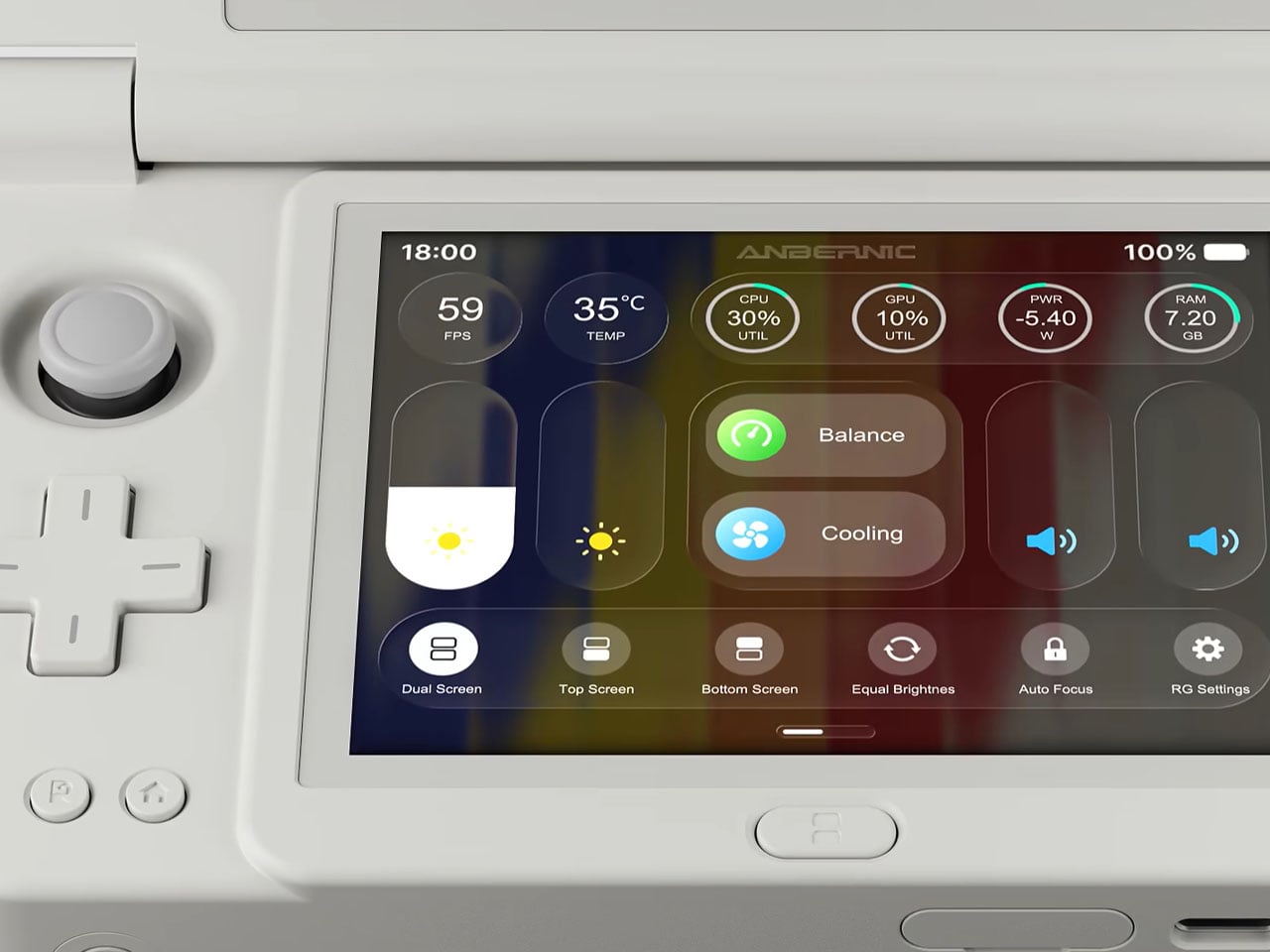
Under the hood, the handheld uses Qualcomm’s Snapdragon G2 Gen 2 processor, an octa-core chipset also found in the Retroid Pocket G2. Paired with an Adreno A22 GPU, which is comparable to the Adreno 735, it gives the RG DDS considerably more processing power than Anbernic’s earlier dual-screen models. The hardware should make it better suited to demanding 3DS emulation, although real-world performance will depend on individual games and software optimisation. Anbernic has not confirmed the final RAM configuration, but footage of the interface suggests that the device could offer at least 8GB.
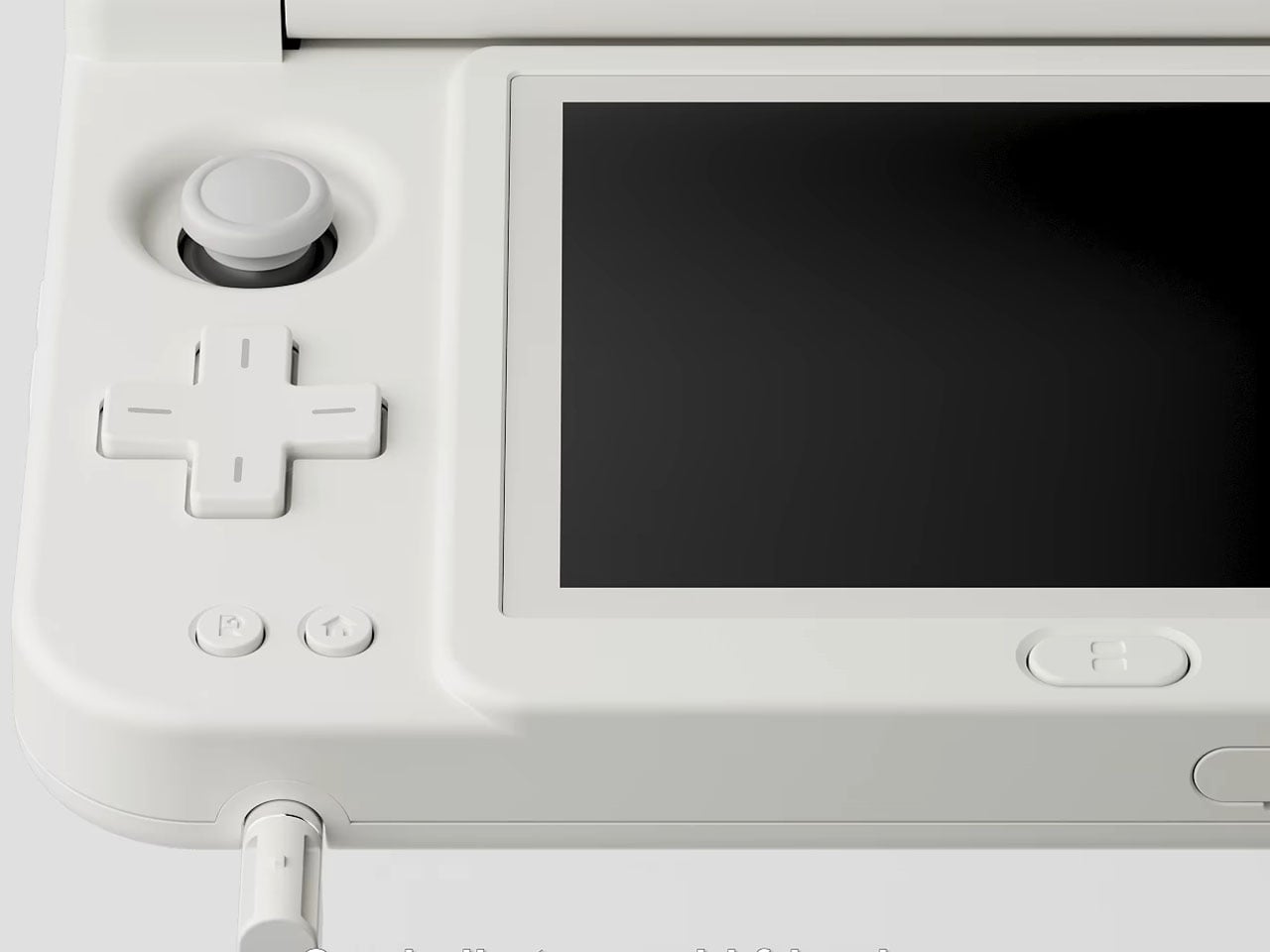
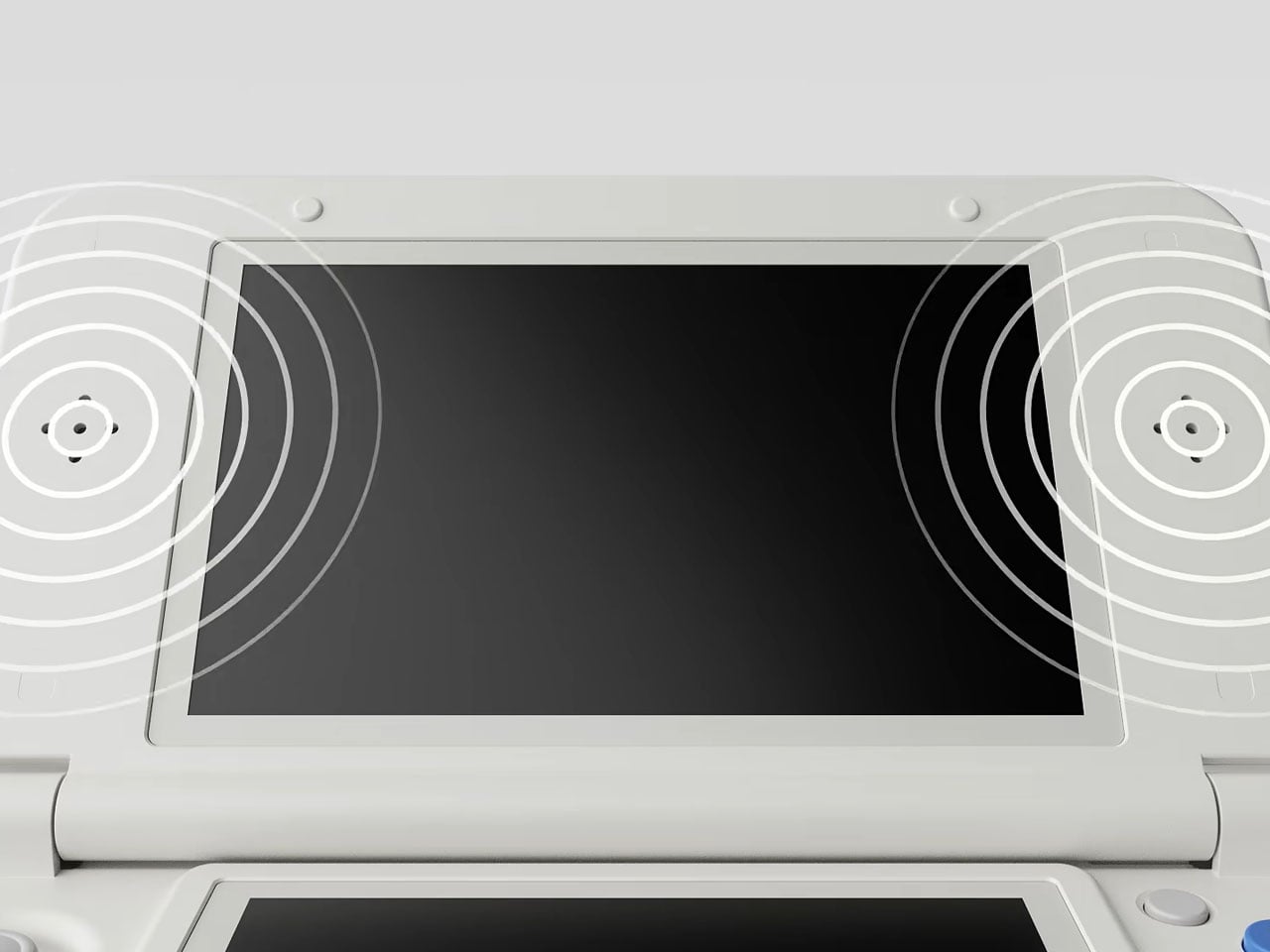
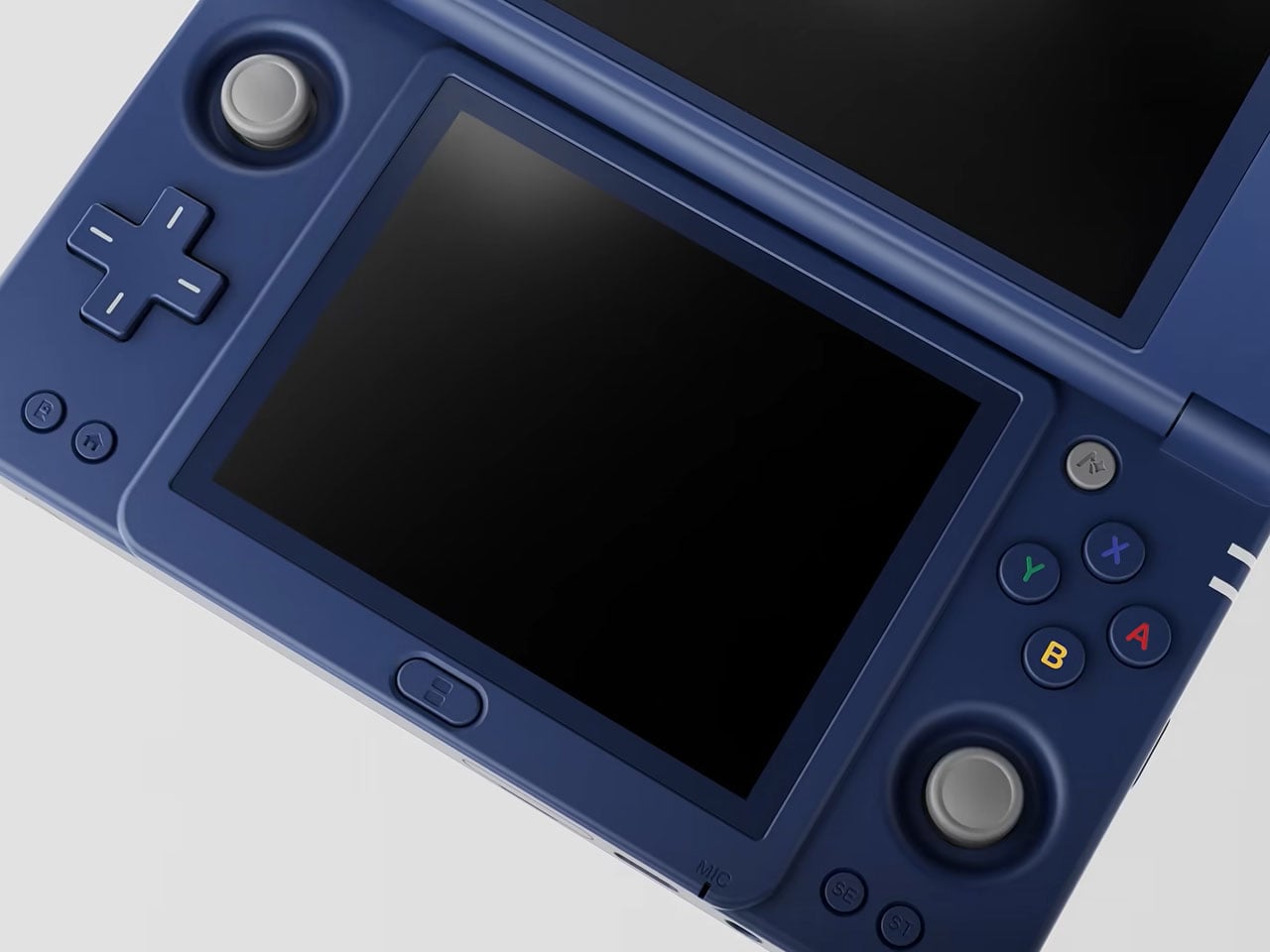
The design stays close to the New Nintendo 3DS, including its rounded clamshell body, familiar button arrangement, and front-facing speaker grilles. However, the RG DDS replaces the original system’s small C-stick with a full-sized right analogue stick and includes two recessed thumbsticks for broader game compatibility. It also comes in black, blue, and white, with the colour options adding the nostalgia of Nintendo’s older handhelds.
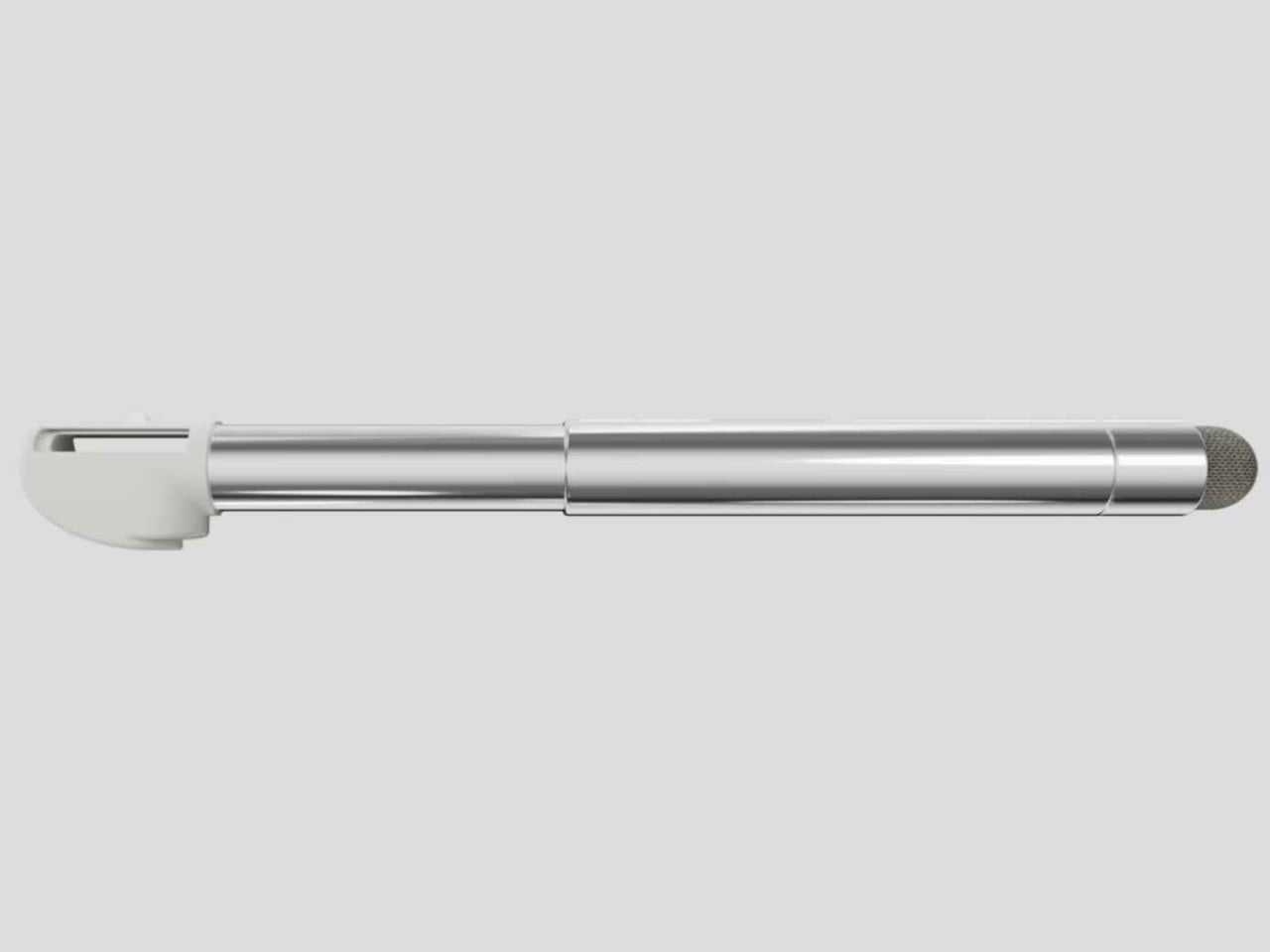
An integrated, retractable stylus sits alongside the touchscreen, making it easier to interact with menus, maps, and inventory screens without relying entirely on physical controls. Unlike the earlier RG DS Plus stylus, the redesigned accessory extends after removal and features a mesh tip. Other additions include front-firing stereo speakers, a new Z-axis linear vibration motor, active cooling, and a 6,000mAh battery. The device also has a dedicated AI button, although its intended functions have not been clearly explained.
The two-screen arrangement is central to the RG DDS handheld’s appeal. Rather than squeezing both displays into one screen or repeatedly switching between them, players can keep a game’s main action and secondary interface visible simultaneously. This makes the device highly relevant for Nintendo DS and 3DS libraries, where touchscreen interaction and separate menus are integral to the experience.
Anbernic has not yet announced the RG DDS’s price or release date, but I’m eager to check out its real-world performance. The combination of modern processing power, higher-resolution displays, and a familiar handheld design makes it a lucrative alternative to dual-screen competitors such as the Retroid Pocket Duo and AYN Thor. Whether it delivers better value will ultimately depend on its retail price, software support, and performance in actual gameplay.