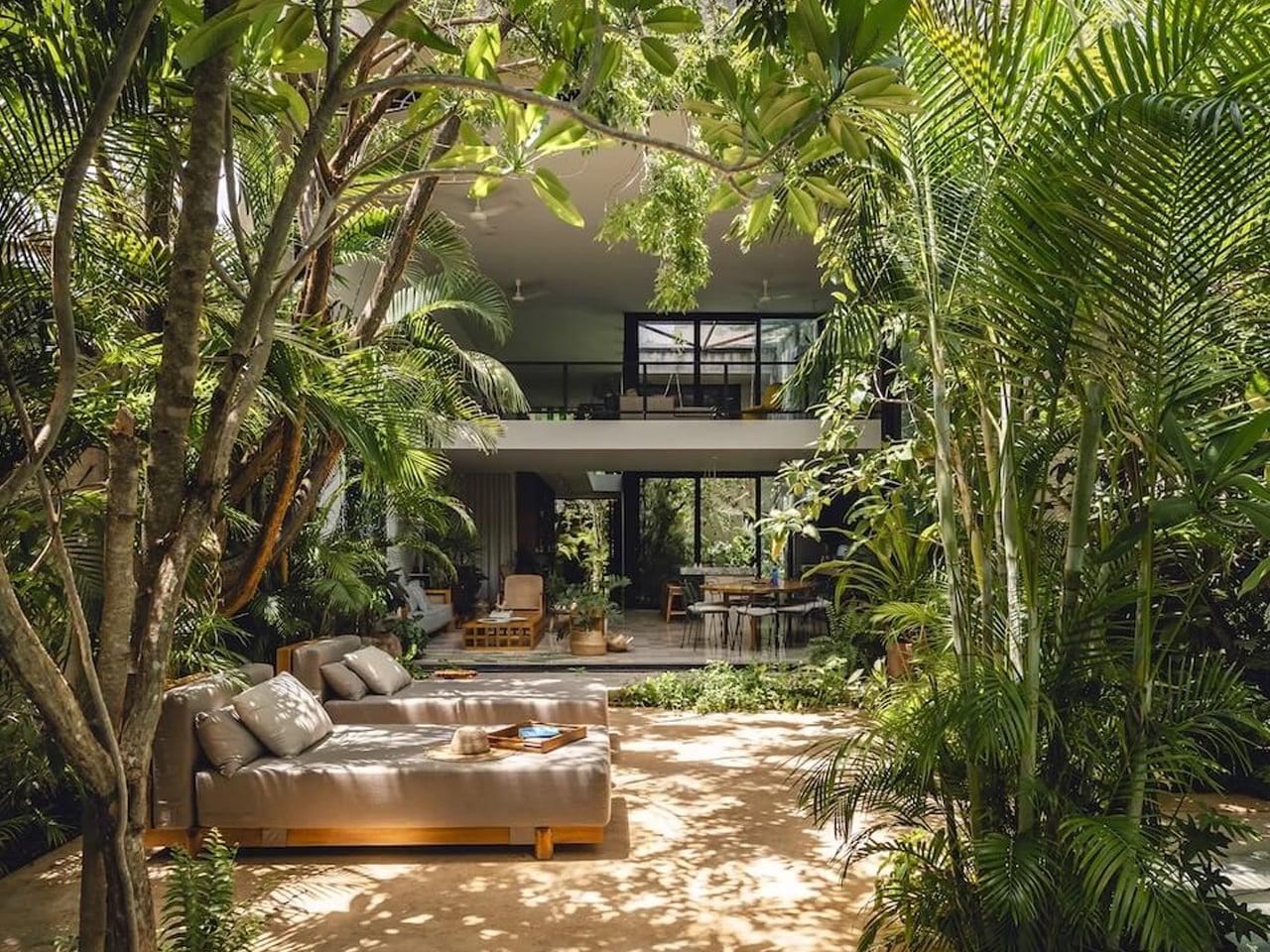
Casa del Loro translates to House of the Parrot. The name alone tells you where the heart of this project lives. Designed by Francisco Bernés Aranda and Fabián Gutiérrez Cetina of Workshop, Diseño y Construcción, the 360-square-meter studio-house sits on the outskirts of Mérida, Yucatán, carved into dense jungle steps away from a crumbling henequen hacienda. The owners’ deep affection for rescued wild birds didn’t just inspire the name — it shaped every architectural decision made.
The firm calls their approach “modern Yucatecan,” a phrase that does a lot of lifting. Contemporary volumes meet traditional regional elements, pulling the structure into a dialogue between what Mérida has always been and what it’s quietly becoming. The result doesn’t feel like architecture dropping into a landscape — it feels grown from one. The narrow, elongated form sequences domestic spaces, open patios, and two large aviaries in a single fluid sweep, letting humans and rescued birds share a roof without either feeling like a guest.
Designer: Workshop, Diseño y Construcción
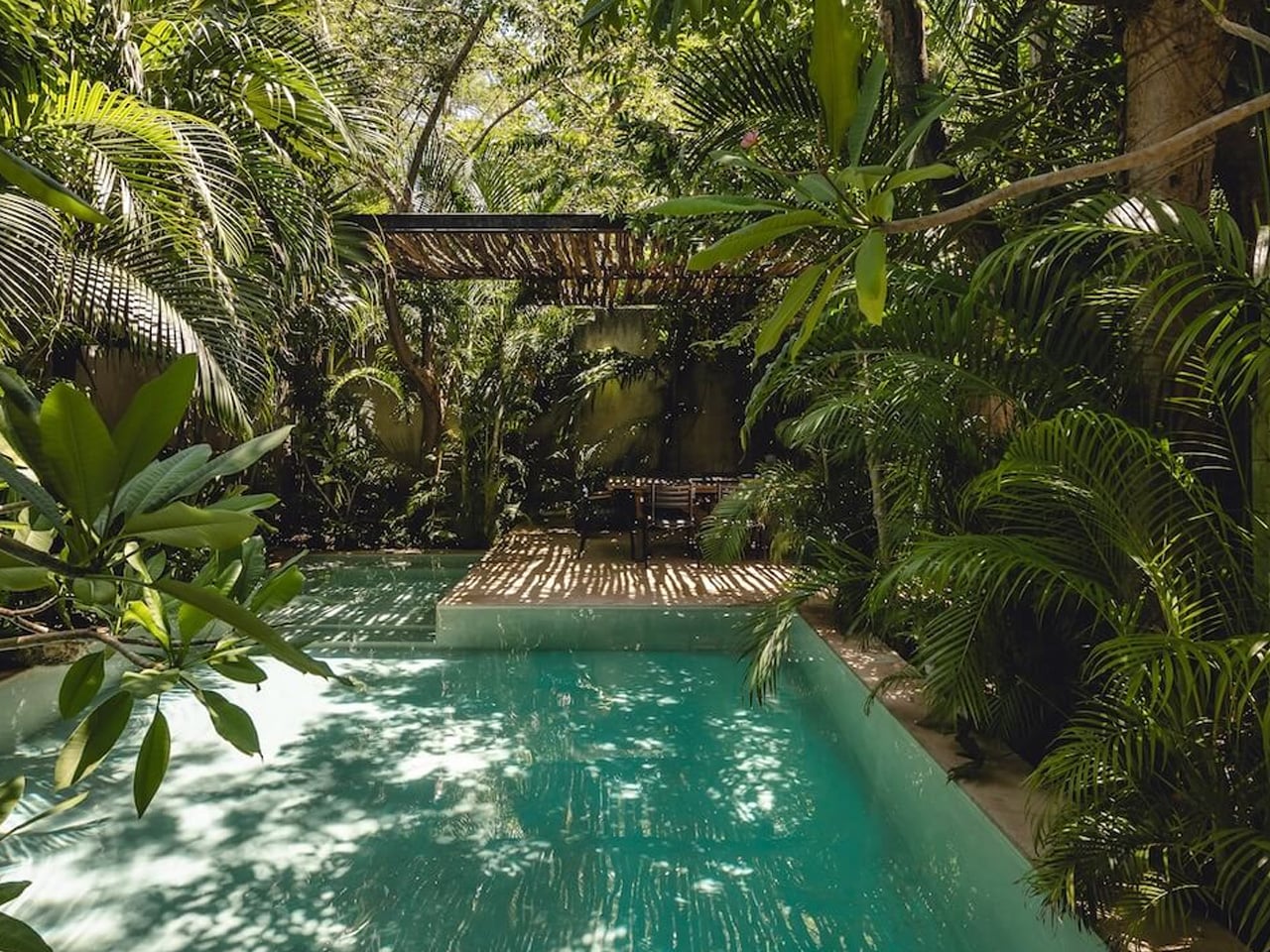
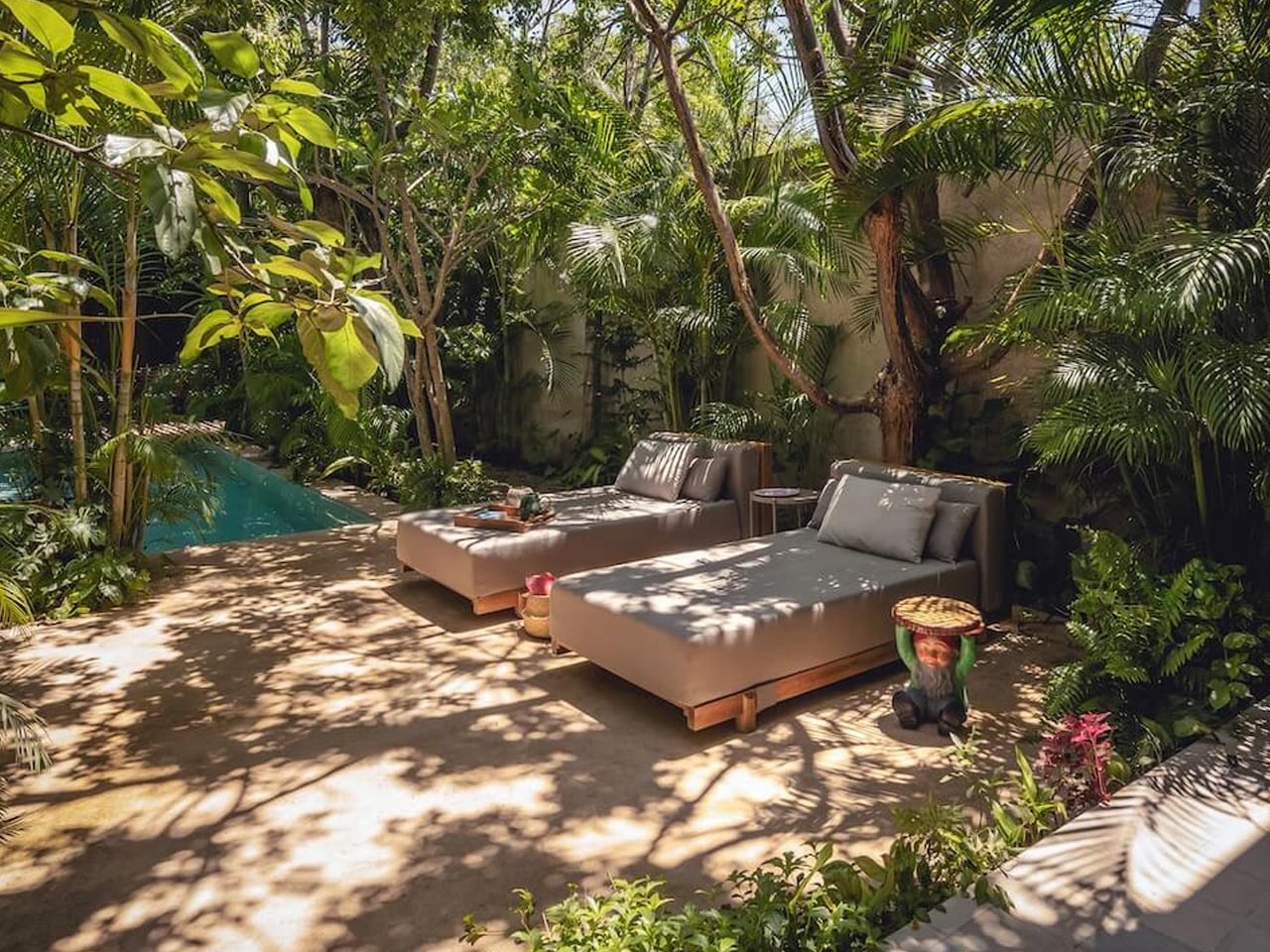
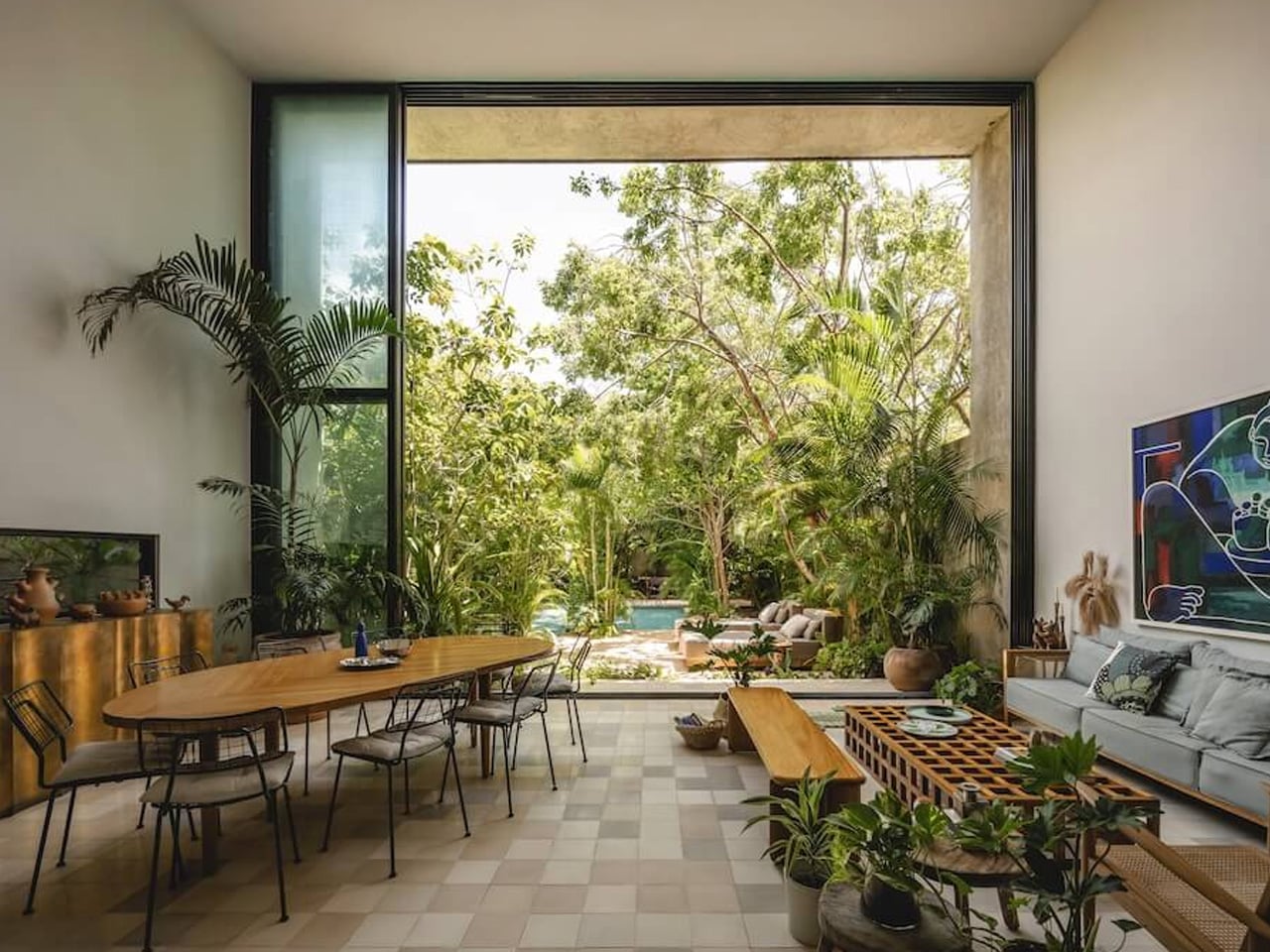
Cross-ventilation was non-negotiable. A clear north-to-south airflow runs throughout the entire property, achieved not through mechanical systems but through deliberate spatial logic — large windows, folding cedar wood doors, and double-height volumes that keep the jungle air moving. The main entrance sets the tone immediately: four cedar wood folding doors open the foyer completely to the entrance garden, dissolving the boundary between inside and out before you’ve even stepped through. It’s a gesture that reads as casual but is anything but.
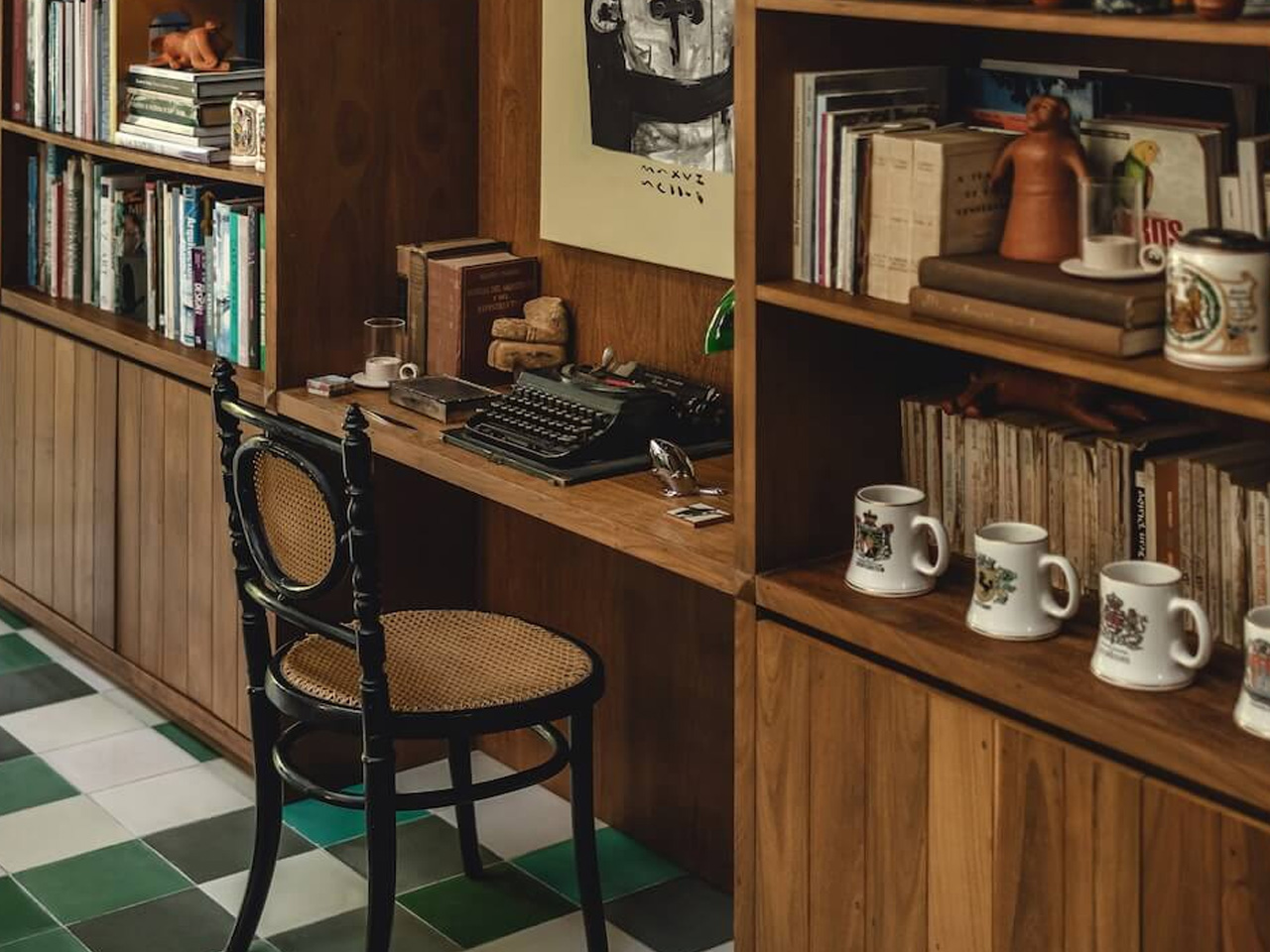
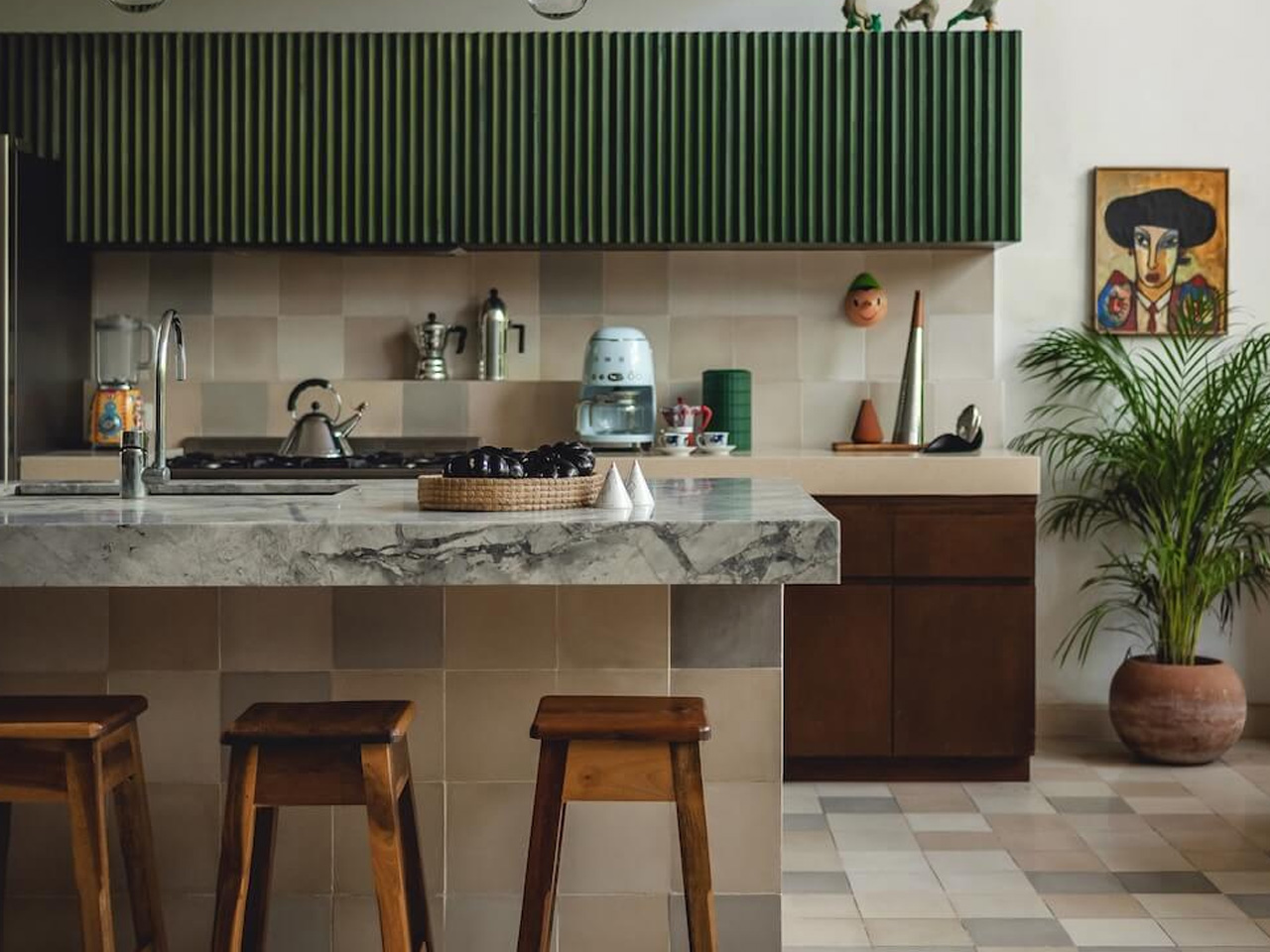
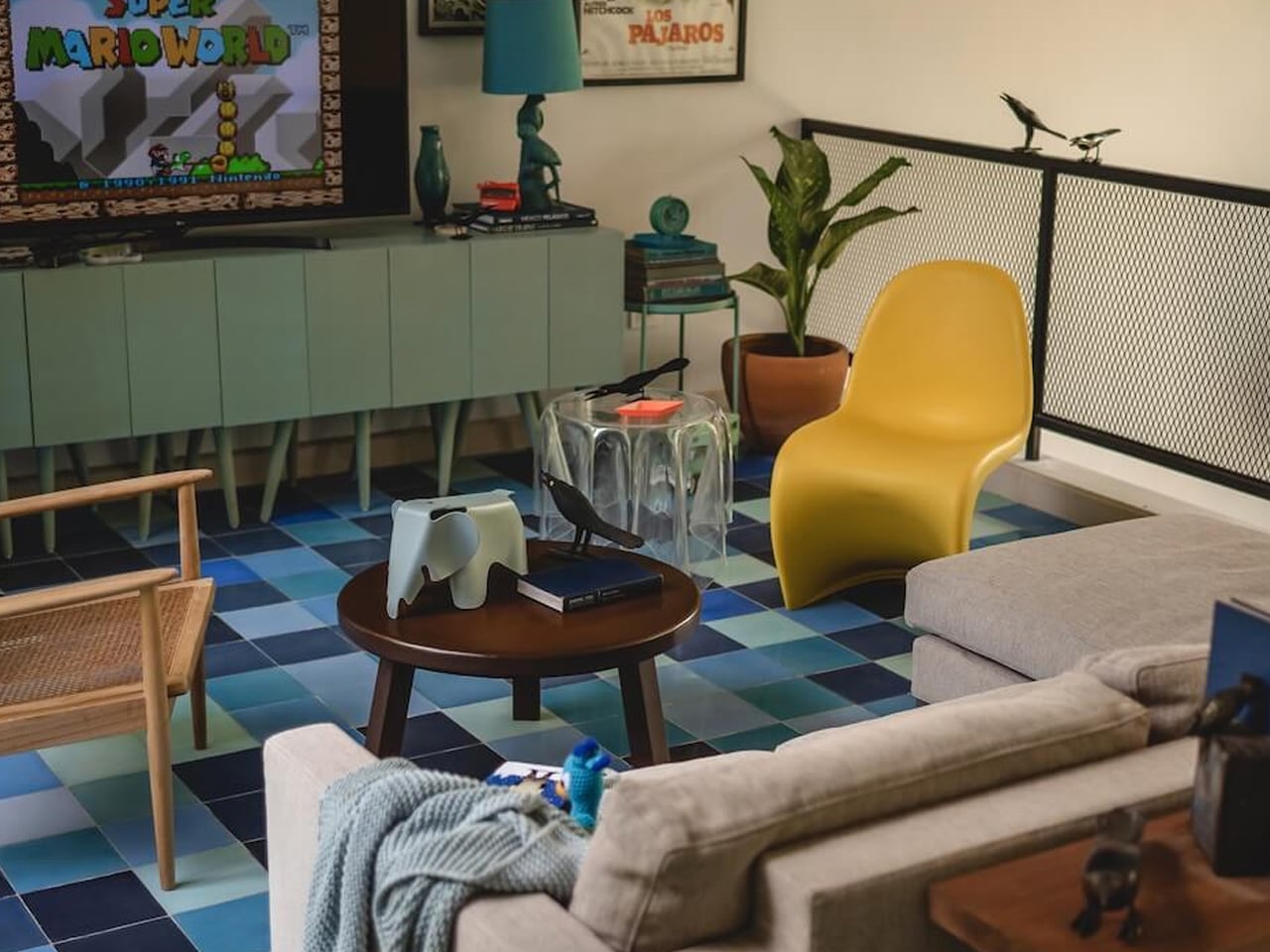
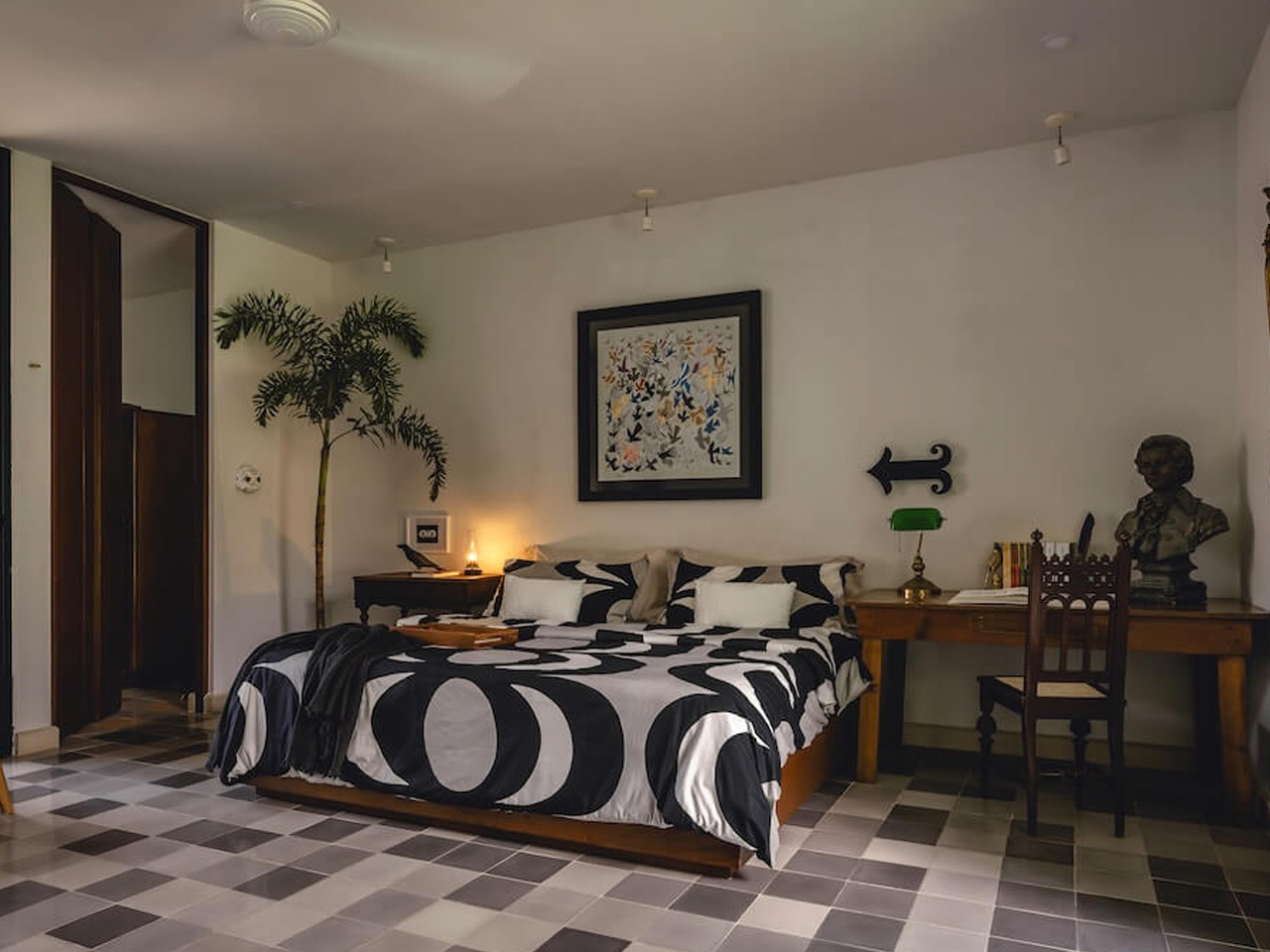
Inside, the curation is just as considered. Antiques, family heirlooms, European design pieces, and locally sourced crafts share walls and shelves without competing. The standout object is a custom tzalam wood bookshelf — a native hardwood — built specifically for the property, holding books alongside objects of personal significance. It’s the kind of detail that keeps a space from feeling like a showroom. The materials throughout — concrete, wood, glass, and metal — carry the same tension between refinement and rawness that defines the best tropical architecture.
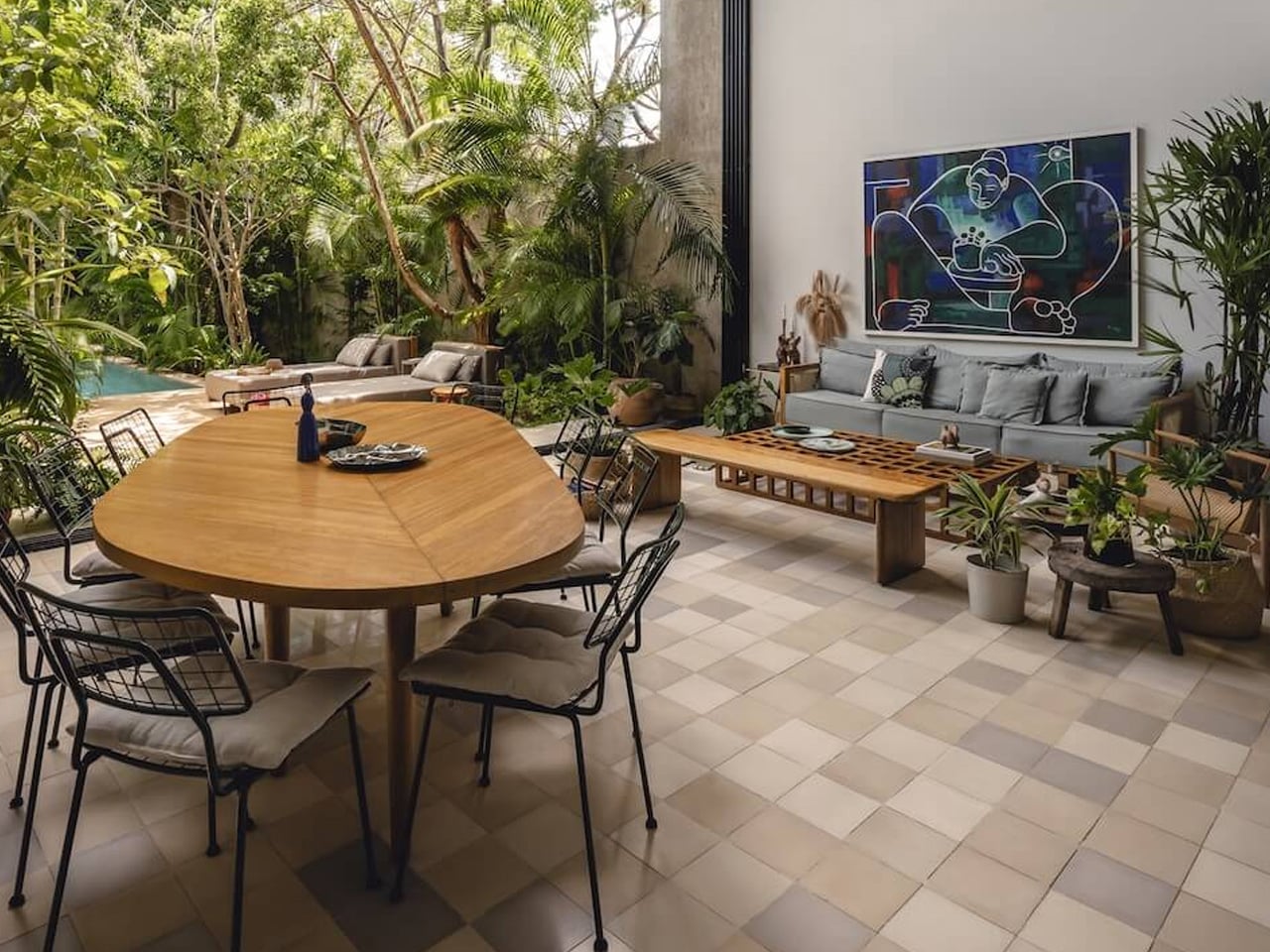
Photographed by Manolo R. Solís, Casa del Loro landed on Domus in September 2026, which says something about its reach beyond regional architecture circles. But the project’s real resonance is quieter than press coverage. This is a house that was built around a love for birds, and you feel that — in every open door, every borrowed breeze, every inch of jungle left deliberately intact.
SHARE