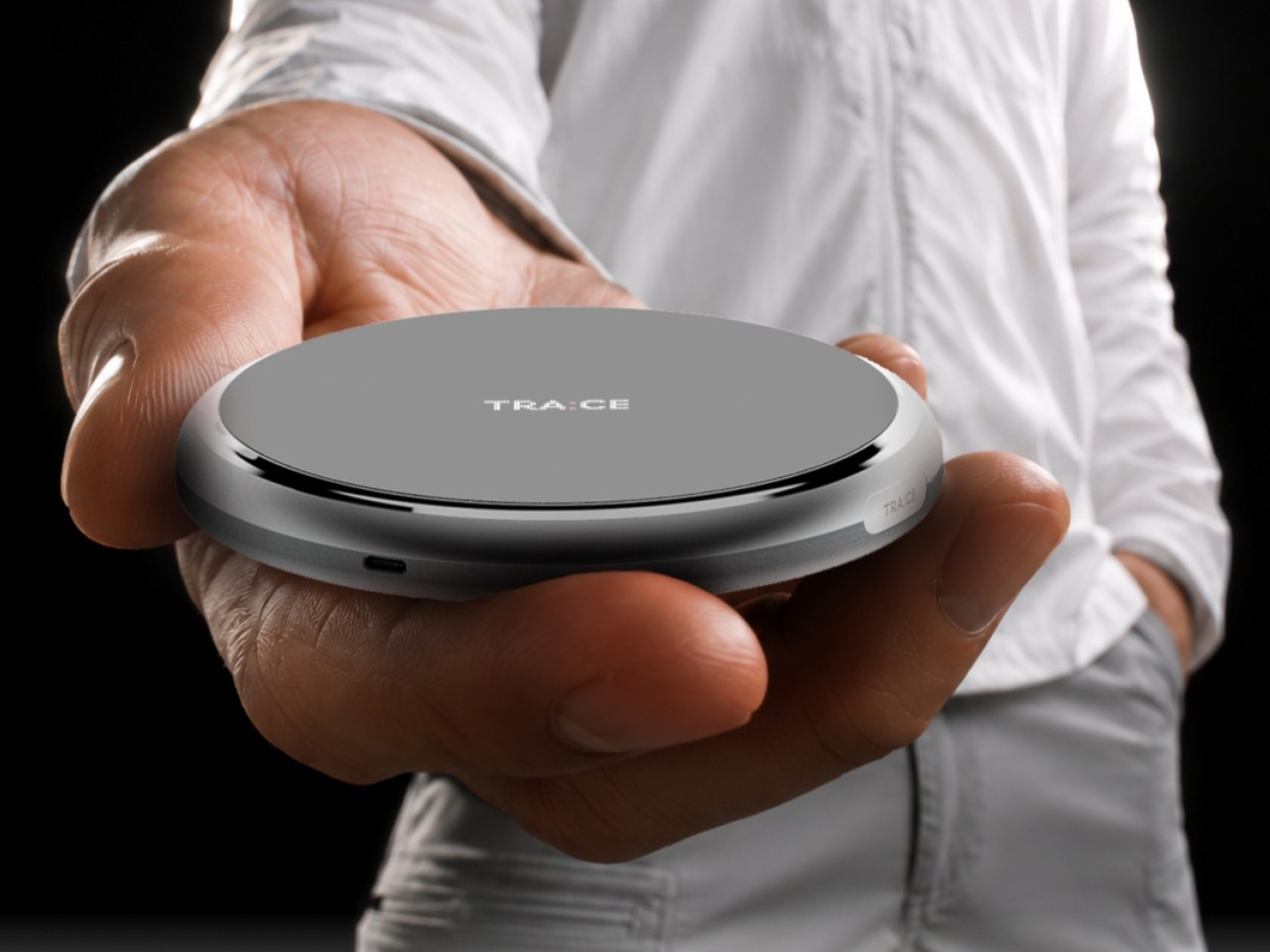
Every designer has a folder full of phone photos that were supposed to capture a specific shade of oak or a particular matte finish, and every one of those photos looks wrong the moment it’s opened back at the studio. TRA:CE, a pocket CMF scanner concept, treats that failure as the actual problem worth solving: building a device that reads color, material, and finish directly off a surface instead of trusting a camera sensor to guess.
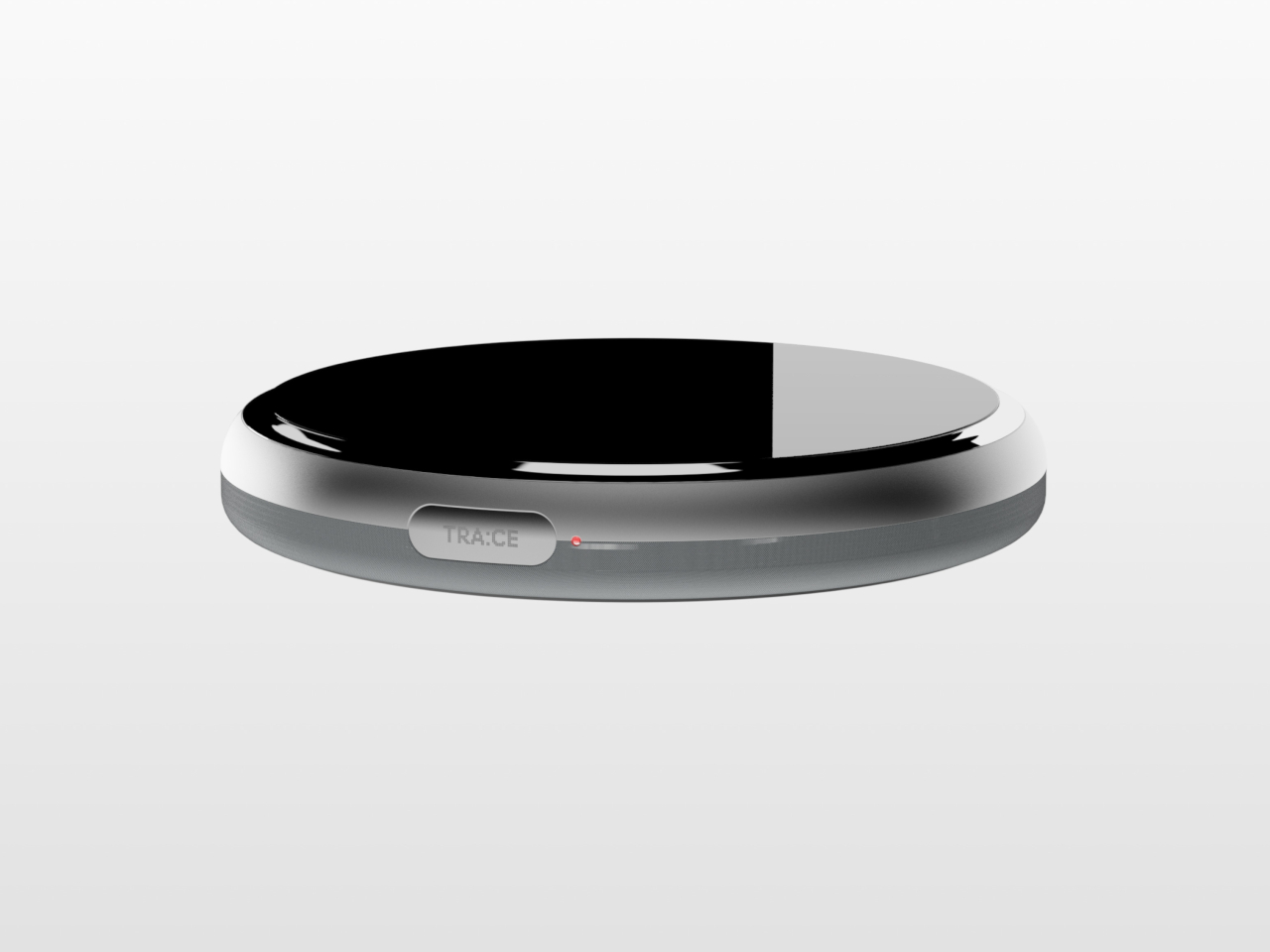
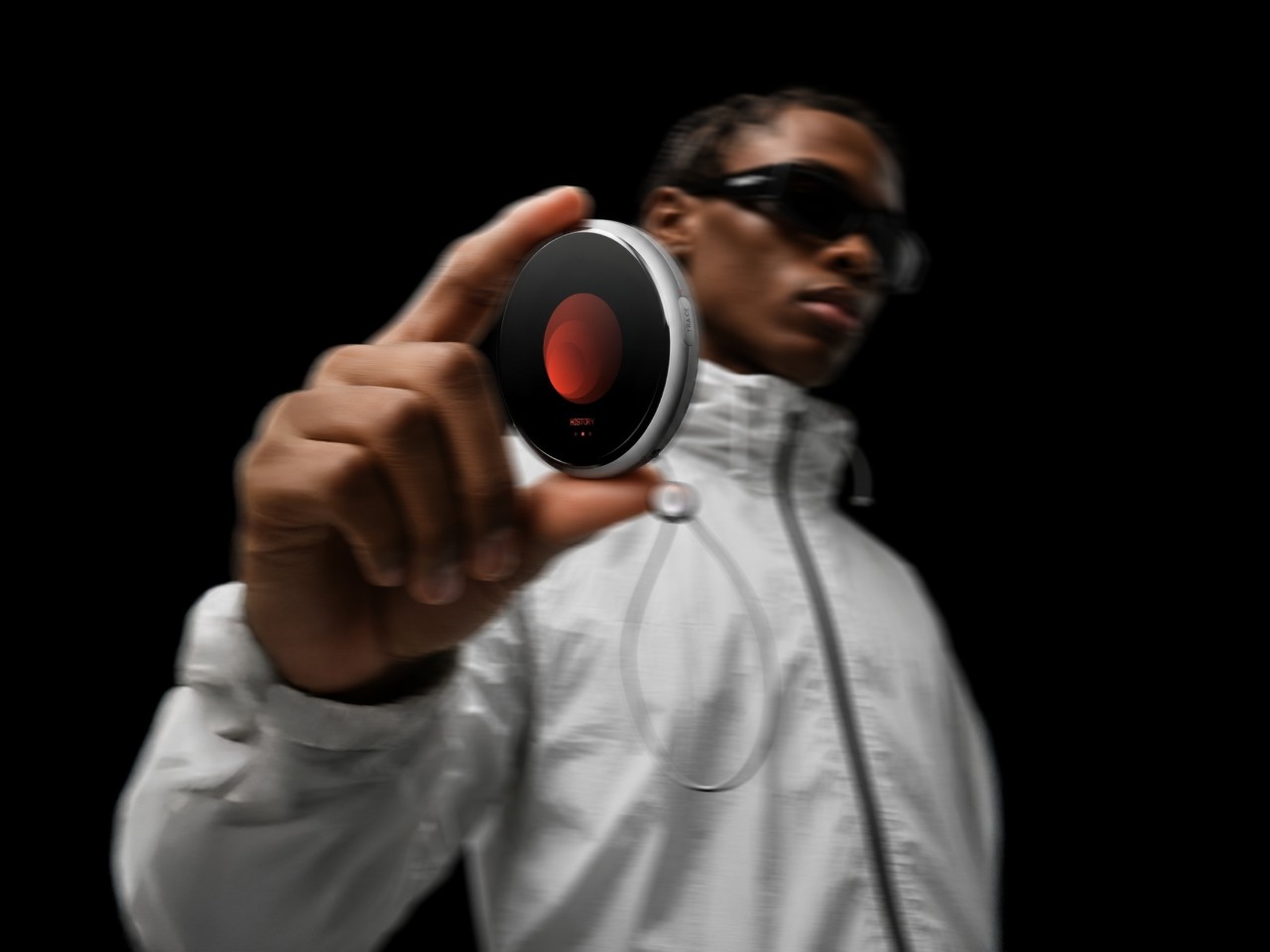
The shape gives away the intention before you even use it. TRA:CE is a flat, coin-like disc with a glossy display on top and an optical scanner built into the bottom face, so the entire interaction comes down to setting it down and pressing a button. That’s a deliberate contrast to snapping a photo, which still depends on ambient light doing you a favor.
Designer: Seongwook Jin
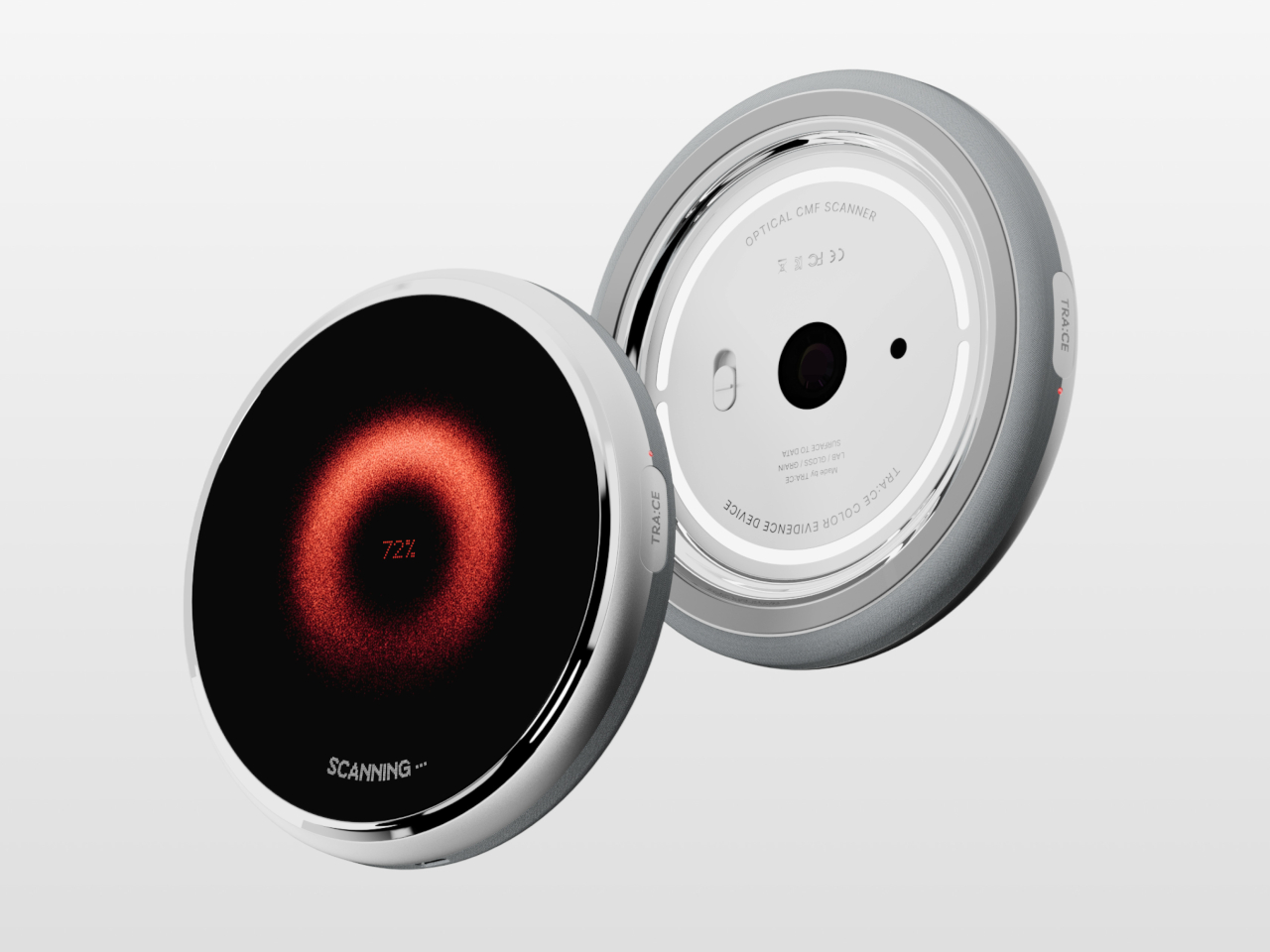
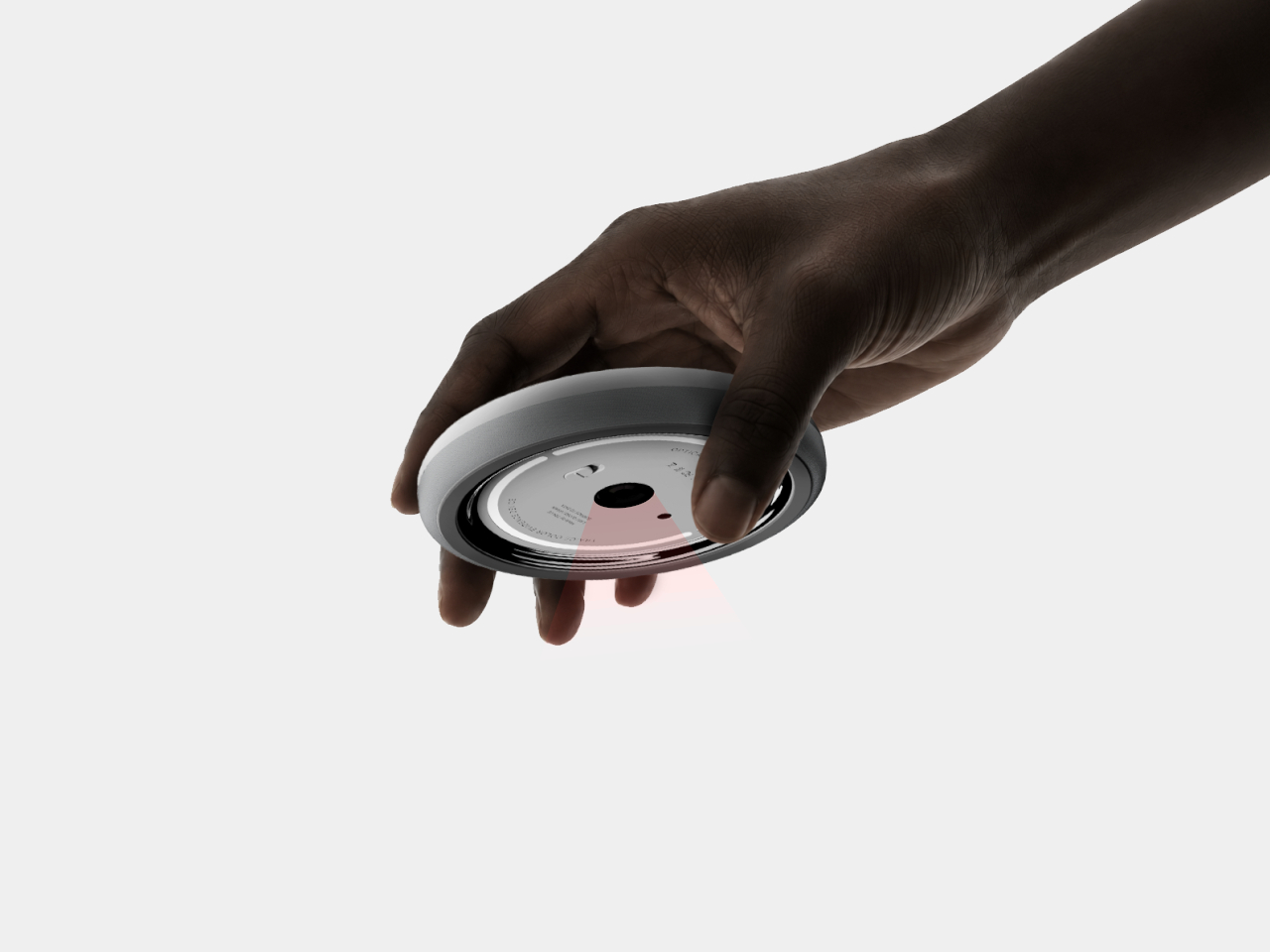
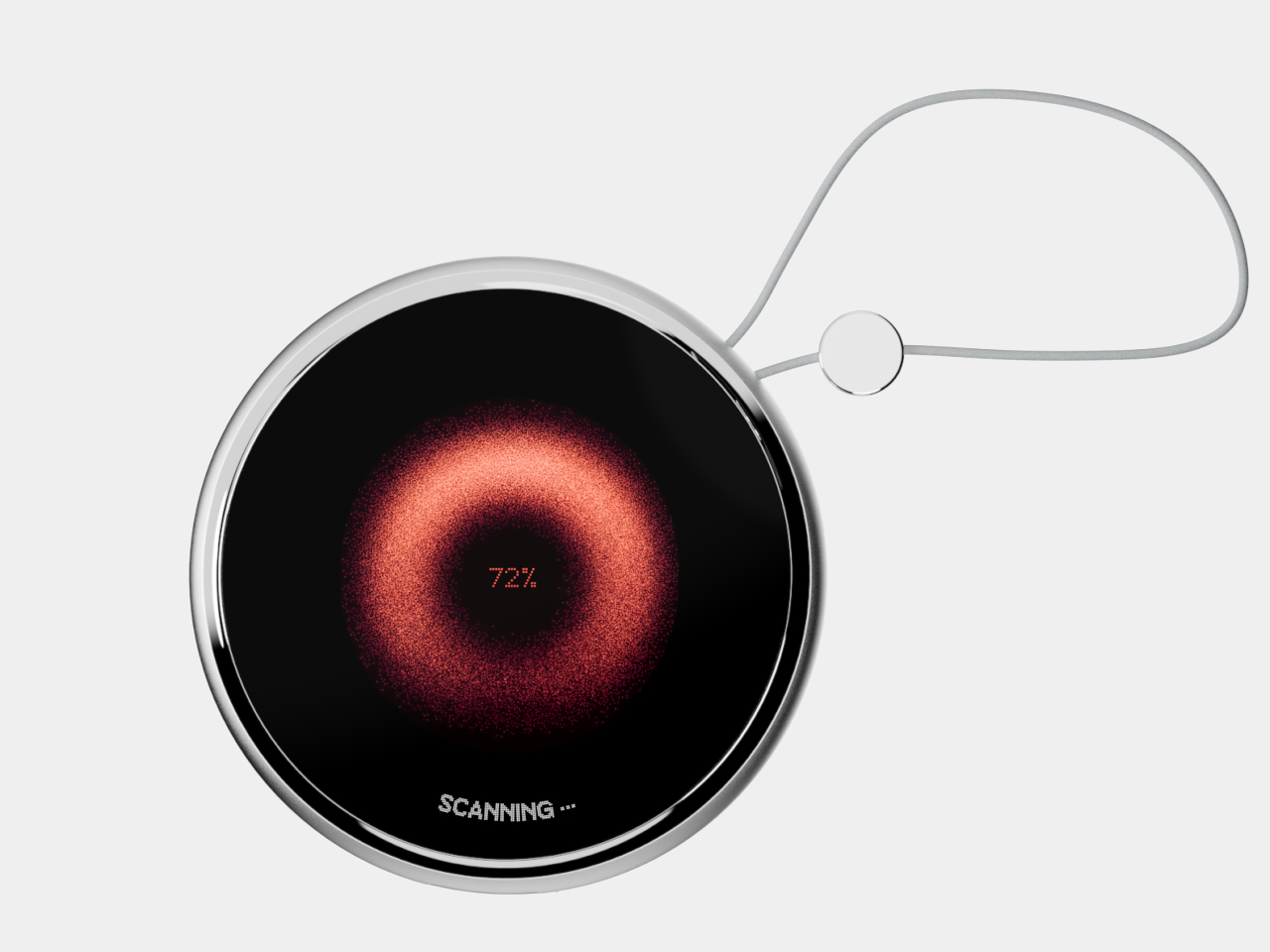
Placing the disc against a surface and pressing the side button starts a scan, and a radiating animation on the circular display counts up as the sensor reads what’s underneath. That readout isn’t just a color value either. The scan captures material type, texture, and finish characteristics in the same pass, treating a swatch of oak or a painted panel as a full dataset rather than a single hex code pulled from a photo.
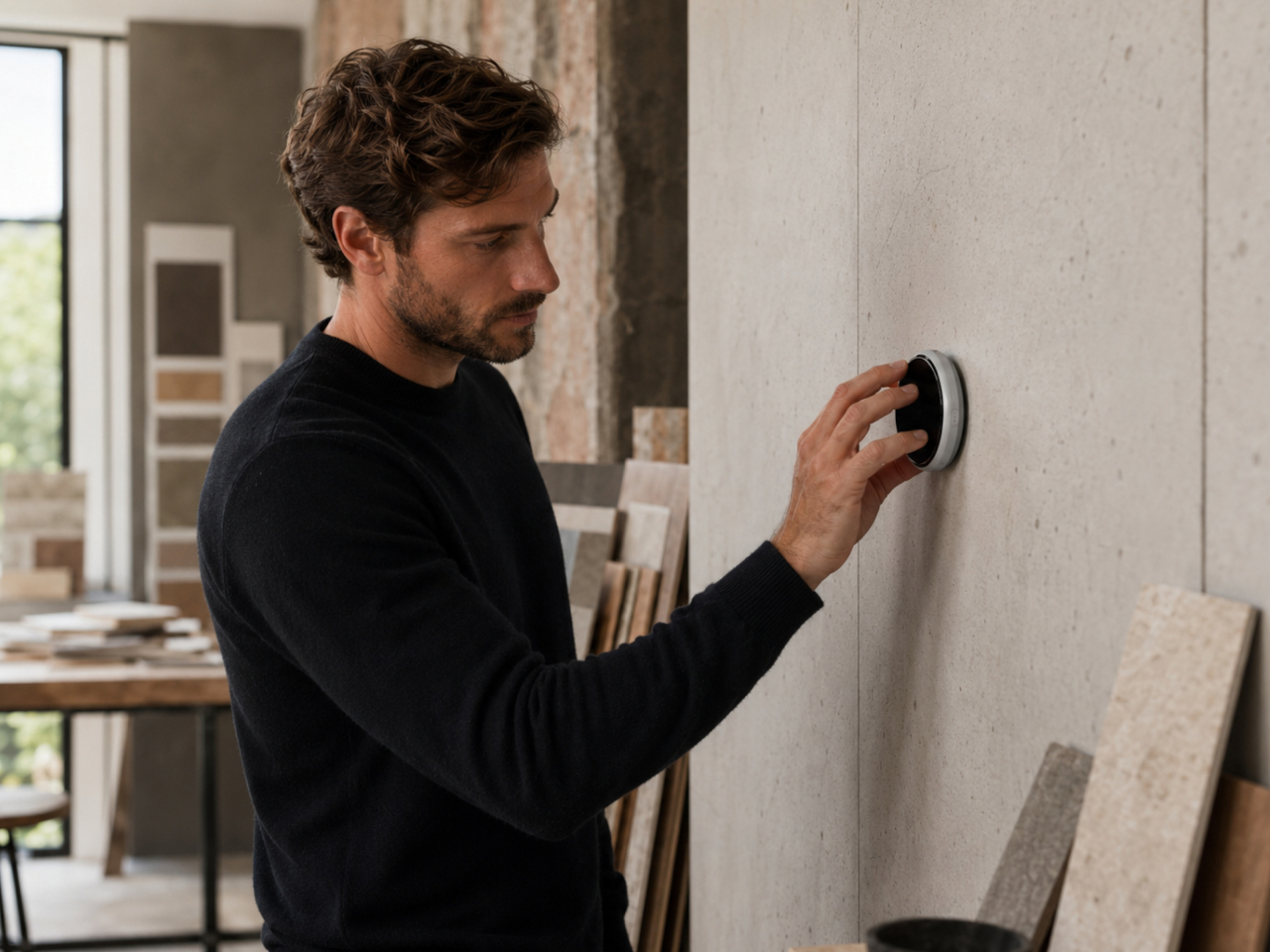

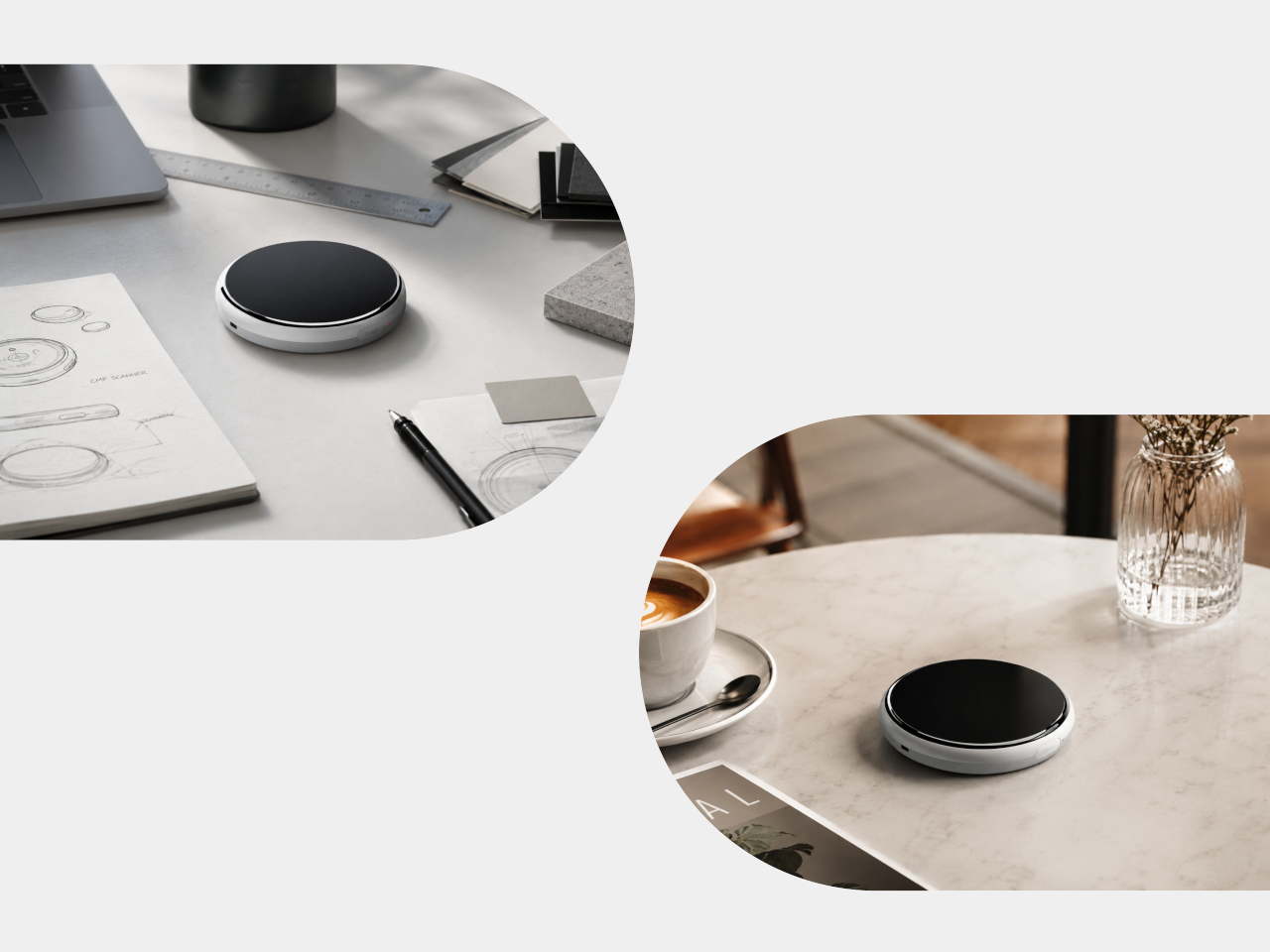
That distinction actually matters once you’re standing in a furniture showroom trying to remember if a tabletop finish was satin or something closer to matte. Lighting shifts color perception constantly, but the scanner reads the surface directly rather than interpreting reflected light through a lens, which is exactly the inconsistency that photos and memory both fail at. A quick press replaces a mental note that would’ve degraded within the hour anyway.
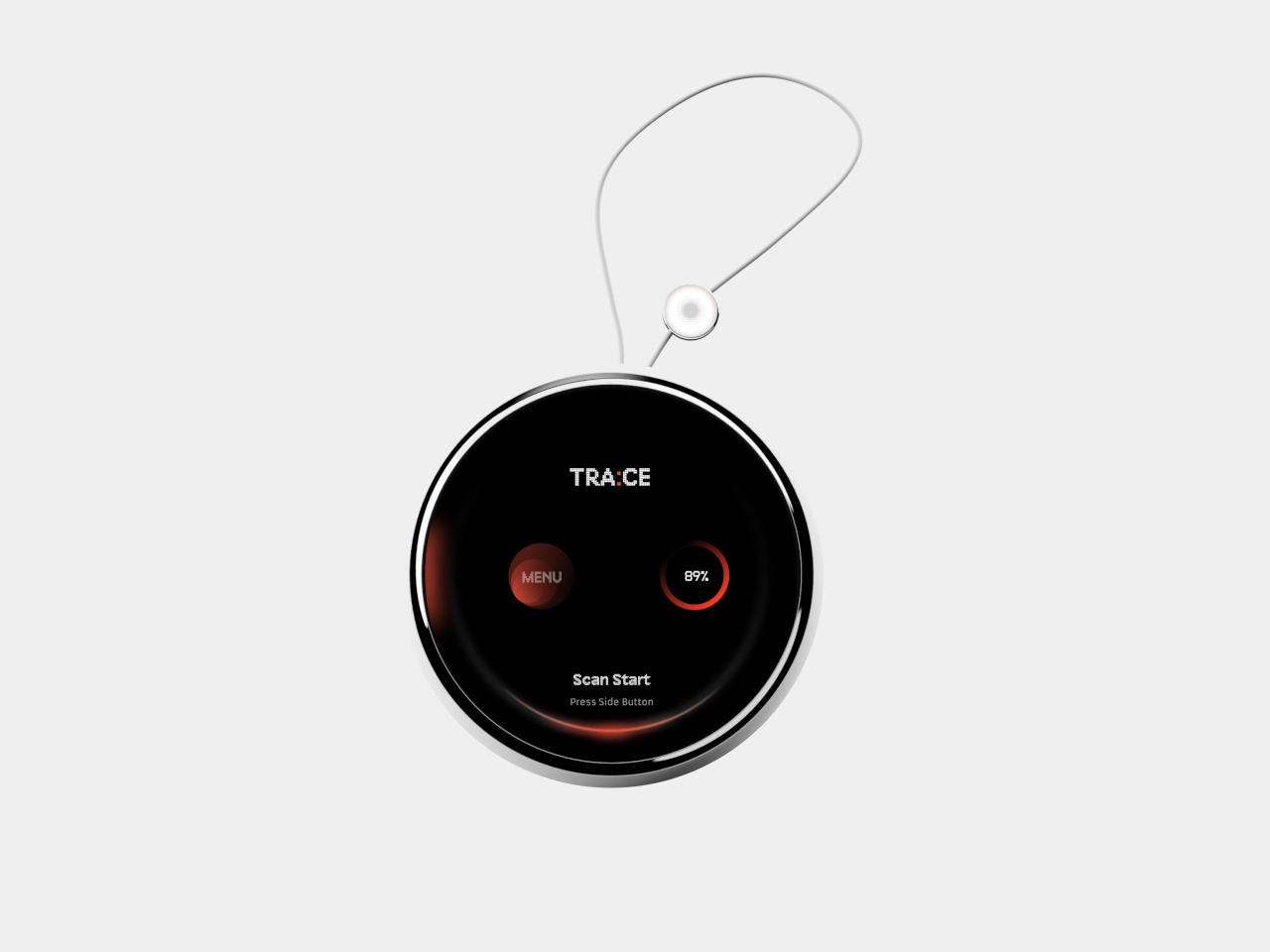
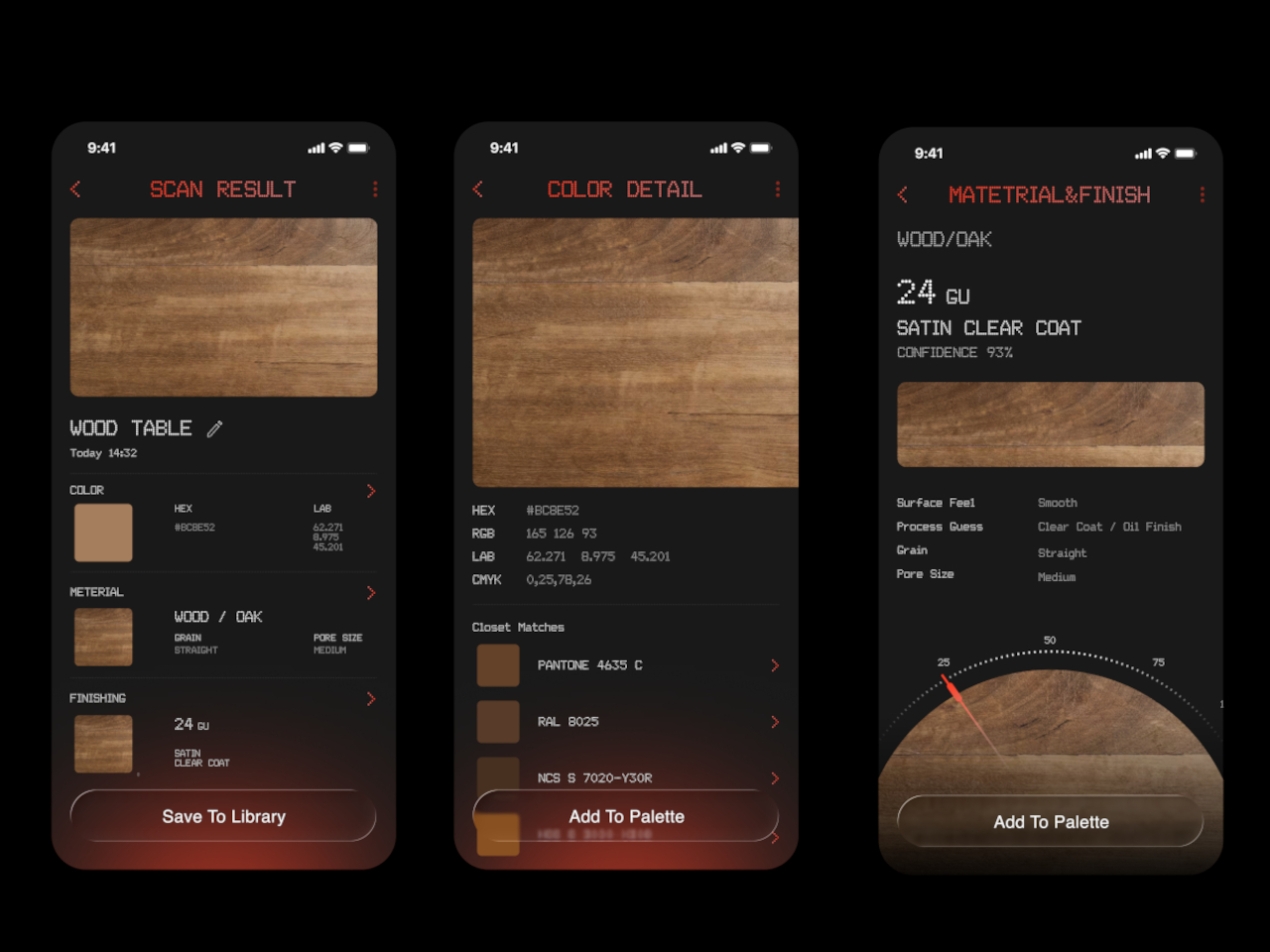
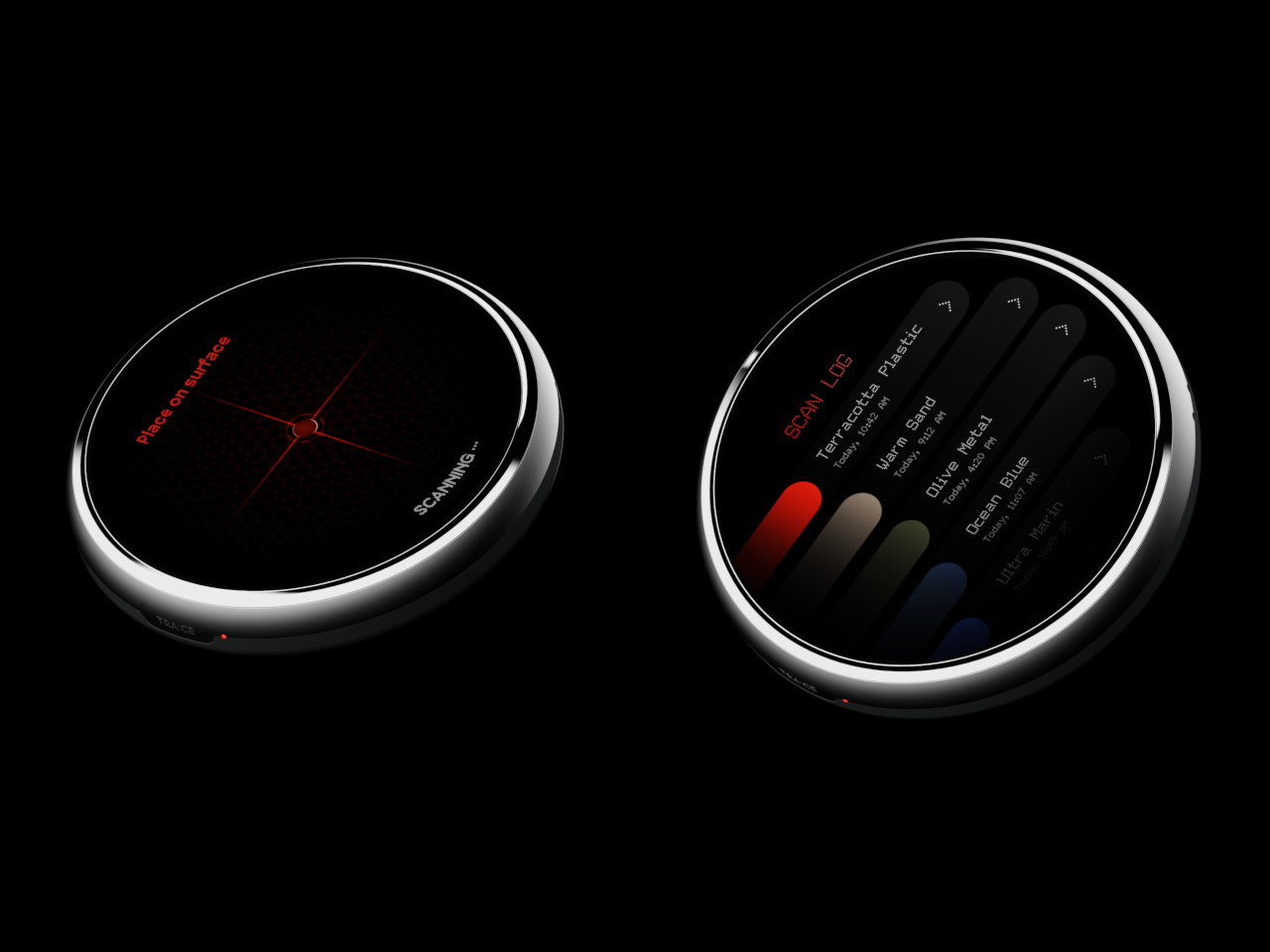
Every scan gets logged as a reference card in a companion app, breaking a single surface reading into HEX, RGB, LAB, and CMYK values alongside the closest Pantone or RAL matches. Material grain, pore size, and a numeric gloss reading round out the same card, so a design team pulling reference weeks later gets the same fidelity as someone standing in the room during the original scan.
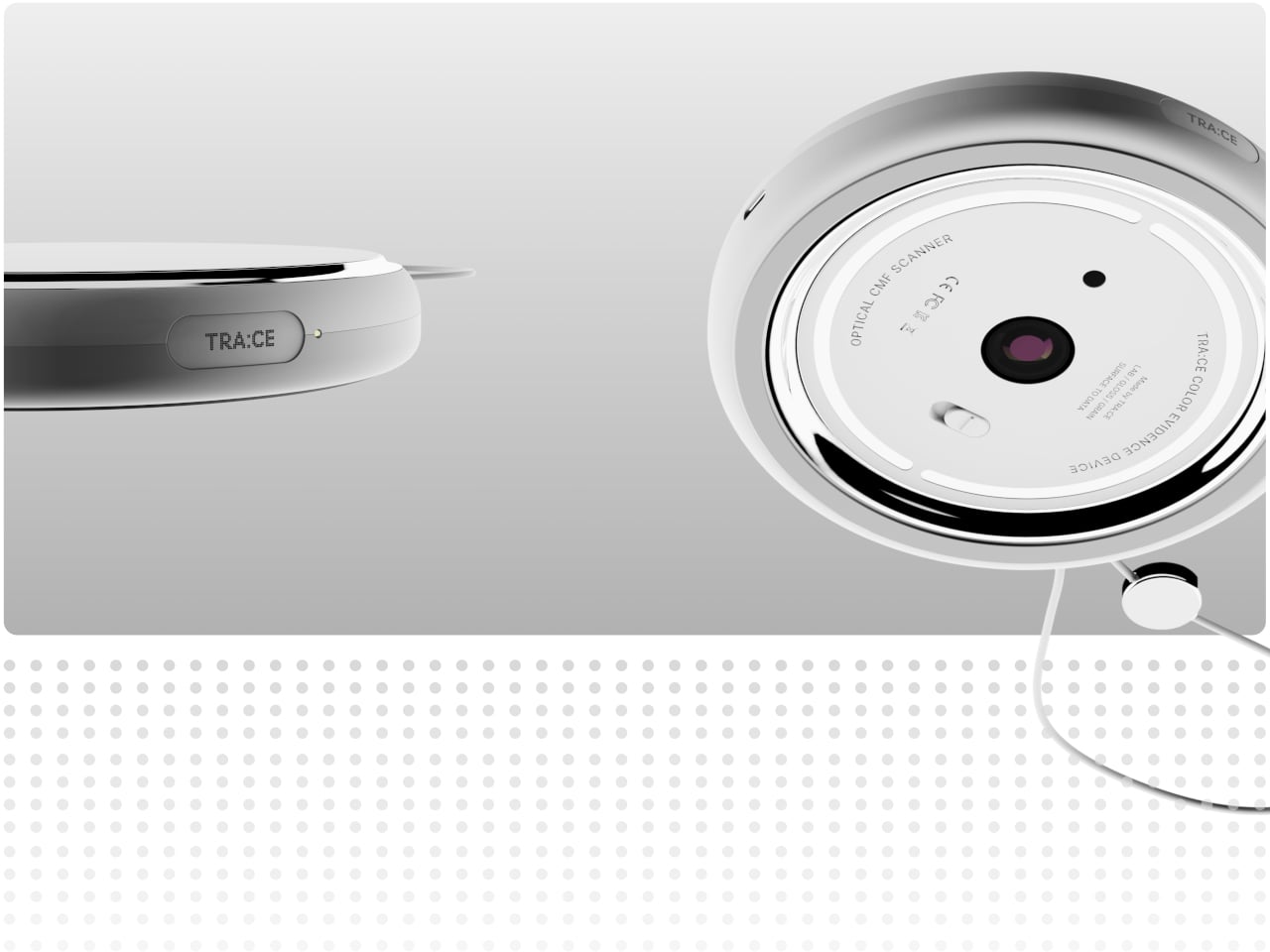
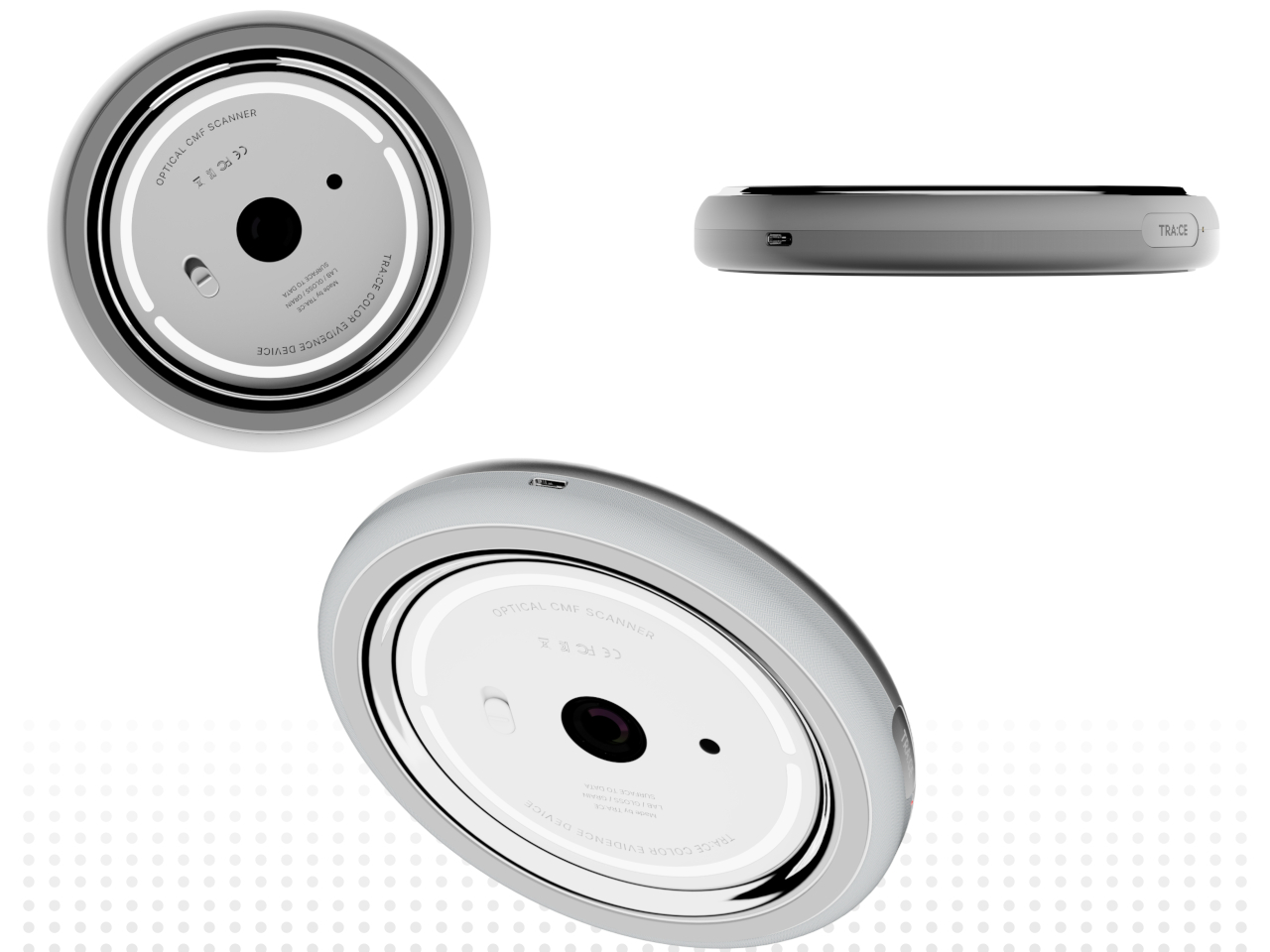
None of this asks a designer to change how they already work through a space. TRA:CE fits into a pocket, clips onto a bag, or hangs from a neck lanyard, so it’s present at a material library, a client’s showroom, or a job site without becoming another piece of equipment to remember. That kind of portability turns a scanner from a specialized tool into something closer to a pen, always within reach when a texture or shade actually needs capturing.


Field notes about color have always been approximate, filtered through whatever light happened to be in the room and however well a memory held up hours later. TRA:CE swaps that approximation for a saved, measurable record, turning a fleeting glance at a material into something a design team can actually build from later.
SHARE