I own a lot of things I’ll probably never actually wear out. A leather bag that’s outlasted three apartments. A watch that was my grandfather’s. A cast iron pan that will likely be handed down long after I’m gone. And then I have a bathroom drawer full of plastic toothbrushes, each one used for a few months and tossed, none of them meant to last, none of them meant to matter.
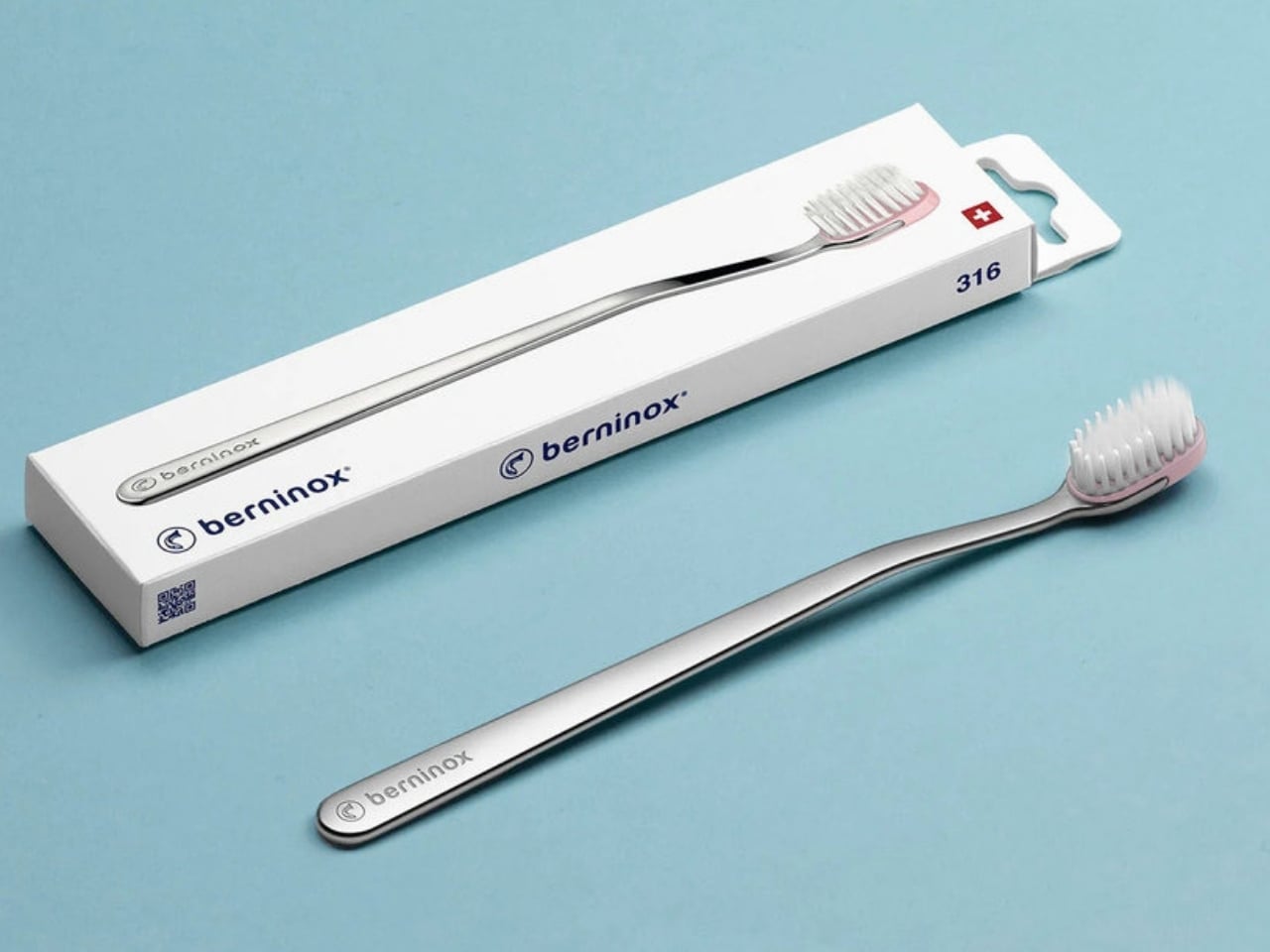
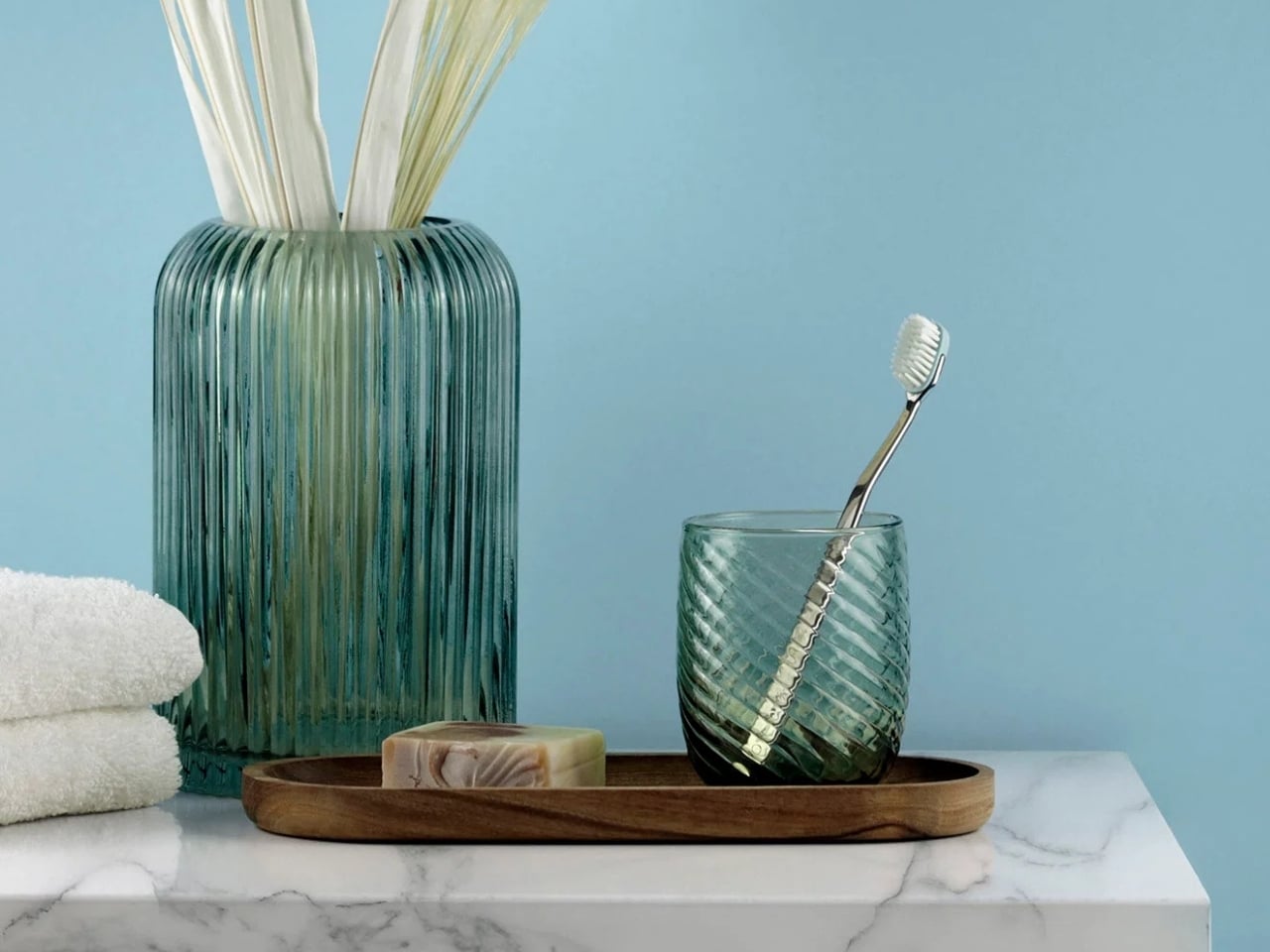
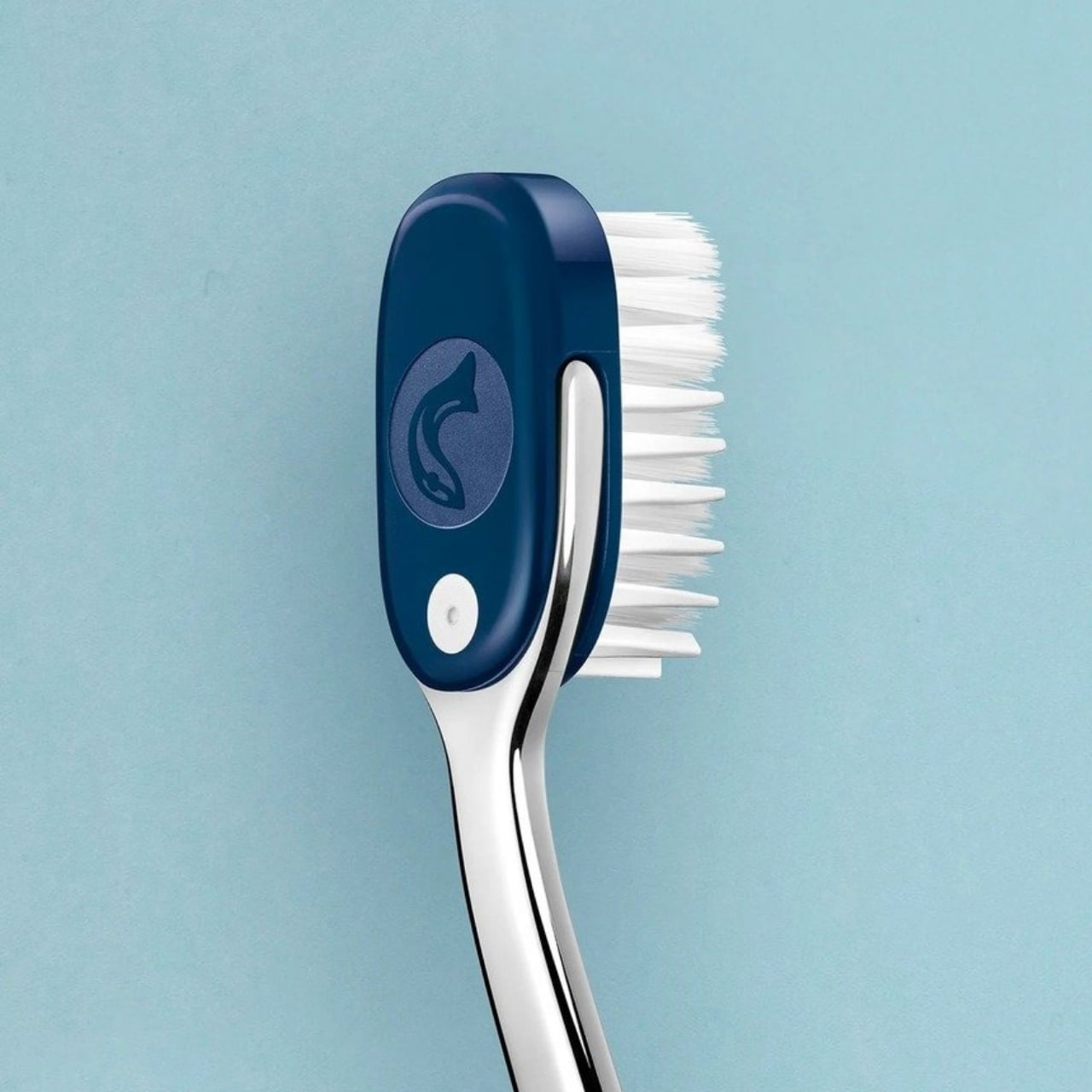
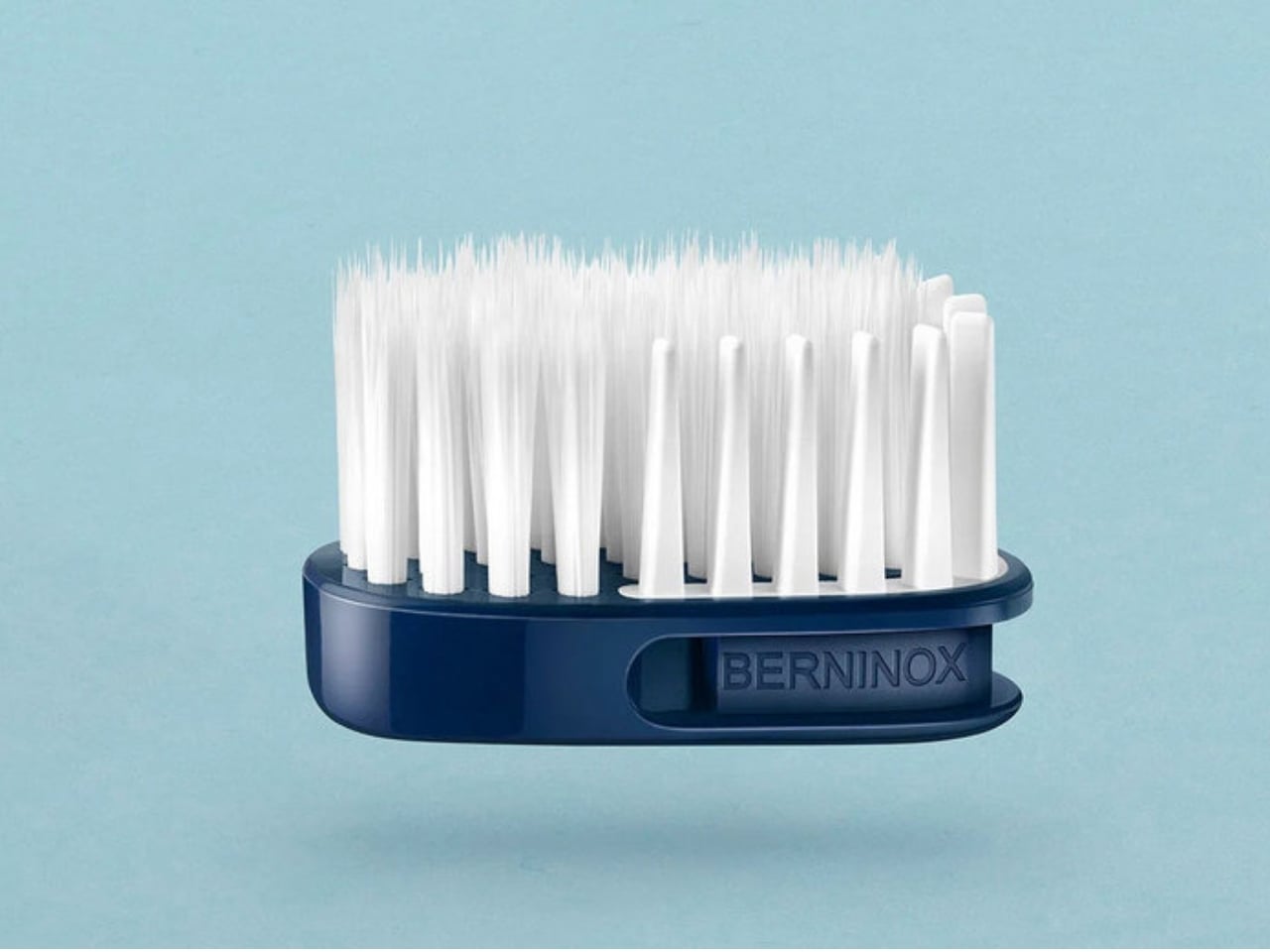
That contrast is what caught my attention when I came across the Berninox 316, a toothbrush designed by Swiss product designer Julien Bernard that flips the entire logic of oral care on its head. Instead of a disposable object you replace every few months, you get a handle made from 316L surgical stainless steel, the same alloy used in medical instruments, paired with a small replaceable head made from recycled ocean-bound plastic. When the bristles wear down, you don’t throw away the whole thing. You just click off the head and snap on a new one.It sounds almost too simple, which might be exactly why it works.
Designer: Julien Bernard for Berninox
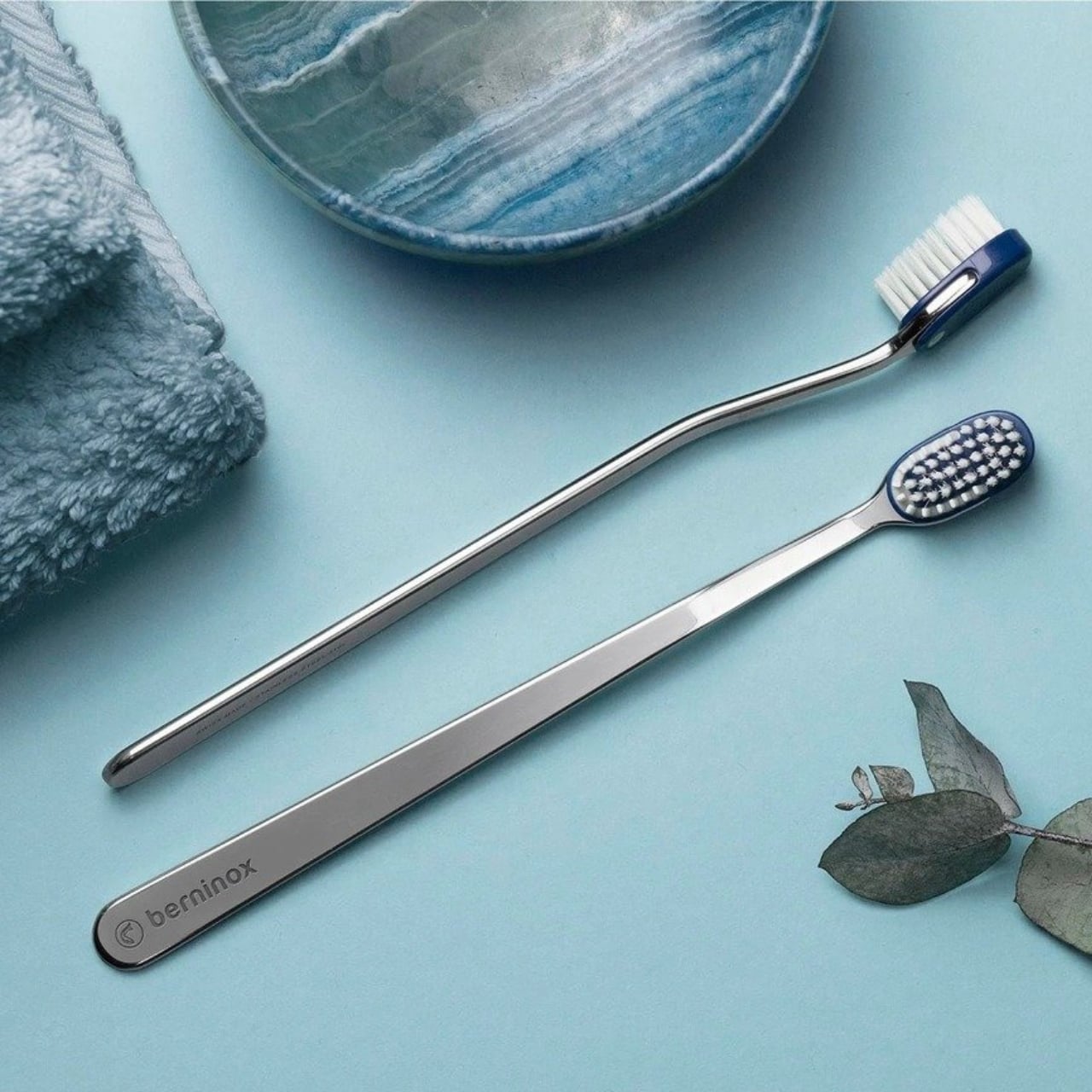
What strikes me most about this design isn’t the material, though stainless steel is obviously the headline. It’s the clip system holding the head in place. Berninox has a patent pending on it, and once you understand why, it makes sense. Anyone who has used a razor with interchangeable blades knows the annoyance of a head that wiggles or pops off at the worst moment. Getting that mechanism right, so it feels secure during brushing but still releases easily when you want to swap it, is the unglamorous engineering work that actually makes a product usable long term. Good design is rarely about the flashy part. It’s about the hinge nobody notices until it fails.
I also appreciate that this wasn’t dreamed up purely as a sustainability gesture. The brand worked with dental professionals during development, which matters more than it might seem at first glance. Plenty of eco-conscious products lead with their environmental story and treat function as an afterthought. Berninox seems to have built the case for durability and the case for actually brushing your teeth well at the same time, rather than picking one.
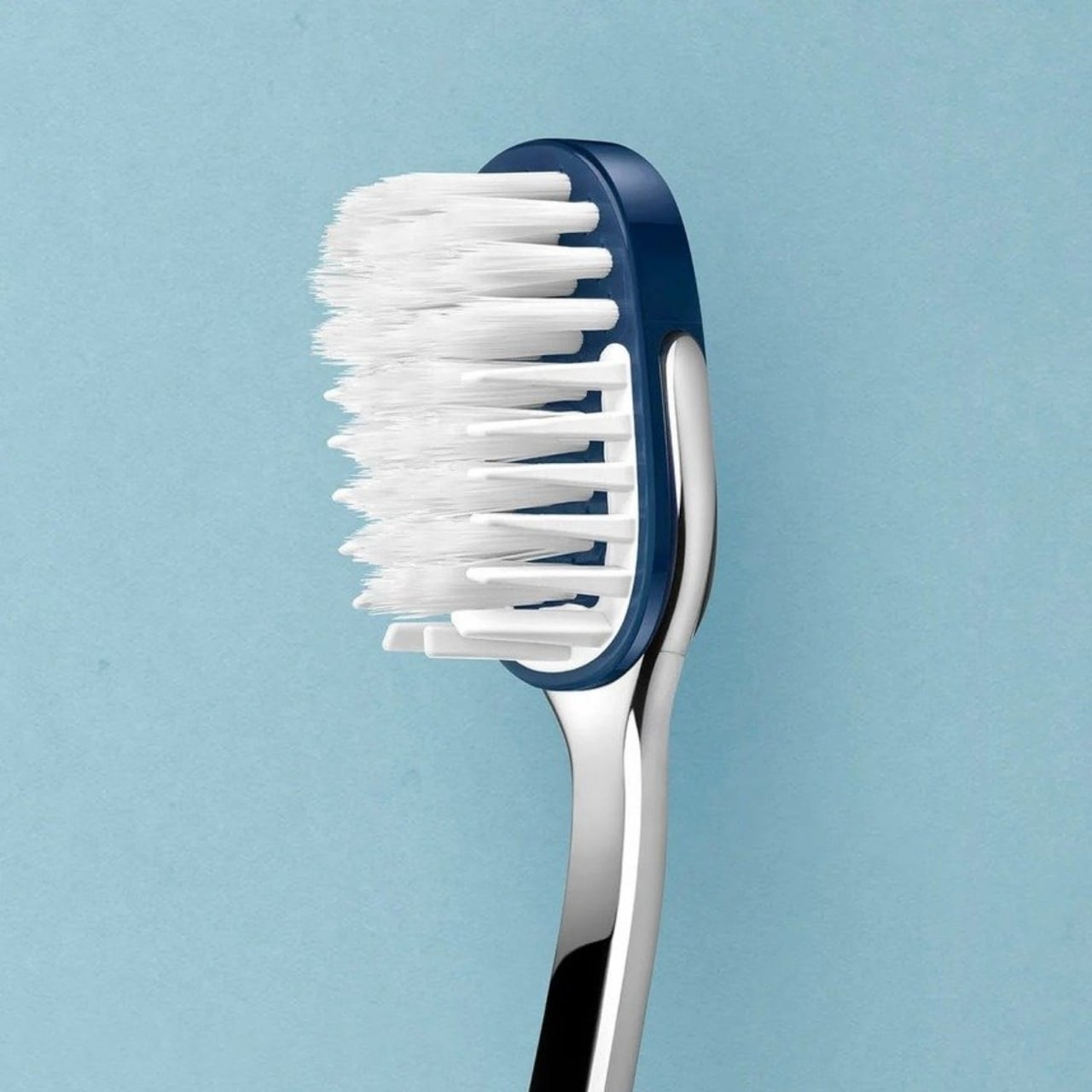
There’s also something quietly satisfying about the ocean plastic detail. The heads are made through a partnership with a Swiss initiative that collects ocean-bound plastic from Southeast Asia before it ever reaches the water. It’s a small volume of material in the scheme of global plastic pollution, sure, but I don’t think that’s really the point. It’s a demonstration that a mundane, overlooked object like a toothbrush can carry a slightly bigger story if someone bothers to design it that way.
I’ll admit I’m a sucker for objects that feel like they were made by someone who actually cared about the details, not just the marketing copy. A stainless steel handle that can go into the dishwasher or be steam sterilized isn’t just a hygiene feature, it’s a signal that the people behind it were thinking about how the object behaves in real life, not just how it photographs on a shelf.
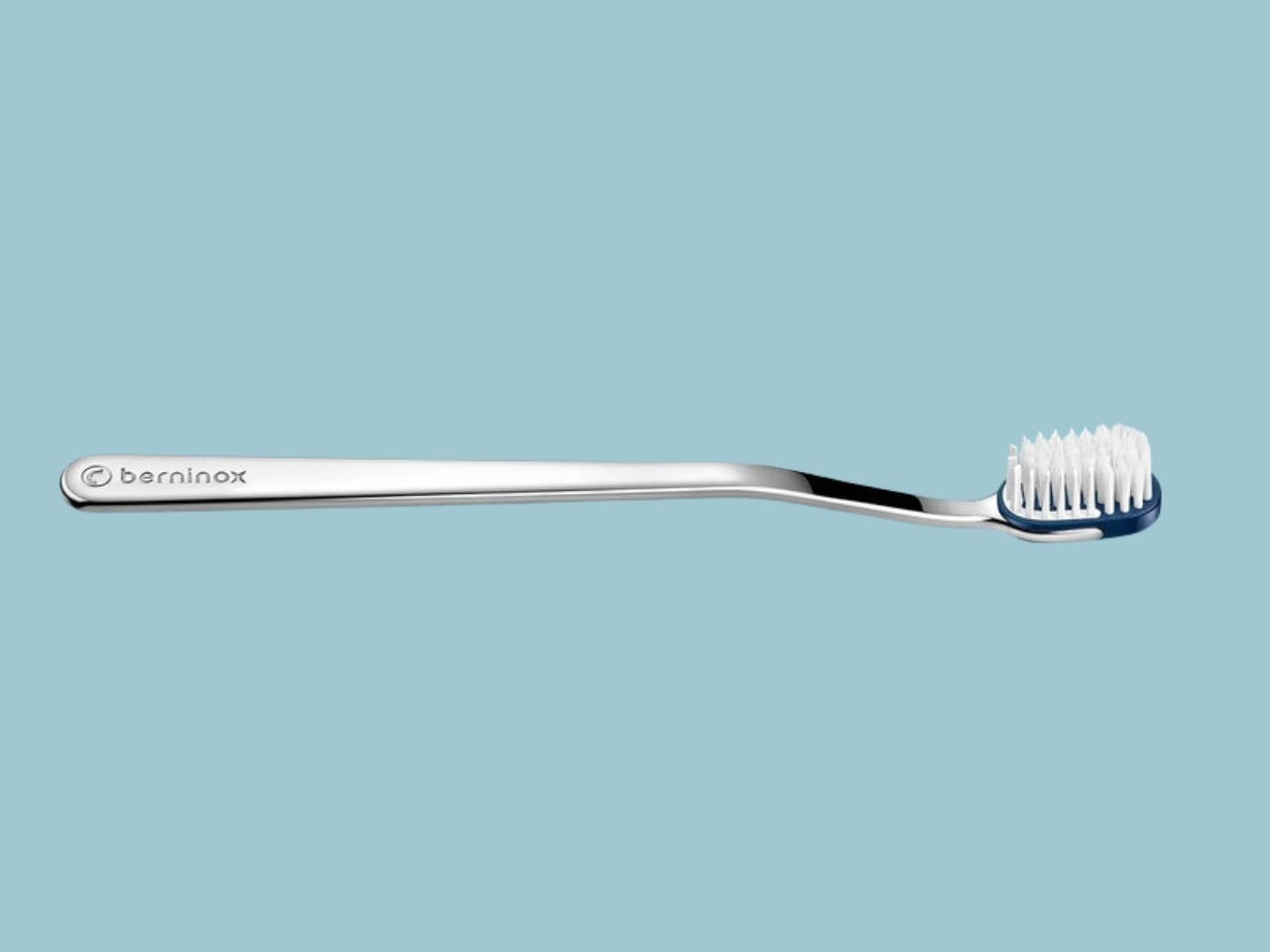
Is a forty-dollar toothbrush going to be for everyone? Probably not. Plenty of people will look at their nine-pack of drugstore toothbrushes and see no reason to change. And that’s fair. But I think there’s a growing appetite, especially among people who already collect watches, pens, or well-made kitchen tools, for everyday objects that don’t pretend to be disposable. We’ve spent decades normalizing things designed to be thrown away, and I think we’re slowly correcting course, one small object at a time.
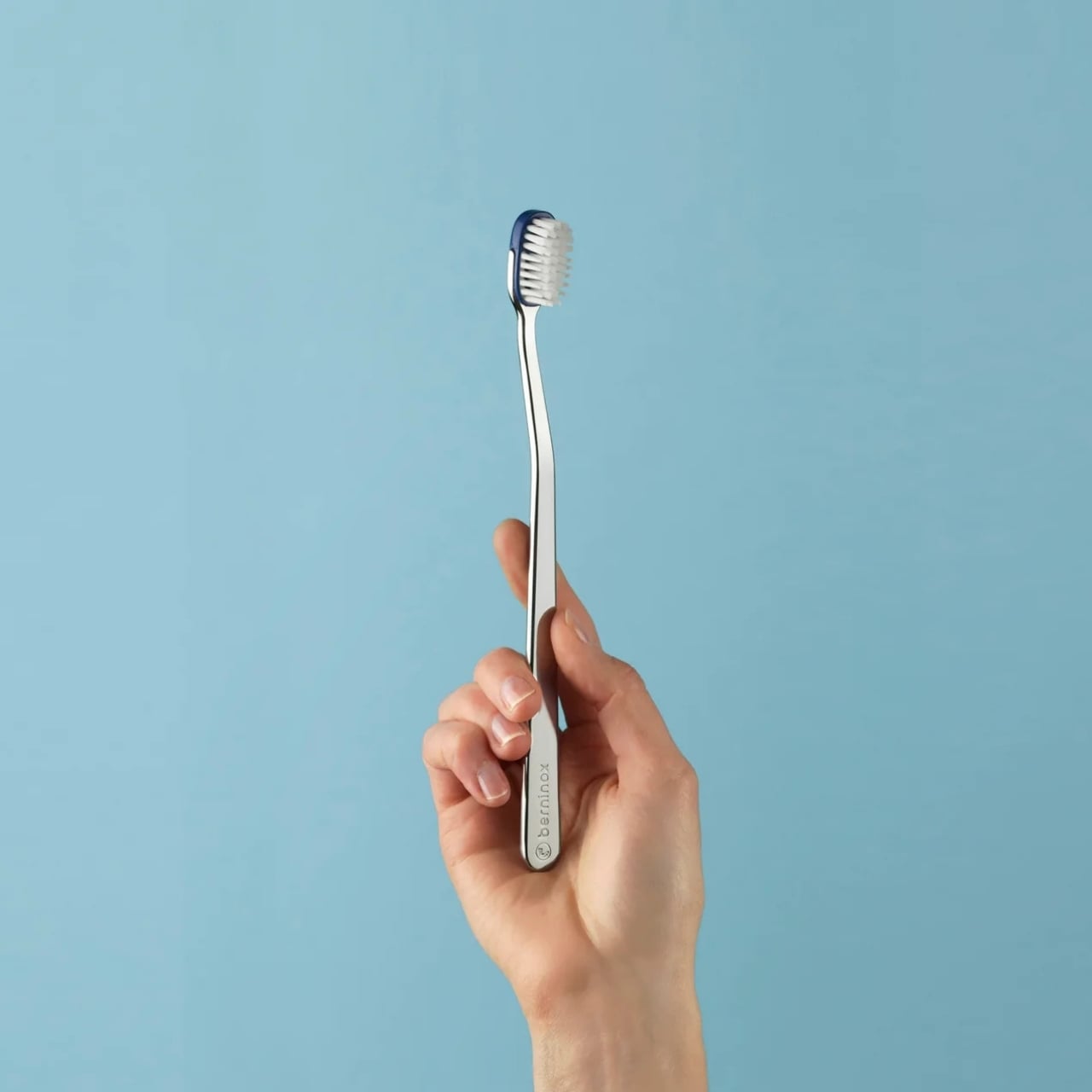
What I like most about the Berninox 316 is that it doesn’t ask you to change your habits. You still brush your teeth the same way you always have. It just quietly changes what happens to the object in your hand once the bristles wear out. Sometimes the most meaningful design shifts aren’t the loud ones. They’re the small, practical ones that make you rethink something you never thought twice about, sitting right there in your bathroom cup.