A notebook that won’t let you move a page. A charging cable that sticks straight into your palm. Keys that disappear between coming home and leaving again. These aren’t dramatic design failures, but they’re the sort of irritations that make an object harder to live with. They’re also useful starting points for designers willing to reconsider a clip, a connector, or the place something belongs when you’re finished using it.
These five Japanese designs focus on those friction points, from handling loose notes to making room beneath a coffee dripper. Their appeal lies in understandable changes: a different fastening method, a moving joint, a dedicated place to return something. This is a curated selection, not a hands-on ranking or a claim that every item is new. The question is whether each change earns its place in your routine.
1. MagBoard Clipboard
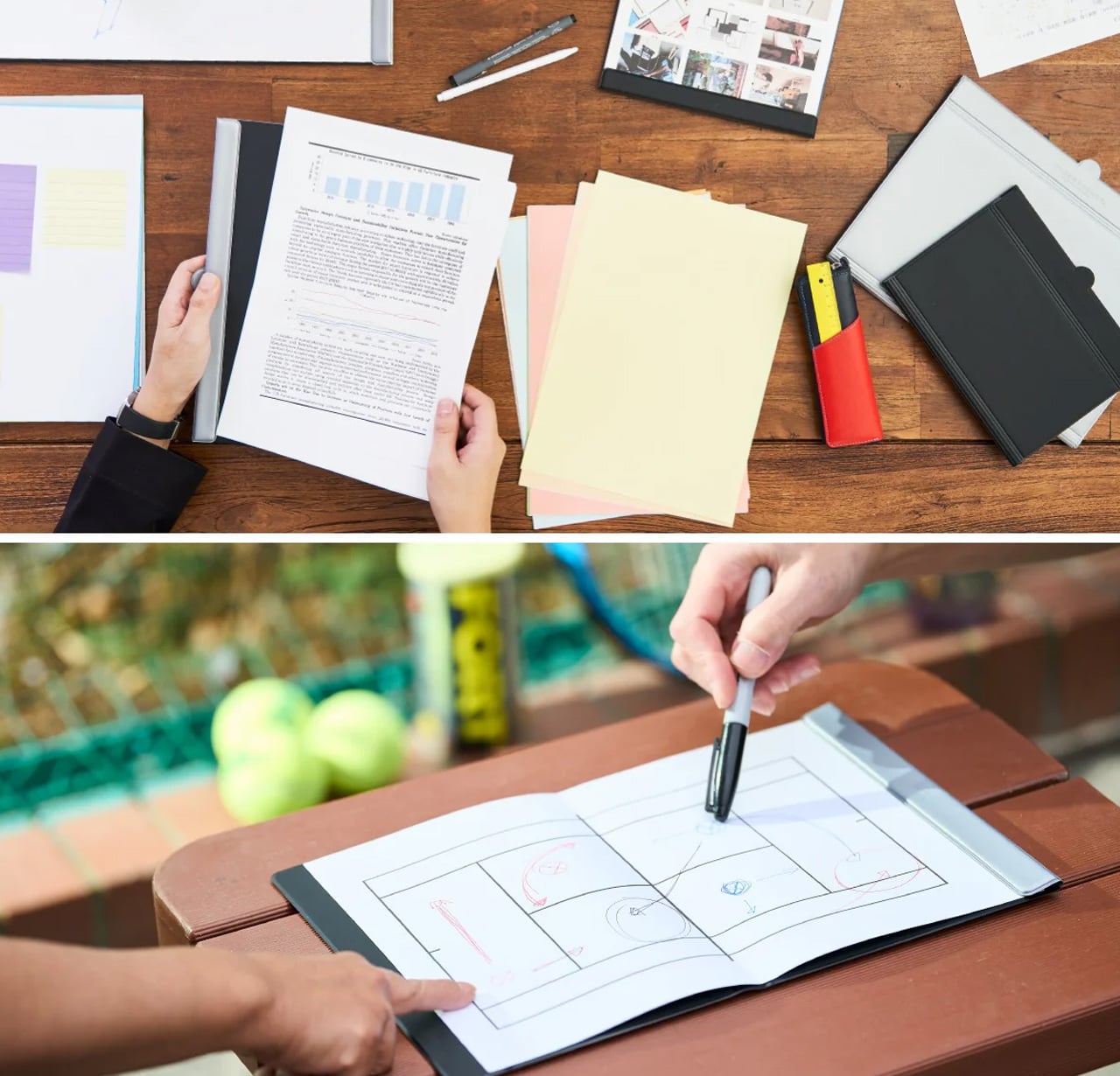
Bound notebooks make you decide where a thought belongs before you know what it might become. MagBoard takes a looser approach. Designed by Hirock Design Office and made in Japan, this clipboard uses a magnet-and-lever mechanism to hold individual sheets together. You can remove a sketch, insert another page, or change the sequence without tearing anything out or feeding paper through binder rings. That flexibility suits evolving projects.
The rigid cover supplies a writing surface when there’s no desk, while A4 and A5 versions let you choose between more room and a smaller carry. Its distinction is separating the paper from the structure holding it. That could suit someone collecting meeting notes, working through sketches, or mixing printed references with handwritten observations. It isn’t a filing system, though. You still need a way to identify and organize those loose pages, and the clip’s stated capacity sets a limit.
What we like
- Rearrange pages without punching holes.
- Rigid backing supports writing while standing.
What we dislike
- The 30-sheet capacity limits larger projects.
- Loose pages need an organization system.
2. Kokuyo HAKOAKE Two-Way Portable Scissors
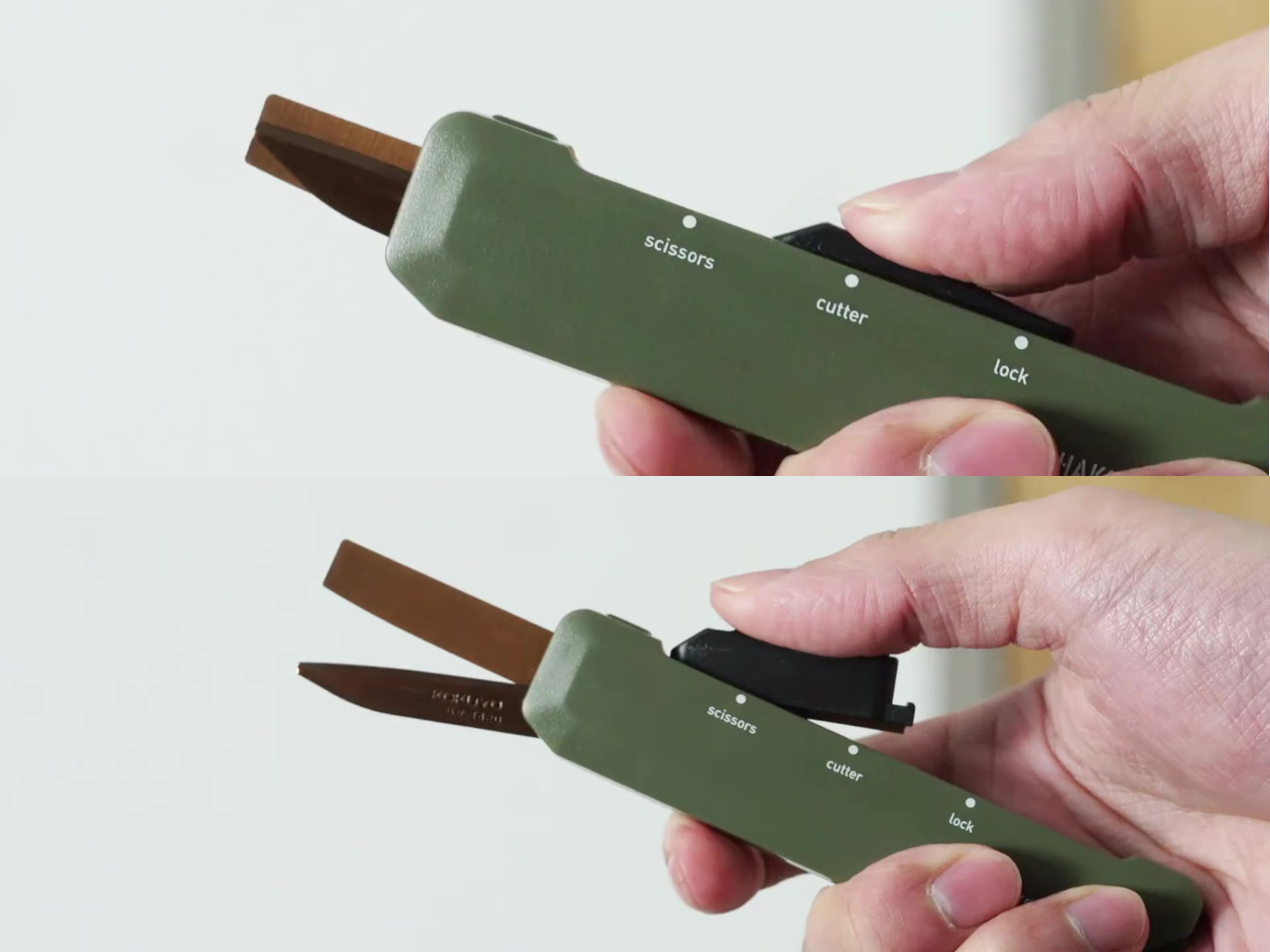
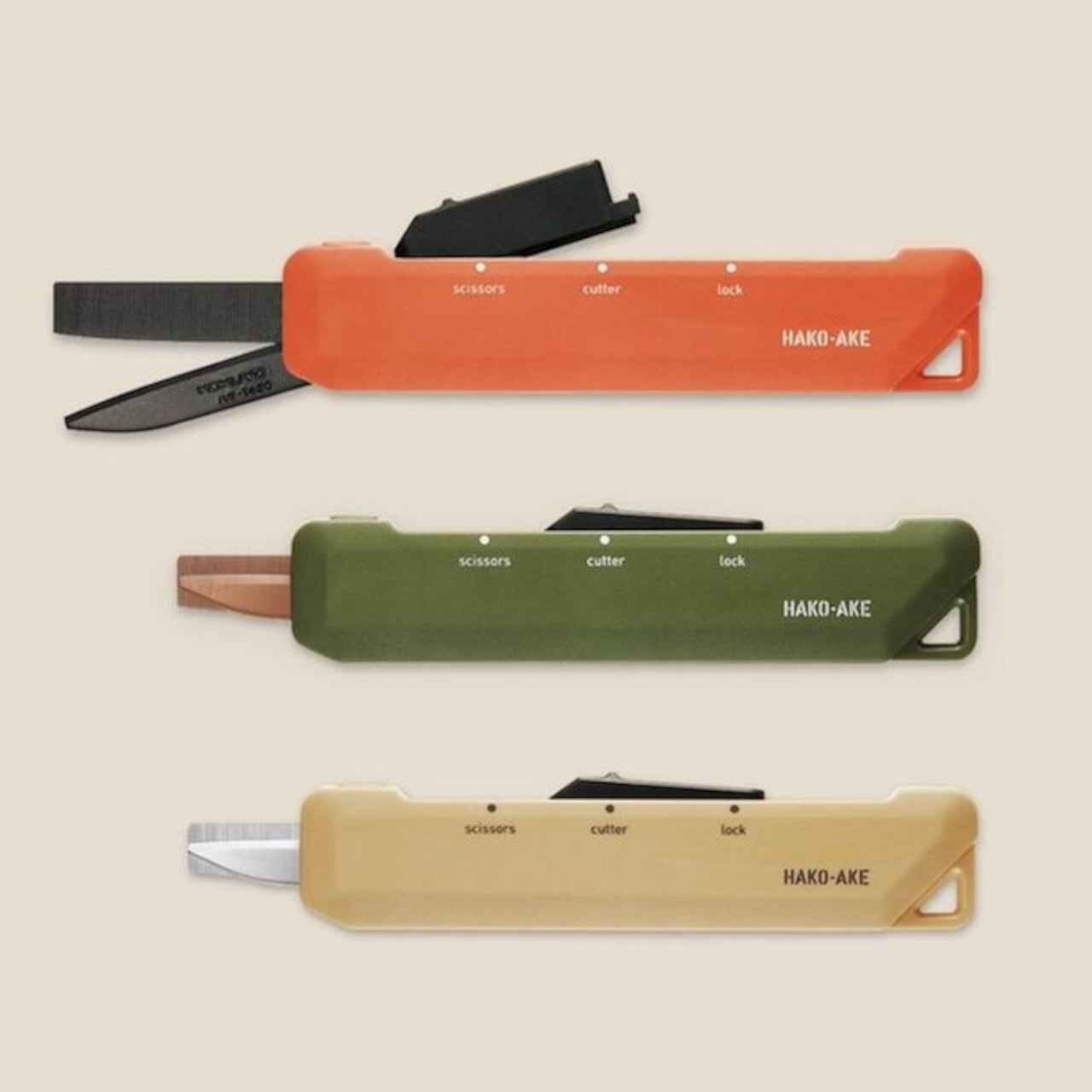
Opening a delivery often involves two different cuts: slicing the tape, then snipping a tag or packing band. Kokuyo’s HAKOAKE Two-Way Portable Scissors puts both actions into one compact housing. Squeeze the handle and slide the mechanism to change modes. In cutter mode, a 3 mm blade projects while the main scissor blades stay closed. Switch again for the small scissors. There’s no separate blade cap to set down, forget about, and eventually discover under something else on your desk.
The front guide helps position the tool against a box, and a strap hole offers another way to keep it within reach. What makes it worth including is the close relationship between the two jobs: the same package may need both, so combining them makes sense. Keep its scale in perspective. Kokuyo warns against cutting hard objects or thick paper, including cardboard and milk cartons. This is a Japanese brand’s small packaging tool, manufactured in China, not a heavy-duty cutter.
What we like
- Two related cutting tasks share one compact tool.
- The sliding housing eliminates a separate cap.
What we dislike
- Not intended for cutting cardboard or other thick materials.
- Small scissor blades limit its usefulness for larger cutting jobs.
3. Sanwa Supply Rotating USB-C Cable
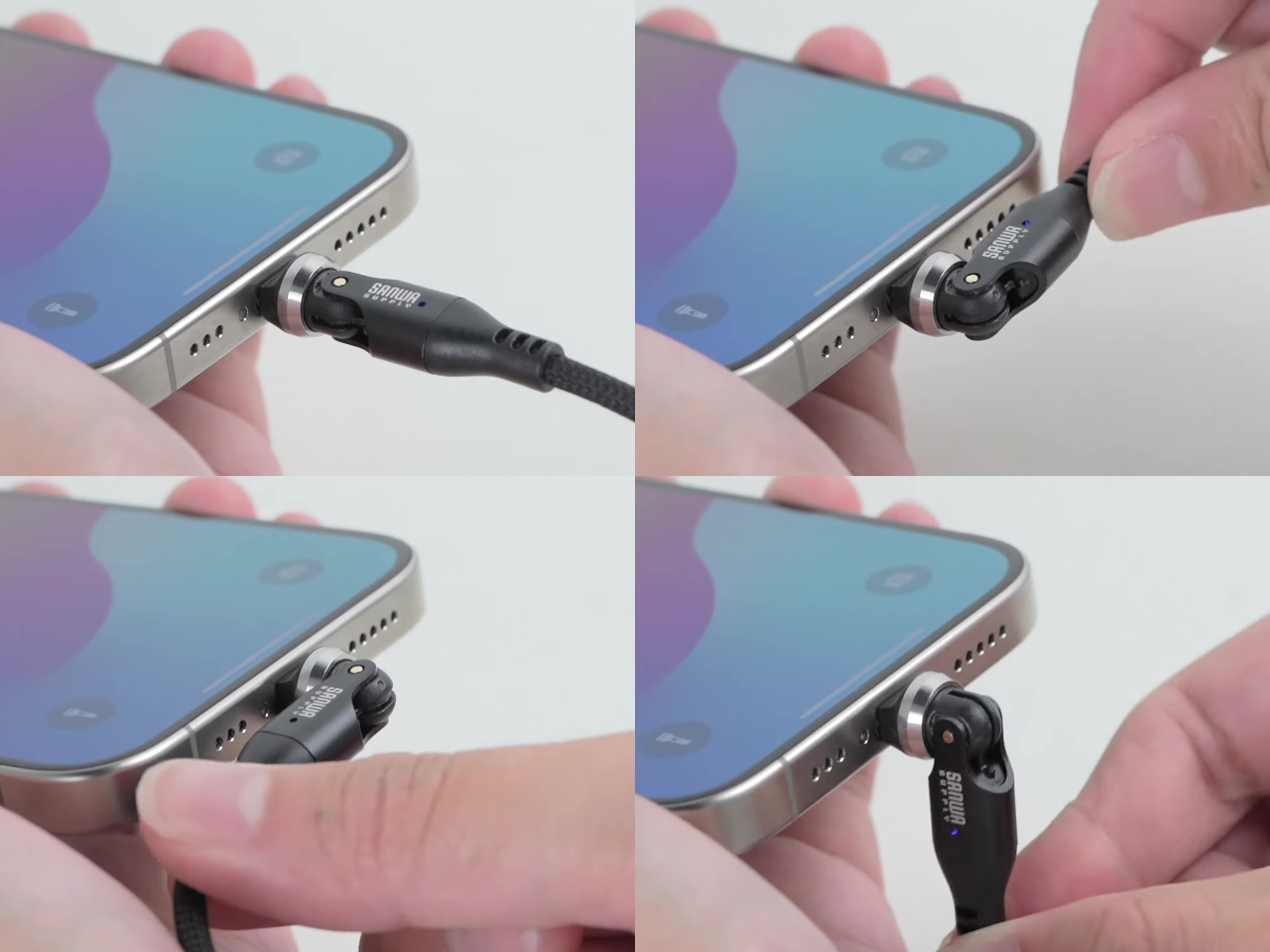
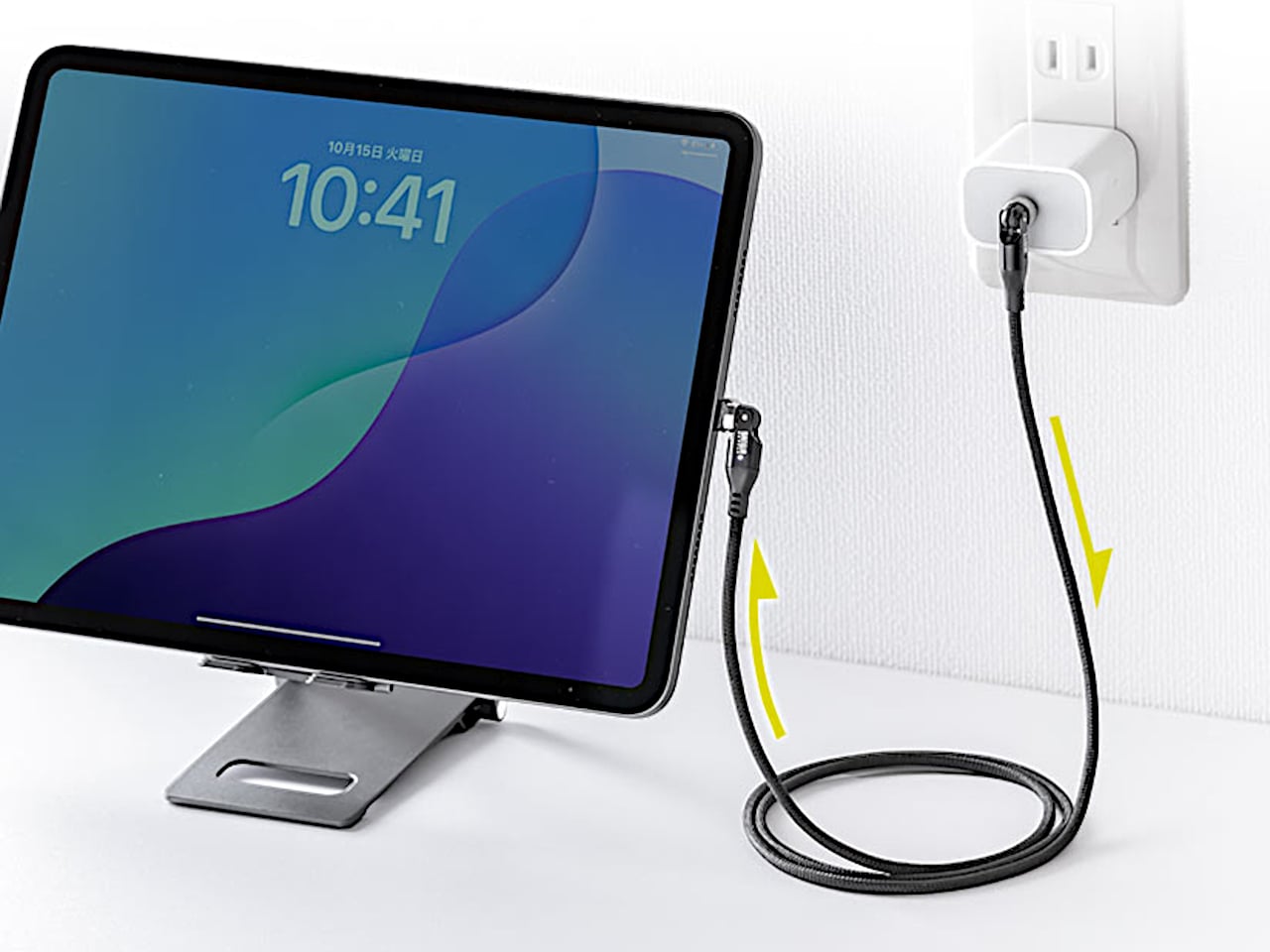
A charging cable can become surprisingly intrusive when you turn your phone sideways. Its connector ends up beside your fingers, while the cable bends around your grip. Sanwa Supply’s 500-USB090 series addresses that geometry with connectors at both ends that swivel through 180 degrees and rotate through 360 degrees. Instead of making the flexible cable absorb every change in direction, the joint lets you reposition its exit angle. The useful feature is where the cable goes, not how unusual it looks.
Sanwa specifies support for up to 240W USB Power Delivery, alongside USB 2.0 data transfer at up to 480Mbps. Those numbers describe separate capabilities: a high charging ceiling doesn’t make this a fast file-transfer cable, nor will every connected device charge at 240W. For someone who regularly holds a phone while charging, the adjustable ends are the more relevant reason to consider it. Whether those moving joints outlast a conventional connector would require testing; their immediate purpose is easier positioning.
What we like
- Adjustable connectors offer more control over cable direction.
- Both ends move, accommodating the charger and device.
What we dislike
- USB 2.0 limits data-transfer speeds.
- The 240W rating doesn’t guarantee faster charging for your particular setup.
4. Key Holder Wakka
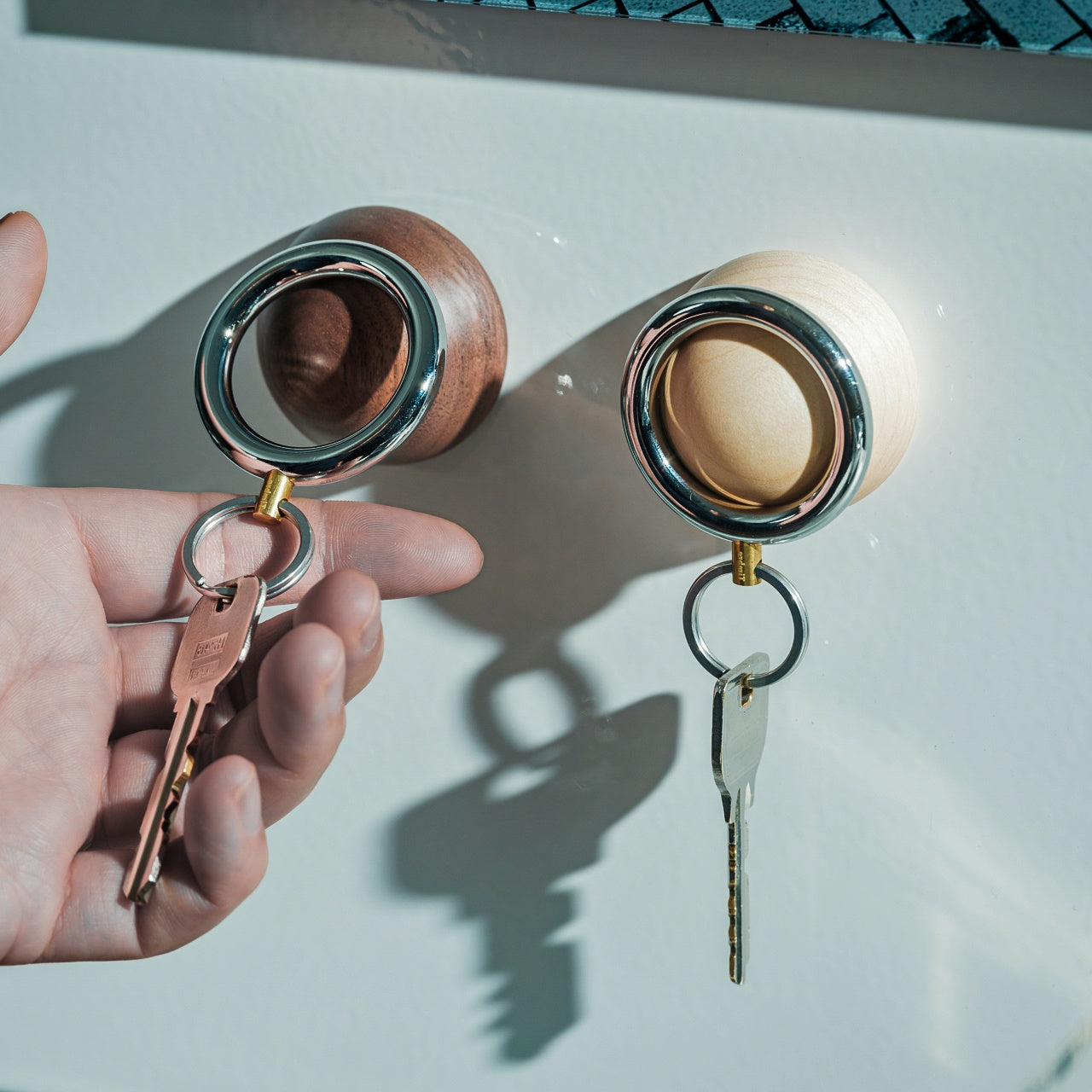
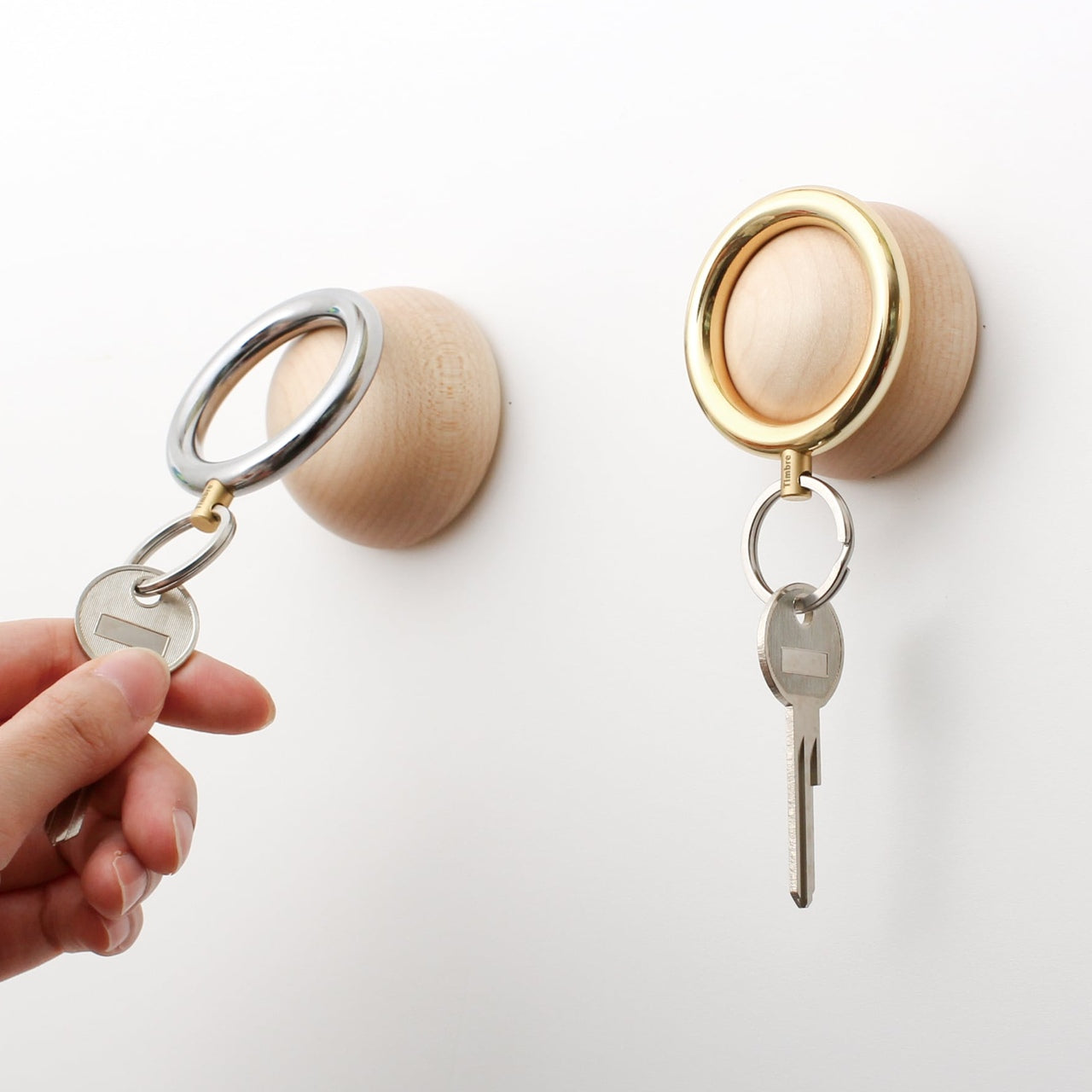
Keys don’t need much space, which is part of the problem: almost any surface can become their temporary home. Designed by Mikiya Kobayashi, Wakka gives the keyring a specific partner, a wooden base containing a neodymium magnet. The ring attaches magnetically rather than hanging from a conventional hook. The store also describes a brisk tapping sound when the ring separates, adding an audible detail to the interaction.
The interesting choice is treating the keyring and its resting place as a single design problem. You carry one part and return it to the other, making storage part of using the object rather than an unrelated chore. That could appeal to someone who wants a designated place for keys without a catchall tray. It still depends on the habit, though. At $50, Wakka asks you to value that particular interaction; it can’t help locate keys you’ve left somewhere else.
What we like
- The keyring and storage base are designed together.
- Maple and walnut offer two wood options.
What we dislike
- $50 is a considered spend for key storage.
- It only helps when you return the ring.
5. Totetsu Wedge Coffee Dripper Set

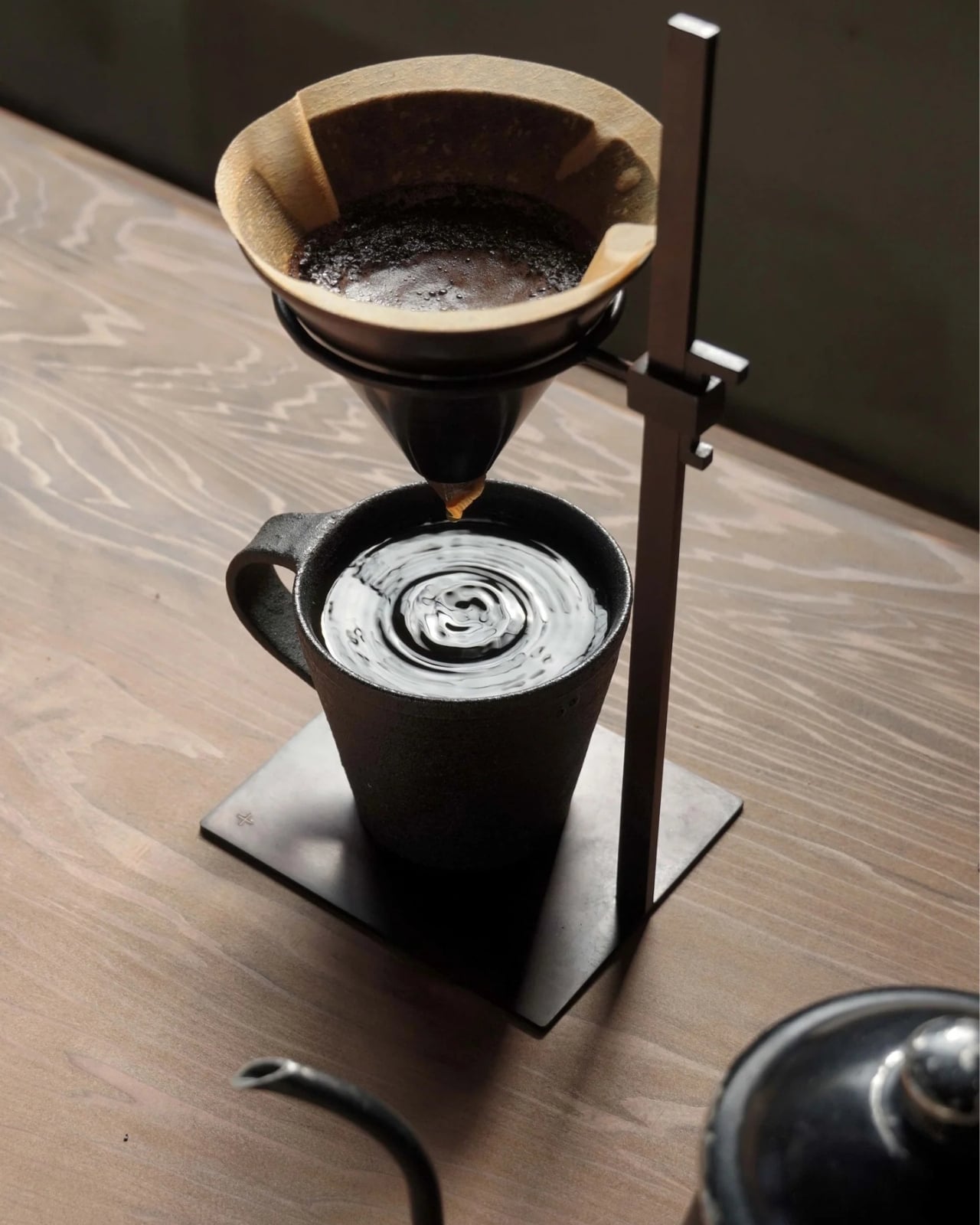
A pour-over dripper usually borrows its support from whatever sits underneath it. Totetsu’s Wedge Coffee Dripper Set separates those roles. Designed by Dai Furuwatari, it pairs a conical stainless-steel dripper with an iron stand, using a wedge to secure the support at an adjustable height. Release the wedge, reposition the assembly, then secure it again. The cone sits above the receiving vessel rather than on its rim, giving you another way to arrange the relationship between dripper, cup, and coffee server.
Both the iron stand and stainless-steel cone receive a baked urushi lacquer finish, but the practical appeal is the independent support. It makes sense for someone whose preferred vessel doesn’t suit a rim-mounted dripper, provided it fits beneath this stand. Maximum usable clearance isn’t published, so check before buying for a tall tumbler. Maintenance matters, too: Totetsu recommends gentle washing for the cone, immediate drying after wiping the stand, and occasional oil or beeswax for the iron. It isn’t carefree equipment.
What we like
- Supports the dripper independently of the vessel’s rim.
- The wedge provides a direct height-adjustment mechanism.
What we dislike
- Unpublished maximum clearance leaves tall-vessel compatibility uncertain.
- The lacquer and iron require attentive care.
Choose the Fix You’ll Actually Use
Before buying a clever everyday object, identify the moment you want to change. A flexible tool is useful when your existing one forces an awkward workaround; it’s less persuasive when the workaround barely bothers you. That distinction matters with small accessories, where the promise of an easier routine can be more appealing than the routine itself. Start with the recurring annoyance, then decide whether another object is the right answer.
It’s worth looking past the first satisfying demonstration. Check the paper capacity, the materials a blade can cut, the clearance beneath a stand, or the care a finish requires. Those details tell you more about living with a design than a clever mechanism alone. The strongest purchase is the one whose limitations fit your habits as comfortably as its features, without introducing a different irritation you’ll need to work around.