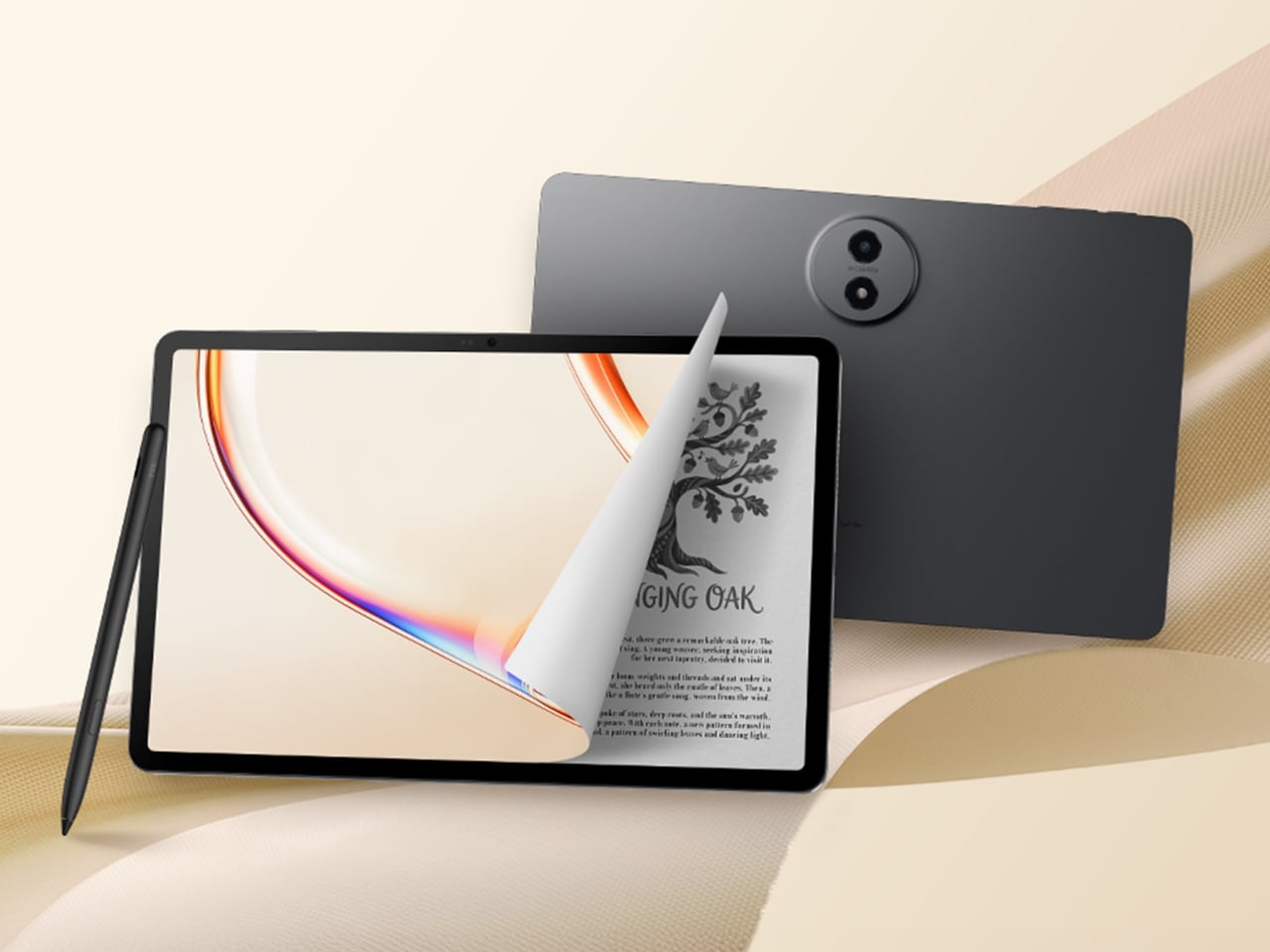
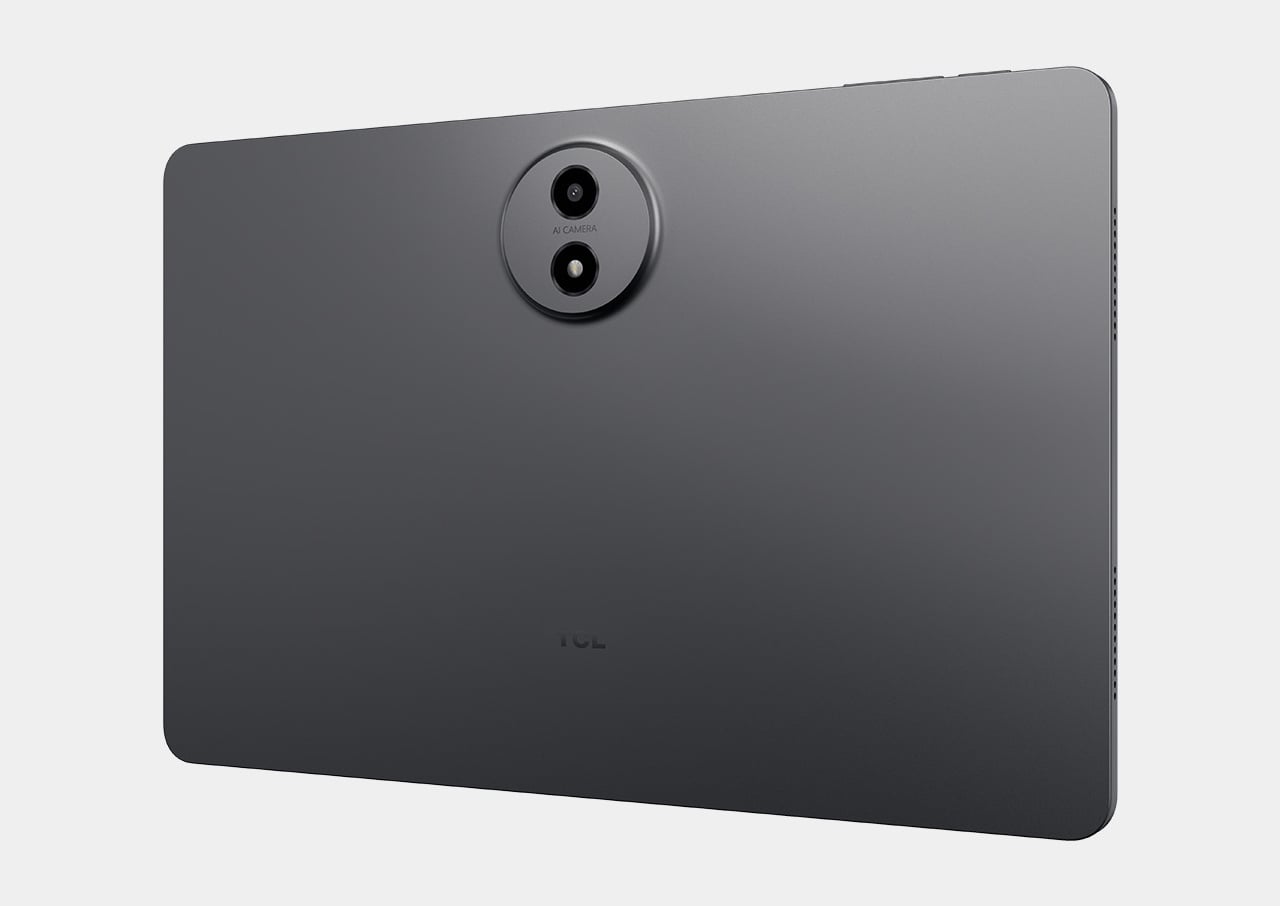
Most budget Android tablets separate their lineup the same predictable way: a cheaper model gets a slower chip, less RAM, or a smaller battery than its pricier sibling. The TCL Tab A1 NXTPAPER skips that formula entirely. It shares its processor, memory, storage, and battery with the standard Tab A1 dollar for dollar, then charges more for something else: a screen built to behave like paper instead of glass.
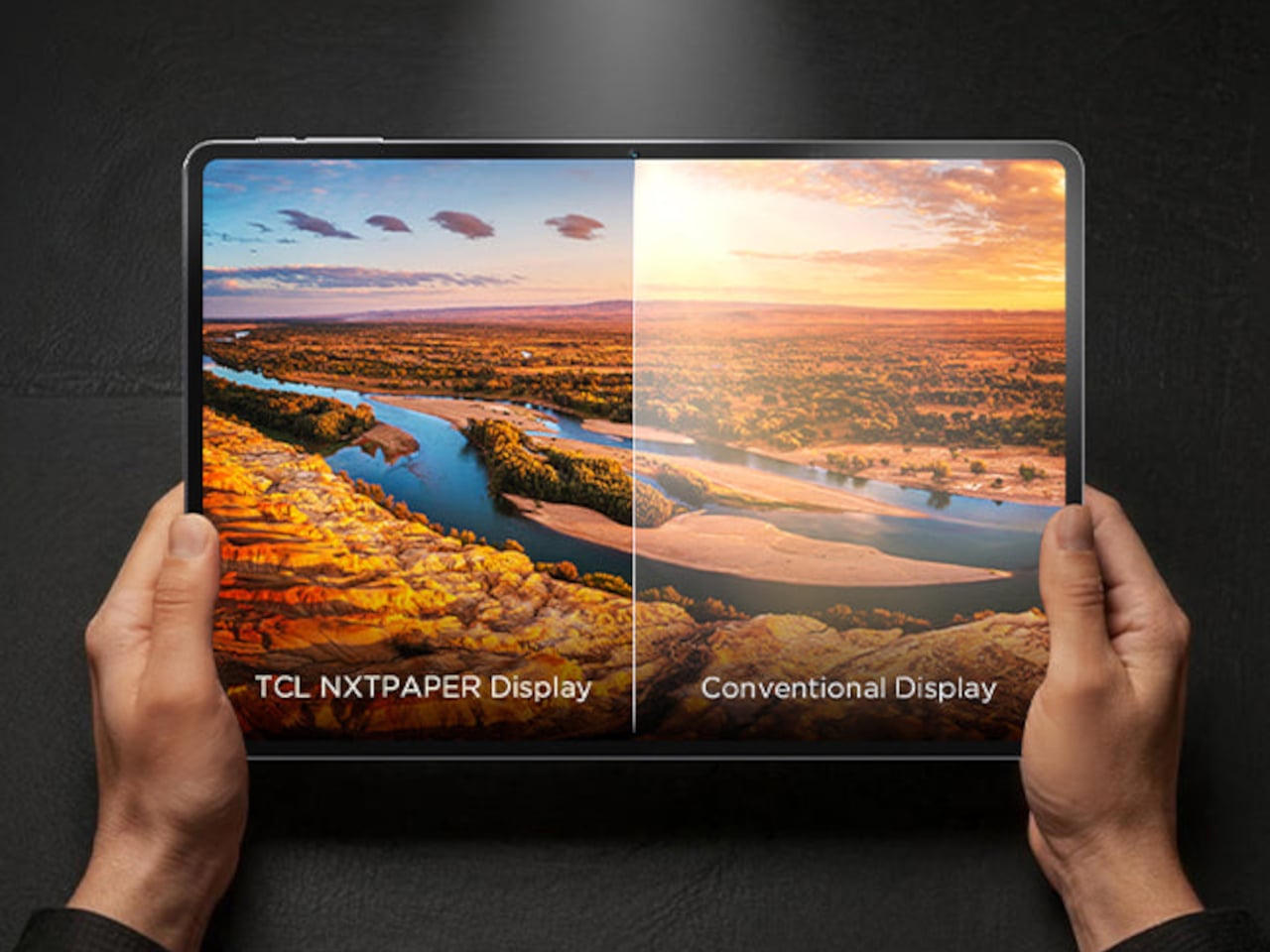
That NXTPAPER 3A Crystal display is the entire reason this tablet exists as a separate product. Rather than relying on software tricks like blue-light filters or a dimmed dark mode, TCL built a nano-etched, multi-layer surface designed to scatter light the way an actual printed page does, cutting glare and reducing the eye strain that comes from staring at a conventional glossy panel for hours at a stretch.
Designer: TCL
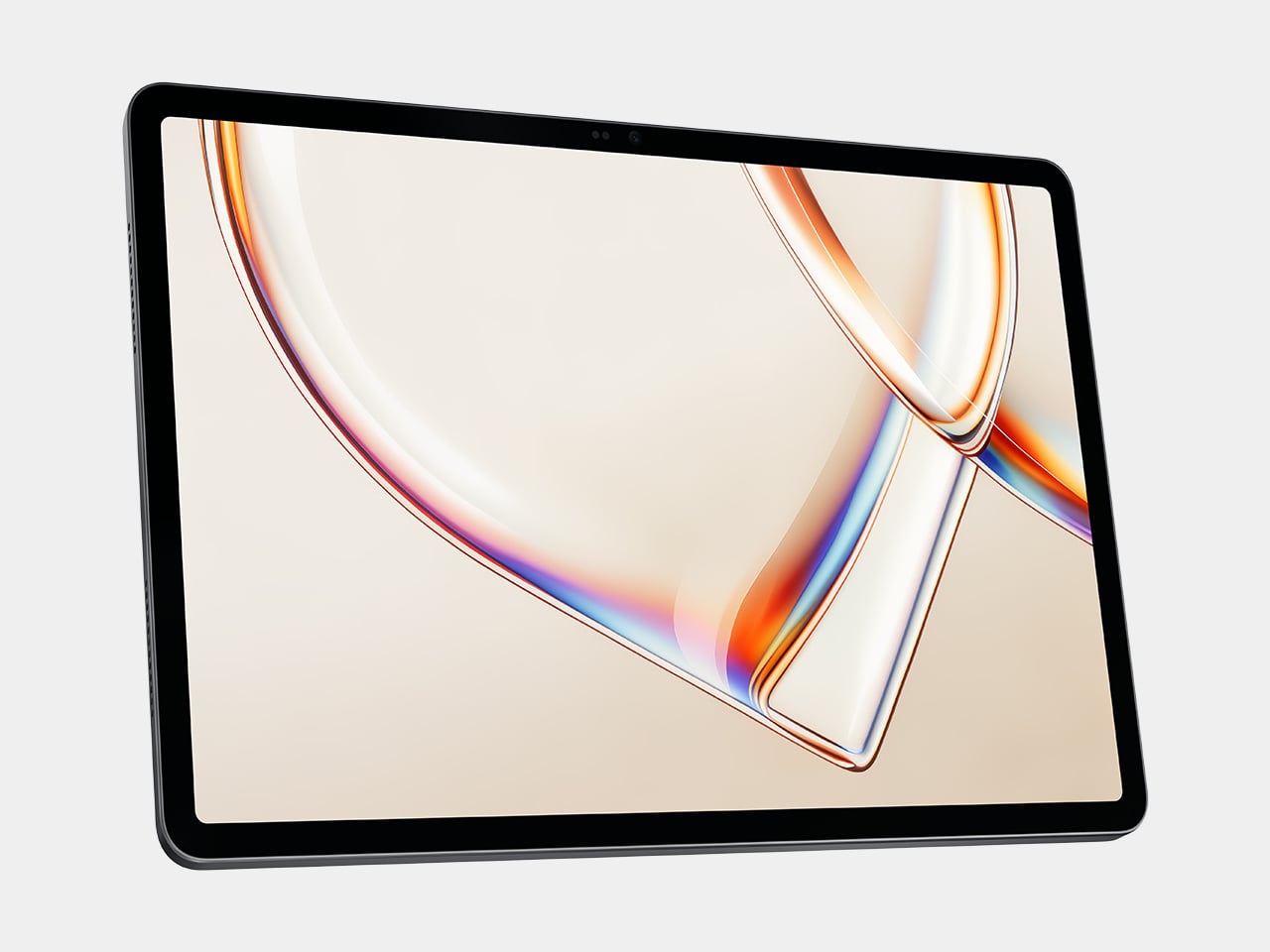
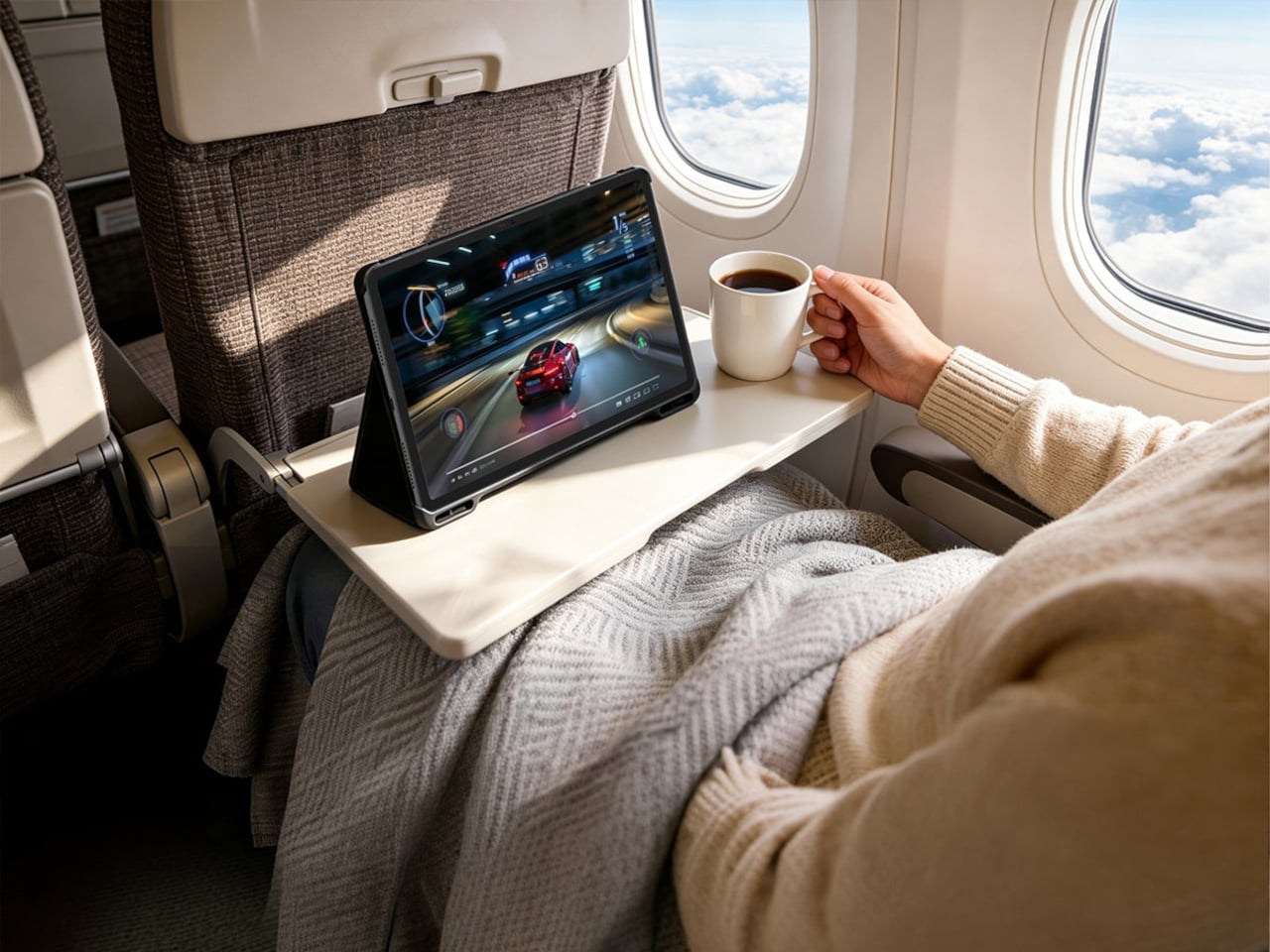
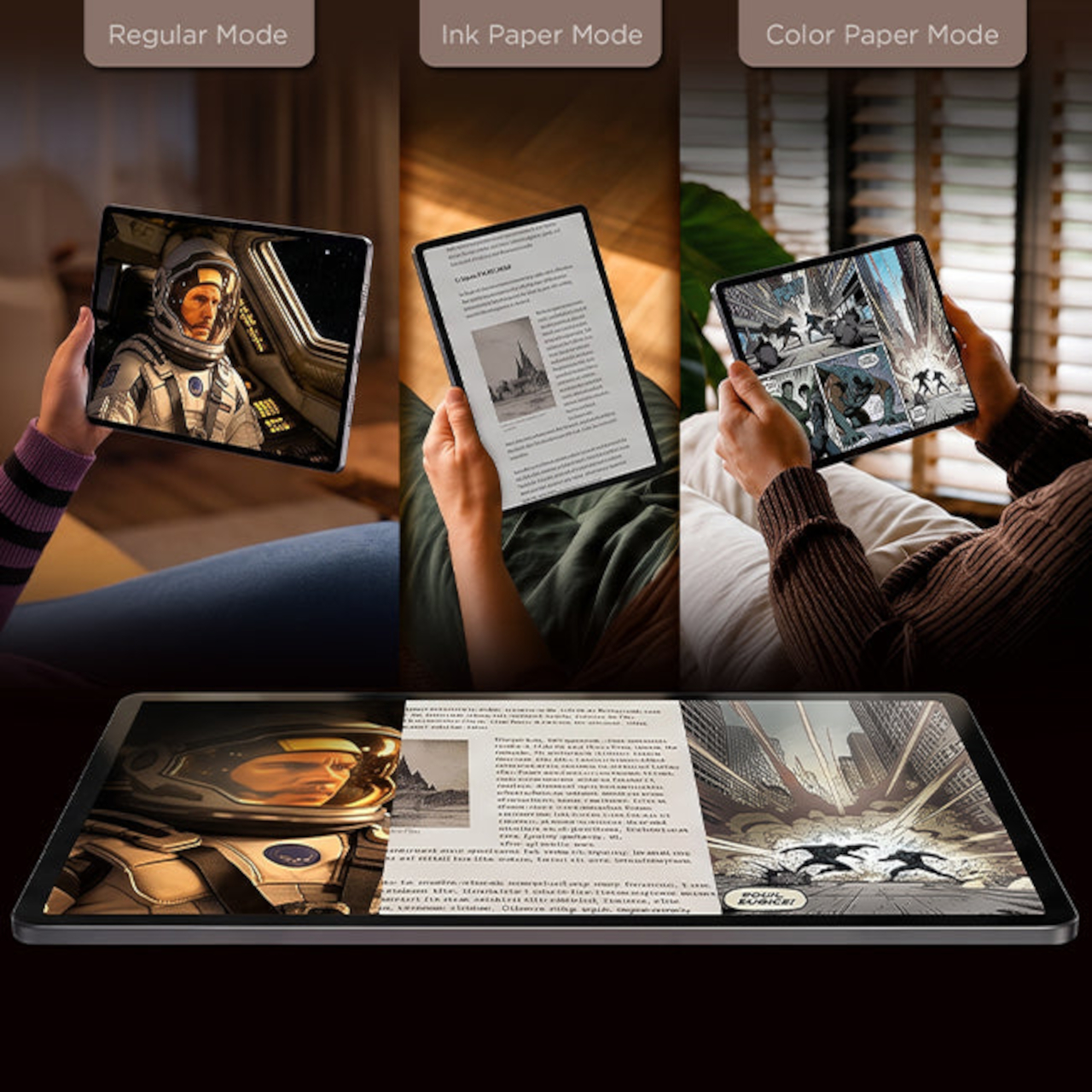
Two display modes make that distinction tangible rather than theoretical. Color Paper keeps the panel vibrant for movies, photos, and everyday browsing, while Ink Paper flattens the same screen into a matte, grayscale reading surface that mimics an e-reader. Switching between them means one 11-inch panel can behave like two different devices depending on whether you’re watching something or working through a stack of documents before bed.
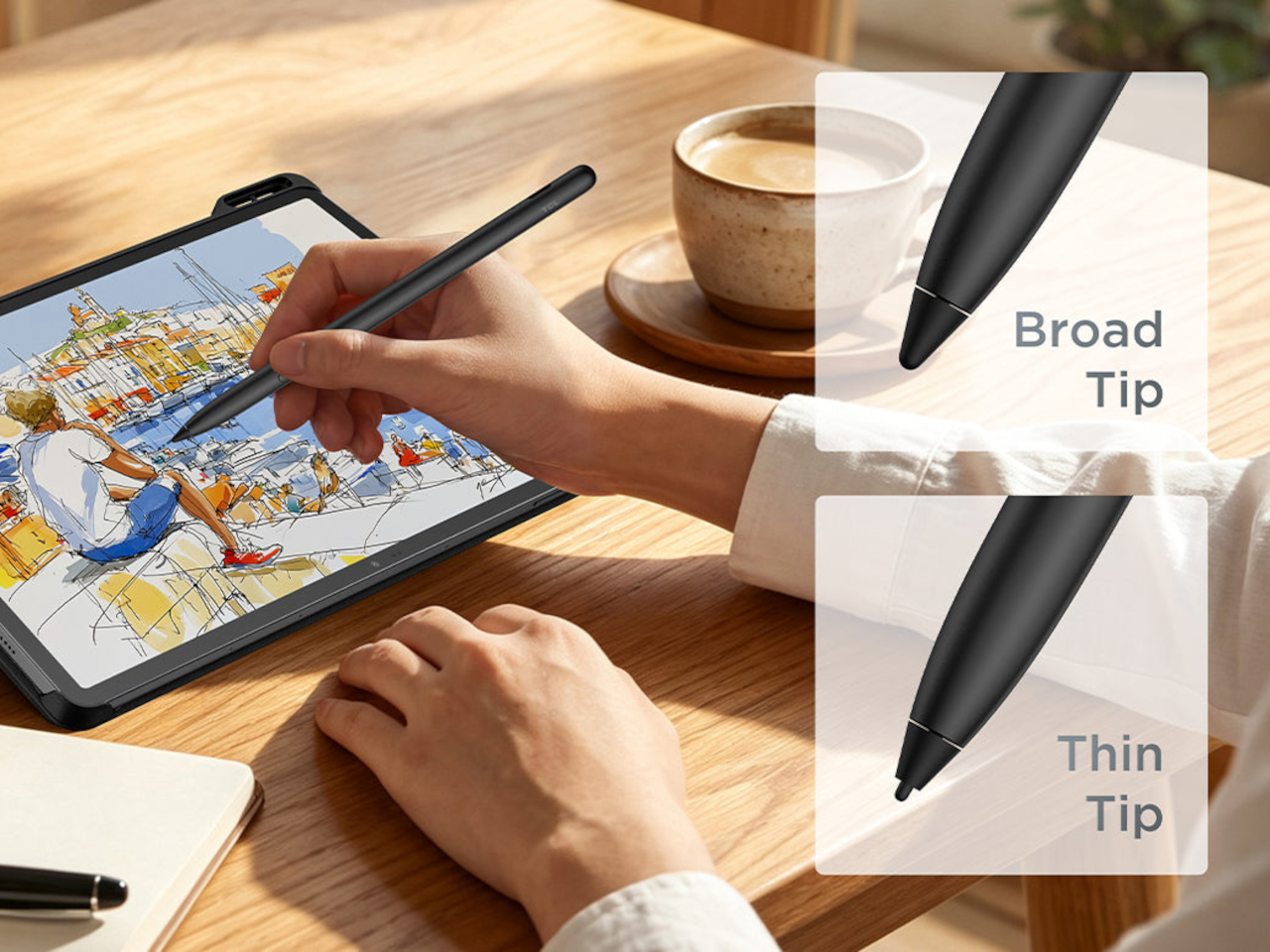
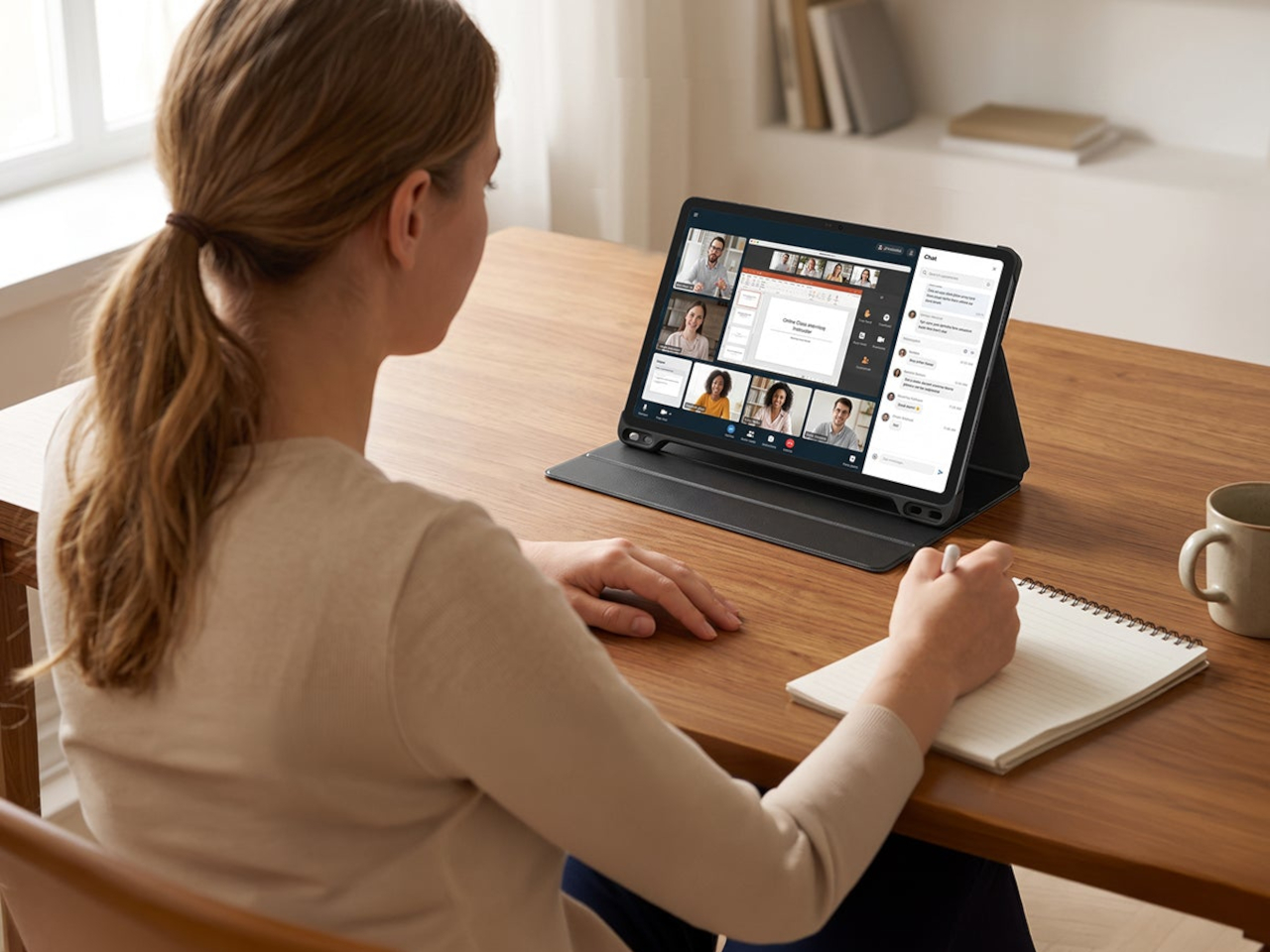
Consider a student annotating a textbook chapter after dark, or someone editing a manuscript on a long commute. The paper-like texture holds up under extended use in a way that standard tablet glass doesn’t, and the bundled T-Pen 2 turns that same screen into a legitimate notebook substitute. With 4,096 pressure levels and interchangeable tips, it responds more like a real pen dragging across textured paper than a plastic stick tapping smooth glass.
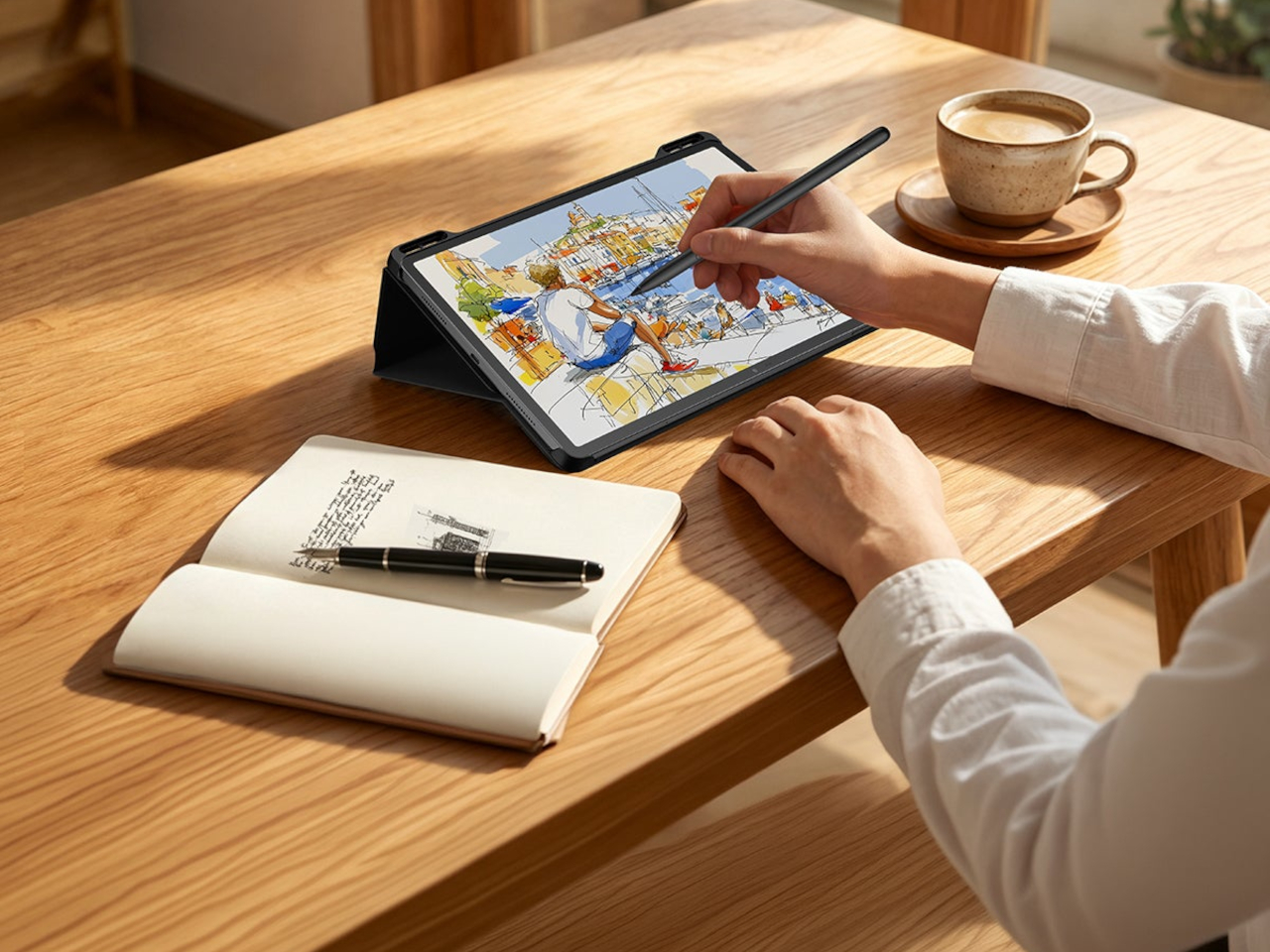
TCL backs that pen with a flip case included in the box, not sold separately as an afterthought, which matters more than it sounds. Together they push the $249.99 price toward a genuine productivity bundle rather than a simple screen swap, something the plainer $189.99 Tab A1 doesn’t attempt to replicate even though it runs on identical silicon underneath.
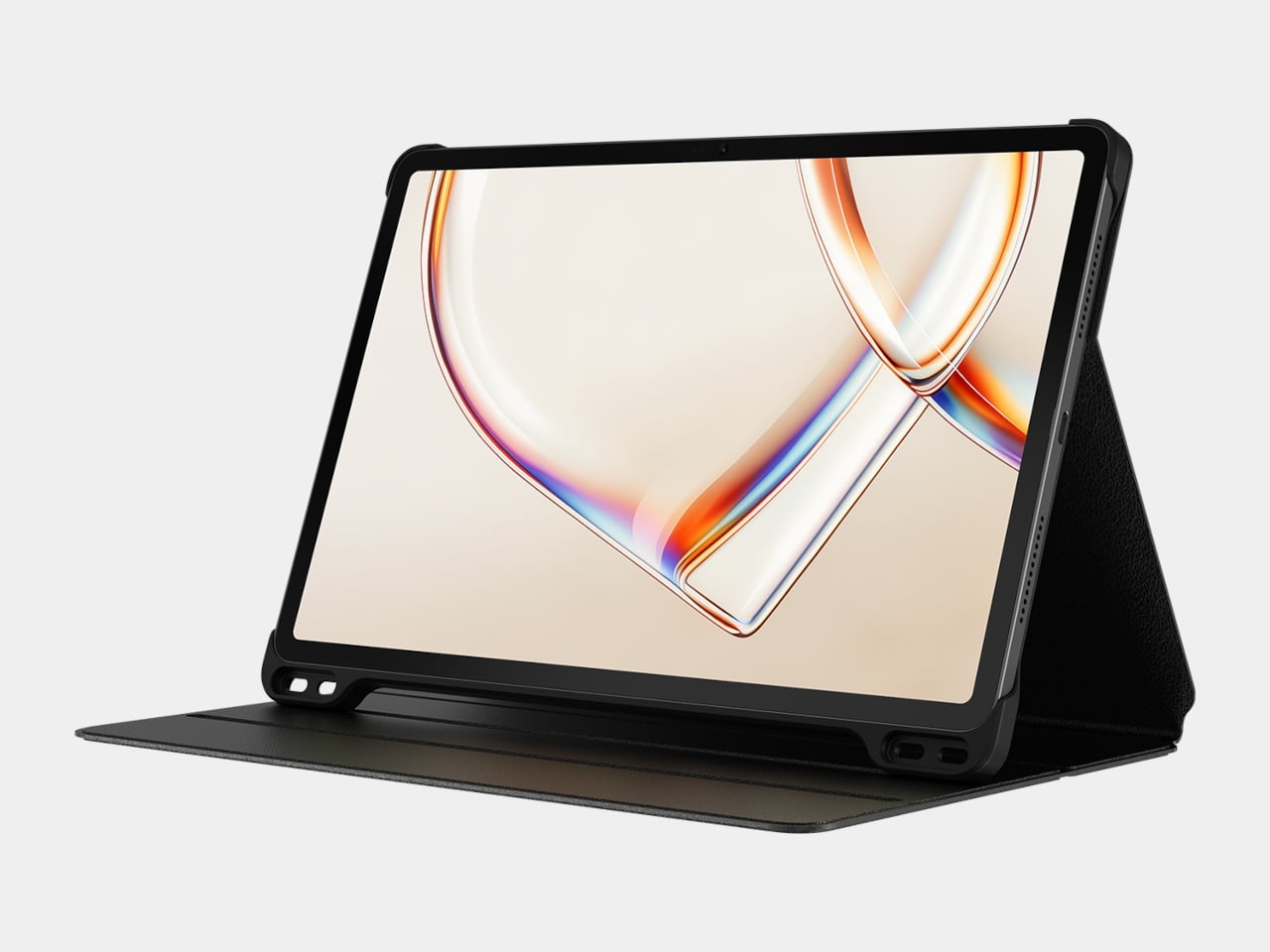
That standard Tab A1 still deserves a mention on its own terms. Same Helio G100 chip, same 8,000mAh battery, same 11-inch 2.1K panel at a brighter 500 nits, minus the paper-like coating and its two accessories. For anyone who just wants a capable streaming and browsing tablet without paying for display science they won’t use, it remains the more sensible pickup of the pair.
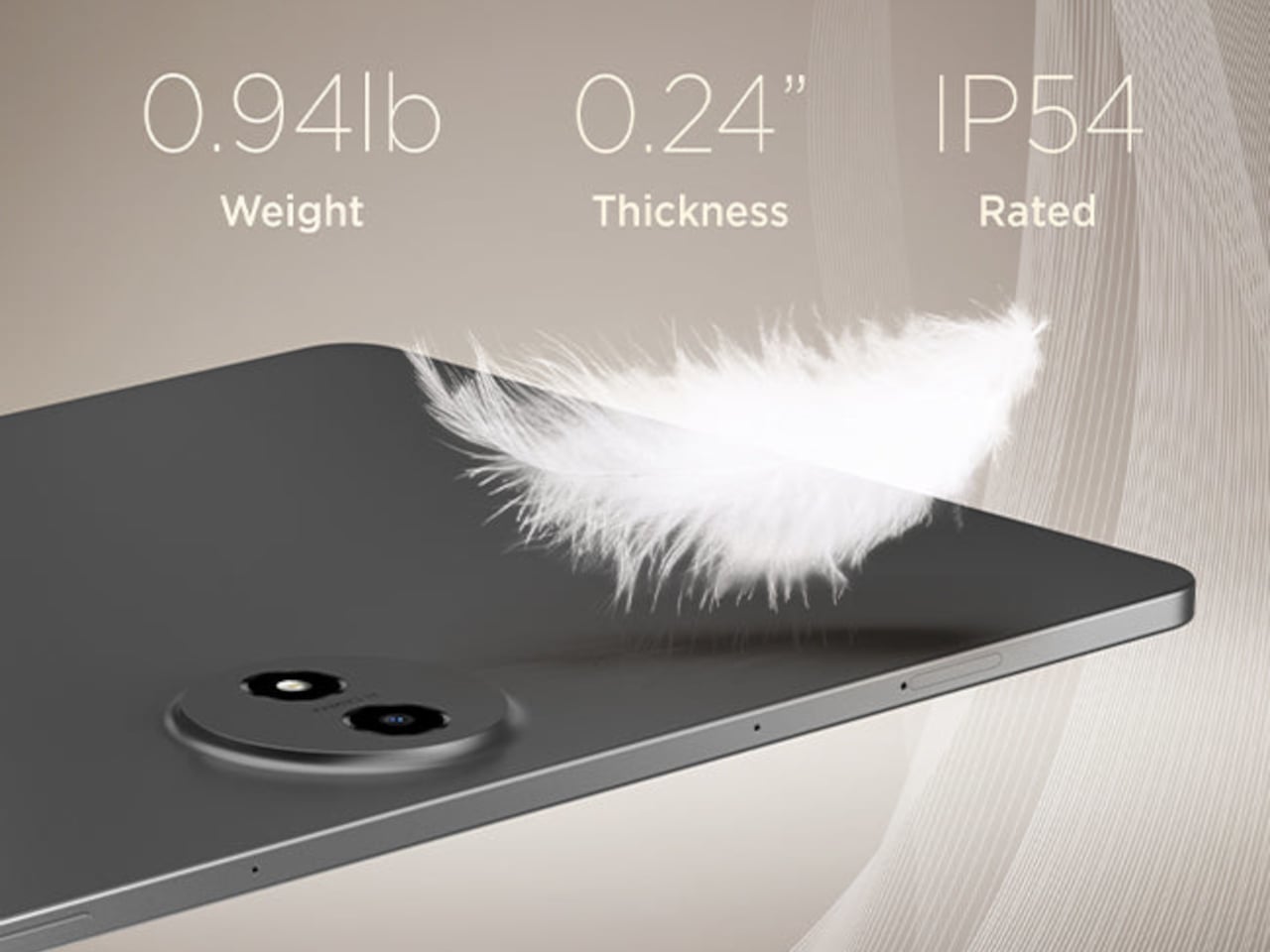
What makes the NXTPAPER worth the premium isn’t a faster processor or a bigger battery hiding under the hood. It’s a screen technology most competitors haven’t bothered building at this price point, paired with tools that actually put it to use rather than sitting there as a marketing footnote nobody touches after the first week.