For the last several years, the Mac’s biggest leaps have come from the silicon inside it. Apple’s M-series chips transformed the MacBook Pro into a class leader on performance per watt, and for a while that made the chassis feel almost settled, a familiar shell for ever more capable internals. The latest roadmap chatter suggests that phase is ending. Apple is reportedly preparing a routine M6 refresh for late 2026, while saving the far more interesting MacBook Pro overhaul for the first half of 2027, the one many are already framing as the “Paper MacBook Pro.”
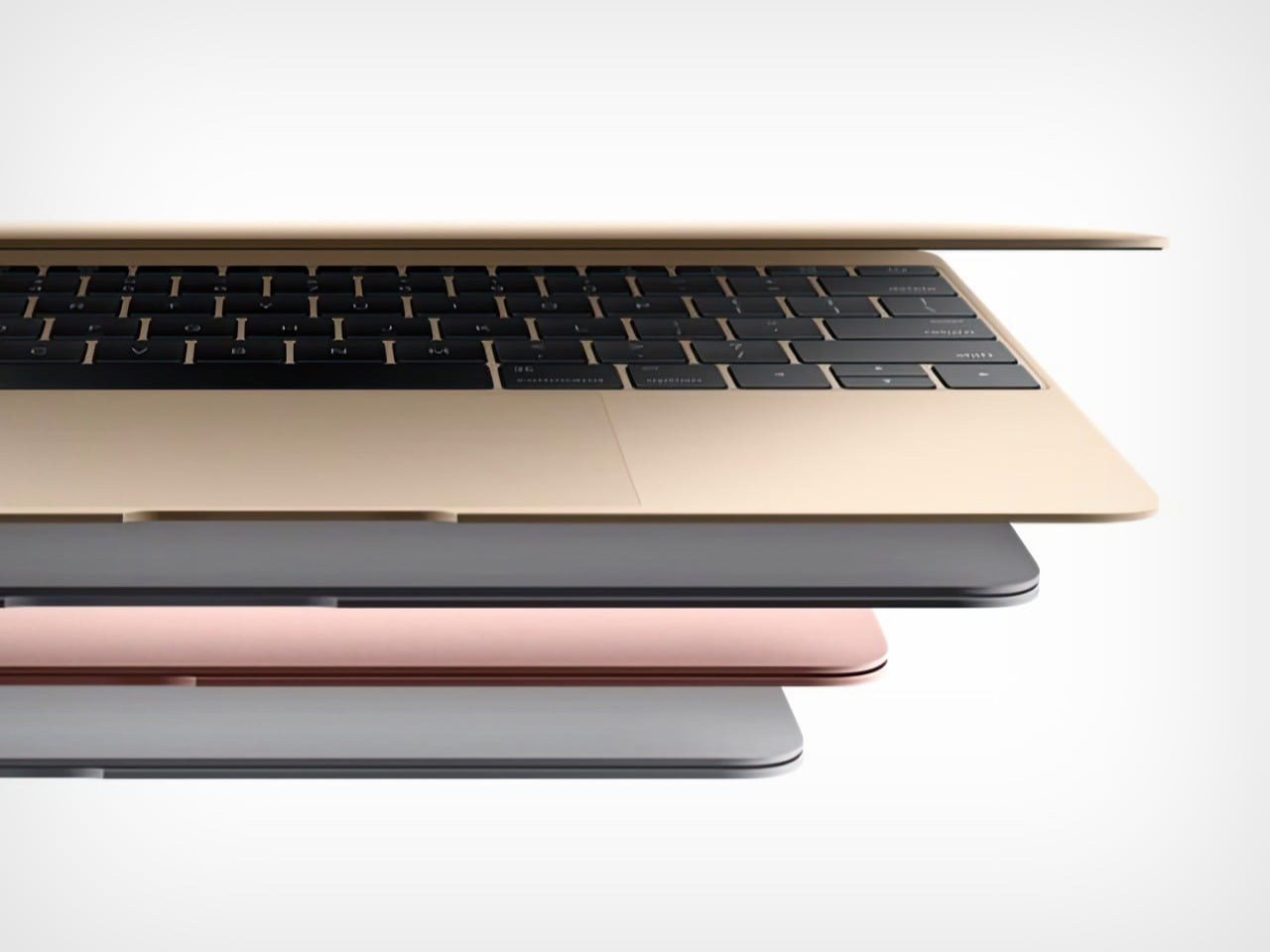
That nickname works because it instantly communicates the ambition. The idea is not literally a MacBook made of paper, but a MacBook Pro pushed so far into thinness that it starts to feel closer to a design sketch than a finished computer. If the reports are accurate, 2027 is when Apple plans to cash in on that image with a redesigned body and an OLED display, a combination that points to the company’s slimmest Pro notebook yet. For Apple, this would be a familiar kind of flex, turning thinness into theater, then selling the engineering behind that theater as the real product.
Designer: Apple
OLED is what makes the whole concept believable. A MacBook Pro display built around OLED can be thinner than the current mini-LED setup because it does not need the same backlight structure behind the panel. That gives Apple more room to slim down the lid, and once the display stack gets thinner, the rest of the machine can follow. This is why the 2027 model matters more than the late 2026 one. The M6 refresh may keep the lineup current, but the OLED redesign is the part that changes what the MacBook Pro looks like, feels like, and signals from across a room.
The catch is that every millimeter Apple removes has to come from somewhere. A thinner MacBook Pro sounds beautiful until the tradeoffs enter the conversation. Ports are the first obvious pressure point, because HDMI, SD card slots, and even MagSafe all take up physical depth. Then there is the battery, which depends on volume, and the cooling system, which depends on space and airflow. Apple can offset some of that with more efficient chips and smarter internal packaging, but industrial design always collects its price eventually. The “Paper MacBook Pro” only becomes a win if it stays recognizably Pro in the ways that matter after the keynote ends.
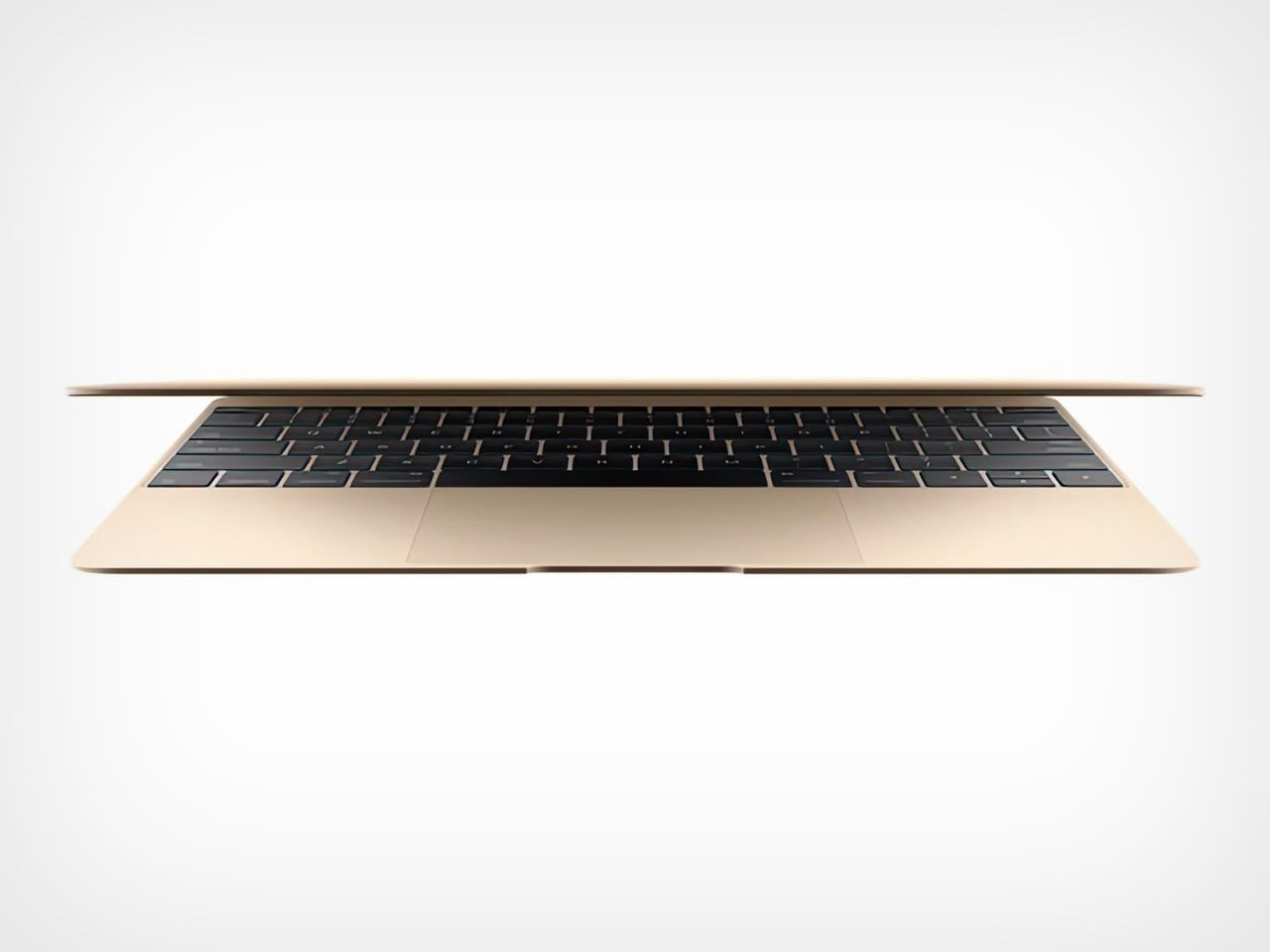
That is what makes this rumored 2027 machine so interesting from a design perspective. Apple already knows how to make a thin laptop. It has done that before, sometimes brilliantly, and sometimes with compromises that aged badly. Making a thin MacBook Air is one challenge. Making a thin MacBook Pro that creators, editors, developers, and power users can trust for sustained work is a much harder brief. The real test of this redesign will not be the side profile in Apple’s launch images. It will be whether the machine can carry all that visual elegance without hollowing out the practicality that gives the Pro line its identity.
So what should people expect in 2027? Probably a MacBook Pro that looks noticeably slimmer, likely leans on OLED as the enabling technology, and arrives with the kind of visual lightness Apple loves to turn into a headline. They should also expect compromises to become part of the conversation the moment the design appears. That tension is the whole story here. The “Paper MacBook Pro” has the potential to be one of Apple’s most striking laptop redesigns in years, but only if the company proves that shaving down the body does not also shave away the reasons professionals buy a MacBook Pro in the first place.