A kid wants to bike to a friend’s house. A parent wants to know they can call if plans change. Neither of them particularly wants the trip to end with an hour of scrolling in someone’s driveway. That small negotiation is the problem Freckle is trying to solve. Its phone offers children a way to stay connected and find their bearings without handing them the full, distracting experience of a conventional smartphone.
The idea appeals to me because childhood independence is often built from ordinary errands, not grand adventures. Walking to the park, buying a snack, figuring out which way leads home: these are modest freedoms, but they matter. Freckle, designed for kids ages 7 to 13, treats a phone as something that might help those moments happen rather than replace them.
Designer: Freckle
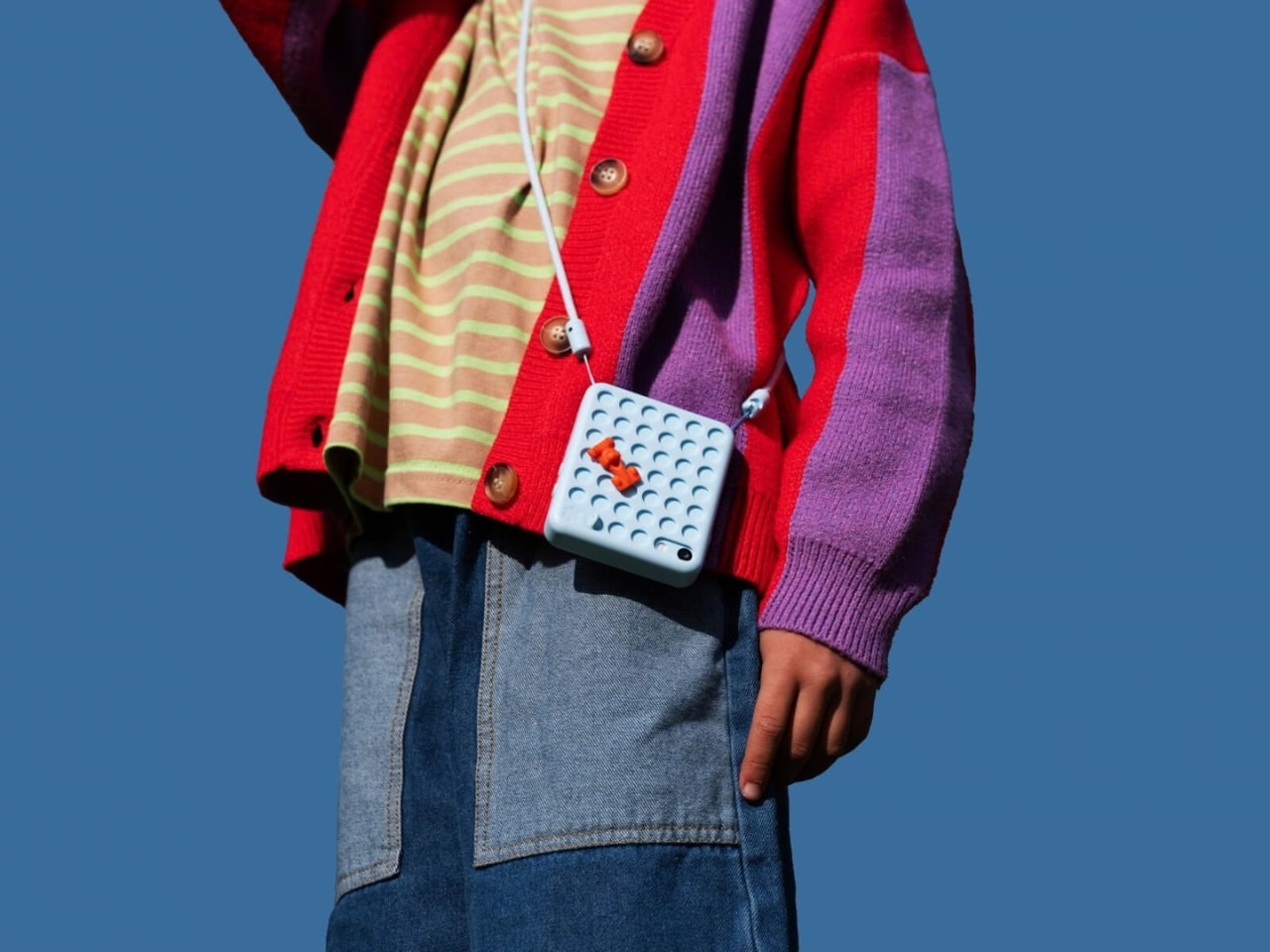
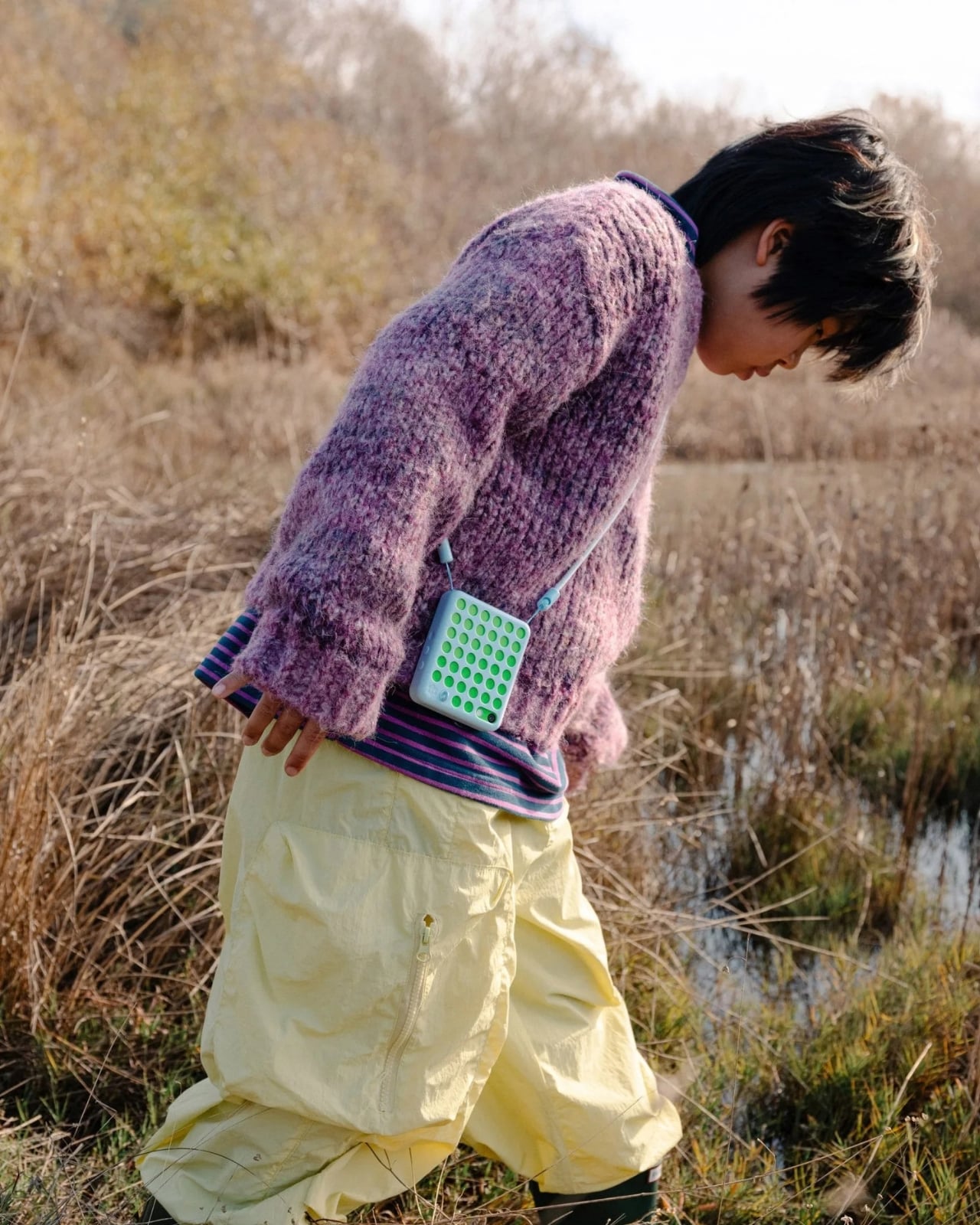
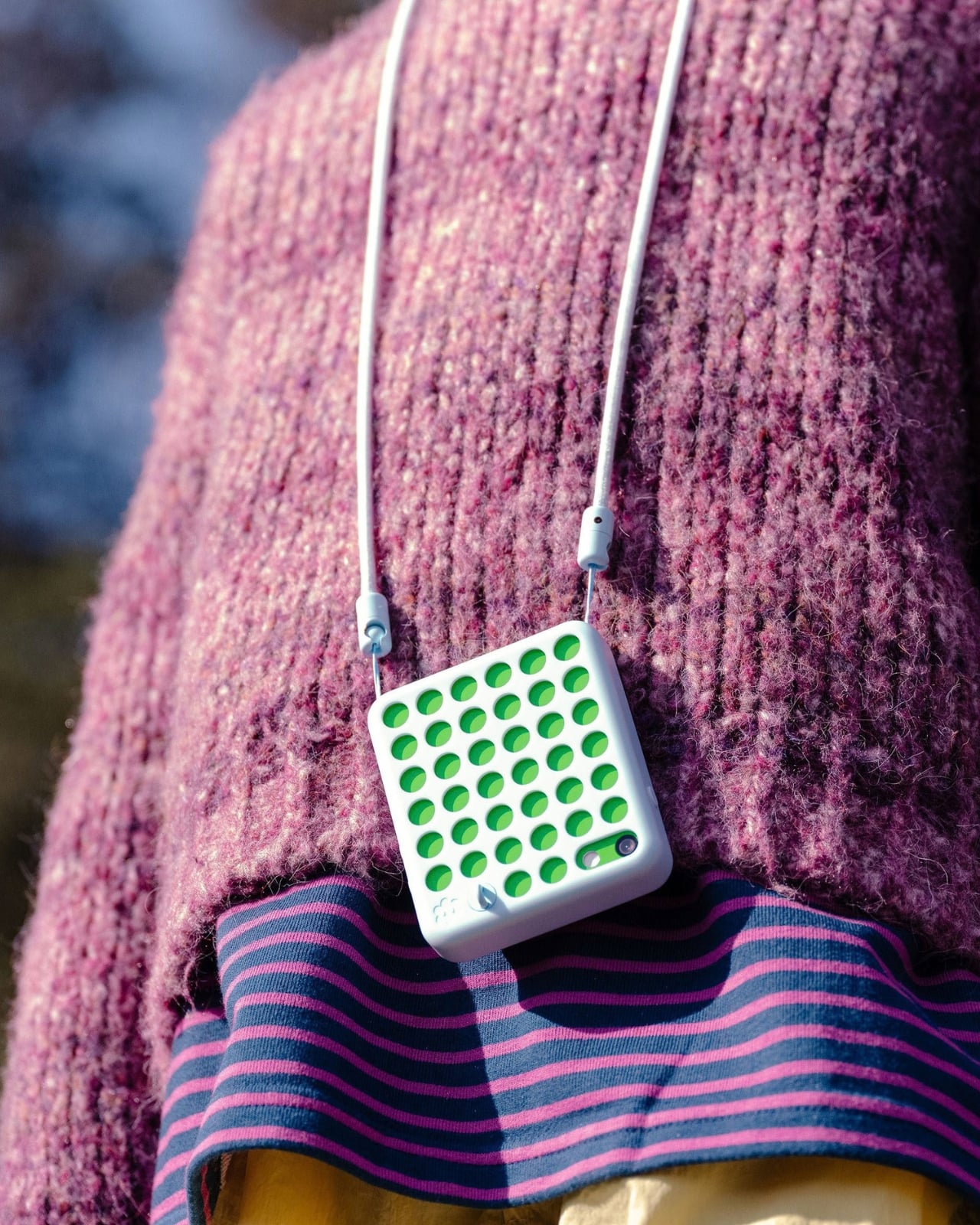
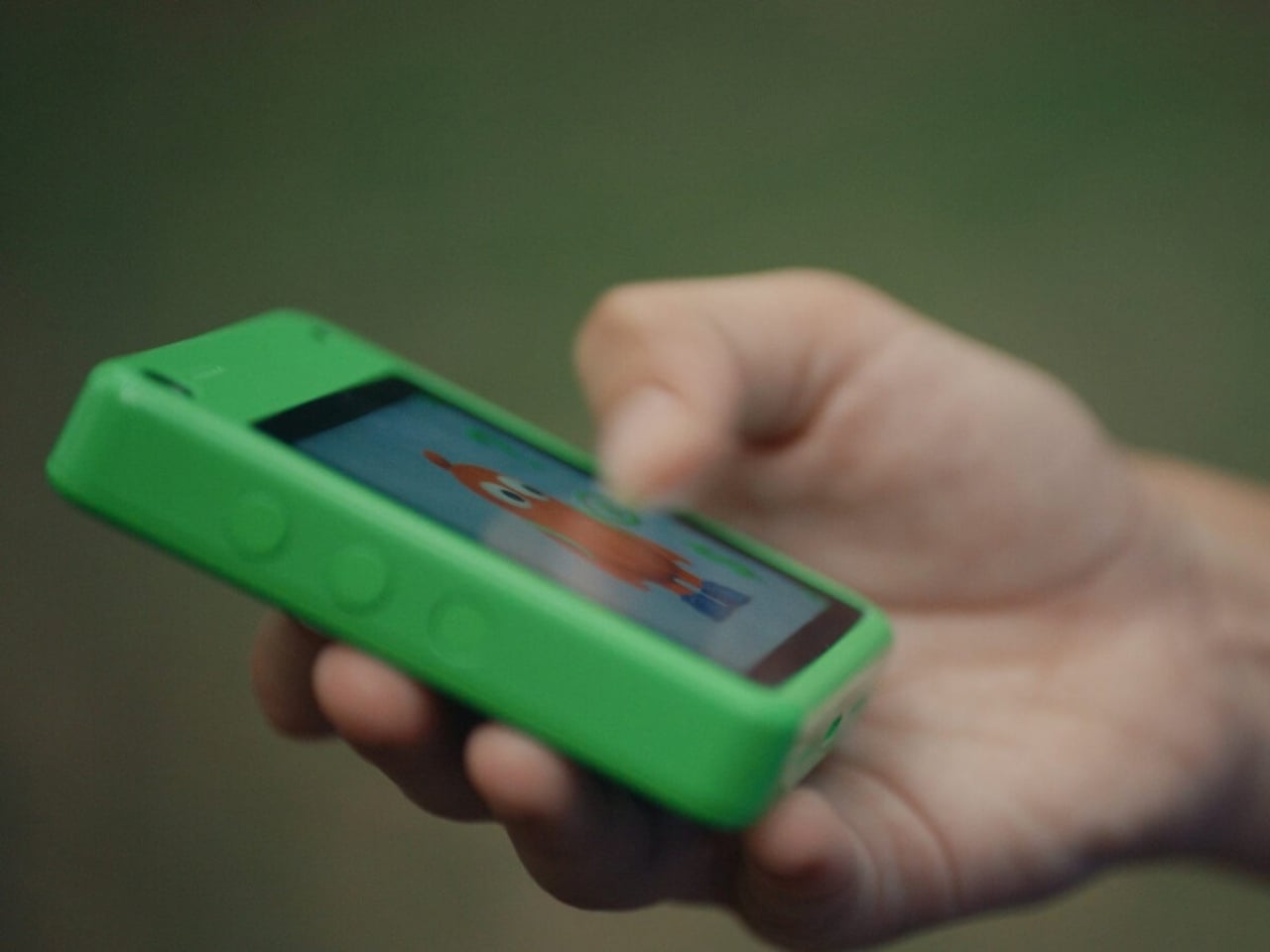
Developed by Freckle with design studio Body Shop, the device runs a simplified operating system called ClayOS. There’s no open web, app store, social media, or streaming-video app waiting to turn a quick check of the time into a long detour. That restraint is the design story. Freckle isn’t trying to make a smaller version of the phone adults already carry. It asks which features a child actually needs when they leave the house.
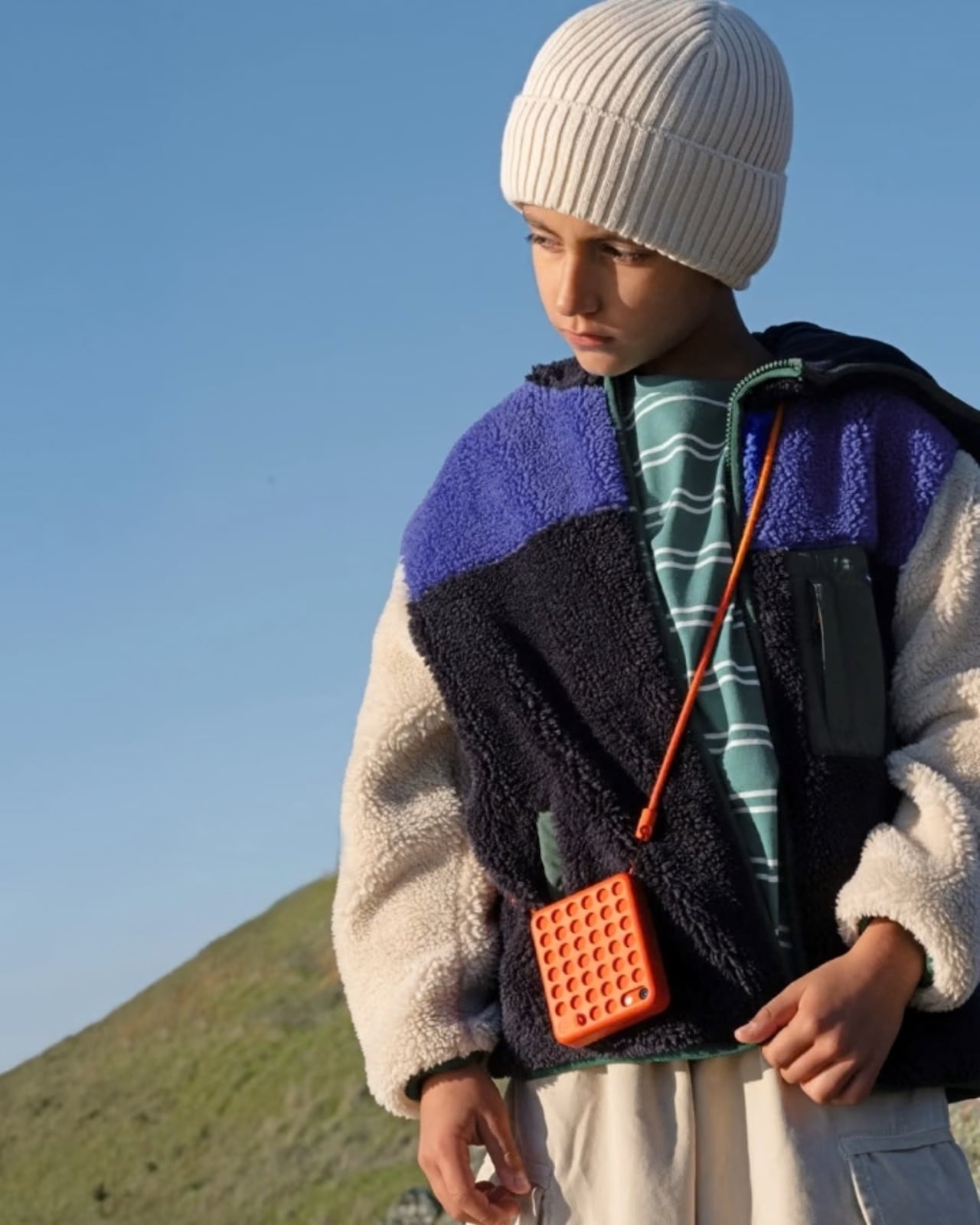
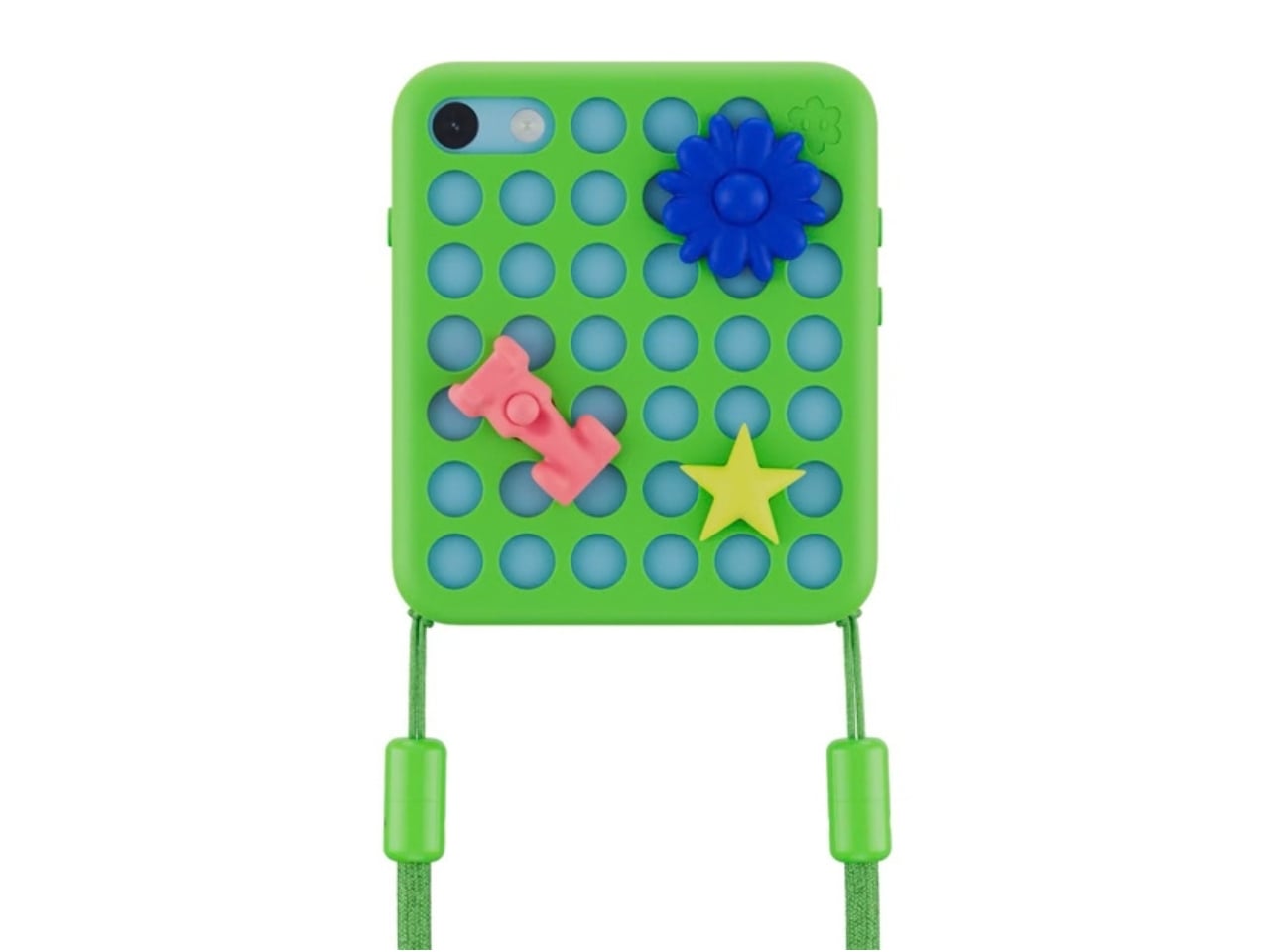
The physical design follows the same thinking. A 3.1-inch screen shows basic information without making the display the center of attention. Colorful hardware and tactile buttons give the phone a playful feel, while an available case with a lanyard makes sense for a device meant to go along on walks and outings. It looks like something a kid could claim as their own, not a stripped-down piece of parental equipment.
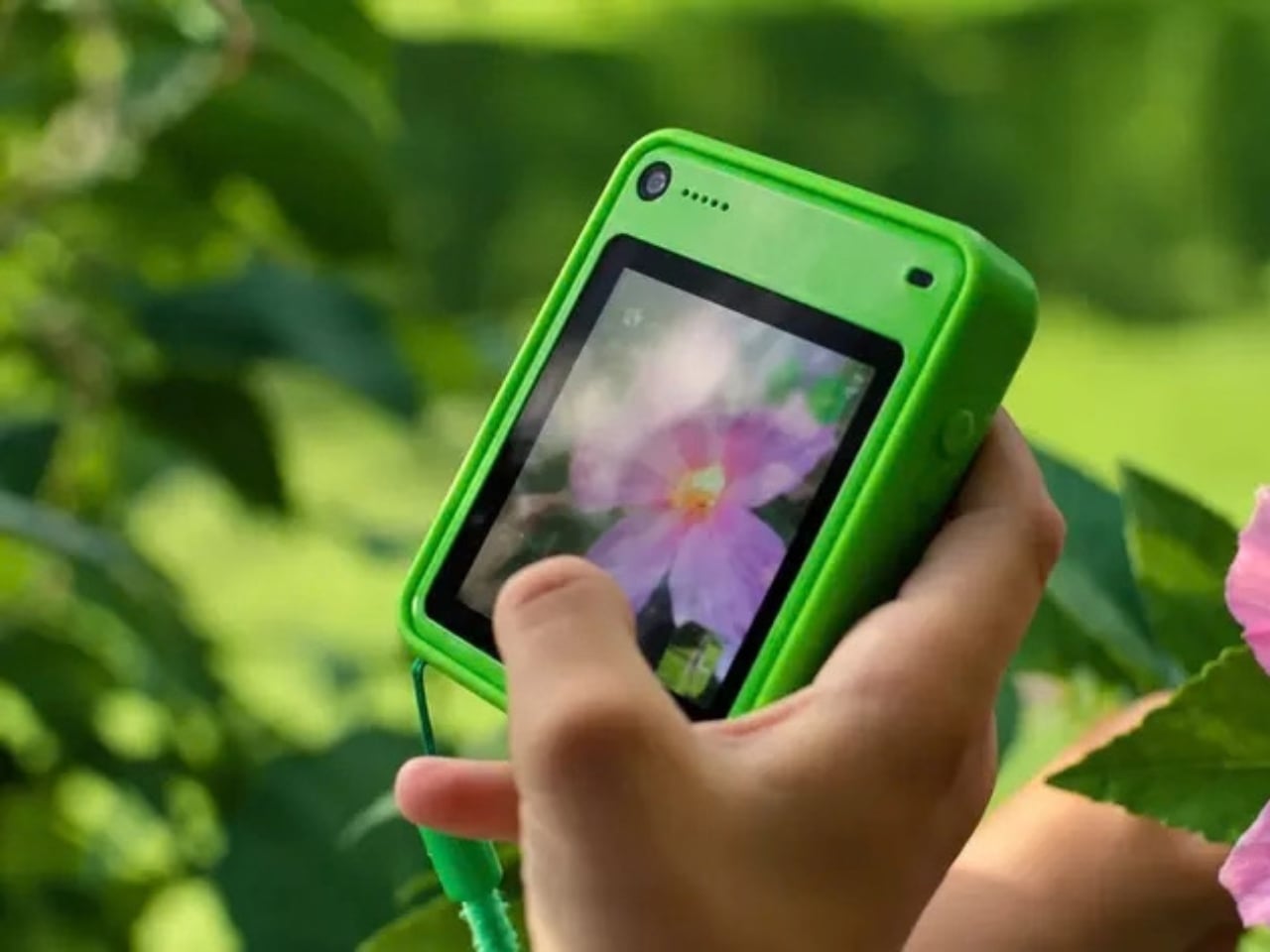
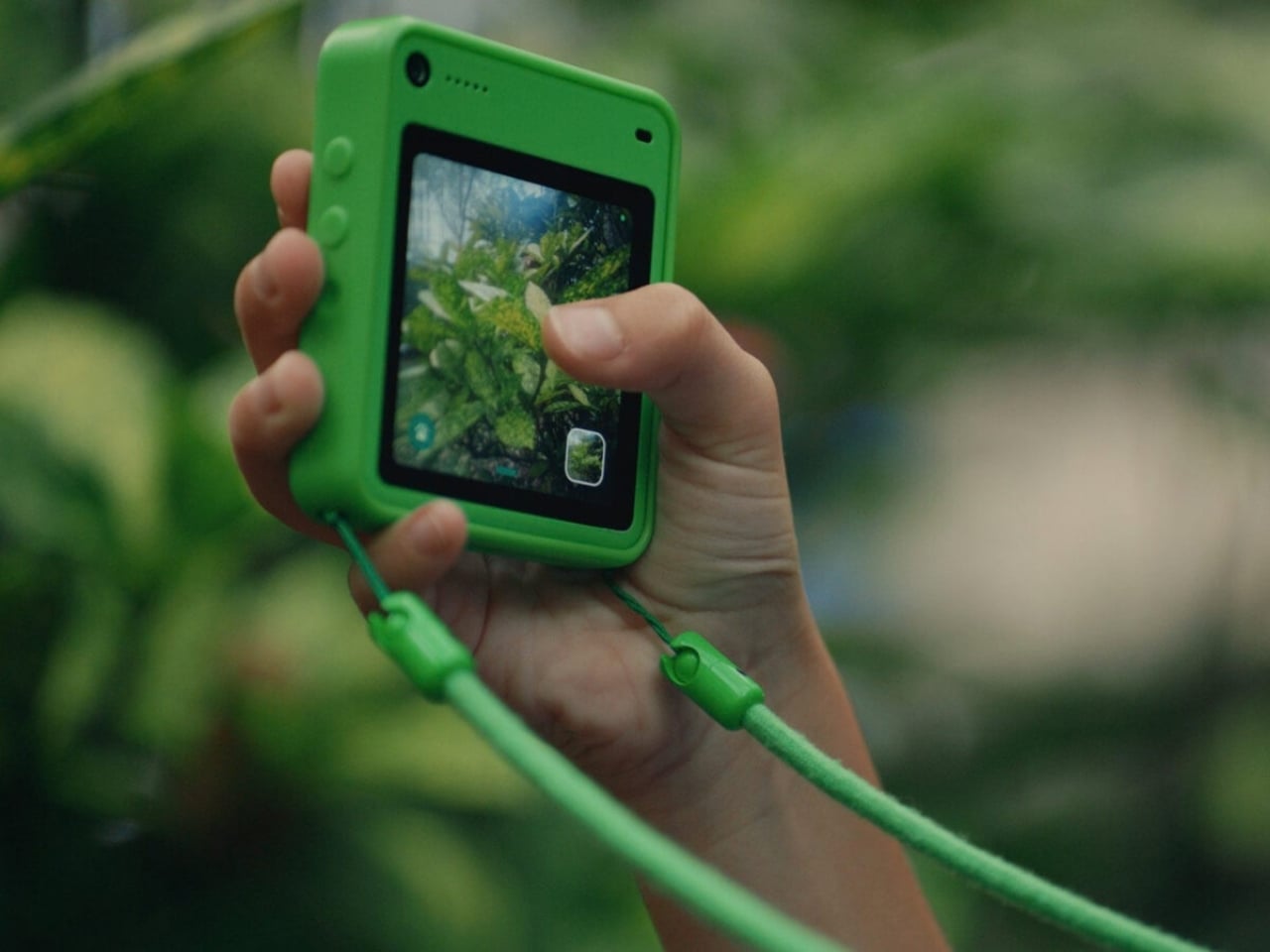
Freckle’s most interesting features point away from the screen. Its Discovery Camera lets kids photograph something they find and learn about it. Quests can send them looking for bugs, flowers, or other discoveries, with missions created by parents or provided by Freckle. I like the shift in attention here: the phone supplies a prompt, but the neighborhood supplies the activity.
Of course, a camera that identifies plants and insects won’t turn every walk into a nature documentary. Kids may use it for five minutes and then run off to do something else. That would be a perfectly good result. The appeal is that Freckle doesn’t need to hold a child’s attention indefinitely to justify its place in their pocket.

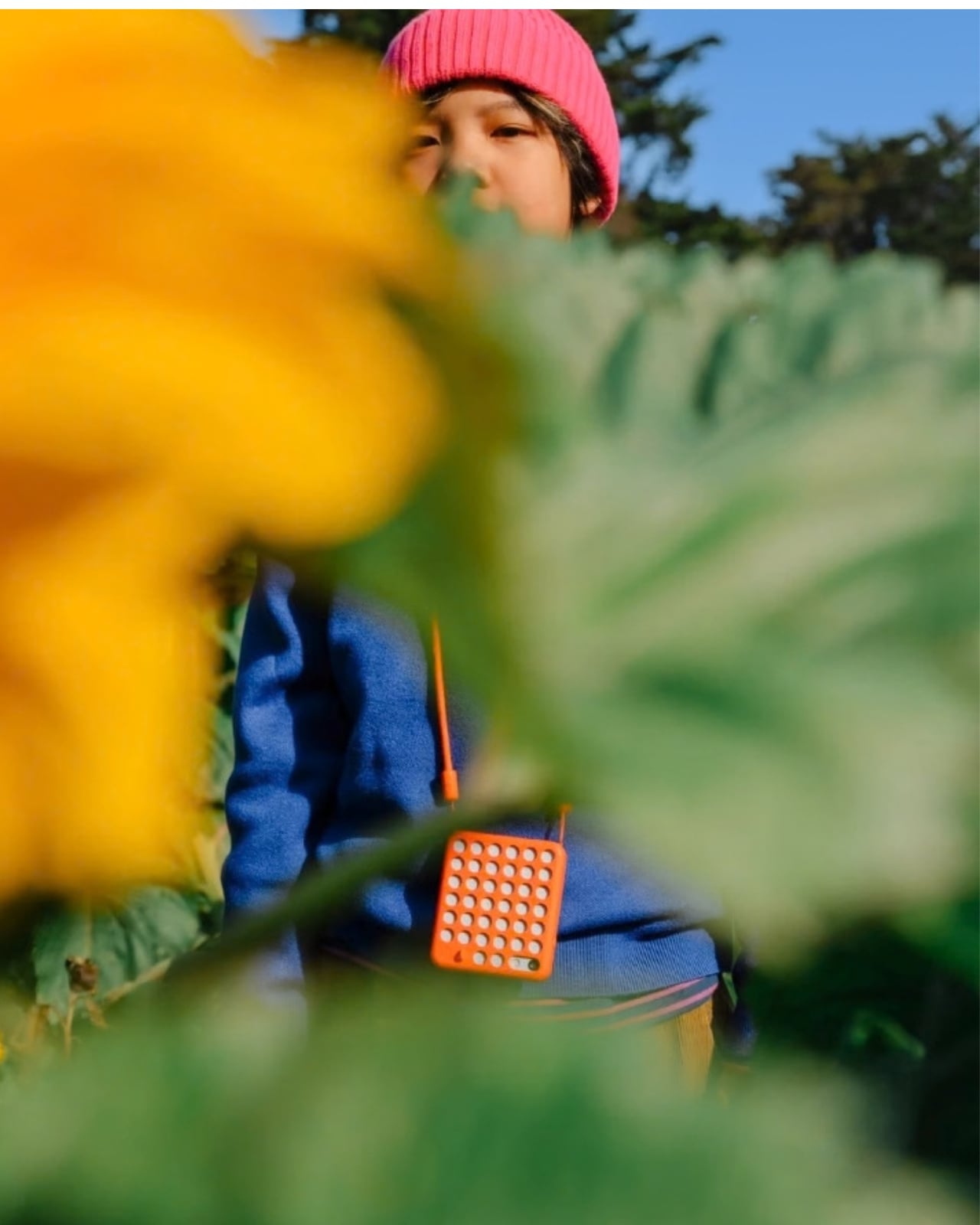
It also handles the less whimsical parts of going out alone. Kids can call and text contacts approved by their parents, use a mini-map to navigate, and talk to friends with nearby Freckle phones through a walkie-talkie feature. Basic tap-to-pay functionality could help with a snack or a transit fare. Each feature answers a practical question that might otherwise keep a parent from saying yes to an outing.
Parents can track the phone’s location or set safe zones that trigger an alert when a child leaves them. That offers reassurance, though it raises a worthwhile question about how much monitoring is helpful. I’d be more interested in using those tools as a backup than following every turn on a map. Freckle’s stronger promise is not constant supervision. It’s making a little more trust feel possible.
That distinction matters because no device can teach a child how to cross a busy street, handle an unexpected change of plans, or decide when to ask for help. Those lessons still need conversation and practice. Freckle could make them easier to put into practice by giving a child a way to call home while leaving room to work things out for themselves.
There are practical considerations, too. Fast Company reported a $199 price and a $25 monthly wireless plan, with shipping planned for December 2026. That is a meaningful expense for a first phone, and families will need to decide whether its focused features are worth paying for. Parents should also look closely at how location information and the AI-powered camera work before treating either as a reason to buy.


Still, I appreciate the design premise. Freckle doesn’t suggest that kids must choose between being connected and being present. It gives them a camera for noticing things, a map for finding their way, and a means of reaching people who care about them. If it works as intended, the best moment might be when a child checks the phone, puts it away, and keeps going.