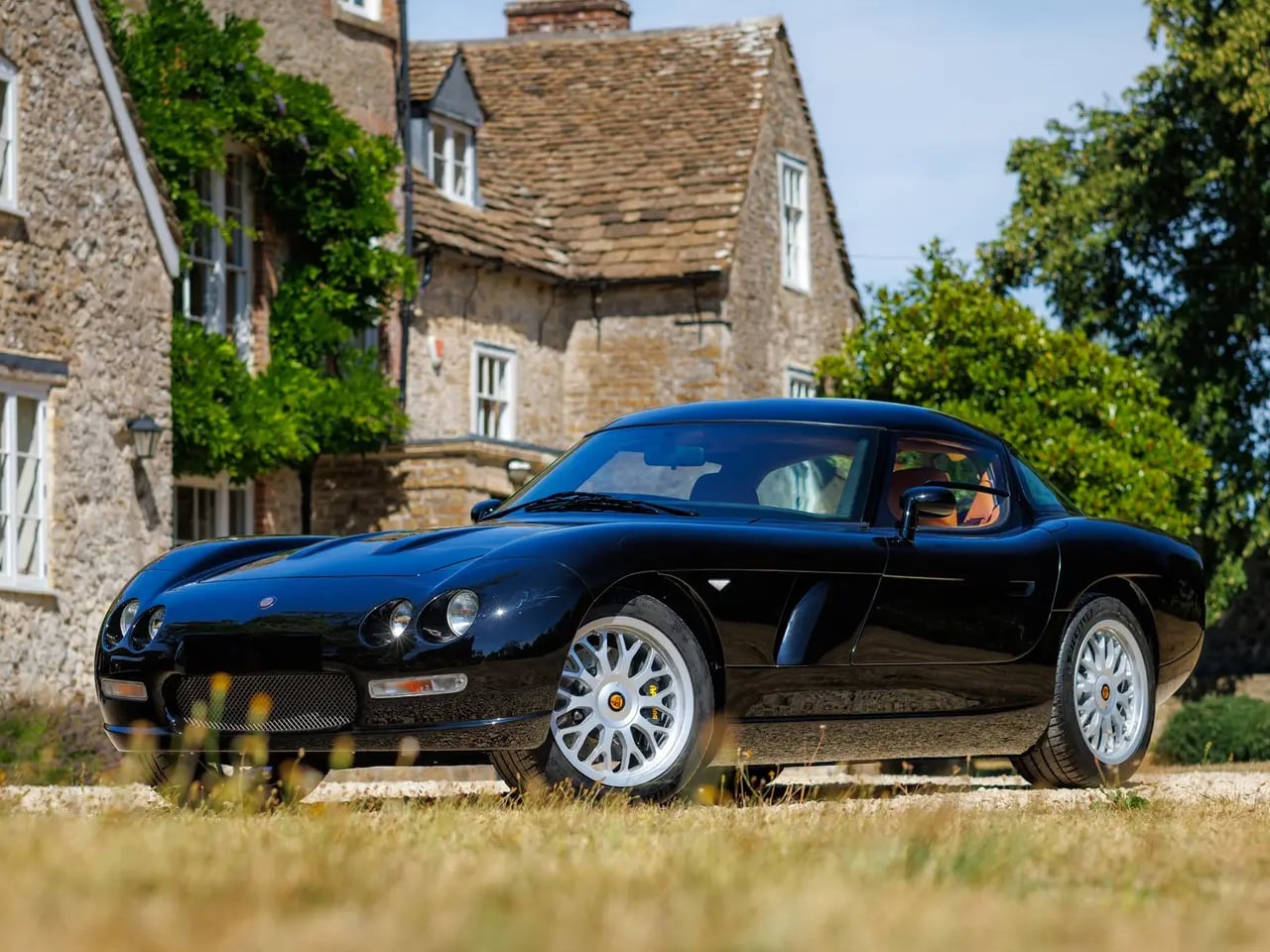
Bristol Cars has been on hiatus for almost 15 years, but now the self-proclaimed ‘enigmatic’ British brand has risen from the ashes to revive one of its most flamboyant creations. The Bristol Fighter, the last model produced by the eccentric British marque, is making a revival in modern times, and it is as exclusive as it gets.
Only five of them will ever be produced, using unused original chassis that have been waiting to be completed. One of these five has already been created and will be displayed at Salon Privé at Blenheim Palace. Bristol Cars will hand-build the remaining four to commission, drawing on the original engineering drawings and parts from the handful of Fighters that survived.
Designer: Bristol Cars
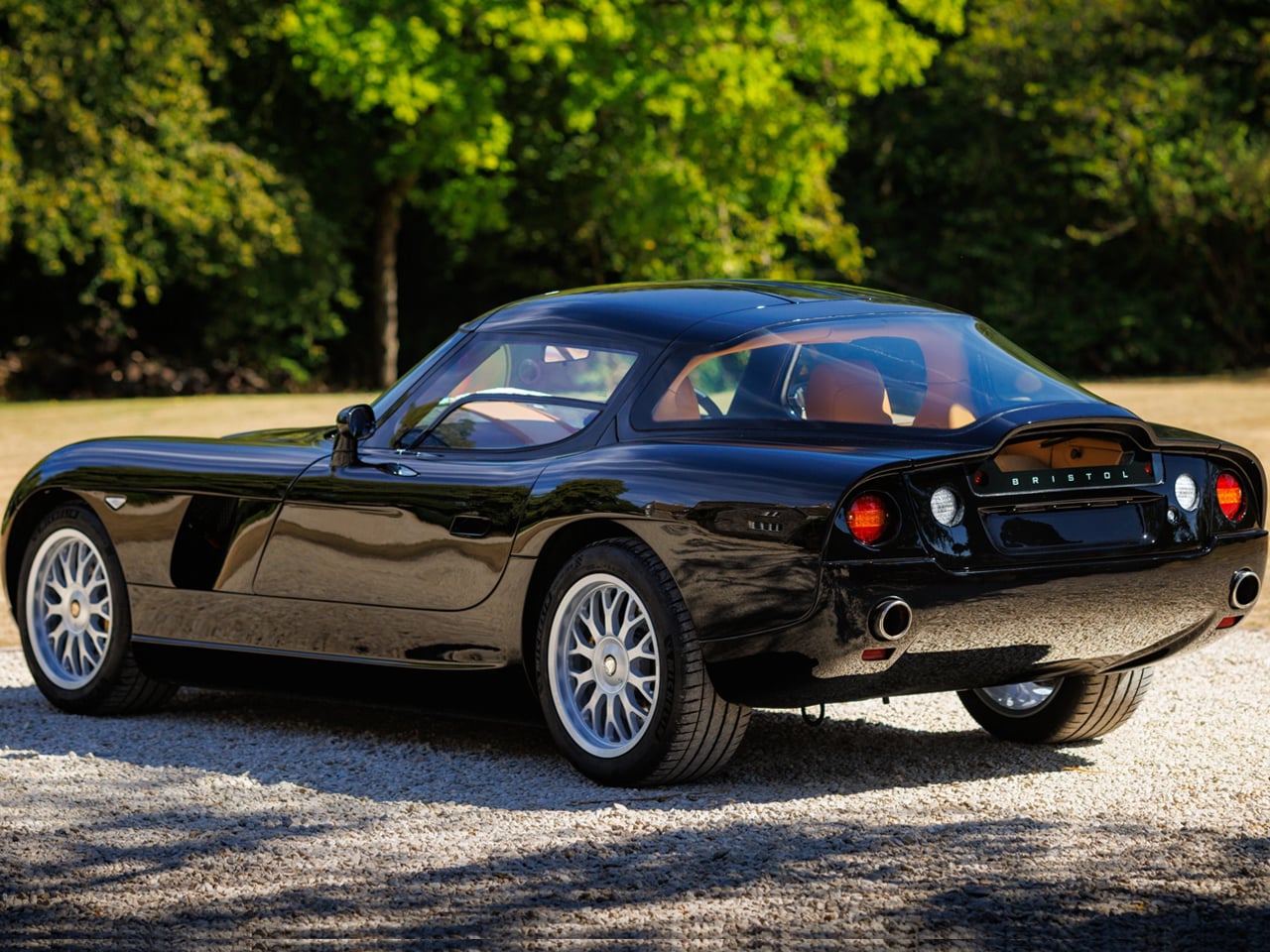
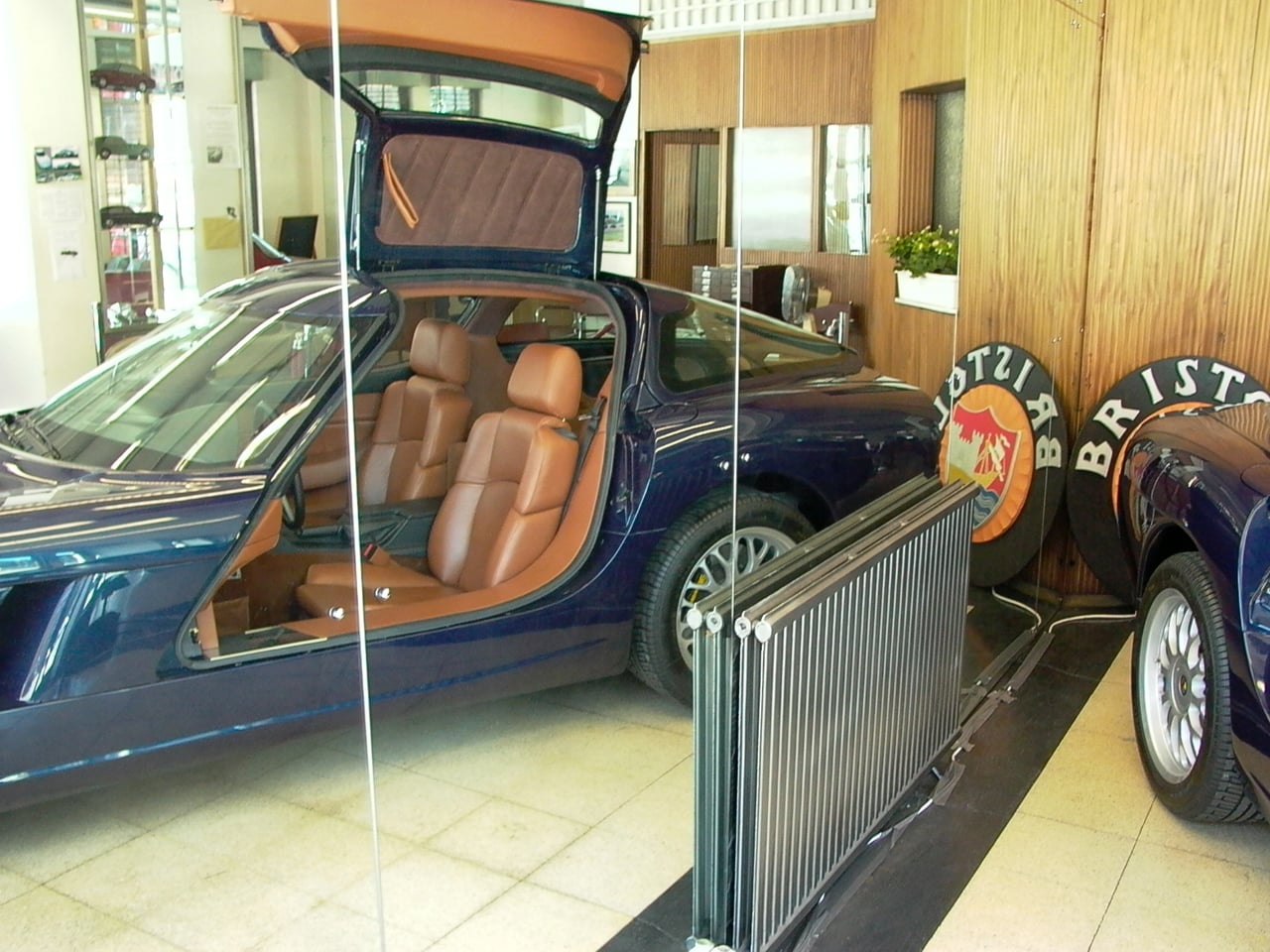
According to Paul King, owner and director of Bristol Cars, the remake of the Fighter is “far more than reviving a name; it is about bringing back the spirit of a marque that has always stood apart.” For Bristol, that spirit is inseparable from its aviation and engineering roots, which have influenced the company’s cars since its formation in the aftermath of the Bristol Aeroplane Company.
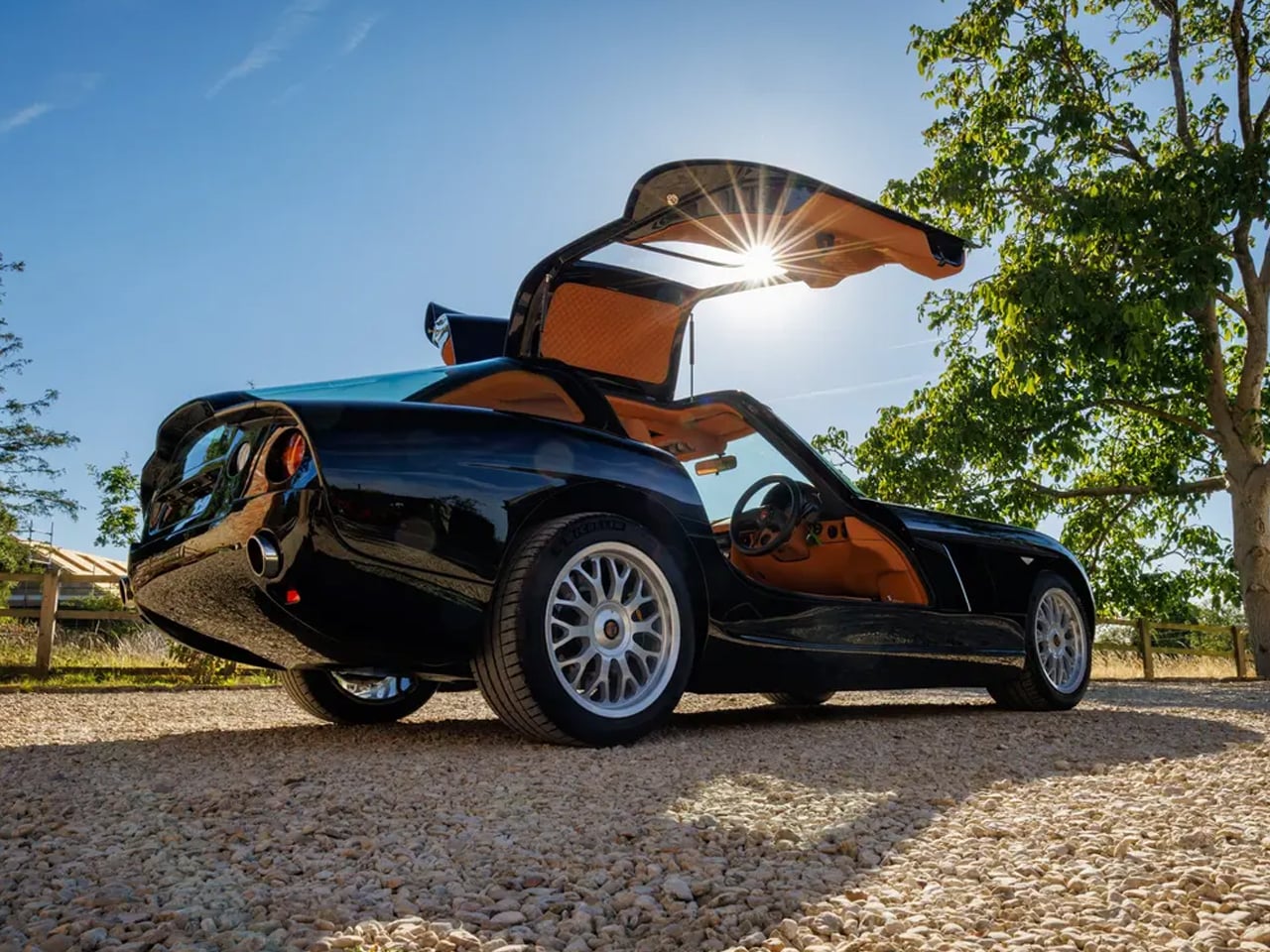
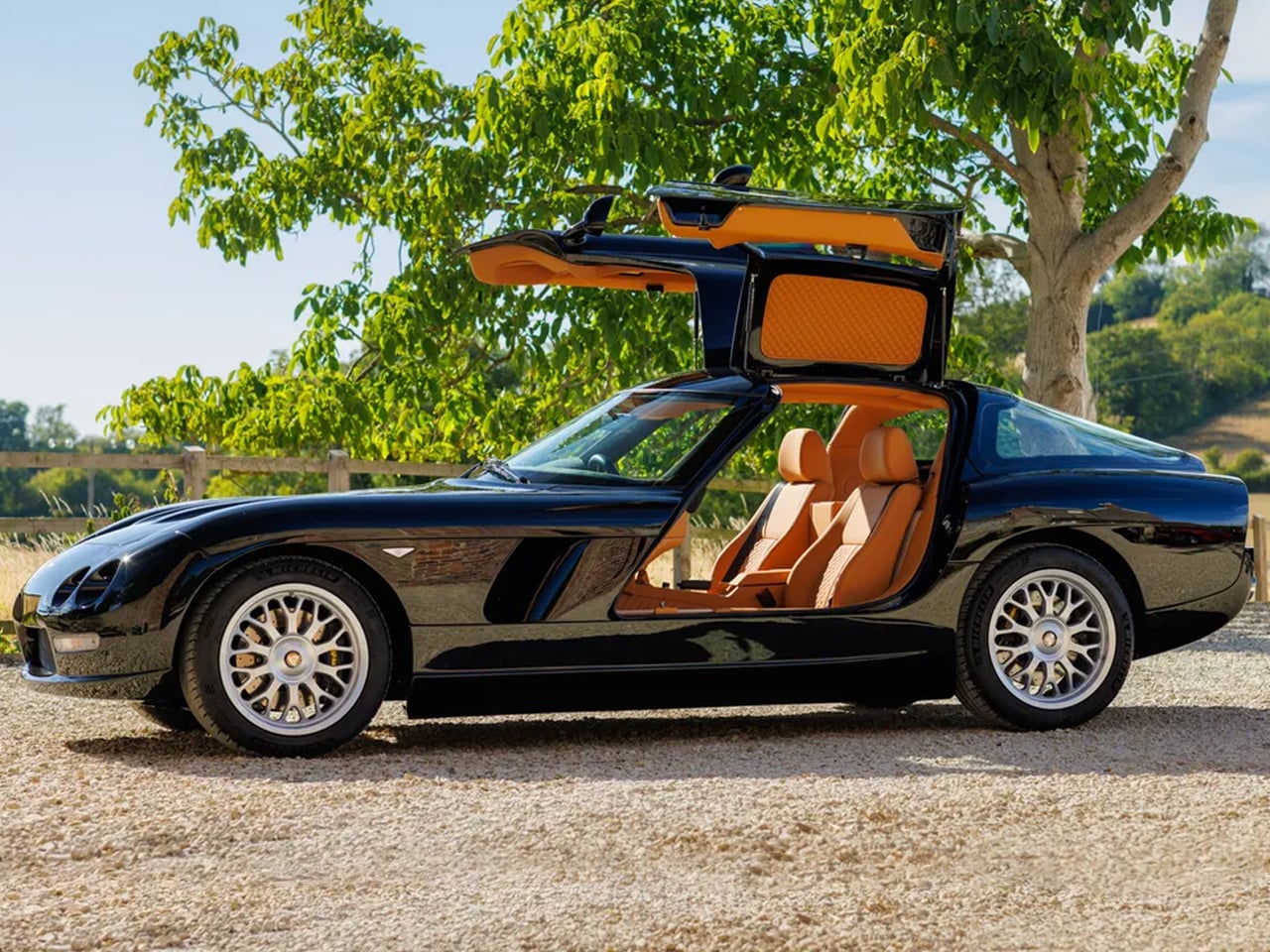
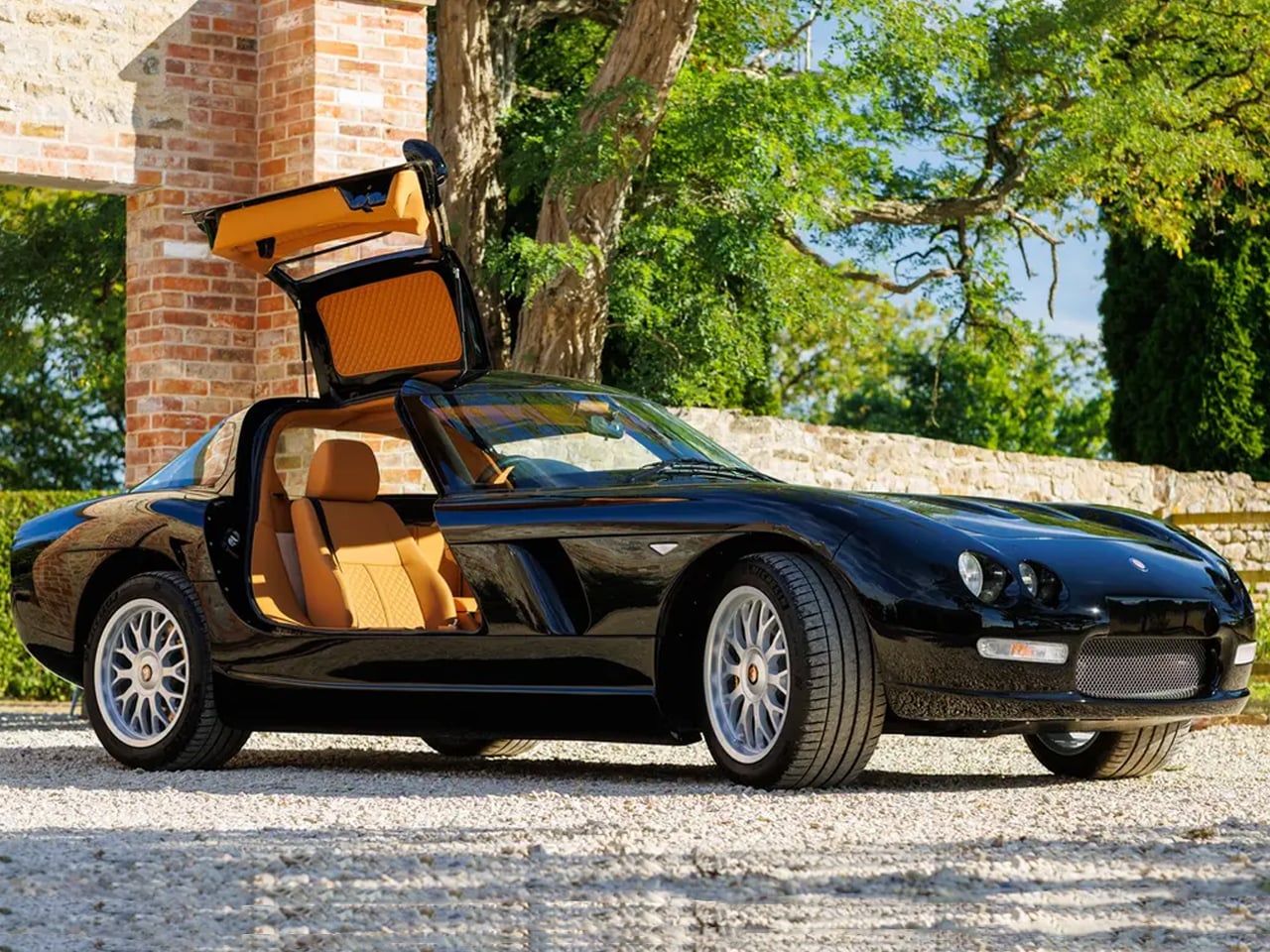
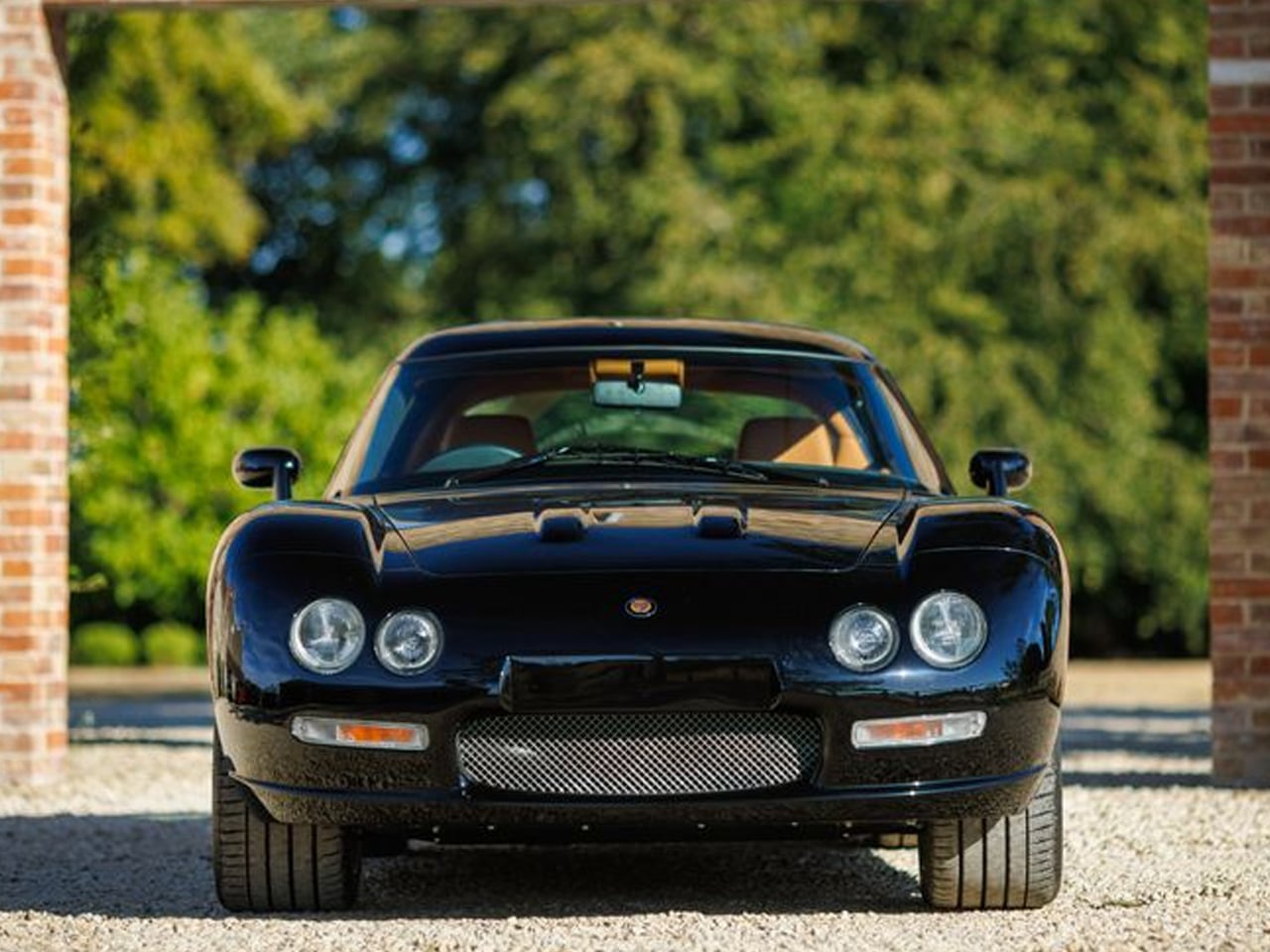
The most exciting bit is the return of the 8.0-liter V10, offered in its original 525hp specification, with a 600hp version also available. Bristol had claimed a 210mph top speed for the Fighter, making it an unusually serious grand tourer beneath its understated British exterior. The long, low body, distinctive gullwing doors and front-mid-mounted engine remain central to the design, preserving the visual character that made the original so unusual.
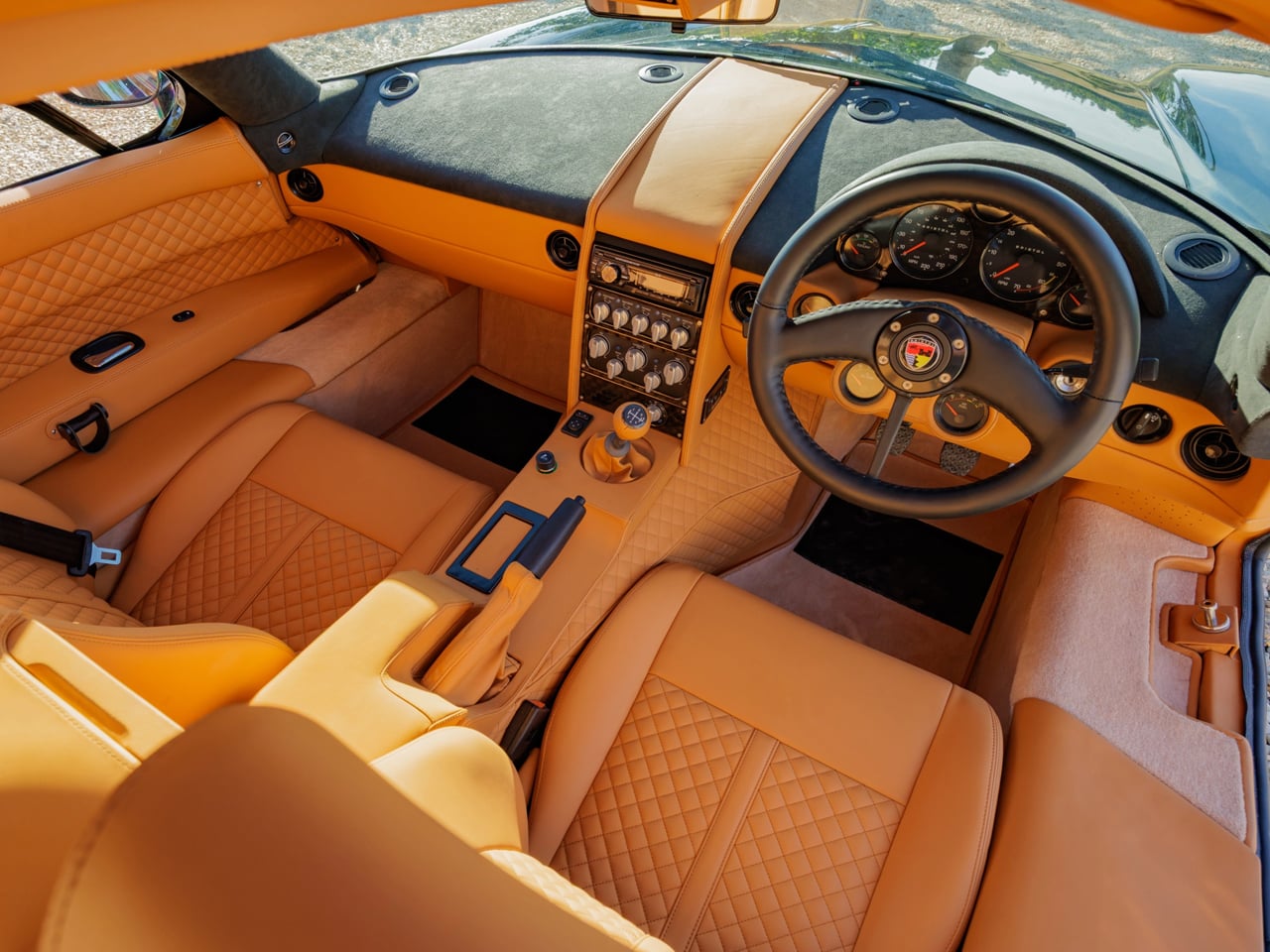
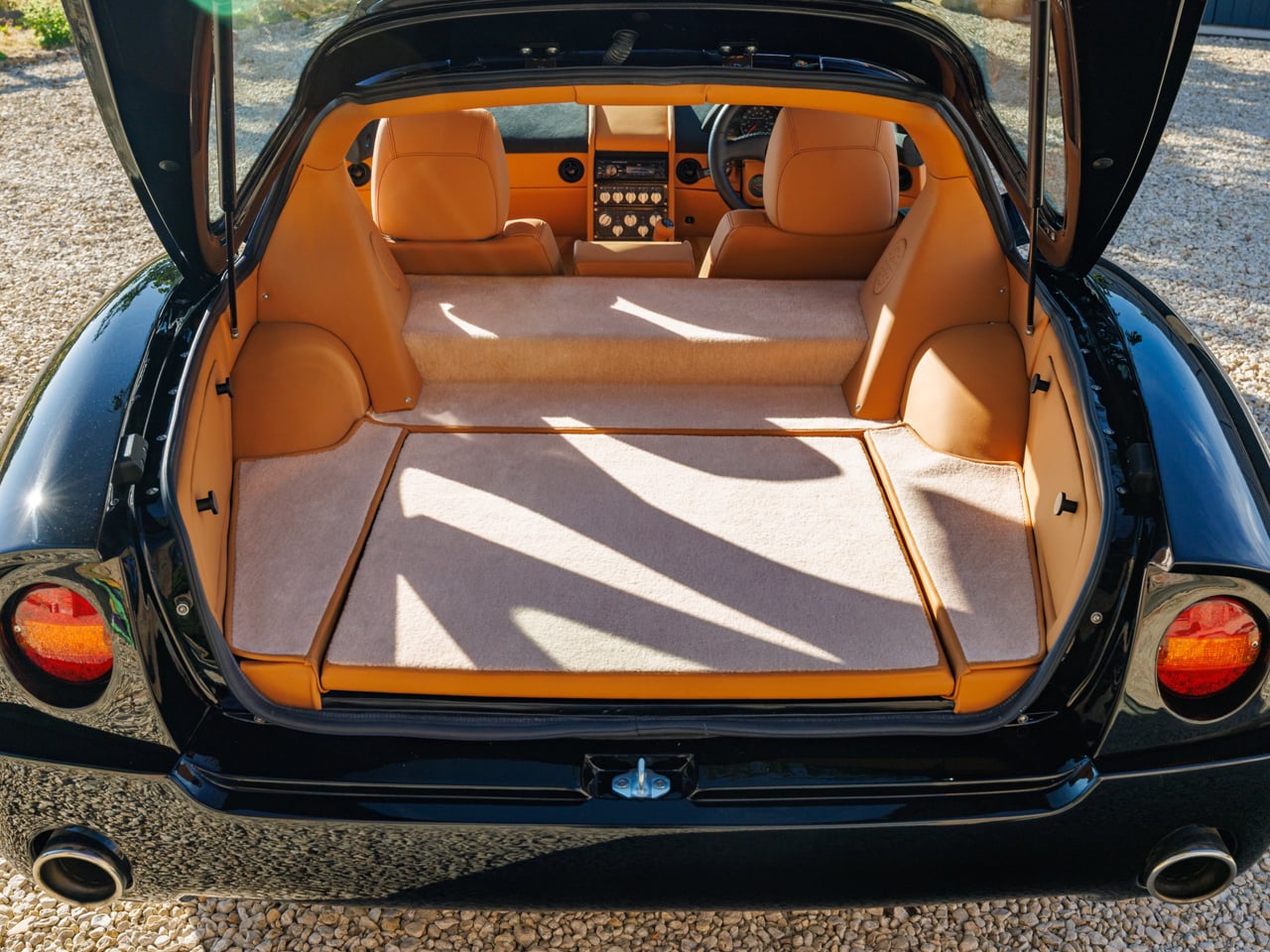
The first continuation car gets a black exterior paired with a tan cabin, creating a restrained contrast that suits Bristol’s deliberately unconventional character. The interior retains the aircraft-like detailing that distinguished the original, including an abundance of instruments and controls rather than the minimalist digital interfaces common in modern supercars. Even an engine-hours gauge was incorporated into the original cabin, reinforcing the connection to Bristol’s aviation heritage.
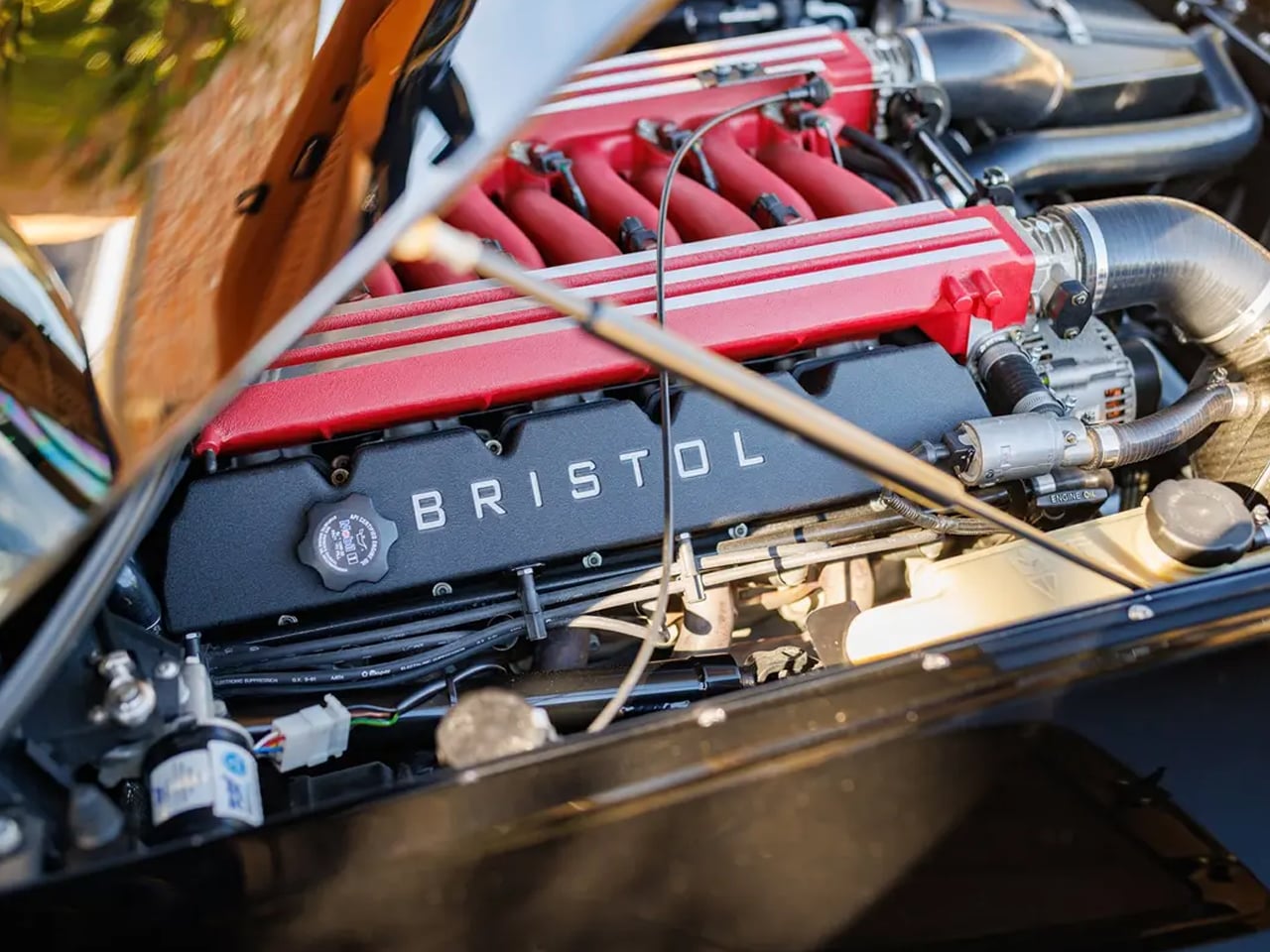
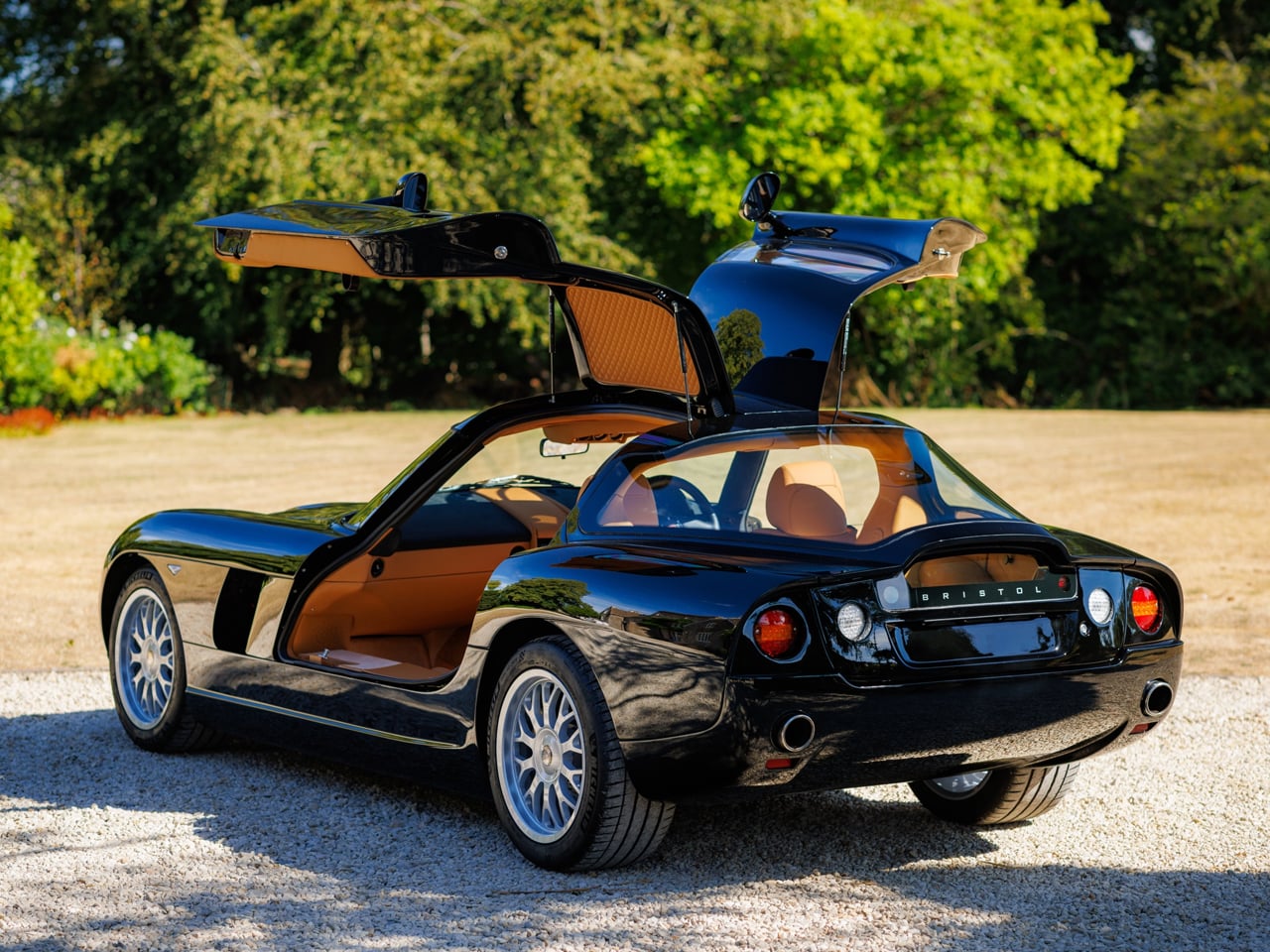
The Fighter was originally introduced in the early 2000s and used a V10 derived from the Dodge Viper. It was never produced in significant numbers; estimates suggest that only a small number of complete cars were built before Bristol entered administration in 2011. The new continuation series therefore serves a practical purpose as much as a nostalgic one: it allows the marque to finally complete chassis that were left unfinished when production stopped.
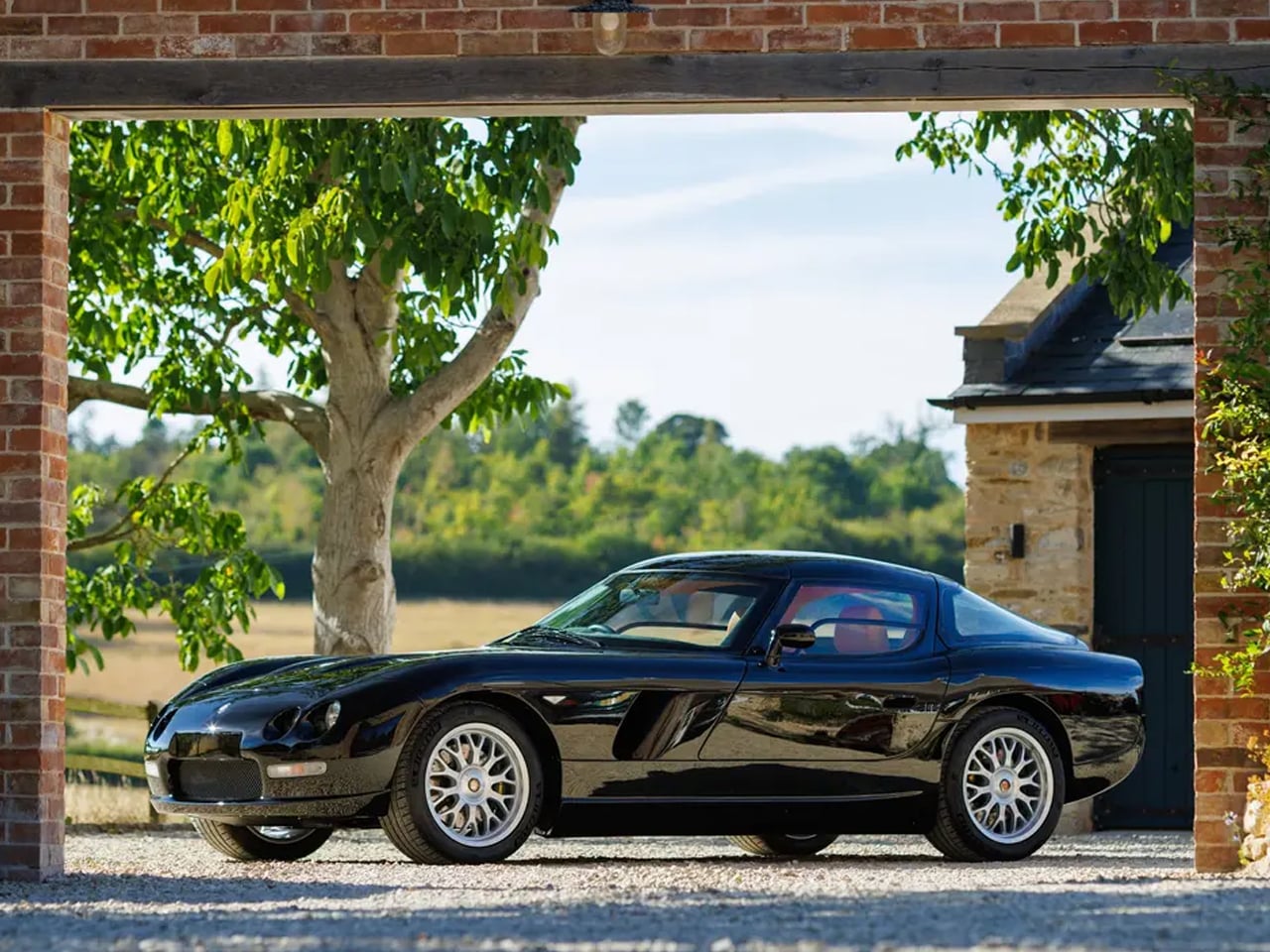
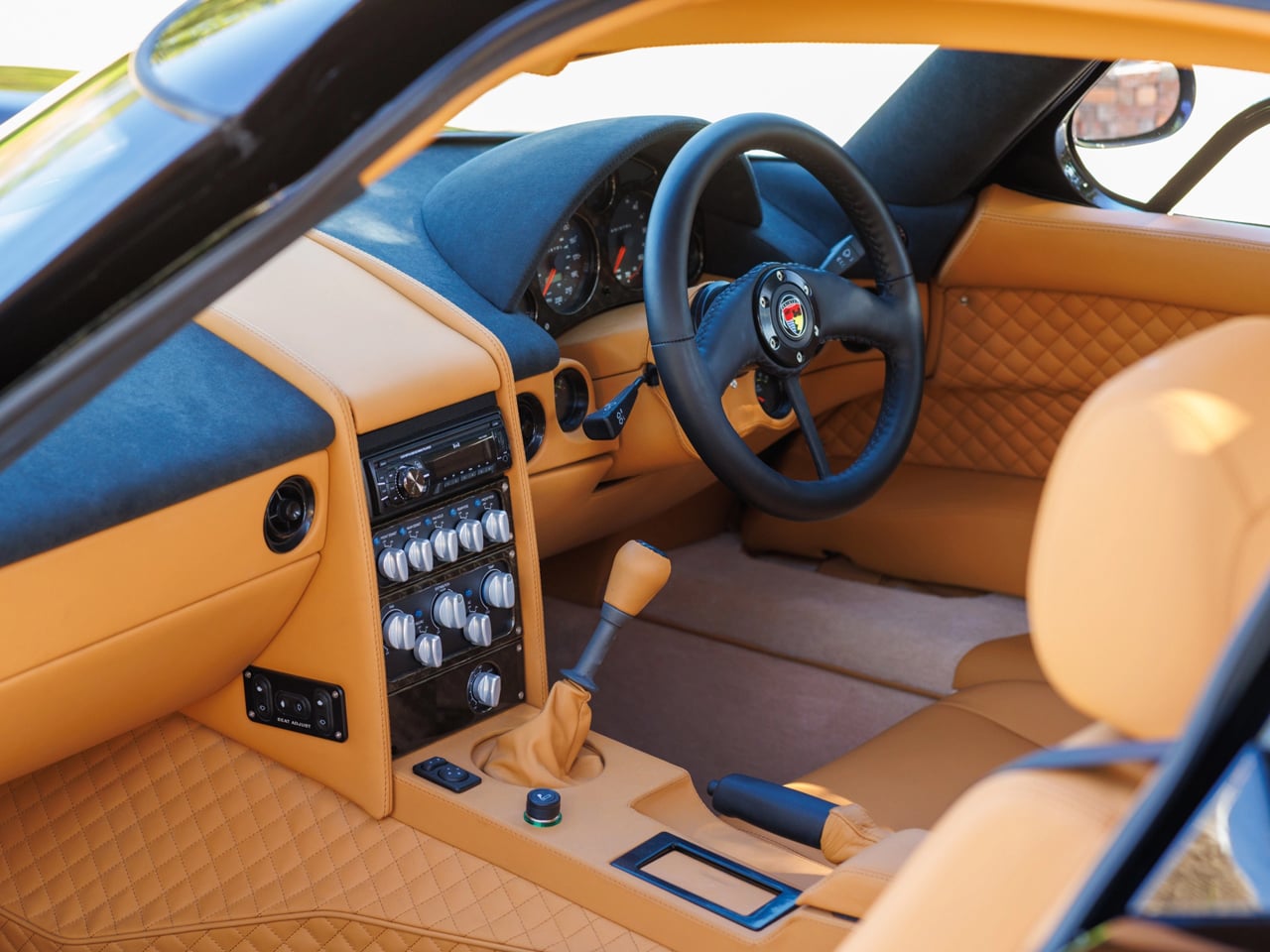
The remaining four cars can be commissioned in either right- or left-hand drive and will be personalised to their owners’ specifications. Bristol is working with a British manufacturing partner specialising in engineering and low-volume production, while Richard Hackett has returned as chairman after previously working alongside former Bristol boss Tony Crook.
The timing is significant, too. Bristol Cars is returning in 2026, exactly 80 years after its first production car, the Bristol 400, was completed in 1946. Rather than reinventing itself with a contemporary electric supercar or an entirely new design, the company has chosen to finish an unfinished chapter first. With only five Fighters planned, this revival is less about volume and more about restoring a very specific piece of British automotive history to the road.