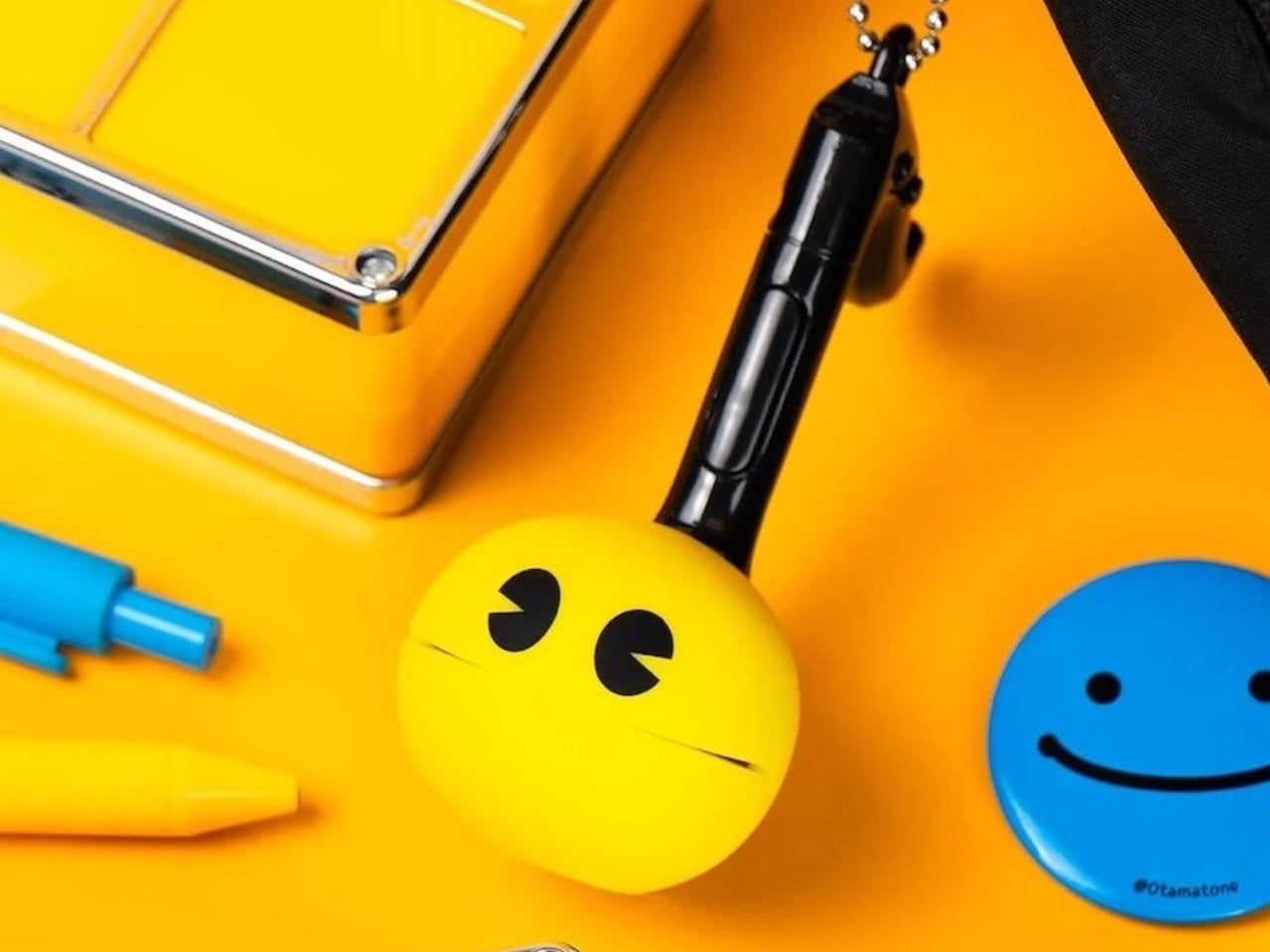
Some crossovers make obvious sense. Some don’t. The Otamatone Melody PAC-MAN is the rare kind that manages to be both completely absurd and entirely logical at the same time. Two icons of Japanese pop culture, each beloved for being a little weird, a little niche, and deeply joyful, have merged into one pocket-sized musical toy that I genuinely cannot stop thinking about.
Let’s start with the basics. PAC-MAN entered Japanese arcades in 1980, and the iconic yellow dot-muncher has barely stopped showing up in culture since. The Otamatone, on the other hand, is Maywa Denki’s strange and lovable musical instrument: a tadpole-shaped squeezable synthesizer with an expressive face that produces sounds somewhere between a theremin and a very distressed seagull. If you’ve ever seen someone play one, you already understand why it has developed a devoted global fanbase. If you haven’t, please stop what you’re doing and look it up immediately.
Designers: Pac-Man and Otamatone
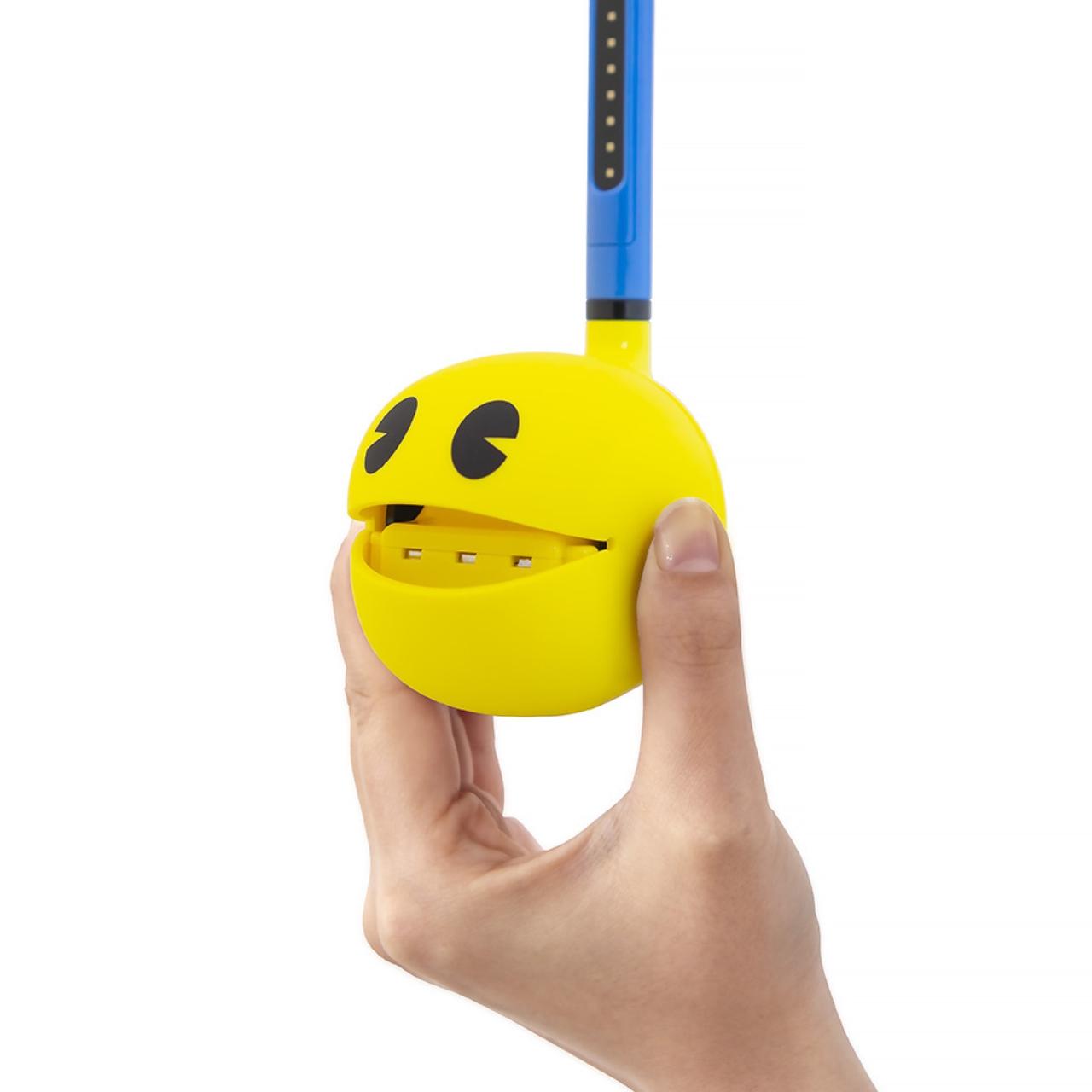
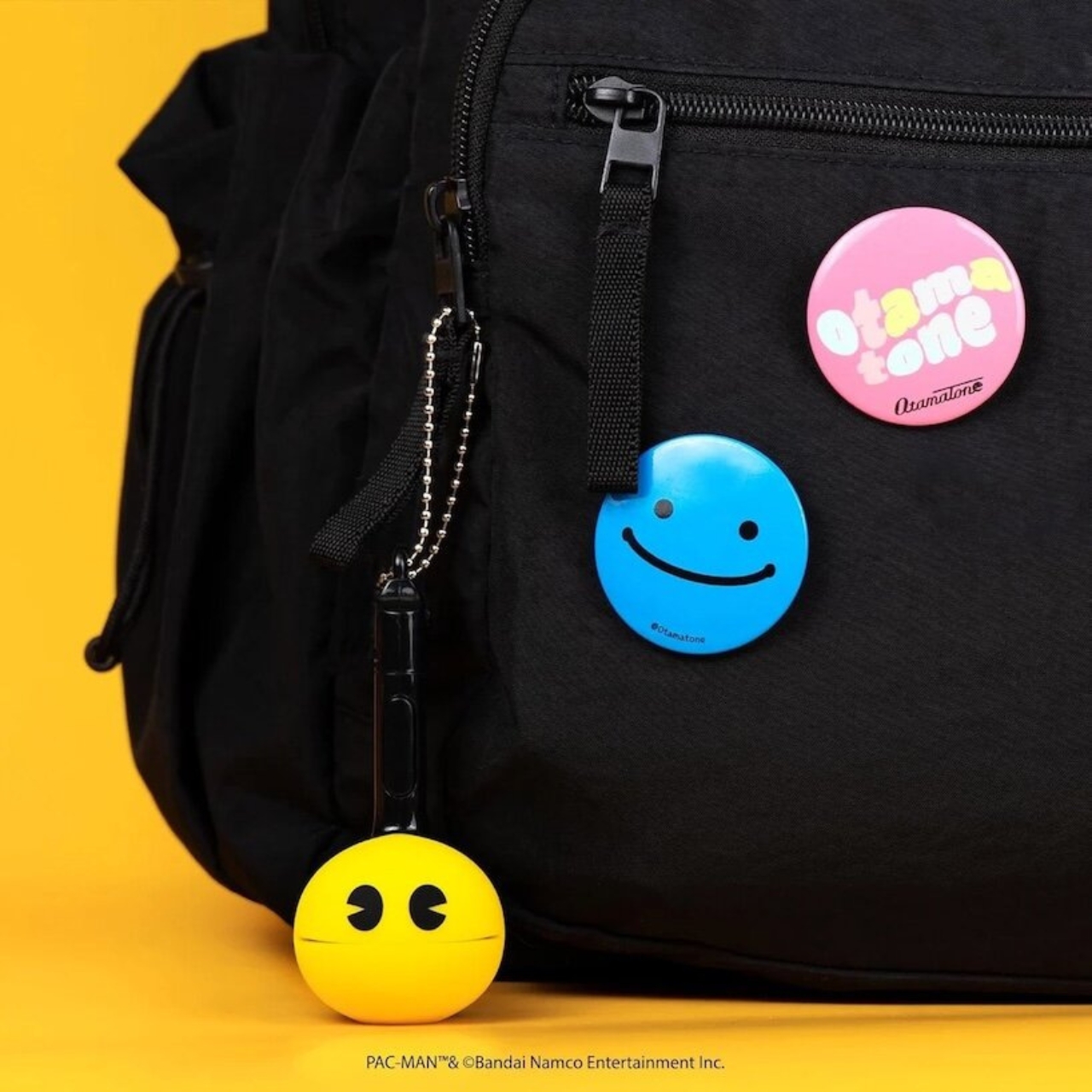
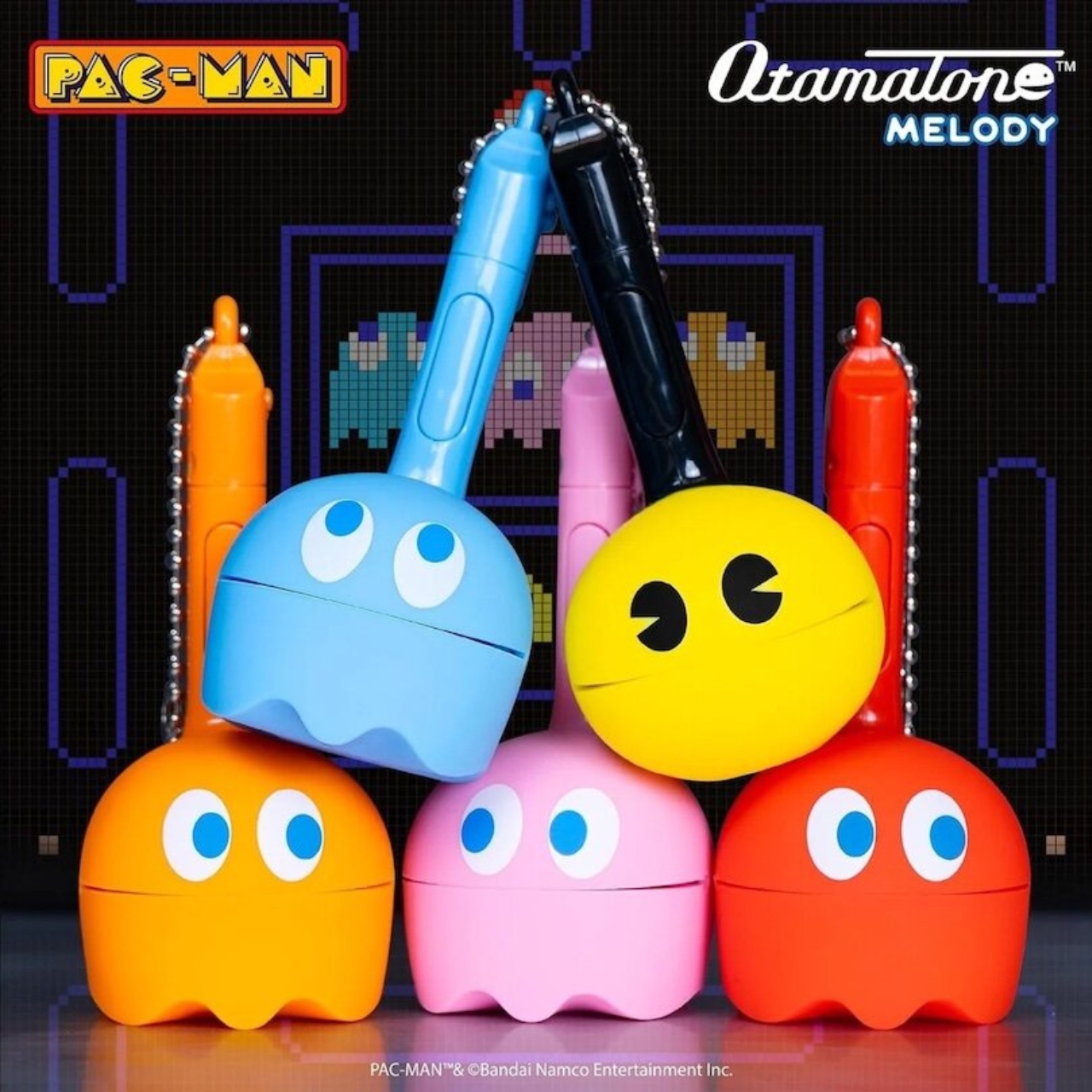
The Otamatone Melody PAC-MAN takes the whole concept and shrinks it into a keychain format, measuring just 1.6 by 3.75 by 3 inches and running on a CR2032 battery. It comes pre-loaded with 11 songs, which you select by pressing buttons on the tail, and you play along by pressing a stem button while squeezing the cheeks to create that signature “wah” effect. Low, medium, and high pitch modes round out the playable range. The packaging includes a keychain attachment, which means yes, you can absolutely wear this as an instrument. That detail matters more than you’d think.
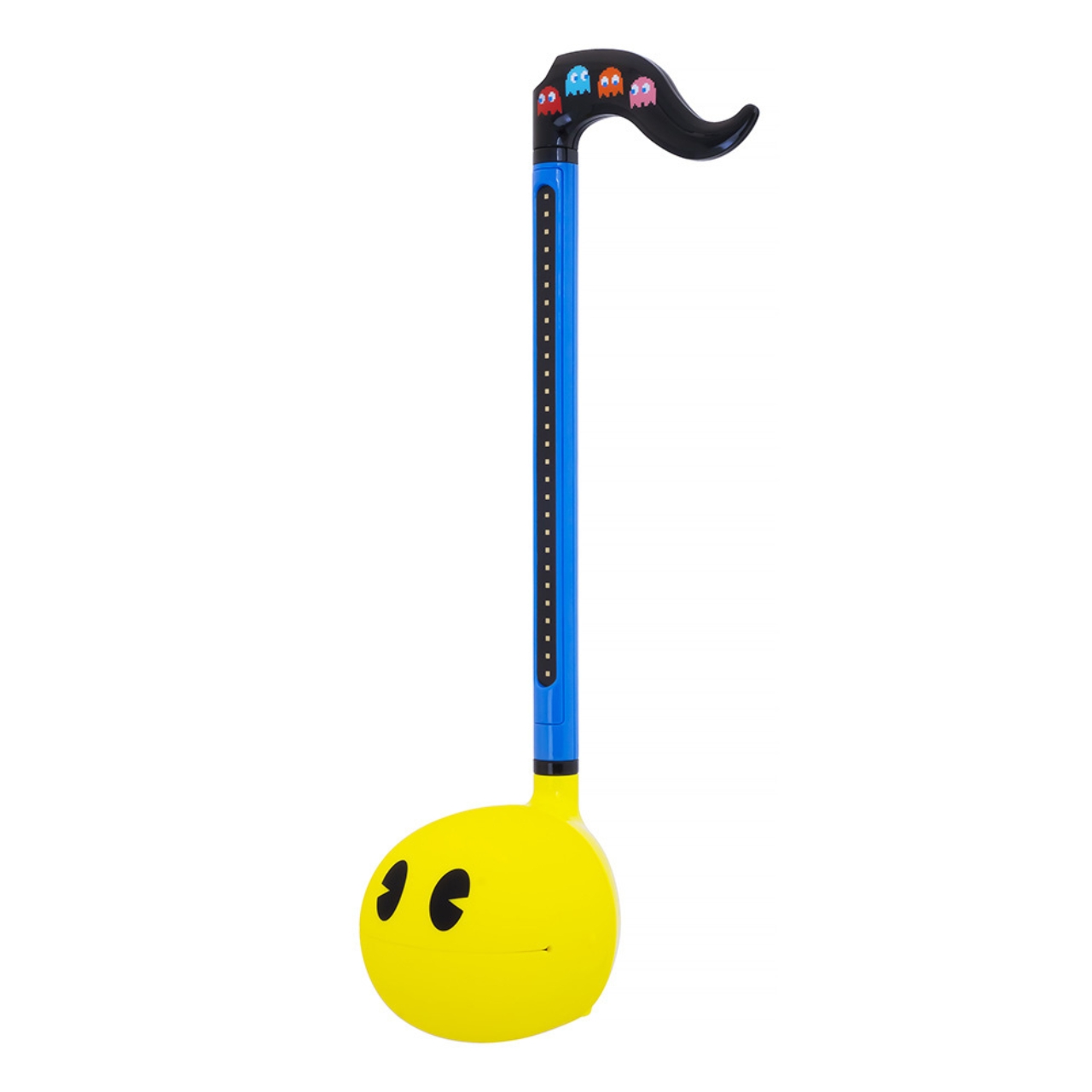
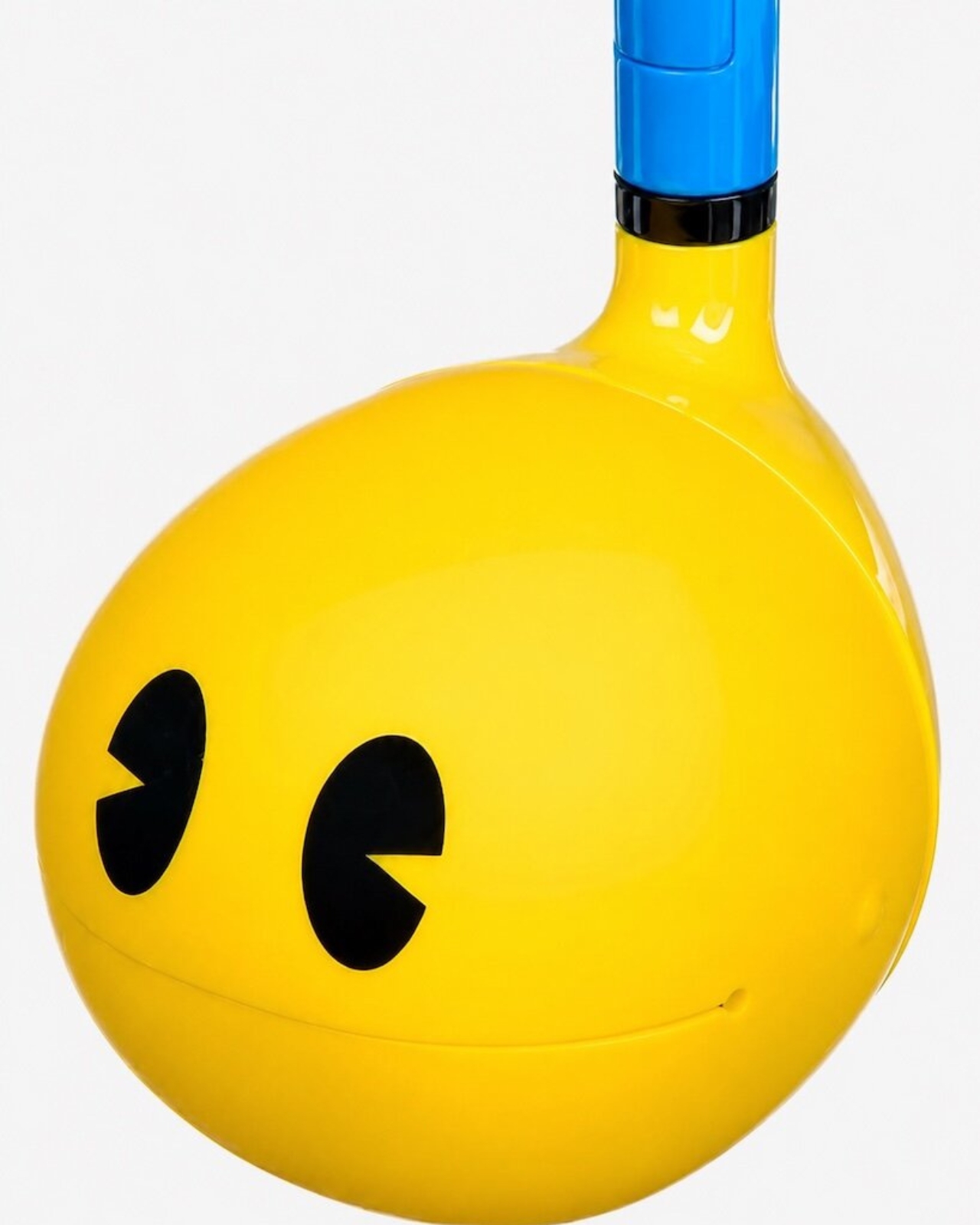
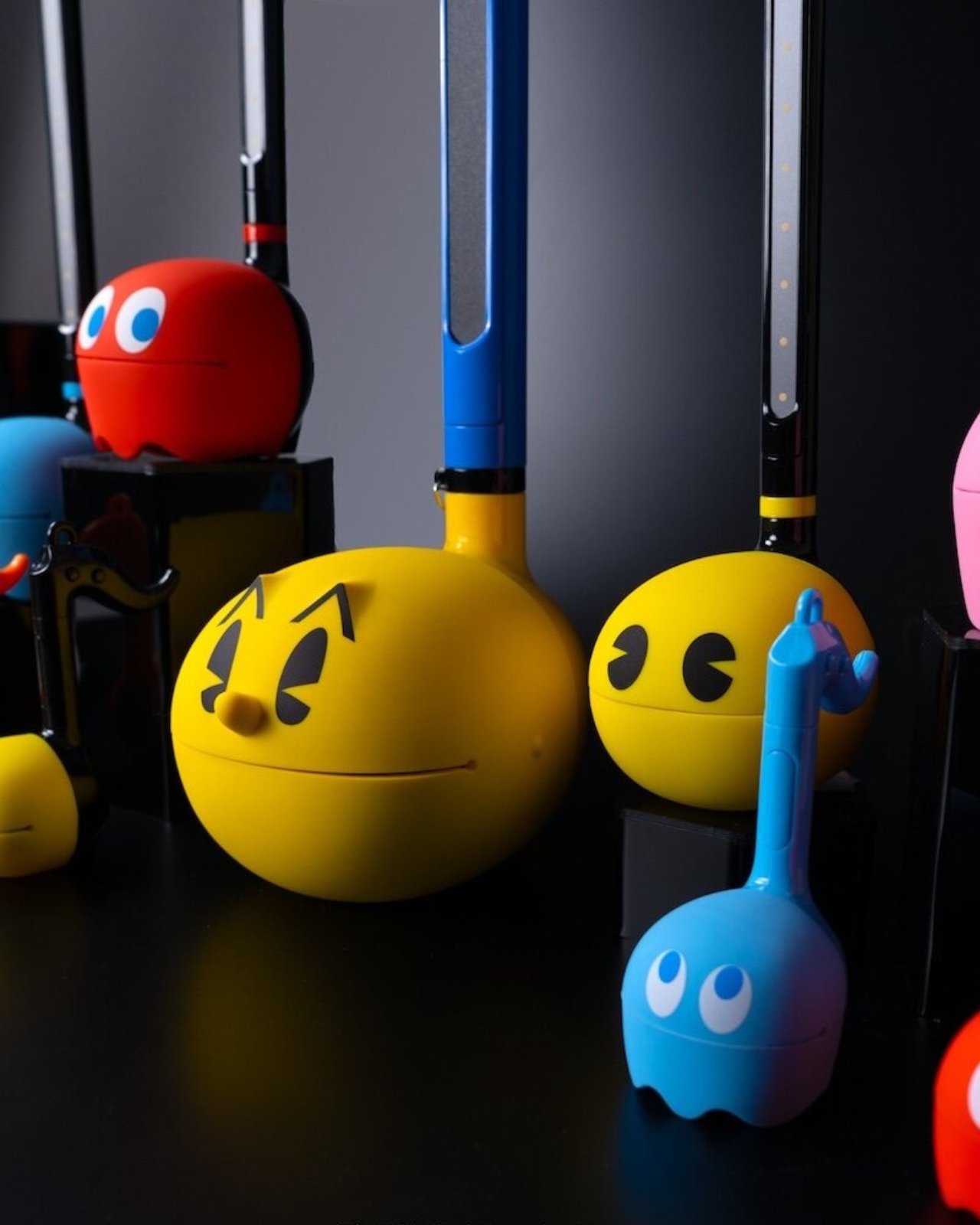
The collection covers the full PAC-MAN roster: the original yellow character and all four ghosts. Blinky in red, Pinky in pink, Inky in that distinctive cyan, and Clyde in orange, each keeping their arcade color identities perfectly intact. The visual translation is genuinely clever. PAC-MAN’s circular body replaces the Otamatone’s face naturally, almost like it was always supposed to go there. The proportions work. The ghost designs translate with equal elegance, their rounded arcade silhouettes sitting comfortably within the Otamatone format. As far as licensed crossovers go, the design team clearly took this seriously enough to get the details right.
Now, I’ll be the first to acknowledge that the Otamatone Melody isn’t exactly a sophisticated musical instrument. Compared to the full-size Otamatone, which demands real technique and rewards it with genuinely expressive sounds, the Melody format is more toy than tool. The controls are simpler, the sonic range is narrower, and the whole point is portability and accessibility over performance depth. It exists comfortably in the space between collectible, music toy, and glorified novelty, and it makes no apologies for that positioning.
But that’s precisely where the appeal lives, and I’d argue it’s the smarter design choice. Not everything needs to be serious. The Otamatone was never competing with professional instruments; it was built to be joyful and a little absurd, and the Melody version simply leans further into that mission. The PAC-MAN edition layers cultural nostalgia onto an already culturally loaded object. You’re not just carrying a tiny synthesizer; you’re carrying a piece of arcade history that produces music on demand. That’s a rare combination, and it’s one that will resonate well beyond people who consider themselves fans of either brand.
The broader rollout reinforces just how seriously this partnership has been taken. PAC-MAN has appeared across both the Regular and Deluxe Otamatone formats, with Blinky, Pinky, and Inky joining the full-size Regular line earlier this year. The original PAC-MAN Regular model even incorporates pixel graphics and a pellet motif on its controls, the kind of small, referential detail that collectors notice and quietly love.
At $27.99, the Otamatone Melody PAC-MAN isn’t trying to be a luxury object or a serious instrument. It’s a functional collectible, a desk toy that plays music, a nostalgic artifact that earns its place on your keychain with a little wah and a surprising amount of personality. The fact that it exists at all feels like a small cultural gift: two strange, beloved things that had no obvious business merging, somehow making perfect sense together.
SHARE